
Hello and welcome to the final instalment of Lost Gems, rounding off the special Halloween month. In this series I cover games that are lost, abandoned and no longer available in any official capacity. To end the off the spookiest of all months, I will be discussing a niche horror title that was commercially unsuccessful, but gained a cult following. So it is time to discuss ILLBLEED, released for Dreamcast in 2001 from Crazy Games and Amusement Interface Associate (AIA).
Disclaimer: while the game discussed here is no longer officially on sale, there are ways to obtain the game. This can be either through the secondary market, or via digital roms/rips. I do not condone or promote piracy, so there won’t be any links to roms or rips of the game being covered.
So with the introductions out of the way, let’s get started. I will be discussing the general game experience, then give my personal thoughts on the release. The assets used have been captured from the early stages of the game, as I want people to experience this game for themselves if they seek it out.
About the game

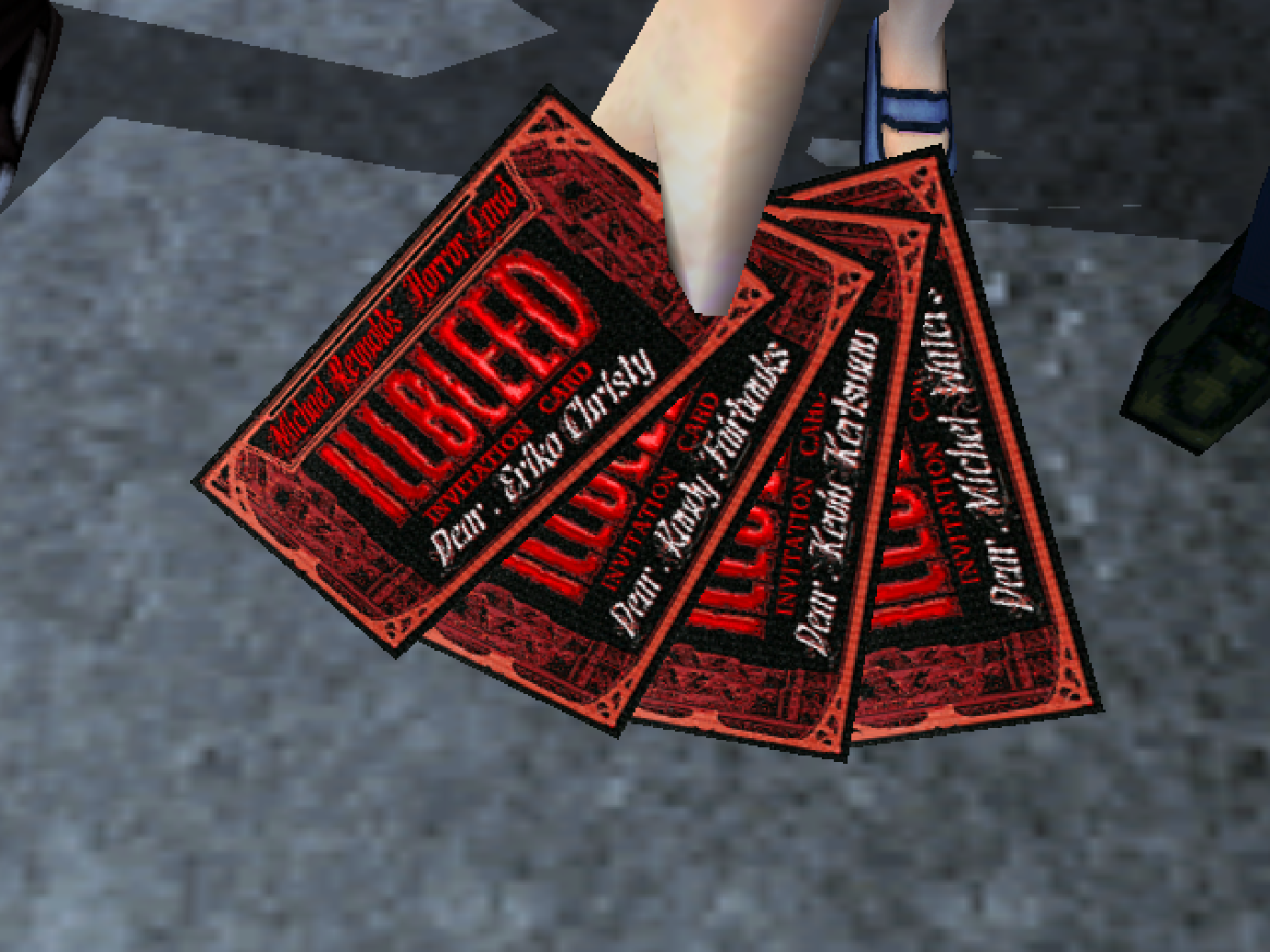
ILLBLEED is a survival horror game, taking place in the Virtual Horror Land called ILLBLEED. The story revolves around Eriko Christy, the head of her high school horror club. After giving a speech where she recalls her traumatic past of her father’s Horror Caravan, which was tested on a young Eriko to see how effective the scares were. Eriko’s mother divorced her father, but Eriko had grown to love horror and wanted to become a child psychologist.
After this, Eriko meets up with her friends, the other members of the horror club, Kevin, Randy and Michel. While talking, Michel reveals tickets to the new horror attraction ILLBLEED, which has a prize of 100 million dollars for anyone who can make it through the park. Eriko is sceptical of this reward, believing it is a hoax or stunt and declines the ticket, with her friends leaving as they want to take on the challenge wanting to win that reward.
Three days pass and Eriko hasn’t had any contact with her friends after they left, getting concerned for their safety, she heads to ILLBLEED to find her missing friends. Reaching the park, Eriko will need to go through each of the attractions if she wants to find her friends. The attractions of ILLBLEED are based on various horror themes, like slasher flicks, B-movie monsters and even twisted parodies of other characters. All while trying to survive the horrors of each stage.
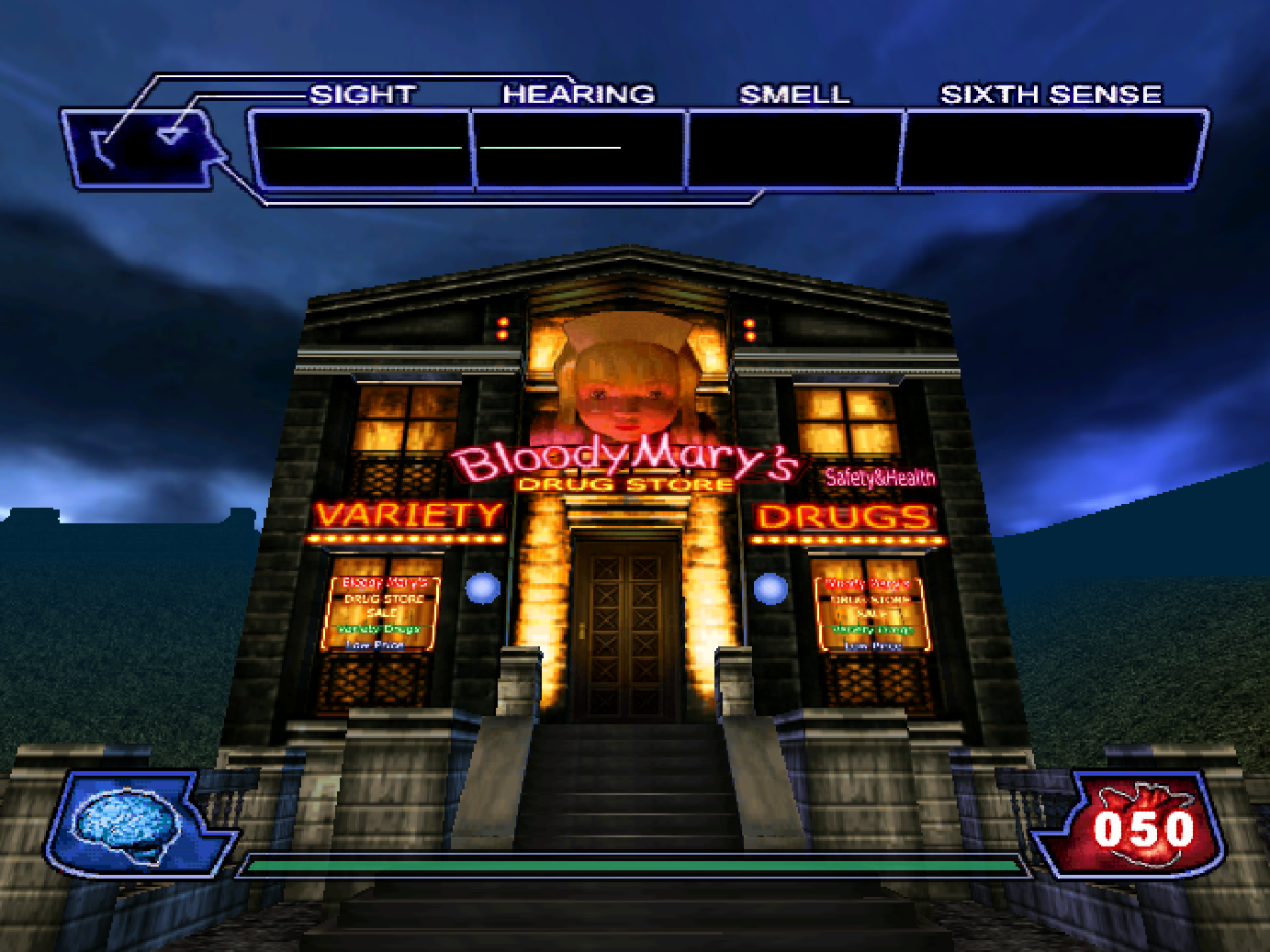
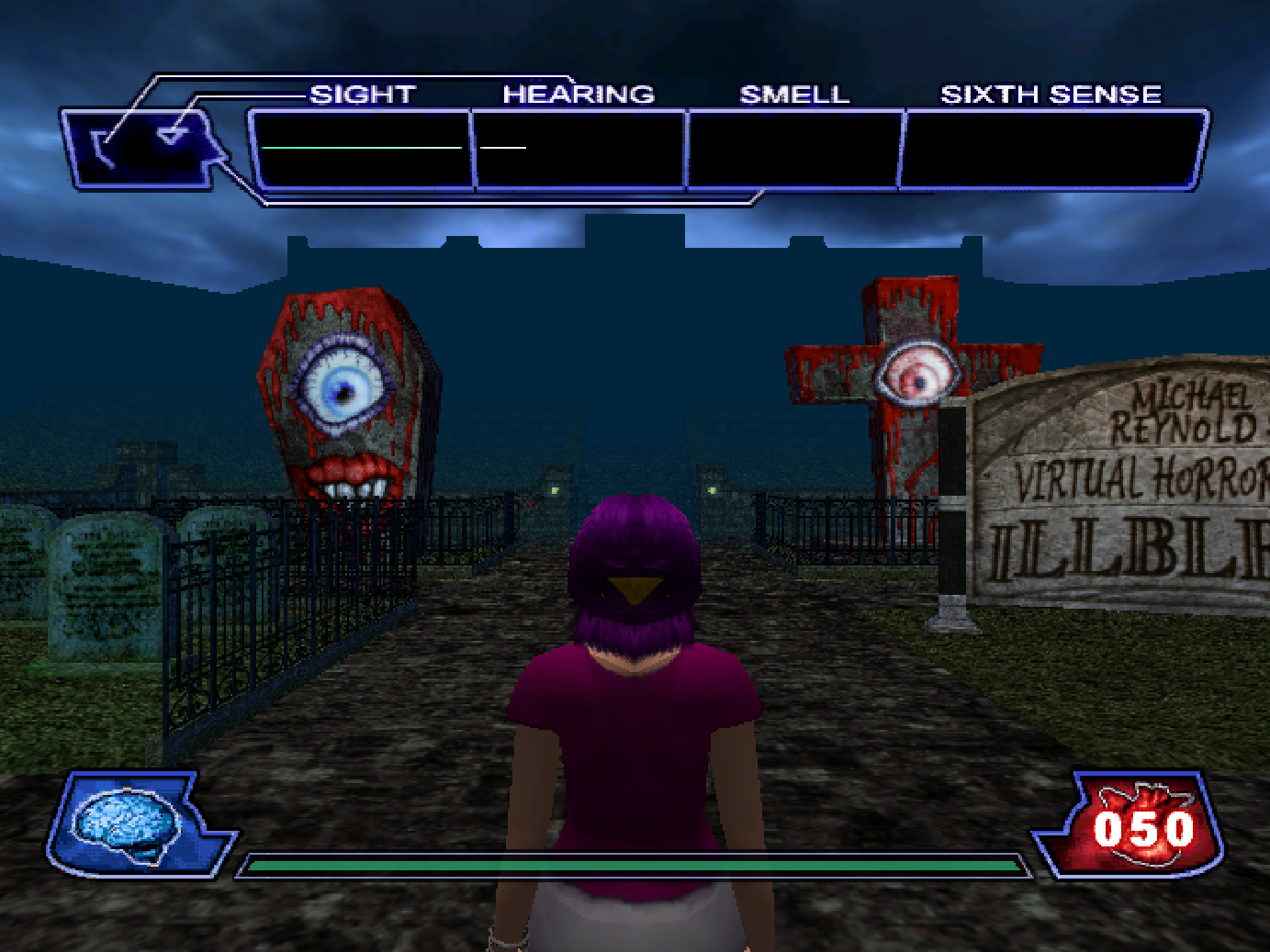
Upon reaching ILLBLEED, the player gains control of Eriko, with the ability to explore the facilities of the park. These include the Mary’s Drug Store, where the player is able to obtain various recovery items, including food, bandages and even Adrenaline shots. Then there is the Photo Shop and Emergency Room. The first allows players to save their progress, with the other allowing the player to perform a variety of operations, which can affect the player.
Then there is the cemetery, which acts as a tutorial and gives the players some starting items. This is a good way to get used to the gameplay mechanics, providing the player easy to understand explanations. Moving into the real meat of the experience is the Attraction Theatre, where a variety of Michael Reynolds horror films are brought to life. The player must challenge each attraction as they open, giving it a linear progression system.
Before entering an attraction, it is advised to go to the shop and buy items, preparing for the horrors of each stage. The player starts off with 3 thousand dollars, which are enough to get by for the first attraction. After preparing, the player can enter the stage, with each one having a unique theme and requirements to them. Before the stage starts, a cinematic will play in the style of old horror movie openings, building the atmosphere and story of the attraction.
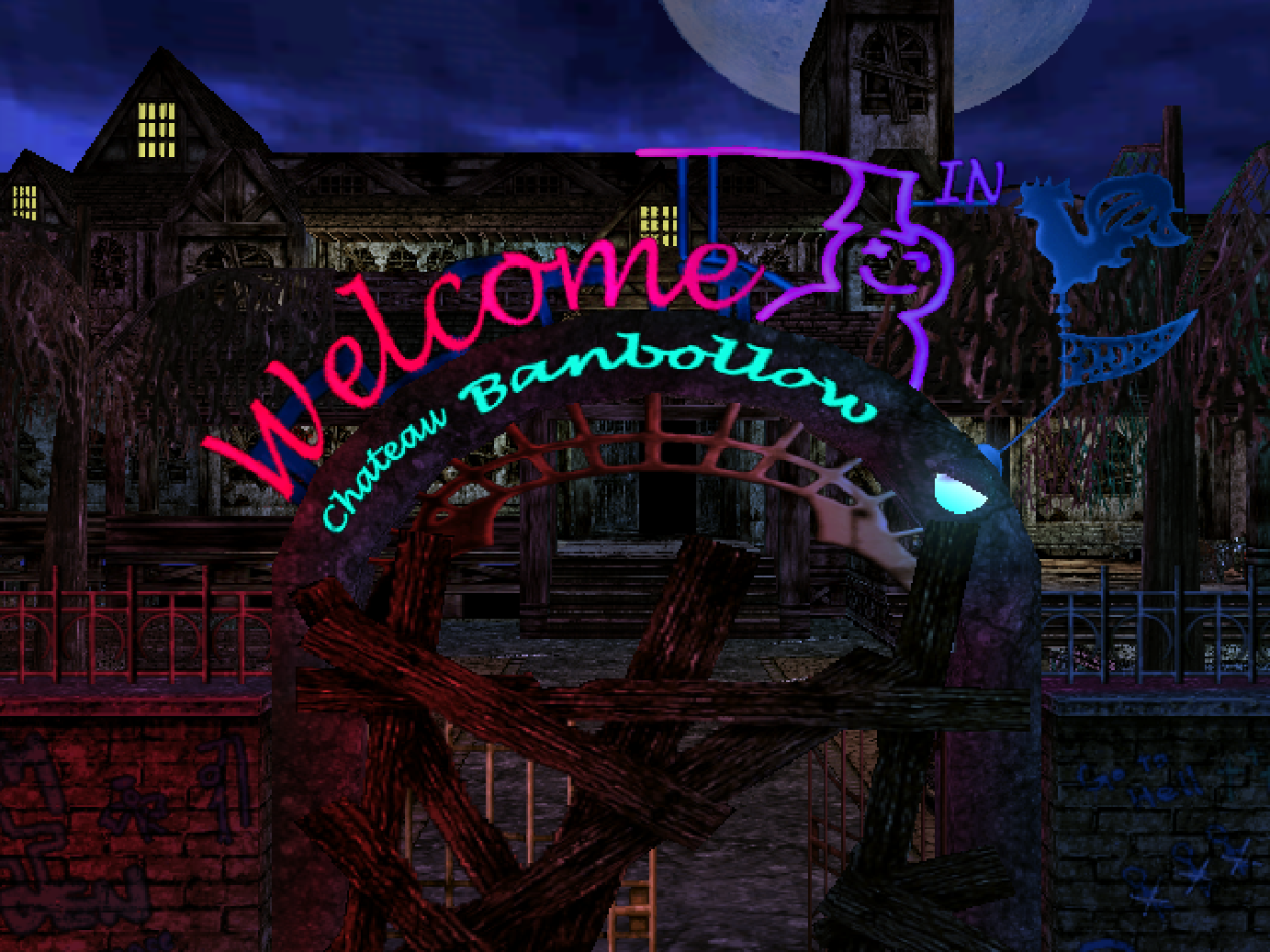
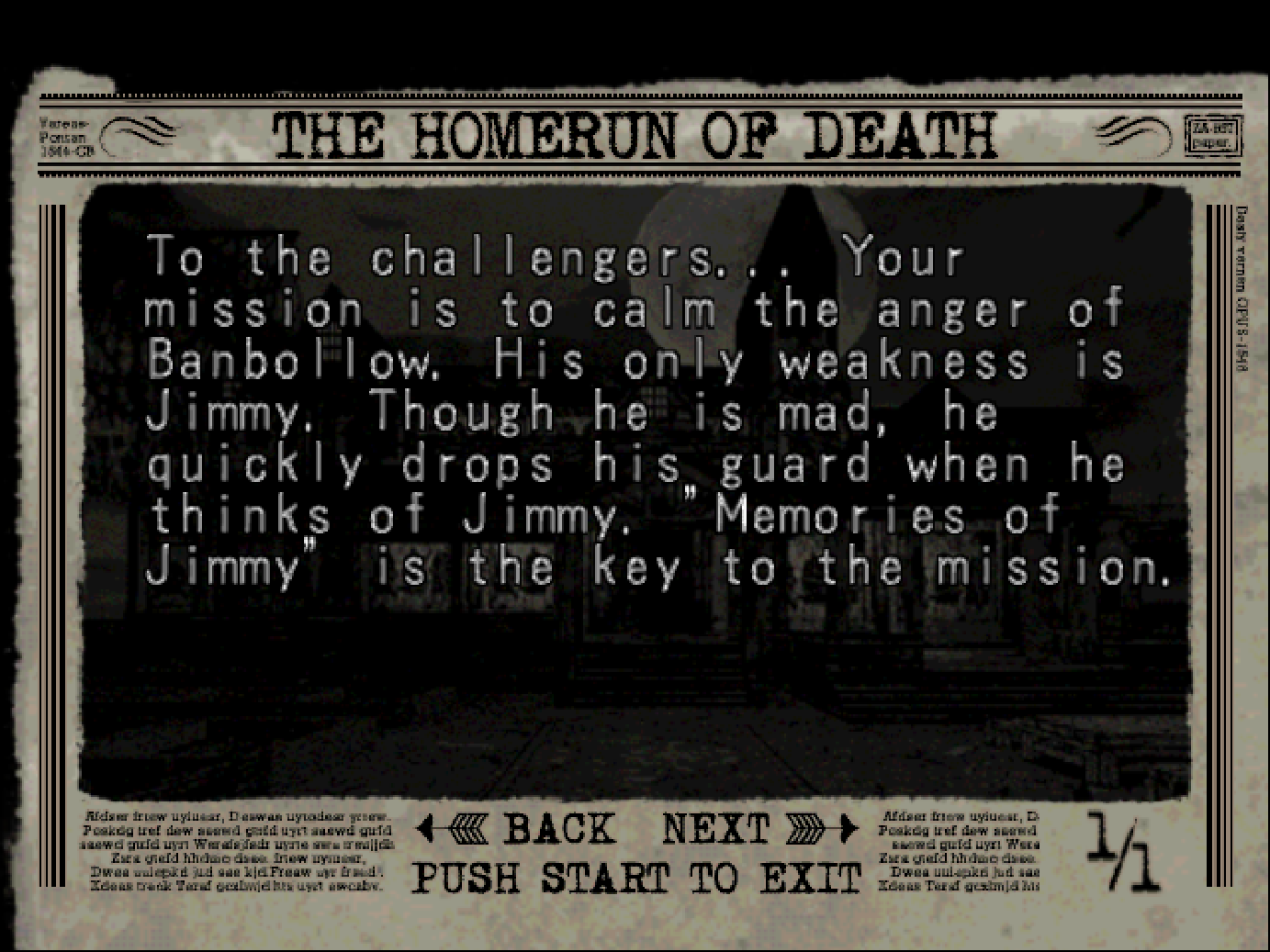
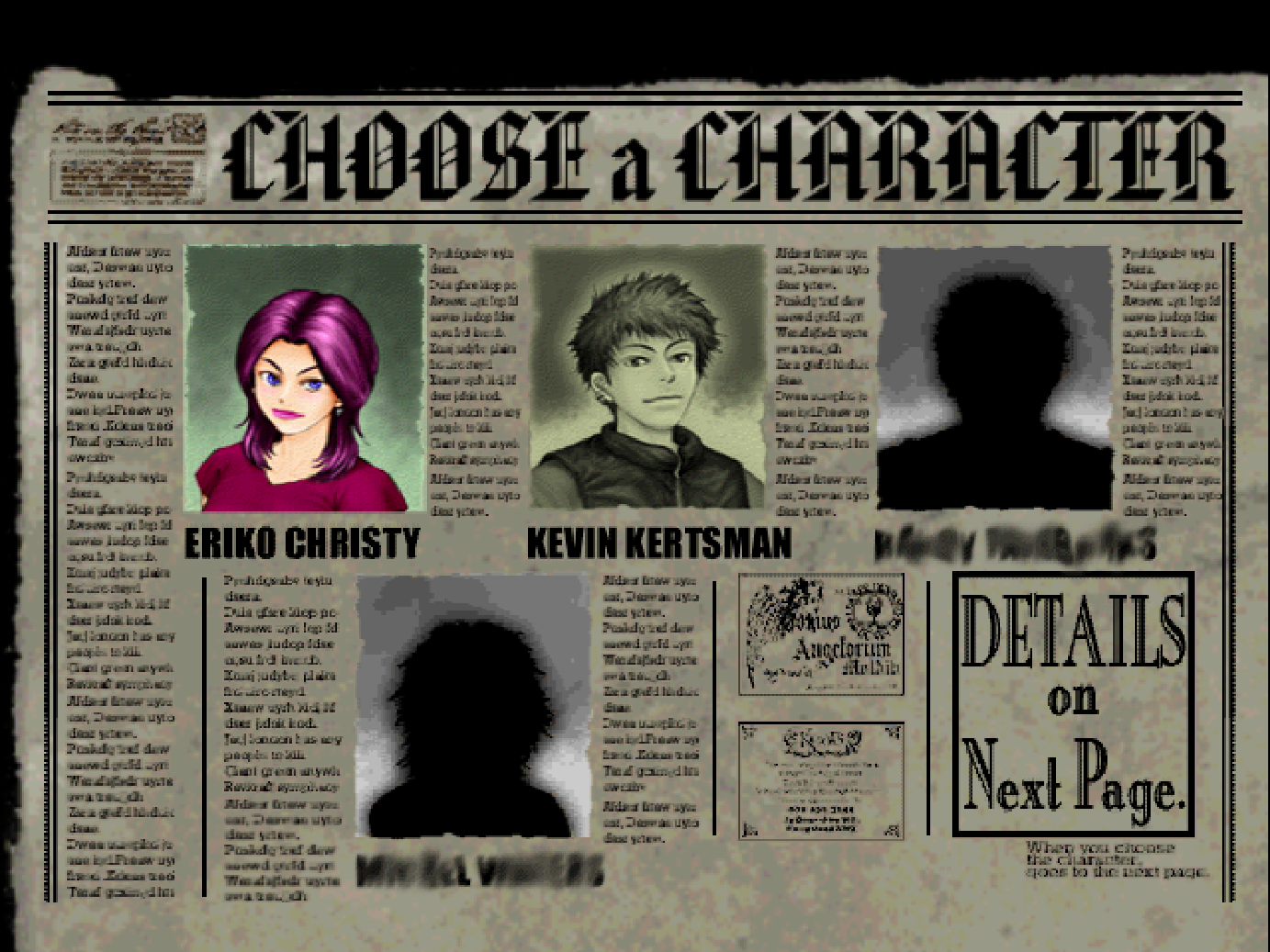
After this build finishes playing, the player will be given an objective to clear, alongside a prize with conditions attached to it. These include a target time, amount of health left and heart rate upon clearing the stage. If the player fails to meet any of these challenges, the prize money will be reduced as a penalty. The player can then select a character, with Eriko being the only character at the start, but others can be unlocked under specific conditions.
When the player starts the stage proper, they must make their way through the different areas. The gameplay within the attractions could be described as Survival Horror meets Scare Maze, because the spaces, rooms and hallways contain deadly traps. As the player navigates the attraction, their senses will alert them to areas that may contain traps, with Sight, Hearing and Smell lighting up. The closer to the danger they are, the bigger the signal.
If Eriko is caught in traps, they will be affected in three possible ways. There are injury traps, which will harm Eriko, causing Stamina to be lost and bleeding to occur. This is alongside the fear traps, which will scare Eriko and cause her heart rate to increase. If the player takes too much damage, they will die from strength loss or bleeding out. But if Eriko’s heart rate is too high, she can suffer from Shock Death, killing her suddenly.
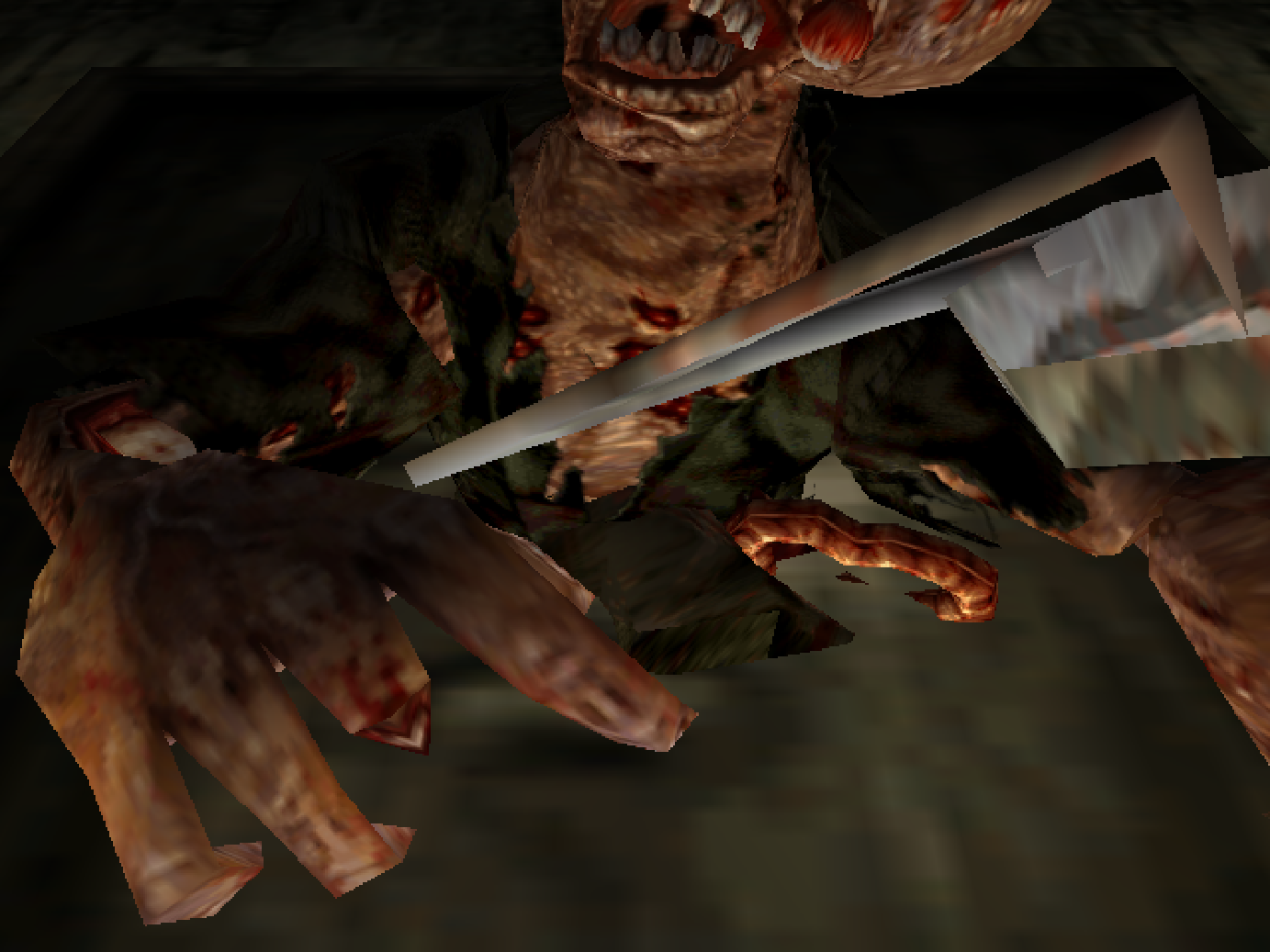

In order to avoid the dangers of a stage, the player must locate the Horror Monitor, which is hidden in the starting area of the stage. To help the player locate this key piece of equipment, all four senses will go off including the Sixth Sense. Once the Horror Monitor has been obtained, Eriko will be able to highlight points of interest, showing possible trap positions. Using the Horror Monitor requires Adrenaline, which is a precious limited resource.
If the player marks a trap with the Horror Monitor, it will be disabled and the player will not suffer the negative effects, while also gaining adrenaline. When a trap is successfully rendered inert, often a sound will play without the scare. But in some cases animations will play out, showing the trap failing to harm Eriko. If the player runs out of Adrenaline, they will be unable to use the Horror Monitor, leaving them open to danger.
Moving onto Sixth Sense, this serves a special dual purpose. This alerts the player to two things, the first being items, which can include recovery items, special upgrades and key items. The key Items will provide additional story details for the attraction, fleshing out the narrative further. Then there is the other function for Sixth Sense, which is to alert the player to enemies. If the player encounters an enemy, combat will begin.


There are two ways to survive most battles, with the first being to destroy the enemy, either with a weapon or using Eriko’s bare hands. The other way to get out of a fight is to use the Helipad, which will drop a ladder down for Eriko to climb. This will leave Eriko open to attack, but can be a safer option as Eriko can sidestep to avoid attacks. If the enemy is defeated, they will reward the player with Adrenaline, making the choice to fight a risk versus reward situation.
Enemy spawns as well as Items can be highlighted by the Horror Monitor, showing them on the stage just like the traps. But be warned, that some of these highlighted points of interest may be nothing, leading to adrenaline being wasted. However, if the player does highlight an enemy appearance point, the player will get an advantage in the battle. This can let Eriko go for an easy escape or get a sneak attack on an enemy, making it very useful.
During the exploration of the stage, the player can access a map, which can be seen from the pause menu and by pressing a button. The map screen will show the full layout for the area the player is in, showing a line for some of the distance that Eriko has travelled. In the main menu, players can look at the key items for the objective, recovery items and other assorted items. The player can also see the status of Eriko, with Bleeding, Heart Rate and more.


While exploring, the player will come across Dummyman Photo Booths, which will allow the player to save the game. These can be before key points, making it important to save as frequently as possible. If the player finds these areas, they will often be safe zones, where there are no traps or enemies that appear. The safe zones are the best place to use items, but if needed they can be used when exploring. Just be aware that items can’t be used in battles.
As mentioned further above, there are special items that can be collected. These include the Speed Ladder, which increases the helicopter escape and the Item sensor, which shows items on the Map. The items last for the duration of the stage, being lost when the attraction is cleared. Then we have the Key Items, which must be used to solve puzzles to progress some of the objectives, which will be hinted at in the note items that can be discovered.
Through set points during each attraction, the player will encounter boss monsters, which are terrifying monstrosities that will try to kill Eriko. Some of the monsters will chase Eriko, engaging in a battle if contact is made. During these set piece battles, the boss will not be killable so it is advised to run away, escaping via the Helipad. The set piece battles are incredibly stressful, heightening the tension as they can quickly lead to an unexpected death.


When the final encounter occurs, the player will need to survive the battle and find a way to defeat them. However, there are some final boss encounters that are more than just a battle, like the first boss which goes from a regular battle to a giant monster attack. Once the final conflict with the monster is cleared, the player will be able to escape the attraction. This can be through reaching a gate, or after the monster has been killed.
If the requirements are met for the stage, the player will be awarded with the prize money. After any penalties are applied, the money will be added to the player prize fund. In some of the stages, Eriko will be able to save her friends, but there is a chance they can die if the player fails to meet the hidden condition. If the character is rescued, they will be usable in later stages, but if they die it is possible to bring them back from the dead.
Inside the attractions as well as the main park area, the player can go to the Emergency Room and perform a Resuscitation Operation. This can be very expensive, so it is important to make sure this is the right decision before spending money. If the player has been able to find upgrade items, they can use them to improve different elements of Eriko and her rescued friends. These include Stamina improvements, increased Adrenaline and more.

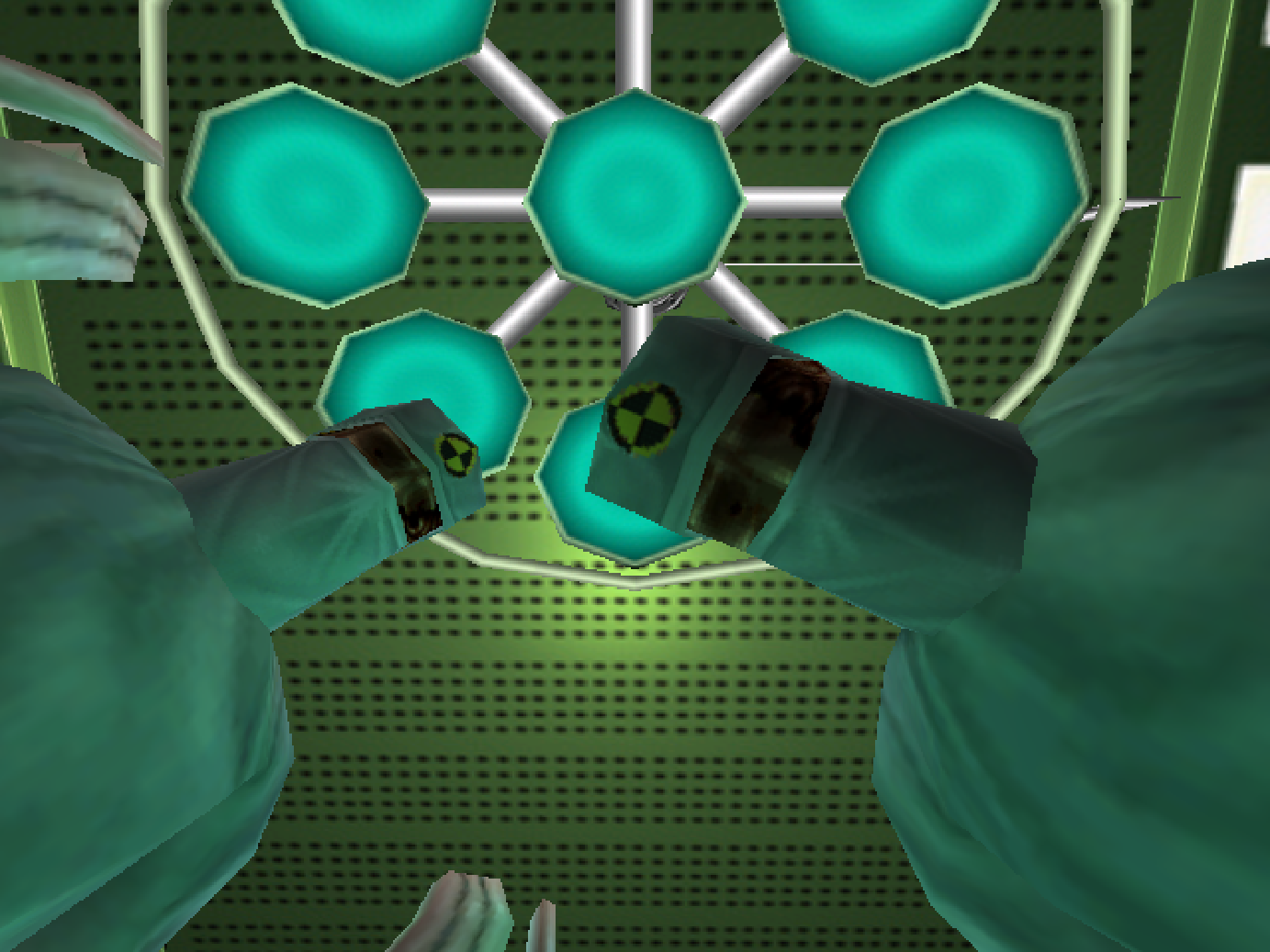
The costs for the body improvements are costly, but can greatly increase the chances of survival for the players. There are operations that can be accessed within the stages, as there will be Emergency Rooms that can be accessed in safe zones. The recovery operations can restore Eriko’s stats, like Strength, Pulse Rate, Adrenaline and Bleeding. These can be used in dire situations, but will eat into what funding the player has left in their bank.
Once all of the attractions have been cleared, the player will be able to take on the final challenge. If the player is able to survive, the ending will play out, but the horrors are not over. Upon completion of the game, the player will be able to take on the game in New Game Plus, with additional secrets to uncover. This adds additional replay value to the game, as each attempt will have items, trap locations and other elements randomised in the attractions.
Personal Thoughts


I experienced ILLBLEED a very long time ago, through a Japanese import rip of the game on the original Dreamcast, watching my dad and being terrified by the horrors I saw. But it didn’t deter me from wanting to play it myself, because it was such a unique horror game that was much different from the others I had seen. My experiences with horror games were things like Resident Evil, Parasite Eve and Fatal Frame, which are nothing like ILLBLEED.
For years I have had this fixation on the game, going back to it and playing the Japanese version for the longest time, before I found there was an English release. Sadly this was in a time before I was able to make purchases of games and imports, needing to rely on people I know who had copies to supply me with backups. I would spend hours playing the unofficial copies, failing and trying again to make it through the game, learning as much as I could.
It took me many years to get my first game clear done, with a long time after to uncover the rest of the secrets to the game. This is due to the significant difficulty, pressure and tension that the game will put players under during the experience. The scares may seem slightly tame now, but this game was pretty revolutionary for the time, as jumpscares were still relatively new in horror. There are also plenty of moments that will still catch players off guard.
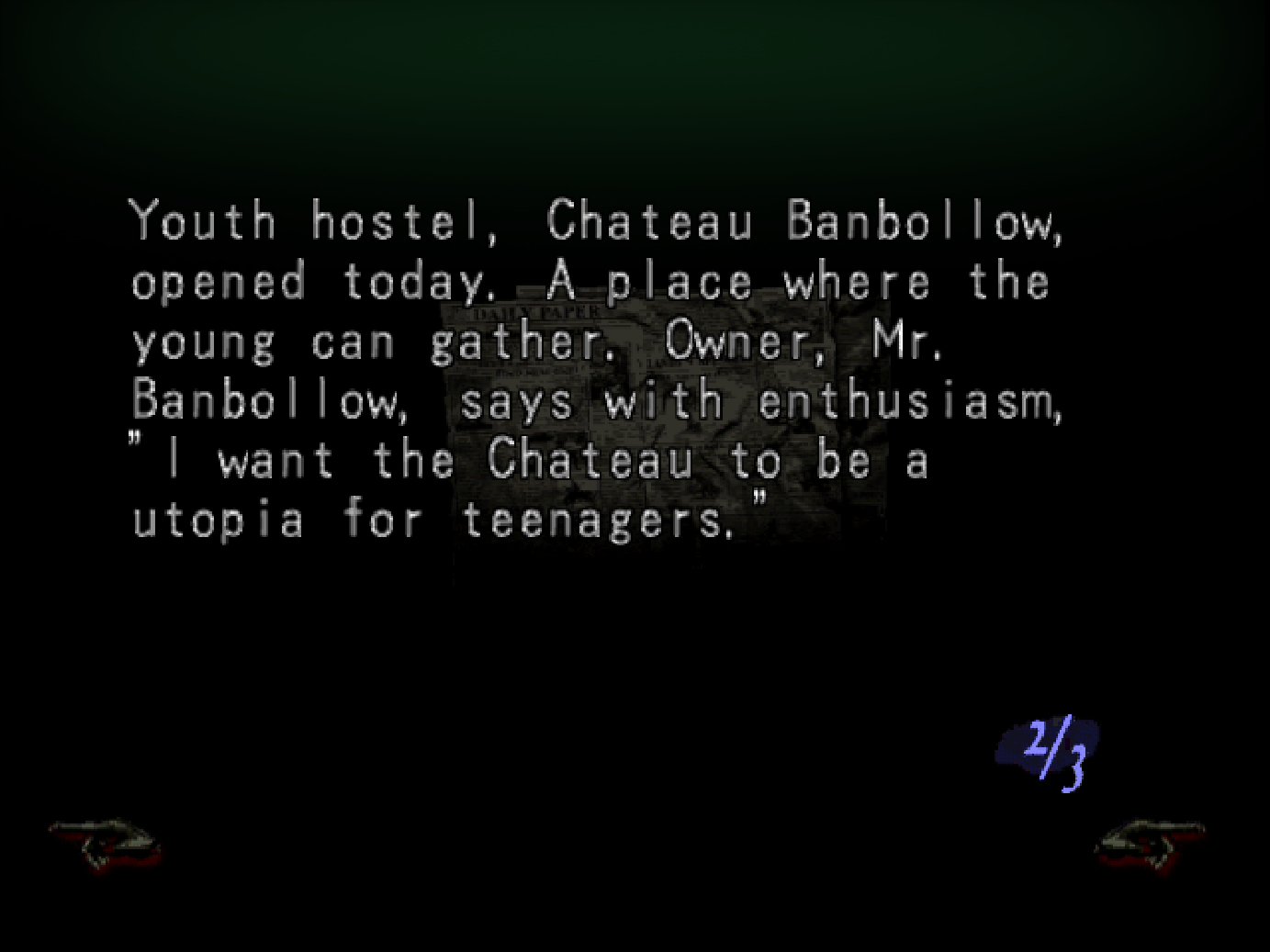
The overarching narrative, alongside the sub-stories for the attraction stages have a cheesy feel to them, with the narrator that adds to the atmosphere. The monster designs have a grotesque and uneasy feel to them, with some being comedic which I am unsure if this is intended. The voice acting is excellent, feeling wooden and awkward at times, which was a staple of the era, further adding to the charm that ILLBLEED possesses.
There are some elements that are a little wonky by modern standards, like awkward movement controls that feel a little stiff and tanky at times. Then there is the combat, which can be a little hit and miss due to the camera, leading to issues lining up attacks. But, these can easily be adapted to during play, becoming less of a hindrance the more experience is gained. It may take a little while, but I feel it is worth it to experience this game.
ILLBLEED is a unique experience, which sadly didn’t have much success, leading to poor sales and relatively middling reviews form the press at the time. There are complaints of controls, repetition and low quality voice acting. But it was also praised for the bizzare nature of the game, the level of violence and the campy qualities of the game. Since the game released in 2001, it has amassed a cult following, with people appreciating how bold and unique ILLBLEED is.
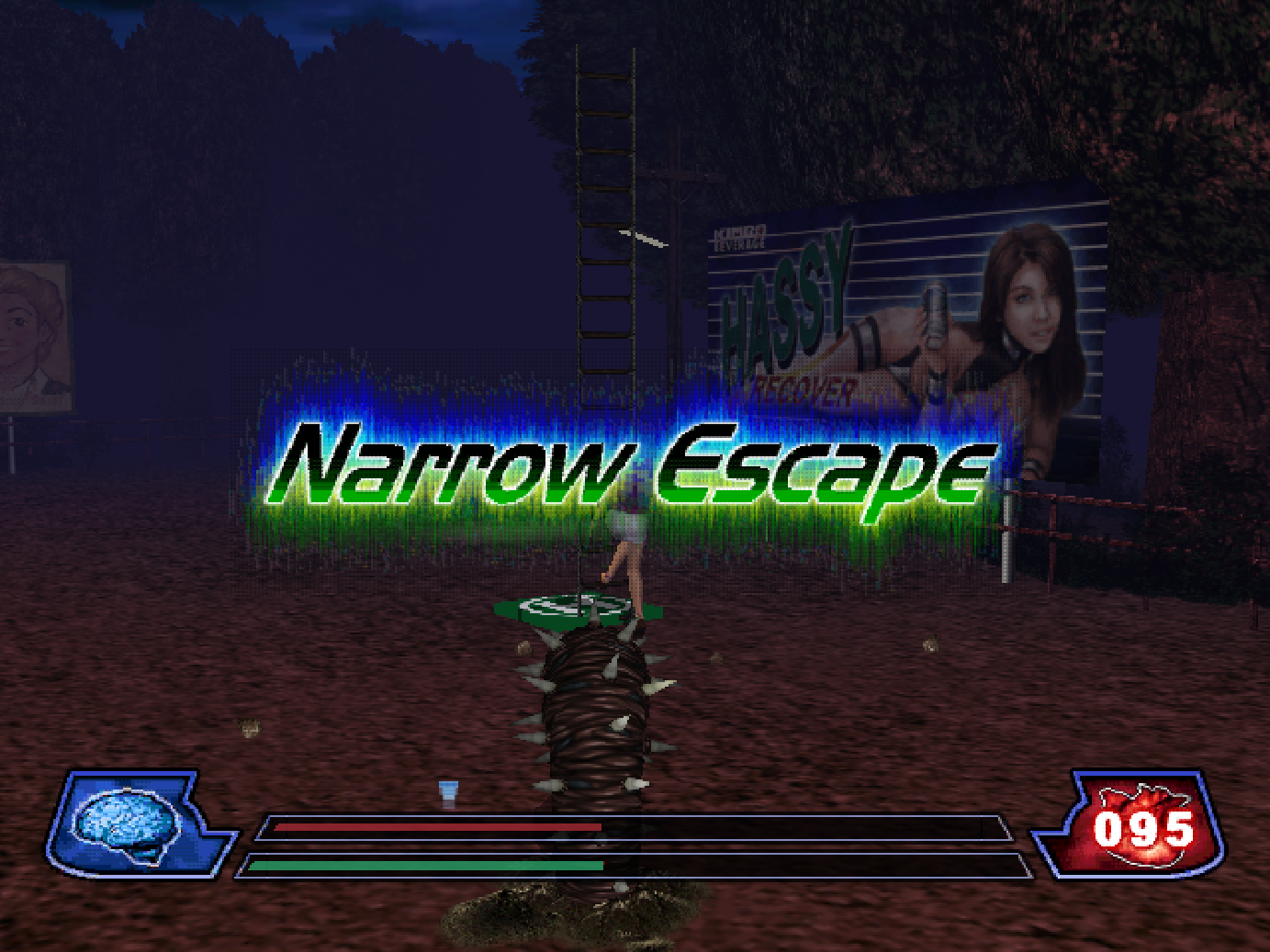
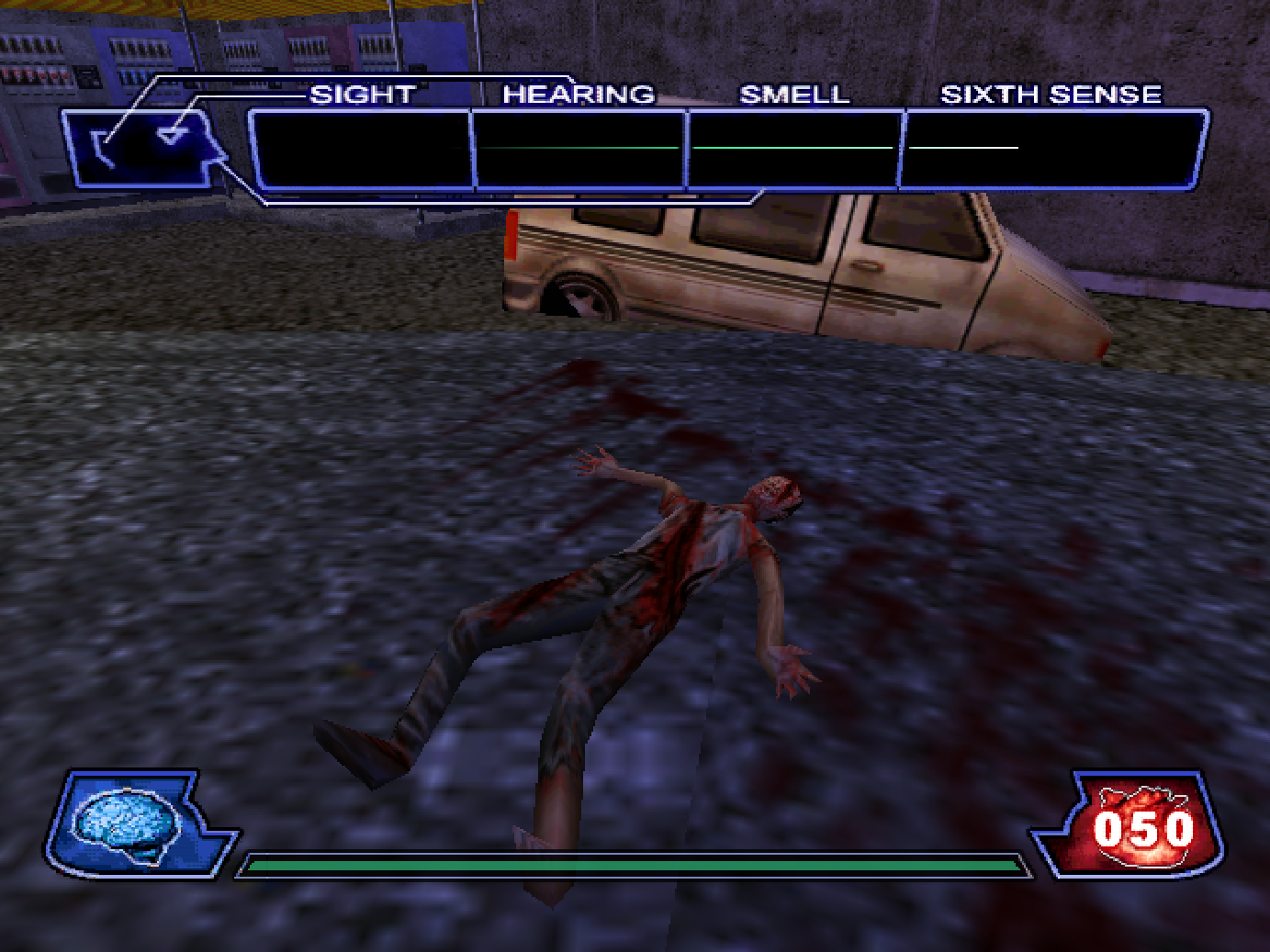
I feel that this game takes the ideas of horror games and turns them on their head, as many games at the time relied on combat to survive. But ILLBLEED is such a different beast, as combat isn’t the only thing affecting the survival of the player. Due to the way that players can die from the scares, via Shock Death and the bleeding reaching a critical point, as well as just losing health. There is essential combat, but it isn’t the main focus for survival.
There is an element of rarity to ILLBLEED, due to the lack of release outside of Japan and North America, leading to the prices to fluctuate over the years. As the game has become more popular with horror circles, the demand has risen causing it to become more expensive. On the secondary market, the North American version demands a higher price, with the Japanese release costing less, but that version will require a translation guide to play.
ILLBLEED is a special game, which takes all of these different elements from horror, with the camp and cheese of the stories as well as the deadly haunted house scares. The exaggerated violence and gore is so over the top, that it is possibly the most violent horror game of its time, only possibly outdone by The House of the Dead. I would love to see an ILLBLEED revival, but with the company that made it now dead, it doesn’t seem like that is going to be possible.
If you have enjoyed this feature, then please stick around and see what else catches your eye. I cover a wide range of games in reviews, get special previews and put out regular features. I have Lost Gems, Retro Revival where I discuss re-releases and the occasional Gaming Oddities piece, where I cover weird and wacky titles. So stay a while and have a look around.
 W.Kohaku Media