Trails of Cold Steel III – Nintendo Switch Review

Overview – Developed by Nihon Falcom and published by NIS America, Trails of Cold Steel III hits the Nintendo Switch. This JRPG focuses on strategy and tactical thinking, with challenging turn-based battles and dungeon crawling style gameplay. Taking place in a vibrant world of magic and machines, featuring a cast of charming and diverse characters, all wrapped in beautiful anime style visuals. This title is available on Nintendo Switch, PlayStation 4 and Microsoft Windows. If you want to check this game out for yourself, links to purchase the game will be at the bottom of this review.

Disclaimer: before I get into the review, I would like to thank NIS America for providing the copy of Trails of Cold Steel III and the DLC used for this article. The provision of this title has not influenced the contents of this review, all thoughts and opinions contained within are my own.

Now, with the introductions out of the way, let’s jump into the review of Trails of Cold Steel III, starting with the story.

Story – Trails of Cold Steel III takes place a year and a half after the events of the previous game, focusing primarily on Rean Schwarzer, the man known as the Ashen Chevalier. Rean has been called to the city of Leeves, taking a job as an instructor at the newly opened branch campus of Thors Military Academy. After reuniting with figures from his past, Rean is put in charge of Class VII, the same class that he was a part of during his time as a student at the main campus of the academy, leading his students through the many challenges that they face during their enrollment.

Gameplay – Trails of Cold Steel III, features a mixture of traditional roaming JRPG style gameplay, strategic party management and quests/interactions with characters in the games world. Taking control of Rean, the player can explore the parts of the land of Erebonia, the city of Leeves and the facilities of the Thors Military Academy branch campus. During the exploration and questing, the player will interact with the inhabitants of the games world while the story progresses.

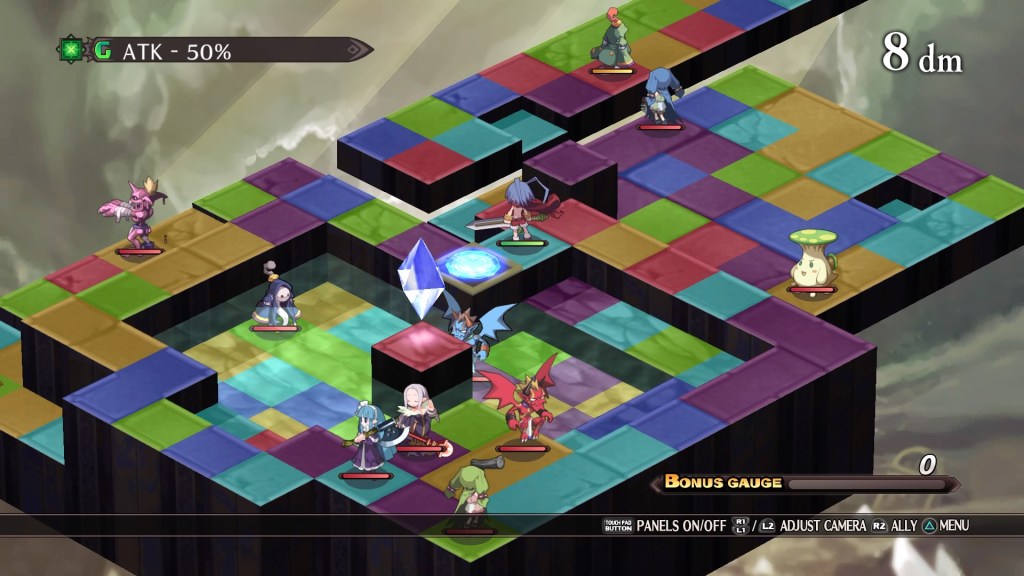
During the various missions and story segments that the player experiences, their party will roam through dungeon styled structures, open plains and more, battling monsters, obtaining loot and leveling up. When encountering enemies during exploration, turn based combat will occur and advantages can be applied at the beginning depending on various factors. If the player hits an enemy in the overworld with a standard or assault attack, an advantage will be applied, however, if an enemy touches the player from behind they will get the advantage to strike first.

Additionally, there are chain battles and large scale boss battles that can occur. A chain battle will occur when two or more overworld enemies are within close proximity to each other, when this happens, additional battles will take place. The boss battles happen during preset segments in the story, usually consisting of a single unique unit of immense power, which will push the player into a corner. Before big battles, players can find pedestals to heal and manage resources before taking on the enemy.

There are several resources that players must manage and keep track of in and out of the battles, featuring the RPG standards of HP, Mana for magic/arts (called Energy Points abbreviated to EP) and consumables. There are resources that are exclusive to this title and the franchise in general. The exclusive mechanics are CP(Craft Points), that allow the player to use character specific skills, Quartz which give the player boosts and new magic, and Brave Points, shortened to BP, which allow players to give party wide buffs and activate special link abilities.

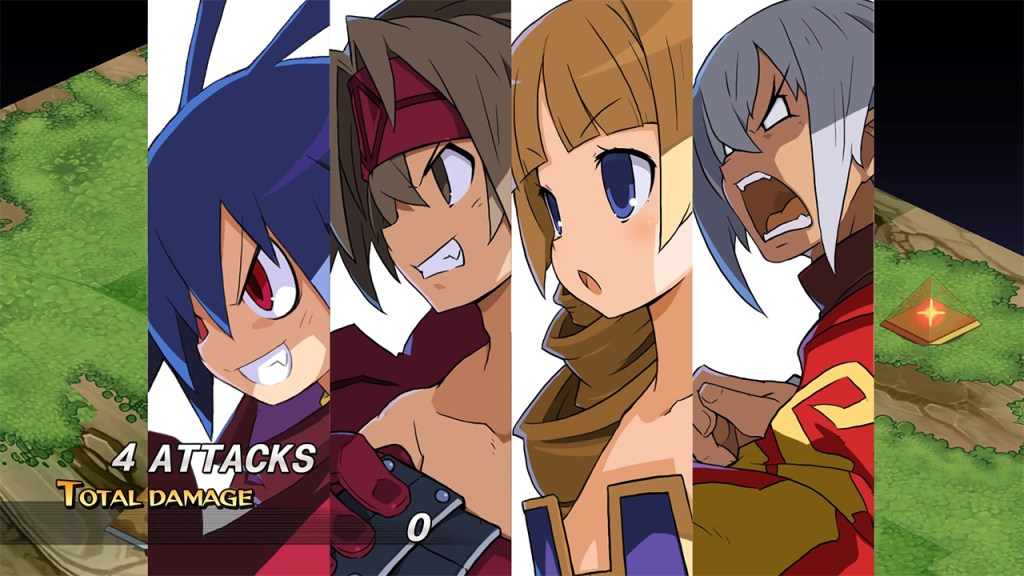
When planning out strategy and party management, link abilities and link levels come into play. Links are connections between party members that provide benefits during battle, these benefits include special attacks, support skills and more. Another benefit of the link system is the special break attacks, when a player hits a critical attack with a special quality, the player can call their link partner to perform special actions for addition damage. The break actions will grant BP or consume BP based on the choice made by the player.

I will be breaking the combat options down into a list that gives enough detail, without spoiling any surprises that the game holds for the player. Players can make one move per turn, with the outlier being the activation of orders and some special actions during combat. The options in battle are as follows;

  • Move – change position on the battle field in order to reach enemies that are out of attack reach or to retreat from harm.
  • Attack – attack enemies with basic attacks, will also move the character to reach them to get into attack range.
  • Arts – use magic to attack enemies or aid the party, using EP to charge attacks that will be activated later in turn order.
  • Crafts – character specific skills that will attack enemies or aid the party, use CP to utilize these instant skills and earn more by performing actions during turns.
  • Item – use items to aid the party, revive fallen team members, heal damage taken, restore EP and give other buffs.
  • Order – give an order to the party, applying effects that last for a specific number of turns until they are either rescinded for another or simply run out.
  • Swap – switch out active party members with reserve members, useful when there are specific enemies that require a single type of attack or to boost defensive capabilities.
  • Run – self-explanatory, run away from the current battle and get away from the enemies.

There are some battle mechanics that I wish to keep as a surprise, so I will be jumping back into other gameplay mechanics.

When enemies are defeated in battle, they may drop loot for the player to collect while also granting experience. When all enemies are defeated, the dropped loot will be collected, including items, gear and additional quartz resources. Players will also gain experience for character leveling and link leveling, increasing their stats, unlocking new abilities and gaining new special link skills that can be used in combat.

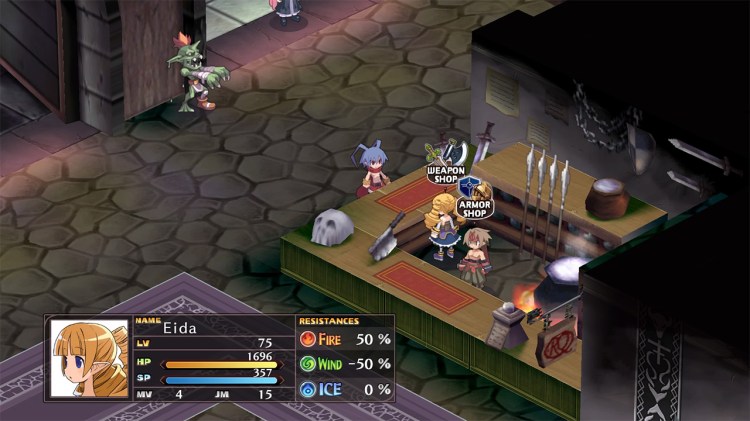
Outside of the various roaming segments and enemy battles, the player can interact with the world around them, shopping at the many stores in the games world. In the stores the player can buy and sell items, exchange resources for new power-ups and learn recipes for crafting specific items. The player can also take on side quests, helping various people to increase their relationships, get rewards and push the story further.

The last thing I want to talk about is a card game called Vantage Masters, this game is a competitive card duel, where the objective is to deplete the opponents health points first. The game is similar to magic the gathering, where players place cards on the game board by using Mana, then if allowed they can attack the players master to deal damage. When the master has taken enough damage, the player who holds that master loses the match, there are also spells that can boost other cards. When the player wins, they will be rewarded with card packs and additional special cards are available in shops.

Now with all the elements of gameplay that I want to discuss covered, I will be moving onto the other aspects of the game experience, starting with the difficulty.

Difficulty – at the start of the game, players can choose from 5 difficulty levels, each difficulty setting provides a different level of challenge to fit all experience levels and play styles, making for a fair gameplay experience for all. The lowest difficulties are for players to easily pass through the game, this allows the story to be experienced little difficulty. The higher levels of difficulty will ramp up the challenge, really hitting players hard and leaving little room for error in all combat encounters, meaning a single mistake can cause death.

Controls – the controls for Trails of Cold Steel III are balanced perfectly, with simple yet intuitive movement controls, easy to navigate menus and selection options on the face buttons and d-pad. The ease of use with the controls works across all three play styles, when using the Joy-Cons and Pro-Controller there is no input lag or timing issues, making the overall experience very satisfying. I played the game for many hours in both docked and undocked mode, with seamless transition of controls.

Presentation – Trails of Cold Steel III uses an anime style to the visuals, with beautiful character designs that show off their personality, vibrant worlds that are pouring with charm and stunning animations used in cutscenes. The performance of the game in the visual department does have some small flaws, although they aren’t a deal breaker. The minor problems are occasional slow down and graphical stuttering, which happen at different times, but don’t impact gameplay much if at all.

The sound for this title is wonderfully crafted, the soundtrack features a mix of jazz/rock fusion, combined with orchestral sounds and delicate musical cues. The soundtrack also features musical tracks that have powerful vocals, enhancing the scenes that feature them and add a sense of grandeur to these moments. Alongside the excellent soundtrack is the dubbed voices used through the game, featuring the voice talents of Sean Chiplock (Re:ZERO), Erika Harlacher (Persona 5) and Alexis Tipton (Ace Attorney). Although the dub isn’t persistent, the quality of it when used is excellent.

Final Thoughts – I really enjoyed my time playing Trails of Cold Steel III, the storytelling, game world and characters are charming, the sound delightful and the gameplay engaging. I spent a lot of time exploring the world, learning about the various characters and I really got into the Vantage Masters card game. The additional DLC that NIS America provided was a wonderful touch, making the Extracurricular version worth purchasing as it provides a character flair that allows some personalization to the player experience.

I can happily recommend Trails of Cold Steel III, I will admit that I am not the most experienced with JRPGs, however, I got pulled into this game, finding the depth of the combat and strategy to be very rewarding. Both the main story and side quests offer a lot of longevity to this game, along with the multiple difficulty options that offer an increased challenge with additional playthroughs. If you are a longtime fan or relatively new to the JRPG genre, this game is worth the time and effort required to enjoy it.

In the end, I give Trails of Cold Steel III a score of 5/5. The depth of the strategic combat, the storylines and game world are immersive, with the overall experience being rewarding to play. The DLC adding an additional flair to the title with both paid for and free content for players to enjoy. If you want to pick this game up for yourself, links to the game will be below.

Link to Nintendo Switch version (HERE)                        

Link to PlayStation 4 version (HERE)

Link to Steam version (HERE)

Link to G.O.G version (HERE)

Cat Quest 2 – Nintendo Switch Review

Overview – developed by The Gentlebros and published by PQube, Cat Quest II is the sequel to their successful action RPG title, Cat Quest, featuring the same colorful and vibrant design, intuitive gameplay and animal puns, this time with the inclusion of Co-op gameplay. Cat Quest II is available for the Nintendo Switch, Xbox One, PlayStation 4 and Steam Service, links to purchase the game will be available at the bottom of this review.

Disclaimer: before if get into the review I would like to thank PQube for providing me with the copy of Cat Quest II used for this review, that being said, the provision of this title has not influenced the contents of this article, all thoughts and opinions expressed within are mine and mine alone.

Writer’s Note – this review was written in November 2019 and originally published at Queue Times, there is also a review of the first Cat Quest game which will be re-written to match the other content on this site.

So with that out of the way, let’s get into it, starting with the story.

Story – the story of Cat Quest II is a stark contrast from the first title, instead of the player being a legendary hero tasked with bringing down a big bad guy, the story this time revolves around a Cat and Dog who are the reincarnation of fallen kings of legend. Now these two brought together by fate, must work together to end the war between the cats of Felingard and the dogs of the Lupus Empire.

Gameplay – the gameplay of Cat Quest II is almost identical to the first entry with some new twists, I have discussed the details of the gameplay in the first title in my review of Cat Quest which can be viewed (Link Coming Soon), for those who don’t wish to read my previous coverage I will provide a brief summary then talk about the new features.

Starting out the gameplay is made up of roaming sword and sorcery style combat with the player having access to a range of weapons, armour and spells, taking place on a large overworld map, the player travels from region to region battling enemies, , visiting towns to find quests, upgrade gear at the blacksmith, finding treasure and magic spells during the various dungeon delves throughout the world.

Now with the basic summary covered, it’s time to cover the biggest addition to Cat Quest II, the inclusion of a second playable character, with a focus on multiplayer, however if playing solo the player can use both characters by switching between the two as and when needed, this allows the player to mix up play styles, for example, the player can maximize the effective use of melee and spells by having one character set to offense and the other to defense.

This leads straight into the biggest strength of this game, two player co-op, giving this action RPG more of a beat ‘em up vibe in my opinion, but the multiplayer is a wonderful addition as players can take roles that fit their style of play. When playing with another person one can take the role of a close up melee tank and the other a ranged healer, this is made possible by having the ability to assign the different spells and gear between the two characters with little difficulty.

The combat and controls are very intuitive, with the reaction times between attacking and dodging having minimal lag, with the second character being controlled by an A.I. when playing alone, if a character does fall in battle, the second character can revive them by standing over them, adding tension to the larger battles. During the large scale boss and wave battles, the ability to time dodges and spell attacks can be crucial to keeping yourself alive.

Now with the gameplay elements covered I’m going to discuss the other parts of the game and its presentation, covering the difficulty, visuals and sound.

Difficulty – the difficulty of Cat Quest II has a rather free form nature to it, with the level of challenge for each area being marked by the level attached to the dungeon and enemies, this allows the player to control the difficulty. The player can grind early dungeons to gain experience to level up, there is also the capability to go into the higher level areas, but the risk is much higher as enemies will annihilate the player.

Visuals and Sound – graphically, Cat Quest II is the same as the first game, with cute animal heroes, imposing boss battles and wonderfully atmospheric  dungeons levels, although little has changed visually, it still looks beautiful and is a joy to play. The soundtrack again is virtually identical, with similar compositions that have a sense of grandeur in the overworld and atmospheric soundscapes in dungeons, again the fact that little has changed with the sound doesn’t impact the fun to be had.

Final thoughts – after playing this game both alone and with a friend, I can say I recommend this to those who played the first title, it improves on the previous game and the addition of multiplayer is an excellent choice. Although it may look as though this sequel is a simple upgrade of its predecessor, this is a whole new experience with the co-op gameplay, oh and animal puns, lots and lots of animal puns.

In the end, I give Cat Quest II a score of 5/5, there are no issues with gameplay, multiplayer is a treat to play and it performed perfectly on the switch in all 3 play styles. If you want to pick up this title, links to purchase will be below.

Link to Nintendo Switch version (HERE)

Link to PlayStation 4 version (HERE)

Link to Xbox One version (HERE)

Link to Steam Version (HERE)

Sisters Royale – Nintendo Switch Review

Writer’s Note: This article was written in January 2020, an updated version of this review is in the works to be completed in the near future. The Xbox One version has been released and details can be found (HERE)

Overview – Developed by Alfa System and published by Chorus Worldwide Games, Sisters Royale: Five Sisters Under Fire is a new vertical shooter from the developer behind the legendary Castle of Shikigami series, featuring beautiful anime styled visuals, frantic bullet hell gameplay and imposing boss battles. This title is available for the Nintendo Switch and PlayStation 4. Support for PC and Xbox One has also been announced via the official website. (check the announcement, linked HERE)

Disclaimer: before I get into the review, I would like to thank the representative for Alfa System and Chorus Worldwide, they have provided me with the Nintendo Switch Version of Sisters Royale that was used for this review. The provision of this title has not influenced the contents of this article, all content featured within this piece are mine and mine alone.

With the introduction out of the way, lets get into the review, starting with the story of Sisters Royale.

Story – the focus of the story for Sisters Royale is fairly simple, five sisters each profess their love for the Angel Yashin, as only one may claim the hand of the angel, a competitive battle takes place with the sisters taking each other on in intense magical combat. When the last sister is standing, she takes on the angel in a heated battle of “love” with the winner getting their wish fulfilled.

Gameplay – Sisters Royale feels like a spiritual successor to the Castle of Shikigami series of vertical shooters, the chaos of bullet hell mixed with thematic stages for each character, the character chosen walks up the stage, dodging attacks and enemies.

During gameplay in the stage, the player collects coins by eliminating enemies, the coins and enemies collected add to a multiplier score, there is system in place that allows players to recharge special attacks and lives by wiping out chains of enemies, with attack bonuses to the basic powers by taking risks and dodging enemy fire.

 At certain points when fulfilling special requirements a fairy will appear adding a special multiplier, the multiplier doubles all the scores and the mechanics are a little confusing, but if the player has enough skill they can really elevate themselves on the global leaderboards.

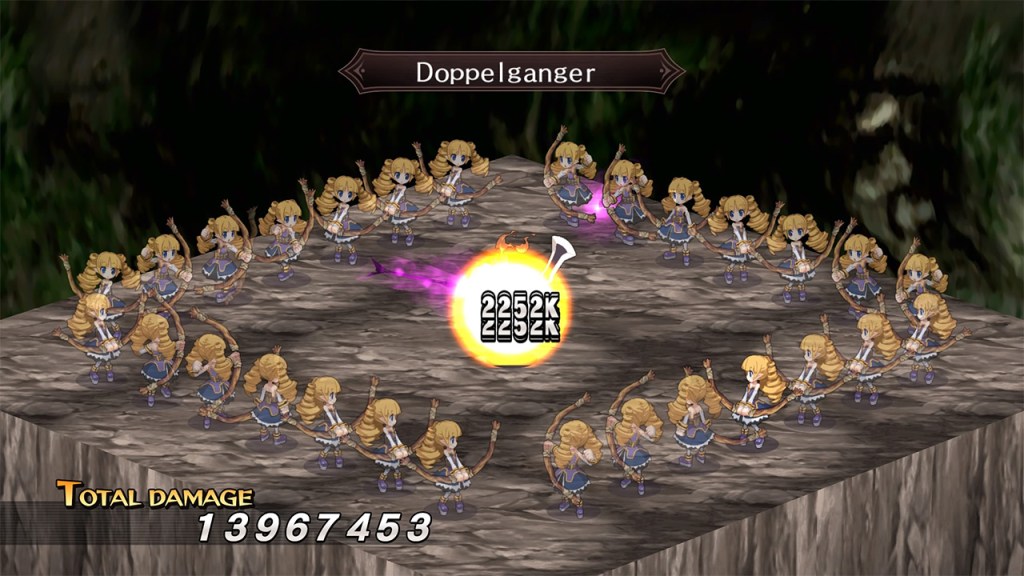
Each character has their own stage based on a thematic trait, with each stage containing a sub boss battle and end boss, the end boss being the sister that corresponds to the theme of the stage, with the conscience of the chosen character acting as a doppelganger for their stage.

The five sisters are as follows;

  • Sonay – the Eldest sister, she appears mature and strong willed but is easily flustered when discussing lewd subjects. Her power is rapid line fire and her magic is centered on fire to wipe out her enemies, her stage is the Flaming Graveyard.
  • Selma – the second Eldest sister, she is blunt and forthright with an element of perversion to her personality. Her power is wide shots and she utilizes ice magic to clear out her opposition, her stage is the Ice Cave.
  • Ece – the middle sister, she has a touch of theatricality to her personality, being interrupted during eloquent speaches by her sisters. She uses diagonal shots that move to her targets and her magic is light beams that control the battlefield, her stage is the Chapel of Light.
  • Nur – the second youngest sister, she has a tomboyish attitude to the world, wanting to prove how much she has grown. This sister has the power of homing shots that target enemies and she uses wind for her magical attacks, her stage is the Temple of Wind.
  • Lale – the youngest of the five, her personality is abrasive and insulting, using harsh words when talking to the other sisters. The power she uses is piercing shot and the theme of her magic is spirits, her stage is the Dungeon of Souls.

Sisters Royale may seem short but each stage has a high level of challenge, the stages are different depending on the difficulty chosen, with a special maniac setting, this allows the various elements to be modified which includes the size and scope of attacks that the enemy can use.

Please note: during the time taken to write this review, the maniac setting was unavailable so I am unable to talk more about it, there is also an additional DLC character by the name of ODE that was not available to use, so unfortunately I was unable to cover these elements during playtime.

Now with the gameplay and story covered let’s get into the other aspects of the game, starting with the accessibility of the game.

Controls – the controls for Sisters Royale are simple and intuitive, using the left control stick and D-Pad for movement with the face buttons for all attacks, when playing the game in all system styles. The best way to play is using an arcade stick, although if that isn’t available the other control methods are more than adequate.

Difficulty – the difficulty curve is fair and balanced, giving all players an accessible level to play the game, with the difficulty setting altering the way that the game functions, increasing the number of projectiles on screen and adding additional phases to boss battles.

The use of difficulty settings can be a good introduction to those new to the bullet hell genre, more experienced players of this style of game will find the normal and hard a worthwhile challenge. The maniac settings will also make the game more accessible/challenging, however I am unable to test this out at this time as the feature hasn’t been released yet.

Visuals – the graphical style for Sisters Royale is heavily inspired by anime using the art style for character portraits, elements of the user interface and during the story segments. In game the assets are made up of cutesy super deformed 3d models of the girls and enemies, the stages are vibrant and each theme is expertly crafted with the color pallets used.

The best part of this being a vertical shooter on the Nintendo Switch is that there is the inclusion of the vertical TATE mode, this rotates the screen to fill the entire screen, making it perfect to be played in tabletop mode on the Switch system. If the user has a rotatable monitor or television, then the experience will be even more immersive as the larger screen adds to the overall experience.

Sound – the music for this title is bright and happy, using jazzy compositions that mesh well with the visual style and way that the characters have been created. There is no voice acting during this game, which isn’t a bad thing as I feel it adds to the arcade styled experience that Alfa System became famous for, with the simple sound effects complimenting the bright and happy soundtrack.

Final thoughts – I feel this is an excellent title and a wonderful addition to the Alfa Systems lineup of vertical shooters, making it a wonderful spiritual successor to the Castle of Shikigami series. This is a triumphant return for the company after their hiatus from bullet hell shooters, while they have been working on other games during this time, Sisters Royale is their first arcade game since 2007.

I cannot recommend this game enough, I loved every moment of it and it was so much fun to play, the way that the characters were written adds more depth to the overall presentation, with the humorous interactions of the sisters as they fight and argue with each other. Having played this in all modes, I recommend playing the game with an Arcade Stick if possible, although the pro-controller and Joy-Cons work perfectly for this too.

So in the end, there is no downside I could find during the time I was playing the game for this review. I give Sisters Royale a score of 5/5, a perfect introduction to bullet hell and a great challenge for all players, links to purchase the game below.

Link to Nintendo Switch Version (HERE)

Link to PlayStation 4 Version (HERE)

Ultracore – Nintendo Switch Review

Overview – initially developed by Digital Illusions (DICE AB) and reprogrammed by Softdistribution/Strictly Limited Games, with publishing covered by ININ Games, Ultracore hits the Nintendo Switch. A revival of the long cancelled title known during development as HardCore, this 16-bit title features challenging run and gun platform action, with large intricate stages, hidden secrets and dangerous bosses. This title is also available on the PlayStation 4 as well as the Nintendo Switch, links to purchase the game will be at the bottom of this review.

Disclaimer: before I get into the review, I would like to extend my thanks to the representative for ININ Games who provided the copy of Ultracore used for this article. The provision of this title has not influenced the contents of this review, all thoughts and opinions contained within are my own.

Now with the introduction out of the way, lets jump into the review, I will be skipping the story section as the narrative is best experienced first-hand.

Gameplay – Ultracore is a 16-bit run and gun platform game, with large sprawling levels, an onslaught of robotic enemies and hazardous death traps. The player takes the role of the last soldier left in hostile territory, tasked with defeating a threat to their home planet. Now the player must fight their way through the facilities, collecting weapons, coins that are used as currency in the shop, keys and bombs to progress through the treacherous facilities and environments.

The game has a mixture of Metroid and Doom style to the gameplay, featuring some mechanics that were more uncommon during the original generation that the game would have appeared in. During stages, players must locate terminals that will read key cards, activate switches to reach new areas and open doors to gain access to the locked off areas. When finding weapons, the player will see what they currently have equipped, alongside details of the newest addition to the armory.

During play the, player will come across mid-boss battles and end of stage boss battles, that are challenging taking place in enclosed arenas. When completing a stage, the player will get a completion breakdown with the stats for that stage, along with a password to save progress. Being originally designed for the Commodore Amiga and SEGA Mega Drive (Genesis in the US), there is no save system, instead using a password to keep track of progress so taking notes is important.

Following the traditional style of 2D run and gun games from the 90’s, the player moves in four directions, left, right, up and down, with the gun being fired in eight directions. The reprogramming team has also added quality of life modifications to the existing code, these include new sound, improved controls and having the game running at 60hz (60FPS) at all times. These improvements make the overall experience very enjoyable and rewarding to play.

Now with the elements of the gameplay that I want to talk about covered, I will now more onto the other aspects of the game, starting with the controls.

Controls – Ultracore has two control methods, the first is the “classic” control scheme, using the control stick/D-Pad to move and aim while firing. The classic method causes some small issues during play, with the player being locked into place if they start to fire before moving, which can be frustrating but does serve a purpose allowing the player to duck enemy fire first. The newly introduced twin stick method remedies the issue that the classic style can cause, this quality of life fix is more suitable for the modern players, while the classic gameplay style is likely how purists will prefer to play Ultracore.

Difficulty – Ultracore has no difficulty selection, the challenge is preset and can be difficult and punishing, with death traps that wipe out the player in a single hit. The player only has 5 lives at the start of the game, three additional continues and there are zero save states/save points, this is a tough game and a difficult challenge to overcome. This isn’t a downside since the game only consists of five stages, which is shorter than most modern experiences, although the hidden objects and coins in the stages make replaying the game more rewarding.

Presentation – this is a reprogrammed game from 1994, with 16-bit graphics and smooth animations. The resolution has been boosted to fit the Nintendo Switch with an enhanced frame rate. The sound is available as both the original FM sound and a new remastered CD quality soundtrack, with the quality of both standing on their own merit. These quality of life improvements to the visuals and sound are fantastic, allowing the hard work of Digital Illusions to stand out, I commend the teams at Strictly Limited Games and Softdistribution, for their work bringing this title to a new audience.

Final Thoughts – I enjoyed my time playing Ultracore, the game is tough and challenging but still fun. The overall experience is a time capsule of the early 90’s in console gaming, with the sound, graphics and gameplay fitting the time period well, while still fitting into the modern gaming landscape. I can happily recommend this game, Ultracore is suitable for both retro enthusiasts and those dipping their toes into the retro gaming scene for the first time.

The only significant issue that I could find was that there is no save system, with the game relying on password saves to track progress. This may be off-putting for some players, however the Nintendo Switch screen capture capability is useful, as it allows easy recording of passwords. There was a niggling problem I had with the game however, which was the slight stiffness with the classic control style. This little annoyance can get frustrating when you take hits that could have been avoided, but otherwise it isn’t a deal breaker.

So in the end, I give Ultracore a final score of 4/5. Ultracore is a challenging and enjoyable blast from the past, the platforming is tough, the gunplay is frantic and obtaining hidden objects is rewarding. I applaud the hard work that was put into restoring this lost title, with the additions made to the game enhancing the experience without detracting from the developers original vision. An outstanding game, that if you want to check out for yourself, there will be links to both versions below.   

Link to Nintendo Switch version (HERE)

Link to PlayStation 4 version (HERE)

Outward and The Soroboreans – Steam Review

Overview – developed by Nine Dots Studio and published by Deep Silver, Outward is a survival focused, open-world RPG where the environment can be just as deadly as its inhabitants. This title features single player, local multiplayer through split screen and online multiplayer in all versions, available on Xbox One, PlayStation 4 and PC. There is an expansion available for PC out now, with the console release coming soon (at the time of writing), I will be covering the game experience and the DLC expansion in this review, with links to all versions at the bottom of the review.

Disclaimer: before I get into the review, I would like to thank the rep for Deep Silver who provided the copy of Outward and the expansion used for this article. The provision of both the game and its expansion has not influenced the contents of this review, all thoughts and opinions contained within are my own.

With the introductions out of the way, I will be covering the base game and overall experience, then move onto the new content before moving to my final thoughts. Now, let’s get into Outward and the Soroboreans expansion.

Outward – Base Game

Story – the player is a citizen of the tribal city of Cierzo, a society that follows systems that some deem unfair, the worst being the Blood Price, a debt levied against the entire bloodline of a family or clan. The player has inherited such a debt due to the actions of their ancestors, and while on a voyage to pay it off, tragedy strikes and the ship is sunk and many lives are lost. Now the leader of the tribe has given five days for their debt to be paid and save their home, fail to do so and the home and all possessions within become forfeit.

After the initial questing, additional branching storylines begin to unfold, the player may only access one branch per character. The base game only has three branches, with the expansion which will be discussed further below adding an additional branch for players to experience.

Gameplay – Outward is a Survival focused open-world RPG, with crafting, challenging combat and deadly environmental effects. As the player must brave the world outside their home city, the ability to manage resources well is necessary in order to succeed. Players start off with a basic kit that is collected in the home, this kit provides some essential items to survive, such as clothing, a lantern, bedroll and a pack. While exploring the home town, other items such as weapons and gear can be collected by the player, including a waterskin, fishing harpoon and mining pickaxe.

The player can also craft various tools, equipment and food while on their travels, with a set of basic recipes available from the start, including simple food and equipment. Additional recipes can be collected from enemy drops, chests and merchants, but be warned that carrying too many ingredients will slow down the player, as there is a weight system in Outward. The weight system will affect the player by slowing them down, preventing them from running and slowly draining their stamina, making it harder to battle enemies and escape harm.

During excursions into the wild, the player will encounter the various inhabitants of the land of Aurai and almost everything wants to kill them. The most common enemies during the initial exploration are Bandits, Hyenas and Pearlbirds, these enemies will attack the player when they enter the line of sight, chasing them until they get far enough away or engage in battle. If the player takes enough damage to kill them, they will fall unconscious and suffer a defeat scenario, because in Outward death isn’t final and a digital dice roll will determine the fate of the player when knocked unconscious.

In the beginning, the player only has access to the two vital attributes of Health and Stamina, with the ability to unlock Mana later in the game by completing a side quest. If the player wants to learn magic, then they must sacrifice health and stamina points in order to channel that energy into mana, this is entirely optional and is not needed if the player simply wants to hack and slash their way across the land. Some of the losses from activating Mana can be recouped by training, some characters in the world will train the player to strengthen both health and stamina but at a cost.

While travelling the world, the player must keep track of their needs, hunger, thirst, temperature and sleep, failing to do so will give the player negative de-buffs that significantly hurt the player over time. If the player is knocked out, has a vital need fall to zero they will enter a defeat scenario, suffering burns to their Health, Stamina and Mana (if active), this is negated if the player is returned to an Inn, having all needs taken care of. If the player wishes to take care of their vital needs, they must drink water, eat food and sleep in a bedroll or tent, however there are additional hazards present.

When resting, eating food and drinking water there are dangers present. During rest periods, the player can sleep and repair gear, however the chance of an ambush occurs, this risk can be reduced if the player chooses to guard, but the time needed to recover is greatly increased. A secondary risk is disease and infection possible, infections can be caused by taking damage or consuming poorly prepared food/drink. When the player becomes sick they must take yet more time to recover or risk falling unconscious, the best way to prevent this is to sleep in an Inn, however it can be expensive to do so.

I will go into detail about defeat scenarios when discussing the difficulty, before I reach that point I want to talk a little about one last aspect of the game, the combat system. Combat in Outward can be compared to games like Dark Souls, with timed dodges, traps and intense challenging sword and sorcery gameplay. During combat it is very likely that the player will be surrounded, with enemies attacking the player with unrelenting murderous intent, miss a dodge or block and death will come quickly, this is due to the stun locking of attacks and swarming of the player.

The worst thing about the whole experience for myself was the tutorial, while providing detailed information on how the game works, there is no real challenge as the enemies are easy to defeat compared to the game proper. This lead to an overestimation of the skill that I believed I had in battle, because as soon as the city gates were opened to me, death quickly came for me in the form of a horde of bandits. This didn’t get any better as I continued to play, when one enemy was taken down, I had very little time to prepare to battle another.

After several hours of constant ganking and defeat, I resorted to looking into the outward community, learning effective ways to survive in the world, which the tutorial sadly didn’t provide information about. There is also a multiplayer aspect to this title, however I was unable to try it out during the time I was playing the game. Now with all of the gameplay aspects that I want to talk about covered, I will be moving onto the other aspect of the main game before moving onto the detail of the expansion.

Difficulty – there is a brutally punishing difficulty curve to Outward, the starter weapons deal low damage, armor is scarce at the beginning and money takes a long time to build up. During initial exploration, defeat will occur quite often, with the defeat scenarios leading the player to either a safe haven, dropping them at the gate of the town or captured by bandits. Defeat also comes with additional penalties, increasing the chances of the player suffering further defeat, losing resources and even permanent defeat in Hardcore mode.

The punishment of defeat is made worse by the chance of being stranded far away from home, this is made worse by the struggles of navigating the world. When trying to find my way from point to point, it was hard to know if I was going the right way, this is because of the lack of map markers or quest markers. The only way I could find my way around the land was to memorize the landmarks, find signs using the compass to follow the roads or drop my bag at the town gate, using it as the only beacon to get back home. Outward is extremely tough and requires a lot of time and effort to succeed.

Controls – there is a twin control method for this title, a combination mouse and keyboard method, and full controller support. I can’t really comment on the native PC controls as I spent very little time using them, I did however spend a lot of time using a Nintendo Switch Pro-Controller. The plug and play controls are comfortable, with combat skills comfortable on the face buttons, hotkeys that are a combination of trigger/face buttons and defensive skills being easily mapped. All inputs are smooth, there is zero lag and the controller support is implemented well.

Presentation – the games performance and framerate worked well, however I did have to lower the graphical quality in order for the game to work on the hardware I have. From video footage provided by the developers the world of Aurai is lush and vibrant, with a pleasing fantasy aesthetic and all the character/weapon models are aesthetically pleasing. I am happy that the game has adjustable graphical settings, allowing for a wider range of players to be able to experience this title for themselves.

The music fits the tone of the game world, with melancholic orchestral sounds, gentle fantasy compositions and tense battle themes. The only downside of the sound was the limited voice acting, with repeated voice lines from NPCs and story dialogue having only half of a phrase voiced before silence. This breaks the immersion and narrative flow of the game, on a personal note I would have preferred to either have full narrative voicing or none at all, having only part of the dialogue being acted is jarring and pulled me out of the experience.

Now with the base game details covered, I want to take a moment to discuss the Soroboreans expansion before adding my final thoughts and score.

Outward – The Soroboreans expansion

Overview – The Soroboreans is the first major expansion for Outward, introducing a new region to explore, an additional quest line and brand new gameplay features. I will be talking briefly about each aspect of the expansion, including the additional quest-line, the new mechanics and the region itself. Now, let’s get into the Soroboreans expansion.

New Region – the Soroboreans expansion takes place in the Antique Plateau, a new region which is home to the Sorobor Academy. The Academy is an academic institution located in the city of Harmattan, they are the highest authority in the land, connected to commerce in the region. The institution is a key factor to the safety of the city using knowledge as a resource as they seek to expand across the Antique Plateau. The player can access the new region through merchant in one of the major cities, allowing them to travel with them for a cost, but this requirement is easily fulfilled.

New Quests – when reaching the new land, the player can choose to join the academy, siding with the Academy faction and working with them in order to help them obtain their goals. When taking on this storyline, the player will have the option to purchase a home and become a citizen of the city, giving a permanent home to the player. While in the city of Harmattan, the player has the ability to aid those who manage the market, filling out requests in return for obtaining rewards and resources for success.

New Content – in the expansion, the player has access new gear, including items that are exclusive to the Antique Plateau region. Exclusive to the expansion is a new weapon type, unique learnable skills and brand new recipes to be learned, also introduced through the expansion is a new weapon quality, but I won’t add any spoilers. Alongside the new equipment is the ability to enchant gear, giving the pieces additional qualities, making them unique to that character but it must be noted that gear can only be enchanted once, so be careful when choosing what to enchant.

Impressions – I spent a lot of time playing the expansion as well as the base game, and here are my musings on it. During exploration of the vast desert that is the Antique Plateau, I encountered many enemies that were devastating in battle, I suffered many defeats and ended up getting lost many times. The new region feels desolate and oppressive, adding to the overall survival experience, with corruption areas of effect, slowly poisoning the player. The “poison”, combined with its deadly inhabitants makes this new region an even greater challenge.

Now with my thoughts on the expansion and the base game covered, I will now summarize my thoughts on the package as a whole.

Final Thoughts

I have mixed feelings about both Outward and the Soroboreans expansion. I didn’t enjoy the experience during my initial playtime, however, after spending some time looking into the game and its community, I was able to get used to the challenge of the game better. Towards the end of my time playing the game I started to enjoy the experience much more, learning how to employ traps, craft items and use the environment to its maximum potential became very rewarding. The difficulty of this title is unlike anything that I have experienced in recent times, the defeat scenario system is unique and can wipe out all the progress that was made during play, even possible perma-death in the Hardcore mode.

I do recommend this title to those who enjoy open-world RPGs, survival experiences and Dark Souls style games. This game is really tough and the level of difficulty may be a deal breaker to some players. The combat is tough, the resource management is complex and survival systems are stressful, which makes keeping your character alive very tense, this is because a single instance of poor judgement has the potential to result in a loss of time at best, and full player death at worst.

In the end, I give Outward and the Sororboreans expansion a score of 3.5/5. The game is challenging and rewarding, however the difficulty is punishing to the point that it could completely ruin the experience for the player. The expansion is a nice addition to the game, giving a new choice to players who have already experienced the existing stories that the base game has to offer, while adding enough new content to justify purchasing it.

If you have any interest in purchasing the game or the DLC expansion, links to the game pages where the base game and expansion can be found (console expansion isn’t available yet at the time of writing) are below.

Link to PlayStation 4 version (HERE)

Link to Xbox One version (HERE)

Link to Steam version (HERE)
Link to G.O.G version (HERE)