
Hello again, I have a new entry in my Retro Revival series, discussing classic games that have been revived on modern platforms. These can be in the form of HD remasters, Emulated ports and simple roms that are part of collections. In this instalment, I will be covering another NAMCO release, the GameCube version of Soul Calibur II. Originally released in 2003, this title has been brought back through the Nintendo Classics library on Nintendo Switch 2.
Disclaimer: this game is available via a subscription service that I have paid for out of my own pocket, so the opinions presented within are my own. There has been no sponsorship of the content within this feature. Unlike the other features in this series, there will be no links to the game available, due to the title being included via the Nintendo Switch online Expansion Pass membership.
So with the introductions out of the way, let’s get started. I will be discussing the general gameplay experience for the game, alongside some additional background details and personal thoughts.
About the game

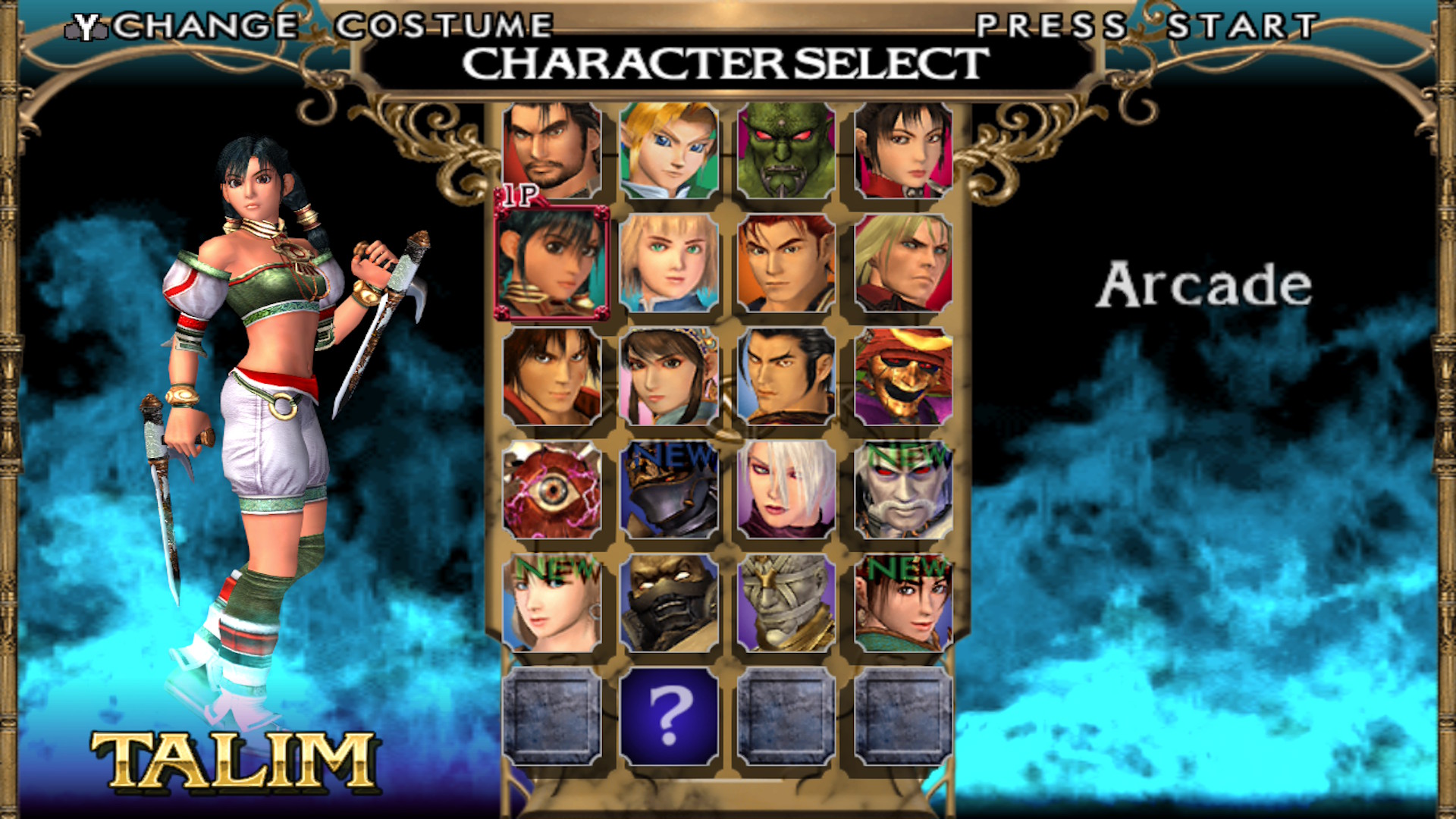
Soul Calibur II is the third entry in the long running weapons based fighting franchise, following on from Soul Edge and Soul Calibur. The legend continues as warriors from across the world battle it out, on a search for the legendary weapon Soul Edge, which has been scattered across the world. These fighters, seek the weapon for their own ambition, with some who want to wield it, whereas others wish to destroy it forever.
The GameCube version of this game features 23 playable characters, with 15 to select from at the start. These characters include those who have been in previous entries, alongside brand new additions to the roster. For this release, Namco collaborated with both Nintendo and Todd McFarlane to create special characters. Through their work with Nintendo, Link from the Legend of Zelda joined the game as a guest, with Necrid a mutant warrior designed by McFarlane.
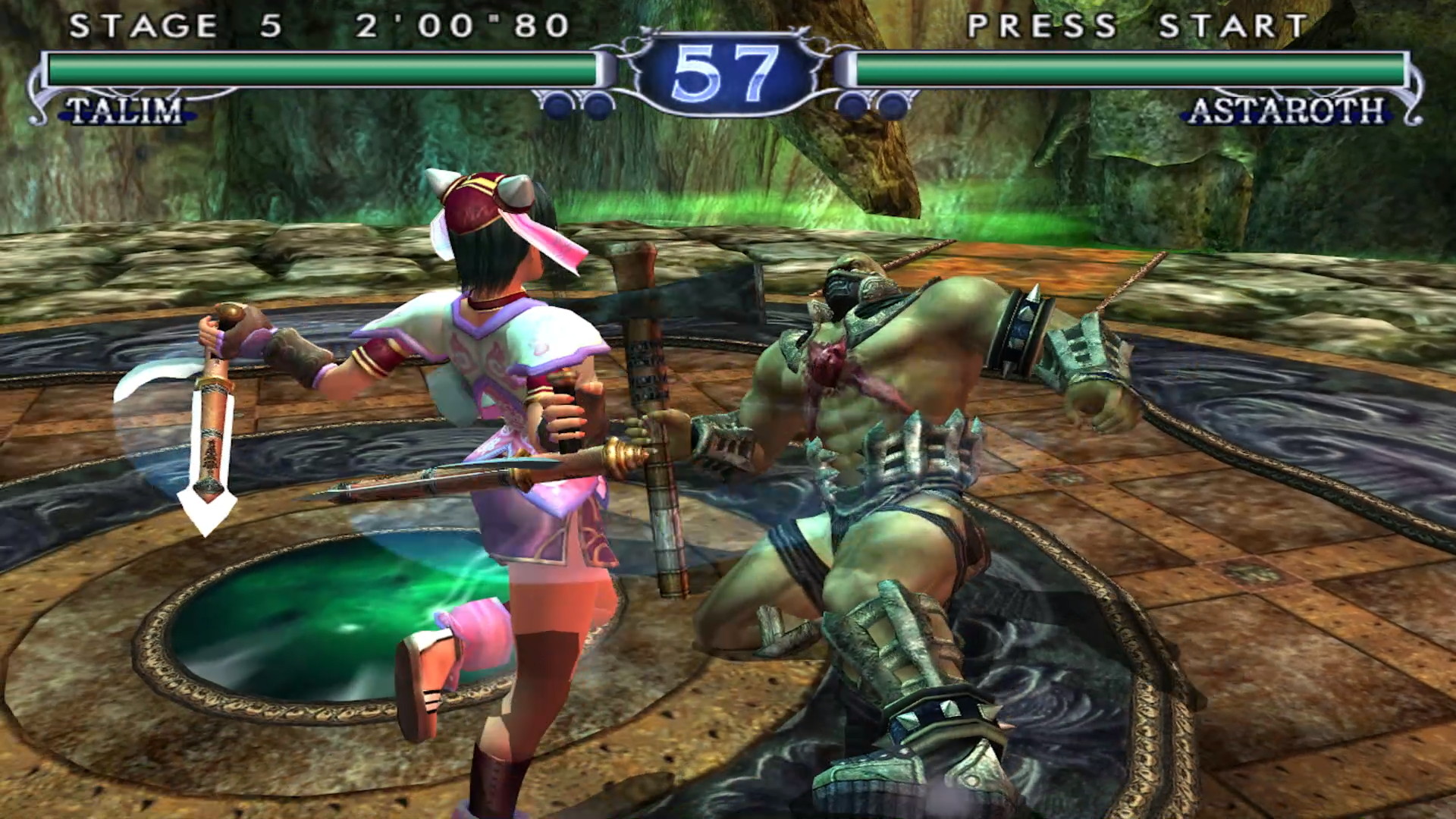
Players have access to a variety of gameplay modes for this release, offering the traditional modes with Arcade, Team Battle, Time Attack, Survival and Practice, There is also the addition of Versus modes for both One-on-One and Team Battles, where players can battle it out locally. In the Arcade mode, the player must battle 8 opponents including the final boss inferno, with the pre-boss fight being a “Destined Battle”.

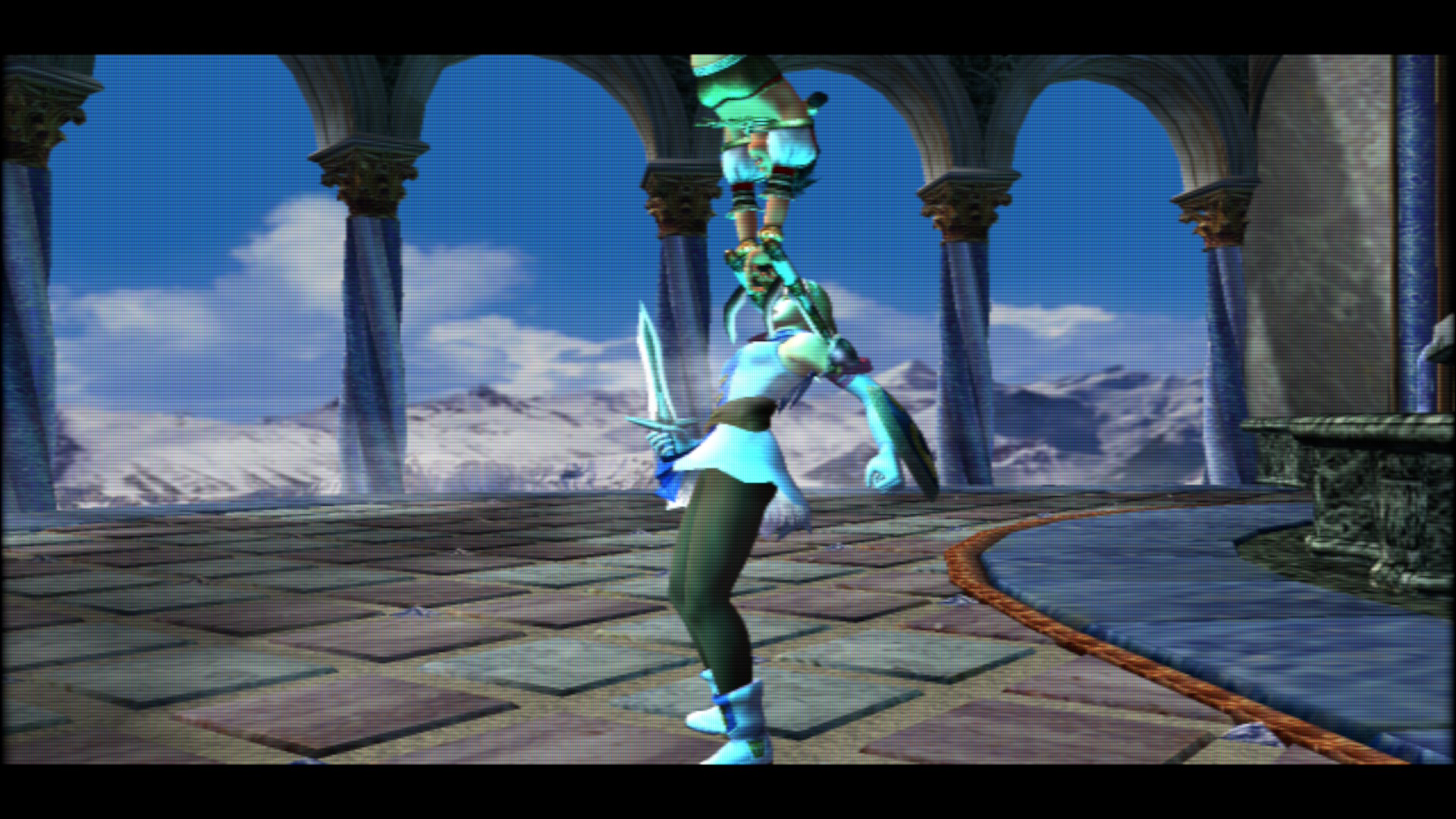
When this destined battle is completed, the player will battle Inferno, the final boss and wielder of Soul Edge. This is a departure from traditional fighting game bosses, as this final battle is a single round that has three phases. If the player can defeat Inferno, the player will get an ending scene for their character, with a couple of exceptions. In the event that the player can clear Arcade Mode without losing a match, the player can submit their time to rankings.
When Arcade Mode is cleared for the first time with each character, their profile will be added to the museum, alongside other things that are unlocked during play. Then we get onto the other modes, with the Time attack, Team and Survival modes being extra challenges, where the player tries to set the best scores possible. These modes can also lead to some other special unlocks, which are tied to another important game mode.
The big selling point for this release is Weapon Master Mode, offering an RPG-lite adventure. Taking place in a world separate from the main story, the player must take on battles through a series of main chapters, alongside bonus sub/extra chapters. In each of these chapters, there is a narrative that builds up, telling the unique story of Weapon Master Mode. The chapters are set in regions, named after stars like Regulus and Thuban.

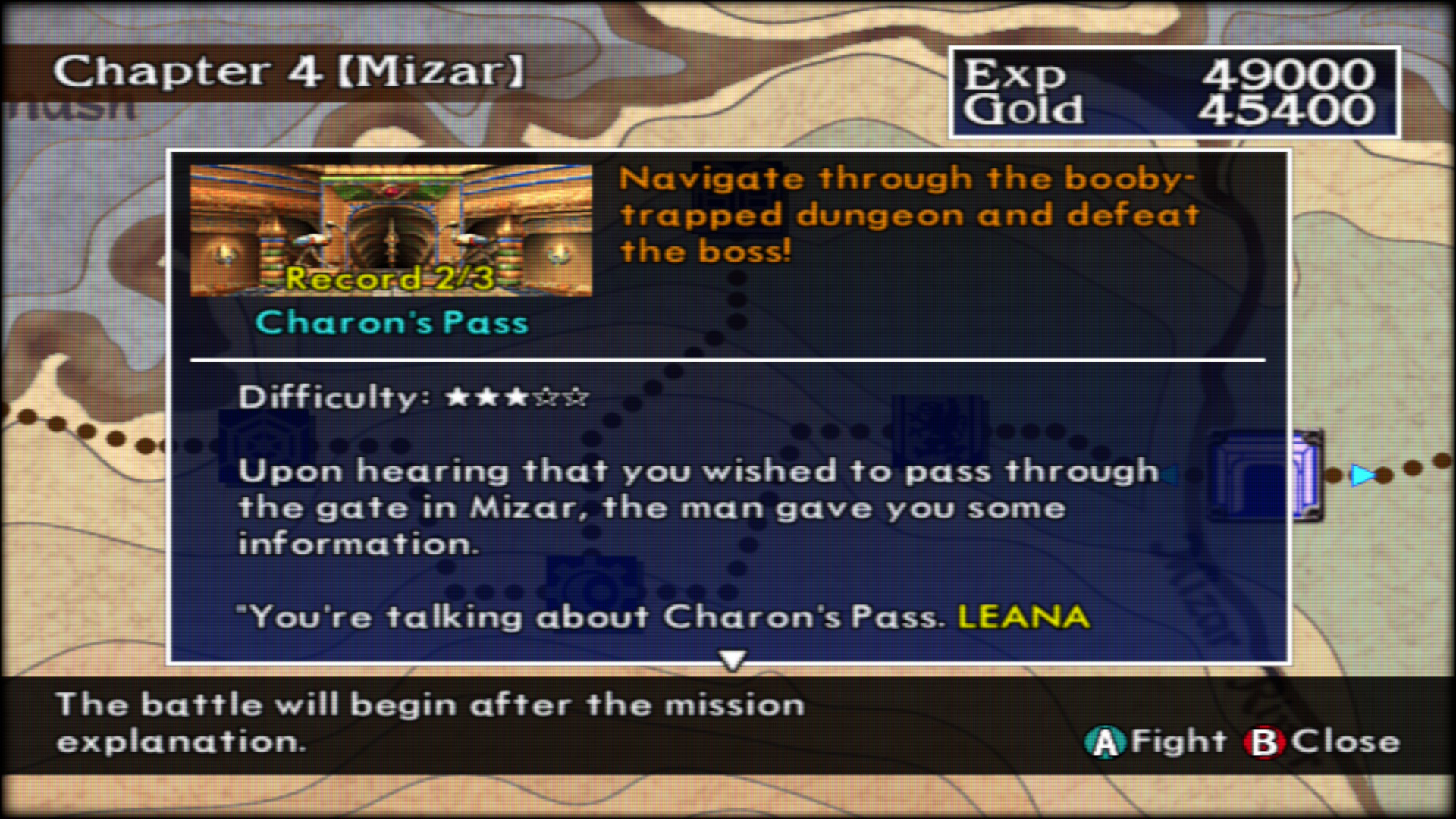
At the start of a chapter, the next part of the story will be told before the stages are available. Each chapter has a set number of stages, with all of them needing to be cleared before moving to the next chapter. The stages in most chapters consist of battles against one or more opponents, with a single challenge condition applying to them. These can be a time limit, reduced health or needing to knock the opponent out of the ring.
However, there are some stages that are a little more challenging. These are the Dungeons, where the player will need to battle their way through a series of opponents, often having different hazards and challenges. This includes an Egyptian themed dungeon, where there is Ice, quicksand and even Lava that will affect the battle. At the end of each dungeon, there will be a challenging boss battle, that needs to be overcome to clear the dungeon.
As the player makes their way through the Weapon Master Mode, they will earn gold and experience points regardless of winning or losing. The Experience will level the player up, with a RPG-like system of levelling up with ratings. Then there is the Gold, which can be used in shops to buy new items. These include new weapons, costumes for some characters and even new gameplay modes, with weapons being the most important.

There is a total of 12 weapons for players to unlock, with each of them having different effects. These effects can be positive or negative, as the weapons can increase strength, defense and restore life. Whereas some have the opposite effect, where stats can be lowered or health can be drained with each attack made. Making the most of these positives and negatives can drastically affect battles, making them easier or more challenging.
Weapons that have been unlocked in weapon master mode can be used in the EXTRA modes, bringing the same positives and negatives with them. This can significantly change the experience that players have, offering a way for players to keep the battle experience more interesting. This can also be done in multiplayer, where players can cause some real chaos in battles, with a near endless amount of matchups that can occur.
The items in the store are not the only things that can be unlocked in Weapon Master Mode. During the course of the game, the player will gain access to new gameplay modes, stages and even characters. Players can unlock 8 extra characters, with 5 of them being usable in the campaign mode. Four of them are returning characters from previous games, one is a mimic and the last three are multiplayer only based on Soul Edge characters.


There is a lot of content for the player to get their teeth stuck into, with the single player modes, multiplayer options and museum modes. The museum is a catalogue of all the things that players have collected, showing the weapons, new characters and additional details. This system gives the game a completionist element, with the numerous endings, secrets and items to unlock. This makes for a well-rounded and rewarding gameplay experience.
Personal thoughts
Soul Calibur II originally released in 2002 for the Namco System 246 arcade system. In this version the player had access to Arcade, Survival, Time Attack, Practice and the RPG-like Conquest mode. This version of the game contains the same roster as the home version, with the exception of console guests and the special NPC characters. The game was then ported to the PlayStation 2, Original Xbox and GameCube in 2003, receiving a positive critical reception.
When these console versions of the game were released, each of them had a unique guest character for that system. For the PlayStation release, Heihachi Mishima from Tekken was added, with the Xbox version, the comic book anti-hero Spawn from Todd McFarlane was added. Then we have the GameCube, with the Nintendo guest being Link from the Legend of Zelda. These bonus characters made it worth playing each version of the game.
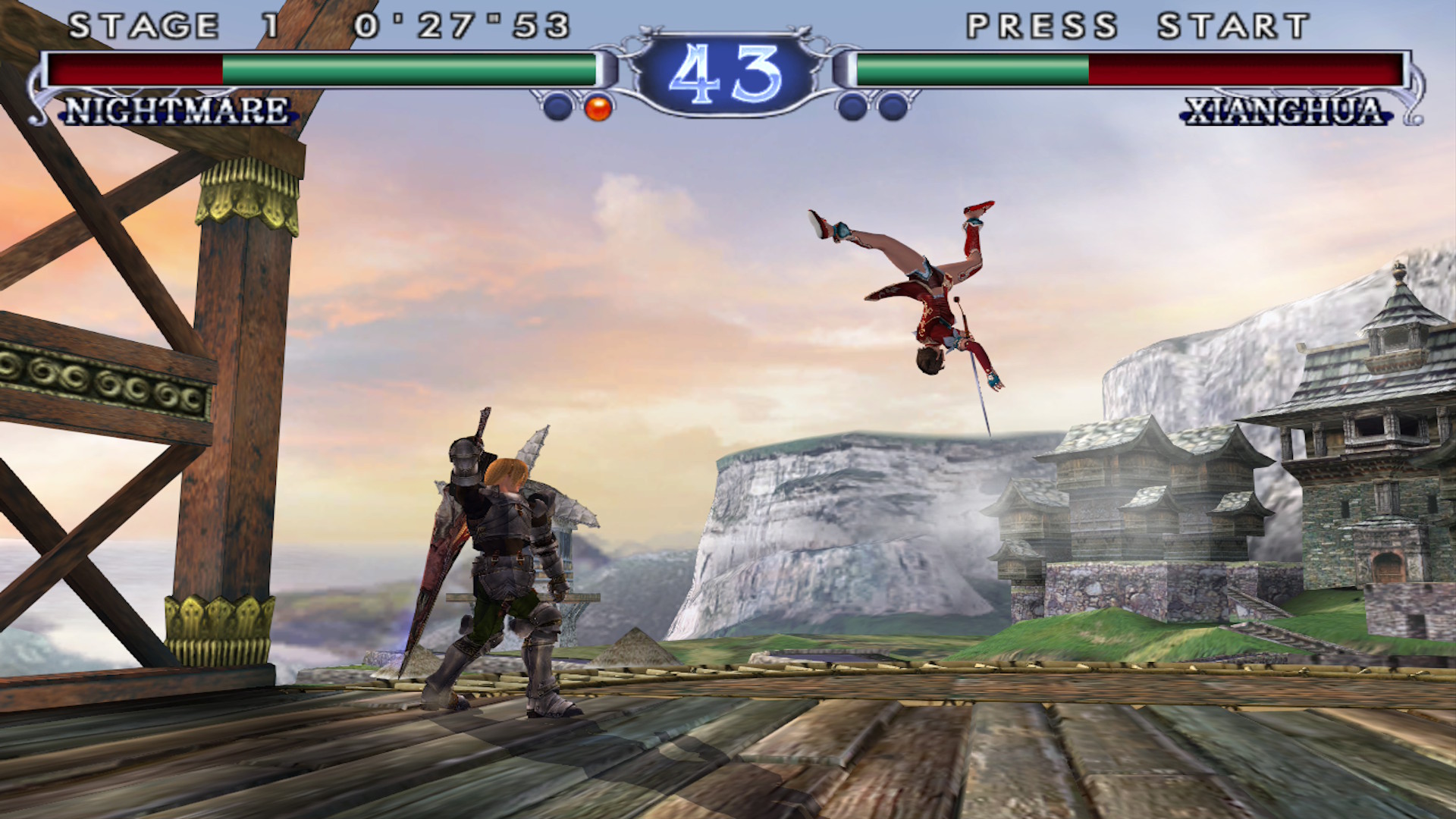
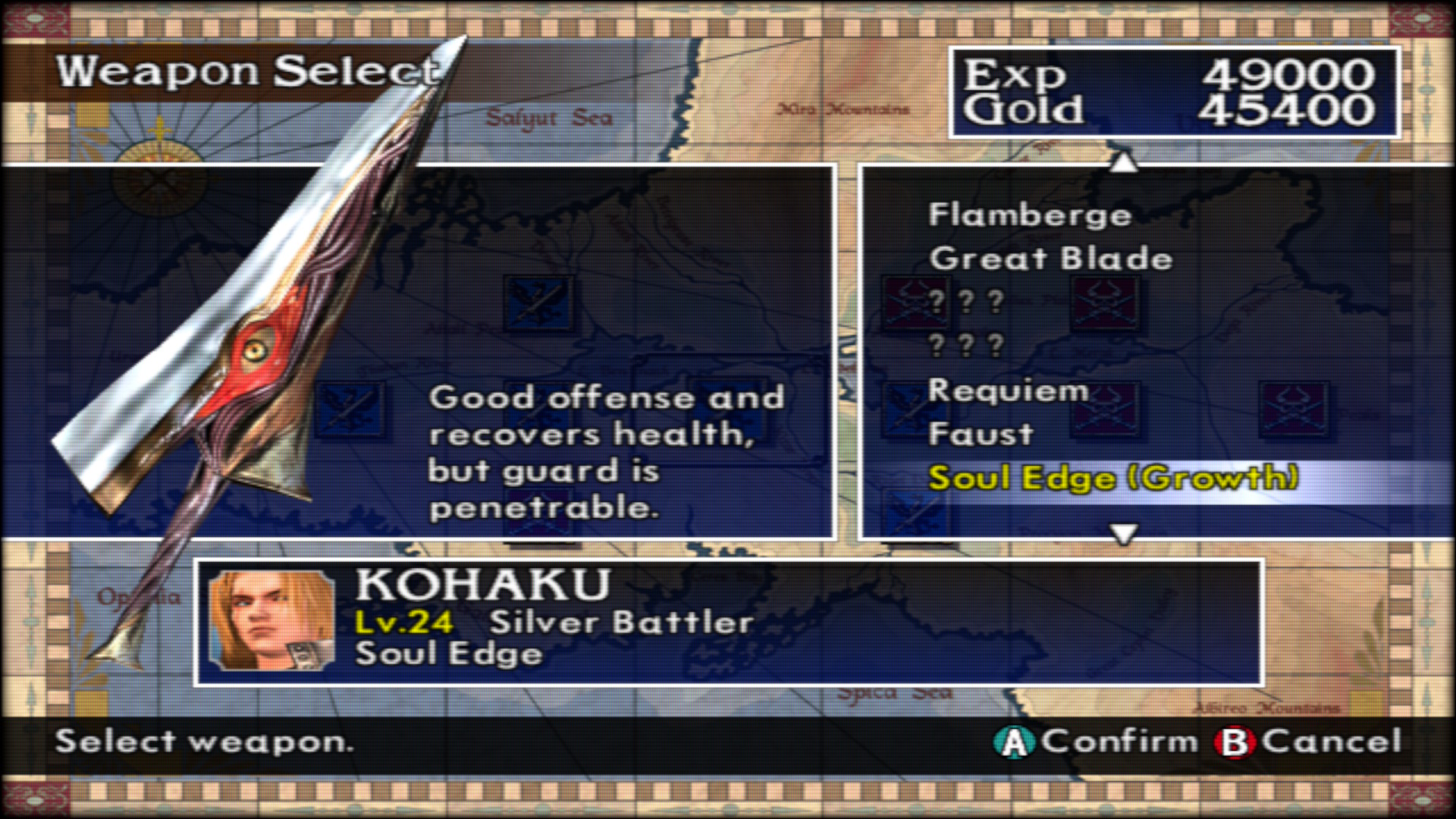
In 2013, Soul Calibur II HD Online was released to the PlayStation 3 and Xbox 360, with both the PlayStation and Xbox exclusive characters included. For the longest time, this was the only way to be able to play this game again, until recently with the release of the Nintendo Switch 2. For the launch of the new system, Nintendo released the Nintendo Classics GameCube library, with Soul Calibur II being included at the start.
I have played the different versions of Soul Calibur II over the years, with my main exposure being the Xbox version of the game and the HD remaster. But I did have some experience playing the PS2 and GameCube release with friends. So when the GameCube Library was announced, with this game in the launch line-up, I was very excited to revisit the game after all these years. This is a game that holds a special place in my heart.
This re-release has been a long time coming, especially for fans of the Nintendo release due to the inclusion of Link. The emulation with the GameCube library is solid, offering an experience that is almost indistinguishable to the original. There is also the inclusion of CRT filters, which gives the illusion of an old school television. This does a good job of softening any blemishes that the raw image may have, giving a retro look to it.


There is also an online feature that can be used, but it sadly has some inconsistencies to it. Due to various factors, which can negatively affect the experience, causing lag and stuttering during play. This may be fixed in future patches, or may just be a side effect of using peer to peer connection for multiplayer. But in general, this is a well-done and the best way to play the GameCube version on modern hardware, there is even support for GameCube controllers.
This was a real surprise seeing Soul Calibur II on the GameCube again after all these years, having believed that it wouldn’t see a re-release any time soon. But I am happy that this was not the case, as this is one of those unique fighting games that should be experienced. There is so much content, depth and fun to be had and with this, there is some excitement to see what could pop up in the GameCube library in the future.
If you have enjoyed this feature, then please stick around and see what else catches your eye. I cover a wide range of games in reviews, get special previews and put out regular features. I have Lost Gems covering forgotten games, more Retro Revival features and the occasional Gaming Oddities piece, where I cover weird and wacky titles. So stay a while and have a look around. Please note, the GameCube library is only available with the Nintendo Online Expansion subscription.
 W.Kohaku Media