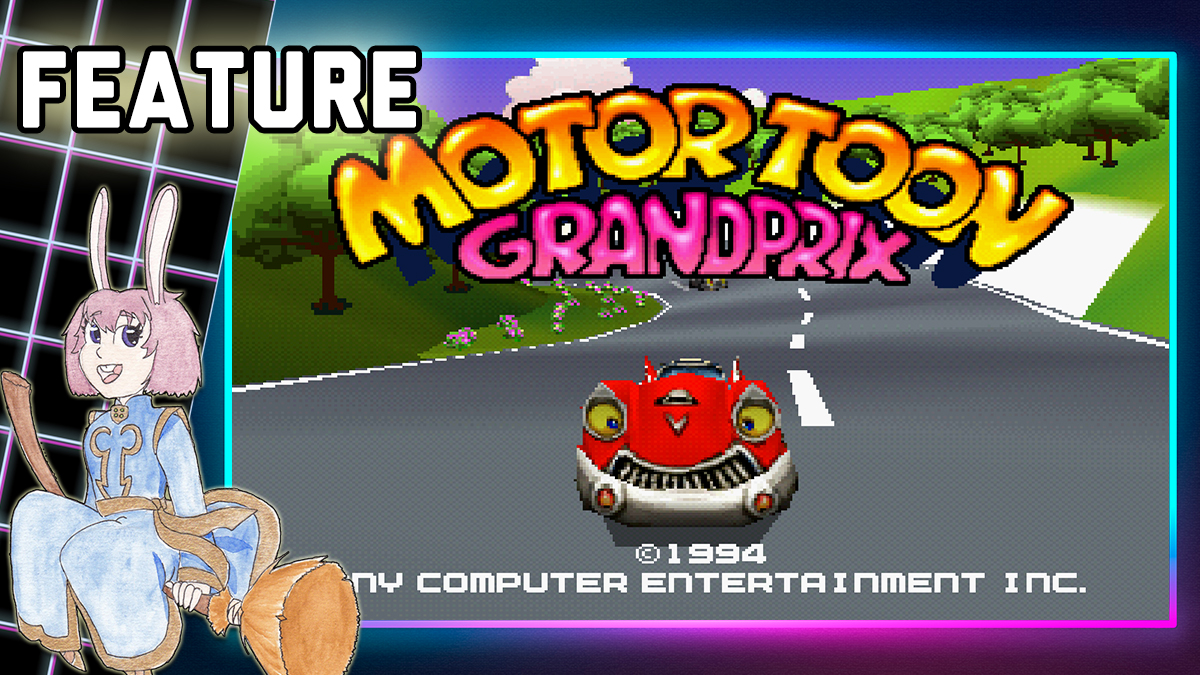
Hello, I am back with another entry in Lost Gems, where I cover classic games that are no longer available in an official capacity. This week, I will be covering a title for the PlayStation, which could be considered as the groundwork for a legendary game series. The classic racing game Motor Toon Grand Prix, developed by POLYS Entertainment, released in 1994 exclusively in Japan. So it is time to take a look at the game that was a predecessor to Grand Turismo.
Disclaimer: while the game discussed here is no longer officially on sale, there are ways to obtain the game. This can be either through the second hand market, or through unofficial digital roms/rips. I do not condone or promote piracy, so there won’t be any links to roms or rips of the game being covered.
So with the introductions out of the way, let’s get started. I will be discussing the general game experience, then give my personal thoughts on the title.
About the game
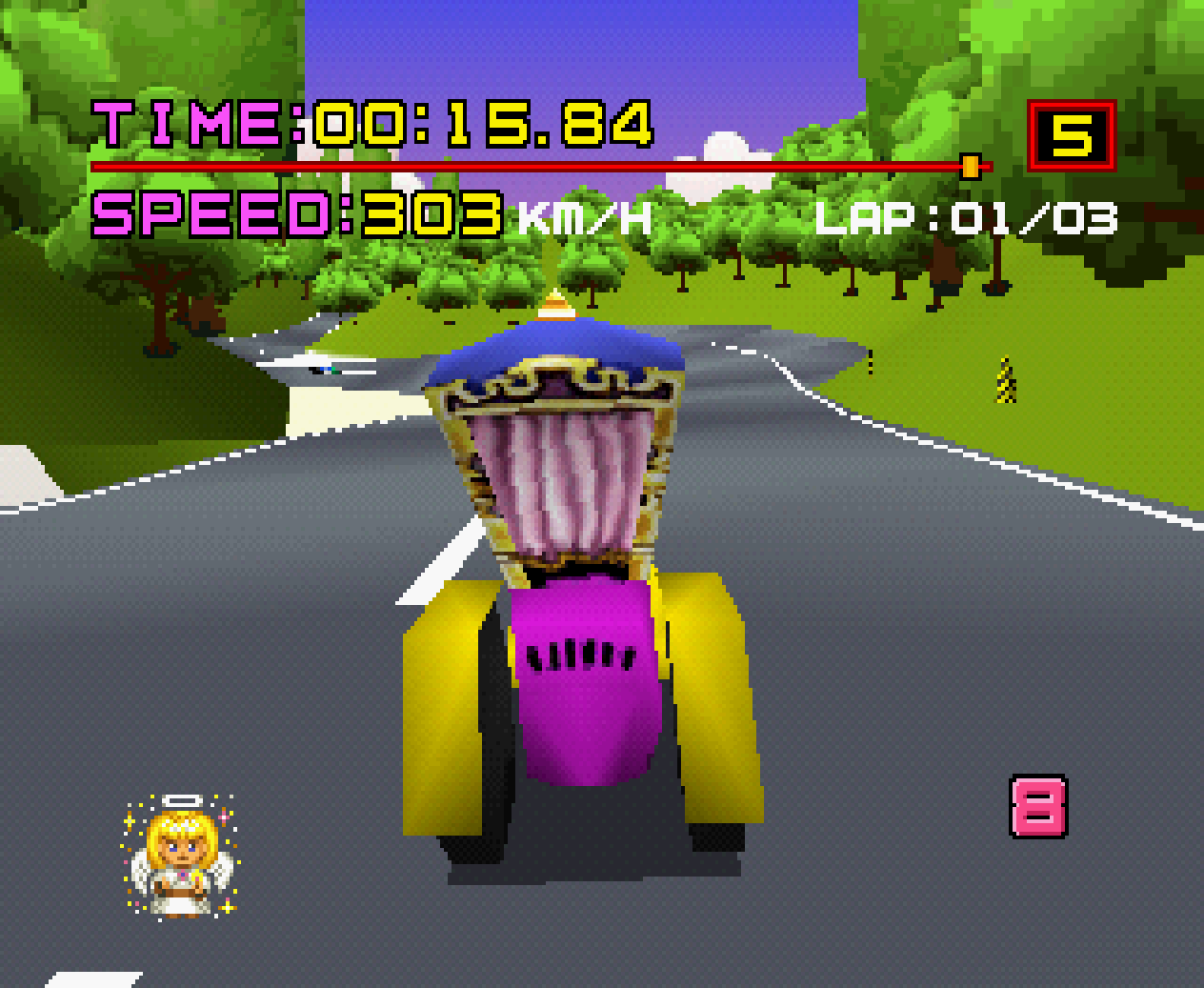

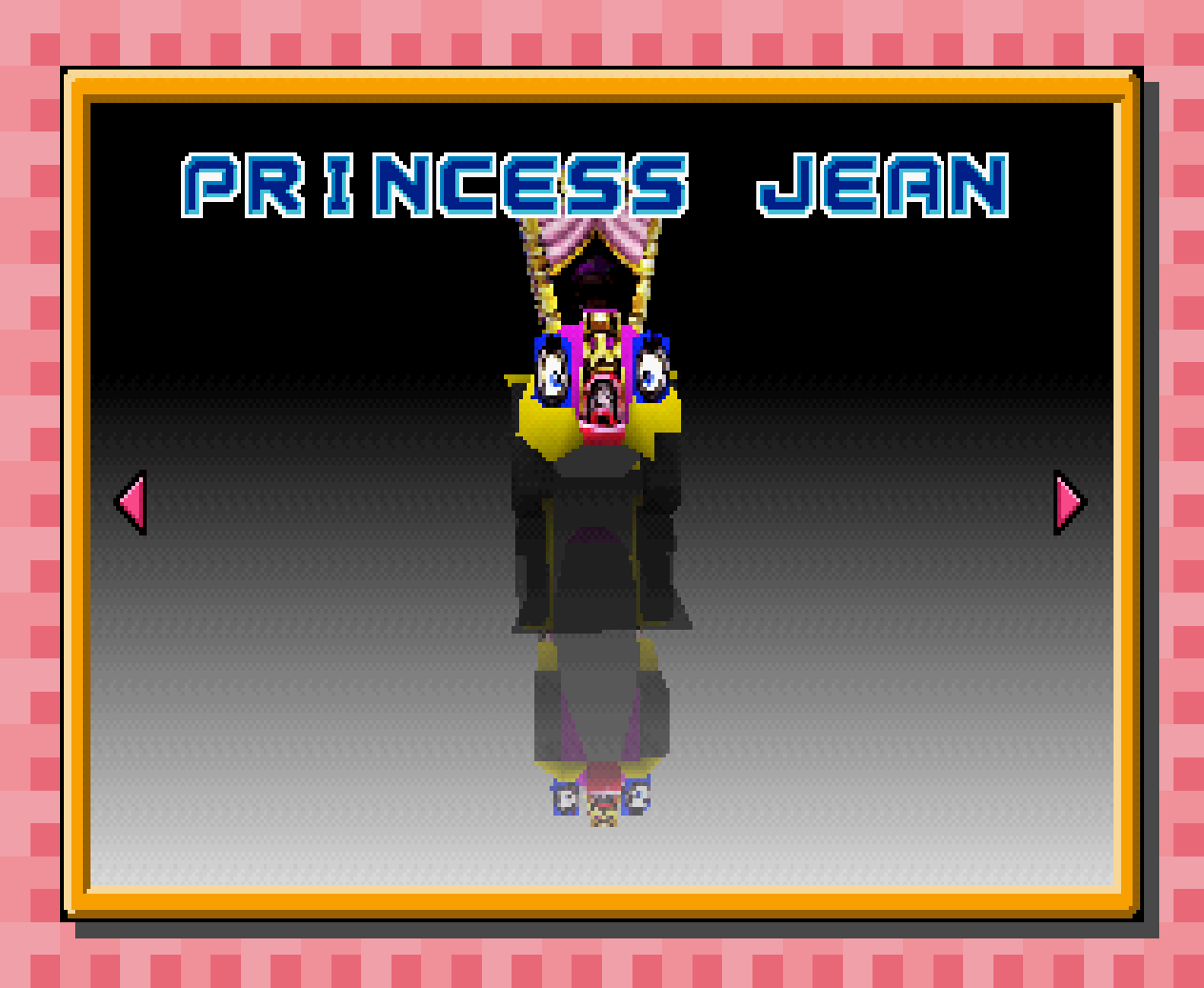
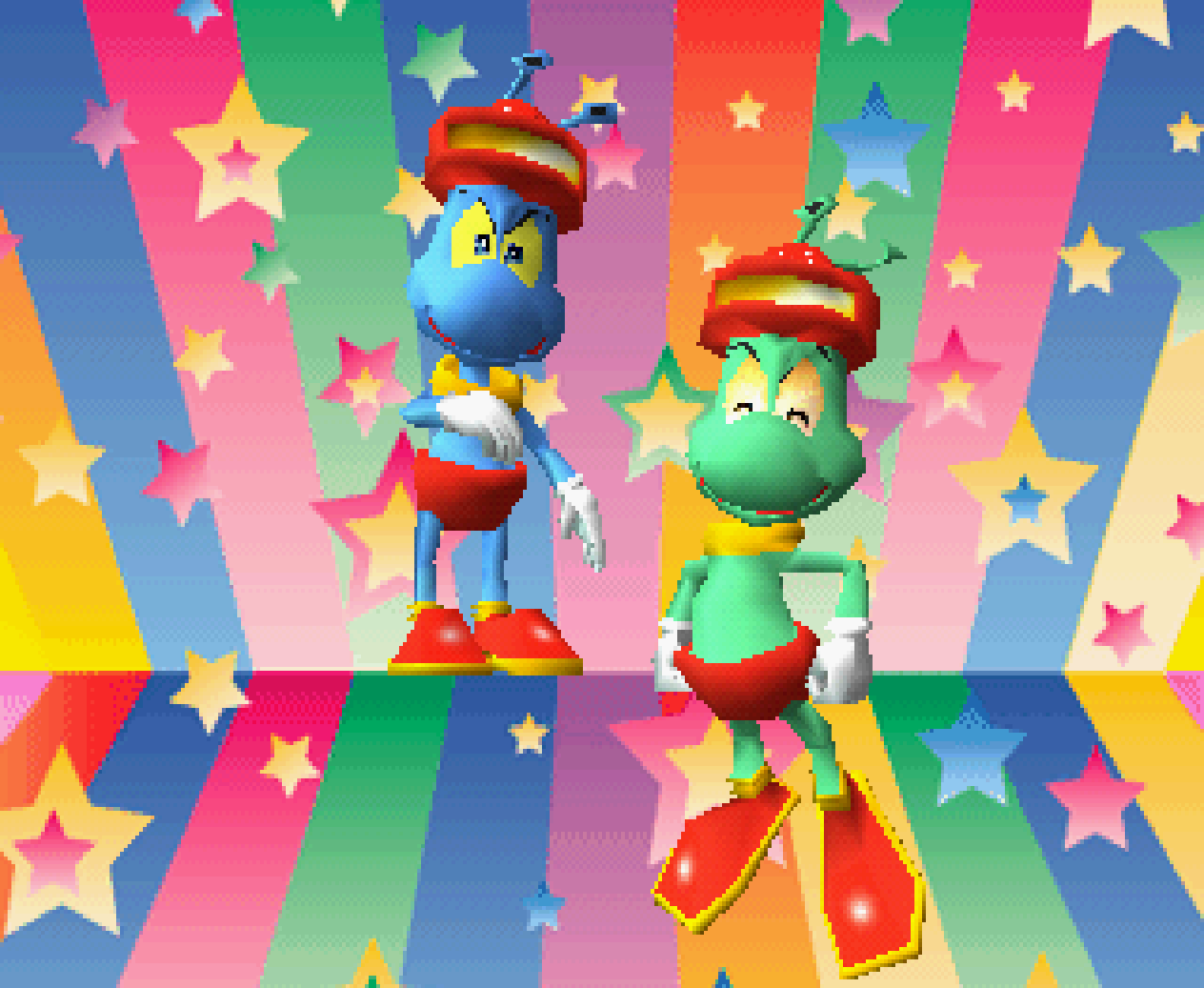
Motor Toon Grand Prix is an unusual hybrid of kart racing and motorsport simulation, featuring 5 racers who take the form of anthropomorphised cars. These racers are unique in their themes, with the pilot Captain Rock and Princess Jean, the robot Bolbox, the Penguin Bros and the aliens Raptor & Raptor. Each of these racers have their own strengths and weaknesses, with varying levels of speed, acceleration and handling attributed to each.
These racers battle it out across three race locations in the Motor Toon Grand Prix. The race tracks are Toon Island, Plastic Lake and Gulliver House, which increase in complexity the further the player gets. Grand Prix mode has the player play each track individually, challenging the other named racers, alongside generic racers. Each of the races lasts for three laps, with the goal to get into first place. All three races have the choice of Easy, Normal and Hard.
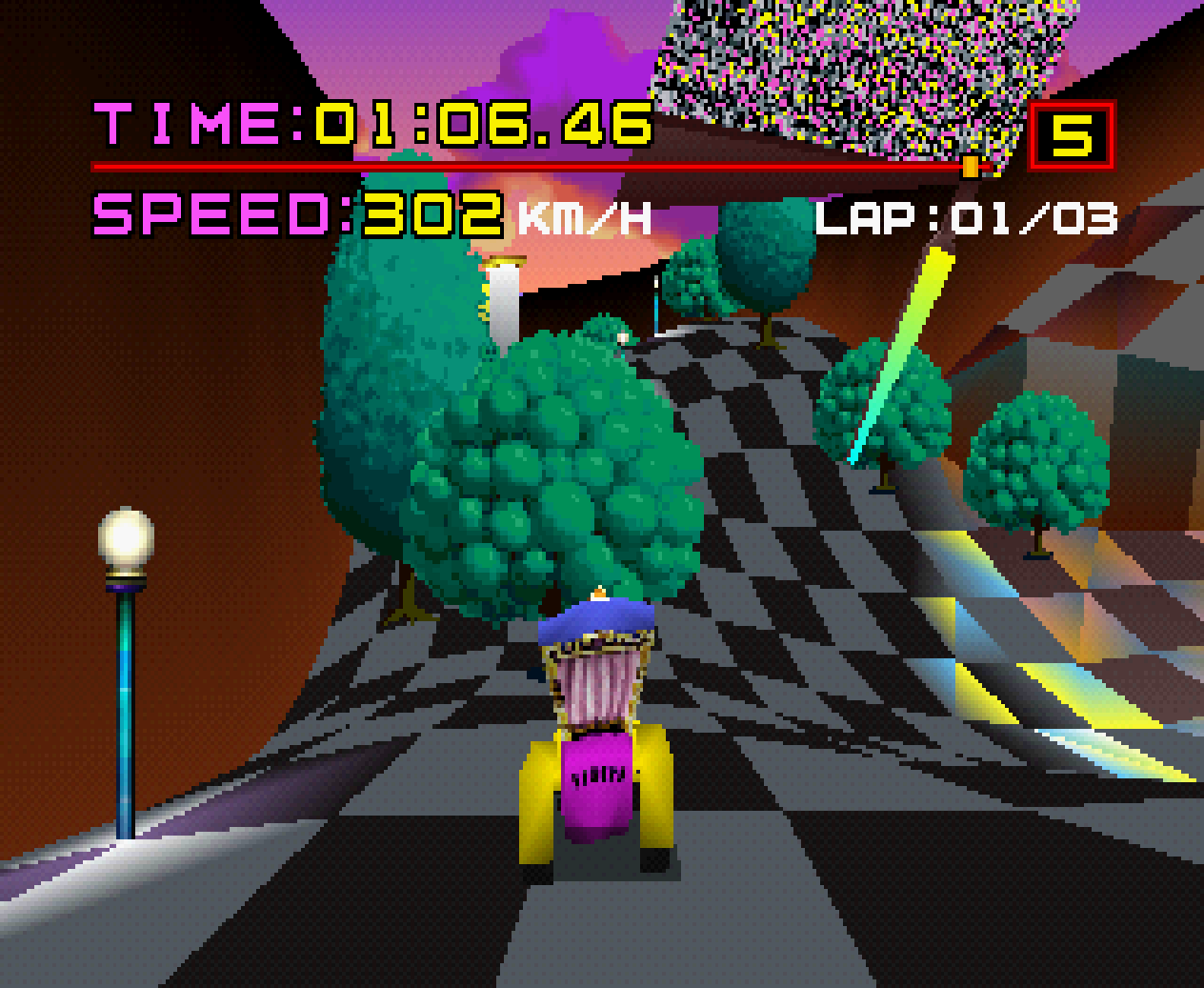
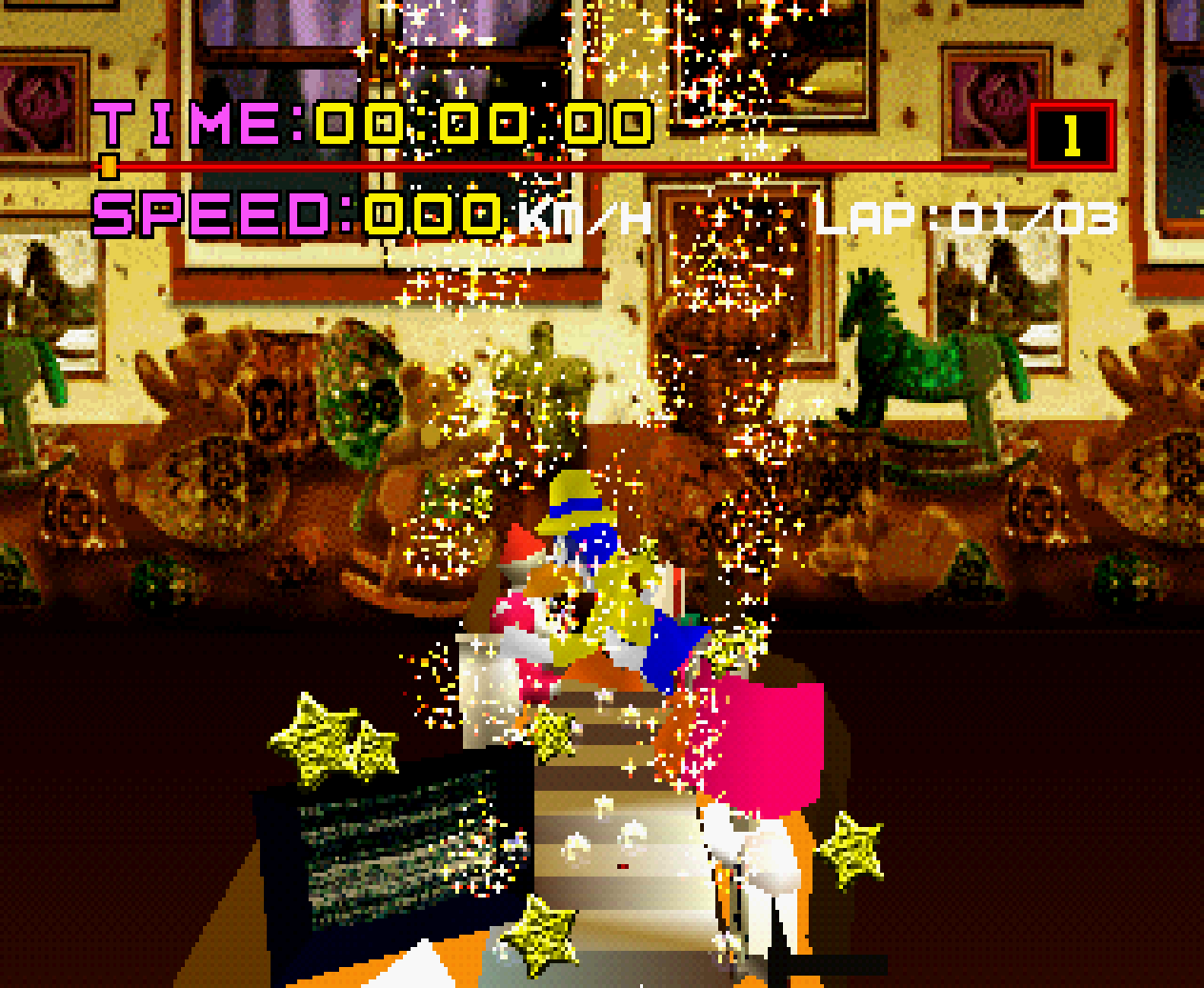
At the start of a race, the racer will descend from the sky as the other racers set off, the action starting the second they hit the ground. There is a good sensation of speed, with the moment to moment action feeling challenging. Due to the focus on the driving, there are no weapons, speed boosts or gimmicks to complicate the races. However, this release does have a mechanic that makes it feel unique from the other releases of the time.
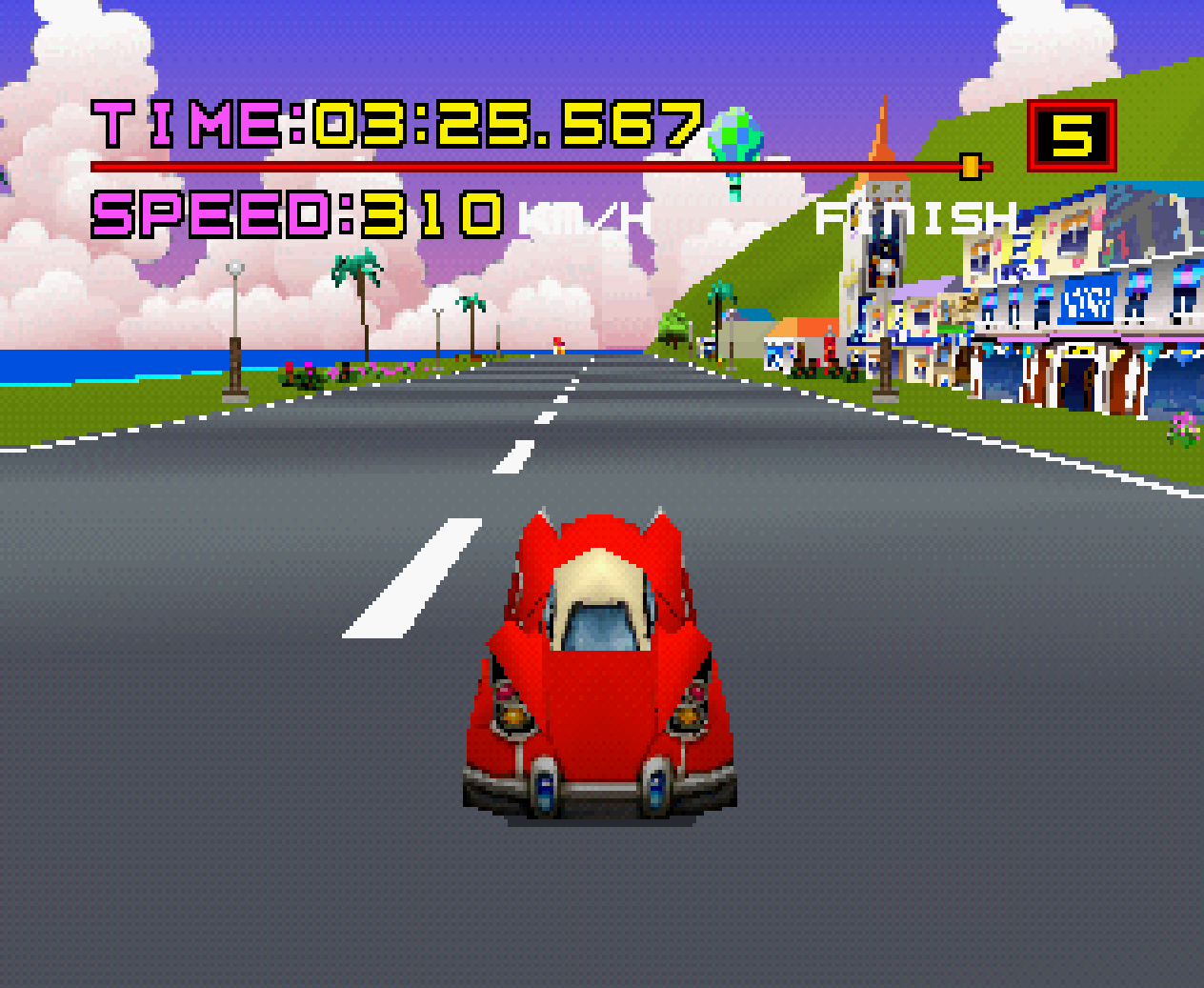
As the players drive around the track, there will be crystals at set across the track. When these crystal lines are passed, a “slot machine” will be activated in the corner, flickering between an angel and a devil. If the devil appears, nothing happens, but if the angel shows up the car will transform into the humanoid form of the racer. In this form, the racer will run on the track, giving them increased speed for a limited time.
There is also the option for four camera angles, letting the player see the game from various perspectives. They are first person, a little behind the car, a middle height and then a high follow shot. These different viewpoints can make the races feel more dynamic, especially the first person bumper view, which can be a real trip as it swings around. Just be aware, there is the chance for motion sickness when playing in the bumper view.
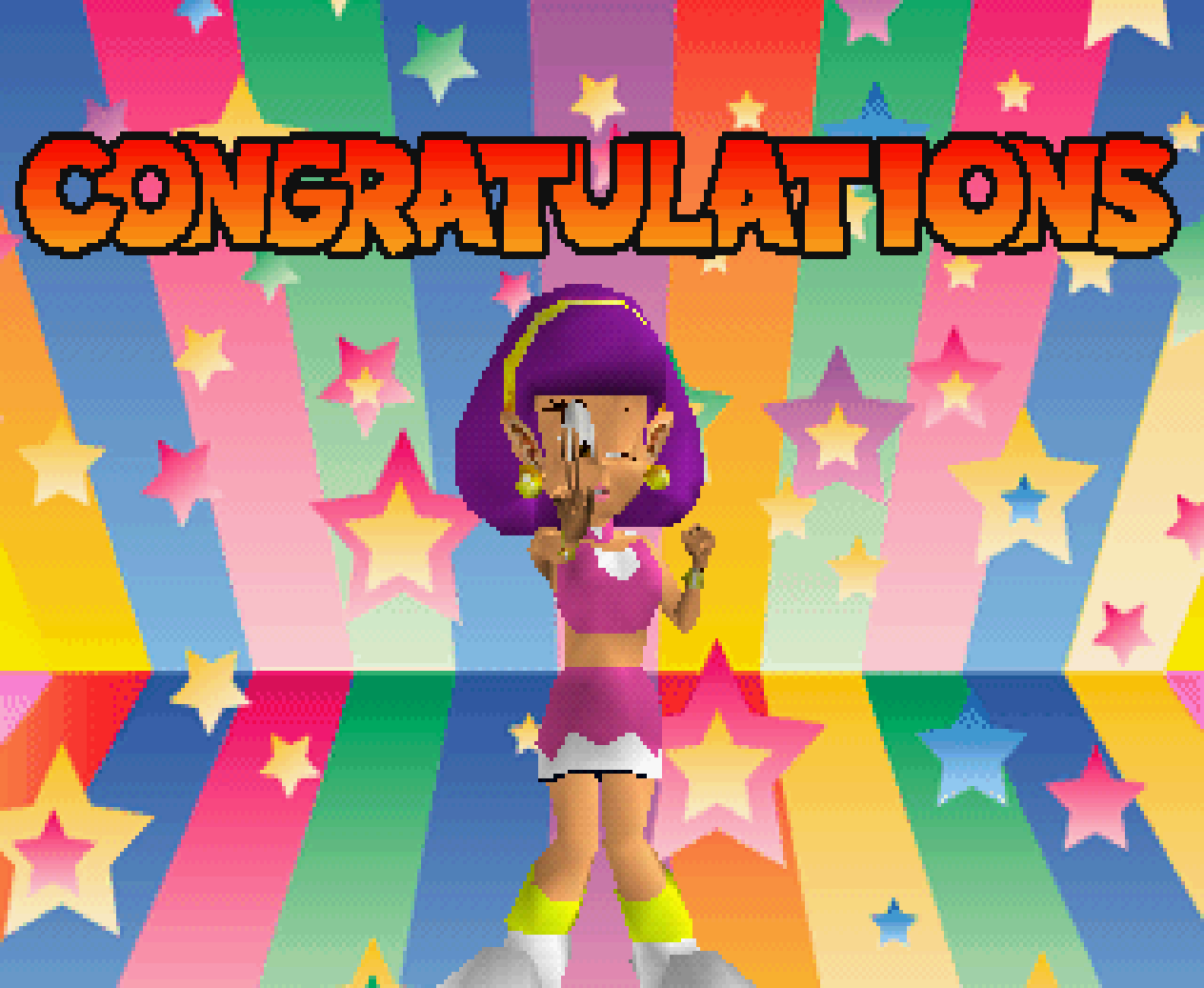
At the end of the race, if the player finishes in first, they will get a congratulatory animation of their racer, then see a replay of their winning run. But if they fail to reach the top spot, a bad end scene will play out before being urged to try again. Regardless of the result, the fastest time for the racer will be added to the local leaderboard. As there are multiple name save slots for the game, several people can compete in the same household for the top spot.

Away from the Grand Prix Mode, there is also Time Attack, where players can race any of the tracks in the game. There are 13 total race tracks that can be challenged in this mode, with the three from Grand Prix and 10 special multiplayer race tracks, split between Match Race and Dual Race. The Match Race tracks have 2 laps each, whereas Dual Race is similar to a drag race sprint, where the player must get from the start to goal as fast as possible.
Speaking of Match and Dual Race, these modes allow for players to engage in exciting and fun split screen competition. The Match race is a straight up head-to-head race, taking place on tracks with distinct themes and gimmicks. Races in this mode can be modified by changing the laps, up to an astonishing 20. The Match Races can also be given a handicap, called Excite mode or having no handicap to keep it as balanced.
Then we have Dual races however are the most unique element, as the players race on special symmetrical tracks, where each side races on a mirror of the other. In this game mode, the race track can have a number of “sets” chosen, where multiple sprints occur on the track, alternating sides each time. These two modes give the game more replay value and fun for game nights, as there is the chance for a lot of exciting multiplayer chaos.
Personal Thoughts
When I was a kid, my dad imported a PlayStation and Motor Toon Grand Prix, alongside several other games like Ridge Racer, Battle Arena Toshinden and King of Fighters 95. Seeing all of these games was a mind blowing experience, as 3D gaming was a brand new frontier, with no established standards in place. But Motor Toon Grand Prix was one that really stood out to me, as it was so silly and unique in its execution.
The game is relatively light on content, with only three GP tracks and 5 racers, but the Time Attack mode which can be used for all tracks adds a lot of replay value. Then there is the 2 player mode, which offers a lot of competitive play with the Match and Dual race modes. It may appear simple in the way it is presented, but there was a lot of work put into the way the cars feel, with dynamic physics which really made it feel different.
I have a deep appreciation for this title, having played this and the sequel a lot over the years. There is this unique silliness that is present, with the character designs, the way the cars look and the tracks themselves. My favourite being the Gulliver House which feels like a real acid trip, going through this giant house with a game room, kitchen and even a PlayStation. Then there is the angel power, which further blew me away when I first saw it.

This title and the sequel laid the ground work for Gran Turismo, with POLYS Entertainment using the Motor Toon engine for the first game. After the success of the first GT game, they became Polyphony and have been making Gran Turismo games since. I do wish that they had done more with the series, or just re-released the two games, as they offer something that made them stand out from all the others out there.
This game is relatively obscure, since it was only available in the Japanese territory at release, only obtainable through imports. This means that it is a relatively unknown game, as the sequel was released as Motor Toon Grand Prix in the US, but it kept the 2 in Pal regions. This obscurity thankfully hasn’t affected the price on the second hand market, as the game can be picked up for a rather low price through the resale market.
Sony were involved with the development and publishing of Motor Toon, so they have the ability to do something with this series. But it seems that they are content to just abandon the series, having re-released the second game once on the PlayStation 3 and PSP, but then they forgot about it, with no presence of either on the PlayStation 4 or 5. This is disappointing as it is a game that should be experienced, as it is an important piece of gaming history.
If you have enjoyed this feature, then please stick around and see what else catches your eye. I cover a wide range of games in reviews, get special previews and put out regular features. I have Lost Gems, Retro Revival where I discuss re-releases and the occasional Gaming Oddities piece, where I cover weird and wacky titles. So stay a while and have a look around.
 W.Kohaku Media