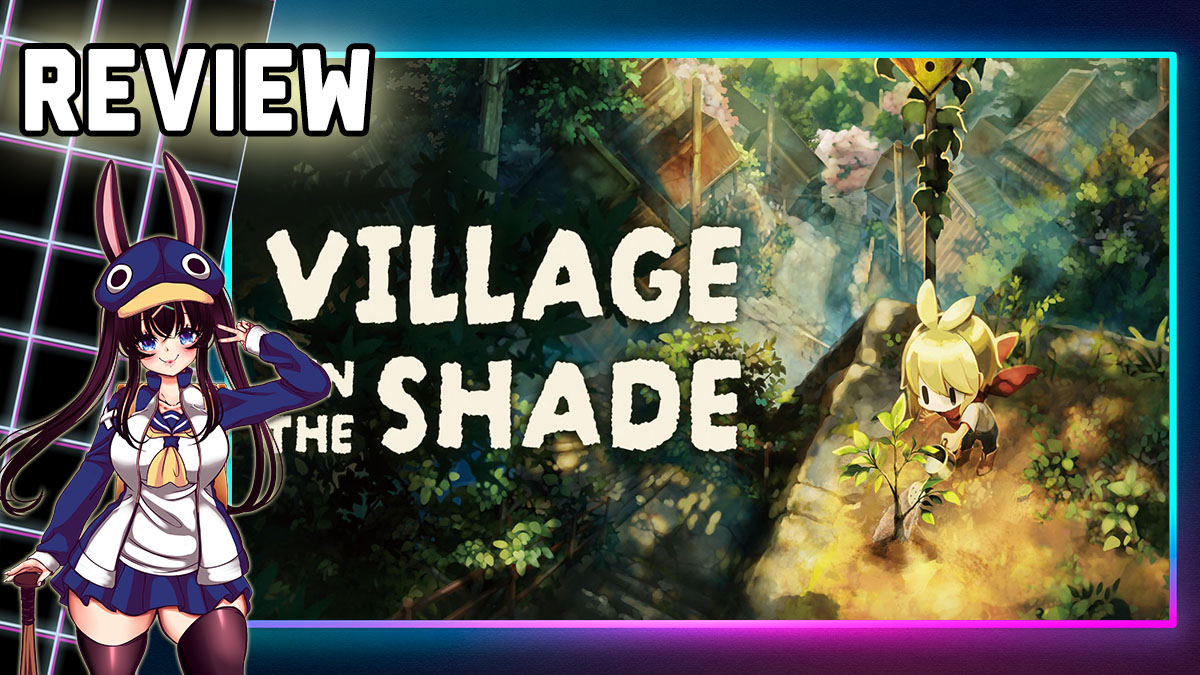
Overview – developed by Nippon Ichi Software and published by NIS America, Village in the Shade is a cosy farming sim set in a Japanese Village, but not everything is as it seems. Make your home in the mountain village of Kagatsu, cultivate the land that has been provided to you, but be careful to follow the rules, or else. This title is available for Nintendo Switch, Switch 2, PlayStation 5 and Steam, with a link to each version of the game at the bottom of this review.
Disclaimer: before I get into the review, I would like to thank NIS America for providing the copy of Village in the shade that was used for this piece, via the Keymailer service. The provision of this software has not influenced the contents of this review, all thoughts and opinions contained within are my own.
Now with the introductions out of the way, let’s get into the review, starting with the story. Please note, I will only be covering the core elements of this release, as there are many secrets and surprises that I don’t want to spoil any content for players.
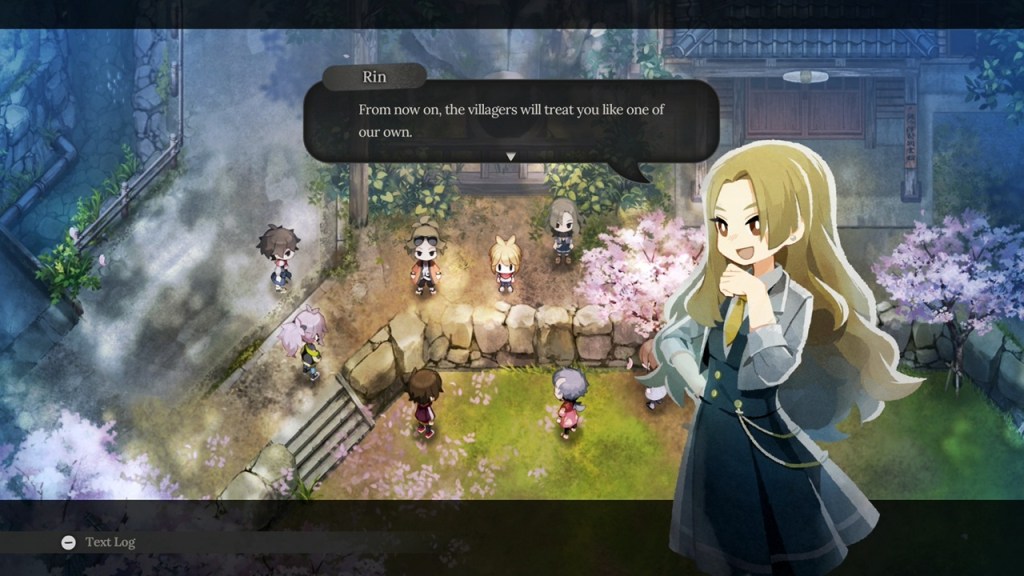
Story – Up in the mountains, a child got lost while following an escaped chicken from their farm. While trying to recapture the hen, they fall into a mysterious hole hidden in the mountain. After getting back to the surface, they are found by residents of Kagatsu Village who take them in as they have lost their memory. They are given land to farm as they become a member of the village, but they have to follow the rules… or else.
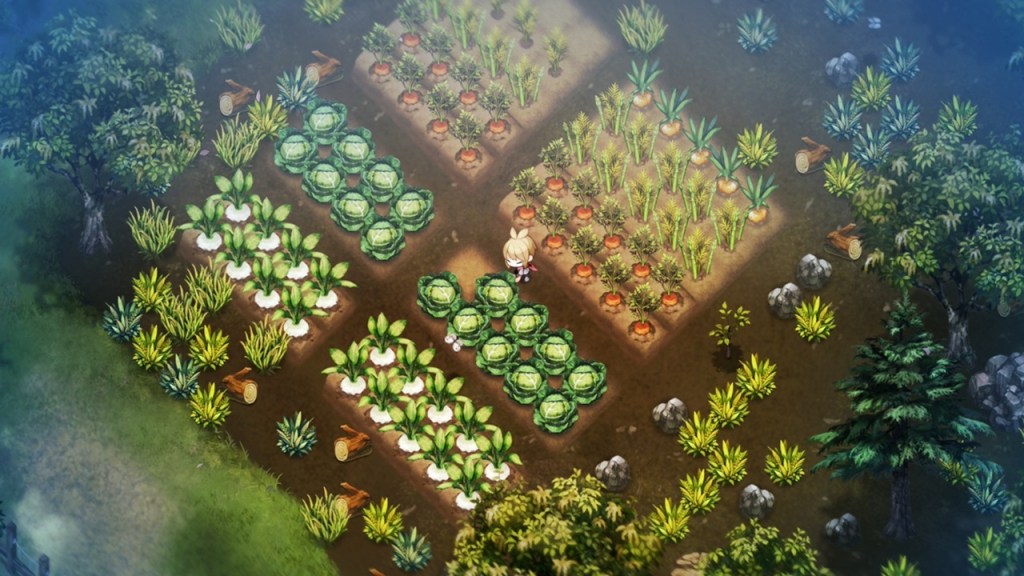
Gameplay – Village in the Shade is a cosy farming adventure, where the player takes the role of the lost child, taken in by Kagatsu Village. Having been given a plot of land, the player must cultivate the land, removing stones, weeds and logs to be able to plant crops. Farming the land, they will be able to earn their place in the village, becoming a member in the truest sense of the word. This allows them to live among the other residents in peace.
As they farm the land, they will be able to plant a variety of crop seed and harvest resources, using various tools to be able to make their living. By watering and caring for their plants, they can be harvested and sold to earn money at the end of each day, selling off the produce to earn their keep. But that is not the only way to earn, as players will be able to gain the ability to raise livestock, including cows and chickens that add to the bounty.
Players will also be able to use resources and crops to take care of themselves, using materials to craft items like chests, furniture and light sources like torches. The crops can be used for food, as the player will use up energy by performing actions, like chopping wood and breaking stones. If all of the player energy runs out, they will be unable to continue working until they eat or rest. If the player doesn’t have food, they will be able to forage plants and berries to eat.
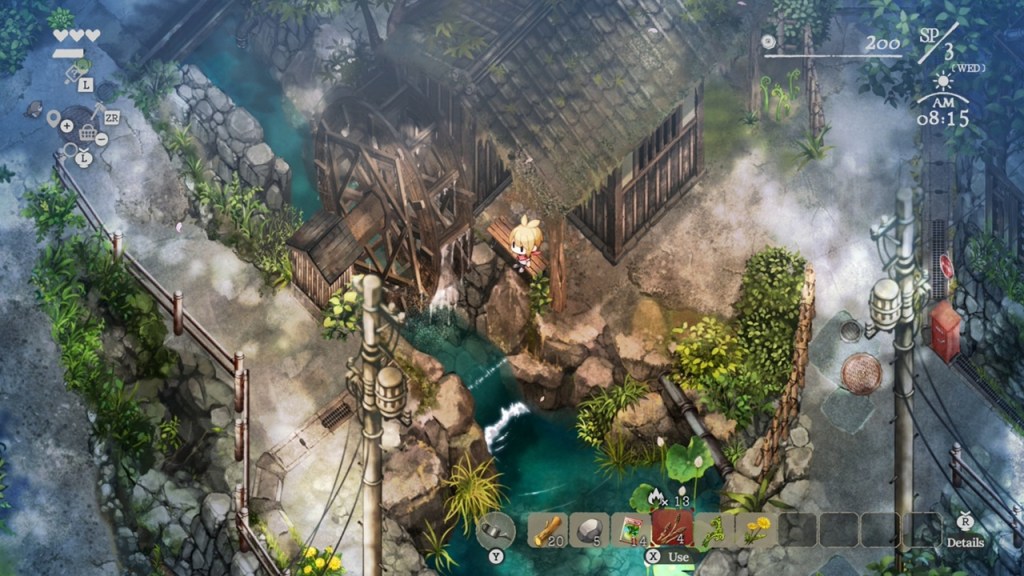
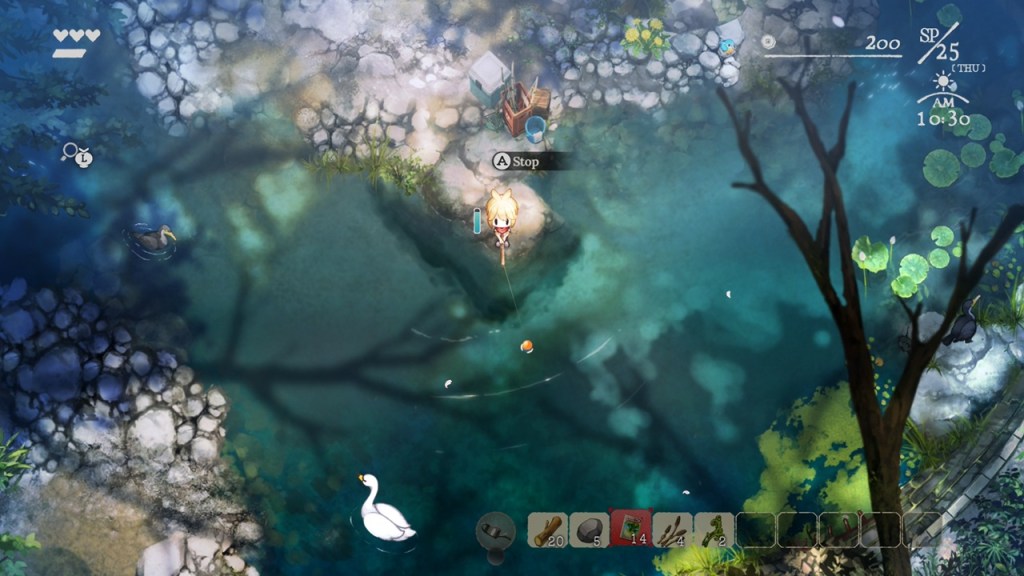
The village itself has various spots in the residential area, as well as the surrounding lands. In the central part of the town, there is a restaurant, general store and even a clinic offering services that residents regularly use. Outside of the main area, there are mountain paths, the hunting lodge and caves that can be explored. This expansive area has different items that can be found, alongside fishing spots where players can relax and catch fish for sale.
At the end of each day, the produce and materials that are to be sold can be placed in the sale box. This is collected when the player chooses to go to bed, ending the day with the money being added to their earnings. A chart will track the sales and earnings for the farm over time, with the total value of produce being added to the player bank overnight. The next day, the funds that have been collected can be used to purchase new items and upgrades to make life easier.
When the player earns enough money, they will be able to buy upgrades for the workbench to craft new items. The upgrades include new furniture for the inside of the house, different types of decorative items and more, letting players customise their homestead. As the player makes their way through the game, they will be able to unlock new recipes to craft. They will also be able to buy decorative items, including house plants and a fan for the hot summer season.
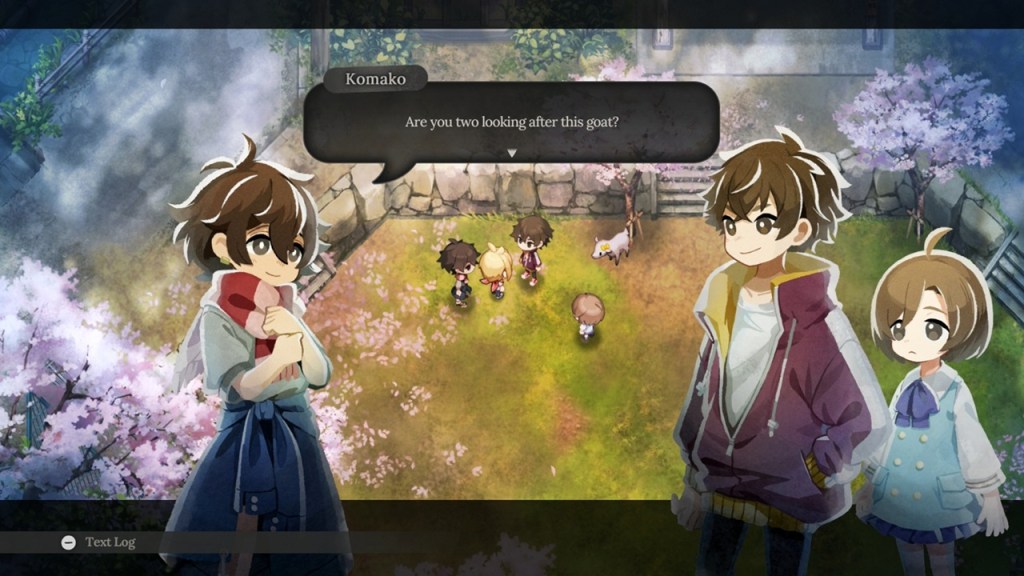
If players want to make friends with the other residents and villagers, they can talk to them and provide them with gifts. By building positive relations with the different members of Kagatsu village, events may occur including bringing the player into their home. There will also be events that occur throughout the entire village, including festivals and group meetings, where several characters will be present at once, giving the village life.
Life in the village appears idyllic, with the harmony of residents governed by a sacred code, consisting of rules that all must follow to be accepted. These eight rules include “do not approach strangers” and “do not search for lost things”. The code of Kagatsu is designed to protect the way of life for the village, with one rule being more important than any other. This rule is that villagers must not be outside their home past 11pm at night.
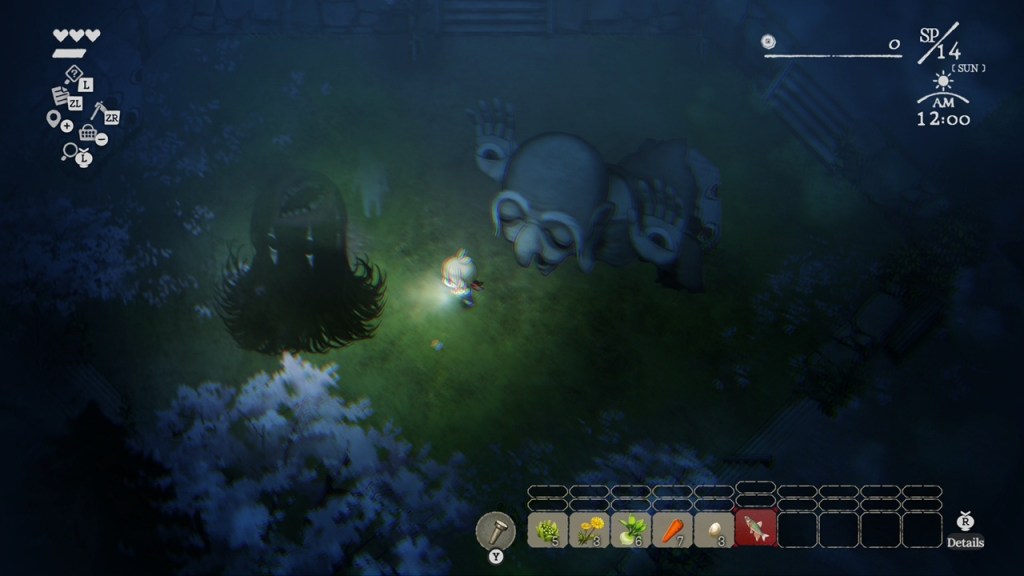
When darkness falls on the mountain and Kagatsu village, there are unexplained phenomena that occur. In the main village and the surrounding lands, there are spirits, Yokai and voices that will appear in the shadows. These beings will appear throughout Kagatsu, with many of the spirits attempting to make contact with the protagonist. It is unknown why they the Yokai appear in the area, but they may just be tied to the lost memories of the player.
If the player chooses to defy the code of the village, they will be able to experience the mysteries of the Yokai and the village itself. It is important to stay vigilant of surroundings, as there are items that can be found during the night. These objects can prove useful to the life in the village, and may even provide a way to stop the spirits. The darkness that falls will make vision difficult, so it is important to carry a flashlight to illuminate the path forward.
Away from the farming, exploration and general life in the Village, there are customisation options available for the protagonist. Many clothing options and accessories can be obtained during the game, with headwear, clothing and accessories that can be purchased. This adds an extra element of customisation to the game, letting players personalise their experience further. But the correct furniture is needed for players to customise their looks.
There is a comprehensive menu system for the player to explore, with a map of the town showing locations of residents and facilities. Alongside the map, there is a profile screen showing information about the villagers that have been met. Players can also view the code of the village, look at all items that are being carried, read tutorials and more. These different menus can be useful for keeping track of events, offering important reference materials for play.
The last thing to discuss is the mode selection, which is available when starting the game for the first time. Before jumping into the games, players can select from Village in the Shade or Village in the Sunshine. The Shade option provides the player with the full experience, with the horror and Yokai encounters. But if the player selects Sunshine, all of the scares and horror elements are disabled, with players unable to break the code of Kagatsu Village.
Now with the gameplay covered, it is time to discuss the other aspects of this release, starting with the controls.
Controls – this release has an input system that may be a little confusing, as there are many different functions that must be learned. All of the buttons have a function during play, like the ability to switch tools, pick up an item, bring up a menu and open the town map. To make it easier for players to navigate the different features, there are on screen tooltips for different inputs. All of these elements make it easier for players to easily keep track of the buttons.
Difficulty – there are two different difficulty modes for this game, with the Shade mode being the intended experience, offering a challenging horror experience. The difficulty of this mode is split with the day being relatively laid back, whereas the night time can be tense and anxiety inducing. This is due to the Yokai encounters in the darkness of the village. If players select Sunshine mode, the challenge of the dark is eliminated, only having the cosy farming elements.
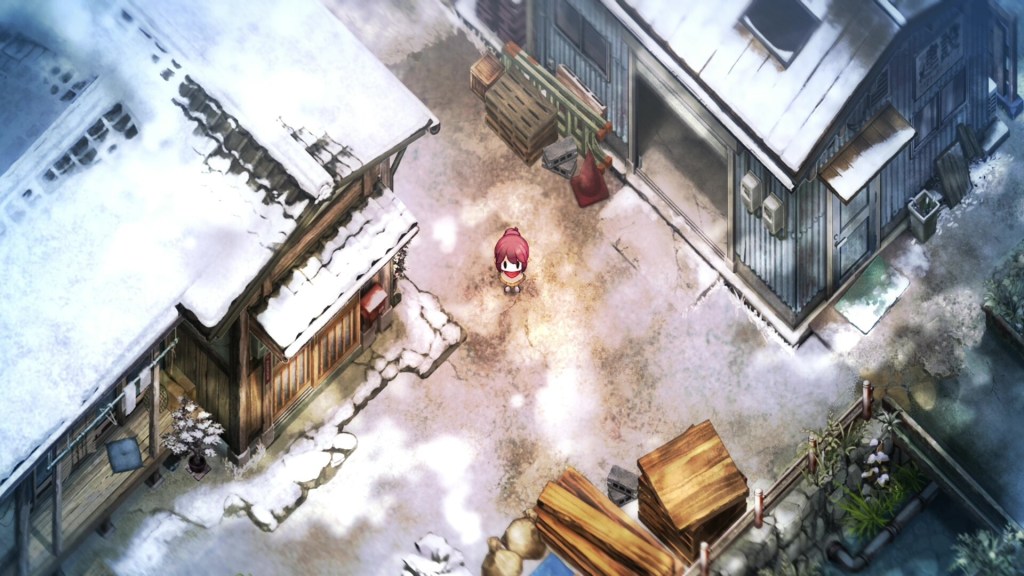
Presentation – visually the game is beautiful, with a graphical style that has a hand-painted feel to it, with bold use of color and textured detail throughout. There is a soft look to the character designs, which contrasts well with the dark horror of the Yokai. The animations for characters and ghost encounters flow well, breathing life into the world. Last is the sound design, made up of beautiful compositions and tense atmospheric sound, adding further depth to the experience.
Final Thoughts – while I am not the biggest fan of the cosy genre, as I feel it has become rather saturated in recent years, this got my attention. The team behind this game made Yomawari: Lost in the Dark, which I reviewed (HERE) and thoroughly enjoyed it, so I was more than happy to give this a go. The mix of gentle atmosphere and farming, with the anxiety and horror of Japanese Yokai really made this stand out, with the art style further adding to the presentation.
I found the narrative to be deeply engaging, with the setting really pulling me in and making me want to know what happened next. The depth of the world and characters intrigued me, making exploration and interaction with the residents thoroughly enjoyable. I also found the farming elements to be rewarding, with each crop yield and upgrade being quite satisfying. I am very happy to recommend this game to everyone, even if you don’t like horror as Sunshine mode nullifies it.
In the end, I give Village in the Shade a final score of 5/5. This is a masterpiece of ominous horror storytelling, with a dark narrative that causes great unease, accompanied by satisfying farming/life simulation and deep customisation, all wrapped in a beautiful hand-painted style. If you want to check this title out for yourself, a link to each version of the game will be below.
Link to Nintendo Switch version (HERE)
Link to Nintendo Switch 2 version (HERE)
Link to PlayStation 5 version (HERE)
Link to Steam version (HERE)

