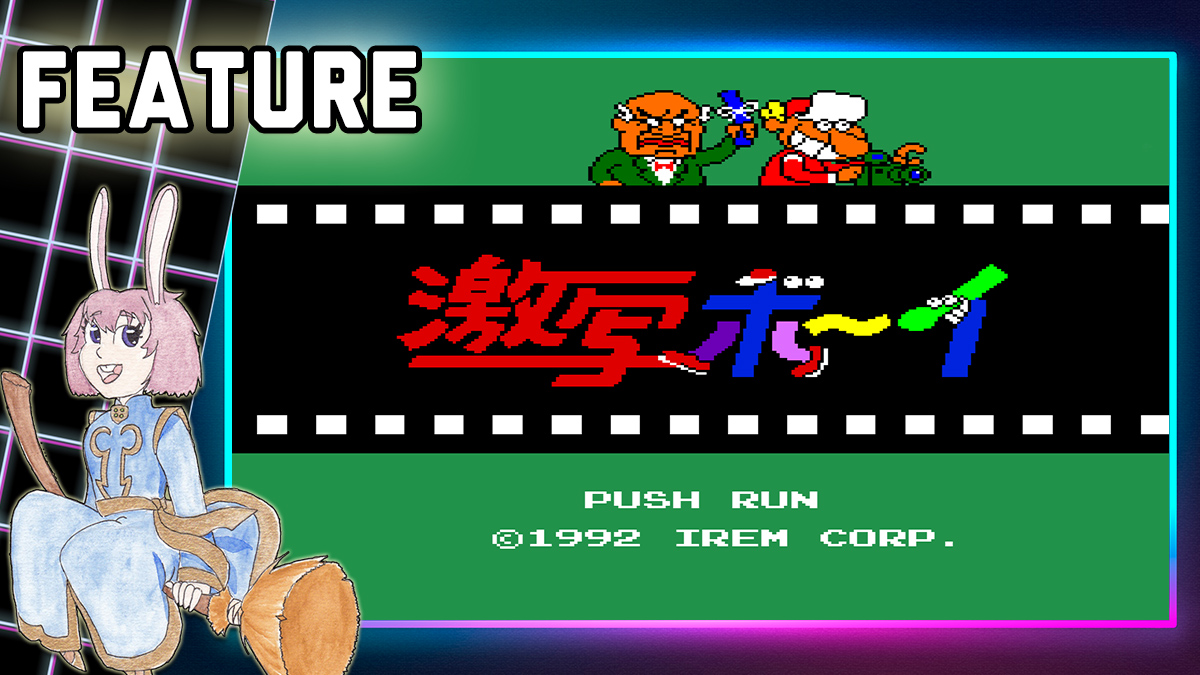
Hello and welcome to the latest instalment of Lost Gems, the series where I cover games that have been lost, forgotten or simply abandoned. This time I have a unique title that stood out at the time, as it was the only one game of its kind, originally released for the PC-Engine, with a later port to the PlayStation. So let’s take a look at Gekisha Boy, the photography game that was originally developed by Tomcat Systems and published by IREM in 1992.
Disclaimer: while the title discussed here is no longer officially on sale, there are still ways to obtain the game. This can be via the secondary market, or via unofficial digital roms/rips. I do not condone or promote piracy, so there won’t be any links to roms or rips of the game being covered.
Now with the introductions out of the way, let’s get started. I will be discussing the general game experience, then give my personal thoughts on the title.
About the game
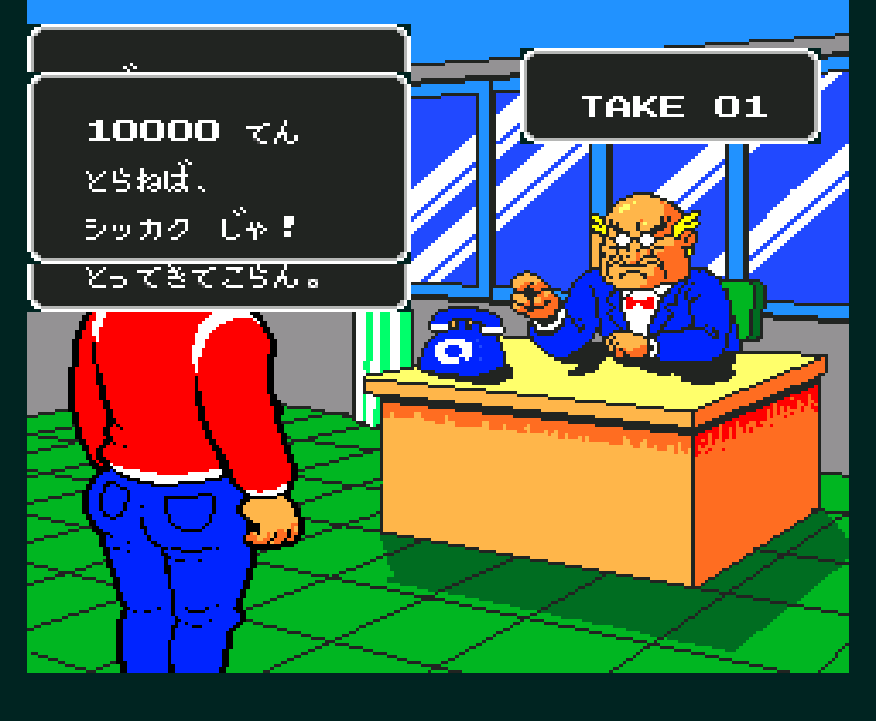
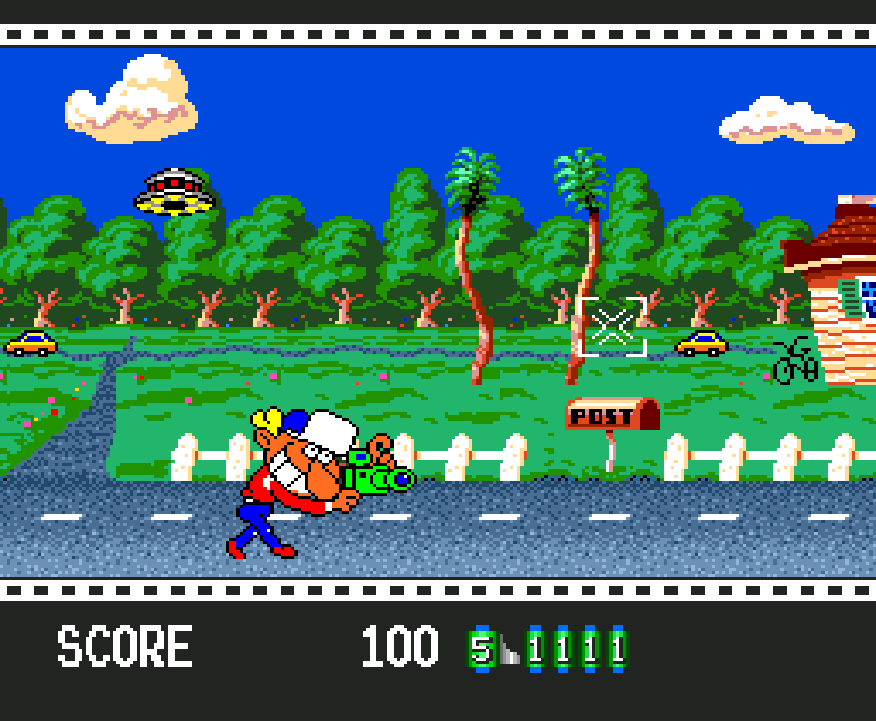
Gekisha Boy is a photography action game, where the player controls amateur photographer David, who is part of a photography academy. After a traumatic event, David loses his confidence and prepares to drop out of the academy. However, the principal meets with David and proposes a challenge for David to photograph special shots across several locations. If David can complete this test, he will graduate and achieve his goal of being a great photographer.
The game itself is an on-rails action game, where the player automatically moves through the stage, with a photography crosshair on screen. Throughout the stage, the player will be able to photograph different events with the camera crosshair. These events include people fighting and falling over, references to popular movies and parody of celebrities/characters. Snapping photos of these happenings will provide points that are added to the stage score.
Capturing events are not the only objective of the game, as there are platforming challenges in the stages. Throughout each of the levels, the player will need to avoid hazards that appear, including bouncing balls, falling objects and environmental enemies like bees. If the player is unable to avoid the hazards, they will be stunned for a short time and unable to take photos. The player will also lose film if they are hit by hazards, which can cut a stage short.
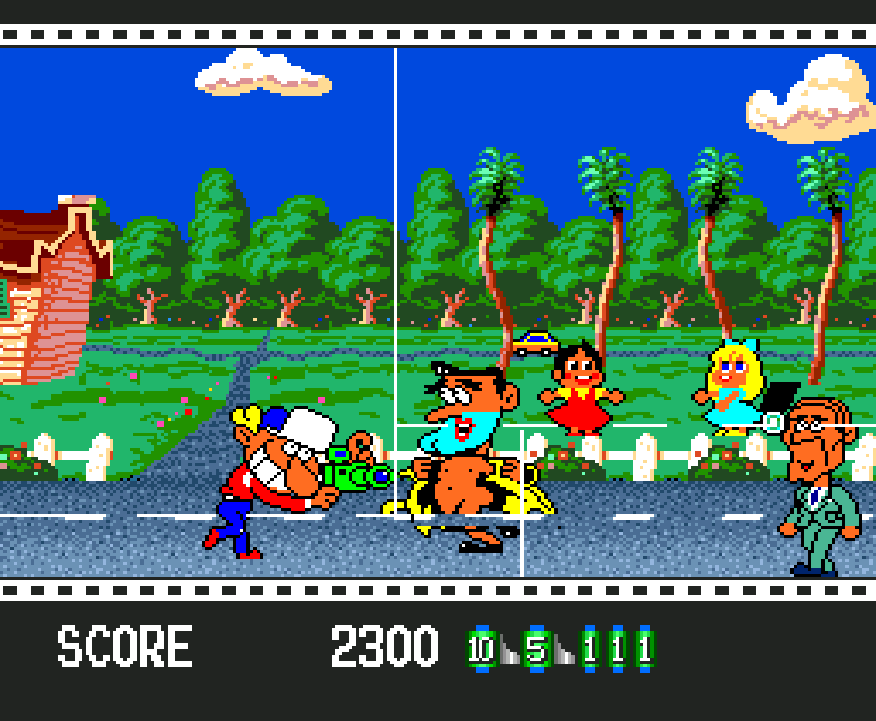
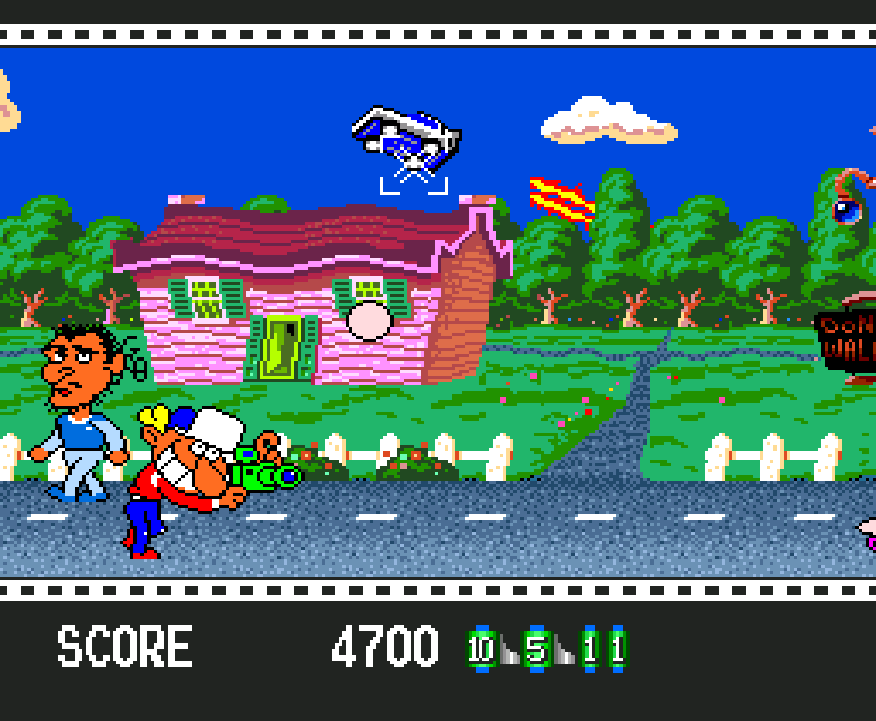
At the start of the stage, there is a limited amount of camera film that the player can use. Each photograph taken uses up one of these shots, with special event photos and environment snaps providing additional film. Every successful photo will provide points, with different values depending on how special the photo is. If the player does run out of film, either through taking photos too quickly, or from being damaged by hazards, the stage will end early.
When the stage ends, the player will get their score totalled up, with a bonus for any remaining film that is held over. A critique scene then plays out featuring the principal, with the stage being cleared if the target score is met. Before each stage starts, a target score is stated with the number of points needed increasing with each stage cleared. In the event that the player fails the stage, they will be a chance to retry for another shot at making it through.
There are are eight stages in total for the PC-Engine release, with each of them called Takes. The stages take place across a variety of locations, with city streets, a theme park and even underwater. This adds to the chaos of the adventure, as there will be unique and odd encounters in the different areas. People will be wandering through the stages, alongside various background details in the stages, like graffiti in the city and paintings in the museum.
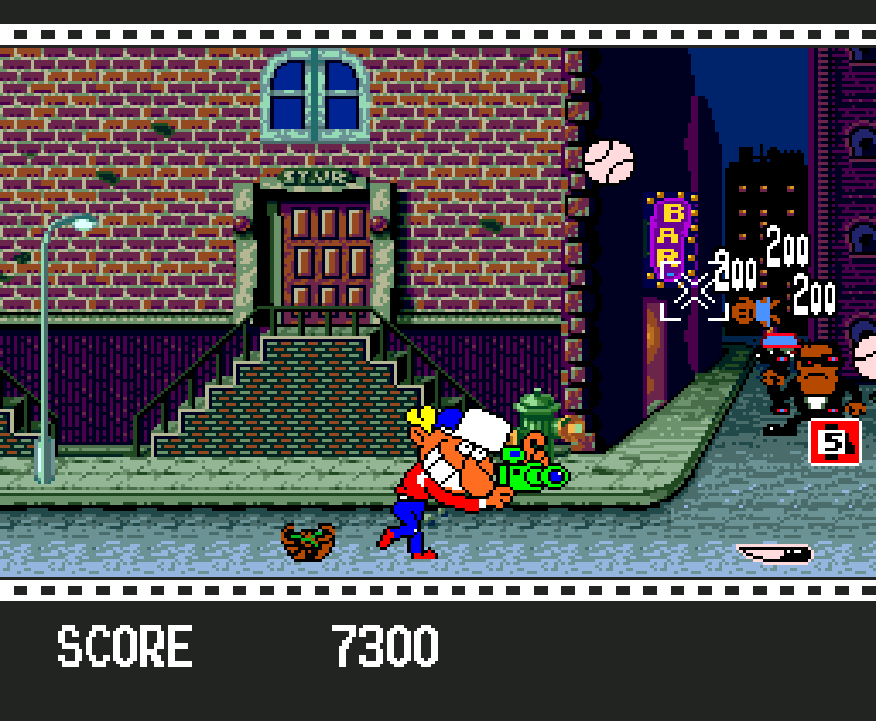
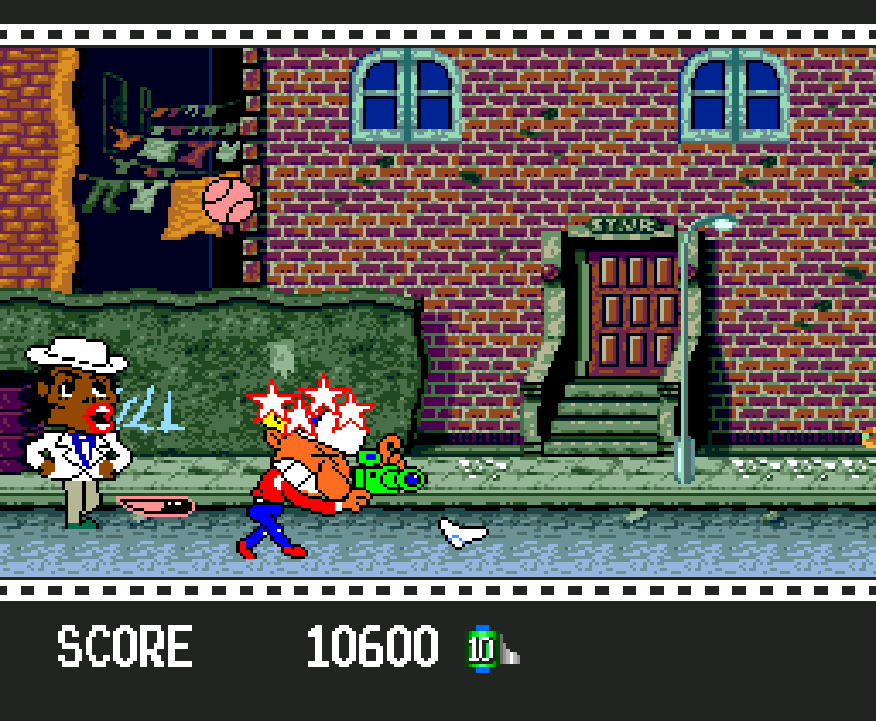
This title was first released on the PC-Engine, staying exclusive to the platform for a decade. In 2002, D3 Publisher released the game for PlayStation, under the SIMPLE 1500 Series as The Cameraman: Gekisha Boy Omakefu. This is an enhanced port of the game, featuring additional content, with an extra stage and an unlockable second player. Both of these games have never been officially released in the west, but have a solid cult following.
Personal Thoughts
I like Gekisha Boy, having seen my dad playing it as a kid on both PC-Engine and the SIMPLE 1500 release, which was a bootleg for the PlayStation. When growing up, I had tried to play the different versions of the game, but I didn’t understand it so I wouldn’t get far. This was because I would just burn all of the camera film, leading to repeated stage failures. It wasn’t until I was much older that I got good enough at the game to beat the stages.
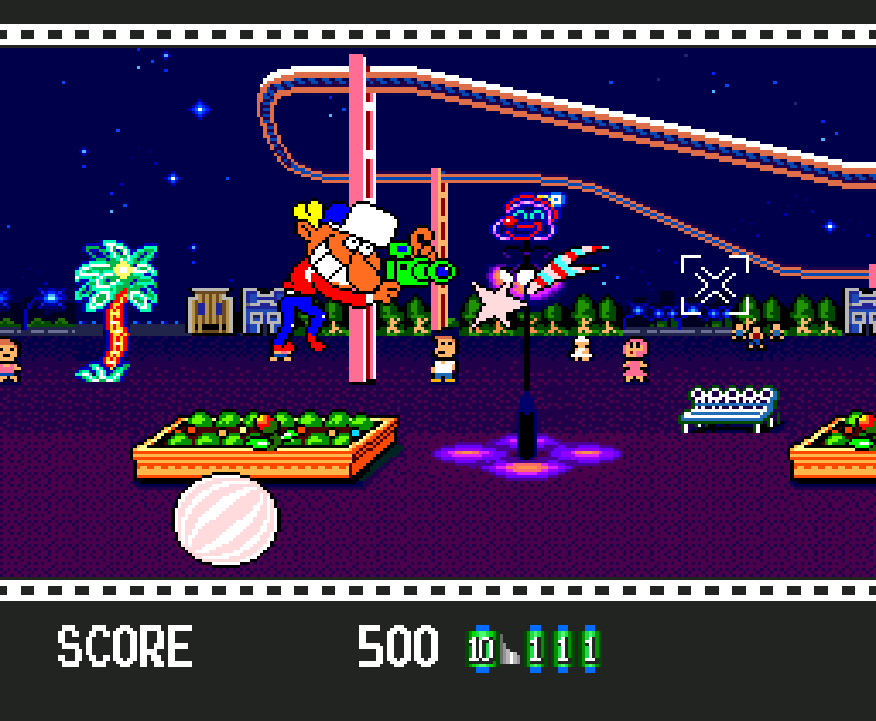
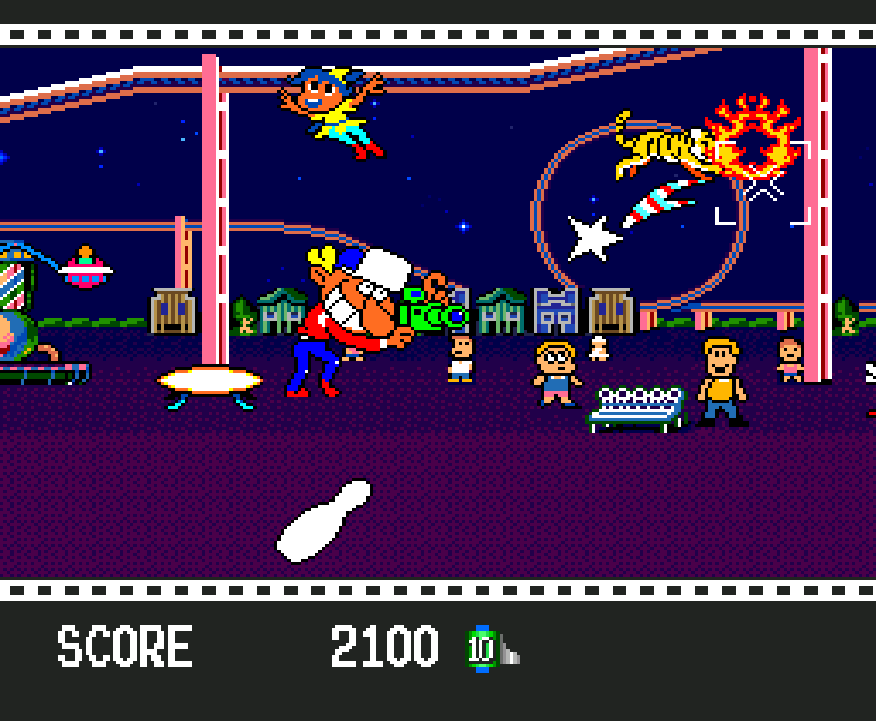
There is a lot of offbeat and quirky charm to this game, with the parodies of movie and pop culture figures. There is also an element of fanservice, including beach scenes, being caught changing in windows and more which is common in Japanese games using Ecchi comedy tropes. All of the elements make it feel uniquely Japanese, which is likely why it was never released in the west, as it would likely need to be significantly overhauled.
This game is unique to itself as it feels like a mix between a shooting gallery, a platformer and an on-rails action game. All of these elements work together well, as it flows smoothly during play even if it does take a little getting used to. It can be hard to play when first starting, but after a few attempts at stages, everything falls in place and by memorising stages it can get easier. Thankfully with the infinite retries, players can push through the game with enough determination.
There is a pretty cult fanbase for this release, as well as the re-release and sequel that was released on the PlayStation 2. This has led to multiple fanlation packs springing up over the years, allowing people to experience the game without the language barrier. There has also been the discovery of a potential cancelled Virtual Boy release, with sprite sheets being discovered in recent years. However, this has not been confirmed or denied, so remains a mystery.
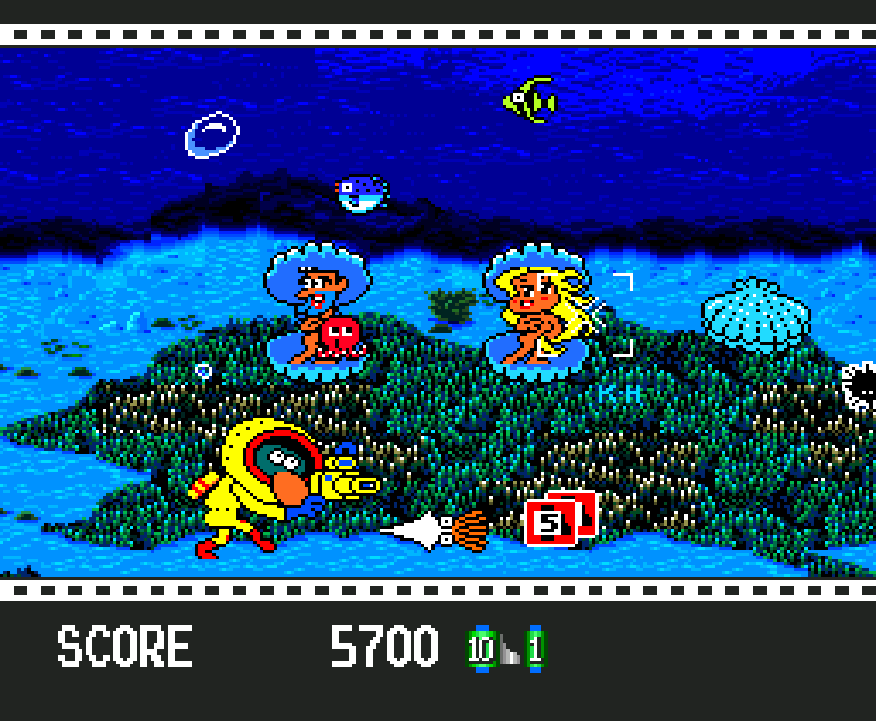
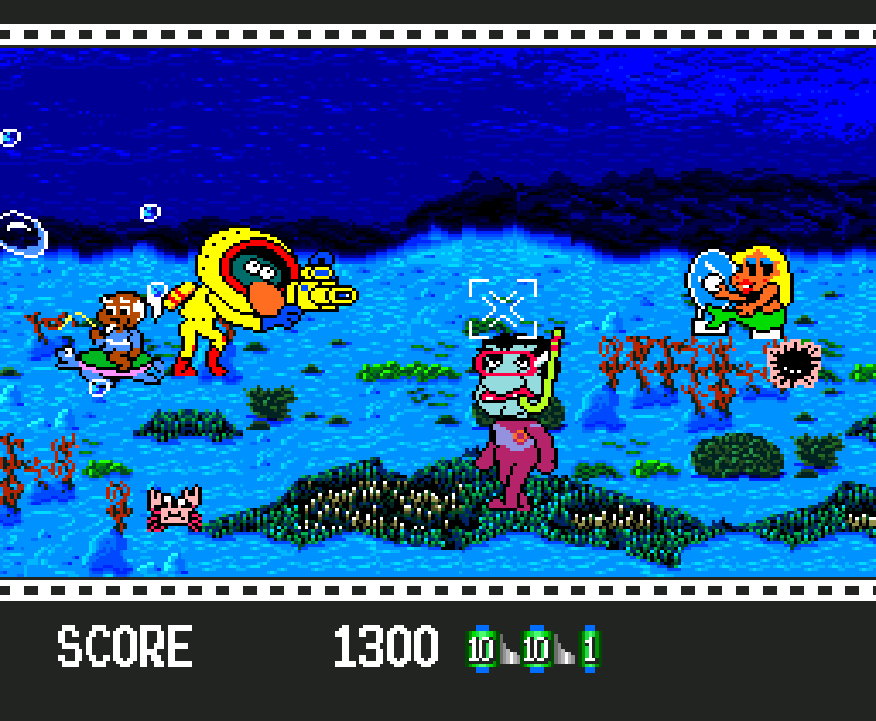
As this game was only made available in Japan, original HUCard releases of the game can very expensive on the secondary market due to limited availability in the wild. The complete original version is becoming harder to find, as reproduction cases are becoming more common. There are also complete reproductions of the game popping up, with custom printed PCB boards and modern flash chips, which are often sold with the translated rom hack.
I have a lot of love for Gekisha Boy, as it is one of those weird and off-beat titles that was only released in a limited capacity. There has not been a re-release of the game since the SIMPLE 1500 Series port, with the developer Tomcat System disappearing. But the publisher IREM or D3 may have the rights to the game, so it may once again see the light of day. And while I would love to see Gekisha Boy get a modern re-release, I am not holding out hope.
If you have enjoyed this feature, then please stick around and see what else catches your eye. I cover a wide range of games in reviews, get special previews and put out regular features. I have Lost Gems, Retro Revival where I discuss re-releases and the occasional Gaming Oddities piece, where I cover weird and wacky titles. So stay a while and have a look around.

