Lost Gems – Zap! Snowboarding Trix (SEGA Saturn)

Hello and welcome back to Lost Gems, the feature series where I cover the games that are lost, forgotten or abandoned. I will be continuing with the winter theme, by covering an extreme sports game that was released by Pony Canyon, TV Tokyo and Atelier Double for the SEGA Saturn. So let’s take a look at Zap! Snowboarding Trix, one of the earliest 3D games in the Snowboarding genre, released exclusively in Japan in 1997.

Disclaimer: while the game being discussed here is no longer officially on sale, there are ways to obtain the game. This can be either through the second hand market, or via unofficial digital roms/rips. I do not condone or promote piracy, so there won’t be any links to roms or rips of the game being covered.

So with the introductions out of the way, let’s get started. I will be discussing the general game experience, then give my personal thoughts on the title.

About the game

Zap! Snowboarding Trix is a downhill snowboarding game, offering three distinct gameplay modes, with Race, Practice and Free run. After selecting the game mode, the player can then choose their boarder, with three different riders available. The three riders have a their own stats, with one excelling at speed, one having the edge in cornering and an all-round boarder. After selecting the rider the player will be able to select their track.

In all three modes, there are three downhill tracks that the player will be able to challenge. These are separated into Easy, Medium and Hard. The difficulty affects various elements of the tracks, introducing the length of the track and hazards for the boarder to get past. The Easy track is set in Japan, with easy to handle curves, but offer a good sense of speed when carving the snow. This acts as a good introduction to the game.

The second track is set in America, with cabins, bridges and gaps that players will need to jump over. There will also be sections where the rider risks going off the edge of a cliff. If the player goes off the track at all, they will lose time and be reset back on the course. The third track is in Europe, which has steep cliffs, caves and tight valleys to try and shred down. This is the longest track and the trickiest to carve, as it has the tightest turns and downhill sections.

During a race, the objective is pretty simple, get to the goal faster than your opponent. This is a relatively straight forward head to head race, where the player takes on one of the boarders that the player didn’t select. The races can be challenging, with only a couple of mistakes leading to the opponent getting a sizable lead. At the goal, the player will record their time on the rankings regardless of winning or losing, making this a time trial as well as a race.

The Free Run Mode is a score based challenge, where the player can ride the three tracks, performing tricks to get points. There is also a special half-pipe track, which will have the player launching their boarder into the air. The tricks that the player can perform include spins, grabs and even flips if the player is able to pull them off, getting points if landed successfully. These tricks can be hard to pull off, as the physics are a little wonky.

Last is the practice mode, where the player can freely carve up the three race tracks, letting them learn the best routes and lines. This is a great way to set the best time possible, as this is the main Time Trial mode for players who want to just go fast. The player has the same time limit as the standard races, with checkpoints that will increase the timer. If the player runs out of time in practice or race mode, they will be given the option to try again.

The game is relatively short, as there is only the three race tracks and the half pipe course. However, there is a good amount of replay value, with the race, time trial and trick modes. This game can also be enjoyed with other players, by taking it in turns to see who can get the best score. With the battery save that is part of the SEGA Saturn system, all of the time trials and trick scores can be saved to the internal memory of the system.

Personal Thoughts

I absolutely love snowboarding games, with titles like SSX Tricky, Snowboard Kids and Cool Boarders 2 being some personal favorites (which will be covered in the future). I also have a lot of fondness for this game, as I played it a lot as a kid when my dad picked it up on import some time in 97/98. Because of this game, as well as the first Cool Boarders game, I fell in love with the rush of snowboarding, as it was something so new to me.

As a kid, I wasn’t too good at it and really struggled to get through the courses. But the more I played the game, the better I got and I felt a real sense of pride when I cleared my first course. There is a real rush of excitement with this game, which is even more impressive, especially since this is only the second true 3D snowboarding game to be released. The soundtrack for this game is also [retty good, with some decent music that adds to the experience.

This game does take a little getting used to, as it does feel a little wonky when first playing, but it is really easy to adapt to with a few runs of the game. The trick system is a little tricky (pun not intended), as they can feel a little awkward to learn, which will cause crashes when landing. However, if players can stick it out, there is a lot of fun to be had with this game, as it really does make the most of the experience even if it is limited.

Zap! Snowboarding Trix is one of those games that I feel is deeply underappreciated, especially as it never officially left Japan, with only the sequel getting a global release. There is not much talk that I have seen about the game, which has contributed to it being relatively affordable on online market places. So if you are looking to pick it up, you can find it relatively easy and at a fairly decent price point, to add to your collection.

This is a very special title that I wish would be made available, as it is important as a piece of gaming history. Unfortunately, both Pony Canyon and TV Tokyo no longer appear to be involved with video games, alongside Atelier Double who disappeared from the industry. If someone was able to obtain the license for this game, it may be possible for this game to be revived with something like the Zebra Engine. Sadly, I don’t think this is something that will happen.

If you have enjoyed this feature, then please stick around and see what else catches your eye. I cover a wide range of games in reviews, get special previews and put out regular features. I have Lost Gems, Retro Revival where I discuss re-releases and the occasional Gaming Oddities piece, where I cover weird and wacky titles. So stay a while and have a look around.

Trouble Witches Final!: Episode1 Daughters of Amalgam – PlayStation 4 Review

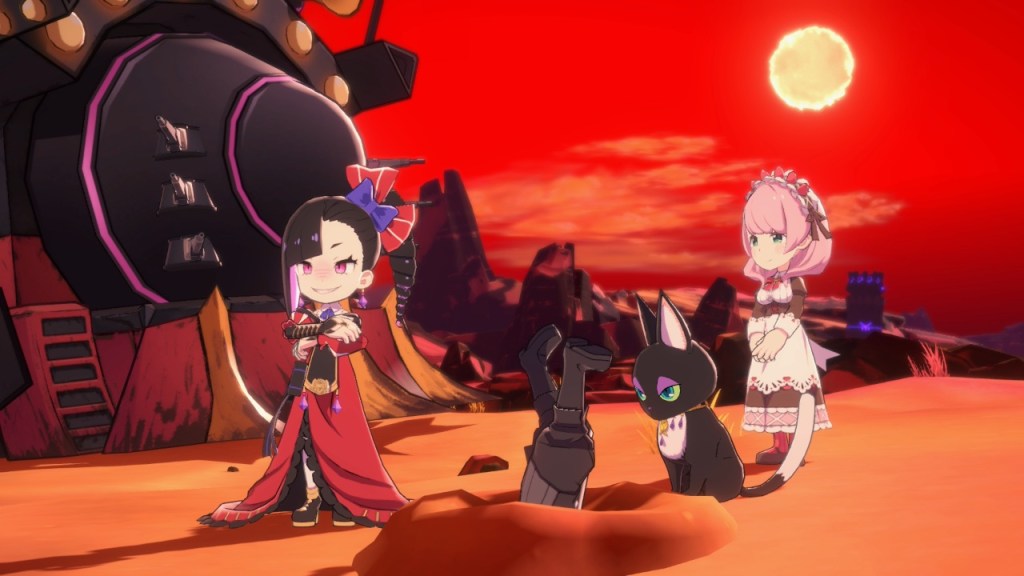
Overview – developed by Rocket Engine and Studio SiestA, with publishing handled by ININ Games, Trouble Witches Final: Episode1 Daughters of Amalgam is the latest update to the Cute ‘Em up shooter. Take to the air with one of 12 witches, each with unique character stories and play styles in frantic bullet hell action. This title is available on PlayStation and Nintendo Switch platforms, with a link to each version of the game at the bottom of this review.

Disclaimer: before I get into the review, I would like to thank PR Hound for providing the copy of Trouble Witches Final used for this piece. The provision of this software has not influenced the contents of this review, all thoughts and opinions contained within are my own.

Now with the introductions out of the way, let’s get into the review. There is no true singular plot for this release, as each of the characters have their own unique stories, so I will be moving directly to covering the gameplay. I will also be referring to the game as Trouble Witches Final for the sake of brevity. PLEASE NOTE: I was provided the DLC character Cotton from the shooter series of the same name, so I will be discussing that in this review.

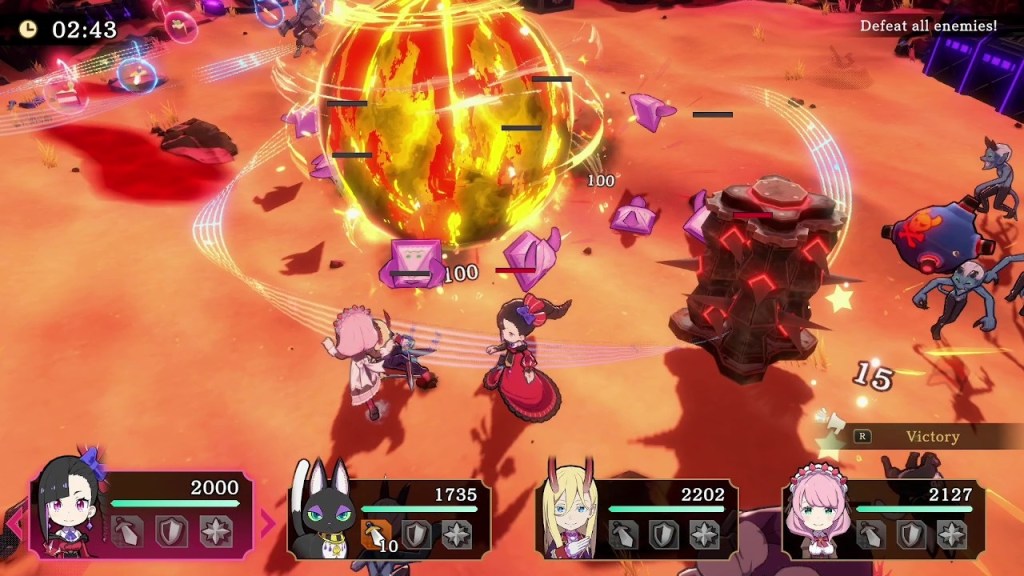
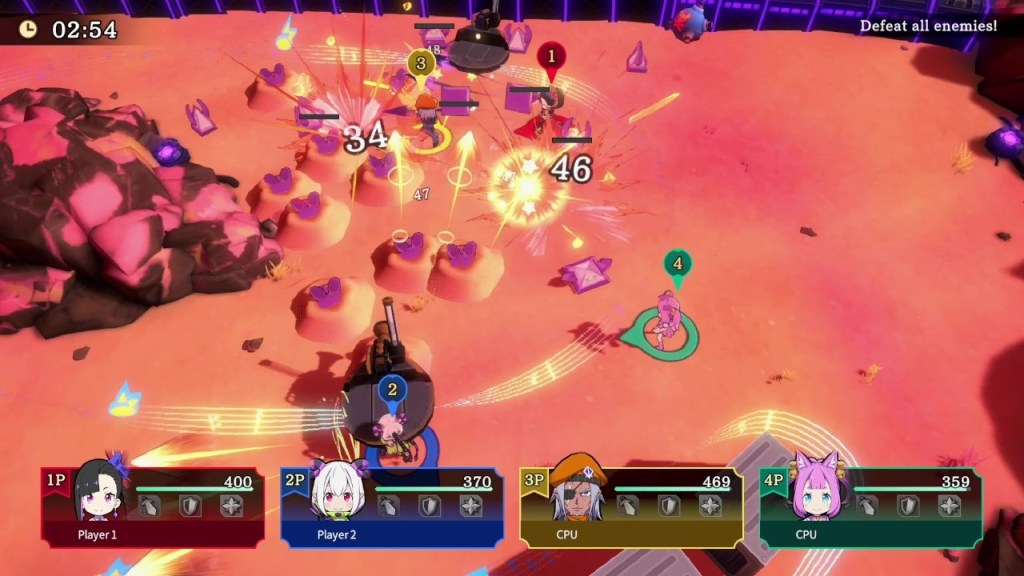
Gameplay – Trouble Witches Final is a scrolling bullet hell shooter, where the player takes on the hordes of enemies, while dodging a hail of bullets. Set across six distinct locations, players will take down varied foes, including powerful mechanical ships, monster plants and the environment itself. Using the power of magic, the players will not only fight the minions they encounter, but witches that wield great magic and powerful weaponry.

The player can use one of 12 witches, each with their own unique familiars. All of the playable characters included with the game have their own strengths, weaknesses and capabilities. They are separated into Beginner, Intermediate and Advanced, which affects aspects like speed, power and more. These different skills offer various strategic capabilities, allowing for players to approach the game from many different angles.

In this game, the player has three distinct skills for battle. The main one is the rapid shot, which is the attack that all characters possess as standard. Each of the playable witches will have their own weapon attack patterns, alongside a familiar that will offer supporting fire. Next is the Magic Circle, which will surround the familiar and slow down enemy shots within its boundaries, lasting until the player’s MP expires. These bullets can even turn into gold coins.

Then there are the magic cards, which will power up the player for a limited time, changing the way that their attacks work. These are purchased from the Pumpkin Shop, a magical floating store that appears in the stages. The player can purchase and hold up to three cards, which cost varying amounts of gold collected from defeating enemies, clearing bullets and using other cards. At the shop, players can also upgrade their MP to extend the Magic Circle.

At lower difficulty settings, the Magic Circle and Cards can activate automatically, if enabled. However, these can be activated manually by the player. The Magic Cards will last for preset time, but if the player takes damage the time will be reduced significantly. The Magic Circle can be turned on and off freely, but the energy that is used must be recovered. This will charge up when the circle is not in use, but faster if the player does not move.

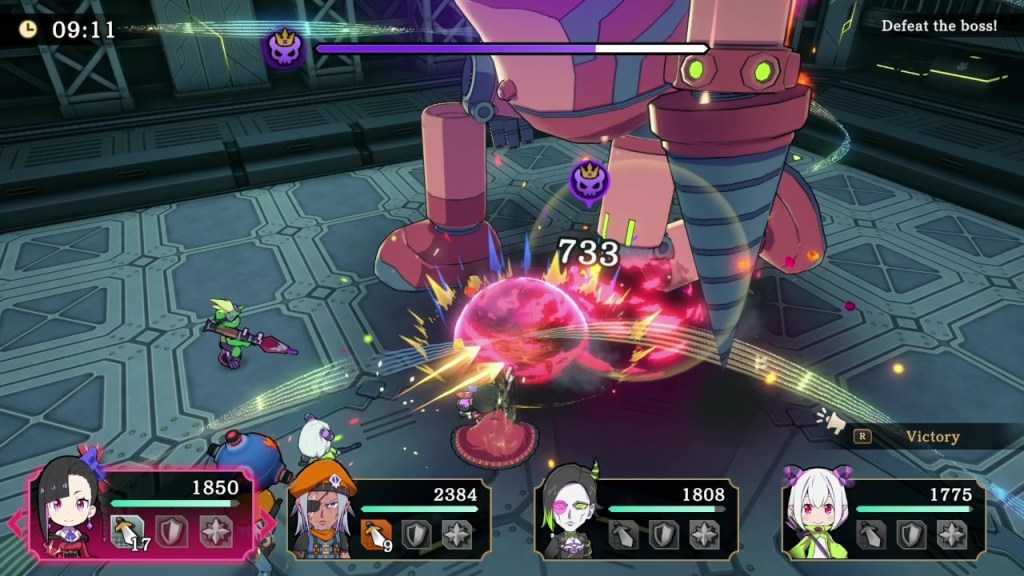
In some of the stages, the player will encounter mid boss witches, who will attack the player. These battles can be a challenge, with the player having a limited time to take them down. At the end of a stage, the player will encounter a powerful witch, who will confront the player in a multi-phase battle. These encounters are dangerous as the bosses will control dangerous weapons, each possessing deadly attack patterns and a weak point that must be destroyed.

When a stage is cleared, the player will receive bonuses based on various factors, which will add to the total score for the game. The player has a set number of lives for the game, which can be adjusted in the settings. Lives are lost by making contact with enemies and bullets, with the hitbox being a star on the character. when the player runs out of lives, they will get the option to continue, being granted Magic Cards as a bonus.

In this game there are several modes for players to sink their teeth into. The main one is the Story mode, which provides a narrative for each of the characters, having a unique and individual story for each of them. At the start of this mode, a story scene will play out, with an interaction between the character and each boss. Then when the player reaches the end, they will be rewarded with the story ending for the selected character.

Next up is Arcade Mode, which plays the same as the Story Mode, with the main exception being that there are no story scenes going straight to the credits upon completion. There is also Walpurgis Night Mode, which is an expert level challenge, with tougher enemies and more chaotic bullet patterns. Score Attack Mode has players go for the best score in 2 or 5 minute runs, at the higher difficulty settings with a lot of chaos on screen.

Endless Mode has players challenge the Arcade Mode, with the difficulty increasing with each loop the player is successful in clearing. Boss Attack Mode has the player go up against all of the main bosses, looping endlessly with the difficulty escalating after each loop. Then there is the practice mode, where players can try out the different characters and mechanics, learning how each of them works and finding out their preferred play style.

Last to cover for modes is AC mode, where players can experience a faithful remake of the original Arcade version of Trouble Witches. Using the enhanced visuals, players can play through the game in original 4:3 ratio, recapturing the spirit and challenge of the original Arcade version of the game. The only issue is that not all of the assets match the action on screen, switching between the pillar box and widescreen visuals, but this is a minor gripe.

All of the game modes have rankings, with both online and offline leaderboards for players to host their scores. This allows people in the same place to compete, while also challenging others from across the world for the top spot. This further adds to the replay value, as the game offers so many options for players to dive into, there are even secrets to unlock. But that is not all that this game has to offer to players who choose to play.

While this release is intended to be a definitive edition of the game, with all previously released Trouble Witches DLC included. There is one piece of additional paid content, the guest character of Cotton, from the shooter series by SUCCESS Corp. Cotton is a full extra character, accompanied by her fairy friend silk and is playable in all modes, with the best stats in the game making her the best for players who may struggle with bullet hell.

Cotton is fairly special in this game, as she is not just a playable character in this release, but she brings a distinct experience with her. When players have Cotton as a selectable character, there will be the ability to select a soundtrack. There are two options available, the Trouble Witches Final soundtrack and the Original CottoN arcade music. Cotton also has the special Tea Time mini game at the end of stages, allowing for a significant boost in points.

Now with the gameplay covered, it is time to discuss the other aspects of this release, starting with the controls.

Controls – this is a very easy to pick up arcade style bullet hell shooter, needing only three buttons to use the attacks and the D-Pad/thumbstick to control the character. This works very well, as both the movement options control very well, offering a lot of precision and flexible movement. The best way to play this game is with an arcade stick, but any controller that is compatible will work, and all of the inputs can be remapped freely.

Difficulty – Trouble Witches Final has a mostly balanced difficulty curve to the challenge, offering players the choice of four difficulty settings to select from. At the lower settings, there are fewer on screen bullets and automatic Magic systems, making it a good way for newer players to get used to the game. However, at the higher levels, the game becomes a hellish gauntlet that will test the skills of players, which is still a lot of fun to play.

Presentation – visually this title is beautiful to look at, with vibrant 2D sprites against beautiful fully 3D backdrops. There are no issues when it comes to performance, as everything moves along with no issues in terms of slowdown or lag during play. This is fantastic, as one issue that hinders the genre is slowdown from the amount of shots that can appear. Then there is the character art, which appears throughout and has an anime style that makes them pop.

All of the story scenes are engaging, with the different characters being expressive during interactions, which further adds to the experience. The game also has voiced dialogue throughout, with all of the scenes is Story Mode having full Japanese dubbing. Then we have the music, which wraps it all together with an excellent soundtrack, which fits all of the stages perfectly. The Cotton music as part of the DLC sounds amazing, with very high quality audio.

Final Thoughts – I had played Trouble Witches in the past, having played a Nesica cabinet and the Xbox 360 version, which made me very excited to play this game. I love the Bullet Hell genre, even if I’m not the best at them, so I dove into this and I had a great time. The action flows perfectly, with responsive controls, fun gameplay mechanics and satisfying score mechanics. I lost myself in this game, playing and replaying the different modes several times over.

The game is not perfect, as there is unfortunately some typos and minor translation errors, but they don’t negatively impact the overall experience. There is also a lot of fun, goofy humor, with comedic interactions in the story mode between characters. I also love the fact that Cotton is available as an extra, as Rocket Engine developed Cotton Reboot! back in 2021. If you love Bullet Hell or want to dip your toes into it, I recommend this game to everyone.

In the end, I give Trouble Witches Final: Episode1 Daughters of Amalgam a final score of 4.75. This is a near perfect Bullet Hell SHMUP, with fun and goofy comedy, challenging action and satisfying gameplay mechanics, all wrapped in a cute anime style with endless replayability. If you want to check this game out for yourself, a link to each version of the game will be below. Please Note, to access Cotton and all she offers, an additional purchase is needed.

Link to PlayStation version (HERE)

Link to Nintendo Switch version (HERE)

Lost Gems – Winter Heat (SEGA Saturn)

Hello an welcome to this week’s instalment of Lost Gems, the series where I discuss classic games that have been lost, forgotten or abandoned. As it is the winter season, I want to cover the winter sports game developed for arcades by SEGA AM3, then ported to the SEGA Saturn for the 1998 winter Olympics. So it is time to take a look at Winter Heat, the Sequel to DecAthlete (Athlete Kings in Europe), released worldwide in 1998.

Disclaimer: while the game discussed here is no longer officially on sale, there are still ways to obtain the game. This can either be through the second hand market, or via unofficial digital roms/rips. I do not condone or promote piracy, so there won’t be any links to roms or rips of the game beings covered.

So with the introductions out of the way, let’s get started. I will be discussing the general game experience, the give my personal thoughts on the title.

About the game

Set in an unnamed winter sports resort, Winter Heat is a winter Olympics game where players challenge 11 distinct events. The gameplay is directly taken from the arcade version, where all of the actions are completed through rapid button presses. The competitors in these events have their own unique strengths and weaknesses, with some excelling at Skating, Alpine and Nordic events. But there are two athletes who are balanced all round competitors.

The events in this game are the staples of the Winter Olympics, with events like Speed Skiing, Ski Jumping, Snowboarding and Speed Skating. All of the events have the player mashing buttons, with a speed button which is used in every event and the action button, which is used to jump. These events are played across four distinct game modes, which can be played either alone or with another player. All of the modes are available from the main menu.

In 11 Event Heat, play through all 11 of the winter sports events, playing through them in order across two days, starting with Speed Skiing and ending with Cross-Country Skiing. The objective is to try and get the highest score possible across all events. There are no retries, so whatever score the player gets for the event will be scored. When playing in 2 player, there is a competitive element to the action, with both players battling it out for the top spot.

Then there is Arcade mode, where players will be able to enjoy an Arcade perfect recreation of the game. In this mode, the player will challenge all of the events with a qualifying target, which the player will need to meet in order to pass the event. Between events, the player will be able to select the order of events they want to play, with the qualifying target shown. If the player fails to beat the target, they can choose to continue with the targets relaxed.

Following we have Individual Match, where players can freely play the different events. This acts as a practice mode, so players will be able to freely play the events as much as they want in this mode. Last is Custom Heat, which allows the player to create their own event blocks. This mode is perfect for playing in groups, as it lets everyone pick the events they want to play. All of these modes share rankings, where the best scores will be recorded.

When the player sets a score on the rankings, they will be able to add their name to the leaderboard. The top score for each event is the SEGA Sports World Record, which will appear at the top of the screen, with the player name attached. This gives a lot of replay value to the game, as players can keep replaying the game to get the best score possible. If there is a battery in the system, or a memory cart, the scores will be saved.

Personal Thoughts

When I first saw this, I was a kid that wasn’t aware that the Winter Olympics were a thing, thinking it was just like the track and field games, but with snow everywhere. I would play this game a lot, but I wasn’t very good at it, not having the skill to mash buttons to the level needed. But as I got older and returned to the game over the years, I have gotten much better, regularly breaking the in game records when the data gets reset.

There is a lot of fun to have with this game, and it is fun to break out when there are others around, with the rush and excitement of competition adds to it. That feeling when you just beat your opponent at the last second, or are just short of the goal can be a hell of a ride. All of the events share mechanics, but there is enough diversity for them to feel unique, even if most of them require the player to mash buttons like a lunatic.

While it may just look like a basic arcade game, with little more than press button to do thing, there is a surprising amount of depth to the game. The characters that have their own style will feel different in events, making all of the characters viable to play. I have a lot of appreciation for this game, as it really pushed the genre ahead, as SEGA AM3 took the basics and expanded it. I would say this is quite possibly the best of the genre for its time.

This game performs very well and is a near one to one conversion of the game, as the arcade board that the game is based on is close to the Saturn hardware. This highlights the power of the SEGA Saturn, which was known as an arcade port powerhouse at the time. While there was a port of this, which was bundled with DecAthlete for the PS2 as a Japanese exclusive, I don’t feel that it has the same charm that the original version holds.

From what I have seen, there is little in terms of a following for this release, which is unsurprising as SEGA haven’t made mention of it in the years since. Thankfully this hasn’t impacted the value of the game, as it is fairly affordable on the secondary market. If you want to pick it up, you can get a European or Japanese release for a good price. However, if you are looking for a North American release, you will be paying a higher price.

I would love to see Winter Heat and the summer game Athlete Kings be re-released, which would be possible through the Zebra Engine or the company M2. But sadly I don’t think this will be the case, as SEGA seem to have forgotten about the series. They also appear to have abandoned their SEGA Sports brand, which died out during the 2000s. It would be nice to see these games again and others from the brand, I sadly don’t see it happening.

If you have enjoyed this feature, then please stick around and see what else catches your eye. I cover a wide range of games in reviews, get special previews and put out regular features. I have Lost Gems, Retro Revival where I discuss re-releases and the occasional Gaming Oddities piece, where I cover weird and wacky titles. So stay a while and have a look around.

Dancin’ Divas – Steam Review

Overview – developed by MrPr1993 and published by Shady Corner Games, Dancin’ Divas is a retro styled brawler inspired by the classics of the genre. As one of four tough as nails cabaret singers, set out to reclaim your treasures from the mysterious moustachioed villain Van Bad, while causing chaos along the way. This title is available exclusively for the Steam service, with a link to the game at the bottom of this review.

Disclaimer: before I get into the review, I would like to thank the rep at Shady Corner Games for providing Dancin’ Divas for this piece, via the Keymailer Service. The provision of this software has not influenced the contents of this review, all thoughts and opinions contained within are my own.

Now with the introductions out of the way, let’s get into the review, starting with the story. I will only be covering the game from a single player perspective. Please note, I was given the chance to play and playtest an early version of the game, with my name in the credits. So I will not be giving the game a score at the end of the review.

Story – four songstresses from across the world have come together, ready to perform their greatest show ever at the Beat St. Club. With them, they brought their greatest treasures, which catches the attention of the mysterious Van Bad who wants them for himself. While at the club, the divas are attacked by the minions of VanBad, who steal their treasures and run off. Enraged, the Divas set off to get their treasures back.

Gameplay – Dancin’ Divas is a scrolling brawler, in the style of genre classics from Konami, Capcom and SEGA, with the ability to play solo or with up to 3 friends. At the start of the game, the player will need to select the difficulty they want to challenge the game on. Each of the options that can be selected affect the experience, with more lives and credits available at lower settings. at higher settings, the game will be significantly more challenging.  

After selecting the difficulty, the player will select the save slot, which records progress then go into the character select screen. Here the player can select their character from the four Divas, each with their own strengths and weaknesses. Each of the characters share three stats, separated into Power, Speed and Reach, which affects how they handle during the battles across the game. The Divas that the player can select from are as follows;

  • Viva – the blonde bombshell in blue from Las Vegas, who is the most balanced of the fighters, she can harness the power of Lightning and rapid blows to take out hostiles. The perfect choice for players of all skill levels and play styles.
  • Hina – the red head in the red dress who hails from Japan, she has mystical powers that allow her to stretch her limbs, giving her an extended reach to take down her enemies. She can breathe fire, as well as summon a mighty dragon to reduce those in her way down to ashes.
  • Bahati – the powerhouse from Nigeria clad in bright yellow, this crooner is deceptively agile for her size, while also using her raw strength to slam her foes into the ground. She can shake the ground with her power, with mother earth aiding her in her battles.
  • Sofia – the feisty latina from Mexico in a fetching green outfit, who is the fastest of the four and able to quickly dispatch of those who come up against her. She harnesses the power of the winds itself, creating tornadoes and hurricanes to blow away the opposition.

Once the player(s) select their character, the game will start with a cutscene, setting up the action of the adventure and kicking the game off at stage 1. This is a roaming brawler, so the player will be able to move in 8 directions, as enemies will start to fill the screen. When the enemies gets within range, the player will be able to use their standard attack to fight them, with the ability to chain together several strikes at once.

The enemies will have varying amounts of health, with smaller enemies needing less damage to kill, while appearing in higher numbers. This makes them just as deadly as the larger foes, who take a considerable amount of hits to defeat. The heavy foes hit much harder, dealing big damage, but the smaller opponents will swarm players chipping away at their health quickly. Thankfully, the characters have skills that can make it easier to deal with them.

All characters have a charge attack that is related to their powers, which is done by holding down the attack button until they glow. Once they start to shimmer, releasing attack will unleash the powerful attack. But be careful as enemies will be able to interrupt the charge, with any damage cancelling it out. The charge attacks are related to the power of the elemental power that the character uses, hitting several foes at once.

Alongside the standard combos and strikes, there are several power attacks that the player can unleash for their Diva. There are several jump attacks, which can be used to dodge enemies, while also knocking them down. Then there are the input attacks, with each of them having special qualities, like Viva having a flying uppercut and Hina having a bounce attack. These unique moves can really expand the chaos in the stages.

Then we get the special attacks which are tied to the powers of the Divas, but they come at a cost. There are special power attacks that the player can use with lightning strikes, wind blasts and more, but they will use up the health of the Divas. These powers come in useful against all foes, but can be risky, so use them sparingly. If these attacks are overused, the player will become vulnerable to the point that one attack will kill them.

Last are the Showtime super moves, which devastate all enemies on screen, especially against the super powerful opponents. To use these attacks, the player will need to charge up the Showtime bar, which is below the health bar. This is charged by damaging the enemies and can be filled by taking damage. When this move is used, a special animation will play out, including a lightning storm and even a fire breathing dragon being summoned.

Throughout the stages, there will be boxes and structures that can be destroyed, with many of them dropping items that can be used. The various items that can be found include healing items, which will restore varying amounts of health when picked up. But the most important are the weapons, which can be used a limited amount of time before being thrown away. There will also be weapons that can be dropped by enemies, including several projectile weapons.

At the end of each stage and at points during them, the player will encounter powerful main and sub bosses. These battles will push the player to their limit, as they will use big powerful attacks that will hurt the player a lot. The bosses will also summon minions, which will support them and try to kill the player quickly. In some stages, there will also be more than one boss for the player to fight, putting them in even more danger during the encounter.

When the boss is defeated, there will be a cutscene that plays out, pushing the story along with the Divas. During these sections, there will be three selections that the player can choose from. This is where the branching paths for the game come into play, as each of the choices that the player selects will lead to a different stage for them. By choosing different branches, the player will be able to make each playthrough unique.

If the player runs out of lives, they will need to continue using up one of their limited credits. When continuing, they will get to change their character and be able to keep playing. If the player doesn’t have any credits left, they will be sent back to the main menu and need to load their save to get back into the action. If the player wants to try a different route, they can delete the save and start over from the beginning.

When the game ends, either through running out of credits or by clearing the game, the player will earn money. This money can be used in the shop, which will allow players to unlock various new features, like new color pallets and gallery items. But there is more than that, with cheats that make the game easier, special unlockable features and more. Players can even unlock special single and multiplayer content, including minigames that appear during arcade mode.

Any of the stages that have been cleared will appear in the stage select, where the player will be able to play them individually. This will give the player a chance to play through them to get the best score, earning additional funds when playing through them. There are also several multiplayer modes for players to enjoy, but I was not able to test these out.

Now with the gameplay covered, it is time to discuss the other aspects of this game, starting with the controls.

Controls – this game has an easy to pick up control system, with only four buttons needed for the player to get into the action. The attack, jump and special moves are all on the face buttons, making them easy for players to use. There are additional inputs for players to use, giving the player a taunt move and back attack. The game supports keyboard and controller, with the ability to modify them freely to fit the input players are using.

Difficulty – from a difficulty perspective, this is pretty well balanced for the most part, with the challenge gradually increasing as the game progresses. There are some unfortunate difficulty spikes, which usually occur when the bosses or super heavy enemies attack. Luckily the difficulty settings that are chosen at the start can make this more manageable for players, with the unlockable cheats further easing the difficulty.

Presentation – Dancin’ Divas is a true love letter to the 2D brawler, with excellent sprite work for the characters, enemies and environments, which pop with color throughout. The cutscenes and set pieces are also done well, pushing the narrative forward, with highly detailed cinematics and animations. Last is the sound, which contains midi tracks that enhance the experience, as well as voice work from many talented independent voice actors.  

Final Thoughts – having followed the development of Dancin’ Divas, being able to try the early playtests and give feedback during the early stages, I was excited to play the full game. I am happy to say that excitement was not misplaced, as the game has significantly expanded from that snippet I played long ago. The combat is fun and frantic, with the ridiculous expressions of the enemies, with the exaggerated cartoon villains that appear.

This is a true love letter to the genre, with many references to other games, alongside filters/frames which make it look like a classic arcade game. There are also dozens of cameos from fan characters, as well as collaborations with publisher Shady Corner Games. I even have my mascot appearing in part of the game, which was a surprise when I saw it and made me happy. I feel that everyone who is looking for a fun brawler should check it out.

Dancin’ Divas is one of those rare games, which doesn’t try to do too much and overstay its welcome. It has that timeless quality, which makes it feel like it could have come out at any time, lacking things like references to pop culture, which often make games feel dated. If you want to check it out for yourself, a link to the game will be below.

Link to Steam version (HERE)

Lost Gems – NiGHTS into Dreams (SEGA Saturn)

Hello there and welcome to Lost Gems, the series where I cover games that have been lost, abandoned or simply forgotten. This week I will be discussing a title that is near and dear to me, the classic on-rails flight adventure from Sonic Team, developed and published for the SEGA Saturn. This feature will also be the first instalment of a two part special for this month. So let’s take a look at NiGHTS into Dreams, released worldwide in 1996.

Disclaimer: while the game discussed here is no longer officially on sale, there are ways to obtain the game. This can be either through the second hand market, or via unofficial digital roms/rips. I do not condone or promote piracy, so there won’t be any links to roms or rips of the game being covered.

So with the introductions out of the way, let’s get started. I will be discussing the general game experience, then give my personal thoughts on the title. Please Note, I will be referring to NiGHTS as female in this feature, using she and her to refer to them. Officially, NiGHTS is genderless and open to personal interpretation, which is why I use these pronouns as I have always seen them as female.

About the game

In Twin Seeds City, two kids, Claris and Elliot go to sleep after a long day. During their sleep they enter the Night Dimension, which is where the world of dreams Nightopia, borders the world of Nightmare. The Wizeman created the world of Nightmare and wishes to conquer Nightopia, creating Nightmaren with the objective to steal dream energy called Ideya. If Wizeman can steal enough energy, he can invade the waking world and take it over.

As the two kids dream, their dreams are corrupted by the Wizeman, turning them into nightmares and causing them to try and escape. As they try to get away from the nightmares, they find themselves in Nightopia, where one of the residents begs them to help save the dream world. After accepting this request they encounter NiGHTS, a rebellious Nightmaren who has been imprisoned within an Ideya Palace, trapped for defying Wizeman.

Before they can reach NiGHTS, they are attacked by Nightmaren, stealing the Ideya that they possess. However, they still possess the Red Ideya of Courage, which allows them to free NiGHTS and Dualize with them. As they are bonded with NiGHTS, the two kids are able to reclaim their stolen Ideya, battling the Wizeman’s most powerful Nightmaren. If they are able to defeat the most powerful of the Nightmaren, they will be able to take on Wizeman.

NiGHTS into Dreams is a magical on-rails adventure, where the player controls the titular dream being, flying through the dreamscapes of Claris and Elliot. Before the player starts, they will select the dream they want to play, with only one stage for each of the kids available when starting the game. At the start of the selected dream, the selected character will appear with their Ideya surrounding them, which is quickly stolen away.

After this happens, the Red Ideya appears and allows them to merge with NiGHTS inside the Ideya palace. When the player Dualizes with NiGHTS, the player must make their way through four courses called Mares, which are the stages of the dream. Within a Mare, the player must reclaim the stolen Ideya, which is being held in an Ideya Capture that matches the color of the Ideya. To clear the dream, the player must recover all four of the stolen Ideya.

As the player makes their way through the Mare, they will be on-rails flying across the stage in a pseudo 3D style. NiGHTS is able to fly around the stage using 8 way directional movement, freely moving through the course. As she makes her way through, there is a time limit which counts down, giving players 2 minutes with NiGHTS to complete the Mare. As speed is important, NiGHTS has the ability of Drill Dash, which lets her move at high speed.

However, the Drill Dash requires energy to be used, which is pretty limited. To continue to use the Drill Dash, players must fly through the rings that appear throughout the stage. These are spread across the mare, in various configurations where there will be several of them together. By flying through several rings, the player will start a Link Combo which will boost the players score, but the combo will expire if the player doesn’t keep it going.

There will be also be the blue chips, which are needed to take down the Ideya Capture. To free the Ideya from the capture, the player will need to collect 20 of them within the mare. The Blue Chips appear along the course that the player follows, being collected when contact is made with them. They can also be collected by flying in a circle, creating a Paraloop if NiGHTS dream dust trail is crossed uninterrupted, pulling all Blue Chips to her.

When the player has enough Blue Chips, they will be able to take down the Ideya Capture, collecting the orb that is dropped from it. The player doesn’t need to collect all 20 Blue Chips at once, as any that have been collected can be put into the Capture, reducing the number needed. This is because the Blue Chips only respawn when a lap of the Mare has been completed, which occurs when the player passes the Ideya Palace, refreshing the stage.  

Once the Capture is destroyed, bonus time begins with all scores doubled. During this time, the player can complete as many laps of the Mare as possible to get the best score possible. This is where Link Combos are the most important, as they will give the player a massive score boost, as Blue Chips and Stars will increase the Link Combo. This also happens before and after bonus time starts, to give players as high a score possible.

There will also be a special ring that will appear in stages, made of blue and yellow orbs, which will activate Acrobat Time, where a yellow ribbon will follow NiGHTS for 10 seconds as a special jingle plays. During Acrobat Time, by pressing the shoulder buttons, NiGHTS will perform various manoeuvres which will give big score boosts. When the hidden timer expires, the number of unique movements will be shown on screen with prefixes like wonderful attached.

But it is important not to dawdle as NiGHTS can only be active for as long as the timer allows, with the kid splitting from them if the timer expires. When this happens, all of the points earned in the Mare will be lost and all blue chips held will be dropped. If NiGHTS is split from Claris or Elliot, the kid will be chased by an alarm clock which will end the dream if they are caught. If the player can make their way back to the Ideya palace, they will reconnect with NiGHTS.

There will be enemy Nightmaren throughout the different dreams, that will get in the way of NiGHTS and try to attack her. If these hostile forces are able to hit NiGHTS, 5 seconds will be taken away from the timer. The enemy Nightmaren can be defeated in three ways, with the most common being by hitting them with a Paraloop. They can also be taken down with the drill dash, as well as by grabbing them and pressing the dash button to knock them away.

When an Ideya has been returned to the palace, the player will get a rating for the Mare, ranging from A to F. Then the next mare will start, changing the course that the player must follow to get the next Ideya. After all of the Ideya have been returned, NiGHTS will be transported to the boundary between Nightopia and Nightmare. The total score for the stage will show, with a combined rating in the middle of the ratings for the individual Mares.

This is where the final part of the Dream will occur, as NiGHTS must confront a powerful Nightmaren. These bosses are large and dangerous, with a time limit attached to them like the main stages. The objective for each boss varies, with Gillwing having a tail that needs to be destroyed, Puffy who needs to be thrown into a trap and Gulpo, who needs to be hit in their weak point. But be careful, as there will be hazards that will cause NiGHTS to lose time.

After the boss has been defeated, the player will get a score bonus based on the amount of time that it took to defeat the Nightmaren. The score bonus ranges from 1.0 to 2.0, which will increase the total score that was earned during the dream stage. Then the final grade will be given for the dream as a whole, with the goal to get at least a C rank. Once all of the Dreams for Claris or Elliot have been cleared with at least a C, they can battle the Wizeman.

The game is relatively short, only lasting an hour or so for each character, but there is an endless amount of replay value on offer. This is due to the rankings, as the top scores for each Dream will be recorded, letting players retry them to improve their score and rating. Last there is a 2 player VS mode as a bonus, where players battle as NiGHTS and Reala in split screen action, the first person to take away the others three lives will win.

Personal Thoughts

I have been a fan of NiGHTS for almost 30 years, having a deep attachment to the character, the world of Nightopia and the gameplay experience. I remember playing it as a kid, never being able to get past the second dream stages for Claris and Elliot. The egg shaped alarm clock haunted me as I could never escape it, leading to the dream over screen. But as I got older, I got better at it and after a while I was able to get the whole game done.

Over the years, I have played different versions of NiGHTS, starting with the original release on SEGA Saturn, which is where most of my time has been spent. I was also able to play the Japanese exclusive PS2 version for a time, which looked nice, but I defaulted to the original Saturn Style. The same can be said for the HD versions, where I used the original models as they were, which perfectly encapsulated the look of the time.

I have a deep love and appreciation for this game, as it is one of those special titles left me in awe as a kid. The use of color, the magical yet surreal dreamscapes and the feeling of flight is pure magic, which stood out among all of the other early 3D games that existed. For me, the game still looks as good now as it did back then, with the opening FMV videos being a highlight. There is this feeling of pure joy with NiGHTS, which has stayed with me for nearly 30 years.

The music for this game is also something that has stayed with me, with the compositions for each dream fitting the setting perfectly. There is also the mood system, which will alter the music in different ways, giving them a different feel when returning to them after clearing them. I still listen to the soundtrack away from the game, as it is truly a masterpiece of the SEGA Sound team, and I even own the special Vinyl release of the original OST.

There is this beauty and simplicity to NiGHTS as a character, as she isn’t over designed and by virtue of this, she can fit into any scenario with ease. Her appearance in Sonic Adventure with a pinball table made me happy to see. Then there was the Sequel for the Wii (which will be covered in the future), which brought her back in a brand new adventure. We also have her Cameo appearances in the All-Stars series, where I used her exclusively in Sonic Racing Transformed.

And this month as I write this, NiGHTS will be making an appearance in Sonic Racing Crossworlds at some point. This is the first time since 2012 that NiGHTS has been seen in a new game, especially after SEGA pulled the HD versions of NiGHTS into Dreams from all digital storefronts. I am excited to see her in the game, as she was hinted at before the game released, as well as appearing on the box so it was just a matter of time before she was confirmed.

There is a very passionate fanbase for this game, with many calling it one of the greatest games of all time, something I agree with. This has led to some of the special variants of the game being expensive, like the original release that came with a special 3D pad. However, the game alone is very inexpensive, with all three regional versions of the game being relatively affordable. This is great as it makes it very easy to add this game to your collection.

Now I don’t know if SEGA will ever re-release this game in its original form, even though there is an emulator that can be used for consoles. I would like to see NiGHTS get another go around, so people can see the game and be able to appreciate it. My only worry is that they will remake the game entirely, which could lead to them abandoning the original Saturn look. This made the game stand out, as it really pushed the limits of the system to create what they did.

If you have enjoyed this feature, then please stick around and see what else catches your eye. I cover a wide range of games in reviews, get special previews and put out regular features. I have Lost Gems, Retro Revival where I discuss re-releases and the occasional Gaming Oddities piece, where I cover weird and wacky titles. So stay a while and have a look around.

Sonic Wings Reunion – PlayStation 4 Review

Overview – developed by SUCCESS Corp, with publishing handled by Red Art Games and Hamster, Sonic Wings Reunion is a vertical shooter, where the world is threatened by a mysterious organisation. Play as one of eight pilots and take to the skies on a mission to save the world from this mysterious threat. This version of the game is available on PlayStation and Nintendo Switch platforms, with a link to each version of the game at the bottom of this review.

Disclaimer: before I get into the review, I would like to thank Red Art Games for providing the copy of Sonic Wings Reunion that was used for this piece, via the Keymailer service. The provision of this software has not influenced the contents of this review, all thoughts and opinions contained within are my own.

Now with the introductions out of the way, let’s get into the review, starting off with the story. I will be covering the core experience of the game, as there are some secrets that I do not want to spoil for players. Please Note, this game is also known as Aero Fighters, with the name of the game changeable within the settings.

Story – In the year 20XX, various cities from around the world have come under attack. The perpetrator of these attacks is the mysterious Fata Morgana group, who possess powerful super weapons and have seized the world’s military arsenal. To deal with this global threat, the international secret rescue team Project Blue are deployed. This group of intrepid pilots are the only thing that stands between peace and global domination.

Gameplay – Sonic Wings Reunion is a fairly straight forward vertical SHMUP, with the option for single player or two player co-op. From the main menu, players can select Arcade Mode or Training Mode, with Training locked when first starting the game. In Arcade mode, players will take on the 8 stages of the game in either single player or two player co-op. After selecting the number of players, the difficulty can then be chosen from Easy to Very Hard.

There are 8 characters in total that players can select from, with each of the pilots having their own bullet patterns and special attacks. Each of the characters have elements related to their nationality, as well as their overall character theme. These include the Ninja pilot, who uses Kunai missles, the dolphin Whity with sea mines and the Idol Mao Mao, who can freeze time with her bombs. Each character offers a unique and distinct style of play.

After selecting their character, if playing in single player mode, a Wingman can be chosen allowing their special attack bomb to be used. If the player chooses not to select a Wingman, they will get a bonus of one additional bomb that can be used. When selecting their character, players will also be able to select from three distinct music soundtracks. These are the regular soundtrack, a new rearrangement and the special Mao Mao mix.

The core of the game is made up of 8 stages, with the first four appearing in a random order, with locations including Tokyo and Florida. After these first four stages have been cleared, the final four will always play out the same, with Venezuela, the bonus stage and the Arctic Ocean in order. Once all of the main stages have been cleared the player will reach the final stage, a psychedelic warzone where the player will encounter the final boss.

As the player clears each stage, a scene will play out with the chosen pilot. As a single player, these will be single interactions, but if there are two active players or a Wingman, these will be interactions between the two characters. Once the last boss has been taken care of, the player will see the ending for their character. There are many different possible endings for the various character combinations, with each pair having their own ending scene.

After clearing the final stage and seeing the ending, a second harder loop will occur with the player needing to play through the stages again. This second loop will have harder bullet patterns, additional phases for some bosses and increased hazards, making it even tougher. If the player is able to complete this second loop, they will get to see the ending again and then after the end credits, the game will be completed.

When completing the games two loops, or by choosing not to continue when all lives are lost. The high score for the player will be added to the global rankings, with a leaderboard for all characters, individual characters and each difficulty setting. This adds to the replay value for the game, as players can challenge themselves and the world, getting better and climbing the rankings to try and be the best player in the world.

Once the player has cleared the game at least once, the training mode will be unlocked. This allows players to practice and improve their skills, so that they will be able to climb the rankings and try to reach the top spot. There will also be additional secrets that players will unlock for fulfilling special requirements, further adding to the replay value for this release. While the game itself is short, there is plenty of content on offer to keep players coming back for more.

Now with the gameplay covered, it is time to discuss the other aspects of this release, starting with the controls.

Controls – Sonic Wings Reunion uses a relatively standard control system, with only two buttons needed to play, with one for firing main weapon and the other for special attacks. The movement is done through either the D-Pad or thumbstick, with the D-Pad offering for more precise experience for players. For those who are looking for that arcade experience, using an arcade stick is an excellent choice for all players.

Difficulty – this title has four difficulty settings, allowing players to choose an option that fits their skill level. This is a good way for players to increase their skills in not just this game, but with vertical shooters in general. At the lower settings, the bullet patterns and enemy attacks are the most manageable, but at the higher settings this will become more intense. This difficulty increase is most noticeable when it comes to the second stage loop.

Presentation – visually, the game looks very good, with a lot of details and color used for the landscapes of the stages, the ships and the bosses that appear. The portrait arts that are used throughout the game are beautiful, with each of the characters standing out. Then there is the music, which gives the game that distinct arcade feel, with the exciting tracks in both arrangements and the fun Mao Mao theme mix.

Final Thoughts – I do enjoy vertical shooters and the Sonic Wings series, having a lot of love for the SEGA Saturn and Neo Geo releases. So when I was given the chance to check out Sonic Wings Reunion, I was more than happy to play it. During my time playing, I cleared the game numerous times, having a lot of fun with it. The characters have a lot of charm to them, with their playstyles, interactions and stories making them all unique.

There is also the tremendous amount of content on offer, with the distinct endings and interactions between characters. However, this game is not without its faults, as some player crafts and enemies can get lost against the backdrops, with the same occurring at times with enemy shots. But with enough time spent playing, this issue can be adapted to making it easier to play. Overall, I am happy to recommend this game to fans of the vertical shooter genre.   

In the end, I give Sonic Wings Reunion a final score of 4.75/5. This is an excellent vertical shooter, offering challenging but balanced gameplay, charming characters and a fantastic soundtrack, with a tremendous amount of content and fun that can be enjoyed solo or with another. If you want to check this game out for yourself, a link to each version of the game will be below.

Link to PlayStation version (HERE)

Link to Nintendo Switch version (HERE)

Lost Gems – Marvel Land/Talmit’s Adventure (Genesis/Mega Drive)

Hello there, it is time for another entry in Lost Gems, the series where I cover classic titles that have been forgotten, abandoned or simply removed from distribution. This week, I will be covering a rather underrated platform adventure game, which released in arcades before jumping to the Mega Drive. So it is time to discuss Marvel Land (called Talmit’s Adventure in Europe), released to home consoles by Namco (Namcot in Japan) during 1991 and 1992.

Disclaimer: while the game discussed here is no longer officially on sale, there are ways to obtain the game. This can be either through the secondary market, or via digital roms/rips. I do not condone or promote piracy, so there won’t be any links to roms or rips of the game being covered.

So with the introductions out of the way, let’s get started. I will be discussing the general game experience, then give my personal thoughts on the release. Please Note, the original arcade version of the game has since been re-released, however, this version of the game is only available in Japan, which will be discussed later in the feature.

About the game

In the land of Coni, an amusement park known as Marvel Land is situated, with a glorious palace in the middle, where the Fairy Princess Wondra resides. Marvel Land is protected by Princess wondra, alongside her companions, Flora, Sirca and Sweetie, who keep the peace throughout Coni. However, the Mole king of the under dwellers rises and imprisons the four guardians, trapping them within crystals and taking over Marvel Land.

The Dragon Prince Talmit is enjoying a peaceful day, when he is informed of the capture of the princess. Enraged by this, Talmit sets off on a quest to rescue the Fairies and the save Princess Wondra, heading for Marvel Land to stop the Mole King. This is shown in a cutscene that is exclusive to the western version of the game, as the Japanese release omits the introductory story. After this the player will get right into the game.

The game is broken up into 5 areas, spread across the Marvel Land amusement park. These stages are split up into three different types of stage, with the park stages, challenge stages and castle stages. While navigating the park stages, the player will need to navigate platforms, enemy attacks and collect items spread across the area. The goal for these levels is to reach the giant target at the end of the stage, getting a score bonus when jumping through it.

Each of the four sections of the Marvel Land park have their own theme, with these themes including food and a flower garden. After clearing the main park stages, the player will reach the castle stages with a stage at the outer walls, before entering inside the enemy stronghold. The stronghold stages are more maze like, with paths that go in all directions. In the final world, there will be three of these stages instead of the standard one.   

During the action stages, the player will be able to pick up a plethora of items, with the most common being food items that give the player points. But there are also special items that can be picked up, giving Talmit special powers. There is the Spirit Tail, creatings a trail of clones that Talmit can spin to attack, this lasts for a limited time but can be extended. Then there are the Wings, which will increase jump height and allow Talmit to fly for a limited time. 

To complete the world and the fairies, the player will need to battle the Mole King and his trusted minions. These battles are unique as they have special gimmicks tied to them, with a paper, scissors, rock battle, a whack a mole battle and even a memory matching game. If the player is able to defeat the boss, they will rescue the fairy and proceed onwards. But if the boss battle is lost, the player will be returned to the action stage before trying again.

After the Fairy has been rescued, Talmit will be transported to the Star Parade, a special bonus stage where stars will fall from the sky. Catching these stars will award bonus points, with big stars giving more points than small ones. The star Parade features a variety of Namco characters as floats, with characters from games like Pac-Man, Wagyan Land, Shadow Land and even Wonder Momo. These cameos really add to the bonus stages.

If the player loses all of their lives, they will be able to continue immediately, or come back later by using a password. The password system works well, with the system allowing players to continue from the latest stage, or to go back to a previous stage. There are also three difficulty options, with the normal setting being the intended experience. Then there is Digest, which offers an easy truncated experience, and Hard offers a tougher challenge.  

Personal thoughts

My first experience with Marvel Land was playing the European version, Talmit’s Adventure at a friend’s house as a kid. I only played a little of it myself at the time, but saw enough of the game to want to play it myself. I picked up the US version up at a later date from a small independent shop, which was one of my first purchases during the early retro gaming era. Sadly I could only get the cartridge at the time, but I did get the box and manual later.

I have a lot of love for this game, as it is a very unique platforming adventure. The weird and unusual stage designs, with unique gameplay mechanics that are tied to the theme park setting, really make it stand out. The most unusual and interesting element are the boss battles, which are so bizarre but have a charm to them. For those who have played Wagan Land on the NES/Famicom, these will be a little more familiar as that game has the same style of play.

There is a lot of content on offer in this game, with it being one of the bigger platforming games of the time. In the main game, there are 29 stages in total, which is longer than the average platformer on the system. It took me a long time to get through this game, with several notebooks that have had passwords scribbled into them over the years. But it is one of those games that I return to every so often, as there is so much to discover in this game.

Marvel Land isn’t perfect, as it does have some flaws, like slow down and the occasional stutter with gameplay, but that is due to the hardware limits of the time. There are also some difficulty spikes, with the castle stages and bosses being pretty tough. The auto scrolling roller coasters stages can be challenging too. Yet the game doesn’t feel overly punishing, and there is the shorter game mode DIGEST, which can be a great way to get used to the game.

This game was mostly forgotten about with no re-releases of the game, aside from the original arcade version being released through arcade archives. Unfortunately, this is exclusive to the Japanese market, as the worldwide release was cancelled due licensing issues with Disney owning the Marvel trademark. I personally find this to be an absurd situation, as the game existed long before their trademark was granted.

Thankfully, even with these issues barring the game from being re-released, the game is fairly attainable on the secondary market. The North American version is the most expensive, with the Japanese release being around the middle, and the European version under the Talmit’s Adventure name being the cheapest. So if you want to pick this game up, you can easily get the game, with various configurations of the cart with or without the box/manual.

This is a special and unique game, which I would love to see be re-released on modern platforms, as it has a distinct charm that makes it stand on its own. But sadly I don’t think that will happen, unless it is released under the European name, due to the stranglehold that Disney has on the Marvel trademark. I also don’t think that Namco would go through the trouble, as the game doesn’t have the same following as many of their other classic titles.

If you have enjoyed this feature, then please stick around and see what else catches your eye. I cover a wide range of games in reviews, get special previews and put out regular features. I have Lost Gems, Retro Revival where I discuss re-releases and the occasional Gaming Oddities piece, where I cover weird and wacky titles. So stay a while and have a look around.

Karate Survivor – Steam Review

Overview – developed and published by Alawar, Karate Survivor is an action survival roguelite, inspired by martial arts movies of the 80’s. As the martial arts master, take on the unrelenting hordes of enemies across a set of distinct locations, using anything that isn’t bolted down too kick ass. This version of the game is exclusive to the PC market, via GOG and the Steam Service, with a link to both storefronts at the bottom of this review.

Disclaimer: before I get into the review, I would like to thank the rep who provided the copy of Karate Survivor that was used for this piece, via the Keymailer service. The provision of this software has not influenced the contents of this review, all thoughts and opinions contained within are my own.

Now with the introductions out of the way, let’s get into the review. There is a lack of any real plotline for this release, so I will be going straight into discussing the gameplay.

Gameplay – set in the most bad ass decade for action movies, the 80’s, where the player takes the role of an unnamed martial arts master, taking on a criminal syndicate. To take down these big bad guys, the player will need to fight off an unrelenting horde of henchmen and goons. These large scale battles take place across several distinct battlegrounds, including a supermarket, biker bar and across rooftops all with an 80’s flair.

In order to fight against wave after wave of bad guys, the player will be able to use their martial arts skills, but also the environment itself as a weapon against their foes. The main way to battle enemies is to engage in hand to hand combat, with the player able to unleash their martial arts prowess. But the player can also launch items like bottles, plates and chairs as improvised weapons, alongside items like lamps, brooms and even fish to thin out the numbers.

At the start of a run, the player will have a single attack they can use, but as enemies are defeated and parts of the environment are destroyed, money will be dropped. Collecting the bundles of cash will increase the player’s experience bar and level them up. As the player levels, they will be offered a selection of cards, with new attacks and ability upgrades. These include more damage from attacks, more health and increased experience gain.

When the player picks up new attacks, they will be slotted onto the film strip which plays up to six attacks at once. Once the film strip reaches the end, there will be a delay before the strikes start again automatically. There are wide range of strikes that are available, in three different types separated by color. These are red, yellow and blue, using styles inspired by classic martial arts flicks, with extra damage bonuses if the strikes match colors.

Improvised weapons that are picked up have a limited number of uses, with the weapon breaking after the final strike has been unleashed. Some weapons will deal more damage than others, so learning what weapons are most effective is very important. The environmental attacks range from throwing a bottle or box, to using doors, boxes and even arm chairs to take out enemies. This gives players a lot of options when moving through the areas.

Then there are the abilities stats, which include boosts to the range for picking up cash, the chance to dodge and improving the use of environmental attacks. These will stack up with each one that is collected, improving the odds for survival in the run. If the player pauses the game, they will see their current stats and the improvements that have been made. This allows players to build the character to fit their playstyle.

The further the player gets into a run, the more powerful the enemies will become, with larger foes that deal more damage, as well as have special attacks. These can include projectile attacks like knives and grenades, as well as charge attacks that will deal heavy damage. This is where good strategic movement comes into play, due to the delay between attack strings, players will be open to taking big damage from heavies.

There will also be super enemies, which will drop chests containing additional power-ups for the player abilities. They will also provide teeth, a special currency that will allow the player to strengthen the martial arts master. Broken teeth will also be dropped by enemies, with all collected teeth being added to the bank at the end of a run. Players can also locate boxes in stages, hidden away in rooms and out of the way places.

During the battles, the player will be able to heal by picking up takeout food, which will recover a significant portion of lost health. There will also be special weapons, with energy drinks that will cause a large shockwave to be unleashed. Players can also pick up super weapons, with a pistol to start but more can be unlocked during play. The projectile weapons have a limited use, being thrown at enemies when ammunition is depleted.

Each stage will have objectives to complete, offering rewards for successfully clearing them. The objectives include defending a set area, collecting VHS tapes and taking down a target that is on the run. These will be random each time the player starts a stage, adding some replay value to returning to stages and replay them. All of the stages have a time limit, which the player will need to survive in order to face the boss of the area.

When the timer hits the time limit, the boss will appear and all other enemies that were present will disappear. These powerful opponents have extremely high stamina, which will unleash devastating attacks against the player. During the boss fights, there will be additional henchmen that will appear to try and kill the player. The player will be able to further level up by defeating these enemies, and defeating the boss will reward the player with a teeth bonus.

At the end of a stage, either by defeating the boss or being killed by the enemy horde, the player will get a performance screen showing their performance. This will show the attacks that were picked up, the objectives for the stage, alongside the total damage that the player did with weapons and environmental attacks. The player will also be shown any unlocks obtained in during the stage, like new areas to battle in and unique permanent upgrades.

On the title screen, the player will be able to access the unlocks page, where the new skills will be shown. These include movement skills, like vaulting over ledges and using poles to access new levels, as well as new attacks that can be added to the combo line. Then there is the upgrade menu, where the player can exchange teeth for permanent upgrades. These upgrades improve the character stats, as well as boosting the special weapons and effects.

The last thing to discuss is the Endless mode, where the player is put into an arena, with the player fighting enemies in waves. At the start of each wave, the player will be able to select a card, with the cards that are featured in the main game appearing here. During the waves, enemies will drop in from all sides and closing in on the player. There will also be a selection of weapons and environmental objects to use, adding some strategy to it.

Endless mode will last for as long as the player will be able to stay alive, only ending if the player chooses to quit or is defeated in battle. The wave that the player reaches will be recorded as the high score, adding them to the global leaderboard for players to compete against each other. This mode, the unlockable skills and the permanent upgrades add more replay value to the game, giving players more options, the more they play the game.

Now with the gameplay covered, it is time to discuss the other aspects of this release, starting with the controls.

Controls – this game has an extremely simple control system, as all of the attacks and skills are automated. The only inputs that are needed to play are for movement and the action button, with the game supporting both controllers and keyboard/mouse. There are no issues in terms of input lag or delay, with everything working well and being pretty reactive. Due to the simplified controls, the game is accessible to players of all capabilities.

Difficulty – the difficulty of this game is a bit of a mixed bag, as there are several factors that affect it. In general the stages themselves have an escalating challenge, with the enemy force that attacks becoming tougher and hitting harder. However, with the random elements introduced in stages and the cards, a run can become very easy or really tough. As the player improves their stats permanently, the general difficulty is slightly eased.

Presentation – from a visual perspective, the game looks good with sprite work that is animated fluidly, with movements connecting smoothly. The stages are detailed well, with everything being easily visible, even with the small scale of the on screen sprites. Then there are the static images, which have a very retro style to them. The sound is solid, with music that has an energetic beat to it, adding to the action on screen and tying everything together.

Final Thoughts – I haven’t dived to deep into the survivor style of game, only playing vampire survivors for any extended period. So I was unsure what to expect when picking this up, due to the focus on hand to hand combat. But I was pleasantly surprised, as the combat gives it a unique feel and identity. I very much enjoyed the combo system, as it adds a tactical feel to combat, while also having a near endless number of possible attack combinations.

The only issue I can see is the amount of time it takes to get going, as it needs at least 3 or 4 attempts at the first stage for everything to fall into place. Once this speed bump is passed, the enjoyment will quickly ramp up. The biggest positive for the game is the accessibility, with players of all capabilities being able to easily pick up and play the game. in general, I am happy to recommend this game to everyone looking for an action game with high replay value.

In the end, I give Karate Survivor a final score of 4.5/5. This is a unique take on the survivor game style, with the 80s action movie inspiration, environmental interactions and combo attacks, which all work together to offer a fun and challenging auto brawler. If you want to check this game out for yourself, a link to the game will be below. At the time of publishing, the game is on sale for a large discount.

Link to Steam version (HERE)

Link to GOG version (HERE)

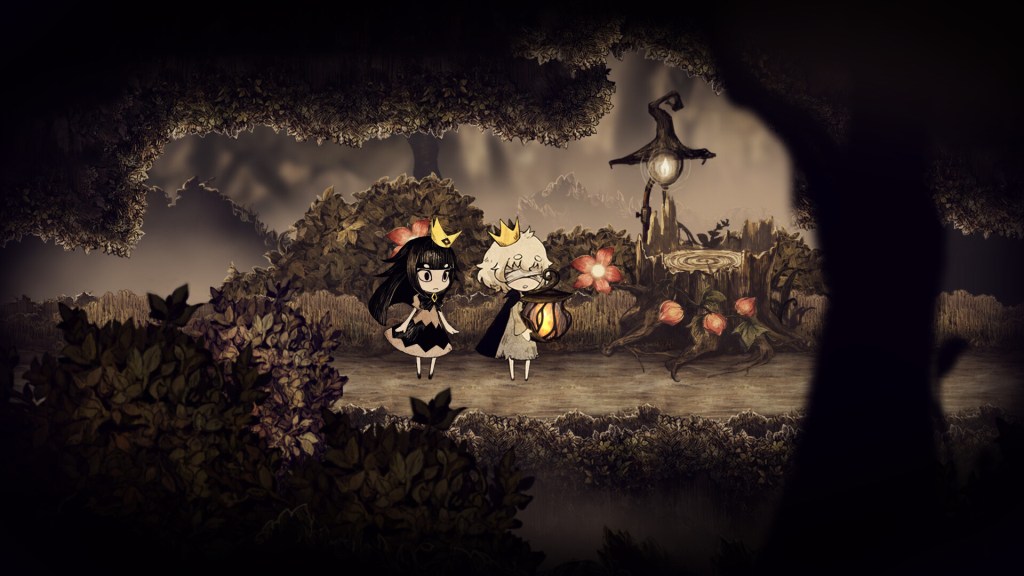
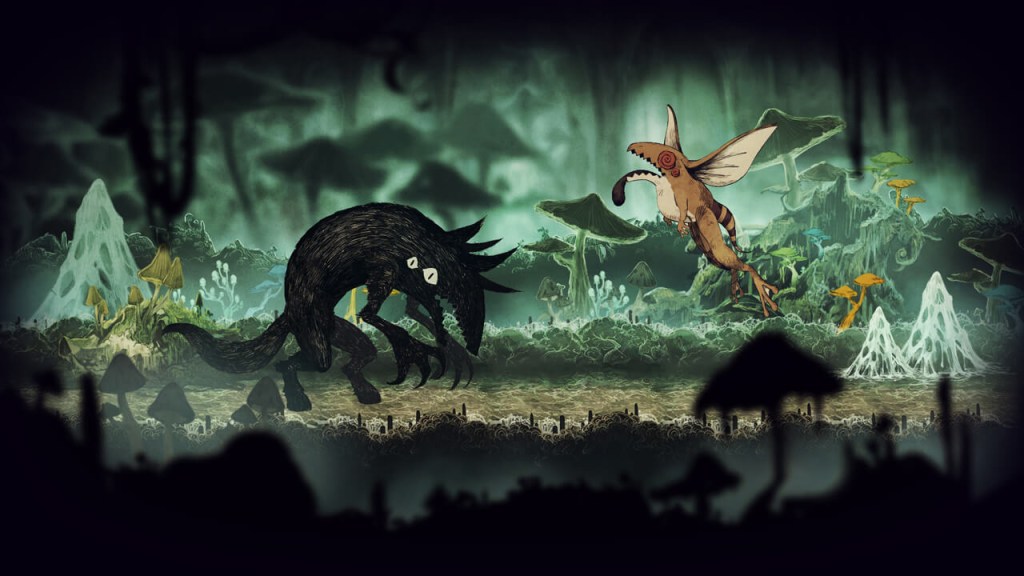
Princess of the Water Lilies – Steam Review

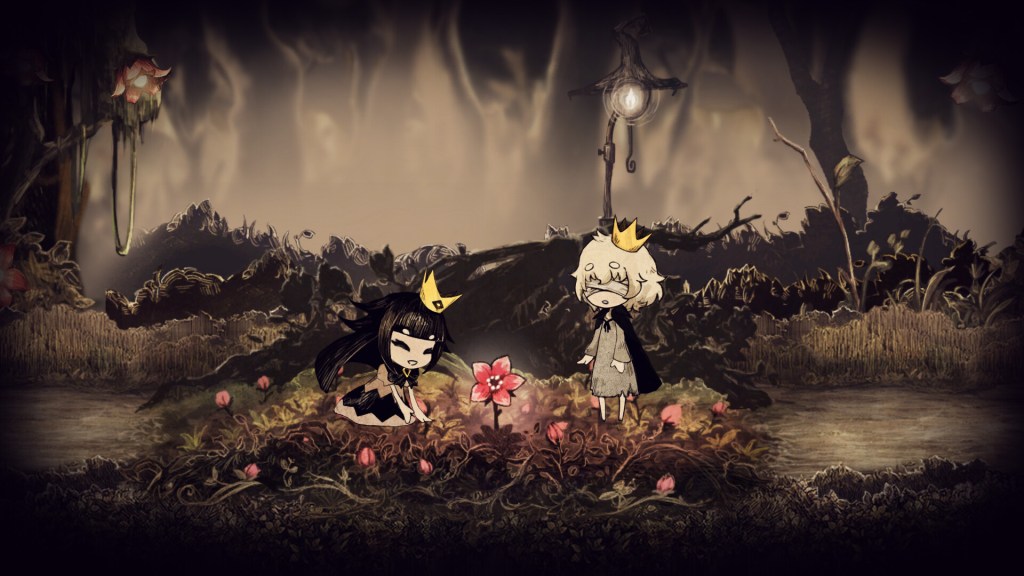
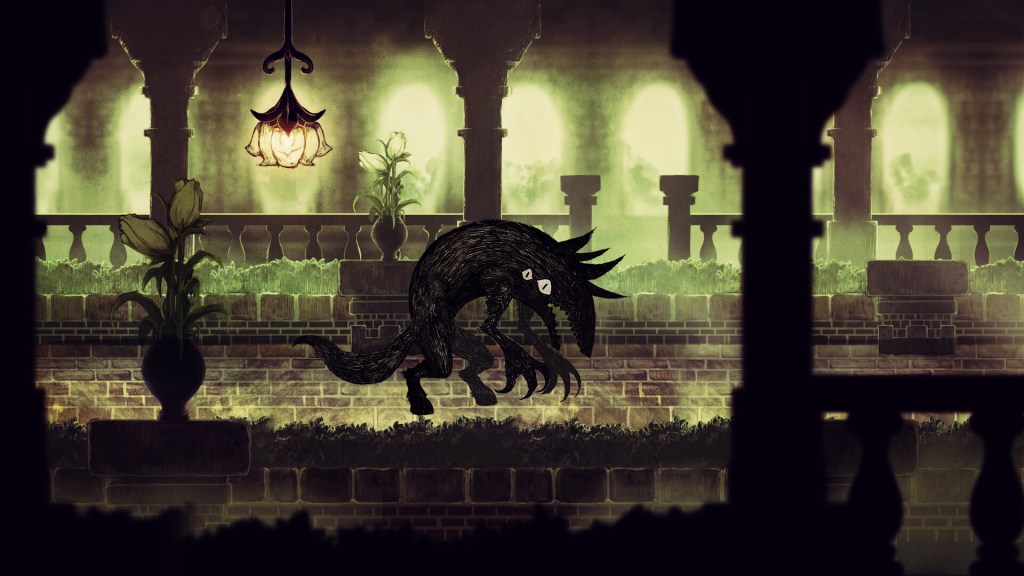
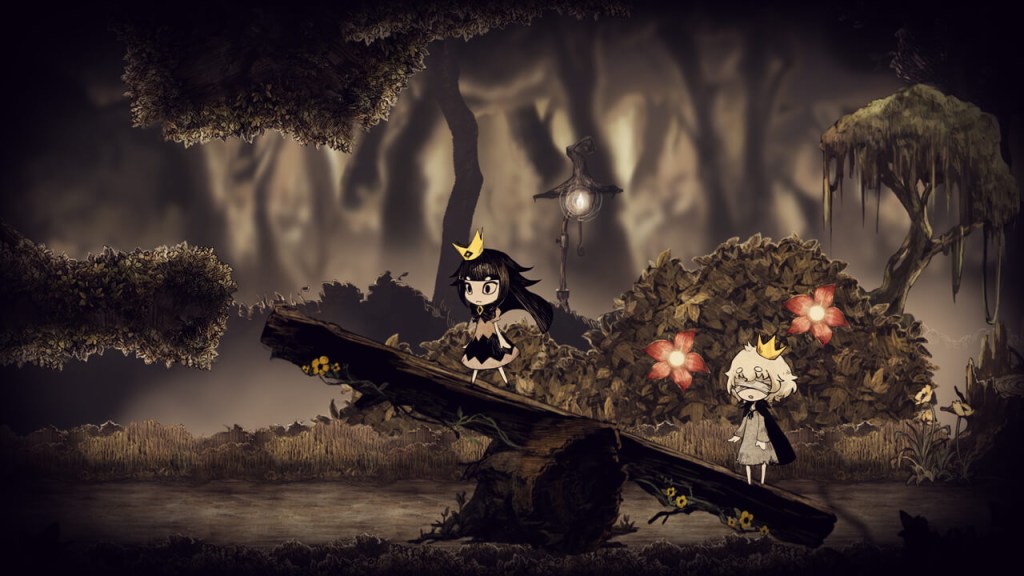
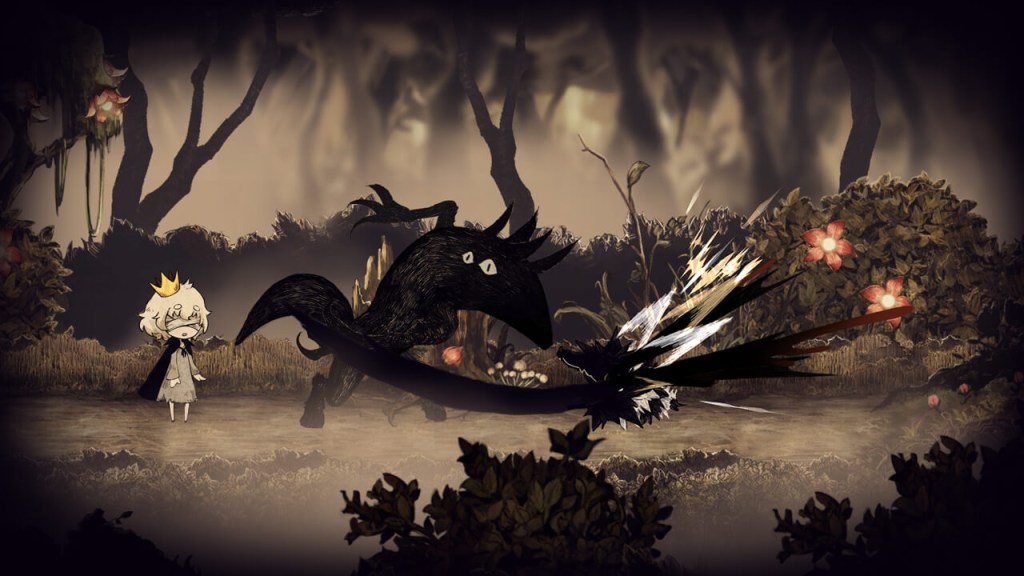
Overview – developed by Whyknot Studio in collaboration with publisher Red Dunes Games, Princess of the Water Lilies is a 2D puzzle platformer, taking place in a magical handcrafted world. As a cat that is adopted and raised by a family of frogs, go on a magical adventure to save your home from a mysterious mechanical menace. This title is available exclusively for the Steam service, with a link to the game at the bottom of this review.

Disclaimer: before I get into the review, I would like to thank PR Hound for providing the copy of Princess of the Water Lilies that was used for this piece. The provision of this software has not influenced the contents of this review, all thoughts and opinions contained within are my own.

Now with the introductions out of the way, let’s get into the review, starting with the story. I will be covering the game in as broad a manner as possible, as I do not want to spoil the surprises of this adventure.

Story – adopted and raised by family of frogs in a tranquil pond, a young and adventurous cat is gifted with a magical collar. This provides her with magical powers, allowing her to give life to the world around her, including causing the Water Lilies to bloom. During this ceremony, mysterious mechanical beasts appear, causing destruction and capturing the inhabitants of the forest. Now the young cat must use her new powers to save her home.

Gameplay – Princess of the Water Lilies is a 2D puzzle platforming adventure, where the player must explore the lands around the home of the frogs. As the cat, players need to traverse the varied landscapes of the world outside their home. To explore the areas, the player will need to run, jump, climb and crawl with golden orbs guiding the way. The world is made up of several different biomes, which includes a verdant forest, underground caverns and the mountains.

While exploring the different biomes, there will be many interactive elements, which will be affected by the power of the magical collar. The collar creates magical purrs, which will cause the flowers to bloom, fungi to come alive and transform the world around them. In some areas, there will be pods that teleport and launch the player in the air. Then there are mushrooms, which can open gates, allow the cat to navigate hazardous areas and jump higher.

Throughout the different areas, the player will need to rescue the captured creatures, trapped in boxes that can be swiped to break, or chained with locks. The player will also need to give items to characters that block the way, requiring puzzles to be solved to reach them. These include snails, which must be given to moles in order to open the area up. The item and objective varies, depending on the area that the player is in.

As the player makes their way through the adventure, they will encounter more challenging and complex puzzles. Which include multi step puzzles, like using the bell magic to stun mechanised creatures, which will try to kill the player to stop them. These mechanical menaces will try to crush, drill and even electrocute the player, with any contact knocking them out. Then there are also deadly spikes, pitfalls and bottomless pits.

During some sections, there will be enemies that will attack when the player is nearby, like spiders on web lines, which will make them charge the player. These enemies will require some good timing and movement to avoid, but if the player does get taken out, they will return to a checkpoint. There are generous auto save points, allowing the player to keep trying after every failure. This is most important during the boss encounters.

The bosses that the player encounters will be challenging, requiring the player to use the gimmicks o the area to succeed. These bosses consist of mechanical monstrosities, where once peaceful creatures have become twisted and try to destroy the world. In order to render these threats harmless, the player will need to use the power of the magic collar to free them. These segments have multiple phases, with each one increasing in danger.

As each of the encounters is passed, the player will be able to access the next area, getting one step closer to unravelling the mystery of these robotic invaders. To reach different areas, there will be some backtracking that is needed, with the player crossing through the moonlit pond. Near this magical area, there is a giant tree which the player can cause to bloom leaves. To do this special blue orbs need to be found, hidden in secret spots throughout the locations.

To help the player in their navigation, there will be travel frogs, which will allow the cat to warp between different points across the world. Near each of the travel points, as well as scattered throughout the areas will be record frogs, which will save the progress of the game. But for those who don’t want to manually save, the game autosaves frequently. There is a journal that players can look at, showing them the completion percentage for each of the zones.

This is not a very long game, but there is enough content and hidden collectables, with many secrets. The amount of hidden items, secrets and surprises for players to locate, adding to the replay value for players. There are three save slots, with an additional autosave slot, allowing up to three different playthroughs of the game. This is great for parents and kids, who want to share the game as well as those who want to try and speedrun.

Now with the gameplay covered, it is time to discuss the other aspects of this release, starting with the controls.

Controls – Princess of the Water Lilies has a very simple control scheme, offering the player an easy to pick up experience. The game also supports a variety of controller options, with all of the general controls being easy to use and fairly intuitive. There is also keyboard support, which work pretty well in general further adding to the playability. For those who are using specialised controllers or peripherals, Steam Input is fully supported for this release.

Difficulty – there is a fairly balanced difficulty curve, with the opening area introducing the player to the mechanics, with little in terms of danger. But as the player delves further into the adventure, the challenge will escalate, with the boss sections being the toughest part of the game. Thankfully, for those who may have a bit of a hard time, the frequent checkpoints, including during the bosses will make it possible for all players to make their way through the game.

Presentation – This is a visually beautiful game, with visuals that look like they have been hand painted, creating a magical world that is reminiscent of theatrical animations. The sprites are detailed well but can appear a little small if this title is played on a system like a Steam Deck. Luckily there is enough detail in the visuals that this should not impact the gameplay. The use of color and light works well, contrasting well between the foreground and background.

There are cinematic scenes that will play during the adventure, signified by black bars that appear when they start. There is no dialogue during these scenes, with the animation being used to imply what is happening. The music for this game is beautifully orchestrated, with music that has elements of whimsy, tension and sadness to them. Throughout the game, the music adds impact to the experience, being able to convey emotion without needing dialogue.

Final thoughts – I enjoy puzzle platform games, so when this appeared on my radar, I was more than happy to jump onto it. I very much enjoyed this experience, with the story being told in a way that is universally understandable, conveying all of the needed details without words. The text that is included is simply to help the player press buttons, which works very well for tutorials. The general feel of the game was smooth too, with no issues in terms of lag or delay.

During the opening section of the game, I did have some troubles getting used to the platforming, with some missed jumps and unintended deaths, especially during the first boss. However, after this things fell into place and the experience was a lot of fun. The only issue I can see is that some players may find the bosses a little too difficult. So with all of that said, I am happy to recommend this to everyone, especially parents and kids to play together.

In the end, I give Princess of the Water Lilies a final score of 5/5. This is a gorgeous puzzle platformer, with an engaging silent story and a world that is vibrant as if it was hand painted, offering a challenging but not punishing platforming adventure. If you want to check this game out for yourself, a link to the game will be below.

Link to Steam version (HERE)   

Neon Inferno – Steam Review

Overview – developed by Zenovia Interactive and published by Retroware, Neon Inferno is a blend of Run n’ Gun action and gallery shooter, taking place in a neon soaked cyberpunk New York. In 2055, NYC is split into territories where battles for domination take place, between several major factions including the Yakuza and NYPD. This title is to be released on all console platforms and Steam, with a link to each version of the game at the bottom of this review.

Disclaimer: before I get into the review, I would like to thank Retroware for providing the copy of Neon Inferno that was used for this piece. The provision of this software has not influenced the contents of this review, all thoughts and opinions contained within are my own.

Now with the introductions out of the way, let’s get into the review, starting with the story. I will be discussing the core gameplay experience, omitting some details as I don’t want to spoil the experience for players, while also being unable to test the co-op gameplay.

Story – in the year 2055, NYC has become a dystopian warzone, with conflicts that are spread across the city. Within the neon soaked cityscape, there is a battle for control between warring factions. The Family, a notorious crime syndicate deploy their two most important assassins, Angelo Morano and Mariana Vitti, as they seek to eliminate their rivals. To dominate the city, the assassins must take on the Yakuza, the NYPD and those who arm them.

Gameplay – Neon Inferno is a mix of Run n’ Gun action and gallery shooter, similar to games like Wild Guns and Contra. There are three main game modes for players to enjoy, with the story mode being where the majority of the action takes place. With six missions for players to challenge, which have three distinct difficulty settings. After selecting the save slot, character and difficulty, the game will start and the player will be thrown right into the action.

The player will play through a tutorial, showing all of the mechanics for gameplay, with the foreground and back ground shooting, melee combat and general movement. Once the tutorial is cleared, the first mission starts. During missions, the player will need to battle their way through the stage, fighting enemies in mostly side scrolling action. As the player makes their way through a stage, they will need to blast their foes away.

When fighting enemies in the foreground, the player will be able to shoot in 8 directions, with the base weapon having an unlimited number of shots that the player can use. There will also be enemies in the background of the stages, which use the background crosshair to shoot, with a standard and fast option. Then there is the melee attack, which uses a green blade to strike enemies and deflect enemy attacks, sending shots back to them.

As the player uses the blade to deflect and block attacks, they will gain adrenaline which can charge up into five levels. This is very important, as the adrenaline is used to activate Bullet Time. By holding down the melee button when successfully deflecting green shots, the player will be able to aim their redirected shots. When using bullet time, the attacks can be aimed in the foreground and even sent into background, dealing increased damage to enemy forces.

During the missions, the player will be able to jump, double jump and crouch to avoid the attacks of the enemy. But the player will also be able to use the dodge roll, which can help the player bypass attacks and some environmental hazards. The dodge will make the player invulnerable for a small amount of time, which is very useful during more hectic sections. It will also be required to climb ropes, hold rails and hang from platforms during the missions.

Each of the missions are made up of several segments, where players will need to keep maintain their focus as there is danger everywhere. Not only will the player need to deal with the standard ground forces, which can be taken out in a single shot, there will also be heavy/armored forces to deal with. These enemies are more robust, requiring a lot of damage to take down. A health bar appears above them when they are damaged.

Then there are the vehicles, which include heavily armored tanks, helicopters and more to deal with. Some of these mechanised forces will drop bombs or fire shots before leaving, making them more of a nuisance rather than a genuine threat. However, when many of them appear, they become deadly to the player. Thankfully, through effective use of the dodge mechanic, it is possible to make it past these enemies with minimal injury to the player.

Within some of the missions, there will be auto scrolling sections with most of them using vehicles, including a motorcycle and a train car. During the bike areas, the player will need to dodge enemy fire, while also moving between lanes to avoid civilians. These sections are intense and challenging, with enemies appearing from all directions to attack the player. Thankfully, there will be warnings to show when hazards are appearing.

At the end of the mission, and during some of them, the player will engage in battle with challenging bosses. During these encounters, a bar will appear on the screen showing their name and total health. The bosses that the player needs to fight include giant military vehicles, a human weapon and even a Yakuza mob boss in an mech suit. Many of the boss fights have multiple phases, with the battle changing upon clearing the first segment.

When the mission is cleared, the player will be taken to a results screen, where they will be given a monetary reward based on their performance. There will be a base amount for the mission, with bonuses and penalties that will be applied. The bonus is usually for the clear time, but the penalties vary, with the most punishing being the collateral damage penalty. If a civilian is killed, either by the player or enemies, heavy penalties will be applied for each death.

There is also a rating system where players will be awarded a star rank, alongside a title depending on their performance. For the Novice and Medium difficulty, the player will only be able to earn a maximum of three stars for a mission. This means the player will need to play through the game on Hard if they want to earn 5 star rankings in story mode. The player will be able to earn up to 5 stars in Arcade mode (discussed further below).

Between missions, the player will be able to visit a shop, where weapon power-ups can be purchased using funds earned from missions. These vary in cost, offering temporary power-ups to weapons and a shield for the mission. Only one can be selected before going into the next step. After visiting the shop, the player will go into the mission briefing, where the Don will give the player their mission, providing details and objective.

During the main body of the game, there is a non-linear approach to the missions, where the player will be able to select the objective they want to take on. Before the player makes their decision, there is an option to get details on the mission. This will provide background on the character, where they need to go and what the target is. It doesn’t appear that the sequence the player chooses has any impact on the game experience.

Throughout the game, there will be cutscenes with interactions between the characters, which help to push the narrative forward. These cinematics are shown in a dynamic way, adding to the experience of the story. There will also be in game scenes, which often occur before a boss battle happens. All of these give the story beats more impact, deepening the story and making the dystopia of the neon soaked NYC feel alive.

Away from the main Story mode, there is Arcade Mode, which offers a brutally tough challenge those who want to push their skills to the limits. In this mode, the player will have one credit to try and get as far as possible. Unlike the story mode, there will be no checkpoints, meaning death will be a significant setback for the player. Then we have the final game mode, which is the mission replay mode, to try and improve rankings.

In the mission replay mode, all of the cleared stages can be challenged again, letting players try to improve their ranking on the missions. When selecting a mission, players can choose to play the entire mission from the start, or a single section of it at the cost of being ranked. After selecting their choice, they will also be able to select the difficulty from the three choices in story and arcade difficulty. This makes mission replay a very valuable practice tool.

Now with the gameplay covered, it is time to discuss the other aspects of this release, starting with the controls.

Controls – Neon Inferno is best played with a controller, but there is the option for keyboard to be used. It is highly recommended to use a controller, as there are several buttons that need to be pressed at the same time. In general the controls are laid out in an easy to use manner, but can feel a little clumsy and awkward when first starting out. For those who need to make adjustments, there is the ability to remap the inputs for the game.

Difficulty – this is a very challenging game, requiring a lot of pattern memorisation, as well as trial and error. This is due to the frequency of enemies, the different types of attacks they use, as well as the very tricky boss fights. Thankfully there are difficulty settings that adjust the gameplay. Novice (easy), has greatly increased health and modified enemies, Medium is balanced for all players and Hard features brutal enemy patterns, with the least health available.

Presentation – Neon Inferno has visuals that are reminiscent of the 32-Bit era of gaming, featuring large bold sprites and vibrant use of color, especially with the different cityscapes. The environments, set pieces and general experience look beautiful, which are further enhanced by the excellent cinematic sprite art. Then we get the sound, which is excellently crafted, adding atmosphere to the action on screen and the dystopia it takes place in.

Final Thoughts – for the longest time, I have been a fan of games like Metal Slug, Contra and Wild Guns, which made Neon Inferno very appealing to me. When I got my hands on the game, I had some teething problems during the early stages, but as I got deeper into the game, everything fell into place. The game mechanics are a lot of fun, with smooth gameplay that is reactive, fast paced and a challenge that is tough but fair.

The story is well written, which is accompanied by imagery that reminds me of titles from the PC-98 system, with the highly detailed cinematic sprite arts. I very much enjoyed the narrative, pacing and flow of the game, especially with the non-linear approach with most of it. There were no issues with the experience, aside from a couple hiccups when learning the controls. I am happy to recommend this game, as it weaves two game styles together seamlessly.

In the end, I give Neon Inferno a final score of 5/5. This is an excellent action shooter, blending the Run n’ Gun and Shooting Gallery styles together perfectly, with the cyberpunk setting, vibrant visuals and atmospheric soundtrack all working in harmony. If you want to check this title out for yourself, a link to each version of the game will be below where possible, as well as link to the official site.  

Link to Steam version (HERE)

Link to Nintendo Switch version (HERE)

Link to PlayStation version (HERE)
Link to Xbox version (HERE)
Link to Official Site (HERE)