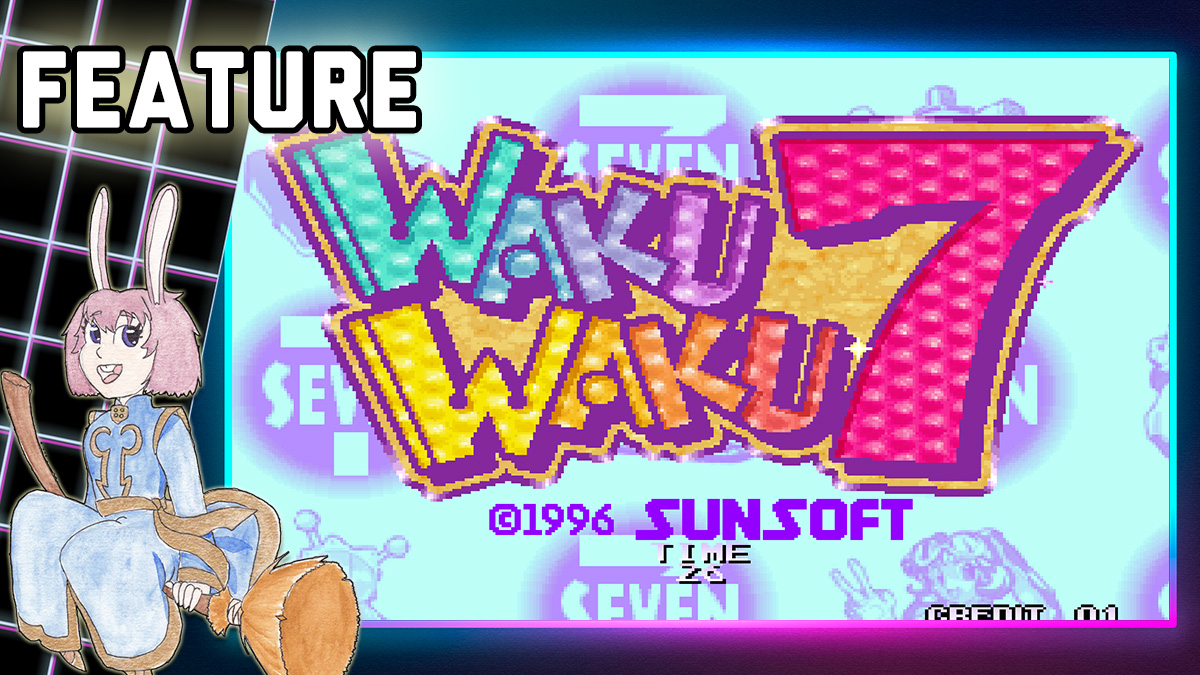
Hello and welcome to the latest entry of Retro Revival, the series where I cover classic games that have been given a new lease of life. Here I discuss HD remasters, emulated ports and compilations in part or whole. We continue our odyssey through the NEOGEO Library with Waku Waku 7, a vibrant and colorful fighting game developed by Sunsoft and released in 1996. This title is available via the ACA NEOGEO series by Hamster Corporation.
Disclaimer: the games discussed in this feature have been my own purchases, so all opinions contained within are my own. There has been no sponsorship of the content in this feature, with links to the different versions of the game where available.
So with the introductions out of the way, let’s get started. I will be discussing the general gameplay experience, then provide my personal thoughts on the release.
About the game
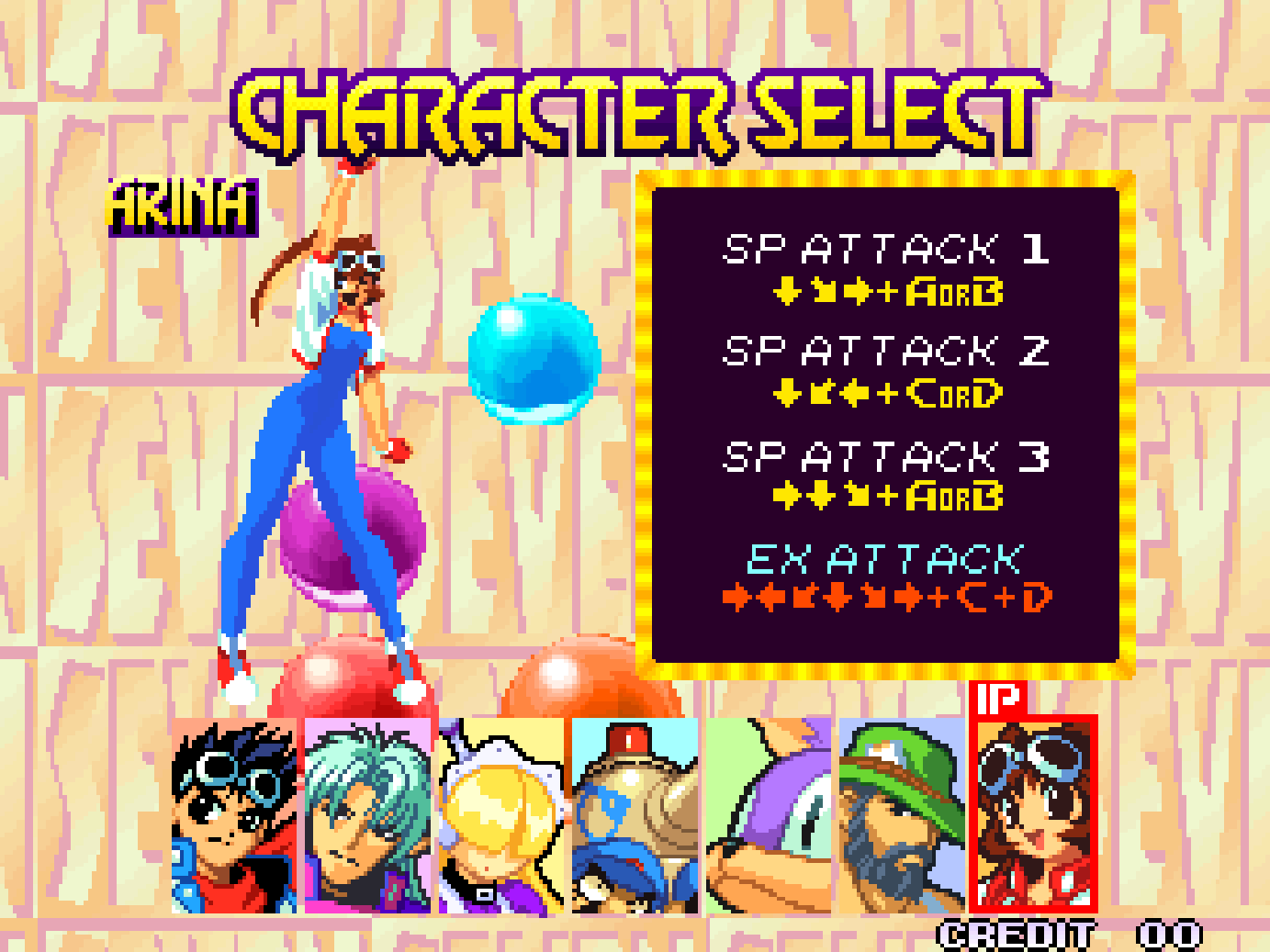
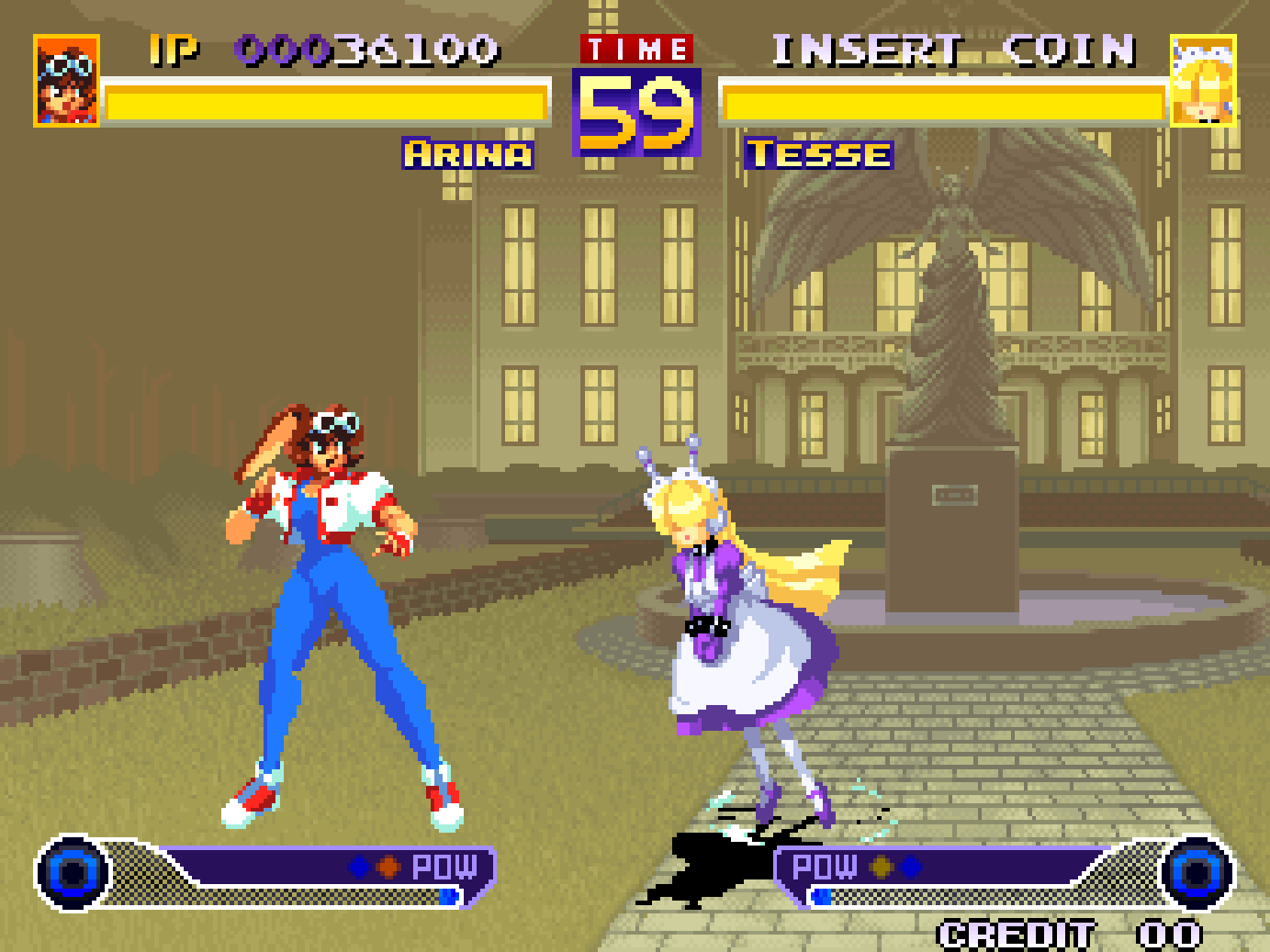
Waku Waku 7 is a rather unique fighting game, where the premise and characters are parodies of various anime, manga and pop culture of the time. The story is that there are 7 Waku Waku Balls, which are held by 7 different fighters. Whoever collects all of the Waku Waku Balls will have a wish granted, with the holders overcome with the drive to obtain all of them. The objective of the game is to defeat the other fighters in a series of one-on-one battles.
There are seven playable characters, each with their own unique look, fighting style and character themes. The fighters who participate in the battle for the Waku Waku Balls are as follows;
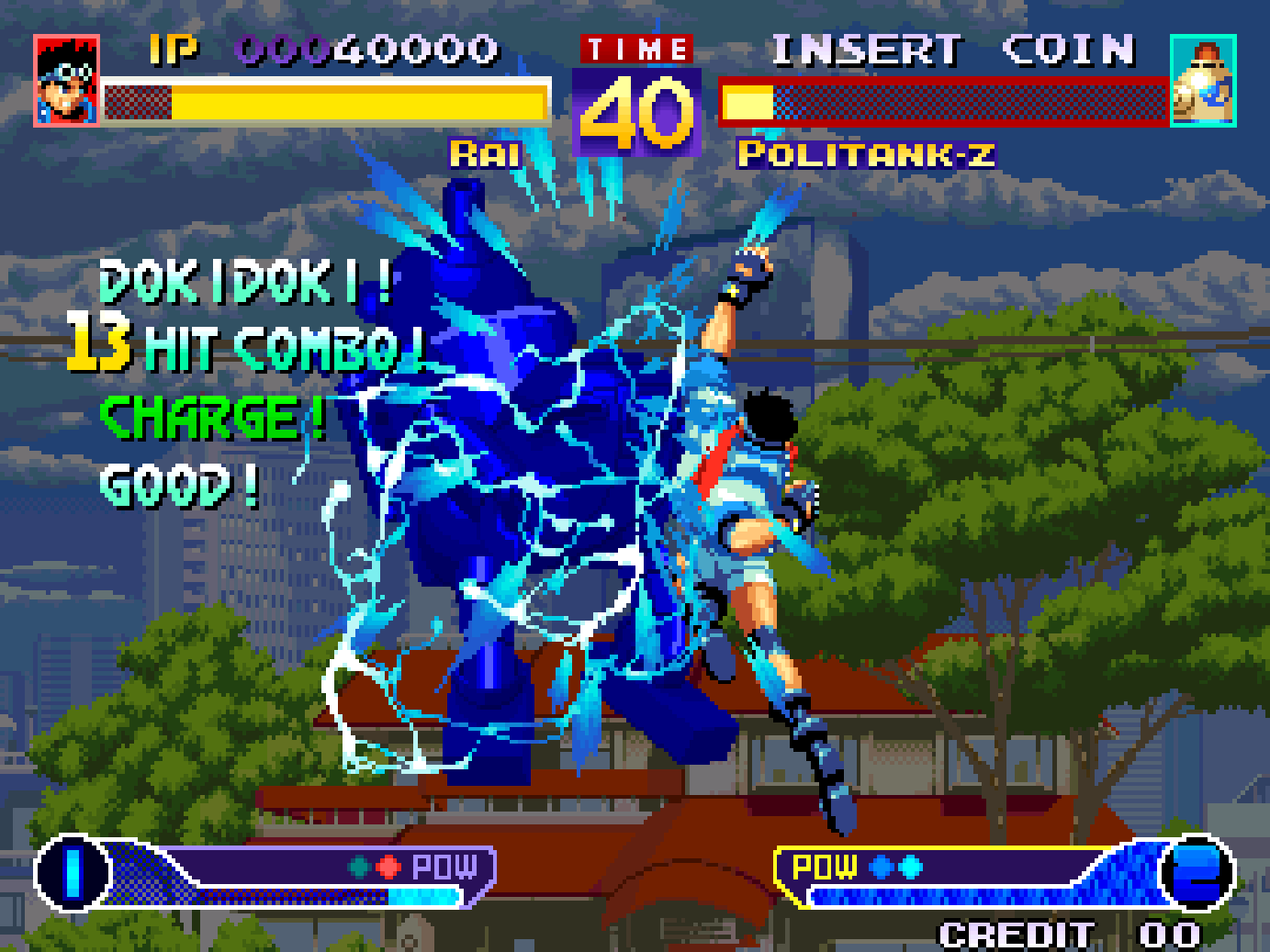
- Rai – an energetic and hot-headed schoolboy, wielding the power of electricity with moves and style that are similar to classic fighting characters, like Terry Bogard and Sie Kensou from SNK.
- Arina – a schoolgirl with bunny ears, martial arts skills and magical powers, inspired by the magical girl trends and the kemono features in various Shojo media.
- Dandy-J – a grey haired treasure hunter hired to find the Waku Waku Balls, he uses a whip with his general look and style inspired by Joseph Joestar from the JoJo’s Bizarre Adventure series.
- Politank-Z – a tank-mecha that is part of the police force, piloted by the chief and his trusty dog sidekick who work together, referencing the Dominion series.
- Slash – an elf eared mysterious swordsman that uses a laser sword to cut down his foes, his look with a long trench coat and flowing hair is inspired by various swordsman archetypes.
- Mauru – a large purple creature that lives deep in a forest, accompanied by a lost girl called Mugi, the pair together are inspired by the classic Studio Ghibli film, My Neighbour Totoro.
- Tesse – a robotic maid that is able to use the power of household items, electricity and extendable body parts, taking inspiration from Astro Boy and Japanese Maid tropes.
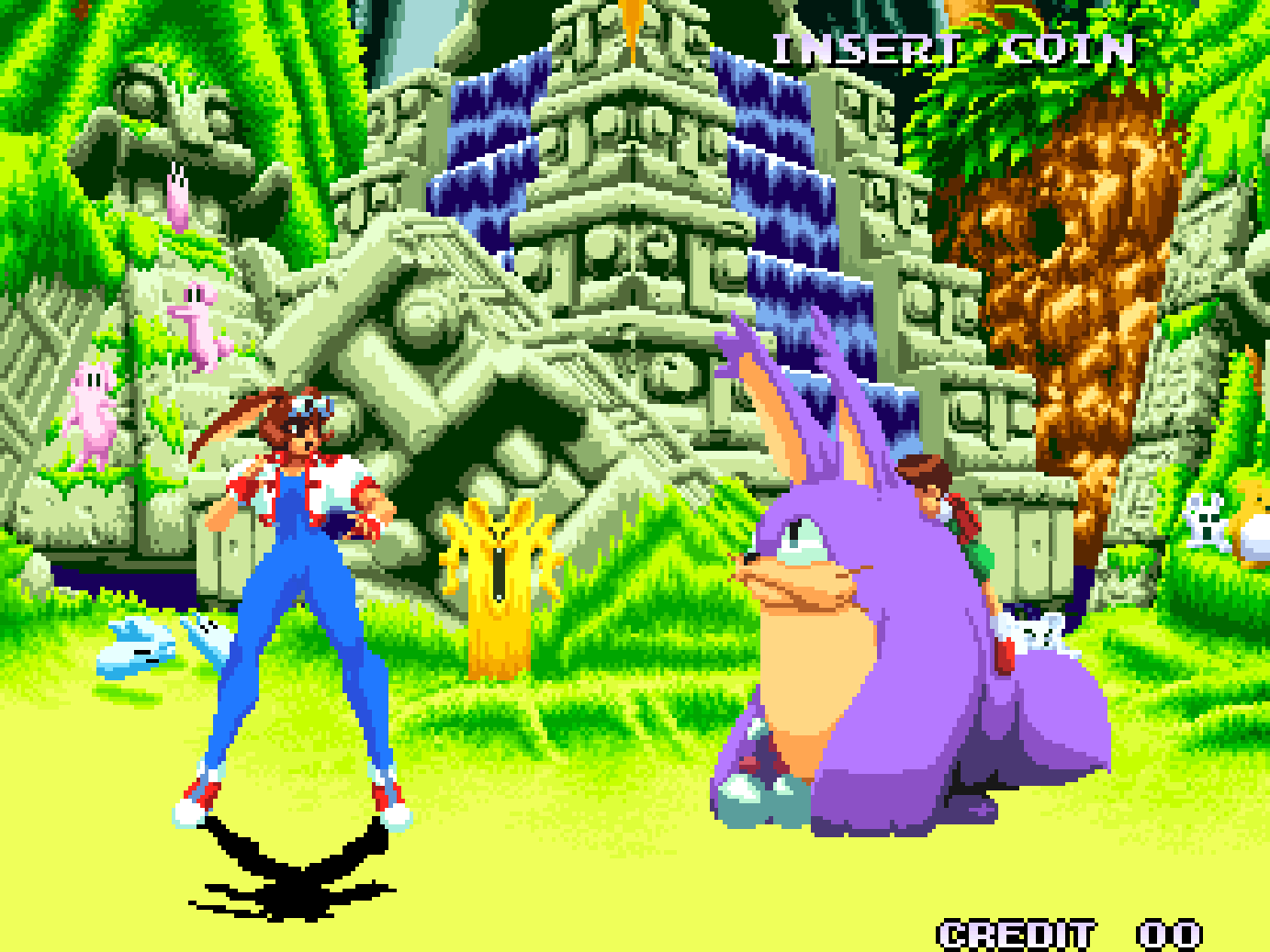
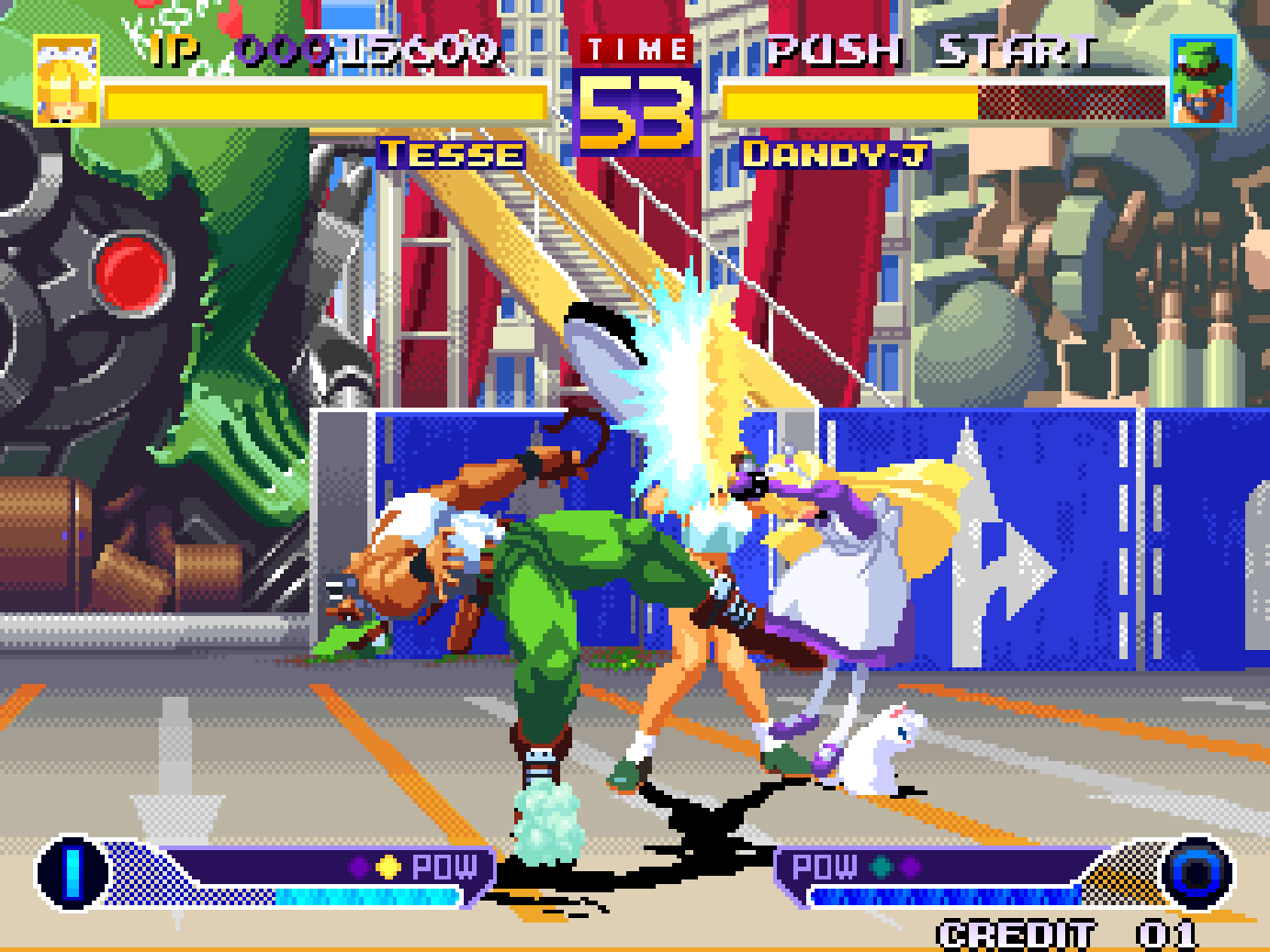
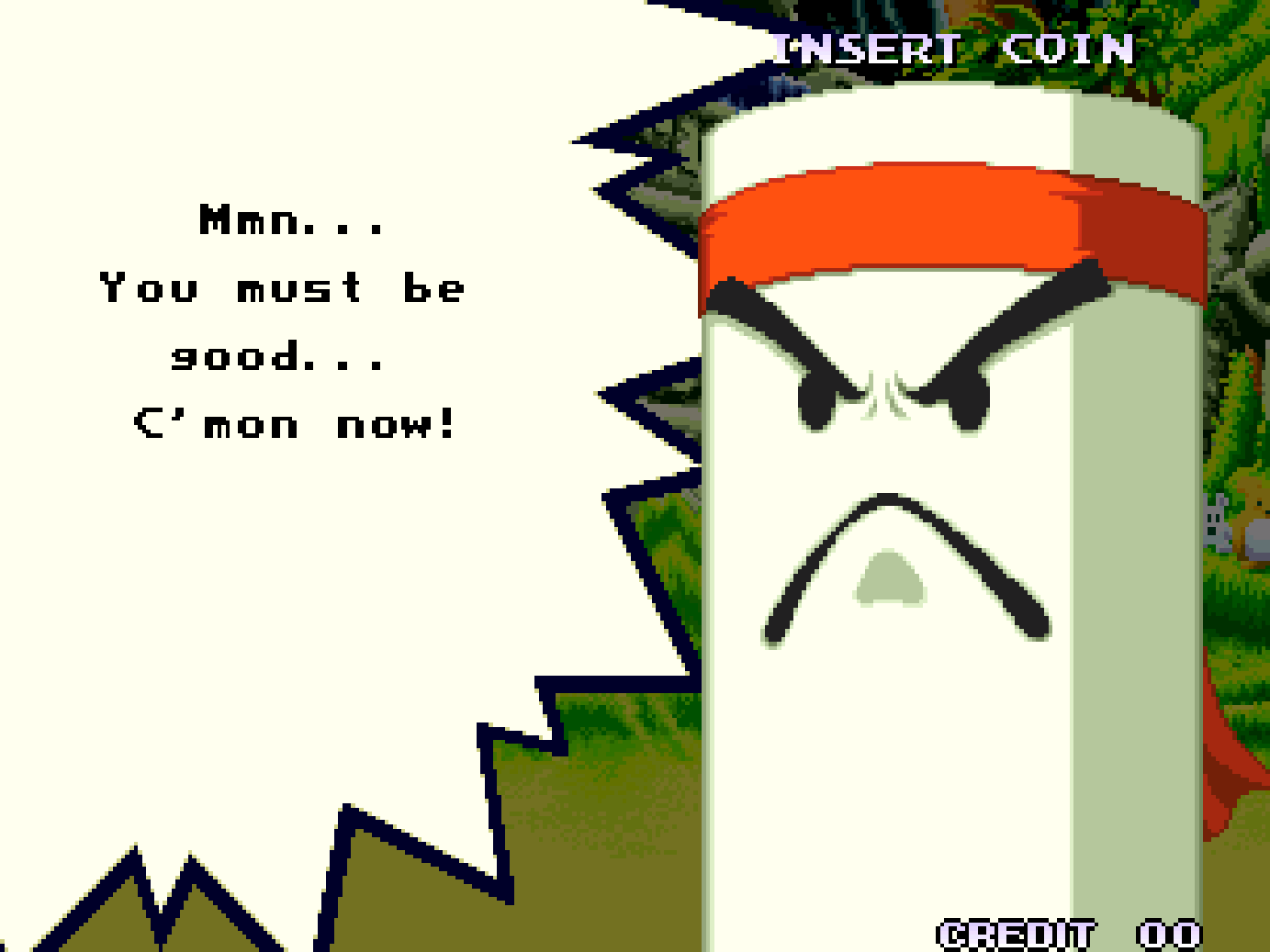
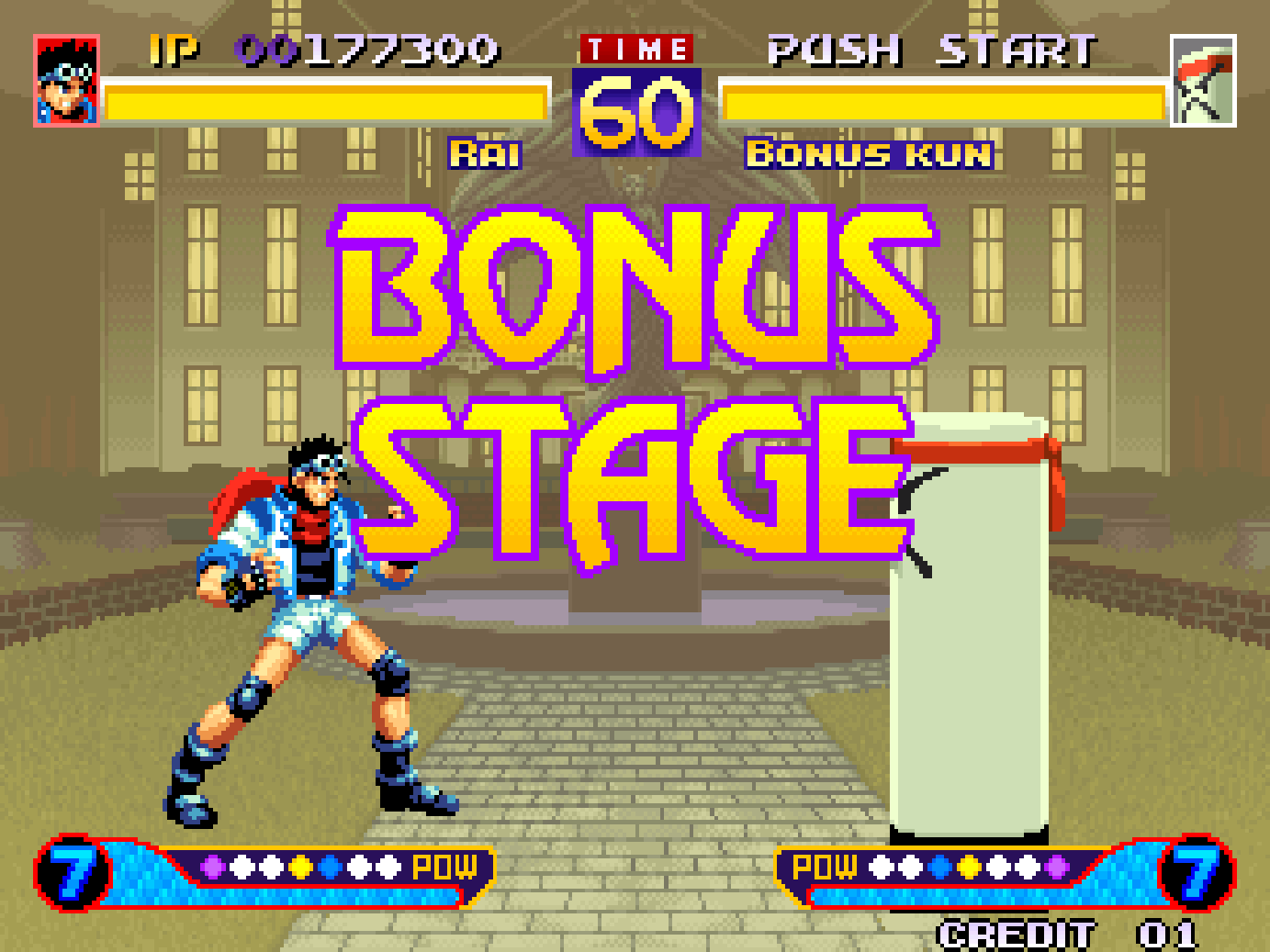
Alongside the playable seven fighters, there are two boss opponents that will appear during the game. The first is Bonus-Kun, a living punching bag that appears as a special bonus mid-boss, with a look and moves that borrow elements from Ryu of Street Fighter. Then there is Fernandez, the final boss of the game and giant round demon ball. This boss is based on classic Kaiju media, with the player growing to a relative size to fight him.
Waku Waku 7 uses the same four button battle system as many NEOGEO fighting games, with two punches and two kicks. The attacks are split into light and heavy, with each character having their own distinct special moves related to their character themes. The moves use traditional inputs like the quarter circles and Z movements (dragon punch inputs), using them to perform light and heavy variations of special attacks.
During battle, the player will gain energy that fills their bar, causing it to charge depending on how many Waku Waku Balls they have. In stage 1 the player has only one Waku Waku Ball so they are limited to just one charge bar, but with each stage cleared, the number of charges will increase. The charge meter can be set to increase automatically, or by dealing/taking damage, giving players a choice on how it works.
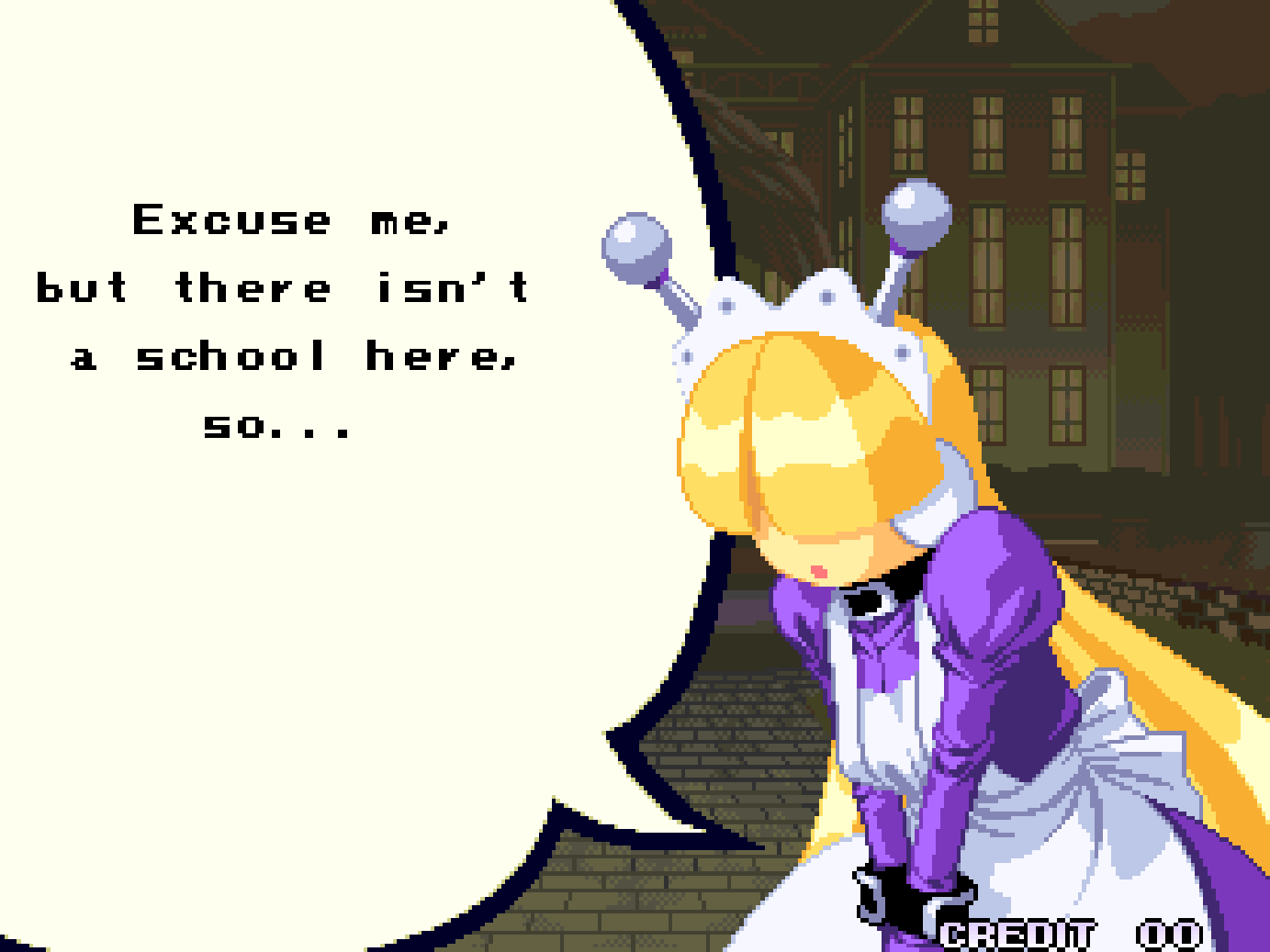
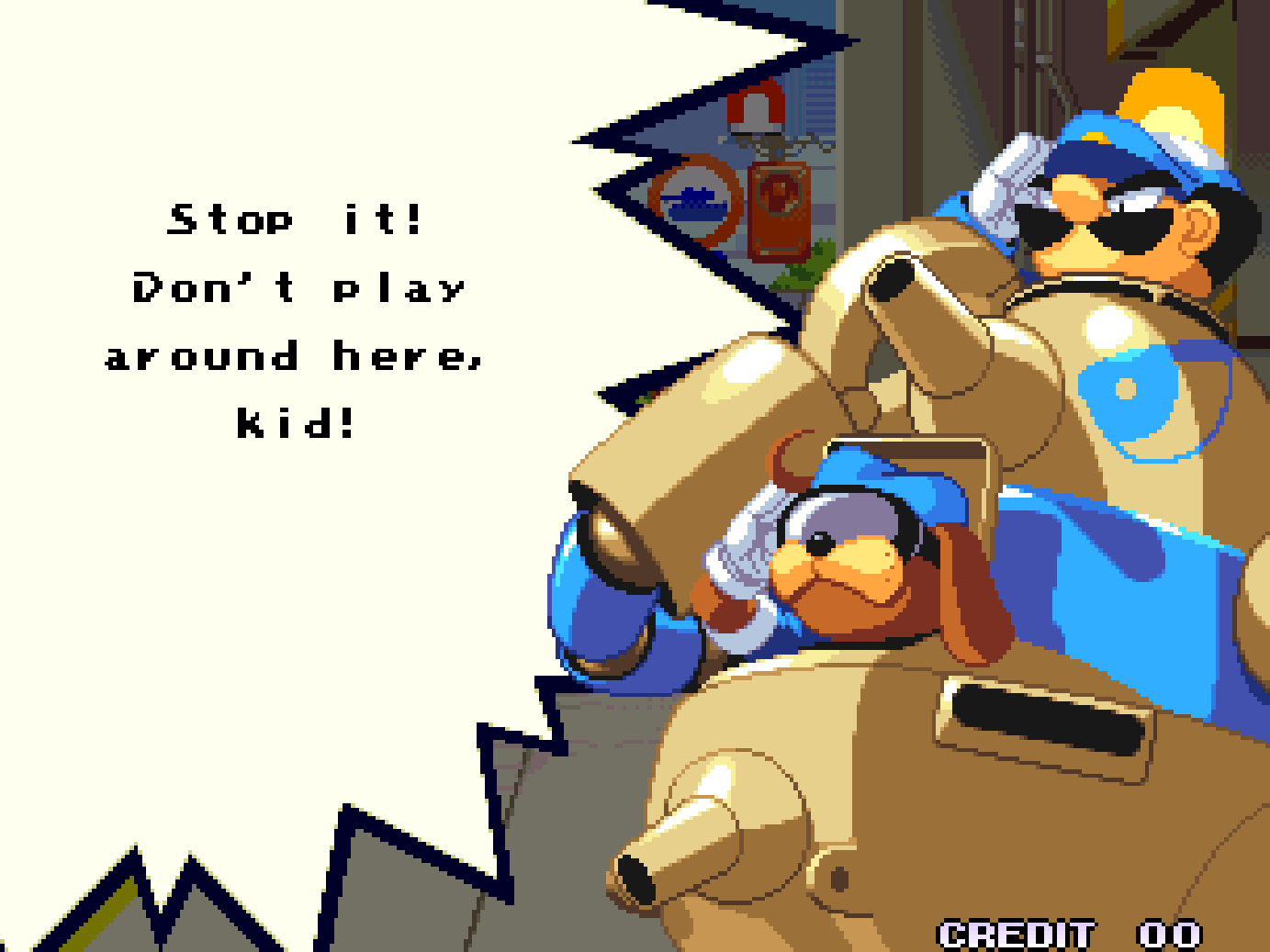
The usage of the charge meter, makes the game stand out from other fighting games of the time. First there are the enhanced specials, which are powered up versions of special attacks, which are activated by pressing both attack buttons for the special move. Then there are the DokiDoki Attacks, which are ultimate attacks that deal devastating damage to opponents. Most of the characters have one signature DokiDoki attack, but a couple of them have two.
Alongside the special attacks and DokiDoki attacks, there are two additional moves that can be used by expending the Charge meter. There is the Hara Hara Attack, which is so powerful and devastating it has a warning appear on screen, giving the opponent a small window to stop or avoid it. Finally, there is the SUPER Burst, which increased damage dealt and reduces damage taken for a short time, and it is activated by pressing three attack buttons.
The combat is frantic, with players being able to mash out quick combos of light attacks, perform heavy chain attacks and cancel their basic moves into supers. There are also features that have since become standard in the genre. These include knock back attack that cause opponents to hit walls, air blocking, dedicated wake up attacks and overhead attacks. The fighting is smooth and responsive, with the acting being quick and easy to play.
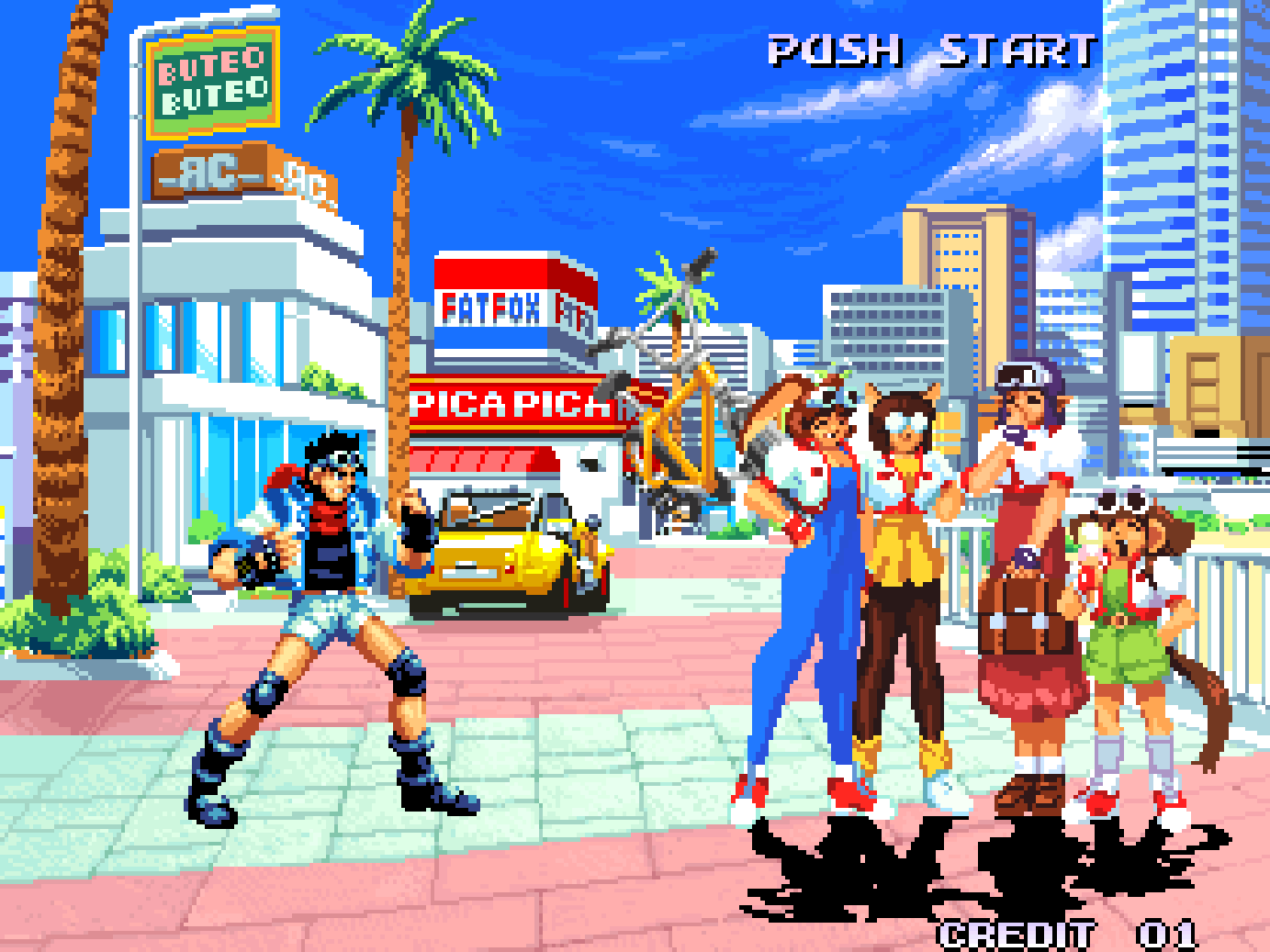
While there are only nine stages in this game, with the playable characters (including a battle against a copy of the player) and two bosses, there is a lot of replay value on offer. There is a lot of replay value on offer for players, with each character having unique endings and the ability to player against another player. As this is an ACA NEOGEO release, there are the usual bonus game modes for players to enjoy, which are included with all standalone releases.
There are the High Score and Caravan modes, where players compete to set the best score possible for the online leaderboards. High Score mode gives the player a single credit to score as many points as possible, whereas the Caravan mode has a 5 minute time limit. The standard Japanese and English versions also have online leaderboards, where players can compete for the best score possible, challenging players from across the world.
For those looking for a more classic look, there is the option for filters and screen scale, allowing players to adjust the look of the game. The scan line options try their best to imitate the look of the original MVS displays, while they look good on smaller screens, they may not look so good on bigger screens. There is also a manual that shows all of the features, mechanics and character moves that players can use for the different characters in game.
Personal Thoughts
I very much enjoy Waku Waku 7, but I didn’t get to experience it first on the NEOGEO, as my first exposure to the game was via the SEGA Saturn. For years, I only played the port of the game, but as emulation became more accessible, I got to play the original and it became my preferred way to play the game, as it is a smooth experience with zero loading time. This could not be said about the Saturn release, as it has frequent loading screens.
The fighting is a lot of fun, with fast paced action that feels very smooth and responsive. All of the characters are easy to pick up and play, offering a very low skill ceiling for players of all skill levels to jump right in. Alongside the action of combat itself, there is a tremendous amount of detail to the environments, with three different versions of each stage. All of the battle stages turn from day to night, which was uncommon at the time.
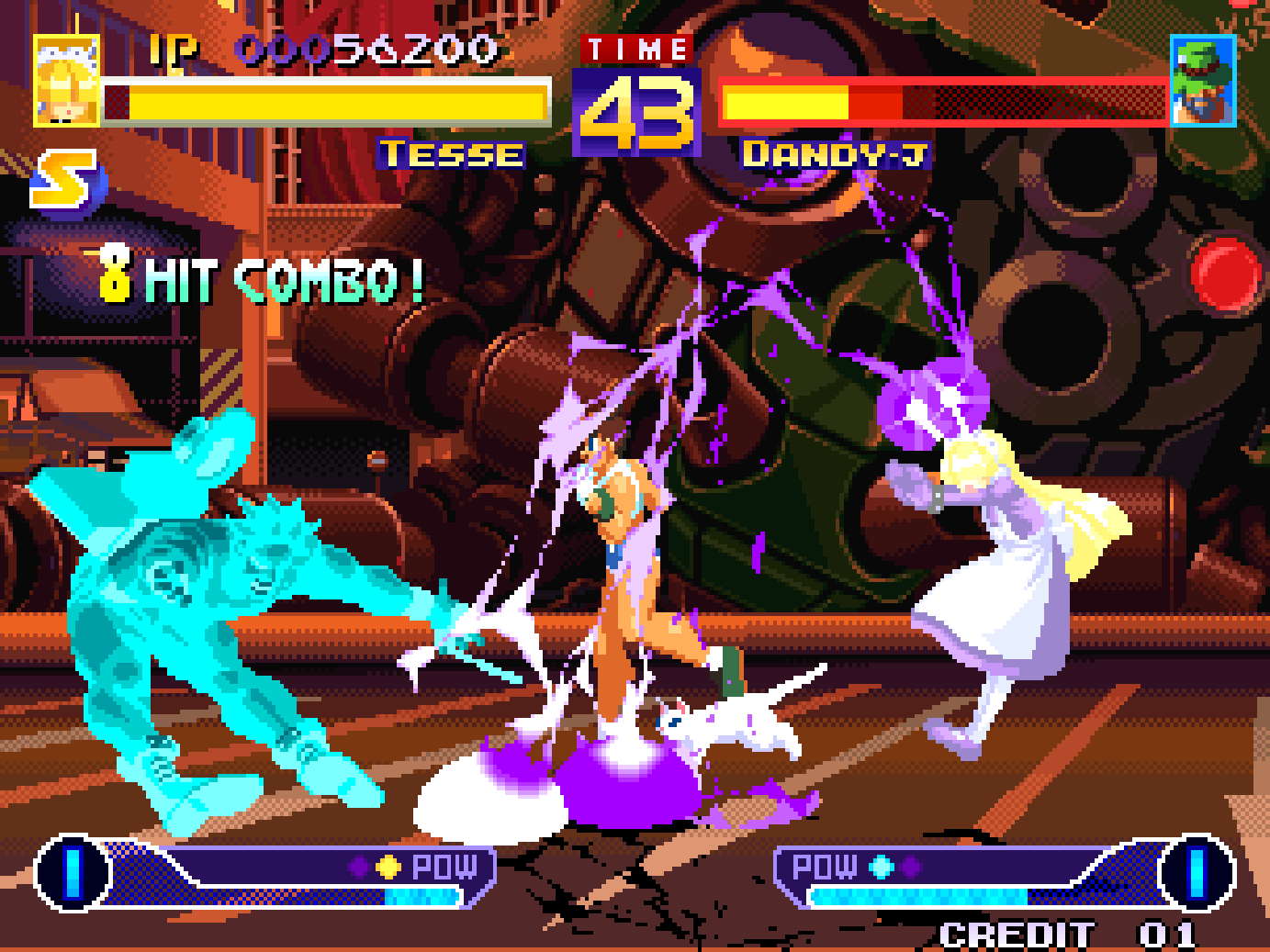
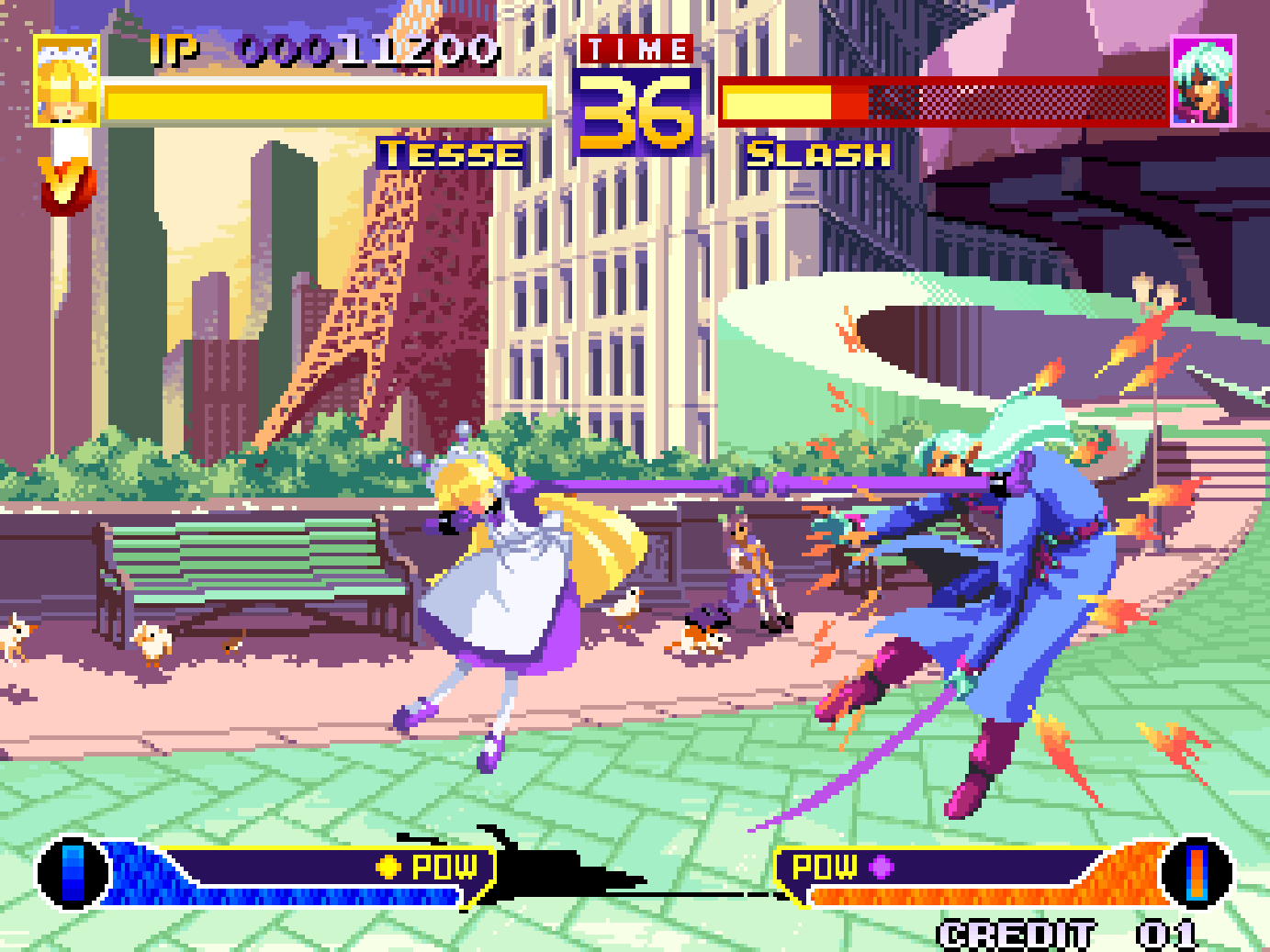
Waku Waku 7 is a true love letter to fighting games, anime/manga and Japanese culture, with the designs of stages and the characters tied to them. There are so many details and references throughout, including references to other games on the NEOGEO. The giant cyborg ape, Cyber-Woo from King of the Monsters 2 appears, Bonus-Kun from Galaxy Fight (the previous Sunsoft fighter) and half of Terry Bogard’s move set for Rai.
Then we have the soundtrack, which makes full use of the NEOGEO sound chips, offering crisp music that is as varied as the world it plays in. Right off the bat, the wackiness is on show with the character select, which features a bright track with a scat singer that pops in at set times. But this isn’t the only track that uses digitised voices, as Arina’s stage has a full vocal arrangement, with a melody that sounds like it would fit any 90’s magical girl anime.
All of the elements of the game come together, creating something that feels special and uniquely its own thing. The roster isn’t the biggest and doesn’t have secret characters to unlock, but it doesn’t need it as there is enough depth to the gameplay to make up for it. Waku Waku 7 is one of my personal favourites when it comes to NEOGEO Fighters, due to it offering something that is vastly different compared to the trademark franchises.
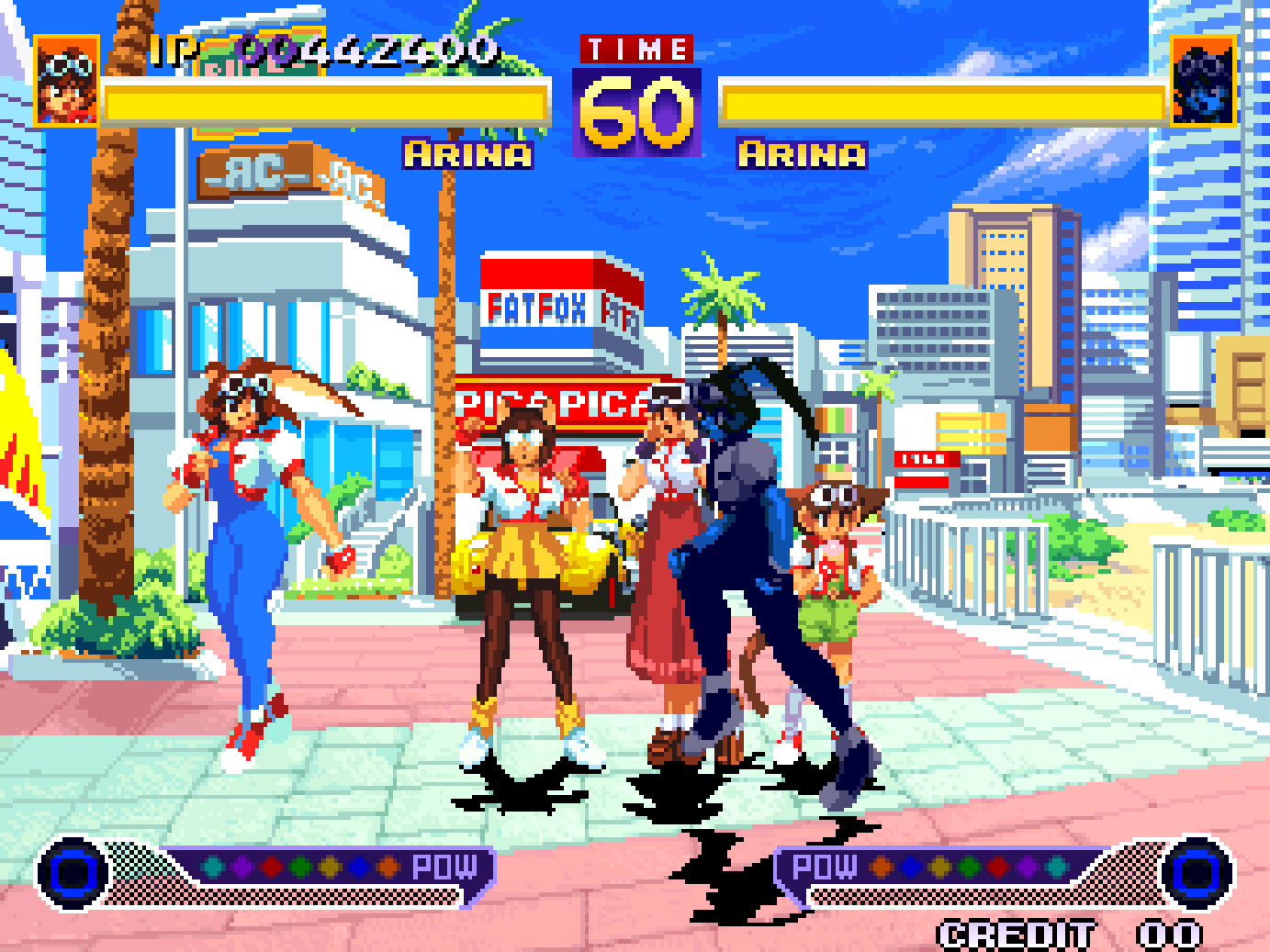
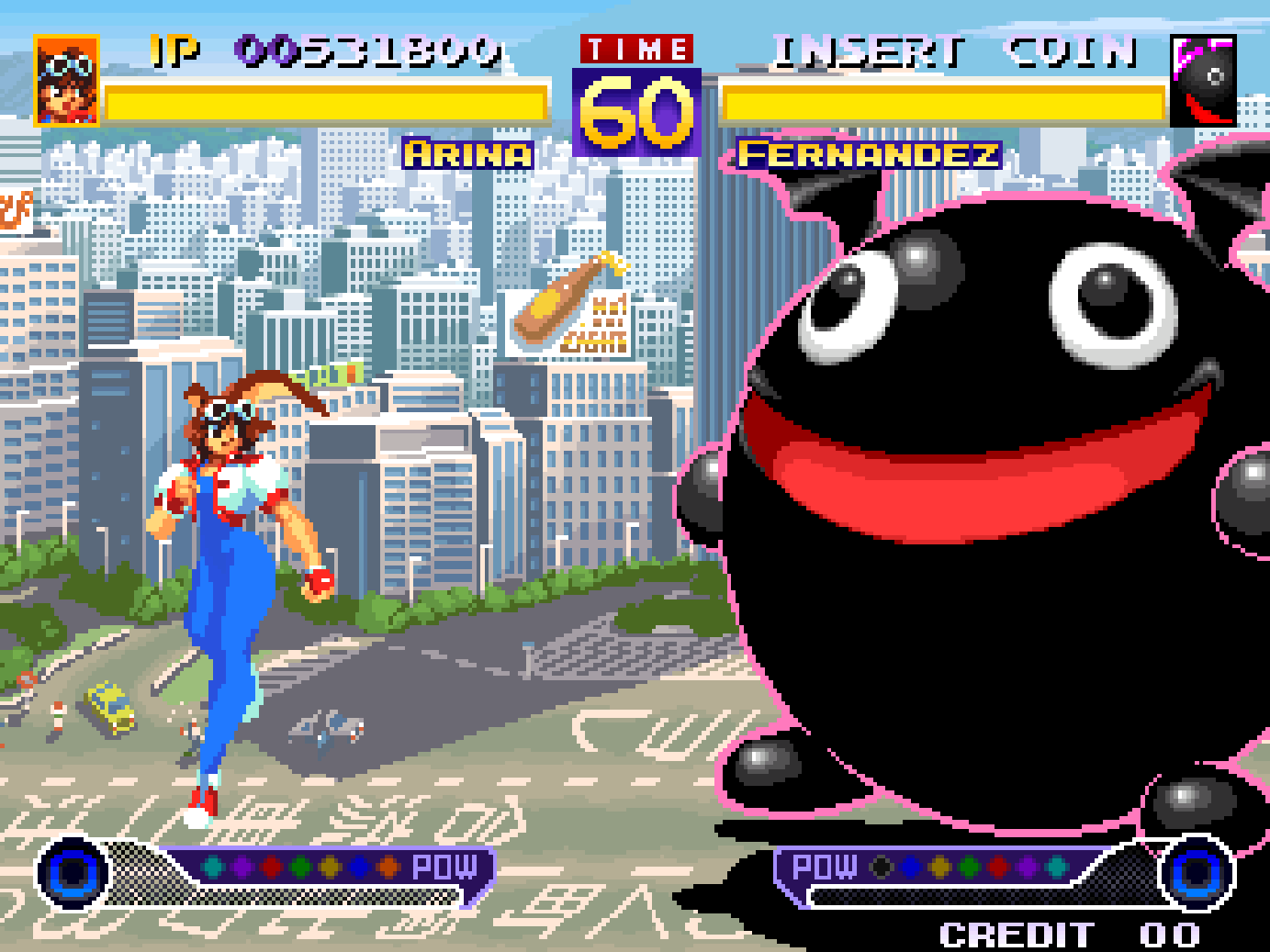
Over the years, Waku Waku 7 has been forgotten and brought back before being forgotten again, with a PS2 and Wii Virtual Console release. However, these were only ever released in Japan, meaning the only way that players could experience the game was via Emulation, or by importing the game for a heavy cost. So the release of the game via Hamster’s ACA NEOGEO library has been a godsend for fans, as they can now enjoy the game on modern systems.
With the buzz around the NEOGEO as the AES+ has brought attention to the system, I hope that players will try Waku Waku 7 and experience the madness for themselves. As I am one of the many that has ordered the revived system, I do hope that this hidden gem gets to see a re-release. The game on original cartridges is very expensive, as it became a rarity, so a new production run would be a good decision if SNK and Plaion can secure it.
If you have enjoyed this feature, then take a look at the other content available and see what catches your eye. There are reviews, sometimes news and features that cover a variety of games. There is the lost gems series, special Gaming Oddities and more coming in the future. So stick around for a while and check out the other content.
Link to Nintendo Switch Version (HERE)
Link to PlayStation version (HERE)
Link to Xbox version (HERE)
 W.Kohaku Media