Overview – developed and published by TreeNutsGames, Coin Pusher Casino brings the flashing lights and arcade sounds of classic coin pushers to computers. Bring the flashing lights and toppling towers home, with realistic physics and satisfying gameplay. This title is available exclusively on the Steam platform, with verified steam deck support, with a link to check the game out at the bottom of this review.
Disclaimer: before I get into the review, I would like to thank TreeNutsGames for providing the copy of Coin Pusher Casino that was used for this piece, via the keymailer service. The provision of this software has not influenced the contents of this review, all thoughts and opinions contained within are my own.
Now with the introductions out of the way, let’s get into the review. There is no plotline for this release, so I will be going straight into discussing the gameplay for this release. Please note, this title uses A.I. generation for some elements of the text featured in the game.
Gameplay – Coin Pusher Casino is an arcade machine simulator, taking the arcade classic coin pusher mechanics and adding challenging gameplay mechanics. In this release, players are given a set amount of credits which are used in order to access the different machines. Each of the machines has a set buy-in, with the objective being to earn enough money to make a profit. This is achieved by collecting various cash items on the machine.
While playing a machine, the player will be given a set number of tokens for that challenge. This amount is all the player will be allotted, with the only way to keep playing is by pushing tokens into the loot chute. But these aren’t the only things that can be pushed into the chute, as players can collect chips of varying amounts, gold/silver bars and money. These will add to the machines cash earnings, going towards breaking even and making a profit.
In these pushers, the player will also be able to collect items, like dice, keys and even chests. These items will vary from machine to machines, giving players an additional challenge for each of the pushers. Some of the items earned can be sold or used to earn credits, while others will be used in the arcade mode (discussed below). Once the player is done collecting money, items or is just finished playing, they can end the stage with the pay-out option.
There are multiple machines that players can enjoy, split between three gameplay modes. The first is Zen mode, where the player has no time limit, allowing them to drop tokens at their own pace. Then there is classic, where there is a time limit, with bonus time that is earned by dropping tokens. This is a challenging game mode, as players will need to keep earning tokens, as they will fail if they fail to break a profit within the time limit.
The last mode to discuss is Arcade, which features machines inspired by those that can be found in real arcades. The player has a time limit and no bonus time when dropping loot, making this a high intensity challenge compared to the other modes. Each of the tables in this mode has a special gimmick, alongside mechanics that can be used to yield high rewards. The player can also use items like magnets and dice to increase their earnings.
There are more than 80 different machine layouts that can be challenges, with some of being more extravagant than others. There is a nostalgic feel to some machines, using simple layouts that have been used in arcades for decades. Whereas some have a more fantastical look to them, with multi-level tiers, giant stacks of items and visual elements. This keeps the experience from getting stale, as there is a level of fatigue that can occur with long sessions.
Outside of the coin pushers, the player can access a few options that can affect the experience of the machines. In the coin shop, the player will be able to use credits to buy new types of token. These cosmetics will change the look of the coins that are used in machines, giving players a way to customise some elements of the machine. Then there are the special items, like chests and keys that will yield rewards when opened.
The last thing to discuss is the perk system. As the player earns credits, they will be able to gain new abilities and skills. These skills can be used on the different machines, improving the gameplay experience for the player. These perks include increasing the speed that tokens can be added, auto collection of loot dropped and even luck modifiers. In order to unlock the perks, players will need to spend credits, with some costing millions to obtain.
Now with the gameplay covered, it is time to discuss the other aspects of this release, starting with the controls.
Controls – the controls for this game are incredibly simple. The player can use mouse, keyboard and controller to play the game. To play the game, the player will only need to use three buttons to get into the action for the most part. Due to the simplicity of the controls, the player can automate the gameplay experience by holding down the coin drop button. This can give the game a hands-off or idle feel, just sitting back and letting the game play itself.
Difficulty – there is an unusual difficulty curve to this game, as there are some of the machines that will be significantly harder than others. This can lead to some frustrations for players, due to the limited tokens and time limits of some of the tables. The three game modes also have three difficulty settings to them, which have different amounts of tokens, time limits and bonus time. These make a rather mundane challenge tougher.
Presentation – from a visual perspective, this title looks like a mobile release on the surface, with the simple menus and basic elements. But during play, the machines and general feel look pretty good, with a solid performance even with a lot of items on screen. Then we have the sound, which gives that brain tickling reward of clattering coins when they hit the chute. The music is okay, but can take away from the arcade feel.
Final Thoughts – when I first saw this, I thought it was just your run of the mill phone pusher, as the market has been flooded with them in recent times. However, when I got started, I was pleasantly surprised. There is more to this game than it seems on the surface. The machine designs, gameplay elements and gimmicks can make it an engaging experience. This may seem like a rather mundane game, which may put some players off and it can feel a little basic.
I did find myself resorting to just holding the coin button down, letting the game play itself and just sitting back and watching. But some of the machines require a little forward planning, as it is not possible to just drop coins and hope for the best. If you are into coin pushers or arcade sims, this may be for you and there is plenty of content. Sadly, this game is missing a little bit of polish in areas, like some text not working, but it is otherwise solid.
In the end, I give Coin Pusher Casino a final score of 3/5. This is a relatively easy to play arcade sim, offering an experience that is more challenging than it appears on the surface, with vibrant tables and interesting game mechanics. This is a pleasant time, but does need some more polish in areas. If you want to check this game out for yourself, a link to the game will be below.
Hello and welcome to the first instalment of the new Lost Gems feature, where I will be discussing games that are no longer able to purchase. Here I will be talking about these lost games, giving an overview of them, alongside some personal thoughts. So for this first entry, I want to share what may be considered one of the best pinball games of the 16-bit generation, Devil Crash MD for Sega Genesis/Mega Drive (known as Dragon’s Fury in western territories).
Disclaimer: while these games are not officially sold, there are ways to get this software, either through the second hand market, or through digital roms and rips. I do not condone or promote piracy, there will not be links to any roms/rips of the games discussed.
So with that out of the way, let’s get started. My main experience with the game is with the Japanese Release, so I will be referring to the game with the name used for that region. This game was also released in an altered form on the PC-Engine and TurboGrafx-16, alongside a virtual console version on the Wii, which has since been delisted.
About the game
Devil Crash MD is an arcade pinball game, which uses a three tiered table system and a dark occult theme. The basic objective of the game is to score as many points as possible, using the flippers to hit as many bumpers and targets as possible. The table itself is split into three sections, with a set of flippers at the bottom. The targets that appear aren’t the traditional bumpers or drop targets, being replaced with various horror themed enemies.
These include skeletons, dark wizards and other monsters, giving the player more points as they are hit. Then there are the large field elements, with the iconic sleeping princess in the center of the middle field, which is affected by the player’s actions. As the player hits the princess and the pockets that are on the center table, the princess will gradually transform into a lizard demon. This is what the game is most known for.
In the lower field, there is the dragon and skeleton watcher, who will follow the ball with its eye. When hit enough, the dragon will breathe fire and the skull will laugh when the player loses a ball. In the middle of the lower portion of the table, there is a turret that the player can send the ball through. If the player can successfully hit this, the gap between the bottom flippers is covered acting as a safety, alongside the kickbacks that can be activated.
Then we have the upper field, containing a pentagram in the center (censored into various star shapes in different versions), overseen by a large skull and translucent wormlike creatures. If the player manages to get the ball into a ramp, the opening at the bottom will be blocked. While in this section of the table, druids will appear and circle the center pentagram, changing color and speed when entering the pockets in the corner of the section.
The main table is how the player will earn points for the most part, hitting the different enemy targets and racking up bonus points. But this is not the only way to rack up a high score. During each play, the player will be able to enter bonus stages which act as boss stages for the game. All of the bonus stages have one thing in common, hit the targets that appear on screen, while trying to avoid the ball falling through the flipper gaps.
To activate the bonus stages, the player must hit set targets on the different areas of the main table. These include entering the mouth of the dragon when hit enough times, as well as through the jaws of the princess when she has been fully transformed. When a bonus stage has been completed, the player will get a big score bonus and a multiplier when they return to the table. If the stage is failed, the player gets a smaller score boost based on performance.
There are 6 stages on the board, which can be cleared in any order. But if the player is able clear all of them, the player will be able to progress onto the final battle stage. This is what separates Devil Crash MD from other fantasy pinball games of the time. Exclusive to this version of the game, the player will be able to fight the Demon Lord. This battle features two phases, where they must hit the boss and deplete all of his health.
During this battle the player must ensure they don’t fall out of the bottom, as they will lose a life (ball) and if all are lost the game will be over. To give the player the best chance at success, the player can get extra balls on the main table, unlocked when special requirements are met. There is also a last chance bonus when the last ball is lost, where the player must match the last digit to get one final to try and beat the game.
The last thing to discuss is the password system, where players can save their progress during play. This is perfect for players who want to play the game in short bursts, allowing for the ability to pick up and continue. There are also secret passwords that can be used, allowing for special modes to be accessed, including time challenge where players get 3 minutes to get the best score. There is even an “Easy Mode” giving the player 99 balls to play.
Personal Thoughts
I have fond memories of the Mega Drive version of Devil Crash, as well as the original PC-Engine release. This is from the golden age of home pinball games, where there was an emphasis on creativity, making them more than the simulations of the time. The emphasis on the occult theme, multi-tiered table and bonus stages really elevate the experience, offering something that was rarely seen at the time.
The way that the game progresses, with the bonus stage system has been lost from modern pinball games. This blew me away when I first played the game, being able to battle dragons, monsters and evil wizards. There is so much depth to the game, with the unique theme, gameplay loop and the excellent soundtrack. Speaking of the soundtrack, the music itself is a real highlight of this release, as it made the most of the Mega Drive sound chip.
There is something so unique about this experience, with visual style that really pushed the boundaries of the hardware. The amount of detail in the dark fantasy and horror elements, alongside the creepy monsters on the table and bonus stages, made the most of the 16-bit system. Compared to what was available in the digital pinball space at the time, this stands out as highly polished and responsive pinball experience.
It is a special title that started my love for pinball in general, being a title that I return to quite often. I wish that there were more games like this in the Pinball genre, as the market is flooded with simulations and recreations of real tables. There is a gap in the market of pinball games for more games like Devil Crash, which was filled when Demon’s Tilt was released. But new games like it are few and far between, which is unfortunate.
This is one of those rare titles that has a cult following, with the obscurity of it not causing the price to dramatically rise. The game can be found for an affordable price, with the Dragon’s Fury version being available at a lower price. It is unfortunate that this game has not received a re-release, as it is a special title that deserves to be seen. Sadly the game may never see an official release again, as the companies that were involved have since become defunct.
If you enjoyed this piece, please check out the other content I have created. Also, keep an eye out for the other new features that will be coming to this site soon, as well as more instalments in this new series. So hang out and see what else gets your attention.
Overview – developed by Sagitta Studios and published by Eastasiasoft, Mechanita is a precision platformer, with puzzle elements taking place across 50 stages that increase in complexity. As the goggle wearing heroine, run, jump and shoot to make it past the hazards of each stage, but be careful as one mistake makes sends you back to the start. This title is available on all console platforms, with a link to each version of the game at the bottom of this review.
Disclaimer: before I get into the review, I would like to thank Eastasiasoft for providing the copy of Mechanita that was used for this piece. The provision of this software has not influenced the contents of this review, all thoughts and opinions contained within are my own.
Now with the intrductions out of the way, let’s get into the review. There is no story in this release, so I will be going straight into discussing the gameplay for Mechanita.
Gameplay – Mechanita is a precision platformer, where the player must overcome the challenges of 50 puzzling stages. In each of the stages the player can run, jump and shoot with their blaster, making their way to the end goal of the levels. All stages are made of a single screen, filled with platforms and hazards. The challenges start of pretty simple, but become more complex with new gimmicks as the game progresses.
During the early stages of the game, the layouts will have spikes, moving platforms and gaps to cross. When the player crosses set stage milestones, there will be additional gimmicks and threats added to the stages. The first threat that players will encounter are the robo helmets, which will move back and forth, killing the player if contact is made. But if the player blasts them with their gun, they will be able to use them as steps.
Then as the player gets further into the game, more hazards and gimmicks will be introduced. There will be enhanced helmet robos, which can be used to spring the player to enhanced heights. The further the players get, the more challenges are added, like moving platform bots, which will fall or stay in place when shot. The player will need to use these to traverse the spike pits, as they will increase in number in later stages.
Then we get onto the enemies that can shoot at the player. There will be bots that can blast the payer with energy shots, with the only way to stop them being to shoot the bullets or the bots. However, these bots will only be stunned for a time, before being able to shoot at the player again. All of these dangers make the stages challenging, and thankfully, there are no lives in this game and players can keep retrying if they fail.
As a precision platformer, there is an emphasis on movement and tight platform jumping. Unfortunately, this is the weakest part of the experience, as the momentum and physics feel rough. This is most noticeable when trying to make tight jumps, as the player will need to jump at the last second to have a chance to succeed. If the player lets go of the direction being held for a split second, they will fall immediately.
All of the little inconsistencies of the general platforming mechanics can make this frustrating, but it is possible to adapt to the awkward momentum. There are 50 stages in this game for players to challenge, which can be retried and replayed from the main menu. There is some decent replay value in this game, but there would be more if there was a timer or some way to track a score. But as it is, the experience is solid.
Now with the gameplay covered, it is time to discuss the other aspects of this release, starting with the controls.
Controls – the controls for this release are easy to pick up, with an arcade style to the inputs. There is a jump and shoot button, which have a bit of an unusual layout to them. The jump button is on the face, but the shoot button uses the right shoulder. This appears strange at first, but does make sense as the player needs to keep the jump button held to get maximum height. Overall it is different to others in the genre, but works pretty well.
Difficulty – this is a bit of a mixed bag when it comes to difficulty, as the precision platforming can be a little too precise. The player can die over and over when being just short of a jump, which can be very frustrating for players. There will also be stages where the difficulty spikes, leading to more unfortunate deaths during play. Thankfully, there is infinite retries for the player to use during play, which does lessen the pain of failure.
Presentation – from a visual perspective, the game looks quite nice, with a simple and colourful pixel art style. All of the sprites and elements can be seen very well, especially when the game is in handheld mode, which is a flaw of some precision platformers. The background is equally vibrant, tying the visuals together. The sound is decent, with some good effects and a soundtrack that has a spacey feel to it but can feel repetitive.
Final Thoughts – There is a deep rooted love for 2D platformers in me, having played them since I was a kid. So when I get the chance to check out a new one, I am always happy to give it a go. This was a fun but flawed experience, as the precision elements of the platforming and the momentum of jumping were a little awkward in execution. This was a little frustrating during play, as some of the sections felt like they were made to be overly hard.
It is a relatively short experience with only 50 stages, which works with the pricing as it is a budget release. This makes it easy to recommend for those looking for a cheap and cheerful little game, as it offers a good amount of content in a modest package. It can be a frustrating experience, with sudden spikes in difficulty, which may put some players off. But it can be a satisfying experience for those who stick it out to the end.
In the end, I give Mechanita a final score of 3/5. This is a fun but flawed platformer, with difficulty spikes that can spoil an otherwise enjoyable experience, but it has enough content to keep players engaged at a fairly low price point. If you want to check this title out for yourself, a link to each version of the game will be below.
Overview – developed by Red Entertainment and published by PQube Games, Our World is Ended is a Visual Novel where the lines between fantasy and reality are blurred. Judgement 7, a team of game developers find that their creations are bleeding into reality, threatening to destroy Tokyo. This title is available for Nintendo Switch, PlayStation and Steam, with a link to each version of the game at the bottom of this review.
Disclaimer: before I get into the review, I would like to thank the rep who provided the copy of Our World is Ended that was used for this piece, via the Keymailer service. The provision of this software has not influenced the contents of this review, all thoughts and opinions contained within are my own.
Mature Content Warning: please be aware, this title is intended for mature audiences, as it contains strong language, sexual themes and depictions of violence. If you are under the recommended age for this, or find any of the content types listed offensive, please check out the other content available on the site.
Now with the introductions out of the way, let’s get into the review, starting with the story.
Story – Judgement 7, a small team of independent game developers set in Asakusa, are working on a new type of game. This new Augmented Reality game called W.O.R.L.D Program, changes the landscape the user sees in real time. When Reiji is testing the headset, he sees an unsettling cityscape and questions if it is a glitch in the programming. When this is brought up, there is scepticism of what he saw.
However, after a series of unusual events that involved members of Judgement 7, Reiji gets his answer. The members of Judgement 7 have found themselves trapped, stuck between the real world and the new reality that they created. In this strange new world, the characters and monsters from their games risk becoming reality, piercing the veil and entering reality. Now they must find a way to stop this, or the city may be lost forever.
Gameplay – as this is a visual novel, the vast majority of the content will be observing the narrative, seeing the story play out from the perspective of Reiji. The experience is split into chapters, with a prologue and epilogue. Each of the story chapters features special CG scenes, which give additional impact to moments of key points in the story. Between chapters, there will be a splash screen, showing the name of the chapter.
As this is an interactive visual novel, there is more to it than just reading the text that occurs. At set points during the chapters, a special mechanic will occur called Selection of Soul (Shortened to S.O.S). When this occurs the player must make a selection from responses that scroll across the screen, or if they choose, they can simply give no response. These responses can be positive or negative, leading to some interesting interactions.
But the S.O.S system isn’t the only way that players can impact the narrative. There will also be traditional choices that the player can use, with multiple choices that will pop up on screen. All of the choices made through both the S.O.S and normal dialogue choices, will have an impact on the dialogue that plays out. In general, the choices the player makes have little true impact on the narrative, but only during the first playthrough.
To get the full narrative experience, players will need to play through the game multiple times. This is due to the first playthrough resulting in the normal ending. When playing through the game again after the first clear, there will be more endings to obtain with each subsequent attempt. In each subsequent run, the player can find themselves on a set character route, which may lead to a character specific ending.
This title has a tremendous amount of replay value. This is due to the character specific routes that the player can get, as the player will find themselves on different routes. Each of the routes will give the player an insight into the characters, giving them more depth. When playing the game, the player will be able to freely save and load, allowing players to change decisions and making it easier to get the desired route/ending.
Last to cover is the side content for the game. There is a gallery and special section, which will fill up as the player makes their way through the experience. The gallery is unlocked upon completing the game for the first time, containing music, event images and the in game animation sequences. Then there is special, which contains details of the endings that have been achieved, as well as bonus content that is unlocked by fulfilling special conditions.
Now with the gameplay covered, it is time to discuss the other aspects of this release, starting with the controls.
Controls – there is a super easy to use control system, with the player only needing to use the D-Pad and action button for the vast majority of the experience. For those who want a more hands-off experience, the player can use the auto feature making text auto advance, stopping at the decision points. The menus are nice and easy to navigate, with all of the controls working well, making for a comfortable experience.
Difficulty – there is little if any difficulty for this release, as there are no challenging segments during the experience. Some players may have some difficulty with some words and text, as this is a visual novel, it does get very wordy in some sections. Aside from that, this is a pretty relaxed gameplay experience.
Presentation – as this is a visual novel, the game uses an anime style for the artwork and CG events, which is very pleasing to the eye. The characters are distinct, with effective use of expressions to give them life. The environments, UI assets and animations are vibrant and tie the visuals together. When it comes to sound, there is an excellent soundtrack which further enhances the experience, alongside fully voiced dialogue exclusively in Japanese.
Final Thoughts – I do enjoy visual novels, having covered many games in the genre or that use elements of it for storytelling. So when I was given the chance to experience this game, I was more than happy to jump onto it. My time with Our World is Ended was very entertaining, with a charming cast of characters and story that kept me invested. I experienced a few endings during my time playing, while looking forward to getting more of them.
There is a lot of humor that I enjoyed quite a lot, with fanservice as a key element to a lot of the experience. I will say, that this may not be to the tastes of some player, so it may not be for you if you don’t like sex jokes or fanservice. But if you are into the Ecchi style of Japanese humor, then you will get a lot of enjoyment out of this game. The only issue I had was there were some typos, which sadly haven’t been fixed.
In the end, I give Our World is Ended a final score of 4.75/5. This is a charming and entertaining visual novel, with gorgeous artwork, a cast of memorable characters, a lot of fanservice and a narrative that kept me invested through multiple ending routes. If you want to check this game out for yourself, a link to each version of the game will be below.
Hello and welcome to a new feature for the site, where I will be discussing the more unusual titles in the weird and wacky world of gaming. This will be covering releases that were considered strange, odd and flat out weird. In this first entry in a new series, I will be discussing Muscle March, a WiiWare release from Bandai Namco back in 2009/2010. So please join me as we take a look at this wacky action game about bodybuilders and protein powder.
About the game
Muscle March is a mix of action and puzzle, where the player selects one of seven bodybuilders from a colourful cast of characters. These include Radimov, a Russian punk with a Mohawk and headphones, Brenda, a British muscle girl with pigtails and Rossi, the Norwegian bodybuilding polar bear. There are two gameplay modes for this game, Arcade, which is a single player challenge and endless rush, the multiplayer party mode.
In the Arcade mode, there are three challenges that can be chosen. These are split into the City (easy), Village (medium) and Station (hard), with three stages for each. During each run, the gameplay loop is pretty simple but a lot of fun. A thief has stolen the sacred protein powder, with the perpetrator being chased by a group of the bodybuilders. The group will be random for each stage, making each attempt different.
During a stage, the objective is easy to understand. As the thief tries to escape, the player and their three companions chase them in a line, with the target breaking through walls. Each time they smash through an obstacle, a shape will be left behind that they have to match. There are four poses that the player will use, requiring the player to move the Wii remote and Nunchuck, using the motion controls to match the hole in the wall.
With every successful pass, the combo counter will increase. But if the player fails to match the shape, they will take damage and lose a stamina heart. When all 5 stamina hearts are lost, the game will be over and the player must try again. As the stage progresses, the other bodybuilders will be eliminated, dropping out of the chase with the speed increasing. When all other characters have been taken down, the final phase occurs.
In this final phase, it is only the thief and player character, with the speed increased significantly. This requires faster reaction speeds to catch up with the target. When the player reaches a long open stretch, they will be able to dash to try and catch the protein powder bandit. To succeed at the capture, the player will need to shake the Wii-mote and Nunchuck rapidly. If the player can reach the target, they will take them down and clear the stage.
However, if the player is unable to catch them, the wall breaking phase will continue until the player reaches an open chase phase again. The first two characters are tied to the theme of the stage, with the City having an alien invader, alongside the Village featuring the Demon King Nobunaga. The different characters are odd, but the most unusual is the Boss that appears in all areas, the all-powerful Mech-Muscle in his blue body suit.
Once all the stages of an area have been cleared, the player character and the thieves will do a little dance to celebrate. Then the Muscle God will judge the performance for the stages, giving a rank based on how well the player did. This ranking system is reminiscent of love testers, with 12 possible ratings. The lower ranks have Dainty, Skinny and lean, with the higher ranks having Macho, Buff and Ripped, further adding to the silliness of play.
The Arcade mode is the main core of the gameplay, but the Endless mode is a really fun challenge. In this mode, the player is tasked with passing through as many shapes as possible. This high score challenge starts off slow at first, but as the player successful clears the walls, the speed will increase. During an endless run, the player will have three stamina hearts, ending the run when all are lost. In multiplayer, all players take turns to try and set the best score.
Player Thoughts
I came across Muscle March way back during the life cycle of the Wii, being confused, bewildered and entertained by the absurdity of it. But over the years, I have gained a true appreciation for the sheer ridiculousness of it. There is such a lack of creative and surreal games that are there to entertain, making this game perfect to rework for the Nintendo Switch. Especially given the enhanced gyro controls and emphasis on motion inputs.
The arcade mode is challenging and fun, with plenty of content in what would be considered a budget title. During play, the motion controls work really well, being snappy and responsive making for an easy to play game. I have been playing it off and on for years, with regular revisits to the game when that itch to play something weird hits. All of the silly mechanics and ridiculous characters made it stand out from many of the WiiWare offerings of the time.
Sadly this game is now considered abandonware, as it was delisted during the Wii shop closure back in 2019. Due to the game being a WiiWare release, the only way you can access it now is through downloading it illegally, or getting a Wii with it already installed. Thankfully there is a good amount of preservation that has occurred with Wiiware games, so you may be able to find it yourself. It does work with emulators, but the best way to play is with official hardware.
It is unfortunate that this game has all but been lost, as it is one of those strange and unusual released that needs to be experienced. The surrealism to the game, the slapstick comedy and the general humor that is implemented makes it a unique title. Games like Muscle March are part of that special club, where they are so odd and gain so much notoriety that they gain a cult following. I just hope that Bandai Namco will be willing to bring it back for Nintendo Switch 2.
In the end, I think you should check this game out if you can. It is a surreal experience that needs a modern re-release on the current generation of hardware, as I feel there is a severe lack of new and creative games that embrace the weird parts of gaming.
If you like the content I put out, please check out the other works that I have put out. I write in-depth reviews of games, as well as plans for more gaming oddities and other side content. So stay around and see if something catches your eye.
Overview – developed and published by PQube Games in collaboration with Art Co, Kotodama: The 7 Mysteries of Fujisawa is a hybrid of Puzzle and Visual Novel, where a new kid gets wrapped up in the mysteries of a High School. As the new Kid, Uncover the mysteries of the school, along with the hearts of the cast of characters. This title is available on PlayStation, Nintendo Switch and Steam, with a link to each version of the game at the bottom of this review.
Disclaimer: before I get into the review, I would like to thank PQube for providing the PS4 copy of Kotodama: The 7 Mysteries of Fujisawa that was used for this piece, via the Keymailer service. The provision of this software has not influenced the contents of this review, all thoughts and opinions contained within are my own.
Mature Content Disclaimer: Please note, this game contains material that is not suitable for all audiences. The game features Partial Nudity and Sexual Content, so if you are uncomfortable with this, or under the age to access it, please check out the other content on this site. All characters depicted in this title are 18 years or older.
Now with the introductions out of the way, let’s get into the review, starting with the story. I will be referring to this game as simply Kotodama, for the sake of brevity.
Story – as a new transfer student, they have joined Fujisawa Academy midway through the semester. But they are not alone, as they are accompanied by a fox demon, who grants the new kid mysterious powers. On the first day, while looking for their homeroom, they encounter another student, who mentions something about a curse at the school before running away. This meeting sets in a series of events with seven mysteries tied to the school at the center.
Gameplay – Kotodama is a hybrid of visual novel and Puzzle gameplay, with the story playing out in chapters. During a chapter, the player will encounter a varied cast of characters, with the story taking place across the different locations of the academy. Using the traditional visual novel style of progression, the player will be presented with dialogue options. These choices have an impact on the story, with various endings to achieve.
During each chapter, there will be a mystery that the Occult club wants to solve. These mysteries are tied to the different characters the player will meet, as each character has some darkness in their heart. To uncover this darkness, as well the mysteries of the academy, the player uses a special power, provided by the fox demon companion. This power allows the player to enter the targets mind, uncovering the truth that they are hiding.
When this occurs, the player enters into puzzle battles using the power of Kotodama. These are where the puzzle aspect comes into play. The puzzle sections play out in match three action, but there is a bit of a twist to the gameplay. Instead of switching the gems on screen with those next to them, the players send the gems to the top of the screen. This causes the rest of the gems above to drop down, allowing players to create matches.
When the player matches three or more icons, either horizontally or vertically, they will be destroyed and the energy will attack the character. As the player attacks the target, they will fill up the happy meter on screen. The gems are split into color coded attributes, with each character having a preferred type. When the player matches the preferred gems, they will fill the happy meter faster, while also giving the player stars.
The stars are a key component to success, as collecting 4 will add a skill use for the player, allowing them to use one of the abilities on the right side of the screen. These are important, as the player has a limited number of turns they can make. But with the special skills, the player has the chance to earn more moves with each successful use. However, the skills come with a risk attached, as they can agitate the target causing them to attack the player.
When the target attacks the player, they will make gems unusable, reduce the Happy meter and more. These make the puzzles tougher, with the potential to fail by using up all of the moves. The Happy meter is split into four segments, with the stage being completed when all four segments are filled. When a segment is completed, the player will gain more moves and the target will lose a piece of clothing, as they get closer to the naked truth.
If the player runs out of moves during a puzzle stage, they will get a game over, sending them back to the title screen. When this occurs, the player must make their way back to the point they failed. Luckily, there is a skip button that will allow the player to pass the dialogue they have already seen. There is also the option to save at any point during story segments, which can minimize the loss of progress when failing a puzzle battle.
After successfully completing the stage, the narrative will progress, with the mystery of that chapter being uncovered. But this is not all the gameplay loop has to offer. There is a simple navigation system, where the player can go to different areas of the campus, allowing for a less linear story progression. This doesn’t make any significant changes, but it may lead to different dialogue options, which can be explored on later play routes.
There is also a rather simple levelling system, where the power of the Kotodama Gems will gain increased strength. This is accomplished by collecting color coded words, which are added to a magical book. When enough words of a set color are collected, the level of the associated gem will be increased. By strengthening the words, the investigation puzzles will become a little easier, but still pose a challenge.
If the player wants to practice, they will be able to go to the dormitory and use the power of Fantasize. This is a type of free play mode, where the player can freely play the puzzle stages. This lets the player polish their skills, set new scores and even unlock new underwear to be revealed. As puzzles are cleared, the target character will be added to this mode, so they can be challenged freely. This mode can also be accessed from the main menu.
Last to discuss is the additional side content of this release. There is a gallery for the player to view the different images that have been unlocked, this may take multiple attempts to fully fill out. Then there is the Tips section, which holds information on the different characters and story details. Finally, we have Quaker, which is a parody of social networks giving extra bits of story to the player, accessible from a pop up on screen or the menu.
Now with the gameplay covered, it is time to cover the other aspects of this release, starting with the controls.
Controls – there is a nice and easy control system for this release, as there is little in terms of complex gameplay. The inputs required will be shown on screen for the player, allowing for quick and easy reference at any time. During the puzzles, the player uses the D-Pad for moving the cursor within the field. The thumbstick is used to move the cursor to the skill actions and apply them to the target. The Nintendo Switch version also supports touch screen controls.
Difficulty – in terms of challenge, for over half of the game there is no challenge, due to the majority of the game experience being a visual novel. But during the puzzle battles, there is a fair amount of difficulty, due to the limited number of moves and possibility to get bad luck. This makes saving important before the puzzles, as it will reduce any time lost from failure. There is a Hard option that can be unlocked for puzzles when conditions are met.
Presentation – from a visual perspective, this is a pleasing title, as it has some art that is very pleasing to the eye. This is from the anime style of art that is used, alongside well designed backgrounds and a good use of color. There is little animation during the puzzles, but it doesn’t impact the game. The music is nice and simple, with some pleasant melodies, there is also a full Japanese voice over for all characters, except the player.
Final Thoughts – I am a rather casual enjoyer of the visual novel genre, due to the unfortunate amount of shovelware on the market. This also applies to the match 3 style of puzzle games, as there is a lot of low quality content out there. However, this game managed to offer a pleasing experience, with both of the genres it uses. The story was engaging and I enjoyed the narrative, with the gameplay adding to the experience by breaking up long stretches of text.
I had picked this game up a long time ago for the Nintendo Switch, and only recently got round to playing it. I was very happy with the experience, with the quality of the gameplay on both PlayStation 4 and Nintendo Switch. There is a lot of gameplay content on offer, with the story routes, endings and free play puzzle options. I am comfortable recommending this game to visual novel fans and puzzle enjoyers, as it offers a lot of content in a modest package.
In the end, I give Kotodama: The 7 Mysteries of Fujisawa a final score of 4.5/5. This is a fun and enjoyable mix of visual novel and puzzle gameplay, with a story that is engaging and well written, with multiple routes, endings and a lot of replay value for players to enjoy. If you want to check this game out for yourself, a link to each version of the game will be below.
Overview – developed and published by Dr Kucho! Games in collaboration with Astrolabe Games, Moons of Darsalon is a retro styled sci-fi rescue adventure, where the player takes the role of a Darsanaut on a mission to save their companions. Traverse alien environments, interact with destructible environments and solve puzzles to rescue your comrades. This title is available on all platforms, with a link to each version of the dame at the bottom of this review.
Disclaimer: before I get into the review, I would like to thank Jesus Fabre for providing the copy of Moons of Darsalon that was used for this piece. The provision of this software has not influenced the contents of this review, all thoughts and opinions contained within are my own. Please Note, the game has some elements of A.I. for art assets, which are optional and can be disabled for the original art, as this is an updated port of the game.
Now with the introductions out of the way, let’s get into the review. The game is light on plot, so I will be going straight into discussing the gameplay, any relevant plot details will be added to the gameplay section.
Gameplay – Moons of Darsalon is a retro styled action platformer, where the main objective is to rescue the Darsanauts who are lost in each stage. Through the various stages, the player needs to perform rescue missions, leading the lost spacemen to a base station. These lost cosmonauts will use A.I. path finding to follow the players commands, as they must use four orders to get them to follow. These are go left, go right, wait and follow.
During a mission, when a voice command is used it will pass through walls, this is tied to the puzzle solving mechanics of the game. When one of the missing starmen hears one of the commands, they will follow the order immediately. If the Command of Follow is given, the NPC will attempt to make it to the voice, but they can get further lost. This can occur if an area is dark, but a flashlight can be found, allowing the player to illuminate areas for better visibility.
When the player gives the command of go left or go right, they will keep moving for a set amount of time. After this, the character will wander around a little until another command is given. It is important to take the areas themselves into account, as an NPC during a rescue will have self-preservation built into them. Those being rescued won’t jump into holes or put themselves in danger, but they are still susceptible to getting hurt.
As the player guides the rescue targets across the alien environments, there will be many dangers and hazards to overcome. Taking place across the Moons of Darsalon, there will be hazardous terrain, natural traps and even hostile alien life. These dangers must be overcome in order to complete each mission. If the Darsanauts are lost for good, the stage will end and the player will need to restart from the beginning.
To ensure the safety of those being rescued, the player must protect them. This is accomplished by using a variety of tools. The first is the Laser Gun, which can be used to fight alien invaders, but it can also destroy terrain. Speaking of terrain, there is the Ground Maker Gun, which can be used to create land bridges, block enemies and stop dangerous acid hazards. These guns use a twin stick system, allowing players 360 degree aiming.
Alongside the Laser and Ground guns, the player can also collect a Light Gun, which will allow them to throw lamps out that will illuminate areas. This weapon can be used where a flashlight may not be as useful. If a missing spaceman is in darkness, or darkness is in the direction they are travelling, they will stop or go back. This can cause issues when trying to guide a group, as they will get lost easily, so effective use of the Light Gun is very important.
The space age weaponry isn’t the only way to get through the missions. There will also be special vehicles that can be used, with the player having access to a rover, rescue air craft and more, there is even a Jetpack for players to get their hands on. The vehicles have their own durability, meaning they can be destroyed if the player is not careful, failing the mission. Then there is the Jetpack, which has several mechanics tied to it.
When the jetpack is acquired, the player must take a few things into account. The main one is the temperature, which will cause the Jetpack to cut out if it is used too much. When this happens the player will quickly descend. Then there is the fuel, which will run out over time and must be refilled from gas cans. If the player hits a wall or terrain while taking flight, they can take damage, this can happen a lot due to some awkward physics during flight.
The player must use all of these different elements, alongside special stage gimmicks to complete the rescue missions. But performing rescues aren’t the only challenge that players can take on. Each of the stages will have additional objectives, including time challenges, getting to the end without taking damage and limited commands. This system adds to the replay value of the game, as players will gain bonus stars for completing these missions.
All of the stages have four objectives, with the game being beatable by only focusing on the rescue objective. After clearing the stages, they can be replayed to get better scores and times. This gives players more reasons to return to the game, as a lot of the challenges won’t be beaten on the first attempt. However, there is a special bonus that requires all objectives to be completed at once, for even more stars, which is a very tough challenge.
Now with the gameplay covered, it is time to discuss the other aspects of this release, starting with the controls.
Controls – there is an unconventional control scheme for this release. Movement and aiming uses a twin stick system, while jumping and firing of weapons uses the triggers. Then there is the weapon switch system, which uses the face buttons and voice commands, using the D-Pad. This system is unusual and feels counter intuitive, but with time it can be adapted to. But, if players have difficulty with this system, all inputs can be remapped.
Difficulty – this title uses both a fixed and adaptive difficulty system. When using the fixed option, the challenge will be fairly tough, where the enemies and environments will pose and increase to the player. This is for those who want a consistent challenge. Then there is the adaptive setting, which will change the difficulty depending on the player performance. This will ease the challenge if the player makes mistakes, making it easier for those who struggle.
Presentation – this game mixes many different art styles together, with a mix of pixel art, 3D models rendered into 2D and elements of old computers. The character animations for the Darsanauts have a high level of fluidity to them, combining retro looks with modernised lighting. Then there is the audio, which uses an 8-bit sound engine giving it an 80’s sound, combined with digitised robotic voices. All of these elements combine to create a nostalgic experience.
Final Thoughts – I had not heard of this game before it was presented to me, but the general look of the game appealed to me. When I got into the experience, there were some minor hiccups when starting, as the unconventional controls took a moment to adapt to. However, after a little time, it started to become more natural during play. I did enjoy the gameplay loop, but it did get a little frustrating in areas, due to some awkward physics.
In general the gameplay experience is fun, mixing the retro look with modern game mechanics. The rescue system has been done before, so it isn’t entirely new, but the implementation of it feels fresh. There has been some controversy around the use of A.I. assets, which are optional so they don’t impact the experience much. So I feel happy to recommend this game to other players, as it is a solid love letter to retro gaming, especially with the C64 style loading screens.
In the end, I give Moons of Darsalon a final score of 3.5/5. This is a fun and enjoyable action platformer, offering a distinct gameplay experience that is a real blast from the past, combined with pop culture references and retro aesthetics. If you want to check this game out for yourself, a link to each version of the game will be below.
Overview – developed by DenPile and Compile Heart, with publishing handled by Eastasiasoft, Tokyo Clanpool is a dungeon crawling RPG where japan is led by a group of magical girls. As the Diet Dolls, travel through a mysterious tower that threatens to destroy Japan and the world, with the only thing that can stop it being the prime minister and her cabinet. This title is available on PC via GOG and Nintendo Switch, with a link to each version of the game at the bottom of this review.
Disclaimer: before I get into the review, I would like to thank Eastasiasoft for providing the copy of Tokyo Clanpool that was used for this piece. The provision of this software has not influenced the contents of this review, all thoughts and opinions contained within are my own. Please note, the Nintendo Switch version is only available via the Hong Kong eshop, so a region specific account is required to play.
Mature Content Warning: this title is intended for mature audiences, as the title features Violence, sexual themes, partial nudity and mature language. If you are under the recommended age for this title, or the content mentioned above makes you uncomfortable, please proceed at your own discretions, or check out some other content on the site.
Now with the introductions out of the way, let’s get into the review, starting with the review. I will only be covering the core gameplay mechanics of this game, as there are many fine details, variables and secrets to discover, which I don’t want to spoil.
Story – In a near future version of Tokyo, the government collapsed after a mysterious tower extended from a city that appeared in the sky. During this event, the tower connected with the National Diet Building, with a warning that the world was soon to end. To stop this grave threat, the Prime Minister Natsume Kannuki, leads her cabinet of magical girls, dubbed the Diet Dolls, on a mission to stop the tower and save the world.
Gameplay – Tokyo Clanpool is a first person dungeon crawling JRPG, with a significant focus on exploration and puzzle solving. The story is broken into multiple chapters, where the progression of the gameplay and dungeons is tied to the narrative. As the player makes their way through each chapter, there will be a heavy amount of exposition, told with a dual backdrop of the National Diet building and the labyrinthine tower.
Throughout the experience, the player will have a party of four characters, with Prime Minister Natsume and three of her cabinet members alongside her. The different characters have their own strengths and weaknesses, which are tied to their presentation and personality. All of these elements combine to make the cast of playable characters, as well as the supporting cast stand out from each other, giving the experience life.
The core of the gameplay experience takes place in the tower, where the player moves around the tight corridors and open spaces. Taking place through a first person perspective, the player will navigate the party through the different areas of the tower, split into different floors. These tower zones have their own distinct theme, alongside hazards, pitfalls and puzzle segments. But the obstacles aren’t the only danger that players will face.
Throughout exploration of the different floors, the player will randomly encounter enemies. When an encounter occurs, monsters will appear and challenge the party in turn based combat. At the start of a battle, the order that party members and enemies make their move is tied to their agility score. The higher the points the sooner they can act, giving battles a tactical element, where all actions will require some amount of preparation.
During the preparations for action, the player has several options that they can use. Here is a breakdown of the actions that players can apply to their party members:
Attack – select from a range of combat skills, with the ability to assign up to 5 different attacks that will be used in a combo. Attack skills use EP, with amounts for each skill to be used. The power, number of targets that can be hit and other effects can change the amount of EP needed. Attacks for the party will combo, increasing damage dealt to enemies.
Digimagic – unleash magical powers to damage enemies or support party members, offering health restoration, positive effects and massive damage to enemies. These special skills have a limited number of uses, so saving them for a tight situation is often the best option.
Apps – the party has access to special powers provided via smart apps, allowing for healing and more effects to be used. These skills require battery percentage to be used, but there is a limited amount of battery that can be used.
Precious – these are the items in this release, with restoration, resurrection and battle support items. Using these can change the tide of battle, bring back downed allies, preventing massive damage and hitting multiple enemy targets.
Sacred Union – unleash the combined power or the Diet Dolls and their Gadgettia, digital companions who can lend their power for a limited time. There is a chance of failure, with this union, but if it is successful, that character will have their health restored and stats boosted significantly.
Wait – pass that characters turn and allow them to increase their stock of EP, with each turn that is passed while not using skills, EP can increase with the chance for huge combo attacks.
When a battle is concluded, the player will be given a rating based on their performance, they will also receive experience points, gold and obtain precious drops. As the player gains experience points, the party and their Gadgettia will level up, increasing their stats and powers. Players will also gain support from the people of Japan, as the expeditions into the tower are live streamed. The support will increase the amount of EXP and gold earned.
The support that the player earns is called public opinion, which is influenced by various factors. The percentage will go up and down, depending on the actions that taken. As the amount goes up, the player will get bonuses, with boosts to experience, sacred union percentage and more. This is called Fever, and will max out at 100%. However, if the percentage hits zero, the cabinet will resign and they will be forced out of the tower and return to base.
Back to exploration, the player will have a mini-map on screen, which will be filled out as the player moves through the floors. This map will show the hazards, gates and more, allowing players to navigate the different locations. While moving through the different areas, the player will encounter obstacles that will require app power to move forward. These are as simple as breaking through walls/floors but can be more complex.
In some areas of the game, there will be switches that may require battery power to be activated. These can unlock new areas or provide paths to traverse previously unreachable areas, but some of them come with a caveat, like timed platforms that need to be reactivated. The apps that can be used will also provide a range of benefits, like preventing enemies from spawning and healing allies out of battle. All apps require varying amounts of battery to use.
If the battery runs out while exploring, the player has a few ways to recover lost energy. These are items that refill a percentage of battery, special recharge points and by returning to the home base. Effective management of battery power is very important, as using too much can lead to the player wasting time while trying to progress through the tower. Speaking of items, these pick-ups called precious can be found throughout the zones of the tower.
The items can be equipment, support items and resources that can be used inside and out of the dungeons. Support items can be used both inside and outside of battle, but equipment must be changed between battles and at the home base (the National Diet building). The equipment is split into weapons, armor and accessories, with their own benefits and drawbacks. By changing gear, the player may gain boosts in one area but drawbacks in others.
Collected item points will respawn each time the player leaves the tower, allowing players to farm some items and resources to prepare for the later areas of the game. This can be critical to progression, as the party can be fairly squishy and vulnerable during the early parts of the adventure. If the party gets wiped out, they will be forced out of the dungeon, needing to regroup leading to more time lost and back tracking.
At designated areas of the dungeons, the player can encounter travel points, which are split into a few types. The main ones are the floor change, which let players climb to new floors or return to previous ones. Then there are the exits and warps, which allow the player to either quickly escape from the tower, as well as quickly jump between different floors. The warp travel points must be found before they are activated.
The travel points aren’t the only points that can be found in a dungeon. There are event points, that will appear in the dungeon. These are separated into Conversation and Combat, with both of them being critical to the progression of the game. The Combat events are often boss battles, which will push the party to their limit in tough and challenging battles. After these two events, additional story sections will occur and the player may need to go back to base.
At the base of operations, the National Diet building, the player can use several facilities between excursions to the dungeon. The most important facilities are the Precious Study, Gadgettia Department and App Development Center. While in the precious study, the player can identify unknown precious to get special items, create precious using resources and buy/sell items. This gives players a way to prepare for the tough battles in the dungeon.
Then there is the Gadgettia department, which allows players to craft and enhance the Gadgettia support units that the Diet Dolls use. This is split up into multiple features. In Produce, the player uses materials to create new Gadgettia, but these require recipes to be unlocked. In combine, the player can mix Gadgettia to create new ones, with elements of the two used potentially combining together. Gadgettia can be turned into precious, if not needed.
There is also the ability to evolve and upgrade Gadgettia, which can improve the overall power of the unit. In the evolve area, special items will the rank of the support, causing them to change in appearance and increase the boost that they provide, with the chance to learn new skills. Then there is Enhance, where items can be used to increase the boost provided to the Diet Doll, making them more powerful when battling enemies.
Last we have the App Development Center. This facility allows the player to unlock new Apps, which are used in the tower, providing various benefits and enhancements to the player. New exploration options, alongside abilities that will help the player can be unlocked here. To unlock new Apps, the player must use gold, with new levels and abilities being unlocked over the curse of the game. These are the most critical facilities that players will use.
Alongside the facilities mentioned above, the player also has access to a couple more areas. The Stigmata Lab allows players to gain upgraded boosts for their players, boosting the bonuses that are earned for each Diet Doll. Then there is the Diet, where proposals can be put forth, including new items for the party, which are voted on to be passed or rejected. Last is the Data Room, where side quests can be accepted, giving players additional challenges.
There are additional spaces that will be accessible in the base, which push the story forward, these are the rooms of the heroines as well as other areas. These can have additional side story events, which give a little more depth to the characters. The last thing to discuss is the Digiskin and element system. The Digiskins are similar to classes, where cosmetic items can be equipped altering the look of party, their skills and capabilities in combat.
Then we have the element system, with 6 main elements that interact with each other, with some being weak to some but resistant to others. The elements are Wood, Fire, Earth, Metal, Water and the special Null. All but Null can have some interaction with the others, but remain neutral to their own. A chart can be accessed during combat, showing how all of the elements interact, with the weakness and resistances of each of them.
Now with the gameplay covered, it is time to cover the other aspects of this release, starting with the controls.
Controls – there is a is a simple but very effective control scheme for this game, with the directional buttons and shoulders being used for movement. The left stick controls the camera, the right changes the current Cyberbrain App and the face buttons are for key funtions. The menu navigation and battle inputs are intuitive, with on screen inputs for easy reference for players. All inputs work well in both on and off the big screen.
Difficulty – there is a rather moderate difficulty curve for this release. There is a singular difficulty setting at the start of the game, but an easy and hard option can be unlocked by passing a bill in the Diet facility. For those who may be having a bit of a rough time, there are some special items that can be activated on the main menu. These will give significant boosts to the playable party. Players can also spend some time grinding to level-up their characters.
Presentation – from a visual perspective, the game looks fantastic, with a beautiful anime style that is synonymous with games from Compile Heart. The characters all have that distinct Moe style, which contrasts with the monsters of the tower and the environments they explore. The story has a visual novel style, with event graphics used for key moments in the narrative. This works well, but may feel like it drags in places for some.
The sound design for the game is also a highlight, with some of the areas having an unsettling feeling to them. This builds up the atmosphere when exploring the different areas, giving more depth to the overall experience. The game only has Japanese voiced dialogue, with full English translation for all of the text. All of the elements of the presentation come together well, creating an experience that matches the tone of a dark magical girl JRPG.
Final Thoughts – I had heard of Tokyo Clanpool back during the surge of niche JRPG titles on the PlayStation Vita. But unfortunately I was not able to experience it at the time, due to it being Japanese exclusive. Then Eastasiasoft announced the English translated release, which excited me to no end. Unfortunately, the official western release is indefinitely delayed, so the only way to get this game now for Switch is the Hong Kong eShop.
But, the game experience is worth jumping through those hoops, especially if you want to add this game to your Nintendo Switch collection. The adventure is a lot of fun, with a gameplay loop that is reminiscent of other Compile Heart dungeon crawlers, like Mary Skelter. There is a lot of depth to the combat system, with four characters that bounce off of each other well. Then there is the larger cast of characters which have a lot of charm to them.
I very much enjoyed the different environments, enemy types and boss battles that looked really cool. This is a game that really should have been brought out sooner, as it is perfect for the Nintendo Switch, with a story that really pulled me in for duration. I am happy to recommend this to those who enjoy dungeon crawler JRPGs, especially those who like a little fanservice on the side. If you enjoyed the games like Moero Chronicle and Mary Skelter this is for you.
In the end, I give Tokyo Clanpool a final score of 4.5/5. This is a JRPG that has been a long time coming, with characters and a story that can keep players engaged, alongside a gameplay loop that has combat, exploration and puzzle solving working together in harmony. If you want to check this game out for yourself, a link to each version of the game will be below, alongside an affiliate link for the special physical version via PlayAsia.
Link to Nintendo Switch version (HERE) – Hong Kong eShop
Overview – developed by Yume Game Studio and published by Eastasiasoft, Moe Waifu H Fantasy is a casual arcade style rhythm puzzler with simple to pick up gameplay mechanics. Play through 15 stages, split between 5 fantasy girls with anime style visuals to get the highest score possible. This title is available for PlayStation and Nintendo Switch, with a link to all versions of the game at the bottom of this review.
Disclaimer: before I get into the review, I would like to thank Eastasiasoft for providing the copy of Moe Waifu H Fantasy that was used for this piece. The provision of this software has not influenced the contents of this review, all thoughts and opinions contained within are my own. Please be aware, there is no planned release for western territories on the Nintendo Switch at this time, meaning a Hong Kong account will be required to buy and play.
Now with the introductions out of the way, let’s get into the review. There is a lack of any plot for this release, so I will be moving directly into discussing the gameplay section for this release.
Gameplay – this title is a relatively simple to pick up rhythm action game, with arcade style gameplay that lets anyone get straight into it. There are 5 girls to impress, with three stages each to clear. The gameplay loop is pretty simple, with symbols moving across the screen. These symbols match up with markers on screen, which the player can press the corresponding button to capture the icon and earn points.
During each of the stages, music will play in the background, giving the game a traditional rhythm action feel. However, there is a disjointed feeling between the music that plays and the symbols on screen. This can make it feel less like a music game and more like a basic puzzle match game. There is also a lack of real feedback when hitting the icons, but there is a sound that plays with each successful hit, although it does blur with the music.
When playing a stage, the player must make sure not to miss any of the icons, as they will lose a life each time they miss. When all lives are lost the stage ends, giving the player a game over and making them start the stage again. There is also an item system, which will increase the score that the player can earn. A pop up will appear in the corner of the screen, which can be activated with a button press, lasting for a limited time.
Later in the game, there will be a hazard introduced, which are skulls that must be avoided in order to succeed. This does add an extra wrinkle to the gameplay, but aside from that, there is not that much in terms of challenge within these stages. If the player manages to hit all of the notes, they will get a bonus to the final score. The max combo will also be recorded alongside the highest score earned during the stage.
At the end of the stage, the player will unlock the next song and outfit for the girl they are playing. The cleared stages can be challenges again, allowing players to get better scores, this doesn’t have much of an impact aside from setting new score records. After clearing all of the stages for the selected girl, the next set of stages will be available. Each of the stages has a unique piece of music, which is added to the jukebox when unlocked.
The girls also have three different outfits, with some of them being more risqué than others. These outfits can be viewed in the gallery mode, although this feature doesn’t really add much to the gameplay experience. This is due to the gallery being functionally identical to the character select menu, with the only difference being the images that appear. There is a very basic help menu, with very limited detail about the controls for play.
Now with the gameplay covered, it is time to cover the other aspects of this release, starting with the controls.
Controls – the control system for this game is as basic as you can get, the four shoulder/trigger buttons are used for the music notes, with the B button for the score booster. This works well enough but the general gameplay experience would benefit from more options, especially as the Switch has touch screen options. Aside from this gripe, the game controls are competent, but the ability to remap inputs would have been nice.
Difficulty – there is little in terms of difficulty with this game, but for those who play rhythm games regularly, it will be jarring due to the music not matching on screen prompts. This is a rather bland game in terms of challenge, with the only real thing that keeps it interesting is the introduction of skulls. These did make it a little more difficult, but not by much as I was able to clear it in a single session, and I am unsure if I will return.
Presentation – the game does have a pretty simple anime style to the look, which is the best part of the visual look. The backgrounds are rather basic, along with the HUD elements and icons. This is not a deal breaker as it is a budget title, which is what the Moe Waifu series excels at. The sound is unfortunately mediocre, lacking any real impact during the gameplay experience. There is also some voice work in the game, but it is limited and gets repetitive quickly.
Final Thoughts – I have played many of the games in the cute anime girl genre of puzzle/action games. I went into it expecting something a little more, but was disappointed by how mediocre it was which was unfortunate, as the games are more often than not pretty solid. Sadly I don’t think I will be able to recommend this game, as the gameplay is dull, the music doesn’t match on screen and there is no real replay value. The game is sadly a one and done.
In the end, I give Moe Waifu H Fantasy a final score of 2.25/5. This is an unfortunately bland and mediocre attempt at a rhythm action game, which unfortunately fails at providing a fun experience, with the only positive being the price point. There was even a song that just ends while icons are still moving on screen. if you do want to check this game out for yourself, a link to the different versions of the game will be below.
Link to Nintendo Switch version (HERE) – Hong Kong account required
Overview – developed and published by NETK2GAMES, Rally Arcade Classics is a throwback to the glory days of arcade rally racing, which appears to take inspiration from SEGA Rally Championship, Colin McRae and more. Experience fast paced racing from several eras of the past, with a variety of courses spread across 4 different countries. This title is available for Steam, with a link to the game at the bottom of this review.
Disclaimer: before I get into the review, I would like to thank NET2KGAMES for providing the copy of Rally Arcade Classics that was used for this piece, via the Keymailer service. The provision of this software has not influenced the contents of this review, all thoughts and opinions contained within are my own.
Now with the introductions out of the way, let’s get into the review. There is no real plot or narrative for this release, so I will be going directly into discussing the gameplay.
Gameplay – Rally Arcade Classics is an old school style racing game, taking inspiration from arcade racers of the past. Race across four different countries, inspired by real world locations, with cars based on models from the 70s up to the early 2000’s. The challenges of this game are split into several different game modes, but before the player is able to get behind the wheel, they will need to prove themself.
When the game starts up for the first time, the player will need to earn a license to be able to take to the roads. There is a total of 6 license types for players to obtain, with the lowest being rank C and the highest being S2. To earn the first license, the player needs to complete 10 test challenges. These challenges are quick races, with 3 time targets, split into gold, silver and bronze. To earn the license, the player needs to earn at least bronze in all tests.
Once the rank C license has been earned, the game opens up and the other game modes will be available to challenge. In total, including the License mode, there are a total of six game types that the player can select from. First up is the Tour mode, which is split into individual chapters, with a different category of car to use. Inside the different categories of Tour mode, there are four types of event that will be available for players to challenge.
The events in the tour mode are as follows:
Time Attack – race to the goal as fast as possible, with three targets for player to try and beat.
VS – race head to head with another driver, trying to reach the goal ahead of your opponent. Get to the finish first to get Gold, with silver and bronze for being a close runner up.
Drift Challenge – score points by drifting around corners to earn points, with higher scores earned for chaining together drifts. Get the best score possible to hit the three target scores.
Race – take on four other opponents in challenging races, trying to reach the finish ahead of the pack. Earn scores based on the final position at the end of the race.
In each event, there are multiple race challenges, with a total of 15 stars to earn. These stars are added to the player total, going towards unlocking new events, chapters and license exams. By completing Tour events, the player will also earn credits that can be used to unlock new cars. The player starts off with one car, which is a good beginner vehicle, but it is a good idea to check out the different cars that can be unlocked for that rank.
To progress through the Tour Mode, as well as unlocking access to the higher rankings of license, the player needs to earn stars. The stars are tied to the ratings, with three for gold, two for silver and one for bronze. When enough stars have been earned, the player will be able to challenge the next license. By upgrading the license, the player will be able to unlock new chapters of Tour. The stars and licenses will also unlock more content for players.
The other modes that players can access are Arcade, Rally, Chrono and Events. The Arcade mode is split into car types, with sets of races tied to a car. Each Arcade challenge has four stages, with 14 rivals to overtake, with a time limit for each stage. If players are able to beat all four stages and get to the goal in first place, a special variant of the stage car will be unlocked. These arcade challenges require stars to unlock.
The Rally mode is split into four countries, each with their own car categories and difficulty rating. The easy Rally stages have the player race through 4 stages, medium has 6 stages and hard contains 11 race stages. During the course of a Rally challenge, the player must get the fastest time possible, with times combined together after each race. At the end of the rally, the player has their total time added up, with a ranking at the end.
To be able to race in the different groups in Rally mode, the player needs to unlock cars for that group. The most common way to unlock the cars is by playing the Tour mode, but to get ahead with progression, the player can purchase cars using accumulated credits. This system allows players to approach the different stages at their own pace. At the end of a set of Rally stages, the player will earn credits, which can go towards unlocking new cars.
Then there is the Chrono mode, which is a free play style of mode. In this mode, the player is able to freely select the setting, course, car and more to be just have fun with it. This allows players to try out cars and tracks, making this perfect for players to practice in the areas that they may struggle. All of the best times are added to the local leaderboard, which can be good for local players who want to challenge themselves and friends.
The last mode is Events, which are split into weekly and monthly events. This is an online game mode, where all players across the world are given the same track, car and weather for the challenge. The best times are added to the online leaderboards, making for a solid competitive option for those who enjoy climbing the rankings. The challenges use the same event types as the Tour mode, with VS, Drift, Race and Time Attack.
The last thing to discuss is the general online connectivity of the game. For the different challenges in Tour and License, there are online leaderboards for each. The best time that the player gets will be added to the ranking if connected, showing the top times and the current player position. This gives an additional competitive element to the game, increasing the replay value by pushing players to keep racing and get up the rankings.
Now with the gameplay covered, it is time to cover the other aspects of this release, starting with the controls.
Controls – the control system for this release works well, with controller/wheel support as well as traditional keyboard inputs. After trying the different input methods, both the controller and keyboard option are intuitive, offering a solid gameplay experience. My personal preference for these types of game is the Keyboard, with the controls split across the keyboard. This works well for all players, with a range of control options.
Difficulty – this is a fairly balanced game in terms of gameplay challenge, as the targets for the Tour and License races are manageable. Some of the gold targets for Time Attack and Drift can seem high, but with a little practice, they can be obtained after a few attempts. The most challenging part of the game is the dedicated weekly and monthly events, which feature much higher targets, complex race tracks and powerful cars.
Presentation – the visual aspects of this release are a little bit mixed, with car models and environments that look excellent in motion. Then there are the additional assets, like the spectators, which have a low budget look. The overall visual performance is solid, with no framerate issues and a range of camera angles to use. The sound is decent, with a varied soundtrack that plays during menus and races. The effects are good, with nice engine sounds and co-driver calls.
Final Thoughts – I am an enjoyer of old school arcade style racing games, which this game scratches that itch. The gameplay reminded me of SEGA Rally Championship, with the co-driver calls and the imitation cars, which were a nostalgic throwback. I like the tutorial system that challenges you before you start, with the License system being a nice touch to the game. The racing is intuitive, but can be a little wonky when it comes to handling at times.
There is a lot of content on offer in a rather modest package, with a good amount of replay value, with the leaderboards and events that appear. The general gameplay experience is a lot of fun, giving players after that old school style of play that arcade style hit. My favourite aspect of this release is the cars, which are based on classic vehicles like the Toyota Celica and Lancia Delta. These elements make this an easy recommendation for racing fans.
In the end, I give Rally Arcade Classics a final score of 4/5. This is a decent nostalgia fuelled arcade style racing game, offering a good mix of race types, leaderboard systems and vehicles based on the racing classics of the past. All of the elements come together to make a solid old school racer. If you want to check this title out for yourself, a link to the game will be below.
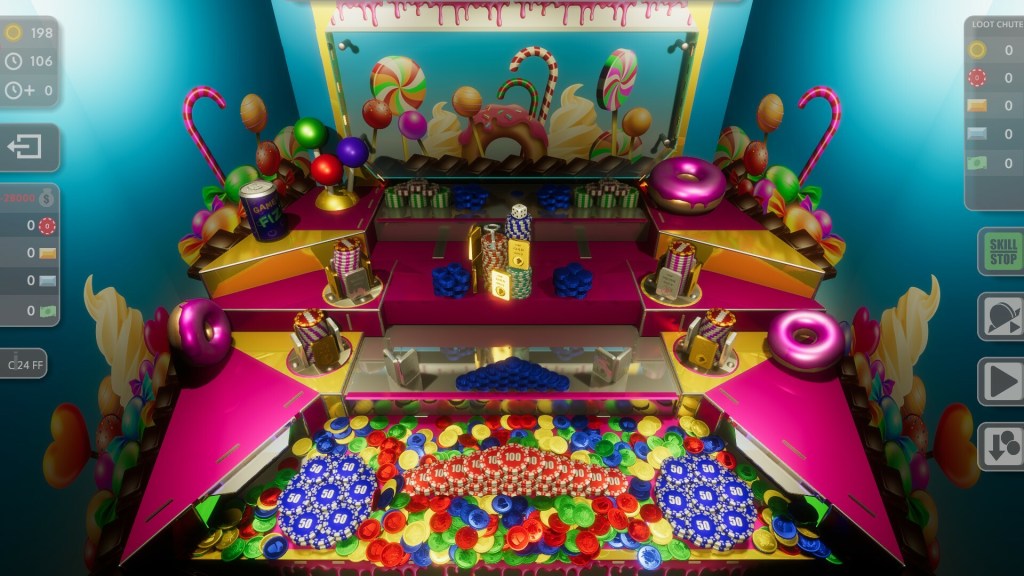
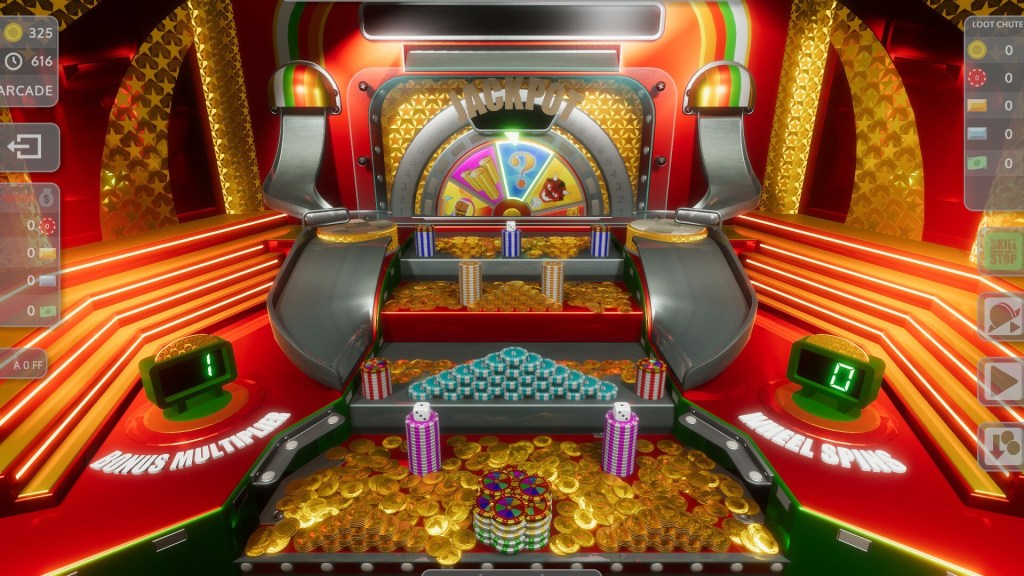


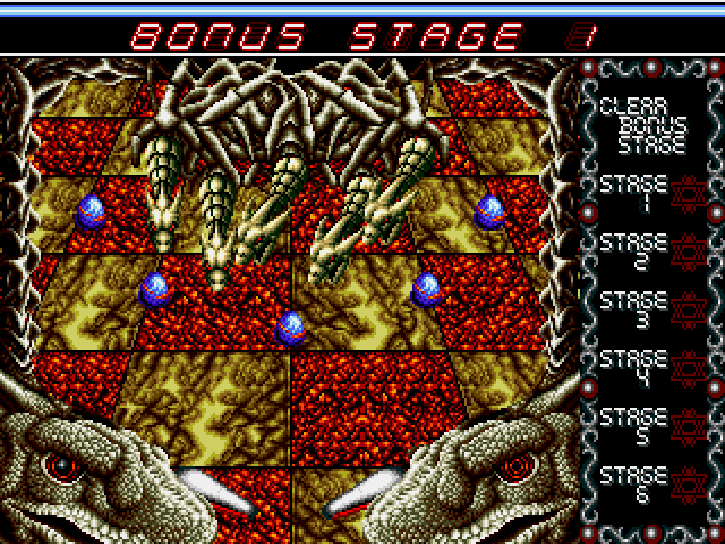


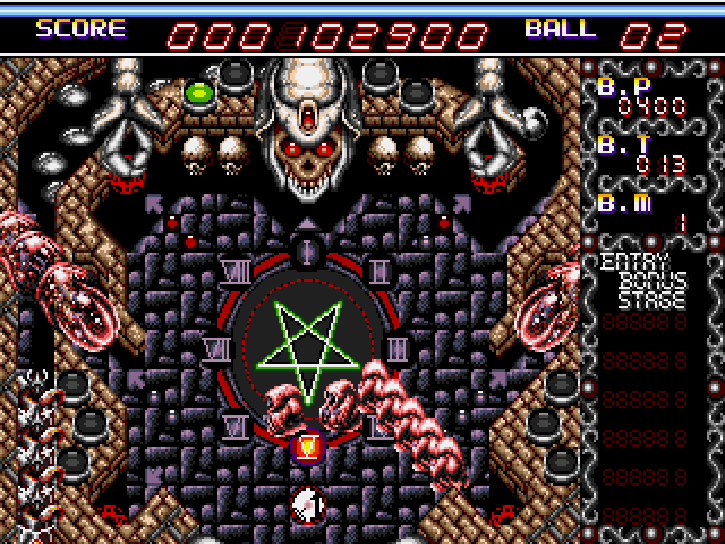
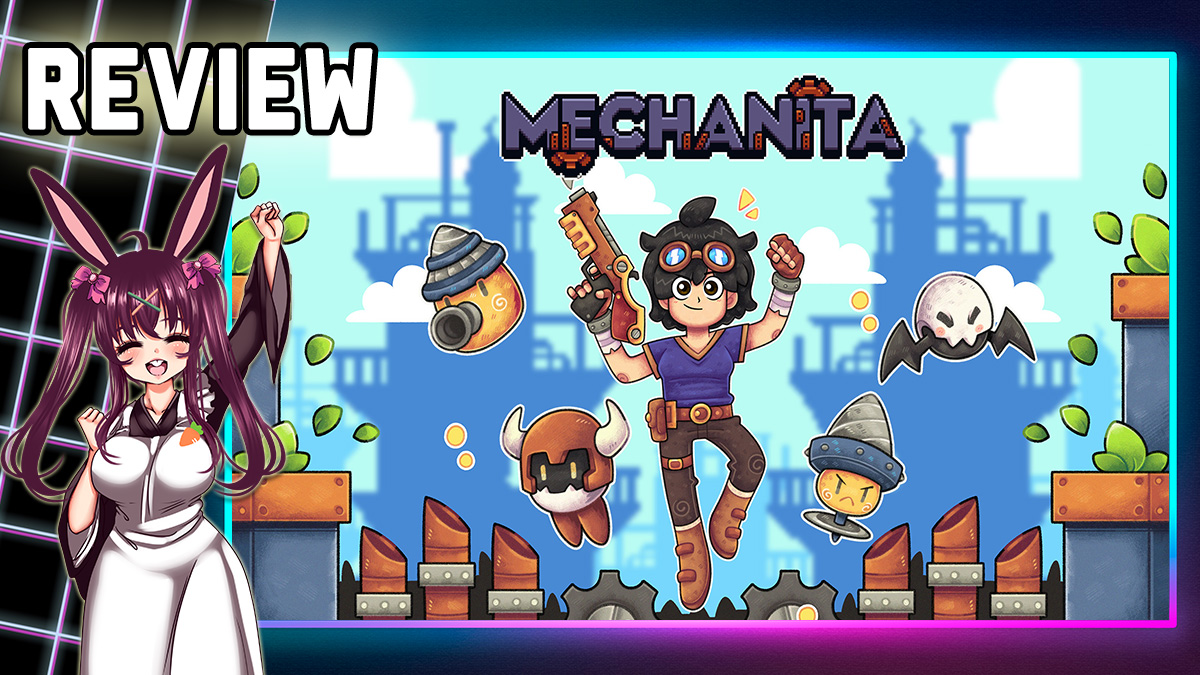


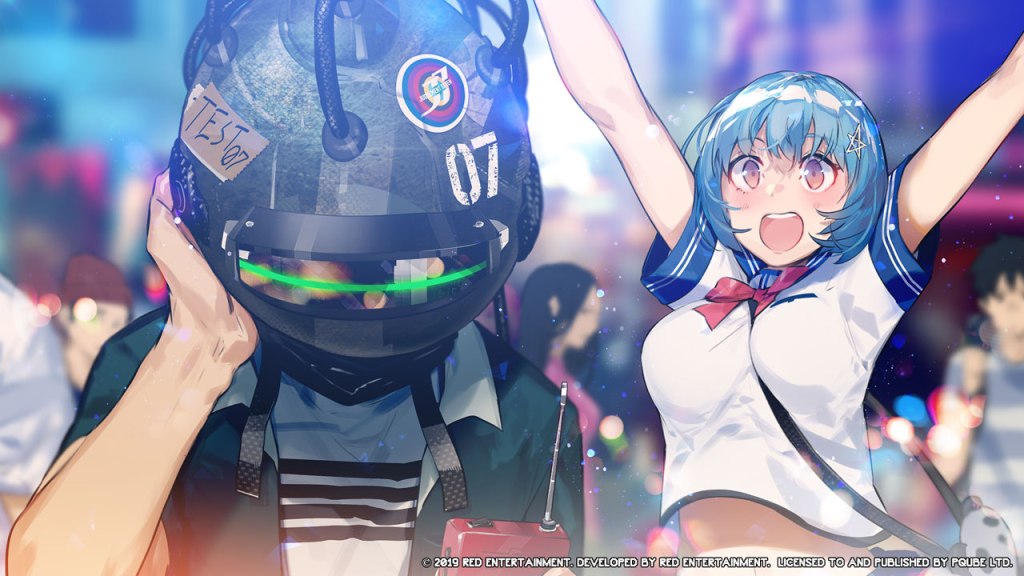

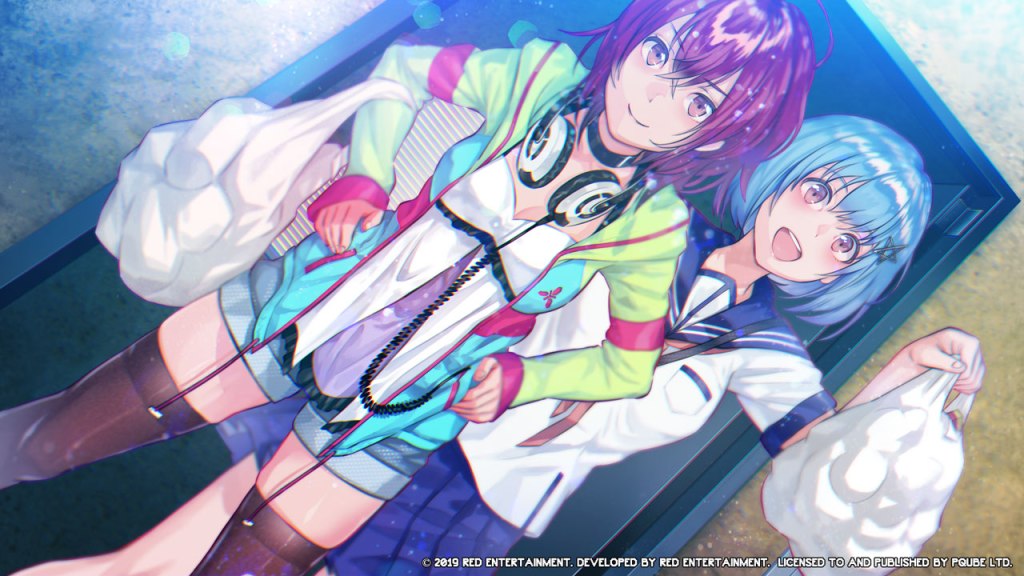
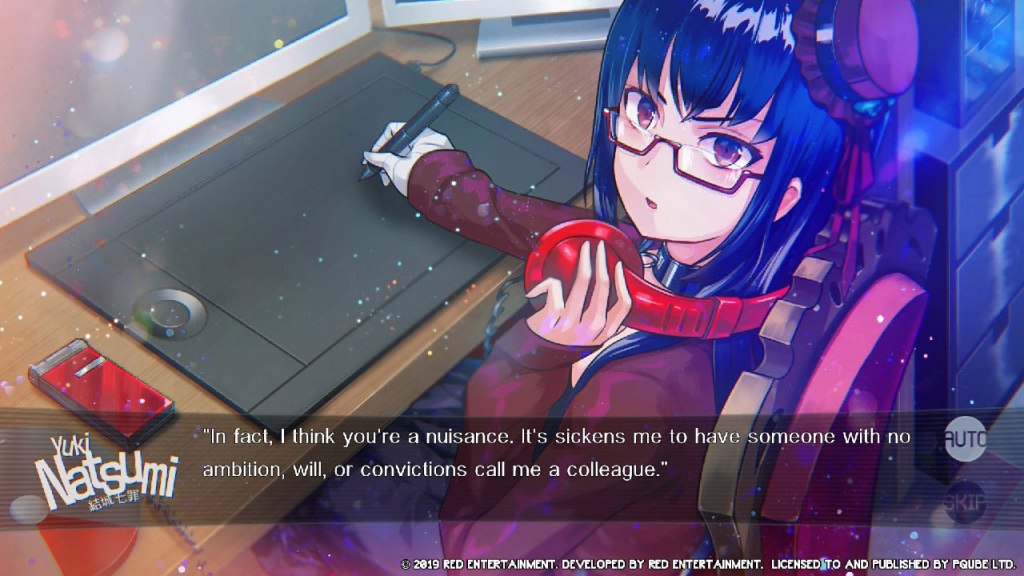
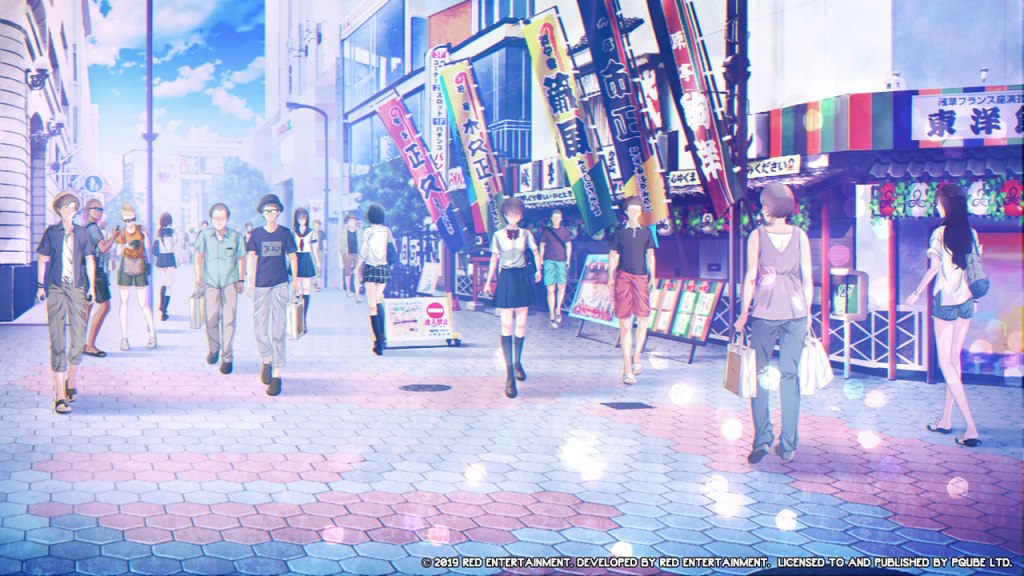


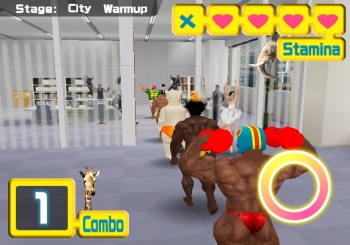

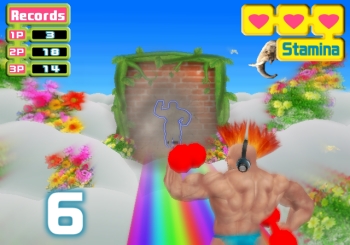

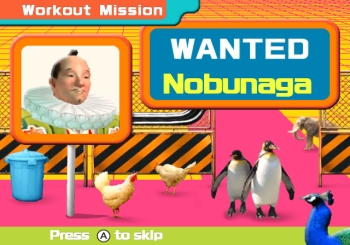
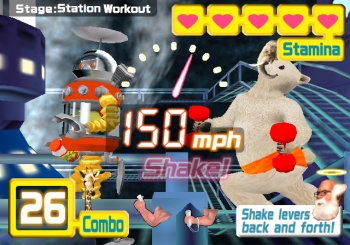


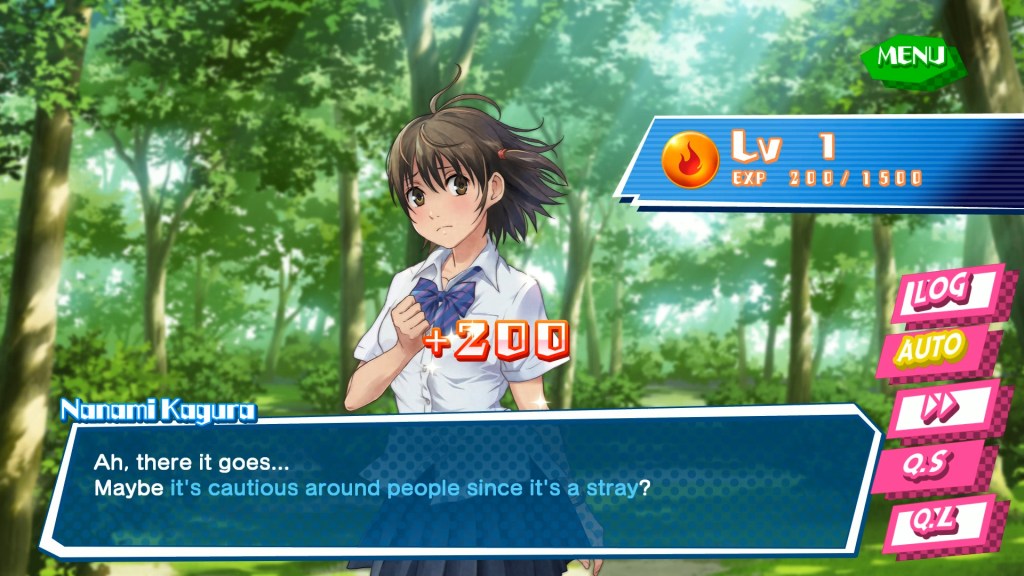
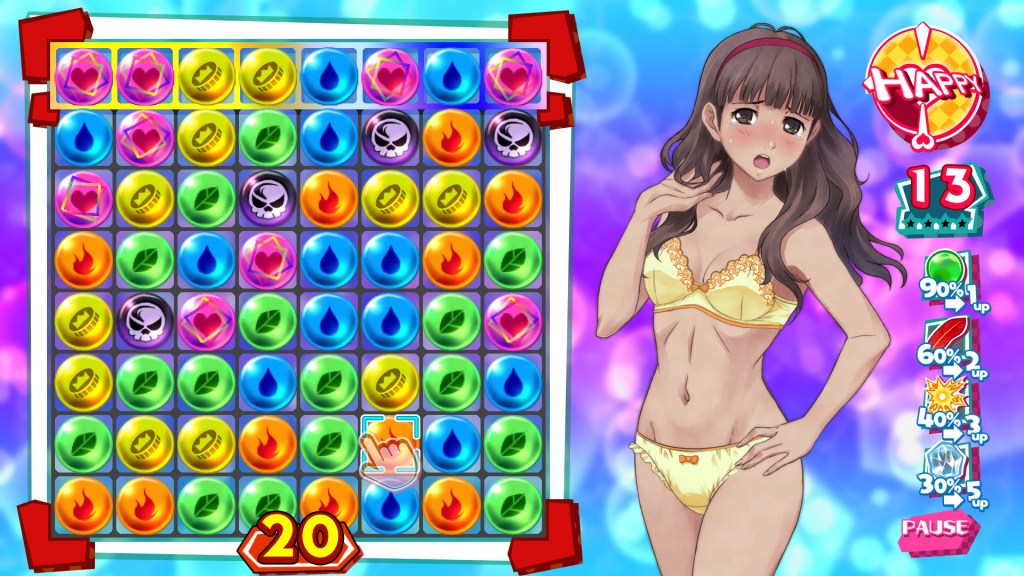


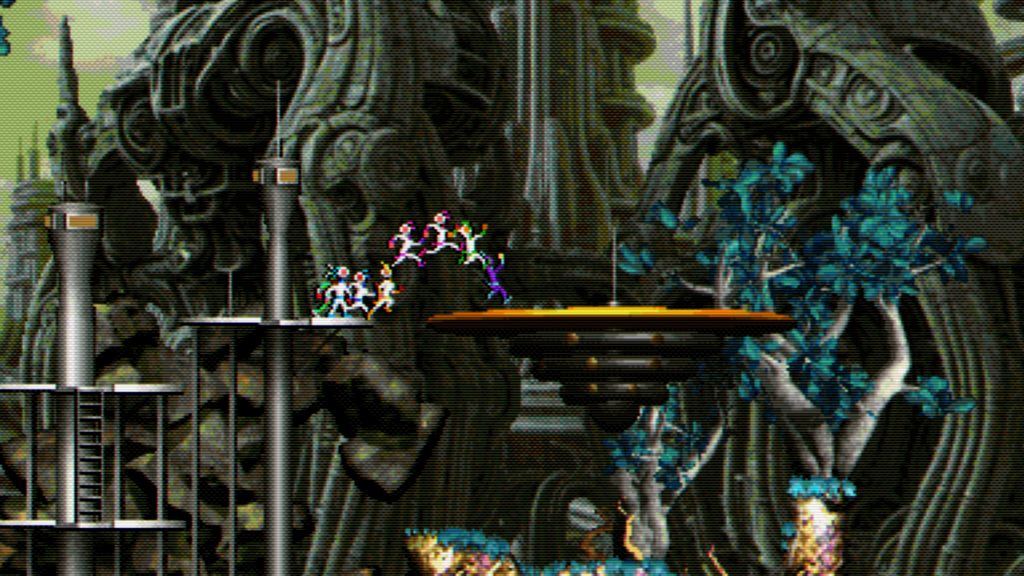
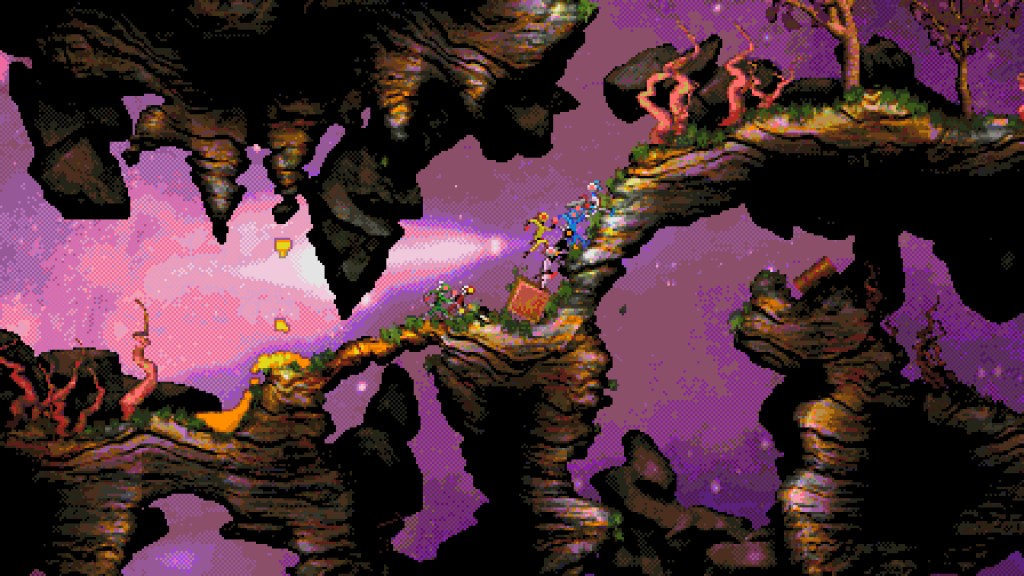
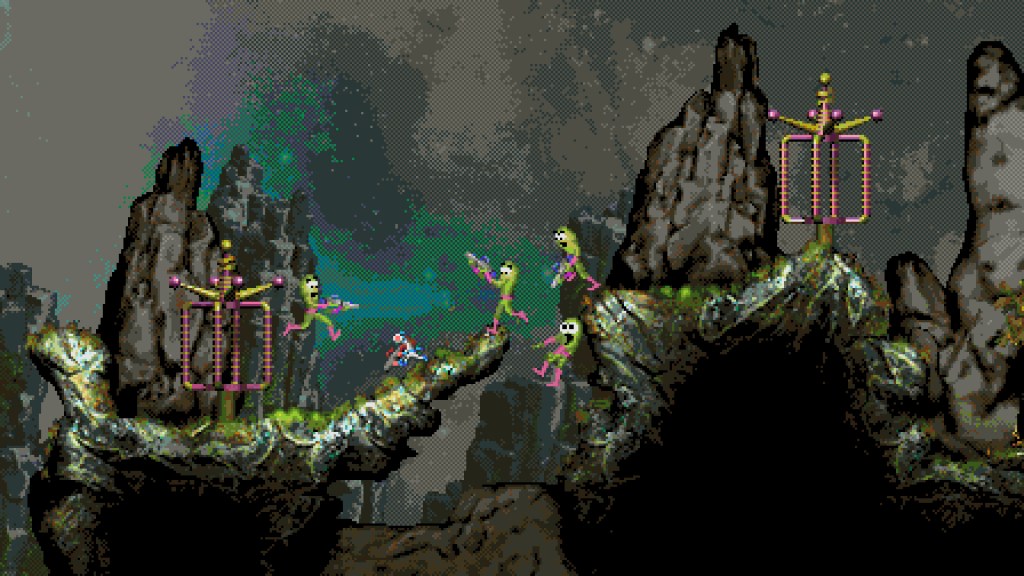
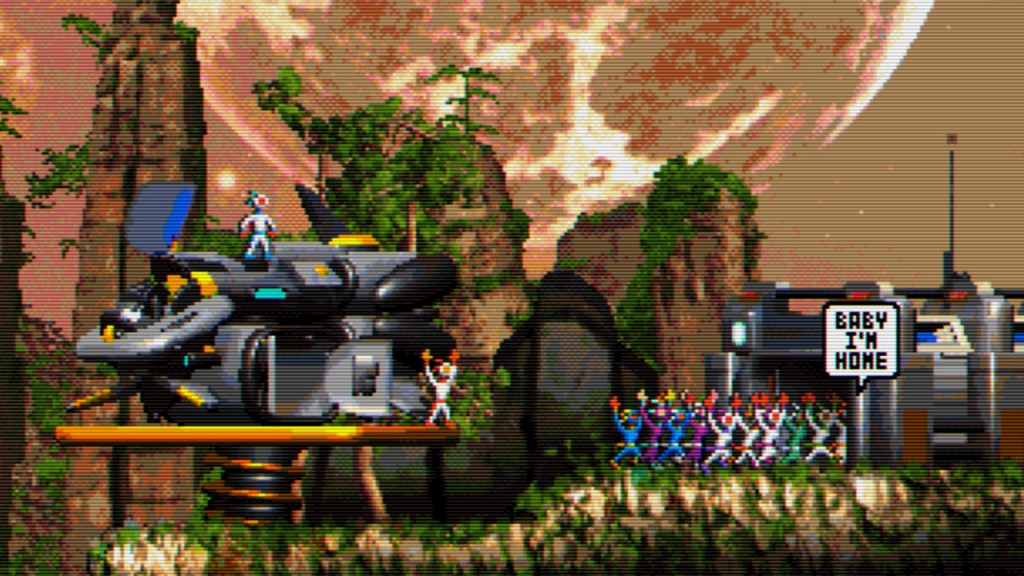
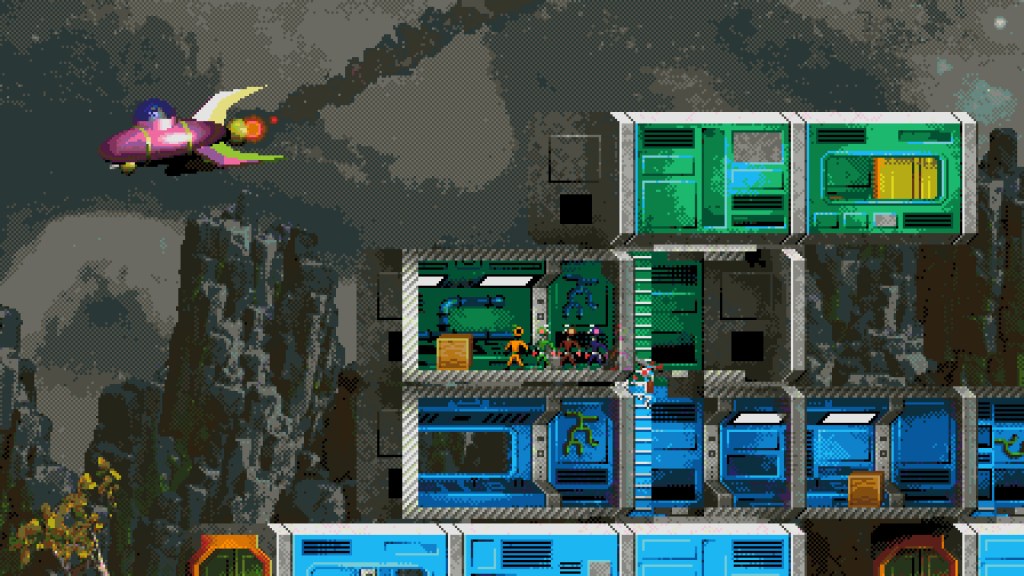

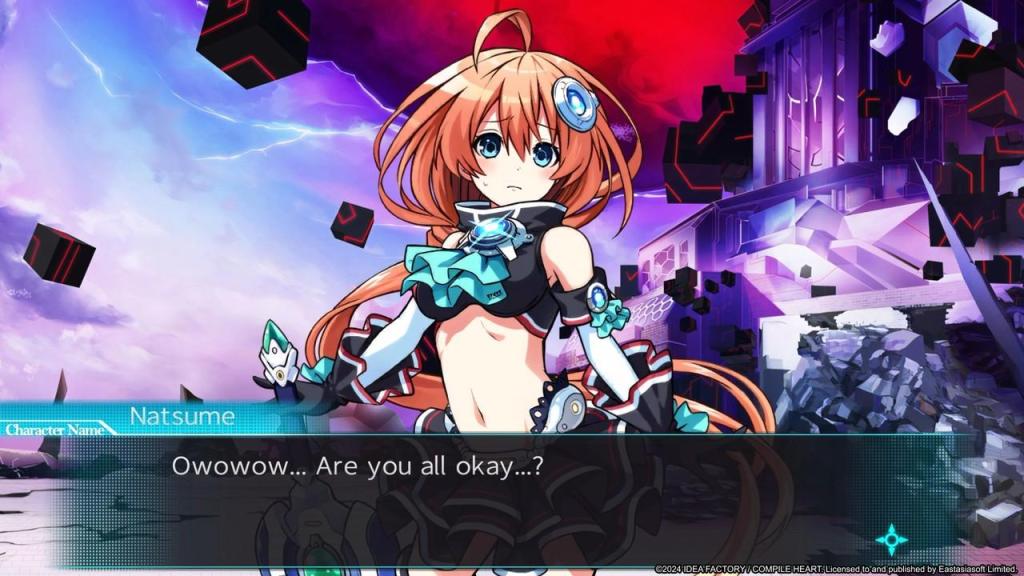
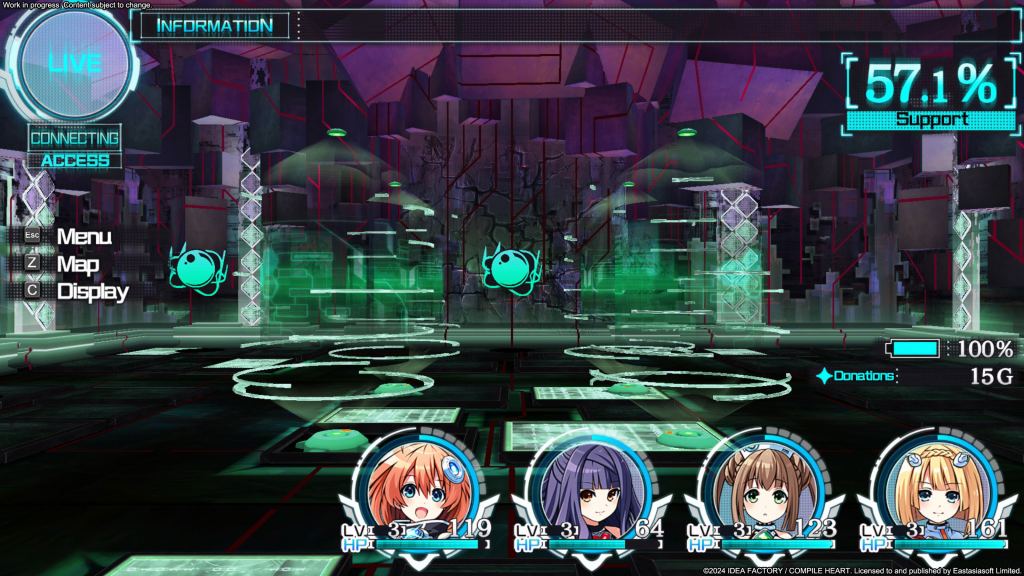
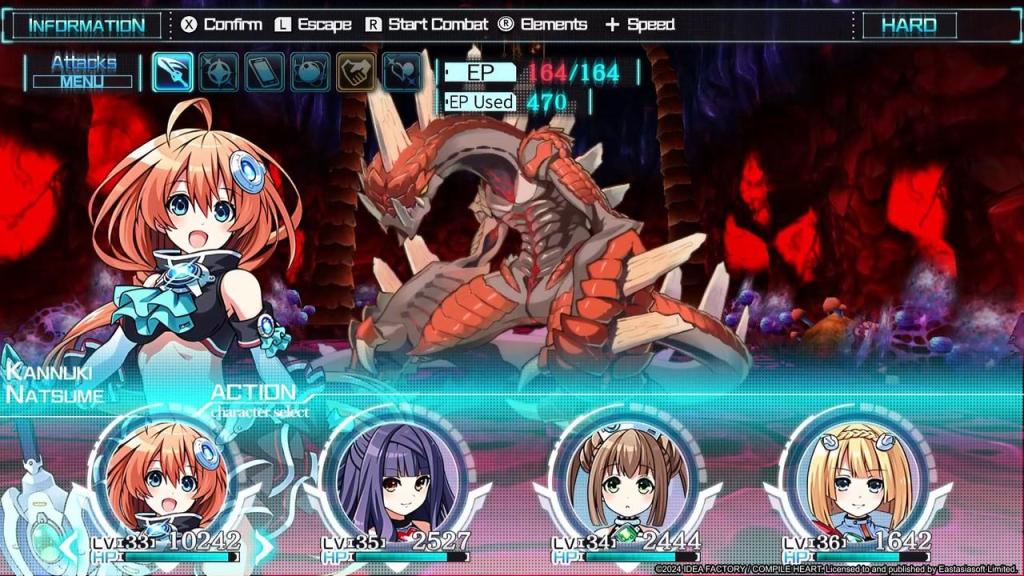

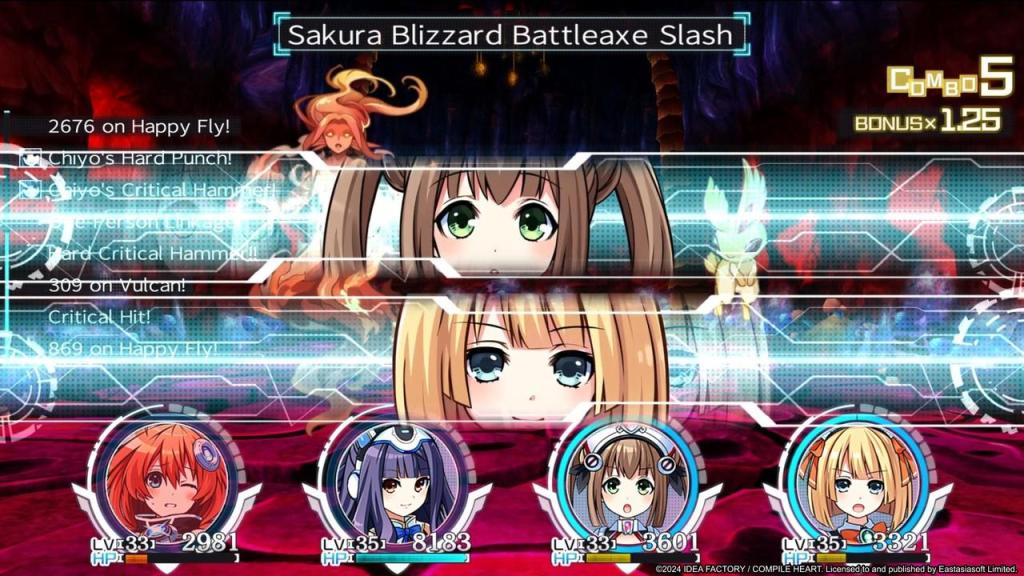
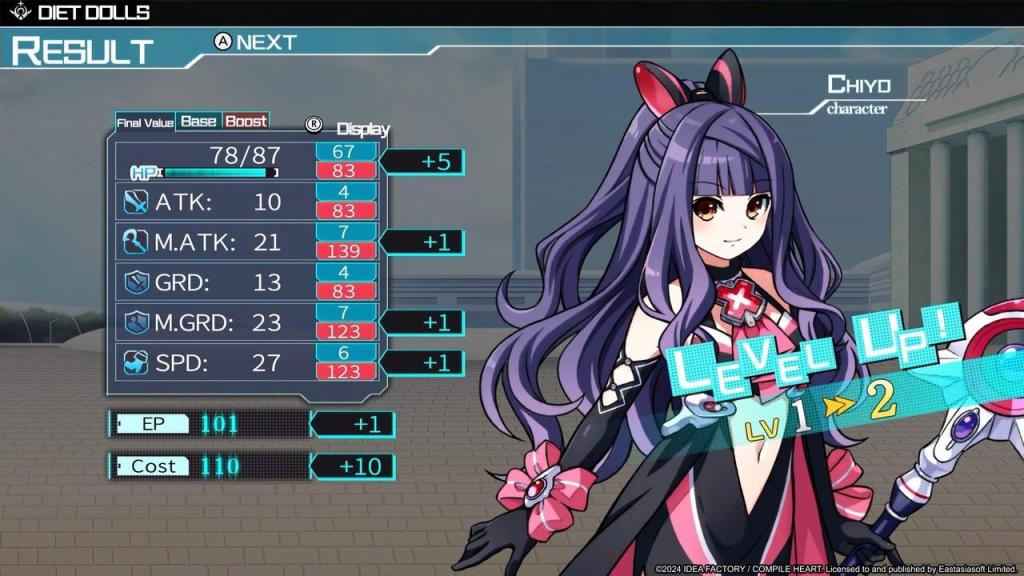
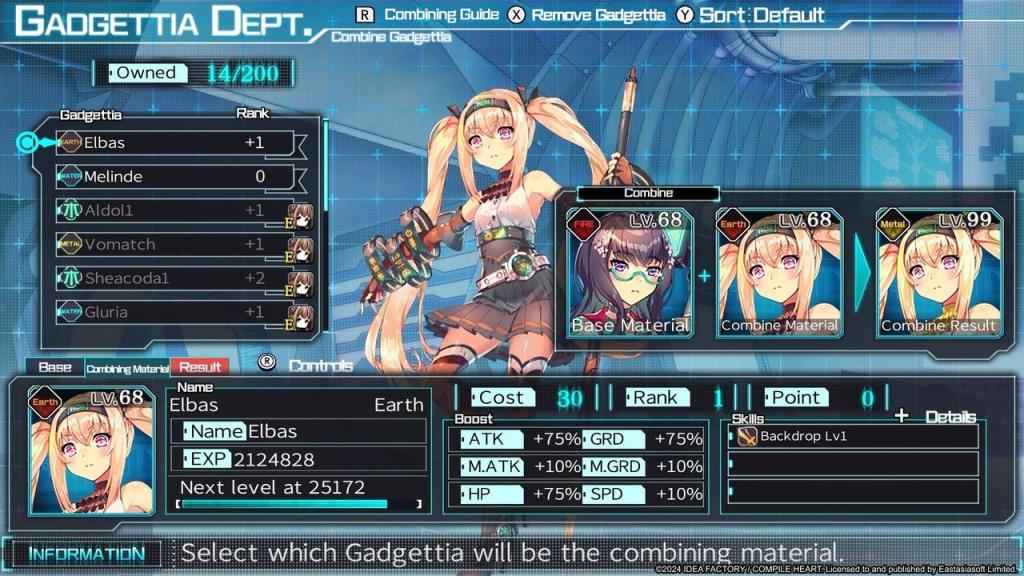




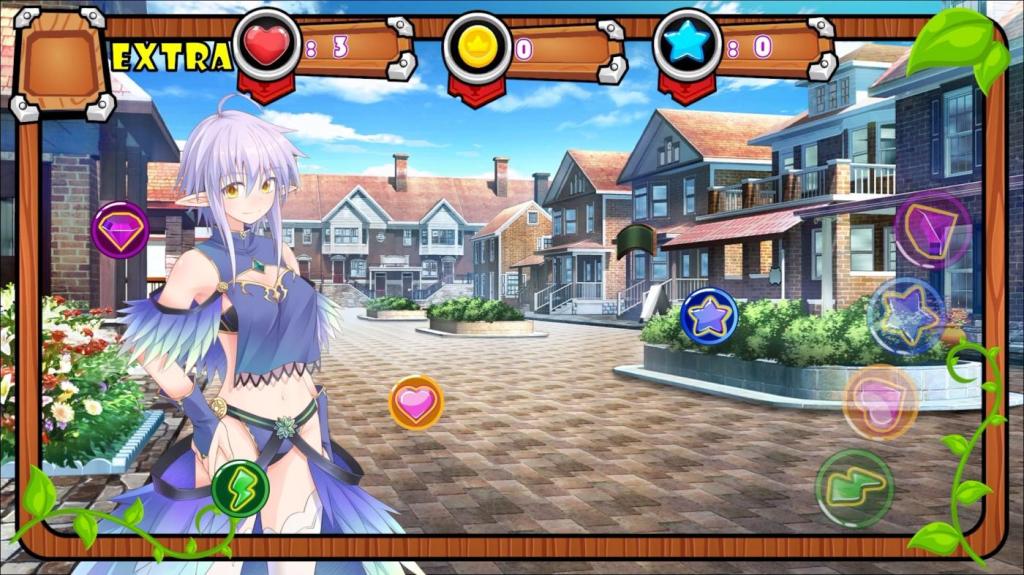
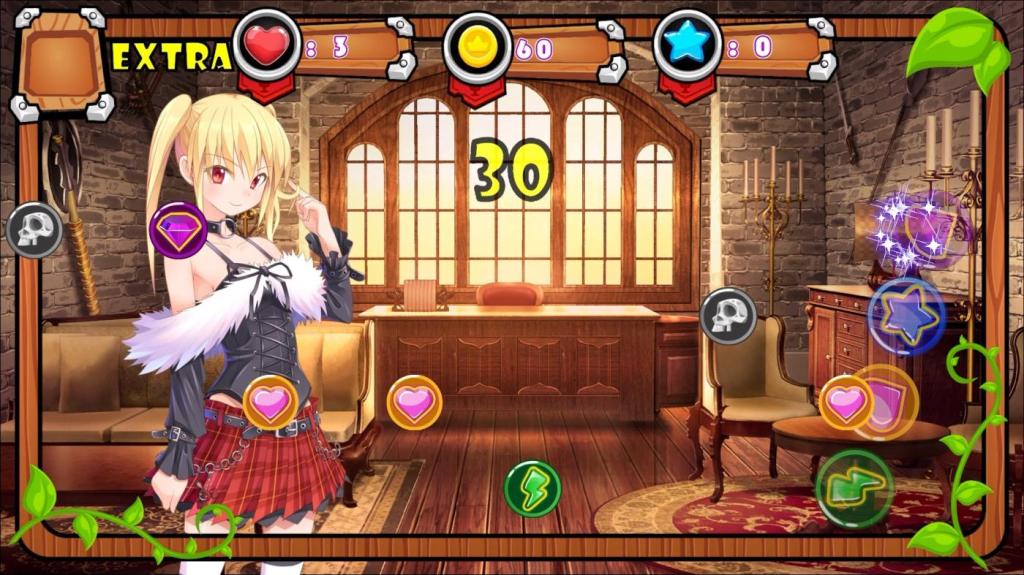
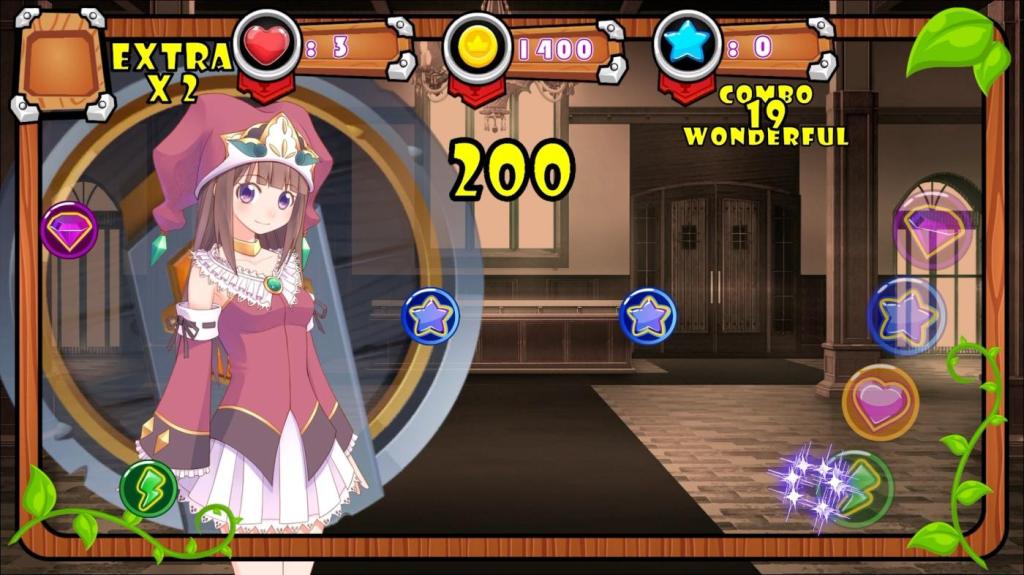


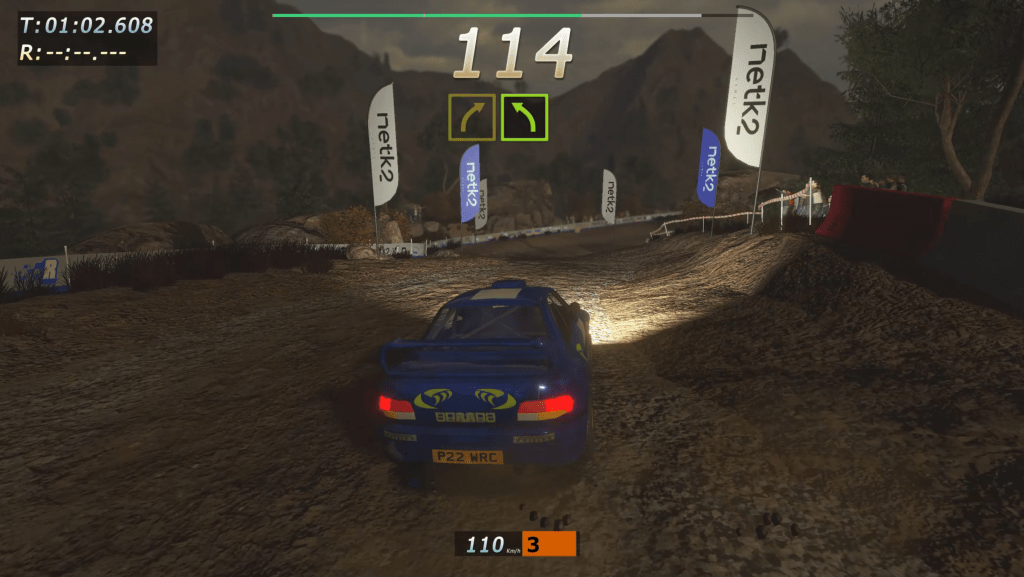
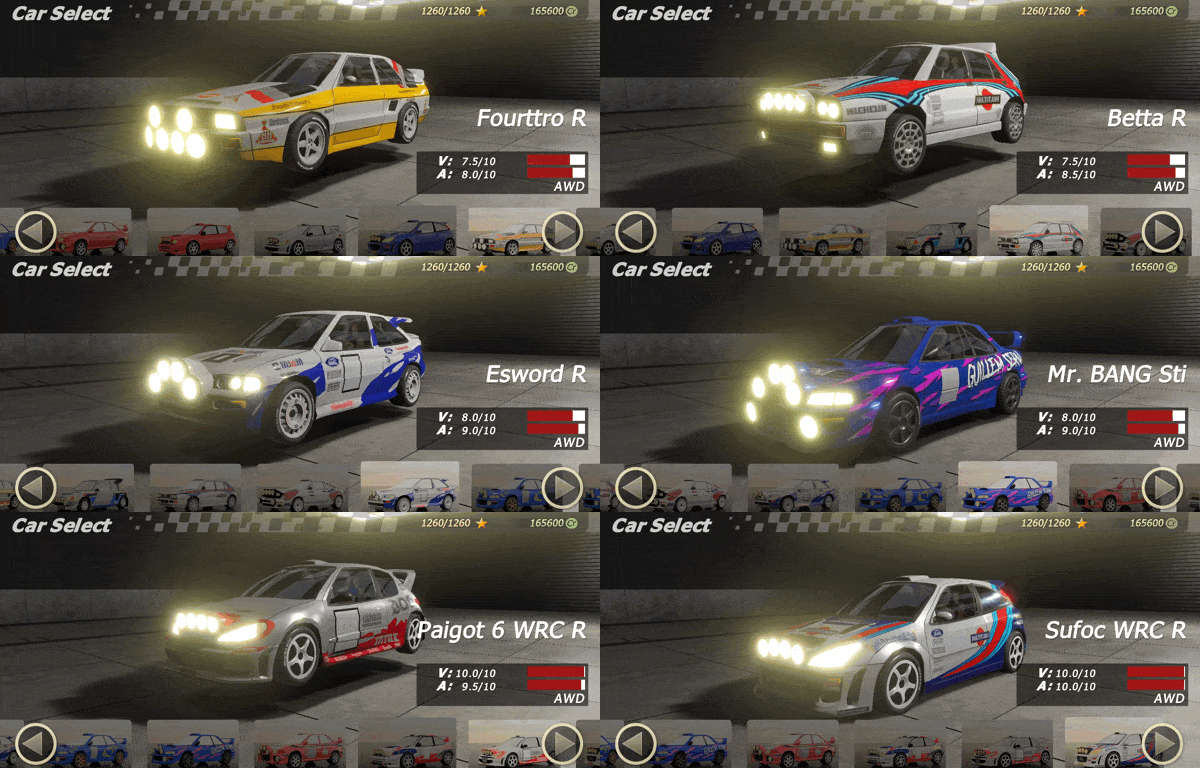


 W.Kohaku Media