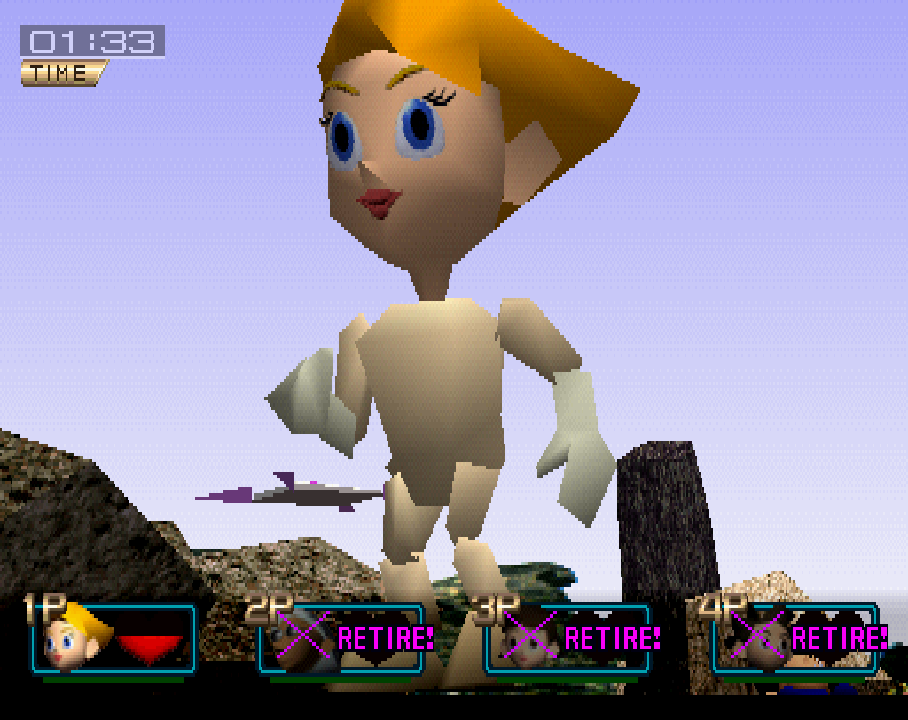
Lost Gems – Unirally (Super Nintendo)

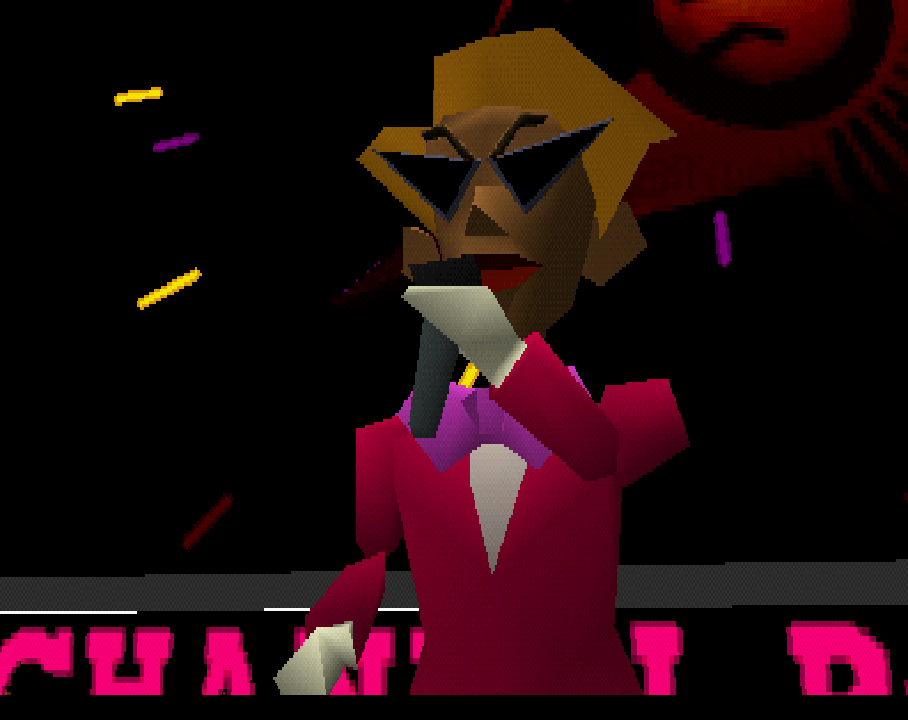
Hello and welcome to another entry in my Lost Gems feature, it is that time again to discuss games that have become largely forgotten by the general gaming sphere. In this instalment, I will be covering a game that became pretty notable for the lawsuit it was involved in, leading to distribution being pulled. So today I will be covering Unirally/Uniracers, a 2D racing game for the Super Nintendo from DMA Design, all about sentient unicycles from 94/95.

Disclaimer: while the game discussed here is no longer officially on sale, there are still ways to obtain it. This can be through the second hand market, or through the unofficial digital roms/rips. I do not condone or promote piracy, so there won’t be any links to roms or rips of the game being covered.

So with the introductions out of the way, let’s get started. I will be discussing the general game experience, then providing my own personal thoughts on the title and background details. I will be referring to the game as the PAL name of Unirally, as that is the version I own.

About the game

Unirally is a rather unique 2D racing game, where the player controls sentient unicycles. The objective of the game is to obtain medals, completing events separated into Tours. Each Tour has 5 events, with two single lap races, two multi lap circuits and one stunt challenge. When starting the game, there are four Tours that players can access, with humorous names like crawler and shuffler. These different names have animals tied to them, like snails and frogs.

Before jumping into a Tour, the player will need to select their racer from one of 16 unicycles, made up of a wide range of colours. Each of these racers have their own progress, which act as 16 individual save files. The 16 racers have their own names, but these can be altered in the options menus, giving players the ability to customise their experience to an extent. There is an 8 character limit for adding names, but that is enough to get creative.

When taking on a Tour, the player must beat each event to obtain a medal. In the races, the player needs to get first place in a head to head race to the goal. During a race, the player (and opponent) can perform tricks to gain speed, with a boost for each successful stunt. This can help get ahead on the track, but speed will be lost if the player wipes out. There will also be gimmicks on tracks, like slime, spirals and loops that can affect the racers.

Then there are the stunt events, where the player needs to perform tricks to beat a target score. These stages are contained stunt tracks, where players must use the stage to get big air to perform their tricks. The stunts that can be performed consist of flips, twists and even head bouncing to gain high scores. As the player performs tricks, there are double, triple and even mega versions of the flips/twists, resulting in bigger and better scores.

The various tracks that players will take on are colourful and vibrant, made up of colourful bars that provide hints for the player. These elements combine with the backgrounds, made up of patterns that contrast with the action on screen. This simple yet effective stage design helps the action stand out, making what is happening on the screen the core focus. There is a beauty in the simplicity and use of colour, preventing it from getting visually noisy in motion.

If the player is able to beat all 5 events for the first time, they will get a bronze medal for that event. After getting a bronze medal, the player will be able to challenge them again for a silver medal, then finally the gold medal. With each medal level increase, the difficulty will go up, making it a solid challenge to obtain all medals. As the player unlocks medals, the player will unlock new Tours to take on, with something special if the player can get all gold medals.

Away from the single player part of the game, there are two multiplayer modes that can be enjoyed. These are 2P VS and League, in the 2P mode all of the stages that have been unlocked can be used, including the stunt stages. Then we have the League mode, where up to eight players can compete in a tournament style competition. These additional gameplay modes make it a great choice for game nights, party play and even remote play through emulation.

Personal thoughts

Unirally is one of those unique games, which was able to stand out among the other 16-Bit racers of the time. The core gameplay loop for the game is one of those things that took me a while to get used to, needing to learn the different tricks to succeed. Sadly I didn’t have a manual when I first played this game, having only a loose cart at the time, so I had to figure it out. That was all part of the fun for me, as I enjoy being left to just figure things out in older games.

Over the years, I have played through this game several times, and it is one of the most challenging racing games I have played. The game can be easy to pick up and play, but it can be hard to master the later stages of the game. This is most present with trying to get the some of the Silver medals, along with all of the Gold medals, as they are extremely tough. But with each success and victory, there is a strong sense of satisfaction.

One of the most striking things about the game is the visual style, as the simplicity of it adds to the overall experience. Then we have the soundtrack, which is limited to the number of instrumentals, yet each of them is a good rocking time. My favourite piece of music in the game is the celebration music, which plays when a medal is earned for completing a Tour. Sometimes, I just get that piece of music up and listen to it for that hit of nostalgia.

This is one of those games that everyone can just pick up and have a good time. It may have a bit of a learning curve, but if you want to add something a little different to game night, this is a great choice. Sitting down with a friend, family member or partner and booting this up can be a great time, as it is good fun in general. Just be prepared for some arguments when deciding on which colour unicycle to use, as that can be serious business.

There is a rather interesting Legacy surrounding Unirally, which prevents the game from ever being re-released on any platform. After the original release of the game, a lawsuit arose between DMA Design and Pixar. The developer was taken to court alleging copyright infringement, as they claimed that the unicycle design used in Unirally was copied from one of their shorts. Unfortunately as a result of this, the game ceased distribution after the initial cartridge run.

There is an estimated 300,000 copies of Unirally/Uniracers out into the wild, making the game a little rarer than others from the time. However, this hasn’t led to a dramatic rise in price, with the game still being relatively affordable in both loose and boxed formats. While it would be nice to see this game be re-released, there is little if any chance of it happening. So the best way to experience Unirally will be through a used cart, or through other “unofficial” means.

 If you have enjoyed this feature, then please stick around and see what else catches your eye. I cover a wide range of games in reviews, get special previews and put out regular features. I have Lost Gems, Retro Revival where I discuss re-releases and the occasional Gaming Oddities piece, where I cover weird and wacky titles. So stay a while and have a look around.

Neptunia X SENRAN KAGURA: Ninja Wars – PlayStation 4 Review

Overview – developed by Compile Heart in collaboration with Tamsoft, with publishing handled by Idea Factory International, Neptunia X SENRAN KAGURA: Ninja Wars is a crossover JRPG hack and slash adventure. The 4 CPU Goddesses of the Neptunia series become ninja, joining forces with some of the girls from Senran Kagura in this action JRPG. This title is available on Nintendo Switch, Steam and PlayStation 4, with a link to each version of the game at the bottom of this review.

Disclaimer: before I get into the review, I would like to thank Idea Factory International for providing the copy of Neptunia X SENRAN KAGURA: Ninja Wars that was used for this piece, via the Keymailer service. The provision of this software has not influenced the contents of this review, all thoughts and opinions contained within are my own.

Now with the introductions out of the way, let’s get into the review, starting with the story. Please note, I have previously covered the Nintendo Switch version of the game, which you can find (HERE). The details in this re-review will be similar to the Switch version, with some comparison between the two versions towards the end of the coverage. I will be referring to the game as Naptunia x Senran for the sake of brevity.

Story – In Gamindustri, a battle for dominance has arisen between the Heartland Nation, who use the Compa Style and the Marveland Nation, with their Honeypa Style. These two have been locked in battle for a long time. During one of their clashes, an army of Mechanical Ninja led by Yoh Gamer appeared to interrupt the battle. This new enemy is the head of the Headshot Style, proclaiming it the strongest of all styles and declaring the start of the “Super NINJA War”.

Gameplay – Neptunia x Senran is a dungeon crawling hack and slash JRPG, where the gameplay loop revolves around completing objectives set in each location. In order to complete the missions and tasks during the story, the player can deploy a team of two ninja into the dungeons. At the start of the game, the player can only use the Compa Ninja, but as the game progresses, new characters will join the playable roster, with a total of 10 characters to use.

The two Ninja system gives the gameplay a lot of depth, as the player can freely switch between the two. In the team there is a Leader and Partner, which are selected from the roster of playable characters. Each of the characters have their own action style, strengths and weaknesses, so finding the right pair is important for continued success with missions. Characters can also be equipped with different gear that is unlocked during play.

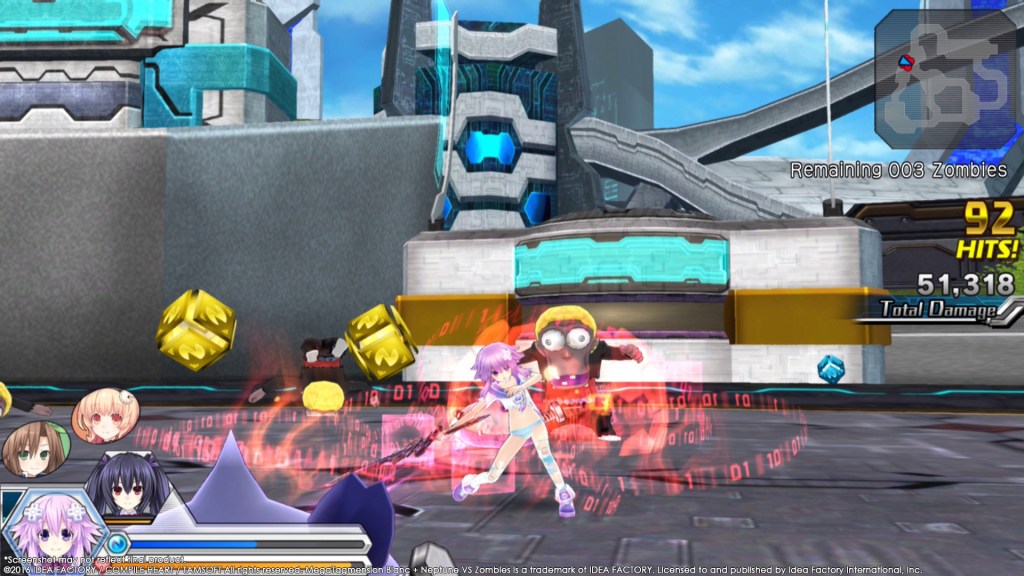
During the dungeon exploration, the player will encounter various enemies, including Yokai and enemy Mechanical Ninja. When these enemies appear, the player must use their ninja combat skills to cut them down. The different characters possess a standard combo and jump attack, alongside special ninja weapons like Kunai and Shuriken that can be used to extend combos. Players can lock onto enemies to focus attacks, or attack freely in a more chaotic manner.

Then there are the Ninja Arts, which are special powers that the Ninja girls can employ. These skills use the Stamina meter, with the different skills taking up varying amounts of the bar. The Ninja Arts also have a special chain system tied to their use, allowing several of them to be chained together with the “Trigger” meter. Four Ninja Art skills can be chained together, causing massive damage and if used in the right sequence, special effects can occur.

Alongside the Ninja Arts is the Fuurinkazan Drive, which will imbue the active character with elemental power for a brief time. These powers are based on the four elements of Earth, Wind, Fire and Water, providing benefits based on their element. The benefits include faster stamina regeneration and more power at the cost of increased damage taken. These are limited per dungeon, so make sure to use them wisely.   

When battling enemies, attacking isn’t the only thing that players can do, as there are several defensive options to deploy. Players can use a dodge skill, giving them a window of invincibility when used, with the ability to dash when holding it down. The dodge and dash skills use the stamina meter, like the Ninja Arts. Stamina will recover gradually, but it can be sped up by perfectly timing the guard button or by dealing damage to enemies.

As the player takes/deals damage, they will gain energy in the EX gauge, which surrounds the active character portrait. When this meter is full, the player will be able to unleash their ultimate attack called Shinobi Extreme. These special attacks will deal massive damage to all enemies within range of the strike, making a good too to employ during desperate situations. These attacks are tied to the active character of the duo, allowing them to be saved for later.

Throughout the dungeons, players will be able to use a selection of items to aid them in their missions. These include healing items, special temporary power-ups and revival items. These items can be bought from the shop in the home base, collected from defeated enemies and even obtained from chests. There will even be special chests scattered through the different locations, needing keys to open them that can be gained as rewards.

As players cut down their foes, the active duo will gain experience, levelling them up when set milestones are reached. When this occurs, the character will fully recover any health that has been lost, but if one of the deployed team is knocked out, they will not gain experience. This makes switching characters regularly very important, as the player will get a game over if both characters are defeated in the dungeon.

While exploring the dungeon, there will be barriers that stop the player from progressing, split into two different designations. The yellow barriers require a sub objective to be cleared, like opening switches and killing enemies. On the other hand, the red barriers can’t be opened, but they change depending on the mission. These make returning to the different locations more rewarding, increasing the replay value and possibilities for exploration.

At key points in each story mission, the player will come across event markers which will trigger when the area they are in is touched. These can often result in battles against powerful bosses or multi wave battles. The wave battles are pretty simple, needing to defeat all enemies before being able to move on. But the boss battles can be significantly more challenging, as they have a special gimmick to make them tougher to defeat.

In a boss fight, the opponent will often have multiple devastating attacks that cannot be blocked, as well as multiple health bars that need to be depleted. These powerful foes will also have a break meter, which will need to be reduced to perform a stun, weakening them for a limited time. While they are in a weakened state, the player will be able to deal significantly more damage to the boss. This is where a stored Shinobi Extreme attack can be very useful.

When not exploring the different environments, the player will be able to access multiple facilities at the home base. They will be able to talk to the different NPC characters through NinChat, adding to the world building and there are special events that can occur. In Market street, the player will be able to buy and sell items, including weapons, consumables and special spirit gems. The store will change as the player makes their way through the game.

Speaking of spirit gems, the spirit board can be accessed in the Shinobi Base, allowing players to give special benefits to the different playable characters. These gems can be link together in special patterns to give even more powerful boosted abilities. While in the base, players can also change their active team, equip them with better gear and even alter the Ninja Art attacks they can use. Ninja Arts are unlocked through levelling up.

At the Kumotsu Shrine, the player will be able to access special request missions, which are side content separate from the main story. If the player accepts a request, they will be immediately deployed to the challenge area from the shrine. The successful completion of this side content provides plenty of treasures for players to obtain. There is also a gallery containing story CG art, character details and more to view.

The last part of the base is the Peaches and Cream Meditation, a special mini game that can provide a boost to the player for a limited time. This requires the player to balance their selected character on a peach, filling the on-screen meter over time. There are three levels of challenge to select, with a fee required to access them. To control the balance, the player must use the gyro control of the DualShock 4 which is highly responsive.

From the home base, the player can access the world map, showing all of the locations that the player can visit. There is a training area where players can test off new skills, alongside all of the zones that have been previously cleared. When not in a dungeon, the player will be able to save and load freely, but there will be an auto save to prevent loss of progress. There is also a guide with tutorials and settings to modify the game experience.

Now with the gameplay covered, it is time to cover the other aspects of this release, starting with the controls.

Controls – the control scheme for this release is pretty easy to pick up and play, offering an accessible hack and slash gameplay experience. All of the key functions are set up to allow for fast, yet satisfying combat by using the face buttons, with the special functions set to Triggers/shoulders. The D-Pad is for item use, target switching when locked-on and tagging between partners. All of these inputs are comfortable and feel reactive, especially during intense sections.

Difficulty – there are three options for players to select from when it comes to the difficulty, with Easy, Normal and Hard being available in the options menu. These setting alter the gameplay in a variety of ways, with the most noticeable being the damage dealt and taken during combat. The general gameplay experience is balanced well, with the challenge being pretty forgiving for the most part, especially before boss battles with healing points often before the encounters.

Presentation – Visually the game is gorgeous to look at, offering a smooth experience that is pretty easy on the eye. The world and environments use 2D art for non-action, and full 3D for dungeons and action in general. The 2D art is beautiful with the signature look and fanservice that both series are known for. The music is excellent offering a mix of traditional Japanese instrumentation and modern rock style tracks, as well as Japanese only voice over that is performed well.

The textures, environments and 3d assets appear to be more fluid in motion compared to the Nintendo Switch, as the game is running at a higher frame rate. This makes it feel more consistent during play. The slowdown that was present in that version is not here, due to the higher power of the system. This doesn’t make the Nintendo Switch version inferior, as there are significant differences in the hardware, but it does generally feel like a smoother experience.

Final Thoughts – I had originally covered Neptunia X Senran a few years ago, so when I was given the chance to return to it on a new system, I was eager to take it on. In the time between the original play through and this, I had done a couple more runs through. With this experience, I quickly and easily picked this up and quickly got into the action. I had a great time with this and it was a tremendous amount of fun to play through it again.

I will say that the general experience of the PS4 version of Neptunia X Senran felt smoother, which is likely due to the higher resolution and framerate. But I do not think the Nintendo Switch version is worse than this, both versions of the game are just as good. The story has that silliness that Neptunia is known for, offering something that is as engaging as it is fun. Then there is the free flowing combat, which is something I would love to see again in the future.

The collaboration between Tamsoft and Compile Heart/Idea Factory, have created something real special. I would like to see another collaboration between these two, as they are both renowned for their distinct style, humor and fanservice. The artwork is gorgeous, the music fantastic and you can just jump straight into it and start playing. So with that being said, this is an easy recommendation for me to make for anyone looking for an action JRPG.

In the end, I give my revisit of Neptunia X SENRAN KAGURA: Ninja Wars a final score of 5/5. This is an excellent action JRPG, which successfully combines the elements of both franchises that make them unique, the flow of combat, the elements of fanservice and humor work together so well. I do hope to see more in the future. If you want to check it out for yourself, a link to each version of the game will be below.

Link to PlayStation version (HERE)

Link to Nintendo Switch version (HERE)

Link to Steam version (HERE)

Bubble Ghost Remake – Steam Review

Overview – developed by Nakama Game Studio and published by Selecta Play, Bubble Ghost Remake is a brand new iteration of the classic puzzle game from the late 80s. As the ghost of Heinrich Von Schinker, guide a bubble through a series of levels, dodging hazards and obstacles while trying to keep the bubble from popping. This title is available for Nintendo Switch, PlayStation 5 and Steam with a link to each version at the bottom of this review.

Disclaimer: before I get into the review, I would like to thank the rep at Selecta Play for providing the copy of Bubble Ghost Remake used for this piece, via the Keymailer Service. The provision of this software has not influenced the contents of this review, all thoughts and opinions contained within are my own.

Now with the introductions out of the way, let’s get into the review, starting with the story.

Story – Heinrich Von Schinker, a renowned inventor is living a happy life with his love Sofia, residing in his castle with their menagerie of pets. However, this peace didn’t last as a global conflict arose, causing Heinrich to leave his love to go to war. Some time later, Heinrich returns as a ghost, looking for his love Sofia and finding only a bubble in the empty hall. Now Heinrich has one goal, protect the bubble as he makes his way through his old home.

Gameplay – Bubble ghost is a unique puzzle adventure, where the player takes the role of the titular Bubble Ghost. In each of the main stages, the player must guide the bubble, avoiding hazards and obstacles that could pop the precious bubble. Taking place across 5 sections of the castle, the player must use their ghost power to push the bubble and interact with the environment. Each of the areas of the castle is split into segments, with their own themes.

During each section of the castle, the player must move through each room, guiding their bubble to safety. In the different areas there will be the regular hazards like thorns, spike rails and open flames. But there will be more dangerous obstacles to overcome, including spiders that drop suddenly, electrical arc bolts and moving crushers. If the bubble is popped by a hazard or contact with the environment, the player will be sent back to a checkpoint.

While navigating the different stages, the player will be able to interact with some elements of the stage. This can be as simple as blowing out a candle, or by blowing broken powerlines to connect them and make a circuit. To aid the player with these puzzle solving challenges, the Bubble Ghost can pass through the stage, moving freely throughout the environment. But if they leave the bubble off screen for too long, it will pop and fail the stage.

The intangible nature of being a ghost works well for players to explore stages, as there are many hidden collectables scattered through the stages. These will give extra story details, expanding the narrative in a way that increases the replay value on offer. There are also special rings that can be collected, but these will fade if the player takes too long to reach it with the bubble. There will also be special stages offering an incredibly tough optional challenge.

While this game is based on a relatively simple puzzle game, the gameplay has been expanded significantly. This is through the inclusion of special gimmick stages, which increase the tension that players will face. There will be chase sections where the player must rush to the end of the stage, trying not to be caught in the end. Then there are the themed hazard segments, with clock tower gears, ice blocks and a large empress moth that will steal the bubble.

The biggest new addition to this game is Boss stages, where the player will face very dangerous opponent. These are the most challenging of the stages, as the boss fights can be very tough, especially when trying to control the bubble. There are a few boss battles that occur, with the majority of them taking place in an enclosed space. These are an interesting new wrinkle to the gameplay, but can be frustrating at times.

In this game there are many secrets to uncover and if depending on various factors, there is the potential for more than one ending to be achieved at the end of the game. There is also an option for those who want to go the completionist route, as players can replay previously cleared stages, to find items that they have missed. This stage select feature can also be used to practice tougher sections, or to try and find more challenging routes.

Away from the main game, there are two bonus modes for players to challenge. The first is Speedrun mode, where players can take on speed challenges to place a ranking on the global leaderboard. Then there is the Classic mode, which is the original game for the Gameboy and early home computers, with all of the stages revamped with the new art style. These extra bonuses further increase the replay value on offer for players.

Now with the gameplay covered, it is time to discuss the other aspects of this release, starting with the controls.

Controls – sadly the controls for this game, while simple are the biggest stumbling block for me as a player, with Mouse/Keyboard and standard controller options. Movement is pretty smooth, but the rotation feels awkward and choppy, as a button press is needed to adjust the angle of the ghost. There is an assist feature, which makes rotation automatic, but it sadly doesn’t make it any less awkward and frustrating to handle, especially during tense sections.

Difficulty – Bubble Ghost Remake is pretty challenging in general, as the movement of the bubble itself can be a little tough to control. This is likely to cause some frustrations to players, as they try to learn how to effectively play the game. To help with some of the issues players may face, there are three difficulty options, with an easy, medium and hard setting to choose. These affect the way the game plays out, altering enemies checkpoints and more.

Presentation – in general there is a rather pleasing art style for this game, offering a colourful yet dark atmosphere that is soft yet spooky. The 2D visuals work well, maintaining the spirit of the original. There are also cutscenes and story book style sections, telling the story of the game in a charming and easy to digest manner. The sound ties all of the visual elements together very well, with music that is fitting to the new expanded version.

Final Thoughts – as a kid I had Bubble Ghost on the Game Boy, so when I heard about the remake I had some anticipation for it, due to my love of the original. So when I was given the chance to cover the game, I decided to take it on and give it a try. Sadly, my experience was not the greatest with this remake, due to some awkwardness with the gameplay and controls. This was most present when trying to quickly rotate and move the bubble during tense segments.

The game is fun, with a lot of secrets to discover and challenges to overcome, but it is hampered by the choppy rotation and bubble physics. These factors led to a rough journey to the end of the game for me. There is a very high chance that players will be frustrated with the difficulty, which can be increased with the way movement works. Thankfully there is an assist feature that can lessen this issue, but it feels like a band-aid on a bullet wound at times.

I do appreciate the work that has been put into this game, with all of the new assets, artwork and story that have been added. The inclusion of the original game with a full graphical overhaul, as well as the speedrun modes are a great inclusion, increasing the value of the package for the player. I want to recommend this game to fans of the original, as well as those who are looking for a fun puzzle adventure, I just have to say it is a rough ride.

In the end, I give Bubble Ghost Remake a final score of 3.5/5. This is a mostly fun puzzle adventure, taking the spirit of the original (alongside an updated version of the original included) and expanding it into a whole new experience, but it is sadly hindered by some awkward controls, choppy movement and spikes in difficulty. If you want to check this title out for yourself, a link to each version of the game will be below.

Link to Steam version (HERE)

Link to Nintendo Switch version (HERE)

Link to PlayStation version (HERE)

Lost Gems – Mad Panic Coaster (PlayStation)

Hello there and welcome to the latest instalment of Lost Gems, discussing games that have been mostly lost to time, falling into obscurity and largely being forgotten. After a short break, I am back with a very unusual game that was only spoken of in niche circles, with the only way to get it was to import it or know a guy who can make you a copy. It is time to look at Mad Panic Coaster, a rollercoaster survival game for PlayStation from 1997 by HAKUHODO Inc.

Disclaimer: While the game discussed here is no longer officially on sale, there are still ways to obtain it. This can be through the second hand market, or through unofficial digital roms/rips. I do not condone or promote piracy, so there won’t be any links to roms or rips of the game being covered.

So with the introductions out of the way, let’s get started. I will be discussing the general game experience, then providing my own personal thoughts on the title.

About the game

Mad Panic Coaster is an experimental “non-stop action game” focusing on the titular rollercoaster, an intense high speed terror machine created by a mad scientist. Now a young couple must try to survive the Mad Panic Coaster, fighting monsters and dodging traps on this horror ride from hell. Take on 15 adrenaline pumping and hair-raising tracks, split between 5 settings as Bakuyan and Kyako try to survive the creation of mad scientist Dr. Jones.

This is a rather simple game to pick up, as there is only one core mechanic to all of the stages, stay on the track and survive. Each of the 15 tracks follow the same gameplay loop, where the player needs to stay on the track for 3 laps, making sure to avoid traps and dodge the hazards. To help with this, the player can speed up, slow down and jump their coaster cart. They can also throw bombs to fight back against the monsters on the track.

The hazards and dangers on the track will be themed to the current stage/world, with stages from Mad Island having theme park elements and Mad Ocean having monster fish. These give the stage more flavour, keeping them unique and keeping the action exciting during play. There will be monsters on the tracks, swinging axes and even gaps in the track that need to be jumped over. This makes for a challenging and reactive experience that is very tough.

The final stage of each setting will have the player challenging the usually three laps, but once the third lap is open, the player will be forced to switch the track they are on. When this happens, the player will encounter a boss monster, who can devastate the player with screen filling attacks. These powerful monsters can be overcome in two ways, through attacking them or by surviving three more laps. This makes the end of world encounters much more interesting.

During a stage, the player has a set amount of life to survive the ride, with relatively moderate amounts lost when being hit by traps or monster attacks. However, the speed of the cart and hazards can push the player off the track, causing significant damage to the duo. When life is lost, skulls will be revealed and if the player hits a big jump, they may just drop for a bonus. On the track, there will be gems that can restore some life, but these appear only once.

If the player can survive the stage, they will get the lucky rainbow before transitioning to the score display. Here the player will be awarded bonuses based on their performance, which is added to their total. This game has a heavy emphasis on earing points, with the defeat of enemies, not taking damage and other elements contributing to a high score. If the player loses all their life and gets a game over, their score will be registered on the rankings if it is high enough.

This game has a very unique and distinct style to it, with a mix of horror and comedy to it in parts. There is a combination of 3D rendered polygons and 2D sprites, which allow for vibrant, expressive characters and monsters that add to the experience. Then there is the music, which really knocks the game up a notch, featuring heavy and frantic tracks, with a mix of sounds like ska and punk. There is even an opening animation of a monster band rocking out to start the game.

There are some hiccups with the game, with some awkward controls at times, which can be a bit of a stumbling block when getting used to the game. Additionally, there is no way to view controls or change settings, as there is no options menu. Players can access the sound garage, where all of the rocking tunes can be enjoyed freely. Scores and progress can be saved to come back to the game later, using a memory card to record progress during their time playing.

Personal thoughts

I first experienced this obscure game all the way back the late 90s, after my dad brought it back from a local game shop that handled imports. During my first time seeing the game, I had no idea what I was looking at, but I was completely spellbound by the absolute madness that was on screen. There is this weird mix of niche Japanese humor and over the top horror, with the zombies, monsters and distorted creatures that appear during play.

This is a really tough game, and I will confess I have tried many times, but have never beaten the game. I have gotten as far as the fourth world Mad City, although I have still not been able to get any further. But that is from no lack of trying, as I pick return to this game pretty regularly, even having my own copy backed up to play on a Retroid Pocket. It is possibly one of the toughest games I have covered in this series, as the difficulty will spike quite often.

I have a deep fondness for this release, as it is from a time where game developers had no restrictions, creating surreal and ridiculous games. There is this rough charm that the game has, with all of the crazy visuals, distinct music and the very concept of the game itself. It is like someone saw the mine cart stages in other games and thought, “what if this was a rollercoaster with monsters everywhere”. The sheer absurdity of the game is what makes it so special.

Sadly the company that released this game has faded away, with no word of who owns the game or property, so the game is officially lost to time. This means there may never be a re-release or remaster of this game. Due to the game never officially leaving Japan, the cost to own this game has risen dramatically, making it extremely expensive to own. This means, that many players will need to seek alternative means to play this game, officially or otherwise.

In the years after Mad Panic Coaster was released, there was little fanfare around this game. But in recent years, there has been a resurgence in attention for this title, with a dedicated community growing around it. There is even a group of players that speedrun this game, with an appearance at the 2024 Games Done Quick event. This newfound appreciation for the game is fantastic to see, as it is a very unique game that arose during the golden age of home console gaming.

If you have enjoyed this feature, then please stick around and see what else catches your eye. I cover a wide range of games in reviews, get special previews and put out regular features. I have Lost Gems, Retro Revival where I discuss re-releases and Gaming Oddities, where I cover weird and wacky titles. So stay a while and have a look around.

Slime Girl Smoothies: Gaming with Goolay – DLC Preview

Hello and welcome to a special preview for the upcoming DLC for the adult puzzle game Slime Girl Smoothies, which is coming soon June 20th to the Steam platform. Shady Corner Games have allowed me to get a hands-on preview of their new content, being able to experience it and share details of it with you today. This DLC “Gaming with Goolay” is the final piece of extra content, completing the multi-year expansion of the puzzle game originally released in 2022.

Disclaimer: before I get into discussing this content, I want to thank Shady Corner Games for allowing me to be involved with the bug testing for this DLC. This allowed me to get to grips with the new content, and that has not influenced the contents of this coverage, all thoughts and opinions contained within are my own. 

Mature Content Disclaimer: this DLC and the title that it is intended for is rated as Adults Only, with strong language, explicit sexual content and nudity. If this content offends you or you are under the age of 18, please check out some of the other works that I have done on the site.

Now with the introductions out of the way, let’s get into this new piece of content.

As a quick refresher, Slime Girl Smoothies is an adult puzzle game, where players mix drinks to a set recipe while accompanied by a slime girl hostess. This takes place over 4 shifts, with the challenge escalating as each night passes. To create the drinks, the player needs to drop fruits into a grid to create a flavour profile, with a random selection that changes each turn. But each drink is different and players have limited turns to create the perfect cocktail.

Throughout the game, the different girls that work at Slimey’s Bar will have their own special gimmick, and Goolay is no different. Joining the staff as a special guest, the “Gamer Goo Girl” Goolay Taiga has been invited to Slimey’s in a bid to boost their online presence. Using her special set of skills, Goolay will bring the HYPE TRAIN to the bar, allowing the audience watching at home to get involved, donating fruits to get the stream popping.

This special hype train skill is like nothing that has been seen at Slimey’s before, evolving the strategy of the gameplay further. During each shift, the player will have a limited number of turns to mix the required drink, which is lower than the standard amount. To compensate for these lower turns, the player can activate the HYPE TRAIN by using donated fruits, which appear in the stream window. Using enough of these activate HYPE mode for a limited time.

When the HYPE TRAIN is active, the player will get free fruit drops, with the duration depending on the type of fruit used. If the player drops a regular fruit, the #HYPE meter will be significantly decreased. However, should the player use a donation fruit, the amount of #HYPE loss will be lessened, allowing for more fruits to be without using a turn. As the nights progress this system becomes crucial to success, as the number of turns will get pretty low.

These new mechanics increase the challenge on offer, making every drop a strategic decision, especially during the tougher drinks. The HYPE TRAIN also has some special bonus features, which make it very exciting to play. If players are lucky enough, they may just get a “Super Donation” where all fruits are able to generate #HYPE. These can be very rare, so make the most of them when they appear, and if the fruits fall just right a special bonus can be earned.

Just like the previous DLC additions, this new expansion introduces three new drinks, related to the new character, alongside intimacy scenes based on her theme. The new music is also a great addition, as it will be affected by the HYPE TRAIN, speeding up when the meter is filled to enhance the experience. All of the shifts and intimacy scenes are fully voiced, with VA/VTuber OolayTiger, portraying this slime personification of her mascot. You can find her X/Twitter (HERE) and BlueSky (HERE).

Personal Thoughts – I have been lucky enough to be involved with this game over the last few years, getting to see the evolution of the game and mechanics. This allowed me to see the concept for the new character grow, the changes that took place and what has become this newest expansion. When I first got hands-on with this game, I was unsure what to think, but the longer I played it the more I enjoyed the new gameplay mechanics.

The addition of the HYPE TRAIN mechanic makes this expansion stand out, giving it a unique identity alongside the other girls that are present. There is also a big jump in difficulty, as the reduced turns will really put the pressure on players, pushing them to think strategically with each drop. This is possibly the ultimate challenge for players, capping off what has been a solid trio of guest characters and making this an excellent climax to end on.

This is an easy recommendation for the fans, offering the same high quality gameplay, artworks and musical theme. The inclusion of OolayTigers Mascot crossing over into the Slime Girl world, knocks this up another notch and further enhances this new expansion. After all of this I look forward to what may come in the future, as there have been rumblings of more to come from the Slime Girl Smoothies brand. So here’s hoping that Slimey’s bar stays open for business.

I have previously covered the original game, the Nintendo Switch port and the other DLC content which you can find (HERE) alongside other Shady Corner Content. If you want to check this DLC out and add it to your wishlist, you can find the store page on steam (HERE). To keep up with all of the goings on with Shady Corner Games, you can find their X/Twitter (HERE) and their BlueSky page (HERE).

Fingun Forever – Steam Review

Overview – developed by Pixelteriyaki and published in collacoration with Shady Corner Games, Fingun Forever is a side scrolling 2D shooter, where Casino Karen has stolen your girlfriend and you must save her. Pilot the Fingun and blast through 9 vibrant stages, rescuing the captured girls and battling a menagerie of enemies. This title is available exclusively for PC platforms, via Steam and Itch, with links to each version of the game at the bottom of this review.

Disclaimer: before I get into the review, I would like to thank the rep at Shady Corner Games for providing the copy of Fingun Forever that was used for this piece. The provision of this software has not influenced the contents of this review, all thoughts and opinions contained within are my own.

Mature Content Disclaimer: This title features content that in not intended for users under the age of 18 years old. The content featured in this game includes sexual imagery, themes and dialogue that alludes to drug use/kinky interactions. If you are under the age of 18, or this type of content makes you uncomfortable, please click off this page and take a look at the other content available on the site.

Now with the introductions out of the way, let’s get into the review, starting off with the story. I will also be covering the core gameplay experience, as I do not want to spoil any of the surprises that this game has in store for players.

Story – During a peaceful day, tragedy suddenly strikes. The despicable villain Casino Karen, alongside her army of giant waifus have kidnapped your girlfriend, abducting her and her friends. In order to save her from the ample bosom of Casino Karen, you must pilot the Fingun, a powerful craft that is capable of blasting the most voluptuous of foes. Take down the villain and her minions by finger blasting them, rescue your girlfriend and save the day.

Gameplay – Fingun Forever is a side scrolling 2D shooter, taking place across a series of vibrant but challenging stages. As the pilot of the Fingun, players must blast a rather cutesy army of enemies, all while dodging the bullets that come their way. The gameplay Loop for the most part is very traditional, with enemies that move across the screen, while also being on various terrain, all of them want to take the Fingun down.

As players auto scroll through the stages, they must use their blaster to shoot down the enemies, while making sure the bullets don’t hit them. On the ship there is a heart, which is the centre of the ships hitbox, allowing for players to have a focal point when manoeuvring. While travelling through a stage, players must be careful as the terrain itself will destroy the ship on contact. This adds an extra level of danger to the proceedings.

The Fingun itself has a blaster, which can output a steady number of shots. This is the only weapon that players will have available to them, however, there are special power-ups that can be collected in the stages. There are smiley P ships that will appear during stages, granting more powerful shots when collected. These power-ups include satellites that circle the Fingun, Star shaped power shots and even missiles to blow enemies to bits.

But the power-ups aren’t the only thing you need to collect, as there will be a key to collect and captured girls to rescue. The key will unlock a heart if the player makes it to the end of the stage, with the hearts holding a secret to unlock. Then there are the girls to save, with each of the main stages having 50 girls to save. If the player is able to successfully save all of the girls in a stage, something very special will happen.

At the end of a stage, the player will face a powerful boss that must be defeated to progress. This is where the rescued girls will come into play, as the number rescued will affect the outcome of the stages. If the player has rescued all of the girls, the real boss, one of the busty girl villains will appear to challenge the player. However, if the player is unable to secure the girls, the player will face a joke boss which include a giant pudding and goofy fish.

When the boss has been defeated, the player will progress onto the next stage of the game. When a stage is cleared, the player will unlock them in the stage select, allowing for the player to quickly and easily jump back to them. This increases the replay value, as players can challenge again to fight the Waifu or joke boss, marking them off in the stage select. If the player can fulfil special requirements, they may even unlock a secret boss.

As this is a side scrolling shooter, the stages and boss battles can be very challenging. This means there is a high chance that the player may be shot down by enemies, or the bosses themselves. If the player is taken down at any point, any collected power-ups will be lost, resetting the player back to standard shots. In the event that the player loses all lives, the player will be able to continue from the start of the stage, or the boss if they have reached that point.

Outside of the main game, there is a gallery that players can access, viewing images that are unlocked when the requirements are met. These images contain a lot of smutty fanservice for players to enjoy, featuring special pixel art CG arts. The last thing to mention is the challenges. There is a collection of medals that players can earn, these can be as simple as clearing a stage without dying, or significantly more difficult like clearing the game without continuing.

Now with the gameplay covered, it is time to discuss the other aspects of this release, starting with the controls.

Controls – there is a very easy to pick up and play control system for this game, allowing players to easily jump straight into the action. There is the option for Keyboard and controller, with the preferred way to play the game being controller, or even an arcade stick if possible. The inputs for this game are easy to use, with movement, shooting and special manoeuvres implemented in a comfortable and accessible way.

Difficulty – this is a very challenging game offering an experience that is perfect for fans of scrolling SHMUPS, with a pretty solid difficulty curve. The introductory stage starts off pretty easy to get characters used to the game, before gradually becoming more challenging and tough. Due to this difficulty curve, there will be some practice needed for players to achieve all gallery/medal unlocks. But the general game experience can be cleared with some perseverance.

Presentation – from a visual perspective, Fingun Forever has a retro style feel to it, with the pixel art spritework and design, this makes it feel like something out of the late 90s. This works well in favour of the game, as it allows for a smooth gameplay experience, with zero lag or delay during play. Then there are the big bosses and reward images, which look very good on screen. The sound is excellent, with a J-pop style soundtrack that ties the whole experience together.

Final Thoughts – I enjoy action shooters, especially those that use the pixel style, so I was excited when I was provided the opportunity to play Fingun Forever. The design for the game is reminiscent of titles like Parodius, Harmful Park and even Cho Aniki, which delved in the weird and absurd with their concepts. I feel that this works well in favour of Fingun Forever, as it has all of those elements, while still having a unique identity of its own.

I did struggle a little with the difficulty curve at the start, but the more time I put into the game, the better I understood the game loop and improved. There were moments where the challenge felt a little unfair, especially during bosses but the ability to continue from the boss softened the blow. I believe this is a very good game, offering a familiar yet fresh experience, with some good fanservice on top. So I can easily recommend this to those looking for a saucy shooter.

In the end, I give Fingun Forever a final score of 4.5/5. This is a very good scrolling shooter that offers a highly challenging and replayable experience, with a rocking J-pop inspired soundtrack, retro style sprite work and plenty of fanservice. If you want to check this game out for yourself, a link to each version will be available below.

Link to Steam version (HERE)

Link to Itch version (HERE)

Peglin – PlayStation 4 Review

Overview – developed by Red Nexus Games and published by Blitworks Games, Peglin is a roguelike adventure with a peggle style gameplay loop, about a little goblin on a big quest. As the brave little Peglin, set put on a quest across three different worlds to save his village from a dragon. This game was originally a timed Nintendo Switch exclusive, but the game is now on all consoles, with a link to each version of the game at the bottom of this review.

Disclaimer: before I get into the review, I would like to thank the rep for Blitworks Games who provided the copy of Peglin that was used for this piece. The provision of this software has not influenced the contents of this review, all thoughts and opinions contained within are my own.

Now with the introductions out of the way, let’s get into the review, starting off with the story. I have previously covered the Nintendo Switch version of the game, which you can find (HERE). Like that review, I will be omitting some details, as I don’t want to spoil the various surprises this game holds.  

Story – deep in the woods, a tribe of Peglin have been trying to live a peaceful existence, but sadly things have not been easy for them. The village has been harassed by dragons, who have been stealing their treasures and mistreating them. To save the village, a single brave set out on a quest to the Dragon’s lair, battling their minions along the way. Take back the treasures and put a stop to the dragons, to protect the village.

Gameplay – Peglin is a roguelike puzzle adventure with RPG elements, where the player takes the role of the little hero to save their village. In this game the player must make their way through the three zones, each with branching paths for players to tackle. These paths are a mix of action stages, special events and even encounters with NPC characters. At the bottom of each map there is a boss encounter, with all paths leading to this point.

The gameplay loop for Peglin is very unique, mixing peggle inspired pachinko style mechanics and turn based RPG style combat. During an action stage the player must defeat a set of enemies, using special peg orbs to hit the pegs on the stage. Enemies will be damaged with each peg that is hit, building up as the reach the bottom of the screen. When it hits one of the pockets at the bottom, the Peglin launches their attack.

During these battle stages, the player has an orb deck, with each orb action counting as a turn. The player will start off with 4 orbs in the deck, consisting of three standard pegball orbs and a single dagger orb. These orbs will do minimal damage at the start, but can be enhanced by hitting special critical pegs, shown with an exclamation mark (!). With each launch, enemies may advance or even attack from afar if they have ranged weapons.

When all of the orbs in the deck have been used, the player will need to reload skipping a turn. During a reload, the enemies will be able to take a free turn, potentially dealing big damage to the Peglin, further adding to the danger of battles. To help the player in their battles, there are the critical damage pegs, Refresh which restore cleared pegs and Bombs. When a bomb is hit twice, it will go off and deal damage to all active battles.

There will also be gold pegs on the board, which will provide the player with coins when hit. These coins are added to the Peglins satchel, carrying over between stages. If the player can defeat all of the enemies, the stage will be cleared and the orb shop will appear. Here the player can buy new orbs, upgrade existing orbs and restore lost health. The orbs that appear are random each time, with a wide variety of possible orbs to appear.

The effects that can be found include multiball, where an additional ball will spawn after dropping, lighting that will hit multiple pegs and so many more. All of the orbs have a total of 3 levels, enhancing the power and abilities of the pegs. During this phase, the cost of upgrades and orbs will increase with each purchase they make. As orbs are purchased they will be added to the deck, with no true limit to the number of orbs that can be obtained.

After the purchase phase, the player will then be able to progress to the next stage. Here the player will need to shoot for the path they want, offering the chance to clean up left over gold for the next stage. Usually there will be 2 paths that can be taken, with some skill and a little luck to select a desired path. But be careful as there may be fire pits, which will harm the Peglin and force them to try and shoot for a path again.

The progression through the map adds a rather solid amount of depth to strategy, as players can view a map of the current zone. This will show the different stages that the player can reach, including the mystery zones, treasure spaces and mini-boss battles. This allows the player to map out the areas, as there many are dangers that the spaces may contain. The mystery zones can give great rewards, or contain terrible dangers.

Then there are the mini-bosses, featuring challenging battles with enemies related to the location. Upon defeating these enemies, the player may receive powerful rewards to aid them, balancing out the risks of battle. The last areas to cover are the treasure/shop floors. The shops contain a variety of items that can be purchased, including powerful relics which can also found in the treasure floors. This adds to the fun and uncertainty of a run.

The relics themselves are powerful items which have the power to make or break a run, as they can drastically alter the way that stages work. Effects that can occur range from increased critical and refresh pegs, to increased bombs and even health increases. However, some of the relics come with a downside to their power, so it is important to think about the choices made. At the start of a run, the player may select a relic to get started.

At the end of a zone, the player will face the big boss in a deadly battle. These can be a great challenge and a real test of the Peglin’s skills, as the bosses have the power to kill the player very quickly, alongside unique gimmicks. But it is not just the boss itself that is a threat, are an endless number minions that can appear. If the player survives, there will be great rewards provided to the player, including very powerful Boss relics.

Due to the game being a roguelike, there are many randomised elements that can affect the success of a run. This will also be affected by the choices that the player makes, with some resulting in a simple playthough, or a trial by fire that can be tough to overcome. This game also has perma death, with only a single life for the run. While this may be a frustration, as a death sends the player back to the beginning, it is a well balanced challenge.

When a run is concluded either through victory or defeat, a summary of the player performance will be provided. This will show all items collected, general stats and general player performance details. All of the items collected will be added into the custom mode, where players can create their preferred run, at the cost of unlocking new content. There are extra game modes and characters that can be unlocked, but conditions must be met.

Now with the gameplay covered, it is time to discuss the other aspects of this release, starting with the controls.

Controls – the control scheme for Peglin is perfect for controllers, offering a fun yet simple gameplay experience that is easy to pick up. The aim system uses the thumbstick for quick adjustments, with the D-Pad for precision targeting of specific pegs. Then there are the face buttons and shoulders that all have on screen tooltips, showing players their functions. All of these inputs work great with the Dualshock 4, providing an intuitive and egaging experience.

Difficulty – due to this game being a roguelike, there is a lot of chance that the player will need to expect, which can cause the difficulty to fluctuate. The battles can be challenging, as the player may get an unfortunate seed, or just plain bad luck. The boss encounters are the most tricky to handle, but after a few runs through the game, players will get used to the experience. Once the payer gets a grip on the mechanics, it can be easier to reach the goal.

Presentation – visually this game has a very cutesy look to it, which is enhanced by the vibrant sprite work and environments. This gives the overall experience a relatively relaxed feel, which can be deciving of the challenge present. The sound compliments the visuals well, with plenty of bright and catchy tunes that further enhance the vibe. Unfortunately, there are some issues with slowdown in this updated release, causing some stutters with a lot of moving assets on screen.

Final Thoughts – when I first covered this game on Switch, I had a great time so I was excited to check out the updated PS4 version. I am happy to say that I was not disappointed, as there were some great improvements to the existing version. There are 3 zones, with 4 characters and extra game modes, but there are talks of additional material in the future. If this is true, I am excited to play even more Peglin.

There are some minor hiccups with the game, due to the amount of assets at once there can be some slowdown, causing severe stuttering. Then there are some significantly stronger bosses than the original console version, increasing the difficulty by a fair bit. However, the overall quality of the game is just as good as the portable release. So I am more than happy to recommend this game to everyone, as this is a wonderfully cutesy yet challenging puzzle adventure.

In the end I give Peglin a final score of 4.5/5. This a wonderfully fun and enjoyable puzzle adventure, offering many, many hours of gameplay for players, with a super cutesy design that enhances the overall gameplay experience. If you want to check this game out for yourself, a link to each version of the game will be below.  

Link to PlayStation version (HERE)

Link to Nintendo Switch version (HERE)

Link to Xbox version (HERE)

Link to Steam version (HERE)

Lost Gems – Battle Monsters (SEGA Saturn)

Hello! I am back once more for another instalment of Lost Gems, covering games that have been forgotten, pulled from distribution or simply abandoned. This time, I will be discussing a game that was panned by critics upon release, but has gained a cult following in subsequent years. So it is now time to take a look at Battle Monsters, a digitised fighting game with a horror edge, released on the SEGA Saturn in 1995 courtesy of Scarab and Naxat Soft.

Disclaimer: while the game discussed here is no longer officially on sale, there are still ways to obtain it. This can either be through the second hand market, or through unofficial digital roms/rips. I do not condone or promote piracy, so there won’t be any links to roms or rips of the games being covered.

So with the introductions out of the way, let’s get started. I will be discussing the general game experience, then providing my own personal thoughts on the title.

About the game
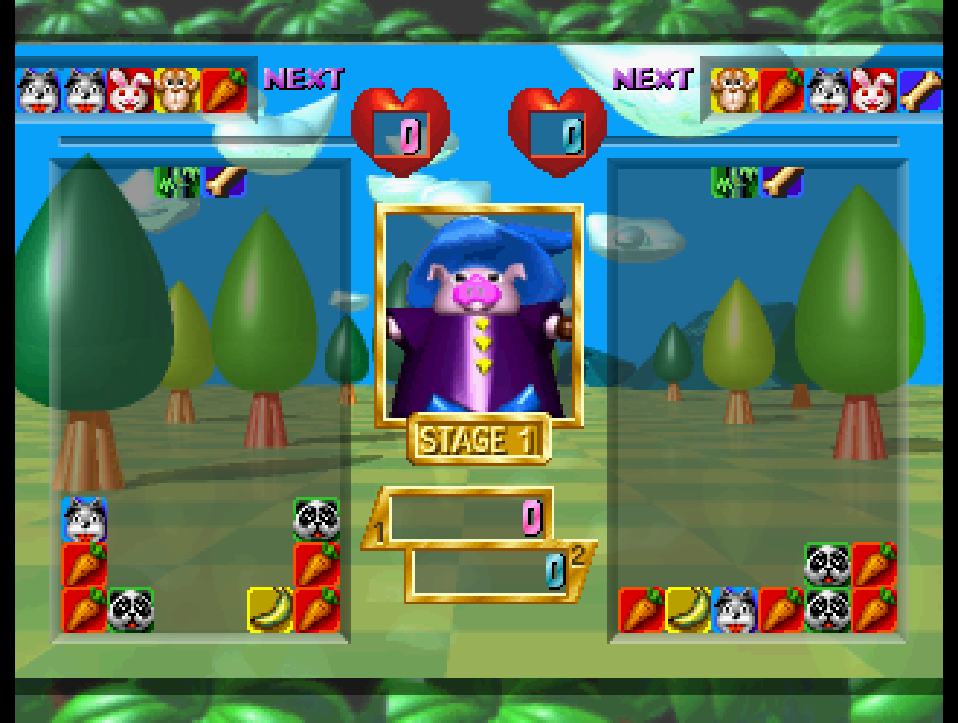
Released in Japan in 1995 and to other territories in 1996, Battle Monsters is a one-on-one fighting game, using digitized sprites for the characters. Set in the netherworld, there is a tournament where demons and monsters are locked in a deadly battle. There are 12 contestants from across hell, who have stepped forward as the champions of their territory. The winner of this tournament is granted the ultimate prize, the power to rule for 1000 years.

The characters of Battle Monsters are inspired by various creatures and archetypes from media. There is Makaryudo, who wears a helm like a Minotaur, Deathmask, a creature that looks like Frankenstein’s monster and Drethdok (Strawbelly Jam in Japan), a Cyclops beast with multiple arms. The majority of the characters are represented by costumed actors. However, two were created through fully articulated models, like Goro from Mortal Kombat.

There are two gameplay modes for this release, the single player Arcade mode and 2 player Versus. In the arcade mode, the player must select their chosen warrior and battle through all 12 combatants, including a mirror match against their own. The battles play out in the traditional best 2 out of 3 rounds, with candles representing their health. Victory can be achieved by snuffing out the opponents candles, or having more health when the timer expires.

Each of the characters have a fairly robust moveset, with the traditional punches and kicks, along with a taunt button. Alongside these standard attacks, all of the characters have a variety of special attacks, which are activated by directional commands. These command moves use the four primary directions, allowing for easy to pick up gameplay and making characters easy to use. But that is not all, as all characters have their own unique ultimate attack.

During a round, the Mana bar will fluctuate during battle, which can be influenced by taunting the opponent and unseen mechanics. When this bar is filled, the player can activate the special “super death blow” skill. This can be attempted multiple times while the bar is full, as it lasts for a few seconds. If the attack is successful, the opponent will take significant damage, using up the power in the bar. This can be the difference between victory and defeat.

Now all of these mechanics are fairly common in fighting games, but what separates Battle Monsters from the rest is the stage mechanics. Many of the stages in this game contain platforms, where the player can leap between multi-tier positions. This changes up the action of combat, as players can bounce between different the different platforms in stages. This adds more depth to the combat, letting players approach fights from different angles.

The platforms aren’t the only special mechanic in this game. There is a special stage called the hungry cave, where the fighters can be knocked off the stage. If this happens, they will be instantly killed by the carnivorous plants of the stage, chomping down on them. This can make for a lot of competitive fun in the Versus mode, as players try to knock each other off the edge. If the victory is fast enough, the player will get congratulated by the game.

As the player makes it through the game, they will see the world map, with all defeated opponents being crossed out. This occurs a few times during the single player mode, adding to the presentation. When all of the other challengers have been defeated, a cutscene will play out right after the last playable character is beaten. This is the prelude to the final battle, taking place in the Palace of Spirit against the imposing BIG 4.

This battle against the Big 4 is a challenging gauntlet, against four opponents in a row that embody the elements of Earth, Air, Fire and Water. In this final stage, the rules of combat change going from best of 3 in rounds to best of 7. The player must defeat each of the four elemental champions, with the next appearing in succession if the player can win a round. If the player loses the match, they must start off the fight from the beginning again.

If the player can overcome the BIG 4 in combat, an ending scene will play out for the chosen character. These are pretty simple cutscenes, where the camera scrolls across a static image, which is simple but pleasing to see. The player will then be able to enter their ranking into the high score board. The score system gives the game some replay value, as there is the chance for some really high scores, and even speedrunning opportunities.

Personal Thoughts

I grew up in a period when Mortal Kombat was a massive phenomenon, with many games trying to duplicate it. Battle Monsters was one of these, coming out only 3 years after the first game, using the same style of graphics. While it may seem like a pale imitation, there is a lot of creativity and unique depth to the game, making it feel different. Rather than the standard martial arts themes, there were creative monsters and a distinct roster.

The game is pretty janky and has some flaws, but there is a lot of fun to be had with it. The battles are quick and snappy, with lots of cheap ways to win, but it is a pretty special game because of how unique it is. When it released in the west, it wasn’t received well, with complaints about the looks and mechanics. However, to me these are what make the game stand out, sure it can be a little choppy and awkward, but that is part of the charm.

I have been playing this game for almost 30 years, with the same wonder and excitement each time I boot the game up. I even have an import copy of the Japanese release, just because the Cyclops character has the original name Strawbelly Jam. It even has an announcer that calls out their names when selecting a character. There were other changes to names in the west, which was one of those things that happened back in the day.

There has been some attention brought to the game over the years, but not by much as it is still a pretty overlooked game. I myself casually speedrun the game, with two runs currently pending on the games online leaderboard (they will be added to the bottom if approved). I have many fond memories of this game, with the creativity and simple yet engaging experience. Yes it is rough around the edges, with some weird and inconsistent pacing at times, but that is what makes it so special to me.

It is one of those games that fluctuates in price quite often, with the Japanese version often being the more affordable release. The English release can be very expensive when trying to buy complete in box, so if you are looking for a good condition complete edition, that may be your best bet. Sadly all of the companies that were involved in the game, both domestic and international have since become defunct.

I would love to see a re-release of this game using the emulator that powers the S-Tribute series, but with no knowledge of what happened to the rights of the game. This is quite sad as it is a piece of gaming history that deserves to be preserved, like many of the games I have and will discuss in this feature. Thankfully, there is a bit of a cult following for this game, which will hopefully keep the fires burning for this wonderfully charming yet janky release.

If you have enjoyed this feature, then please stick around and see what else catches your eye. I cover a wide range of games in reviews, get special previews for some and put out regular features. I have Lost Gems, Retro Revival where I discuss re-releases and Gaming Oddities, where I cover weird and wacky titles. So stay a while and have a look around.

Hegzis – PlayStation 4 Review

Overview – developed by Clazz Apps with publishing handled by Eastasiasoft, Hegzis is a puzzle game about slotting pieces on a hexagonal map. Complete challenges by making the piece fit, form lines and delete them from the field to score points. This title is available on all console platforms, alongside support for the Steam service. Links to each version of the game will be available at the bottom of this review.

Disclaimer: before I get into the review, I would like to thank Eastasiasoft for providing the copy of Hegzis that was used for this piece. The provision of this software has not influenced the contents of this review, all thoughts and opinions contained within are my own.

Now with the introductions out of the way, let’s get into the review. There is no story for this game, so I will be moving straight into discussing the gameplay systems.

Gameplay – Hegzis is a hex grid puzzle game, where the player must slot together pieces made out of hexagon shapes. These shape arrangement puzzles are split into four worlds, with a selection of stages in all of them. The player can move and rotate the shapes, allowing them to be placed in an optimal position. As the pieces are placed into the grid, portions of them can be erased if the player lines them up, like many other puzzle games.

In the puzzles, the player is given two pieces to choose from, with one on each side. When a piece is used they will be replaced with a new one, which is added from a randomised pool. All of the pieces are made up of four hexes, which can be freely rotated to place them. At the start, there are lines, clusters and L shapes, but the further the player gets, the more variations of pieces appear. But each of them will always consist of 4 hexagons.

During the campaign, the player will be provided a selection of challenges to complete. The most common ones are to get target scores, clear a set number of single lines and simply enough Hexes on the board. Then there are the more complicated ones, like clearing double lines and even triple lines. This adds a layer of strategy to the puzzle gameplay, making it a good brain teasing puzzle, the more complicated it becomes.

This level of difficulty increase isn’t only tied to the objectives, but the grid itself can become more difficult. As the player clears the stages, there will be void blocks added to the grid map, blocking the player from arranging some pieces. These can be removed by clearing a line with them added to it, making them a useful addition to the stages at times. But they can be a hinderance more often than not, due to the random selection of tiles.

When the player clears the stage, they will get rewards based on performance, shown as a star rating from 1 to 3. The rewards consist of coins, gems and new shapes to use in the game. These rewards can feel very surface level, as there is an awkward mobile feel to the game. This is shown with the way that the assets are laid out, as if the game wanted me to use a touch screen to play. Sadly, this makes it feel a little cheap.

If the player is unable to clear the challenge and can’t place a piece, they will get a game over. When this happens, the player needs to use gems that are earned during play in order to continue. Continuing from a game over provides the player with two hex shapes to get back into play, a single and double hexagon. This is a good way to handle continues, reducing the frustrations that come with puzzle games that use randomisation for pieces.

The last thing to discuss is the power-up system. During the stages the player has four different power-ups, which can be very helpful during play. These will allow the player to clear away a bunch of hexes at once, making more challenging puzzles a little easier. It is important not to be overly reliant on these items, as they are limited in use. In order to replenish the special power-up items, the player can purchase them from the in-game shop.

Now with the gameplay covered, it is time to discuss the other aspect of this release, starting with the controls.

Controls – there is an easy to use control system for this release, which makes it easy for players to get into the game pretty easy. The tutorial for the game explains most of the controls pretty easy, but sadly there are some inputs that aren’t explained. The minor hiccups with the controls make it a little frustrating, but in general the inputs work pretty well. It does seem that it would be better suited to a touch screen, as it can be a little clunky.

Difficulty – there is pretty gradual difficulty curve for this game, as the challenge of the stages will increase at a rather gradual rate. The puzzles are fairly approachable in this game, offering an experience that everyone can play. This is good as there are some titles in the genre, which can get overly complex and put players off from playing it any further.

Presentation – I sadly can’t shake the mobile game feel that I get, as the visuals are pretty simple and basic for the majority of the experience. There is a good use of color, which is pretty pleasing to the eye and works well for the game. Everything is pretty easy to see, with bold images and on screen text that are easy to see. The sound has a royalty free vibe, but it is pretty relaxing to listen to, combined with some pretty basic voice over to wrap it all together.

Final Thoughts – I enjoy puzzle games, so I was more than happy to pick this game up. I was hoping for something challenging and I wasn’t disappointed, as it was a pretty solid and enjoyable game. There are some hiccups with it, but the general gameplay was very enjoyable. It may be basic and a little bland from a visual perspective, but there is fun to be had. I am happy to recommend this game to those who love puzzle games, especially those on a budget.

In the end, I give Hegzis a final score of 3.5/5. This is a simple yet enjoyable puzzle game, which offers a fair amount of challenge and depth. While it may lack something in style, it more than makes up for it with substantial gameplay content. If you want to check it out for yourself, a link to each version of the game is below.

Link to PlayStation version (HERE)

Link to Nintendo Switch version (HERE)

Link to Xbox version (HERE)

Link to Steam version (HERE)

Farming Simulator 16-Bit Edition – Review

Overview – developed and published by Giants Software, with a special physical release from Strictly Limited Games, Farming Simulator 16-Bit Edition takes the agricultural phenomenon and enhances it with Blast Processing! Grow the crops, harvest them and sell them to keep your farm profitable, building up your farming empire. This game is available on PC and as a special physical cartridge for SEGA Mega Drive/Genesis, with a link to each version of the game at the bottom of this review.

Disclaimer: before I get into the review, I would like to thank Giants Software and Strictly Limited for providing the copy of Farming Simulator 16-Bit Edition that was used for this piece. The provision of this software has not influenced the contents of this review, all thoughts and opinions contained within are my own.

Now with the introductions out of the way, let’s get into the review. There is no real story to this release, so I will be going straight into discussing the gameplay experience. I will be referring to the game under the shortened name Farming Sim 16-Bit for the sake of brevity.

Gameplay – Farming Sim 16-Bit is a demake of the popular agricultural simulator, developed for the SEGA Mega Drive/Genesis. This title offers players a nostalgic isometric recreation of the source game, where the objective is pretty simple. For this release, the main gameplay loop is to cultivate the set areas of land, sow the crops, wait for them to grow and harvest them. Once they have been collected, drop them at a sale point to generate revenue.

Before starting the game, the player can select a difficulty in the settings. This will affect the starting capital for the player, alongside the returns from crops. The funding amounts that players can start with are 100,000 at Easy, 50,000 on Normal and 5,000 on Hard. This is a good system for players, as it can provide an easy going experience, nice and balanced progression or a strategic challenge. These options are nicely balanced offering something for everyone.

To complete this task, the player has access to four pieces of equipment. The first is the cultivator, which is used to make the land suitable for the planting of crops. Then there is the Seeder, which spreads the grain seeds across the freshly prepared soil. Once they have grown, the harvester and cutter are deployed, cutting and collecting the fresh crops. These can then be taken off to be sold with the tractor trailer, or the harvester itself.

Once all of these steps have been completed, the player must start over from the beginning. This loop is relatively simple and has a relaxing feel to it, but does have the possibility of becoming tedious to some. There is little in terms of real jeopardy that players will face, but that doesn’t mean there isn’t any challenge to the game. In this release, there is some resource management that needs to be done, allowing for smooth operation of the farmland.

All of the vehicles require gas to operate their machinery, this is shown as a percentage on the bottom right corner. If this runs out, the tools will stop working and the vehicle used will be severely reduced in speed. To refill the tank, the player will need to make their way to the gas station, filling up the equipment. But this costs money and will eat away at the players funds, so effective fuel management is needed to maintain steady profits.
The Seeder has a secondary resource that needs to be monitored when in use. This is the seeds themselves, as there is a limited number that the player can carry at any time. The supply of seeds is shown below the fuel as a decreasing percentage, which must be replenished at the seed shop. Like the fuel, this will also impact the wallet of the player, slowing down progress. Both of these systems can have an impact on the challenge of the game.

When the harvest is being collected, both the harvester and the trailer have a capacity limit, only being able to carry a set amount. This is shown below the fuel like the other resources. As the tractor and trailer are faster than the harvester, it is recommended to use both of them together for rapid collection and sale. As the harvested crops are taken to the shop for sale, the money pool will increase, allowing for continued operation of the farm.

As the player continues to progress through the game, sowing and reaping, players will need to start improving their equipment. This is where the shop comes into play, allowing the player to buy new machines to enhance their capabilities. The different machines will have different capabilities, like fuel capacity, storage space and top speed. Upgrading these machines is important, as it can really speed up the farming process.

These upgrades are not cheap though, as the top of the line machinery can be a few hundred thousand dollars to purchase. So it may take a few cycles to reach the pinnacle of farming equipment. Any of the equipment that is purchased will be added to the garage, or deployed directly to the fields if there is space. Any of the equipment that isn’t needed can be stored, or sold to recoup some of the expenses from the new purchase.

When the player has earned enough, they will be able to purchase new land to work. These farms offer more land to cultivate, providing the player with additional sources of revenue. When additional maps are unlocked, they can work the fields alongside the others, as crops will grow even when not working those maps. The player will be able to move equipment between farms, using the garage to transport machinery between locations.

Now with the gameplay covered, it is time to discuss the other aspects of this release, starting with the controls.

Controls – as Farming Sim 16-Bit is made for SEGA Mega Drive/Genesis, the game is designed to use a three button controller. In this system, the player moves their vehicle with the D-Pad, with up/down for accelerate and revers, alongside left and right for turning. Then there are the function buttons, with A being used to activate tools, B sets the vehicle to cruise control (locking current speed) and C switches vehicles. This tends to work pretty well.

Difficulty – as mentioned in the gameplay section, there are three difficulty settings to choose from. These options will affect the way that the player is able to progress, either speeding up or slowing down the progress of the game. This makes Farming Sim 16-Bit a relatively stress free experience, as there is no real failure state. Due to the sandbox nature of the game, the player will be able to come up with their own goals, like obtaining all maps and top level equipment.

Presentation – as this is a 16-bit game, the spritework and visuals are authentic to the time period, fully utilizing the capabilities of the SEGA hardware. The maps and rendered sprites for vehicles look great, showing a lot of detail even though they are static in movement. This further enhances the nostalgic feel. Then there is the sound, which is my only issue with the game. During play, there can only be sound effects or music, which can make it feel incomplete.

Final Thoughts – I had not played much of the other Farming Simulator games, with only a little bit here and there. But when this was announced and I was given a chance to play it, I jumped onto it as it is an interesting little oddity. When I got the package for the PC, I gave it a shot and it was an interesting experience. But I had no luck connecting a controller, so I had to use the default Keyboard setting, which was pretty awkward.

After this minor struggle, I used RetroArch to play the Farming Sim 16-Bit for the rest of the time for this review. This is due to the PC package having a rom provided, as the launcher uses the BlastEM emulator. With this rom, I was able to play the game with a comfortable controller, making it more enjoyable. The inclusion of this rom also makes it possible to play the game via flashcart, or on handhelds like the Retroid Pocket, allowing for play on the go.

This is a very good demake of a rather complex game, providing a new and interesting gameplay experience. I had a lot of fun with it and the limitations enhanced it, further adding to the nostalgic feel of the game. I do feel that this is something that everyone can enjoy, regardless of the experience that players have. So it is an easy recommendation, either through the emulated PC version or via the dedicated cartridge.

In the end, I give Farming Simulator 16-Bit Edition a final score of 4.75/5. This is a solid and enjoyable sandbox demake, providing a relaxed gameplay experience that may be lacking in challenge, but is definitely not lacking in satisfaction. If you want to check this game out for yourself, a link to the PC digital version as well as the special physical release are below.

Link to Digital version (HERE)

Link to Special Physical version (HERE)