Overview – developed and published by Chibig in collaboration with Nukefist, Mika and the Witch’s Mountain tells the story of a young witch on a big adventure. In this colourful adventure, Mika goes on a magical adventure around Mount Gaun, exploring the island, interacting with residents and delivering packages. This title has been released as a final gold 1.0 version now on all platforms, with a link to each version at the bottom of this review.
Disclaimer: before I get into the review, I would like to thank Evolve PR for providing the copy of Mika and the Witch’s Mountain used for this piece, via the Terminals service. The provision of this software has not influenced the contents of this review, all thoughts and opinions contained within are my own.
Now with the introductions out of the way, let’s get into the review, starting with the story. Please note, I have already covered the Nintendo Switch version of Mika and the Witch’s Mountain and the content update. So the contents of this review, will be very similar to that, which you can find (HERE). Please note, the images used here are from the official press kit.
Story – Mika is an apprentice witch, who has travelled to Mount Gaun to learn under Mistress Oligari, who lives at the top of the mountain. Upon meeting the elder witch, she is sent back down to the island below, breaking her broom in the process. After this set back, Mika meets up with Allegra, who is able to repair the broom. However, these basic repairs won’t get Mika to the summit, so she must find a way to earn enough to get a broom to get her there.
Gameplay – Mika and the Witch’s Mountain is an exploration adventure, where the player controls the young witch Mika, who must earn money to buy a new broom. To achieve this goal, Mika must get a job at the local delivery company, which serves all of Mount Gaun. As the new courier, Mika will deliver packages to the different residents, while also travelling across the beaches, coastal waters and open plains.
When Mika starts the new job, the player will be given an in-depth tutorial, teaching all the ins and outs of being a courier. The jobs will start off easy, with simple short distance trips, but as players progress, these jobs will become more challenging. These deliveries will have ratings based on performance, which affect the pay that Mika earns upon completion. The ratings are green for good, yellow for okay and red for bad.
The rating that Mika will earn can be affected in several ways, with three conditions that can apply to a task. These are “Fragile”, which means they will be damaged if the player is careless, with too much damage failing the delivery. Then there is “Keep Dry” these packages will get damaged by water, so dipping into the ocean waters will destroy the package. Last is “Time” where Mika must deliver the item as fast as possible, before it expires.
If the player is unfortunate enough to destroy the package, the delivery can be cancelled. When this happens, the package will respawn at the dispatch point, allowing the delivery to be attempted again. This feature gives players the chance to get all jobs done perfectly, earning the maximum amount for a successful delivery. Upon delivery of an item, the player will receive a mark on the delivery card, stamping the order as complete.
Some of the deliveries will lead to new tasks, where more items must be taken to other residents. these additional tasks, alongside the main deliveries push the story along, with each interaction revealing more about the island and its inhabitants. But that isn’t all, because when the card is filled, the day will be completed and Mika will receive her pay. Mika will be paid for all green stamps on her card, but not for yellow or red.
As each day on the island passes, Mika will be able to upgrade her broom by paying Allegra. This will help reach new places, perform new deliveries and be able to take advantage of the new areas. These upgrades include the ability to ride air currents, letting Mika reach higher places and access more of the map. This gives the progression system a nice and balanced feel, with the areas to explore gradually expanding over time with new characters appearing.
During the adventure, there will also be optional side missions to challenge, which will be located across the island. The most common is to find items for people, including bird eggs and lost kites that can be found on the island. These objectives are added to a special delivery card, which fills up as the player makes their way through the story. By completing this extra challenges, the player doesn’t gain any money, but they are satisfying to clear.
Then we have the special content that was added after the initial release of the game. These additions are two special minigames, that will be accessible after set points in the story. The first is save the kitties, where Mika must deliver food to kittens that are taking refuge in the town. Second, we have the Churro Express, where Mika can compete is special ring races around the island. The objective here is to deliver the Churros to the destination within a time limit.
During the course of the game, the player will also be given some choices that have the potential to impact the narrative. These are simple yes or no choices, which will pop up a few times during the course of the adventure. After the main story has been cleared, the game doesn’t end, as players will be able to return to play. During this post-game adventure, new secrets, special unlockables and more can be found while exploring the island.
The final element of the game to discuss is the collectable aspect of the adventure. throughout the island, the player can collect Napopo statues, which will be added to an on screen counter. These can be used to unlock new cosmetic items, like outfits that Mika can wear after unlocking them. Then there are special totems, which will provide Mika with new special effects for her broom. Last are the Gems, which can activate new areas of the map for exploration.
Now with the gameplay covered, it is time to move onto the other aspects of this release starting with the controls.
Controls – Mika and the Witch’s Mountain has a very comfortable control scheme, with intuitive and easy to control movements that are easy to pick up. The moment to moment action of flight is crafted expertly, with the movement flowing smoothly as Mika takes to the sky. All of the inputs are responsive, with the controls feeling comfortable in action with the Dualshock 4 controller. This makes for an experience that can be enjoyed by everyone.
Difficulty – there isn’t much in terms of difficulty, as the challenge is all based on how the player wants to tackle deliveries. If the player chooses to rush each delivery, they may seem tougher than they are. However, if the player decides to take their time, they will have an easier time getting those green stamps. The game also makes it hard to fail, as the deliveries can be reset, making this perfect for those who are looking for a calm cosy experience.
Presentation – the visuals for this release are stunning, with beautiful environments, animations and fantastic portrait art. These artistic choices give the game world a vibrant feel to it, pulling players into the adventure with ease. Then there is the sound, which further builds the atmosphere of Mount Gaun and the island, featuring compositions that perfectly fit all areas. Voice work is limited, but it doesn’t take away from the experience.
Final Thoughts – after playing the Nintendo Switch version of the game, I was satisfied with my experience. So when I was given the chance to play the PlayStation 4 version of the game, it was an easy decision for me. The experience on the different system was just as good, if not better than the handheld version of the game. There have been numerous improvements made, with the minor hiccups being cleaned up for a smoother, more polished experience.
I very much enjoyed my time revisiting the world of Mika and the Witch’s Mountain, as the story is one that may feel brief, but has a lot of depth to it. The world is full of vibrant locations to explore, with characters that are varied and charming to interact with. There can be some awkwardness when learning the controls, but after a while it falls into place and feels great to play. This is something that makes it a joy to return to multiple times.
The experience is well crafted, making it an easy recommendation, as I enjoyed every second of my revisit to the game. The minor inconsistencies that were present in my switch experience have been polished, with the new hardware that it has been ported to. You can feel the inspirations of the Studio Ghibli film, Kiki’s Delivery Service, which further elevates the experience on offer. This version is perfect for those looking for a cosy adventure, but lack the portable systems.
In the end, I give the PS4 version of Mika and the Witch’s Mountain a final score of 5/5. This is a truly magical adventure, with a story and cast of characters that elevate the experience, with a gameplay loop that is satisfying, which offers an experience that all players can enjoy. There is also talk of more content on the way for this game. If you want to check this release out for yourself, a link to all versions of the game will be below.
Overview – developed and published by Kristina Springer, Softie is a creepy but cute point-and-click adventure, about a little bear on a big adventure. In this adorable horror experience, guide the cuddly bear Softie to find their owner, exploring a mysterious and sinister house. This title is available exclusively for the PC, with a link to the game on steam at the bottom of this review.
Disclaimer: before I get into the review, I would like to thank the rep who provided the copy of Softie that was used for this piece, via the Keymailer service. The provision of this software has not influenced the contents of this review, all thoughts and opinions contained within are my own.
Now with the introductions out of the way, let’s get into the review. The plot overview is relatively brief, so I will be combining it with the gameplay section. I will also be light on some details as I don’t want to spoil this rather short experience.
Gameplay – Softie is a relatively short horror adventure, where the player controls Softie, a teddy bear that comes to life in a dusty attic. This little bear has one objective, find his person and reunite with them. After interacting with the residents of the attic, softie finds himself in a cosy but unusual home filled with odd characters. As the player navigates the home, they will be able to engage with the residents of the home, collecting items and solving puzzles.
As softie makes their way through the home, there will be unexpected challenges to overcome. These include solving a diorama puzzle, helping a magnet man on the fridge and rebuilding a robot dog. In order to complete the different tasks, Softie has an inventory where objects that are collected can be found. The different items that are collected will be needed to solve puzzles. Once an item is used, it will disappear from Softie’s possession.
While wandering the house, speaking to residents and examining objects can give clues on how to proceed. If a roadblock occurs, the little bear can also push objects, moving them out of the way and opening a new path. Completing these tasks will open up new areas, allowing new places to be explored. However, as the player makes their way through the house, things aren’t as they seem with dangers lurking that can prevent softie from his reunion.
The player will encounter dangerous traps, like a cowboy with an itchy trigger finger. But there will also be odd creatures that call this place home, like a dog with the head of a Chihuahua sewn to it and robot sentries. These cybernetic security bots will float around, with human faces attached to them. If they spot the little bear, they will give chase and explode to kill him. In situations like this, Softie can play dead, avoiding the things that could stop his journey.
In some areas, the player will be chased or in a position where they have to keep moving. These segments can be tense and put a lot of pressure on the player, but thankfully, there is a very generous checkpoint system. This saves progress whenever a task is completed or a room is entered. Last to mention are the hidden buttons, scattered throughout the house. There are 9 of these little things around for softie to find.
Now with the gameplay covered, it is time to discuss the other aspects of this release, starting with the controls.
Controls – the entirety of Softie is controlled by the mouse, allowing players to move the little bear and interact with the world with ease. This system works well, giving the game an easy to pick up and play feel. To be aid the player in knowing what to do, the hand cursor will indicate what players can interact with. The action input is on the left mouse button and play dead on the right, allowing ease of use for players of all capabilities.
Difficulty – there isn’t a great deal of true difficulty with this title, as a point-and-click adventure. The real challenges come from the slightly cryptic puzzles, which can be a little confusing for players. It can be difficult to navigate some of the danger zones, alongside traps that can kill the player with ease. Luckily the game will create checkpoints after every action, puzzle completion and when entering rooms, making failure feel less punishing.
Presentation – there is a very distinct hand drawn style to the artwork for this adventure, inspired by the early 2000’s. This is shown by the various toys in the home, like references to Teksta the Robotic Puppy (Tekno in North America) and Furby dolls. These elements give the game a cutesy feel, which masks the sinister elements of the environment. The sound adds to the atmosphere well, with soft gentle music, that is cut through by more unsettling sound in areas.
Final Thoughts – when I saw Softie, I was intrigued by the concept and story, which made this title stand out to me. The aesthetic , look and environment is deceiving at the start, making it seem cute and cosy, but as the adventure progresses things take a sinister turn. This helps elevate the experience, giving players a unique horror adventure. The run time may be relatively brief, but there is a lot of enjoyment that players can get from it.
I had a good time playing this game, exploring the different areas, solving puzzles and interacting with the unusual characters. The experience is well crafted, with a solid story that really pulled at me, making me want to see the end. I am happy to recommend this release, as it is easy to play and accessible to all players, regardless of capability and hardware available. The price point is also very low, especially for the quality of experience on offer.
In the end, I give Softie a final score of 5/5. This is a short but satisfying horror adventure, which makes maximum use of the point-and-click style of gameplay. The atmosphere is crafted extremely well, enhanced by the settings characters and music, with all elements coming together to make an unsettling horror experience. If you want to check this title out for yourself, a link to the game will be below.
Hello there! 2024 is almost over and it has been quite the year in gaming, with some ups and downs. There have been new entries in long running franchises, revivals of classic titles and indie game standouts, alongside some under baked and poorly received titles. I have played a lot of games for this site over the year, so in this retrospective of the past 12 months, I will be sharing the 10 games I have enjoyed the most this year.
This list is in no particular order, with the titles included being those that I enjoyed the most, or provided an experience that had a significant impact on me. There will be a brief summary of each game, along with a few personal thoughts and a link to my review for them.
So with that being said, let’s get into my best of 2024 list.
Ufouria: The Saga 2/Hebereke 2
Developer – Sunsoft/Tasto Alpha
Publisher – Red Art Games
In a brand new adventure set in a world of felted arts and crafts, the penguin Hebe and his friends set out to save their world. This adventure is a mix of sequel and reboot of the original 1991 release, taking aspects of the original and adding new mechanics to create a new experience. This adventure features an interconnected world, procedurally generated stages and metroidvania style progression. One of the defining features of this game is the distinct cast of characters.
Hebereke 2 is the first game in the series in 20 years, and the first platformer featuring the beanie wearing penguin in over 30 years. This is one of the best platforming outings of the year, offering players an easy to enjoy adventure. The plot to the game is entertaining, with some self-aware comedy that enhances the enjoyment. As a soft reboot/sequel to the original, this is perfect for those who are after a fun and adorable adventure.
Ufouria: The Saga 2/Hebereke 2 is available on Nintendo Switch, PlayStation 5, Xbox Series and Steam. You can find links to the game and my review (HERE)
Iron Meat
Developer – Retroware
Publisher – Retroware
In the distant future, an apocalyptic event causes the Earth and Moon to be overrun by “The Meat”, an extra-terrestrial organic mass that mutates all in its path. To save the world, two elite soldiers are dispatched on a suicide mission to destroy the alien matter. In this arcade style run and gun, with 9 stages of gore filled chaos. Pulling inspiration from Contra, the fluid platform shooting, hordes of enemies and giant UBER MEAT bosses make for a satisfying platform shooter.
This is a satisfying run and gun shooter, with a ton of content to unlock and wall to wall gore. There is a lot of fun to be had, alone or with a friend, taking on the alien organism that seeks to take over the earth. The gameplay experience scratches that ultraviolent itch, providing an arcade style shooter that feels like it is right out of the 90s. There is a meaty amount of gameplay to sink your teeth into, with challenges, unlockable skins and bonus modes.
Iron Meat is available now on all console platforms and Steam. You can find links to the game and my review (HERE)
Peglin
Developer – Red Nexus Games
Publisher – Blitworks Games
This is a peggle inspired roguelike puzzle adventure, where the players take the role of the Peglin, a little goblin on a big adventure. As the Brave Peglin, go on an adventure through different zones, taking on enemies in turn based puzzle combat. The roguelike element comes into play with the upgrades, powers and abilities that are obtained during a run. There is a mix of Peggle and Pachinko, where the player uses orbs to destroy pegs to deal damage to enemies.
The puzzle combat makes Peglin unique, giving it depth and allowing it to stand out among the other puzzlers in the genre. This isn’t the longest game, but the random elements will make each attempt feel different. It can also be a good entry level roguelike, with a balanced challenge and plenty of replay value. Anyone and everyone can pick this game up, but it may be tough to put down, making you say “just one more go”.
Peglin is available on Nintendo Switch and Steam. You can find links to the game and my review (HERE)
The last of the original run of Cotton Games, Rainbow Cotton takes the scrolling shooting series into 3D for the first time. Take on a new on rails adventure with the witch Cotton, accompanied by her companion, the fairy Silk. This shooter is reminiscent of games like Panzer Dragoon, with the player controlling the crosshair rather than Cotton as she flies into the screen. There are 5 worlds to explore, with vivid environments, wacky enemies and imposing bosses.
This title is a real tough challenge, which will really test the skills of the player. There is the option of Classic and Remaster modes, with restored audio and video. All of these elements make this the definitive version of Rainbow Cotton for fans and new players. This release caps off the original Cotton series, before the series was rebooted. There are some minor issues with the game, which can be off-putting but is worth it for fans of the series.
Rainbow Cotton is available on all Platforms. You can find links to the game and my review, (HERE)
The cult childrearing simulation makes a triumphant return on modern consoles, with visuals reworked by original Gainax artist, Takami Akai. Bestowed as a gift of the gods, the hero of a faraway kingdom becomes the father of daughter from the heavens. The hero is tasked with raising the young Olive into adulthood, set her schedule for work, education or adventuring. But careful planning is needed, as all choices will affect the destiny of Olive.
There are many endings for the player to experience, offering a good amount of replay value in a relatively simple experience. The redrawn artwork and new content from Takami Akai, is for the 30th anniversary of the original release, celebrating the legacy of the game. Princess Maker 2 regeneration is a delightful childrearing sim, deserving of its cult status. The presentation, story twists and overall experience makes it perfect for cosy evenings.
Princess Maker 2 Regeneration is available for Nintendo Switch, Steam and PlayStation 4/5. Links to the game and my review can be found (HERE). Please note, the Playstation version of the game has some content censored out.
UNDER NIGHT IN-BIRTH II Sys:Celes
Developer – FRENCH-BREAD, Arc System Works
Publisher – Arc System Works
The popular anime fighter gets a brand new entry, following on from the events of the previous game, a whole new threat arises. With a base roster of 24 characters, alongside 3 DLC fighters, this 1-on-1 fighter provides fast paced combat and stunning visuals. The systems have been refined from the previous releases, providing smoother and more balanced gameplay. There is also a comprehensive suite of game modes, offering something for everyone.
This is a solid step up from the previous iterations, offering a deep fighting experience that is easy to pick up, but challenging to master. This is perfect for players looking for a new fighter, as this is not your typical button basher. The character designs have that distinct anime style, which is prevalent in games from FRENCH-BREAD. The expanded roster of fighters, enhanced moves and cinematic special attacks breathe new life into the series.
UNDER NIGHT IN-BIRTH II Sys:Celes is available for PlayStation 4/5, Nintendo Switch and Steam. Links to the game and the my review can be found (HERE)
Clock Tower: Rewind
Developer – Human Entertainment (Original)/ WayForward, Limited Run Games (Remaster)
Publisher – WayForward, Limited Run Games
One of the progenitors of the survival horror finally made an official western release. This legendary SNES point and click horror has been officially translated, with brand new materials and restored content. The player must survive the nightmare of the Barrows Mansion, investigating the different areas and solve puzzles, while avoiding the deadly Scissorman. Containing multiple endings, there is plenty for players to sink their teeth into.
The revival runs on the Carbon Engine, which works perfectly, allowing quality of life improvements to be made. This is alongside the new opening theme/animation, dubbed motion comics and a special interview with the creator of Clock Tower. All of these additions make this experience a must for fans of Clock Tower, who may have only been able to play a fan translation. It also keeps this game accessible for those who want to play it officially.
Clock Tower: Rewind is available on all platforms. Links to the game and my review can be found (HERE)
Shadows of the Damned: Hella Remastered
Developer – Grasshopper Manufacture
Publisher – NetEase Games
The darkly comic action adventure, wrapped in a grindhouse horror aesthetic from Suda51, Shinji Mikami and Akira Yamaoka has been revived from the dead. Take on the hordes of hell as Garcia Hotspur, the demon hunter who sets out to rescue his love Paula from the Lord of Hell. In this third person action shooter, take on the demonic horde, grotesque bosses and the darkness itself. All of this is wrapped in bloody violence, obscenity filled dialogue and the BIG BONER.
As a remaster, this hits all of the marks and provides a good experience. But it is elevated with a New Game Plus mode, special cosmetic items and enhanced controls. This makes for the best way to play the game, as it was previously only available on Xbox 360 and PlayStation 3. Now you can experience the hellish journey through hell at home or on the go. While getting a kick out of the dark humor, risqué imagery and plenty of dick jokes, if that’s your bag.
Shadows of the Damned: Hella Remastered is available on all platforms. Links to the game and my review can be found (HERE)
Mika and the Witch’s Mountain
Developer – Chibig, Nukefist
Publisher – Chibig
Embark on a journey to Mount Gaun as Mika, a young apprentice witch who wishes to learn under Mistress Olagari. She is sent from the summit to the island below and breaking her broom, now she must find a way back up the mountain. To achieve this goal, take on delivery challenges and interact with the residents of the island, earning money to fix her broom. Fly across the open island, taking in the landscape, delivering packages and making friends along the way.
This is a magical adventure, inspired by the classic Studio Ghibli film Kiki’s Delivery Service. Taking the concept of a delivery witch and translating it to gaming well, capturing the whimsy and magic perfectly. This is a cosy experience, perfect for those who want to lose themselves in an adventure. The developer is also working on new content, with their first mini expansion being a wonderful addition. Alongside more content planned for the future.
Mika and the Witch’s Mountain is available on Nintendo Switch and Steam. Links to the game and my review can be found (HERE)
Ys X: Nordics
Developer – Nihon Falcom
Publisher – NIS America
Set sail across Obelia Gulf in the latest mainline Ys title, taking place during the early years of Adol Christin’s adventures. This title completely reinvents the long running action RPG series, offering a whole new combat system, sailing mechanics and upgrade tree. The story can really pull you in, providing a narrative that is engaging throughout. This is enhanced by the dual protagonists, as you become attached to both during the adventure.
This is likely my best game of the year, and the best Ys game I have played. The combat is buttery smooth, with a reactive and satisfying snap during battle. Then we have the two playable characters, who replace the traditional party, giving it an entirely new feeling. The fast paced action, fun ship combat, massive world and expertly crafted narrative, all come together perfectly. I will definitely return to this game to relive the story time and time again.
Ys X: Nordics is available on PlayStation 4/5, Nintendo Switch and Steam. Links to the game and my review can be found (HERE). There will also be a special enhanced version of the game releasing in Japan in 2025, and I hope it will also be released to the west too.
So that wraps up my best of 2024 list. All of the games listed here are the ones I enjoyed the most during the last 12 months, with several games that sadly didn’t make the cut. I am thankful for everyone that has taken the time to check out my coverage, and I hope that you continue to stop by and see what I have coming in the future. There are plans for even more content to come in the next year, expanding more than just reviews and occasional news releases, so stay tuned.
From me to you, I wish you a Happy Holidays, Merry Christmas and a good 2025.
Overview – developed by Solluco and published by Eastasiasoft, Ratyrinth is a minimalistic side-scrolling platformer that uses a monochromatic pixel art style. As a small rodent that has been separated from his family, go on an adventure through 80 stages filled with deadly, but cute enemies. This title is available on all console platforms, with a link to each version of the game at the bottom of this review.
Disclaimer: before I get into the review, I would like to thank Eastasiasoft for providing the copy of Ratyrinth that was used for this piece. The provision of this software has not influenced the contents of this review, all thoughts and opinions contained within are my own.
Now with the introductions out of the way, let’s get into the review. There is little in terms of plot for this release, so I will be going straight into covering the gameplay.
Gameplay – Ratyrith is a side scrolling platformer, utilizing a precision style of play. Over the course of 80 stages, the goal for each stage is to reach the end goal, avoiding enemies and hazards along the way. When the player reaches set points in the adventure, there will be transitions that give a little story to the game. To make it through each stage, the player can run, jump, climb and swim through the labyrinthine layouts.
During the early stages, the challenge will be simple, with spikes and some enemies to avoid to ease the player into the game. However, the further the player gets into adventure, new mechanics will be introduced to increase the challenge. These start relatively simple, with wall jumping and swimming, but become more challenging when trying to juggle climbing, avoiding enemies and falling hazards all at the same time.
There is a moderate escalation of complexity with the stages, offering an approachable and accessible precision platforming experience. During the adventure to reunite the little rat with his family, there will be tense chase sequences where the player is chased by a large enemy. These are more challenging than the other stages, as there is increased pressure on the player. But death during a stage isn’t as punishing as it may seem.
The little rat is rather fragile, as he will die from any contact with enemy attacks and hazards. When this happens, they will be sent back to the start of the stage, with no checkpoints in the stages. If the player gets stuck or they want to retry, they can press the reset button. Players can also quickly return to any stage previously cleared, replaying previously cleared stages to clear them faster. Sadly there isn’t an option to enable a timer for speedrunning.
Last to cover are the hidden stage elements. In some of the stages, the player will be able to find special items that provide new color palette. These hidden palettes give the black and white monochrome style a little color. There is also a little ghost looking guy, hidden in some areas of the game. When this guy appears, they will pop in and then disappear in a silly way. These little appearances are an extra little easter egge for players to find.
Now with the gameplay covered, it is time to cover the other aspects of this release, starting with the controls.
Controls – the control method for this release has an old-school feel to it, with only two inputs needed for jumping and resetting the stage. There is a satisfying snappy response to movement, platforming and underwater movement. This gives the game a fun retro feel to the game, complimenting the visuals on show. It is recommended to play this game using a controller with a comfortable D-Pad, as it gives greater precision with platforming.
Difficulty – there is a moderate difficulty curve in Ratyrinth, offering players a beatable precision platforming adventure. The quick retry and relatively short stage lengths, make death less of a setback than in other games of the genre. Some of the later stages can be a little hit and miss, due to multiple hazards being thrown at you that can be frustrating. However, with a little practice and persistence, all of the challenges can be overcome.
Presentation – this title has a very cute retro feel, with a simple pixel art style, reminiscent of games from the days of early PC gaming. The animations are fluid, with the bold cutesy sprites standing out against the black background. The unlockable color palettes are a nice touch, with soft grey, pastel orange and watercolour blue to obtain. The sound for this adventure brings the experience together well, with chiptune music and effects that feel right.
Final Thoughts – this is a nice retro style platformer, with an experience that tries to capture the spirit of old-school PC games, which it succeeds at quite well. The general gameplay experience is pretty fun, offering an enjoyable platformer that everyone can enjoy. It feels nice in motion, with a cute aesthetic that compliments the action on screen. I had a good time playing this game, even with the more challenging sections of the game.
As a precision platformer, this isn’t of the level of titles like Super Meat Boy or Celeste, but it can have some frustrating sections and moments. This makes Ratyrinth a good introduction to the genre, especially for those looking for a way to dip their toes in, rather than diving into the more hardcore titles. I am more than happy to recommend this game, as it is a good time that is beatable by players of all skill levels, all at an affordable price point.
In the end, I give Ratyrinth a final score of 4/5. This is a fun and cutesy precision platformer, offering players a retro style experience with plenty of content to enjoy. There are some challenging segments, which may be a little frustrating, but can be overcome by all players. If you want to check this title out for yourself, a link to all versions of the game will be below.
Overview – developed by Team Grybanser Fox, with porting and publishing handled by Eastasiasoft, Super XYX is a retro styled vertical bullet hell shooter, inspired by early 90s arcade SHMUPS. Take on an ancient threat that has arisen to cause destruction once again, with its target being the Milky Way Galaxy. This version of Super XYX is available on all console platforms, with a link to each version of the game at the bottom of this review.
Disclaimer: before I get into the review, I would like to thank Eastasiasoft for providing the copy of Super XYX that was used for this piece. The provision of this software has not influenced the contents of this review, all thoughts and opinions contained within are my own.
Now with the introductions out of the way, let’s get into the review, starting with the story for Super XYX.
Story – the year is in the far distant future of 3999, humanity has expanded past the solar system, setting up various colonies across the galaxy. With this expansion, humanity discovered and laid claim to many new worlds, harvesting their resources and enjoying peace and prosperity. Interactions with alien races have been rather peaceful, but that changed after the Black Serpent awakened, an ancient threat that threatens to devour the Milky Way Galaxy.
Gameplay – this title is a vertical bullet hell shooter, using a 2D style and retro aesthetics reminiscent of classic arcade shmups. The main game mode is arcade, where the objective is to battle waves of enemies, on the way to take down the end stage boss. The player can select one of six player ships before starting, with only two of them being available at the start. Each ship has their own unique attacks, with distinct bullet patterns and access to a special attack.
During a run of arcade mode, the stages play out in classic bullet hell fashion, where the player must dodge and weave enemy fire coming from all directions. The opposition forces will attack the player from the ground and air, with each of the stages having a distinct theme to them. In battle, the player ship has a rapid fire attack, as well as a special bomb that clears bullets from the screen. But these bombs are limited, and only refill between stages.
In the stages, the player will encounter gold ships, which will drop power-ups when they are destroyed. There are two types of power-up that can be collected, with the first being a fire power increase and the second being assist, adding satellite ships to increase rate of fire. Both of the upgrades have multiple levels that can be collected, increasing the overall power of the ship. However, if the player ship is downed, upgrade power will be lost.
The death and continue systems is a fairly big step away from tradition, being vastly different from what inspired it. When the player dies during a stage, they will immediately respawn to get right back into the battle. However, the player bombs will not replenish upon death. If all lives are lost, the player will get a game over, needing to use the limited credits to try again. Upon continuing, the stage will start again from the beginning with a fresh set of bombs.
As the player eliminates enemies, they will get gold nuggets and medals for quickly destroying them. These will be added to a total on screen, alongside a combo that will grow when dealing damage to enemy ships. The combo will also affect the amount of gold generated, with more gold being earned at higher combos chains to an extent. The combo and gold multiplier will reset upon death, losing all of the collected medal points up to that point in the stage.
When the player reaches the end of the stage, a warning will flash up, heralding the arrival of the boss. These opponents are large and can devastate the player with powerful attacks, alongside multi-phase capabilities. Each boss will have several segments, with each of them needing to be destroyed to defeat them. The bullet patterns for the boss battles can be very challenge, but they can be learned after a few attempts, making them beatable.
After defeating a boss, the player will be given point rewards based on their performance, giving a big boost to end score for the stage. These bonuses are for the maximum combo for the stage, the gold possessed after defeating the boss and remaining lives. There is also a special bonus for clearing the stage without dying, called the No-Miss bonus. If players can clear multiple stages in one life, the score will skyrocket, as well as being tied to special bonuses.
When the player clears a stage, they will be added to the practice mode, letting players replay stages to improve their skills. It is a very useful feature, giving players a chance to memorise enemy patterns and boss battles. With the main gameplay loop being a brisk six stages, there is a selection of new content for players to unlock. This gives greater replay value, offering players a reason to return to the game after completing the main six stages.
By simply playing the game, the player is able to unlock 4 new playable ships, additional gameplay modes and extra credits. The most important unlock during the early game is the extra credits, as the game will start with only three, making for a challenging experience. Then there are the bonus modes, with the traditional boss rush and a special GZR mode to name a couple. These special modes can change the game entirely, refreshing the experience.
The last the last thing to discuss are some of the various options. Super XYX has a vast selection of options for players to adjust, giving a fair amount of control over the challenge. These settings include adjusting the ship speed, the visibility of the ship hit box and the number of lives per credit. All of the settings can alter the overall feel of the game, modifying the challenge for players. There is also a difficulty slider between Standard and Challenging.
Now with the gameplay covered, it is time to cover the other aspects of this release, starting with the controls.
Controls – the control method for Super XYX is very close to the arcade inspirations, with a simple two button set up for the shooting and deploying bombs. Players can also use a ship slow down, along with an option formation toggle are on the triggers, which allow for quick usage while maintaining fire. All of the controls can be modified, letting players adjust the feel to fit the controller of choice, like an arcade stick or classic style pad.
Difficulty – Super XYX has two difficulty settings for players to use, with the choice of Standard and Challenging. The two settings affect the bullet patterns and shot density, but both have a minor issue with enemy bullets being hidden by player fire. The game is defaulted at Challenging, which can be punishing for inexperienced players. All of the unlocks can be obtained in both difficulty settings, so select the one best for you.
Presentation – there is a retro feel to the visuals of this release, using 2D sprite work and an art style based on classic bullet hell titles. The environments, ships and bosses look unique, fitting their distinct themes for each of the stages. Everything flows well, with no issues with lag or frame drops during action. The sound for this title is solid for the most part, with impactful effects and music that fits the stages well, but there is an odd bug where the music will cut out.
Final Thoughts – I saw this title a while ago on steam, but missed out on it, so when I was given the opportunity to cover the console release, I wanted to give it a shot. My first impressions were not the best, as the gameplay experience felt off due to the general feel of the action. As a default, the ship is set to the lowest speed, making it feel sluggish. This increased the difficulty, making it feel unfairly balanced, but after tweaking some settings everything improved.
After a few more attempts, things fell into place allowing me to get deep into the game on a single life. The content unlocks pushed me to keep trying, pushing me to keep going. This is a fairly solid vertical SHMUP, effectively using most of the foundations of classic bullet hell, but sadly has some flaws with hidden shots off screen shots. I can recommend this to hardcore bullet hell fans, but I don’t think newbies will enjoy it as much.
In the end, I give Super XYX a final score of 3/5. This is a solid vertical shooter, offering a challenging bullet hell experience that utilizes many of the foundation of classic titles. There are a few flaws, but there is plenty of content to unlock and the game can be beaten with practice. If you want to check this title out for yourself, a link to each version of the game will be below.
Overview – developed by APOLLOSOFT and Mebius, with publishing handled by Red Art Games in collaboration with Bushiroad Games, Goblin Slayer -Another Adventurer- Nightmare Feast is a tactical RPG set in the Goblin Slayer World. Take the role of a young girl who takes over the adventurer’s guild in her father’s place, the deceased lord of the land. This version of the game is exclusively on Nintendo Switch, with a link to the game at the bottom of this review.
Disclaimer: before I get into the review, I would like to thank Red Art Games for providing the copy of Goblin Slayer -Another Adventurer- Nightmare Feast used for this piece, via the Keymailer service. The provision of this software has not influenced the contents of this review, all thoughts and opinions contained within are my own.
Now with the introductions out of the way, let’s get into the review, starting off with the story. I will be covering the core mechanics of this game, this is to prevent spoiling any the experience. I will also refer to this game as simply Nightmare Feast where needed, for the sake of brevity for the most part.
Story – A young girl travels to a remote land after receiving word of her father, the lord’s death. Upon arriving, she takes over the operation of the Adventurer’s Guild in her father’s place, becoming the Guild Master. Due to a lack of adventurers, the heroine takes on adventures herself, encountering the Blood Princess, a vampire who becomes her companion. After this, she becomes involved in a series of events, which revolve around a peculiar box found in her father’s Study.
Gameplay – Nightmare Feast is a mix of visual novel and tactical RPG, set in the world of Goblin Slayer, where the player takes the role of the Guild Master. The narrative is split into chapters, called a story, which consist of quests for the player to challenge. There is also the inclusion of fully voices dialogue scenes, which occur during the main story quests, as well as sub stories, which expand the narrative. These are accessed from the base menu (expanded on further below).
The way the chapters progress are tied to the Main Quest line, with this needing to be cleared to proceed to the next story. However, to be able to access the Main Quests, the player will need to clear Normal Quests to unlock them. The quests have victory and defeat conditions applied to them, which can affect the flow of play. The most common way to win is to defeat all enemies, with the most common way to lose being the defeat of the Guild Master.
Then we get to the battles themselves. These play out in a fairly traditional manner, where the player can deploy a number of units into battle on the field. At the start of a combat stage, the player can summon units to the green start areas, as well as traps in yellow spaces, which depend on the map. The flow of combat is split into two phases, the player phase and enemy phase. During this time, all units on each side can make their moves before passing the turn.
During a turn, the player units can move and perform an action each. The amount of distance that can be covered is tied to their total MOV stat, affecting the radius they can cover. Then there are the actions that can be used. These consist of standard attacks, as well as special Arts attacks that are tied to the weapon and class of the unit. For the more magical characters, they have access to Spells which can deal damage, offer support and apply effects.
All of the attacks, skills and spells have a range attached to them, which varies depending on the skill and weapon that are used. Melee attacks usually have a reach of one to two spaces in front of the unit, ranged attacks often have an extended reach or target a single space. The spells vary in their range and number of targets, with some of them being able to damage multiple enemies at once. But be careful as it is possible to harm allies who are within reach of attacks.
The amount of damage that can be dealt to an enemy can also be influenced by several factors. The main one being the direction they are facing. When units face each other head-on, there is higher chance for the enemy to guard or dodge. If the target is attacked from the side, they will have a lower chance to defend and will take a little more damage. If the unit is attacked from behind, the damage will be greatly increased with almost zero chance to avoid damage.
Both the Arts and Spells require special points to use, with the Arts using AP and Spells using MP. Each unit will have a set number of points they can use, adding to the strategy of combat. Last are the Tools, which have to be assigned before they can be used in the field. These special items can be used to heal the player, alongside removing harmful effects like poison and paralysis. There is a limited usage to items, so players must plan accordingly before battle.
There will be traps, blockades and terrain that will be an obstacle for players in battle. If a unit makes contact with a ground trap that blocks their path, they will take damage immediately. There are also barrel traps, which must be destroyed to deal area of effect damage to enemies. On the battlefield, the barricades need to be destroyed to move forward as they block the path. Some fences can be used to deal extra damage to units knocked into them.
The final element of battle to mention is the Lord Monarch ability of the Guild Master. As the world of Goblin Slayer is determined by Fate and Chance, this is applied to battle too. During the execution of a units turn, special effects have the chance to activate if conditions are met. These can create more advantageous situations for the player, if the dice roll is successful. The usage of these effects is limited, so knowing when to use them can turn the tide of battle.
When the victory condition is met, the player will receive rewards for their success, which are laid out in the quest outline. The player will receive items, equipment and money for completion of quests. Experience points will also be awarded to units that are deployed in battle, which will level the units up when the experience meters are filled. When a unit increases in level, they may gain new skills, powers and spells that can be used in battle.
There are several different types of side quests/battles that players can challenge. These include training missions with varied difficulties, which can be replayed freely. Then there are the special sub quests with their own little story segments, which are optional to the adventure, offering special rewards for competing them. It is important to note, when enough normal quests are cleared to activate main quests, any remaining normal missions will disappear.
Outside of the battle stages, the player will spend time at the Adventurers Guild base. This is the base of operations for the player, offering many facilities for players to use before setting out. There is the Guild, where quests and sub stories can be accepted, showing the objective, conditions and rewards. Then there is the workshop, where equipment for adventurers can be bought and sold, as well as items to be enhanced.
There is also an item shop, where support items and traps can be purchased for players to use in battles, as well as enhancement items. The Adventurer List is where players can view the character units, there is the option to check their stats and alter their equipment (except Goblin Slayer who can only equip accessories). As the player makes their way through the adventure, new adventurers can be added to the roster via the Adventurer Register.
The last thing to mention with adventurers is the Rank Promotion. As the adventurers level up, they will become eligible for promotion of their rank, with the lowest being Porcelain and the highest platinum. When characters increase in rank, they can unlock new skills and abilities for battle, with some ultimate powers at higher levels. All adventurers except the Goblin Slayer and his party are eligible to rank up, but they will still gain new skills.
Now with the gameplay covered, it is time to move onto the other aspects of this release, starting with the controls.
Controls – the control method for Nightmare Feast is easy to use, with all of the required hot keys on screen for players to easily use. There is an in-depth tutorial for players to learn all of the different inputs, how to navigate the menus and use all of the features. During battle the map and menus are better navigated with the D-Pad, which gives better precision control over thumbstick. But overall, the controls for this release are very easy to pick up and play.
Difficulty – there are two difficulty options for players to select from, with the choice between Story and Adventure. Story offers a more moderate experience, for those who want to focus on the narrative, whereas Adventure is for those looking for a tactical challenge. Both settings provide a balanced amount of challenge. If the player is in a bad spot, retreat is an option, but failure will send the player to the title screen. It is advised to save often at the base and before battles.
Presentation – from a visual perspective this game is a treat for the eyes, with gorgeous artwork that looks just like the anime. This is alongside detailed spritework and environments, which evokes a feeling of classic tactics games with a retro look to them. All of these assets come together perfectly, creating an experience that feels authentic to the source material. The visual novel style scenes may feel long, but they are done well and work for this.
The sound for this game ties the whole experience together, with a soundtrack that gives the dark fantasy world more depth, while increasing the tension of battles. This title also has fully voiced dialogue, featuring the voices of the anime counterparts of Goblin Slayer and is party. This is exclusively in Japanese with English text only. Everything is fairly cohesive for the most part, aside from some minor inconsistencies with balance between music and voices.
Final Thoughts – I am a Goblin Slayer enjoyer, having watched the Anime when it debuted and becoming heavily invested in it. There is this simplicity of the hero, who has but one goal, to slay goblins as quickly as they appear, with everything surrounding him giving it more depth. So when I got this to review, I was unsure of what to expect. The creator of Goblin Slayer was responsible for the narrative, which hooked me in quickly.
For those who are expecting a game that focuses on the Goblin Slayer, focusing on him as the protagonist then you will be in for a shock, as he takes a little while to appear. However, the original characters created for this narrative work well, which will make up for the lack of the titular hero while he is absent. The battle system may feel derivative of others in the genre, but it feels like the characters fit naturally into this style of gameplay.
The overall experience is engaging, with a narrative that is well written and character designs that slot perfectly in with the recognisable cast. There is a tremendous amount of depth to the gameplay, offering strategy, action and tense challenges that will satisfy that TRPG itch. I have no issue with recommending this game, as it is perfect for fans of the source material, as well as those who strategy focused RPGs. Perfect for playing at home or on the go.
In the end, I give Goblin Slayer -Another Adventurer- Nightmare Feast a final score of 4.5/5. This is a challenging tactical RPG that expands on the source material well. Offering fans a well-rounded gameplay experience, engaging story and characters that fit perfectly into the world of Goblin Slayer. If you want to check this out for yourself, a link to the game will be below.
Overview – developed by the team of Blake Fix, Michael Allen K and Ackerman, with publishing handled by Fond Game and TheGamePublisher, Magnet Jack is a puzzle platformer with a focus on action. As the titular Magnet Jack, go on a polarizing adventure through the video game world, on a quest to punch the King of Taxes on his nose. This title is available exclusively on the Steam Platform, with a link to the game at the bottom of this review.
Disclaimer: before I get into the review, I would like to thank TheGamePublisher for providing the copy of Magnet Jack that was used for the piece, via the Keymailer service. The provision of this software has not influenced the contents of this review, all thoughts and opinions contained within are my own.
Now with the introductions out of the way, let’s get into the review, starting off with the story. I will be covering the basic mechanics of the game, as there are many fun quirks and elements of the game that I think players should experience for themselves.
Story – Jack was a regular guy who worked at a video store, when one night he fell asleep on the job after staying up all night gaming. An old man came in, but all was not as it seemed. This old man was a Cyber Warlock and displeased with Jack sleeping on the job, he cast a spell on Jack. He cursed Jack and banished him to a different dimension, where he would live his life as a video game protagonist. But little did the warlock know, this was exactly what Jack wanted.
Some time later, Jack was living his best life in this new world as a videogame character. But then Jack heard the bad news, the King of Taxes has raised everyones taxes right through the roof. Jack is infuriated by this and will not stand for this, so he sets out on a mission to punch that nasty old king on the nose. However, pesky pocket dimensions full of puzzles keep getting in Jack’s way. But little did the King of Taxes know, this was exactly what Jack wanted.
Gameplay – Magnet Jack is a stage based puzzle platformer, with a focus on action and a unique gimmick that revolves around magnet polarity. When first starting the game, the player will find themselves in the starting world of Sythwave Island. This is a tutorial world where the player will learn how to control jack, the basic gameplay mechanics and get to grips with the game. This section plays out in a contained format, guiding the player to the boss.
This game uses an overworld system, similar to Super Mario Bros 3, with all of the stages laid out as blue and red blocks. Players can also encounter NPC characters by invading their homes, interacting with them and fleshing out the world. To reach the boss of a world, the player must clear a path to them by completing the stages. There are some branching paths that players can use, giving a choice to clear all stages, or skip some to get to other areas faster.
Within the stages themselves, the main objective is to get all the Orbz. To collect the Orbz the player must be the correct polarity, with Jack needing to be red to collect red, and blue to collect blue. To collect Orbz that don’t match Jack’s current color, the player must change polarity via energy streams. Using these streams will use up the limited energy at the top of the screen, if this runs out Jack will become Inert and be unable to clear the stage.
In the event that the player gets into a position where they are inert or unable to clear the stage, they can use the self-destruct button or jump into a pit. This will restart the stage, giving players another chance to pass the stage. If the player successfully collects all the Orbz, they will glow and the warp button must be mashed to clear the stage. The action stages will also have a timer on screen, with the best time recorded as a high score.
The stages vary in shape and size, with some being a single screen whereas others will be fairly long, moving either vertically or horizontally. Some stages will also wrap around, letting players leap off screen from one side and appear on the other. This system can make some of the more challenging stages a little easier, while also giving more options for players to experiment. Some of the stages are trial and error, but are satisfying when cleared.
As the player makes their way through the game, new stage mechanics and overworld gimmicks will be added. The later stage mechanics include slippery butter floors in breakfast world, floors that appear when moving and a bubble power that can clear obstacles. Then there are the overworld mechanics, which act as roadblocks for progression. These can be mini challenge stages and switches on the map, which must be cleared to progress.
There are boss battles in many of the worlds for players to challenge, with each of them having a unique gimmick for that battle. The first boss that players will encounter is mandatory, as it will open up the rest of the game. But after this, the battles become optional for the player, as there is a fairly non-linear approach to progression in general. This applies to the different worlds too, as they are interconnected, letting players move relatively freely between them.
The only hard lock on any progression is access to the final area of the game, which needs a target number of cleared stages to reach. This gives a solid target to reach, as there are more stages than the target number. Alongside the stage clear target, there are hidden Orbz for players to collect, as well as coins that are given for completing stages. These coins can be used in the Hat shop, giving Jack some rather dapper headwear for the adventure.
Now with the gameplay covered, it is time to discuss the other aspects of this release, starting with the controls.
Controls – this title has a fairly simple control lay out, which works well for the puzzle platform style, giving it a quick pick up and play feel. There is the option for keyboard inputs as well as traditional controllers, which both work very well. However, there is an unusual issue with the game, where the hotkeys for quitting the game and other basic systems are missing. This is unfortunate, but can be fixed in a patch at some point.
Difficulty – the challenge for this release comes from the variety of puzzles and game mechanics, which will really test the player. This is where a lot of the trial and error gameplay comes from, as the stages can be deceiving in their amount of challenge. Thankfully, there is no limit to the number of retries that can be used, but no checkpoints for players. If players are having a really tough time, they can pay 5 coins to skip a stage by putting a band-aid on it.
Presentation – visually, there is a retro look to the game, with sprite work and back grounds that try to evoke a feel of familiarity to them. This contrasts well with the surreal world design, bosses and general feel of the game. The performance for the most part is fairly solid, but it did freeze a lot on my hardware, which may be due to age. The sound rounds out experience well, with good music and unique themes for each of the overworld map areas.
Final Thoughts – I discovered this game via an email promoting upcoming releases from Keymailer, which caught my attention so I took the opportunity to check it out. My initial feelings were a little mixed, as I had some issues with getting the game to run, even though my hardware exceeds the minimum requirements. This may be due to the age of my hardware or compatibility issues with drivers, but after getting it going, it felt a lot better.
I enjoyed the retro style of platforming, the puzzles and the unique mechanics/gimmicks that were implemented. All of these elements come together to create a fun experience, although it feels like it needs a little polish to be optimized entirely. I can recommend this to players who enjoy puzzle platformers, but be warned that it relies on trial and error for a lot of the puzzles. There is also the potential for speedrunners to get a lot from this game too.
In the end, I give Magnet Jack a final score of 3.75/5. This is a fun and challenging puzzle platformer, offering a rather unique experience that allows it to stand out from the rest. The mix of gimmicks, silly humor and references add to the fun of the game, it just needs a little bit of polish for older systems. If you want to check the game out for yourself, a link to it will be below.
Hello! Today I am covering another expansion update, this time I will be discussing the new content update for Mika and the Witch’s Mountain. The whimsical and magical adventure from Chibig, gets new content in the Churros and Cats mini expansion update, bringing new residents and a new game mode. This is the first content expansion to be added to the game on Nintendo Switch and Steam, completely free for all players to enjoy right now.
Disclaimer: before I get into the coverage, the software that was used for this mini review and the full review (HERE), was provided through the Keymailer service. The provision of this software has not influenced the contents of this piece, all thoughts and opinions contained within are my own.
In this mini review, I will be covering the new additions that have been added to the game. I will also be providing my thoughts on the added content, going over my experience with it on the Nintendo Switch system. If you have not seen my previous coverage on the base game, please take a moment to check that out in the link above before you read this.
New Content – in this free mini expansion, new residents have joined the island of the Winds, taking residence in Orilla Town. The first is a batch of five kittens who are seeking refuge in the town, spread across in all different locations. They live in little cardboard houses, where Mika must deliver food to them to make sure they are safe. These little kittens are cute and adorable, so seek them out and show them some affection.
Then we have Churro Express, a new business that has started in the town run by new arrival Awan. This new desert business needs some help, delivering their hot and tasty treats to different parts of the island. Awan asks Mika to assist in the deliveries, setting up the Churro Express Circuit, with tracks that go all across the island. There are 7 total Churro Express Circuit courses for players to challenge, using the island for each of the tracks.
The Churro Express Circuit plays out as a ring race, where Mika must ride her broom through each of the rings, keeping the tasty treat warm on the way to the goal. If Mika misses the rings or takes too long, the desert will go cold and she will fail the race. There is a meter in the corner of the screen that will tick down, being refilled when the player passes through them. Mika will gain a boost of speed when passing through each of the rings.
Each of the tracks have a target time, which the player will need to beat to earn a trophy. When the track is successfully cleared, the player will unlock the next and gain Napopo Trophies as a reward. The player will also receive rewards for beating the races, with a special outfit and charm to attach to Mika’s broom. Alongside the new race minigame and the Kitten delivery mission, there are new cosmetic items, achievements (on steam) and a companion to unlock.
Final Thoughts – I very much enjoyed Mika and the Witch’s Mountain when I reviewed it back in August, having a lot of fun with the magical island adventure. So when I received an email about this update, I had to jump onto it and I was not disappointed. There is a lot of fun to be had with this mini expansion. The kitten feeding mission was cute, giving me a sense of satisfaction when I found each of them, hidden in different parts of the town.
The addition of new charms, costumes and a companion following the broom trail were nice touches, giving that little bit more for players to come back to. My favourite part of this free update was the Churro Express Circuit, which was something that fits in perfectly with the flying mechanics. The races are laid out well, with each of the tracks being challenging but not too difficult. It may take a few attempts, but all races can be beaten.
I found target times for the tracks can be a little tight, with most of them being beaten by just a second or two. But with enough practice put in, it may be possible to beat them by a wider margin. I had forgotten how much fun it was to fly in this game, with the races knocking the enjoyment factor up a notch. This is the first announced update, giving me hope that more will be coming in the future, as there is so much potential for more expansions.
Overall, the Cats and Churros update is a great addition to the game, bringing more content to an already fantastic magical adventure, expanding the enjoyment further. I cannot recommend this enough, even moreso if you already enjoyed the base game, and if you haven’t played Mika and the Witch’s Mountain yet, this is even more of a reason to play it. So give it a try, as you are in for a cute and tasty time.
You can find the game page below to buy Mika and the Witch’s Mountain, for both the Nintendo Switch and Steam, so check them out if you are interested in a magical adventure.
Overview – developed by Zoo Corporation and published by Eastasiasoft, Pretty Girls Pop Match is the latest puzzle title in the waifu puzzler series, this time using a match three style of play. Challenge 100 missions in Quest mode, or take on a 3 minute score challenge to try and get as many points as possible. This version of the game is available for Nintendo Switch and PlayStation, with a link to each platform at the bottom of the review.
Disclaimer: before I get into the review, I would like to thank Eastasiasoft for providing the copy of Pretty Girls Pop Match that was used for this piece. The provision of this software has not influenced the contents of this review, all thoughts and opinions contained within are my own.
Now with the introductions out of the way, let’s get into the review. There is a lack of story for this release, so I will be moving directly into covering the gameplay section.
Gameplay – this is a rather simple match three puzzler, using a system that is similar to the likes of Bejeweled or Candy Crush Saga, where players match three or more gems on screen. The core of the gameplay takes place in the Quest Mode, where players can challenge 100 different puzzles, with a variety of objectives. The most common missions are to destroy a set number of a specific jewel, or to attain a target score.
The further the player gets into quest mode, the more challenging the stages will get, introducing items that need to be destroyed by matching gems next to them. During the different stages, the player will have a limited number of turns to complete the stage. If the player runs out of turns, the stage will fail and the player must start over. But this is not the only way to fail a stage, as the player can get a game over if they are unable to make a match.
To help the player, there are special magic items that can be created during puzzles. These are made by arranging the gems in set patterns. If a line of 4, a T shape or more are made, the magic items will appear if the correct pattern is made. These magic items are the rocket, which can blast away a line, either horizontally or vertically, the bomb which destroys a chunk of gems and the sword which seek out gems. The last is the wand, which will destroy all of a single Gem.
When the stage is cleared, the remaining moves will be put on the field as bombs, destroying gems that are all around them. There is an upper limit to the number of bombs that can be used, with the remaining moves going to 0 when reached. After this occurs, any new connections from gems that drop down will add to the final score. The player will then be awarded blue gems, which are tied to the points that have been earned during the stage.
During the adventure, the player will encounter four heroic girls who will join the party, accompanying them on their adventure. The first is the Nun who will guide the player on their adventure, providing advice and explanations on mechanics. Then we have the Ninja, Warrior and Mage, who will increase the power of the special magic items, increasing efficiency. At the start of a challenge, the player can select the girl they want to assist.
The party’s power ups are set at 1 star, with the ability to upgrade and increase their power, using the blue crystal gems. These improvements will allow for bigger explosions, more gems being cleared and more swords to seek out gems. The special abilities of the girls can be increased to a maximum of 3, with level 2 needing 1000 blue gems and level 3 requiring 3000. These power ups can be earned faster fi the player repeats stages, making the later stages easier.
Away from the main adventure mode is the score attack, which is a three minute challenge, where players must do their best to score as many points as possible. Then there is the Diorama system, which allows players to create images, using the girls, backgrounds and a variety of stickers. This is more of an afterthought as it adds no real substance to the game, with the limited usage and no real way to interact with it.
Now with the gameplay covered, it is time to move onto the other aspects of this release, starting with the controls.
Controls – this is a pretty simple to control game, with the d-pad/thumb stick being used to control the cursor to select the gems and the A button to move them. This works pretty well, allowing players to quickly pick up and play the game. There is an alternate touch screen option, which can be a little more comfortable for those who play these types of games. However, I found that it was a little inconsistent, especially when trying to swap magic items around.
Difficulty – there is not much to the difficulty of this game, as the majority of the challenges are easily beatable. The only real aspects of the challenge come from the limited number of turns, along with the random chance that lack of matches will end the stage. These moments of match failure are frustrating, as they can happen more often with the more complex stage layouts. But aside from these minor complaints, there is a fairly beatable challenge.
Presentation – from a visual perspective, the game lives up to its name, with the pretty girls who have a pleasing anime art style, with a lot of fanservice built into them. The stage visuals are rather plain with static backgrounds for the environments, that are drawn well but don’t add much to the game. The music is simple too, with rather generic compositions that work well in game. There is voice work, but it is limited and doesn’t add much to the experience.
Final Thoughts – I enjoy puzzle games, so I picked this up and dove straight into it. The match three style of puzzle game is something that has been done to death, but this makes it a little different with the power-ups that the girls give. The art is pleasing but lacks variety after all of the girls are added to the party. I did enjoy playing through the adventure mode, going through all of it in a few hours of non-stop play.
I then jumped into the score attack mode, which was a nice change from the quest mode, giving a more arcade style experience. I just wish that there was a leaderboard or selectable time options to prolong the score attack. The Diorama mode didn’t really add much to my experience, as it pretty basic, but it wouldn’t be a Pretty Girls game without it. Overall I can recommend this with ease, as it offers a fun puzzle experience for a modest price.
In the end, I give Pretty Girls Pop Match a final score of 3/5. This is a simple puzzle title, using the well-established match three gameplay style, with some fanservice thrown in. The different power-ups for the girls add some depth, which does make it feel different, I just wish there was more for the score attack system. If you want to check this release out for yourself, a link to each version of the game will be below.
Overview – originally developed by Taito and published by ININ Games, Taito Milestones Volume 3 brings 10 more classic titles to modern platforms, powered by Hamster’s Arcade Archives tech. Take another leap back into the past and experience these classic arcade titles, including Bubble Bobble and Rastan Saga in this latest collection. This release is available exclusively for the Nintendo Switch, with a link to the game at the bottom of this review.
Disclaimer: before I get into the review, I would like to thank PR Hound for providing the copy of Taito Milestones Vol 3 that was used for this piece. The provision of this software has not influenced the contents of this review, all thoughts and opinions contained within are my own.
Now with the introductions out of the way, let’s get into the review. As this is a compilation of arcade games, I will be covering each title with a brief summary of the story and gameplay. Some titles are grouped together as they are a part of a series. I have also covered the other Taito Milestones releases, which you can find (HERE).
Bubble Bobble – 1986
In the original bubble blowing platform adventure, the Bubble Dragons Bub and Bob set off on a journey to the “Cave of Monsters”. They set out on this journey to save their girlfriends from the evil wizard Drunk, as well as the ghostly monster Baron Von Blubba. This adventure is a single screen platformer, with a heavy emphasis on co-operation. Two players can work together to make their way through 100 stages, defeating monsters and collecting treasures.
The game loop is simple, at the start of a stage, Bub (and Bob in 2 player) will drop from the top of the screen, alongside the enemies for the stage. The main way to defeat the enemies is to trap them by blowing bubbles, then popping them by jumping into them. But if the monsters make contact with the player or hit them with an attack, they will immediately die. When all monsters are popped, the player will move onto the next stage.
When monsters are popped, they will be turned into food to collect for big points. During play, the player will be able to collect special items that appear, these include candy that enhances blown bubbles, power-ups and secret bonus items. These pick-ups are random, making them special when they appear. Players can also pop special bubbles that spell EXTEND, which will give them a 1 up, a special cutscene and move onto the next stage.
Players do need to make haste, as there is a time limit to bubbles and the stage itself. When bubbles with enemies in them expire they get faster and angry. If the stage time limit runs out, the invincible Baron Von Blubba will appear and kill the player. This game has many secrets to uncover, giving this game a lot of replay value, including the famous “True Ending” where players need to clear the game with two players to see it.
Rainbow Islands: The Story of Bubble Bobble 2 – 1987
In this sequel to the original Bubble Bobble, the Bubble Dragons have been turned back into humans, allowing Bubby and Bobby to go on a new adventure. This time, Bubby and Bobby set out on an adventure to rescue the Rainbow Islands, which are under threat by the “Dark Shadow”. This new adventure features a series of island worlds, made up of four stages with a boss at the end. Each island has a unique theme, with Insects, Toys and Monsters to name a few.
Unlike the previous entry in the series, Rainbow Islands has the player climbing up a vertically scrolling stage, avoiding enemies and collecting treasures. During the course of a stage, the player needs to jump and use rainbow magic to reach the different platforms. Bubby and Bobby can cast rainbows to reveal treasure and trap enemies. The player can walk over rainbows, but if they jump on them, they will collapse, killing enemies and collecting treasures below.
When the player reaches the top of the stage, a big chest will drop containing treasures as a reward. But treasures aren’t the only things that can be collected, there are power-ups as magic bags to increase rainbow power, as well as shoes to speed the player up. These upgrades will last for as long as the player is alive, resetting to default upon death. Players must be careful, as there is a time limit, causing water to rise if the player takes too long.
Just like its predecessor, there are secrets and multiple endings to discover in this game. Like the extend system of Bubble Bobble, the player will be able to collect rainbow gems, which can appear by defeating enemies. Players can use rainbows to crush foes, or special stars that appear in the stages to try and make gems appear. These gems will give a one up if all 7 are collected, while also playing a role in reaching the true ending of the game.
Cadash – 1989
The Princess Sarasa, who is the symbol of peace and prosperity for the land of Deezar, has been kidnapped. The beasts of the underground kingdom, ruled by the evil Baarogue, are responsible for this crime and plan to perform a ritual, using the princess for their evil scheme. The king has offered his kingdom to the one who saves the Princess. This title is a side-scrolling platform RPG, where two players can go on an adventure to save the princess.
When starting the game, the player is able to select one of four characters, with classes based on classic archetypes. These are the Fighter, Mage, Priestess and Ninja, each having their own unique weapons, skills and abilities. After selecting the character, the player makes their way through each of the various stages, fighting monsters, collecting treasures/items and gathering information. Players can collect gold and experience from defeating monsters.
The stages in the game consist of areas for players to explore, with areas consisting of battle zones and towns. While players are in the villages, they will be able to rest at Inns and buy equipment at shops that they find. The gear that players unlock will increase in power the further the player progresses, offering stronger weapons and armor to purchase. Players can also find and buy healing items, which will extend the life of the player after taking damage.
There is a timer that appears on screen and ticks down, giving the game a sense of urgency, pushing players forward to the next area. The time will increase when clearing a stage, dying or by purchasing/collecting bonuses. If the player waits too long and leaves the timer to run down, a monster will appear and kill them instantly, pushing them to continue. As long as the player continues to add credits, they will be able to keep playing.
Runark (AKA Growl) – 1990
In the 20th century, evil poachers have been pushing wildlife to the brink of extinction, capturing them and hunting them for sport. To put an end to this evil, four forest rangers set out to defeat the poachers and save the animals. This title is a side scrolling brawler, where the objective is simple, beat down all the enemies on screen in close quarters combat. This title can be played in either 2 or 4 player mode, with the playable characters having unique stats to them.
In both 2 and 4 player mode, players can select their character freely, allowing them to select the hero they want to use. After this, the game starts proper and gets right into the action, using a simple two button set-up for attack and jump. There is a generalised move set for all playable characters, where they can punch, kick and perform special finishing moves. If the player presses both buttons, they will perform a special attack.
Weapons can be collected during the different stages, with melee and ranged weapons that can be found, including a whip, revolver and even grenades. These weapons are limited in use, but can devastate enemy numbers and players can even throw objects at enemies. There are 7 stages and a bonus game to play through, with wave after wave of foes to defeat. Players can also find animals to help them out, like deer and an elephant.
Thunder Fox – 1990
A run and gun style action game, where the Thunder Fox anti-terrorism team embark on a mission, with their objective to take the organisation that took over the world. This title is a relatively simple action title, where players move across that stage and take down enemies with a knife. They move across the screen, focusing on close quarters combat during the bulk of the action. Players can collect guns and grenades, which can be used for a limited time.
The stages are split into segments, with the run and gun style of action being the focus. Players will encounter dangerous bosses during stages, which are preceeded by a warning before they appear. While the bulk of the game is mostly the same, there are special sections that use an auto scrolling shooter style of play. These are brief and only make up a small part of the game, being little more than a distraction from the side scrolling brawling.
Rastan Saga – 1987
Rastan the barbarian bandit embarks on a journey to protect the Kingdom of Ceim, in exchange for riches and the glory that will be earned as a reward. This is a side scrolling hack and slash style action game, made up of a series of rounds that are split into individual areas. The player makes their way through the different areas, fighting monsters, collecting treasures and obtaining more powerful, yet temporary weapons, including an axe and flame sword.
Rastan is armed with a sword, which can be swung in four directions, left, right, up and down, but the player needs to jump before they strike downwards. Enemies in this game are dangerous, capable of taking down the hero in a few strikes. The player has a health meter that will be drained by taking damage, but can be refilled by collecting potions. More powerful items can be collected, but these will last only until the player dies.
If all of the player health is reduced, Rastan will die and the player continues from a checkpoint. Enemies aren’t the only threat to the player, as there are poisons that will drain the vitality of the hero, alongside pitfalls and traps that can instantly kill. When the player runs out of lives, they will be able to continue by using a credit. At the end of each round, the player will encounter the boss of the stage before moving on.
Rastan Saga II – 1988
This is the next episode of the Rastan Saga story, telling the tale of how Rastan got his name. The hero travels through the region of Rastania, fighting monster and battling the threats to the holy land. Like the previous game this is a hack and slash adventure, where the player controls the hero Rastan. Following on from its predecessor, this game also features the multi directional attack, where Rastan can strike foes from different directions.
Over the course of the games rounds, the player will pass through two different areas, an outdoor and indoor area where the boss is located. The two button input system is also carried over, with the player able to jump and attack. The weapon system also returns, but with some changes. The player can collect new weapons, lasting for the stage or death of the player. These weapons now include claws that are faster and more powerful.
Unlike the previous game, this title features two player simultaneous play, allowing both players to work together. This can make for a more competitive game experience, as items and power ups that are collected are applied to only one player. By implementing this feature, players will often battle it out for the upgrades, power-ups and health recovery. When a player dies, they will immediately respawn which occurs in both single player and co-op play.
Warrior Blade: Rastan Saga III – 1991
In the third chapter of the Rastan story, the hero Rastan and two comrades set off on a quest for untold riches. However, the kingdom of Depon has endless dangers that need to be overcome. This title is vastly different from the other Rastan Saga games, as this is a side scrolling brawler that utilizes the Dual Screen system. Players can select one of three characters, made up of Rastan, Sophia and Dewey, who each have their own strengths and weaknesses.
As a side scrolling brawler, the player makes their way through each stage, slaying enemies with their weapons and collecting treasures. The action works like a traditional side scroller, where the player will battle wave after wave of enemies, attacking from both sides. During action, the move set for the characters consists of a standard attack, jump and special attack. Items can be found, powering up the characters with fireballs, lighting and more.
During a stage, the player will collect treasures on the ground, which are counted at the end of a stage and provide a special bonus. There is also some platforming and special sequences, where characters must interact with the game world. This entry features a special progression system, where the player can select the world they want to challenge next. When the chosen area is cleared, they can move to the next, leading to the final stage after clearing them all.
Another aspect that is unique to this entry are the mount stages. These levels are special as they have the players using mounts for the stage, allowing players to traverse the stage. During these segments the player will move around the screen in auto scrolling action. Enemies that appear in these stages will disappear if they aren’t defeated, making them more like bonus stages. There are also automated segments in usual stages, but they are different.
Champion Wrestler – 1989
Take to the ring in the Taito Pro Wrestling League, as one of 8 wrestlers take on the rest of the roster, fighting it out in one-on-one or tag team battles. This is a pretty standard arcade wrestling game, where the objective is to beat the rest of the wrestlers to be the champion. This title has 8 playable wrestlers, with inspiration taken from stars of the time, alongside the hero of Rastan Saga. There is single player, Versus and a co-op tag team game modes.
Each of the wrestlers have their own unique move set, with slams, aerial strikes and submission holds in their arsenal. When the player selects their wrestler, they will enter the league at the bottom of the rankings. To progress, the player must defeat all the other wrestlers. These matches occur in a standard ring for most of them, but there will be two cage matches. The difference between the two is wrestlers hit the cage when thrown at the ropes.
There are three ways to win a match in this game. The main two are by pinning your opponent or making them submit, which is more effective after dealing enough damage to them. Then there is the ring out option, where the player keeps the opponent out of the ring for the count of 20. But this is risky as it can lead to a draw, which can also occur if the on screen timer runs out. When the match is over, an animation will play for the winner and loser.
If the player reaches match 7 they will fight the champion. In this match, the player will not be able to continue if they are defeated. If the player defeats the champion, they will go onto the final match which is the title defense. Upon clearing this match, the player will get the end credits for the game. The multiplayer tag team mode plays out in the same way, with the cage matches, title challenge and final championship defence to end it.
Dead Connection – 1992
In the 1950s, in a big city somewhere in the United States of America, a crime family has taken over the city and four detectives set out to take them down. At the beginning of the game, the player chooses their detective and can start the game in single player, or take on the mob in co-op with a friend. There are four detectives to select from on the main screen, when the character has been selected, the game will start.
The game is split into rounds where the player must take down a set number of enemies, with the round target appearing at the start of the round. The action itself is unique, with a single screen where the player will move around and fight enemies. These stages are one big backdrop, where enemies will spawn in from all across the stage to attack the player. The detectives have a standard pistol with infinite ammo, as well as a close up melee attack.
The detectives can also use a dodge roll, allowing them to avoid taking damage from enemy strikes. This can also be used to activate stage elements, jumping rails and activating switches. When the bad guys have been reduced to only three, the boss for the stage and their henchmen will appear. These last three bad guys are tough, with the capability to easily kill the player. When the boss is defeated, a scene will play out between stages.
As the mobsters are taken down, they will drop weapons and items to pick up. The player can pick up a Tommy Gun and a Shotgun, which have limited ammunition but deal heavy damage to enemies. Items that can be collected are split into healing items like hotdogs, and bonus point items like counterfeit bills, bags and evidence envelopes. These items will only last a short time, so it is important to pick them up as fast as possible.
Now with the gameplay covered, it is time to cover the overall package and quality on offer here.
Overall Package – this is a rather solid collection of games, with a good variety of action titles for players to enjoy, capped off with Bubble Bobble and Rainbow Islands. The co-op titles are a lot of fun, especially with another player. Then there are the action platformers, which are a little bit of a mixed bag. Rastan Saga and Thunder Fox are solid games, but sadly Cadash and Rastan Saga II are a little less polished, needing a little more time in the oven.
As this is powered by the Arcade Archives hardware from Hamster, the emulation is on point providing a good experience from start to finish. The ability to modify all the dip switches is fantastic, allowing players to modify the experience. Then there is the adjustable control options, which lets players set the controls however they want, making for an accessible system. This lets players activate turbo fire, granting rapid fire inputs.
There is also a suite of quality of life changes, alongside screen and sound settings for players to modify. Players can also modify the look of the twin screen display for Warrior Blade, giving options designed to look like older arcade machines. Players can also use the manuals included, giving information for each game that players can reference. Last is the global rankings, where the highest score earned during play will be put on the leaderboards.
Final Thoughts – I enjoyed the previous Taito Milestones collections, which had a good selection of games in their own right. However, this is the best collection that has been released to date, offering players quite possibly the biggest hits from the Taito Library. I am a big fan of Bubble Bobble and Rainbow Islands, so their inclusion makes this a big win for me. The addition of the good Rastan games, Runark and Dead Connection were a bonus.
There were some hiccups with this release, like the sadly mediocre Cadash and Rastan Saga II, alongside the inclusion of the wrong version of Dead Connection. This is because the Japanese version of the game was included, rather than the English translated version. In general, this is a good collection that is a lot of fun, especially the co-op titles with a friend. I also enjoyed Champion Wrestler more than I thought I would.
I have no issue with recommending this volume of the Taito Milestones series, as they are all part of the rich history of games that Taito have created. There are still many games that could be released in more collections, like Don Doko Don, Typhoon Gal and even Arkanoid. So there is still plenty to find in this collection, we may even see Puzzle Bobble from the Neo Geo being added to one of these collections, but that’s just being hopeful.
In the end, I give Taito Milestones Volume 3 a final score of 4.5/5. This is currently the best collection of Taito games to be released under the Milestones label to date, with the biggest hits of Bubble Bobble, Rainbow Islands and Warrior Blade, with the other games being mostly good, with a few less than stellar inclusions. If you want to check this collection out for yourself, a link to the game digitally and physically will be below.

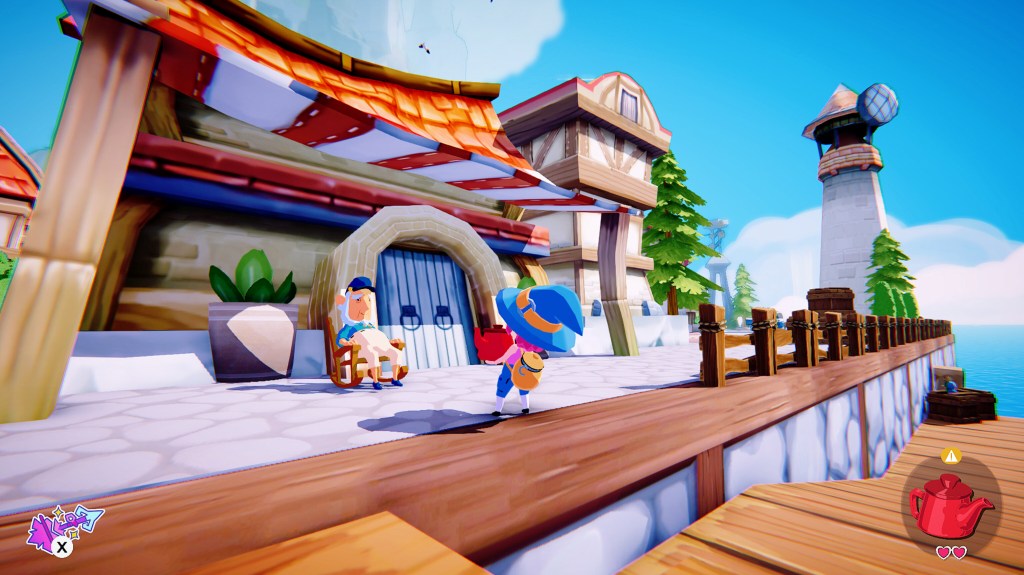
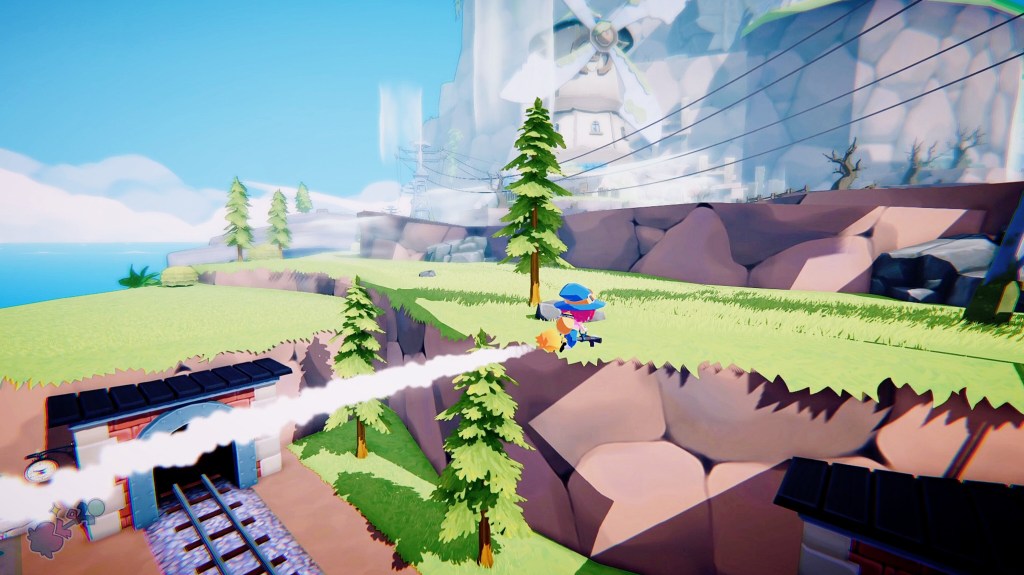


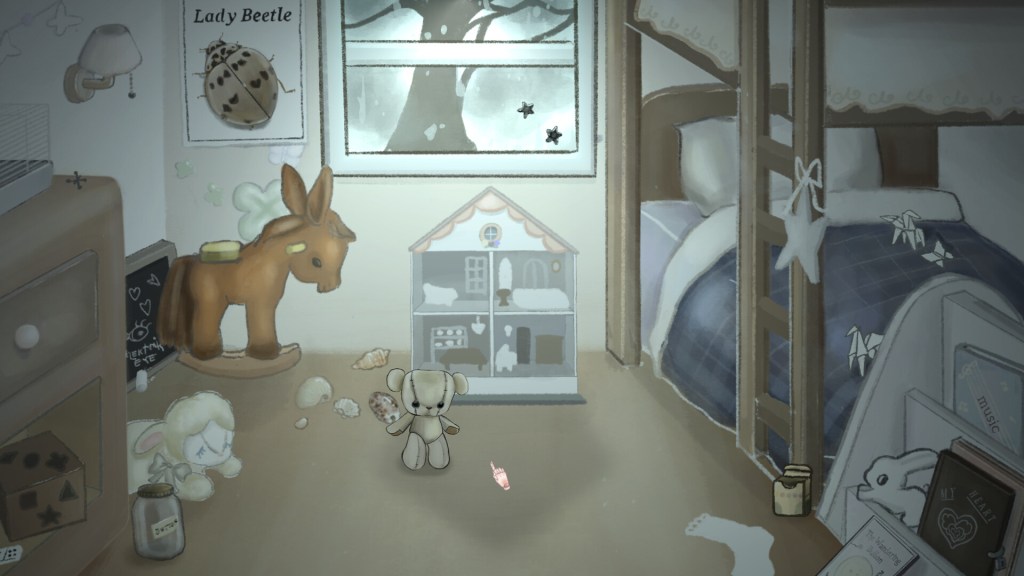
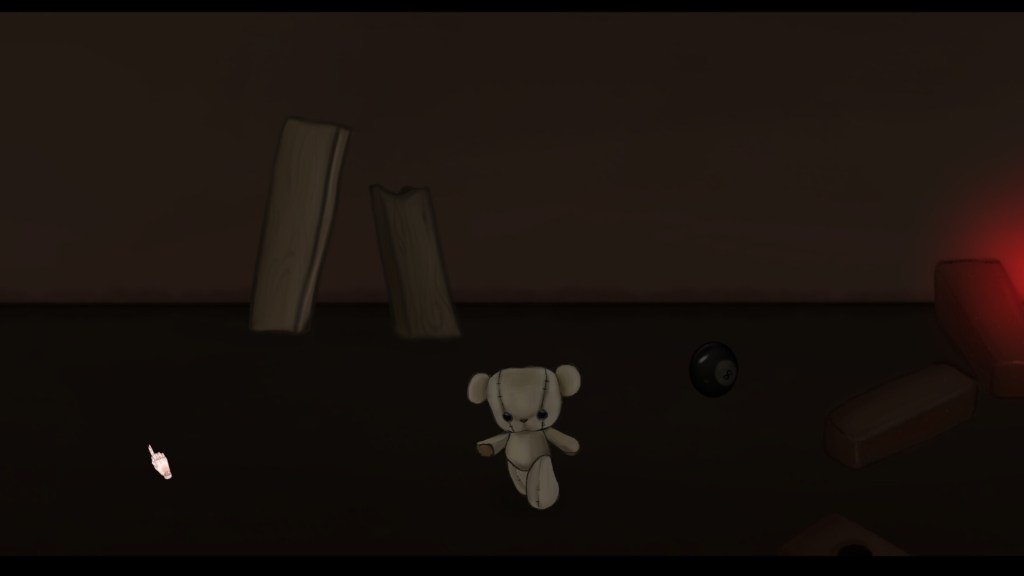


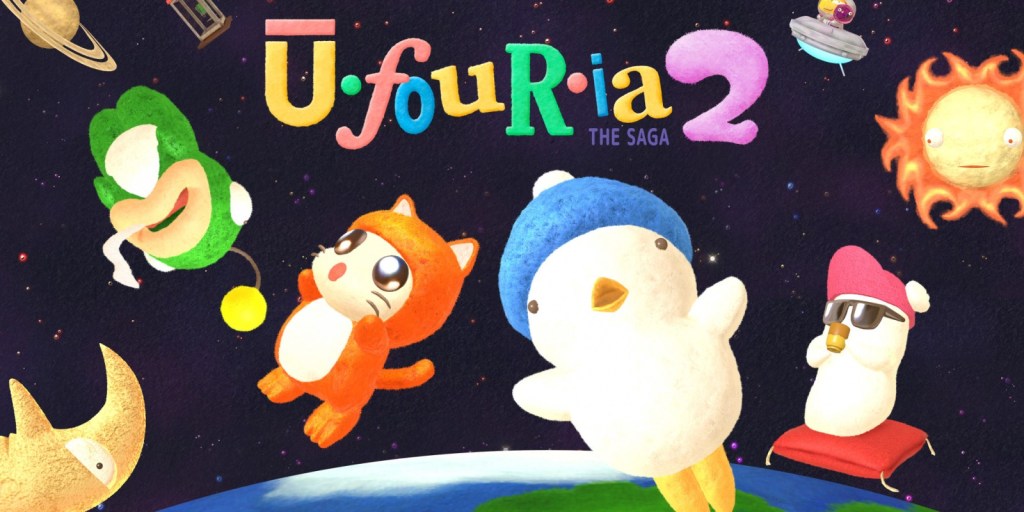

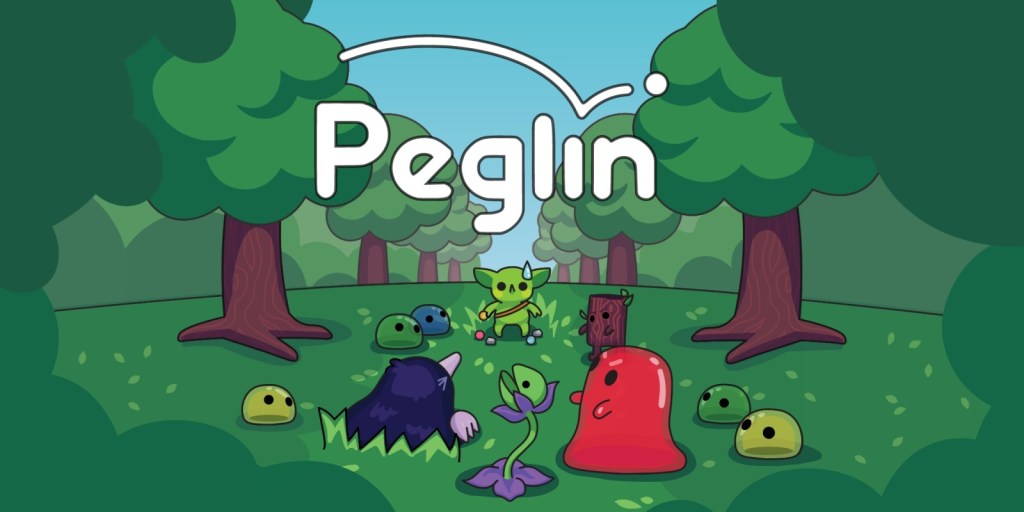


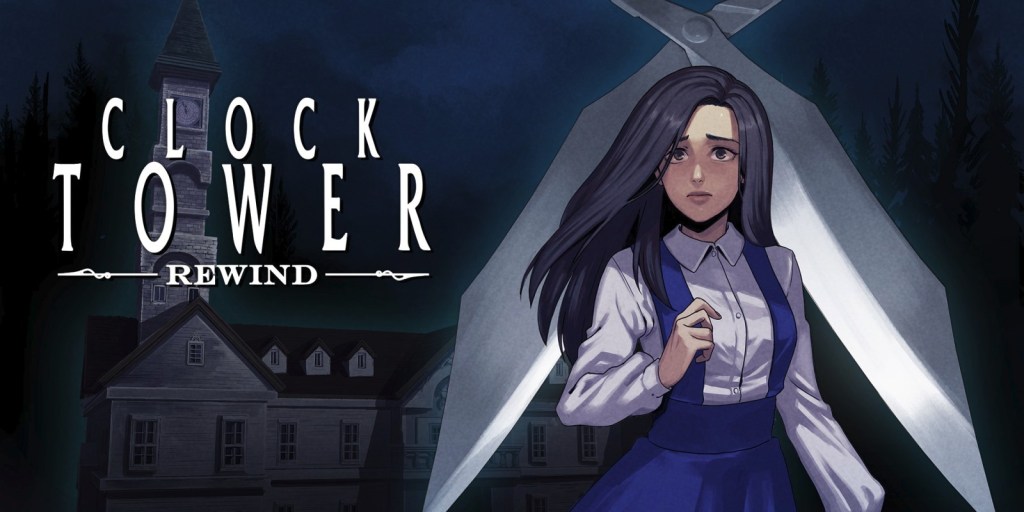
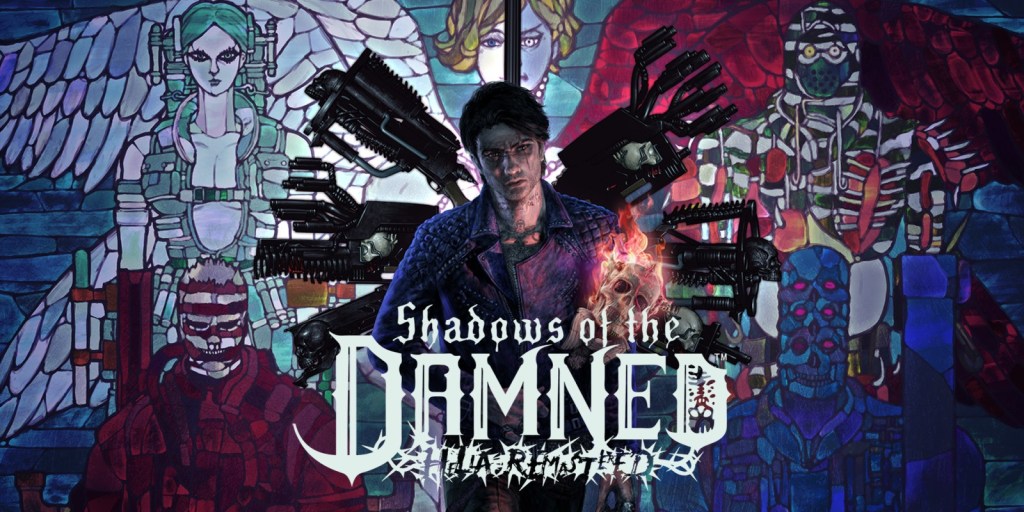


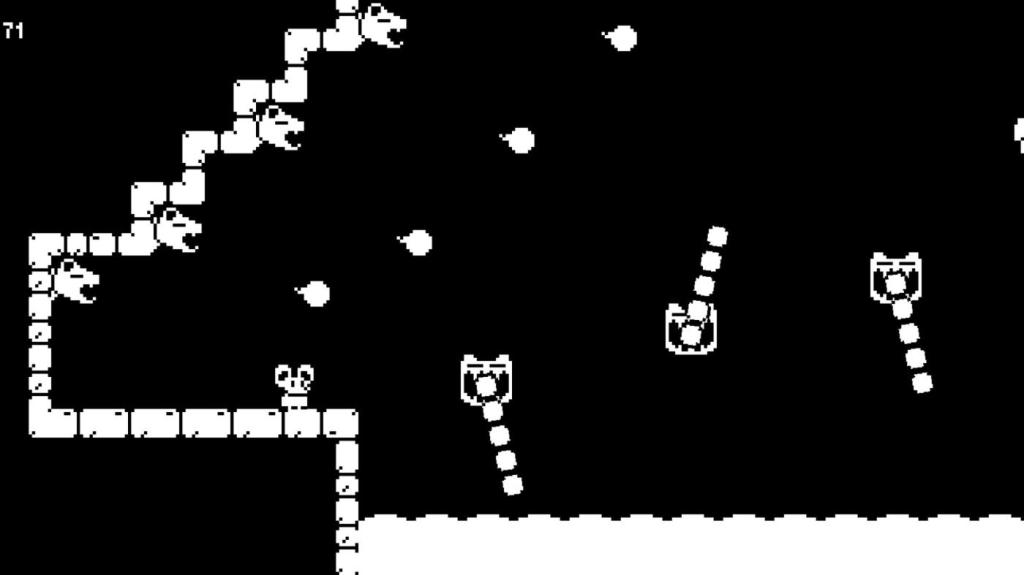
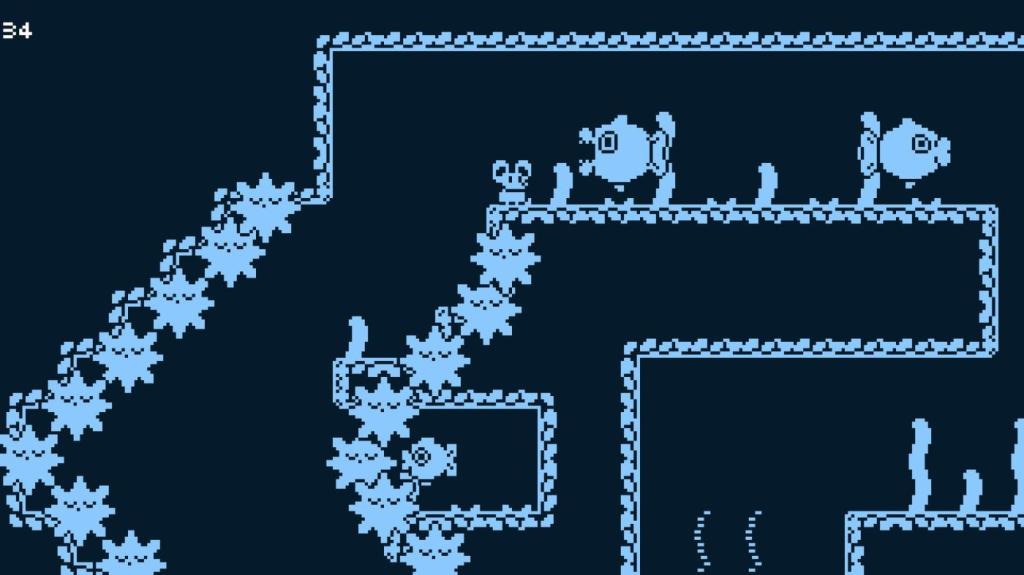
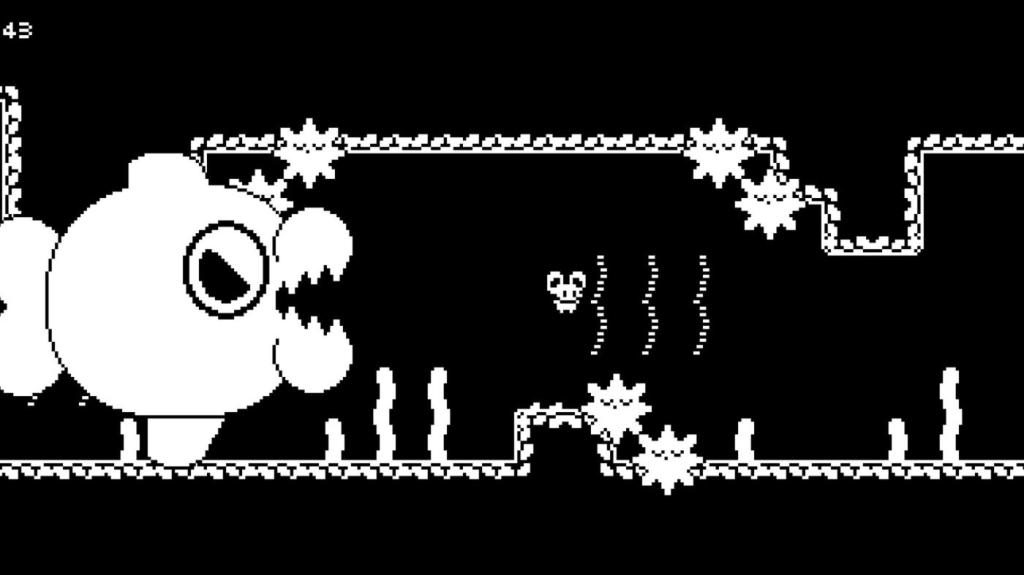
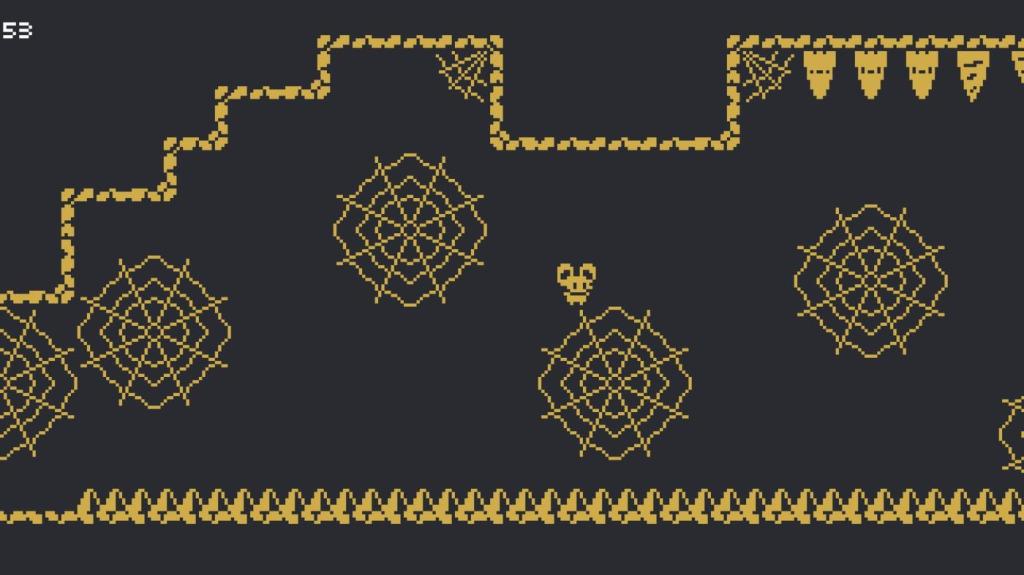


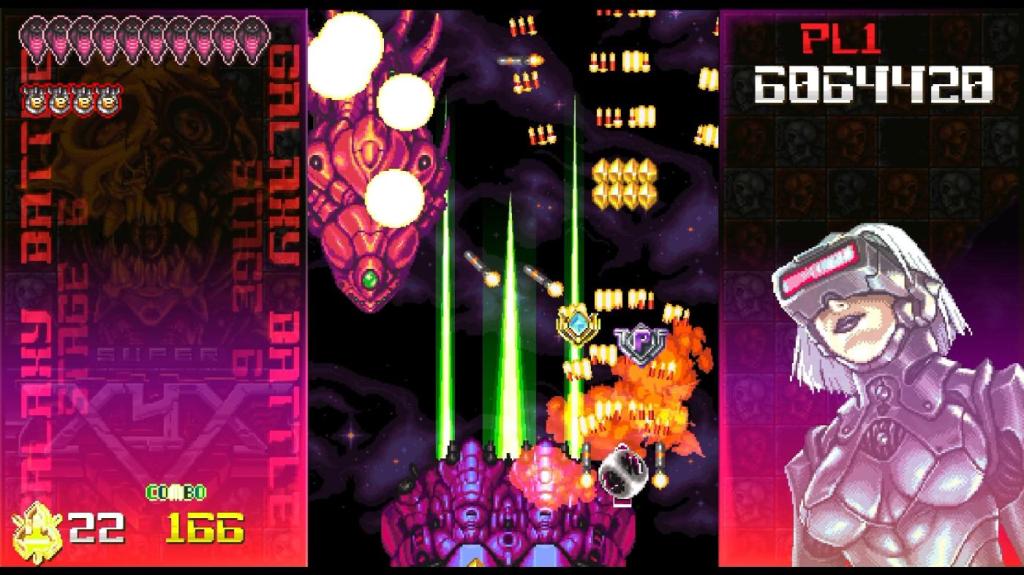


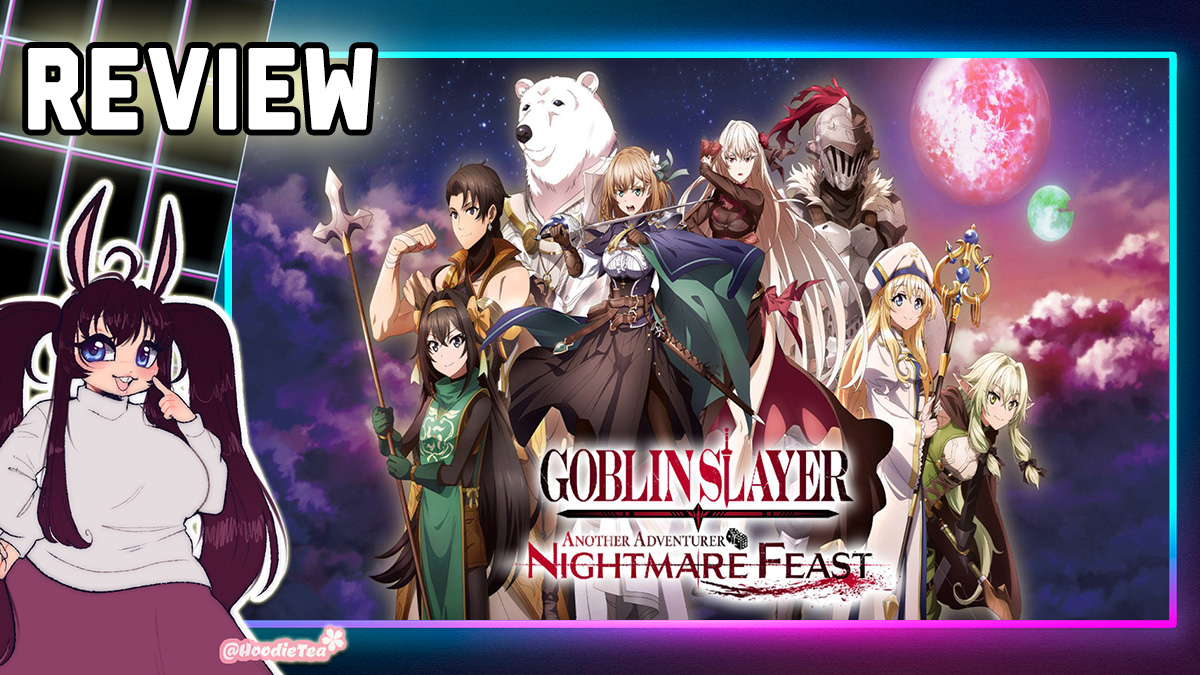

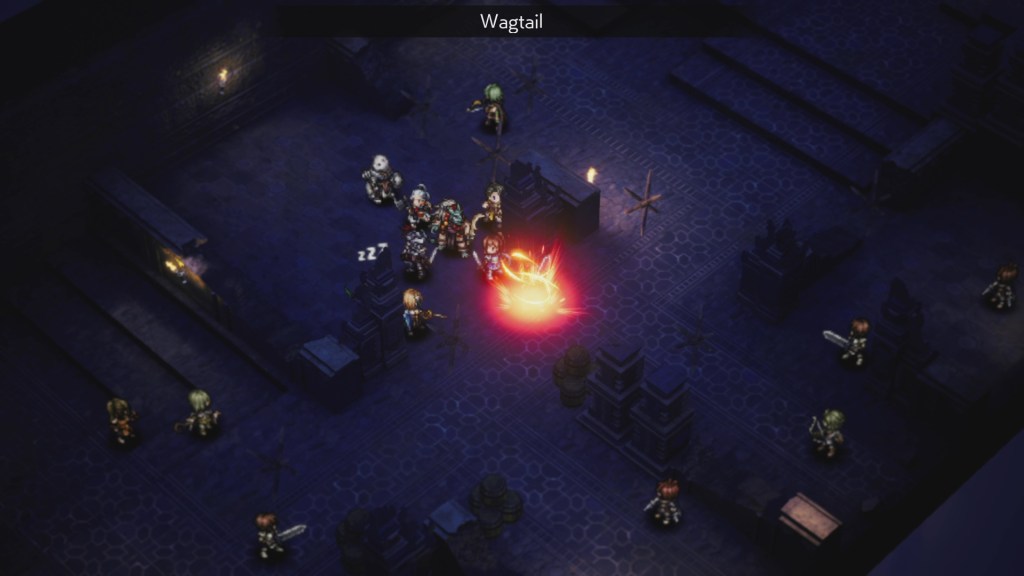


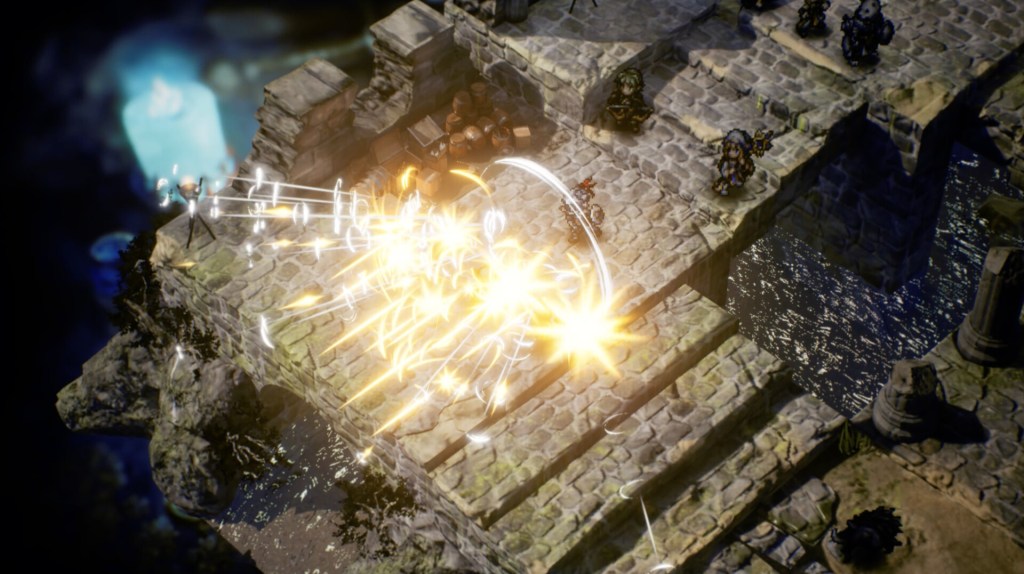
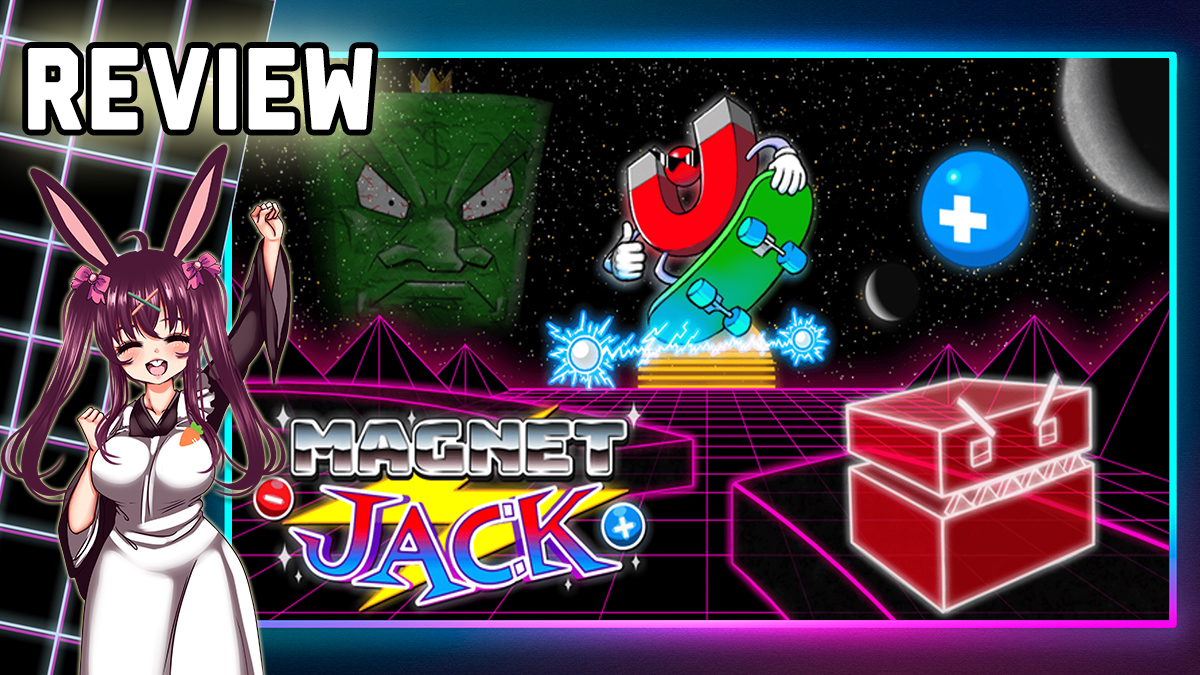


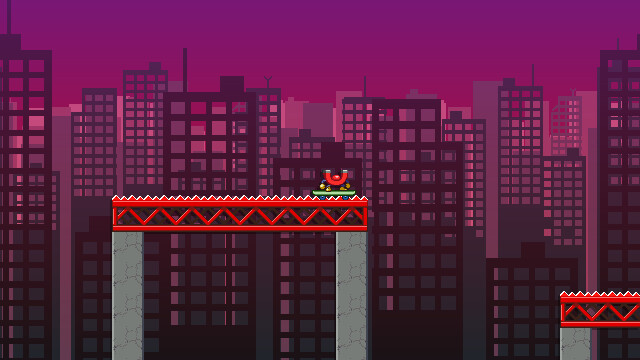
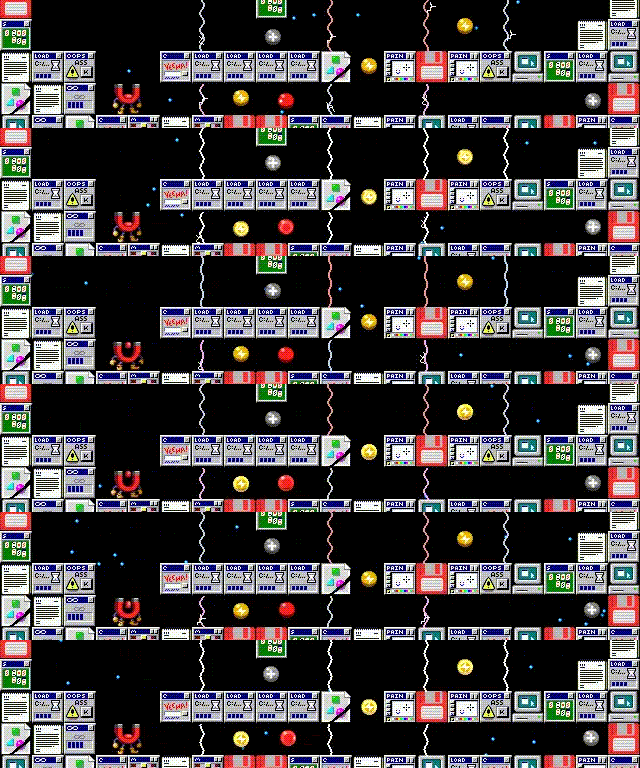

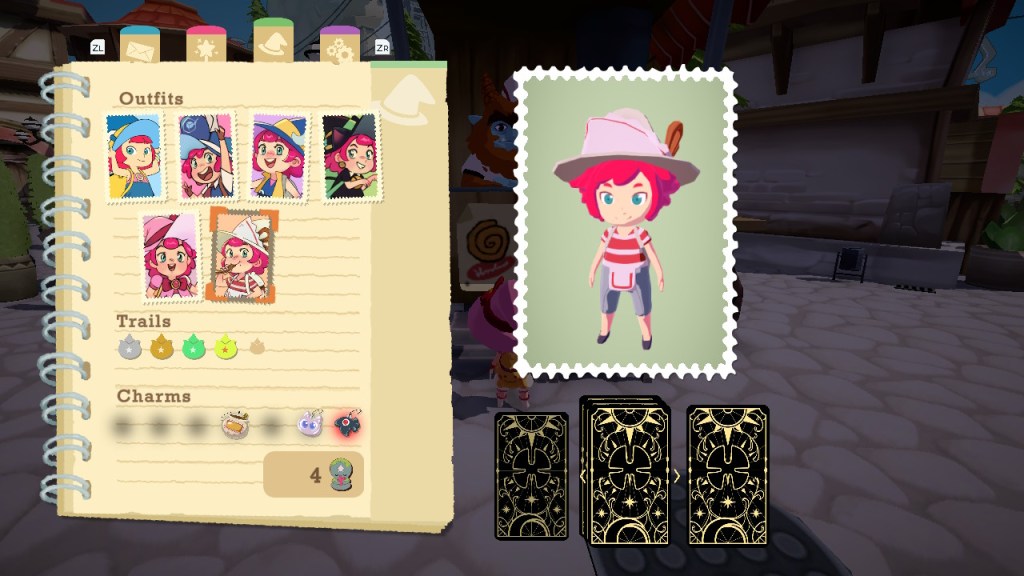
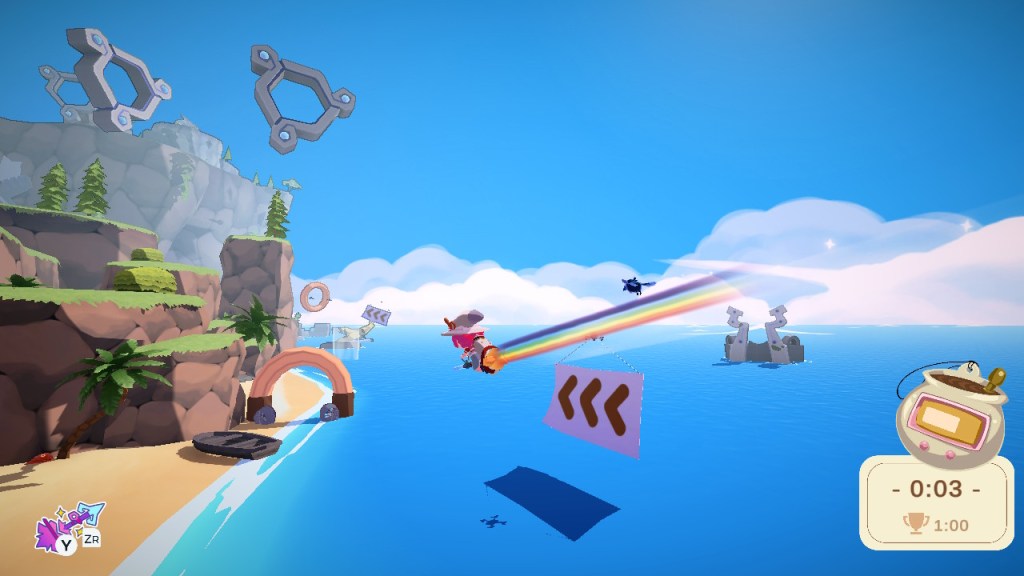
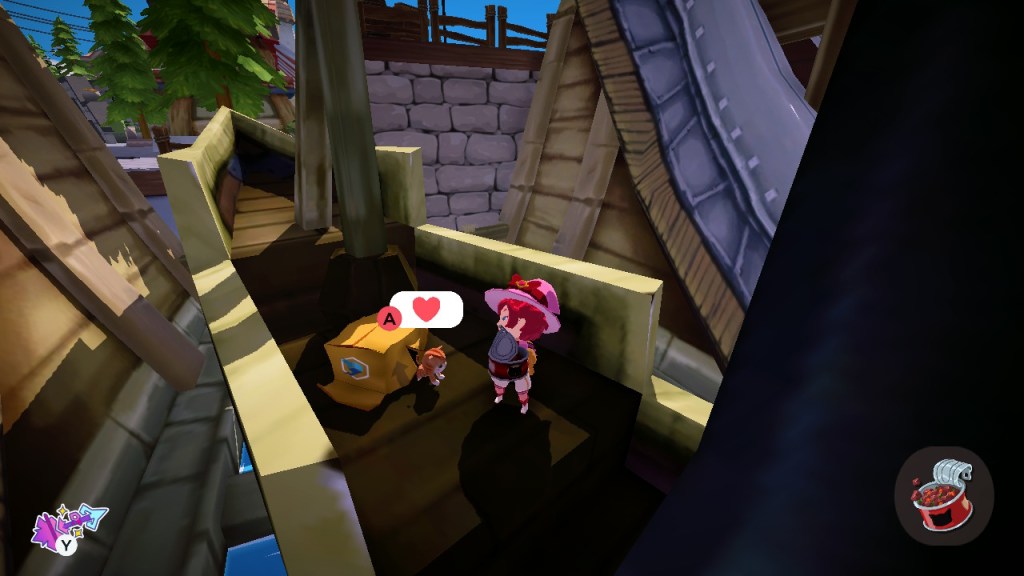


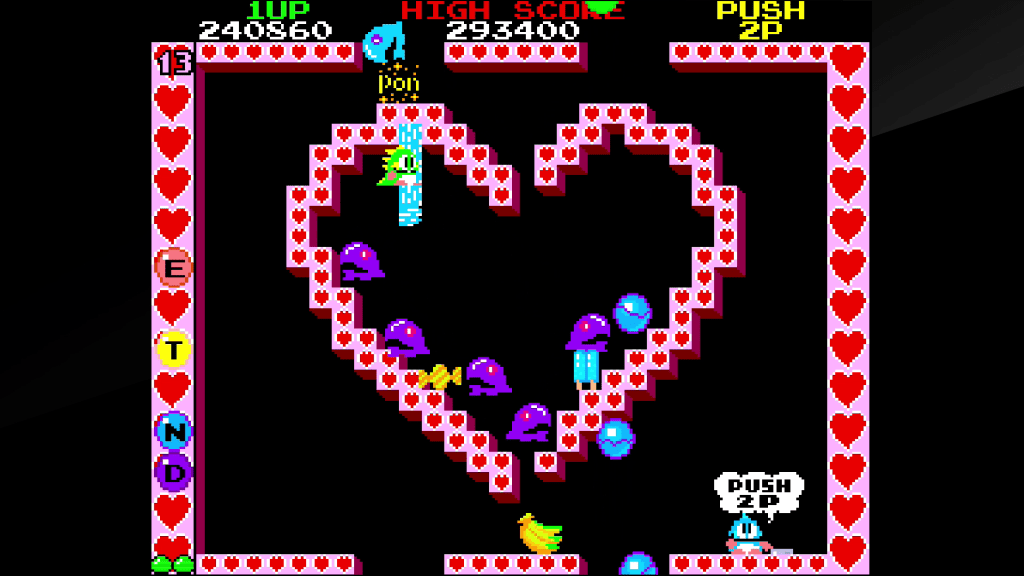
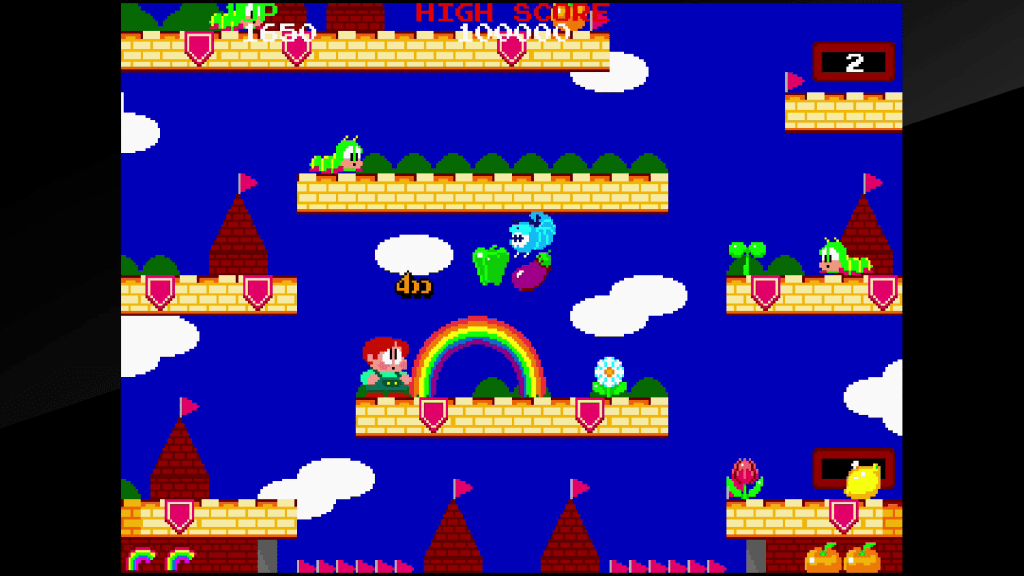

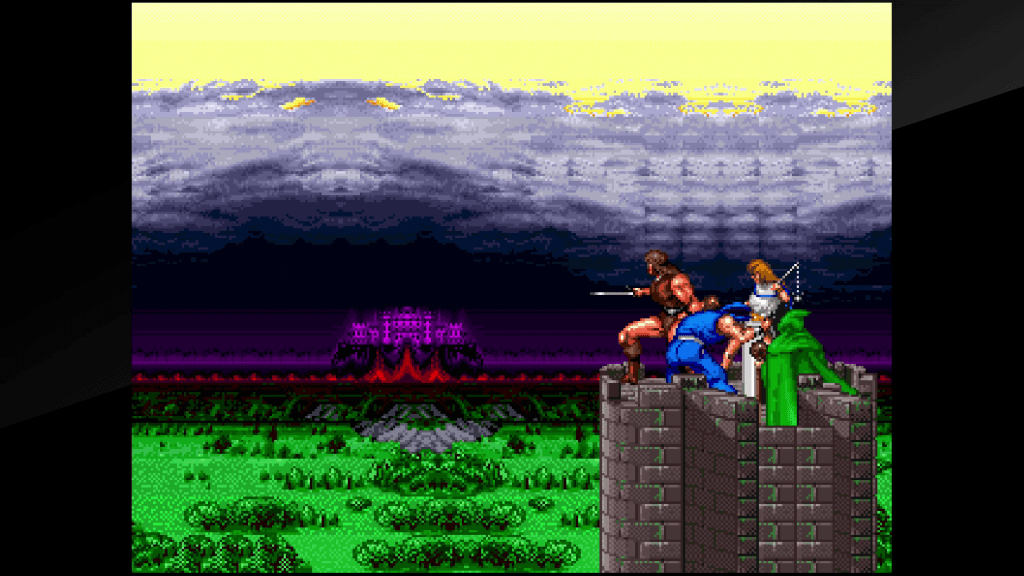
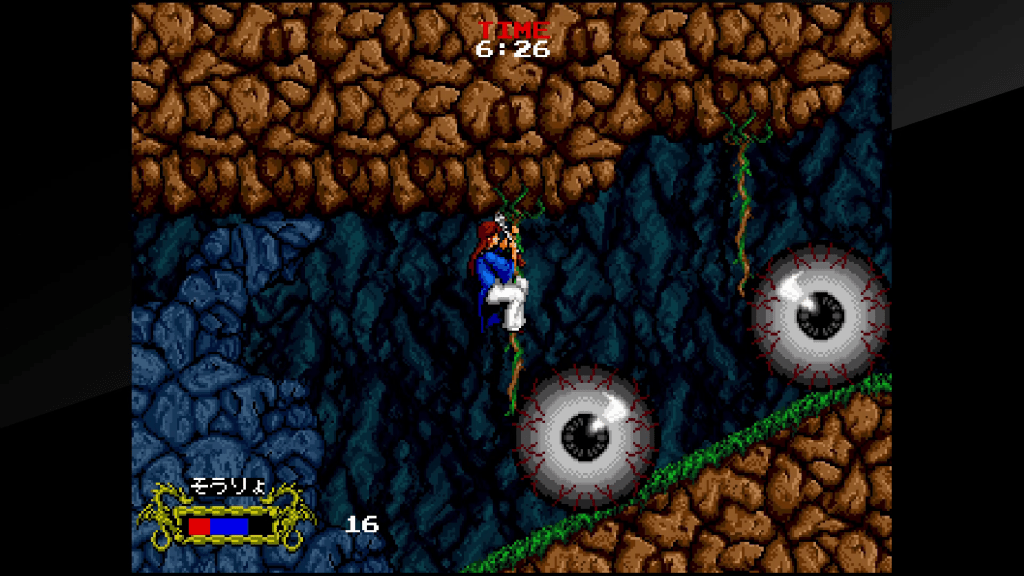
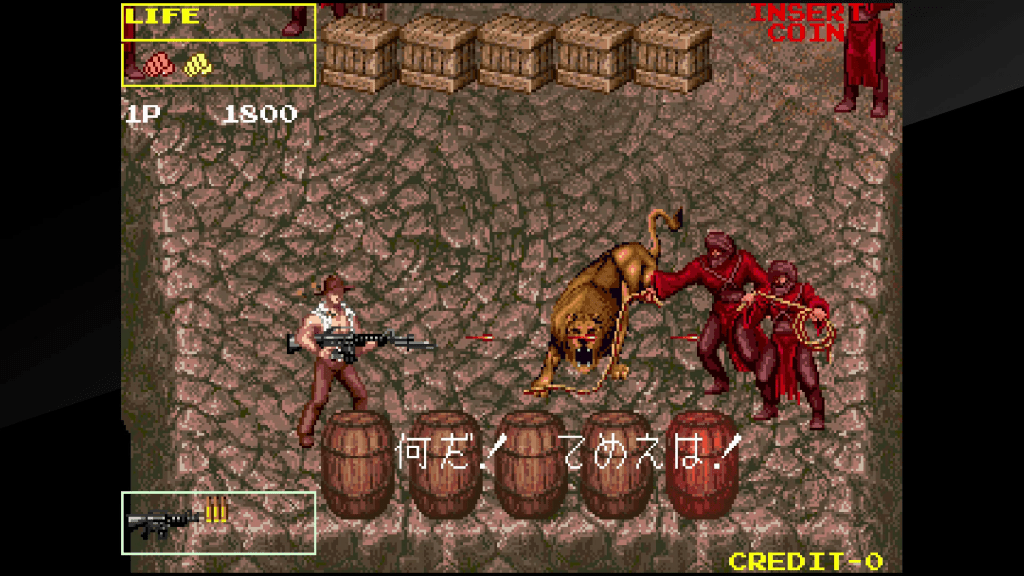
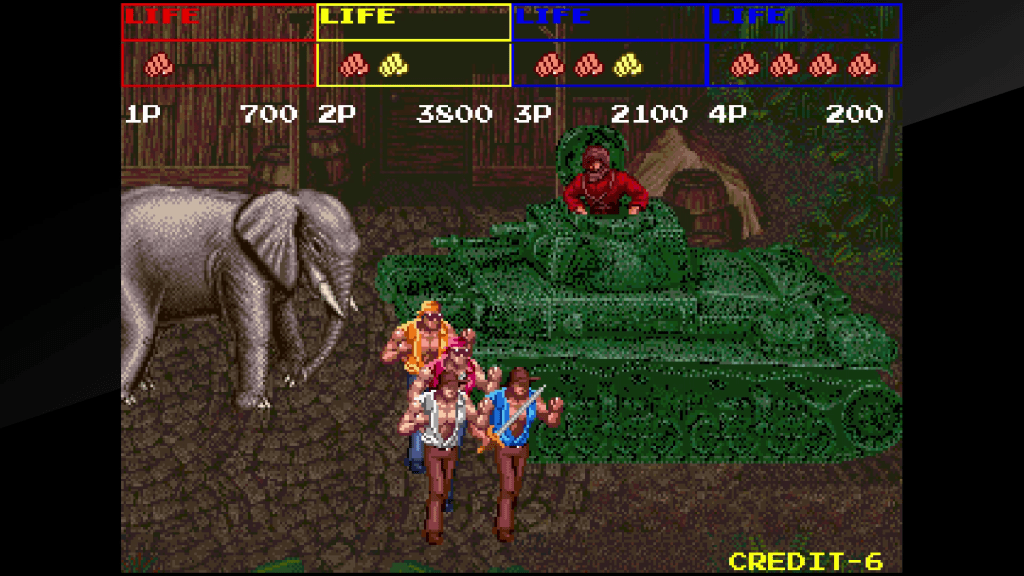
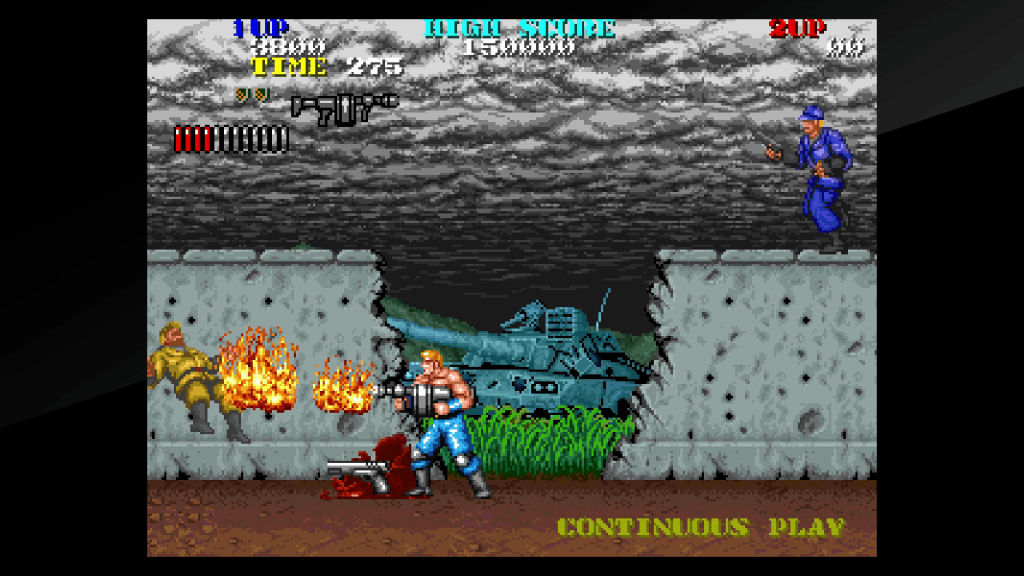
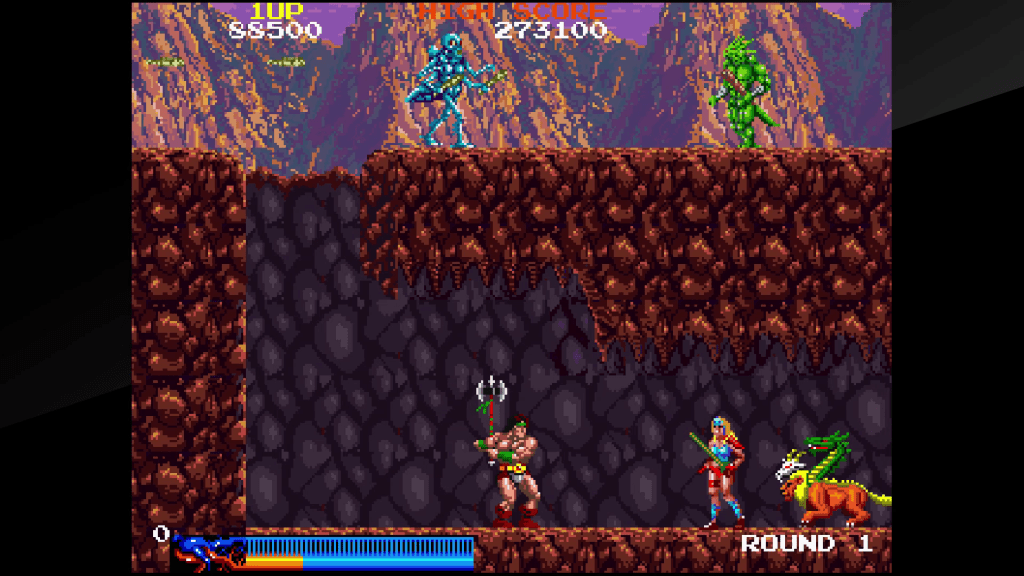
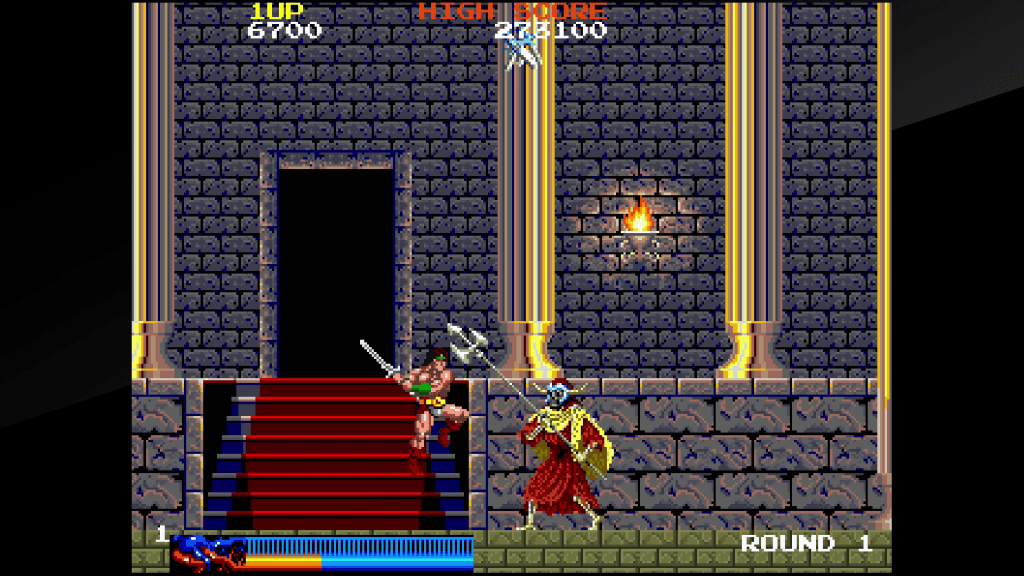

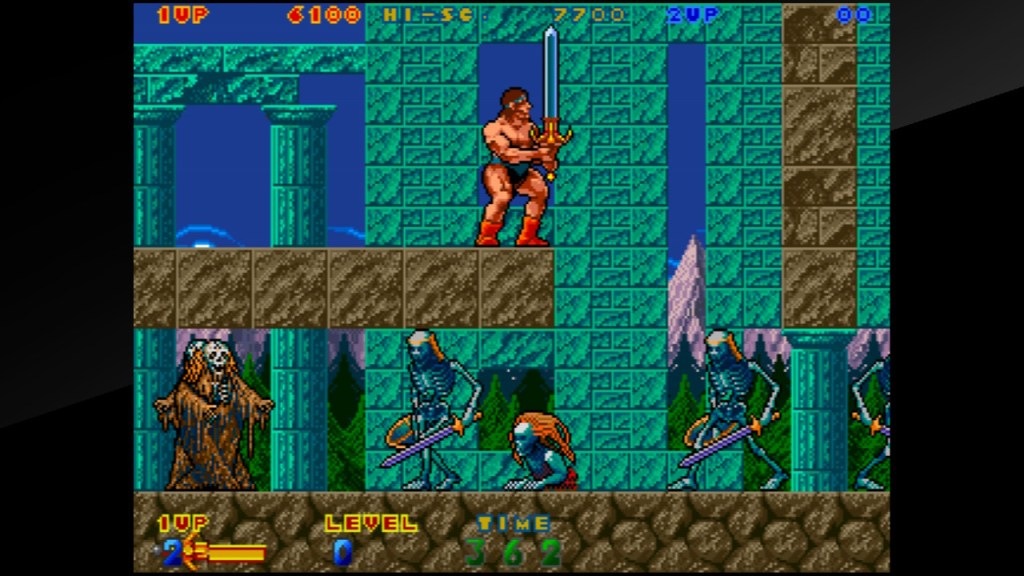
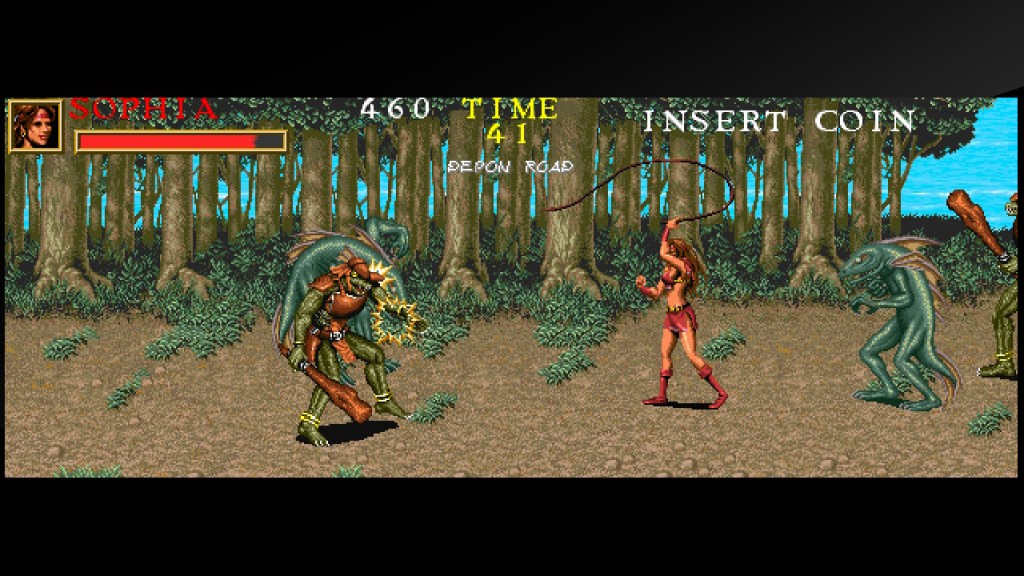
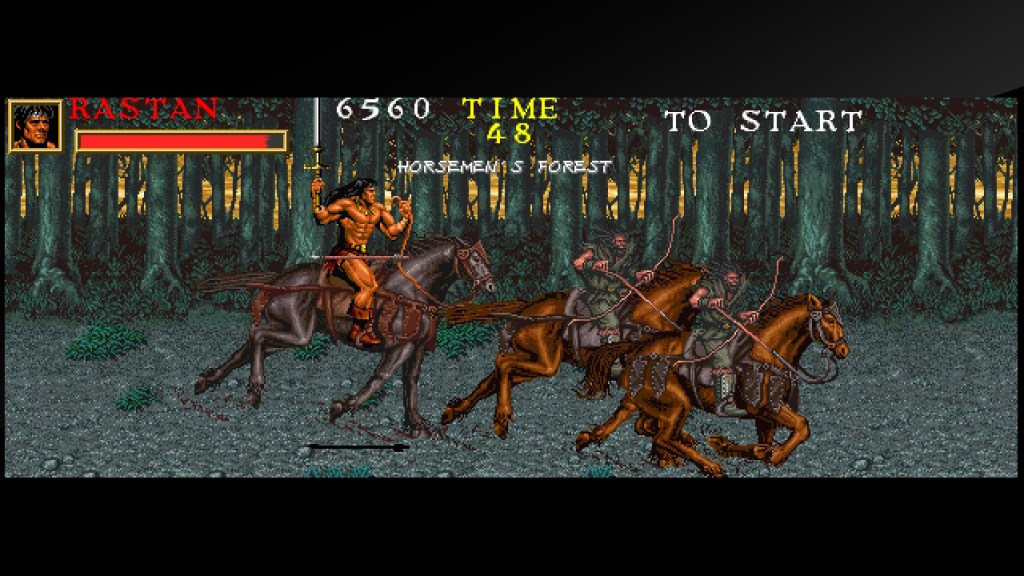
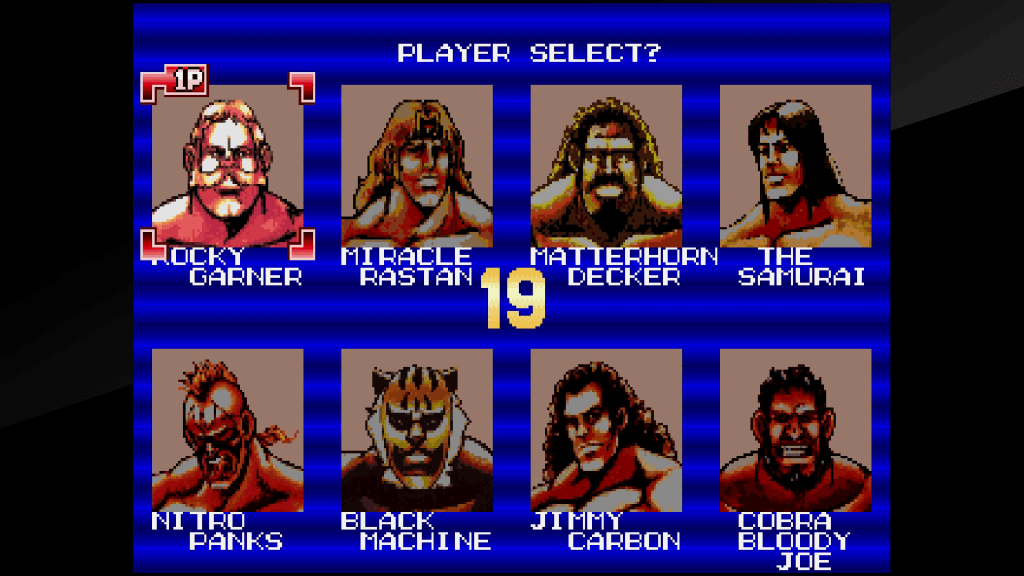
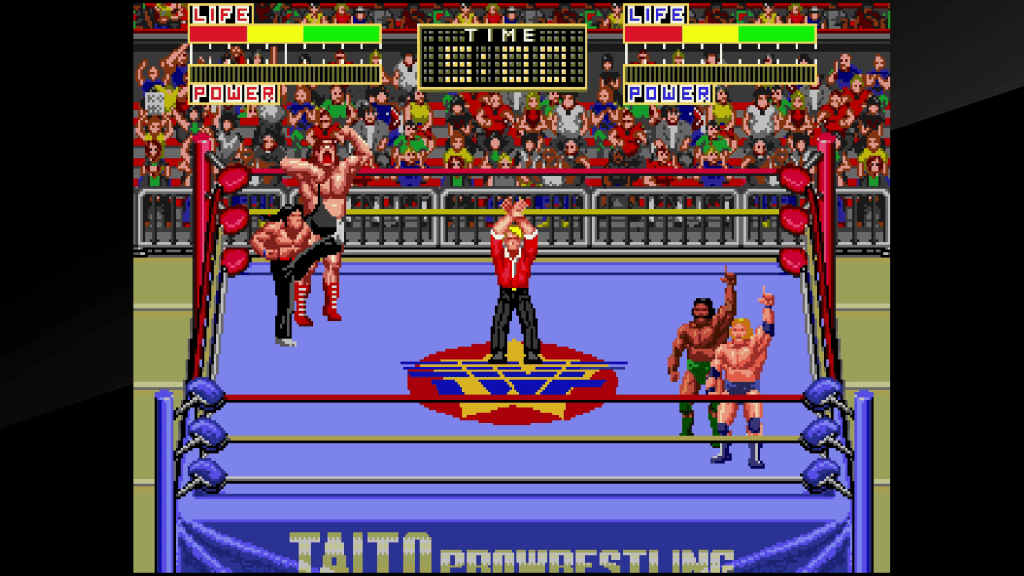

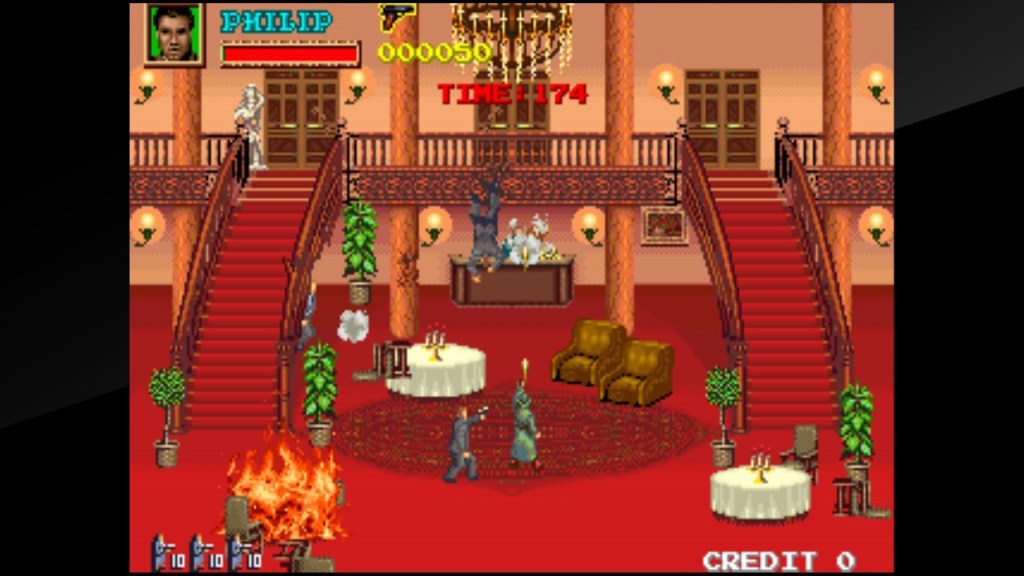
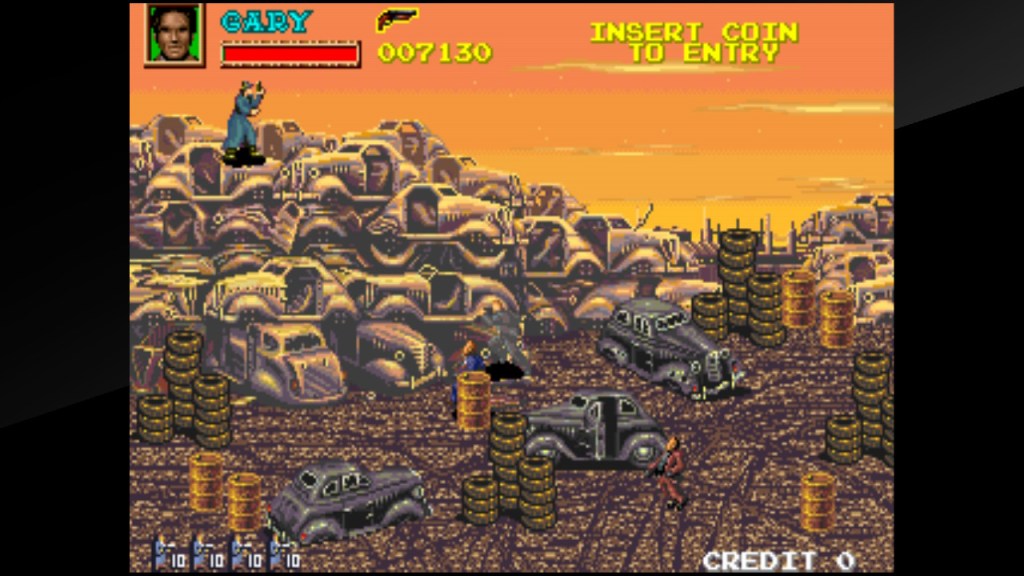

 W.Kohaku Media