Overview – developed and published by GuangMoGame, Melody Ball is a simple yet challenging rhythm action game, with a unique two button gameplay system. As the music plays, tap or hold the button to hit the notes on screen along with the beat of the melody. This title is available exclusively for PC via the Steam service, with a link to the game at the bottom of this review.
Disclaimer: before I get into the review, I would like to thank GuangMoGame for providing the copy of Melody Ball used for this piece, via the Keymailer service. The provision of this software has not influenced the contents of this review, all thoughts and opinions contained within are my own.
Now with the introductions out of the way, let’s get into the review. There is no story for this release, so I will be going directly into covering the gameplay for this release.
Gameplay – Melody Ball is a relatively simple but challenging rhythm game, where the big gimmick for the game is that only one button is needed. The core loop of the game revolves around precision, where each note needs to be hit to complete the song. Just one button is needed to get started, as the first stages of the game have blue tap notes. Each button tap will move the ball to the next note, following the melody of the music.
As the ball bounces along the notes, each note tap must be timed perfectly, as a single late tap will cause the stage to fail. With each successful note hit, a prompt on screen will appear split between good and perfect. This will show the timing of the note hit, with an early input will say too fast. At the end of a song, the player will see how well they performed, showing the number of good/perfect inputs. This also appears if the stage is failed.
After a few stages, a new type of note will be added to the music. These notes are red hold notes, where the button has to be held when hitting the red, needing to be released when it reaches the blue note. These mix up the gameplay, increasing the challenge of the songs that appear. During the first few songs, the note patterns are rather easy following steady patterns with the melody. However, this will quickly ramp up during play.
When the player reaches later stages, the speed of inputs and patterns will significantly increase. These stages will have rapid input requirements, making it much harder to get to the end of a song. This can be a real challenge, but there are some special ways to try and keep the game going, with power-ups that are introduced during play. These are awarded for clearing the songs, being added for later attempts at stages.
These power-ups make the songs more interesting, increasing the variety of gameplay on offer. There are extra life abilities, a lock on the next note and showing the next. If the player clears all stages, a special high score skill is unlocked, granting the chance at massive scores. But this comes with a downside, where the stage will be failed if the player doesn’t get all perfect notes. This really ramps up the challenge and replay value.
The power-ups aren’t the only way to keep mixing up the experience, as there are cosmetic items that can be used. These skins change the way that the ball looks, with a jack-o-lantern, beating heart and even fuzzy soot balls, looking like the sprites from Spirited Away. The inclusion of cosmetic skins give the game more charm, keeping it pretty fresh. This is a positive as the general experience is rather short, with a limited number of songs in the core game.
Although the number of songs included with the game is limited, there is a special feature that makes the content of the game near endless. Included with this game is a song creator, where players can create their own custom levels. In this suite, the player can import a song in .WAV format, add notes and share their creations. This has the possibility to grow a large community, where players create and share their songs with others.
Now with the gameplay covered, it is time to discuss the other aspects of this release, starting with the controls.
Controls – there is a super easy to pick up control scheme for this release, where the player only needs to use one button. The suggested input for this game is to use the space bar, but upon activating the stage, any other keys can be used. This includes mouse clicks, arrow keys and there is even the possibility of adding special controllers. The variety of input options make this very accessible, allowing players of all capability to enjoy the game.
Difficulty – The difficulty curve for this release feels a little odd, as some of the songs are more challenging, whereas others are less challenging. This can be quite the spike in difficulty, especially when the tempo increases and rapid note patterns occur. There is an unfortunate issue when these spikes occur, leading to the chance for missed notes and failures. The power-ups can help, but the best way to succeed is practice.
Presentation – from a visual perspective, this game is pleasing to the eye, with cute cosmetics and artwork that is related to the different musical tracks. Each of the artworks is thematically fitting, with images that have a painterly look to them. Then there is the music, with melodies that are soft, fast paced and even one that has a heartbeat as a motif. The varied soundtrack works well, as it keeps the gameplay experience from getting stale.
Final Thoughts – I am an enjoyer of rhythm games, having grown up with games like Pop’n Music, Elite Beat Agents and Vib Ribbon. There is a deep appreciation for music games, so I enjoy trying out new and interesting releases in the genre. When I saw this I was intrigued by the premise of one button rhythm action, which is a concept that hasn’t been explored too much. It is easy to pick up, but can take some time to get through all of the songs.
There is a lot of fun to be had, as it is a really well made game, with some charming visuals. The game isn’t perfect, as there is some minor trouble when it comes to input timing, which may be a calibration issue. However, I was able to get all of the included songs cleared after a few attempts. I am also excited to see what the community comes up with for custom songs. I can easily recommend this to music game fans, as there is plenty to enjoy in a modest package.
In the end, I give Melody Ball a final score of 4.5/5. This is a charming and fun rhythm game, offering a unique gameplay system that makes the game accessible to all players, with pleasing visuals, a good selection of music and the ability to create custom levels. If you want to check this game out for yourself, a link to the game will be below.
Overview – developed by Idea Factory, Compile Heart and NOWPRO with publishing handled by Idea Factory International, Death end re;Quest: Code Z is the third entry in the brutal horror RPG series. In the world of DE-1.5, follow Sayaka Hiwatari, who gets wrapped up in a crisis that threatens the world itself. This version of the game is currently exclusive to PlayStation consoles, with a link to the game at the bottom of this review.
Disclaimer: before I get into the review, I would like to thank Idea Factory International for providing the copy of Death end re;Quest: Code Z that was used for this piece, via the Keymailer service. The provision of this software has not influenced the contents of this review, all thoughts and opinions contained within are my own.
Mature Content Disclaimer: this title features graphic depictions of violence, grotesque imagery, suggestive scenes and strong language. Due to that, this title has been rated Mature. If you are sensitive to violent imagery or graphic content, please proceed at your own discretion.
Now with the introductions out of the way, let’s get into the review, starting with the story. For this review, I will be covering the experience that most players will have in the normal difficulty, this is due to changes to mechanics in other settings. I have previously covered Death end re;Quest which can be found (HERE) and the sequel which is (HERE).
Story – in World DE-1, Iris was born which set in motion a series of tragic loops. These were unravelled by Arata Mizunashi and his team. After this, Iris created a copy of the world named World DE-1.5. Here, each person is a perfect cog in a perfect world. But a new crisis threatens the peace of the world, a mysterious figure has appeared with a group that resemble the world’s former heroes. Now Sayaka Hiwatari must confront the chaos to restore the peace.
Gameplay – This game follows the same style of Visual Novel and RPG hybrid, which is a staple of the games in this series. The player takes the role of Partner to Sayaka Hiwatari, an unseen presence only known to the protagonist and a few select characters. Throughout the game, there will be VN narrative scenes, which is how the story plays out, showing Sayaka interacting with the various characters of the world.
These scenes occur throughout the chapters of the game, separated into main and sub-story scenes, shown on the City Map. The different scenes are depicted with distinct icons, with the main story being a white exclamation within a red box, with the sub-stories being the inverse. In many of the scenes, the player will be given a choice of dialogue, which will provide the chance for a different outcome. The story may change significantly depending on the choices made.
The sub stories are optional, but can be very important and expand the story. There will be details in these secondary narrative slices that may tie into the overall story, providing details away from the main protagonist. If the player attempts to ignore these side scenes, the player will be given a prompt, telling them that they will be missed. In the event that players ignore these extra scenes, the narrative may get confusing so it is worth taking the time to view them.
At set points throughout the narrative, the player will be prompted that a dungeon segment will occur. While the majority of the experience takes place within Sagami City, there is a world that exists within a parallel dimension. This place is called the Strain Area, a world that has distorted elements related to the real world within it. This is where the real meat of the game lies, as this game is also a challenging isometric dungeon crawling RPG.
When Sayaka enters the Strain Area, they will need to navigate their way through several floors to reach a goal point. These dungeons contain various enemies and traps, which will seek to bring an end to Sayaka. Each time the player enters a dungeon within the Strain Area, the layout will be randomised, making every excursion into the dungeon unique. Here the player controls Sayaka, with the objective of most dungeons being to rescue a captive heroine.
As the player attempts to navigate the grid based floors of a dungeon, each action is counted as a turn. The actions that can be made are movement, attacks and using items. But it is important to know that with each turn the player makes, the horrific inhabitants of the dungeon will also act within the dungeon. There are many dangers that dwell within the depths of the Strain Area, moving through the rooms and corridors of each floor.
The enemies that Sayaka will face are dangerous, with the ability to bring a swift end to her life. These foes are not of the world she lives, but are Strangers, beings that dwell within the distortion of the Strain Area. At the start of each floor, the player will be relatively blind to their surroundings, as the mini map will fill out during exploration. Enemies will show on this mini-map as red dots, moving around in the rooms and corridors on random paths.
If the player encounters an enemy within the dungeon, then battle may occur. Sayaka is armed with a sword at the start, which allows her to attack directly in front of her from 8 different directions. Her main attack is to swing the sword, targeting the enemy in the direction she is facing. If the target is still alive after the attack, they will often respond with violence, dealing damage to her. Enemies can also give negative status ailments to the player.
Some enemies have effects like reducing attack, defense and speed. These negative effects will only last for a limited time, but can lead to taking massive amounts of damage and a high chance of death. Each enemy has an attribute applied to them, split between the Moon, Sun and Stars. Each of these are strong to one but weak to another. This gives the combat a paper, scissors, rock style, which can make it more tense and exciting.
As enemies fall in battle, experience points will be awarded, with Sayaka gaining levels when hitting set milestones. Each time her level increases, her maximum health and other stats will increase, strengthening her in the dungeon. If any damage is taken in combat, Sayaka will be able to “walk it off”, regaining health with each step she takes. However, that isn’t the only way for Sayaka to recover from the injuries she suffers.
Throughout the floors, Items can be collected with many different things that can be found. The most common are recovery items that restore lost health. But there are more items that can be found, with power-ups to increase damage, put enemies to sleep and even unleash deadly attacks. Some items even reveal the map, or parts of it, giving an advantage. But inventory space is limited, so effective item management is key to survival.
Now, enemies aren’t the only danger that exists within the dungeons of the Strain Area, as there will be traps hidden throughout the different floors. These traps can deal damage with spikes and laser beams, immobilise Sayaka or inflict her with sickness. As the traps are hidden, they will only be seen by stepping on them or attacking the space they are in. There are many traps, but the most dangerous of them damage Sayaka’s Sanity.
Speaking of Sanity, this is one of the most unique mechanics of dungeon exploration. Each time Sayaka delves into the Strain Area, she starts with her Sanity at 100%. This will gradually decline when moving, taking damage and from the traps of the Strain Area. As it decreases, Sayaka will fall deeper into madness, reducing her field of view and map visibility. If it falls too low, she has an increased chance to harm herself, reducing her chances of survival.
It is possible to recover Sayaka’s Sanity by using special Ether items, which will restore her sanity and calm the heart beat monitor that is on screen. These items are the most important when it comes to surviving the strain Area, as running out can lead to certain death. So ensuring effective management of Sayaka’s mental state adds further stress to the Strain Area, which is just another thing that players will need to manage as well as health.
When the player reaches set points in the dungeon, the player will encounter horrific monsters which are twisted forms of those in the real world. These enemies are the most dangerous combatants in the Strain Area, as they have incredibly powerful attacks, which can eliminate Sayaka quickly. In these battles, it is pretty easy to die so the player may need to unleash Sayaka’s ultimate power, the Vanquish Style.
Defeating enemies within the dungeons will provide her with Vanquish Points, which will fill up the VP gauge below the health bar. When this meter reaches MAX, Sayaka can transform into her all powerful Vanquish Style. While transformed, she will have increased attack, negative effects are nullified and can even survive a killing blow. This form lasts until the meter expires, causing Sayaka to revert back to normal afterwards.
If the player is able to defeat the boss, the creature will release the captured heroine that the player needs to rescue. This starts an equally stressful situation for players, an escort mission to an exit where they follow Sayaka. During this section, it is possible for Sayaka and the companion to die, which further adds to the stress of the extraction. But there is one more hazard that will make survival even more of a struggle.
Born from the memories of past events in the Death end story, there are beings known as the Glitch Girls. These manifestations of the past are the most powerful entity that can appear, posing great danger to those who enter the Strain Area. They can appear at any time before or after a rescue, hunting the player and attacking with overwhelming power. It is possible for them to destroy dungeon exits, further increasing the difficulty of escape.
If the player can escape, they will receive a rating based on their performance. They will also be able to keep any items that have been found, showing as a list on the results screen. While the dungeons serve as the main way to progress the story, they can also be used to strength Sayaka in more ways than one. This is where the Death End system comes into play, a mechanic that has death serve as catalyst for growth, at the cost of suffering.
Each time Sayaka dies, a Death End will play out, providing graphic descriptions of her cause of death. These are brutal in their descriptions, showing grotesque imagery based on the way that she dies. After these death scenes, the player will be returned to Sayaka’s home as if nothing happened, but she will receive a special point. These can be used in the Death End Skill Tree. There are many Death Ends that can occur during the course of the game.
Speaking of the Death End Skill Tree, the player will be able to visit the Café, which acts like a shop where players can use several facilities. Here the Death End Skill Tree can be used to provide permanent stat increases, alongside buffs like reduced damage from traps. These cost varying amounts of Skill Points, meaning that the player will need to die a lot to fully unlock all skills. But they aren’t the only enhancements Sayaka can get.
In the Strain Area, special items called memories and patches can be collected. These items can be added to the weapons in Sayaka’s arsenal. Several patches can be added to a weapon, increasing the power of the attack and defense of the weapons. Then there are memories, which are which apply special effects to a weapon, like changing the attribute and gaining health. The memory slots are limited for weapons so choose wisely.
In the Café, items can be traded for ENI, allowing the player to buy and sell items that can be used during dungeon exploration. There will be special ENI items that are essentially junk, which can be sold for a hefty chunk of change. The stock of items that the shop has changes with each dungeon run, so it is important to check there often. Using the Café isn’t the only way to manage items though, as Sayaka can use her Home with Shina.
While in the Home, the player will be able to use the closet, storing and retrieving items to prepate for a dungeon run. The player can also sell items that Sayaka doesn’t need, saving time if there is no other reason to go to the Café. Sayaka also has a Piggy Bank, which allows her to save money, depositing and withdrawing it when needed. Next is the Figure Viewing mode, where special scenes can be put together in a photo mode, acting like a diorama.
Last to mention for the home is the Email Quests, where special missions are given to Sayaka. Each of these quests will have a special reward for completion, which can be collected when the conditions are cleared. The completion of these missions can provide new figures and stages to use in the photo mode. So it is important to check back with the Quest Emails often, as there will be plenty of rewards to be unlocked by completing them.
Finally, we come to the Subway, which is run by an imposing man in a suit. This is where the “Strain Train” can be accessed, allowing dungeons to be accessed. This is where the player will need to go for events, but can also be used to challenge cleared dungeons. By replaying dungeons, items can be collected and Death Ends can be achieved, allowing players to prep for later delves. A list of enemies can be viewed, showing if they have caused a Death End.
Now with the gameplay covered, it is time to discuss the other aspects of this release, starting with the controls.
Controls – this title uses a rather simple control system, with the inputs for the game laid out in an easy to pick up manner. The tutorials that the game provide make it easy to learn how to play, with the D-pad and Thumbstick controlling movement, alongside the face buttons for the most important functions. The triggers provide additional special functions, like the Vanquish Style for players to use. There is a handy guide players can use for a refresher.
Difficulty – there are three different difficulty settings, providing a vastly different challenge for players. The recommended setting is normal, where Sayaka retains everything regardless of if they die or not. In the Elite setting, Sayaka will lose items and ENI upon death, but in Expert, Sayaka loses everything, resetting her to level 1. These settings offer a wildly different experience, with a very high-risk challenge that can be punishing and brutal at higher settings.
Presentation – visually, this release uses the trademark art style of Nanameda Kei, who created beautiful character art, as well as the disturbing and violent death scenes. These were created in collaboraton with Kedouin Makoto, who is the writer for the Corpse Party series. The graphic nature of the imagery adds to the horror, looking to get a visceral reaction out of the viewer. Then there are the creatures, which are equally as gruesome to behold.
The settings and environments further build the atmosphere, leading to an overwhelming sense of unease throughout the experience. Then there is the sound, with music from the other games, classical music and new tracks that adds to the haunting and unsettling feeling of the game. Last is the voice work, which is entirely in Japanese which made scenes more impactful, making each dramatic and death scene much more intense.
Final Thoughts – having played the first and second Death end re;Quest, I was extremely excited when Code Z was announced. This was followed by disappointment that the Switch version was cancelled, but thankfully we still have the PlayStation release. There is something so unique, so brutal about the horror experienced in Death end re;Quest, which this game did not let up on. It is just presented in a different manner, which keeps it fresh.
This might just be the most intense and violent story yet, surpassing both Death end 1 and 2, which were brutal to begin with. There were moments where the experience caused me severe anxiety, especially during the tense sections of the game. This was most prevelant during times where I couldn’t manage the Sanity meter, leading to panic while trying to survive. I love Japanese horror, as it can be so much more intense than anything seen in the mainstream.
The core gameplay loop, the tension and overall presentation is engaging, keeping me coming back after each brutal death. I wanted to get that little bit deeper and see what was next. There is some mild grinding, as there are items that are required for survival, which can lead to mild frustration when running out and suffering an inevitable death. But I will recommend this to fans of the series and Japanese horror, as it has all of the elements that make them so good.
In the end, I give Death end re;Quest: Code Z a final score of 4.75/5. This is an outstanding horror experience, with a narrative that is as engaging as the gameplay is anxiety inducing, with elements of the other games that tie it all together, making this possibly the best horror game in recent years. If you want to check out this game for yourself, a link to the store will be below.
Overview – developed by Vampixel Games and published by Eastasiasoft, Exo-Calibre is a bullet hell shooter where an AI has gone haywire and pose a risk to humanity. The Ex-Calibre Knights have been deployed , with their objective to take down the AI that is attacking civilians, restore order and save the world. This title has been released on all console platforms and Steam, with a link to each version of the game at the bottom of this review.
Disclaimer: before I get into the review, I would like to thank Eastasiasoft for providing the copy of Exo-Calibre that was used for this piece. The provision of this software has not influenced the contents of this review, all thoughts and opinions contained within are my own.
Now with the introductions out of the way, let’s get into the review, starting with the story. I will be covering the core gameplay experience, while keeping details brief on the extra content to prevent spoiling the fun for players.
Story – The Ex-Calibre Knights are elite pilots, who don state of the art exo-mech suits, allowing them to take to the skies and keep the peace. They are the defenders of the world, protecting the innocent with their powers. The Exo-Tech corporation developed advanced weapons and defences, with the goal to protect humanity. However, their AI drones have gone haywire, attacking the populous, now the Ex-Calibre Knights have been deployed to restore order.
Gameplay – Exo-Calibre is a 2D bullet hell shooter, offering an arcade style shooting experience, similar to that of 90s shooter like Twinbee. The game is split into 4 gameplay modes, with the first two available being Story and Arcade mode. These are available from the start of the game, offering two distinct gameplay experiences for players. Story mode has infinite lives, whereas the Arcade mode has limited lives and only one credit.
When starting a game, the player gets to select from one of six playable characters, with the three Ex-Calibre Knights available at the start, with the others locked. The selectable characters have their own distinct characteristics in battle, with different fire rates applied to each of them. The three playable girls at the start of the game have straight linear shots, burst shots and shotgun spread blasts. These give the action a unique feel with each character.
In the Story and Arcade modes, the players will make their way through 7 multi-checkpoint levels. In each of these missions, the player must battle through waves of enemies, shooting down the AI forces that appear on screen. During battle, the player has their main weapon, a Melee attack that will send bullets back to enemies and a boost to deflect enemy shots. The Melee and Boost make the player invulnerable, making them useful for survival.
It is important to be conservative with the Boost, as it is limited in how much energy it has. If the player uses too much of their Boost, they will run out of energy leaving them vulnerable. To refill the Boost energy, the player must shoot down enemies, with each one defeated restoring a portion of the bar. It is also important to be careful when using the Melee attack, as it has a brief cooldown between uses, leaving the player open to damage.
During the course of the game, special bolts will appear on screen dropped by enemies that have been defeated. Picking up these shining bolts will add scrap points, which are the currency that the player uses in the game for upgrades. Solid bolts offer a lower amount, but if the player can shoot the bolt enough they will explode, giving a higher amount of scrap value. It is important to collect as much of this scrap as possible.
At the end of a stage, the player will encounter a powerful boss. These imposing foes will attack the player with varied patterns, including large bullet spreads and laser blasts. These boss battles can be tough, with large bullet spreads and attacks that will fill the screen with hazards. To take down each of the bosses, the player must hit their weak points which will often glow. When a boss is taken down, they will provide a lot of scrap points as a reward.
Between stages, the player will enter the shop, where they can buy upgrade points for their abilities. These upgrades are split into Attack, Speed, Health and extra lives. When buying upgrades, the player can buy up to four upgrade levels for the first three abilities. The upgrades start off costing a relatively low amount, but as each purchase is made, the cost will increase. This system will make for tough decisions on what upgrades to purchase.
There is one minor issue with this game, the speed of the player characters can be pretty slow compared to other Bullet Hell shooters. This makes it really important to increase the character speed, so enemy shots and bullets can be dodged a little easier. Due to the lower speed, it is possible to get trapped by large bullet spreads. Due to this, it can feel a little unfair when trying to dodge enemy shots, especially during tougher boss battles.
During the course of story mode, the player can take several hits before they get shot down. If a life is lost the player will respawn at a checkpoint, but if the player has no lives they will lose scrap as a punishment. During Arcade mode, the player has less health in general, returning to the point of death immediately. If the player loses all lives, they will get a game over and be returned to the title screen, so buying lives to keep going can be important to succeed.
Away from the main two game modes, there is a Boss Rush and Time Attack, which are unlocked by meeting special requirements. Then there are the extra characters, which include a feline knight, which are unlocked in the same manner as the extra modes. These additional modes and extra characters add to the replayability, giving players more content to enjoy. Each of the characters have four marks to fill, further adding to the value on offer.
Now with the gameplay covered, it is time to cover the other aspects of this release, starting with the controls.
Controls – there is a pretty simple control scheme, allowing players to pretty easily jump into the game. When starting the game, a tutorial screen will show up letting the player try out their character, with the inputs on screen as reference. In general, the inputs work pretty well and are a good way to get players into the genre. The Dual Shock 4 controller is perfect for this game, but third party controllers may give a better experience.
Difficulty – in general, this is not that tough a game when it comes to the Story mode, as there is no definitive failure state. This allows players to keep playing, making it a good choice for all players, but the same cannot be said for Arcade mode. There are no additional continues, meaning the player has one shot to get to the end, increasing the challenge. The same can be applied to the other unlockable game modes too, making for a real tough challenge.
Presentation – there is a rather colourful art style to the game, reminiscent of classic arcade shooters like the Twinbee series. This is accomplished through good use of color, vibrant pixel art environments and bold sprite work. Throughout the game, players will also see story dialogue, with cute portraits of characters. All of these elements, alongside the excellent soundtrack come together wonderfully, creating an experience that feels like a classic arcade game.
Final Thoughts – I do enjoy Bullet Hell games, which I admit I am not the best at, but I still give em a good try. So when I got the chance to play this, I went into it and was not sure how to feel during the initial experience. There was some awkwardness with the action, due to how slow the characters moved, leading to a few unintended deaths during play. But as I got further into it and obtained upgrades, these difficulties were lessened.
In general, I had a really good time with this, unlocking the extra modes and characters. This is an approachable first step in the genre for new players, but can be frustrating during the first couple of attempts. This is due to how tricky some of the bosses can be, especially the ones that have multiple attacks. But overall offers a good introduction for newbies, while also presenting a challenge for veterans, so I can happily recommend picking it up.
In the end, I give Exo-Calibre a final score of 4/5. This is a well crafted 2D Bullet Hell shooter, with cutesy pixel art sprites, charming characters and lots of bullets on screen. It can be tough, but is balanced enough to allow first time players to get to the end. If you want to check this game out for yourself, a link to each version will be below.
Overview – developed by TOZAI Games and IREM in collaboration with Ratalaika Games, with publishing by ININ GAMES, Volume 3 of the IREM collection brings three classic titles to modern platforms. Three more games that have been on trapped on expired hardware have broken free, being re-released onto new platforms. This compilation release is available on all console platforms, with a link to each version of the game at the bottom of this review.
Disclaimer: before I get into the review, I would like to thank PR Hound for providing the copy of IREM Collection Vol 3 that was used for this piece. The provision of this software has not influenced the contents of this review, all thoughts and opinions contained within are my own.
Now with the introductions out of the way, let’s get into the review. As this is a compilation release, I will be covering the games individually, then discuss the overall package as a whole. I have covered the previous 2 IREM Collections, with VOL 1 (HERE) and VOL 2 (HERE).
MR Heli is a multi-directional shooting adventure, where the player controls the titular MR Heli, an orange helicopter that can fly and walk. The player must nagivate through each of the multi-phase levels, shooting enemies, breaking rocks and collecting crystals. The player is able to fire their blaster left and right, launch missiles upwards while in the air and drop bombs while grounded. All of the weapons can be used against enemies.
As the player reveals and collects the gems, they will gain money that is added to their on screen total. Big gems give $500, medium $100 and small $20, with the bigger ones breaking into smaller ones if the fall to the ground. The money that is collected is used to purchase items, with the ability to buy weapon upgrades for bombs, missiles and the blaster. The player can also collect fuel to replenish energy, alongside some other special power-ups.
During a stage, there will be enemies that appear from all directions and attack the player, losing energy from contact damage and enemy fire. The amount of energy lost will vary depending on the enemy, attack and there is also the chance for instant death from some enemies. Depending on the stage and where the player is, they may respawn at a checkpoint, but all power-ups and money collected will be lost. This can be quite a setback.
The stages themselves are split into two distinct gameplay styles. Part 1 is similar to your traditional scrolling shooter, moving around the stage to shoot down the enemies. These phases end with a mini-boss battle before moving on. Part 2 of the stages is more of a dungeon crawling segment, that leads to the end stage boss. This changes at the final stage, where a battle on the moon takes place, with no final dungeon crawl.
There are two versions of the game available in this collection, with the Arcade and PC-Engine version of the game available. The experience is mostly the same, with a couple changes. The arcade version is highly detailed with a large screen view, whereas the PC-Engine release has some screen crunch and reduced. In the PC-Engine version, there is Normal and Arcade mode acting as difficulty options, with a second game loop to extend gameplay value.
Mystic Riders – Arcade 1992
Mystic Riders is a side scrolling shooter, where the powerful spellcasters Mark and Zeal set out on a quest to save the world from a great evil. Taking place across 6 stages, players must dodge and weave through enemy attacks, shooting down the monsters that get in their way. The player can shoot to the right and charge up an attack to deal big damage, but the player cannot shoot behind them as there is no ability to turn around.
However, to remedy this issue there are a couple of techniques that players can use. The first is the ground attack, which lets the player walk on surfaces to attack, with the ability to shoot directly up with a spread shot. Then there is the broom strike, where players can throw their broom across the screen to hit enemies. A special broom flip is the last special technique that players can use, activated by quickly moving up and down.
Throughout the stages, the player will find gems which are dropped from enemies or located in chests. These gems will level the player up when they are collected, increasing the size of player shots, damage done and the power of the special charge attack. Players can also find elemental gems, which change the type of attack the player can use. There are two elements, Lightining and Fire, with their own unique special charge attacks.
The special attacks do have a downside, as they can cause some serious slowdown, especially when using the fire charge attack. If players take damage from enemies, they will lose a life and the power they have accumulated. This can be a bit disappointing after reaching max level, due to the loss of power. However, due to the abundance of gems that will be dropped, players can quickly reach max level again in a short time.
At the end of each stage, the player will face off with a powerful boss. Many of these battles will have more than one phase, where the player needs to change their strategy mid battle. These bosses are pretty challenging, with encounters against giant turtle monsters, dragons and even a rock spirit. When the stage is cleared, the player will get a bonus based on their performance, with their score showing a ranking at the end.
This adventure has two loops to it, with the second called the special game. If the player clears this second run of the game, they will get a special end scene and then enter their name. This release can also be played two player at the same time, with two players working together or competing for the highest score. This makes for a fun two player time, but the slowdown mentioned above may increase with that fun as it will get chaotic.
Dragon Breed – 1989 Arcade
This is a fairly unique side scrolling shooter, where the player controls the duo of King Kayus and the dragon Bahamoot. These two travel through different lands, battling the forces of evil who want to release the King of Darkness, Zambaquous. To save the kingdom from the return of the darkness, the young King and the Dragon of Light must work together to prevent this. They travel to the prison of the Dark King, so they may destroy him for good.
This game takes place across 6 stages, where the player controls the king and dragon together, fighting swarms of enemies that appear on screen. As the player makes their way through each of the stages, they will fight enemies using the duo together. Kayus is armed with a crossbow, which can fire directly forward damaging enemies. Then there is the dragon Bahamoot, who has unique gameplay mechanics tied to it.
Bahamoot is controlled by Kayus, following the movements that the player makes with the controls. The body of the dragon is fairly long, trailing along behind the head during movement around the screen. The body of the dragon is resistant to all damage, allowing the player to use the dragon in both offensive and defensive ways. If the player can position themselves in the right way, they will be able to mostly protect Kayus from damage.
The player can also collect special orbs, which will change the color of Bahamoot, giving them special abilities, like breathing fire and producing electricity. These can be levelled up three times, enhancing the power of Bahamoot’s power. A special fire breath strike can be used by holding the attack, charging it up to create a massive fireball. All of these powers are important, as Kayus can be defeated by taking any damage during a stage.
If the player is taken down, they will be returned to a checkpoint, losing all of their accumulated power when they respawn. The player will be able to regain their powers fairly quickly, as there will be plenty of power-ups that can be collected. Some of the energy orbs will appear on ground segments of the stage, which is where a special mechanic comes into play. Kayus can dismount onto some horizontal platforms, adding some platforming elements.
At the end of each stage, the player will encounter powerful boss enemies, which can have multiple steps to them. These enemies can be extremely challenging, as they will fill a large portion of the screen, making it difficult to dodge attacks. But there is a secondary danger that the player faces aside from the boss, which is the time limit. Each stage has a timer, which will count down and kill the player if the timer expires during a stage.
In this release, there are 6 total unique stages that can be played through. However, if the player is able to get through all six stages, they will go back to the start for a “special bonus game”. This expands the game from 6 stages to 12, with the two loops. At the end of each loop, the player will gain a bonus based on the lives they have, giving a massive score boost. After 2 loops, it is possible to fully max out the score for perfect play.
Now with the games covered, it is time to dicuss the other elements of this release.
New Features – for this collection, there are two game modes for each game, with a casual and classic mode. In casual mode, players will be able to rewind gameplay, use cheats, make save states and modify the game settings. The classic mode is a high score mode, where players have a single credit to get the best score possible. If the player gets a game over, they can continue, but they will not be able to submit another score without starting from scratch.
Controls – all of the controls for this game are implemented well, with no troubles when it comes to input lag or delay during play. There is also the option for players to adjust their inputs, giving the player the ability to tailor the experience to their own tastes. The different versions of the games work well with the Dual Shock 4 controller, offering intuitive play. But if you want an authentic experience, I would recommend using an Arcade Stick.
Difficulty – out of the different games, there is a varied difficulty curve to them, with most of them designed to just gobble up coins. The easiest of the lot is Mystic Riders, as this allows for 2 player co-op play. Then there is MR Heli, which is pretty challenging but has various settings, which adjust the difficulty. The toughest game is Dragon Breed, which will really challenge players with borderline unfair battles. All of these games do have cheats to make the game easier.
Presentation – from a visual perspective, all of the game elements with graphics, sprites and general experience are emulated very well. Then there is the audio, which can sometimes fall flat, but has been implemented perfectly. As these games play as if they were on official hardware, their blemishes are present too, with some slowdown in games with a lot of assets on screen. Included in this package are filters, to try and make it look like it is on a CRT monitor.
Final Thoughts – I have had a rather positive experience with the IREM Collections, having played and enjoyed both volume 1 and 2. The games for this release are more mixed than the previous ones, without any game series and only individual games. This made it a little more satisfying, as the varied games were a lot of fun and kept the collection from getting stale. My favourite title in the pack is Mystic riders, with MR Heli being a close second.
The addition of bonus features, like save/load states, screen filters and cheats like infinite lives are a positive for the general experience. This makes the IREM Collection the best way to play these games, aside from owning the original hardware. The mixture of content makes this a must for fans of shooters, as all of them offer something pretty unique. It is a great addition to the IREM Collection line, just be aware some blemishes are not the fault of the emulation.
In the end, I give IREM Collection VOL. 3 a final score of 4.5/5. This is another great collection of shooters from the IREM library, offering a solid collection of titles to play, the diversity of game style makes it stand out from the other volumes. If you want to check this title out for yourself, a link to each version of the game will be below.
Hello, I am back with another entry in Lost Gems, where I cover classic games that are no longer available in an official capacity. This week, I will be covering a title for the PlayStation, which could be considered as the groundwork for a legendary game series. The classic racing game Motor Toon Grand Prix, developed by POLYS Entertainment, released in 1994 exclusively in Japan. So it is time to take a look at the game that was a predecessor to Grand Turismo.
Disclaimer: while the game discussed here is no longer officially on sale, there are ways to obtain the game. This can be either through the second hand market, or through unofficial digital roms/rips. I do not condone or promote piracy, so there won’t be any links to roms or rips of the game being covered.
So with the introductions out of the way, let’s get started. I will be discussing the general game experience, then give my personal thoughts on the title.
About the game
Motor Toon Grand Prix is an unusual hybrid of kart racing and motorsport simulation, featuring 5 racers who take the form of anthropomorphised cars. These racers are unique in their themes, with the pilot Captain Rock and Princess Jean, the robot Bolbox, the Penguin Bros and the aliens Raptor & Raptor. Each of these racers have their own strengths and weaknesses, with varying levels of speed, acceleration and handling attributed to each.
These racers battle it out across three race locations in the Motor Toon Grand Prix. The race tracks are Toon Island, Plastic Lake and Gulliver House, which increase in complexity the further the player gets. Grand Prix mode has the player play each track individually, challenging the other named racers, alongside generic racers. Each of the races lasts for three laps, with the goal to get into first place. All three races have the choice of Easy, Normal and Hard.
At the start of a race, the racer will descend from the sky as the other racers set off, the action starting the second they hit the ground. There is a good sensation of speed, with the moment to moment action feeling challenging. Due to the focus on the driving, there are no weapons, speed boosts or gimmicks to complicate the races. However, this release does have a mechanic that makes it feel unique from the other releases of the time.
As the players drive around the track, there will be crystals at set across the track. When these crystal lines are passed, a “slot machine” will be activated in the corner, flickering between an angel and a devil. If the devil appears, nothing happens, but if the angel shows up the car will transform into the humanoid form of the racer. In this form, the racer will run on the track, giving them increased speed for a limited time.
There is also the option for four camera angles, letting the player see the game from various perspectives. They are first person, a little behind the car, a middle height and then a high follow shot. These different viewpoints can make the races feel more dynamic, especially the first person bumper view, which can be a real trip as it swings around. Just be aware, there is the chance for motion sickness when playing in the bumper view.
At the end of the race, if the player finishes in first, they will get a congratulatory animation of their racer, then see a replay of their winning run. But if they fail to reach the top spot, a bad end scene will play out before being urged to try again. Regardless of the result, the fastest time for the racer will be added to the local leaderboard. As there are multiple name save slots for the game, several people can compete in the same household for the top spot.
Away from the Grand Prix Mode, there is also Time Attack, where players can race any of the tracks in the game. There are 13 total race tracks that can be challenged in this mode, with the three from Grand Prix and 10 special multiplayer race tracks, split between Match Race and Dual Race. The Match Race tracks have 2 laps each, whereas Dual Race is similar to a drag race sprint, where the player must get from the start to goal as fast as possible.
Speaking of Match and Dual Race, these modes allow for players to engage in exciting and fun split screen competition. The Match race is a straight up head-to-head race, taking place on tracks with distinct themes and gimmicks. Races in this mode can be modified by changing the laps, up to an astonishing 20. The Match Races can also be given a handicap, called Excite mode or having no handicap to keep it as balanced.
Then we have Dual races however are the most unique element, as the players race on special symmetrical tracks, where each side races on a mirror of the other. In this game mode, the race track can have a number of “sets” chosen, where multiple sprints occur on the track, alternating sides each time. These two modes give the game more replay value and fun for game nights, as there is the chance for a lot of exciting multiplayer chaos.
Personal Thoughts
When I was a kid, my dad imported a PlayStation and Motor Toon Grand Prix, alongside several other games like Ridge Racer, Battle Arena Toshinden and King of Fighters 95. Seeing all of these games was a mind blowing experience, as 3D gaming was a brand new frontier, with no established standards in place. But Motor Toon Grand Prix was one that really stood out to me, as it was so silly and unique in its execution.
The game is relatively light on content, with only three GP tracks and 5 racers, but the Time Attack mode which can be used for all tracks adds a lot of replay value. Then there is the 2 player mode, which offers a lot of competitive play with the Match and Dual race modes. It may appear simple in the way it is presented, but there was a lot of work put into the way the cars feel, with dynamic physics which really made it feel different.
I have a deep appreciation for this title, having played this and the sequel a lot over the years. There is this unique silliness that is present, with the character designs, the way the cars look and the tracks themselves. My favourite being the Gulliver House which feels like a real acid trip, going through this giant house with a game room, kitchen and even a PlayStation. Then there is the angel power, which further blew me away when I first saw it.
This title and the sequel laid the ground work for Gran Turismo, with POLYS Entertainment using the Motor Toon engine for the first game. After the success of the first GT game, they became Polyphony and have been making Gran Turismo games since. I do wish that they had done more with the series, or just re-released the two games, as they offer something that made them stand out from all the others out there.
This game is relatively obscure, since it was only available in the Japanese territory at release, only obtainable through imports. This means that it is a relatively unknown game, as the sequel was released as Motor Toon Grand Prix in the US, but it kept the 2 in Pal regions. This obscurity thankfully hasn’t affected the price on the second hand market, as the game can be picked up for a rather low price through the resale market.
Sony were involved with the development and publishing of Motor Toon, so they have the ability to do something with this series. But it seems that they are content to just abandon the series, having re-released the second game once on the PlayStation 3 and PSP, but then they forgot about it, with no presence of either on the PlayStation 4 or 5. This is disappointing as it is a game that should be experienced, as it is an important piece of gaming history.
If you have enjoyed this feature, then please stick around and see what else catches your eye. I cover a wide range of games in reviews, get special previews and put out regular features. I have Lost Gems, Retro Revival where I discuss re-releases and the occasional Gaming Oddities piece, where I cover weird and wacky titles. So stay a while and have a look around.
Overview – developed by Warpfish Games and published by PQube, RAZED is a fast paced platform racing hybrid, where the objective is to reach stage goals as fast as possible. But don’t stop moving as you need to keep the momentum energy going, if you don’t the special shoes you are wearing will explode, taking you with them. This title is available on all platforms, with a link to each version of the game will be at the bottom of this review.
Disclaimer: before I get into the review, I would like to thank PQube Games for providing the copy of RAZED that was used for this piece, via the Keymailer service. The provision of this software has not been influenced the contents of this review, all thoughts and opinions contained within are my own.
Now with the introductions out of the way, let’s get into the review. The game is rather light in terms of a plot, so I will be going straight into discussing the gameplay experience.
Gameplay – RAZED is an odd hybrid of a racing and platforming, where the objective is to reach the end of each stage as fast as possible. However, there is one major caveat to this, as the player must keep moving or they will explode. Surrounding the player is an energy ring, which will decrease if the player stops running. If this momentum energy runs out at any point, the player will explode and return them to the start of the stage.
Momentum energy is gained and maintained by running across the various surfaces, but if the player leaves the ground, energy will be lost. Then there are the momentum skills that can be used, which the player will unlock during the course of the game. These powers include jumping, stomping and boosting, which will use up energy each time they are used. To make up for the amount of energy that skills use, energy shards can be collected to replenish momentum.
The game is made up of 6 worlds containing 10 stages, with each of them having a distinct theme. The first 9 stages are rather standard challenges, where the player must get to the goal, avoiding hazards like spikes, pits and crushers. There is a level of precision that is needed to complete these stages, as every movement could lead to death, through energy loss or hazards. Sadly this is a lot easier said than done.
Due to the way that the games physics system works, there are some flaws with the way that movement works. In the stages, there will be angled platforms, tight gaps with hazards and stage elements that need to be jumped through. When trying to navigate these stages, there is a chance for the physics to cause the player to lose speed, die via hazards or get stuck on stage elements. This can lead to repeated failure and frustration.
Then there are the bounce panels, which can be the most inconsistent part of the platforming experience. As the player bounces on these panels, they will be sent in a direction depending on the angle they are at. When they are flat, the player will simply bounce forward, making progress pretty easy. However, if these platforms are at an angle, it is unfortunately common for the pad to launch the player in the wrong direction, killing that attempt at the stage.
Thankfully, most of these stages are rather short, with little progress being lost from failure. If the player makes mistakes, there is the ability to quickly restart the stage, shortening the downtime between attempts. This can be useful for trying different approaches to stages, or to practice early stage strategies and get used to new skills. After clearing all 9 main stages, the boss battle for the active world will be accessible.
When players reach stage 10, they will be confronted by the Developer, an entity that created the world of RAZED. The Developer is responsible for giving the player the exploding shoes, hell bent on the destruction of the player. In these stages, the player will face the toughest challenge of that world. During the boss stages, the hazards will be increased, with the Developer using attacks like lasers and explosives to kill the player.
When any of the stages are cleared, the player will receive a rating based on their performance. Based on the clear time of the stage, the player will receive a letter grade, with the lowest being D and the highest being A. But if players can meet special requirements, they will be able to get the super special S rating. Some stages will not be possible to get an A through standard play, so returning to stages after unlocking skills make this possible.
Throughout all of the stages, the player will be able to find upgrade points that are scattered through the stages. These upgrade points are tied to the different skills, adding a point to their designated skill when collected and the stage is cleared. Collecting three skill upgrade points will improve the ability, reducing the amount of energy it uses. There is a total of 60 upgrade points that can be collected, one for each stage.
The last thing to discuss is the secret challenges. If the player can beat all stages in a world with an A ranking, including the boss, a special bonus stage will be unlocked. These are the toughest challenges that the game can offer, pushing the skills of the player to the test. Completing each of these stages will provide a special point, if all six stages are cleared, something special will be unlocked as the final special reward.
Now with the gameplay covered, it is time to discuss the other aspects of this release, starting with the controls.
Controls – as a fast paced platform action game, there is a need for tight and responsive controls. Sadly the controls for this release feel a little sloppy at times, due to the reliance on thumbstick use for movement. This is unfortunate, as there is a lack of precision that a D-pad would provide. There is also some inconsistencies to general inputs, with delay to inputs that causes jumped to be missed, or to collide with the environment.
Difficulty – in general there is a moderate challenge that is being presented by the game, which is unfortunately made more difficult by the physics hiccups. Many of the stages can be beaten in a few attempts, but there is some luck involved at times. To compensate for the increased difficulty of some areas, there is a skip button that allowing players to bypass stages. There are 3 skips that can be used, but if the player clears a skipped stage, they get a skip back.
Presentation – this game features a neon soaked low poly style, with a color scheme that is reminiscent of the 80s and 90s. The bright polygonal look is good and the motion is rather smooth and fluid, with parity between the Nintendo Switch 1 and 2 systems, offering a great experience on both. The music fits each of the settings very well, offering compositions that give each setting a unique feel and theme to them.
Final Thoughts – I am very late to the party with RAZED, as the game came out a few years ago, but when I was given the opportunity to play it, I was happy to take it on. My experience was a bit of a mixed bag, it is a lot of fun and looks amazing, but it does have some unfortunate flaws to it. The general gameplay is solid, but there are some buggy physics, leading to platforming mishaps and getting stuck on level geometry.
The stages can be tough and tricky, which leads to some frustrations when playing, due to the precision needed and the unfortunate lack of D-pad support. As a platformer, the game is fast and frantic, with the gimmick of jumps/skills needing energy adding to the tension. I enjoyed most of my time playing, but there were points where I had to put it down for a bit. It is hard to recommend, but if you are after a super tough speed game, this may be for you.
In the end, I give RAZED a final score of 3.5/5. This is a challenging speed focused precision platformer, with an interesting concept, mechanics and a vibrant game world, but the fun is unfortunately hindered by some inconsistencies with the physics. If you want to check this game out for yourself, a link to each version of the game will be below.
Hello again, I have a new entry in my Retro Revival series, discussing classic games that have been revived on modern platforms. These can be in the form of HD remasters, Emulated ports and simple roms that are part of collections. In this instalment, I will be covering another NAMCO release, the GameCube version of Soul Calibur II. Originally released in 2003, this title has been brought back through the Nintendo Classics library on Nintendo Switch 2.
Disclaimer: this game is available via a subscription service that I have paid for out of my own pocket, so the opinions presented within are my own. There has been no sponsorship of the content within this feature. Unlike the other features in this series, there will be no links to the game available, due to the title being included via the Nintendo Switch online Expansion Pass membership.
So with the introductions out of the way, let’s get started. I will be discussing the general gameplay experience for the game, alongside some additional background details and personal thoughts.
About the game
Soul Calibur II is the third entry in the long running weapons based fighting franchise, following on from Soul Edge and Soul Calibur. The legend continues as warriors from across the world battle it out, on a search for the legendary weapon Soul Edge, which has been scattered across the world. These fighters, seek the weapon for their own ambition, with some who want to wield it, whereas others wish to destroy it forever.
The GameCube version of this game features 23 playable characters, with 15 to select from at the start. These characters include those who have been in previous entries, alongside brand new additions to the roster. For this release, Namco collaborated with both Nintendo and Todd McFarlane to create special characters. Through their work with Nintendo, Link from the Legend of Zelda joined the game as a guest, with Necrid a mutant warrior designed by McFarlane.
Players have access to a variety of gameplay modes for this release, offering the traditional modes with Arcade, Team Battle, Time Attack, Survival and Practice, There is also the addition of Versus modes for both One-on-One and Team Battles, where players can battle it out locally. In the Arcade mode, the player must battle 8 opponents including the final boss inferno, with the pre-boss fight being a “Destined Battle”.
When this destined battle is completed, the player will battle Inferno, the final boss and wielder of Soul Edge. This is a departure from traditional fighting game bosses, as this final battle is a single round that has three phases. If the player can defeat Inferno, the player will get an ending scene for their character, with a couple of exceptions. In the event that the player can clear Arcade Mode without losing a match, the player can submit their time to rankings.
When Arcade Mode is cleared for the first time with each character, their profile will be added to the museum, alongside other things that are unlocked during play. Then we get onto the other modes, with the Time attack, Team and Survival modes being extra challenges, where the player tries to set the best scores possible. These modes can also lead to some other special unlocks, which are tied to another important game mode.
The big selling point for this release is Weapon Master Mode, offering an RPG-lite adventure. Taking place in a world separate from the main story, the player must take on battles through a series of main chapters, alongside bonus sub/extra chapters. In each of these chapters, there is a narrative that builds up, telling the unique story of Weapon Master Mode. The chapters are set in regions, named after stars like Regulus and Thuban.
At the start of a chapter, the next part of the story will be told before the stages are available. Each chapter has a set number of stages, with all of them needing to be cleared before moving to the next chapter. The stages in most chapters consist of battles against one or more opponents, with a single challenge condition applying to them. These can be a time limit, reduced health or needing to knock the opponent out of the ring.
However, there are some stages that are a little more challenging. These are the Dungeons, where the player will need to battle their way through a series of opponents, often having different hazards and challenges. This includes an Egyptian themed dungeon, where there is Ice, quicksand and even Lava that will affect the battle. At the end of each dungeon, there will be a challenging boss battle, that needs to be overcome to clear the dungeon.
As the player makes their way through the Weapon Master Mode, they will earn gold and experience points regardless of winning or losing. The Experience will level the player up, with a RPG-like system of levelling up with ratings. Then there is the Gold, which can be used in shops to buy new items. These include new weapons, costumes for some characters and even new gameplay modes, with weapons being the most important.
There is a total of 12 weapons for players to unlock, with each of them having different effects. These effects can be positive or negative, as the weapons can increase strength, defense and restore life. Whereas some have the opposite effect, where stats can be lowered or health can be drained with each attack made. Making the most of these positives and negatives can drastically affect battles, making them easier or more challenging.
Weapons that have been unlocked in weapon master mode can be used in the EXTRA modes, bringing the same positives and negatives with them. This can significantly change the experience that players have, offering a way for players to keep the battle experience more interesting. This can also be done in multiplayer, where players can cause some real chaos in battles, with a near endless amount of matchups that can occur.
The items in the store are not the only things that can be unlocked in Weapon Master Mode. During the course of the game, the player will gain access to new gameplay modes, stages and even characters. Players can unlock 8 extra characters, with 5 of them being usable in the campaign mode. Four of them are returning characters from previous games, one is a mimic and the last three are multiplayer only based on Soul Edge characters.
There is a lot of content for the player to get their teeth stuck into, with the single player modes, multiplayer options and museum modes. The museum is a catalogue of all the things that players have collected, showing the weapons, new characters and additional details. This system gives the game a completionist element, with the numerous endings, secrets and items to unlock. This makes for a well-rounded and rewarding gameplay experience.
Personal thoughts
Soul Calibur II originally released in 2002 for the Namco System 246 arcade system. In this version the player had access to Arcade, Survival, Time Attack, Practice and the RPG-like Conquest mode. This version of the game contains the same roster as the home version, with the exception of console guests and the special NPC characters. The game was then ported to the PlayStation 2, Original Xbox and GameCube in 2003, receiving a positive critical reception.
When these console versions of the game were released, each of them had a unique guest character for that system. For the PlayStation release, Heihachi Mishima from Tekken was added, with the Xbox version, the comic book anti-hero Spawn from Todd McFarlane was added. Then we have the GameCube, with the Nintendo guest being Link from the Legend of Zelda. These bonus characters made it worth playing each version of the game.
In 2013, Soul Calibur II HD Online was released to the PlayStation 3 and Xbox 360, with both the PlayStation and Xbox exclusive characters included. For the longest time, this was the only way to be able to play this game again, until recently with the release of the Nintendo Switch 2. For the launch of the new system, Nintendo released the Nintendo Classics GameCube library, with Soul Calibur II being included at the start.
I have played the different versions of Soul Calibur II over the years, with my main exposure being the Xbox version of the game and the HD remaster. But I did have some experience playing the PS2 and GameCube release with friends. So when the GameCube Library was announced, with this game in the launch line-up, I was very excited to revisit the game after all these years. This is a game that holds a special place in my heart.
This re-release has been a long time coming, especially for fans of the Nintendo release due to the inclusion of Link. The emulation with the GameCube library is solid, offering an experience that is almost indistinguishable to the original. There is also the inclusion of CRT filters, which gives the illusion of an old school television. This does a good job of softening any blemishes that the raw image may have, giving a retro look to it.
There is also an online feature that can be used, but it sadly has some inconsistencies to it. Due to various factors, which can negatively affect the experience, causing lag and stuttering during play. This may be fixed in future patches, or may just be a side effect of using peer to peer connection for multiplayer. But in general, this is a well-done and the best way to play the GameCube version on modern hardware, there is even support for GameCube controllers.
This was a real surprise seeing Soul Calibur II on the GameCube again after all these years, having believed that it wouldn’t see a re-release any time soon. But I am happy that this was not the case, as this is one of those unique fighting games that should be experienced. There is so much content, depth and fun to be had and with this, there is some excitement to see what could pop up in the GameCube library in the future.
If you have enjoyed this feature, then please stick around and see what else catches your eye. I cover a wide range of games in reviews, get special previews and put out regular features. I have Lost Gems covering forgotten games, more Retro Revival features and the occasional Gaming Oddities piece, where I cover weird and wacky titles. So stay a while and have a look around. Please note, the GameCube library is only available with the Nintendo Online Expansion subscription.
Hello there, it is time for the next instalment of Lost Gems, discussing the classic games that are no longer officially on sale. In this week’s entry, I will be covering another classic SEGA release that hit the Mega Drive/Genesis, Master System and Game Gear. The magical adventure Castle of Illusion Starring Mickey Mouse, developed by SEGA under license from the Disney company. So let us take a look at the 16-Bit release of this platforming adventure.
Disclaimer: while the game discussed here is no longer officially on sale, there are ways to obtain the game. This can be either through the second hand market, or through unofficial digital roms/rips. I do not condone or promote piracy, so there won’t be any links to roms or rips of the game being covered.
So with the introductions out of the way, let’s get started. I will be discussing the general game experience, then give my personal thoughts on the title. I will be referring the game using the shortened title of Castle of Illusion for the sake of brevity.
About the game
Castle of Illusion is a side scrolling platformer, starring the iconic Walt Disney mascot Mickey Mouse, who is on an adventure to save Minnie Mouse. She has been kidnapped by the evil witch Mizrabel, who wants to use her magic to steal Minnie’s youth and beauty out of jealousy. So mickey sets off on an adventure to the Castle of the Illusion, where he must find the seven Gems of the Rainbow. To do this he must defeat the Masters of Illusion, take down Mizrabel and save Minnie.
The main game consists of 5 large levels, which are split into multiple stages. These levels have their own unique theme to them, including an Enchanted Forest, Toyland and a world of sweets. Many of these stages are inspired by the animations produced by Disney, containing many references to them. This is through the enemies, characters and bosses that appear, with Mizrabel based on the Evil Queen from the Disney version of Snow White.
As the player makes their way through the levels, they must battle the army of Mizrabel, consisting of enemies that are tied to the theme of the level. These include toy soldiers, enchanted trees, unicycle riding clowns and candy dolphins. Mickey is able to battle these foes in two ways, the first will be by bouncing on them. This is done by pressing the jump button, then pressing it again while in the air, which will then let mickey kill enemies and reach higher points.
But bouncing isn’t the only way to defeat enemies, as Mickey can also collect items to throw at enemies. These will be scattered through different parts of the levels, being added to Mickey’s total when collected. These items are made up of Apples, Marbles and Fireballs, which can easily destroy the enemies that wander through the Illusion worlds. However, not all enemies can be defeated, as there are some that will respawn, like ghosts which are used to bounce off.
During the course of the game, Mickey has limited lives and health points. If Mickey takes damage during a stage, from enemies or hazards power will be lost. This will lead to a life being lost when too much damage is taken. In the event that Mickey runs out of lives, he will be able to retry using one of the limited continues. Mickey can collect Stars to refill his life power, as well as extra lives that will be put in hard to reach areas, adding risk to the reward.
At the end of each main level, the player will encounter one of the Masters of Illusion. During these stages, the player will face a dangerous opponent in an enclosed arena. These boss battles are challenging, with enemies including the spring loaded Jack in a box and a Candy Dragon. If the player can defeat these strong foes, a Gem will be obtained and Mickey will move to the next area. There are 5 bosses to defeat, with the final two gems being collected during levels.
After all gems have been collected, the player will be challenge the Evil Witch Mizrabel in a final showdown. This is a just an immediate boss battle, where the Mickey must defeat Mizrabel with no items or health pick-ups. There is also a special practice mode, where players can challenge shorter versions of the first three Levels. This is like a sampling of the game for players to try it out, as this is a limited mode with no boss battles.
Personal Thoughts
There are many fond memories with Castle of illusion, as I had it when I was a kid on the Mega Drive. It was part of the Disney Double Pack, where Castle of illusion was included with Quackshot, the Donald Duck adventure game. I wasn’t very good at Qauckshot so I spent more time playing Castle of Illusion, but I didn’t get very far with the game. It did take a long time for me to clear the game, but it wasn’t for lack of trying over the years.
I have played this game in a few different forms over the year. I had the game for the Mega Drive, the Japanese exclusive SEGA AGES I love Mickey and Donald, the PlayStation 3 version and even the Mega Drive Mini console. The game is pretty tough and it took me a long time to clear, but I was able to get it done in the end. It is one of those classics that would have been perfect for the NSO classics library, as it needs to be experienced by fans of platformers.
Castle of Illusion was released before the platforming boom on the Mega Drive, as it launched before the release of Sonic the Hedgehog. This made it the premier platformer for the system in all regions, as it was developed by SEGA. The way that colors were implemented really makes the sprites pop, alongside the environments that made the most of the systems specs. Then there is the soundtrack, which enhanced the experience further.
The music made full use of the FM Synth chips inside the Mega Drive, which give it that distinct early SEGA sound. The soundtrack is a mix of happy, bright, spacey and dramatic compositions, which all come together to give that feeling of a magical adventure. All of the different visual and gameplay elements make this a truly special experience, which is a must play for fans of classic Disney, as there are references hidden throughout the game.
Due to how common the Mega Drive/Genesis version of the game is, Castle of Illusion has managed to maintain pretty reasonable prices. The game has maintained popularity over the years, due to the solid gameplay experience. There was even a remake of the game, which did receive some positive acclaim, but is not as good as the original in my opinion. But that version of the game is still available to purchase, so it is an acceptable alternative.
Castle of Illusion saw many releases over the years, with the original, then Saturn and the bonus included with the remake on the PlayStation 3. The final official release was as part of the Mega Drive Mini consoles that SEGA put out a few years ago. These all have been discontinued, so there is no longer a way to obtain the original. But I do hope that it may come back on the SEGA NSO Library, or another form as SEGA still appear to hold the license.
If you have enjoyed this feature, then please stick around and see what else catches your eye. I cover a wide range of games in reviews, get special previews and put out regular features. I have Lost Gems, Retro Revival where I discuss re-releases and the occasional Gaming Oddities piece, where I cover weird and wacky titles. So stay a while and have a look around.
Overview – developed by Compile Heart, Idea Factory and Shade, with publishing handled by PQube Games, Gun gun Pixies is a third person action shooter, surrounding the mission of the Pixie Squad. As Bee-Tan and Kame-Pon, travel to earth on a mission to learn about humans, with their research critical to the survival of their own planet. This title is available on Nintendo Switch and Steam, with a link to each version of the game at the bottom of this review.
Disclaimer: before I get into the review, I would like to thank PQube Games for providing the copy of Gun Gun Pixies that was used for this piece, via the Keymailer service. The provision of this software has not influenced the contents of this review, all thoughts and opinions contained within are my own.
Mature Content Disclaimer: This title is intended for mature audiences, with content featuring sexualised content, partial nudity and sexual themes. If you are under the recommended age for this release, or find this type of content offensive, then please click off this review and check out the other content on the site.
Now with the introductions out of the way, let’s get into the review, starting with the story. I will be covering the core gameplay experience, as there are some surprises and secrets that I feel players should discover first hand.
Story – Kame-Pon and Bee-Tan have are members of the Pixie Squad, an extra-terrestrial research team that have been sent to earth. Their mission is to infiltrate a college girls’ dormitory, research their human behaviour and document their findings using their “Happy Bullets”. During their mission, they must explore different rooms, observe interactions and complete their mission, as their home planet of Pandemo depends on their success.
Gameplay – This release is a third person shooter with visual novel style storytelling, with the narrative experience broken down into episodes. The episodes are split into dialogue scenes, using anime style visuals and missions, taking place in full 3D environments that the player can explore. Before starting a mission, the player will be able to select a target and room that is related to the current episode story.
During a mission, the player can select either Bee-Tan or Kame-Pon, with the two girls having distinct weapons and combat styles. Bee-Tan has a handgun, with a faster fire rate in exchange for lower damage. Then there is Kame-Pon, who uses a rifle with slower but more powerful shots. These two play styles work well, giving a fun and enjoyable shooting experience when moving through the stages. New weapons can be unlocked and changed during play.
The Pixie Squad are tiny, only being a few inches tall compared to the humans, so they must use the environment to their advantage. This leads to the platforming and navigation system, where the player must use parts of the room to reach different areas. These include using stacked books, house plants and even warp points that will be hidden by outlets. To help with exploration, there will be a standard jump, a dodge roll and more to be discovered.
As the Pixie Squad make their way through the rooms during an investigation, there may be the research subjects going about their business. When they are present, they may be alerted to the presence of the little aliens, shown as a meter on screen. A field of view will be seen, that the player must do their best to avoid while on the ground. They may also see the pixies if they are in a higher position increasing the risks.
To prevent being caught, the player will be able to hide behind the different decorations around the rooms. In a pinch, the pixies can strike poses, pretending to be a figurine and avoiding detection. However, visual detection is not the only danger, as running can also alert the humans of the pixies presence. To mitigate this, there is the ability to crawl, eliminating the sound of running and allowing them to get under different furniture.
Exploration, stealth and efficient platforming will aid the player in the completion of their mission objectives. During their investigations, the Pixie Squad must shoot the humans in various parts of the body, including the more risqué areas. When doing this, a meter on the screen will increase for the area, with an event often playing out for successful shooting of the area. These events are usually tied to various plot points of episodes.
But the girls aren’t the only thing that may need to be shot at during a mission. There will be enemies that appear, attacking the Pixie Squad to try and stop them from completing their objective. These cute little cephalopods will appear throughout the game, with stronger variants appearing as the player gets further into the game. There will also be toxic feelings that spawn from the girls, which must be shot or they can damage the Pixies.
If the player takes damage, their clothing will be visibly damaged. There are three stages of clothing destruction before being defeated. The first is their outfit becoming torn, then reduced to their underwear. After this they will be rendered completely nude with a light covering their intimate areas, with further damage leading to defeat. To recover damage that has been taken, the player must find designated points in the room to restore their clothing.
These power points will also empower the Pixie Squad weapons, making them more effective in battle against enemies and the target girls. But be careful not to just fire wildly around the room, as the Pixie Squad weapons will have limited ammunition. If they run out of shots they will be unable to pacify enemies, or deliver euphoria to the target girls. To refill the weapons, the player will need to collect energy tanks, providing more ammo to the weapons.
The missions consist of several objectives, with exploration and enemy pacification being the most common. But there will also be additional side objectives that can be cleared, alongside the main mission. These will show up on the mission screen, allowing for some flexibility into the approach that players want to take. The player will also be able to leave the room and move to another, further shuffling the flow of action freely.
When set conditions for the episode are met, the player will be able to engage in a special mission, where the target needs to be pacified. These are called Maiden Suppression missions, where the player must shoot the different areas of the target. During a suppression mission, the areas that must be shot are expanded, requiring precision shots to the areas. There will also be an increased number of enemies, increasing the difficulty of these missions.
As the player hits their target, they will enter a state called Euphoria. During the Euphoria state, the target maiden will move and their attacks will increase. There are multiple stages of Euphoria that can be attained, each with their own little cutscene. Once maximum Euphoria has been met, the mission will be completed. In order to overcome the increased dangers and deliver Euphoria, the player must stay aware of their surroundings.
Away from the main game story, the player will be able to participate in a few different activities. These include free play of previous missions, a gallery and shop options. Inside the freeplay menu, the player will be able to replay previous missions, alongside some extra challenges and bonuses. While in the free play menu, players can try to improve the score rating that they received for the missions. This has no impact on the story progression.
The individual missions stages will function the same as their story counterparts. This can be useful for completionists who want to get the best possible ranking they can, while also acting as a way to practice general skills. Within the freeplay menu, there will be a special challenge mode with the difficulty greatly increased. This can really push the player skills to the test, but may offer some tempting rewards for completion.
Then there is the shop, where players can purchase new items to customise the members of the Pixie Squad. In the store, new weapons, upgrades and outfits can be unlocked by spending coins. The coins are earned by playing missions and side content, with coins as rewards and being scattered across the rooms. These coins have different denominations, with Bronze, Silver and Gold Picoins that can be collected during play.
Last to discuss is the Gallery, which records a variety of details for the player to freely view. This includes character models, both in 2D and 3D, alongside the different events and scenes that occur during play. This is a nice extra that gives players something to track their progress, which is satisfying to fill during the course of the gameplay experience. There is even a music options, acting like a jukebox for players to enjoy.
Now with the gameplay covered, it is time to discuss the other aspects of this release, starting with the controls.
Controls – the controls for Gun Gun Pixies are a little cumbersome, but in general the feel of the game is responsive and intuitive. There is the option for both Mouse/Keyboard and Controller, with both offering a fairly good gameplay experience. The only issue that I have with the controls is the inability to remap them, or view a layout for them. This can make it awkward when trying to return to the game after an extended absence.
Difficulty – there is a mostly balanced difficulty curve for this title, with the general action stages being fairly easy to get to grips with. However, when it comes to boss battles, the challenge can really ramp up, as the target girls will launch multiple attacks. These difficulty spikes aren’t a deal breaker, as the player can immediately jump right back into the action after failing. But multiple defeats may become frustrating.
Presentation – from a visual perspective the game looks amazing, with 2D anime style visuals that really pop, alongside vibrant and colourful 3D environments. There is a large amount of fanservice to this release, with a significant amount of risqué material and undergarments. Then we get to the sound, which offers a mix of upbeat and heavy compositions, which work well. There is also a full Japanese VO that will play through the experience.
Final Thoughts – I had played this game on the Nintendo Switch a long time ago, so when I was given the chance to cover the steam version of the game I jumped at the chance to play again. The overall gameplay experience is a little bit of a mixed bag, as there are some awkward controls. But this is a fun and enjoyable game, giving players a good mix of fanservice and third person shooting. All of this is wrapped in an anime style that is pleasing to the eye.
There are some difficulty spikes, but the game isn’t overly punishing to the player. It can be frustrating getting defeated, but the satisfaction and fanservice from success can be worth it. There is also a pretty deep customisation system, which I really enjoyed looping stages and grinding out coins. This won’t be for those who don’t like fanservice, but for fans of the genre, it is an easy recommendation. It also works on the Nintendo Switch 2 flawlessly.
In the end, I give Gun Gun Pixies a final score of 4.5/5. This is a very enjoyable and fun action shooter, with a mostly balanced challenge, plenty of content to get into and a heavy amount of fanservice to it, which is worked well into the narrative. If you want to check this title out for yourself, a link to each version of the game will be below.
Hey there, it is that time of the week again, so I am back with the latest entry in the Lost Gems series of features. In this series, I cover games that are no longer officially available, with this week’s entry being another classic SEGA arcade release that was ported to the Saturn. The full 3D brawler Die Hard Arcade, developed and published by SEGA hit arcades in 96, before making the leap to consoles in 97. So let’s take a look at this explosive beat em’ up.
Disclaimer: while the game discussed here is no longer officially on sale, there are ways to obtain the game. This can be either through the second hand market, or through unofficial digital roms/rips. I do not condone or promote piracy, so there won’t be any links to roms or rips of the game being covered.
Now with the introductions out of the way, let’s get started. I will be discussing the general gameplay experience, then give my personal thoughts on the title.
About the game
Die Hard Arcade is a 3D brawler, based upon the film series of the same name, where John McClane and Kris Thompsen must stop a terrorist plot. The Nakatomi building has been occupied by a criminal organisation, lead by the notorious White Fang. Wrapped up in this situation is Missie Harrington, daughter of the president of the Nakatomi Corporation. After being ambushed on the roof, McClane and Thompsen must fight their way through the chaos and save the President’s Daughter.
As this is an arcade brawler, the objective of the game is pretty simple, defeat the enemies that appear in each stage before progressing to the next. To take down the members of the criminal gang, the player has access to a fairly robust move list. The basic moves consist of a simple punch combo and kick combo, which are pretty quick and effective. But if the player presses directional buttons or uses the jump button, special attacks can be executed.
These special attacks include uppercuts, low kicks and rapid mix-ups of the two, with a deep move set that is similar to that of SEGA’s fighting game releases. This expansive combat system also expands to the grapple system, where the player can grab an enemy to deal big damage. If the player gets grabbed, it is possible to reverse the hold and deal extra damage by mashing buttons. Then there is the weapon system for this release.
As the player makes their way through the Nakatomi building, there will be several weapons that can be picked up and used. These weapons are separated into ranged, melee and thrown weapons, which will vary throughout the game. The ranged weapons mostly consist of firearms, with the most common being Handguns and Sub Machine guns. All ranged weapons have limited ammo, but the Handgun and Sub Machine gun can be reloaded if ammo is collected.
Then there are the melee weapons, like Axes, brooms and even broken bottles, which can be used for an extended period. These weapons can be extremely useful, especially when there are enemies attacking from the front and back. Last are the thrown weapons, which give this game a more ridiculous slapstick style of play. The player is able to pick up things like chairs, Televisions and even a grandfather clock, launching them at enemies for hilarious results.
The most important items that can be found during the game are Life Up items, which can spawn randomly by breaking objects or defeating enemies. When these are picked up, an amount of life will be added with no real upper limit to the amount of health that can be gained. One special way to gain life will be to arrest enemies, which can be done by grabbing them while holding a gun, making some battles quicker and easier.
During a stage, the enemies that appear will vary from scene to scene, with the traditional bad guys in late 80s henchmen attire. The leather jackets, denim jeans and garish colors of street wear. But then there are the more unusual and downright strange foes that appear, like firemen, men in karate outfits and even dudes in their underwear. The most absurd of these enemies by far are the robots, which can fire lasers and attack by spinning their legs.
When a scene is cleared, the player will move onto the next as a mini cinematic plays out. During some of these will have special events that occur, where the player must hit the corresponding button within a hidden time limit. These include enemies appearing or an attack like a rocket launcher. If the player is successful, they will be rewarded with a life boost, but failure will lead to damage or an additional enemy encounter.
Then we get to the boss fights, which occur at the end of each main stage. All of these enemies are fairly powerful, having health bars that will need serious damage to take them down. The first time the players encounter the robots is as the stage 2 boss, where two of them appear and attack. It is important to make maximum use of the items around, if any to take down the bosses as they can deal some big damage pretty quickly.
Once the boss for the stage has been defeated, the player will move onto the next location, with story scenes that play out between stages. There will be a timer showing the current playtime, showing a wireframe map of the Nakatomi building. In the event that the player is defeated, they will drop a Handgun and a credit will need to be used to continue. If the player runs out of credits, the game will be over and they will be sent to the menu.
At the start of the game, the player will only have 4 credits for the entire game. This limitation is very challenging, but there is a way to get around it. On the main menu, the player can access DEEP SCAN, an old SEGA arcade game about dropping charges onto submarines. In this bonus mode, additional credits can be earned at set score milestones. There is one life for this challenge, but DEEP SCAN can be repeated to earn as many credits as possible.
Personal Thoughts
I discovered Die Hard Arcade through the SEGA FLASH Demo Vol 4, where I played the first stage of the game over and over. The action was something entirely new to me, with the full 3D models blowing me away. This was a huge shift from the games I was used to, with the Capcom brawlers and games like Streets of Rage. One of the things that really got me invested was the deep combo system, as there was a level of experimentation with attacks.
After that I got my hands on a copy of the full game release, which was incredibly challenging as I was unaware of DEEP SCAN for the longest time (I didn’t read manuals as a kid). I would spend hours looping up to the secod boss, because I just could not beat the robots. As a port of an existing arcade game, SEGA did a great job bringing the game back to the home. Like their other Saturn releases of Daytona USA, SEGA Rally Championship and Virtua Fighter 2.
This may have one of the earliest examples of a “Quick Time Event” in a game, as there are the scene transition encounters. This extra little wrinkle really adds to the depth of the game, with the combat encounters having the chance to increase the length of the game. If you succeed at them, the extra encounter is bypassed speeding up the game. But if you want to make the game last longer, you can intentionally fail and increase the total playtime.
Then we come to the cutscenes and cinematics, which have that late 80s action move feel to them. This really elevates the experience, as the voice work in these and the game itself have that cheese factor, which was the style at the time. All of the over the top voice work, alongside the slapstick levels of silliness to the combat really knock the experience up a notch. Then there are the liberties that were taken with the license.
To make this more of an engaging and entertaining game, SEGA really took the concept of Die Hard and ran with it. I really like the addition of the laser blasting robots, as well as the the football player in a weird mask and the hulking fire fighter as bosses. SEGA even added environmental hazards to some areas, with a fire truck that uses a water canon and a radio antenna that travels across the roof. All of these combine to make possibly the best 3D brawler of the time.
Due to this game being an arcade port, the general length of the game isn’t that long, being able to clear it in about 30 minutes. But that does make the game easily replayable, along with the option to impose personal challenges, like only having 4 credits and failing all of the encounter events. This can also be played 2 player, with the option of friendly fire on or off, just be prepared for a Double Dragon style showdown at the end.
Due to the game having a license attached to it, there has not been an official western re-release of the game, but there was a remake for the PS2 in Japan. If SEGA were to try and bring the game back, they would simply need to adjust it to change the name of the game, or negotiate with FOX for the License. Due to these factors, it is unlikely that there will be a re-release, but there is always the possibility with something like SEGA AGES.
Unfortunately, the game is a little expensive for the English language version, but the Japanese version of Dynamite DEKA, is much more attainable. This is perfect for those who want to check this game out, as it plays just the same with all the same action and voice dialogue. The only mentions of the Die Hard license are through the manual, making the Japanese release a little generic, but just as engaging and enjoyable.
If you have enjoyed this feature, then please stick around and see what else catches your eye. I cover a wide range of games in reviews, get special previews and put out regular features. I have Lost Gems, Retro Revival where I discuss re-releases and the occasional Gaming Oddities piece, where I cover weird and wacky titles. So stay a while and have a look around.

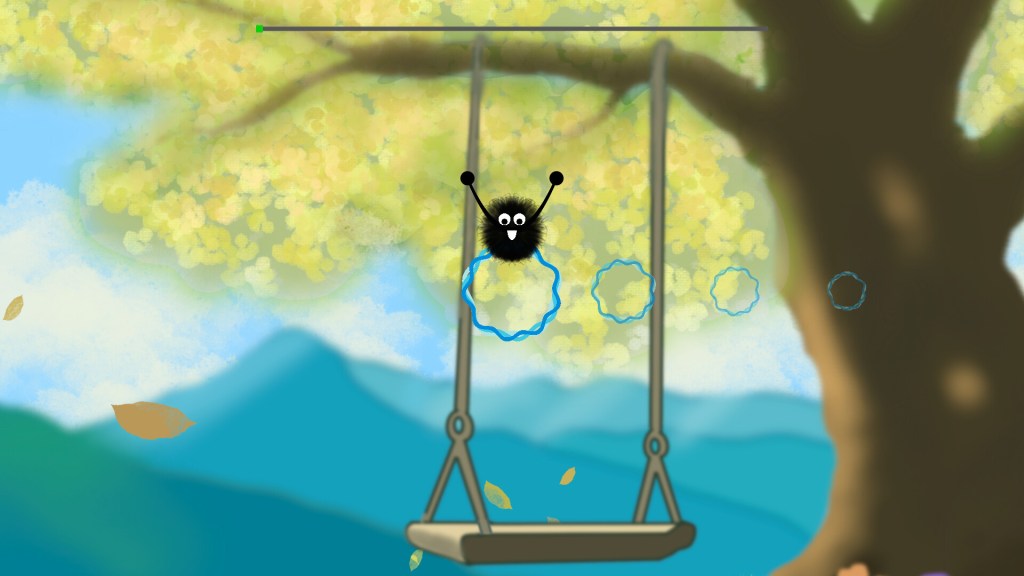
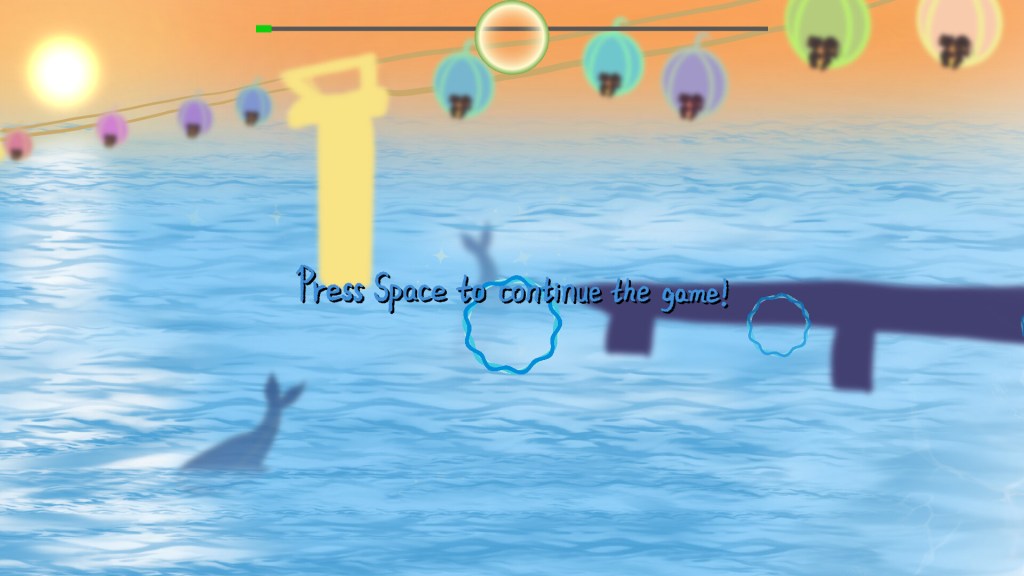



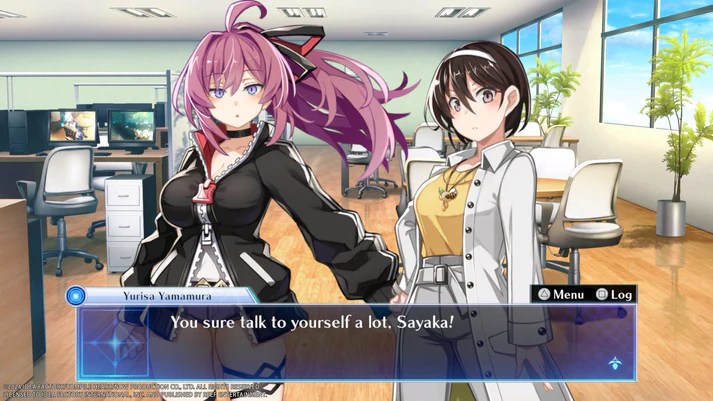

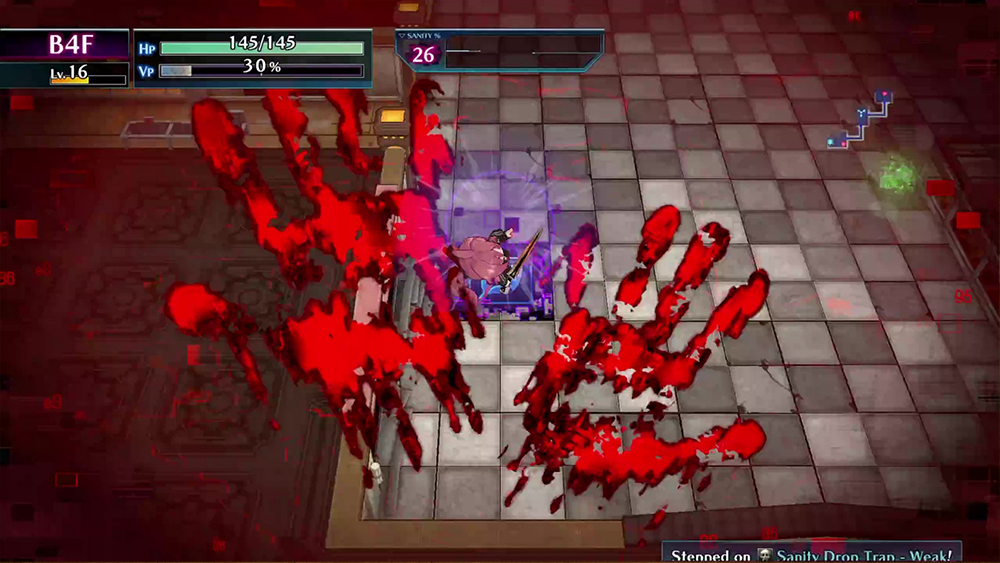


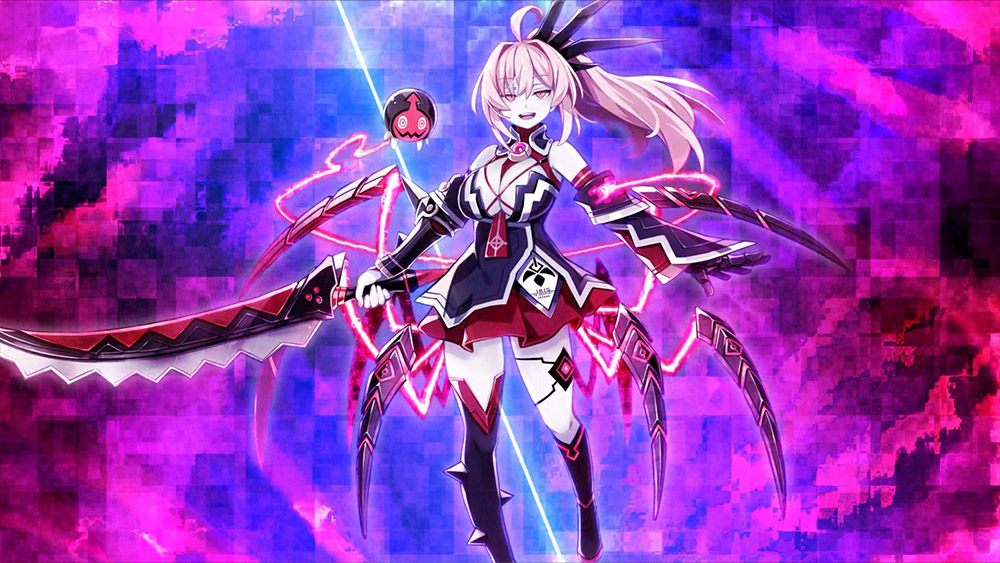


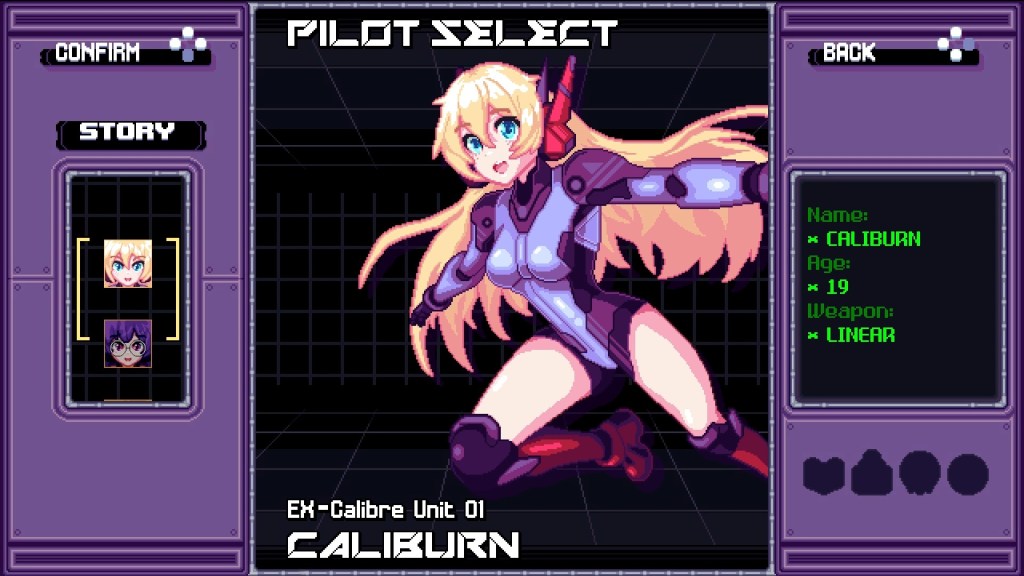
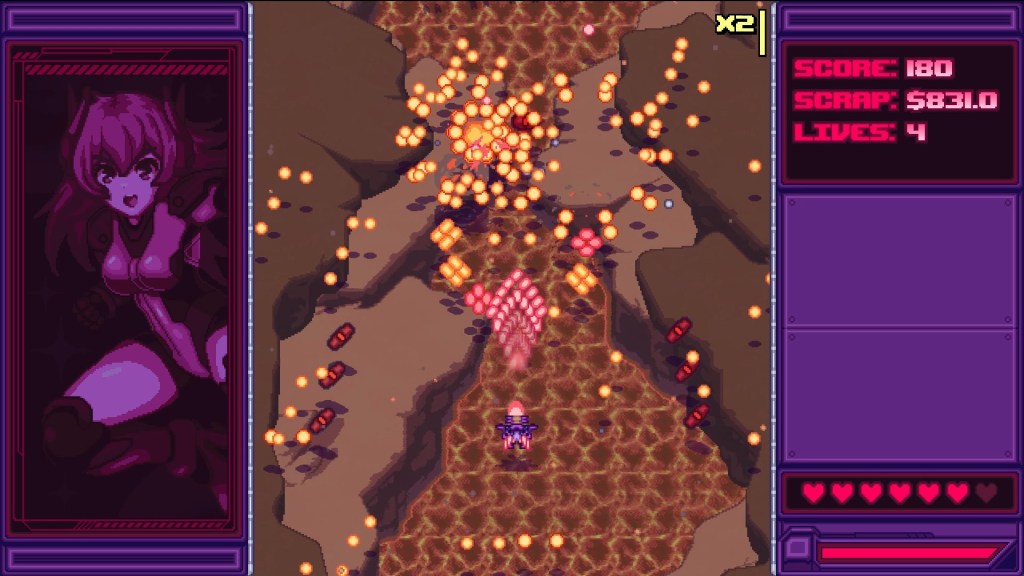
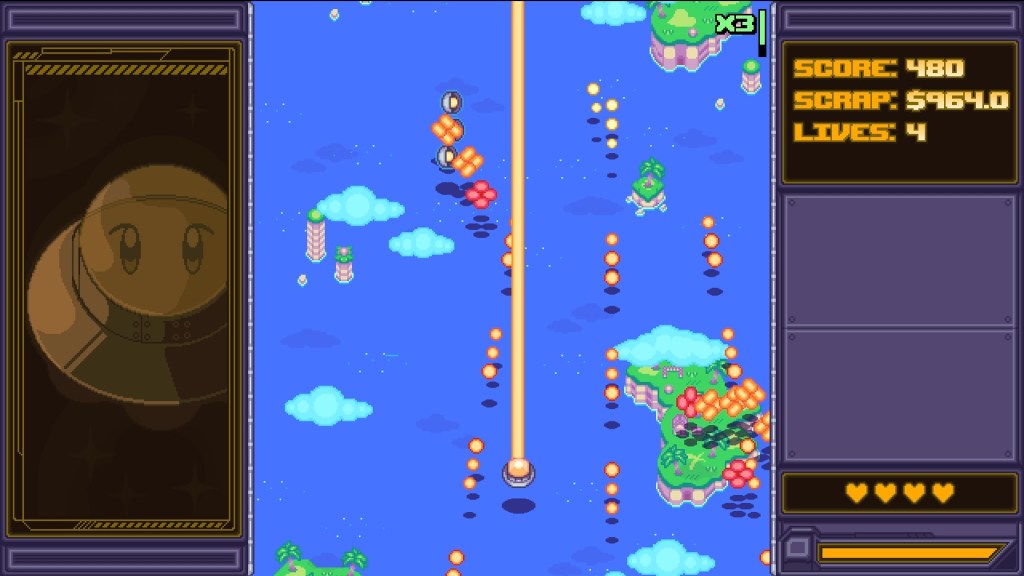


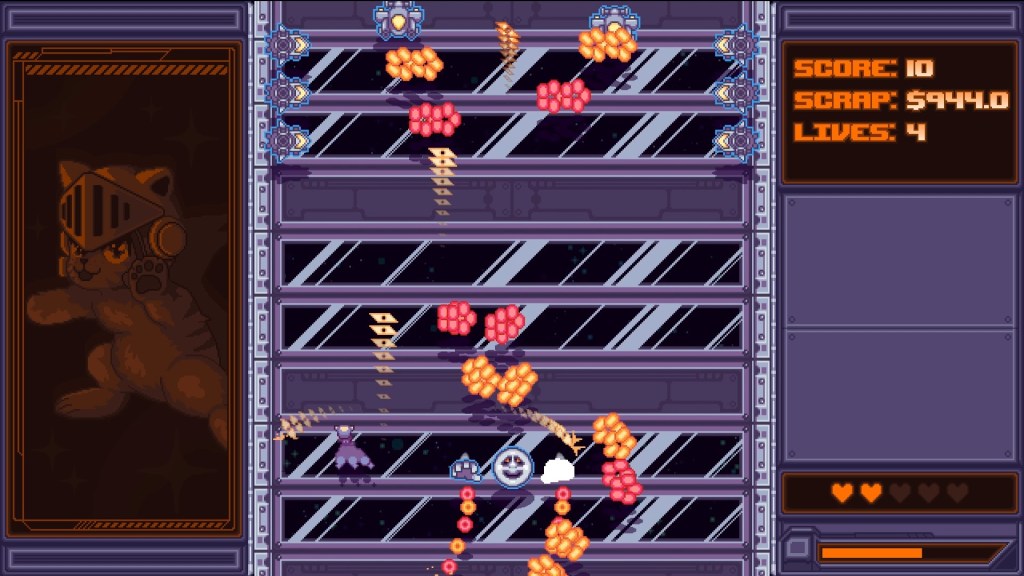


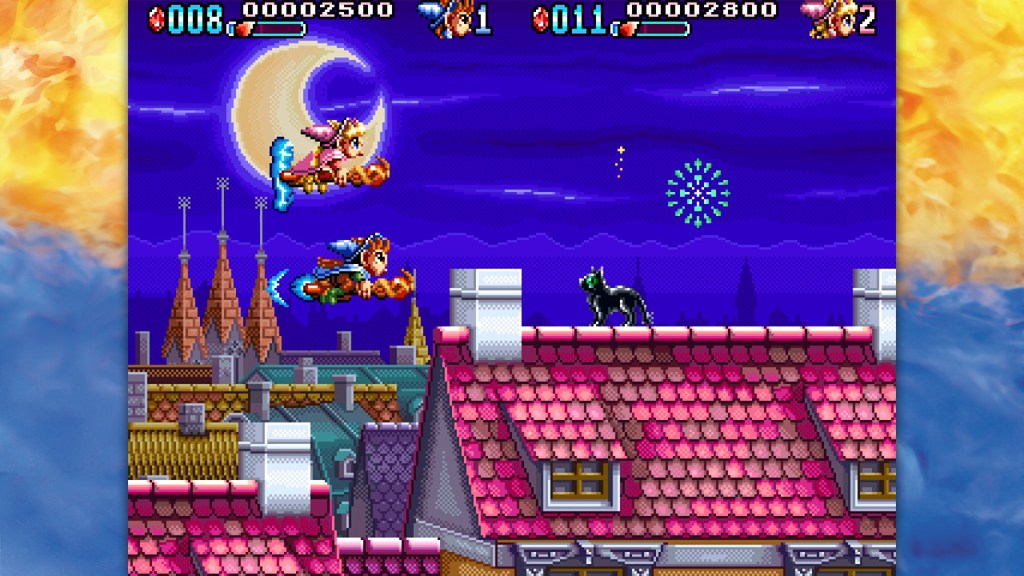
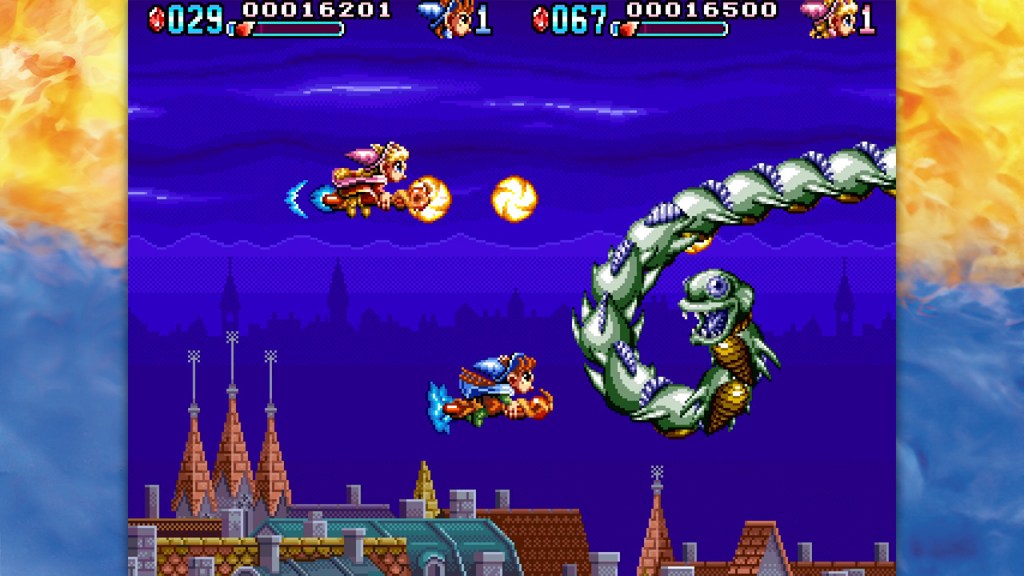
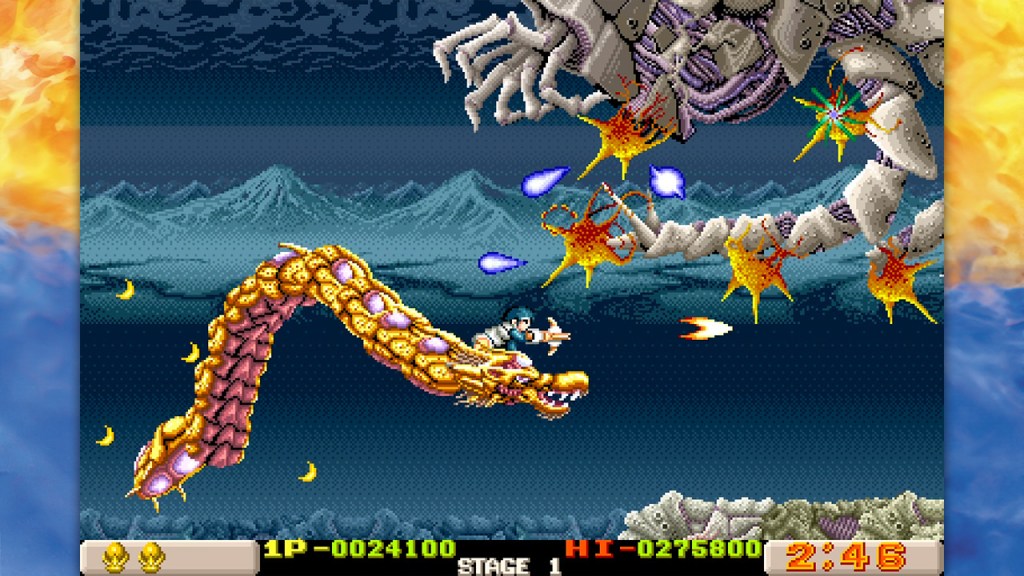


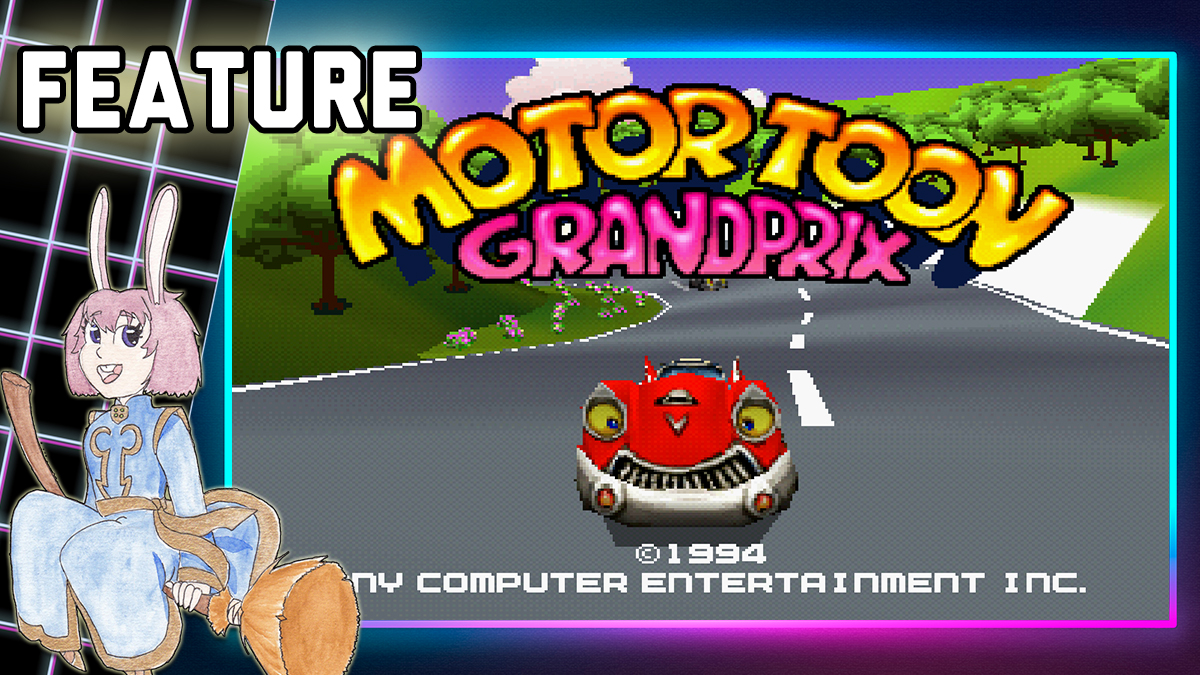
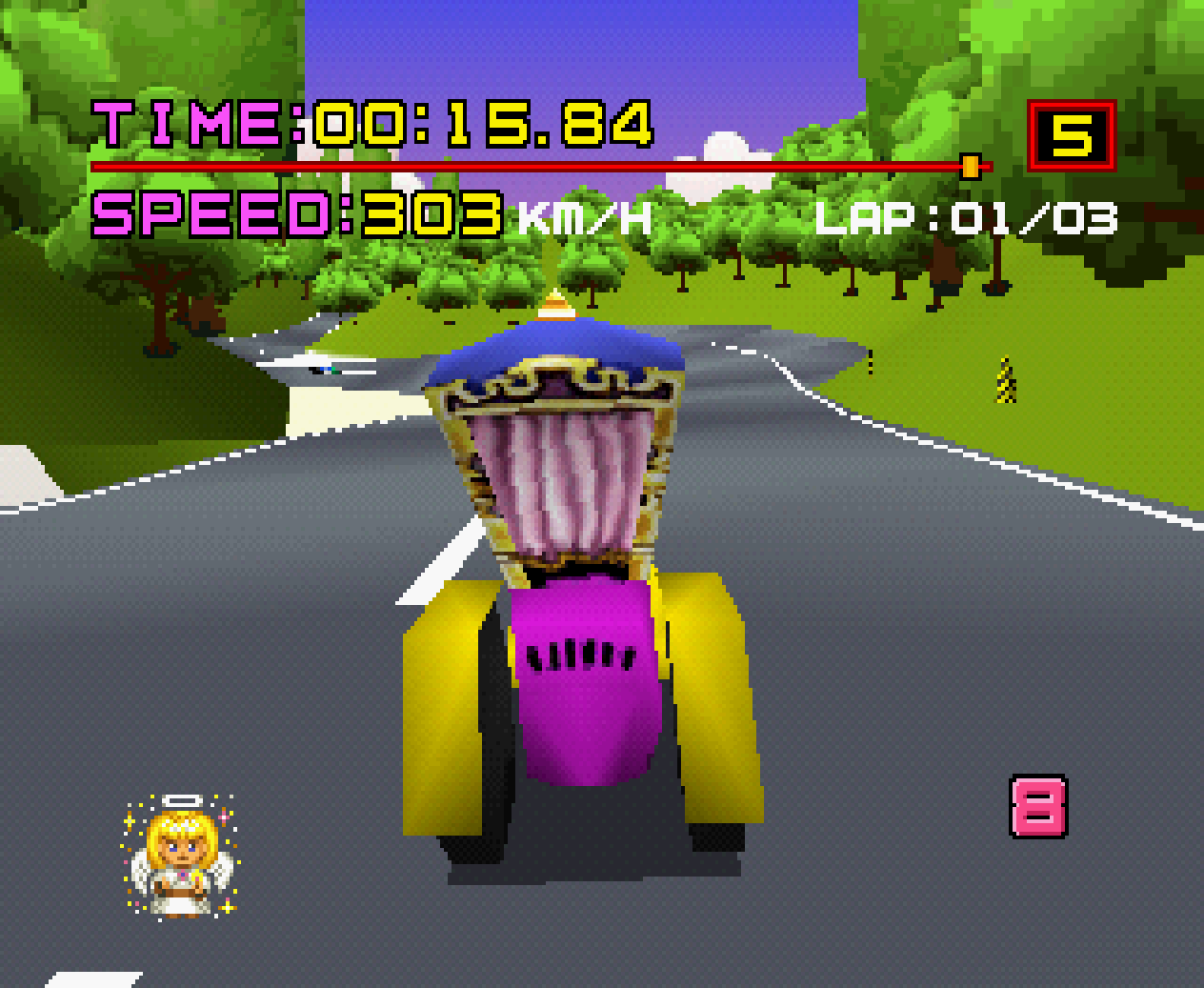

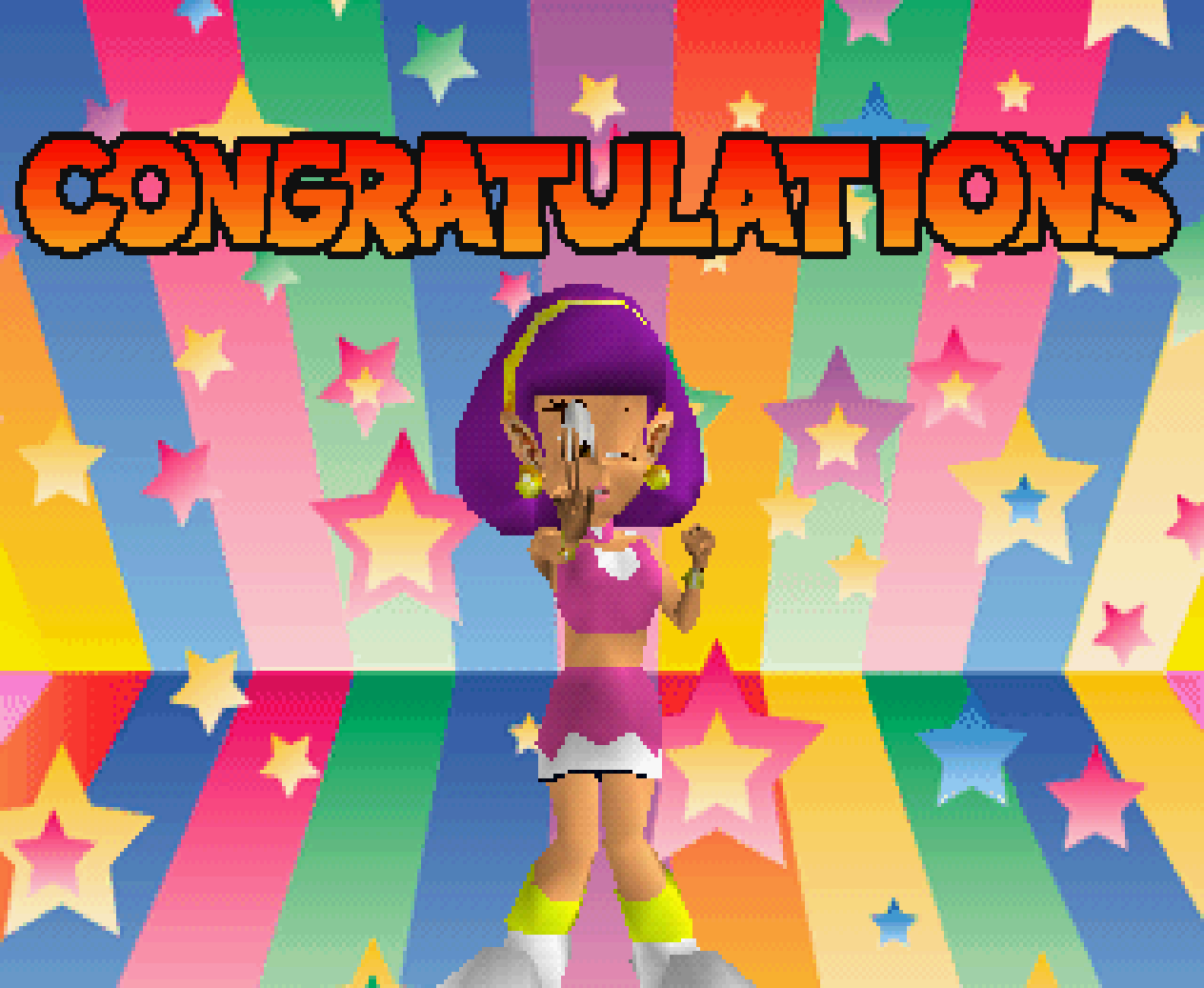
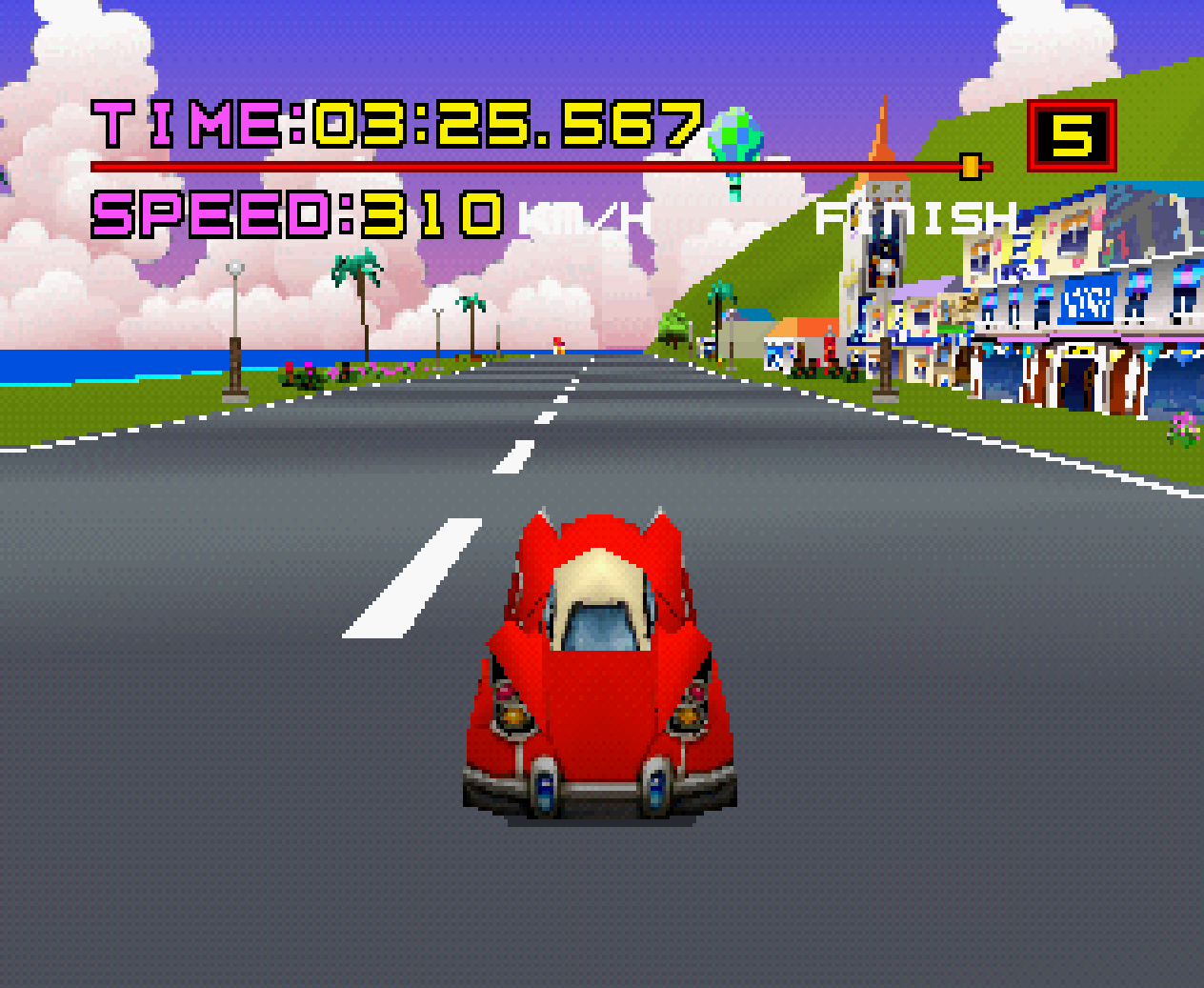
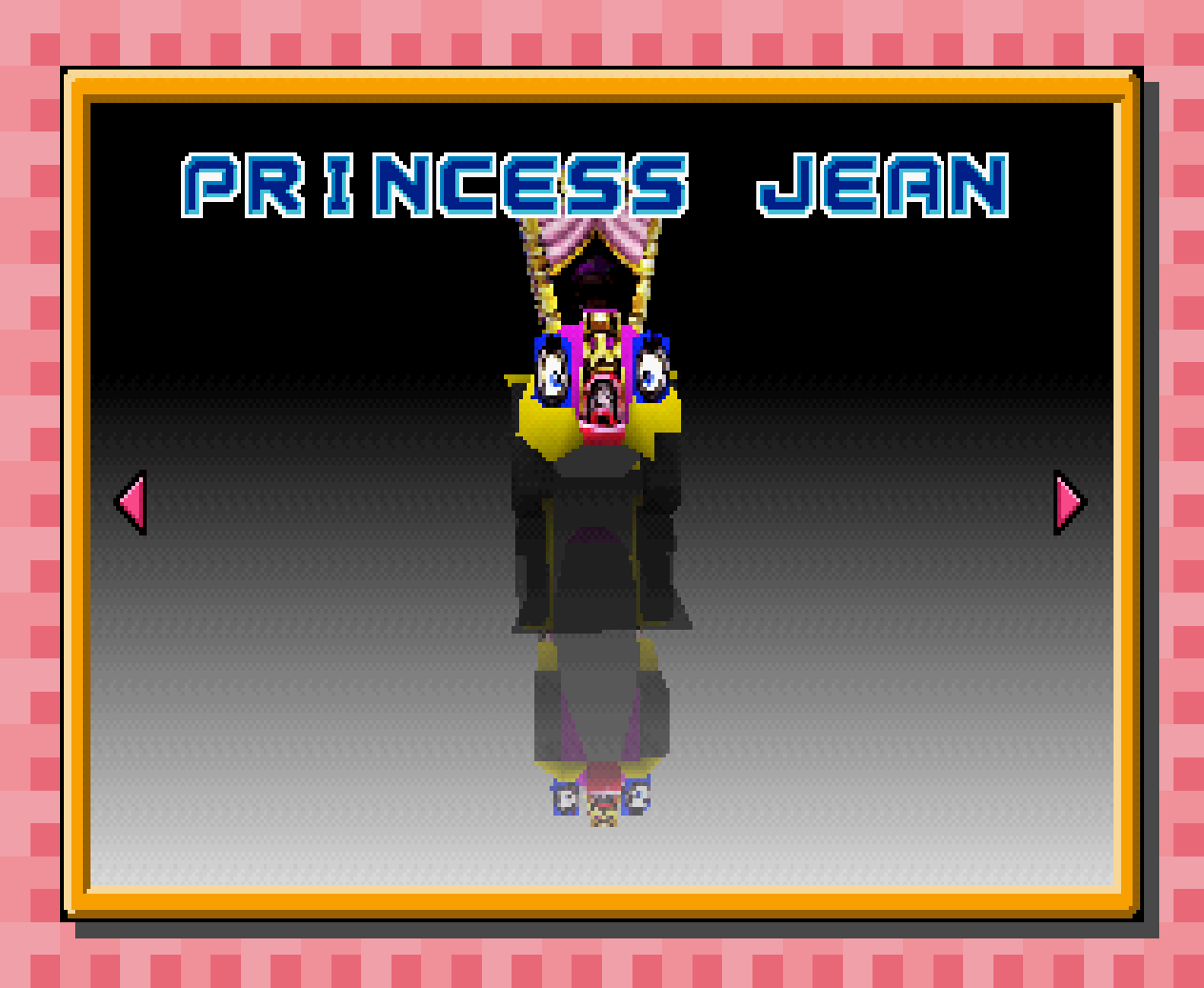

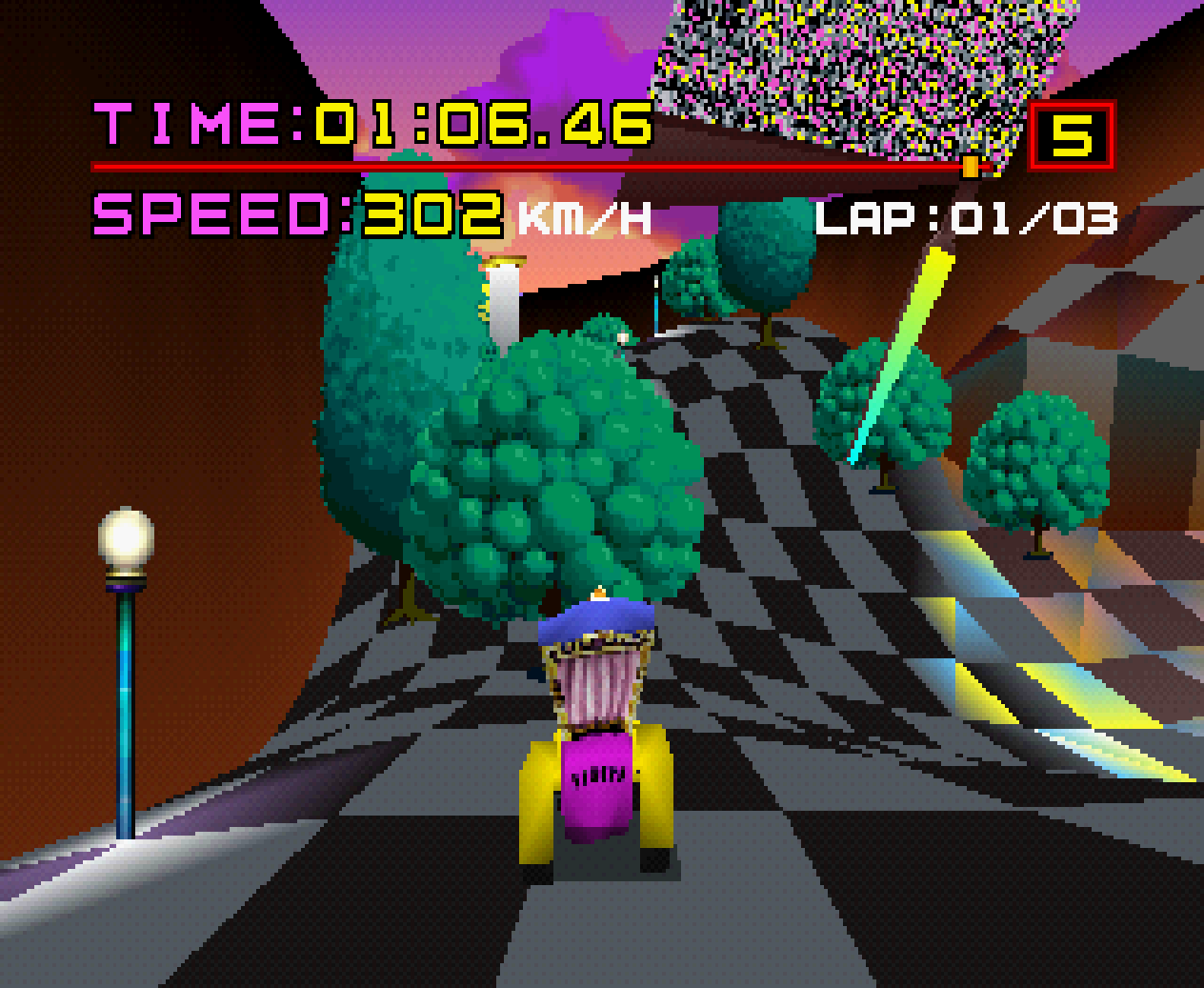
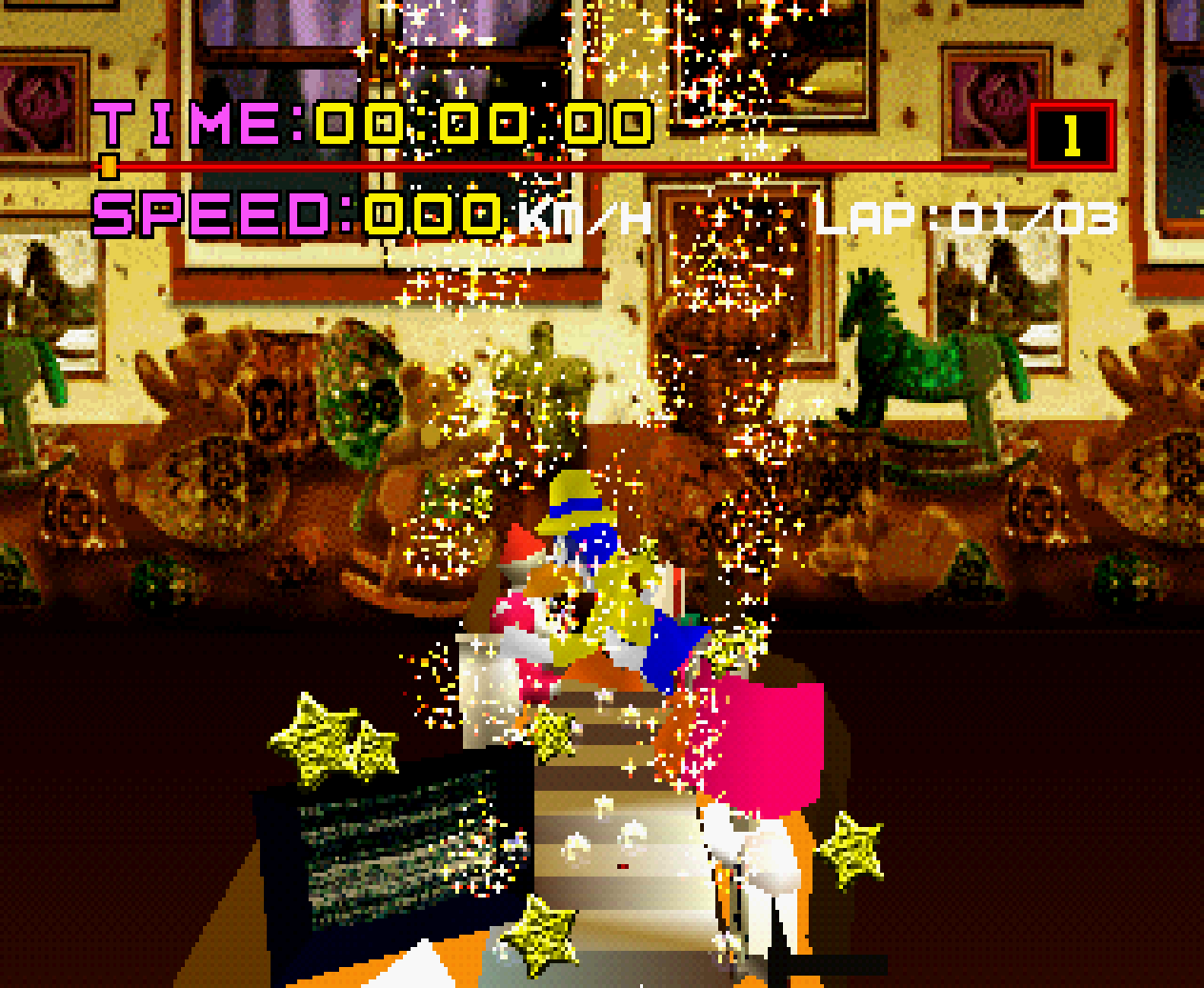

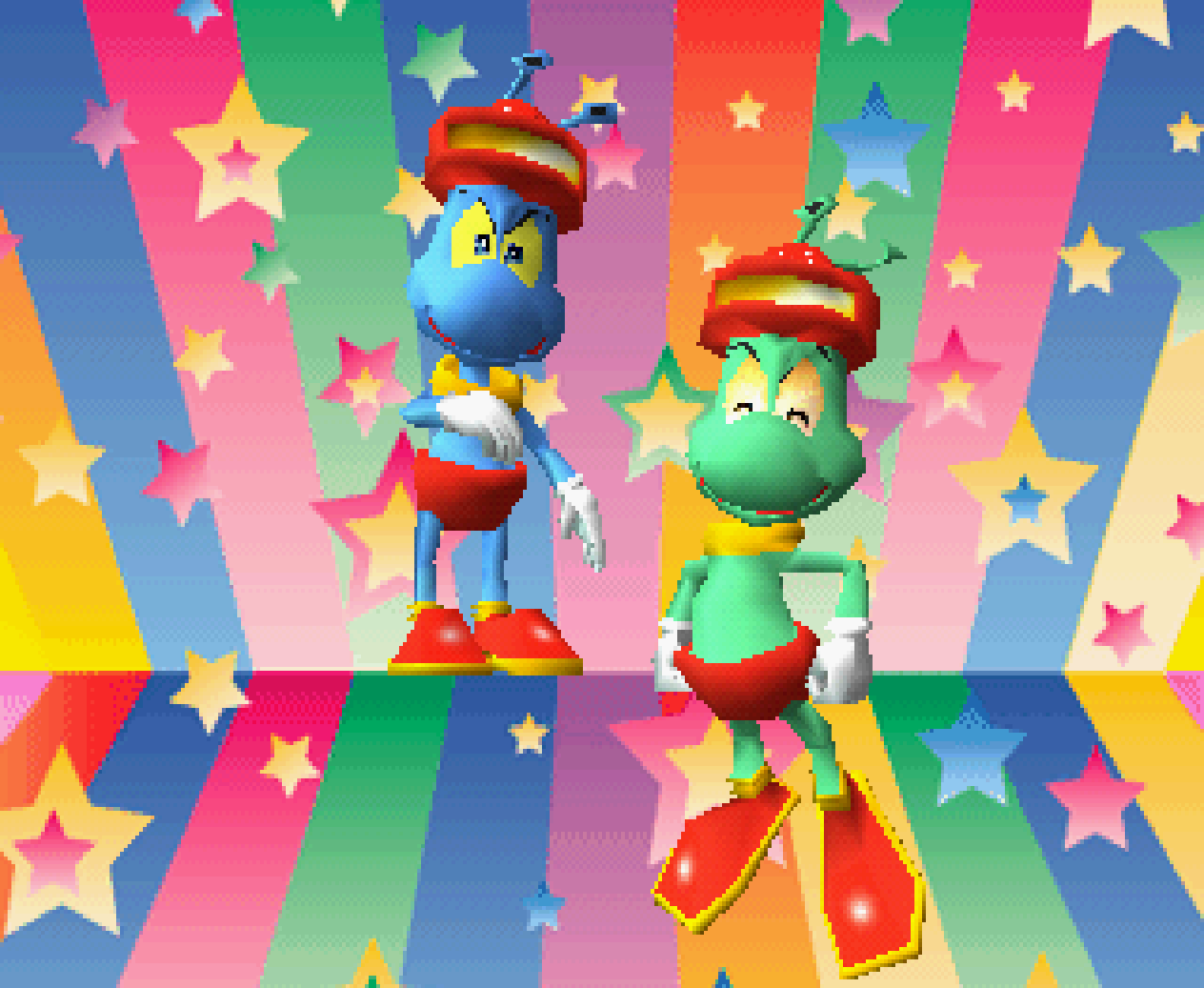


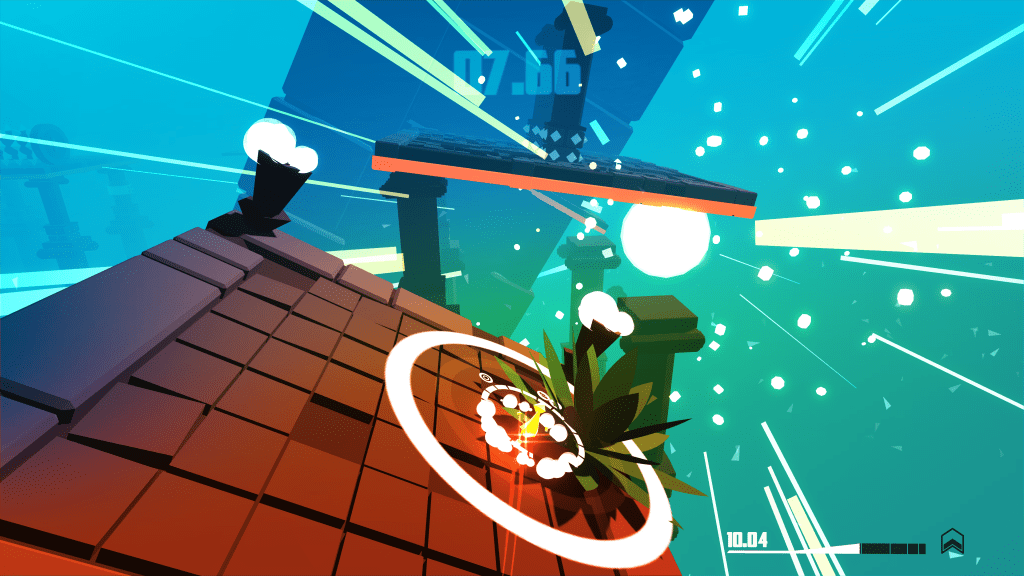


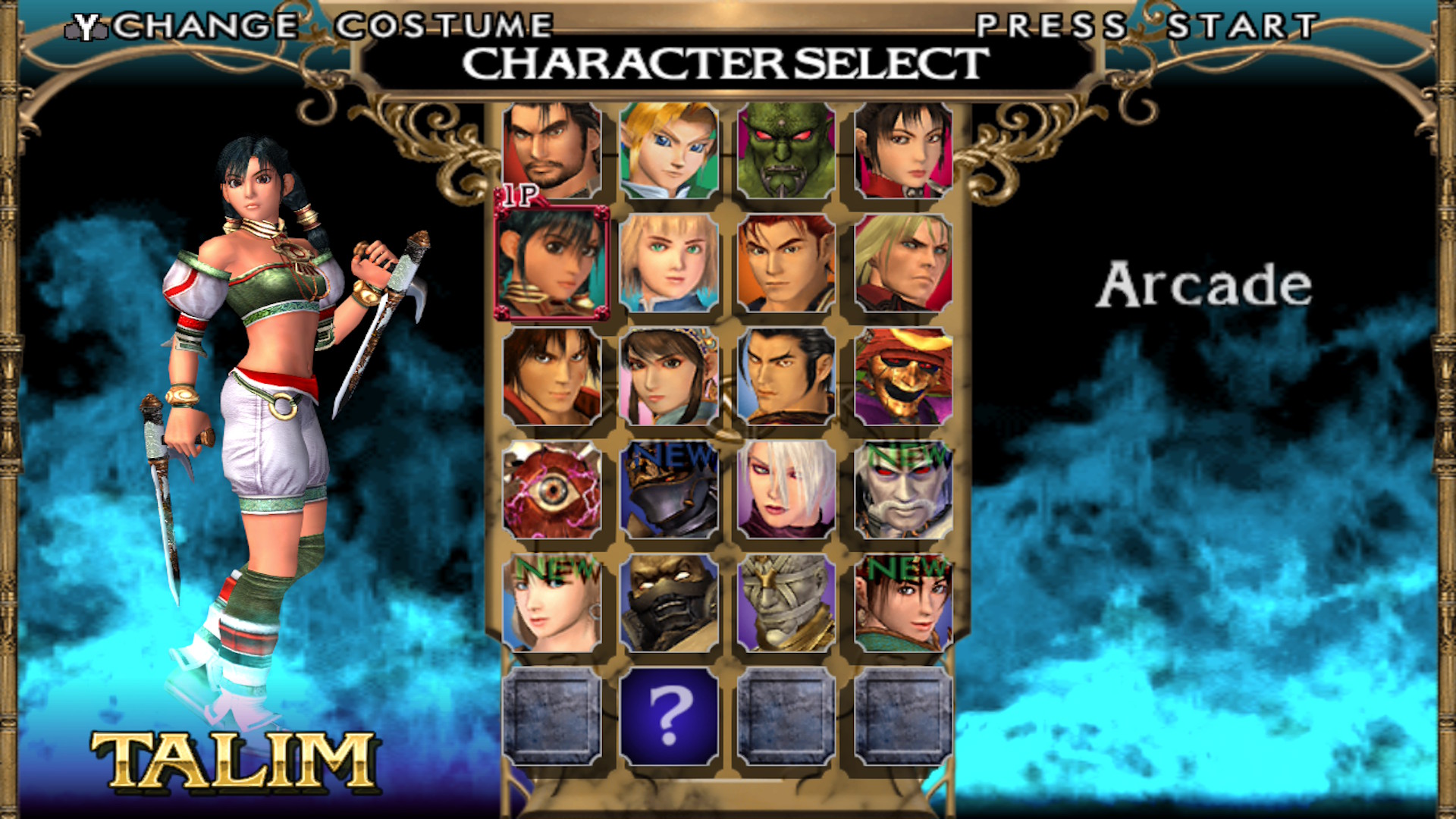

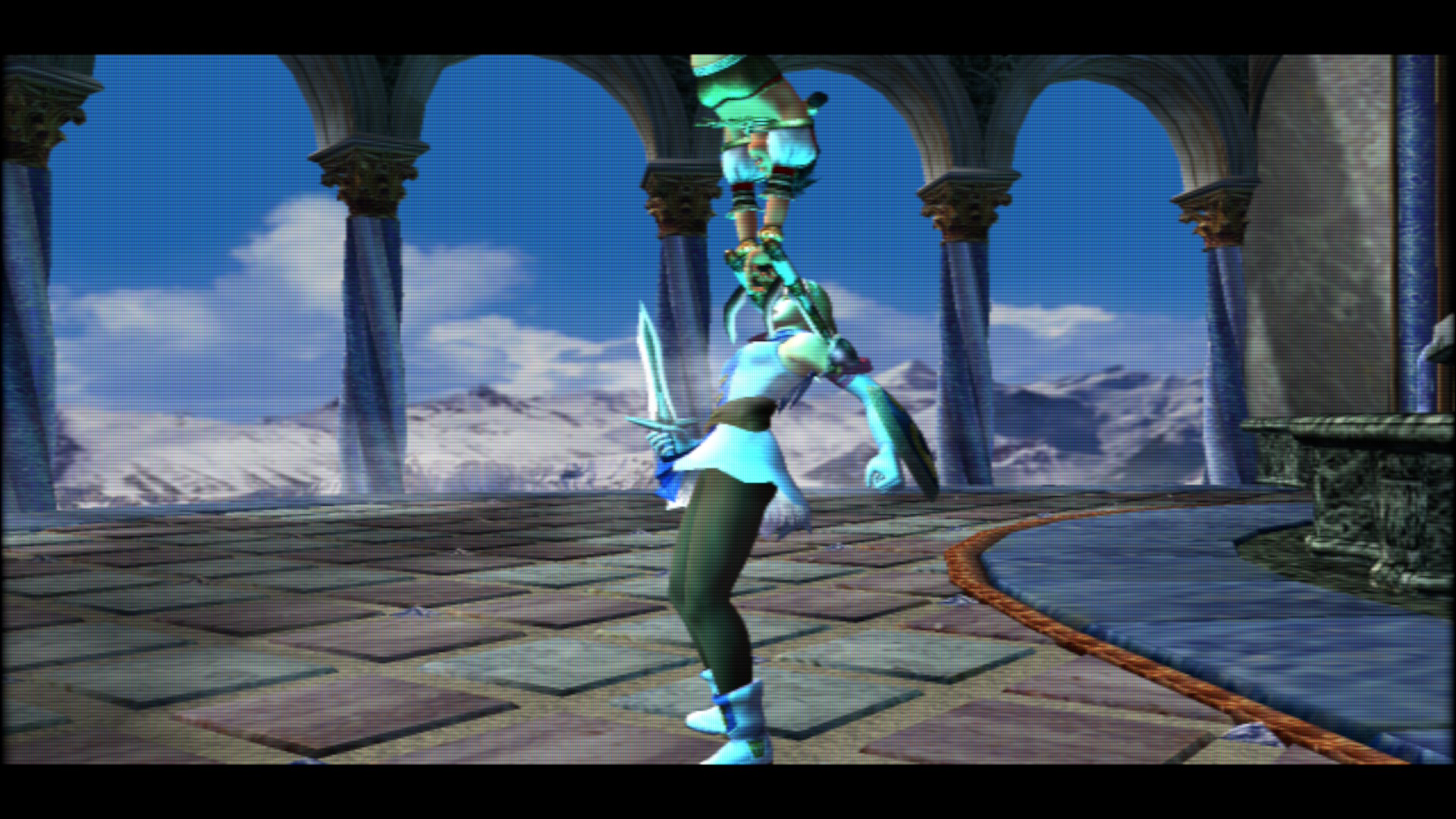
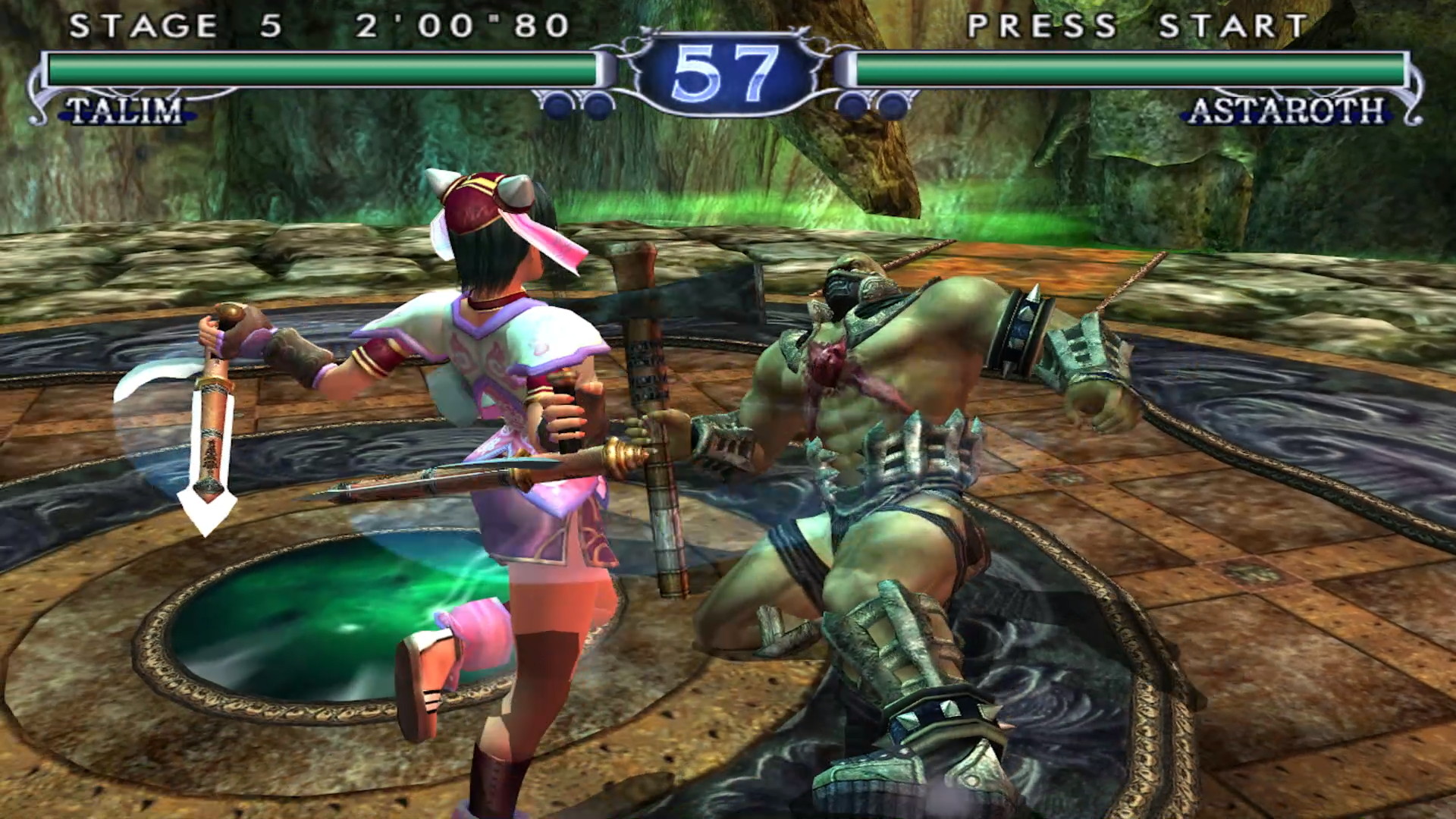

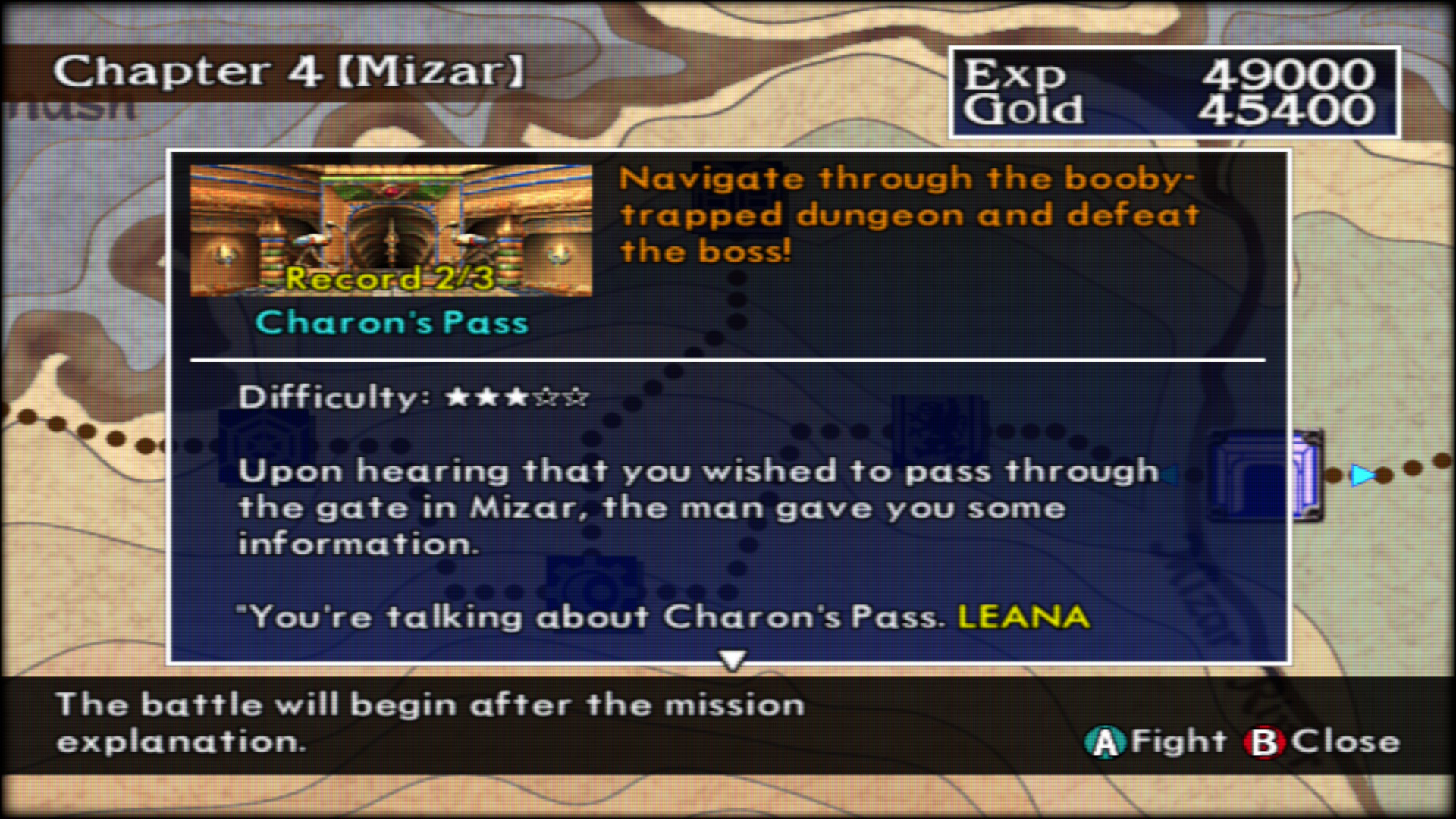


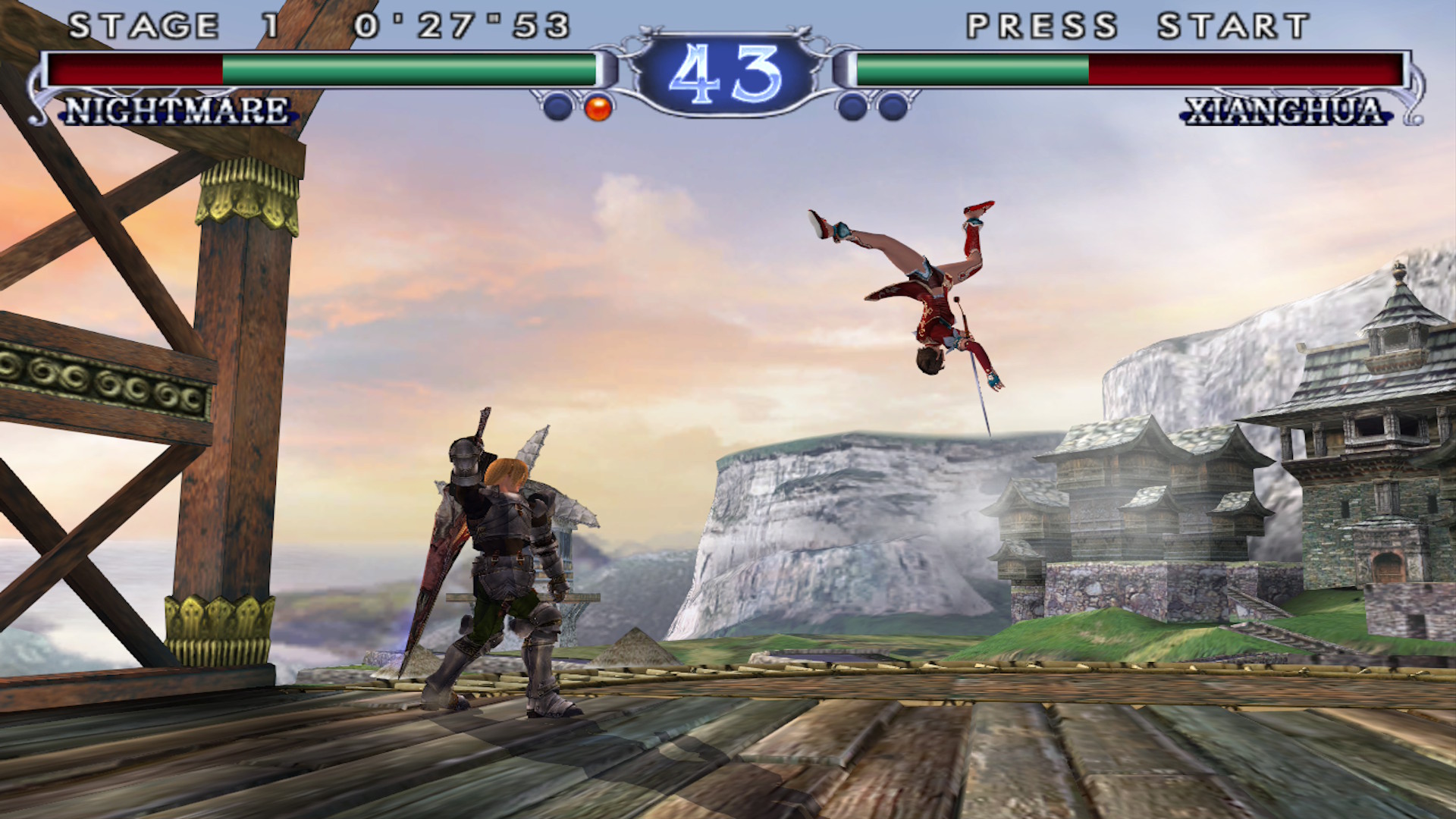
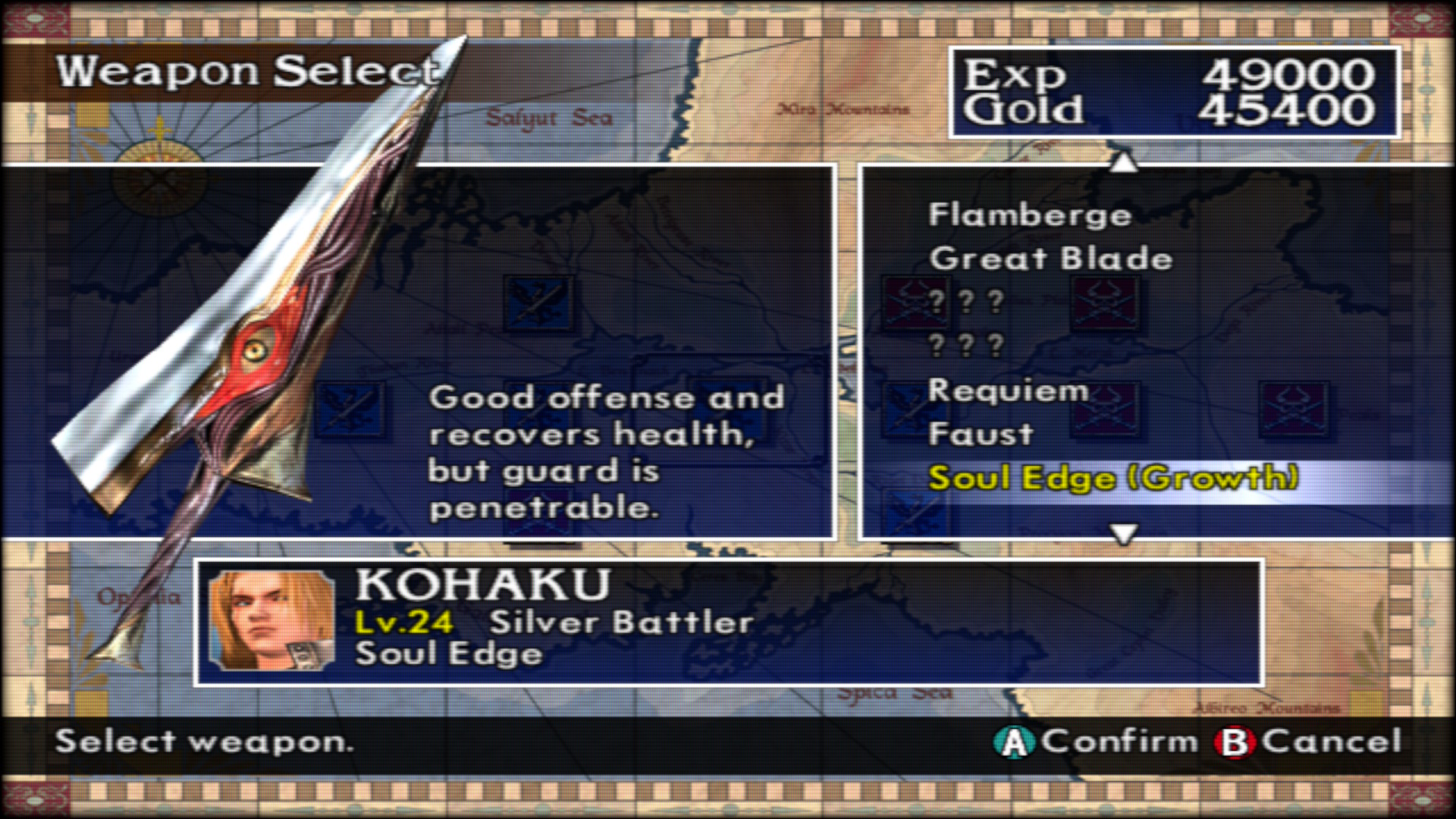


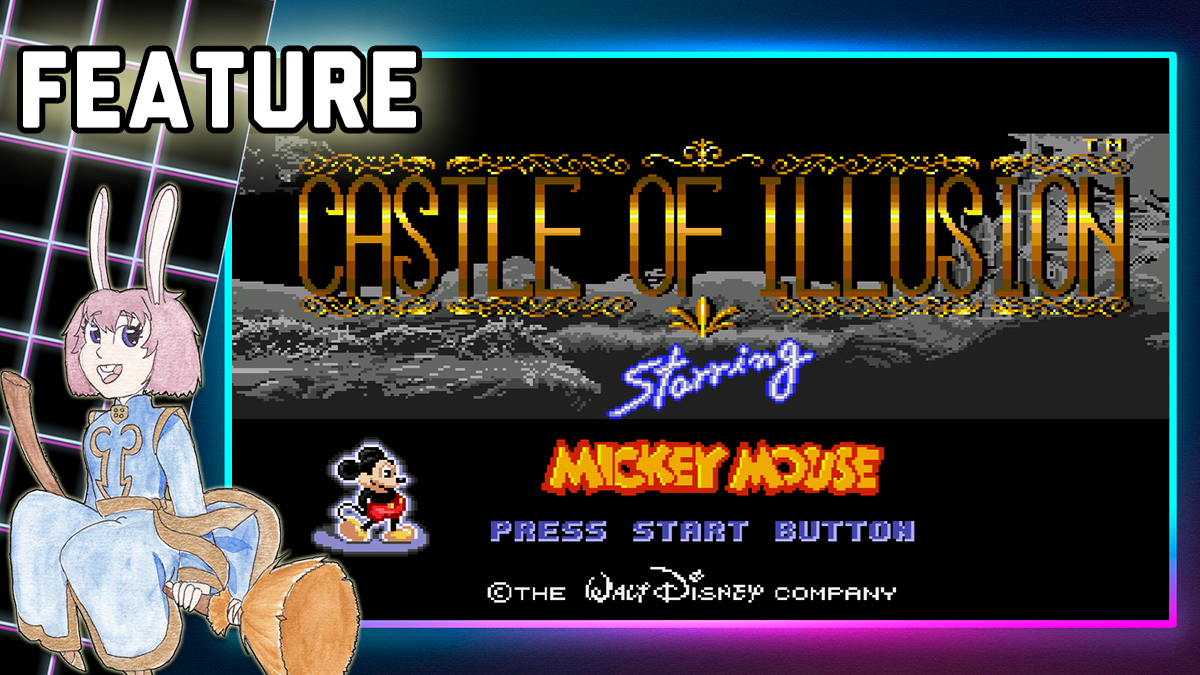


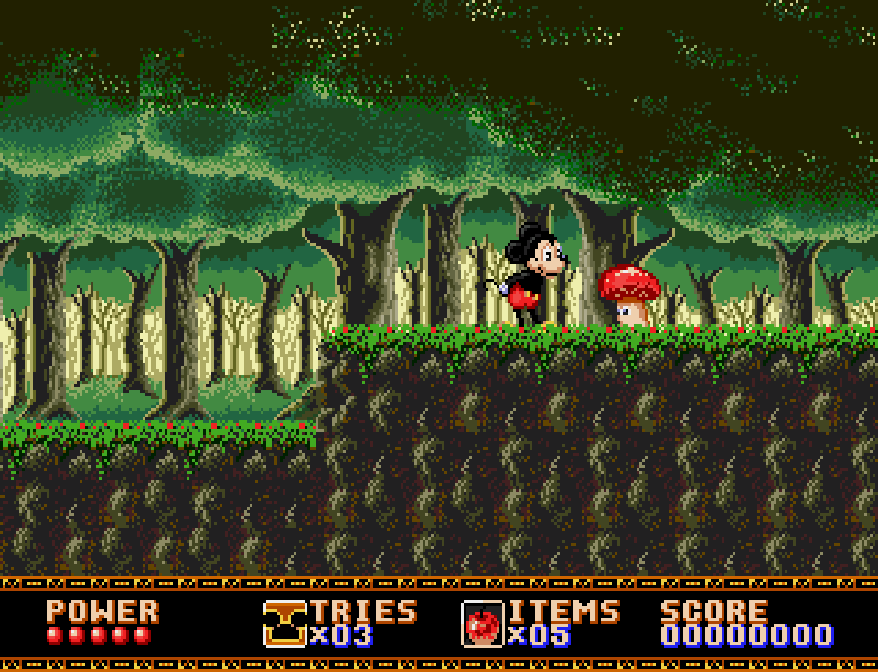
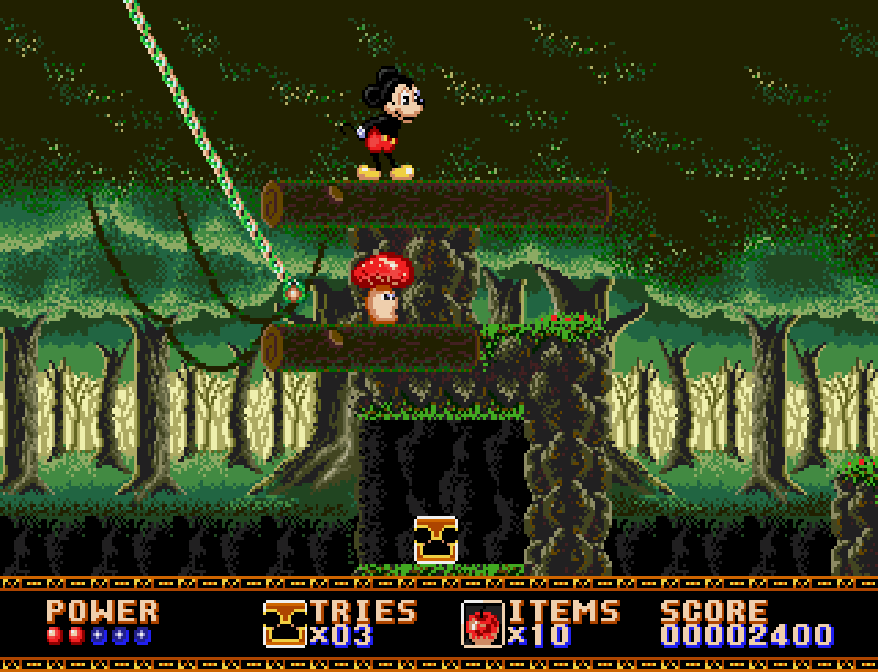
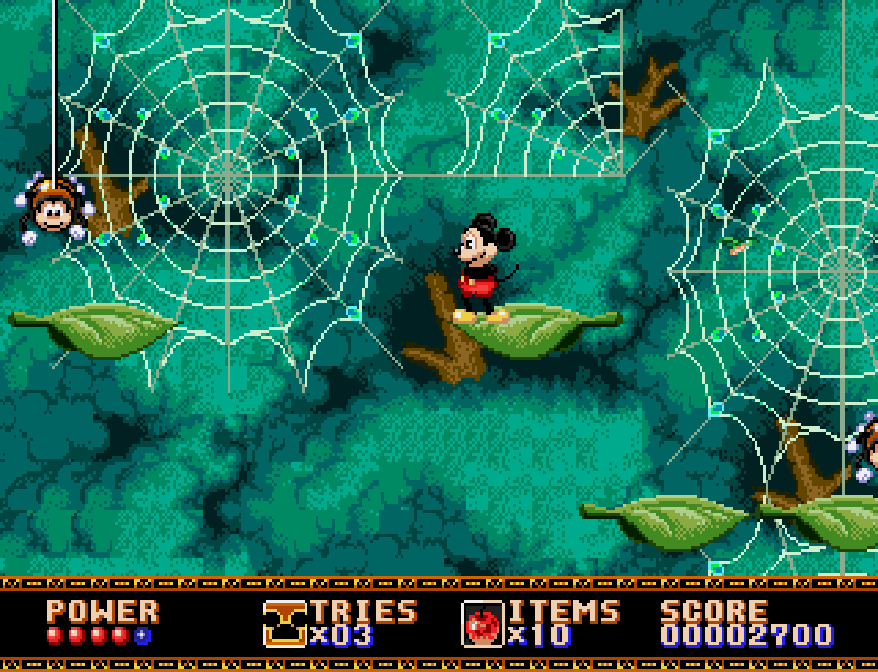
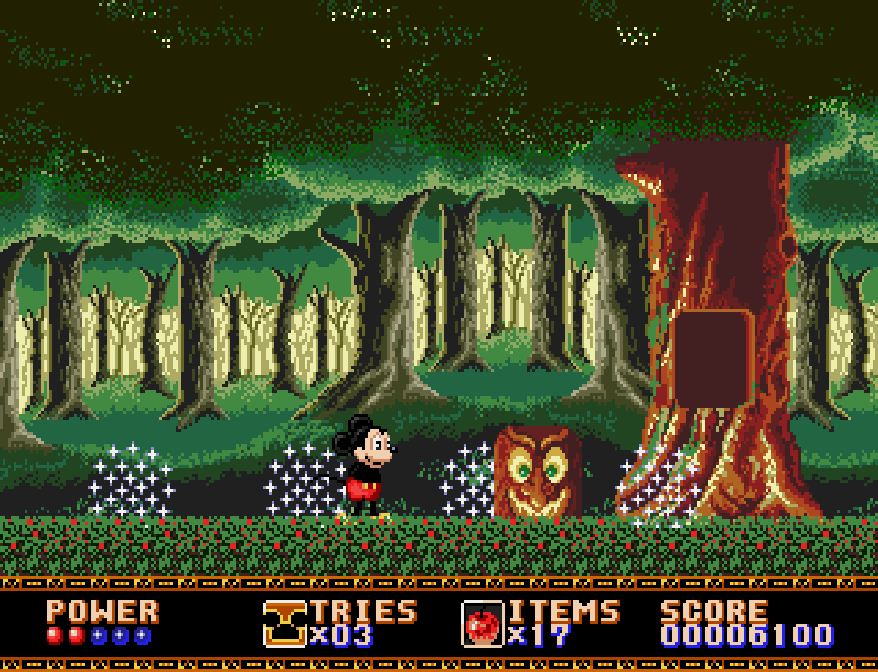


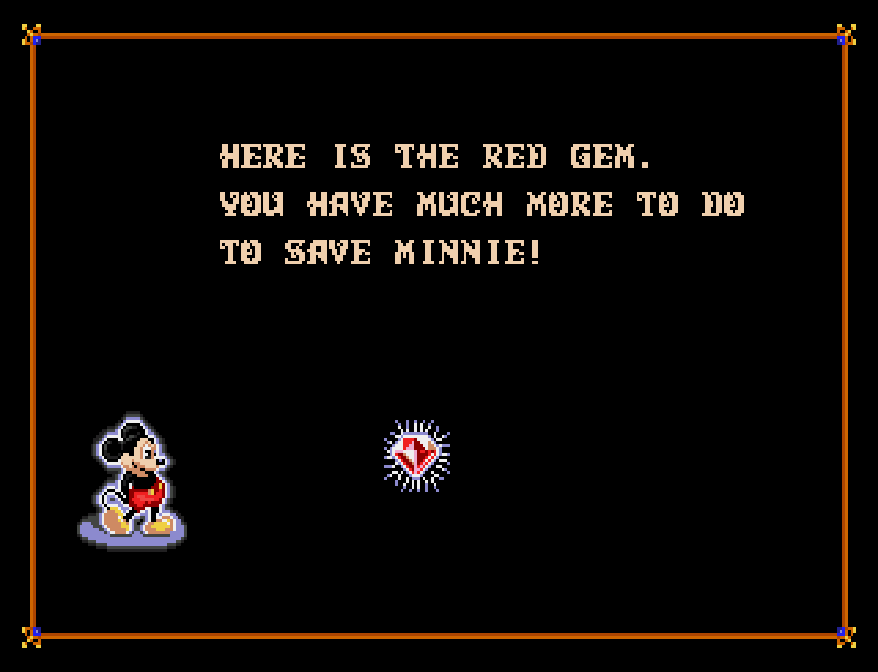
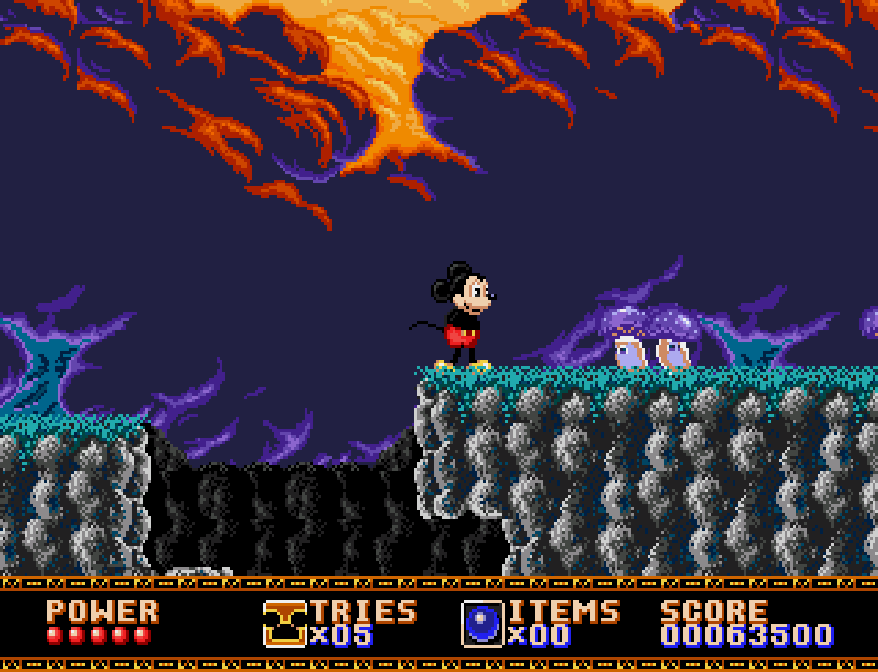


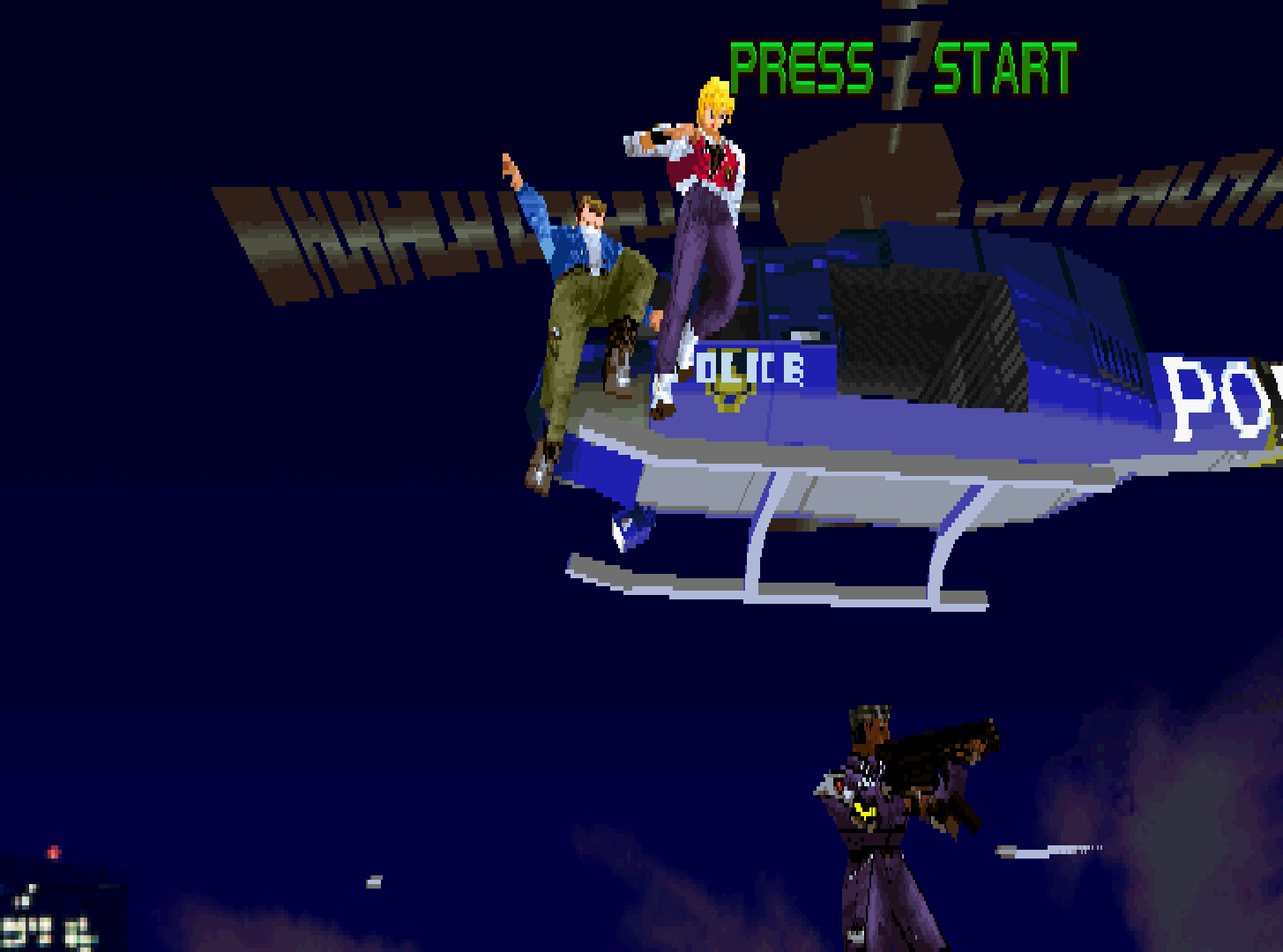


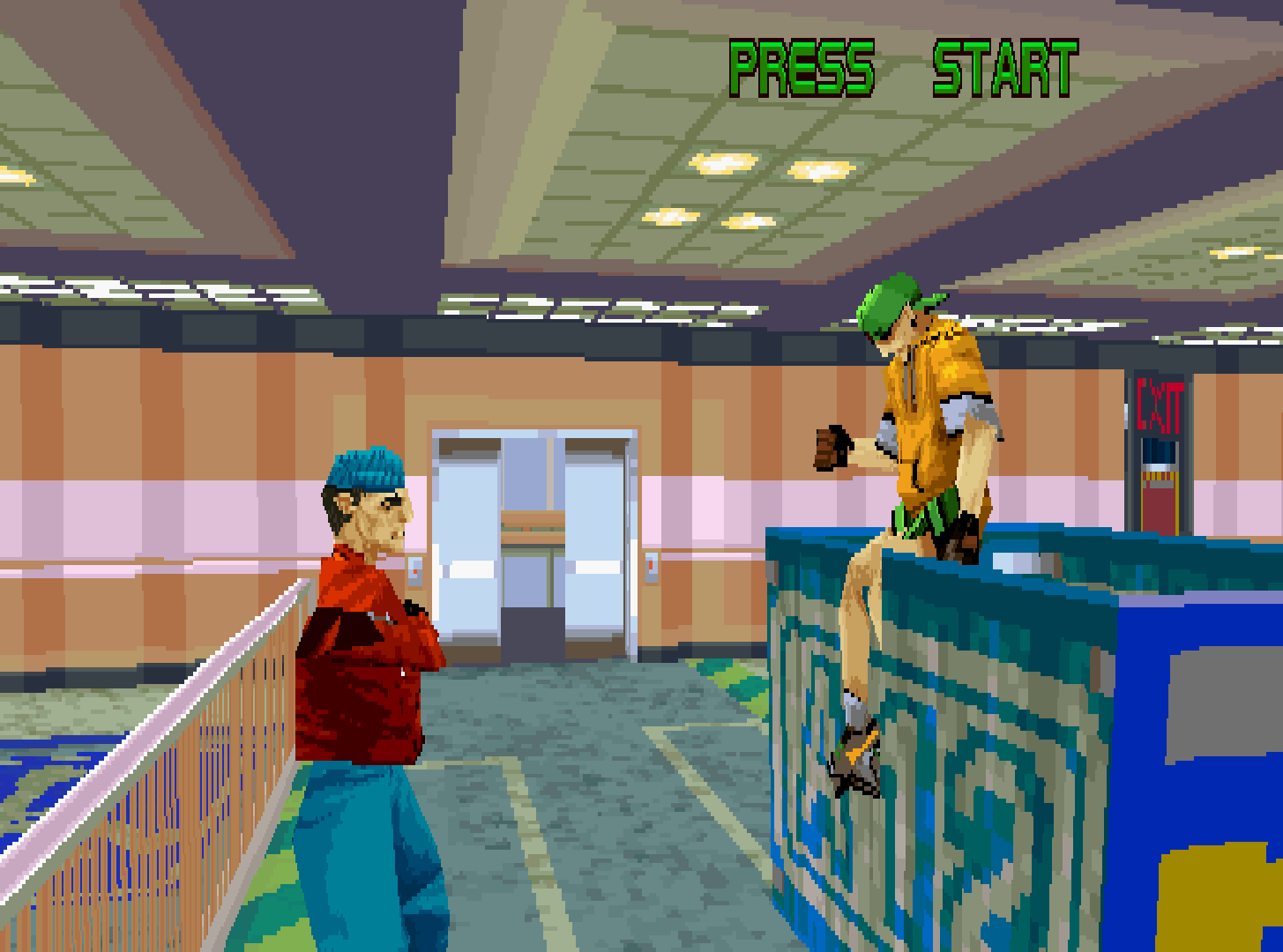
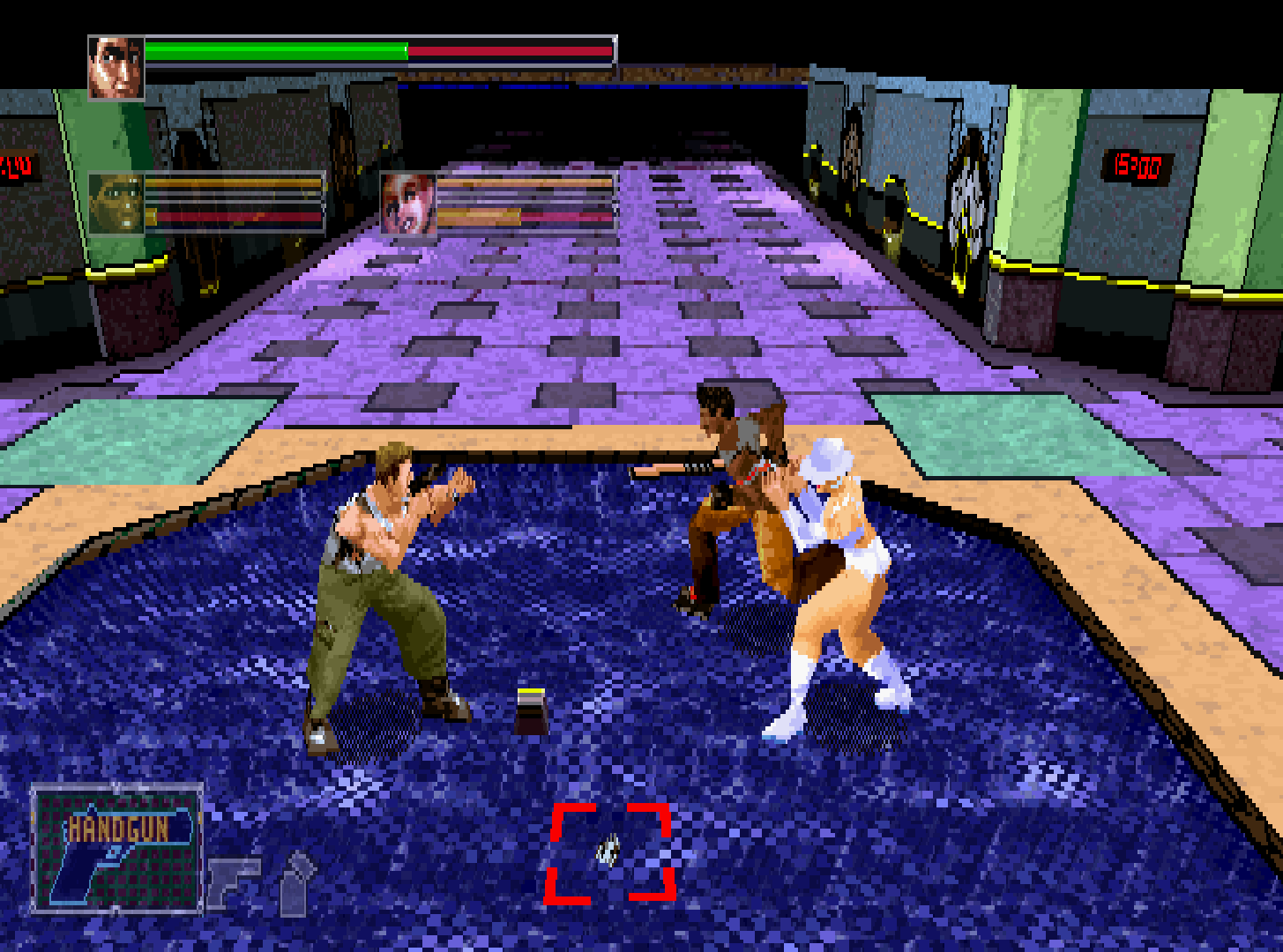

 W.Kohaku Media