Cyber Citizen Shockman Zero – Nintendo Switch Review

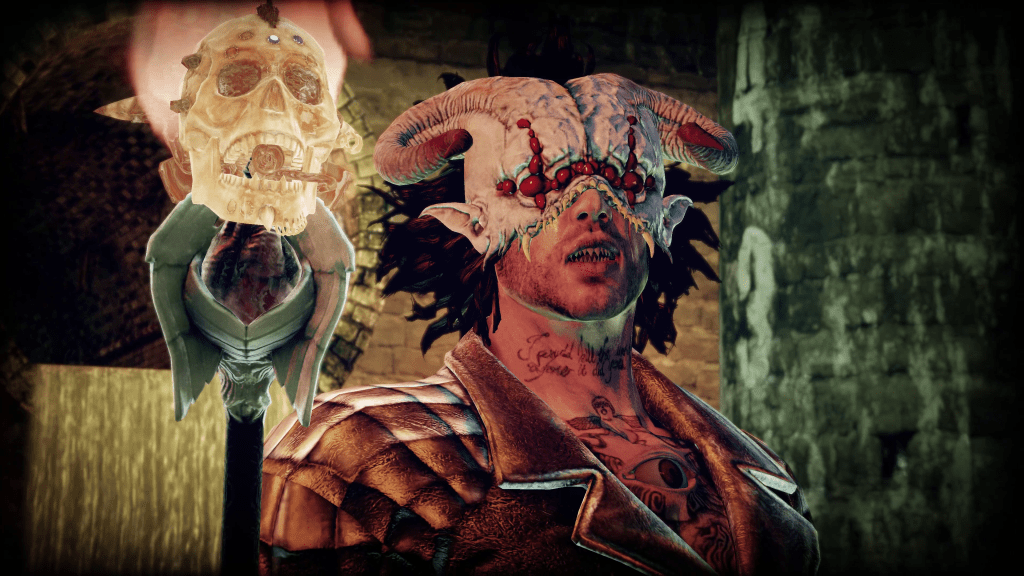
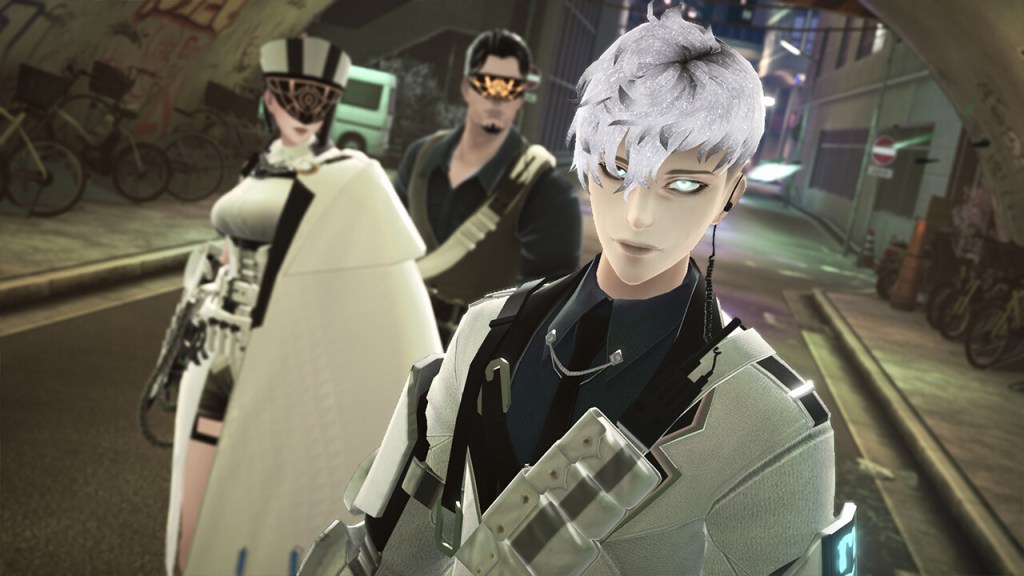
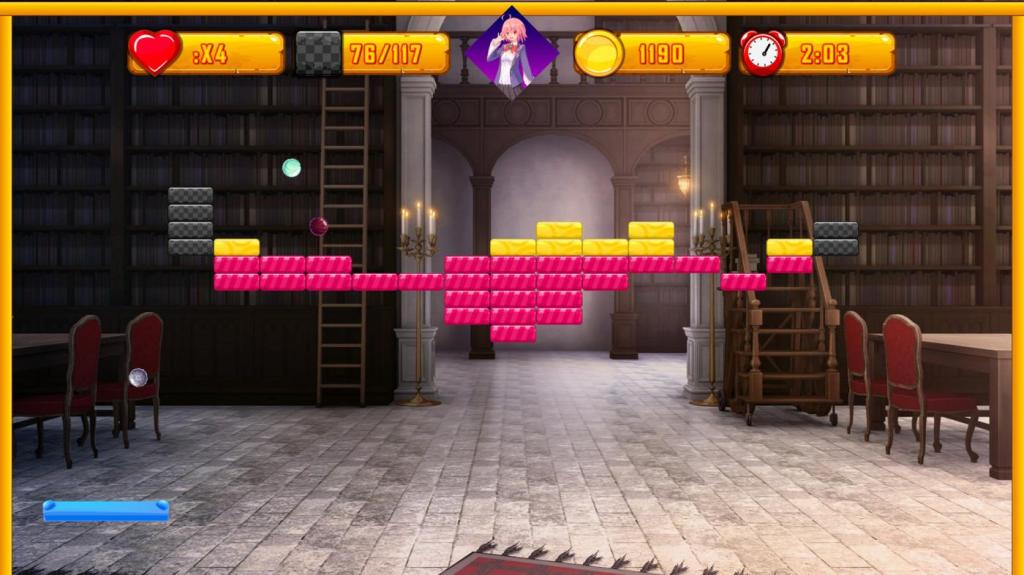
Overview – Originally developed by Masaya with porting handled by Ratalaika Games and Shinyuden, Cyber Citizen Shockman Zero is the fourth and final entry in the series, originally released on Super Famicom. A new enemy threatens the world again, with only one hero that can save the world, Shockman. This title is currently available on all console platforms, with a link to each version of the game at the bottom of this review.

Disclaimer: before I get into the review, I would like to thank PR Hound for providing the copy of Cyber Citizen Shockman Zero that was used for this piece. The provision of this software has not influenced the contents of this review, all thoughts and opinions contained within are my own.

Now with the introductions out of the way, let’s get into the review, starting with the story. I have previously covered the other entries in the Shockman series, which you can find my thoughts on (HERE).

Story – Dr. Gotokuji has invented a new engine, which has been stolen by a mysterious and evil gang called the B.B. Dan group. When committing this theft, they also invaded the city with their cybernetic henchmen causing chaos. The man behind this and leader of the group is mad scientist, Professor Jinguji. To save the world, the heroes needed to save the world are Raita and Azuki, who must use their powers to stop the B.B. gang as Cyber Superhero Shockman.

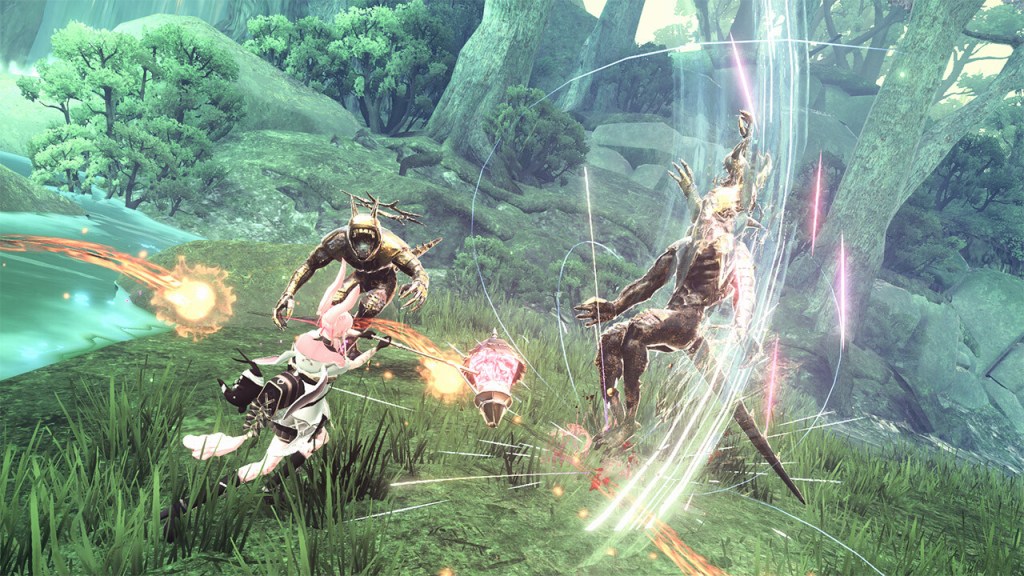
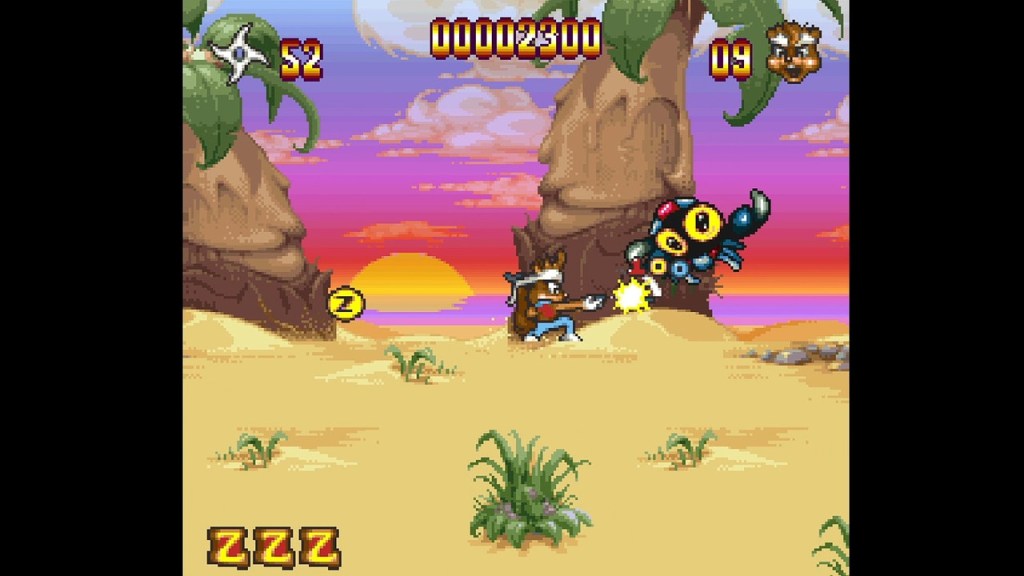
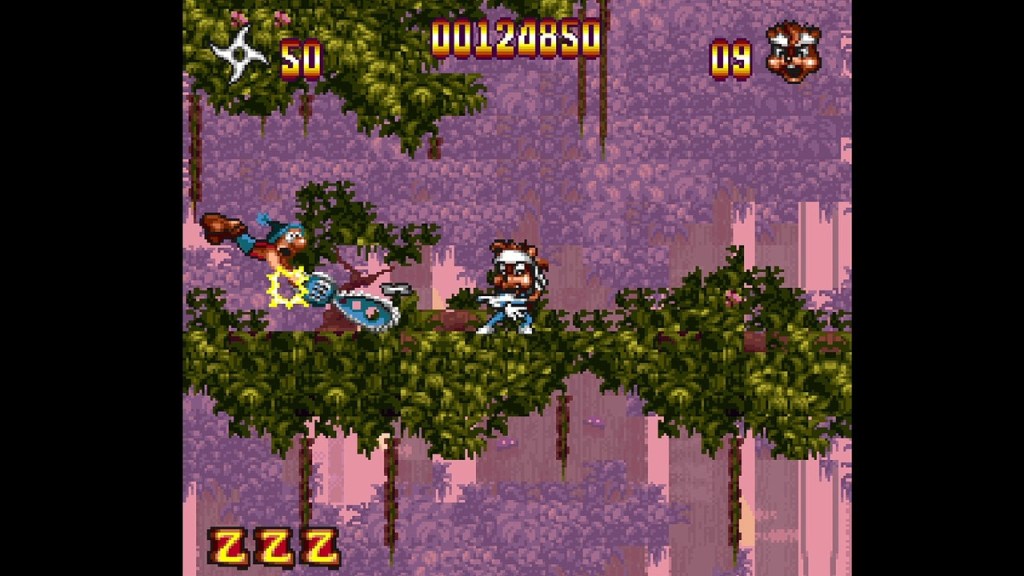
Gameplay – this entry in the Shockman series follows the same core premise of the other games, featuring side scrolling platform action across multiple locations. The player can control one of the two characters, with Raita as player 1 and Azuki as player 2. Unlike the other games, players cannot select the character they want at the start. Players will need to use a second controller if they want to play as the other character, as both characters are unique from each other.

This title has one very distinct difference to the others in the series. In this entry, the game has a side scrolling brawler style to the combat, with the characters having combo attacks that can be used. This changes the way that the action plays out, as enemies in the previous games could be defeated in one or two attacks. The characters also have special attacks that can be used, with an energy ball that can be charged, sweep attacks and jumping attacks.

The player one character has a shorter reach, using boxing gloves giving him a brawling fighting style, along with a dragon punch style special attack. In contrast, the player two character has a sword and longer reach, this gives her a hack and slash style, with a air dash sword strike special. They two player characters can land multiple attacks on enemies, allowing for a combo to be done for a lot of damage. This is useful against the stronger enemies that appear.

There are 8 stages in total for this game, with each stage made up of multiple areas, filled with enemies and hazards to overcome. The stages will have enemies roaming them, alongside various pitfalls and environmental hazards that can harm the player. at set points in stages, there will be boss battles involving the player and large opponents that need a lot of damage. There is also a series of rival battles, with each one becoming more challenging.

When regular enemies are defeated, they will drop items for players to pick up and offer a couple different effects. The first is point items, which provide bonuses as low as 100 points, but can go as high as 2000, which are added to the player score, along with points from defeating enemies. The items that can be collected are themed after the first area that the stage starts in, with game cartridges, clay statues and uranium fuel to name a few items.

The point system is key to the success of the player, as there is a light RPG system to the game with players leveling up at set point miles stones. When the player increases their level, they will earn an extra hit point allowing players to take more hits. At the start of the game, the player is limited to only 4 hit points, taking 1 point of damage from enemies and hazards. Item drops can replenish health, with red batteries giving 1 point and black ones fully healing the player.

If the player loses all of their hit points, they will need to continue and be able to just jump right back into the action. When all continues are used up, a game over will occur and players will need to start over from the beginning. The number of continues that players get normally is limited to 3, but there is a special cheat that will grant the player 9 continues. This can allow players to get all the way to the end of the game, reducing the difficulty in easy mode.

As this is an emulated port, there are many quality of life changes and improvements that have been made. These include the addition of rewind features, cheats and save/load states that give players more chances to enjoy and get through the game. There is also the inclusion of special features that can be accessed, including a debug mode that lets players mess around with things. More secrets are included, but I won’t spoil that surprise.

Now with the gameplay covered, it is time to discuss the other aspects of this release, starting with the controls.

Controls – there is a rather simple control method for this game, with a jump and attack button, as well as extra inputs added for rewind/fast forward. There are also special extra buttons that can be assigned to the controller, using them for the different special features that have been included. All of the inputs can be reassigned and modified, with a turbo button for attacks. This makes for a game that can be enjoyed with a variety of controllers.

Difficulty – the difficulty is a little odd with this title, as there is a slightly higher challenge if the first player character is used, due to the short reach. This is due to the shorter reach of attack, leading to a higher risk of being hit by enemies. Another element of the difficulty for this game is the limited continues, which was the style at the time, but can be lessened with the 9 continue easy mode. The game also has cheats, rewind and save states that can let players breeze through the game.

Presentation – Shockman Zero is a 16-bit title from the Super Famicom, with vibrant environments and colorful sprites that pop on modern screens. The music is done perfectly, that used the full range of the Super Famicom sound chips, alongside digitized voices that are implemented well. As the game was originally Japanese exclusive, there is also an official English translation included. There are additional filters to modify the games look, for those who want a retro look.

Final Thoughts – During my coverage of the previous shock man games I was made aware of this title, so I was waiting patiently for this to be announced. I jumped at the opportunity to cover this, as I enjoyed the other Shockman games and this time is no different. The action is a little different, but retains the same fun that the other games had, with the large bosses and tricky platforming. The anime style cutscenes did not return, but the story was still enjoyable.

I had a lot of fun with this title, playing both of the characters and exploring all of the options that were included. That makes this an easy recommendation for players, as you don’t need to have played the other games to enjoy this. If you have previously played the other Shockman games, it may feel more of the same but there is plenty on offer in this title. This is the last of the Shockman games, ending the series in a relatively satisfying way.

In the end, I give Cyber Citizen Shockman Zero a final score of 4/5. This is the last of the Shockman games, providing a fun change to gameplay with the brawling platformer action. The quality of life changes to the game, with the new translation and extra features make this the definitive way to enjoy this once Japanese exclusive game. If you want to check this release out for yourself, a link to each version of the game will be below.

Link to Nintendo Switch version (HERE)

Link to PlayStation version (HERE)

Link to Xbox version (HERE)

Go Go Jump!!! – PlayStation 4 review

Overview – developed by Manning Media and published by Eastasiasoft, Go Go Jump!!! is a challenging action platformer where players will take on single screen challenges against the Jump Masters. As Dylan the Dog, go on an adventure to collect the Jump Master badges, jumping and dodging a variety of hazards on your way to your goal. This title is available for all console platforms, with a link to each version of the game at the bottom of this review.

Disclaimer: before I get into the review, I would like to thank Eastasiasoft for providing the copy of Go Go Jump!!! that was used for this piece. The provision of this software has not influenced the contents of this review, all thoughts and opinions contained within are my own.

Now with the introductions out of the way, let’s get into the review, starting with the story.

Story – Dylan the Dog has a passion for jumping, but sadly his father passed away suddenly. He was a famous jump master when he was younger, travelling the world with his best friend Levi. Levi has been training Dylan to carry on his father’s legacy, becoming the best Jump Master the world has ever seen. In his fathers will, Dylan has been tasked with collecting all of the jump master badges. However, if he fails, his estate will go to his dad’s half-sister Sally who is obsessed with money.

Gameplay – this title is a survival platformer, where the player must move left, right and jump to avoid hazards and obstacles. The game is split into several modes for the game, with the main focus being the Story mode. In this narrative filled section, the player must challenge the 8 Jump Masters to get their badges with unique themes in each challenge. In the home island, the player can talk to Levi and select their challenge, with a backstory available for each of the masters.

The 8 challenges are distinct from each other, with each of them having a unique theme. These include a mob boss Rat girl, a penguin king obsessed with gaming and a lizard priestess in a fire temple. Each of these challenges is set in a closed arena, with their own themed design, stage elements and entertaining cutscenes. The penguin king lives near a glacier, with the mob boss using a shipping yard, which allows for a variety of different obstacles to be used.

The Jump Master challenges are split into three phases, with the number of hazards and attacks they use increasing as the phrases progress. Dylan has a single life and will be knocked out if they take any damage, sending them back to the start of the current phase. The player can retry endlessly if they are hit, which lessens the stress of failing the current phase. When all three phases have been completed, a victory scene will play out and the player will be awarded a badge.

When the main stages have been cleared, there will be a cutscene that plays out between Levi, Dylan and Sally with some comedic touches. Characters from the cleared stage will be added to the island home, including a Rat that will say some interesting things. The Jump Master challenges can be taken on in any order the player wishes, with different difficulty levels for each. When all eight stages have been cleared, the player can challenge Sally in a climactic battle.

Outside of the Story mode, there are four additional modes that players can enjoy. There is the challenge mode, offering 90 unique challenges with different options for each of the Jump Master challengers. These challenges range from simply surviving random attacks, to specific attacks with increasing speed to the action. There are also adventure logs that can be heard, featuring Dylan’s father recounting his adventures to his son.

Then we have the Boss Rush, which challenges the player to beat all of the Jump Masters one after another. The player has limited lives for this mode, with a game over when all of the lives are lost. There are checkpoints for this mode, which does ease some of the tension that players will face. Last we have the survival mode, which has a simple objective, survive the attacks of the Jump Masters for as long as possible. Players can select the Jump Master they want to battle.

All of the Masters can use their full move set, unleashing every obstacle and attack they can to try and take the player out. Each time the player successfully dodges the Master, a point is added to their score and the highest score will be kept as a record. Sadly there is a pretty significant bug with this mode, as the Jump Master Karla is invisible. This makes her survival challenge completely unplayable, as she is one of the few Masters that actively attacks the player.

Now with the gameplay covered, it is time to discuss the other aspects of this release, starting with the controls.

Controls – the control method for this release is incredibly simple. You have left and right movement with the thumbstick/Dpad, with a jump button on the X button. The other face buttons are used for menu elements and interactions, but they have little else to do with actual gameplay. This makes for an experience that is incredibly easy to pick up and digest, letting players of all skill levels jump into it and get into the survival action.

Difficulty – this game is a bit of a mixed bag when it comes to the difficulty. In the Story Mode, the different stages have difficulty levels attached to them going from one to three stars. However, these difficulty ratings can be deceiving, as some of the challenges can be much tougher than the rating may say. The bonus challenges and boss rush are tough too, but all of the difficulty is down to practice and memorization, so these challenges can be overcome with some patience.

Presentation – there is a very distinct visual style to this game, with the art style using a mix of flat cartoon sprites and cell shaded 3D environments. This adds to the game experience, making it feel unique and stand out among other games in the indie space. The music is pretty well done, with some fun tracks that add to the unique themes for each of the characters, there is also a full voice over, which is performed well and adds to the comedy of the cutscenes.

Final Thoughts – when I first saw this game I was intrigued by it, with the distinct visuals and relatively unique gameplay premise. So when the opportunity to cover it presented itself, I leapt at the opportunity to check it out and I wasn’t disappointed. This title is fun and very tough, but can be beaten with enough time and effort. However, it is not perfect and has some flaws to it, like the bug with the invisible Karla in Survival mode and some sound bugs here and there.

With that being said though, there are a lot of positives for this title. The amount of playable content through the Story, Challenge, Survival and Boss Rush modes can keep players engaged for hours on end. There is a lot of comedy for this title, with jokes, references and even some fourth wall breaks for players to enjoy. I can easily recommend this game to everyone, it is a fun title that can be enjoyed by all despite its faults and is perfect for those looking for a challenge.

In the end, I give Go Go Jump!!! a final score of 3.5/5. This is an entertaining title, with a lot of content on offer for a modest price and the distinct visual styling of the game. It isn’t a perfect game, but the positives far outweigh the negatives for this release. if you want to check it out for yourself, a link to each version of the game will be below.

Link to PlayStation version (HERE)

Link to Nintendo Switch version (HERE)

Link to Xbox version (HERE)

Slime Girl Smoothies: Flambeau’s Wax Play – DLC Preview

Hello there! I have some exciting content to share with you today. The second DLC character for the adult puzzle game Slime Girl Smoothies has been set for release. The new DLC “Flambeau’s Wax Play” has been given a release date of 27 August and I was lucky enough to get a hands-on preview of this new content, courtesy of our friends at Shady Corner.

Disclaimer: before I get into discussing this content, I want to thank Shady Corner Games for allowing me to be involved with the bug testing for this DLC. This allowed me to get to grips with the new content, and that has not influenced the contents of this coverage, all thoughts and opinions contained within are my own.  I have previously covered the base Steam version, the first DLC and the standalone Nintendo Switch version, which can be found (HERE) along with other Shady Corner Content.

Mature Content Disclaimer: this DLC and the title that it is intended for is rated as Adults Only, with strong language, explicit sexual content and nudity. If this content offends you or you are under the age of 18, please check out some of the other works that I have done on the site.

Now with the introductions out of the way, let’s get into this new piece of content.

For those who need a reminder, Slime Girl Smoothies is a Puzzle game where players must mix drinks to a set recipe, with a Slime girl hostess that will be around for 4 shifts. This is achieved by dropping fruits into the grid on the left side of the screen, from a selection that will change with each turn. Each drink recipe is unique and players have limited turns to complete the challenge, but if they run out of turns or put too much of one flavor in, they will fail.

The various girls that are in Slimey’s Bar have their own unique mechanics, providing a distinct challenge for the shifts that the player takes on. This new guest Flambeau is no different, joining the staff for a special week, she has left the confines of her own game and has come to steal souls in Slimey’s. She brings her own unique play mechanic to her shifts, giving players limited turns that need to be charged by collecting souls, which are in special spaces of the play field.

This new mechanic gives players a sense of tension and pressure, as the turns will start low at 5, with only a couple more turns being added to the counter. This gives players a new level of challenge to experience, as the limited turns give more complexity to the strategy that players must employ to make sure they can complete the drink. There are also new drinks that have been added to the game, with each of them having a wax based theme.

Like the previous DLC “Milkshakes with Lemon”, this new content introduces 4 shifts to play through, with each of them being fully voiced. The VA for this content is the talented Shadette, who has worked with Shady Corner before on other projects and she can be found on X/Twitter (HERE). Alongside the shifts themselves, Flambeau has her own special intimacy scenes, visual elements unique to her and her own spooky musical theme that fits her perfectly.

Personal Thoughts – I was lucky enough to be involved with the testing of this DLC, allowing me to get hands on with the content while it was being polished and refined ready for release. During my time with it, I thoroughly enjoyed the new mechanics as they provide a unique challenge, adding more complexity to the established gameplay. The artwork that was created for this is also fantastic, maintaining the high quality that the other pieces have.

I am happy to say that I can easily recommend this expansion to the game. This guest character has been one of the leading mascots for the Shady Corner branding, with her game being remade as we speak, with a bunch of extra content. I have covered that upcoming release (HERE). My time at Slimey’s Bar continues to be one I very much enjoy, with a lot of excitement to see what the final guest at the bar will be in the future.

If you want to check this content out for yourself, you can find the official steam page for the “Flambeau’s Wax Play” expansion content (HERE)

Roxy Raccoon’s Pinball Panic – PlayStation 4 Review

Overview – developed by Sinomod studios and published by Eastasiasoft, Roxy Raccoon’s Pinball Panic is an arcade style pinball adventure retelling the story of Roxy Raccoon platform game. Take on the pinball challenge across a range of tables, with challenging layouts and unlock cosmetics that can be used to customize the furry hero. This title is available on all console platforms, with a link to each version of the game at the bottom of this review.

Disclaimer: before I get into the review, I would like to thank Eastasiasoft for providing the copy of Roxy Raccoon’s Pinball Panic used for this piece. The provision of this software has not influenced the contents of this review, all thoughts and opinions contained within are my own.

Now with the introductions out of the way, let’s get into the review, starting off with the story. Please not that I will be referring to the game as Roxy Pinball for the sake of brevity.

Story – when a power hungry witch spreads dark magic across the peaceful land, Roxy Raccoon sets out with her friends to stop the darkness. This adventurous young Raccoon cub uses her special powers to roll across the different lands, challenging the witch in a battle of wits and pinball prowess. While travelling the land, help friends and save those in need, while battling the witch and her malevolent bunnies as you seek to foil her wicked schemes.

Gameplay – Roxy Pinball is an arcade style pinball adventure, offering several gameplay modes for players to challenge. The main game mode is the Story mode, where players challenge nine unique tables, each with their own unique features and style of play. In each of the story mode stages, the player must complete the various table challenges to score points racking up the highest score possible. To clear the stage, the player must meet a target score.

When starting a run on a table, the player is given 3 Lives (balls) to reach their target score. In order to achieve this goal, the player will need to complete the table challenges to get the big point bonuses. These features range from hitting destructible targets, hitting spinners and bumpers a set number of times, alongside mini tables that can activate special features. The best way to hit the target scores are the multipliers, starting at 2X and going up to 10X.

As well as the multipliers, the player can activate table features like multi-ball, extra lives and ball saver, which will help prolong the action for the player. The features will vary with the different tables, some will have multi-ball, others will have extra lives and some even have both. Most tables will have some form of ball saver, which can be recharged on some tables saving the player when lit. The target score for each of the tables varies, with some as high as 1.7 million points.

On the story mode tables there are gems that can be picked up, with a secret gem being uncovered when all of them have been picked up. When this has been picked up, the player will unlock a new cosmetic for Roxy, including fur trails, hats and more. Last we have the Roxy Assist controls, which allow the player to adjust the movement of the Roxy Ball, steering them to the left and right. This feature can also be used in a secondary game mode (discussed below).

Alongside the story mode, there are additional gameplay modes that the player will be able to enjoy, offering a range of challenges for players to enjoy. Here is a breakdown of the extra game modes that players can enjoy;

  • Classic Pinball – get 3 balls to earn the highest score you can on any of the tables that have been unlocked, with new tables that can be opened by beating score challenges.
  • Roxy Assist – go for the high score like in Classic mode, but with the ability to steer Roxy the Raccoon. Perfect for those who need a little help with their pinballing.
  • Score Attack – earn as many points as possible in 90 seconds with unlimited lives, once the timer expires its game over.
  • Time Attack – with unlimited balls, try to hit the target score for the table in the fastest time possible, the faster the better.
  • Survival – you have 1 life and a multi-ball, get as many points as you can without going in the gutter, Extra life and Ball saver is disabled in this mode.
  • Rapid Ryan’s Arcade – play a selection of arcade games, including Pachinko and Skee-Ball style games, along with some action mini-games. Go for the high score in these fun bonuses.

The final part of the gameplay of Roxy Pinball to discuss is the overall game feel, as that is the most important part of a pinball game. The ball physics work well for the most part, with the ball being reactive as it bounces off the bumpers and table elements. However, there are times where the momentum system can work against the player. This can cause the ball to go down the centre of the table or go wide into gutters, this can be frustrating during play.

Then we have the tables, which can be fairly traditional with two flippers and side gutters, which is what is what people usually expect. But with this release, there are some very unique tables which will have multiple lanes, flippers and additional gutters that will throw players for a loop. These tables can be very challenging as they are very different from the norm, giving players a vastly different experience from what they may otherwise expect.

Now with the gameplay covered, it is time to discuss the other elements of this release, starting with the controls.

Controls – the control system for this release is easy to pick up, with the flippers set to the front shoulder buttons and the plunger on the X button. The other face buttons are for the nudge mechanic, but don’t nudge too much or you tilt. Then there is the camera button and the Roxy Assist on the left thumbstick. These inputs feel reactive for the majority of play, but occasionally the flippers can feel a little delayed in high packed moments.

Difficulty – the difficulty of this title is related to the general skill level of the player, but it can feel unfair for even the most hardcore pinball fans. Some of the table score challenges can feel a little impossible, but all of the score targets are attainable, it may just take a few attempts to learn the best way to get points. The biggest aspect of the challenge comes with the unique tables, which can throw players off their game, with some having flippers in the unconventional positions.

Presentation – visually, the game does have a low poly look to it, but I feel that adds to the experience as an arcade style pinball game. The designs of the tables have an old school look to them, with the different elements and effects that they have. There are no issues with performance which is needed for a game like this. The sound for this game is pleasant, with a good variety to the music and there is a voiced announcer on the tables, which can be changed in some modes.

Final Thoughts – I do enjoy a good pinball game, so this title was very attractive to me, having fond memories of games like Digital Pinball – Last Gladiator and Devil Crash MD. When this was available to review, I jumped on the opportunity to cover it. That being said, my experience did have some highs and lows, with the minor issues with momentum and the high scores needed for clearing stages caused some frustration. But I did enjoy my time with the game.

There are some flaws with the ball physics, leading to the ball going straight down the table or over the edge of bumpers. This can be frustrating for players and feel unfair, but that is how it can be when it comes to pinball games. I can easily recommend this game to fans of pinball games, as there is a lot of content on offer in this release, as there is a good variety of tables. There are also plenty of bonus games and extra challenges for players to enjoy.

In the end, I give Roxy Raccoon’s Pinball Panic a final score of 3.5/5. This is a fun and challenging arcade style pinball game, with a good variety of tables ranging from the mundane to the fantastical. There is plenty of content to enjoy, a lot of bonus tables and all for a very agreeable price. If you want to check it out for yourself, a link to each version of the game will be below.

Link to PlayStation version (HERE)

Link to Nintendo Switch version (HERE)

Link to Xbox version (HERE)

Rider’s Spirits – PlayStation 4 Review

Overview – originally released by Genki and Masaya, with porting handled by Shinyuden and Ratalaika Games, Rider’s Spirits is a motorcycle racing game originally released on Super Famicom in 1994. As one of 8 riders, take on the twists and turns of each track, navigate obstacles and hazards as you race it out for the top spot. This title is available on all console platforms, with a link to each version of the game at the bottom of this review.

Disclaimer: before I get into the review, I would like to thank PR Hound for providing the copy of Rider’s Spirits that was used for this piece. The provision of this software has not influenced the contents of this review, all thoughts and opinions contained within are my own.

Now with the introductions out of the way, let’s get into the review. I will be skipping the story segment as there is little in terms of an actual plot for this release, so I will be going straight into covering the gameplay.  

Gameplay – Rider’s Spirits is a kart style racing game, similar to Super Mario Kart and Street Racers but with one big difference, the characters are on Motorcycles.  In this release there are three single player modes and 4 multiplayer modes. The traditional Grand Prix mode is present, with 4 cups to play consisting of 5 races each. Grand Prix mode starts off with the easy cup available, with subsequent cups being unlocked for winning gold cups in the previous.

Each of the races are five laps long, with a pit lane that will provide the player with a power-up in one of their hands and on their face icon. Three power-ups can be held at any time, with the additional ones being added in reserve when the pit lane is crossed. These items include weapons that can stun rivals and boosters to help cross the track. There is also a turbo system similar to F-Zero, where the player starts each race with three turbo boosts that can be deployed per race.

The handling for each of the riders is similar for the most part, with some being able to turn a little faster than others. There are 8 riders in total split into 4 pairs that have their own speed, acceleration and weight stats. These stats follow tropes like a leather daddy biker being heavier and a cutesy girl being lighter, which was the style at the time. The drivers can also drift by using the lean and wheelie systems, taking most corners with ease as they blast around the courses.

Some care must be taken while taking corners at high speeds, as there is the chance that the edges of boundaries or obstacles can be clipped. This is due to the awkward collision detection, which can lead to players hitting objects and losing all momentum. When this happens, it can take a couple seconds to get back up to speed after losing all speed. In single player the bottom screen is used, with the top screen featuring twin mirrors and a rotating map view that can switched to during play.

When a race is cleared, the player will get points based on their performance and placement. At the end of the GP series, the player will be awarded a trophy if they place within the top three, with gold silver and green (bronze). Then there are the Time Trials, where players challenge for the best time possible in single lap and 5 lap races on unlocked tracks. The best times are added to the local leaderboard, with the addition of ghosts that players can race against.

Last we have the Endurance mode, where the player selects one of the rider pairs, the lap setting and a track that has been unlocked. The objective for this mode is to make it to the end of the race, clearing all laps in the race (7, 18, 30) while switching out the rider to prevent running out of fuel. In this race, the fuel will run down after a couple of laps, leading to a failure if they run out during the race they will lose, but if they can make it to the pit they can keep going.

There is a 2 player race mode which has the same modes as the single player, allowing players to enjoy all of the challenges with another. However, there is an additional mode that has been included to try and diversify the gameplay. This is Chicken Run, which pits the two players against each other in a test of nerve, challenging them to see who can stop closest to the edge of the stage. Whoever is closest and doesn’t go over the edge wins, a simple but fun addition.

Now with the gameplay covered, it is time to cover the other aspects of this release, starting with the controls.

Controls – the controls for this release are carried over identically to the original Super Famicom release, with a couple of changes made for quality of life purposes. In the original game, only 8 buttons were available (including start and select) so the D-Pad was used for wheelies and item switching, which have been turned into actual buttons for ease of use. There is also the ability to change the different buttons, allowing players to make the controls fit their preferred play style.

Difficulty – this is a pretty tough game to play solo and can be brutal to clear, due to the way that the A.I. will doggedly pursue the player with some pretty strong rubber banding. The lead rival that is assigned to each character will easily match the player, overtaking with ease if mistakes are made. The A.I. will also hit the player with unmatched accuracy when using power-ups, with the worst being the blinding powder which blacks out the track for several seconds.

Presentation – visually, the sprite work that is featured has that distinct Super Famicom look, with vibrant pixel art and the once mind bending mode 7 race tracks. This title runs perfectly, with no issues when it comes to sprite flicker or lag, making for a fun and enjoyable experience. The sound is emulated perfectly, providing an authentic experience that is a real blast from the past. There is also the inclusion of filters and settings to try and emulate the CRT style of screens.

Final Thoughts – I had played the original version of Rider’s Spirits (Bike Daisuki! Hashiriya Tamashii – Rider’s-Spirits) here and there in the past, and this release replicates the experience perfectly. The addition of quality of life improvements make it easy for anyone to pick up and play, there is also the inclusion of Save States and a rewind feature. This is a fun but difficult time for fans of kart style racers, if you can get past the aggressive rubber banding and minor collision issues.

There is a lot of fun to be had with this modern release, which has an official translation for the first time ever as a nice addition. I managed to get the platinum trophy for this release, which took several hours as the difficulty escalated quite a bit. I can easily recommend this title to those who want a Mario Kart style fix, as this has enough unique mechanics to stand out on its own. The best game mode for this release is Endurance race, which is a rarity on this style of game.

In the end, I give Rider’s Spirits a final score of 4/5. This is a solid kart style racer that can be enjoyed by everyone, It is a beatable challenge, but is held back a little due to the aggressive CPU racers and minor collision issues. There is plenty of content in a modest package, offering a fun time for a low price like many others that Ratalaika Games have brought over recently. If you want to check this title out for yourself, a link to each version of the game is below.

Link to PlayStation version (HERE)

Link to Nintendo Switch version (HERE)

Link to Xbox version (HERE)

Zombie Town – PlayStation 4 Review

Overview – developed by NYX Digital and published by Funbox Media, Zombie Town is a mission based zombie shooter with 5 distinct missions to select from. Fight off the hordes of the undead as you try to survive the apocalypse, protecting your neighborhood and ridding it of the zombie invasion. This title is available for Nintendo Switch, Steam and PlayStation platforms, with a link to each version of the game at the bottom of this review.

Disclaimer: before I get into the review, I would like to thank Funbox Media for providing the copy of Zombie Town that was used for this piece, via the Keymailer service. The provision of this software has not influenced the contents of this review, all thoughts and opinions contained within are my own.

Now with the introductions out of the way, let’s get into the review. The game is light on plot so I will be going straight into covering the gameplay for this release.

Gameplay – Zombie Town is a rather basic and simple zombie shooter, where the player controls the hero character and battles the zombies that appear. The action takes place in a side scrolling style, with the player able to move their character around the screen, similar to a beat em up. There are three actions that can be performed as the hero character, firing the equipped weapon, using a knife to shop and push some zombies back and a grenade that deals big damage.

The weapons have limited ammunition, with more needing to be collected from defeated zombies and ammo boxes. There are also health boxes to heal damage, toilets that contain coins (more about that later) and explosive barrels that will deal massive damage to zombies. The knife has no limit to how much it can be used, but the grenade requires time to charge when it is used the first time. If the player loses all their health, they will fail the stage and need to try again.

There are 5 total game modes for the player to challenge, with stages that are all functionally the same, taking place on the same stretch of road for each of these stages. Before selecting a mission, you see the icons on the map, which move randomly and don’t really give the stage select any depth. The game modes that players can take on are as follows;

  • Run for your life – hunt down zombies and clear the streets of the hordes, with the objective being to take down a set number of zombies.
  • Protect the street – defend the barricade from the approaching undead, taking down a target number of enemies while defending a barrier.
  • Collect coins – collect coins up to the target number, with coins being dropped by defeated zombies and hidden in toilets.
  • Stay alive – survive for the allotted time, avoiding and fighting the undead while an on-screen timer counts down.
  • Kill zombie boss – battle the boss zombie that will appear and attack the player, which is heavily armed and very resilient.

At the end of the stage, the player will be given a coin reward that will be added to the coins that were earned from killing zombies. The coins that have been earned are added to the players total, which can be used in the in-game shop. While in the game shop, the player can unlock new characters and weapons for the player to use. This is alongside the upgrade system, which allows players to improve the abilities and power of their character and weapons.

The upgrade shop offers players power-ups, improving the power of the active player character and the weapons that can be used. However, there is an issue with the weapon upgrade system which can negatively impact the player progression. During play if the player fully upgrades their base weapon without buying a new one, they will be locked out of buying any other weapon. This requires the save to be deleted if players want to try again and get other weapons.

There is little in terms of variety when it comes to the gameplay loop of the game, as the same 5 missions occur on the same stage. This makes the game feel copy-pasted as the stages have the same basic layout, the defense stage is the only one that is different, with the barricades that cover one side of the stage. This doesn’t prevent the feeling of tedious monotony that occurs during play, with the repetitive stage layouts and repetitive gameplay.

The progression system for the game is as uninspired as the action itself, all of the characters feel the same to play, with little to differentiate them. The five game modes are available from the start, with the ability to just play one type of stage. This does little to change the feeling of boredom that can occur, as it is mostly the same stage every time with a slightly different objective. It may have felt different if they were structured in packs, but alas they missed that trick.

As this game is on the PlayStation, there are trophies that are available to unlock, with the ability to earn a platinum trophy for getting them all. This is the only real incentive to play the game, as there is little else to do with this title once all 5 levels have been played once. There is a leaderboard system, but this feels a little redundant when playing as it appears to cap out at 1000 stages cleared. There was potential for this to be fun, but sadly it falls short of what it could have been.

Now with the gameplay covered, it is time to move onto the other aspects of this release, starting with the controls.

Controls – the controls for this release are incredibly simple, with three action buttons and the movement stick. This makes the game easy to pick up and does give it an arcade style to the game feel, but it can feel slow due to the way that the action works. The gun play is reactive but can feel like it lags at times, as there seems to not be a buffer for the fire input. Then there is the melee which is quick and the grenade that feels delayed.

Difficulty – there is little in terms of difficulty with this release, as the challenge is about the number of zombies you kill, the amount of coins that you collect and how long you survive. The only way that the challenge gets tougher is that some of the zombies will take more damage to kill, the requirement for the stage increases or the boss does a little more damage. This is trivialized by the upgrades, as fully powering up the player character makes then almost unkillable.

Presentation – sadly the visuals of the game are a little bland, as there are only a few different zombie types and the street stages are the same throughout. This makes the game feel like a flash or mobile game, which gives it a cheap feeling which is a bit of a letdown. The sound is made up of the same music tracks and effects that repeat over and over, which unfortunately intensifies the feeling of monotony that set it after the fun started to fade.

Final Thoughts – from the outset, this game looked like it could be fun and challenge that I could really get sunk into, but sadly that wasn’t the case. Unfortunately I was disappointed with my experience, there is little or any depth to the game loop. The premise of pick a stage, pick another stage that looks identical but a different objective and repeat is not fun. I am unable to recommend this unless it is on sale, it lacks any true depth and the weapon bug was a real frustration.

In the end, I give Zombie Town a final score of 2.5/5. This is a simple and repetitive zombie shooter, lacking any real depth and challenge after playing for a couple hours, a game breaking bug and copy paste stages. The only real saving grace is there is fun to be had in bursts, but the potential to be more than it is was sadly missed. If you do want to pick this game up or check it out, links to the different versions of the game are below.

Link to PlayStation version (HERE)

Link to Nintendo Switch version (HERE)

Link to Steam version (HERE)

Neptunia Game Maker R:Evolution – Nintendo Switch Review

Overview – developed by Compile Heart and published by Idea Factory International, Neptunia Game Maker R:Evolution is the latest entry in the fan favorite JRPG series. As Older Neptune, take on a new adventure in a parallel universe where Neptune is the president of a game company, dealing with Game Makers, Pirates and a mysterious Cursed Game. This title is currently on PlayStation and Nintendo Switch, with an Xbox Series version soon and links to the game at the bottom of this review.

Disclaimer: before I get into the review, I would like to thank Idea Factory International for providing the copy of Neptunia Game Maker R:Evolution that was used for this piece, via the Keymailer service. The provision of this software has not influenced the contents of this review, all thoughts and opinions contained within are my own.

Now with the introductions out of the way, let’s get into the review, starting with the story. Please note, I will only be discussing the core mechanics of the game, preventing any of the surprises being spoiled for players. I have also previously covered other games in the Neptunia series (as well as other Idea Factory games), with a link to this coverage available (HERE). I will also be referring to the game a Nep Game Maker for the sake of brevity.

Story – Older Neptune, a girl who has been dimension hopping and explored many worlds, arrives in a parallel Gaminudstri, where game makers are at war for market share. Exploring the area, she happens upon a mysterious game in what appears to be an abandoned building. With her interest piqued by this, she plays the game and encounters three goddesses that were branded failures. They ask her a favor, to become the president of their company and help to try and resurrect their company.

Gameplay – like other Neptunia titles, this is a dungeon crawling JRPG taking place across the world of Gamindustri. The game is separated into multiple chapters, with a visual novel style presentation to the story. The narrative progresses by completing story objectives, including travelling across the Gamindustri, battling monsters and interacting with characters. There are also secondary objectives for the player to complete, providing rewards for success.

The player will move between the home base of Victory Plaza and the different areas of the world, expanding the map and unlocking new dungeons. During the game, the player will control a party of up to four characters, a first for the series with new characters joining the party at set points in the adventure. While inside the different dungeons, the player can explore the different areas, finding treasure, opening new paths and battling monsters.

The monsters that players encounter will spawn throughout the dungeons, roaming around different points. If the enemy sees the party leader, they will attack and initiate battle. However, the player will be able to gain the initiative in combat by attacking them, either from behind or by timing it right when being charged. Once the battle has been initiated, a loading transition will occur and the action will transition into the battle arena.

Combat in Nep Game Maker has the fast paced action that the series is known for, with some new element that make this one stand out on its own. For this release, the player has two combo chains that they can mix and match inputs, creating combos that flow together with little restriction. Each of the combo attacks end with a big strike, which sets the player up to activate the special system that makes battle in this game unique.

At the end of a combo, the player will get a prompt to switch to another character, activating the “Link Chain” mechanic and providing combat bonuses. Each time the player performs a chain between party members, their link level will increase with special attacks occurring with each successful switch. The higher the link level during battle, the more damaging and spectacular the attack that will occur. There is no limit to the number of times that chains can be made.

Combo chains can be disrupted and lost during the flow of battle, causing the bonuses to be lost. This will often occur when the active character in the party takes damage, with the other way being the player missing the timing to switch. Thankfully the timing window to switch is fairly generous, allowing for combos to occur often. The chains aren’t the only way to deal significant damage in battle, as the playable party members have special unique abilities.

Each of the playable characters have special powers that they can use. The first are the tactical skills, which can be activated when the TP bar is filled, allowing for special abilities to be used (these also allow items to be used). Then there are the Drive skills, split into EXE Drive and Link drive. The EXE Drive is available at Link level 1, allowing for their ultimate attack to be unleashed. At Link level 2, the Link drive can be used, an enhanced attack using party members for support.

The final element of battle to discuss is the Transformation ability, where the party members can unleash their all-powerful goddess form. In this form, the party member has increased power and other bonuses, making it perfect for the player to start a counter attack against strong foes. This form is temporary, lasting until Goddess Time ends and if the player uses an EXE drive, they will do massive damage to enemies and end the transformation immediately.

After a battle has been completed, the player will be given rewards based on the challenge of that encounter. Players will be given experience points (EXP), credits and company points (CP), with a random chance to earn bonus items. When characters in the party earn enough EXP they will level up, increasing their base power, unlock new combo attacks and skills that can be used in battle. The combos can be customized freely, with two combo routes that can be used.

If the party is completely defeated during combat, the game over menu appears, with the option to retry, prepare their party and retry, go to title screen or load data. This provides the option for players to easily get back into the action, with little downtime aside from the loading screen. That is the only significant flaw with this release, as there are a lot of loading transitions, which take less than 10 seconds to complete each time they occur.

Outside of the main story objectives, there are some extra challenges for the player to take on. The dungeons can be traversed on a motorcycle, which can be used for time trials when each area has been 100% explored, adding a reward to fully exploring areas. Then there is the Victory Plaza, the home base for the company where their HQ is located. While in the plaza, the player can develop discs to grant new abilities, collect creators to use for developing discs and more.

The Victory Plaza can be upgraded and enhanced in a few ways, through investment using CP to improve different aspects of the company and the party, as well as decoration options. The player can also run commercials, distribute DLC and even send creators to different areas. There is also the option for players to be able to change how their HQ looks, with different appearances based on game genres. These looks also have references to their genre hidden within them.

When the player develops discs, they will be able to equip them to characters in the party. The resources that are needed for developing discs are a Genre, Style, Creators and Idea Gems. Players earn resources during play, with creators being recruited from emails, Idea Gems from dungeons/side quests, with Genres and styles being unlocked from progression. There are also events that can be encountered during development, with positive and negative effects that can occur.

There is also the Node System, which allows the player to improve the company HQ, unlocking new features, including improvements to development and the building itself. Then we have the world map, where players are able to expand the areas they can explore. In order to expand the possible areas that players can go to, points and “permits” are needed to unlock new areas. A small amount of areas will be available to start, with more opening as the story progresses.

Last to discuss is the end of chapter report, where players will be given a rating based on several factors, including the number of enemies defeated, the level of the HQ and more. This will provide rewards based on the performance of the player, with the highest ranking that can be obtained being an S and the lowest a C. The earning support adds that little more depth to the game experience, giving players an extra challenge to take on during the game.

Now with the gameplay covered, it is time to move onto the other aspects of this release, starting with the controls.

Controls – the control system for Nep Game Maker is easy to pick up, with all of the inputs laid out in a comfortable way. There is an in-depth tutorial that will teach the player the ins and outs of the game systems, with on screen inputs that the player can use as a reference. During battle, the recommended chains will have the button tied to it on screen, as well as the special skills appearing when available. The game is comfortable to play and very reactive, with zero input lag.

Difficulty – there is no option to adjust the difficulty of this release, with the challenge being uniform throughout the game. This can be difficult for some players, but if the player takes the time to grind some levels, they can alleviate the struggles in high level areas. The game has a forgiving checkpoint system, allowing the player to retry battles if they are defeated. There are also safe zones that let the player save in dungeons, with special items that heal all party members.

Presentation – the visual style for this entry has the signature anime look to it, blending 3D models and 2D artwork together perfectly. The 3D environments have a lot of vibrancy to them, with a lot of variety to the locations and details, especially the Victory Plaza that can be customized with different decorations. The visual novel scenes utilize Live 2D, making the flat character models used for the scenes more expressive and lively.

The sound for Nep Game Maker is excellent mixing the established themes and melodies, with new compositions that are unique to this release. The different musical elements for the soundtrack work together well, fitting each of the areas and situations they are tied to. There is the choice of English and Japanese voices, which are performed fantastically. The English cast features the talents of Melissa Fahn (Invader Zim), Cat Protano (Honkai: Star Rail) and Dawn M. Bennet (Freedom Planet 2).

Final Thoughts – I am a Neptune enjoyer and one that was looking forward to getting hands on with Neptunia Game Maker R:Evolution. I am happy to say that the wait was worth it, the gameplay is as fun as it always has been, especially with the new mechanics and party expanded from 3 to 4. The action in battles flows much faster, with spectacular attacks that really push the limits of the system. There is some minor slowdown, but it doesn’t negatively impact the gameplay experience.

The overall quality of the game is fantastic, with the only real complaint that I can make is the loading transitions, which can be a little frustrating but doesn’t hinder the game. I am happy to recommend this game to everyone, whether you are an existing fan or are picking it up for the first time. There is something to enjoy for everyone, even those who are into the history of gaming, with references to classic games and consoles like 3DO, Apple Pippin and Atari Jaguar.

In the end, I give Neptunia Game Maker R:Evolution a final score of 4.5/5. This is an excellent entry in the Neptunia Franchise, with all of the in-jokes and self-aware humor that are trademarks of the series. The new mechanics, expanded systems and overall flow of gameplay make it an easy to pick up experience, allowing everyone to enjoy this new adventure. If you want to check it out for yourself, a link to the different versions of the game will be below.

Link to Nintendo Switch version (HERE)

Link to PlayStation version (HERE)

Felix the Cat – PlayStation 4 Review

Overview – originally released by Hudson Soft, with a port published by Konami via the Carbon Engine, Felix the Cat is a platformer collection featuring the 8-bit adventures of the famous black cat. As Felix, take on the evil Mad Professor, who has kidnapped Kitty, Felix’s girlfriend, so he sets off with his magic bag to save his love. This title is available for Nintendo Switch and the PlayStation family of systems, a link to both versions of the game will be at the bottom of this review.

Disclaimer: before I get into the review, I would like to thank Konami for providing the copy of Felix the Cat that was used for this piece, via the Keymailer service. The provision of this software has not influenced the contents of this review, all thoughts and opinions contained within are my own.

Now with the introductions out of the way, let’s get into the review. I will be skipping the story section for this release as there is little in terms of narrative, so I will be focusing on covering the gameplay for Felix the Cat.

Gameplay – Felix the Cat is a platform action title, where the objective is to reach the goal at the end of each stage. The NES/Famicom versions (called Console) have a total of 9 worlds for players to challenge, whereas the Game Boy release (called Portable) has a truncated length of only 6 worlds. Each of the worlds in the game are made up of individual stages, with most having 3 in the Console version and 2 in Portable version.

In both versions, Felix has two actions that they can perform, a jump and an attack with their magic bag, which can be upgraded during the adventure. As the player navigates the various worlds, jumping over hazards and avoiding obstacles, they will encounter Felix Markers throughout the stages. These icons also have the chance to drop hearts, which will upgrade the magic that Felix has for a limited time, alongside milk that will extend the magic.

The magic that Felix can use will vary by level, with some stages having 3 upgrades and some having as little as 1, which adds some variety to the gameplay. These magical powers are the only way that Felix is able to defeat enemies, as jumping on them will result in Felix taking damage. When damage is taken, Felix will revert to the previous magic power, or he will die immediately if he has no extra magic. If Felix is fully upgraded and collects a heart, a 1up will be earned.

Felix will also be able to gain extra lives by collecting 100 Felix icons, resetting to zero after collecting the 100TH icon. There is an abundance of these Icons throughout the stages, with treasure troves of Icons, magic upgrades and milk bottles hidden within magic bags. When a player encounters a magic bag, they can jump onto it and go inside, warping into a special area filled with icons to collect. These can also warp the player to further points, which cannot be entered when found.

At the end of a world, the player will usually encounter a boss that Felix must defeat before being able to continue. These bosses will take a set number of hits to be defeated, with a variety of attacks and patterns that players will encounter. If the player is defeated during a stage or a boss battle, they will be returned to a checkpoint. However, if the player loses all lives, they will be returned to the start of the stage or the start of the game if all continues are used.

Last to talk about is the additional features that have been added to this release, providing some quality of life additions to the games. Through the carbon engine, new features have been added to the game to help players who may struggle with the game. These include save states, which provide one save for players to be able to resume their game later. Then there is the rewind feature, that lets players take the game back to a previous point to correct mistakes.

Now with the gameplay covered, it is time to cover the other aspects of this release, starting with the controls.

Controls – the controls for this release are very simple, with only 2 buttons being used for Felix’s actions. There is only the jump and attack buttons, with no way to change them, which doesn’t impact the way that the game plays. There are additional inputs that can be used, allowing players to rewind the game, bring the menu up to change settings and make save states. The game plays comfortably with the Dualshock 4 controller, allowing for D-Pad and thumbstick control.

Difficulty – these games aren’t the toughest experience for players, but there are some difficulty spikes that can occur. These include some jumps that require a lot of precision, enemies that appear out of nowhere and hazards that can be a little difficult to avoid. Thankfully, the game has a very good checkpoint system, which doesn’t punish the player for dying. The inclusion of save states and rewinds also helps with the more challenging segments.

Presentation – the console and portable games look good for 8-bit releases, with bold sprite work and the console version having vibrant colors in it. There is an odd monotone color scheme for the portable release, with a sepia filter that tries to emulate the original Game Boy, which is unusual but doesn’t take away from the game. As this is a retro release, filter and aspect ratio options have been also been added, giving a pseudo CRT and dot Matrix look for modern screens.

Final Thoughts – when I was a kid, I had a bootleg 32 in 1 cartridge for Game Boy which had this game on it, so I had a little nostalgia attached to this release. That being said, I went into this with no experience of the Console release and I had a lot of fun. It was a little rocky when I started, due to the instinct to jump on enemies to defeat them which didn’t work. However, after that hiccup, I was able to clear both games and get the platinum trophy for this release.

This is an easy recommendation for me to make. Both of these games are a lot of fun and work well as a time capsule of the era, when games had a portable and console release together. The carbon engine brings these games to modern platforms well, replicating the experience flawlessly, while adding additional features for newer players. If you enjoy classic 8-bit platformers then this package will have exactly what you are looking for, the only issue is the higher than expected price point.

In the end, I give Felix the Cat a final score of 4.5/5. This is a well done collection of games, offering the Console and Portable experience along with a previously unreleased Japanese title, giving players a glimpse of an oft forgotten era of gaming through the power of the Carbon Engine. If you want to check this release out for yourself, a link to the official game page will be below.

Link to Official game page (HERE)

Rainbow Cotton – Nintendo Switch Review

Overview – originally developed by Success Corp and ported by KRINKLEKATZ 3000, with publishing handled by ININ Games, Rainbow Cotton is the last of the original series to come to modern consoles. Take on a new adventure with the Willow loving witch accompanied by the fairy Silk, as they set out to challenge a new threat and save the fairy kingdom from destruction. This title is available on all platforms, with a link to each version of the game at the bottom of this review.

Disclaimer: before I get into the review, I would like to thank PR Hound for providing the copy of Rainbow Cotton that was used for this piece. The provision of this software has not influenced the contents of this review, all thoughts and opinions contained within are my own.

Now with the introductions out of the way, let’s get into the review, starting with the story for Rainbow Cotton. I have previously covered many of the other releases in this series on the site, which you can find linked (HERE), so if you enjoy this review please check out my other coverage of the series.

Story – in the fairy kingdom of Filament, the four towns are holding the Willow Festival, where they celebrate their sweet creations and the Legendary Willow that is in Lasha Castle. However, the kingdom has been occupied by the Demon Tweed, who seeks to take the power of the Legendary willow for himself. In order to save the kingdom, Queen Velvet gathers the fairies, which reminds Silk of Cotton and she successfully recruits her to help save the kingdom.

Gameplay – Rainbow Cotton is an on rails shooter reminiscent of Panzer Dragoon and Space Harrier, acting as a sequel to Panorama Cotton (which I have previously reviewed). In this entry, the player flies into the screen, dodging enemies and blasting them away with magic as they travel through the five regions of the kingdom. The action for this release takes place across the vibrant and colorful stages, with Cotton front and center throughout the experience.

This title takes the traditional shooter systems and flips them on their head, with the player not controlling Cotton, but the aiming reticle itself which Cotton follows. As the player moves through the stage, they have access to two standard attacks, a standard shot and a fairy attack. The standard shot can be fired as quickly as the player can hit the button, with a moderate rapid fire if the button is held down. As the button is held the Fairy attack will charge.

While the special Fairy attack is charging, enemies can be targeted up to the number of fairies that are accompanying Cotton. When Cotton sets her fairy companions onto a target, they will attack multiple times and often defeat them. To gain more fairies as part of Cotton’s entourage, they can be rescued from golden jars by shooting them repeatedly. The total number of fairies that can assist the player is capped at 5, but they can fall lower than that.

Cotton not only has access to the standard shot and homing fairies, but also special magical attacks that are separated into three types based on color. The red magic is fire, the blue is lightning and the green is wind. These attacks can be further enhanced by activating them while charging a fairy attack, creating an even stronger attack. However, when this attack is used, one of the extra fairies that is accompanying Cotton may end up being sacrificed.

The player starts each stage with a minimum of three magic attacks, chosen randomly by the game. In order to obtain additional magic attacks, the player must shoot the golden jar enemies that can be seen carrying fairies. When they have taken enough damage, they will drop yellow gems granting Cotton experience, which increases her power level when enough has been collected. The gems can also be shot to change their color and give more magic attacks up to a maximum of 5.

There are also star items that can be picked up throughout the different areas, these will also contribute not only to the player score but their overall level. If the player takes damage on the normal or hard difficulty, they will lose power and their level will be reduced, but this doesn’t happen on the easy setting. This title uses a health bar for Cotton, which is reduced when taking damage from enemy fire and can be refilled by collecting hearts from shooting golden jar enemies.

While traversing the stages, the player can interact with the environment to select an alternate path. These paths will lead the player to one of two mid-boss battles in most stages, which can make each run different extending the replay value of the game further. The paths are determined by interacting with the environment, sometimes shooting signs and others by going in a set direction. The different paths can be more challenging, with some paths being tougher than others.

At the end of each stage, the player will engage in battle with the main boss. The player will take on challenging foes in tense battles, with multiple phases of attack that can overwhelm the player quickly if they are not careful. When the boss is defeated, Tea Time will begin and the player will have the chance to collect as many Teacups as possible. Bonus points depending on the number and type of cup that has been grabbed by Cotton during this time.

As this is a remastered release, there have been many changes and quality of life improvements made to the game. These modifications include an official English translation, providing subtitles for all of the dialogue during the anime scenes that occur during play. The cutscenes that occur have been cleaned up, improving the quality of video and making it clean and vibrant. There is also the inclusion of a special 2 player co-op mode, which was absent from the original release.

Last to mention is the inclusion of Retro mode, which provides an experience that attempts to emulate the original dreamcast release of the game. This is done by maintaining the original 4:3 aspect ratio for all aspects of the game, alongside a filter that is added to give the illusion that the game is being played on a CRT television. All of the modifications that have been made to the game aside from the translation are also reverted, providing an entirely different experience for players.

Now with the gameplay covered, it is time to move onto the other aspects of this release, starting with the controls.

Controls – the controls for this title are relatively simple, with only two commands to use during play which are fire and magic. Movement is possible only through the thumbstick, which can make the game feel a little floaty and in Retro mode it can feel like the player is fighting against the controls. Aside from the minor issues of movement, the game is very comfortable to play and there are some controllers that have the ability to map the movements to a D-pad.

Difficulty – this is a very tough game given the on-rails style of play, constant barrage of enemy attacks and lack of checkpoints. This is made slightly more difficult by the positioning of Cotton herself, which can obscure attacks from the enemies and cause damage that feels unfair. There are four difficulty options to select ranging from Easy to Very Hard, which affect the number and aggression of enemies, but not the limited number of continues available to players.

Presentation – as a remaster, all of the visuals have been polished and cleaned up, including the anime scenes which have been remastered with improved resolution. This gives the game a clean and fresh feel, while also maintaining the soul of the original. The Retro mode is a decent emulation of a CRT display, but it is only on the surface. The sound for the game is fantastic, with the signature theme and upbeat music that is enhanced by the fully voiced dialogue for anime scenes.

Final Thoughts – I have been playing the original Japanese version Rainbow Cotton for Dreamcast off and on for a very long time, as the Cotton series has a special place in my heart. However, there are a few elements of the game that made it a struggle to truly enjoy at times. Thankfully, this modernized remaster improves on a lot of the flaws, but unfortunately some of them cannot be fixed, like the vision difficulty with Cotton blocking enemy attacks.

That being said, this release is still so much fun to play, with the alternate paths that can be explored and the challenge that it presents. There is a lot of care and attention that was put into this release, with the restoration of the original animation and audio, as well as the retro options, they even added cheats to it for players to find. I have no issue at all recommending this release, especially to fans of the Cotton series. It may not be the best in the series, but it is still a very good game.

In the end, I give Rainbow Cotton a final score of 4/5. This is an excellent remaster of a very challenging rail shooter, with modifications and enhancements to the experience, including an official translation that make it approachable by newer players, with restored audio and visuals making it the best possible version to play. If you want to check this title out for yourself, a link to each version of the game will be below.

Link to Nintendo Switch version (HERE)

Link to PlayStation version (HERE)

Link to Xbox version (HERE)

Link to Steam version (HERE)

Cyber Citizen Shockman 3: Princess from Another World – Nintendo Switch Review

Overview – originally released by Masaya and ported by Ratalaika Games in collaboration with Shinyuden, Cyber Citizen Shockman 3: The Princess from Another World is the final PC-Engine chapter in the shockman story. A new alien threat has emerged and the hero duo must go into battle to save the world one more time. This release is available on all console platforms with a link to each version of the game at the bottom of this review.

Disclaimer: before I get into the review, I would like to thank PR Hound for providing the copy of Cyber Citizen Shockman 3 that was used for this piece. The provision of this software has not influenced the contents of this review, all thoughts and opinions contained within are my own.

Now with the introductions out of the way, let’s get into the review, starting with the story. Please note, I will be referring to this title as simply Shockman 3 throughout the review for the sake of brevity. I have also previously reviewed the other modern releases for this series, which can be viewed (HERE)

Story – after their previous battle, the Shockman duo have been enjoying the peace that was brought through their heroics. After Sonya wins a big prize in the lottery, she and Arnold travel to a tropical southern island to enjoy some well-deserved holidays. However, a new threat has made their presence known attacking the city. Unable to sit and do nothing, the pair transform into Shockman and set out on another adventure.

Gameplay – this title follows the same side scrolling style of the previous entries, with the player fighting enemies as they travel through each stage. When starting the game, the player can select single or multiplayer with two different characters to select from. The two playable characters are Arnold and Sonya (Tasuke and Kyapiko in Japan), who have the same moveset consisting of a melee attack and a charged laser shot.

The game plays out through the various action stages, with several areas all connected together where the player must take on waves of enemies. However, they are not the only threat that the player must contend with, as there are numerous pitfalls that will deal some serious damage. As this is a platform action title, players will need to navigate treacherous environments as they try to reach the end of the action stage.

But the action doesn’t end at just your standard platforming or run and gun style of play, as there are special action set pieces, including one with a giant robot. Players can also enjoy challenging side-scrolling shooter stages, where attacks must be dodged while trying to navigate the dangers that appear. in the stages, enemies will often drop items that players can collect, these include healing that will replenish health lost.

Then we have the energy pickups, which are counted in the coner of the screen, when 100 of these have been picked up, the player will gain an extra continue. However, if less than 100 have been picked up from the start of the game, the player will immediately get a game over, meaning they will have to start over from the beginning. This system can feel punishing, but there are features that have been added to this release to help players out.

Included in this release, are additional quality of life emulation features which are made up of save states, rewind/ fast forward and even cheats to help players who may have a hard time. These additions to the game, make this title accessible for everyone to enjoy the story of Shockman 3. Speaking of story, this is the first title in the series to use animated cutscenes, which are fully voiced and have been translated for the first time ever.

There are additional secrets that the player can uncover in the game, along with special bonuses from the original release, which are included in the gallery section of the game. The player also has the ability to play between the original version of the game, as well as the newly translated version, offering fresh experiences for those who may have imported it in the past. All of these elements come together to create a celebration of the conclusion to the PC Engine story.

Now with the gameplay covered, it is time to move onto the other aspects of this release, starting with the controls.

Controls – as this is a PC Engine game, there are only two actions that need to be performed, with jump and attack. These are set to the face button with a comfortable default set-up, along with an extra turbo attack and the fast forward/rewind inputs. These can be modified freely so players can set the controls in a manner that is comfortable for them. It is recommended to use a controller with a good D-Pad as this will give players better precision during play.

Difficulty – there are two difficulty settings for this entry, Normal and Hard, which both provide a very solid challenge for players. The game may seem punishing for some as there are enemies that attack from all sides, but the team has added special cheats to help those who struggle. These are one hit enemy kills (including bosses) and invincibility, which can be very helpful in a tight spot. All in all, this is an approachable and enjoyable challenge for all.

Presentation – visually, the game is almost identical to the previous titles in terms of sprite work and environments, but this title shines on its own with the addition of animated cutscenes. As this is a PC Engine CD title, there are new anime style animations that will play during the story, along with fully voiced dialogue that is crisp and clear via redbook audio. This combined with the high quality music, makes for a distinct experience that separates itself from the other games.

Final Thoughts – I had not played this title before, but have been aware of it for a while with the only barrier being the cost to import. So when I was given the opportunity to play it officially, I dove right in and I can happily say I was not disappointed. The action is as frantic and fun as the others, with whole new content that gives it a distinct and fresh feel. It is as difficult as the others and took me several attempts to beat it, but it was worth the effort.

I have no issue at all recommending this title, especially to those who have played the previous games. This is quite possibly the best of the series, with the animated scenes and high quality audio being standouts for this entry, elevating the experience further. From a player perspective, this is the best way to play this release given the new additions, bonuses and quality of life implementations, and all for a low cost of admission.

In the end, I give Cyber Citizen Shockman 3: The Princess from Another World a final score of 4/5. This is a challenging and solid platform action title, which improves on the formula established in the previous entries, the animated scenes, fully voiced dialogue and crystal clear audio make for a distinct and fun experience. The quality of life additions and extras are a very nice bonus on top. If you want to check it out for yourself, links to the different versions of the game are below.

Link to Nintendo Switch version (HERE)

Link to PlayStation version (HERE)
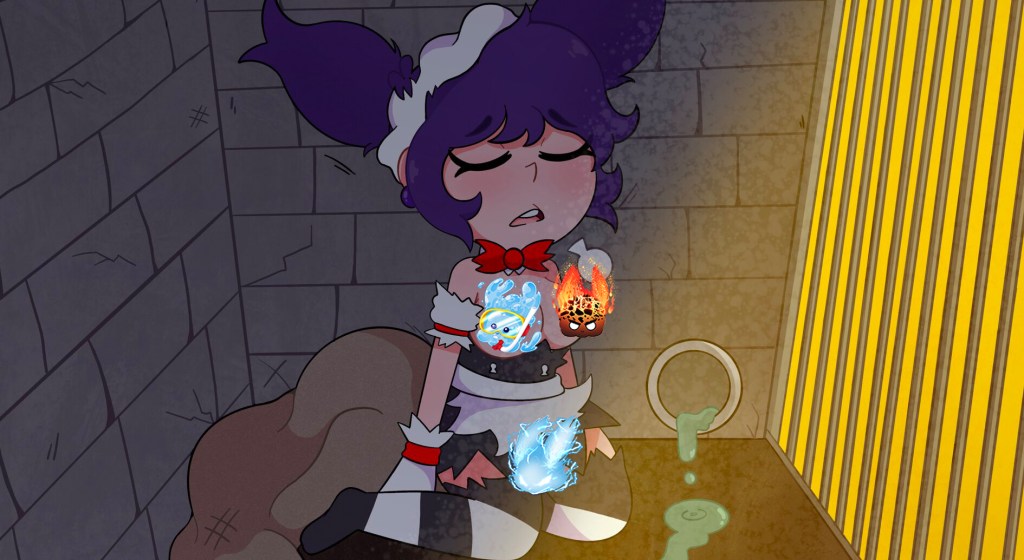
Link to Xbox version (HERE)