Star Gagnant – Release Announcement

Hello, I have some exciting information to share with you from our friends at Regista Co. about Star Gagnant, an upcoming title for the Nintendo Switch. Check out the information in the press release below to learn more about this title that will be released on May 25th. All of the details below have been graciously provided by Regista, along with assets and links to the Nintendo eShop for this title.

The company Regista Co., Ltd. (Headquarters: Tokyo) has announced the release of a new shooting game “Star Gagnant” supervised by the legendary Meijin Takahashi from the generation of Famicom, famous for his “16-shot”. The Nintendo Switch (Digital version) of the game will be released on Thursday, May 25th, 2023. Pre-orders and a demo version will be available starting on Thursday, May 11th.

About the Game

“Star Gagnant” is a 2D vertical-scrolling shooting game with a classic and simple gameplay reminiscent of the golden age of shooting games in the 1980s and 1990s. The title means “Champion of the Stars.” Players must dodge a barrage of incoming enemy bullets and unleash shots in all directions for an exhilarating experience. Once hooked, players are sure to become addicted to this game.

In this work, Takaaki “Kinoko” Takeaki Kunimoto, who was responsible for the BGM in the classic shooting game “Star Soldier,” provides some of the music, and ”Mr. Urban legends” Akio Seki participates in enemy character design, with a friendship with MeijinTakahashi. The game is only available for download, but the official website https://stargagnant.net/ also features a special flyer designed to resemble a packaged version, which is worth checking out.

The gameplay filled with love for “button mashing.”

The biggest feature of this game is undoubtedly the game system that utilizes button mashing. While adopting the auto button-mashing system that activates rapid fire attacks simply by holding down the button, which isfamiliar to most shooting games, players can intentionally “button mash” to power up their shots more and more when facing tough enemies or powerful bosses that they want to defeat quickly. This innovative system
not only allows players to physically enjoy the button-mashing playstyle that is synonymous with Meijin Takahashi but also incorporates it as a solid strategic element.

A variety of game modes

This game includes four diverse modes.

  • Arcade mode – In arcade mode, you will clear seven stages along the story. The mission will be completed when you clear all the stages. There are 4 levels of difficulty. After finishing HARD difficulty, MEIJIN difficulty will be unlocked.
  • Caravan mode – In caravan mode, compete for high scores on a dedicated stage for only 2 minutes.
  • Challenge mode – In challenge mode, your control skills will be evaluated in each challenge, and your overall rank will be displayed at the end. You will be able to objectively evaluate your control skills and use them as opportunities for improvement.
  • Rapid Fire mode – In rapid fire mode, simply compete for rapid fire speed. Up to 4 players can play local matches.

Meijin Takahashi in-game!

In the game, the legendary gamer Meijin Takahashi appears as a character named “Master TAKAHASHI”. He is a former ace pilot who fought against the invading army ORBIT and is now the commander of the space defense force ALTAIR. He supports the main character in their fight against the re-invading ORBIT. Meijin Takahashi provides the voice for his character in the game.

The game development history

“We want to make a shooting game that you can enjoy by mashing buttons!”
This project was born from Meijin Takahashi’s strong desire to create a shooting game that could be enjoyed by everyone from the Famicom generation to the Switch generation, while also being retro, simple, and brand new. Meijin Takahashi was a driving force behind the Famicom boom in Japan.

He teamed up with Register Ltd. to start the project and develop the game. To fund the game’s development, a crowdfunding campaign was launched in September 2022. Fans from all over Japan enthusiastically supported the campaign. The project raised more than double its funding goal within just one month.

Profile of Meijin Takahashi

Born in 1959 in Hokkaido, Japan. Meijin Takahashi joined the video game company Hudson in 1985 and made his debut as a “master” at a software PR event. He gained fame when his signature technique of “16-shot” was introduced in the children’s magazine “KoroKoro Comic”, and he became a hero for kids.

Since then, he made numerous appearances on TV shows, debuted as a singer, and starred in the movie “Game King Meijin Takahashi vs. Meijin Mouri : Showdown! The Ultimate Battle“, became a symbol of the age. After leaving Hudson, he continued to contribute to the development of the gaming industry also working as a talent.

Product Details

Title: Star Gagnant
Genre: Shooting
Number of players: 1 player (1-4 players in some modes)
Release date: May 25, 2023 (Thursday)
Price (DL version only):$38 (including tax)
CERO rating: “A” (suitable for all ages)
Compatible platforms: Nintendo Switch/Nintendo Switch Lite
Supported languages: Japanese, English, French, German, Italian,
Spanish, Portuguese
Star Gagnant official website: https://stargagnant.net/en/
Star Gagnant Twitter: https://twitter.com/StarGagnant

Link to the game on US Nintendo eShop can be found (HERE)

Link to the game on EU Nintendo eShop can be found (HERE)

Mugen Souls – Nintendo Switch Review

Overview – developed by Idea Factory and Compile Heart, in collaboration with Cocone Corporation and published by Eastasiasoft, Mugen Souls is an anime-styled JRPG with a comedic edge. Join Chou-Chou on her quest to conquer the universe and its seven worlds, using her powers to turn the most powerful beings in the worlds into her servants. This title is available exclusively for the Nintendo Switch, with a link to the digital and physical releases at the bottom of this review.

Disclaimer: before I get into the review, I would like to thank Eastasiasoft for providing the copy of Mugen Souls that was used for this piece. The provision of this software has not influenced the contents of this review, all thoughts and opinions contained within are my own.

Mature Content Disclaimer: Mugen Souls has been rated M, this is due to the inclusion of sexual themes, content, partial nudity and interactive intimacy scenes. If the inclusion of this type of content is something that you find offensive or you are under the recommended age in your region, please proceed at your own discretion.

Now with the introductions out of the way, let’s get into the review, starting with the story for Mugen Souls. I will be covering the core elements of the gameplay to prevent spoiling the surprises that this game offers, covering the base components of the experience.

Story – In deep space, Chou-Chou was floating with no memories of her past, but she knows that she wants everything in the universe to be hers, especially the 7 Worlds because they are pretty. To achieve this goal, Chou-Chou, proclaiming herself to be the Undisputed God of the Universe, sets out to conquer these worlds with the assistance of her followers Altis and Ryuto. However, not everything is as it appears, with many twists and turns that occur along the way.

Gameplay – Mugen Souls is an anime-styled dungeon crawling JRPG, with the player taking the role of the Undisputed God of the Universe Chou-Chou as she seeks to take over the 7 worlds. The story takes place over several chapters, with the various twists and turns playing out in cutscenes and VN style character interactions. The gameplay loop is centred around dungeon crawling, turn based battles and the completion of objectives to push the narrative forward.

The majority of objectives in each chapter are shown as event markers, which are displayed on screen and the map to guide the player to them. When the marker is activated, an event will occur which can be a story scene or battle for the player to encounter. As the story progresses further, there will be the potential for players to alter the course of the narrative for players, leading to a different ending depending on the choices made.

While exploring the dungeons, the player will encounter enemies that are roaming the map. When these enemies make contact with the player in the field, battle will be initiated, with the possibility of an advantage being given to either side. During battle, the combatants take turns that are determined by the turn order at the top of the screen, split into enemies and allies. When the players turn begins, they have access to a range of skills and actions.

In battles, the player may encounter hazards, enemies and crystals that provide different effects on the field. During each turn, the player has the ability to move freely within a specific range, then an action can be made. Here is a breakdown of the main actions that can be used during a battle;

  • MOE KILL – this is the special skill that Chou-Chou can use in battle. If an enemy or Crystal is within the range of attack for the Ultimate Goddess, the player can activate Moe Kill before they make their main action, attempting to turn those in her reach into loyal servants called Peons. However, depending on the choices that the player has made, this can make the enemies stronger by enraging them.
  • Change Form – Chou Chou has multiple forms that she can switch into, with each of them tied to a different personality trait that she can use. These include a tall red haired form wearing a bondage themed outfit, a tsundere form with a waitress dress and a purple haired gothic form to name a few. The ability to shift forms in battle is limited in battle, with the number of changes reset when leaving the field zone.
  • Link Attacks – when a units turn occurs, the player may be able to perform a special attack with the other members of the party. These special linked attacks may not deal the most damage, but they each have their own unique animations when they are used. When a party member isn’t able to perform a linked attack, a standard physical attack will occur.
  • Skills – party members have access to skills that they can use in battle, with different character classes having their own unique skills. These skills use up SP, with different characters excelling at those tied to their class. There are some special attacks that can be used in the skill menu when requirements are met.
  • Blast Off – when using skills, the player can activate the Blast Off ability which will launch the target/s across the screen and dealing damage to everything that they make contact with. If a crystal is hit by an enemy being launched, there is the chance for the Crystal to be broken and additional bonuses to be activated. Be aware, the blast off skill has its limits and can be depleted if the player is careless.
  • Item – the active character is able to use items to perform a variety of benefits. The items that can be used include healing items, restoring missing health and curing party members of their negative effects.
  • Switch – the active character can switch with a reserve party member, allowing players to mix and match their party as they want to change their strategy mid fight. This can be done once a turn so make the switch count.
  • Retreat/Defend – if players don’t want to battle the enemies they have encountered, they can attempt to escape the battle by selecting the retreat option. If this fails, the turn will be skipped and the next unit will move. There is also the option to put a party member in a defensive position, which will allow the player to skip a turn while minimizing damage taken.

When all enemies have been defeated, or have been turned into peons, the player party will be rewarded with EXP, Money and Mugen Points. The rewards that are given are affected by the damage done, the special skills that have been used and the overall performance of the player party. There is also the chance for bonus rewards for the player to gain in battles, which will be added to the player inventory.

Outside of battles in the field, the player will come across item points that will provide treasures for the player to collect. There are also special points that can be targeted to be turned into Peons on the map itself. When these points are encountered, the player must attempt to use Moe Kill upon them, with success leading to the point being captured. However, if the player is unsuccessful with Moe Kill, a battle will occur before they can try again.

When the different points in a world are successfully Moe Killed, a world meter will be filled up and a special effect will occur when it reaches 100%. But bear in mind, the master points of a field will appear over time being locked until there is a requirement reached. The different points will have a unique requirement to them, including the need for a specific Chou-Chou form or an amount of money needed to make them a Peon successfully.

When not in the different Worlds the player will spend time a significant amount of time on Chou-Chou’s airship the G-Castle, which functions as the home base for the player. While on the G-Castle, the player can access a variety of different resources, stores and features. There are also high intensity battles that occur during the story between the G-Castle and the airships of other worlds, with the challenge increasing with each fight.

The facilities at the home base are key to the success of the player, as they offer the ability to buy new equipment for their party, buy support items and even create new specialised Peon units. In the G-Castle, the player is able to use Mugen Points to make custom units to add to their party in the Peon Salon. This is where unique units can be fully customized, with character classes, cosmetic items and even the face themselves can be customized.

While in the base the player should take the time to give themselves the best possible gear that they can, ensuring that they are ready for each battle ahead. The gear that can be equipped will alter the stats of each member of the party, with bonuses for those who are proficient in the weapons that they have equipped. All of the character units can be altered cosmetically, with accessories and costumes that can be added for extra visual flair.

The last thing to discuss is the Mugen Portal, the entrance to a special dimension where the player can battle enemies in several different routes, where some story threads can become clear. While inside the Mugen Field, the battles will be randomly generated and provides a chance for players to grind a lot of points and resources. This special dimension is split into different sections, with special requirements and restrictions based on the stage they are in.

The Mugen Field is made up of 100 floors, with preset points where the player will be given the choice to continue or quit and escape with earned rewards. In order to continue from the rest points, the player must reach the requirements for at least one route, or they will need to exit the Mugen Field.  Also while at these points the player will be able to purchase special upgrades for the party, new classes and more using collected points.

To enter the Mugen Field, players must make a wager to gain access, with the amount of points paid in determining different factors of the battles that will be faced. This makes the almost endless dungeon environment one of the most useful tools for players who want to farm resources, experience and more. But be aware that defeat in the Mugen Field will come at a heavy price, with all rewards that are earned being lost if the party is wiped out.

There is so much more that I could discuss about the gameplay in this title. However, I feel that there are many things that players should uncover for themselves, including the titillating, lewd and saucy secrets that this special version holds. This is due to the restoration of content that was cut from the previous release, along with the inclusion of all additional DLC content, giving players the ultimate Mugen Souls experience in one complete package.

Now with that covered, it is time to discuss the other aspects of this release starting with the controls.

Controls – the control layout for this game has a comfortable feel to it, which is important for long play sessions as this title can demand a lot of time at once. All of the key features and functions are in positions that players can learn quickly, with on screen displays for functions that can be used as a guide during play. This title plays well in both handheld and docked play, using either Joy-Cons or pro controllers, with the only flaw being the lack of touch support for certain elements.

Difficulty – the difficulty curve for Mugen Souls is balanced well, making the game approachable for all players to get right into the action. However, the difficulty can escalate quickly depending on the decisions made by the player. This isn’t a significant stumbling block and can be remedied by grinding some earlier areas. But if players want to breeze through the majority of this adventure, the bonus DLC content will give a significant advantage from the jump.

Presentation – the visual style of Mugen Souls has that artistic charm that most titles from Idea Factory share, with character art and model designs that are pleasing to the eye. This is most noticable when it comes to the varied design aesthetics of each of Chou-Chou’s forms, with colors that match their distinct character traits. The environments are well designed with background art that compliments the settings and cutscenes that take place in them.

The sound for this title brings the whole experience together, with music from composer Tenpei Sato who uses his distinct style to knock the title up a notch. There are elements of the soundtrack that are reminiscent of his work in Disgaea, which work well to emphasise the off-beat nature of this release. There is English and Japanese dialogue available in this release, with the English VO featuring the talents of Johnny Yong Bosch (Trigun) and Kira Buckland (JoJo’s Bizarre Adventure: Stone Ocean).

Final Thoughts – sadly I missed the initial release of Mugen Souls back on the PlayStation 3, but I am happy that I was able to fix that by getting to play it on the Nintendo Switch. The setting, story and characters all have a unique charm to them that really enhance the whole experience, making for a fun and engaging experience. The overall presentation and gameplay reminded me of Disgaea to a point, with the wacky attack animations and soundtrack which I really enjoyed.

There is a lot of content in this package, with all missing and extra content making for a solid JRPG offering, with the only flaw being some very minor slowdown after loading items in. The sexualised interactive scenes may border on the edge of bad taste for some, but as they are optional they can be skipped entirely. I have no issue recommending this title to fans of Japanese RPG titles, especially those who have played other titles within the genre as it is a fun and charming experience overall.

In the end, I give Mugen Souls a final score of 4.5/5. This is a fun and engaging JRPG adventure, featuring a story and characters that kept me pulled in for the entire play time. There is a wealth of content for players to sink their teeth into, with the inclusion of all missing/extra content making this the definitive way to experience the game. If you want to check this title out for yourself, a link to the digital and physical release will be below.

Link to Digital version (HERE)

Link to Physical version via Play-Asia (HERE)

Link to physical collector’s edition via Play-Asia (HERE)

Fairy Fencer F: Refrain Chord – Nintendo Switch Review

Overview – developed by Idea Factory, Compile Heart and Sting, with publishing handled by Idea Factory International, Fairy Fencer F: Refrain Chord is the latest entry in the fantasy JRPG series. Join the duo of Fang and Eryn, as they embark on a journey to collect relics known as Furies, battling dangerous threats along the way. This title is available on Nintendo Switch, PlayStation systems and Steam (out May 23rd), with links to the game at the bottom of this review.

Disclaimer: before I get into the review, I would like to thank Idea Factory International for providing the copy of Fairy Fencer F: Refrain Chord that was used for this piece. The provision of this software has not influenced the contents of this review, all thoughts and opinions contained within are my own.

Now with the introductions out of the way, let’s get into the review, starting off with the story (from the official website). I will be referring to the game as Refrain Chord during the review, while also focusing on covering the core systems to prevent spoiling any surprises this game has.

Story – long ago, the people were given knowledge by the Goddess, and civilization flourished. They built towers stretching toward the heavens, and a weapon so powerful they could pierce the gods themselves. However, that civilization was decimated shortly after a violent conflict between the Goddess and the Vile God. Ages have passed since then.

This story begins with a young man named Fang who has become a Fencer, a swordsman who has the ability to wield a special weapon imbued with a Fairy known as a Fury. Along with his companions, Fang is on a Journey to find the Furies and resurrect the Goddess. One day, he encounters a woman who can save people with her song, as well as one who can brainwash people with hers.

Along with the mysterious power of the women who call themselves Muses, Fang’s destiny begins to unfold.

Gameplay – Fairy Fencer F: Refrain Chord takes the established characters, setting and world, but puts them in a new strategy RPG system. This time, players will take part in grid based battles in a variety of locations, with familiar mechanics being used in a new way. In this title, the majority of the gameplay takes place split between visual novel style character interactions and stage battles. Between the battles, the narrative plays out in the through chaptered visual novel story segments.

These segments are divided into two types, main and side quests which are shown via a red or yellow marker in the game menus. The optional story segments give the player additional information about the games world, giving extra character depth to those that the player will encounter during the game. These VN segments can also provide bonus missions for players to play. These segments have many twists and turns as the player explores the world of Refrain Chord.

The main quests make up the core of the gameplay experience, with the player working their way through the different battle stages. These stages will increase as the player progresses, introducing new areas and enemies to fight in each chapter of the story. The stages that players can select appear in the world map, with each of the unlocked areas available for players to battle on. There are also extra battles that can occur in each stage for players to earn extra bonuses.

When the player selects a stage to battle in, a story scene will play out if they are tied to a quest. Then the win/loss condition is provided and the battle prep screen appears, where players are able to prepare their party, scope out the enemies and ensure they are ready for the battle ahead. The units in the party can have their equipment, skills and other aspects changed, giving the player more tactical options during battle stages.

While the player sets up their party for a battle in or out of battle, they can equip weapons, armor and more to provide a boost in combat. The player is also able to equip a Sub-Fairy where available, increasing the power that character units have, as well as providing access to skills depending on the characters that they are equipped to. Learning how to synergise the fairies and equipment of a character can provide an edge in battles.

The members of the party can be freely customized, but there are some units that are mandatory for use, like the Muse Fleur, who is an integral part of the game when she joins the player. Once the battle stage starts, the turn order will be determined based on several hidden factors and the action begins. In battle, players have access to a variety of options that can be used in combat. Here is a breakdown of the actions players can use during their turn;

  • Movement – the player can move the active unit around the field. The total movement distance is determined based on the movement stat of that specific unit, which can also be affected by the terrain and position of other units. The player can make one movement action during their turn, before or after using a skill.
  • Attack – the player can use a regular attack, dealing damage to the enemy without using SP. The attacks that units can perform will vary based on their weapon, with different power, range and reach depending on the weapon that is equipped by that unit.
  • Skills – each unit can use a variety of skills that are separated into four different categories, each with their own unique characteristics based upon the character themselves. The four types of skill are Physical, Magical, Trap and Special, with each skill requiring SP to be used.
  • Item – character units can use items in battle. The items can vary depending on the quality of them and the number of items that can be used per battle is limited.
  • Wait – this will end the turn without making any additional actions, when a turn ends, the player can choose a direction to face, this is important as damage against both enemies and allies will change if they are hit from behind or the side.
  • Fairize – when a Fencer unit fills up their Fairize meter they can activate a special skill, which will transform them into a powered up form for a limited time. This special mode can also increase the players base stats, provide special attacks and more for that player unit.
  • The Muse’s Song – this special skill is unique to the Muse characters, called a Fairy Aria. When this is activated, an area of effect appears on the map surrounding the Muse. The units within the range of the song will gain extra effects depending on the song that is used, increasing based on different factors in combat.
  • Avalanche – this is a very special attack that can be used when the Avalanche meter has been filled up by units making actions. When the meter is full, unleash a massive attack that will damage all enemies within ranched, with an enhanced version called a Harmonic Avalanche if activated with the Fairy Aria.

Throughout a battle, the player units will gain EXP points and FP points for every attack and skill that they use. When enough experience points have been earned, the unit will level up, increasing their stats and making them more powerful. The amount of EXP earned is dependent on the level of the unit that the action is made against, with the stronger the target the higher the reward. The EXP and FP will carry over if the player is defeated in battle and chooses to retry.

When a battle is completed, the player will be given rewards based on their performance, with the character that did the best earning a special bonus. There are also items, crafting materials (discussed further below) and more that can be rewarded when victory in a battle is earned depending on the quest that is being taken on. Players can earn a lot of rewards if they choose to take the time to grind out stages in free battle after clearing, which can speed up their growth.

The FP (called Fairy Points) that are earned in battle can be used to power up the Fairies that are paired with the main Fencer unit. By spending FP, the player can unlock new skills for a Fairy unit to pass onto their Fencer, increasing their power and overall level to increase their power while in battle. Increasing the level of a Fairy/Sub-Fairy can provide additional benefits during the course of the game, so it is important to make effective use of FP points.

Outside of the quest battles and story segments, the player can take part in other activities. The player can take part in Location Shaping, where they can hunt for treasures by using their Furies into locations on the world map, providing rewards if successful. These rewards can be increased based on the element that they use, with the potential for chains to generate more rewards from this system and even unlock hidden battle stages.

The player is also able to use various features in their home town, using different facilities that become available during the course of the game. Here is a breakdown of the different things that players can do while they are in the town;

  • The Pub – the player can go to the pub, where players can take on a variety of order quests, which are special missions that can provide special bonuses and increase the quest meter with each successful mission.
  • The Fountain – this is where the player can interact with side characters, adding a little comedy with humorous interactions, as well as gaining access to special side quests from time to time.
  • The Inn – while at the Inn, the player is able to take part in special interactions with the various characters, playing out through special VN segments that can have different effects and possibly uncover some special things about the characters in the party.
  • The Shop – the player can visit Tomoe’s shop and purchase items, equipment and more from her using the gold earned from battles, as well as selling items that the player doesn’t need. This is where players can also use materials to craft different items from recipies, which can be collected from missions and location shaping.

There is so much more that can be discussed and this only scratches the surface by covering the core gameplay, as this has a lot of complexity when it comes to the deeper game mechanics. So with the core of the game covered (so we don’t give spoilers), it’s time to cover the different elements of this release, starting with the controls.
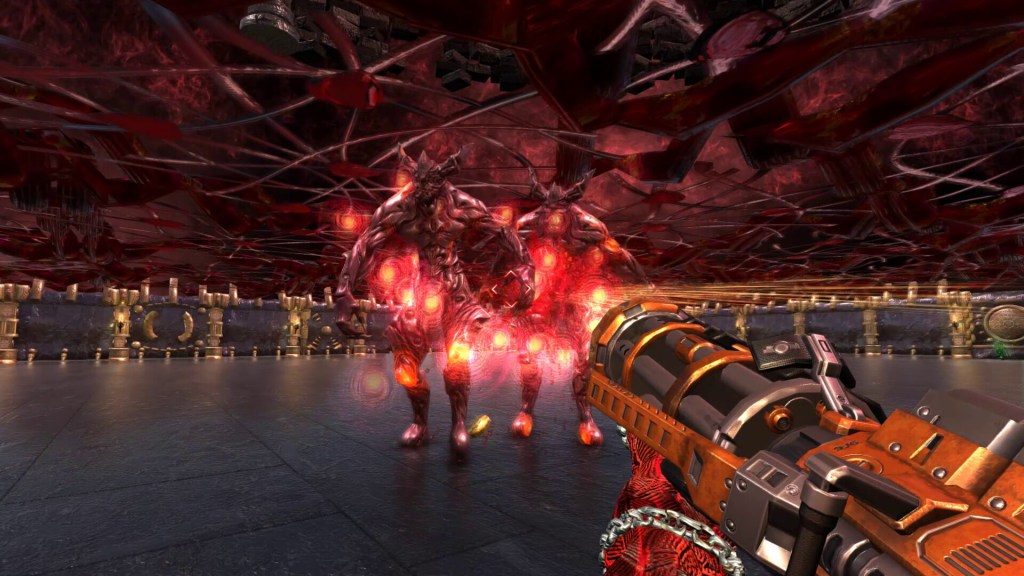
Controls – as a Strategy RPG, the controls can appear confusing during play and navigation, however, the on screen display throughout has handy control icons to help players. This can be very useful when first starting to play the game as a learning tool, or for those who may take a while between sessions. The controls themselves work very well and are laid out in a comfortable manner for the most part, but some navigation can be a little sloppy at times when there is a lot on screen.

Difficulty – there is a fair balance to the gameplay in terms of challenge, with three selectable difficulty options for players to choose from. The three difficulty options offer something for all players, with easy for those who want to enjoy the story, normal for a balanced overall experience and hard for those who want a punishing challenge. There aren’t any severe difficulty spikes, meaning everyone can enjoy the game no matter their skill level.

Presentation – Refrain Chord has the distinct look that Idea Factory and Compile Heart are known for, with gorgeous artwork for characters and backgrounds throughout. The in game visuals are good for the Nintendo Switch hardware, with some good 3D visuals for the battle stages and animations. However, there are some minor issues with slowdown when there is a lot going on, especially during moments where there are a lot of visual effects on screen at once.

The sound for this title is of the usual high quality that titles from the team at ZIZZ STUDIO have, with excellent compositions that cover a wide range of musical genres. This is most present during the VN segments, where the music is perfectly tailored to the scene that is unfolding. The dialogue audio is entirely in Japanese, with voice over that is performed by a talented cast of actors, as well as a wide range of vocalists used for the different Fairy Aria songs that Muses employ.

Final Thoughts – I very much enjoyed my time with this game, due to being a fan of the other titles that I have played from Idea Factory and Compile Heart, I went into this with some expectations. These expectations were exceeded, not only in the way that the story pulled me in and kept me engaged, but the way that they made the Strategy RPG systems feel unique. This is most prevalent with the implementation of musical spells that the Muses use.

The whole package for me is another homerun for all involved, with the entire experience being enjoyable throughout the entire time playing the game. I have no issue with recommending this game to everyone who is either a fan of the developers or the genre. There are a few minor hiccups when it comes to performance, but given the limitations of the Nintendo Switch hardware this is not unexpected. However, these minor issues don’t interfere with the overall experience.

In the end, I give Fairy Fencer F: Refrain Chord a final score of 4.5/5. This is an excellent Strategy RPG with the importance of music/singing helping to make it feel unique, which combines well with the engaging story, characters and battle systems to create a cohesive experience. If you want to check this title out for yourself, a link to each version of the game will be below.

Link to Nintendo Switch version (HERE)

Link to PlayStation version (HERE)

Link to Steam version (HERE)

Ultra Pixel Survive – Nintendo Switch Review

Overview – developed by Gold Skull Studios and published by Ratalaika Games, Ultra Pixel Survive is a 2D survival adventure where players must battle monsters, collect resources and survive each night. This title is now available on all console platforms after launching originally on android devices, this release also contains all content and a link to each version will be available at the bottom of this review.

Disclaimer: before I get into the review, I would like to thank PR Hound for providing the copy of Ultra Pixel Survive that was used for this piece. The provision of this software has not influenced the contents of this review, all thoughts and opinions contained within are my own.

Now with the introductions out of the way, let’s get into the review. There is no plot for this title, so I will be going straight into covering the gameplay.

Gameplay – Ultra Pixel Survive is an action RPG styled adventure, with a focus on surviving the hazards of the world for as many days as possible, featuring different environments to explore. When starting a new game, players will begin with no resources but they will have a safe haven house, as well as a selection of tools that can help them survive in this world. Here is general breakdown of the tools that players will have;

  • Weapon – the player has a weapon that they can use to battle enemies, these weapons range from the typical RPG fare of swords and staffs, to a shotgun and slime blade. Each of the weapons have their own benefits, with downsides that balance them out.
  • Axe – the wood cutter axe is one of the two key resource tools that the player has, the player is able to chop down trees to collect wood. The wood that is collected can create traps like spikes, walls and more.
  • Pickaxe – the player can use the pickaxe to mine materials, like stone, salt and ore to be smelted into ingots. The materials collected can be used to create equipment to upgrade other items, as well as create special defensive objects.
  • Special Skill – each character has a special skill that is unique to them, these items can be very useful in battle and help players get out of a tricky situation. The skills can be either offensive or defensive based on the character that is used.

As the player battles through each day/night, they will gain experience and collect money that is collected to be used in the in game shop. When enough experience is gained the character will level up and increase their base stats. Also, treasure chests can appear, providing the player with additional loot that can be used. When first starting the game, players are limited to the adventurer with the other characters needing to be unlocked over time.

In order to unlock the majority of characters, the player needs to use gems that are bought from the game shop. These gems cost between 100 – 300 coins each, which adds some replay value but also can make it feel like a grind to unlock all of the characters. There is also the ability to level up the characters with gold, increasing their starting level when the player starts a new game and giving a better chance of survival.

The player can also increase the level of their equipment, using the resources they have collected, making it faster to farm materials later. Resources aren’t the only thing that players need to keep in mind, there is a hunger system that will deplete over time. When this meter is fully depleted, players will start to lose health until either death or it is refilled. The only way to refill the hunger meter is to eat food, either from cooking after farming it or collecting it from trees.

During a run in the game, at different points the player will gain support from characters that will join them to help them to survive.  These support characters will also level up and gain extra attack over time. There are also boss battles that can occur during a run after reaching a set day, with these battles having a health bar which can take a while to deplete. When the boss is defeated the player can get loot for succeeding.

So with the gameplay covered, it is time to move onto the other aspects of this release, starting off with the controls.

Controls – the control method for this game is easy to pick up, with the inputs for this release being laid out in a comfortable manner. All of the key inputs are easy to use, with the different keys for the different features, like attacks and skills being shown on screen for players to use as references during play. The game works well with both the Joy-cons and pro controller, regardless of the game mode that is being played.

Difficulty – this title can be difficult when starting out, as there is a lack of tutorials for players when they first start the game. This can be tough when the player is figuring out what needs to be done at the start, but the recipes for crafting and upgrades are listed on screen with color coding to help players. If players want an additional challenge, they can toggle the option of permadeath, meaning having to start from the beginning upon death rather than the last save.

Presentation – the visual style for this release uses a simple pixel art style, which may be reminiscent of Terraria for some players. This works well for the game as it is focused on simplicity, with both the graphical style and the gameplay experience. The sound for this title is implemented well, with contributions to the music from Kevin Macleod, Wingless-Seraph and Koichi Morita, adding the needed atmosphere to the tense battles.

Final Thoughts – when I first saw this game, I was not sure what to think as my first impression was that it would be similar to other titles of the genre. However, when I got into it I was pleasantly surprised, as it was much different from the others in the genre. The simplicity of the gameplay along with the unlockable content provides a lot of replay value, as well as an experience that players can get lost in for hours at a time.

I can happily recommend this title to players, as it offers a lot of content for a modest budget. The characters that the player can unlock provide a reason for players to keep going, as the player challenges themselves to get the highest score they can. The difficulty may be a little steep right at the beginning of the game, but it does ease up over time as players get used to the way that the game functions.

In the end, I give Ultra Pixel Survive a final score of 4/5. This is a simple yet engaging survival title, with a visual style that is reminiscent of others in the genre, while providing something that is different from the others on the market. If you want to check this game out for yourself, a link to each version of the game is below.

Link to Nintendo Switch version (HERE)

Link to PlayStation version (HERE)

Link to Xbox version (HERE)

GrimGrimoire OnceMore – Nintendo Switch Review

Overview – developed by Vanillaware and published by NIS America, GrimGrimoire OnceMore is an updated remaster of the original magical real time strategy title from the PS2. Experience the original story of GrimGrimoire, with updated gameplay, new features and remastered visuals. This title is available on the Nintendo Switch and PlayStation systems, with a link to each version of this game at the bottom of this review.

Disclaimer: before I get into the review, I would like to thank NIS America for providing the copy of GrimGrimoire OnceMore that was used for this piece. The provision of this software has not influenced the contents of this review, all thoughts and opinions contained within are my own.

Now with the introductions out of the way, let’s get into the review, starting off with the story of GrimGrimoire taken from the official website.

Story – Lillet Blan was very excited. She had been invited to a Magic Academy where only talented youths were accepted. The school was lead by the famous magician, Gammel Dore, who had once defeated the Archmage. The campus in which they study, the Silver Star Tower, was once the vanquished Archmage’s castle. The tower was still full of unsolved mysteries and dangers, attracting many who had their own personal agendas in mind.

Lillet opened her first grimoire, and began her studies. But only five days later, a terrifying disaster threatened the academy, and all lives were lost. All except she, who had traveled back through time without knowing why… Will Lillet be able to find the truth in 5 days? Will she be able to bring an end to the endless loop (of 5 days)?

Gameplay – GrimGrimoire is a fantasy RTS title that plays out in two distinct ways, the first is the story segments that occur before and after battles. These scenes tell the story of the GrimGrimoire, adding further depth to the narrative and expanding the world and characters the player encounters. The other is the battles that take place on large 2D maps within the tower, with various victory conditions that can be attached.

The main objective that players will encounter is to destroy the bases of the opponent, deploying forces from their own bases called Runes. Each of the Runes is tied to a grimoire that falls under one of four types called schools. The magic schools are classed as Glamour, Necromancy, Sorcery and Alchemy. These different types have unique themes to them, with Glamour being connected to nature/fairies and Necromancy featuring ghosts/phantoms.

The four magic schools also have their own strengths and weaknesses against other types of magic, in a paper/scissors/rock style of system. This can change the flow of battles as different matchups can sway the tide of battle, or make an objective more challenging for players. The different grimoires of each school also have different features to them, which provide unique options for tactical choices during the different missions when unlocked.

In order to use these Runes, the player needs to collect Mana from crystals that are positioned in different points on the maps. When a battle starts, there will be at least one Rune for players to use and a set of units called familiars to deploy. The familiars have unique skills, with more powerful units needing more Mana to summon, with two distinct forms called Astral and Substance.  Astral familiars are weak to magic, but immune to physical attacks which can help in tense battles.

Knowing what units to deploy and using the correct grimoires can make a world of difference when battling the enemy. This is due to the special abilities that some of the units have access to. For example, the Grimalkin cat familiar is able to put enemies to sleep and the dragon can break through walls. Effective deployment of skills for units will make it easier during some battles, as the difficulty can escalate quickly later in the game.

When a player creates a Rune or summon a unit, it can take some time for these actions to complete. The Runes themselves can be levelled up in exchange for Mana, which will grant the player additional options during the battle stages. These options include additional power to different familiars, new units to summon and reducing the cost of deploying Runes. New skills for Runes are initially locked, needing to be unlocked in the skill tree (discussed further below).

During the early segments of the game, the player is given tutorials explaining all of the features and providing explanations of the mechanics. This is where the player will learn how to use the different systems of the game, allowing players to learn before being dropped into the deep end. It is important to plan out a strategy when starting a battle, as there are a limited number of units that can be deployed and Mana is limited per crystal.

All battles can be won by completing the stated objective at the start, however, there is one universal victory condition that all stages can have. This is to destroy all of the enemy runes that are on the map, which can be very challenging depending on the limitations and enemies that are against the player. Outside of the main game, there are special trials that the player can challenge, offering special unique battles for players to take at their own pace.

Now with the core gameplay mechanics covered, it is time to cover the new features that have been added to the release;

  • Updated Visuals – the visuals of the game have been overhauled, with more vivid and detailed artwork for the battle maps, story scenes and enemy sprites. The screen also has a new wider aspect ratio, which allows players to see more of the battlefield at once.
  • Grand Magic – this is a new special mechanic to help turn the tide of battles, but its use is limited. These new Grand Magic spells can help the player when they are in a pinch, with four different special abilities for players to use. The spells include Mana Burst which deals massive damage to enemies and Sands of Time, which rewinds the battle to a previous point.
  • Skill Tree – this is where players can spend coins to unlock enhancements to runes, new familiars and more during the course of the game. To unlock the levels of a rune, players will need to spend a set amount of coins earned during play. These coins are given as rewards for completing optional objectives and can be refunded to try different skill options.
  • Gallery – when playing through the game, the player will unlock images and special artworks that have been created by the team at Vanillaware. There is over 90 different images for the player to unlock and view, with beautiful artwork depicting various scenes.
  • Gameplay Enhancements – there has been several changes made to the game, with a fast-forward to speed up battles, the ability to save during battle and updates to the difficulty balance.

These changes to the overall game and the new mechanics create a fresh experience, allowing returning players to feel like they are playing the game for the first time all over again. There is a lot of content for players to enjoy, with the ability to return to previous stages and replay them to take on the different bonus challenges. This is alongside the bonus trial challenges for players to take on.

Now with the gameplay covered, it is time to move onto the other aspects of this release, starting with the controls.

Controls – the control method for this game is laid out in a way that works well for a console RTS, as the thumbstick controls the cursor, with the d-pad quickly switching between units. The activation and deployment of units is easy to do with shoulder buttons for navigation, as well as camera controls to zoom in and out of the battlefield. This title plays very comfortably in both docked and handheld mode, regardless of if Joy-Cons or pro controllers are used.

Difficulty – there is a fair difficulty curve to this release, with the tutorials at the beginning laying a foundation for players to take on the later challenges. There is also the option for the player to select different difficulty options, which will adjust the amount of Mana earned from crystals and the damage dealt by enemies. There is also a special challenge that can be unlocked upon clearing the game, ramping up the difficulty even further.

Presentation – the visual style for this release has a beautiful stylized design to it, with the artwork for the characters, familiars and environments having a painted look for the most part. This works very well for the dark setting, as well as familiar designs that contrast well against each other. The cuteness of some units compared to the grotesque look of others, which builds the overall atmosphere of the game further.

The opening and cutscenes further adds further depth to this release, combined with a soundtrack that creates excitement and tension during the gameplay experience. The music and visuals are complimented by the fully voiced dialogue through the game, with a Japanese and English VO to choose from. The English cast features voice talent from Anime and video games, including Yuri Lowenthal (Naruto), Wendee Lee (Cowboy Bebop) and Michael Sorich (Fire Emblem).

Final Thoughts – when GrimGrimoire first came out, I sadly missed out on it, but I am extremely happy that I have been able to experience this refreshed version of this title. The action and strategy is tense, with the deep tactical system that is present via the Magic School and Rune system. This makes for battles that can be approached in a variety of ways, which further adds to the replay value that the game offers along with the bonus challenges.

I am happy to recommend this to players that are newcomers to the RTS genre and veterans alike, as it doesn’t really feel like a traditional title within the genre. The atmosphere, story and engaging gameplay that this title offers really pulled me in. All of these factors combined well, making me excited to see what comes next which is something I don’t often feel with RTS titles. This is one I will return to time and time again.

In the end, I give GrimGrimoire OnceMore a final score of 5/5. This is a fantastic RTS that breaks the mould of what a traditional strategy game has to offer, with a story/characters that have an distinct charm to them, a relatively deep strategic gameplay system and a lot of content for players to enjoy. If you want to check this title out for yourself, a link to each version of the game is below (there is also a demo for players to try before they buy).

Link to Nintendo Switch version (HERE)

Link to PlayStation version (HERE)

Dogfight: A Sausage Bomber Story – Nintendo Switch Review

Overview – developed by Katsu Entertainment and published by Hound Picked Games, Dogfight: a Sausage Bomber Story is a multiplayer scrolling shooter, mixing humor, action and sausages based weapons. Take on wave after wave of men in your sausage bomber, with your arsenal of unlockable weapons and upgrades. This title is available on all major platforms, with a link to each version of the game available at the bottom of this review.

Disclaimer: before I get into the review, I would like to thank PR Hound for providing the copy of Dogfight: a Sausage Bomber Story that was used for this piece. The provision of this software has not influenced the contents of this review, all thoughts and opinions contained within are my own.

Now with the introductions out of the way, let’s get into the review, starting off with the story.

Story – the mysterious Vega Nation has ambitions of taking over the world, invading the neighbouring areas and attempting to conquer all. The Sausage Bomber Corps has deployed their best team, made up of 4 talented pilots to take on the threat of this enemy. Can these brave pilots take down the nefarious plans and destroy the war machines, on a daring mission to defend the nations of Relishtonia, Krautsbourg, Dijon Terre and more.

Gameplay – Dogfight is a 4 player scrolling shooter, inspired by titles like Metal Slug, where the player takes on waves of enemies in intense shooting action.  The objective of the game is to make it through each level, taking down enemies forces and defeating the bosses at the end of the each stage. To accomplish this, players must dodge and weave through a hail of enemy fire, with attacks sometimes filling the entire screen.

During the stages, the player is able to collect power-ups which can increase their fire power, provide satellites for extra support and refill the ships total health. There are also medals that can be collected which add to the players total score at the end of the stage, adding to the arcade feel of the experience. When a stage is cleared, a ranking will be provided for the player out of a total of 5 stars, with different requirements to hit the highest ranking.

While in combat, if the player takes damage, they will lose a portion of their health with the chance for instant defeat if making contact with a giant foe. But if the player loses all of their health from enemy fire, there is a chance for recovery by hitting the button prompt on screen as fast as possible. When the player successfully recovers, they are given a low portion of health to continue to play and the chance of restoring health.

Before boss battles, there are cutscenes and on screen effects that add comedic elements to the action, with interactions from the bosses. The bosses are challenging as they take up a large portion of the screen, with multi direction attacks that can fill up the remaining spaces during battles. The player must hit all of the weak points of the boss, taking out their weapons while attempting to avoid the different attack patterns.

Outside of the missions, the players are able to select their next mission from the menu, as well as the option to change the weapons that have been unlocked, including bomb and shot weapons. The stages that have already been cleared can be replayed to improve their score. There is also an option for players to speedrun the game, offering different speed settings to speed up the action to get a faster time with each subsequent attempt of the game.

Now with the gameplay covered, it is time to cover the other aspects of this release, starting with the controls.

Controls – this is an arcade style shooter, with a very simple control layout consisting of a shoot, bomb and turn button letting players fire the opposite direction. The inputs are smooth with little if any input lag, allowing for fast and intuitive action when playing the game at high speeds. This makes for a solid arcade style experience, regardless of the controller being used be it a Joy-Con, pro controller or even an arcade stick (which I would recommend as the best option).

Difficulty – the difficulty curve for this release is fair and balanced, with adjustable options for the player to set the game to their own personal skill level. There are several difficulty options to select from, with multiple settings for lives and the option to change the speed that the game moves in speedrun mode. These options make the game accessible for players of all skill levels to be able to play the game at a level that suits them.

Presentation – the visual style for this release is similar to that of a Saturday morning cartoon, which looks right at home on the Nintendo Switch. The sprite work consists of relatively simple yet detailed art, with multi-layered backgrounds that have a hand drawn look to them. The cutscenes that are used look great, which combine with the energetic soundtrack to create an overall package that has its own delightful charm to it.

Final Thoughts – when this game was announced, I was rather excited to see more of it. Then when I got my hands on this I was pulled in right from the start, as the action, pacing and overall charm of the game really pulled me in, with the multiplayer being an extra bonus. I can see where the comparisons to titles like Metal slug come from, as this has elements reminiscent of them, like the complex enemy patterns and giant bosses.

I can happily recommend this to anyone who likes action titles, as it hits all the right notes in terms of fast paced arcade action, replay value and balanced gameplay that isn’t punishing to new players. I feel that this is an excellent scrolling shooter, with a lot of potential, in terms of sequels in the future and a possible speed running/challenge community growing from this.  I just wish the main game was a little longer.

In the end, I give Dogfight: a Sausage Bomber Story a final score of 4.5/5. This is an excellent acrade style scrolling shooter, with plenty of variety to the action and a charm that gives the overall package its own identity when compared to its inspirations. If you want to check this title out for yourself, a link to each version of the game will be below.

Link to Nintendo Switch version (HERE)

Link to PlayStation version (HERE)

Link to Xbox version (HERE)
Link to Steam version (HERE)

Link to EPIC version (HERE)

Cannon Dancer: Osman – Nintendo Switch Review

Overview – originally developed by Mitchell Corp and ported by Ratalaika Games, with publishing handed by ININ Games, Cannon Dancer: Osman is an arcade title coming to console for the first time.  As the Mercenary Kirin, the player will travel through a dystopian future where they must battle wave after wave of enemies and monsters. This title is available on all console platforms, with a link to each version of the game and the physical version from SLG at the bottom of this review.

Disclaimer: before I get into the review, I would like to thank PR Hound for providing the copy of Cannon Dancer that was used for this piece. The provision of this software has not influenced the contents of this review, all thoughts and opinions contained within are my own.

Now with the introductions out of the way, let’s get into the review. I will be skipping the story and going straight into the gameplay, this is because I want players to experience the full package for themselves first hand.

Gameplay – Cannon Dancer is a classic side scrolling action title, developed as a spiritual successor to the Capcom title Strider, with intense platforming, action packed combat and challenging boss battles. The player has three actions that they can use, there are standard combo attacks, a jump/slide and a special fatal attack that can damage several enemies at once.

The attacks can be used in the air and powered up, with special items that can be collected that add more power through “afterimages” of the player. When the attacks are powered up fully, there is even more damage that can be done with an air blade attack. However, when the player takes damage they will lose one of the power up levels they have collected, with all levels lost if the player loses a life.

The player starts each credit with a three hit points, a single extra life and three uses of the special fatal attack. As the game progresses a fourth point can be added to give the player a little more durability in battle, which is important as this is a very difficult game. If the player loses both lives, they will need to use a credit to continue which will be limited depending on the mode chosen (discussed further below).

This game is made up of six stages, with some having different phases to them. At key points in a stage, there are scripted events that the player will encounter, such as mini boss battles and a chase that needs speed and precision to survive. These events are difficult and can lead to repeated death, which can be a frustration for players but the casual mode has unlimited credits which helps with this.

While short, this game is very challenging and can be very difficult. This is made even tougher as there is a lack of access to the game settings, not allowing players to change the difficulty or increase the number of lives per credit. To compensate for this, the game offers settings known as “enhancements” which can add a double jump and invincibility to different actions.

There are also cheats that the player can add to the game, which include infinite health, full invincibility and permanent full power ups. These cheats and the enhancements are just a few features, as there is also the ability to rewind the game and make save states freely, letting players stop and resume when they want. All together these features can make the game much easier for players who may be struggling.

When playing the game, players have access to the international version of the game as Osman and the Japanese domestic version as Cannon Dancer. There is no difference between these two versions aside from the text language/title screen. There is also the option for two different game mode that players can play, with a causal mode where the player can freely add cheats/enhnacemnets, as well as a challenge mode with limited options.

Now with the gameplay covered, it is time to move onto the other aspects of this release, starting with the controls.

Controls – as an arcade title, there are limited inputs in this game with only movement and three actions. The different additional inputs like credits are laid out in a way that is comfortable, but if players need to reset the controls, the button layout can be altered. This is perfect for those who want to play the game with a different controller, like a classic game pad or arcade stick that lacks thumbsticks.

Difficulty – this game is incredibly difficult with only a single preset difficulty setting. The challenge can be punishing for players who aren’t used to games that are similar to its inspiration Strider. The enhancements and cheats can make the game more bearable for players who struggle, but it may be too much for others. I would recommend checking this game out via gameplay video, as that can give players an idea of what to expect.

Presentation – this title is a 2D side scroller with excellent pixel based sprite work, which look very good for the time. The music for this also adds to the atmosphere of an intense dystopian adventure, with crisp audio throughout. Since it is an emulation port, there are additional settings for players to add to the visuals. The additional options include screen size changes and filters that can alter the overall look of the game.

Final Thoughts – I always enjoy a good classic arcade game being brought to modern platforms, with this being no different. However, there are some flaws to this release that negatively impact the experience. While the developer added the additional features to the title via enhancements, the lack of access to the games dipswitch settings gives players less flexibility and freedom to enjoy the game.

The high difficulty level of the game can cause extended frustration to players, potentially putting them off from persisting with the player. This is a shame as the overall gameplay experience can be fun, as well as giving players a chance to play a title that was long forgotten many years ago. I am unsure if I can recommend this title to anyone other than those who enjoy brutal challenges, as the steep difficulty curve can likely hinder most players.

In the end, I give Cannon Dancer: Osman a final score of 3.5/5. This is a very challenging arcade title that has finally had a release after over 25 years of being stuck in arcades, which is really tough and can be a lot of fun. However, the high level of difficulty can be off putting for players who may lack experience with this type of game. If you want to check this title out for yourself, a link to each version of the game will be below.

Link Nintendo Switch version (HERE)

Link to PlayStation version (HERE)

Link to Xbox version (HERE)

Link to Physical versions (HERE)

Omen of Sorrow – Nintendo Switch Review

Overview – developed by AOne Games and published by Eastasiasoft, Omen of Sorrow is a traditional fighting game with a dark horror twist. Engage in battle with monsters and beings inspired classical horror literature, folklore and mythology to see which being is the strongest. This title is available for all on most platforms, with a link to each version of the game at the bottom of this review.

Disclaimer: before I get into the review, I would like to thank Eastasiasoft for providing the copy of Omen of Sorrow that was used for this piece. The provision of this software has not influenced the contents of this review, all thoughts and opinions contained within are my own. (please note, images are taken from official press kit, so they may not match the chosen version)

Now with the introductions out of the way, let’s get into the review. I will be skipping the story aspect of this release, as there are numerous plot threads and I want them to be experienced first-hand. So I will be going straight into discussing the gameplay of Omen of Sorrow.

Gameplay – Omen of Sorrow is a traditional 1 on 1 fighting game, featuring a roster of characters inspired by the horror stories of old. These include creatures based upon Frankenstein’s Monster, the Wolfman and Count Dracula, along with a few unique characters that are exclusive to this release. Players will fight their way through these monsters in several game modes both online and locally.

Here is a breakdown of the modes that players will be able to access in this release;

  • Arcade – play through 8 stages as a chosen character, with a unique ending scene for each member of the roster upon completion.
  • Versus – play against another in local battles, here players can battle the CPU or each other to see who is the top dog of their coven.
  • Story – play through a winding narrative, where characters will meet and battle to progress the story forward. The story takes place over several chapters with characters changing during the course of the narrative.
  • Survival – take on wave after wave of monsters in a war of attrition, where there is no chance for the player to catch their breath. There are different settings offering several levels of challenge for players to take on.
  • Training – practice the different characters and get to grips with how each of them play, with a quick guide for the unique mechanics of the game.
  • Online – take on players from around the world in battle. Challenge players on the same system server or branch out and take on players from across the world on all platforms supported.
  • Extras – in records, players can look at their best scores and leaderboards. In options, players are able to change different settings within the game. The gallery contains artworks that can be unlocked during play, clearing different conditions to access them.

Now, while this is a relatively traditional fighting game on the surface, there are aspects of it that are far from traditional. Even though the game uses a four button system for attacks, split into light and heavy punches/kicks, some of the characters will break the rules. Such as Caleb the Wolfman, a vicious beast that uses their claws and teeth to attack, then there is Erzsebet Bathory, the countess who wields the power of a blood dragon to attack for them.

These different character gimmicks make this a unique fighting game experience that is quite different from the norm, as players may expect something akin to Mortal Kombat or Street Fighter. The action of battle flows at a smooth pace, with inputs and combos that can be easy to pull off, with special moves that can verge on the ridiculous (which is a good thing). There is likely a character that will fit any play style, letting all players take part.

However, this game does have a couple downsides to it unfortunately. There is a mild imbalance between some of the characters, which can make battles feel one sided. This is most prevalent with random battles, especially when a character with ranged attacks is matched against one who lacks similar skills. This can lead to frustration where one character can pin down another, essentially locking them out of play all together.

Another issue is the lack of tutorials for the game mechanics unless the player goes searching for them, which can be a stumbling block for newer players. There is also a slight issue when it comes to inputting special moves, as inputs can be missed during combo attacks which are a frustration that all players can suffer. These minor issues may be off putting to some, as they can interrupt the flow of combat especially when playing online with others.

Now with the gameplay covered, it is time to move onto the other aspects of this release, starting with the controls.

Controls – the controls for this title are laid out on traditional controllers in a comfortable way, as well as the ability to remap the controls freely. There are some minor issues when it comes to the use of thumbsticks for input motions, this is due to the way that sticks can move past the needed movement leading to missed attacks. The way I would recommend playing this game is by using either a solid D-pad or Arcade Stick.

Difficulty – the difficulty of this title will depend on the player, as those who have played a lot of fighting games will likely adapt faster to the games mechanics. However, this title has adjustable difficulty settings that allow players to alter the game to fit their own skill level. It is important to be aware that some characters have specialised inputs, this can make the game more difficult for those who may not be able to pull of these inputs.

Presentation – this title has a dark horror aesthetic to it, providing an appropriate atmosphere that the game wants to portray. The resolution is lower than the other versions, so there is some fuzz to the character models due to the hardware limits of the switch. But the game still plays very well even with these limitations imposed, providing a smooth and fluid fighting experience, while not compromising the overall product.

The sound design has a very oppressive feeling to it at times, with heavy and haunting audio utilizing different thematic elements, like piano melodies that have an unsettling feel to them. These different elements increase the overall atmosphere that is presented, especially during the story mode where characters interact with each other. There is some limited voice work for the fighter roster, along with a narrator/announcer who pushes the story mode along.

Final Thoughts – this is something that I have been aware of for a while, as I saw the PlayStation version a few years back. When the game was announced for other platforms including the Nintendo Switch, I was very excited to get my hands on it and I was pleasantly surprised when I got to play. While there are some flaws to the game due to the system limits and sadly the online mode doesn’t appear to be very active, I had a very good time with this game.

The roster of fighters is varied with each of them being distinct from the others, with a solid fighting system that is a little complex at first, but can be picked up relatively quickly. I can recommend this to fighting game fans who are looking for something different from the other fighting games. The work that has been put into this game, with the monster designs and the environments is excellent, with a tone that brings it all together.

In the end, I give Omen of Sorrow a final score of 4/5. This is a solid fighting game with a relatively unique premise, using classic literature and folklore to create something that can stand on its own away from the other titles in the genre. If you want to check this title out for yourself, a link to each version of the game will be below.

Link to Nintendo Switch version (HERE)

Link to PlayStation version (HERE)

Link to Xbox version (HERE)

Link to Steam version (HERE)

Lunark – Nintendo Switch Review

Overview – developed by Canari Games and published by WayForward, Lunark is a cinematic 2D adventure that takes inspiration from classics of the genre with a sci-fi twist. Take on challenging puzzles and hazards in a distant future, with every requiring planning and precision. This title is available on all major platforms, with a link to each version of the game available at the bottom of this review.

Disclaimer: before I get into the review, I would like to thank WayForward for providing the copy of Lunark that was used for this piece. The provision of this software has not influenced the contents of this review, all thoughts and opinions contained within are my own.

Now with the introductions out of the way, let’s get into the review, starting with the story of Lunark.

Story – set on a distant planet ruled by a totalitarian regime, Leo is a courier with a mysterious past and unique abilities. After being blamed for a terrorist attack, the courier is now caught up in the rebellion against the ruling power LUNARK. On this adventure, uncover the mysteries of Leo’s past while travelling though alien environments, encountering those on both sides of the unrest and battling a various enemies.

Gameplay – the gameplay for this adventure is a throwback to the classics of the genre, like Prince of Persia and Flashback, with a modern take to it. As the protagonist Leo, the player must move through the different areas of the game while platforming, avoiding environmental hazards/enemies and solving tricky puzzles. All of this happening while telling a deep story through interactions with characters that the player will encounter.

As a cinematic adventure, there is an element of exploration to this title, with the player needing to collect keys, use platforms and climb ledges to progress through the game. This can lead to some trial and error as the player moves through the different places, while searching for the solutions to puzzles and complete objectives. There are also enemies that will get in the way of the player, including alien creatures and machines that will attack.

During the game, the player will be provided with tutorials and hints that can help them with the objective that they are currently doing. These include explanations of different parts of the player move set, as well as clues to solve the different puzzles. These can be very valuable when needing to remember the different skills and manoeuvres, as the platform segments can be very tricky increasing the trial and error needed to succeed.

To overcome the challenges of this title, the player is equipped with some tools that can help them to get through the adventure. One of them is the handgun, a weapon that can attack enemies at a range but it has a downside. The gun has a limited number of shots before it needs to be recharged, meaning every shot must be made to count or else the player will get hurt. Speaking of getting hurt, the player has shields that can be deployed to prevent damage.

These shields are limited, with the need to replaced as they break upon preventing damage. If the player takes damage without using a shield, they will lose a heart and if all hearts are depleted, they will get a game over. When this occurs, the player will be sent back to a predetermined checkpoint, but most progress made like unlocking paths/doors will be retained. During the course of the game, there will be fruit that can be eaten to heal the player.

In this adventure, the player will encounter many threats including boss battles where the player must overcome a deadly threat. These challenges can be fearsome, but if the player takes care they will be able to overcome them. There are also secrets that the player can uncover, including weapon upgrades that make the handgun more powerful, as well as special shells that can be traded to a special character (other versions of the game also contain secret achievements).

Now with the core of the gameplay covered, it is time to move onto the other aspects of this release, starting with the controls.

Controls – as Lunark requires a lot of precision platforming, there are a lot of inputs that the player needs to use. However, this title doesn’t rely on complicated button inputs to perform the moves needed to progress. All of the button inputs for this title are laid out in a way that makes them comfortable no matter the controller used, especially when using a third party offering that resembles the controllers of old.

Difficulty – this game is fairly straightforward, but it can be difficult for some players who haven’t experienced a title like this. The puzzles, platform challenges and environmental hazards require some experimentation that can lead to frustrations for the player. But as the player continues to play the game and get comfortable with the mechanics, alongside the checkpoint systems the difficulty of the game will start to get easier.

Presentation – the visual style of this game is pleasing to the eye, with a simplified pixel art style for the characters and the use of vibrant backdrops for the environments. There is also the implementation of rotoscoping used for the cinematic scenes throughout, which works well with the pixel art style. This combination provides a familiar yet fresh experience, accompanied by sound design that completes the overall package on offer.

Final Thoughts – It has been a long time since I have seen a game from the old school adventure genre, similar to classic Prince of Persia which is very refreshing. This title may feel relatively short as it can be cleared in a few hours, but the overall experience and the engaging narrative that is on offer makes it a very enjoyable title. The gameplay may be challenging, with the trial and error nature being a source of frustration to some, but that is an easy hurdle to overcome.

This is an excellent indie game that provided a story that kept me engaged during the whole play time, as well as providing a lot of challenge in a modest package. The use of rotoscoping is amazing and really gives this title a unique look and feel, which elevated the whole experience. All in all, I am happy to recommend this title to anyone who wants a different type of adventure, or if you are a fan of the genre from years ago then this is the game for you. 

In the end, I give Lunark a final score of 4.5/5. This is a fantastic throwback to the cinematic adventure titles of the past, with a thrilling story that will keep you engaged for the entire length, challenging puzzle segments and tense sequences that will have you on the edge of your seat. If you want to check this title out for yourself, a link to each version of the game is below.

Link to Nintendo Switch version (HERE)

Link to PlayStation version (HERE)

Link to Xbox version (HERE)
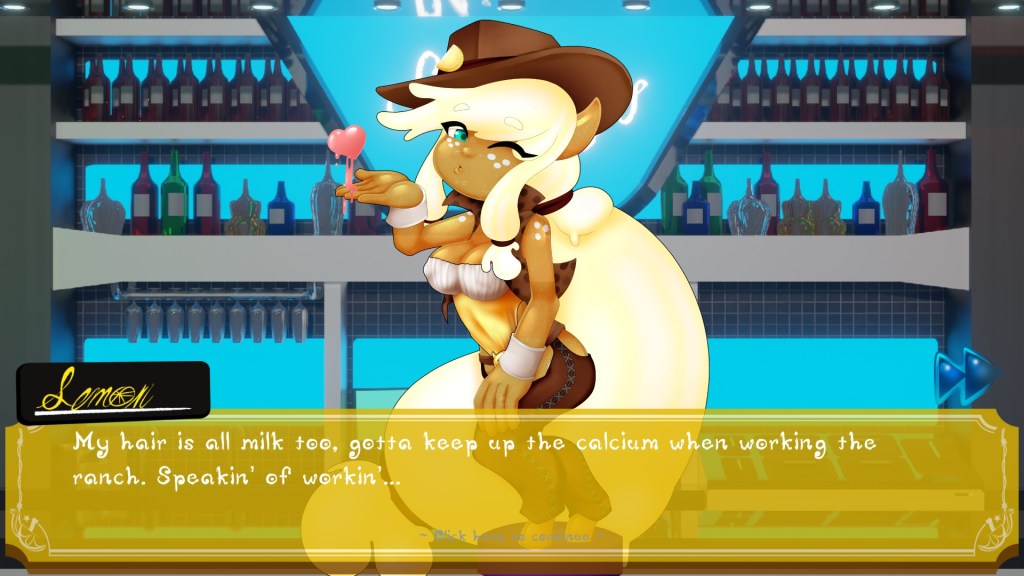
Link to Steam version (HERE)

The Legend of Heroes: Trails to Azure – Nintendo Switch Review

Overview – developed by Nihon Falcom and published by NIS America, Legends of Heroes: Trails to Azure is the latest release in the Legend of Heroes series. Taking place after the events of Trials from Zero, this is the continuation of the Crossbell arc that is part of the larger Trails series. This title is available for the Nintendo Switch, PlayStation platforms and PC with links to each version of the game at the bottom of this review.

Disclaimer: before I get into the review, I would like to thank NIS America for providing the copy of Trails to Azure that was used for this piece. The provision of this software has not influenced the contents of this review, all thoughts and opinions contained within are my own.

Content Disclaimer: this title is rated as T for Teen in the North America, with little if any in terms of offensive or explicit content. However, in other territories, especially European regions the game is rated 18 due to the inclusion of simulated gambling in the game.

Now with the introductions out of the way, let’s get into the game, starting with the story for Trails to Azure.

Story – taking place months after the events of Trails from Zero, peace has fallen over the city of Crossbell and the Special Support Section find themselves with newfound fame as heroes. However, this peace is broken due to the rise of organisations with ulterior motives. These tensions are framed as increased pressure from outside forces, with Crossbell caught in the crossfire. With the safety of their home at risk, Lloyd Bannings and his allies prepare for the threats that loom over them.

Gameplay – this title is a turn based JRPG adventure, with dungeon crawling action and a large world to explore. The core gameplay mechanics for the game are the same of that from the previous title Trails from Zero (which my coverage can be found HERE). So before discussing the new features of Trails to Azure, here is a quick breakdown of each returning mechanic from the previous game.

Dungeon Crawling: throughout the game, there are areas that are made up of interconnected zones that the player will explore. These areas are infested with monsters and enemies to battle, as well as hidden treasures for the player to uncover. At set points in a dungeon, players may find healing points to allow them to recover their party a boss. These dungeons can be challenging so preparation is important.

Combat: when an enemy is encountered, either through a scripted event or while in a dungeon, combat will be initiated and the party will be moved to a grid based arena. If the player is in a dungeon, they can choose to avoid enemies as they will be roaming through set paths. However, if the player hits the enemy from behind with an attack and then makes contact, or the enemy does the same to the party combat advantage can be given.

There are various skills of varying range that the player is able to use, with the first being Craft skills that use CP for instant skill use, with CP being charged over time. Next we have Arts that use EP for delayed elemental attacks, which can do extra damage depending on the enemy they are used on. Last is the Break Skills that are the ultimate attack for a party member, which are available when the player has charged up 100 CP points and a max power version at 200 CP using up all points.

Outside of the special skills that the player can use, the player can move around the arena to get within range of enemies and perform physical attacks if they don’t want to use skills. There are also items that can be used during a turn, providing buffs and healing the party. If a battle seems too difficult the player is able to escape with a percentage chance to fleeing successfully. But if the player fails a turn will be lost however, there are items that can provide instant escape.

When combat is complete, players will be provided rewards and experience that will level them up when they reach set amounts. The rewards that players will receive consist of items and Sepith, which is a special resource that can be used to craft special items to power the party up. If the party is defeated in a battle the game will be over, when this happens the player is able to continue from a checkpoint. This makes use of the healing points in dungeons important.

Party Management:  the player is able to alter the setup of their party, with different formations that can be used. There is also the ability to modify the equipment and gear that the player uses in battle, with weapons, armor and accessories that can change character stats. The player is also able to use the Orbment system change the quartz in their Enigma II device, which will provide new skills and passive abilities in a manner similar to that of skill tree.

City Exporation: while in the main city of Crossbell, the player is able to freely move about the different areas that are open, allowing them to interact with the different characters there. There are many places for the player to visit, including the shops where new gear can be bought, items can be upgraded and Quartz can be crafted. There is also a casino where the player is able to play slots, roulette and card games, earning tokens that can be exchanged for prizes.

There are also other areas of interest in the city, like the restraunt where food can be bought, the general store with several shops in one space and the black market exchange shop. While in the exchange, the player is be able to trade items collected during quests for special equipment that can be equipped and more. There are NPC characters throughout the city that players can talk to, as well as other characters that are tied to different objectives.

Quest System: the game itself is made up of several chapters, each with their own unique objectives that will push help push the narrative forwards. There are two types of quest that the player can receive, separated into main and optional quests. The main quests are story focused, with narrative details being provided as each of the steps of each objective is completed. These quests are mandatory to progress the game.

The optional quests are side missions that the player can choose to clear if they want to, with rewards and bonus items that can be earned from these. These side missions have a limit to how long they will last, making it possible to miss them if the player takes too long. When a mission request is completed, the player will receive Detective Points which level up the detective rank for the player, with additional rewards for each rank that is reached.

New Features: now it is time to talk about the new features that have been added to this release to wrap up gameplay. First we have the new Burst Gauge, a special battle mechanic that will boost all the members of a full party, increasing combat power and allowing arts to be cast without delay. There is also a change to the way that encounters can play out, as enemy ambushes there is a chance for other members of the party to be pushed into battle.

Next we have the Master Quartz, a new upgraded version of the regular quartz that is equipped inside the Enigma II device. These special gems have their own levelling system which can power up the character they are tied to, boosting the overall stats that the party member that it is attached to. The Master Quartz can also provide their own passive skills to a character, like extra damage, adding poison chance to attacks and much more.

Added to this release is a fast travel system, where the player can access a special car which provides instant transport. These cars can also be modified, allowing players to customise them to their liking, with paint and new parts that can be added. Last is the Data Import system, which lets players load clear data from Trails from Zero. This data will provide new content that will change scenes from the story, while also unlocking new content and carrying over special conditions.

Now with the gameplay covered, it is time to move onto the other aspects of this release, starting with the controls.

Controls – the controls system is pretty much identical from the previous release, with all inputs and key functions laid out in a comfortable way. The in game movement and menu navigation is smooth and responsive, with other needed inputs on screen when going through different screens. The isometric nature of the game makes the thumbstick preferable for movement, but the game plays well regardless of the controller that is being used.

Difficulty – this title has four different difficulty options for the player to choose from. These different settings will alter the way that combat will flow, with the higher difficulties increasing the challenge that battles will provide. The lower difficulties will reduce the overall challenges that players will face, making it easier for players who are inexperienced with JRPG titles. There is a setting that will fit all players, regardless of skill level.

Presentation – just like the previous title, this was originally a PSP release with the character models having a Cutesy look to them, which was the style at the time. These models contrast well with the anime art style which is used for the in game character portraits. The environments that make up the world are vibrant, with lively locations and areas to explore. The battle effects are also a nice visual touch, using special animations for ultimate skills that have an exciting feel to them.

The sound design is also very well done, which works with the custscenes and character dialogue that appears throughout. There is a good use of Japanese voice work for the key story exchanges, with a cast that play their roles perfectly and add depth to the on screen action. The soundtrack is of a very high quality, with a range of compositions that each fit their intended setting, from intense battle music to relaxed pieces for the city and shops.

Final Thoughts – I had a great time with the previous game and this one is no different. Falcom has a proven track record of creating excellent JRPG experiences, which makes me very happy that these games are finally coming west after over a decade of being on the shelf. The familiarity of the combat systems, characters and setting allowed me to get right back into the experience, while the new characters and features made this exciting to play.

I am happy to recommend this title to everyone who has enjoyed any of the Legend of Heroes games, especially those who played Trails from Zero. This is a fantastic experience with a story that is engaging, characters that have a charm to them and combat that is most exciting when fighting boss monsters. There is even extra side content that can keep players active for significant time, as well as a new game plus and bonus content from the load cleared data system.

In the end, I give The Legend of Heroes: Trails to Azure a final score of 5/5, This is the perfect follow up to the previous entry, which continues the story and expands the narrative, while providing an experience that will keep the player engaged for hours on end with all the extra content on top. If you want to check this game out for yourself, a link to each version of the game will be below.

Link to Nintendo Switch version (HERE)

Link to PlayStation version (HERE)
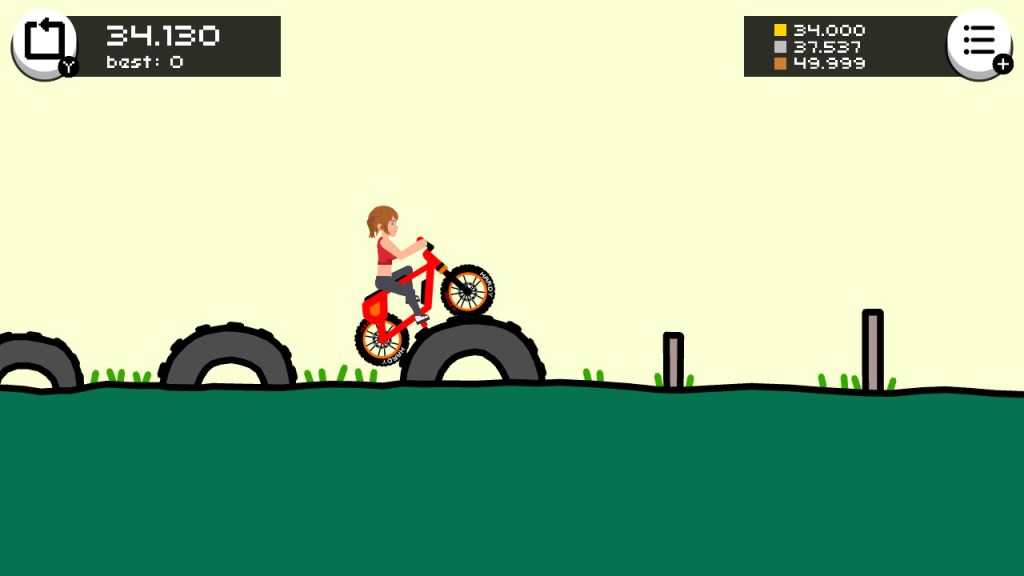
Link to Steam version (HERE)
Link to EPIC version (HERE)