Wonder Boy Anniversary Collection – Announcement

Hello! I have exciting news regarding an upcoming release courtesy of our friends at PR Hound, ININ Games and Strictly Limited Games. Check out the details below to learn more about upcoming releases and news about the 35th anniversary of the Wonder Boy series.

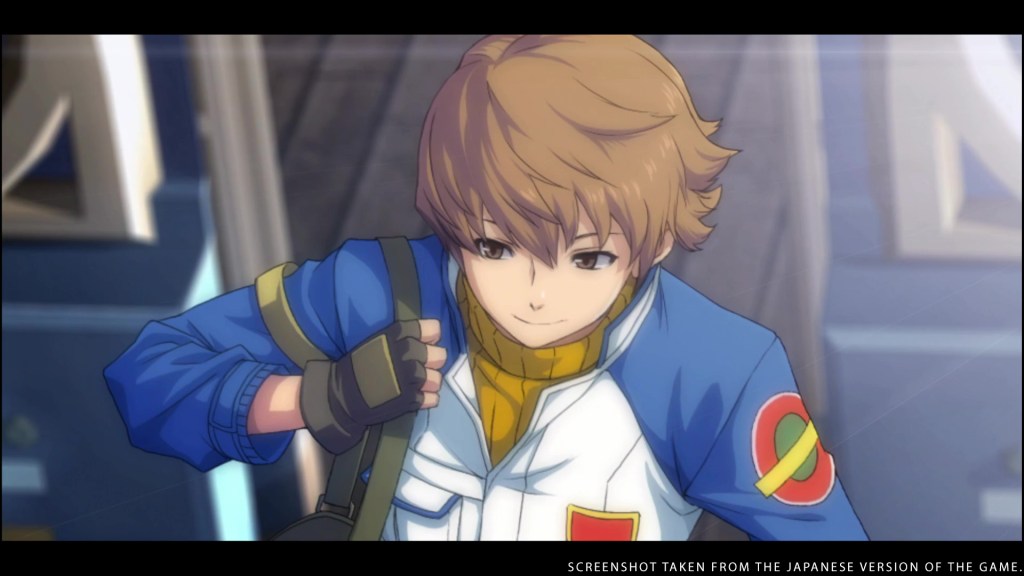
Publisher Strictly Limited Games is looking forward to the pre-order start for the Wonder Boy Anniversary Collection on March 6th. In the course of this announcement, they also revealed the extensive list of games that will be included in this very special collection of one of the most influential series from gaming’s past.

Celebrating a very special anniversary

The legendary Wonder Boy game series has turned 35 and to celebrate this occasion, Strictly Limited Games puts together a legendary collection of epic Wonder Boy adventures that will soon be available for pre-order as Limited and Collector’s Editions for Nintendo Switch and PS4.

To offer true retro fans the most authentic experience possible, the Wonder Boy Anniversary Collection includes titles in various versions. Featuring six games in console ports from Arcade, Master System / Sega MARK III, Mega Drive / Genesis and more, the Anniversary Collection comes with a total of 21 different versions!

This extensive collection of Wonder Boy titles as a boxed version will only be available at Strictly Limited Games! This is a worldwide exclusive boxed release – there will not be any other physical release of equal completeness. Strictly Limited Games’ Japanese partner Bliss Brain will provide a digital version of this amazing collection – more on this will be announced at a later date.

The perfect blend of platforming and RPG action you can find throughout the Wonder Boy series has delighted generations of gamers and now, the Anniversary Collection combines the beloved adventures to a full package of Wonder Boy history. Also included are features like filter, shader, a rewind option, a save anytime option and more! 

Physical Versions

Special physical versions of the Wonder Boy Anniversary Collection will be available for purchase soon at the Strictly Limited games store (HERE)

The Limited Edition will be available for €49.99, limited to 4,000 copies for Nintendo Switch and 2,000 copies for PS4 worldwide. 

Also available is a highly limited Collector’s Edition with exclusive collectible items, including:

  • Awesome Collector’s Edition box
  • Acrylic Wonder Boy diorama
  • Best Of soundtrack
  • Beautiful artbook
  • Card game
  • Collector’s coin album
  • … and more!

The Collector’s Edition will be available for €99.99, limited to 3,000 copies for Nintendo Switch and 1,500 copies for PS4.

To make the lineup complete, there will also be a Ultra Collector’s Edition including most of the content of the Collector’s Edition and on top of that even more exclusive items:

  • Special music box
  • Character game ends (like bookends, for your gaming collection)
  • An extensive Wonder Boy soundtrack collection
  • …and more!

The Ultra Collector’s Edition will be available for €149.99, limited to 999 copies for Nintendo Switch and 499 copies for PS4.

Retail and Digital Editions 

As a carefully curated selection of awesome Wonder Boy titles, ININ Games together with Bliss Brain will offer the Wonder Boy Collection (Nintendo Switch/PS4), including four legendary adventures as a boxed and digital version:

A possible upgrade solution for the Retail Edition with additional games of the Wonder Boy series is currently in evaluation. More info will be announced at a later date!

The Wonder Boy Collection will soon be available for pre-order at retailers in Europe and North America. The download edition including the same four iconic Wonder Boy adventures will hit the digital stores at the time of release! Check https://www.iningames.com/games/wonder-boy-collection/ for more information about the standard version and the latest updates on the game!

Queeny Army – Nintendo Switch Review

Overview – developed by AI-Link and Lemoon Pie, with publishing handled by eastasiasoft, Queeny Army is a side scrolling, run and gun platformer with a retro aesthetic. Set in the war-torn city of San Romero, a team of young women go on a journey of vengeance and liberation against the dangerous regime that has seized control of the government. This title is available on Nintendo Switch and PlayStation 4/5, Links to each version of the game will be at the bottom of this review.

Disclaimer: before I get into the review, I would like to thank eastasiasoft for providing the copy of Queeny Army that was used for this piece. The provision of this software has not influenced the content of this review, all thoughts and opinions contained within are my own.

Mature Content Disclaimer: this title has been rated Mature, this is due to the inclusion of intense violence, blood and gore, suggestive themes, partial nudity and strong language. If you are under the recommended age limit for this game or find any of the content featured offensive, then please proceed at your own discretion.

Now with the introductions out of the way, let’s get into the review. I will be skipping the story segment and move directly into the gameplay segment for this review.

Gameplay – Queeny Army is a run and gun action platformer, with a retro style aesthetic to it. The objective of the game is to reach the end of the stage and defeat the boss, battling the enemies that attempt to stop the player, collecting power-ups and avoiding hazards. At the start of the game, the player must select one of 12 girls, each with their own unique story elements, character skills and starting weapon that they can use.

When the player has selected their character, a unique cutscene will play out, giving story details for that character to flesh them out before starting. After the story part plays out the game starts proper, throwing the player into frantic run and gun action, with hordes of enemies to mow down and hazards to overcome. Being a run and gun title, there is also a considerable amount of platforming that the player will need to do in order to reach the boss.

In the basic tool kit for each character there is the ability to shoot, use a melee attack, switch between held weapons, dodge roll to avoid enemies and even double/wall jump to reach higher spaces. The gunplay has an 8-way directional system like that of Contra, with a plethora of weapons that can be collected, with two weapons that can be held at once.  There is also a system where the player can stand in place to hit enemies in a specific direction, but this does leave them open to attack.

Unfortunately, the game does not give a tutorial or explanation for most of the abilities/weapons or how to use them, aside from a character profile in the pause menu. Sadly, this impacts the flow of the game, making it difficult to get adjusted when first starting, as each character skill and weapons lacks an explanation on character selection. The absence of a tutorial and character/weapon details leads to additional issues, including some inconsistencies with platforming especially with knockback.

Luckily there are no instant death pits, as any fall into a pit results in the player taking damage instead of outright killing them. While this is a positive, it does highlight the negative that is the unfortunate platforming. The generous checkpoint system does compensate for this, along with the regular item drops from destroyed objects and a plenty of weapons to get back into the action after death. If all lives are lost, continues can be purchased for 5000 points from the player score to keep going.

There is an unfortunate bug with this release in relation to the continue system. It is possible to lock the lives for a new game to one, which can be frustrating as it will be permanently stuck at one. This bug can severely impact the gameplay experience as some characters are weaker than others, as well as the different weapons they can use. If this bug occurs, it is best for the player to try and earn points as quickly as possible to be able to continue, resetting the life counter to 5.

The action does run at a steady pace, with plenty of enemies appearing on screen but it does add another minor issue to the experience. When an enemy is off screen, they are still able to throw attacks at the player, meaning attacks that move in an arc will not be seen until it is too late leading to unfair and sudden damage. This can make getting through the stages a when starting the game for the first time a nightmare, since sudden damage can be taken, leading to knockback and even falling damage.

The last thing to discuss is the boss battles in this title. When the player reaches the boss of the stage, the will be trapped in an arena with their opponent, similar to that of Mega Man and other titles in the platform action genre. The bosses are significantly larger than the player too, with big attacks and a health bar across the bottom of the screen. Different weapons deal different amounts of damage to bosses, so it is important for players to experiment with weapons to learn what works best.

Now with the gameplay covered, I will be moving onto the other aspects of the game, starting with the controls.

Controls – the controls for this release work fairly well, but they do have some flaws to them which are frustrating during the course of the game. While the layout for the button inputs are comfortable, there are some inconsistencies and lag with jumping and movement being a little twitchy. This is to the detriment of the gameplay experience as there are moments where jumps don’t occur, or the character will do a second jump without trying. Sadly, this disrupts the flow of the game which is disappointing.

Difficulty – there are four difficulty settings for this title, changing different elements of challenge to the player. However, even on the lowest difficulty setting this is a difficult game, made tougher by the lack of tutorial or clear information about the game mechanics. The minor issues and inconsistencies of the platforming/shooting action makes this not only a hard but frustrating time for players, but the generous checkpoint system and bountiful item drops ease the pain a little.

Presentation – the visual style for this release has a pixel art look to it, appearing to emulate classic games of the past but sadly it is a little hit and miss. The sprite work for gameplay itself is decent, however, the art used for the cutscenes and character portrait art can be messy. The sound is okay, with music that has a mix of synth and what sounds like guitar, but it can be droning and shrill at times which can detract from the experience.

Final Thoughts – I sadly didn’t have as much fun with this title as I had hoped, with the one life bug and the flaws of the game pulling me out of the experience. It does have its moments where there is fun once you get used to it and find a character that you like, but that doesn’t help during the first hour or two of gameplay. I don’t think I can recommend this game right now to a general audience, but I am sure that some hardcore fans of challenging run and gun shooters may have fun with it.

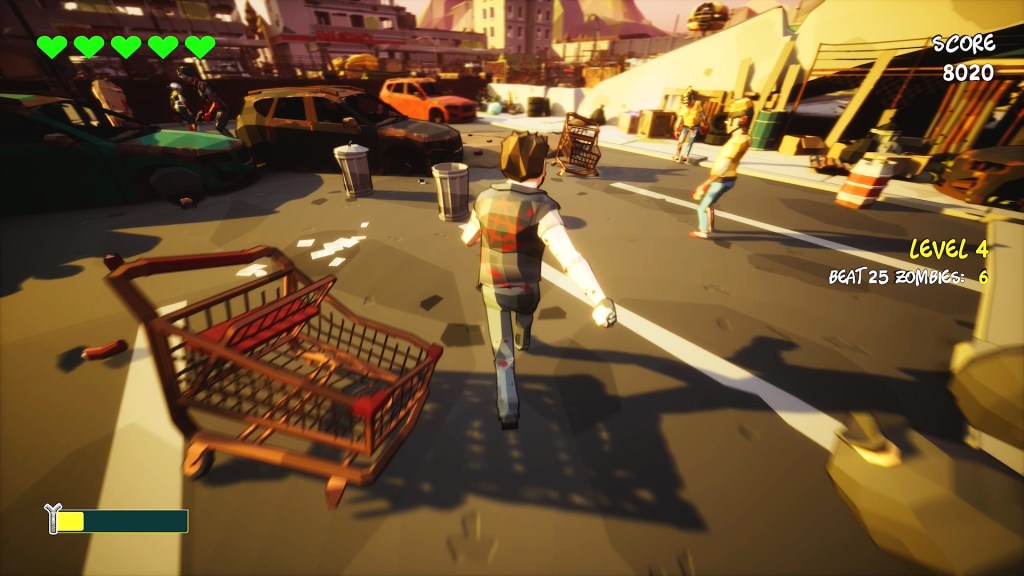
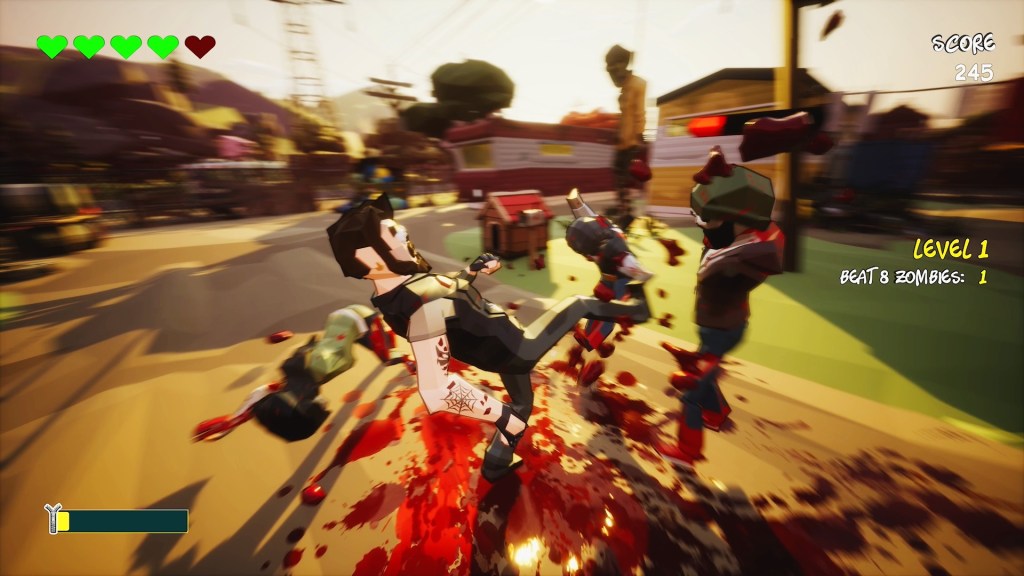
In the end, I give Queeny Army a final score of 2.5/5. A promising indie run and gun shooter, which is unfortunately brought down by flaws that can hinder the experience, but what it lacks in polish it does make up for in the potential for fun if a little time is put into learning the game. If you want to check this title out for yourself, links to each version of the game will be below.

Link to Nintendo Switch version (HERE)
Link to PlayStation 4/5 version (HERE)

Wonder Boy Collection – Announcement

Hello! I have exciting news regarding an upcoming release courtesy of our friends at PR Hound, ININ Games and Strictly Limited Games. Check out the details below to learn more about upcoming releases and news about the Wonder Boy series.

ININ Games and Strictly Limited Games are excited to announce the Wonder Boy Collection coming to Nintendo Switch and PS4 including the most iconic adventures from the legendary game series of the 80s and 90s. The retail edition including four awesome titles of the Wonder Boy / Monster World universe will soon be available for pre-order in Europe and North America. Through publisher Bliss Brain, the Wonder Boy Collection will also be available as a digital download version for Nintendo Switch and PS4. On top of that, Strictly Limited Games are working on exclusive Limited and Collector’s Editions that will be available at their store! 

Celebrating the beloved adventures of Wonder Boy

Throughout the 1980s and 1990s, the adventures of Wonder Boy have delighted gamers of all generations and built up a huge following all over the world with their dazzling blend of energetic platforming and action-RPG. However, the Wonder Boy games have seen few releases in the West on modern gaming hardware – until now.

To celebrate the legacy of this iconic game series, the Wonder Boy Collection will contain a carefully curated set of essential titles of the legendary series, precisely ported to today’s home consoles and including extended features like filter, shader, a rewind and fast forward option and a save anytime option! On top of that, the collection will come with a beautiful art gallery!

With the the Wonder Boy Collection (Nintendo Switch/PS4), Wonder Boy fans get a total of four games of one of the most influential series from gaming’s past:

  • Wonder Boy (1986)
  • Wonder Boy in Monster Land (1987)
  • Wonder Boy in Monster World (1991)
  • Monster World IV (1994)

So, whether you want to experience the epic adventures for the first time, revisit a youth spent playing Wonder Boy, or add a refreshingly distinct platformer to your collection, the Wonder Boy Collection is a perfect fit for you!

The Wonder Boy Collection (Nintendo Switch/PS4) will soon be available for pre-order at retailers in Europe and North America. The download edition including the same four iconic Wonder Boy adventures will hit the digital stores at the time of release! 

Check the official website (HERE) for more information and the latest updates on the game. But thats not all!

Limited & Collector’s Editions at Strictly Limited Games

As the legendary Wonder Boy game series is celebrating its 35th anniversary, Strictly Limited Games will offer the ultimate Wonder Boy Anniversary Collection (Nintendo Switch/PS4) that will feature even more of the most iconic Wonder Boy games ever released. On top of that, those games will come in various console ports to create the best possible retro experience! 

Dedicated collectors can also look forward to some awesome exclusive items included in the Collector’s Editions of the Wonder Boy Anniversary Collection.

More information about the limited versions will follow soon, so stay tuned!

River City Girls Zero – Nintendo Switch Review

Overview – originally developed by Technos, brought to new systems by WayForward and Limited Run, River City Girls Zero is an enhanced port of the Super Famicom title Shin Nekketsu Koha: Kunio-tachi no Banka, originally released in 1994. This marks the first time the game has had an official release outside of Japan, with the title currently being exclusive to Nintendo Switch with a release on other systmes later in 2022. A link to the game will be at the bottom of this review.

Disclaimer: before I get into the review, I would like to thank WayForward for providing the copy of River City Girls Zero used for this piece. The provision of this title has not influenced the contents of this review, all thoughts and opinions contained within are my own.

Now with the introductions out of the way, let’s get into the review. I will be skipping the story segment for this review, moving directly onto the gameplay section. I have previously covered the first game in the River City girls series, which you can find (HERE).

Gameplay – River City Girls Zero is a side scrolling, beat ‘em up with four playable characters and lots of delinquents to beat up. The action takes place across a variety of locations including high schools and a theme park, with the goal being to get to the boss of each area, fighting through the foes that oppose the player. When advancing through the each zone of the game, story segments occur pushing the narrative forward and even adding new characters to the player party.

The combat is like many other traditional brawlers, with a punch, kick and jump as part of the character move set, alongside a back attack and guard/special moves that can be used during battle. The collision detection can be a little off when first getting into the game, but is easy enough to adapt to as new moves and combos are discovered. There is no instruction guide or detailed tutorial aside from the button functions, so special moves and combos must be discovered through experimentation.

There are four playable characters in total, with Kunio and Riki being available from the start, along with their girlfriends Misako and Kyoko, who join the team as the story continues. This title is different from most side-scrolling brawlers as there is no lives system, instead going with a party of characters with each have their own life bars. This alters the way that the actions, as a game over occurs in single player if a character dies, or the player is locked out during co-op until the other player dies or the stage is cleared.

To reduce the risk of defeat, there is the ability to switch between characters in the player party making every pixel of life important during the tougher battles. Luckily, the health bars for all characters will replenish between stages, along with a password system that allows the player to continue from the specific point that they had reached during the game. The same passwords can also be used during the two player mode, allowing a friend to join in when the game gets a little tough by noting the password down and hitting reset.

At specific points during the game, the focus will shift from the side scrolling action to a head on Motorcycle sequence, where the player travels along a track kicking enemies that attempt to attack. These scenes help to keep the experience flowing nicely, working well as mini-games to break the tension from particularly tough boss encounters. When these Road Rash styled segments conclude, it is back into the action and time to kick some more ass.

The last thing to discuss is the quality of life improvements made to the game, including new cutscenes and music (detailed below). There are newly made translations to for the game, offering a literal translation to match the Japanese as close as possible or a more localized version to match the dialogue of the River City Girls game. Along with the new translations, there is a save state feature that allows the player to freeze the game where they are, allowing the game to continue without the need for a password.

Now with the gameplay covered, I will be moving into the other aspects of the game, starting with the controls.

Controls – the controls for this release translate well from the original Super Famicom layout, to the modern Nintendo Switch set up. However, there is the possibility to accidentally reset the game or break the flow of action, as the menu button is tied to the right trigger rather than the start button as would be expected. But, the inputs for movement and battle all work well with zero lag, although they may feel slow if compared to the River City Girls experience, they can be adapted to quickly.

Difficulty – the difficulty curve present is fair as the party system allows for players to switch when health is low, along with the passwords and generous checkpoint system. There are two difficulty options that the player can select when starting a new game, with an easy and normal option. The easy setting plays out the same as normal, but there is one difference as the game will only play out up to a preset point before telling the player to start again.

Presentation – the visual style for this game is a mix of old and new, with brand new music and cutscenes that add a modern vibe to the presentation. When the game starts, the intro has a retro anime feel to it along with the new theme included. At the start of a new game and after clearing it, manga scenes that break the fourth wall connect this adventure to the Modern RCG universe, featuring voice work from the modern versions of Kyoko and Misako as narrator.

There is also a gallery that can be accessed, providing a recreation of the original Super Famicom box, manual and cartridge. The game itself works very well, with the 16-bit sprite work looking sharp on all screen types, with animations and action that flow smoothly with zero performance issues. The music featured makes the most of the original system sound chips, giving a deep sound that successfully adds to the atmosphere of the action.

Final Thoughts – being a fan of the River City Girls game, I jumped at the chance to play this game and I can happily say it was worth the 25+ year wait to finally come to the west. The action flows well, the story was engaging and the use of new materials to bridge the gap between games was a fantastic inclusion. The quality of life improvements that have been added to this title are a welcomed inclusion, giving the option to save at any point and continue later, as well as the gallery being a nice bonus.

I can happily recommend this title to fans of the River City games and brawlers in general, as the party system adds a unique twist to the traditional formula that most in the genre offer. I feel that this title works as an excellent stop gap while players wait for River City Girls 2 to be released this summer, while also adding to the established universe and giving depth to the events of the first RCG title.

In the end, I give River City Girls Zero a final score of 4.5/5. This is an excellent addition to the River City series and a fantastic companion to the first River City Girls release, adding more story details while also giving players a chance to play a classic brawler that has been exclusive to Japan for 25+ years. If you want to check this title out for yourself, a link to the game will be below.

Please note that this is currently exclusive to the Nintendo Switch, however, other platforms will get this game later and an update will be posted on this site with details and links to those versions.

Link to Nintendo Switch version (HERE)
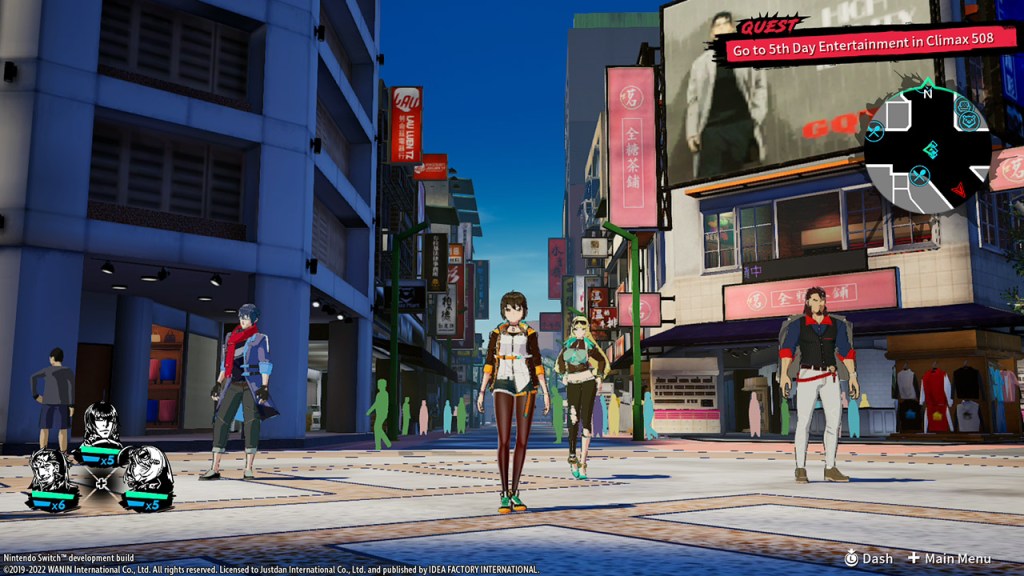
Death end re;Quest 2 – Nintendo Switch Review

Overview – developed by Idea Factory and Compile Heart, with publishing handled by Idea Factory International, Death end re;Quest 2 comes to the Nintendo Switch. The horror themed sequel to the JRPG/Visual Novel hybrid follows Mai Toyama, a girl with a troubled past who is searching for her sister in a quiet lakeside town. This version of the game is exclusive to the Nintendo Switch as all additional content from previous releases is included for free. Links to each version of the game will be at the bottom of this review.

Disclaimer: before I get into the review, I would like to thank Idea Factory International for providing the copy of Death end re;Quest 2 for this piece. The provision of this software has not influenced the contents of this review, all thoughts and opinions contained within are my own.

Mature Content Disclaimer: this title features graphic depictions of violence, grotesque scenes and suggestive content. Due to the content present, this release has been rated Mature. If you are sensitive to the material within this game, please use discretion when proceeding with this review.

Now with the introductions out of the way, let’s get into the review, starting off with the story. When discussing the gameplay, I will only be covering the core mechanics as I feel that the nuances of the mechanics must be experienced blind. I have previously covered the first Death end re;Quest, which you can find my coverage (HERE).

Story – following her father’s death, Mai Toyama is admitted to Wordsworth, an all-girl’s dormitory in the quiet town of Le Choara. It is there that she traces the last whereabouts of her little sister, Sanae, only to discover she is nowhere to be found. Now Mai, with the help of friends she makes on the way must uncover the secrets of Le Choara, find her sister and solve the mysteries that have led to the ghost stories that are whispered around the town.

Gameplay – much like the previous entry in the Death end re;Quest series (which I reviewed HERE), gameplay is split into two distinct styles. First is the Visual Novel segments that can be experienced during the day portion of the game, where story details, plot developments and additional details can be uncovered. These segments allow the player to get acquainted with the different side characters of the game, adding extra depth to the world and potentially to the outcome of the story.

When the night starts, things change significantly as the world warps into a glitch filled nightmare, where death is lurking around every corner. This is where the dungeon crawling JRPG system comes into play, with the player controlling the team leader and leading them through the different areas of the game. Here are the core mechanics of the JRPG segments to keep in mind, as you will need to keep on top of these systems in order to make it through the night alive.

  • Dungeon Exploration – the locations that the player explores are segmented into different zones, containing treasures, obstacles to overcome and roaming enemies to battle. When the player encounters an enemy, they can be attacked providing an advantage in battle. However, if the enemy notices the player and makes contact from behind, the player will be at a disadvantage for that encounter.
  • Obstacles – at different parts of the dungeons, there will be obstacles for the player to overcome. These will require specific character abilities to bypass, along with story specific choices that are made during the course of the game.
  • Death End – at different points there are points that the player must make, with potentially dire consequences called Death Ends that can lead directly into a game over. There is also a chase system that has a ghost chase the player through the dungeons, when the ghost appears, the player must run as death will occur if they are caught.
  • Party/Inventory Management – the game starts with just Mai Toyama as the only party member, with more characters joining in as the narrative progresses. Inside the dungeons, the player is able to equip their characters with new weapons and gear to make them stronger in battle. Be aware that characters have specific gear that they can use, meaning that ensuring a good balance with weapons and gear is key to succeeding in this release.
  • Camp – scattered throughout the world, there are crystals that can be interacted with, giving them the ability to save and/or enter the camp. The camp is a safe zone for players to manage their equipment and characters, while also having access to the shop to buy/sell items and activate missions when available to give rewards for different side objectives.
  • Resource Management – it is important to keep an eye on the resources that the player holds, including the corruption meter (described later), recovery items to keep the party going and the SP meter that characters use to activate special abilities in battle. Keeping on top of all resources are important to ensure survival in the nightmarish world that the story takes place in.

The last thing I want to talk about is the combat/leveling systems that this game features. When a combat encounter begins, the player enters a turn based battle in an enclosed arena, just like its previous iteration. When a combat round begins, the order of battle is determined by the speed of the characters in combat, with agility being the determining factor. During a turn, the player is able to move freely around the arena and use up to three skills at once with the Triact system.

This mechanic allows the player to mix and match their skills to be able to deal greater damage to their opponents, along with the potential to create unique combos that will increase their strength further. At the end of a set of actions, it is possible to initiate a skill called knock back, where enemies are catapulted across the arena, taking additional damage when coming into contact with others. The damage increases depending on enemy weakness, character strength and other special factors.

Each of the playable characters have their own attacks and skills that the player can experiment with in order to find out what weapons, skills and effects are the most effective against enemies. The different gear that players can equip will change the attack, defense and other key stats making the right gear choice important to get the most out of combat. Each of the characters has their own weapon type, but the majority of equipment can be given to party members to augment their strengths.

On the ground in battle are colored markers, called field bugs, which increase the corruption meter that the party members have attached to them. This corruption meter can also be increased by taking damage from enemies, with the number slowly increasing until it hits a specific threshold. When the counter passes 80% Glitch mode will be activated during the party members next turn, transforming them for a limited time and granting bonuses to stats while also opening new special skills for combat.

The field bugs also possess the ability to provide buffs to the player, increasing stats for that player, but there is also the potential for negative effects to occur from the bugs. There are two ways to collect the bugs in battle, by walking over them or by launching enemies into them with the knock back skill, causing a sudden boost in player stats if enough bugs are collected. However, there are some enemies that can’t be knocked back like others, so it is important to learn how each enemy is affected.

When the battle is ended, players get rewarded with experience and rewards, like money and recovery items. The experience points will level up the characters up, increasing their base stats and unlocking additional skills at specific milestones. There are also bonuses that players can gain from clearing the field of bugs and dealing additional damage to enemies, using the overkill system for maximum rewards by taking advantage of the knockback mechanic and enemy weaknesses.

With the gameplay covered, I will be moving onto the other aspects of the game, starting with the controls.

Controls – the control method for the game works well, with the thumbsticks controlling the lead character and camera movement. The movement is solid in and out of battle too, but it can feel twitchy, luckily the D-pad does help when trying to aim in battle. Menu navigation is smooth, with an easy to use system and the D-pad works the best, making the ability to change gear as smooth as possible. There is no issue with lag or inputs, working well in handheld mode or on the TV with the only complaint being the slightly twitch movement.

Difficulty – there are three difficulty options for the player set as easy, normal and hard, with each option changing the balance of the game through rewards and modifiers to combat. The difficulty settings keep the game balanced at all settings providing challenging experiences suitable for all, however, the sudden deaths that can occur are not affected by difficulty. It is important to save a lot during play, due to the significant loss of progress that can occur from a Death End or being caught by the Dark Shadow.

Presentation – visually, you know that this is an Idea Factory release by just looking at it. The characters are detailed and expressive, with the signature anime style that the company is known for, with a story taking place in a world that is both beautiful and horrific. The visual novel scenes and animated cutscenes work together fantastically, heightening the tension when needed or adding a touch of levity to a situation to ease the player back in.

The graphical performance in game is excellent for the most part, but unfortunately there is the occasional frame drop and some screen tearing as the game pushes the Switch hard. This isn’t an issue however as they are very few and far between, with no real impact on the performance of the experience. Moving onto the sound design, the soundtrack has a wide range to the styles used for this release, from the soft orchestral sounds to the hard rock opening theme.

The use of sound emphasizes the horror that the player experiences, making the story and the narrative experience more engaging. There is also voiced dialogue that is used during key story scenes, exploration of the dungeons and during battles with enemies. The vocal tracks for this release are available in both English and Japanese, with the English voice cast featuring the talents of Ryan Bartley (Re:ZERO), Deneen Melody (Mary Skelter 2) and Kayli Mills (Shantae and the Seven Sirens).

Final Thoughts – I was excited to get my hands on this game, as I was a fan of the previous title and other Idea Factory JRPG releases. The narrative and world that this title takes place in is engaging, with a story that has a lot of depth to it that kept me invested for long periods of time during play. The combat system has been streamlined compared to the original, but this is not to the detriment of the experience as it allows for battles to flow at a higher pace, even if the movement feels twitch at times.

The character art and environments have that signature Idea Factory look to them, with horrific imagery of the night time that contrasts well with the vibrant and light of the day. The performance may have the occasional hiccup due to the fact that it pushes the system to its limits, but that isn’t a deal breaker. I do recommend this title to fans of the previous release and those who enjoy JRPG titles in general, and the inclusion of all the previously released content at no additional cost is an excellent bonus for those who choose this version of the game.

In the end, I give Death end re;Quest 2 a final score of 4.5/5. This Visual Novel and JRPG hybrid is an excellent addition to the Nintendo Switch library, with an engaging narrative, a cast of interesting characters to encounter and a mysterious world that is horrific yet intriguing. If you want to check this title out for yourself, a link to the game will be below.

Link to Nintendo Switch version (HERE)

Trigger Witch – Nintendo Switch Review

Overview – developed by Rainbite and published by Eastasiasoft, Trigger Witch is a top down twin stick shooter with cute visuals that are quickly soaked in pixelated blood. Colette, the newest graduate of the Stock, an academy for Witchcraft and Triggery sets out on a quest to restore peace to her home. This title is available on all console platforms, with links to each version of the game will be at the bottom of this review.

 Disclaimer: before I get into the review, I would like to thank Eastasiasoft for providing the copy of Trigger witch that was used for this piece. The provision of this software has not influenced the contents of this review, all thoughts and opinions contained within are my own.

Now with the introductions out of the way, let’s get into the review. I will be skipping the story segment and moving directly into the gameplay, as I feel that the story should be experienced first-hand. I will only be covering the basic mechanics as to not spoil any of the surprises in this release.

Gameplay – Trigger Witch is top down twin stick shooter similar to classic titles like Loaded and Smash TV, with an aesthetic akin to that of the Secret of Mana and Legend of Zelda. As Colette, the player must traverse across the different areas of the world, explore dungeons and lay waste to the cutesy foes that stand in their way. To achieve their goal, the player must use a variety of firearms to take down the hordes of enemies and solve puzzles, all to complete quests to save the world.

Combat is simple, with movement controlled with one stick and aiming the other, unlike most twin stick shooters, weapons are fired with button press which allows for more accurate gun play. Alongside the precision that this play style provides, the player is also able to move more fluidly and use a dash skill to avoid potential damage. If the player takes damage, health can be restored by using the healing potion which is replenished by killing enemies in battle

The player is equipped with a hand cannon that allows them to blast enemies with infinite ammo, alongside special weapons that can be collected during the course of the game. The special weapons have limited munitions that will replenish after a cool down period, making management of special ammo important. This is due to the way that dungeons function during the game, with puzzles to solve, wave based battles against enemies and challenging boss battles.

When enemies and some objects are destroyed, gems will be dropped by them, which can be used to purchase items and upgrades from the home village. The upgrades that are available will bolster the strength of the player arsenal, giving them greater firepower and make the more difficult combat encounters easier to handle. The player can also buy health upgrades to increase the amount of damage that can be taken, as well as maps to secret in different locations.

The world is split into different zones, consisting of an Overworld map and dungeons, with each segment of both separated into rooms to explore. Each of these areas has their own unique themes and which allows them to separate themselves from each other, with forests, beaches and caves to name but a few.  In each area there are creatures that are native to that location with bosses to battle to complete quest objectives, alongside the more generic creatures that populate the world.

As a companion to the top down shooting, there are additional mini games that can be fun to break up the action to keep the experience fresh. This change of style adds to the fun of the game, giving the player more variety to play. The last thing to discuss is the 2 player co-op, which allows for a second player to jump in and help take down enemies. This can be helpful as it alleviates the tension of more difficult stages, making it a little easier to fight bosses and wave battles.

Now with the gameplay covered, I will be moving onto the other aspects of the game, starting with the controls.

Controls – the controls for this title are implemented well to work with a twin stick set-up, with the left stick being used for movement and the right for aiming. A crosshair and auto aim can be used to make shooting a little easier, as it can be tough to hit different enemies. The fire button and dash are on the triggers, weapons are switched with the shoulders and the functions like character interactions/potions are mapped to the face buttons.

Difficulty – there is a balanced difficulty curve to this title, with an adjustable difficulty slider that can be altered to change the damage dealt and received. The gun play itself is challenging with reload times for weapons making battles tense, as there is little in terms of invincibility frames when taking damage but that doesn’t take away from the experience. When the player is killed, they are returned to a checkpoint, which doesn’t punish the player too severely and the 2 player mode makes the challenge more achievable for those who may struggle.

Presentation – the visual style has a 16-bit look to it, with cutesy enemies to battle that explode into bloody smears, but if blood isn’t your thing there is a piñata mode that replaces the blood with candy. The animations are smooth and the pixel art for the character sprites/portraits in cutscenes look fantastic. The sound design for this release is excellent, with a soundtrack that switches from light to heavy when entering combat. There isn’t any voice acting, with dialogue portrayed by a simple sound but this doesn’t take anything away from the game.

Final Thoughts – I had a lot of fun with this title with the exciting gun play, challenging puzzles and vibrant world to explore. There is a considerable amount of depth and challenge for players of all skill levels, with the added bonus of co-op play for those who want to share the game with another. The extra mini games, bonus challenges and secrets to uncover add to the value of this release, keeping the overall experience fresh during play.

I am happy to recommend this title to everyone, whether you want to play this title on the big screen with the blood in all of its high definition pixelated glory, or you just want to take it easy in handheld with candy gore. This is a fantastic title for fans of twin stick shooters, with a retro styled aesthetic and a soundtrack that emphasizes the action on screen. The game does have some minor flaws to it, like the reload cooldown feature and the lack of invincibility on damage but it doesn’t ruin the game.

In the end, I give Trigger Witch a final score of 4/5. This is a fun and frantic twin stick shooter with a vibrant game world to explore, exciting shooting with challenging bosses and a depth to the experience that keeps the gameplay fresh. If you want to check this game out for yourself, links to each version of the game are below. There is a free upgrade for the PlayStation 4 version available, to get the updated PlayStation 5 version.

Link to Nintendo Switch version (HERE)

Link to PlayStation versions (HERE)

Link to Xbox versions (HERE)

Demoniaca: Everlasting Night – Nintendo Switch Review

Overview – developed by AKI and eastasiasoft, with publishing handled by EAS, Demoniaca: Everlasting Night is a Castlevania style action adventure, with a unique combat system set in a dark gothic world. Take on the horrors of the corrupted Tower of Babel, defeating the lords and their minions in order to wreak vengeance on those who caused you pain. This title is available on all console platforms, links to each version of the game will be at the bottom of this review.

Disclaimer: before I get into the review, I would like to thank eastasiasoft for providing the copy of Demoniaca Everlasting Night that was used for this piece. The provision of this title has not influenced the contents of this review, all thoughts and opinions contained within are my own.

Mature Content Warning: this title has been rated Mature, this is due to graphic violence, blood and gore, sexual themes and nudity being present. If you are under the recommended age for this title or are uncomfortable with the content present, please proceed at your own discretion.

Now with the introductions out of the way, let’s get into the review. I will be skipping the story segment as I feel it should be experienced first-hand, so I will be moving directly into gameplay. I will only be covering the basic gameplay mechanics of the game as to not spoil the surprises that this game has for players.

Gameplay – Demoniaca: Everlasting Night is a gothic Metroidvania title, with a strong emphasis on the Castlevania part. The game takes place within the confines of a large castle called the Tower of Babel, filled with horrific monsters, traps to avoid and secrets to uncover. Each area that the player must traverse is filled with different paths to explore, hidden treasures to collect and NPC characters to interact with.

Being an action title with an emphasis on exploration, there is a lot of fast paced movement and action that occurs as the player moves through the different spaces. This requires intricate platforming, with a lot of movement and jumping between platforms. Early in the game, the only option for maneuvering from point to point relies on the standard jump and a wall jump. When the player jumps at a wall, they will automatically latch on to it for a moment before letting go or jumping to the next.

Some of the platforming can be frustrating, with the possibility to miss a jump by a hair, leading to a sudden fall and potentially taking damage from hazards/enemies. This is a frustration that can be alleviated later, but it can be an irritating when trying to get to pass obstacles and reach different areas. Luckily, more options will be made available as the game progresses, making it easier to travel through the tower.

As the player explores the different areas of the tower, they will encounter NPC characters that will progress the story via dialogue and creatures that will attack when the player gets close to them. To fight back against these monsters, there is a unique combat system that gives this title its own identity. Rather than use a traditional battle system with swords or whips, there is a complex fighting system where the player has a light and heavy punch/kick that they can use.

This system allows for a much more free flowing combat experience, where combos and strategy come into play when fighting the different monsters. When starting the game initially, there is a limited moveset that the player has access to, with standard attacks and little in terms of special moves. However, as progress is made new moves and abilities will be unlocked, expanding the arsenal of attacks that can be used to fight the hordes of the damned.

The standard attacks will be the most useful tools for the player, as there is a power gauge that regulates the use of special attacks, with each skill requiring a different amount of energy. The energy to perform special attacks can be replenished in several ways, but it will be filled most often by dealing damage to enemies or naturally over time. It is important to monitor the energy meter, as some obstacles require specific skills to bypass, which can slow the player down.

Since this is a Metroidvania title, there is an RPG style leveling system that allows the player to get stronger over time by defeating enemies. Each time an enemy is defeated, experience is gained which will level the player up at specific milestones, increasing the overall stats like health and energy. As well as the leveling mechanic, there is also an item system that lets players equip different gear to boost their stats and recovery items.

Items can be dropped by enemies, treasure chests and even bought from vending machines that us a currency called souls. These souls are dropped by enemies and environmental objects when destroyed, adding to the total that the player holds. The also fill a meter on screen, that activates a special powered up state when filled, bestowing additional power upon the player for a limited time. But the power-up isn’t the only status effect in this game, as there are several negative effects that can occur.

During combat with enemies and from the environment itself, there are negative effects that can affect the player, which include turning the player to stone and poisoning them. These effects can be devastating as petrification leaves the player open to attack and poisoning can drain health during tense sections. If the player is hit by one of these penalties, death can occur quickly and dying can be a significant setback at any time.

While in the tower, there are save points scattered through each area that allow the player to record their progress during the game, refreshing the health and energy of the player at the same time. Upon death, the player will usually be returned the most recent save. However, if the player has moved to a new area before saving, they will be sent back to the start of that zone. Both of these scenarios can lead to a significant amount of time loss, which makes saving the game regularly very important.

At specific points there are boss enemies for the player to fight, separated into two types, main and sub bosses. The main bosses are the story focused enemies that must be defeated in order to progress the game, engaging the player in challenging large scale battles, usually with multiple attack patterns. The sub-boss enemies are very different, as they are unique enemies that can only be battled when the player is strong enough, making them an optional challenge.

The last part of the gameplay is the support/co-op system that is available in this title. During the course of the game, the player is able to unlock a demon familiar, which will assist in combat by taking damage and attacking from a distance. When playing alone, this is fully controlled by the system itself, but if the player wants to work with another, there is a co-op mode where player 2 can control the demon, but be aware that it can die so do not rely on it too much.

Now with the core gameplay covered, I will be moving into the other aspects of the game, starting with the controls.

Controls – this release has a unique control layout, with all attacks tied to the face buttons and the jump/guard buttons tied to the triggers. The movement is tied to the left thumbstick and d-pad, with inventory and map inputs bound to the front shoulders. The inputs are smooth and intuitive for the most part, with almost zero delay when trying to perform combo attacks and multiple wall jumps. This title plays well with all controllers, but is best played with the Retro-Bit Sega Saturn/Genesis controllers.

Difficulty – this is a challenging title when played on the classic difficulty (there is an easy option focused on story over challenge). The diversity of enemy types and hazards present mesh well with the combat, making for a tough but fair challenge. Unfortunately, one of the setbacks for this release is the potential for significant time loss upon death, due to the limited save points scattered through the game. However, all of these elements combine well to create a unique experience, pushing players to their limits.

Presentation – Demoniaca has a visual style reminiscent of the classic Castlevania titles on the PlayStation and Game Boy Advance, with detailed pixel art sprites and expressive animations. The environments are designed with the gothic aesthetic present throughout, creating an atmospheric world enhanced further by the cutscene interactions. There is a limited use of voice acting, alongside a soundtrack that uses a mix of styles to create an exciting and engaging overall product.

Final Thoughts – I went into this title expecting another Symphony of the Night clone, but I was pleasantly surprised. While this game does have all the trappings of its inspiration, it manages to set itself apart with an engaging story to experience, combat that has a lot of depth to it and well implemented world design. But that doesn’t mean that the game is flawless, it does unfortunately have some minor issues that impact the experience.

The difficulty of the standard mode can be absolutely brutal, punishing the player for any mistake made, which isn’t helped by the limited save points and instances of overly difficult platforming. However, even with these slight flaws to the product, I can recommend this release to those who are looking for a unique Metroidvania experience. There are even references to the inspirations of this release, with the line “your words are as empty as your soul! Mankind ill needs a savior such as you” appearing early on.

In the end, I give Demoniaca: Everlasting Night a final score of 4/5. This game may feel like a Symphony of the Night clone on the surface, but the depth of the gameplay, the world building and the overall experience on offer allows this release to stand out as its own unique thing. If you want to check this game out for yourself, links to each version of the game will be available below.

Link to Nintendo Switch version (HERE)
Link to PlayStation 4/5 version (HERE)

Link to Xbox One/Series version (HERE)
Dimension Tripper Neptune: TOP NEP – Steam Review

Overview – developed by WSS Playground and Tiny Cactus Studio, with publishing by Idea Factory International, Dimension Tripper Neptune TOP NEP is a third-person rail shooter taking place in the Neptunia universe. Blast your way through five unique stages, getting friends to assist you and take down the boss of each zone. This title is available exclusively on Steam, a link to the game will be at the bottom of this review.

Disclaimer: before I get into the review, I would like to thank Idea Factory International for providing the copy of Dimension Tripper Neptune TOP NEP that was used for this piece. The provision of this software has not influenced the contents of this review, all thoughts and opinions contained within are my own.

Now with the introductions out of the way, let’s get into the review. I will be skipping the story segment and moving directly into the gameplay section.

Gameplay – this title is a third-person rail shooter, similar to that of Space Harrier and Panorama Cotton. As older Neptune, the player travels into the screen shooting and slashing enemies that attack from the front, while also avoiding the hazards that fill the stages. Each location has its own unique theme, with matching enemies and a boss at the end of the stage, like the first stage which has a forest theme and vegetable enemies, culminating with a boss fight against Giant Eggplant.

To battle enemies, Neptune can use her blaster to battle foes at a distance and an energy sword to slash them up close. The two attacks are very different, with the sword being the stronger option at the cost of range, making it useful for fighting enemies that jump into the screen. There is a nice flow to the way that action flows, with fluid movements that make combat reactive and fun. Alongside the attacks that Neptune can use, there is also a special mechanic that makes this game unique.

Throughout the stages, coins appear that Neptune can collect filling up a bar on screen. When the bar is filled completely a support character called a Wingmate will appear, assisting Neptune for a predetermined time increasing the amount of fire power that can be used. There are several Wingmates to activate, going through in a preset order during the course of the game. These support characters can make the battles much easier so good timing of coin collects is useful.

This is a fairly short game consisting of only 5 stages, however, there is a lot of replay value on offer as there is a global leaderboard for players to challenge others across the world. Players can set their scores on either difficulty setting, giving players a challenge to try and set the highest score that they can. The length of the game is to its benefit in this regard, making for a title that players can learn easily and become competitive with other players.

Now with the gameplay covered, I will be moving onto the other aspects of the game, starting with the controls.

Controls – the controls for TOP NEP are simple, four movement directions, a blaster button and a sword button. The game is playable with a keyboard, offering a left or right handed control method which works well from an accessibility standpoint. There is also controller support for this title, using a supported controller. This is the preferable way to play this title as the use of a thumbstick or D-pad makes movement much more consistent, with zero input lag or delay.

Difficulty – there are two options for difficulty that players can choose when playing the game. The first is Normal, which gives players the ability to continue when defeated and offers greater life regeneration between stages. The other is Hard, which gives the player a single life and reduced life regeneration. Both difficulty options are balanced well, offering a fair but challenging experience for all players who want to give the game a shot.

Presentation – the visual style for this title is modern, but with a retro aesthetic, consisting of pixel art sprites for the characters and environments. The overall design of the game, adds to the charm of the experience, with bosses and environments using references to classic games. The soundtrack also adds to the retro feel of the title, with chiptune compositions that fit each stage well, alongside boss music that keeps action flowing at a steady pace.

Final Thoughts – when I first saw the trailer for this game, I got excited to play it. I am a fan of third person rail shooters, like Panorama Cotton so this was definitely up my alley. I can happily recommend this release to everyone, because even though it is short, the quality of gameplay and low price make it definitely worth a purchase. The retro style visuals, gameplay and sound combine well to make an excellent accompaniment to the Neptunia series of games.

In the end, I give Dimension Tripper Neptune TOP NEP a final score of 5/5. This release is an excellent accompaniment to the larger Neptuina series, offering a fun and enjoyable experience that everyone can enjoy. The difficulty is balanced well, with two modes that fit a range of skill levels, alongside a global leaderboard that promotes improvement and competition between players. if you want to check this game out for yourself, a link will be below.

Link to Steam version (HERE)

The Company Man – Nintendo Switch Review

Overview – developed by Forust Studio and published by Leoful, The Company Man is a Platform action title where the player must fight the corporate machine. As Jim, battle your way to the top of the corporate ladder, using your trusty keyboard as you battle your way to becoming CEO, all while trying to survive the brutal hazards of the office. This title is available as a console exclusive for the Nintendo Switch, if you want to check this game out for yourself, a link to the game will be at the bottom of this review.

Disclaimer: before I get into the review, I would like to thank Leoful for providing the copy of The Company Man that was used for this piece. The provision of this software has not influenced the contents of this review, all thoughts and opinions contained within are my own.

Now with the introductions out of the way, let’s get into the review. I will be skipping the story segment to prevent spoilers, so I will be moving directly into the gameplay section.

Gameplay – The Company Man is a 2D action platformer, where the objective is to get Jim it to the boss of each area while fighting enemies and avoiding the hazards of each zone. To achieve this goal, Jim has access to his mighty keyboard, a weapon that can be used as both a melee and ranged weapon. As a melee weapon, the player swings the keyboard like a sword, alongside a basic ranged attack called the Email Blaster, with additional upgrades unlocked over time.

Since this is a platform title, there is a requirement for smooth and precise movements, especially with moving platforms and hazards that must be avoided. To make some of the tougher gaps easier to cross, Jim can jump fairly high and use his dash ability, propelling him forward to reach platforms that may seem out of reach. The dashing can also be useful when fighting enemies, letting the player dodge attacks and quickly close in on enemies which is very handy in boss battles.

The enemies in this title have unique attacks, with quirky animations that make them stand out from each other. An example of this is the way that some customer service enemies breathe fire and the first mid boss uses a phone as a flaming whip to attack Jim. There is a good balance to combat with a good amount of post hit invincibility, subtle knockback and animations that signal enemy attacks. All of the combat and platforming elements work well, for a challenging yet not overly difficult experience.

When Jim defeats an enemy, they drop coins that can be used to buy upgrades from the coffee shop located in the lobby, powering him up to make surviving the chaos of the office a little easier. The power-ups that Jim can obtain include extra health, extra energy for special attacks and even the ability to knock projectiles out the air. These upgrades become very important, as the stages get increasingly tougher, especially when it comes to the boss battles.

The boss battles of this title are designed very well, with each boss fitting the theme of the area that Jim is currently in, using elements of the stage itself to enhance each battle. With attack patterns for the bosses that are thematic to their department, like the customer service boss using interns as weapons as they are the lowest member of the office.  These touches add to the fun of the experience, making for an entertaining challenge during play.

The last thing to talk about is the generous checkpoint system. Throughout the stages and in the lobby which acts as a “home base” between areas, Jim can drink coffee that refills his health and lets him restart from that point. The frequency of checkpoints make the tougher parts of the game feel less daunting than they may appear, giving the player an easy restart at mid bosses and end of stage bosses. Some checkpoints will also occur after area transitions, reducing the punishment of death further during play.

Now with the gameplay covered, I will be moving onto the other areas of the game, starting with controls.

Controls – the control method for this title is simple and works very well, with all abilities on the face buttons and weapon upgrades attached to the front shoulders. The movement controls are tied to the D-pad and thumbstick, with all inputs having no issues with input lag but there is a cool down to some attacks and the dash, which may feel like lag. The game plays very well with all controller types and in both docked and undocked game modes, offering fun at home and on the go.

Difficulty – there is a balanced difficulty curve to this title, with a tutorial during the first stage of the game and whenever there is a new upgrade unlocked. The tutorial helps get adjusted to how the game plays out, easing the player into the experience to allow time to get used to the mechanics. The generous checkpoints work well to prevent a feeling of frustration when dying, letting the player push forward with few setbacks.

Presentation – this title has a fantastic look to it, with a cartoonish look and expressive animations that bring the personality of the characters out, especially with Jim. When Jim is running, jumping and attacking enemies, he has animations that are entertaining to watch, alongside the transition animations that are fun to watch between stages/areas. The backgrounds and stages are fantastically designed, with detailed environments that all have their own individual themes.

The whole game is wonderfully designed, with characters that have a special charm to their look that keeps the game fresh throughout. This helps to engage the player for the duration of the experience, preventing extended play from getting boring. The Sound design for this release is a great accompaniment for the visuals, with music that fits each area well and impactful sound effects that add that extra depth to the whole ensemble.

Final Thoughts – I had seen trailers for this title and thought that it would be a nice simple platformer, but I was sorely mistaken. The Company Man is a charming, well laid out and at times hilarious release that makes me so happy that we have a thriving Indie market right now. The characters all have their own unique touches and some seem to be references to characters from popular media, which is a fantastic touch.

I have absolutely no problem at all recommending this game to everyone. The action is balanced well, the platforming is tight and responsive and if mistakes were made, they were all the result of player error. There was nothing that brought down the release and this is strong opener for the year. I will be returning to this title again and again, because it is just so much fun to sit and play no matter where I am.

In the end, I give The Company Man a final score of 5/5. This action platformer is filled with charming characters, beautifully animated and designed environments, engaging gameplay and is an overall fantastic experience. This is a fantastic release to kick off 2022. If you want to check this title out for yourself, a link to the game will be below with a physical version on PlayAsia (affiliate link to support the site).

Link to Nintendo Switch version (HERE)
Link to Physical version via PlayAsia (HERE)
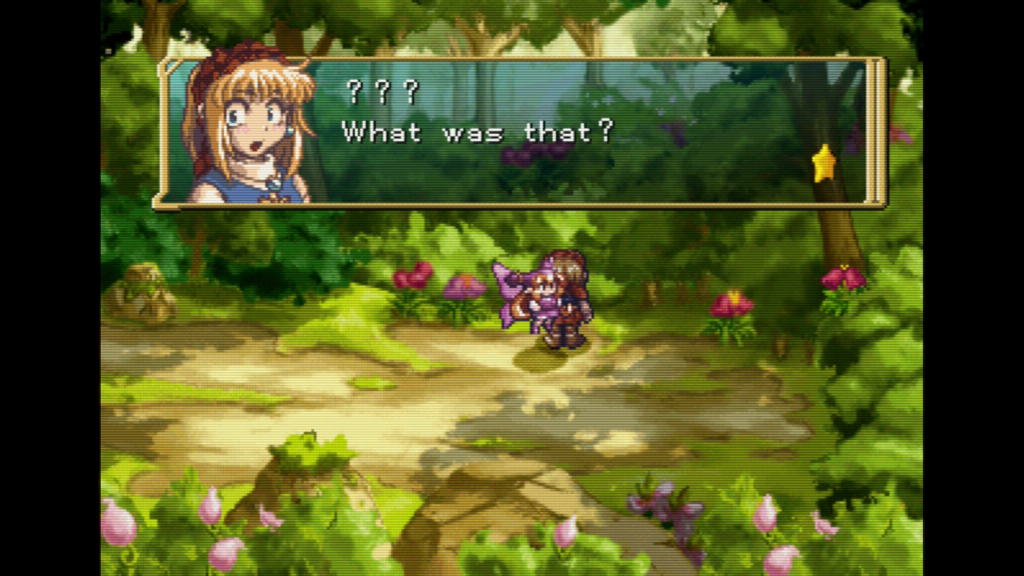
Labyrinth Lengend – Nintendo Switch Review

Overview – developed by Shinobi Games and Regista, with publishing handled by NIS America, Labyrinth Legend is a retro styled action RPG with hack-and-slash elements. Take on automatically generated dungeons, hordes of monsters and challenging bosses to solve the mysteries of the cursed kingdom. This title is available exclusively on the Nintendo Switch Console platform, a link to the game will be at the bottom of this review.

Disclaimer: before I get into the review, I would like to thank NIS America for providing the copy of Labyrinth Legend that was used for this piece. The provision of this software has not influenced the contents of this review, all thoughts and opinions contained within are my own.

Now with the introductions out of the way, let’s get into the review, starting with the story.

Story – Just under the surface of the Kingdom of Kanata lies an enigmatic labyrinth that guards treasures untold. Who but you dares venture into its limitless dungeons, where beasts and secrets abound? There are many adventures that have ventured to this land seeking the treasures, but none have returned as talk of the kingdom being cursed spreads. Can someone solve the mysteries of the labyrinth and lift this curse?

Gameplay – Labyrinth Legend is a top down action RPG, taking place across a variety of auto generated maps, with challenging hack-and-slash combat. The core premise of this title is to clear the different dungeons of the Labyrinth, slaying formidable monsters, collecting treasures and loot during adventures. To achieve the goal of slaying the beasts and claiming the treasure, the player levels up during their adventures to make them stronger.

Inside the dungeons, the player must traverse the different floors of each region of the world map and battle the monsters within. The inhabitants of the labyrinth will try to stop the player, attacking when they are within range with an indicator that appears above their head. Each enemy that is defeated grants experience to the player, along with the chance to drop coins and other resources. However, one enemy in each floor holds the key to the dungeon door, which is collected by defeating them.

In combat, players have the access to two weapon slots that can allow the player to use a variety of weapon combinations, including bows, swords and whips. The weapons each have their own attack style and qualities, making them flexible to fit different play styles in battle. Weapons also have special attacks that can be unlocked over time, as well as the possibility of rare enchanted weapons dropping as loot from chests that can be found in dungeons.

As well as the weapons that can be collected are pieces of armor, resources and coins. The armor provides different benefits based on their rarity and the level of the area, just like the weapons that can be obtained during adventures. It is important to manage weapons and armor effectively in order to maximize their efficiency as combat is very dangerous. This is due to the fact that enemies can swarm the player wiping out a full health bar in seconds in the wrong situation.

The risk of death is an ever present one too, as the player has but a single life with limited options when starting the game for the first time. There is a potion that is provided at the start of the game, with a single charge that gets refilled at the start of a dungeon. Over time, the player can unlock additional potion charges and even a revival item that can bring the player back for an extra attempt at the dungeon. Occasionally, there are fountains that can refill a charge on the potion but they can be rare.

The combat flows well for the majority of the game, with reactive movements and smooth attack animations. The standard and special attacks for each weapon have their own unique looks and animations, allowing them stand out from each other when used. The sword has an arced slash, the whip circles around the player and the bow flies in a straight line, stopping after a preset distance. This allows players to find a weapon that fits their style of play.

Battling enemies, is frantic but rewarding with the attacks coming from all directions with the rush of narrowly escaping defeat. There is a slight problem when there are many foes on screen at once, as it has the potential to overwhelm the player, but the overall gameplay loop in combat is satisfying. The rush that happens when beating a high level enemy or boss in mortal combat, surviving at that last possible moment with only a sliver of health remaining at the end.

There is the option of three different classes that players can use for classes, giving the player additional flexibility in how they wish to play the game. The player is able to create up to four characters that have their own unique skills, with their own gear preferences and attack styles which give additional depth to the overall gameplay experience. Characters also share resources and can be used in the two player co-op system, letting two players work together to overcome the challenges of the dungeon

There is one issue in combat, the boss battles are difficult and a little frustrating. Each boss has a variety of attack patterns as they get closer to death, the patterns get more intense and have the potential to kill the player suddenly. However, death is not that significant a set-back, since the dungeons themselves and the bosses are separated. If the player dies in the dungeon, they are reset back to the start, but during a boss it can be restarted from that point.

Having boss battles and dungeons separated is very useful, as the player is able to return to the home base, which has a selection of facilities that the player can use. These include a store where upgrades can be bought, a weapon shop to sell unwanted gear and a blacksmith where gear can be upgraded using resources collected in dungeons. There are more features in the village that can be accessed, but I feel they should be discovered firsthand.

I have just scratched the surface of this title, as there are many nuances and quirks of Labyrinth Legend that I feel should be experienced blind. So with the core aspects of the gameplay covered, I will be moving onto the other elements of the experience, starting with the controls.

Controls – the controls for this release are reactive and work fantastically, with simple inputs that work very well with the top-down view. All of the inputs for attacks are tied to the front of the controller with two buttons for standard attacks and the others for specials. The character skill and potion buttons are tied to the front shoulders and movement to the thumbsticks. It may feel like there is some minor input lag when many enemies attack the player, but this dissipates when learning timings different features.

Difficulty – there is a moderate difficulty curve to this release, with three options when starting the game. The difficulty options are Casual for an easier gameplay experience, Normal for the intended challenge and Veteran for a more intense challenge that pushes the player more. The normal option is a good starting point, but it does have its flaws, as the boss battles can be very difficult, making the need to grind and level-up for better gear important.

Presentation – this title uses a retro styled pixel art presentation that is reminiscent of titles like Beyond Oasis, with a top down perspective that lets the player have a wide view of the area. The animations are smooth and fluid with excellent details on sprites, however, when there is a lot on screen it can be difficult to see attack indicators. The music for this title is a delight to listen to, with compositions that really enhance the experience of the dungeons and boss battles, building atmosphere during play.

Final Thoughts – I had a great time playing Labyrinth Legend. The challenge is tough but has a rewarding gameplay loop, which can be very satisfying when beating a boss that has been kicking your ass. The boss battles may be frustrating for others, since they can be punishing but once the patterns are learned it is much more achievable. Another nice touch to this release is the multiplayer component, where two people can work together to overcome the challenges of the labyrinth.

I have no issue recommending this title to players, as it is a well-polished, albeit difficult experience but it has a lot of depth that can pull the player in and allow them to try different things. The sprite work is fantastic, the enemies are diverse and the boss battles can be quite the spectacle to behold. There is a bit of time investment required to get the most out of this title, but I believe that it is worth that for the amount of satisfaction that can be achieved.

In the end, I give Labyrinth Legend a final score of 4/5. This top-down action RPG is a real challenge that is both fun and satisfying to play, the intricate sprite work and the depth of gameplay makes for an experience that can be worth the time investment. If you want to check it out for yourself, you can find a link to the game below.

Link to Nintendo Switch version (HERE)