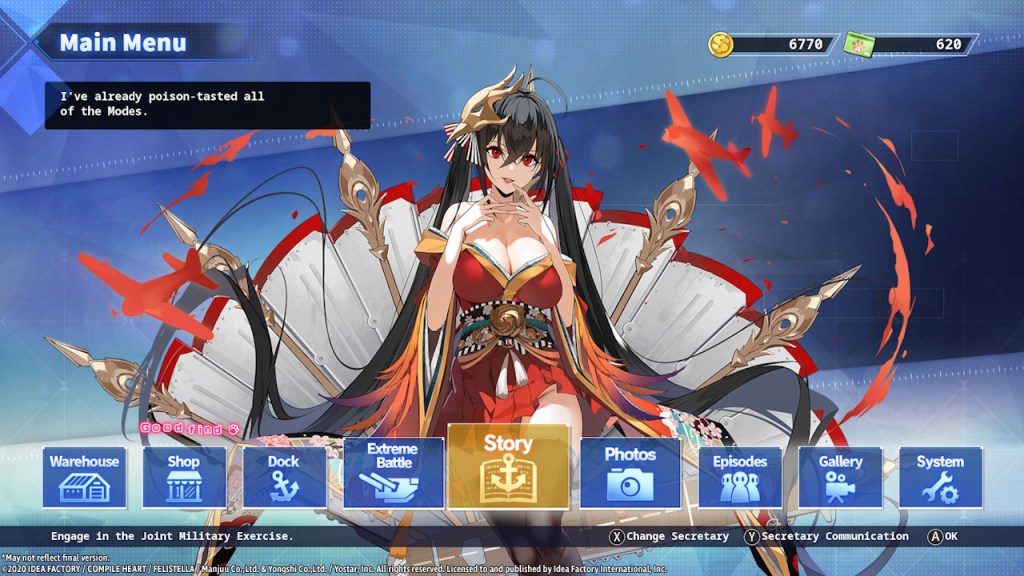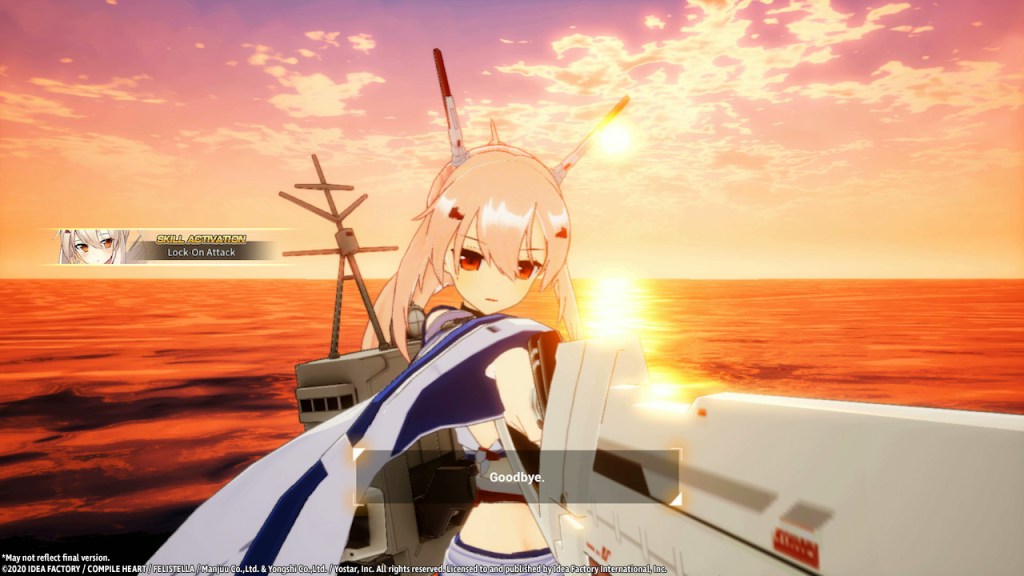
Gal*Gun Returns – Nintendo Switch Review

Overview – developed by Inti Creates and published by PQube, Gal*Gun Returns is a remaster of the original schoolgirl themed rail shooter that was exclusively released in Japan on Xbox 360 and PS3. This version of the game features all DLC that was released for the first version, alongside new artwork, enhanced textures and a new gallery mode for players to collect over 250 illustrations from the game. Gal*Gun Returns is available on the Nintendo Switch and Steam Service, links to both versions of the game will be at the bottom of this review.

Disclaimer: before I get into the review, I want to thank PQube for providing the copy of Gal*Gun Returns used for this piece. The provision of this software has not influenced the contents of this article, all thoughts and opinions contained within are my own.

Mature Content Warning: this title is rated mature, with sexual themes, suggestive content and adult language. If you are below the recommended age or find any of the content offensive, please use your own discretion on whether or not you wish to continue reading.

Now with the introductions out of the way, let’s get into the review starting with the story.

Story – Gal*Gun Retrurns takes place at the Sakurazaki Academy. The apprentice cupid angel Patako has been tasked with shooting a chosen target with a Pheromone Arrow to graduate. Her target is Tenzou, a regular second-year student who has no experience with girls. However, there is a mistake and Patako accidentally hits Tenzou with over a dozen arrows, making him the most popular person at Sakurazaki Academy.

An unintended side effect of the Pheromone Arrows is that Tenzou has become attractive to every female in the school, with girls chasing him down trying to confess their love to him. But, there are girls from his life that he likes and he only has until sunset to confess his feelings to his chosen one. Now, Tenzou must connect with his true love by the end of the day or be resigned to a life of loneliness, all while navigating the dangers caused by being “Way Too Freakin’ Popular”.  

Gameplay – Gal*Gun Returns is an on-rails shooter, similar to the classic arcade light gun titles like Time Crisis, Virtua Cop and The House of the Dead. The core of the gameplay involves shooting the girls that assault the player while the camera moves on a pre-determined path. At the start of each new story mode playthrough, the player chooses one of four girls that will determine the main stages that appear and the story that unfolds.

Once the girl is chosen, the player will follow their route that follows a specific set of stages, with general paths that link the character specific areas together. The number of stages will vary depending on the path chosen, however each playthrough has character specific boss mini-games that add some diversity to the overall gameplay.

While traversing the various levels zones of Sakurazaki Academy the player will be under constant threat from lovesick girls. They are persistent and can attack the player in two ways, the first is by hitting the player with a gift and the second is a projectile shout that damages from afar. To defeat their pursuers, the player must hit them with the Pheromone Shot to give the girls “Euphoria”, rendering them incapacitated at that time.

There are three types of attack that the player can use in shooting stages. The pheromone shot by itself is capable of dealing with all enemies that can be encountered, although it is a little easier to defeat strong enemies by hitting their weak points. Each girl has two weak points that can be hit with shots, the first (called sensitive spot) deals increased damage and the second (called most sensitive spot) can incapacitate enemies in a single hit. This special attack is called the Ecstasy shot.

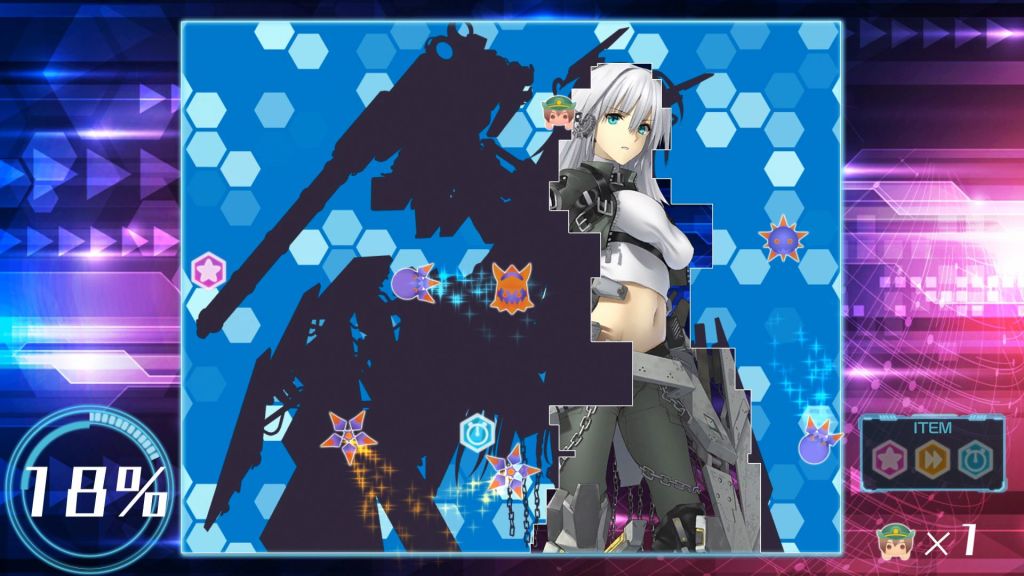
The last attack that is available is the Doki Doki Mode, a special mini-game that is activated by filling a heart on screen with each girl subdued. When in the Doki Doki Mode, the player can interact with the girls in a rather risqué way, zooming in and out like a camera lens and shooting weak points to fill a Doki Doki Gauge to give the target euphoria when full before the heart meter runs out. Success will give the player specific effects depending on the girl and activate Doki Doki Bomb, giving all girls on screen a sudden Ecstasy shot.

During stages the player will encounter four types of girl, each separated by color that determines their position in the academy and their overall strength/threat to the player. The classification of each type of girl is as follows;

  • Red – these are first year student, the lowest threat to the player and can be defeated in a couple shots.
  • Blue – these are the second year students, a little tougher than the first years taking more shots from the Pheromone shot to defeat.
  • Green – the toughest students that take a lot of hits to be defeated, these girls are the third year students and can be relentless when attacking the player.
  • Black – these are the toughest enemies that function like mini-bosses, they are mostly female teachers, but have some special variants depending on the route.  They take a hell of a lot of hits and have tough to hit weak points.

All enemy girls that the player comes into contact with can be hit with a shot from Doki Doki Mode, so effective use of the special attack can help clear large encounters and tough enemies quickly.

Outside of the core shooting gameplay, there are dating sim style mechanics that the player will encounter. When the player has chosen their girl of interest they will interact with them, having dialogue options that will either positively or negatively affect the progression of the story. This adds more depth to the experience when playing story mode, allowing for players to become invested in the narrative of each girl.

Along with the dialogue choices that affect the game, there is also a “quality” system, where the player will gain and lose points in four categories depending on specific factors. The initial score is set by a quiz at the beginning where the player answers questions about Sports, schoolwork, fashion and “adult” interests. The answers will determine that starting score and can impact the progression of the story for the chosen girl, but can be altered by strategic use of the Doki Doki Mode to manipulate the scores.

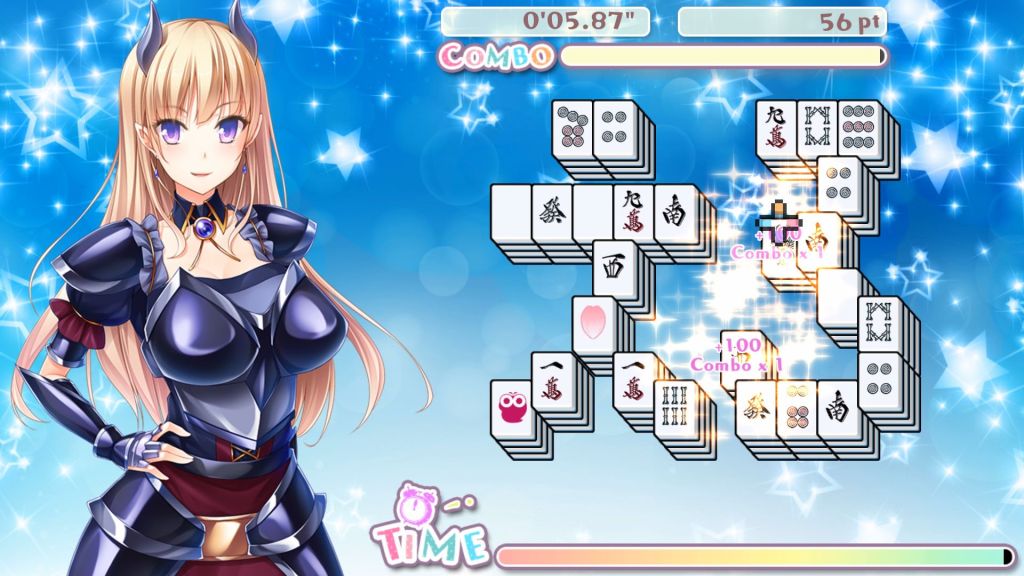
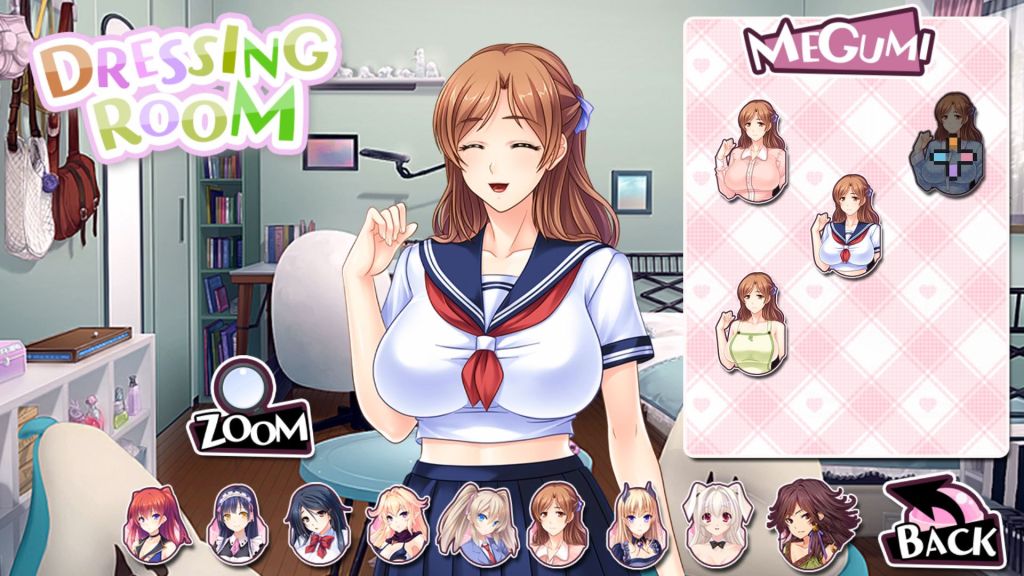
Away from the story mode, there are more activities that can be explored. The first is score attack, which is essentially arcade mode where the player chooses already completed stages or a whole route and tries to get the best score. Next are the collection and dressing room modes, two modes that allow the player to look up information on the characters in game if unlocked and to change their clothing styles respectively.

The last parts I want to talk about is the Gallery and Doki Doki Carnival. Gallery gives players the chance to use golden feathers earned from other modes, to unlock promo art, in game images and special features (that I won’t spoil). Doki Doki Carnival, which is also called DDC is an extra play mode, locked off from access unless certain requirements have been met. DDC is the major fanservice part of the game, while also being a tough and challenging experience in its own right, with its own narrative and I feel that it should be experience first- hand so I will end it there.

Now with the gameplay covered to a degree that I am happy won’t spoil it for players, I want to move onto the other aspects of the game, starting with the controls.

Controls – Gal*Gun Returns has a very simple yet effective control method, using the thumbsticks for movement, along with the face buttons and triggers for shooting, zooming, etc. The controls are all input focused, which unfortunately means a lack of motion movement being an unfortunate omission. When playing the game, the inputs have no lag but the movement is a little sloppy at times and cursor movement can be twitchy. However, the Pro-Controller and Joy-Cons provide a solid experience no matter the setup of the system.

Difficulty – there are two difficulty settings the player can choose from when starting story mode. The Newbie lover option is the normal setting where the player takes regular damage and most girls are taken down easily, the other is Season lover which increases damage and the girl’s health. During the stages the difficulty will increase over time, introducing tougher enemies for the player to battle and this feels natural, providing a good challenge to players regardless of the difficulty chosen.

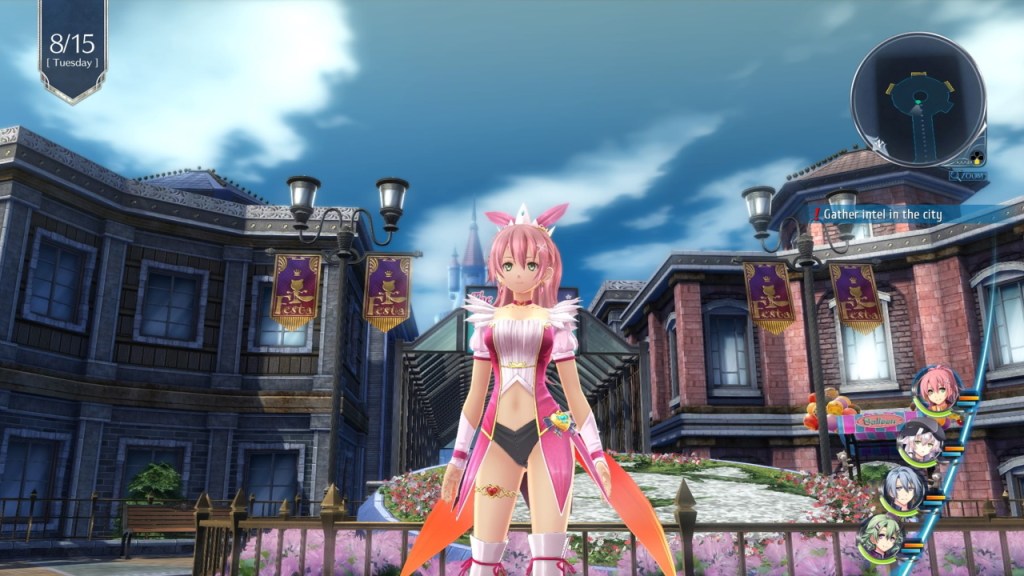
Presentation – Gal*Gun Returns has the classic 3D anime style look to it, with big eyes, bright colors and the many tropes that are found in high school/harem anime shows. The use of fanservice, risque dialogue and revealing costumes that can be applied gives the game an ecchi (lewd) feeling, fitting the overall tone and presentation of the game well. The animations, artwork and overall visual quality of this release is very high, providing a solid experience with zero lag or framerate issues.

The sound design and voice acting for the game are excellent. The four girls that the player can pursue each have their own themes that fit their character well. For example, the guitar playing Aoi has a J-Rock style track that plays in several arrangements throughout her route and has a special ending version when completing a run (the same for the other girls too). The game is fully voiced for all female characters that are encountered, with excellently acted segments from all cast members that tie the whole experience together for me.

Final Thoughts – many years ago, I had the chance to try the original Gal*Gun release on the PlayStation 3 when the game had first been released, thanks to the region free nature of the system. What little experience I had made me want to play more of the game, but due to the language barrier I wasn’t able to do much. The release of Gal*Gun Returns has given players (including myself) a chance to experience the title that started the franchise, which translates very well to the Nintendo Switch, allowing for the action to be taken anywhere at any time.

The stories, gameplay and overall quality of the game are outstanding. The only negatives that I could find during my time playing the game were the shortness of some character routes, the twitchy movement of the controls and the lackluster attempts at humor in some parts. However, these minor issues don’t detract too much from the experience, so I can happily recommend Gal*Gun Returns to anyone who loves rail shooters and fanservice.

In the end, I give Gal*Gun Returns a final score of 4/5. The long awaited remaster of the classic high school themed shooter finally gets a western release, the action, story and characters are fun, with enough depth to keep the player engaged throughout. The remastered visuals, sound and overall quality of this release fit the Nintendo Switch and Steam perfectly, making the game worth the investment. If you want to check the game out for yourself, you can find links to both versions below.

Link to Nintendo Switch version (HERE)
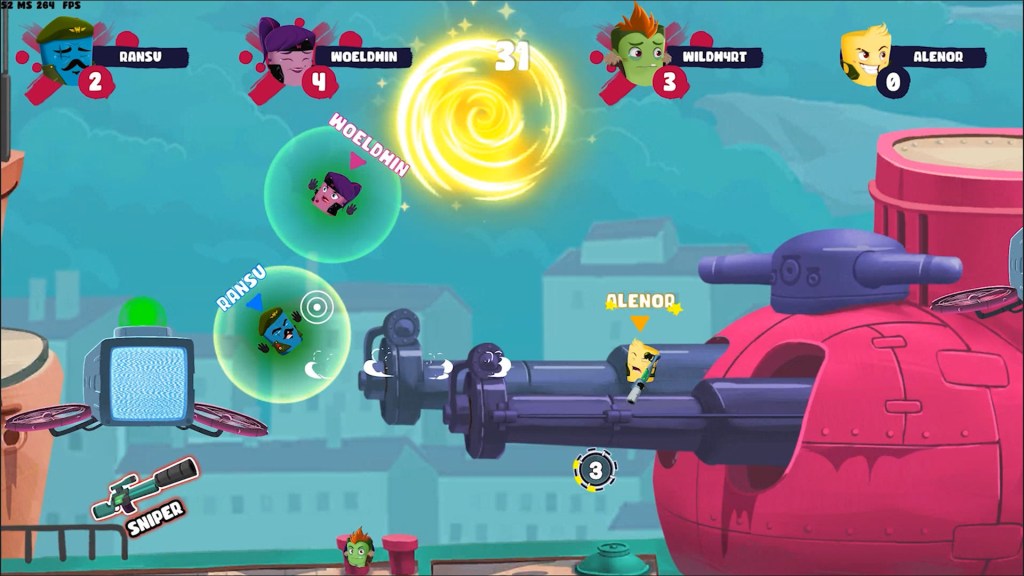
Link to Steam version (HERE)
Project Starship X – Nintendo Switch Review

Overview – developed by Panda Indie Studio and published by Eastasiasoft, Project Starship X is the third entry in the Lovecraftian bullet hell vertical shooter series. The game follows on from Project Starship and the prologue title Red Death, I will be reworking my previous coverage for both games and they will be published at a later time. The game is available on Nintendo Switch, PlayStation 4, Xbox One and the Steam service. Links to each version of the game will be available at the bottom of this review.

Disclaimer: before I get into the review, I would like to thank Eastasiasoft for providing the copy of Project Starship X that was used for this piece. The provision of this software has not influenced the contents of this review, all thoughts and opinions contained within are my own.

Now with the introduction out of the way, let’s get into the review. I will be omitting the story section as there is a free flowing narrative that should be experienced first-hand, so I will be jumping straight into the gameplay.

Gameplay – Project Starship X is a bullet hell shooter that uses a rogue-lite approach to gameplay and progression, using semi randomized level set ups, unlockables and challenging boss battles. I will be covering the core gameplay only, as there are many secrets to discover and I feel that that would spoil part of the fun if I gave away these secrets. This will include omitting discussion of extra gameplay modes. I have chosen this approach as I want to focus on the core experience from the start.

When starting the game for the first time, there will be two characters to select from with more that can be accessed during play. Each pilot has their own strengths, weaknesses and skills that allow them to stand on their own, making them unique to each other. All characters have access to the same range of skills, including the ship blaster, defensive shields (these count as player health) and the X Maneuver which allows players to dodge attacks while also being useful as a form of attack.

Each run of Project Starship X is made up of five stages, that will vary in difficulty and more levels are added depending on the number of completions/milestones reached during play. The stages have their own themes and gimmicks that challenge the player, including a stage on the sun that uses gravity to pull you to the surface and a cave level that turns the game into a scrolling platformer. These unique stages add replay value to the game in each run.

At designated points in a stage, a sub boss will appear to fight the player and a main boss will appear to at the end of the stage, unless in a special encounter but I won’t be spoiling that. Bosses are huge screen filling monsters that will assault the player with a variety of attack patterns, taking more and more skill to overcome the challenges as the player progresses. The stage 1 bosses are simple enough, easing the player into it, but the difficulty can really ramp up quickly.

The randomized elements aren’t just focused on the selection of stages that occur each run, there is also a system called Mad Events that are very dangerous, filling the screen with hazards and much more. These random instances can kill the player easily if great care isn’t taken, becoming an inconvenience for experienced players and a frustration for those who don’t play bullet hell shooters often. The worst thing is that these events can also invert the controls causing more frustration.

During each playthrough, the player can collect items that give upgrades and power-ups. The most common items are the shield and power up, increasing the players hit points and attack power for better longevity in battle. The abundance of collectable items is great as damage comes from all sides, depleting shields quickly if care isn’t taken to avoid the onslaught.

Scattered throughout the stages and dropped by enemies are coins, these are used to buy items from the shop that appears during the run, operated by Shopthulhu. The eldritch shop keep will offer the player three items that can be purchased, but do not attack the shop keep or you may regret it. New items and objects will appear as the player progresses through the game, increasing the pool of items that can spawn during later playthroughs.

There is a lot of humor implemented throughout the game, using a mix of pop culture references and self-aware jokes that combine with the absurdity of the world the game takes place in. The most prevalent instances of absurd humor in Project Starship X is the bosses that the player will encounter during play. For example the first boss that the player will encounter is Zombie Hitler (called Zombie Bad Guy in the PS4 version), which is one of the strangest bosses I have encountered in a game.

Additional references to pop culture include the use of self-aware humor where the game breaks the fourth wall, commenting on the over use of Cthulhu and the lore surrounding it. Alongside the use of popular quotes and imagery, such as the 80’s styled vaporwave aesthetic and “praise the sun” from the dark souls franchise, which shows a passion for gaming culture from the developers.

The last thing to cover is the multiplayer component of Project Starship X. Right from the start of the game, players can access 2 player local co-op with each player using a different hero. This is a fun and entertaining mode that has a major difference compared to the single player experience. When a player has been defeated they can rejoin the battle when a death timer reaches zero if the other player is still alive, rather than outright ending the run for them and leaving their partner alone.

The inclusion of a resurrection timer is a great touch as it allows for newer players to the genre to have fun, with the potential to alleviate the feeling of failure when getting used to the challenge of the game. However, it has to be made clear that the player respawn isn’t a get out of jail free card, as repeated deaths will lead to the timer increasing exponentially and applying more pressure to the remaining player to survive as it counts down.

Now with the core gameplay covered to a degree I am happy with, I will be moving onto the other aspects of the game, starting with the controls.

Controls – Project Starship X uses a simple control method, with the thumbsticks (both left and right) along with the D-pad being used for movement. The buttons and shoulders are used to shoot and activate the X Maneuver/items. Unfortunately the controls are a little twitchy, as the thumbsticks can lack precision during intense moments so the D-pad is preferable. Aside from the minor flaw with movement, the controls work well with both pro-controller and Joy-Con options.

Presentation – visually the style for this release has a unique hand drawn art style through the use of pixel art for the characters and HUD. The animations are fluid and the designs for characters/enemies have a pleasant charm that makes the game a little more enjoyable. There is only one issue that I have though, which is the excessive use of flashing lights that caused some eye strain when playing the game handheld and could potentially cause seizures for others.

The sound has a high quality to it with a great selection of chiptune style tracks that compliments the theme of the stage that they are part of. The effects have plenty of weight to them and add the additional depth required to tie the sound design together. The last thing to mention is the use of digitized voices for different points, it has a retro charm to it but sometimes the chosen voice can sound like generic text to speech which can be jarring.

Final Thoughts – overall Project Starship X is a decent game that manages to mix bullet hell and rogue-lite elements well, although it does have some flaws to it that can cause a lot of frustration. This release is hard and will punish the player as they try to get used to the game, which can put players off. The cast of characters and bosses that the player will encounter is unique, with the absurd and ridiculous humor adding more entertainment to the game.

I can recommend this title to those who enjoy bullet hell shooters as the game is very challenging, while also providing a good starting point for new players. Panda Indie Studio has outdone themselves with the third entry in their Cthulhu shooter series, the progress unlockables, randomized elements and two player co-op play are great additions to the game creating the best shooter they have made yet.

In the end, I give Project Starship X a final score of 4/5. This game is a ridiculous and fun bullet hell shooter, with self-aware jokes, unlockable elements and a menagerie of absurd bosses that feel like a fever dream on acid. If you want to check this game out for yourself and battle Zombie Hitler(not on the PS4), links to the game will be available below.

Link to Nintendo Switch version (HERE)

Link to PlayStation 4 version (HERE)
Link to Xbox One version (HERE)

Link to Steam version (HERE)

Turrican Flashback – Nintendo Switch Review

Overview – developed by Factor 5 and Ratalaika Games, with publishing handled by ININ Games, Turrican Flashback is a collection of four platform action titles in the legendary franchise. This compilation covers titles released for the Amiga, Mega Drive/Genesis and Super NES with enhancements and features added to create the ultimate classic Turrican experience. Turrican Flashback is available for the Nintendo Switch and PlayStation 4, links to both versions of this release will be available at the bottom of this review.

Disclaimer: before I get into the review, I would like to thank PR Hound for providing the copy of Turrican Flashback that was used for this piece. The provision of this title has not influenced the contents of this review, all thoughts and opinions contained within are my own.

Now with the introductions out of the way, let’s get into the review. I will be covering this collection in a different format compared to the usual structure of my reviews, with segmented coverage for the gameplay of each title before discussing the other aspects of the bundle.

Gameplay – to start this off, I will be giving a brief background of the Turrican franchise before I delve into the games themselves. Turrican was released in 1990 for the Commodore Amiga during the peak of the systems popularity, leading to the game becoming one of the most successful German exports of its time. The success of Turrican was due to the open ended approach to non-linear level exploration, combined with the tight action platforming gameplay.

The positive critical reception for Turrican led to sequels, ports and a devoted fan base that still go back and play the games to this day. This has led us to the release of Turrican Flashback, a compilation of four games that span three consoles during the series heyday. These games are;

Turrican: released in 1990 for Commodore home computers, the game was so popular that it led to the Turrican being ported to other systems during 1990 and 1991. The plot is simple, armed with an arsenal of high tech weaponry, the bio-engineered warrior Turrican, must travel through the five multi-level worlds in order to eliminate the higher intelligence MORGUL. The Multiple Organism Unit Link is a being of warped intellect and murderous intent, which has warped the native life of Alterra to fit its destructive purposes.

The player is tasked with clearing the large open ended levels, exploring their environment and battling the bio engineered enemies that stalk the lost colony of Alterra. This run and gun title stood out from many other games of its time, featuring non-linear level progression, a focus on exploration and many secrets to be discovered in each stage. Introduced in the first game are many of the mechanics that would be carried over to subsequent releases, including upgradable weaponry, hidden items and a special limited use wheel skill to aid exploration.

The weaponry available to the player is a beam, spread and standard shot that can be upgraded by collecting power-ups dropped by enemies and in hidden blocks. These attacks are consistent and can be changed by picking up different in game items, mixing up the attacks that the player can use. There is a second type of weapon available which are limited in use (but more can be collected), explosives that deal immense damage to enemies. The attacks are the Line, which covers all open spaces, the grenade that causes huge explosive damage and the mine that can be used in a tactical form.  

Each of the stages has an open exploration style to it, with hidden paths and objects scattered throughout, there is even a dedicated laser weapon to aid in finding the many secrets. At some points in the levels, the player can encounter strong enemies which block progression or have treasures behind them, along with boss battles to end each world of the game. This game also features two different gameplay styles, with scrolling shooter sections that turn the game from being a Metroid style platform action game to a linear shooter, changing things up at these points.

Turrican II: in 1991, the first sequel to Turrican was released for the Commodore Amiga. Much like the first game, Turrican II was ported to other platforms and even MS-DOS computers. The year is 3025, peace has been attained in the Cobra 2 galaxy through the power of the United Planets Freedom Forces. The United Planets Ship, the Avalon 1 is travelling through the outer reaches of the known universe when it is suddenly attacked by the Cyborg emperor The Machine. After a long battle, the only one left alive is Bren McGuire, a soldier that dons the suit of the Turrican and embarks on a quest for revenge.

The core gameplay mechanics are the same as its predecessor for the most part, the game is made up of five multi-level worlds that each have their own theme. The exploration, hidden objects and upgradable weaponry returns in this title, with some distinct changes being made to other aspects of the game. First the wheel skill is now freely accessible, rather than being limited use which gives greater flexibility to the ability. The selection of explosive weapons has been altered and a new smart bomb attack has been implemented, filling the screen with attacks and destroying all enemies on screen.

The scrolling shooter sections return in a different format, rather than being only vertical scrolling sections these stages go on both axis directions, giving more depth to these challenging sequences. The large scale bosses also return, with difficult challenges that can take the player out quickly in both platforming and scrolling shooter style battles. These changes that are made to this release give more depth to the overall gameplay that is on offer, along with the other quality of life changes in the sequel that make for a better complete experience over the original.

Mega Turrican: this title was the first Turrican game developed with consoles in mind after the gradual decline of the Amiga. Due to this, the game was moved to the Sega Mega Drive/Genesis with development completed in 1993 but publishing delayed until 94. The plot follows Bren McGuire, the hero from Turrican II, who must go into battle again after the unexpected return of The Machine, the villain that he battled before. Following the return of his enemy, Bren must don his Turrican assault suit again and go into battle again.

Due to the change in hardware, the gameplay changes are brief yet noticeable but they do provide a refreshing change of pace compared to the previous titles. First, the sprawling level designs return, featuring many secrets and perilous traps that can lead to certain doom. Each of the five worlds is split into stages that are filled with challenging enemies and obstacles to overcome, each world culminates with a boss battle and some stages have smaller sub boss encounters for player to battle. The weapon upgrades also return, with three types of attack that players can use in game denoted by color.

What is different is the removal of the laser, which has been replaced with a grappling hook that allows the player to swing to areas that appear out of reach. The wheel has been altered to have a proprietary energy meter that depletes as it is used, being locked off when all energy is gone but the player can drop explosives while the skill is active. The last change and the most significant one is the removal of the scrolling shooter sections, which are replaced auto scrolling platform action sequences that mix the gameplay up enough to make it feel like it fits.  

Super Turrican: being originally released in 1993, Super Turrican is the first of two games that were developed for the Super Nintendo in the Turrican franchise. The story focuses on the peaceful world of Katakis, which has been targeted by the mechanical monster The Machine, who has frozen the inhabitants to reconstruct the world in its own twisted vision. A cry for help was sent out and the Avalon-1, piloted by the Freedom Forces warrior picks this up and after hearing a million voices suddenly silenced he sets off to Katakis on a mission to destroy The Machine.

The look on the Super Nintendo is similar to that of Mega Drive/Genesis but closer follows the gameplay style of the Amiga titles, using mechanics that are borrowed from the three previously discussed games. The attack upgrades, wheel and line explosive attacks return in this title, although the laser/grapple have been removed and replaced with a freeze beam attack that stuns enemies for a moment. The game is made up of only four worlds this time, but each world is still made up of several stages with the final level being taken directly from Mega Turrican.

The boss battles are still impressive, with occasional use of sprite transformations that allow enemies to move from the background into the screen. Unfortunately this is the biggest use of the graphical power that the Super Nintendo was capable of. The hidden objects, exploration and secrets are still included which are a welcome inclusion given the more linear approach that the game takes with this release. Super Turrican is a fun and exciting title, but is sadly lacking in the depth of gameplay that the other games in the series have, with little to make it stand out aside from some simple gimmicks.

Now with the gameplay aspect of each game covered briefly, I will be moving onto the other aspects of the game. I will also be adding a new section to discuss the features that have been added exclusively to this collection, so let’s get started with that.

Special Features – as a compilation of ported titles, rather than just an emulation of the hardware each game is tied to, there are some special features that this game has added to make the experience fresh for new and old players. New color filters have been added to the Amiga releases to give the player more graphical options, with a rewind feature that allows players to fix mistakes and even save/load states to give more flexibility to the player. These improvements make the individual games more fun and give them additional longevity.

Difficulty – the challenges present in all four Turrican games are tough, with enemies attacking from all sides and deadly traps that can take the player out easily. The use of the rewind feature, save/load states and even cheats can help to reduce the challenge for players who may not be used to the level of difficulty. The Amiga games don’t have a selectable difficulty, but the Super Nintendo and Sega Mega Drive/Genesis games do have selectable challenge settings, so players can manually adjust the level of difficulty.

Controls – Turrican on the Amiga would use a keyboard as the system was a home computer at the time, using several different keys for different attacks. The home console games use a mix of button combinations and dedicated inputs to use all skills. In this compilation, the button inputs are spread across the controller, allowing for quick use and even remapping of the controls for all types of players. There are no input issues and the reactions are great, with the controls being comfortable with both pro controllers and the Joy-Cons in all play styles.

Presentation – the visual style of all Turrican titles is vibrant and was cutting edge for the time, with large sprites, colorful backgrounds and crisp pixel art. All of the animations, transitions and effects are outstanding with little lag or slowdown given the graphical limitations of the time for the each systems hardware. There is also a suite of options for players to alter the visual presentation of the game, including screen sizes, graphical filters, pixel filters and even CRT settings that attempt to emulate the look of a monitor from the 90’s.

The sound on average is quite good, using a combination of brooding synth and bright melodies for the Amiga soundtracks that give the worlds a lot of atmosphere, bringing the environments to life. The Mega Drive and Super Nintendo soundtracks are in stark contrast to the Amiga, with both titles having their own strengths and weaknesses. The Super Nintendo has a softer sound to it, giving the bass more chance to stand out but lacking any real punch. On the other side, the Mega Drive has more of a kick to it, which gives the drum beat and melodies a chance to really shine during play.

Final Thoughts – when I first saw that Turrican was having a compilation released, I was excited since the only exposure I had to the games was the unfortunately downgraded ports for the Mega Drive and Game Boy of Turrican II as a movie tie in. The opportunity to play the originals in as close to how they released was a real treat, causing me to lose countless hours in both enjoyment and frustration during my time playing. That complex balance between getting annoyed by a cheap death and the sheer joy of succeeding against a tough boss was all part of the experience.

This is an excellent collection of games, showcasing the quality of a franchise that deserves more than it unfortunately got during its prime. I just hope that more games in the Turrican franchise (including the directors cuts) will get the chance to be released in the future, possibly even new games getting released in the future. With everything I experienced during my time playing, I can happily recommend this game to fans of platform action games and those who want to try something new (and old at the same time).

In the end, I give Turrican Flashback a final score of 5/5. The games in the bundle are a lot of fun, causing me to lose many, many hours trying to clear each game for this review. The presentation and quality of life improvements are a great thing as it gives the games a chance to be appreciated by a new audience. If you want to check the collection out for yourself, you will find links to each version below.

Link to Nintendo Switch version (HERE)

Link to PlayStation 4 version (HERE)

Root Double – Physical Release Announcement

Hello again, I have more news from our friends at PR Hound, Strictly Limited Games, ININ Games and Sekai Project announcing the physical release of one of their recent titles. Root Double -Before Crime * After Days- Xtend Edition, the acclaimed mystery visual novel is getting a physical release for the Nintendo Switch.

last year, I covered the digital release of Root Double which you can read (HERE). The game has received positive praise and is now coming to us on the Nintendo Switch from the official ININ Games website which you can find (HERE).

There is a Standard edition that is the game by Itself, alongside two special collectors edition available from Strictly Limited Games, below you will see the standard Limited set and the Dakimakura limited edition.

LEFT STANDARD LIMITED EDITION – RIGHT DAKIMAKURA LIMITED EDITION

For those who need a little refresher or this is the first time you have seen Root Double, here are some details about the game.

Summary

Developed by Regista and directed by Ever17 Creator Takumi Nakazawa, Root Double -Before Crime * After Days- Xtend Edition follows the events of a nuclear meltdown at a research facility from two different points of view.

Leaving an unknown amount of survivors inside and a reactor at the verge of exploding, the rescue team is sent in to figure out the situation and save the ones left inside. Unfortunately the leader of the rescue team is suffering from amnesia, which makes the situation even more complicated. The player will uncover the events that have led to this disaster. Combining the stories of the different characters and experiencing every twist and turn is the only way to uncover the truth of what happened that fateful day

What separates Root Double -Before Crime * After Days- Xtend Edition from contemporary games is its unique and highly involved Senses Sympathy System, in which the player must follow their senses and gut feeling and prioritize which character they want to focus on and follow, drastically changing the scenario and the outcome at every step. One wrong move can lead to their demise, and the many endings of the game are certainly not happy ever after…

Features

  • Beautiful artwork reworked in full HD.
  • Directed by Ever17 Creator Takumi Nakazawa.
  • Hours and hours of story that dynamically changes based on your choices.
  • Unique gameplay (Senses Sympathy System) sets it apart from conventional visual novels.
  • Mature serious storyline.
  • Fully voiced in Japanese by famous voice actors.
  • High replayability requires replaying to see all possible story outcomes.
  • Two storyline branches – one before the crime and one after the crime.

For those who prefer to digital software, you can find the Nintendo Switch version of the game available for immediate purchase (HERE).

Colorful Colore – Nintendo Switch Review

Overview – developed by Gagonfe, Delta and Rhowsl, with porting to the Nintendo Switch handled by Drageus Games. Colorful Colore is a simple yet challenging puzzle title, where the objective of each level is to navigate a color coded maze and reach the goal, with puzzles getting increasingly tricky as the game progresses. This title is available on the Nintendo Switch and Steam service, if you want to check it out for yourself, links to each version of the game will be available at the bottom of this review.

Disclaimer: before I get into the review, I would like to thank Twitter user @markjpwns for providing the copy of Colorful Colore used for this review. The provision of this title has not influenced the contents of this review, all thoughts and opinions contained within are my own.

Now with the introductions out of the way, let’s get into the review. Since there is no story for this game, I will be moving directly onto the gameplay section of the review.

Gameplay – Colorful Colore is a color based puzzle title, where the objective of each stage is to reach the goal by moving your block while avoiding areas that don’t match the color of your block. There is a total of 50 stages to take on, with the challenge of the stages increasing as the game progresses. The stages start of simple, teaching the player how the game functions with the color changing mechanics, introducing more complex puzzle set ups as stages are cleared.

The player can move their block in straight lines in one of four directions, stopping only when connecting with another wall. If the player connects with a wall of the same color, the player can move to another space, but if the block connects with a wall that doesn’t match then the player is reset to the starting point. Alongside the simple four direction movement is a color change system that allows the player to switch colors between Pink, Yellow and Green, adding more depth to the puzzle gameplay.

There is a lack of threats to the player in stages, allowing a relaxed pace to be taken during play. This laidback approach gives players the option to learn the solution to each stage and the more challenging mechanics, without the risk of running out of time or getting a game over. While the game may feel short at only 50 stages, this is perfect for those who enjoy speedrunning or just sitting back with a casual puzzle experience for a few minutes at a time.

The overall gameplay experience is fun and enjoyable, offering a challenge that everyone can sit down and enjoy at a very good price point. The only issue that I do have is that the sprites may be a little small for some players when playing in handheld mode, especially with the slightly smaller screen that is found on the Nintendo Switch Lite model. However, this is only a small issue and doesn’t impact the overall quality and performance of the game.

Now with the gameplay covered to a degree that I am happy with, I will be moving onto the other aspects of this release, starting with the controls.

Controls – the control method for Colorful Colore is very simple, using only the D-Pad/left thumbstick to move the block around each maze. During gameplay there is no difficulty with inputs when playing in all system modes, but there is a small issue that can occur if care isn’t taken during the more complex stages. It is possible to miss inputs if you rush when trying to navigate the tougher puzzles in the game, leading to mistakes and potential frustration by losing progress in a hard stage.

Presentation – the visual style for this release has a cutesy charm to it, with the use of neon colors for the maze stages and the player block. These bold colors contrast well with the darker background that is constantly scrolling across the screen, giving the game a calming atmosphere. The soundtrack for Colorful Colore consists of a single music track that is persistent throughout, using a soft and happy chiptune style melody, tying the whole experience together into a delightful and relaxing package.

Final Thoughts – during my time with Colorful Colore, I really enjoyed the color based puzzle mechanics that are employed by this release which felt both fresh and unique during play. This game consists of 50 stages, which is a little short as it can be completed in about a day of consistent play. However, for the very low price that is being asked for this game, I can absolutely recommend purchasing this game to keep yourself engaged during the long winter nights.

In the end, I give Colorful Colore a final score of 4.5/5. This game is a simple yet charming color coded puzzler that is both fun and challenging, with enough depth to the mechanics and gameplay to keep you engaged during play. If you want to check the game out for yourself, links to the game will be available below. (Please Note: Colorful Colore is on sale at the time of publishing)

Link to Nintendo Switch version (HERE)
Link to Steam version (HERE)
The Pillar: Puzzle Escape – Nintendo Switch Review

Overview – developed by Paper Bunker and published by Eastasiasoft, The Pillar: Puzzle Escape is an exploration focused puzzle adventure set in an unknown world. Explore the mysterious islands, scenic landscapes and solve the riddles you encounter as you seek to escape the maze of puzzles that hold you captive. This title is available for the Nintendo Switch, PlayStation 4 and Xbox One, links to each version of the game will be at the bottom of this review.

Disclaimer: before I get into the review, I would like to thank Eastasiasoft for providing the copy of The Pillar: Puzzle Escape that was used for this article. The provision of this software has not influenced the contents of this review, all thoughts and opinions contained within are my own.

Now with the introductions out of the way, let’s get into the review. I will be omitting the story segment from the review as there is little in the way of a narrative that plays out in this title, so I will be moving directly into the gameplay section.

Gameplay – The Pillar is a first person exploration and puzzle solving title, using a style that is reminiscent of other titles in the genre like Myst, but with a streamlined approach. In each stage, the player must solve various puzzle set ups including pattern placement, connecting the ends of two colors without crossing another color and hidden combinations locks. The majority of puzzles have only a single solution to them, however, puzzles that are open to the player can be attempted in any order, giving freedom to approach each stage differently.

Each area that the player encounters has its own progression system. The way to proceed through each zone include activating pressure switches, moving items between areas and pushing door buttons in a specific order. This approach can be a little troublesome as pressure switches and other elements can be hard to see when hidden, causing more time to be spent in each area than is needed. There are also items hidden throughout the areas for the player to collect, adding to a completion counter for that stage.

The puzzles themselves slowly increase in difficulty as new ones are introduced, starting of simple but becoming very challenging quickly taking multiple attempts to complete. The capture feature of the switch can help to ease some of the challenges, allowing players to record patterns and note down the solutions during play. The screen shot button is also useful to prevent back tracking when trying to solve number/symbol combination puzzles.

The overall gameplay of the game has a relaxing feel to it as there is virtually zero punishment for failing the puzzles, there are no enemies in the game and without any threats, the pacing is up to the player. I did have a couple of issues during play which did make it a little frustrating for me to play. The first is the frame drops that occur when there are particle effects on screen, making the game slow down a lot. Second was the inconsistency with item collision, which caused difficulty moving some of the items for puzzles.

There is not much else to discuss without spoiling the rest of the game, so I will be moving onto the other aspects of the game.

Controls – The Pillar has a simple control method, using only a couple of buttons to play through the entire game. The thumbsticks control movement, with the ability to move and look in all directions. The right bumper allows the player to run, while also being used in puzzles with the left bumper. The A button activates items/objects and the B button will go back/cancel actions. The controls in general are comfortable and work well, but do have some inconsistencies in both handheld and docked modes.

Presentation – visually, The Pillar is a pleasing experience with a great use of simplistic shapes/designs for the environments and vibrant colors for the puzzle sections. The only let down with the graphical quality is the framerate issues that occur when there is a lot of effects at once. The sound is pleasing, with gentle music that accompanies the player through the different locations, adding a sense of wonder to the more fantastical locations.

Final Thoughts – overall, I had a pleasant although short time with The Pillar: Puzzle Escape. The game isn’t the longest and can be cleared in a few hours, but with the completion percentages that are tied to each stage giving the player a reason to return to the game. The puzzles are fun with enough diversity to keep me engaged with throughout the experience, which I praise the developers for as it made The Pillar a game that you can sit down with during a cold night and lose yourself in it.

In the end, I give The Pillar: Puzzle Escape a final score of 4/5. The gameplay and puzzles are engaging, the atmosphere is relaxing and the hidden collectable objects reward repeated play of the stages. This game is a delightful experience that can be enjoyed alone or bundled up with your significant other on a cold winter night. If you want to check the game out for yourself, links to each version of the game will be below.

Link to Nintendo Switch version (HERE) – currently discounted at time of publishing

Link to PlayStation 4 version (HERE)
Link to Xbox One version (HERE)
Sense: A Cyberpunk Ghost Story – Nintendo Switch Review

Overview – developed by Suzaku with publishing handled by Eastasiasoft and Top Hat Studios, Sense: A Cyberpunk Ghost Story is a survival horror/adventure set in the neon soaked year of 2083. Take on the role of Mei Lin Mak, a young woman who has been caught up in a century old mystery as she tries to escape the supernatural horror in the ruins of the Chong Sing Apartments. This title is available on the Nintendo Switch and Steam service. Links to both versions of the game will be at the bottom of this review.

Disclaimer: before I get into the review, I would like to thank Eastasiasoft for providing the copy of Sense: A Cyberpunk ghost Story that was used for this article. The provision of this software has not influenced the contents of this review, all thoughts and opinions expressed within are my own.

Mature Content Warning: Sense has been given a rating of Mature in North America and PEGI 18 in Europe, this rating has been given due to some sexualized elements, violent content and disturbing themes. I advise that discretion is taken when reading this review or looking at material from the game if mature themes offends you or you are under the recommended age for this title.

Important Note: I want to highlight that there has been negative reactions to the content of this release, with calls to censor or remove the game from the Nintendo eShop due to the art used for promotion of the game. The publisher Top Hat Studios have refused to change Sense, which has led to vile threats and harassment targeted towards the developers of the game. I want to make it clear that I support Top Hat Studios and Suzaku and condemn the actions of those who have been harassing them.

Now with the introductions out of the way, let’s get into the review. I will be omitting the story section and moving directly into covering gameplay as I feel players must experience this first-hand, however, I will give minor details during other parts of my coverage.

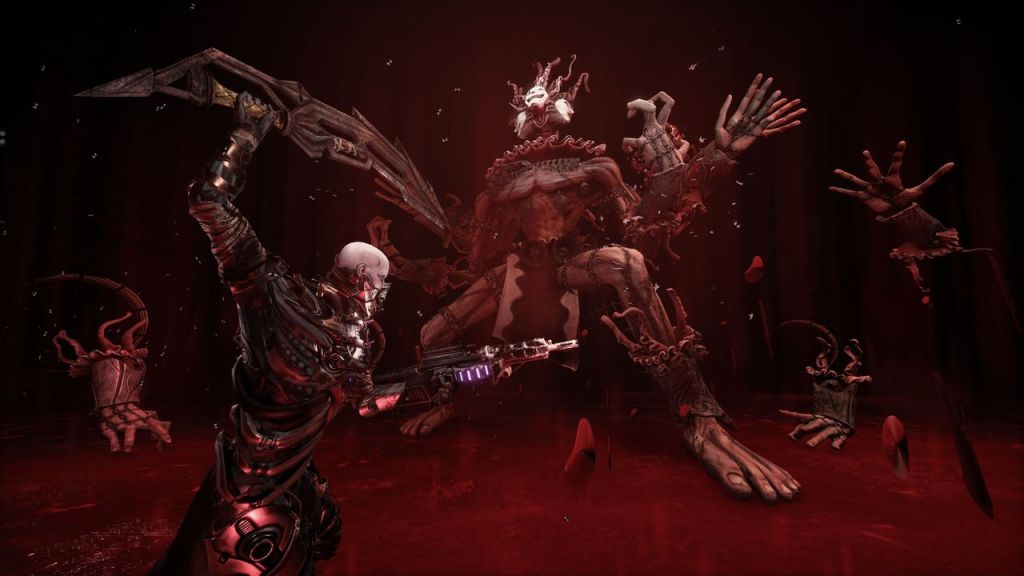
Gameplay – Sense: A Cyberpunk Ghost Story is a suspense filled survival horror/adventure, with gameplay elements that are inspired by titles from the past including Clock Tower and Fatal Frame. As the protagonist Mei Lin Mak, you explore the ruins of the Chong Sing Apartments in the city of Neo Hong Kong, encountering spirits that will try to stop you as you seek to solve the mysteries and escape.

During exploration you will find puzzles that you will need to solve to proceed, these include collecting items and using them to progress through the environment. To interact with the objects and doors in each area, prompts will appear on screen allowing players to pick up and examine items, enter doors and even hide from spirits. During some events in the story quick time events will occur, showing a prompt on screen, success will lead to survival and failure will result in death.

Items and clues that are picked up will be added to the PDA, which functions as the player’s inventory and records all data that has been collected alongside other key items. The PDA can be accessed at any time and is the most important item that the player has available to them, using it as a map and allowing the player to check out the photos that have been taken with Mei’s cybernetic eyes. Photos that have been taken add to the suspense and tension of the experience.

There is a lack of combat in this game which adds to the horror atmosphere that the game attempts to build, this makes the protagonist feel vulnerable as they can only run and hide from the vengeful spirits. When running or hiding from a ghost that is trying to hunt the player, they have limited stamina to get away to safety. The player is able to hide from enemies when running away, taking refuge in rooms that are protected by a seal, activating a quick time event that will grant safety if successful.

If you are unable to escape from the spirits death is highly likely to occur, the only way to survive an attack from a ghost is to be in possession of a Jade Bangle, but these will be destroyed when escaping. When attacked with a bangle in hand, a quick time event will occur similar to taking refuge in safe rooms, with successful inputs allowing escape. Additional bangles can be found during the course of the game, however, they are limited and only two can be carried at once.

Aside from the apparitions that attack the player, there are also traps and negative actions that can cause player death if mistakes are made. When this happens Mei will be shown in horrific death scenes, with graphic injuries and body horror that is unsettling with the use of static effects to enhance the cyber horror aesthetic that the game is going for.

Death will throw the player back to a previous save point, which is depicted as televisions that use tapes to save progress when exploring the world. The save points require a tape to activate and are finite so managing the activation of save points is important to prevent excessive time loss upon death, but this can be alleviated by using the quicksave feature.  

The ghosts that are encountered by the player each have their own stories attached to them, which will unravel over the course of the game. After the player solves the puzzles that they are faced with, they have the chance to put spirits to rest, performing a ritual that is based in Asian folklore and making an offering to exorcise them. Each story section plays out in a manga style panel layout, using art rather than animated cutscenes to portray the events that play out.

The last thing I want to talk about is the way that the game references internet culture and the real world. This includes the use of memes and references to trends that have been prevalent online in recent times. The inclusion of real world references are used in a way that is not intrusive, they do highlight some negative aspects of internet culture (which is very relevant given the outrage caused by the promotional artwork for Sense) and the world as a whole, which I feel have been handled well.

Now with the gameplay aspect covered to a degree that I am happy with, I will be moving onto the other parts of the game, starting with the difficulty.

Difficulty – Sense has a simple difficulty curve, with the puzzles and encounters getting progressively complex as the story progresses. The main challenge to this title is the effective management of resources and planning ahead, if you aren’t careful when exploring thee world you may become lost and need to back track more than necessary. Poor decision making and lack of care during puzzle solving can lead to failure, wasting time and causing frustration.

Controls – this game features a very simple control method, separated into left and right sides of the controller. The left side controls movement of Mei, with the right side being used for actions, interacting with the game world and managing the player’s inventory. The game handles well, aside from a little inconsistency when trying to walk and run with the dash set as a double tap towards a direction. There are no input drops or lag in either docked or handheld play, making for an enjoyable experience.

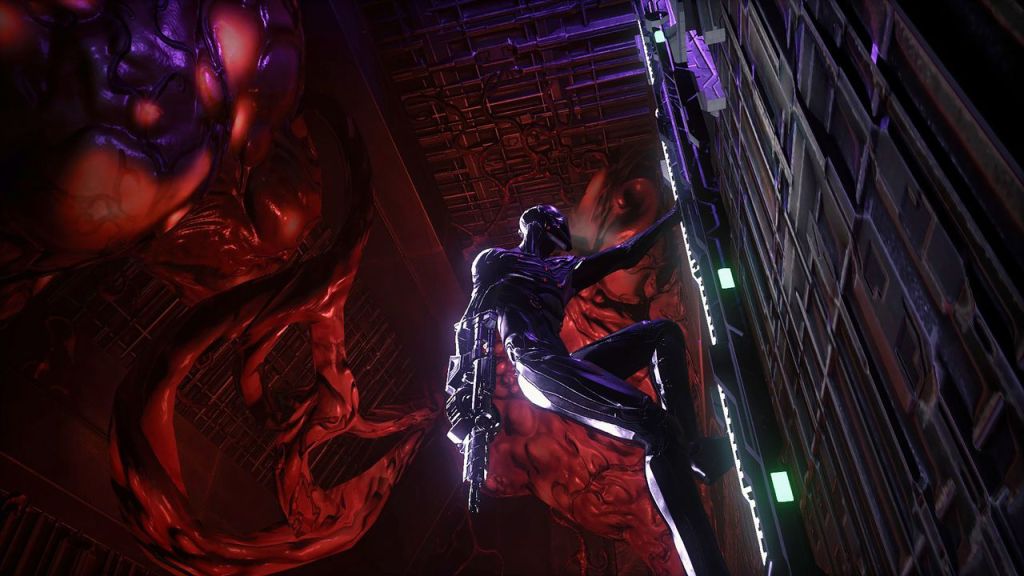
Presentation – the art style for Sense has a very unique look to it, blending the bright colors of the neon cyberpunk design with traditional Cantonese folklore. There has been extra care taken to ensure that the visuals all fit the theme of the game, with the ruins giving an oppressive atmosphere that contrasts well against the bright colors that can be seen outside. The death scenes and ghosts have a static look to them, giving the impression that the events occurring may or may not be real due to Mei’s cybernetic eyes.

There are some elements of sexuality to the art that can be seen during play, including the use of hologram dancers and advertisements for manga that have exaggerated proportions in the early part of the game. This use of risqué fanservice doesn’t detract from the horror that will unfold later in the game, what it does do however is provide a false sense of safety and subverts expectations that the player may have at the start.

The overall performance of the game from a visual standpoint is refined extremely well, with smooth fluid animations and no issues with framerate or lag during play. The sound is atmospheric and creepy for most of the experience, using subtle atmospheric sounds that give a feeling of unease, where the main thing that can be heard is rustling of paper or footsteps. There is some voice acting that is employed, which I found to be performed well and used just enough to increase the feeling of unease present.

Final Thoughts – I went into this game as a fan of the titles that inspired Sense, expecting something entirely different than what was presented. I was pleasantly surprised by the atmosphere and attention to detail that the developers put in with the use of Asian folklore, which contrasted well with the advanced technology of the future setting. The gameplay is engaging and can create a lot of tension, especially during jump scares and chase sequences where the ghosts hunt down Mei as the player tries to escape.

The use of static and other effects adds an element of techno horror to the overall experience, making the player question the reality they are witnessing. This unease makes the death scenes, ghostly apparitions and echoes of the past that much more impactful in my opinion, showcasing a real love for the subject matter and titles that came before them. The helplessness and vulnerability of Mei as she is lost in the ruins of the Chong Sing Apartments ties the whole experience together for me.

The art and sound design all come together to create an oppressive, dark atmosphere that is a stark contrast to the bright neon lights that are seen during the opening and in the outside world. The overall quality of Sense is outstanding and I applaud the developers for their hard work. Suzaku haa created a title that subverts the expectations of the cyberpunk setting, releasing a game which I have absolutely no problem recommending to anyone interested in the survival horror genre.

In the end, I give Sense: A Cyberpunk Ghost Story a final score of 5/5. This title is an atmospheric and tense survival horror experience, taking everything you think you know about the cyberpunk genre and turning on its head. The gameplay, story and presentation is expertly crafted, showing the love for the setting and influences that the developers have. If you want to check the game out for yourself, you can find links to both versions of the game below.

Link to Nintendo Switch version (HERE)
Link to Steam version (HERE)
ITTA: Physical Release Announcement

I have an Announcement from our friends at Super Rare Games, a new physical release is coming to the Nintendo Switch. Read below to find out the details of this upcoming release.

Super Rare Games is starting 2021 with a blast! We’re proud to reveal our partnership with Glass Revolver and Armor Games Studios to release this bullet-hell, boss-rush adventure game in physical form for the first time on the Nintendo Switch.

Only 5,000 copies total will ever be printed, which go on sale January 7th at 6pm GMT (10am PT/1pm ET) for approx £27/£39.50 (excluding tax and shipping). The game will be released in two versions, which will be published in two variants, a standard edition limited to 3,000 copies and a steelbook limited at 2,000 copies.

In typical Super Rare Games tradition, this rare print physical release includes all the content on its cart, a full-colour manual, interior artwork, an exclusive sticker, and three trading cards randomly selected from the five-card set. Steelbook versions come with the standard case included, with both boxes bundled in a sleeve. Fans won’t have long to wait, as Super Rare Games titles ship soon after going on sale.

Here are some details about ITTA.

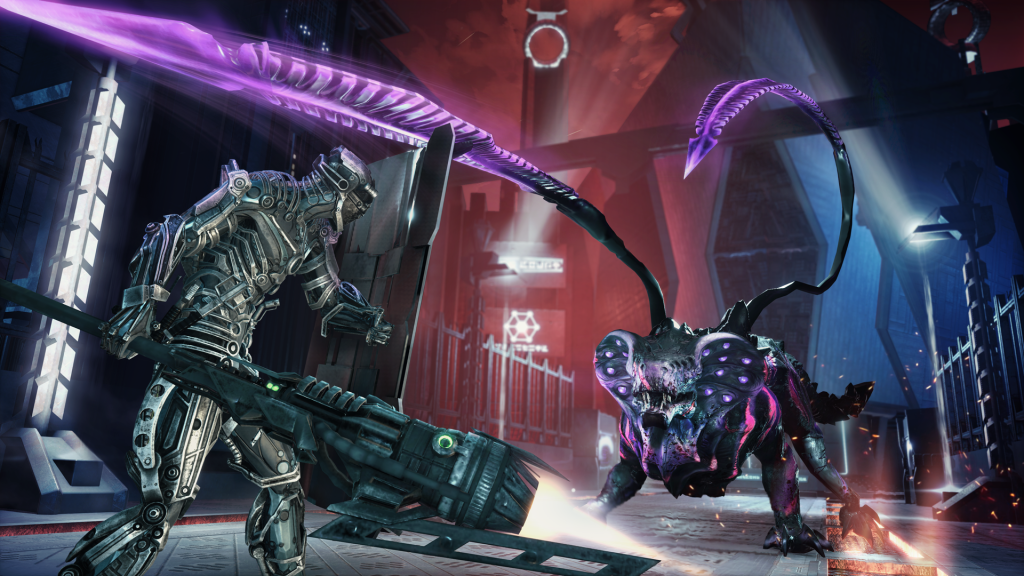
ITTA is a bullet-hell adventure set in a world filled with monstrous bosses. When Itta wakes up and finds herself surrounded by her dead family, her only guide is a strange spirit that takes the form of the family cat who gifts her a glowing revolver for protection.

  • Bullet-Hell Chaos – Topple 18 deadly bosses in this simple to pick up but tough to master twin-stick shooter.
  • Survive, No Matter What – Wield an arsenal of powerful spirit weapons to fight in new ways and change the tides of battle.
  • Monstrous Challenge – Seek and destroy unsettling and powerful creatures to unlock the mystery of a bizarre, crumbling world and its cryptic inhabitants.
  • A Girl Displaced – Explore a beautiful and deadly pixel-art world backed by a haunting and eclectic musical score.
  • Horror and Wonder – Never hit a wall; freely toggle damage multipliers and invincibility, or prove your mettle with the default settings.
  • Lost and Alone – Largely inspired by Zelda 1 and modern classics like Nuclear Throne and Titan Souls.

You can check out the two versions of ITTA at the Super Rare Games store which goes on sale January 7th (HERE). If you want to learn more about the game you can find more details at their official website (HERE) and the Twitter account for the developer (HERE).

Drunken Fist – Nintendo Switch Review

Overview – developed by DEKLAZON and published by Eastasiasoft, Drunken Fist: Totally Accurate Beat em’ Up is a physics based brawler where you try to get home, fighting those who stand in your way. Stumble your way through the city, using a variety of attacks to take down your foes while making sure not to be defeated. This title is available for the Nintendo Switch, PlayStation 4, Xbox One and Steam Service, if you want to check this game out, links to each version will be at the bottom of this review.

Disclaimer: before I get into the review, I would like to thank Eastasiasoft for providing the copy of Drunken Fist used for this piece. The provision of this software has not influenced the contents of this review, all thoughts and opinions contained within are my own. This title is also rated Mature, so discretion is advised.

Now with the introductions out of the way, let’s get into the review. There is little in the way of a conventional plot with this release, so I will be omitting the story segment from this review.

Gameplay – in Drunken Fist you take the role of a man trying to get home after drinking a little too much, but there is a problem, everyone you come into contact with is trying to beat you up. To get home safely, you need to fight off punks, jocks and more to get through each of the stages. To clear each of the stages in the game the player must complete a set of objectives without being defeated, if the player is taken out they must try again from the start of the stage.

When fighting enemies in the streets each attack uses up a portion of the stamina meter, with different attacks using up varying amounts of energy for each move. There is a standard punch, kick, dodge and sweep available to the player, alongside an expanded move set by pressing the shoulder buttons and triggers. The combat is clumsy and a little messy, with a difficulty to consistently attack enemies due to the use of tank controls which have a very slow almost uncontrollable feeling to them.

The inconsistency of combat and movement is interesting to say the least, as the tank controls and wild flailing of limbs does give the impression of intoxication, but weakens the playability in parts. There is also a momentum system in place for walking/running, with the player’s speed increasing more to the point that the character will fall over taking damage. Momentum and combat flaws add an increased level of challenge that requires caution and with no difficulty setting, be prepared to restart stages often.

As well as the combat and accidents that can occur, damage can be caused by poor management of “essential needs” which are separated into two categories. The first is the drink meter, which depletes over time and can only be refilled by drinking bottles found during play. The second is the bathroom meter, opposite from the drink meter as it will fill over time and must be depleted through urinating, this will leave an area of yellow blobs in front of the player that can cause fall damage if stepped on.

The only way to recover health is to eat burgers that are found on the street, increasing the health meter on screen when used. The current amount of food and drink that the player has in their inventory will appear on screen and is carried over between stages, the items that they carry will also carry over between restarts making use of food and drink tactical in some instances. Now while this is a unique gimmick and an entertaining one at that, the game does have some major flaws to it.

I do enjoy the combat gimmick for the most part, the action can flow well, with a slapstick style charm to the way that limbs and body parts can get stuck in other objects. However, this is also a point of frustration as some enemies have extremely good accuracy with strikes, causing repeated knock downs as you swing around wildly. There is also the possibility of getting surrounded quickly and due to some unfortunate hit detection, it is entirely possible to miss every attack you make to your enemies.

Now I want to finish here with what are either software bugs or oversights with gameplay. First, when clearing a stage, if the bathroom or drink meter is critical, damage will still be applied during the transition between stages as the main characters dances for an extended period of time. This is a major problem as player death can occur quite easily after, either by weakening the player before fighting new enemies or by outright killing them immediately.

Second is what looks like loading errors during play. Several times during play of Drunken Fist, items and enemies that have been included on the stage objective list have failed to spawn. This occurred several times during an early portion of the game with a required item simply not spawning in the level at all, causing great annoyance as I searched for several minutes to no avail. The failure of items to load in game can cause forced restarts, losing significant progress in that stage and overall weakening the experience.

With the gameplay discussed to a level I am happy with, I will be moving onto the other parts of Drunken Fist, starting with the controls.

Controls – the controls for this release are a little unresponsive and can be difficult to use. The movement uses tank controls, with the player needing to turn before moving in the direction they want to move. The movement is slow and can be lacking in consistency, as there are some problems with input lag which is made worse when trying to move and attack enemies. Unfortunately, the grievances with the controls of Drunken Fist carry over no matter what controller is used.

Presentation – the visual style is silly and has a very goofy look to it. The character models are slightly blocky polygons, the eyes are googly and bodies just flop about when knocked down adding to the comedy of the experience. On the subject of sound, the music, sound effects and minimal voice acting are fine, with generic action, rock and surf style tracks that play in the background. These don’t really add or take anything away from the game, the way that the sound cuts off when knocked down before coming back is a nice touch but doesn’t really do anything.

Final Thoughts – Drunken Fist is an entertaining game, but I feel that the drunken gimmick can get tiring quickly so it is best to play this game in bursts. The controls are a little awkward and the input lag doesn’t help, but it is playable if you take your time when playing. It is tough to recommend this title as the gameplay may be off putting for players, compounded by the flaws of loading errors and the essential needs issue dealing damage between stage transitions.

In the end, I give Drunken Fist a final score of 3/5. Drunken Fist is an entertaining and comedic physics based brawler, but the experience is sadly marred by clumsy movement, lagging inputs and some programming errors. The game is playable and fun in bursts, with a modest price point that can justify picking it up for a couple of hours of entertainment. If you want to check it out for yourself, links to each version will be below.

Link to Nintendo Switch version (HERE)

Link to PlayStation 4 version (HERE)

Link to Xbox One version (HERE)

Link to Steam version (HERE)

Space Invaders Forever – Nintendo Switch Review

Overview – developed by Taito and published by ININ Games, Space Invaders Forever is a compilation of three titles offering a mix of gameplay styles that offer something for everyone. The games in the collection are separated into two individual titles on the Nintendo Switch, with Space Invaders Extreme and Gigamax 4 SE included together and Arkanoid VS Space Invaders as a standalone title. There is also a PlayStation 4 release of the collection, containing all three games in a single pack collection. Links to both versions of the collection will be at the bottom of this review.

Disclaimer: before I get before I get into the review, I want to thank PR Hound for providing the software used for this piece. The provision of software has not influenced the contents of this review, all thoughts and opinions contained within are my own.

Now with the introductions out of the way, I will be moving onto discussing the titles featured in this collection. The gameplay for each title will be discussed individually, then the other aspects of the game will be covered as a whole.

  1. Space Invaders Extreme

Space Invaders Extreme is a fast and frantic arcade style shooter, mixing elements of wave defense shooters, rhythmic action and tradition stage based progression. Each stage is made up of waves of alien invaders, attacking the player as they try to shoot them down. Defeating four enemies of the same color will drop power-ups for the player to use, including a laser and bomb that will last until the bar on the side of the screen runs out.

At points during the waves of a stage, UFO Invaders will appear at the top of the screen with specific colors activating different bonus stages and features. The features include a bonus roulette that can give the player a temporary boost, increased power for a time or a score jackpot. Another feature is the bonus rounds, special timed challenges that will activate a special fever mode if successfully completed, giving increased power for a time and the chance to earn jackpot bonuses from special UFOs.

During the stages, defeating enemies in specific ways will give the player bonuses, increasing in points until all on screen markers are filled and giving a big bonus. At the end of each stage, a large scale boss will appear and battle the player, increasing in difficulty as the game progresses and providing a bonus for fast completion. In total, there are sixteen stages to play through, with a route system giving the player the option of different stage patterns to play, similar to Taito’s Darius franchise.

Every batch of stages is called a route, designated by a letter and number and as each stage is cleared, they are unlocked in the free mode, allowing players to practice each stage freely. When a route is cleared, or the player gets a game over then they can put their total score on the leaderboard if it is a new high score. However, if the player chooses to restart from a game over, the total score will be reset and the score that has been earned up to then will not be added to the rankings.

  • Space Invaders Gigamax 4 SE

Gigamax 4 SE is a unique multiplayer focused title. A team of up to four players can work together in local co-op, battling invaders in a set of stages that offer traditional Space Invaders gameplay. Alongside new gimmicks, stages and timed boss battles where the player will fight a UFO ship that will attack the player in different ways. This is a relatively short game mode, with only a few stages to play before completion, but the multiplayer aspect and leaderboards make it worthwhile.

  • Arkanoid VS Space Invaders

This is the standalone title on the collection if played on Nintendo Switch. The reason for this is that Arkanoid VS Space Invaders is a touch screen port of the mobile game of the same name. To play this game, the Nintendo Switch must be held vertically, using either a finger or specialized stylus to control the action. This change to the gameplay system is because instead of shooting the aliens, the player uses a ship called the Arkanoid Vaus ship to rebound enemy attacks.

The objective for each level is to clear the enemies or blocks on screen under a strict time limit, with each stage having a different target set per challenge. The enemies will shoot at the player, using attacks that vary depending on their shape and color, colliding with the attacks will cause them to rebound defeating enemies and destroying blocks that they hit. At the end of a set of levels, a boss appears for the player to battle, clearing this will complete the area.

During the stages, enemies will drop items that can be collected by moving into them, the items include power-ups to activate the special arrow attack that functions like the classic Arkanoid ball. This ball will rebound until the timer runs out or the ball hits the bottom of the screen, the arrow attack also freezes the timer temporarily allowing a last chance to win if the timer is almost up. The player can also pick up time increases, coins and special skill drops to activate player skills.

There is a total of 150 stages to play through, separated into batches that will unlock new characters to use when cleared. The characters are from other Taito titles, including Bubble Bobble, Darius and The NewZealand Story. Each character has their own unique skills and can alter the challenge that the player encounters. Between stages, the player can use items that will give the player a boost for that stage, with the first use being free and every use after costing the player coins.

The last thing I want to talk about is the hard mode, achievements and ranking challenge. When a batch of stages is clear, the player can replay cleared stages to earn gold medals, earning enough of these can unlock new characters. If the player completes specific challenges, they can unlock new characters and rewards as achievements for each challenge cleared. The ranking challenge is a special worldwide game mode for the player to play a timed challenge with the best score being posted to the leaderboard.

Now with the gameplay covered I want to move onto the other aspects of the collection, starting with the controls.

Controls – the control methods for the two individual software packs are distinct from each other. The two game Space Invaders Forever pack is simple and intuitive, using the standard input method of moving left and right and pressing a button to shoot. The standalone Arkanoid VS Space Invaders uses touch screen controls exclusively, with no docked capabilities for gameplay only allowing the game to be played in handheld mode. This is the only major let down for this collection as it detracts from the overall gameplay quality.

Presentation – visually all three games are a hybrid mix of vibrant and sometimes pulsing backdrops (this can affect those who are photosensitive). The backgrounds contrast well with the pixel art designs of the invaders, creating a great juxtaposition of old and new that gives this collection its own personality. Unfortunately, there is a minor issue with the visuals, the size and scale of the Gigamax SE 4 game is so zoomed out that it can make it difficult to see well when the system isn’t docked.

The sound design for all three games is outstanding, with the Taito house band ZUNTATA creating an amazing soundtrack for all three titles. The mix of electro and arcade sound effects works well together, with the beeps matching the beat of each stage theme. There is an element of excitement and nostalgia that the soundtrack evokes, the use of classic sounds and synth/keyboard combine in a way that adds to the experience rather than detract from it.

Final Thoughts – overall I was pleasantly surprised with the content on offer with Space Invaders Forever as a collection. The single player experience of Extreme and Arkanoid VS have a lot of depth to them, featuring gimmicks that rejuvenate the age old formula of the original arcade title. The inclusion of multiplayer with Gigamax was an excellent choice, however the screen size was a point of frustration given the size and scale of the sprites on screen.

The biggest problem with this collection is the inability to play the Arkanoid VS title while the unit is docked. The game is fun but I feel that it can put off players who prefer to play the game docked, it can also be irritating using fingers to play as they can obscure the view so a stylus is preferred. However, I do recommend this collection as it contains enough content to keep players engaged for a substantial time, with leaderboards providing a competitive element that adds to the longevity of this release.

In the end, I give Space Invaders Forever a score of 4/5. This collection is a great celebration of the beloved arcade franchise. Space Invaders Forever offers a enough variety to the gameplay experience to keep players engaged, along with the competitive element that the online leaderboards provide to players who want to test their skills with others around the world. If you want to check this title out for yourself, links to both versions of the game will be below.

Link to Nintendo Switch version (HERE)

Link to PlayStation 4 version (HERE)