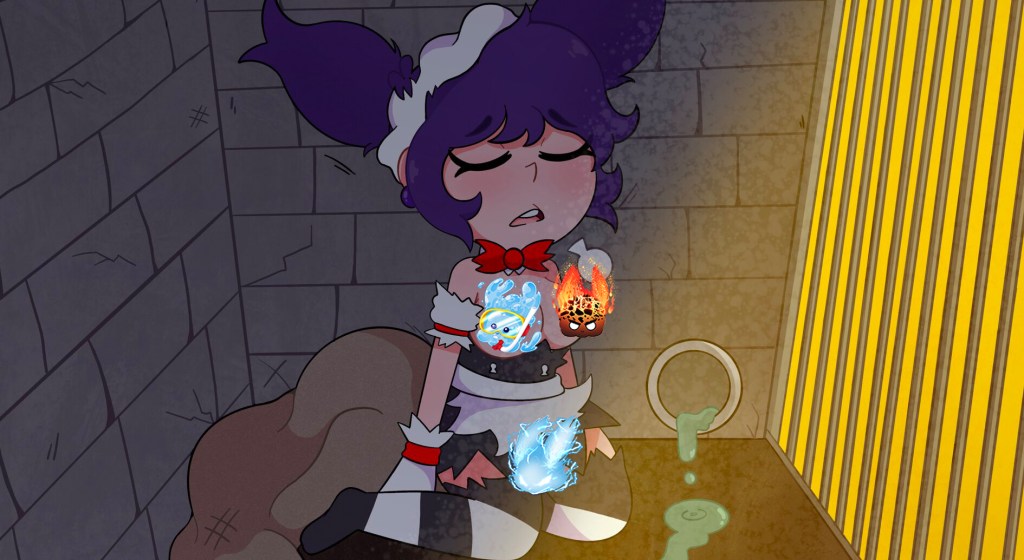
The Meating – Nintendo Switch Review

Overview – developed and published by Mega Cat Studios in collaboration with 8-Bit Legit, The Meating is an 8bit platformer about a ghost minotaur that is on a quest to reclaim their body. After getting Catfished by a butcher, Kon the minotaur was slain, but Gyros, the Greek god of meat gave him an opportunity to get his body back. This title is available digitally for Nintendo Switch, as well as physically for NES and Game Boy Advance, with a link to each version at the bottom of this review.

Disclaimer: before I get into the review, I would like to thank the rep at Mega Cat Studios for providing the copy of The Meating that was used for this piece. The provision of this software has not influenced the contents of this review, all thoughts and opinions contained within are my own.

Now with the introductions out of the way, let’s get into the review, starting with the story. Please be aware, I will be covering the core details of the gameplay, as I don’t want to spoil any of the surprises that this experience has for players.

Story – Kon, a Minotaur that won his freedom in a battle against Matador El Culo Rojo, has found his life post freedom is lonely and solitary. Against all hope, he comes across a match on the Swapmeat service, a dating site for bovines. But this was not what it seemed, as his date was a catfish and he was met by the local butcher. After meeting an unfortunate fate, Kon encountered Gyros, the Greek god of Meat, who granted him a chance to reclaim his parts and get his life back together.

Gameplay – The Meating is a puzzle based platformer, where the goal of the game is to clear stages by collecting a key and reaching the exit. The player will need to move their way through a variety of traps, hazards and enemies in each stage. Within each stage, the player will need to get past many foes, like skeletons and headless chickens that will try to stop Kon on his quest. These foes will deal damage to the Kon, taking a life if his health is depleted.

To navigate the stages, which are split into single screen rooms, Kon has a rather simple moveset when starting the game. At the start, the player can move left and right, jump, charge attack to destroy blocks and tap it to headbutt enemies. There is also a special fly skill that will let the player hover and cross gaps, but this comes at the cost of ghost energy. When all of the ghost energy is used up, this power cannot be used again without dying or picking up a special item.

As the player makes their way through the game, they will be granted new ghost powers, which are activated by pressing up and B. These powers include telekinesis to move blocks and a shifting, where they can shift through blocks that block the way. The ghost abilities use the same energy as the hover, adding to the puzzle mechanics which can lead to no win situations. Making every use of ghost powers a tactical decision, as it may lead to a restart.

If players get themselves in a situation where they are unable to progress, there is the ability to restart a stage at the cost of a life. This gives players an out if they are stuck or run out of energy, which can lessen the stresses of the rather high difficulty of the game. If all lives are lost, the player will get a game over and an 8 character password to continue. It is recommended to write these down or take a screenshot, as there is no save feature for this game.

The stages for this title are split into 6 worlds, with a set of stages and a boss battle at the end of each of them, shown by a butchers meat chart. Each of the boss battles will rely on the skills of the player, as well as use of the ghost powers that have been obtained. These elements add to the high skill ceiling of the game, which makes for a very hard challenge as Kon will die after a few hits. But thankfully, this doesn’t harm the experience too much.

Now with the gameplay covered, it is time to cover the other aspects of this release, starting with the controls.

Controls – as this is an NES game, there are limited inputs, relying on the A, B, Start and Select buttons for all of the main inputs. This works well for the most part, but can be a little cumbersome during play as the ghost powers must be manually selected with the Select button. Unfortunately, this makes it feel slow at times, especially with the need to press up and B to activate powers. Otherwise, this feels comfortable to play both handheld and docked.

Difficulty – The Meating is a very challenging game, with a difficulty curve that starts off easy enough with the first few stages. But as players get further in, the challenge will ramp up significantly, with some easier stages that appear later on. This level of difficulty is most notable during the boss battles, where players can get killed very quickly. To make the game a little more approachable, there are two difficulty options, Veal and Raw, which affect the damage that players take.

Presentation – visually, the game looks very good given the limitations of the NES, with a good use of color and nice looking sprite work. The stages and backgrounds also look nice, alongside cutscenes that are implemented well. The only issues visually are the red flashes during stage transitions, which can be a little off-putting and some sprite flickering during play. Then we have music, which is pleasing to hear as it makes full use of the NES soundchip and adds to the experience.

Final Thoughts – When Mega Cat reached out to me to cover this, I was not sure what to expect but I jumped into it happily. My first impression was that this is just another platformer. However, the further I got into the game, the more I could see that this was anything but that. The gameplay hook of using ghost powers makes this stand out, giving it a unique gameplay loop that can distinguish it from others in the genre. But that does come with its own flaws.

The overall experience is solid, with a fun gameplay loop that can easily pull the player in. But therein lies the troubles I faced with the game. The ghost powers could be improved a little, as the way they are used and selected can lead to soft locks, or even death which is frustrating. That being said though, the game is well designed and fun to play. This makes it an easy recommendation, as it is perfect for those who want to scratch that 8-Bit platformer itch.

In the end, I give The Meating a final score of 3.5/5. This is a solid puzzle platformer with a unique hook that can easily pull players in, a solid gameplay loop and plenty of content for a low asking price. It does have some flaws, but they don’t overly impact the experience as a whole. If you want to check this title out for yourself, a link to each version of the game will be below.

Link to Nintendo Switch version (HERE)

Link to NES version (HERE)

Link to Game Boy Advance version (HERE)

SUNSOFT is Back! Retro Game Selection – Nintendo Switch Review

Overview – developed by SUNSOFT and published by Red Art Games, SUNSOFT is BACK! Retro Game Collection is a special release of three Famicom games that are in English for the first time. Experience the 53 Stations of the Tokaido, The Wing of Madoola and Ripple Island, which have been officially translated for the first time ever! This release is available on Nintendo Switch, PlayStation 5 and Xbox Series, with a link to each version of the game at the bottom of this review.

Disclaimer: before I get into the review, I would like to thank Red Art Games for providing the copy of SUNSOFT is Back! Retro Game Selection used for this piece, via the Keymailer service. The provision of this software has not influenced the contents of this review, all thoughts and opinions contained within are my own.

Now with the introductions out of the way, let’s get into the review. As this is a collection of classic games, I will be covering the details of each game in this bundle, then move onto the overall package. I will be referring to the game as SUNSOFT is Back for the sake of brevity. Please note, story details have been taken directly from the games.

Firework Thrower Kantaro’s 53 Stations of the Tokaido – 1986

Your Fiancée Momoko-Chan is waiting for you in Edo. Begin your journey across the 53 stations of the Tokaido to reach her. But Wait! Gozaemon, a rival merchant, asked his goons to stop you and steal your firework crafting techniques. Use your blasting weapon to make your way to your date! Make your way through 21 stages of challenging action on your way to Momoko.

This is a traditional side scrolling platformer, where the player controls Kentaro and they must make their way through 21 stages. In each stage enemies will appear to halt progress, including thugs that jump around and a ronin that will deflect grenades with his sword. Kentaro can throw fireworks or drop them on the ground to defend himself. The thrown explosives go in an arc, often flying over enemies and the dropped explosives go off after a short time.

When throwing bombs, there is a chance for items to be uncovered which can power up Kentaro. These are usually coins, which can be used for a few purposes, like paying to get through checkpoints. However, the biggest use for the coins is to open up the secret warp, which can allow players to jump 3 or 6 stages. This can be useful as there are no continues for this game, with a game over starting the player from the beginning again.

The Wing of Madoola – 1986

A dark time lurks. Daltos, a vicious fiend from a rival clan, is using The Wing of Madoola’s power to summon an army of monsters and plans to conquer the land. Lucia, It is your duty, as the last magic wielder of your clan to take back the powerful artifact and seal it again. As Lucia make your way through 16 challenging stages in this action RPG, battling monsters to stop Daltos and save your beloved Prince.

Lucia, a fierce warrior who can wield magical power, sets off on a journey to retrieve the Wing of Madoola. This powerful relic is possessed by the evil king Daltos, who also has imprisoned Lucia’s beloved Prince. In order to stop the evil king, Lucia travels across varied lands, caves and labyrinths to retrieve the Wing of Madoola. This action RPG adventure is made up of 16 stages, where the player as Lucia, must fight monsters and collect the orbs to reach the next stage.

The stages are a mix of linear and non-linear stages, with the later stages becoming more labyrinthine in nature. As players make their way through each stage enemies will appear, spawning endlessly and attacking the player. These enemies can be fought off with Lucia’s sword, but there are magic power-ups that can be obtained. In each stage, doors will appear that can transport the player to relic rooms, where magic attacks, upgrades and even healing springs can be found.

The relics that can be found include a fire sword, magic bomb and boots that will increase Lucia’s movements speed. Magic will use up MP, which appears as a number at the bottom of the screen. Relic rooms aren’t the only areas that players can find behind doors. Some of the doors will send the player to different areas of a stage. Every stage has a boss room, where Lucia will be locked in a deadly battle, with victory being rewarded with an orb to get to the next level.

It is entirely possible to miss relic rooms, due to the labyrinthine nature of later stages. This adds to the high difficulty present, made more challenging by the endlessly respawning enemies that can swarm the player with ease. Sometimes, these enemies will drop items that increase the maximum health and magic. There is also a continue option, that allows players to select a stage by pressing Select then Start. The bosses from cleared stages and collected relics do not respawn.

Ripple Island – 1988

On the Ripple Island, humans and animals lived together in peace. However, one day terrible things happened changing everything. Now, the king of Ripple Island is counting on your bravery to find a way to save his daughter, kidnapped by the Emperor Groaker, who plans to conquer the kingdom. As Kyle, explore and interact with the environment and its peculiar inhabitants to find a path to free Ripple Island and get the reward the king promised.

This title is a Point and Click adventure, where the player explores the different areas of the island, interacting with the inhabitants. As Kyle, the player can perform actions like, Look, Talk, Interact and more. The actions like look will provide environmental details, whereas Talk will allow Kyle to interact with the different residents of the island. Players can also find different items, like fruit on bushes that can be picked up and given to people.

The game itself plays out through linear area progression, with multiple objectives that need to be completed in order to progress. These objectives involve talking to the different residents, interacting with objects and moving around the current area. The movement system is very simple, with the player being able to move in four directions. The available directions will be shown on screen, with arrows pointing up, down, left or right.

These puzzles are often relatively simple, providing the player an experience that isn’t overly complex or overwhelming. There is also a lack of a significant fail state for the majority of the adventure. There are instances of decisions leading to a bad ending that can occur during the adventure, but these are few and far between. This makes for a relatively relaxed adventure, that isn’t overly complex or cryptic, allowing players to lose themselves in the experience.

Now with the games covered, I want to discuss the other aspects of this package, starting with the overall improvements and quality of life changes.

Improvements – as these titles are being emulated, there have been additions made to give the best possible experience. These are official English translations for the first time ever, along with save states to freeze the game at any time and a rewind feature. There is even a gallery of art for each game. Unfortunately, there is one area that this collection falters. Manual scans are present, but are only in Japanese, meaning players miss out on the secrets and tidbits hidden within.

Difficulty – both The 53 Stations of the Tokaido and The Wing of Madoola, are challenging if not punishing games that have a very high skill ceiling. However, the use of save states, rewind and for the case of Madoola, continues, make them less unforgiving than their original versions. There is a lack of Continues with 53 Stations, which is a significant roadblock for players. Ripple Island is the easiest game in terms of challenge, as it has little in terms of fail states during play.

Controls – the controls have been emulated well, with smooth and reactive inputs. Players may find the action titles more slippery and cumbersome, but that was how they originally were, so it is not a fault of this release. There is a controller diagram that can be brought up during play, refreshing players on the inputs. The menu inputs show up at the bottom of the screen, which occurs during the title screens. Overall, the games are comfortable to play with any control set up.

Presentation – the sound and visuals for all three titles have been brought over well, with clean sprite work and color that is as close to original as possible. The music is crisp and clean, with no distortion or issues in terms of quality. Additionally, there is a CRT filter and multiple color options, to give the games a look similar to a variety of older screens like the Game Boy. These filters are alongside several aspect ratios and border wallpapers, featuring art from the three games.

Final Thoughts – I have been a longtime fan of SUNSOFT, with games like Hebereke and the Super Famicom version of Lemmings bearing their name. I was also aware of 53 Stations of the Tokaido and The Wing of Madoola, thanks to the Japanese gaming variety show GameCenter CX. That made it easy for me to jump onto this collection, as I enjoy challenging retro titles, but I was not ready for what was in store for me. 53 Stations in particular was a rather treacherous experience.

If you are a fan of older action and adventure games, this collection is for you, these titles are hidden gems with the best of the three being The Wing of Madoola. All three games are challenging but fun to play, with a hope that more of the Japanese exclusive titles in the Sunsoft library can come to the west in the future. There is a lot of content on offer in a rather modest package, with some areas that could be improved, but otherwise a very good selection.

In the end, I give SUNSOFT is Back! Retro Game Selection a final score of 4/5. This is a very solid collection, offering players three classic titles in English for the first time ever, with quality of life additions to make these challenges more approachable for a new audience. If you want to check out this collection for yourself, a link to each version of the game will be below.

Link to Nintendo Switch version (HERE)

Link to PlayStation version (HERE)

Link to Xbox version (HERE)

Iron Meat – PlayStation 4 Review

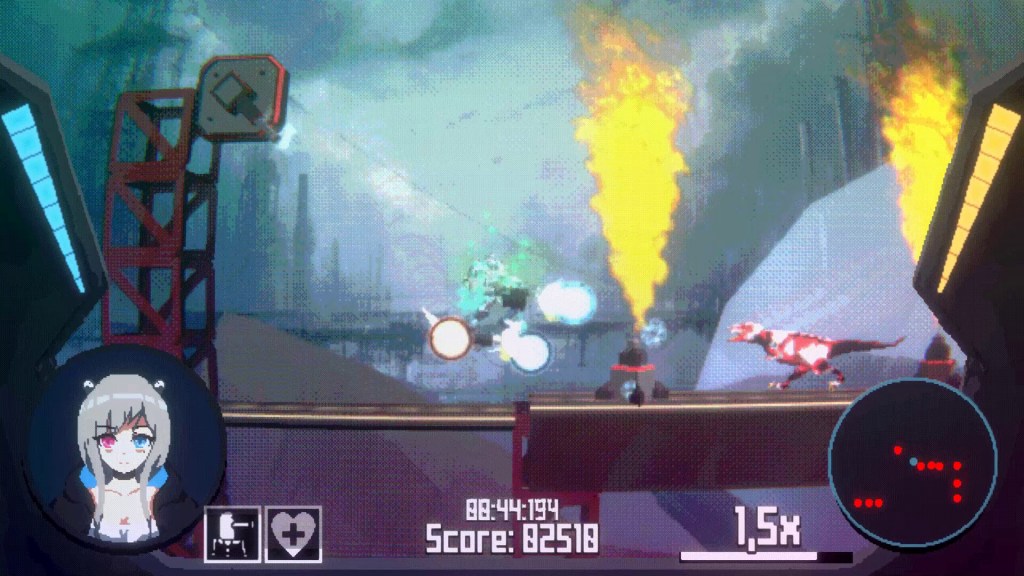
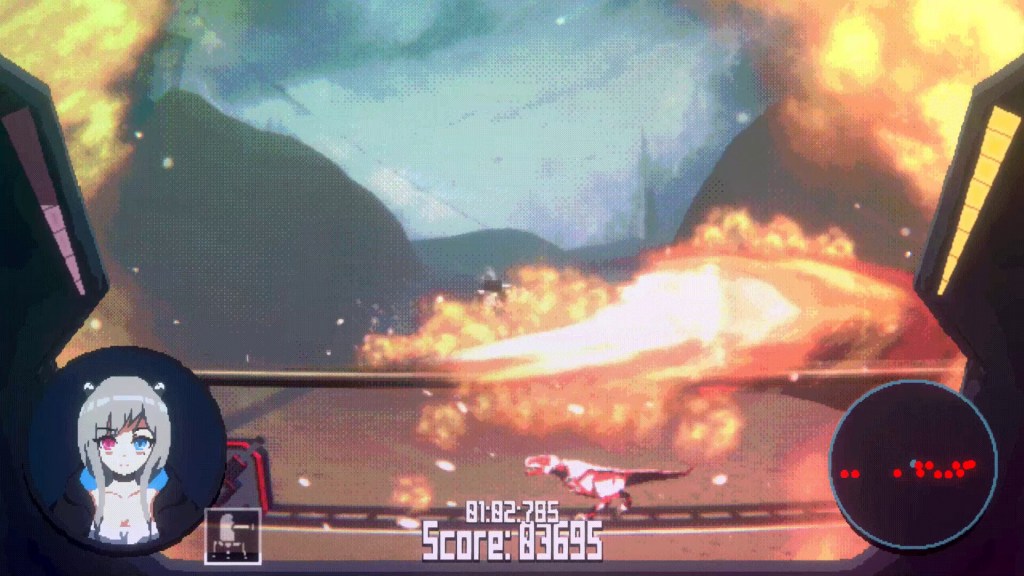
Overview – developed and published by Retroware, Iron Meat is a run and gun arcade style shooter set in an apocalyptic future. The Earth and Moon have been overrun by “The Meat”, an extraterrestrial mass that mutates all that crosses its path and taking over the world, with only one hope to save the world from the Iron Meat. This title is available on all platforms, with a link to each version of the game at the bottom of this review.

Disclaimer: before I get into the review, I would like to thank Retroware for providing the copy of Iron Meat that was used for this piece, via the Keymailer service. The provision of this software has not influenced the contents of this review, all thoughts and opinions contained within are my own.

Now with the introductions out of the way, let’s get into the review, starting with the story.

Story – in a secret labratory moonbase, scientist Yuri Markov has been conducting experiments resulting in the base and earth being overrun by “The Meat”. This inter-dimensional biomass consumes all in its path, corrupting and mutating all that is assimilated. To combat the fleshy invasion and the terrors it has spawned, two soldiers set off on a mission to save the world. Take on the mutated corpses, machines and the world itself to stop the terror of THE MEAT.

Gameplay – Iron Meat is an arcade style run and gun, where players must make their way through hordes of monsters, traps and pitfalls. The game plays out over multiple stages, in a traditional 2D platform action style. Moving through various environments, horizontally and vertically. To accomplish the goal of eradicating the meat, players must blast their way through hordes of monsters that explode like gore filled balloons. But this is not an easy task, as there are dangers that will appear from all directions.

During a stage, grunt enemies will rush the player from the front and back, killing the player if contact is made. Mutant snipers and mounted guns will appear, shooting at the player from various angles to try and take the player down. There are even walls of flesh that will halt the progress of the player, blocking the way forward and needing to be shot down. These are but a few of the deadly threats that will be encountered during the battle with the meat.

As players make their way through stages, they will be able to fire their weapons from all directions. Starting off with a standard blaster, additional weapons will appear for players to pick up with the ability to carry two at once. The weapons can be collected by shooting weapon boxes, which drop the weapons and from support boxes and NPC characters that appear. Players can increase the power of their guns by picking up a second copy, making it even stronger.

The arsenal that players are able to carry is restricted to two weapons, which can be switched freely during the action. But be aware, since players can only take one hit before death, the equipped power-up weapon to be lost reverting to the standard upon death. Luckily there are lots of weapon drops, giving players upgrades constantly through the stages. These will come in handy when players get to the end of the stages, reaching the goliath mutants.

At the end of each stage a warning will show up on screen, alerting players to the grotesque threat that is approaching. The UBER MEAT, horrific bosses that will test the limit of player skills, featuring multi-phase battles that get increasingly difficult. These battles can easily fill the screen with attacks, often leaving players with their backs to the wall. The monstrous meat mutants take many forms, including a train and tank, but they all explode into a meaty mess upon defeat.

When the player clears a stage, they will be shown a breakdown of their performance, with the number of kills, lives lost and final score. This score will be added to the players experience bar, increasing the rank when milestones are reached. As each milestone is met, the player will be given new skins as rewards for each rank that is obtained. These skins go from standard military styles, to more weird choices like a shark, dinosaur and banana in a suit.

Last to discuss is the replay value of Iron Meat. The player can freely replay any stage that has been cleared, which will provide the option to be able to grind out points. There is also a list of accomplishments that add to this, where players can take on challenges like clearing stages without dying or destroying specific enemies. These challenges, along with the unlockable skins give players more reasons to return to the game aside from the solid arcade action.

Now with the gameplay covered, it is time to move onto the other aspects of Iron Meat, starting with the controls.

Controls – Iron Meat has a super simple control scheme, where players only need to focus on using two buttons for the majority of gameplay. These being the jump and shoot buttons, but there is also a static button, which allows players to shoot in all 8 directions and weapon switch. The movement and action is nice and responsive, with no issues during play. Controls can also be remapped, allowing players to use a variety of controllers including arcade sticks.

Difficulty – this is a tough game, with a challenge that is as brutal as the games that inspired it, with no checkpoints meaning failure starts the stage over. There are three selectable difficulty options, letting players choose between Easy, Normal and Hard. The different settings affect the challenge in a few ways, altering the number of lives at the start, the enemies/hazards that appear and the strength of bosses. This makes for a challenge that is tough but satisfying.

Presentation – visually, this title is straight out of the glory days of the arcade side scrollers, but with the violence and gore turned up to 11.  The on screen sprite work looks good, with the variety of enemies, player skins and the boss monsters working well with the environments. Everything looks good, with the only minor issue being the camera zoom in some places. The sound for the game is excellent, with a rocking soundtrack that really enhances the carnage on screen.

Final Thoughts – when I first saw this game, I was reminded of the Konami classic Contra, so I was very interested in getting to grips with this game. After getting my hands on Iron Meat, that pick and play feel was there immediately, with movement and action that was smooth and responsive. The further I got, the more the game stood out more than just the inspirations that were behind it. Especially when it came to the UBER MEAT boss battles.

There is a lot of replay value with this game too, with the challenges and skins that can be obtained through play. I was not able to get all the trophies while playing, but I look forward to putting the time in to get them. There is also a 2 player co-op mode, but I was not able to put much time into this, but what I was able to play was fun. I have no issue with giving this game a recommendation, as it is an excellent run and gun shooter, with a tough but satisfying difficulty.

In the end, I give Iron Meat a final score of 4.5/5. This is a difficult but satisfying run and gun arcade shooter, offering a gameplay experience that scratches that gory action itch, with lots of characters skins to unlock and creatively grotesque UBER MEAT boss monsters. If you want to check this title out for yourself, a link to each version of the game will be below. Please note, the game releases on September 26th, so some store pages may be unavailable.

Link to PlayStation version (HERE)

Link to Nintendo Switch version (HERE)

Link to Xbox version (HERE)

Link to Steam version (HERE)

Link to EPIC version (HERE)

Link to Physical version (HERE)

Aero the Acro-Bat 2 – Nintendo Switch Review

Overview – originally released by Sunsoft (developed by Iguana Entertainment), brought to modern platforms by Shinyuden and Ratalaika Games, Aero the Acro-Bat 2 continues the adventure where the first left off. After the battle with Edgar Ektor, Aero is transported to a unknown world, encountering mysterious figures and new dangers that he must overcome. This release is available on all console platforms, with a link to each version of the game at the bottom of this review.

Disclaimer: before I get into the review, I would like to thank PR Hound for providing the copy of Aero the Acro-Bat 2 that was used for this piece. The provision of this software has not influenced the contents of this review, all thoughts and opinions contained within are my own.

Now with the introductions out of the way, let’s get into the review, starting with the story. Please be aware that the version of the game in this release is from the Super Nintendo. If you have previously played the Genesis/Mega Drive version, it may be different from the version used here. I have also previously covered the first game in the series, which you can find (HERE).

Story – after the battle with Edgar Ektor, Aero knocked the villain from the bridge, believing he was defeated once and for all. However, Edgar managed to escape with help from Zero the Kamikaze Squirrel. Meanwhile, Aero found a magical box that transported him to a unknown world where he encountered Batasha, a mysterious Eastern European bat. After begging him for help, Aero accepted and embarked on a whole new adventure.

Gameplay – the game loop for this sequel is mostly the same from the first title, with some notable exceptions for this adventure. Unlike the last game, this adventure follows the more traditional platformer rules. The stages are larger than the previous game, with the main objective being to get to the goal. This is in stark contrast to the previous title, where players needed to complete an objective before the stage could be cleared.

The game is split into 8 worlds, with several stages for each of the different zones. These stages are filled with traps and hazards, including spikes and stage elements that can instantly kill Aero. To accomplish this task, the player has access to the drill jump from the previous game. This allows Aero to fly up or down in a diagonal angle, letting players attack enemies. New to this entry is a drill jump that goes straight down, functioning like a stomp to defeat enemies.

Also like the last game, there are special challenge areas that can be found. These give the player a challenge to reach the end of a stage, allowing bonuses and extra lives to be collected. These bonuses can also be found in the stages themselves, consisting of food items, extra lives and energy pick-ups, letting players take more damage. The star attacks also return, with more stars scattered through the stages, letting players use them freely.

Players can also find four letters during a stage, spelling out AERO when all of them are collected. If a stage is cleared with all of the letters, the player will be rewarded with a special stage. This special stage consists of a cup-switching mini game, which can reward players with bonus points and even an extra life. There are also bonus stages that can be accessed by finding a special item, which will appear in specific acts of a set number of zones.

The platforming acts aren’t the only stages that players will come across during the adventure. The auto scrolling stages make their return, challenging players to survive the hazards coming at them thick and fast. These stages are the toughest part of the game, which may remind players of things like the Donkey Kong Country minecart stages. However, there is a chance for players to rack up points, gain extra lives and even access special stages.

To wrap up the gameplay itself, are the boss acts. At set points during the game, players will encounter challenging multi-phase boss battles. These battles will test the skills of the player, as they are fast paced and if players don’t exercise caution, they will be defeated quickly. Bosses take a lot of hits, so they can feel like a war of attrition. When the player clears a world, an image password will appear, letting players continue from a game over.

Since this is an emulated port, there are several additions that have been made to the game. The biggest one is the Extras menu, where players have access to a treasure trove of content. These bonuses include scans of the original manual and a jukebox, allowing players to listen and view at their own leisure. There is also the inclusion of cheats, save states and a rewind feature, giving all players a chance to enjoy the game the way they want.

Now with the gameplay covered, it is time to move onto the other aspects of this release, starting with the controls.

Controls – as this is originally an SNES game, the controls for this release are relatively light, with all of the key inputs being tied to the face buttons. The movement is controlled by thumbstick and D-Pad, giving players a reactive feel to the game, given the rather slippy momentum of Aero. The game works quite well regardless of the controller used, but I would recommend using a controller with a solid D-Pad, as it provides the best experience.

Difficulty – as this is an older game, the level of difficulty is higher, which was the style of the time. When playing without any modifications, the game has limited continues which will send the player back to the start of the game, with the only way to get back is passwords. For those who want a less punishing experience, there are options for invincibility, infinite lives and more. These cheats and the save states and rewind feature make it approachable by all.

Presentation – as a 16-bit title, Aero 2 uses a lot of hand drawn sprites and art, making full use of the hardware, with a good use of color and vibrancy. The sound is clear and has been emulated well, giving an experience that is as close to original hardware as possible. This is augmented by a selection of filters and screen options that try to emulate older screens, along with the emulation feature of removing sprite limits to prevent flickering.

Final Thoughts – I very much enjoyed the emulated port of the first Aero the Acro-Bat, so it was easy for me to dive on into this. The difficulty is relatively close to the first, but feels much smoother with the removal of objectives. I had not played this release, so I was excited to try my hand at this sequel. I can happily say I was not disappointed with my experience. It was very difficult, but it was a lot less punishing than the first entry.

If you are a fan of classic games, have nostalgia for the original releases or were pulled into the series for the first time by Aero 1, then this is for you. The price point is good, especially for the additional content and to be able to play this game without needing to pay out for original hardware. I can recommend this with no issue, as I also look forward to the other titles in the series coming in the following months, with the GBA remake of Aero 1 and Zero the Kamikaze Squirrel.

In the end, I give Aero the Acro-Bat 2 a final score of 4/5. This is a well emulated release and a solid sequel that took all of the positives of the previous game, while omitting some of the less than stellar aspects. It is a very tough game, but the quality of life features, make it approachable by all. If you want to check this title out for yourself, a link to each version of the game will be below.

Link to Nintendo Switch version (HERE)

Link to PlayStation version (HERE)

Link to Xbox version (HERE)

SokoPenguin – PlayStation 4 Review

Overview – developed by Verigu Games and published by Eastasiasoft, SokoPenguin is a single screen puzzle title, featuring 100 stages of block sliding and obstacle clearing. Push blocks, interact with stage elements and find a solution to puzzles to get your penguin home. This title is out now on all console platforms, with a link to each version of the game available at the bottom of this review.

Disclaimer: before I get into the review, I would like to thank Eastasiasoft for providing the copy of SokoPenguin used for this piece. The provision of this software has not influenced the contents of this review, all thoughts and opinions contained within are my own.

Now with the introductions out of the way, let’s get into the review. There is a lack of story with this release, so I will be going straight to discussing the gameplay of SokoPenguin.

Gameplay – SokoPenguin is a relatively simple puzzle adventure, where players must solve single screen brain teasers to reach the igloo goal to clear the stage. The stages start off simple, with the player pushing blocks to reach the goal. But as the player gets further into the game, new challenges will be introduced. These challenges include bridges that need power blocks, spikes that will destroy blocks and ice that carries blocks across the stage.

These new mechanics will increase the complexity of puzzles, with increased risks of failure and traps for the player to walk into. However, this game allows for players to retry stages an infinite number of times. This system allows players to quickly reset mistakes made, giving a trial and error feel to some of the more complex puzzle stages. Players will be able to take their time and try to figure out the solution to all of the puzzles.

There is an intended solution to all of the stages, but there is a level of flexibility and experimentation that can be done, with the ability to freely retry giving further freedom. But the stages will throw some curve balls at the player, with red herring solutions that will trick the player into making the wrong choice. This is part of the gradual increase of difficulty of the game, with little else in terms of challenge aside from some hazards.

Last to discuss is the simple but cute progression system. Every 10 stages, the player will unlock a new hat that the penguin will wear, along with the ability to switch between them. This system acts as a milestone of sorts for players, who make their way through this relatively short adventure. The full game can be cleared in a couple of hours at the very most, with little reason to return to stages aside from trying to clear them faster.

Now with the gameplay covered, it is time to disucss the other aspects of this release, starting with the controls.

Controls – this is an increadibly simple game control wise, with the only thing needed during gameplay being the movement and reset inputs. The player can control the penguin using the thumbstick and D-Pad, offering some precision to movements. However, the game does feel a little stiff as the character only moves in the 4 basic directions. This makes the movement feel a little slow and not as smooth as it could have been.

Difficulty – as mentioned above, this isn’t the most challenging title but does offer some good complexity with the puzzles as new elements are added during play. The best challenge I found was the bombs that explode in a cross, which made me plan out my moves before I made them. This does mean that the game can be played and completed by everyone, making it a good option for kids and families to play the game together.

Presentation – the visuals have a cutesy charm to them, using colourful pixel art sprites for the penguin, environments and objects to interact with the. This works well in favour of this game as it is a lower budget title, giving it a cheap and cheerful appeal. The colors and visuals pop off the screen, looking good on all screens. The music gives the game a nice and comfy feel, with relaxing melodies that tie it all together.

Final Thoughts – I enjoy a nice casual puzzle title, so I was happy to jump onto this. The game has a nice and cosy feel, with a gameplay experience that is a little short but is satisfying for the cost of entry. I very much enjoyed the puzzles, as they allowed for some experimentation, which increased the fun I had. I can easily recommend this to everyone, as it is a fun and enjoyable puzzle game that everyone can enjoy together, making it perfect for families and kids.

In the end, I give SokoPenguin a final score of 4.5/5. This is a simple but fun puzzle title, with vibrant and colourful sprites, puzzles that everyone can solve and 100 stages to complete, all at a rather modest cost of admission. The only negative being that those stages can be cleared fairly quickly. If you want to check this title out for yourself, a link to each version of the game will be below.

Link to PlayStation version (HERE)

Link to Nintendo Switch version (HERE)

Link to Xbox version (HERE)

Shadow of the Ninja – Reborn – PlayStation 4 Review

Overview – developed by Tengo Project and published by ININ Games in collaboration with Natsume Atari, Shadow of the Ninja – Reborn is the latest revival from the Natsume library. Take on the forces of the evil emperor Garuda as the ninja’s Hayate and Kaede, battling waves of mutants and mechanical monsters. This title is available on all major console platforms, with a link to each version of the game at the bottom of this review.

Disclaimer: before I get into the review, I would like to thank PR Hound for providing the copy of Shadow of the Ninja Reborn used for this piece. The provision of this software has not influenced the contents of this review, all thoughts and opinions contained within are my own.

Now with the introductions out of the way, let’s get into the review, starting with the story. Please note, I will be omitting some minor gameplay details, as there are some elements I don’t wish to spoil for players.

Story – in the year 2029 and the world’s largest city has been plunged into a dystopian nightmare, gripped by the Iron fist of the evil Emperor Garuda. Many lives were lost as control was taken by this demon, leading to an assassination to be ordered against the evil emperor. To complete this task, two ninjas have been deployed from the shadows, Hayate and Kaede are sent to Garuda’s stronghold on a mission to take his head.

Gameplay – Shadow of the Ninja – Reborn is a full remake of the original 8-bit adventure from 1990, bringing the action to modern systems in High Definition. In this new iteration, the stages have been expanded, with 6 challenging stages that are separated into multiple zones, with 5 redesigned stages and a brand new final stage. These stages are filled with pitfalls, traps and platform challenges that players will need to overcome if they wish to succeed.

To overcome the threats of Garuda’s stronghold, players must employ an arsenal of weapons and ninja skills to be complete their assassination mission. The two playable characters for this release have the same move set, with special ninja skills to get through the battle. Their basic weapons are a Katana that is a fast attack, alongside a new heavy chain that can be shot in 8 directions. These attacks can also be powered up, to make them even more powerful.

Throughout the stages, boxes can be found containing glowing orbs, which will power up the sword and chain attacks when they are picked up. There are two levels of power-up that can be picked up, increasing the damage and changing the way that the weapons function. The chain gains a larger hit box, providing more range to the heavy attack. Then there is the Katana, which will get an energy attack that can hit targets at a greater distance.

Great care must be taken when the ninja is powered up, as the power can be lost when taking damage. On screen, the player can see their total health, which will be slowly depleted if damage is taken from enemies or from traps/pitfalls. Players have 8 health points when starting the game, with markers appearing when power ups are collected. If the player health falls below the marker, the power of the weapons will be reduced by one level.

There is also a strong emphasis on acrobatic platforming, with rails to hang from, gaps to jump across and walls to run up. This is where the movement skills come into play. In the ninja skill tool box, players have access to several techniques to help navigate the environment. These include a special hover technique to cross wide gaps and a wall running skill to climb vertical surfaces. There are many more skills to uncover, but telling would spoil the fun.

There is also a system called ninja gear, where special weapons and recovery items can be found in the same boxes as the power-ups. The ninja gear includes ranged weapons, melee weapons and recovery items, with each of them having a limited number of uses. A set number of ninja gear items can be held at one time, with new items forcing old items to be dropped. Ninja gear must be switched manually, which can slow the action down.

If a player loses all of their health during a stage, they will get a game over, losing all of the gear that they were holding. Players can continue if they wish, starting at the beginning of the zone they were defeated. This means if the player dies before the end of stage 1-1, they go back to the beginning. However, at any time the player dies after transitioning to a new area, they start from that point, this also applies to boss battles.

At the end of a stage, players will encounter a big boss that they will face in an enclosed arena. These battles are tough, with most of them having multiple phases that will push players to the limit. Bosses have patterns and phases to them, which keeps the pressure on the player and knocks the challenge up a notch. When a boss is defeated, the end of stage screen will appear, providing bonuses for clearing the stage and ninja gear left over.

Clearing stages for the first time will also unlock them for the special time attack mode. This mode challenges players to set the best possible time in a stage, going through all zones in one shot and no continues. Beating a stage can also unlock ninja gear, which will be added to the shop the first time a stage is cleared while still holding them. The shop allows ninja gear to be bought at the start of a new game or time attack stage, at the cost of money earned during play.

There is a multiplayer mode, letting two players can work together to get through the adventure in co-op play. In this mode, two players can work together with their own health and ninja gear, making their way through the six stages as a team. Sadly I was not able to test this feature out, so I am unable to comment much on it.

Now with the gameplay covered, it is time to discuss the other aspects of this release, starting with the controls.

Controls – this game has a relatively simple control system, with all actions on the controller in a comfortable layout. There is a manual that players can refer to at any point, providing details for all of the inputs that players can use whenever they are needed. The game plays comfortably with the Dualshock 4, as it supports both D-Pad and thumbstick control, alongside the option to fully remap all of the controller inputs.

Difficulty – this is a brutally difficult title, with a level of challenge that some players may find frustrating. There are some segments that players must figure out how to solve or risk death, along with death traps and pitfalls that can kill quickly. There is also an issue with attacks from off screen enemies, which can cause knock back and pit damage. There is a Normal and Hard game mode, with the recommended option being Normal.

Presentation – Shadow of the Ninja – Reborn is visually stunning, taking an 8-bit game with limited colors and overhauling it into a HD 32-bit style. This takes the form of beautiful sprite work, backgrounds and animation, which is as smooth as silk during play. There is also artwork from the studio responsible for the original version. The audio has been redone too, with music that maintains the classic spirit with a heavy electric guitar edge.

Final Thoughts – I have played and enjoyed the other Natsume revivals that Tengo Project have done in recent years, which made it easy for me to jump onto this release. However, my experience was a little bit of a mixed bag when I started. This was due to the high difficulty, as well as some minor flaws with the experience itself, like the relatively slow ninja gear switch mechanic. This did initially sour my experience, but it got better the more time I put in.

This is a brutal challenge that will really push the limits of player skills, with potential frustrations from repeated death. If you are someone that enjoys tough games, or have the patience to learn the layouts and enemy patterns, then you will have a good time with this. Overall, it is another solid revival that breathes life into a long forgotten classic from the past, with gorgeous visuals, new content and gameplay mechanics that elevate it further.

In the end, I give Shadow of the Ninja – Reborn a final score of 3.5/5. This is a solid but brutal revival of a classic action title, taking the 8-bit original and completely rebuilding it with new visuals, content and a rocking soundtrack that make it worth the effort to play. If you want to check this title out for yourself, a link to each version of the game will be below.

Link to PlayStation version (HERE)

Link to Nintendo Switch version (HERE)

Link to Xbox version (HERE)

Link to steam version (HERE)

Rival Stars Horse Racing: Desktop Edition – Steam Review

Overview – developed and published by PikPok, Rival Stars Horse Racing: Desktop Edition is a Horse rearing and racing simulator, where you are tasked with rebuilding your family’s legacy. Take the keys of a rundown ranch and work with a colorful cast of characters, raising horses and becoming a legend in the sport of Equestrianism. This version of Rival Stars Horse Racing is available exclusively on Steam, with a link to the game at the bottom of the review.

Disclaimer: before I get into the review, I would like to thank the rep for PikPok who provided the copy of Rival Stars Horse Racing: Desktop Edition used for this piece, via the Keymailer service. The provision of this software has not influenced the contents of this review, all thoughts and opinions contained within are my own.

Now with the introductions out of the way, let’s get into the review, starting with the story. Please be aware that this paid for version of the game is different from the Mobile release, so the experience here will be different. This is due to the omission of micro-transactions in this release, that the mobile version relies on. I will also be referring to this title as simply Rival Stars during this review for the sake of brevity, and I will be focusing on the core gameplay mechanics.

Story – in the past your family was legendary in the sport of horse racing, with your grandfather retiring at the top. However, a tragedy befell your family leaving the racing legacy in tatters. Many years later, you received a letter from a man named Francis Kwan, who was there during the glory days of the ranch. He believes that the ranch can be restored, alongside the horse racing legacy and he is asking you to come back to the ranch to help.

Gameplay – Rival Stars is a mix of horse rearing/management and racing sim, with the objective of the game being to restore the legacy and prestige of the family ranch. Start off by rechristening your ranch, creating your legacy horse and learning how to race. This game has a pseudo RPG system to it, with a prestige system where players will complete missions to increase their level. These missions make up the story mode for Rival Stars.

As this release is about horse racing, the main focus of the story mode is to become a champion in the sport. This means that players will need to create a stable of horses on their ranch, training them and making them the best they can be. To do this, players will need to earn experience by racing on the various race courses, with several leagues is different locations. At the start of a race, the player can choose a horse from their stable to use.

Each of the horses will be given odds based on their capabilities, with players having the ability to bet on their position at the end of the race. At the end of a race, the player will earn money based on performance at the end of the race. There are three types of race that players can challenge to make their mark on the world of Equestrianism;

  • Flat Racing – the traditional style of racing where a pack of horses race around the flat course, with jockeys trying to push their steed to the front of the pack. Each of the races will have varying lengths, offering a different challenge each time. The sprint meter for a horse will build up during the race, with the final stretch being the optimal time to use all the built up energy.
  • Cross Country – take on a timed challenge, where the objective is to reach the goal while jumping over gates. If gates are missed or the target time is passed, the player will receive a penalty to their score at the end of the race. Jumps are automatic, so focus on speed and control of the steed.
  • Steeple Chase – the newest addition to the title, where the player races along a flat course, with gates that need to be jumped over. The rider must time their jumps precisely to keep their pace, allowing them to sprint further if the jumps are perfect. But do not fret, as the horse will jump automatically if players miss timing, at the penalty of regaining sprint power.

All of the race types have the player in the saddle, controlling the horse with simple controls that are easy to pick up. When a flat track race starts, the player can get a boost at the start of a race, with a well-timed sprint out of the gate. This will give the racer a chance to get ahead of the pack and settle into a good rhythm. The sprint at the end of a flat race uses a rhythm timing, where timing sprints right keep them at a consistent speed.

When a race has been completed, the player will be given rewards for their performance. The main resource that will be earned is gold, which is used for upgrades and entry fees into races. Then there are the resources, which consist of feed and equipment that are used to train your horse at the ranch (explained further below). Last we have the experience points, which will increase the level of the active horse, allowing players to improve their skills.

Back at the ranch, there are many facilities that can be used and improved. The first is the stables, where the player can breed, raise and customize the horses that the players have access to. At the start, the player has a limited number of slots to keep horses and foals. New slots can be added to the stable over time, with upgrades being unlocked during progress. When breeding a new horse, players will need to pick a stud and a mare to sire a new foal.

When a horse is bred, the new foal will be given a grade based on the lineage of their parents. There is a percentage for the grade that may occur, the grade will affect the starting stats that the horse will have. After successful breeding, the new foal will be put in a foal stall, where the baby can be raised to boost their abilities. This can be skipped if the player wishes to, but the bonuses will be lost when raising the foal goes right to adulthood.

Secondly we have the training menu, where the skills of each horse can be raised. As the horses level up, they will be able to be made stronger and faster. This means that the more players level the horses, the more powerful they can become. However, there is a limit to the number of levels that can be gained at a time. Which is due to the capabilities of the training facility, with a need for them to be upgraded using a tier system to set the maximum level for training.

Then there is the Homestead, which is where all of the resources that have been earned from racing and completing goals are kept. There is also a payout system, which lets players earn passive income over time, starting out at a nominal amount and increasing as they are upgraded. All of the facilities can be improved, using the money earned in races and the resources from completing goals. As the player works through story mode, more resources can unlock.

Last to discuss is the community and casual play. There is a market where players can buy horses and resources with a rotating stock, allowing players to spend their hard earned money. Then we have the free roam, where players can select a horse and freely ride around an area, practicing their cross country skills. There is also the option for quick race, letting players jump straight into races with a pool of money that they can bet on themselves with.

Players can also enjoy betting party, where a group can take turns picking horses and betting on simulated races. Each of the players will be able to pick their own horse, place a bet over the course of several races. The player with the most money at the end wins. Last to cover is the multiplayer mode, where players can challenge others from across the world. Sadly, I was not able to get a consistent match to fully test this mode out.

Now with the core gameplay covered, it is time to discuss the other aspects of this release, starting with the controls.

Controls – this is a pretty simple title in terms of controls, with the thumbstick moving the horse left and right and A/B controlling speed when using a controller. Then there is the mouse and keyboard support, which gives you multiple ways to play the game. The game also works comfortably on handheld PC systems like the Steam Deck and other options on the market, making for a satisfying experience that can be played anywhere.

Difficulty – there is no real challenge with this release, as the challenge comes from raising the horses in your stable to be the best they can be. The racing is mostly automatic, with the option to take yourself out of that entirely by hiring a jockey. There is also no real failure state to the game, as players will be able to just wait to get additional funds to continue racing. This makes the game a relaxed experience, providing a cosy time for horse rearing and racing fans.

Presentation – visually this title looks nice on PC and is pleasant to the eye, with the different horses and patterns, alongside well drawn human portrait art. The motion of the different horses is also pleasing to the eye, with motion capture of horses that allows for smooth animations that work perfectly. The game performs well on desktop and portable PCs, offering an experience with no lag. There is some good sound present too, with voices and audio that fit the game well.

Final Thoughts – I had been aware of this game on mobile, with people I know being fans of the pocket release so when I saw this I wanted to try it out. I was expecting a vastly different experience to what I got, as the mobile version has in app purchases. This version of the game doesn’t and it made for a solid and well-rounded experience, as I could take my time and not feel pressured. There is an element of grind to the game, but it is enjoyable as I can play while I wait.

If you are a fan of horse racing or rearing horses, this game is for you, the story mode has a lot of meat on the hoof and is very satisfying to play. The progression for story mode has a bit of a checklist feel to it, but if players just want to race alone or against others then they can. I can recommend this to everyone, the game is fun and perfect for those who want to play a horse racing game. the only downside to the game is the cost of entry.

In the end, I give Rival Stars Horse Racing: Desktop Edition a final score of 4.5/5. This is a very good horse racing game, with a solid and robust horse rearing simulator, alongside a story mode that keeps players invested throughout the experience. There is a lot of content on offer for an average price, without the in app purchases of the mobile version. If you want to try this title out for yourself, a link to the game will be below.

Link to Steam version (HERE)

Tomba! Special Edition – Nintendo Switch Review

Overview – originally developed by Woopee Camp and brought to modern platforms by Limited Run Games, Tomba! Special Edition (called Tombi! In Europe) is a 2.5D exploration platformer from the original PlayStation. Take on the threat of the Evil Pigs and save your home land from them in this colourful adventure. This title is available on Steam, PlayStation 5 and Nintendo Switch, with a link to each version of the game at the bottom of this review.

Disclaimer: before I get into the review, I would like to thank Limited Run games for providing the copy of Tomba! Special Edition that was used for this piece, via the Keymailer service. The provision of this software has not influenced the contents of this review, all thoughts and opinions contained within are my own.

Now with the introductions out of the way, let’s get into the review, starting with the story. I will only be covering the core mechanics of Tomba!, as I do not want to spoil any of the secrets and surprises the game has for players.

Story – in an uncharted archipelago, a group known as the Seven Evil Pigs invaded and tarnished this once peaceful land. Their minions, the Koma Pigs terrorise the residents of the islands with their pranks and evil deeds. Several years later, a wild boy named Tomba encounters a group of Koma Pigs, who steal the golden bracelet that was handed down to him. Tomba Pursues them to a nearby village, where the adventure begins.

Gameplay – Tomba!, is a 2.5D adventure that has a metroidvania style of play, where the player must travel across the island on a quest to get back his bracelet from the pigs. The game plays out mostly in a side scrolling style of play, where Tomba can run, jump and use a variety of weapons on their adventure. At set points in the game, the player will also encounter villages and even a maze, which play out in a top down/isometric perspective.

There will also be enemies that appear throughout the game, which can be jumped on and thrown to defeat them, giving points for defeating most of them. The enemies may also be stunned and defeated with weapons, but not all of them can be dealt with this way. If Tomba makes contact with these enemies, or the many hazards that are spread across the islands he will take damage. If enough damage is taken, Tomba will lose a life.

Tomba has a limited number of lives at the start, but as players make their way through the game, more lives can be earned. But it is very important not to be reckless, as there are some instant death pits which will take a life immediately. If all of Tomba’s lives are lost, the game will be over and the player will be sent back to a previous save point, or from the beginning of the game. So it is important to save the game often.

Defeating different enemies will give the player experience points, which leads into the simple RPG system that the game uses. When Tomba earns experience points, they will level up one of three skills, separated by different colors. Once the level for the three skills reaches the maximum level, a new skill can be learned, but they have set unlock requirements. As the enemies that provide experience give one point each, it can take a while to reach max level.

Experience isn’t the only type of points that can be earned during play, there is also the Adventure Points, called AP in game. These points are earned by defeating enemies, performing specific actions and by clearing events (discussed further below). These points are used as a form of progression, with different boxes, chests and even events being locked behind these points. The accumulated points are displayed in the top right corner of the screen.

Now onto events, which are the quest objectives that players must clear to progress through the game. Events are often started after interacting with NPC characters or items, adding them to the event log. The types of events range from finding a specific item, delivering something to another NPC and even escort missions, carrying the target to a set location. These objectives provide AP for completing them.

Completing specific event objectives can unlock new skills for Tomba, including the ability to run faster on all fours. There are also items that can be obtained while completing events, like a bell that will take you to a safe zone, new weapons and much more. These items can also be used in to complete future events, making them very useful. The events and items can be viewed from the in game menu, with the ability to pursue multiple objectives at once.

There is a mostly non-linear approach to quests, as players can progress several in any order they wish. This works well in tandem with the exploration system that the game uses. While most of the game follows the traditional side scrolling style, there are several areas where Tomba can jump between the background and foreground. This allows for secrets to be hidden in the scenery, as well as the ability to have multiple paths in a single location.

This open exploration system allows players to approach the game at their own pace, freely moving within the limits imposed by the game. There are also some paths that will loop around to other areas, giving the world an interconnected feeling. This relatively small open world can be confusing to navigate, but thankfully there is a map that players can use. The map will fill out over time, showing different areas that have been discovered during the adventure.

The last thing to discuss is the new features, including various quality of life improvements that have been made. This new release of Tomba!, has the ability to freely save and load wherever the player wants to, alongside a rewind feature that lets players undo mistakes. Then there is the museum, where various documents and videos of the game’s development can be found. To round it out, there is also a music player, that lets players freely listen to the soundtrack.

Now with the gameplay covered, it is time to cover the other aspects of this release, starting with the controls.

Controls – as this was originally a PlayStation title, the controls have been carried over in a 1 to 1 manner. However, this causes a little confusion on the Nintendo switch, as buttons like A and B have their functions reversed, with B going forward and A going back. Aside from this minor hiccup, the game plays relatively comfortably with any controller on the switch. There is no issue in terms of lag or delay, which makes the game feel snappy and responsive.

Difficulty – this is a challenging title that can get pretty tough, as there are many traps and enemy spawns that can kill if players are not careful. There are also areas where difficulty can feel a little unfair, especially in areas with pits or hazards. This is due to the knock back when taking damage, which will send the player flying back potentially killing them if they fall into a pit. Luckily the rewind and free save systems that have been added can lessen this difficulty.

Presentation – as a PlayStation game, the visuals are a mix of 3d models and 2D sprites, which was the style of the time. These carried over to the switch quite well, with a smooth frame rate, the ability to add filters to the visuals and multiple screen size options. The animations have been remastered but the intro is sadly cropped. The music has also been remastered, with new mixes of the music, but the original soundtrack is available as a bonus.

Final Thoughts – I played a part of Tomba! way back on the PlayStation through demo discs, which I had a lot of fun with. This made the announcement of it coming to new platforms a welcome surprise. I very much enjoyed my time with this game, exploring the world and completing the objectives. Some of the areas felt a little unfair due to knock back and pits, but it didn’t sour my experience too much to make me stop playing.

This release is perfect for players who want to return to the game, or have seen it but not had a chance to play it. The addition of the rewind and free save, along with the museum and music player make this the definitive way to play Tomba!. However, the game itself is not without its issues. There are some cryptic mission objectives, along with some areas where the difficulty will spike and punish the player, which can be of significant frustration to players.

In the end, I give Tomba! Special Edition a final score of 4/5. This is a very good emulation of a classic, through the power of the Carbon Engine, offering an authentic and challenging experience with some new features for modern systems. The addition of development materials is the cherry on top. If you want to check this title out for yourself, a link to each version of the game will be below.  

Link to Nintendo Switch version (HERE)

Link to PlayStation 5 version (HERE)

Link to Steam version (HERE)
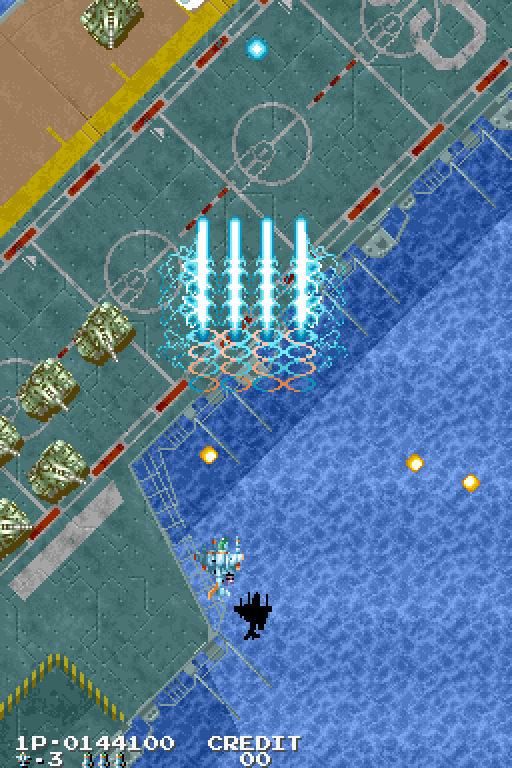
Mika and the Witch’s Mountain – Nintendo Switch Review

Overview – developed and published by Chibig in collaboration with Nukefist, Mika and the Witch’s Mountain is a colourful adventure about an aspiring witch who becomes a courier for a small island. As Mika the young witch, fly around the island of Mont Gaun, exploring the different environments and interacting with the residents. This title is available for Nintendo Switch and Steam, with a link to each version of the game at the bottom of this review.

Disclaimer: before I get into the review, I would like to thank Chibig for providing the copy of Mika and the Witch’s Mountain used for this piece, via the Keymailer service. The provision of this software has not influenced the contents of this review, all thoughts and opinions contained within are my own.

Now with the introductions out of the way, let’s get into the review, starting with the story. Please note that this title is part of the Mara franchise of games, which I have covered Koa and the Five Pirates of Mara previously, which you can find (HERE).

Story – apprentice witch Mika has journeyed to Mont Gaun, with aspirations of learning under Mistress Olagari who lives at the top of the mountain. But before she knows it, Mika is sent back down by the Witch, breaking her Broom in the process. After this, she encounters Allegra, who performs some basic repairs on the broom. However, it won’t get her back up the mountain, so she sets out on a quest to earn enough for a broom to take her back to the summit.

Gameplay – Mika and the Witch’s Mountain is a fantastical adventure, where the player must complete delivery based objectives across Mount Gaun. To achieve this, the player gets a job with the local delivery company, taking packages to the different residents while also exploring the island. Mika can fly across the island, crossing the beaches and open ocean, soaring through the air in a mini open world full of secrets to discover.

When starting off the delivery job, players will learn the various ins and outs of being a magical courier, with some easy jobs to get the player started. Mika is given a delivery card and map, allowing her to track her jobs for the day. The first few jobs will treat the player how to effectively perform delivery duties. Mika will also be rated based on her performance, with a green smile for good, a yellow middle face for okay and a red frown for bad.

This rating can be affected in several ways depending on the package, with three different conditions that can apply. These conditions are as follows;

  • Fragile – great care must be taken with these packages, as they will take damage if Mika drops the package or she hits the environment. The package will be damaged and the delivery will fail.
  • Keep Dry – travelling over water can be risky with this type of package as it will be damaged if it gets wet, rendering the package destroyed if it makes too much contact with the water.
  • Time Limit – take the package to the recipient as fast as possible, as it will be ruined if the timer expires. This applies to ice cream that is ordered in the village.

If a package is damaged beyond recovery, the delivery can be cancelled and the package will magically return to the spawn point. This allows players to try deliveries as many times as they want, giving players the chance to get their jobs done perfectly. When the delivery is completed, another job may be given by the first recipient, progressing the story with each delivery. When interacting with the different characters, more details will be revealed about them and the island.

As Mika performs her deliveries, the player will learn how to navigate the island, letting them explore as they take items to each of the locations. Once all of the deliveries on a card are complete, the day will be over, then Mika will be provided with a wage based on her performance. She is given coins for green stamps on her card, but she doesn’t receive payment for yellow or red. Then she can complete the current day.

As the days pass, Mika will earn money and get upgrades to her broom, allowing for more of the island to be explored, including the ability to ride air currents and carry more items. These upgrades are important for progression, as areas will be inaccessible without them. This progression system feels natural, as the areas of the island will open up over time, the environments become more varied adding more depth over time.

Deliveries aren’t the only thing that Mika can do, with a mini collectathon added into the game. This requires the player to locate little statues of the companion Napopo from the Mara games, which will be scattered throughout the island. These statues can be collected by simply going near them and pressing a button, with many of them hidden in plain sight. The statues can be used as a currency to unlock special cosmetic items for Mika.

There will also be instances where players must make a decision, with a relatively simple yes or no decision that can be made. These interactions could impact the story, but I will leave that for players to discover for themselves. Once the main story has been completed, the game doesn’t end there, as the player will return to the game for a post-game adventure. Special characters and secrets can be uncovered during this part of the experience.

Last to discuss is the side content for this adventure. There are special side quests that can be accomplished for this release, which will be discovered by interacting with items that flash. These include special deliveries like returning kites, as well as special gems and totems that can be found on the island. The gems can activate special areas of the map, with the totems providing special effects for Mika’s broom that can be equipped.

Now with the gameplay covered, it is time to discuss the other aspects of this release, starting with the controls.

Controls – the control system for Mika and the Witch’s Mountain is nice and intuitive, with easy to understand controls that expand over time. The flight controls work very well, with all of the movements flowing smoothly as Mika soars through the skies of Mont Gaun. All of the controls are smooth and responsive, working well with the Pro controller and Joy-cons. It is very comfortable to play in handheld mode, without any issues during play.

Difficulty – there is not a great deal of difficulty with this release, as the challenge comes from the player and if they want to rush deliveries or be a perfectionist. There is no real failure state that I encountered during my time playing, as the deliveries can be reset freely. This allows for a calm and relaxed style of play, giving the overall experience a cosy feel as there is little jeopardy but great satisfaction to attain. This is a game that everyone can enjoy.

Presentation – visually the game is beautiful, with wonderful portrait art, animated sequences and stylised models used for characters/environments. This gives the world a vibrant feel to it, that is welcoming and inviting to players, further enhancing the overall atmosphere. The sound really builds on the visuals, with wonderful melodies that fit their areas. Voice acting is limited and it works for this game. There are some graphical and audio blips but they don’t impact the experience.

Final Thoughts – after playing Koa and the Five Pirates of Mara, I was excited to get my hands on this title, as I very much enjoyed my time with the previous game. That said, I was not disappointed when I sat down to take on this adventure, the characters are charming, the world is vibrant and the story pulls me right in. There were some minor frustrations on my part when learning to fly, but after a while everything just fell into place. All of this while reminding me of the Studio Ghibli Classic, Kiki’s Delivery service.

This is a wonderful adventure that I feel everyone can enjoy, so I have no issue making a recommendation for this title. There were some minor inconsistencies with the sound, as well as the odd graphical blip here and there when flying over the ocean. However, those little flaws did not impact or compromise the overall experience. This is a very well-polished title that runs wonderfully on the Nintendo Switch system. It may not be the longest experience, but It is worth every second spent with it.

In the end, I give Mika and the Witch’s Mountain a final score of 5/5. This is a fantastic adventure, with a story and characters that brought the world of Mont Gaun to life, with a gameplay loop that is satisfying and so much fun to experiment with. If you want to check out this game for yourself, a link to each version of the game will be below.

Link to Nintendo Switch version (HERE)

Link to Steam version (HERE)
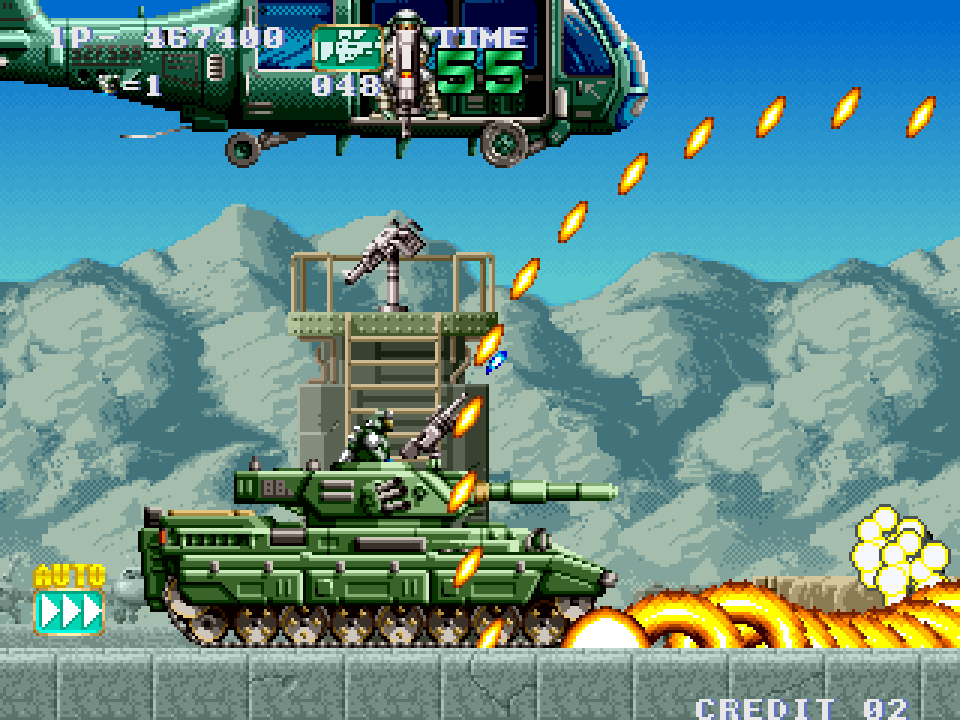
Smushi Come Home – Physical Release Announcement

Hello! I have exciting news about an upcoming release from our friends at Super Rare Games, who have announced a special physical release of the Nintendo Switch Adventure, Smushi Come Home. The colorful 3D platform adventure is coming to carts with a limited number of copies which will be releasing on August 22nd. Check out the details below to learn more about this release.

About the game

Get ready for a cosy adventure as Super Rare Games joins the fellow forest creatures of SomeHumbleOnion Mooneye Studios to bring you the wholesome…Smushi Come Home. Play as a tiny lil’ mushroom who’s lost in the forest and can’t find its way home. Explore unique areas freely at your own pace, chat with friendly inhabitants, and take on different adventures to get back home!

Run, Glide, Climb, and Swim your way through different areas of the forest! Chat with quirky forest creatures you meet along the way. Some might offer their help while others might need yours! Go on different adventures to get back home! Some may have light platforming while others involve some light puzzle solving!

Features

  •  Explore different areas of the forest freely. No time limits or game overs! 
  • Learn about real life mushrooms in a Mycology Journal!
  • Take on adventures with light platforming and puzzle solving!
  • Unlock different mushroom cap skins!
  • Play as a flipping MUSHROOM!

This adventure will be leaping onto Nintendo Switch cartidges soon, offering players a chance to bring Smushi into their home and letting them stay forever. You can find the store to get your own Smushi adventure (HERE) and you can find the official social media site for Super Rare Games (HERE).