Bulanci: Extremely Aggressive Pillows – Nintendo Switch Review

Overview – developed and published by SleepTeam, Bulanci: Extremely Aggressive Pillows is a multiplayer party shooter, where players will take control of sentient pillows in an all-out war. Take the action to the big screen or on the go, with solo or multiplayer shooting action only needing one system. This title is available for the Nintendo Switch and Steam, with a link to each version of the game available at the bottom of this review.

Disclaimer: before I get into the review, I would like to thank SleepTeam for providing the copy of Bulanci: Extremely Aggressive Pillows that was used for this piece, via the Keymailer service. The provision of this software has not influenced the contents of this review, all thoughts and opinions contained within are my own.

Now with the introductions out of the way, let’s get into the review. There is little in terms of a plot for this release as it is a party game, so I will be going straight into discussing the gameplay for this release. I will be referring to this title as simply Bulanci for brevity. Please note that there may be differences between the Switch version and the release on steam, so I will only be focusing on the console version that is available.

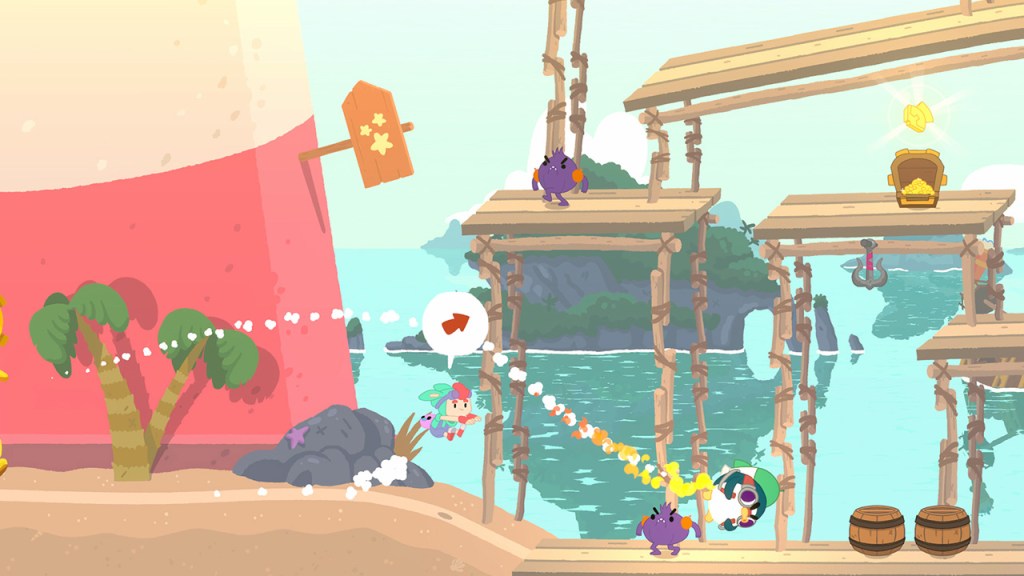
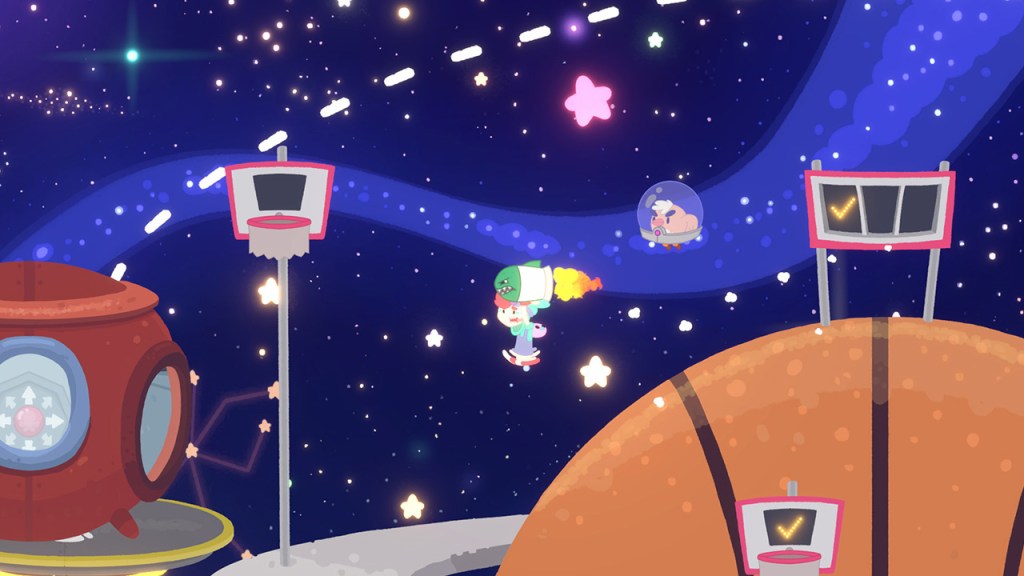
Gameplay – Bulanci is a relatively simple multiplayer party game, where players take the role of sentient pillows that are engaged in an all-out pillow fight. There are three game modes available for the player, with deathmatch (and team deathmatch), capture the flag and the single player Elite Training. In deathmatch and team deathmatch the objective is to score as many points as possible, players will gain points for kills but lose points if they are killed or suffer friendly fire.

During capture the flag, the players are split into two teams, with the objective being to get the opposing flag and bring it back to the team base. If the flag carrier is killed, then it can be picked up, if the owner team picks it up they can return it, if the opponent picks it up they can still score. There is also friendly fire in this mode, which can lead to some tense and frustrating moments where multiple combatants are in one area.

The last mode is the Elite Training Mode, where a single player challenges A.I. bots in a 5 minutes battle to get the highest score possible. This is a way that players can practice, improving their skills in a standard set format alongside a local leaderboard making it a challenge. Across all of the modes, there are 4 different map themes, with the ability to select variants in the deathmatch and capture the flag modes, but only the standard 4 are available in training.

During battles, the player can move in the four basic directions, left, right, up and down, with no option for diagonal movement. Then it comes to firing weapons, which can only be fired in the direction the player faces, going in a straight line with the standard pistol. Speaking of the pistol, all players start with the pistol which has 5 shots and a long reload rate. Then we have the special weapons that can be picked up which spawn on the stage.

The special weapons that can appear are the spread shot gun, automatic machine gun, rocket launcher and proximity mines. Each of these weapons functions differently, with the standard bullets dealing damage to the target that it makes contact with, whereas the explosives deals radius damage. The different weapons add to the chaotic nature of the game, as they spawn quite often and once they are used the player goes back to the pistol.

The last thing to talk about is the basic customization system. The player has access to 16 different pillows, which can be customized with a few different options. There are several accessories that can be applied to a pillow, along with colors and patterns that can be added to give the pillows some personality. Players can also change the name of the pillow to personalize it as well as adjusting the voice of that specific character.

Now with the gameplay covered, it is time to move onto the other aspects of this release, starting with the controls.

Controls – the controls are very basic with the four way directional movement, alongside the simple button inputs. The movement in general works well enough, but the button to enable strafing and walking backwards doesn’t seem to work at times. In multiplayer, there is the option for up to 8 players, using a pro controller or single Joy-Con to play the game. generally, the game is fairly comfortable to play with controls that can be picked up by everyone.

Difficulty – there are no difficulty options with this game, as it is a party shooter the challenge comes from random weapon drops that occur. The difficulty of A.I. opponents can also be affected by the stage that is selected, as the different maps will have elevated areas which can be tough but the A.I. can see all. The inability to alter the difficulty of the CPU controlled characters can be a pain, but that adds to the chaos that can occur.

Presentation – the visual style is fairly simple with all of the maps being a single screen, with colorful assets that work well for the game setting. The only issue with the graphical presentation of the game is the way it can impact visibility, as it uses an angled camera, it can be tough to judge depth at times. There is zero lag that occurs during play, which is good as there can be 12 characters on screen. The sound is simple, with music and sound effects that work well for the game.

Final Thoughts – This title is quite simple and as a party title it works well, but it is unfortunate that the game lacks some of the features present in the Steam release. However, for a budget release on the Nintendo Switch there is a lot of content on offer for players to enjoy, even if the game is currently lacking online multiplayer. While the base game is free on Steam, all of the additional content in the Switch version is sold separately as DLC.

I think that this game is for those that enjoy party games and have regular meet ups with friends, game nights with family or just want something to have some fun with the kids. As a single player experience, it does feel a little lacking with the reliance on bots and the limited gameplay modes that are present. But it does scratch that twitch gaming itch, especially if you want something that can be played for 10 minutes then put down.

In the end, I give Bulanci: Extremely Aggressive Pillows a final score of 3.5/5. This is an enjoyable party shooter for a modest price, with plenty of content available for a low barrier of entry at the cost of online multiplayer and some hiccups in terms of design. If you want to check this title out for yourself, a link to each version of the game is below.

Link to Nintendo Switch version (HERE)
Link to Steam version (HERE)

Dungeons of Sundaria – PlayStation 4 Review

Overview – developed and published by Industry Games, Dungeons of Sundaria is a multiplayer dungeon crawling RPG where players take on sprawling dungeons, fiendish monsters and deadly bosses. Travel the land of sundaria, completing quests and collecting loot as you set out to make your mark as an adventurer. This title is available for the PlayStation, Xbox and Steam platforms, with a link to each version of the game available at the bottom of this review.

Disclaimer: before I get into the review, I would like to thank Industry Games for providing the copy of Dungeons of Sundaria that was used for this piece, through the Keymailer service. The provision of this software has not influenced the contents of this review, all thoughts and opinions contained within are my own.

Now with the introductions out of the way, let’s get into the review. I will be skipping the story segment as a narrative is drip fed throughout the game, via conversations and information in quest explanations, so I will be moving straight into discussing the gameplay. Please note that while this is a multiplayer title, I am discussing this from the perspective of a solo player.

Gameplay – this title is an action RPG where players must complete quests, kill monsters and collect loot while exploring the dungeons in Sundaria. When the player starts the game, they will be able to create their character from a selection of classic fantasy races including Dwarves, Elves and Orcs, alongside classes like ranger and wizard. After the character has been created and named, the player will be put into the town where they can speak to the residents.

Within the town of Galdrins Crossing, there are several facilities that the player is able to use, with the Blacksmith, tavern and guild hall where the player can interact with NPCs. While talking to the different NPC characters, the player will be given their first quests to complete before heading off into the dungeons. While in the town, the player can also interact with the different NPC characters and use their services, buying and selling items to them.

There are also special characters that will allow the player to learn new skills based upon their class, expanding their capabilities and skills. These skills are tied to just the class, with the specific trainer being available to train the character to unlock the abilities in exchange for resources that player will earn during play. Once the player is done in the town, they can venture into the dungeons, using the world map that will show all available locations.

When the player selects their dungeon, they will be given three options of difficulty with a recommended level for each challenge. Upon selecting the difficulty level, the player will be spawned into the dungeon at the start point the first time they enter. As an action RPG, the player roams the dungeon in a third person perspective, moving freely through the different areas. When an enemy is encountered, they will charge the player to attack.

Combat in this title plays out in real time, with the player character having a standard attack and multiple special skills/abilities that they can use. The basic melee and ranged attacks that players have use a basic combo, hitting enemy characters multiple times for average damage. Then there are the special abilities, which are more effective in battle than the basic attack, but they have a cooldown time between each of use.

The attacks that players can use are also affected by various modifiers and abilities, including fire, ice and void, which will do more damage depending on the equipment of the player. Speaking of equipment, there are weapons, armor and accessories that can be equipped by the player. At the start of the game, the player has a basic set of gear that will fulfill all of their basic requirements. However, there is a copious amount of loot for players to collect.

While travelling through the dungeons, the player will find destructible items and containers that can be looted for gear. There will also be gear on the bodies of defeated enemies, adding more treasure to the inventory of the player. The loot that can be picked up isn’t restricted to only equipment, as there is also money and resources that can be used to buy items from in game vendors. All of the collected items are shown in the status box in the bottom left corner of the screen.

The dungeons are broken up into segments, with doors, stair cases and hidden rooms that the player will encounter. At set points in a dungeon, the player will need to solve basic puzzles to pass to new areas, like finding switches to open up the path forward. These will often lead to one of several boss fights, which can push the active quest forward or act as a road block to the player, pitting them in combat with a fearsome foe.

When a boss encounter begins, the player will be locked in the area they are counted, acting as a combat arena for the duration of the fight. The different bosses in a dungeon will often have a gimmick, with the most common being to summon additional enemies for the player to battle. These high level combatants can deal devastating damage, while also having a lot of health for players to chip away at, with encounters that can last for several minutes at a time.

Once a boss is defeated, a wanted poster will appear on screen showing they have been taken down, along with a chest containing special loot for the player to collect. Once the boss has been defeated, the player will be able to progress deeper into the dungeon, encountering new threats and finding new treasures. But that is not the only form of progression that occurs in this release, as the player will level up by earning experience from their battles.

When the player takes down enemies in combat, they will be given experience points and these will level the player up when reaching set milestones. As the player levels up, they will earn new abilities and skills that can be used in battle. The addition of this leveling system makes the combat more flexible, with the new skills being added making the overall battle experience more robust. But that isnt the only way to change the way that battle flows.

While in dungeons, the player can encounter blacksmiths, which will let them break down and sell the loot that has been collected (this can also be done in the town). These resources along with those collected from chests and bodies, can be used to craft new weapons and unlock recipes to make those weapons. All of these items can be used to strengthen themselves, with the items that are crafted matching the current player level.

When the player reaches the end of a dungeon, they will encounter the final boss of that dungeon, where they will engage in mortal combat with them. If the player takes this boss down, they will get a quest completion mark and then be returned to the town. Then the player will be able to get a new mission from the NPC characters, sending them to another dungeon to repeat the process over again, making for a consistent gameplay loop.

As this is an action RPG with a lot of combat, the chance of death in the dungeons is quite high. If the player is defeated by an enemy, hazard or boss, they will have to respawn at a checkpoint. Luckily, this title is very generous with the checkpoints, meaning that there is not going to be much progress lost if the player is defeated. This may function differently during a multiplayer game, but unfortunately I was unable to test this out during my time playing the game.

Now with the core of the gameplay covered, I will be moving onto the other aspects of this release starting with the controls.

Controls – as this is an action RPG inspired by other titles in the genre like World of Warcraft, there is a wide array of inputs to use during play. The character movement and general control is tied to the Thumbsticks, with a hot bar on screen showing all of the buttons used for skills and abilities. For the most part, this works quite well, but for those with little experience in the genre, it can take a little while for players to get used to them.

Difficulty – there is a relatively balanced difficulty curve to this release, allowing newcomers and veterans alike to get into the dungeon crawling with ease. However, there can be harsh difficulty spikes when it comes to boss battles, with some enemies dealing massive damage to player with special attacks. This can lead to quick deaths if the player is alone, as there can be some minor balance issues between melee and ranged combatants.

Presentation – this release has a classic fantasy look to it, with environments and characters that would fit anywhere in the wide genre of fantasy RPG titles. But with how good the game looks, there are some flaws with the overall visual performance. The game will stutter and there will be frame drops, causing the game to lag which negatively impacts the overall gameplay experience. This is likely due to the hardware limits, as the system used was a standard PlayStation 4.

The sound for this title is relatively solid, with music and environmental audio that works well with the different locations that the player will travel to. This is best during the boss battles, where the player will hear tense themes during combat adding a sense of grandeur and intensity to these encounters. There is also some use of voice acting for the different characters that can be encountered, but this adds very little to the game as most of the lines are repeated often.

Final Thoughts – when I found out about this game, my attention was caught by the large scale of the dungeons and the rather simple approach to the dungeon crawling. This made it an easy choice for me to want to review and check out, so I jumped at the chance to cover the game. However, after spending some time with this title, I feel like it is a bit of a mixed bag due to a variety of factors, mostly the overall performance of the game due to the hardware used.

The length of the dungeons can also be a little much, as there is less than 10 areas to explore, it can feel a little repetitive especially with the numerous boss battles in each dungeon. This does make the game feel a little long, but for the price that is being asked for, it does give good value for money. I am happy to recommend this to fans of the dungeon crawling genre, as well as those who enjoy action RPG games and it can even be played with other locally or online.

In the end, I give Dungeons of Sundaria a final score of 3.5/5. This is a lengthy Dungeon crawling action RPG, with a lot of content for players to jump into alone or with others, unfortunately it is let down by some performance issues on lower end hardware. If you want to check this title out for yourself, a link to each version of the game is available below.

Link to PlayStation version (HERE)

Link to Xbox version (HERE)

Link to Steam version (HERE)
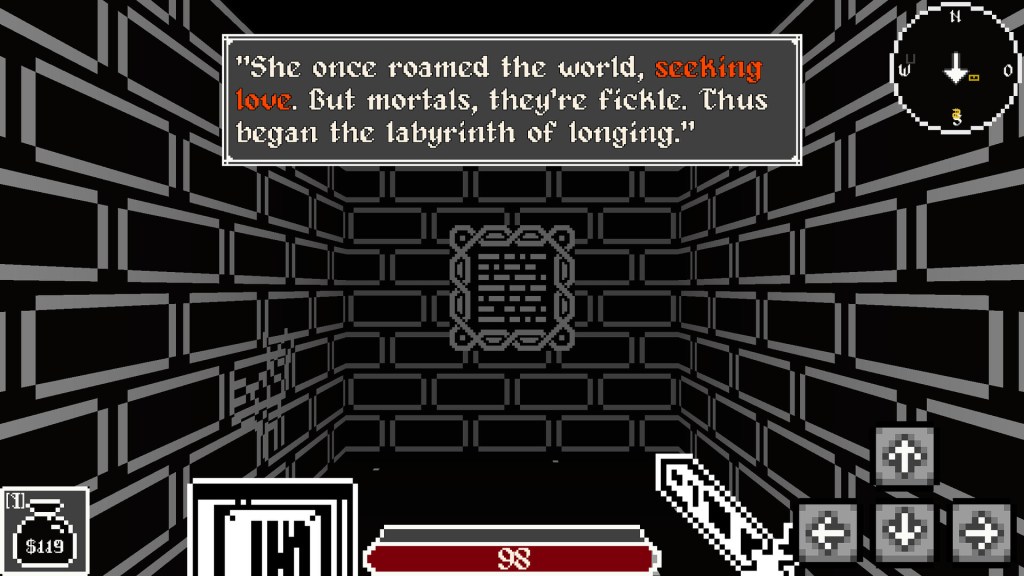
R-Type Final 3 Evolved – PlayStation 5 Review

Overview – developed by Granzella and published by NIS America, R-Type Final 3 Evolved is an expanded of the previous release, including brand new stages and features unique to this. This release maintains all of the content featured in R-Type Final 2, with this new version of the game acting as an upgrade to the former. This release is exclusive to the PlayStation 5 system, with a link to the game at the bottom of this review.

Disclaimer: before I get into the review, I would like to thank NIS America for providing the copy of R-Type Final 3 Evolved that was used for this piece. The provision of this software has not influenced the contents of this review, all thoughts and opinions contained within are my own.

Now with the Introductions out of the way, let’s get into the review. I will be skipping the story segment for this coverage as there is no significant plot to discuss for this release, so I will be going straight into gameplay. Please note, as this is an expanded/upgraded version of a release I have previously covered, I will be repeating some information that can already be found (HERE).

Gameplay – like the previous release, R-Type Final 3 is a side scrolling shooter where players must fight the alien Bydo, battling enemies across the different environments. The main stages from R-Type Final 2 and 3 are split into courses (with DLC packs as their own thing), where players will challenge the stages in a linear fashion. There are 7 new stages added for the Final 3 course, with all returning stages (and variants) making up the Final 2 course.

Like the previous release, the player gets to create their player profile when starting the game for the first time, adding their pilot name and other basic details. Before jumping into the game proper, the player can select a ship to use, with 3 unlocked at the start and additional ships that can be obtained as DLC. When selecting a course to challenge, the player can choose from the five difficulties, offering a setting for players of all skill levels.

The stages of the game follow a fairly standard formula, with the player moving through the environments, battling the enemies that appear. There are also environmental hazards that players must be wary of, as contact with the environment or enemies in general will destroy the player ship, restarting at the closest checkpoint. At the end of each stage, there will be tense boss battles for the player to take on, taking place in enclosed arenas.

The fast paced nature of the series is still present in the new content, with new enemies that include electrified water bears, mutant penguins and giant amoebas. The enemies on screen will attack the player in a variety of ways, with the most common being to fire projectiles. There will also be shifts in the movement of the stage, shifting directions and even changing the height of some areas. This can make the stages tougher, increasing the tension of gameplay.

Throughout the stages, there will be special enemies that will appear on screen, dropping power-ups for the player to collect when they are destroyed. These power-ups will change the way that the player can attack, with multiple levels to the Force, missiles and special bit power-ups. The Force has 3 different attacks depending on the craft, with the ability to use it as a shield and to fire behind the player craft. Players can also speed up and slow down their ship.

Alongside the power-ups for weapons, the player also has access to two special attacks. The first is the Wave Cannon, a special charge attack which can deliver devastating damage to enemies and bosses. Second is DOSE, a devastating ultimate attack that is filled by the Force power-up absorbing attacks and making contact with enemies, usable when at 100%. The different player craft can have their own special attack variants, making for a good variety to gameplay.

During the main game mode, the player will have a limited number of lives to use during play, with the player needing to continue if all are lost. When first starting the game, the player will only have a few credits, but as the player continues to play, the number of continues will increase. The credits increase from 3 to 10, all the way up to free play, giving all players the chance to get through the game and reach the ending on any difficulty.

Outside of the main game mode, the player can access some additional play modes. The first score attack, where players are able to play single stages to get the highest score possible, while also using it to practice. There is also the competition mode, allowing players to challenge others across the globe, engaging in competitive score based action. There is also the R Park, which acts as a lobby for players to interact with each other. Both the online modes require PS Plus to play.

Finally we have the shop and data/gallery menus to round the gameplay out. The shop is where players can use RPTS (R Points) to purchase valuable resources. Then there is the data/gallery menu, where people can look at the records, galleries and information that has been obtained. Last we have the R-Museum, which allows players to use the resources gained during play to unlock new ships, with around 100 to obtain if conditions are met.

Now with the core of the gameplay covered as I want to leave some of the details for players to discover, it is time to discuss the other aspects of this release, starting with the controls.

Controls – as this is an arcade style scrolling shooter, the controls are laid out in a way that is easy to pick up and get used to quickly. The shooting action is solid and a lot of fun, with the option for both thumbstick and D-Pad for movement based on player preference. During play, my preference is to use the D-Pad as I feel there is more precision to the movement, as the thumbstick can be difficult to control at higher speeds.

Difficulty – the challenge of the game is fairly standard for the series, with enemies appearing all around the player and deadly bosses that can fill the screen with attacks. The five difficulty settings offer a range of challenges for all skill levels, with the higher difficulties adding more enemy projectiles, stronger enemies and more. All of the difficulty settings can be cleared given enough time and patience, especially with the help of unlimited credits.

Presentation – The visuals for this title are a big step up from the previous version, due to the change from Unreal Engine 4 to 5, giving greater visual fidelity. However, the issues that the previous version had do persist when it comes to visibility. Even with the leap in graphical power, it can be difficult to distinguish the different on screen details. This is most common with projectiles, which can be tougher for those with different types of colour blindness.

There is no option to adjust the colours on screen, which is unfortunate as it can be a significant barrier of entry for those who are unable to distinguish shades of blue, green and red. The sound for this release is excellent, with a mix of intense electronic tracks and synth beats that compliment the action on screen. There is also a special vocal track that is used for the climax of the game, with beautiful piano and the choice of either Scat vocals or full Japanese dialogue.

Final Thoughts – having previously played and reviewed R-Type Final 2, I was excited to get my hands on this and luckily I was able to loan a PS5 to do this review. I will say that I had a fairly good experience with this release, with all of the advancements that were made with the use of Unreal Engine 5. I was also very pleased with the addition of the base game content from R-Type Final 2, along with a selection of free DLC that is currently up for grabs.

I will say though that while some things change, others stay the same. This is especially true for the gameplay philosophy that has remained true to its roots, offering a brutal challenge that will take many credits to beat, which was the style of the time. The mix of old and new makes for a familiar yet fresh experience that I am happy to recommend to everyone who enjoys shooters, just be aware it may be tough if you have difficulty with distinguishing certain colours.

There is a lot of content in this title, with the massive selection of ships and many secrets to unlock. The inclusion of online competition and the R Park lobby increases the play time, giving players more to do aside from the main game courses. This is a fantastic package for those who are fans of the R-Type series, with a lot of replay value and a difficulty curve that makes it approachable to veterans and newcomers alike.

In the end, I give R-Type Final 3 Evolved a final score of 4.5/5. This is an excellent scrolling shooter, with all of the classic elements that are a trademark of the franchise, alongside new features and a plethora of content for players to unlock. If you want to check this title out for yourself, a link to the game will be at the bottom of this review.

Link to PlayStation 5 version (HERE)
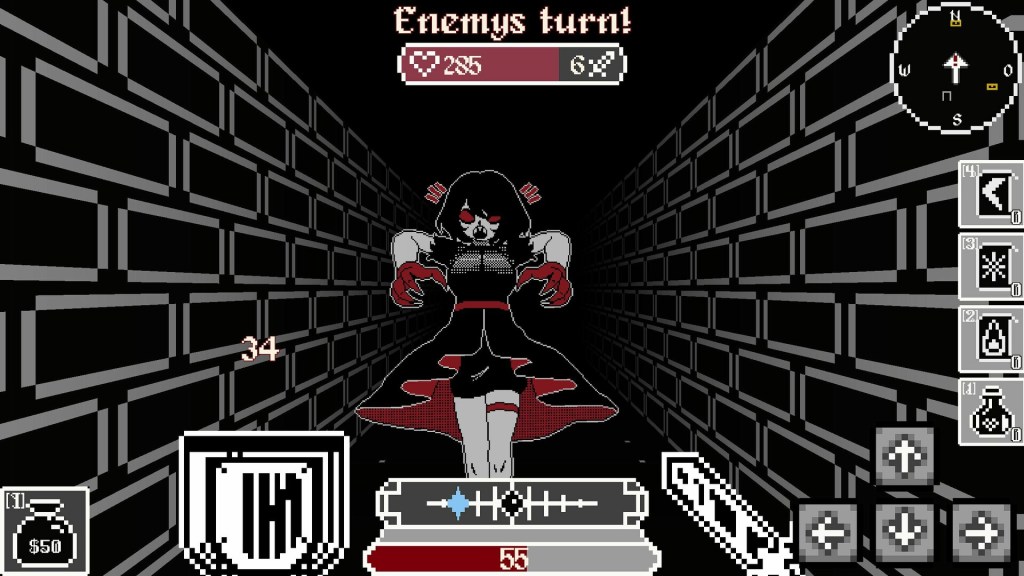
Battle Stations Blockade

Overview – developed by Mission Critical Studios and published by Eastasiasoft, Battle Stations Blockade is a naval themed rail shooter presented in 3D voxel style. Armed with twin turrets on your battleship, blast the enemies that are sailing in these treacherous waters, taking them down to complete your mission. This title is available for all platforms, with a link to each version of the game linked at the bottom of this review.

Disclaimer: before I get into the review, I would like to thank Eastasiasoft for providing the copy of Battle Stations Blockade that was used for this piece. The provision of this software has not influenced the contents of this review, all thoughts and opinions contained within are my own.

Now with the introductions out of the way, let’s get into the review. There is no real story to this title, so I will be going straight into discussing the gameplay for Battle Stations Blockade. Please note, images that have been provided by the publisher may not match the final version of some releases.

Gameplay – this title is an on rails shooter, where players control a military gunboat on a mission to take down the enemy weapon systems. This arcade shooter takes place over multiple levels, where the goal is to complete objectives by destroying the enemy forces, sinking boats, clearing mines and shooting down aircraft. Earn points, build combos and climb the military ranks as you use a range of weapons to decimate the opposing forces.

The campaign for this game is made up of several stages, each taking place through several areas, with missions for the player to complete. The missions that players will be given require specific targets to be eliminated, including paratroopers, jet ski soldiers and more. Completing missions gives bonus points that will further bolster the score that is earned for a level, with the highest score being added to the local leaderboard.

The player ship has 9 total weapons to select from, ranging from a standard 50cal machine gun, to missiles, torpedoes and even a devastating nuke. Each of these powerful armaments have different load times, meaning that the player will need to decide which weapon to use and when. A bar on screen shows when the weapon will be ready to fire, with the stronger weapons taking longer to be reloaded and ready to use.

On the two weapon turrets, there is a meter which represents that weapons overall health. If the bars are depleted, the player will get a game over, with the option to restart or go to the main menu. When choosing to return to the title screen, the player can choose to continue from the stage they left off or select from the cleared stages. This allows players to retry previous stages, improving their scores and adding to the replay value.

This title can be played alone or with a friend. In the solo mode, the player will control both of the turrets with a single crosshair. But in the multiplayer modes, two players can control a turret each allowing for co-operative and competitive action. All stages that have been cleared in the main campaign can be played in multiplayer, further expanding the replay value that this title offers.

Now with the gameplay covered, it is time to cover the other aspects of this release, starting with the controls.

Controls – as this title is an on-rails shooter, the movement of the player is automatic with the only thing to control being the turret crosshair. The sensitivity of the crosshair is fairly smooth by default, but if players want to adjust it to be faster or slower, there are settings for this. The only issue with the inputs is the way that the weapon wheel works, as it can be a little unwieldy, but there is a quick switch with the D-Pad that is more reliable.

Difficulty – this title has multiple difficulty options, with the lower levels being a breeze for players with the increased health of the turrets, but the higher settings being much more challenging. To make the challenge tougher, the higher difficulty settings introduce overheat, slowing down the fire rate of the weapons alongside lower health for the turrets. The overall challenge of the game is balanced, offering a fun experience that doesn’t feel punishing.

Presentation – the visual aesthetic for this release has a retro style to it, with a blocky pixel art style made up of voxel sprites. There is a good frame rate and the performance is solid, with little in terms of lag or slowdown. Everything looks good and most of the on screen effects are fully visible at all times, but the crosshair can be a little harder to see on higher difficulties. The sound is rather simple, with no background music relying only on sound effects to bring the action to life.

Final Thoughts – I am a fan of the rail shooter genre, enjoying titles like Panzer Dragoon and various light gun titles. This scratched that itch quite well, as the action and gameplay was familiar but fresh. I had a lot of fun with the chaotic on screen action, blasting all of the enemies that appear on screen with the different weapons. The only issue I had was the vibration intensity and no way to change it, which made it a little awkward to play the game in handheld mode.

I am happy to recommend this game to everyone, especial for the low price that it is asking for. The action is a lot of fun, along with the replay value of the score setting, the multiplayer modes and the different difficulty options. This package is perfect to be played alone or with a friend, offering an experience that everyone can jump into with little or no experience and have a good time.

In the end, I give Battle Stations Blockade a final score of 4/5. This is a fun and fairly chaotic rail shooter that is fun to play alone or with a friend, offering a lot of replay value and an arcade style of game that uses a distinct voxel graphical style. If you want to check this title out for yourself, a link to each version of the game will be below.

Link to Nintendo Switch version (HERE)

Link to PlayStation version (HERE)

Link to Xbox version (HERE)

Link to Steam version (HERE)

Retro Revengers – Nintendo Switch Review

Overview – developed by Happymeal and Undercoders with publishing handled by Shinyuden, Retro Revengers is a 2D pixel platformer inspired by the classics of old. Embark on an adventure through a variety of stages, with a diverse range of environmental elements and gimmicks. This title is available on Nintendo Switch and Steam, with a link to each version of the game available at the bottom of this review.

Disclaimer: before I get into the review, I would like to thank Shinyuden for providing the copy of Retro Revengers that was used for this piece, via the Keymailer Service. The provision of this software has not influenced the contents of this review, all thoughts and opinions contained within are my own.

Now with the introductions out of the way, let’s get into the review, starting with the story for Retro Revengers.

Story – in the outer reaches of central Japan lies Ludens Castle, a strange place where five friends called the Retro Revengers call home. One day while playing retro games, they get transported into a strange land, where they encounter a threat not just to their games but their world itself. upon meeting the Retro Goddess, the friends are given special powers which they will need to take down the Demon Lord of Triple-A and their minions.

Gameplay – Retro Revengers is a pixel platformer, where the objective of each stage is to reach the boss at the end and defeat them. To accomplish this, the player must use the special skills of each of the 5 characters to traverse the stage hazards, battle enemies and traverse the deadly pitfalls of each stage. The core of the game is made up of 5 stages, which the player will need to play through twice to reach the final boss, with the second run being much harder.

The way this title stands out on its own is the way that the stages function. In each of the stages, the player must use the unique skills of each character to overcome the stage gimmicks. Each of the characters have a standard attack and a charge ability, which will unleash a powerful special attack (this is upgraded during the second playthrough). The different characters also have a unique jump, changing up the platforming between each stage.

When the player reaches the end of a stage, they will be faced with a challenging boss that will use gimmicks and hazards to their advantage. These bosses can be very tough, with attacks that can wipe the player out if they aren’t careful. Thankfully, there is a Mega Man style checkpoint system, where a stage transition will signal a checkpoint to continue from. When the boss is defeated, a chest full of coins will be dropped as a reward.

Speaking of coins, these will be dropped by defeating bosses and randomly from enemies. These coins are very important as they are used to continue, due to the limited lives available during play. Each continue costs 100 coins, with the player starting the game with 1000, meaning there are 10 continues for players to use right off the bat. As well as the coins, there are chests that contain bonuses and meat that replenish lost health to find.

Between stages, there will be a cutscene where the player encounters a special NPC character, who will explain the special attack for the active character. This is because the player must use a set character for the first run of the main stages, with the ability to switch between them on the second, harder playthrough. But it is managable for the most part, as all of the characters have their own health bar, but a life will be lost if one character is defeated.

Once all of the stages have been cleared, there is a final battle against the big bad boss, which takes the form of a Boss Rush. This is the toughest and most frustrating part of the game, as the player must defeat all of the previous bosses and the multi-phase final boss with one set of lives, but there are checkpoints between battles. All of this must be done within a time limit, which is very tight and if the player runs out of time they will need to start the battle again.

There are also many secrets for players to discover in this adventure, alongside an optional speedrun mode. This is where players can replay the game to get to the end as fast as possible, with a stage timer and an overall gameplay timer. This promotes multiple playthroughs of the game, as players aim for the best possible time on the local leaderboards with the potential for an online community to grow in the future.

Now with the gameplay covered, it is time to cover the other aspects of this release, starting with the controls.

Controls – the controls for this title are very simple, with only four buttons being used for the main game mechanics. The jump and attacks are performed by pressing the face buttons, with character shifting being controlled by the L and R buttons. The inputs for the controls work very well, with comfortable inputs and no lag during intense sequences. The preferable way to play this title is with a classic style controller with a good D-Pad like a SNES style pad.

Difficulty – this title has a steep difficulty curve inspired by classics of the past, with multiple difficulty options that can make the game brutally challenging, which was the style of the time. The different difficulty settings adjust the amount of health players have, the damage that is dealt by attacks and the number of lives as standard. The recommended difficulty to play is normal, but it does have an easy setting for those who may struggle.

Presentation – the overall style of the game is that of an 8/16-bit platformer, with bold sprite work, vibrant colors and some rather bizarre enemy designs. The cutscenes and artwork for transitions looks very good, evoking a sense of familiarity with the way that the game world and its characters are presented. The music for this game is composed by Manami Matsumae, the original composer for the classic Mega Man titles, which further adds to the retro aesthetic on show.

Final Thoughts – This title is quite a mixed bag for me, while I do appreciate the efforts that the player went to create an old-school style game, I had a lot of frustration with the difficulty curve. There were segments that felt unfair at times, with stage hazards that were difficult to time correctly with the different characters. The bosses were the most difficult part, as there were elements that made it overly challenging, which became frustrating in the end.

I will admit, I had such a tough time with the final boss rush of the game, given the limited lives and the final multi-phase boss fight made more difficult due to the time limit. It got to the point where I had to lower the difficulty down to easy in order to see the ending, but I will try again in the future to beat the standard difficulty. I can recommend this game to fans of brutal action titles, or those who enjoy colourful platformers, but be aware it is very tough.

In the end, I give Retro Revengers a final score of 3.5/5. This is fun but brutally difficult action platformer, with a cast of weird and wacky character, references to the classics of old (and some modern games) and a nice variety of (potentially frustrating) bosses to battle. If you want to check this title out for yourself, a link to each version of the game will be below.

Link to Nintendo Switch version (HERE)

Link to Steam version (HERE)

STUFFED – Steam Review

Overview – developed by Waving Bear Studio and published by TheGamePublisher, STUFFED is a cute and stylized wave defense shooter with a unique premise. As a brave teddy bear, take on the nightmares that attempt to break down your owner Ellie’s door, using weapons crafted from items around the house. This title is available for Steam and Xbox platforms, with a link to each version of the game available at the bottom of this review.

Disclaimer: before I get into the review, I would like to thank TheGamePublisher for providing the copy of stuffed used for this review, via the Keymailer service. The provision of this software has not influenced the provision of this software, all thoughts and opinions contained within are my own.

Now with the introductions out of the way, let’s get into the review, starting with the story. Please note that this is intended to be a multiplayer experience. However, I was unable to participate in online multiplayer, so I will only be discussing the gameplay from a solo player perspective.

Story – you are a brave teddy bear, who has taken up arms against the nightmares that has been plaguing your owner Ellie. You are tasked to protect her door from the dark versions of ducks, gnomes and killer toy robots. However, there is terrifying nightmare creature known only as the shadow man, who will attempt to break her door down and ruin her night. Can you stop these monsters and make sure that your owner has a good night sleep?

Gameplay – Stuffed is a first person wave defense shooter, with procedurally generated maps that are different every time the game is started. The game can be played alone or with friends, offering the option for public or private multiplayer where up to 4 players can play together. There are three regions available for the player to use, with Europe, Asia and the Americas. Unfortunately, I was unable to test this multiplayer aspect of the game out.

Before the player starts the game, it is recommended to play the tutorial. This will explain the mechanics of the game, while giving players a chance to get to get to grips with the controls and get a feel for the action. Once the tutorial has been completed, the player will be returned to the main menu, ready to start the game proper. If players need a refresher on the mechanics or if they just want to warm up, the tutorial can be played freely from the main menu.

When starting the game up, the player will be placed in a starting room, with a basic ranged and melee weapon along with two popcorn grenades. The gameplay loop takes the player through multiple nights, made up of 10 waves of enemies, with the goal to take down all of the enemies and protect Ellie’s door. Each time the player takes down an enemy, they will get points that are added to their total, which can be used to interact with the map.

In each of the maps, the player will be able to spend points to open doors, unlocking new areas for the player to access. Within these areas, there will be new weapons to buy as well as power-ups to improve the chances of success. The weapons that can be collected include a golf ball launcher made from a skate board, shotgun style robot guns and a cola cannon. The power-ups featured range from self-revive items to refilling popcorn grenades and health increases.

Alongside items that can be purchased, the player will level up by earning XP with each enemy defeated. When the player earns enough points, they will level up and be able to use the special teddy station, which lets the player purchase a perk. These perks include more health for the bear, improving the door defenses and additional ammo for weapons. The perks that can be collected will vary each time the table is activated, adding to the random nature of the game.

As the player opens up new rooms in the map, there will be new spawn points for the enemies to emerge from, as well as warp points for the player. When the player goes into a warp point, the will often be transported back to the main room, where the door is allowing for it to be defended quickly. Players can also use the warp from the main room, quickly jumping to the other areas for more ammo, purchase new weapons and grab power-ups.

During the tenth wave of a night, the player will encounter a boss nightmare that they will have to defeat. Once the boss has been taken down, the map will transition to a new one as the night counter progresses. When the map switches, the player will retain their points, perks and weapons, but since the map has changed the player will need to open doors again. The enemies will also get stronger as each wave and night progresses, increasing the challenge.

The last thing to discuss is the coins that are collected at the end of a run. When the player is defeated, based on their performance a coin reward will be provided. These coins are added to the player total that is tied to their account. These rewards mat vary based on the number of players (I couldn’t test it out sadly), but they all serve one purpose. They can be used to purchase cosmetics in the in-game shop, which can be added to the player and weapons.

The skins that can be unlocked include colors of fur for the bear, including tiger, panda and skeleton, each with their own unique shades. There are also costumes to dress the bear up in, with cardboard robot, astronaut and knight costumes to name but a few, with additional colors for each. Then we have the weapon skins, which allow the player to change the look of each of the weapons, making them more unique and letting players freely customize their experience.

Now with the gameplay covered, it is time to cover the other aspects of this release, starting with the controls.

Controls – this title uses a relatively standard mouse/keyboard setup for the inputs, with a layout that is easy to pick up and get used to. The way that the controls are laid out can easily be remapped, alongside systems that can make the game more playable for players, including aim assist and sensitivity settings. There is the option to use controllers, but I was unable to test this out as I couldn’t get the controller to work with the game for me.

Difficulty – the difficulty for this game can vary on a couple of factors, which are tied to the procedural generation mechanics. It is possible to get a good map, which can be easily defended and this can make the game a little easier to play, but the inverse is also true. Away from the random maps and items, the enemy waves will follow common patterns, with the enemies getting stronger over time, which can get tricky when playing the game in solo mode.

Presentation – visually, this is title has a rather cutesy aesthetic, with the toy weapons and costumes that add a whimsical feel to the game. The models for environments, enemies and weapons are well put together, creating a vibrant world that has a sense of childlike wonder to them. There are also some decent graphics settings that can be tailored to each computer rig. The sound for this game fits the setting well, with SFX and music that make for a cohesive experience as a whole.

Final Thoughts – I have played many first person shooters in the past, ranging from DOOM and Quake all the way up to Destiny and Call of Duty, so I have experienced a range of titles. This one stands out as a fairly unique title. The gameplay mechanics may have been implemented in other titles, but the presentation and setting are what makes this game special. There are few if any competitors in this specific style, which lets this game stand out on its own.

The overall gameplay loop is a lot of fun, with mechanics that work well and almost infinite replay value with the procedurally generated maps. There is also a wealth of cosmetic content that can be unlocked, further adding to the playtime of the game. I can happily recommend this title to players, but please be aware that this title is still in early access, as well as what appears to be a very limited online player pool. I just wish that I was able to test out the multiplayer functions.

In the end, I give STUFFED a final score of 3.5/5. This is a fun game that has near endless replay value through procedurally generated maps, with a fairly unique premise, vibrant environments and a ton of content to unlock by players during their time playing the game. If you want to check this title out for yourself, a link to each version of the game will be below.

Link to Steam version (HERE)

Link to Xbox version (HERE)

The Bridge Curse Road to Salvation – Nintendo Switch Review

Overview – developed by SOFTSTAR Entertainment and published by Eastasiasoft, The Bridge Curse Road to Salvation is an atmospheric horror based on Taiwanese urban legends. Adapted from the horror film of the same name, the Bridge Curse puts players in the position of those being haunted, experiencing it all in first person. This title is available on all console platforms, with a link to each version of the game available at the bottom of this review.

Disclaimer: before I get into the review, I would like to thank Eastasiasoft for providing the copy of The Bridge Curse Road to Salvation that was used for this piece. The provision of this software has not influenced the contents of this review, all thoughts and opinions contained within are my own.

Mature Content Warning: please be aware, this title contains themes and depictions of self harm, suicide and mature, violent themes throughout. As this is a horror game, there will also be intense frightening content, so if any of the content listed here is offensive to you or you find it uncomfortable, please proceed at your own discretion.

Now with the introductions out of the way, let’s get into the review, starting off with the story for The Bridge Curse Road to Salvation.

Story – in Taiwan, there are many urban legends that have stayed alive in Tunghu University. The most prominent being the story of the bridge curse, a lingering female ghost who haunts the nearby bridge. One night, six college students set up a test of courage to challenge the curse, accidentally unleashing the spirits that haunt the University. Now the students must uncover the mysteries of this curse, but who will survive the night?

Gameplay – this title is a first-person horror title, with a tense atmosphere, puzzle solving and stealth focused gameplay. The player must control each of the six students, moving them around the different locations of the university, solving puzzles and finding clues about the mystery. Players must move with caution through the campus, exploring the areas highlighted within each of the chapters.

As the player makes it through the chapters for each character, they will encounter spirits that have been awakened by the curse. These spirits will pursue the player, attempting to kill them and potentially warping reality around them. There will be mazes that need to be traversed, while the spirits roam and try to hunt them down. When moving through areas, if there are spirits present the player must avoid being seen in order to survive.

If the malevolent spirits see the player, they will hunt them down with the only ways to survive being to hide or escape. This is where the main stealth elements of the game come into play. The player will make noise when moving, with running being the loudest, walking in the middle and moving while crouched is the quietest. This can alert spirits to the player location, but in most areas, the player can hide in cabinets or under/behind objects.

These are not the only encounters that the player will have, as there are events where players must perform tasks in order to survive. The challenges include activating crying dolls and navigating hazards to locate an item, which must be completed as quickly as possible. If these encounters aren’t completed quickly, or if the player is careless then a swift death will occur. But there are generous checkpoints during encounters.

Running away from the malevolent spirits isn’t the only thing that players will need to deal with. There are puzzles that will require the player to explore, investigate items and find the clues needed for the objective. The puzzles can be complex requiring items to be put in set orders, added to another or taken from point A to point B. The items that players find will have information about what they are, as well as the ability to rotate and investigate them.

When investigating the items that are found, they will be added to a record which can be used to track all of the discoveries and story that have been made. There is a record for each character and all of the details together. The characters each have phones that will convey story details during play, this is where the current objective, item record and other details are kept. This is a handy resource that will come in handy throughout the narrative.

The last thing to talk about is the collectables. Each of the chapters have a set of items that can be found, acting as secrets for players to discover during exploration of the campus. These items are optional for players to find, but they may just provide something special if all of them have been found. All of the items are tied to the character for that chapter, so they can be missed during play. However, there is a chapter select to collect missing items.

Now with the gameplay covered, it is time to discuss the other aspects of this release, starting with the controls.

Controls – the control system for this title is comfortable to play, with the first-person style using the traditional FPS approach, with left stick for movement and the right for turn/look. All of the features are laid out comfortably, with the key functions laid out in a way that is easy to pick up and get adapted to quickly. The game is comfortable to play in all game modes, but it is recommended to play with a pro-controller rather than the Joy-Cons.

Difficulty – the difficulty of the game is tough to gauge, as there is only one set experience in terms of challenge. There is a lot of trial and error that will need to be done, as players need to learn enemy movement paths, hiding spots and item locations. This has the potential to get frustrating for some players, but it is satisfying when a challenging section is cleared. Luckily, the game has quite a forgiving checkpoint system, which doesn’t punish the player too much.

Presentation – visually this game looks very good for the Nintendo switch, with character models that are well detailed and expressive during play. The environments of the game have an atmospheric and haunting feel, with the darkness permeating the game mode to good effect. There is no issue with the performance during play, with a solid resolution in both handheld and docked modes, but the textures are a little rough at times.

There are cinematic scenes throughout, which add to the atmosphere and horror of the experience. The use of pre rendered death scenes and event scenes works extremely well, with smooth transitions that feel natural. The sound for the game is equally as haunting as the visuals, with atmospheric noise that adds to the tension of each scene. All dialogue is fully voiced in English, but some of the dialogue can end abruptly due to minor scripting/timing errors.

Final Thoughts – I quite enjoy horror based on urban legends, ghost stories and folklore, so I was quite interested in this title, unaware that it was a film adaptation. The story has a lot of depth and intrigue, with the atmosphere adding as much tension as the ghosts. The horror I felt from the game was the unease of everything around me, the darkened halls, the ghostly whispers and the eerie fog that shrouded areas in darkness.

The jumpscares became less effective when repeated, but the first instance of each worked well as a punishment for failure. The cinematic scares that were tied to events were more impactful, as they caught me off guard adding to the anxiety I felt during play. I am happy to recommend this title to everyone, it is a little rough around the edges, as well as tackling some rather tricky material as mentioned in the content warning, but if you can handle them this is for you.

In the end, I give The Bridge Curse Road to Salvation a final score of 4.5/5. This is a haunting and unsettling cinematic horror title, mixing an eerie atmosphere and sound with effective scares, creating a cohesive experience told through a first person perspective. If you want to check this title out for yourself, a link to each version of the game will be below.

Link to Nintendo Switch version (HERE)

Link to PlayStation version (HERE)

Link to Xbox version (HERE)

Train Valley 2: Community Edition – Nintendo Switch Review

Overview – developed by Flazm and published by BlitWorks, Train Valley 2: Community Edition is a rail management puzzle sim, with an emphasis on strategy and planning. Take your rail company across several eras, from the steam powered era to the space age. This version of the game is available on all console platforms, with all previously released DLC included. A link to the game will be at the bottom of this review.

Disclaimer: before I get into the review, I would like to thank the rep from BlitWorks for providing the copy of Train Valley 2 that was used for this piece, via the Keymailer service. The provision of this software has not influenced the contents of this review, all thoughts and opinions contained within are my own.

Now with the introductions out of the way, let’s get into the review. This title doesn’t have any story tied to it, so I will be moving directly into discussing the gameplay of Train Valley 2. I will be focusing on covering the core elements of the gameplay experience, as there are some mechanics that need to be experienced first-hand.

Gameplay – this title is an isometric rail management puzzle sim, where the core objective of each of the stages is to connect rails and transport cargo. The way that this is achieved is by connecting the different stations, as the player is able to build a network of railways through the stage map. Each of the rails can be connected to others, allowing for multiple directions and intricate layouts to be built. However, this does come at a cost.

In order to build the rails, players must pay for each tile that they lay, as well as the cost of demolitions for areas that spaces that contain objects. This can become very costly, very quickly and drain the bank if the player is reckless. To earn more money, the player must deploy trains from the stations, transporting resources and cargo to different destinations. For each successful transport, the balance for the player will increase.

When moving resources, it is important to keep in mind what is needed to complete an objective, as there are limits to what can be accepted at a station. If the wrong cargo is sent to a station, the train will be sent back, quickly departing the station. This can lead to chaos and potential issues for the player, which may just result in disaster. As the trains are sent along the rails, it is important to watch the paths, switches and station functions.

If there is contact made between the locomotives, or if the rails aren’t connected, there will be a crash. When trains crash, there will be craters left behind, which need to be cleared before new tracks can be laid, which can be costly mistakes. It is also possible to build bridges and tunnels as the game progresses, further expanding the building options for the player even further. But, these features are expensive and can eat into the budget.

To help speed up the flow of gameplay, there are three speed settings that can be used. These will speed up the flow of time, allowing for rapid transport of resources through the map. But there are some risks associated with speeding time up. If the player sends a train out without taking rail switches into account, there is the risk of collision between trains or going to the wrong station. This can cause significant delays and costs to the player.

In order to clear a stage, the player must manage their rails and send resources to the different stations to make the required items. These include gold bars, furniture, glass and more, with some requiring more resources than others. When the required items are complete, the player must send them to the base stations, which are where the workers are deployed from. Once all required cargo has been delivered, the stage is cleared.

There is one fail condition that is present throughout the game, which players must be very careful of. If the player runs out of money, with no way of raising needed funds, then the stage will be failed, leading the player to need to start over from the beginning. This can occur in a few ways, the main one, being due to train crashes, as the player must pay to replace their lost engines. If the player cannot repair the engines, the game is over.

Outside of the standard win/loss conditions for the stages, there are bonus objectives that players can challenged. The main ones are completing the stage under a specified time limit, usually with three stars that are tied to time and two bonus objectives. These additional challenges provide the player with stars, which will unlock new train designs that can be used in game. These additional rewards promote repeated play of stages.

The main game mode is split into 5 distinct time periods, with their own unique locomotives and map details, which are tied to that era. These give the stages their own distinct feel, adding a good feeling of progression to the main game mode. But the main game mode isn’t all that the game has to offer. There are extra stages that were included as DLC, alongside bonus community levels that massively expand the scope and value of the game.

There is a tremendous amount of content contained in this title, with a variety of locations, settings and challenges for players to take on. The depth of the challenge is satisfying and rewarding, with new obstacles being introduced over time, adding more complexity to the stages as the game goes on. There is also an in-depth tutorial system, which provides explanations of important mechanics as they are introduced during the game.

Now with the gameplay covered, it is time to move onto the oter aspects of this release, starting with the controls.

Controls – there is an accessible control system to this release, attempting to translate a traditionally PC play style to console, with on screen prompts to aid the player. This for the most part works, but can be a little clumsy given the isometric viewpoint of the maps. There is a feeling of inaccuracy with the rail building and switching, which does let the game down a little bit. The biggest miss is the lack of touch controls for the switch, which would have elevated the game in handheld mode.

Difficulty – there is a very forgiving difficulty curve, as there is no tremendous pressure on the player while making their way through the game. The lack of a hard time limit lets players take their time, planning out the approach that they want to make. This provides a comfortable and relaxed gameplay loop, where players are able to experiment freely. The only real difficulty is the bonus objectives, which are optional for those who really want to do them.

Presentation – visually, this game shines with its low poly style, giving the feel of the older games in the tycoon series. This works in the favour of Train Valley 2, as it makes for stages and environments that can be navigated easily. It can be a little tough to see at times in handheld, but there is a handy zoom feature to help with this. The soundtrack has a cosy overall feeling, with relaxing melodies that enhance the calm atmosphere present throughout.

Final Thoughts – I am not usually one for tycoon or sim management games, so when I was offered this I wasn’t sure how I would feel. But after spending a little time with the game, I became more engaged with the gameplay loop. There is a nice and relaxed atmosphere, which helped me get used to the new mechanics over the course of the game. I found that the slower pace made for a calming experience, where I didn’t feel rushed to complete the stages.

I am happy to recommend this to pretty much everyone, even those who may want to dip their toes into the management sim/strategy genre. The game is accessible to everyone, with a difficulty curve that is about as steep as a gentle hill, alongside an in-depth tutorial system. There is also 200+ bonus stages, adding even more play value to this package. I do wish however, that the controls were more refined and the option for touch was available on Switch.

In the end, I give Train Valley 2: Community Edition a final score of 4/5. This is a very accessible rail management experience, perfect for beginners and veterans alike, featuring a wealth of content and replay value for players, with a calm and cosy atmosphere that reinforces the laidback approach to gameplay. If you want to check this title out for yourself, a link to each version of the game will be below.

Link to Nintendo Switch version (HERE)

Link to PlayStation version (HERE)

Link to Xbox version (HERE)

Super Crazy Rhythm Castle – Nintendo Switch Review

Overview – developed by Second Impact Games and published by Konami, Super Crazy Rhythm Castle is a quirky mash-up of Rhythm action and puzzles. Take on the challenges of the caste to take down the evil king alone or with a friend, encountering the weird and wacky inhabitants of castle along the way. This title is available on all platforms, with a link to the game available at the bottom of this review.

Disclaimer: before I get into the review, I would like to thank Konami for providing the copy of Super Crazy Rhythm Castle that was used for this piece, via the Keymailer service. The provision of this software has not influenced the contents of this review, all thoughts and opinions contained within are my own.  

Now with the introductions out of the way, let’s get into the review, starting with a brief outline of the plot. Please note, during my time playing the game, I was alone so I will be unable to comment on the multiplayer aspect of this game. All of the information provided is from the perspective of a single player experience.

Story – in a far off land, there is a mysterious castle ruled by the cruel king Ferdinand, this palace is filled with music, madness and a menagerie of bizarre residents. Four odd adventurers approach the castle, seeking to challenge the king and take his crown. However, things aren’t as they seem and the unhinged king is ready, throwing the heroes into his dungeon and they must overcome his twisted challenges.

Gameplay – this title is a mix of rhythm action, puzzle gameplay and adventure. The objective of the game is make it through each of the locations in the castle, completing stages and earning stars. The gameplay loop is heavily focused on a rather simple yet challenging rhythm action system. In all of the stages, the player must earn stars by completing challenges including collecting money, getting a set score and an RPG elevator.

While inside a rhythm stage, the player will be able to interact with the board on the screen, hitting notes as they scroll along it. This is reminiscent of other rhythm titles like Beatmania, Guitar Hero and Dance Dance Revolution. In this title there are two difficulty options for players, the “Reg” mode, with three lanes and the “Pro” mode which has 4. The game will determine the best option after completing the tutorial, but this can be changed.

The way that most stages play out has the player performing tasks, while also playing along with the music more often than not. This will have an effect on different aspects of the stages, like filling an energy bar, battling monsters and even taking part in a dark ritual. There is also the chance that the music will be paused, or loop depending on what is happening, which adds an extra little wrinkle in the flow of play.

But be aware, there are some stages that require at least two players to complete. These stages introduce the Hand Dog, a special assistant that will take the place of a second player and can be moved around. These stages can be very tricky, as they will often require a lot of multi-tasking, keeping an eye on the task for the player and the assistant. There are also special events inside and out of the stages, providing the player with new abilities to use.

At set points during the game, the player will encounter boss battles, which will pit them against a challenging opponent. These battles will give the player a set time to beat their opponent, resulting in a failure if the base requirements aren’t fulfilled. It is also possible to fail in the standard stages, which will happen if the stage has played out and the threshold for 1 star hasn’t been met. If a stage is failed, the player can try again as many times as needed.

Outside of the stages, the player will be able to interact with various NPC characters, providing some hints and clues, while also acting as roadblocks to progression. The stars that are earned in stages can be used to open up paths, along with items or characters that need to be found. This promotes exploration of the castle, where the player must have their wits about them and use a little ingenuity to solve the puzzles they encounter.

For those who enjoy a more rhythm focused style of play, there is a special area that lets players play through the different songs that they have unlocked. When stages are completed, the players will often receive tapes that can be used here. While in this area, the songs are played in a straight forward manner, with the player earning up to 4 medals based on their performance. These medals can be used to unlock items and special items in game.

The songs aren’t the only things that players can unlock during play. There are new characters that can be found, expanding the playable roster from the standard 4. There is also extra post game content that can be unlocked after the player has cleared the main story, further expanding the play time. This makes for an experience that can be played long after the main narrative is over, but this isn’t all the game has to offer.

There is an emphasis on multiplayer with this title, where players can play together in the same room or across the globe. The entire game can be played with up to four players, with the ability to drop in and out freely. There is also a mini game section, which allows for some chaotic fun to be had between players in free-for all or team play action. Players are also able to battle it out to see who can get the best core in the stages, with a crown for the winner.

Now with the gameplay covered, it is time to cover the other aspects of this release, starting with the controls.

Controls – there can be a lot of complexity to the controls for this title, as more abilities are introduced over time. During the rhythm sections, there are only three buttons used or standard and four for pro, but there is a need to switch in and out quickly. This need to rapidly switch between the rhythm and puzzle action can lead to mistakes being made, which has the potential to lead to frustration to players.

Difficulty – there is a fairly moderate difficulty curve to this game, with the challenge increasing as new areas are unlocked. The difficulty can also be impacted by the set-up that the player is using, which is due to potential audio-visual lag that can occur. This is common with music games, but to compensate for this the game has fairly intuitive settings to adjust the delay. Overall the game is approachable and can be enjoyed by players of all skill levels.

Presentation – there is a pleasant graphical style to this release, with flat character sprites that move around a stylized 3D world, which gives the game a distinct visual appeal. The overall look of the game works well, with a vibrant game world that pulls the whole experience together. The soundtrack for this is a real treat. There is a wide selection of music to listen to, including rock, reggae and even J-pop, with some special classic songs from Konami’s past.

Final Thoughts – I do enjoy rhythm action titles quite a lot, with a fondness for Beat Mania and Dancing Stage, so I was very interested in this title. I am happy to say that my expectations were met when it comes to the overall experience, with some solid rhythm mechanics in this release. The soundtrack is excellent, the characters have a quirky charm to them and there is a lot of fun to be had. However, the game does suffer from a few hiccups.

As this is a multiplayer focused release, the game can be challenging for those who play the game solo. This is due to the need to keep switching between actions, or having to manage the Hand Dog assistant character. The multi-tasking aspect has the potential to lead to stress and frustration to the player, but it manageable. I do recommend this title to fans of music focused games, as there is a lot of depth, replay value and an excellent soundtrack.

In the end, I give Super Crazy Rhythm Castle a final score of 4/5. This is a fun, chaotic and entertaining title for up to four players, with a fantastic soundtrack that offers a lot of variety and depth. While this is a multiplayer focused title, the game is still a lot of fun to play solo and has a lot of replay value on offer. If you want to check the game out for yourself, a link to each version of the game will be below.

Link to Nintendo Switch version (HERE)

Link to PlayStation version (HERE)

Link to Xbox version (HERE)

Link to Steam version (HERE)

VISCO Collection – Steam Review

Overview – developed by PixelHeart and published by QUByte Interactive, the VISCO collection is a compilation of 7 classic arcade games from the Neo-Geo from the titular developer. Take on a variety of challenges that cover a range of genres, with some additional features to update the game for modern games. This release is available on the all platforms, with a link to each version of the game at the bottom of this review.

Disclaimer: before I get into the review, I would like to thank QUByte Interactive for providing the copy of VISCO Collection that was used for this piece. The provision of this software has not influenced the contents of this review, all thoughts and opinions contained within are my own.

Now with the introductions out of the way, let’s get into the review. As this is a compilation release, I will be covering each of the titles in this release, providing a brief rundown of each of the games then discussing the overall package. Titles will be discussed in chronological order.

Andro Dunos – 1992

The game is set in a distant future where mysterious aliens have been invading the solar system. This is a two player scrolling shooter, where the players control the Yellow Cherry and Red Fox crafts, as they set out to take down the invading forces. The gameplay loop consists of several challenging stages, where the players are able to switch between different weapons. This was a key selling point for the game when it was first released.

Each of the four weapons can be strengthened, alongside powerful sub-weapons that can be collected by destroying enemy ships. The power-ups that are collected the level of the active weapon, allowing players to unleash a powerful attack, but this will weaken the ships arsenal when used. If the player is downed, they respawn with a power level penalty, when continuing after losing all lives, 2 levels and 3 sub weapons are given as an assist.   

Goal! Goal! Goal! – 1995

Taking place during an unspecified world soccer tournament, players pick a team from one of 28 world teams in either a single player tournament or head to head. Matches last 2 minutes, with an extra period of injury time when the in game clock hits zero. If there isn’t a winner in tournament mode, the player can continue and decide whether to replay the match or choose penalty shootout.

The tournament mode plays out in two stages, with the first being a group match, with the second being a knockout elimination stage. This will continue until the only one team is left, with the player tasked with taking out the other teams on the road to their final victory. All of the teams that are featured in this title each have their own strengths and weaknesses, with the ability to select the formation of the team before starting.

Neo Drift Out: New Technology – 1996

This is an arcade rally title where the player takes on rally stages in an isometric style, where the goal is to reach the goal as fast as possible. The player can choose one of three cars, each based on a Japanese rally car from the time period. The cars vary in the ability of control and speed, with a unique feel to each of them. During the rally stages, the player has a time limit that they must reach the goal by, with on screen directions to guide the player.

The rally takes place over six stages, with a practice stage that will let the players get the hang of the race. After the initial practice, the player must challenge six stages that are set across the globe, including Scandinavia, Africa and Great Britain. Each of the stages have their own unique obstacles, where the player must be careful to prevent crashing. There will be checkpoints for the player to hit, gaining extra time or failing based on their performance.

Battle Flip Shot – 1997

This is a competitive action title, similar to Pong, where the player must bounce back a ball with a shield to hit the enemy markers. The objective of the game is to take out all six of the opponents targets first, while protecting their own with their shield. The player can select one of 5 playable characters, each with their own unique style and special attacks that they can use, with the choice being down to character preference.

The arcade mode plays out like a traditional fighting game, with the gameplay loop consisting of battles against the other characters. These battles play out in best 2 out of 3 round matches, where the first to score two points is the winner. After all of the playable characters are defeated, there is a final battle against an unplayable boss. There is also a two player mode, where players are pitted against each other in 1 on 1 battle.  

Captain Tomaday – 1999

Set in the near future, the institute for space research was developing weapons to counter the invasion of eggplant aliens. Inside the institute, there were tomatoes that were being cultivated, but one stormy night a tomato fell into a chemical agent, transforming it into Captain Tomaday. Now, this tomato must battle the invading alien forces, taking them on in vertical scrolling action. The brave captain, flies through each stage striking down the eggplant aliens.

This scrolling action title is different from the traditional shooter, as the player throws their hands at the enemies, with a left and right punch. The captain can power up their fist attacks by charging them up for a powerful attack, or rapidly punch to deal damage quickly. When enemies are destroyed, they can drop a variety of items, increasing the power and score for the player. Two players can take on the challenge together, taking down the aliens as a team.

Ganryu – 1999

This side scrolling hack and slash title takes place in a fictionalised feudal Japan, where the two warriors take on the ninja of Sasaki Kojiro. In this title, the player must travel through each of the large stages, cutting down the ninja that get in their way with their sword or chain. The two playable characters are Musashi and Suzume, who each have their own unique qualities, with Musashi being stronger whereas Suzume has more speed.

While making their way through the stages, the player will be able to uncover hidden rooms, paths and treasure chests containing treasure to collect. The items that can be found include health recovery, coins for points and extra sub weapons. These can be very useful as the different areas are swarming with enemy ninja, attack the player from all sides. There are also very powerful bosses, who can wipe the player out in seconds.

Bang Bead – 2000

This title is the sequel to Battle Flip Shot, taking the established Pong formula and tweaking it into a more exciting single/multiplayer experience. The core objective is changed from simply hitting targets, to scoring a goal afterwards. Also in this version, the shields have been removed, with the player able to dash and deflect the ball with their body. There is also a power attack system, with a gauge that fills up over time, allowing for special moves to be used in battles.

The roster is also expanded in this entry, with two new playable characters entering the arena, expanding the playable selection from five to seven. All of the characters have their own unique moves, adding good variety to the action on screen. The arcade mode is the same as the previous, where players will challenge the CPU to best 2 out of 3 battles. However, after defeating five opponents, the player will encounter two bosses that will put their skills to the test.

Now with each of the games covered, it is time to move onto the other aspects of this package, starting with the control system.

Controls – as these are titles originally developed for the Neo-Geo arcade system, there is a simple 4 button set up that is implemented fairly well. The game supports a variety of controllers on PC, which makes it easy to find the set up that works for you. The games play fairly well with a controller, but the preferred way to enjoy these games is with an arcade stick. Sadly it does feel like there is some input lag, but that may be down to the emulation.

Difficulty – there is a set difficulty for all of the games, which is the default as they were set in the original arcade machines. This can make for a difficult experience for some players, as there is no way to alter the settings for the game. Most of the games are difficult, with a lot of continues required to get through them. This may be off putting for those who may not have played these before, as the challenges can feel very punishing and even unfair.

Presentation – the visuals and sound are as close to the original hardware as possible, with a clean and crisp look to all of the games by default. This makes all of the games look good with the distinctive style of VISCO standing out well. There are some options for the screen to be modified to fit the screen, with other minor tweaks that can be made. Overall the package looks very good however you play it.

Features – as an arcade compilation, there were some features that I was expecting this game to have, which are unfortunately missing. There doesn’t appear to be a way to access the dipswitch settings for the included games, which does hamper the experience. This lack of access to the settings is a disappointment, as it makes it hard to get into some of the games. There is an online multiplayer component, but I wasn’t able to try this out.

Final Thoughts – I was hopeful when this was made available to me, as I have a fondness for the VISCO library and Neo-Geo as a whole. However, this collection has been a slight disappointment for me, which is due to several issues that I faced. When playing the games themselves, they worked fairly well, albeit with some minor input issues. The biggest problem is the lack of access to game settings, which are present in almost every other emulator available.

I am unsure if I can make a general recommendation for this release. There is a good selection of games here, with the excellent Captain Tomaday and Neo Drift Out as a stand outs, but everything is hindered by the locked difficulty. There is online multiplayer, which attempts to connect players all over the world, but I just couldn’t get connected to another player. This had the potential to be a fantastic celebration of VISCO, but it falls short.

In the end, I give the VISCO Collection a final score of 3/5. This is a competent compilation of games that attempt to celebrate the VISCO name, but sadly the overall package is marred by a disappointing lack of features that are common in other emulation offerings. If you want to check this package out for yourself, a link to each version of this release will be below.

Link to Steam version (HERE)

Link to Nintendo Switch version (HERE)

Link to PlayStation version (HERE)

Link to Xbox version (HERE)