Overview – originally developed by Mitchell Corp and ported by Ratalaika Games, with publishing handed by ININ Games, Cannon Dancer: Osman is an arcade title coming to console for the first time. As the Mercenary Kirin, the player will travel through a dystopian future where they must battle wave after wave of enemies and monsters. This title is available on all console platforms, with a link to each version of the game and the physical version from SLG at the bottom of this review.
Disclaimer: before I get into the review, I would like to thank PR Hound for providing the copy of Cannon Dancer that was used for this piece. The provision of this software has not influenced the contents of this review, all thoughts and opinions contained within are my own.
Now with the introductions out of the way, let’s get into the review. I will be skipping the story and going straight into the gameplay, this is because I want players to experience the full package for themselves first hand.
Gameplay – Cannon Dancer is a classic side scrolling action title, developed as a spiritual successor to the Capcom title Strider, with intense platforming, action packed combat and challenging boss battles. The player has three actions that they can use, there are standard combo attacks, a jump/slide and a special fatal attack that can damage several enemies at once.
The attacks can be used in the air and powered up, with special items that can be collected that add more power through “afterimages” of the player. When the attacks are powered up fully, there is even more damage that can be done with an air blade attack. However, when the player takes damage they will lose one of the power up levels they have collected, with all levels lost if the player loses a life.
The player starts each credit with a three hit points, a single extra life and three uses of the special fatal attack. As the game progresses a fourth point can be added to give the player a little more durability in battle, which is important as this is a very difficult game. If the player loses both lives, they will need to use a credit to continue which will be limited depending on the mode chosen (discussed further below).
This game is made up of six stages, with some having different phases to them. At key points in a stage, there are scripted events that the player will encounter, such as mini boss battles and a chase that needs speed and precision to survive. These events are difficult and can lead to repeated death, which can be a frustration for players but the casual mode has unlimited credits which helps with this.
While short, this game is very challenging and can be very difficult. This is made even tougher as there is a lack of access to the game settings, not allowing players to change the difficulty or increase the number of lives per credit. To compensate for this, the game offers settings known as “enhancements” which can add a double jump and invincibility to different actions.
There are also cheats that the player can add to the game, which include infinite health, full invincibility and permanent full power ups. These cheats and the enhancements are just a few features, as there is also the ability to rewind the game and make save states freely, letting players stop and resume when they want. All together these features can make the game much easier for players who may be struggling.
When playing the game, players have access to the international version of the game as Osman and the Japanese domestic version as Cannon Dancer. There is no difference between these two versions aside from the text language/title screen. There is also the option for two different game mode that players can play, with a causal mode where the player can freely add cheats/enhnacemnets, as well as a challenge mode with limited options.
Now with the gameplay covered, it is time to move onto the other aspects of this release, starting with the controls.
Controls – as an arcade title, there are limited inputs in this game with only movement and three actions. The different additional inputs like credits are laid out in a way that is comfortable, but if players need to reset the controls, the button layout can be altered. This is perfect for those who want to play the game with a different controller, like a classic game pad or arcade stick that lacks thumbsticks.
Difficulty – this game is incredibly difficult with only a single preset difficulty setting. The challenge can be punishing for players who aren’t used to games that are similar to its inspiration Strider. The enhancements and cheats can make the game more bearable for players who struggle, but it may be too much for others. I would recommend checking this game out via gameplay video, as that can give players an idea of what to expect.
Presentation – this title is a 2D side scroller with excellent pixel based sprite work, which look very good for the time. The music for this also adds to the atmosphere of an intense dystopian adventure, with crisp audio throughout. Since it is an emulation port, there are additional settings for players to add to the visuals. The additional options include screen size changes and filters that can alter the overall look of the game.
Final Thoughts – I always enjoy a good classic arcade game being brought to modern platforms, with this being no different. However, there are some flaws to this release that negatively impact the experience. While the developer added the additional features to the title via enhancements, the lack of access to the games dipswitch settings gives players less flexibility and freedom to enjoy the game.
The high difficulty level of the game can cause extended frustration to players, potentially putting them off from persisting with the player. This is a shame as the overall gameplay experience can be fun, as well as giving players a chance to play a title that was long forgotten many years ago. I am unsure if I can recommend this title to anyone other than those who enjoy brutal challenges, as the steep difficulty curve can likely hinder most players.
In the end, I give Cannon Dancer: Osman a final score of 3.5/5. This is a very challenging arcade title that has finally had a release after over 25 years of being stuck in arcades, which is really tough and can be a lot of fun. However, the high level of difficulty can be off putting for players who may lack experience with this type of game. If you want to check this title out for yourself, a link to each version of the game will be below.
Overview – developed by AOne Games and published by Eastasiasoft, Omen of Sorrow is a traditional fighting game with a dark horror twist. Engage in battle with monsters and beings inspired classical horror literature, folklore and mythology to see which being is the strongest. This title is available for all on most platforms, with a link to each version of the game at the bottom of this review.
Disclaimer: before I get into the review, I would like to thank Eastasiasoft for providing the copy of Omen of Sorrow that was used for this piece. The provision of this software has not influenced the contents of this review, all thoughts and opinions contained within are my own. (please note, images are taken from official press kit, so they may not match the chosen version)
Now with the introductions out of the way, let’s get into the review. I will be skipping the story aspect of this release, as there are numerous plot threads and I want them to be experienced first-hand. So I will be going straight into discussing the gameplay of Omen of Sorrow.
Gameplay – Omen of Sorrow is a traditional 1 on 1 fighting game, featuring a roster of characters inspired by the horror stories of old. These include creatures based upon Frankenstein’s Monster, the Wolfman and Count Dracula, along with a few unique characters that are exclusive to this release. Players will fight their way through these monsters in several game modes both online and locally.
Here is a breakdown of the modes that players will be able to access in this release;
Arcade – play through 8 stages as a chosen character, with a unique ending scene for each member of the roster upon completion.
Versus – play against another in local battles, here players can battle the CPU or each other to see who is the top dog of their coven.
Story – play through a winding narrative, where characters will meet and battle to progress the story forward. The story takes place over several chapters with characters changing during the course of the narrative.
Survival – take on wave after wave of monsters in a war of attrition, where there is no chance for the player to catch their breath. There are different settings offering several levels of challenge for players to take on.
Training – practice the different characters and get to grips with how each of them play, with a quick guide for the unique mechanics of the game.
Online – take on players from around the world in battle. Challenge players on the same system server or branch out and take on players from across the world on all platforms supported.
Extras – in records, players can look at their best scores and leaderboards. In options, players are able to change different settings within the game. The gallery contains artworks that can be unlocked during play, clearing different conditions to access them.
Now, while this is a relatively traditional fighting game on the surface, there are aspects of it that are far from traditional. Even though the game uses a four button system for attacks, split into light and heavy punches/kicks, some of the characters will break the rules. Such as Caleb the Wolfman, a vicious beast that uses their claws and teeth to attack, then there is Erzsebet Bathory, the countess who wields the power of a blood dragon to attack for them.
These different character gimmicks make this a unique fighting game experience that is quite different from the norm, as players may expect something akin to Mortal Kombat or Street Fighter. The action of battle flows at a smooth pace, with inputs and combos that can be easy to pull off, with special moves that can verge on the ridiculous (which is a good thing). There is likely a character that will fit any play style, letting all players take part.
However, this game does have a couple downsides to it unfortunately. There is a mild imbalance between some of the characters, which can make battles feel one sided. This is most prevalent with random battles, especially when a character with ranged attacks is matched against one who lacks similar skills. This can lead to frustration where one character can pin down another, essentially locking them out of play all together.
Another issue is the lack of tutorials for the game mechanics unless the player goes searching for them, which can be a stumbling block for newer players. There is also a slight issue when it comes to inputting special moves, as inputs can be missed during combo attacks which are a frustration that all players can suffer. These minor issues may be off putting to some, as they can interrupt the flow of combat especially when playing online with others.
Now with the gameplay covered, it is time to move onto the other aspects of this release, starting with the controls.
Controls – the controls for this title are laid out on traditional controllers in a comfortable way, as well as the ability to remap the controls freely. There are some minor issues when it comes to the use of thumbsticks for input motions, this is due to the way that sticks can move past the needed movement leading to missed attacks. The way I would recommend playing this game is by using either a solid D-pad or Arcade Stick.
Difficulty – the difficulty of this title will depend on the player, as those who have played a lot of fighting games will likely adapt faster to the games mechanics. However, this title has adjustable difficulty settings that allow players to alter the game to fit their own skill level. It is important to be aware that some characters have specialised inputs, this can make the game more difficult for those who may not be able to pull of these inputs.
Presentation – this title has a dark horror aesthetic to it, providing an appropriate atmosphere that the game wants to portray. The resolution is lower than the other versions, so there is some fuzz to the character models due to the hardware limits of the switch. But the game still plays very well even with these limitations imposed, providing a smooth and fluid fighting experience, while not compromising the overall product.
The sound design has a very oppressive feeling to it at times, with heavy and haunting audio utilizing different thematic elements, like piano melodies that have an unsettling feel to them. These different elements increase the overall atmosphere that is presented, especially during the story mode where characters interact with each other. There is some limited voice work for the fighter roster, along with a narrator/announcer who pushes the story mode along.
Final Thoughts – this is something that I have been aware of for a while, as I saw the PlayStation version a few years back. When the game was announced for other platforms including the Nintendo Switch, I was very excited to get my hands on it and I was pleasantly surprised when I got to play. While there are some flaws to the game due to the system limits and sadly the online mode doesn’t appear to be very active, I had a very good time with this game.
The roster of fighters is varied with each of them being distinct from the others, with a solid fighting system that is a little complex at first, but can be picked up relatively quickly. I can recommend this to fighting game fans who are looking for something different from the other fighting games. The work that has been put into this game, with the monster designs and the environments is excellent, with a tone that brings it all together.
In the end, I give Omen of Sorrow a final score of 4/5. This is a solid fighting game with a relatively unique premise, using classic literature and folklore to create something that can stand on its own away from the other titles in the genre. If you want to check this title out for yourself, a link to each version of the game will be below.
Overview – developed by Canari Games and published by WayForward, Lunark is a cinematic 2D adventure that takes inspiration from classics of the genre with a sci-fi twist. Take on challenging puzzles and hazards in a distant future, with every requiring planning and precision. This title is available on all major platforms, with a link to each version of the game available at the bottom of this review.
Disclaimer: before I get into the review, I would like to thank WayForward for providing the copy of Lunark that was used for this piece. The provision of this software has not influenced the contents of this review, all thoughts and opinions contained within are my own.
Now with the introductions out of the way, let’s get into the review, starting with the story of Lunark.
Story – set on a distant planet ruled by a totalitarian regime, Leo is a courier with a mysterious past and unique abilities. After being blamed for a terrorist attack, the courier is now caught up in the rebellion against the ruling power LUNARK. On this adventure, uncover the mysteries of Leo’s past while travelling though alien environments, encountering those on both sides of the unrest and battling a various enemies.
Gameplay – the gameplay for this adventure is a throwback to the classics of the genre, like Prince of Persia and Flashback, with a modern take to it. As the protagonist Leo, the player must move through the different areas of the game while platforming, avoiding environmental hazards/enemies and solving tricky puzzles. All of this happening while telling a deep story through interactions with characters that the player will encounter.
As a cinematic adventure, there is an element of exploration to this title, with the player needing to collect keys, use platforms and climb ledges to progress through the game. This can lead to some trial and error as the player moves through the different places, while searching for the solutions to puzzles and complete objectives. There are also enemies that will get in the way of the player, including alien creatures and machines that will attack.
During the game, the player will be provided with tutorials and hints that can help them with the objective that they are currently doing. These include explanations of different parts of the player move set, as well as clues to solve the different puzzles. These can be very valuable when needing to remember the different skills and manoeuvres, as the platform segments can be very tricky increasing the trial and error needed to succeed.
To overcome the challenges of this title, the player is equipped with some tools that can help them to get through the adventure. One of them is the handgun, a weapon that can attack enemies at a range but it has a downside. The gun has a limited number of shots before it needs to be recharged, meaning every shot must be made to count or else the player will get hurt. Speaking of getting hurt, the player has shields that can be deployed to prevent damage.
These shields are limited, with the need to replaced as they break upon preventing damage. If the player takes damage without using a shield, they will lose a heart and if all hearts are depleted, they will get a game over. When this occurs, the player will be sent back to a predetermined checkpoint, but most progress made like unlocking paths/doors will be retained. During the course of the game, there will be fruit that can be eaten to heal the player.
In this adventure, the player will encounter many threats including boss battles where the player must overcome a deadly threat. These challenges can be fearsome, but if the player takes care they will be able to overcome them. There are also secrets that the player can uncover, including weapon upgrades that make the handgun more powerful, as well as special shells that can be traded to a special character (other versions of the game also contain secret achievements).
Now with the core of the gameplay covered, it is time to move onto the other aspects of this release, starting with the controls.
Controls – as Lunark requires a lot of precision platforming, there are a lot of inputs that the player needs to use. However, this title doesn’t rely on complicated button inputs to perform the moves needed to progress. All of the button inputs for this title are laid out in a way that makes them comfortable no matter the controller used, especially when using a third party offering that resembles the controllers of old.
Difficulty – this game is fairly straightforward, but it can be difficult for some players who haven’t experienced a title like this. The puzzles, platform challenges and environmental hazards require some experimentation that can lead to frustrations for the player. But as the player continues to play the game and get comfortable with the mechanics, alongside the checkpoint systems the difficulty of the game will start to get easier.
Presentation – the visual style of this game is pleasing to the eye, with a simplified pixel art style for the characters and the use of vibrant backdrops for the environments. There is also the implementation of rotoscoping used for the cinematic scenes throughout, which works well with the pixel art style. This combination provides a familiar yet fresh experience, accompanied by sound design that completes the overall package on offer.
Final Thoughts – It has been a long time since I have seen a game from the old school adventure genre, similar to classic Prince of Persia which is very refreshing. This title may feel relatively short as it can be cleared in a few hours, but the overall experience and the engaging narrative that is on offer makes it a very enjoyable title. The gameplay may be challenging, with the trial and error nature being a source of frustration to some, but that is an easy hurdle to overcome.
This is an excellent indie game that provided a story that kept me engaged during the whole play time, as well as providing a lot of challenge in a modest package. The use of rotoscoping is amazing and really gives this title a unique look and feel, which elevated the whole experience. All in all, I am happy to recommend this title to anyone who wants a different type of adventure, or if you are a fan of the genre from years ago then this is the game for you.
In the end, I give Lunark a final score of 4.5/5. This is a fantastic throwback to the cinematic adventure titles of the past, with a thrilling story that will keep you engaged for the entire length, challenging puzzle segments and tense sequences that will have you on the edge of your seat. If you want to check this title out for yourself, a link to each version of the game is below.
Overview – developed by Nihon Falcom and published by NIS America, Legends of Heroes: Trails to Azure is the latest release in the Legend of Heroes series. Taking place after the events of Trials from Zero, this is the continuation of the Crossbell arc that is part of the larger Trails series. This title is available for the Nintendo Switch, PlayStation platforms and PC with links to each version of the game at the bottom of this review.
Disclaimer: before I get into the review, I would like to thank NIS America for providing the copy of Trails to Azure that was used for this piece. The provision of this software has not influenced the contents of this review, all thoughts and opinions contained within are my own.
Content Disclaimer: this title is rated as T for Teen in the North America, with little if any in terms of offensive or explicit content. However, in other territories, especially European regions the game is rated 18 due to the inclusion of simulated gambling in the game.
Now with the introductions out of the way, let’s get into the game, starting with the story for Trails to Azure.
Story – taking place months after the events of Trails from Zero, peace has fallen over the city of Crossbell and the Special Support Section find themselves with newfound fame as heroes. However, this peace is broken due to the rise of organisations with ulterior motives. These tensions are framed as increased pressure from outside forces, with Crossbell caught in the crossfire. With the safety of their home at risk, Lloyd Bannings and his allies prepare for the threats that loom over them.
Gameplay – this title is a turn based JRPG adventure, with dungeon crawling action and a large world to explore. The core gameplay mechanics for the game are the same of that from the previous title Trails from Zero (which my coverage can be found HERE). So before discussing the new features of Trails to Azure, here is a quick breakdown of each returning mechanic from the previous game.
Dungeon Crawling: throughout the game, there are areas that are made up of interconnected zones that the player will explore. These areas are infested with monsters and enemies to battle, as well as hidden treasures for the player to uncover. At set points in a dungeon, players may find healing points to allow them to recover their party a boss. These dungeons can be challenging so preparation is important.
Combat: when an enemy is encountered, either through a scripted event or while in a dungeon, combat will be initiated and the party will be moved to a grid based arena. If the player is in a dungeon, they can choose to avoid enemies as they will be roaming through set paths. However, if the player hits the enemy from behind with an attack and then makes contact, or the enemy does the same to the party combat advantage can be given.
There are various skills of varying range that the player is able to use, with the first being Craft skills that use CP for instant skill use, with CP being charged over time. Next we have Arts that use EP for delayed elemental attacks, which can do extra damage depending on the enemy they are used on. Last is the Break Skills that are the ultimate attack for a party member, which are available when the player has charged up 100 CP points and a max power version at 200 CP using up all points.
Outside of the special skills that the player can use, the player can move around the arena to get within range of enemies and perform physical attacks if they don’t want to use skills. There are also items that can be used during a turn, providing buffs and healing the party. If a battle seems too difficult the player is able to escape with a percentage chance to fleeing successfully. But if the player fails a turn will be lost however, there are items that can provide instant escape.
When combat is complete, players will be provided rewards and experience that will level them up when they reach set amounts. The rewards that players will receive consist of items and Sepith, which is a special resource that can be used to craft special items to power the party up. If the party is defeated in a battle the game will be over, when this happens the player is able to continue from a checkpoint. This makes use of the healing points in dungeons important.
Party Management: the player is able to alter the setup of their party, with different formations that can be used. There is also the ability to modify the equipment and gear that the player uses in battle, with weapons, armor and accessories that can change character stats. The player is also able to use the Orbment system change the quartz in their Enigma II device, which will provide new skills and passive abilities in a manner similar to that of skill tree.
City Exporation: while in the main city of Crossbell, the player is able to freely move about the different areas that are open, allowing them to interact with the different characters there. There are many places for the player to visit, including the shops where new gear can be bought, items can be upgraded and Quartz can be crafted. There is also a casino where the player is able to play slots, roulette and card games, earning tokens that can be exchanged for prizes.
There are also other areas of interest in the city, like the restraunt where food can be bought, the general store with several shops in one space and the black market exchange shop. While in the exchange, the player is be able to trade items collected during quests for special equipment that can be equipped and more. There are NPC characters throughout the city that players can talk to, as well as other characters that are tied to different objectives.
Quest System: the game itself is made up of several chapters, each with their own unique objectives that will push help push the narrative forwards. There are two types of quest that the player can receive, separated into main and optional quests. The main quests are story focused, with narrative details being provided as each of the steps of each objective is completed. These quests are mandatory to progress the game.
The optional quests are side missions that the player can choose to clear if they want to, with rewards and bonus items that can be earned from these. These side missions have a limit to how long they will last, making it possible to miss them if the player takes too long. When a mission request is completed, the player will receive Detective Points which level up the detective rank for the player, with additional rewards for each rank that is reached.
New Features: now it is time to talk about the new features that have been added to this release to wrap up gameplay. First we have the new Burst Gauge, a special battle mechanic that will boost all the members of a full party, increasing combat power and allowing arts to be cast without delay. There is also a change to the way that encounters can play out, as enemy ambushes there is a chance for other members of the party to be pushed into battle.
Next we have the Master Quartz, a new upgraded version of the regular quartz that is equipped inside the Enigma II device. These special gems have their own levelling system which can power up the character they are tied to, boosting the overall stats that the party member that it is attached to. The Master Quartz can also provide their own passive skills to a character, like extra damage, adding poison chance to attacks and much more.
Added to this release is a fast travel system, where the player can access a special car which provides instant transport. These cars can also be modified, allowing players to customise them to their liking, with paint and new parts that can be added. Last is the Data Import system, which lets players load clear data from Trails from Zero. This data will provide new content that will change scenes from the story, while also unlocking new content and carrying over special conditions.
Now with the gameplay covered, it is time to move onto the other aspects of this release, starting with the controls.
Controls – the controls system is pretty much identical from the previous release, with all inputs and key functions laid out in a comfortable way. The in game movement and menu navigation is smooth and responsive, with other needed inputs on screen when going through different screens. The isometric nature of the game makes the thumbstick preferable for movement, but the game plays well regardless of the controller that is being used.
Difficulty – this title has four different difficulty options for the player to choose from. These different settings will alter the way that combat will flow, with the higher difficulties increasing the challenge that battles will provide. The lower difficulties will reduce the overall challenges that players will face, making it easier for players who are inexperienced with JRPG titles. There is a setting that will fit all players, regardless of skill level.
Presentation – just like the previous title, this was originally a PSP release with the character models having a Cutesy look to them, which was the style at the time. These models contrast well with the anime art style which is used for the in game character portraits. The environments that make up the world are vibrant, with lively locations and areas to explore. The battle effects are also a nice visual touch, using special animations for ultimate skills that have an exciting feel to them.
The sound design is also very well done, which works with the custscenes and character dialogue that appears throughout. There is a good use of Japanese voice work for the key story exchanges, with a cast that play their roles perfectly and add depth to the on screen action. The soundtrack is of a very high quality, with a range of compositions that each fit their intended setting, from intense battle music to relaxed pieces for the city and shops.
Final Thoughts – I had a great time with the previous game and this one is no different. Falcom has a proven track record of creating excellent JRPG experiences, which makes me very happy that these games are finally coming west after over a decade of being on the shelf. The familiarity of the combat systems, characters and setting allowed me to get right back into the experience, while the new characters and features made this exciting to play.
I am happy to recommend this title to everyone who has enjoyed any of the Legend of Heroes games, especially those who played Trails from Zero. This is a fantastic experience with a story that is engaging, characters that have a charm to them and combat that is most exciting when fighting boss monsters. There is even extra side content that can keep players active for significant time, as well as a new game plus and bonus content from the load cleared data system.
In the end, I give The Legend of Heroes: Trails to Azure a final score of 5/5, This is the perfect follow up to the previous entry, which continues the story and expands the narrative, while providing an experience that will keep the player engaged for hours on end with all the extra content on top. If you want to check this game out for yourself, a link to each version of the game will be below.
Overview – developed by Zoo Corporation and published by Eastasiasoft, Pretty Girls Breakers Plus is a brick breaking game with a twist. Take on the puzzles of this brick breaker game with a pair of twin sabres, mixing the traditional rebound mechanics with a tennis style system and power-ups. This title is available on Nintendo Switch and PlayStation platforms, with links to each version of the game at the bottom of this review.
Disclaimer: before I get into the review, I would like to thank Eastasiasoft for providing the copy of Pretty Girls Breakers Plus that was used for this piece. The provision of this software has not influenced the contents of this review, all thoughts and opinions contained within are my own.
Now with the introductions out of the way, let’s get into the review. I will be skipping the story as there isn’t a plot to this release, so I will be moving directly into covering the gameplay.
Gameplay – Pretty Girls Breakers Plus is an arcade style brick breaker game, taking the classic formula of rebounding a ball and adding a unique gimmick to it. This time the player must swing a beam sabre at the ball, with a left or right attack to change the trajectory of the ball. There is also a power system, where the ball can be hit with much more power if timed correctly, along with power-ups to help the player clear the field.
The game has two distinct modes, Pretty Battle and Eternal Challenge. The first is a rather standard single player campaign, with the player having the choice of 7 girls to choose from, each with their own stages. However, as the game progresses the stages will become increasingly difficult, with new hazards, obstacles and stage gimmicks to overcome. In this mode, the player has 5 lives to clear the stage and a time limit on top of that.
In the stages power-ups can be collected, which range from a force field that prevents losing a ball 5 times, to a multi-ball and shooter item that lets the player destroy objects with bullets. These special items can make some of the more challenging stages much easier to handle, as they can get really tough towards the latter end. This is due to the inclusion of enemy projectiles, which can take a life from the player when they are hit by an enemy shot.
When a stage is cleared, the player will be given a score based on several factors. These include the time taken to clear the stage, the number of lives left and the speed setting chosen, as this game offers three different ball speed settings. The highest score that has been earned will be added to a global leaderboard, putting the score against others letting players compete together. These scores are updated each time a new best is hit.
The second play mode is Eternal Challenge, an endless mode where the player will keep going trying to set the best possible score/time they can. During this mode, the player must clear the blocks as they descend from the top of the screen, with the stage ending when the blocks touch the failure line. The speed of the blocks will increase the longer the player is able to keep the screen clear, with sudden and rapid descent if the player loses a ball.
There are three stages that the players can select from, with each of them increasing in difficulty. All of the stages have their own rankings for players to compete on. Outside of the two game modes, there is a dressing room where the player can uses points earned by clearing the stages. There are three costumes that the player can unlock from the in game shop, which can be used in diorama mode to create ensemble images.
Now with the gameplay covered, it is time to move onto the other aspects of this game, starting with the controls.
Controls – the control method for this release is simple and streamlined, with only two direction inputs and left/right swings of the beam sabre. The inputs are smooth and intuitive, with no lag or issues during gameplay. The game plays comfortably with all controllers, but I recommend an arcade stick if you have one available as it adds to the arcade feeling that the game provides.
Difficulty – the difficulty curve for this release is fair and balanced, with simple obstacles and hazards that will become more complex as the game progresses. If the player approaches the stages out of the recommended order, the difficulty will spike as the more challenging elements will be introduced sooner. This can make the experience more flexible, adding to the value that this budget game offers.
Presentation – the visuals for this release are pleasing to the eye, with an anime style to the girls that are featured in this release. This contrasts well to the simplified visuals of the game field, as they aren’t too distracting during play. The sound for this release is fairly polished, with a soundtrack that covers a range of genres which is pretty good. All 10 of the girls featured in the game are fully voiced in Japanese, which rounds out the whole experience.
Final Thoughts – I enjoyed my time with this title, it takes the rather simple formula of brick breaking games and makes it unique by introducing the beam sabre mechanic. There is a good amount of content in this modestly priced package even if it can be cleared in about an hour, which I can recommend to everyone who enjoys arcade style titles. This title has some replay value with the leader board system, giving a chance for players to take on others from across the world.
In the end, I give Pretty Girls Breakers Plus a final score of 4/5. This arcade style title takes the formula of classic brick breaker game and adds a new twist to it, with a lot of fun to be had and healthy competition for players all over the world through global leader boards. If you want check this game out for yourself, a link to each version will be available below.
Overview – developed by SimonCreative and Pupuya Games with publishing handled by Idea Factory International, Little Witch Nobeta is a an action adventure with shooting mechanics. Explore the ancient castle and uncover the mysteries that it holds, while trying to reach the throne. This title is available on Nintendo Switch and PlayStation platforms, with a link to each version of the game available at the bottom of this review.
Disclaimer: before I get into the review, I would like to thank Idea Factory International for providing the copy of Little Witch Nobeta that was used for this piece. The provision of this software has not influenced the contents of this review, all thoughts and opinions contained within are my own.
Now with the introduction out of the way, let’s get into the review, starting with the story.
Story – the little witch Nobeta has travelled to a mysterious castle, looking for answers about her own life. While exploring the castle and looking for the throne room, she encounters and befriends a mysterious little black cat. During her adventure Nobeta gains magical powers and encounters Crafted Souls, powerful entities that wield great magical power alongside other threats on her quest. Can the little witch overcome these challenges and uncover the secrets of the castle.
Gameplay – Little Witch Nobeta is a third person action adventure, where the player controls the titular witch as they explore the castle, fight monsters and take on powerful bosses. The objective of this release is to solve puzzles, battle enemies and defeat the bosses that dwell in the castle. While exploring the castle, the player will encounter monsters and crafted souls who will attack the player on their journey.
To combat the hostile forces of the castle, the player has access to two types of attack. These are the wand used for melee strikes and magic for ranged combat, with four different magic powers that can be used. The player will start with a basic power called Arcane, with the ability to unlock Ice, Fire and Thunder as the game progresses. These magical attacks each have their own qualities, with the ability to charge them to access more powerful attacks but can be interrupted.
Alongside the standard magic powers, the player can also obtain upgrades for their spells which makes them even more powerful in battle. There are also skills that the player can use to help navigate the castle, including a dodge roll to escape attacks and a double jump (unlocked during play) to help cross gaps. These skills can be also be upgraded, giving the player more options during exploration and combat but Nobeta can stumble if she is out of Stamina.
The combat itself is very fluid, with a third person shooting style to the action. While in battle with enemies, the player is able to lock onto their foes allowing them to focus their attacks during more frantic action. There is also the ability to precisely aim attacks, granting the player greater power when the magic has been charged. But be careful as magic requires Mana to be used, with charging spells using a large amount of this power.
There are special gems that can be found in the castle, offering a variety of effects that can help the player during tense battles. These effects include restoring Mana, healing damage taken and providing other boosts. However, some of these recovery tools can have downsides to them, as they can hold curses, causing some souls collected to be lost upon death. The only way to recover from a curse is to use pray at a statue (discussed below).
Throughout the game, there are statues that the player can pray at. These statues allow the player to save the game, acting as checkpoints during the adventure as Nobeta will return to the last one upon death. The player can also use the statue to power up the stats for the little witch and buy gems, using souls that have been collected from defeating enemies and breaking objects. There are also story items that can be collected, providing lore about the castle.
The castle is separated into different environments, with thematic elements added to them such as ruins that are sitting on Lava and an underground cavern. This makes the exploration of different locations more interesting, as it gives the different areas of the castle distinct looks that prevent it from becoming boring. However, the different areas introduce their own threats to the player, along with puzzles and challenges unique to those areas.
The areas of the castles different zones are interconnected, with gates and doors often preventing the player from going through the different paths. These locked areas are opened up by completing puzzles, defeating powerful enemies and using the switches to open a gate. When the gates are opened, allowing the player return to different zones and find the secrets that they may have missed previously, expanding the area to explore.
Finally, at key points during her quest, Nobeta can encounter Crafted Soul bosses. These powerful beings will engage in battle with the player within an arena, with battles that can have more than one phase to them. The battles can be very challenging, with attack patterns and gimmicks that can really push the player to the limit. Making sure to use the best possible attacks and strategy can be the difference between life or death in these battles.
Now with the gameplay covered, it is time to move onto the other aspects of this release, starting with the controls.
Controls – the control layout for this release is comfortably laid out, with all of the important functions set out in a way that makes them easy to use. The movement and attack inputs have zero issues with lag, but there are some minor inconsistencies with the camera. During the game, the camera can swing wildly at times, which can make it disorienting for players, but this can be fixed by altering the settings.
Difficulty – there are two difficulty settings for this release, Standard and Advanced. The standard difficulty option provides advantages for the player when starting the game, boosting the magical power that Nobeta can wield. The Advanced difficulty offers are more challenging experience, with the boosts in standard missing and other adjustments made to increase the difficulty. The general difficulty curve is fairly balanced, but it can spike during the boss battles.
Presentation – the visual style of Little Witch Nobeta has a very pleasing look to it, with the rather cute characters that appear contrasting well with the dark fantasy environment. There are moments where it can be rather dark, but that doesn’t impact the gameplay experience too much as the brightness can be modified. The action of this game moves at a very solid pace, with no issues regarding framerate or visual fidelity when playing in docked or handheld mode.
The sound for this title adds to the experience, with music that is expertly orchestrated to add to the overall atmosphere that the game tries to present. There is a mix of soft piano, music box style chimes and intense string instruments to name but a few elements of the compositions in this game. During the cutscenes that are in this title, there is fully voiced dialogue that is completely in Japanese, with performances that bring more life to the story.
Final Thoughts – I had a great time playing Little Witch Nobeta, there is a lot of charm to this title and the story managed to get an emotional reaction from me. The action is fast paced and can be a real challenge, especially during the boss battles as they can be very intense. However, the cost of failure isn’t punishing as there is little downside to defeat, but it can be frustrating due to the chance of losing souls and being sent back to a checkpoint.
This is a title I can recommend to everyone that enjoys action adventure titles, as there is a low barrier of entry in terms of challenge. There are some comparisons that can be made to the wider Souls-like genre, with the use of souls as currency and statues as checkpoints. But this is only a surface level similarity to the genre, as the other aspects of the game like the elemental magic and third person shooting style action makes this title stand on its own.
In the end, I give Little Witch Nobeta a final score of 4.5/5. This is an excellent release that has a story that pulled at my heart, while also providing a solid challenge that feels rather unique to other titles in the soulslike genre. It can be tough but the overall experience is rewarding with many secrets to uncover. If you want to check this title out for yourself, a link to each version of the game will be below.
Overview – developed by Nippon Ichi Software and published by NIS America, Void Terrarium 2 is a direct continuation of the story established in the first title. The hybrid dungeon crawler and caretaking sim returns with a new story, updated gameplay and new game systems. This game is available on the Nintendo Switch and PlayStation family of systems, with a link to each version of this title at the bottom of this review.
Disclaimer: before I get into the review, I would like to thank NIS America for providing the copy of Void Terrarium that was used for this piece. The provision of this software has not influenced the contents of this review, all thoughts and opinions contained within are my own.
Now with the introductions out of the way, let’s get into the review, starting off with the story of Void Terrarium 2. I will only be covering the core features and mechanics of this title, this is to prevent spoilers and ruining the secrets the game has to offer. Please note, I have previously covered the first Void Terrarium, which can be found (HERE).
Story – Void Terrarium 2 follows on from the events of the previous title, with Toriko safe from the threats that sought her demise. After overcoming the dangers and challenges of Cloud AI, it appeared that Toriko could live in peace. Unfortunately, that peace could not last, as Toriko has started to show symptoms of disease again. Her body is slowly deteriorating, to the horror of Robbie and FactoryAI.
This situation is unlike anything they have experienced, with this mysterious illness being completely unknown to them and not like anything Toriko has suffered from before. As they do their best to care for Toriko, including moving her to a new and hopefully safer home, Factory AI makes a discovery. If they want to find the answers that they seek, they will have to not only explore the wastelands of the present, but also the world of the past.
Gameplay – like the previous title, Void Terrarium 2 is a hybrid of roguelike dungeon crawling RPG and caretaking simulator, where the player must complete tasks to progress the story. With the player quickly thrown into the deep end, playing through the prologue before the game starts properly, branching the first game with this one. After this, the player will go on a journey to establish their new home.
Once the new home base has been established, the player will be able to start building a new Terrarium for Toriko, along with new items to decorate her home. To accomplish this, the player must collect resources by exploring the wastelands, a collection of dungeons that is home to a variety of monsters and machines. The player will also be able to talk to Factory AI, where they will receive many of the tasks they must complete, with the ability to freely save and load progress.
The tasks that the player must complete range from collecting a specific item, to reaching a location or crafting a required object in the home base. The player can also speak to the big screen companion in the home, where they will be given hints and story details to push the narrative forward. They will also provide some tutorials for the different features, mechanics and systems that are introduced over time.
When leaving the home, the player can plan their path from the map to explore, with new areas often branching off into others as they are introduced. These wasteland dungeons are made up of themed areas, where the player explores floors (called Layers), while trying to complete their various objectives. The floors are made up of randomized rooms, enemy placements, looty pick ups and many secrets that the player can discover during an expedition.
While exploring the wastelands, there are three very important things for the player to keep track of. The first is HP, which measures the total health of the little robot, when this is depleted they are defeated and sent back to the home base. Next is EN, an energy meter that will be depleted over time, with each action and special ability using up the precious energy. When the EN meter is empty, the players HP will be drained, leading to a quick death if not remedied quickly.
Last is the Pet Nanny, affectionately called “Penny” by FactoryAI. This device will monitor the status of Toriko while the player is exploring the wastes, providing information related to her health, hunger and cleanliness. The player is able to use up EN points to play with Toriko, provide food for her and clean the terrarium remotely. Keep an eye on this mini screen as Toriko will require urgent care if left for too long, but the device allows quick return home.
Inside the dungeon itself, everything follows a global turn counter where each action causes the dungeon “clock” to tick forward by one. All enemy movements, status effects (like poison) and other actions are tied to this system. Enemies can also roam freely until they encounter the player. The combat has a turn based style to it, where enemies and the player can make actions until either all enemies involved are taken down, or Robbie is defeated.
Defeated enemies will provide varying amounts of experience, which will level Robbie up when they meet specific thresholds. When a new level is gained the player is able to pick from a selection of perks, with each of them having a “rarity” that affects how powerful their effects are. The different perks and abilities will affect the current excursion in the wasteland, but be aware that once the player leaves their level is reset to 1.
During the course of the game, there are boss battles that the player will be involved in. These encounters take place in arenas, where Robbie will be pitted against their foe in a fight to the death. The battles can be very challenging, with a high chance of defeat if the player is unprepared, so a lot of preparation is advised. The effective use of items (discussed below), can quickly turn the tide of battle in favour of the player and give a shot at victory.
During the explorations of the wastes, there are items that can be collected and used to get through the objectives. These items can be contaminated, which will affect how effective they are and the abilities they have. Here is a run-down of the items that can be found in the wastelands;
Combat Items – weapons and shields can be collected and equipped in the wasteland, each with their own unique skills and abilities. The equipment that can be found has a mastery system, which will level up over time and provide new skills, bonuses and effects.
Repair Items – batteries, tool kits and other items can be used to heal Robbie. The most important items are Batteries and Toolkits, which will allow the player to restore EN and HP points. The EN items are most important for taking care of Toriko while exploring.
General Items – these are items that can be used to help the player, including explosives, status effects items and potions that provide temporary boosts. They can be very important during tense battles and they are single use. There are also Blueprints that can be picked up, unlocking new crafting options when returning to the home base.
Special Items – the special items are objective focused, with resources that are used for crafting the special items that are required. These include crafting upgrades, medicine for Toriko and improvements to the Terrarium.
Food – there is food that can be collected from piles found in the wastelands. This food can be used to take care of Toriko through the Pet Nanny system. But it can be contaminated, which can lead to negative effects when eaten.
All items aside from objective materials and food will be broken down when Robbie returns to the home base. This can occur in three different ways during expeditions to the wastes. If Robbie is defeated in battle or runs out of EN leading to being shut down, choosing to return to the terrarium via the Pet Nanny to take care of Toriko and by completing the objective they are assigned. There is no penalty if the player is defeated, so a bad run isn’t a game ender.
When returning home the items collected will be broken down into the resources that can be used for crafting items, these are Organic, Inorganic, Electrical and contaminated. Each item is worth resource points, turning into crafting points when a set threshold is met. These points can then be used to craft objects from recipes for the Terrarium, giving permanent bonuses the first time they are made in the home base.
The food that is collected can be added to the vault, however there are limited spaces meaning that decisions will need to be made. So it is important to decide what to keep based on contamination and shelf life, as food can only last for a set amount of expeditions. When in the home base, food must be given to directly to Toriko, which will recover some of her lost health but can increase her contamination level and make her sick.
While at the terrarium, the player is able to decorate Toriko’s home, adding items onto one of four layers. These items can also affect the environment of the terrarium, changing the humidity and temperature of it. The environmental effects can be used to grow plants which can be harvested and placed as decorations. The different items can also affect the mood of Toriko, as well as the sanitation of her home which the player can clean up with a broom.
Alongside the returning systems of Void Terrarium, this time the player can enter a virtual world with an 8-bit RPG style to it. The virtual world is accessed by using memory shards that have been collected on expeditions, with more of it becoming open as they are picked up. While in the VR world, the player is able to interact with the memories of the past, learning about what happened before the collapse of humanity.
Inside the virtual world provided by the memory shards, Robbie can obtain quests from the residents, which will provide blueprints for crafting new items. These quests can involve speaking to other characters in VR, obtaining a specific item from the wastes or by crafting a special item. The flow of time matches that of the world outside of the VR, with some objectives requiring the player to go to the wasteland before it can progress.
Now with the gameplay covered, it is time to move onto the other aspects of this title, starting off with the controls.
Controls – the controls for this title are easy to use, with all of the essential functions easily accessible. The movement is tied to the left side of the controller, with a refined aim option using the right thumbstick. All of the inputs work well, but there is the chance of possible missing actions when affected with status effects or a lot of enemies on screen. This title is comfortable to play in both handheld and docked play, with a variety of controllers.
Difficulty – there is no difficulty options for this game, making for a brutal challenge given the randomized nature of the dungeon crawling. This can be very difficult for players, with the chance of items being scarce from the start of an expedition. This challenge can be offset by the crafting system, as permanent upgrades can be earned from crafting. This progression system will balance the difficulty over time, better preparing the player for the challenges they will face.
Presentation – visually this is a mix of beautiful 2D art, bold 3D models in the wasteland and cutesy pixel art in the VR world. The different visual styles contrast together, creating a fantastic blend of soft beauty and harsh desolation. The sound consists of music and sound effects, with all of the dialogue conveyed through text, which ties the whole experience together. The different thematic tracks on the soundtrack work well, adding a varied atmosphere to the world of Void Terrarium 2.
Final Thoughts – I spent a lot of time playing the previous title, which was a brutal yet satisfying challenge. This sequel takes everything that the original did and expands upon it, with the new terrarium, added VR elements and improved dungeon crawling. There is emotional warmth to the relationship that is portrayed through the interactions between Robbie, Toriko and FactoryAI as the story progresses.
There is a level of stress that comes into play during the exploration of the wastelands, as the care systems and Pet Nanny can cause a level of panic when she needs urgent care. This is made worse when there is limited food items spawning in the dungeons, as the risk to Toriko is amplified when her health is low. These systems can increase the difficulty of the game, however the experience can be very rewarding for those who persevere through the challenges.
I can recommend this title to all fans of dungeon crawlers and rogue-like games. The difficulty may be off-putting for some, but it is a very fun and charming experience that has a compelling narrative to it. This is another excellent title from Nippon Ichi Software, showcasing another excellent mix of emotional storytelling and challenging gameplay that is both compelling and rewarding to play.
In the end, I give Void Terrarium 2 a final score of 4.5/5. This is an outstanding sequel, taking all of the systems and storytelling beats that made the original such an engaging title. The difficulty is brutal and the caretaking system can be stressful, but the overall experience is satisfying and rewarding for players. If you want to check this title out for yourself, a link to each version of the game is below.
Overview – developed by Inlet Pipe Productions and published by Eastasiasoft, Shuttlecock H is a unique Bullet Hell action title, with the defining difference being that the player cannot fight back. Take on the challenges of difficult attack patterns to unlock spicy images featuring three distinct female characters, all fully voiced in Japanese. This title is available exclusively for the Nintendo Switch, with a link to the game at the bottom of this review.
Disclaimer: before I get into the review, I would like to thank Eastasiasoft for providing the copy of Shuttlecock H that was used for this piece. The provision of this title has not influenced the contents of this review, all thoughts and opinions contained within are my own.
Mature Content Disclaimer: this title is intended for mature audiences, due to the inclusion of sexual content including Nudity and sexual dialogue. If this content makes you uncomfortable or you are under that age rating for this release, the please proceed at your own discretion.
Now with the introductions out of the way, let’s get into the review. I will be skipping the story segment as there is no plot for this release, instead going directly into the gameplay section of this release.
Gameplay – this is a title with a very simple premise, survive the stage and collect hearts. When booting up the game, the player will have the choice of two girls that they can persue. These are a student and a nurse, with a third choice being unlocked when requirements have been met. The objective of each stage is to collect up to 30 hearts, while dodging the barrage of bullets that are fired at you in the arena.
During the stages, the player must move around the arena and dodge the attacks that come their way. The hearts will appear in different points on screen, with the player needing to move to them to pick them up before they disappear, with combo bonuses for getting 5 at once. There is a boost mechanic that can draw these hearts to the player ship, but this is limited with a fairly long recharge when it has been used up.
However, if the player is hit by an enemy attack, the hearts that are on screen will disappear and not come back. If the player is hit by a bullet three times, they will get a game over and need to start the stage over from the beginning. When all of the hearts have appeared (and possibly disappeared), the stage will be cleared if the player is still alive. The hearts collected during the stage will be added to a total, with the next stage opening up if the quotas have been met.
As the stages progress in this game, the companion that the player has chosen will start to lose items of clothing, with their appearance becoming more risqué. There are also adult scenes where the female companion is in an explicit situation, with the breasts exposed and genitals censored. The images that are unlocked will be added to the gallery for players to view, with new images being added as they are seen in the game.
The game itself is based mostly on trial and error, with a lot of patterns that need to be memorized in order to succeed, making for a very difficult experience. This can cause significant frustration as the ship movement is a little uncooperative, as it can feel like the ship can have some issues with movement during complex attack patterns.
Now with the gameplay covered, it is time to move onto the other aspects of this game, starting with the controls.
Controls – the control system is extremely simple for this release, with only movement and the boost mechanic being used. The inputs are so basic the game can be played with only one hand, as all the player needs is the thumbstick and a shoulder button to get through the game. It is unfortunate that the inputs for movements feel delayed and uncooperative during play, as it makes the game that little bit harder.
Difficulty – this title is very reliant on trial and error, with the amount of practice that it can take to memorize the attack patterns of enemies in each stage. While there is unlimited continues and the player can retry as many times as they want, the need to play stages repeatedly to gain hearts for set quotas can be a real hinderance. This turns the game into a war of attrition for those who aren’t the best at bullet hell shooting games.
Presentation – the visual style for art of the girls is pleasing to the eye, but sadly the rest of this release is very rather mediocre. The game field resembles a basic browser game from several years ago, which is unfortunate as it sadly spoils the overall feel. The sound does make up for the lacklustre gameplay sprites, as there is fully voiced dialogue for the three female companions in Japanese, alongside a rather pleasant soundtrack.
Final Thoughts – sadly this game isn’t really for me. I didn’t enjoy Shuttlecock H as much as I thought I would, due to the way that the way that the gameplay functions, as it can be a real chore to get through. I can only recommend this release to hardcore bullet hell fans, as I don’t think the general audience would enjoy this release. There is a very drastic difficulty curve that spikes almost instantly and can get frustrating very quickly.
In the end, I give Shuttlecock H a final score of 2.5/5. This is an average bullet hell title with a rather unique gimmick, making it a dodge ‘em up with risqué art and nudity as the reward for success. Sadly the potential that this game has is squandered, due to the frustrating nature of the trial and error gameplay where players need to memorise patterns to succeed. If you want to check this game out for yourself, a link to it will be below.
Overview – developed by City Connection and HELLO QUEST with publishing covered by ININ Games, Ninja JaJaMaru: The Great Yokai Battle +Hell Deluxe Edition is a compilation of action platform titles, containing 6 games from the Ninja JaJaMaru series. This collection is available for Nintendo Switch and PlayStation systems, with a link to each version of the game at the bottom of this review.
Disclaimer: before I get into the review, I would like to thank PR Hound for providing the copy of Ninja JaJaMaru: The Great Yokai Battle +Hell – Deluxe Edition used for this piece. The provision of this software has not influenced the contents of this review, all thoughts and opinions contained within are my own.
Now, with the introductions out of the way, let’s get into the review. The primary focus of this review is going to be covering the core elements of the newest title, covering all elements of the game with the other games getting a brief summary of their gameplay and how they perform. So let’s get into it. (All screenshots have been provided by the developer/publisher)
Ninja JaJaMaru: The Great Yokai Battle +Hell – 2022
Gameplay – this is a run and gun style action title, with the player tasked on battling the waves of Yokai that spawn in. To defeat the enemies, the player must run, jump and attack the Yokai that appear, collecting souls and gold from them. The main game is made up of 3 chapters, containing several stages and challenging battles for players to take on, increasing in difficulty over time.
The stages themselves are made up of platforms that the player can jump between, letting them move up and down to reach enemies. To get up to some areas, bricks need to be broken that cover gaps by jumping into them, with a chance to drop items when they are broken. To clear the stages, all enemies must be defeated while collecting items, avoiding damage and collecting gold. There is even the chance of getting a bonus stage by collecting 3 flower petals that appear.
The enemies that appear start off simple, with Yokai that attack in simple direct ways. However, over time the Yokai become more difficult to battle, introducing more complex attack patterns and increasing damage. There are also mini boss enemies that will do significantly more damage and have intense attacks. At the end of some stages, there will be boss battles that the player must complete to finish the stage.
When a stage is cleared, the gold that has been collected will combine with the spirits of defeated enemies, turning into gold coins. These coins will be added to the player bank, which will provide rewards when certain milestones are met. The rewards that players can obtain are music, gallery items and new characters to play as. There is also a special mode that can be unlocked if requirements are met, but that is a surprise.
Outside of the standard mode, there is a ranking mode where players can put their skills to the test against the rest of the world. In the ranking mode, challenge a stage where the player must get the highest score they can. The rankings for the game are tallied for solo and 2 player co-op, with the rankings applied for players all over the world to battle for the top spot. Rankings are updated regularly, so keep an eye on your position.
As mentioned above, there are items that can be unlocked during play which are added to a collection page where players can view them. These consist of the playable characters, music and even the special cameo characters from a select few Jaleco games. There is also the documents section, where players can look at boxes, manuals and cartridges of the original games in the Ninja JaJaMaru series.
The core of the game is challenging, with stages that start off simple and easy for players to get used to. But as the stages progress, the difficulty level will escalate dramatically as newer threats are added. This means that players will likely feel a sharp increase in difficulty, especially during boss battles, where the screen can be filled with hazards all at one time. Unfortunately, defeat is likely to be common, but experimentation will make it easier.
Now, I will be moving onto the other aspects of this title, starting with the controls.
Controls – the controls for The Great Yokai Battle are very simple to pick up and play, with only two actions and movement. The inputs are very reactive and work well, with snappy and responsive actions that have a classic arcade feel to them. This game plays very well regardless of the controller that is used, with both handheld and docked mode playing very comfortably, especially when using a third party classic style controller.
Presentation – the visual style for this title is reminiscent of the 8-bit art style that the original games were made with. There is vibrant pixel art for the sprites and backgrounds, with zero of the downsides that the original games had. There is no issue with frame rate or flickering that the original titles had. The sound is excellent, with a brand new soundtrack as well as a classic retro OST that will play in game, along with sound effects that really pack a punch.
So with the main game covered, let’s take a look at the bonus games that are included with the deluxe edition of The Great Yokai Battle.
Ninja JaJaMaru-Kun – 1985 (NES)
Developed by Jaleco, this is an action platformer where the player takes control of the protagonist JaJaMaru, on a mission to rescue Princess Sakura from the pirate lord. The player must clear each of the stages by defeating the enemies, all of them based on the Yokai of Japanese folklore. When enemies are defeated their spirits will be released, heading for the top of the screen and can be collected for extra points. Each level has a set number of enemies to battle and they will chase the player if he is near them, defeating them all clears the stage.
The player is able to destroy blocks that are scattered through the stages, dropping power-ups when destroyed. These include extra lives, coins for bonus points and attack boosts, with a special frog power named Gamapa when three different items are collected. There are also bombs that will kill the player if they are touched, so caution must be taken when breaking the blocks.
During stages, Sakura will occasionally drop flower petals for the player to collect. When three of these petals have been picked up, the player will be transported to a bonus stage where they can directly attack the Pirate Lord. Bonus points will be gained when hitting the boss, but be careful as they drop bombs on the player and if they are hit, the bonus stage will end and they will go to the next stage.
This version of the game is from the NES (Famicom in Japan), with some minor issues with flicker and frame rate when there is a lot of enemies on screen. However, this is due to the limitations of the hardware at the time. The game itself, the action goes at a solid pace and works really well. There is an option for infinite lives so players can practice and make it through the game.
Ninja JaJaMaru’s Big Adventure – 1986 (NES)
This is the sequel to Ninja JaJaMaru, transitioning from a simple action run and gun style game to a side scrolling action game. In this release, players are tasked with travelling from the start of the screen, battling enemies and collecting treasure items. The action is similar to the previous title, with a greater diversity of enemies to battle as well as the return of JaJaMaru’s faithful frog companion.
The stages of the game are filled with enemies that will attack the player, trying to take them down from all directions as they try to make it to the goal door. During the course of the game, there will be boss battles against unique Yokai spirits, set in individual areas. During these battles, the player is able to attack upwards, letting them directly target the boss when fighting them. There are also items hidden in the regular stages, with new and returning items from the original game.
Just like the first, this game sadly suffers from the minor flaws of frame rate and image flicker. This is due to it being on the NES, with more on screen and increasingly complex stage layouts. But the issues that are here don’t take away from the fun that can be had, as they are caused by the limits of the system at the time. I do have to warn readers that there are flashing images in this release, so if you suffer from photosensitivity I advise skipping this.
Ninja JaJaMaru: The Great World Adventure – 1990 (Game Boy)
This pocket sized adventure sees Maru on a quest to save the princess once again, this time travelling the world as he tries to find her in this side scrolling adventure. As the Ninja, the player must travel through the stage and battle the enemies that appear to hinder their progress, with a mini and main boss that will appear during the level. There is also a dialogue system when bosses appear, with dialogue between Maru and his foe.
The gameplay style takes a shift in this release, with different gimmicks being introduced including a scuba mini game and reversible gravity. The player can also attack in three different directions, as well as use different weapons that can only be used against the boss of that stage. These different systems and gimmicks combine to create a different play experience from the previous two titles discussed so far.
As a Game Boy title, the visuals are completely black and white. However, the developers have taken the time to fully color this game and create a deluxe edition. This is a nice touch as it improves the experience, creating a new way for players to enjoy this if they have previously played this title. The additional cheats are also added to this title, but the same flash effects occur in this title which can affect photosensitive players.
Ninja JaJaMaru: Operation Milky Way – 1991 (NES)
This is the last title in the Ninja series for the NES, as well as the biggest shift in gameplay. This entry changes the formula from action to straight platforming, similar to a Mario game. The player has to reach a goal at the end of each area and activate the door or beat the boss. There is also two playable characters in this release, with JaJaMaru and Princess sakura for players to select from, along with a 2-player mode where the players alternate. Offering a fun score based challenge.
The main difference with this title is the way that stages progress and the overall theme of the game. Moving away from the Yokai and going into a more sci-fi style, with robots, machines and mysterious locations. This provides a fresh experience for players who may become tired of the same enemies, locations and action. Especially with the unique gimmicks that are introduced in this release.
Like the other NES titles, there is some sprite flicker and the ocassional bit of slowdown, but I believe this is the best title out of all of the 8 bit games. The platforming is challenging and while there isn’t a manual, it is easy to figure out what to do with a little experimentation. There are a lot of beginners traps, like jumps that the player needs momentum to jump over, but the rewind feature (available in all bonus games) can help players with this.
Super Ninja-kid – 1994 (SNES)
This is an adaptation of the original arcade game, with updated gameplay mechanics and graphics. This time the game features super colourful 16-bit visuals, with larger sprites and more detailed environments for the player to explore. The gameplay itself is a mix of the older games, with the fun platforming, challenging action and charming character/enemy designs. The goal of each stage in this entry is to reach the end of a stage and beat the boss while trying to rescue the princess.
There are features that are exclusive to this title that make it stand out on its own. The first is the introduction of power gauge, which will give the player access to special powers by collecting souls to fill up a meter. There are also weapons that can be collected by clearing the stages, provided as rewards for defeating the bosses. The player is more durable than ever here too, with multiple hits that can be taken before defeat, with the ability to pick up hearts for extra health.
The platforming is rather challenging in this release, as the player character moves rather slowly which makes some large gaps impossible to cross. However, there is a way to overcome this obstacle by using a new dash feature, which lets players to move at higher speeds to cross wider gaps. This title also features 2 player simultaneous co-op play, which lets players work together to get through the game and save the princess as a team.
Being a SNES title, the issues with frame rate and sprite flicker are not an issue here, with a smooth gameplay experience making this the best performing title in the bonus collection. The controls are laid out in a way that is easy to pick up, taking the standard 2 button system and expanding it to use all of the new features effectively. This title, as well as the others in this collection feature new visual final options, where players can change the screen ration and add a CRT filter.
Final Thoughts – on the Nintendo Switch, this Deluxe version is made up of two software titles, with The Great Yokai Battle separate from bonus collections of games. This is a very good collection of games, for players to get into the JaJaMaru series with a diverse offering of games for players to enjoy. The brand new title, The Great Yokai Battle is the best of this collection and if you aren’t interested in the other titles, then definitely check out the main title.
The gameplay of The Great Yokai Battle is excellent, with frantic run and gun style arcade action, score based ranking mode and unlockable content. All of this combines together to make a title that takes all of the best elements of the originals, while adding additional content to create a game with fantastic replay value. I had an excellent time playing this title, with a feeling of nostalgia from playing the original games that came over here, as well as the cameos from Jaleco classics.
The additional bonus games are a great touch, with a variety of titles from the history of the series. The showcase of NES, Game Boy and SNES games can provide a way for players who may not have had a chance to play these old games before. I recommend both versions of this collection, with the amount of content and fun that can be had. However, if you aren’t into the older games, then I recommend only buying The Great Yokai Battle as a standalone.
In the end, I give Ninja JaJaMaru: The Great Yokai Battle +Hell – Deluxe Edition a final score of 4.5/5. This platform action title is a frantic and fast paced experience, offering challenging gameplay, a variety of content to unlock and almost endless replay value even if it is very tough. The additional bonus games provide an excellent showcase of the history of the JaJaMaru series and can be purchased separately.
If you want to check this title out for yourself, a link to each version of the game will be below, including the physical releases and the retro titles on their own.
Overview – developed by Nippon Ichi Software and published by NIS America, Labyrinth of Galleria: The Moon Society is the latest entry in the Labyrinth JRPG series. Uncover the mysteries of the Galleria Manor and the Labyrinth that exists below, deploying puppet soldiers to fight the monsters that dwell in the darkness. This title is available on Steam, PlayStation 4 and Nintendo Switch, with a link to each version of the game available at the bottom of this review.
Disclaimer: before I get into the review, I would like to thank NIS America for providing the copy of Labyrinth of Galleria: The Moon Society that was used for this piece. The provision of this software has not influenced the contents of this review, all thoughts and opinions contained within are my own.
Mature Content Warning: This title has been rated mature with sexual themes, partial nudity, use of blood and other content that players may find disturbing or upsetting. If you are uncomfortable with mature themes and situations that may be distressing, then please use your own discretion before looking into the game.
Now with the introductions out of the way, let’s get into the review, starting with the story. I will be referring to the game as Labyrinth of Galleria for the sake of brevity.
Story – the young noble, Eureka de Soleil has travelled a great distance to the mysterious Galleria Manor after finding a flyer for a job. Upon arrival, she meets with the witch Madam Marta and discovers that this job is not what she was led to believe. After passing a test presented by the witch she has become the medium for the Lanterne de Fantasmagorie, as well as the companion of the wandering soul that soon dwells with it.
Now, Eureka and the Spirit must work together to discover the secrets that dwell below the Manor in the Labyrinth of Galleria. The sprawling labyrinth is filled with monsters, treasure and objects known as curios. These special magical items are the prize that Eureka’s new employer seeks, with the spirit of the Lanterne commanding an army of puppet soldiers, each infused with a soul and imbued with power.
Gameplay – Labyrinth of Galleria is a Dungeon Crawling JRPG, with a heavy focus on exploration and combat. The player is tasked with completing objectives while moving around the Labyrinth, collecting resources and battling monsters. The narrative for this release plays out through events both in and out of the dungeons, with dialogue scenes between the protagonist and other characters.
The gameplay is split into three distinct segments. Here is a breakdown of these mechanics with their own sub sections.
Dungeon Crawling: while in each of the dungeons, the player can explore different zones made up of several floors. Each of the floors in a dungeon has puzzles and hazards to overcome, with enemies that roam the corridors and rooms that make up each area. When the player first starts in a dungeon, there will be no map but as the player continues to navigate the dungeons, a map will be filled out over time. Be aware, that there are also hidden areas, so experimentations is encouraged when exploring.
The player takes the role of the Spirit of the Lanterne while inside the dungeons, leading the party and giving units commands or power-ups at the cost of Reinforcement Points. The units are called puppet soldiers and must be created by infusing a soul with a puppet before they can be used. Puppet soldiers can be assigned a variety of classes and visual appearances, with different strengths and weaknesses depending on their class and other associated factors.
The map will also have unique icons to show features of the dungeon, such as doors, treasure chests and stairs that go to different floors. Each floor in a dungeon has their own map, allowing players to plan out their approach to the challenges and objectives that they must complete. At the start of the game, the tools that players will have access to are limited, but over time more will become available to aid the player in their quest.
The dungeons are a very dangerous place, as they are crawling with monsters that will attack the player if they get to close. To determine how safe the player currently is, there is a meter at the top of the screen that shows the current danger level of the immediate area. If the player is safe, the meter will be blue, but if there is an increased element of danger the bar quickly turns red. The enemies in the dungeon will appear as orbs that move in tandem with the player.
The game functions with a global turn clock, with every action the player makes the turn counter ticks over by one. All enemies in the current dungeon follow this turn counter and will move in different patterns, roaming the floors or spawning in after others have been defeated. If the player is careful, they will be able to avoid the enemies if they don’t want to engage in combat. However, if the enemy is alerted to the player they will chase them down.
If contact is made with an enemy, combat will begin immediately spawning in different enemies depending on the area that the player is exploring. In battle the player is able to assign different actions to the puppet soldiers that they have in their party. These actions include attacking with weapons, using special magic skills that cost DP (Donum points) and giving special commands when they have been unlocked (discussed in detail below).
The order that combatants make their move is determined by action speed, with the fastest unit making their move first. Attacks are separated into different physical and elemental types, dealing different amounts of damage based on weaknesses and resistance. During an action turn player units and enemies can be interrupted in battle, this is called stun and will prevent their actions from occurring. When a units HP is fully depleted, they are taken out of battle unless they are revived (puppets only).
Battles can end in three ways, victory, defeat or escape. If the player wins the fight, they will be provided with experience points that level their units, Mana that can be used as a currency (discussed in detail further down) and possibly treasure. If the player is defeated, they will be ejected from the dungeon and lose all of the Mana and bonus experience that was accumulated. Fallen puppet soldiers can become damaged, requiring them to be repaired in order to return at full power.
If the player can successfully flee the battle, no rewards are given, but enemies will still pursue the party in order to eliminate them. If the player wants to escape the dungeon, they have a few options available to them. The main way to leave is by going out the way you came in, leaving through a designated exit will provide rewards and bonuses for returning to the home base. There are also items and skills that can be obtained to escape the labyrinth, however, there are penalties for leaving this way.
Now, let’s move onto the next aspect of the gameplay.
Party/Resource Management: while in the home base, players are able to manage their party and resources. The Mana that is collected in the dungeon can be used here, along with silver that is earned from selling loot and treasure in the shop. This is also where the player is able to craft the puppet soldiers that will be sent into the Labyrinth. In order to create puppets, the player will need puppet parts and souls to imbue the soldiers with life.
When creating the puppets that will be added to the party, players can customize different aspects, including their personality, the way they grow and their appearance. The classes that are available have their own unique strengths and weaknesses, including the weapons and equipment that they can use. This makes the creation of characters very important, since there are settings that can alter the way that the characters work.
In battle, the puppets can become damaged if they take enough damage or the party is wiped out. When this happens the player can use parts to repair them in the home base, with the parts on sale in the store. Along with the puppet creation, there is another important feature of the home base that players must use. This is the witch Petition, where Mana can be used in order to unlock new skills and abilities while in the dungeon.
While in the base, players use soul pacts to create a brigade or party of puppets (this can also be done in dungeons to an extent). These are made up of covens that have their own effects, offering players strategic options in the dungeon, however, some covens require RF (Reinforcement points) to deploy as part of a brigade. More soul pacts will become available as the game progresses, alongside additional features such as the alchemy pot, where players can strengthen gear by using their other resources.
As the story progresses, units can be strengthened by reincarnating the puppets which will increase the power of the puppet soul. Effective maintenance of the soldiers is a key part to succeeding within the labyrinth, as well as improving the equipment that they have. Players must also make sure they are adequately prepared for the trials of the labyrinth by purchasing items from the store, as well as tracking their character formations.
I have covered the core dungeon and base functions, now it is time for the final segment.
Narrative Events: throughout the game, there are narrative events that the player will encounter both inside and out of the labyrinth. These events are distinct from each other and can affect the progression of the story. The most important events are the Witch Reports, which involve Eureka, Madam Marta and the Spirit of the Lanterne. These segments push the story forward, introduce side characters and have the potential to change the outcome of the narrative with player choices.
The Witch Reports can also be tied to event markers that appear in the dungeon, as they are often related to the objective outlined in the base before departure. The markers are green which relates to investigation, with red ones related to encounters with NPC characters within the labyrinth. The NPC events can result in combat encounters and be very dangerous to the party. Finally there are blue events which provide information and tutorials for the player.
All events are very important, since the side events that seem inconsequential can provide clues for solving puzzles that may hinder the player. There is also an option for players to unlock a note feature, which will leave reminders of events and discoveries in the labyrinth. This can help players get back up to speed when returning to the labyrinth after an extended absence, providing cliff notes of the previous events that have been seen.
Now, with the gameplay covered, it is time to move onto the other parts of this release, starting with the controls.
Controls – the controls for this title can get complicated, with hotkeys and additional features tied to combo button presses. To compensate for this complexity, the game has the heads up display show all of the important features as button prompts on screen. This helps when playing the game for the first time, or if you just forget which buttons do what action. The navigation is done with the D-Pad which makes it more precise, which is needed while in the labyrinth.
Difficulty – as a dungeon crawling JRPG, Labyrinth of Galleria has a scaling difficulty to it, with combat encounters becoming more difficult the deeper the player goes. There is also the possibility for sudden spikes in difficulty, due to the potential for sequence breaks and accessing areas that should not be entered. When this occurs, it is really easy for a full party wipe to occur and to lose all progress. There are also very powerful monsters with their own unique markers, who will wipe you out if unprepared.
To ease the dangers of the labyrinth, the difficulty can be lowered in the Witch Petition section of the base. This provides a more relaxed challenge for those who struggle or just want to enjoy the narrative, but there are fewer rewards. There is also a Nightmare difficulty that can be unlocked, which will make everything more intense for those who seek it. The best way to prepare for the later levels of the labyrinth it to grind resources, but be careful as the reaper will come for you if you gain too much Mana.
Presentation – visually this is another artistic home run from NIS, with beautiful anime style character designs, environments filled with charm and grotesque monsters that can inspire dread in anyone. The designs of the labyrinth dungeons are intricate and have a sense of grandeur to them, with elements that distinguish dungeons from each other. This can create a sense of disorientation at times when exploring, due to the winding patterns, disjointed rooms and hidden objects.
The sound for this release has that distinct NIS sound to it, which fans of Disgaea will recognize quite easily. The environmental music has an upbeat fantasy feel to it, with a mix of piano, strings and wind instruments that work very well together, as they contrast with the intense battle themes and the music used during narrative sections. The voice overs for this game are available in both English and Japanese, with fully voiced story segments and in game character lines that are performed very well.
Final Thoughts – I had previous experience with the Labyrinth series, having played Labyrinth of Refrain and having a good time with it. So going into this I expected more of the same, but I was pleasantly surprised to see that the systems had been overhauled to an extent and quality of life changes have been implemented. There is a charm that the titles from NIS have, with their distinct art and sound that have appeared in this title too.
There are a few minor flaws with the game, which aren’t game breaking but can be inconvenient. When playing the game in handheld, the text can be a little small and go by very quickly. There is also a very occasional stutter when loading different parts of the game, but as mentioned above, they aren’t serious. So with that said, I have no issue recommending this game to all fans of Dungeon Crawlers or JRPGS. It is an excellent game with multiple endings to explore and a lot of content to offer.
In the end, I give Labyrinth of Galleria: The Moon Society a final score of 4.5/5. This is an excellent title and a perfect successor to Labyrinth of Refrain, as it takes what made that title fun and charming, expands on it and creates something entirely new. The characters, story and gameplay loop all mix together to create an experience that will keep players invested the entire time. If you want to check this out for yourself, a link to each version of the game is below.


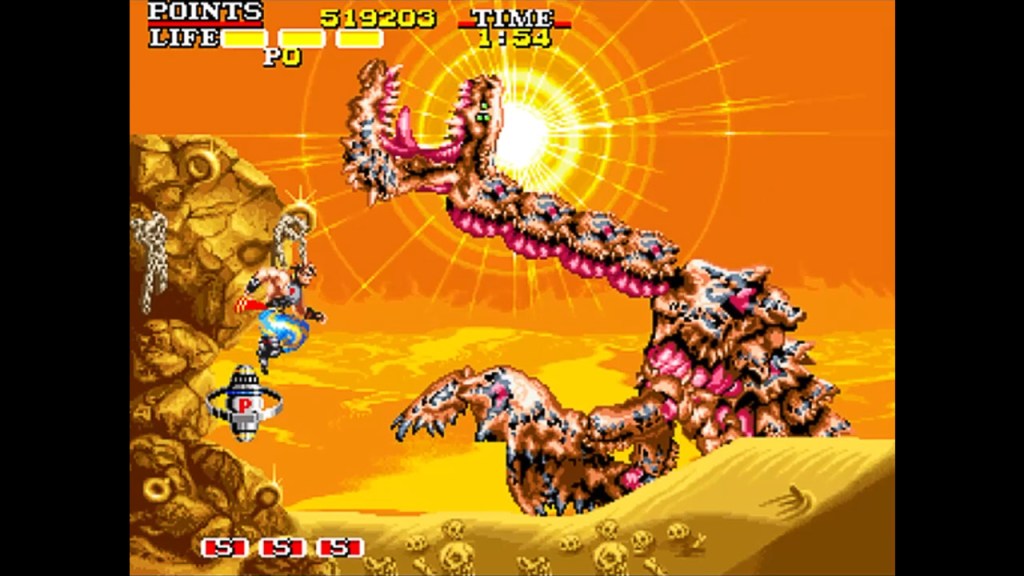

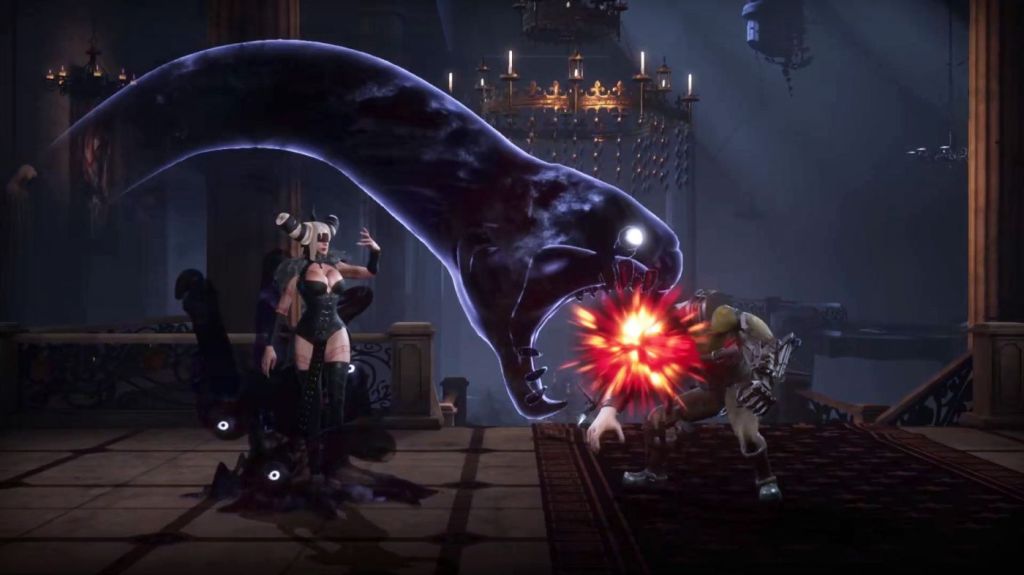
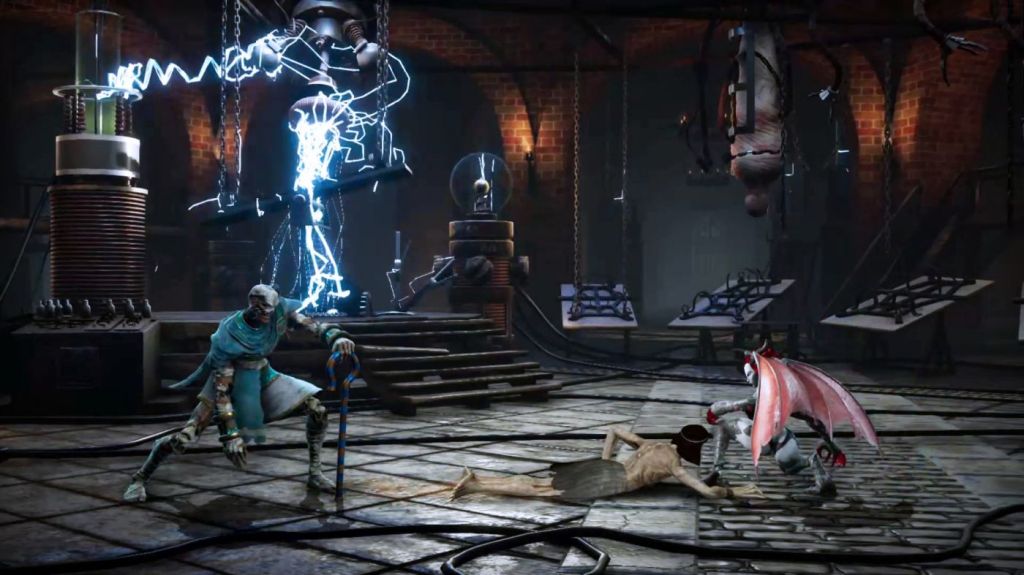
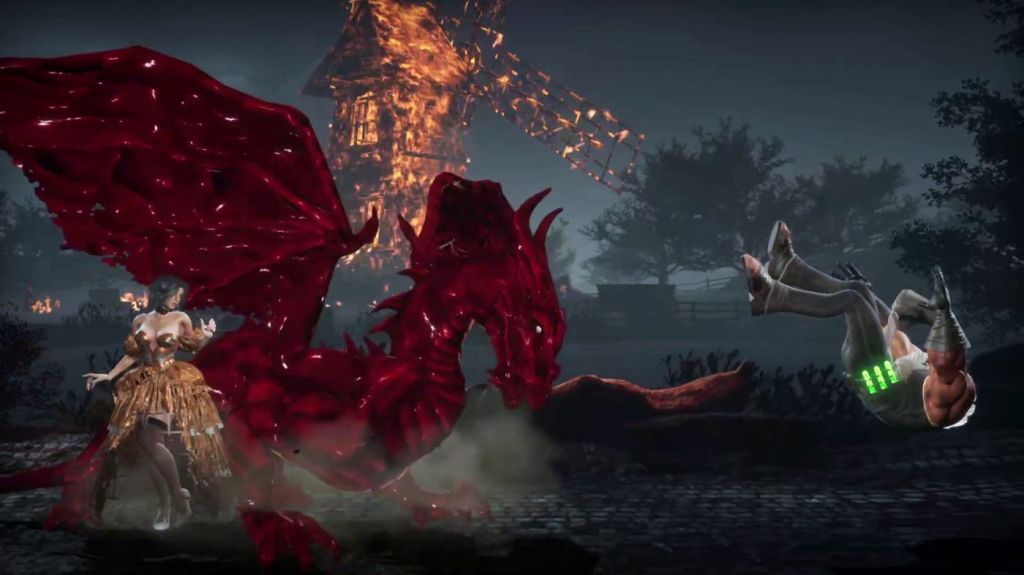
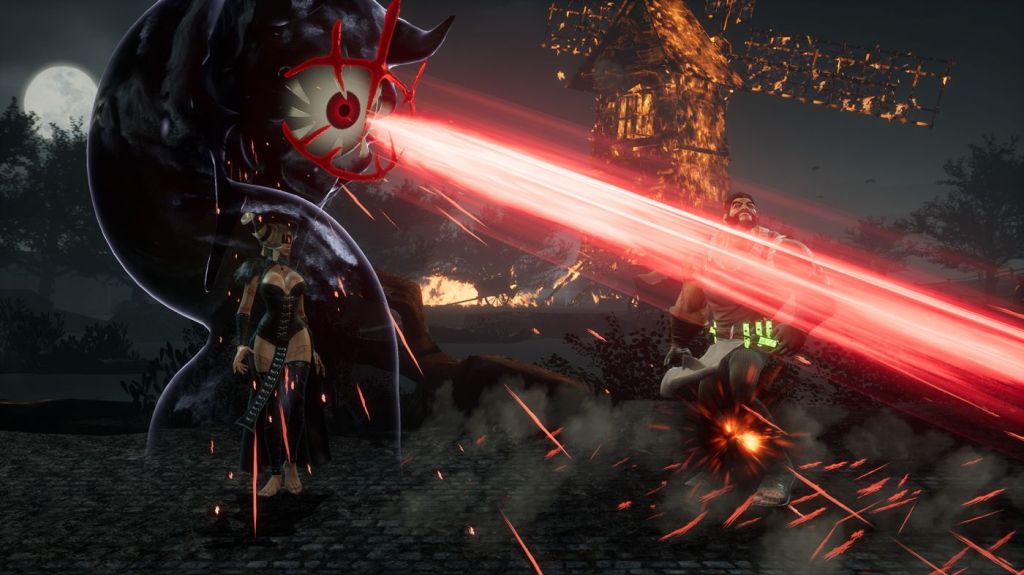
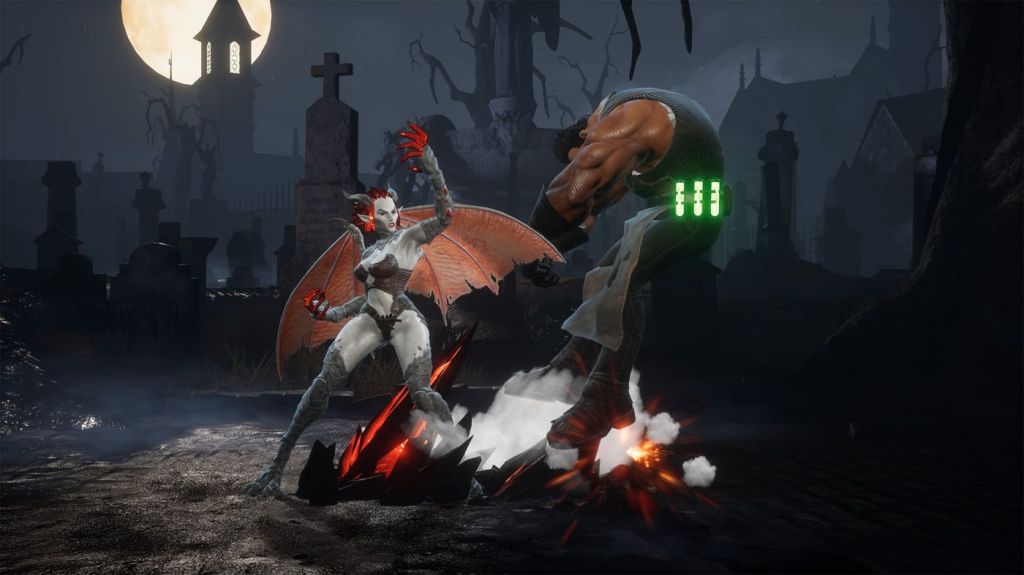

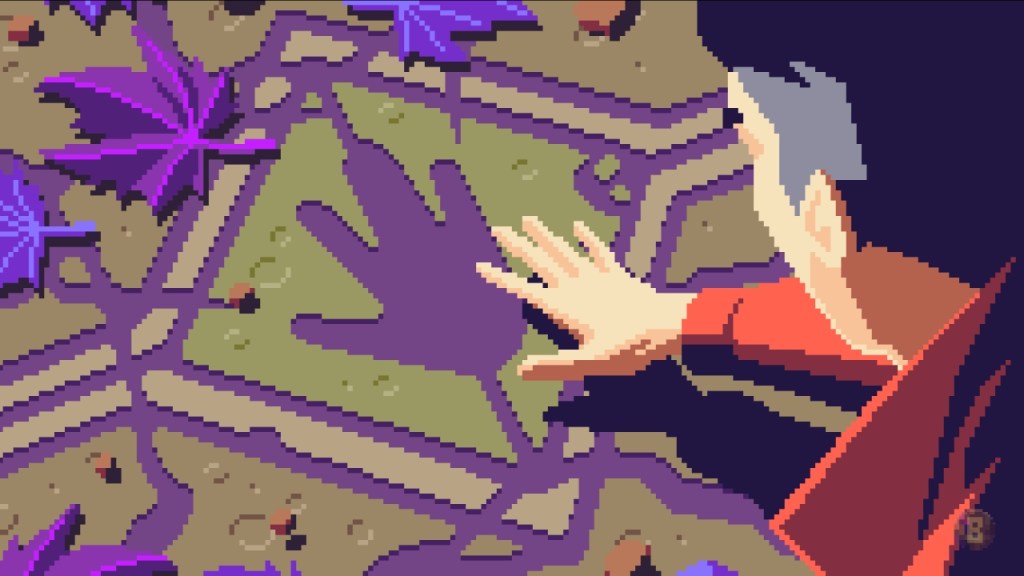
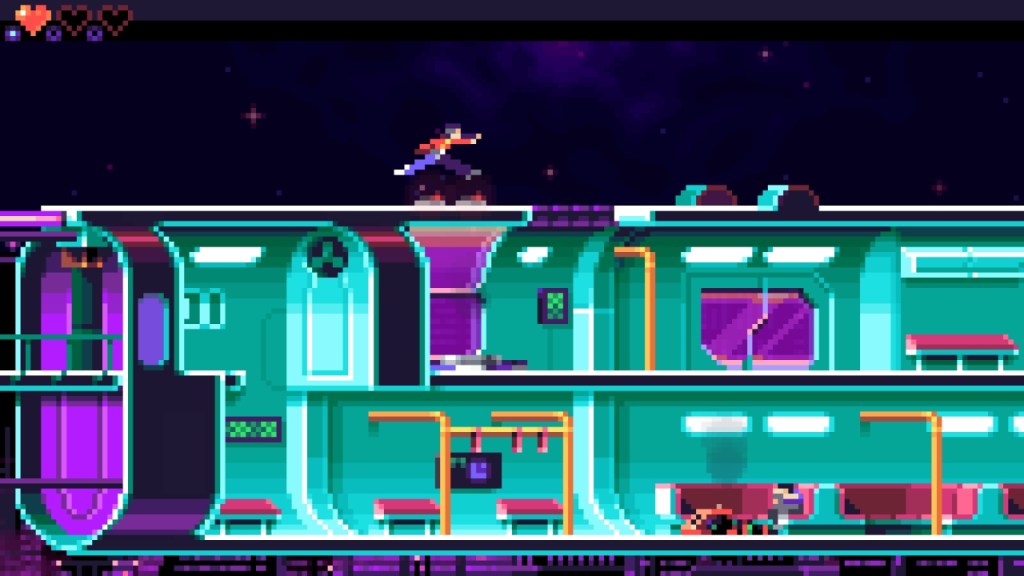
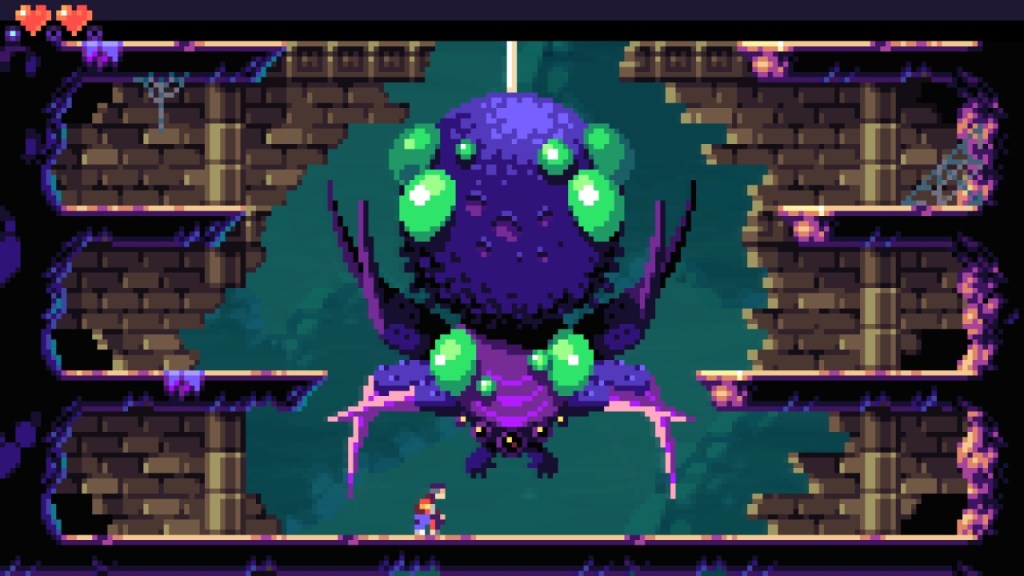
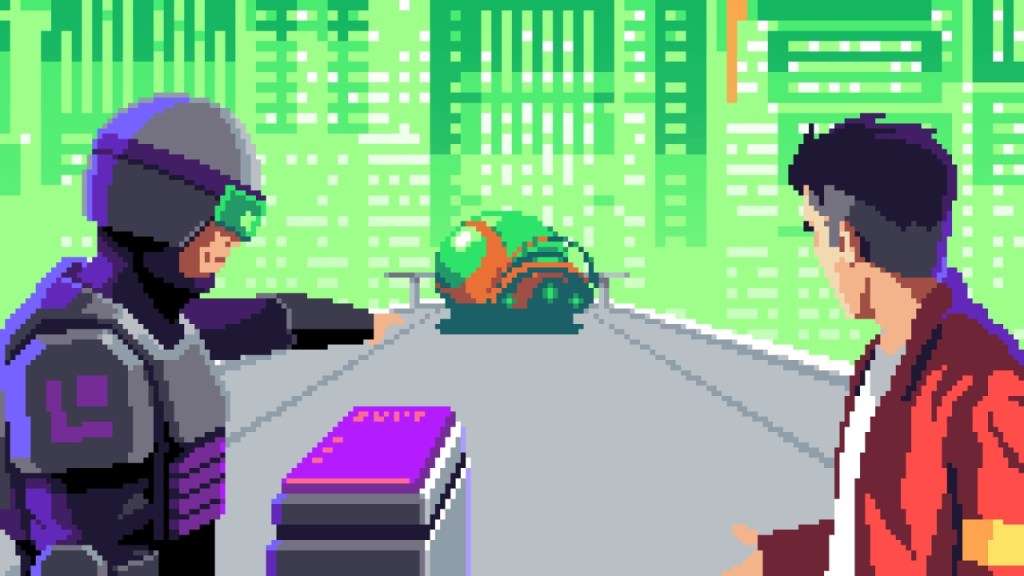

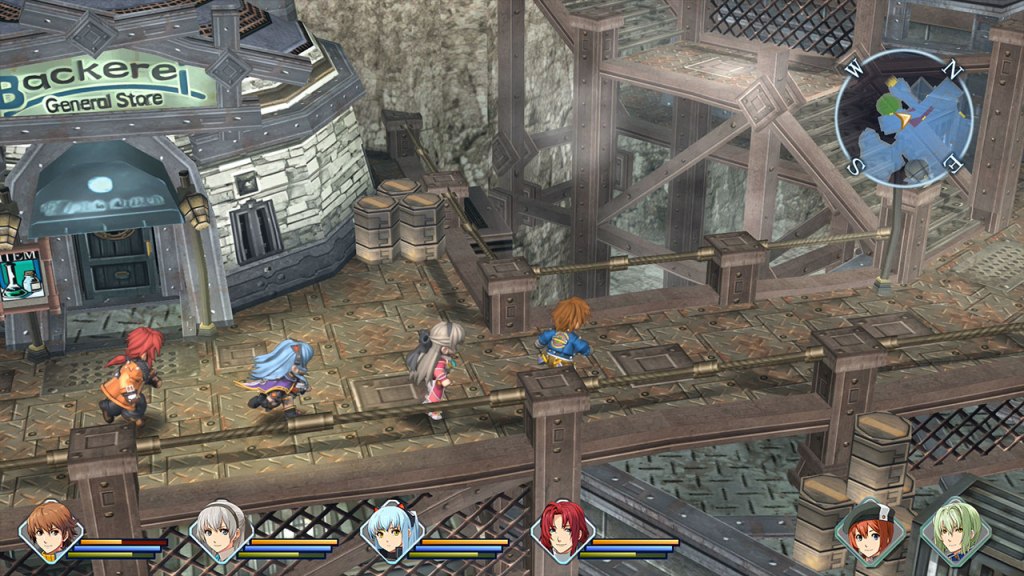
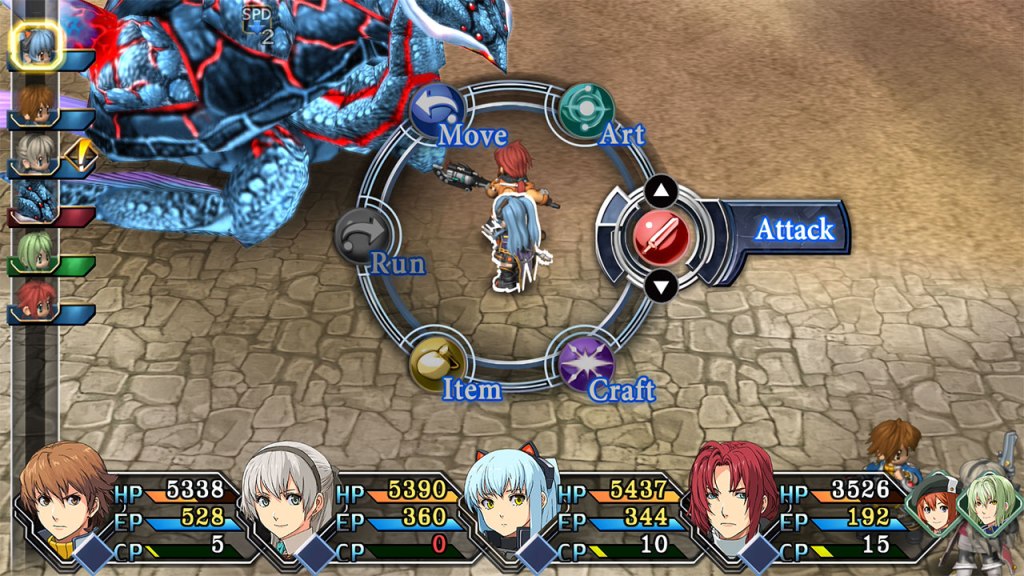
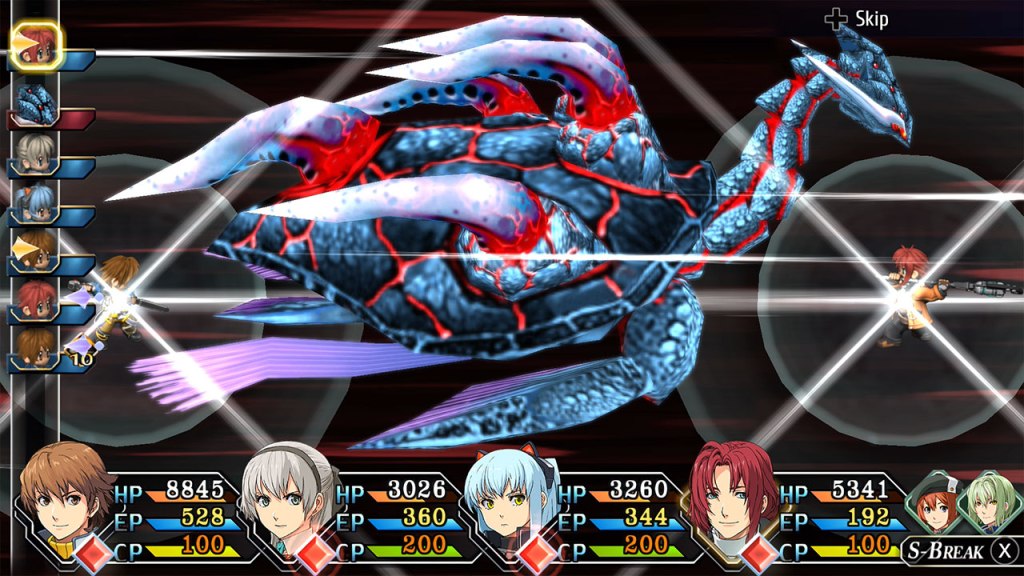
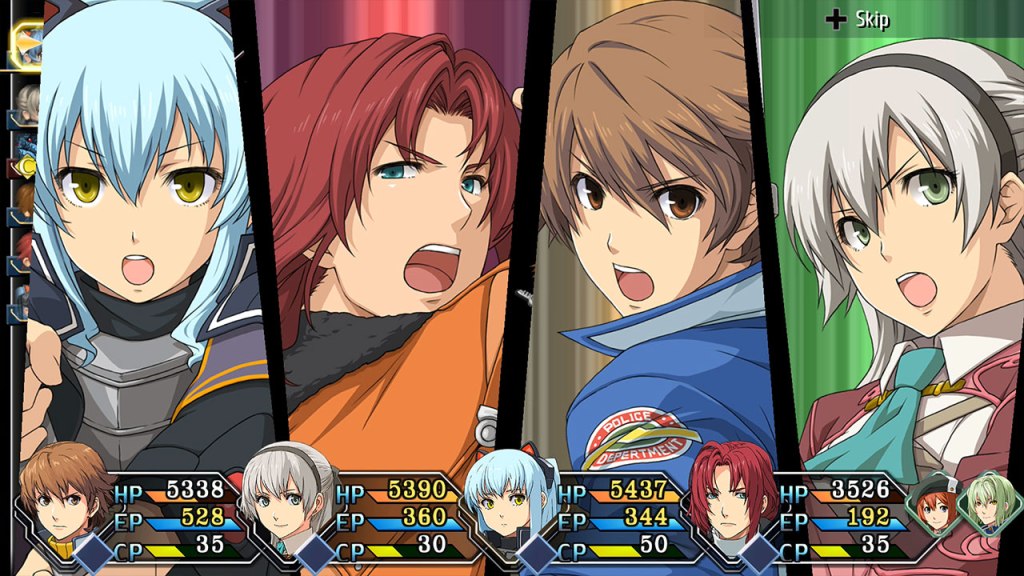
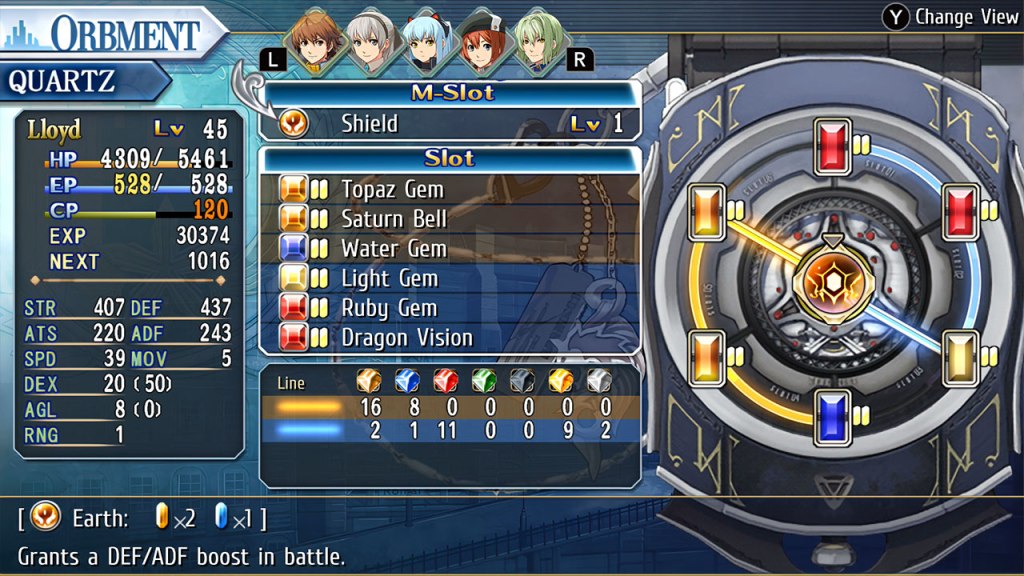


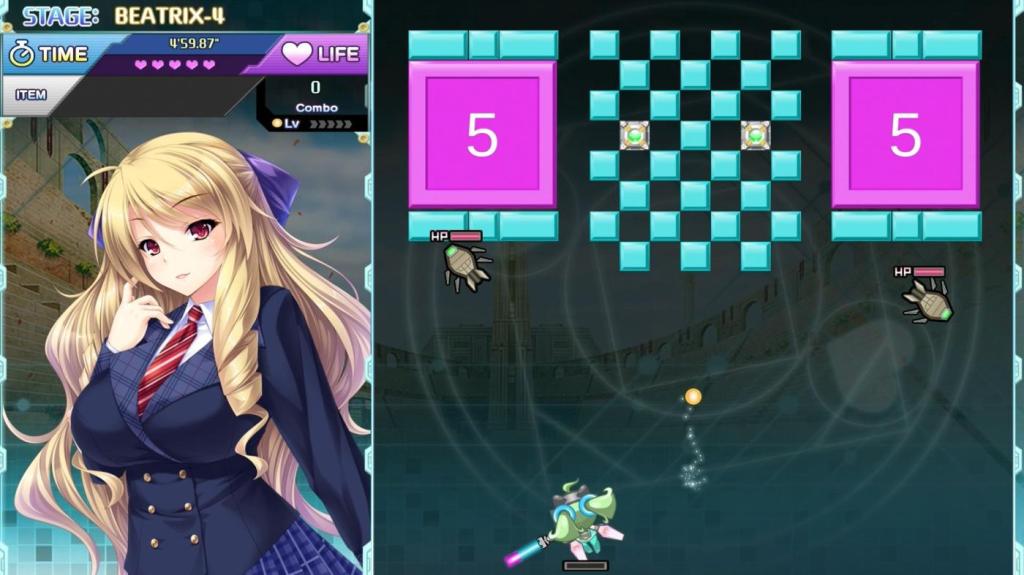
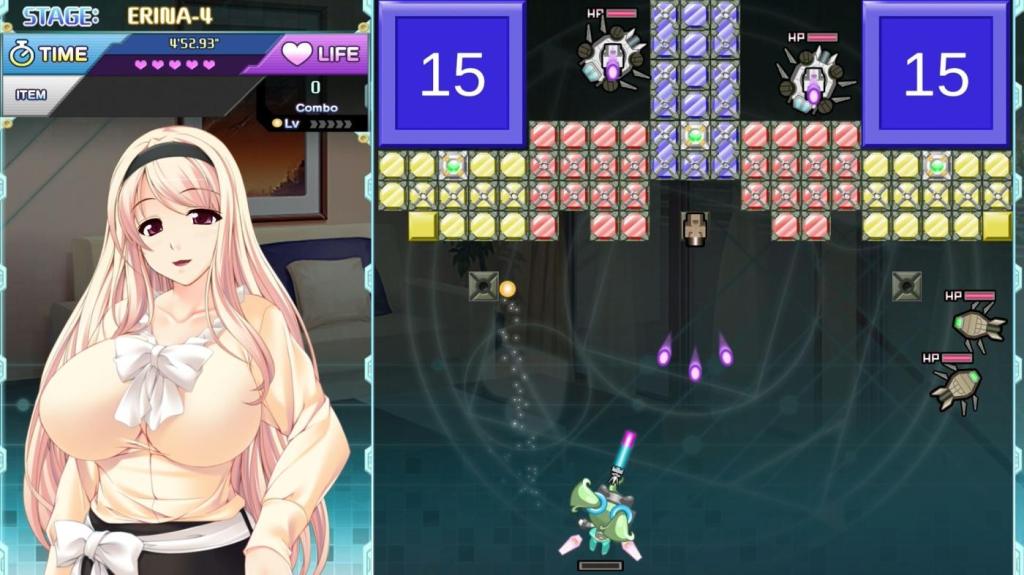



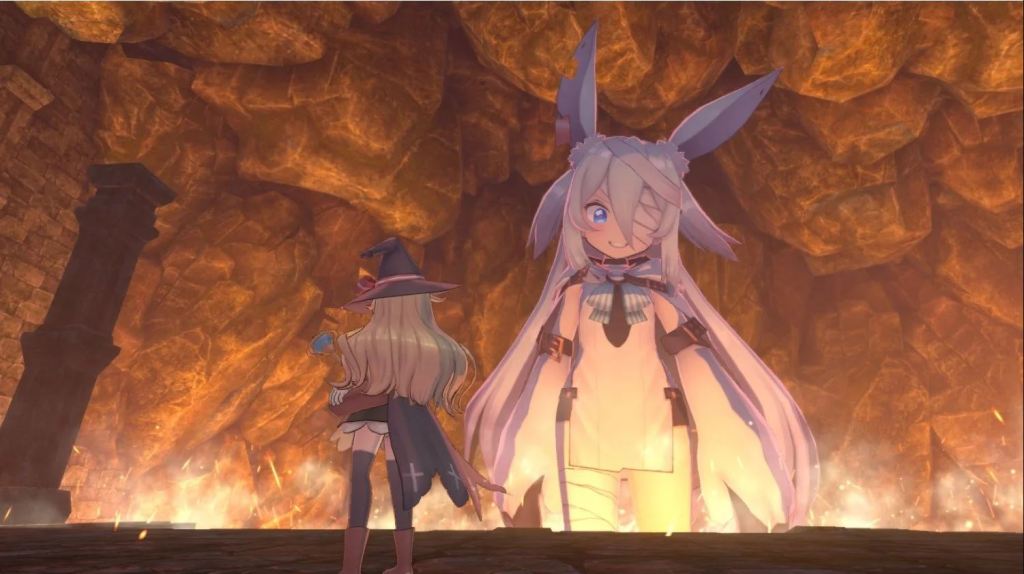
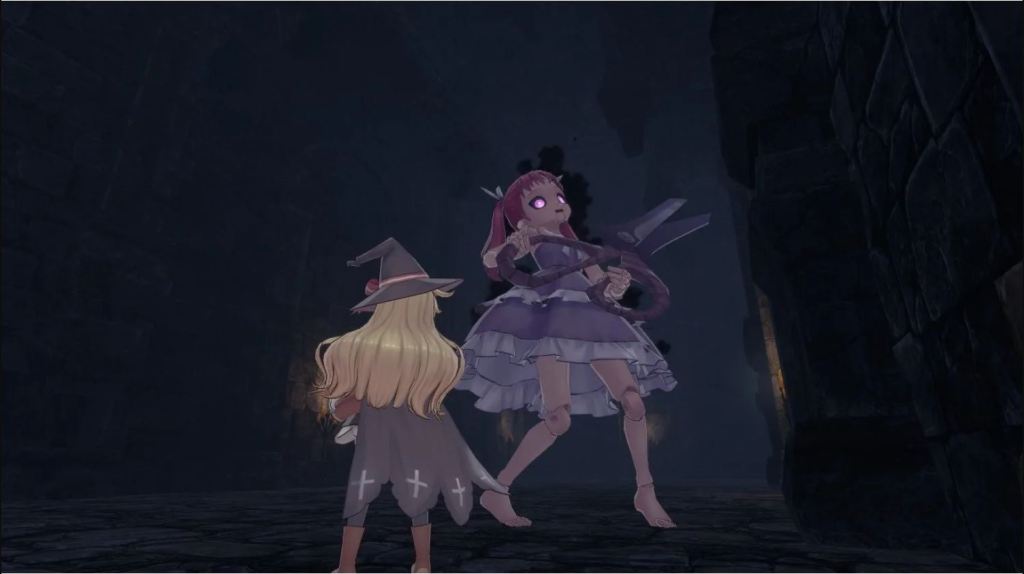

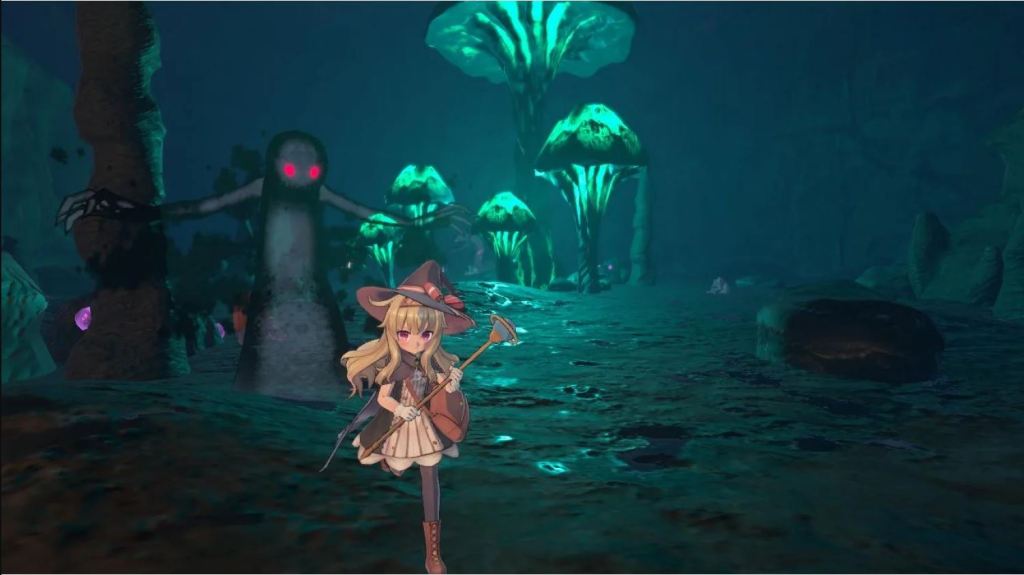
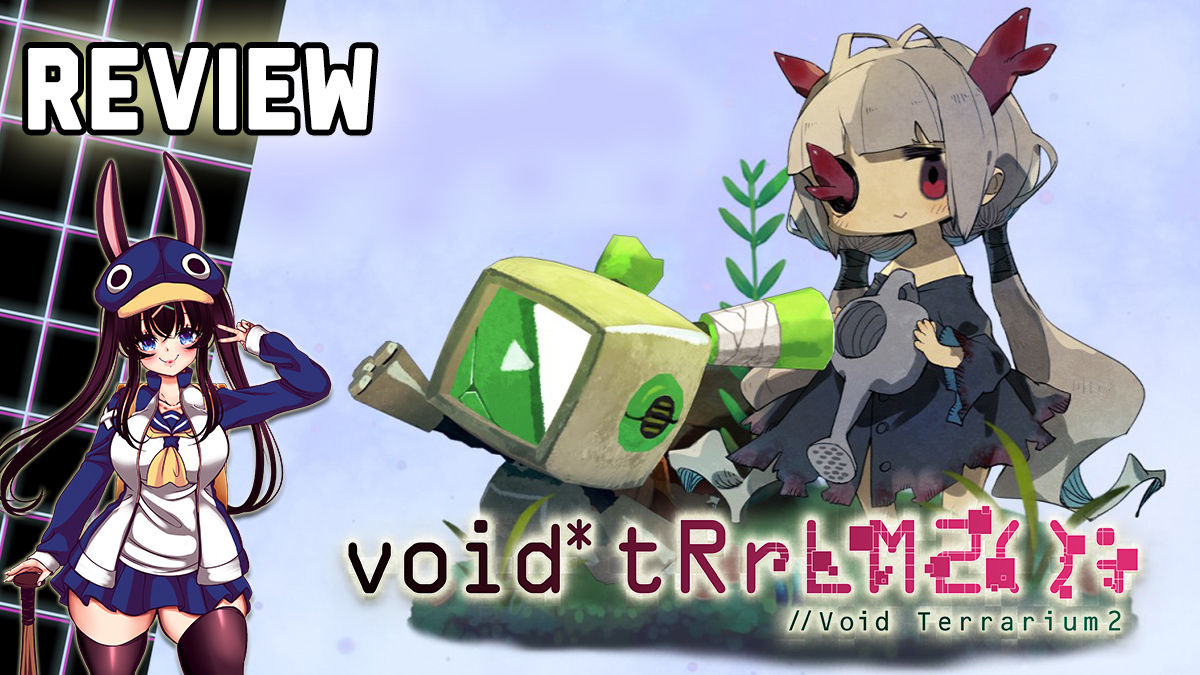


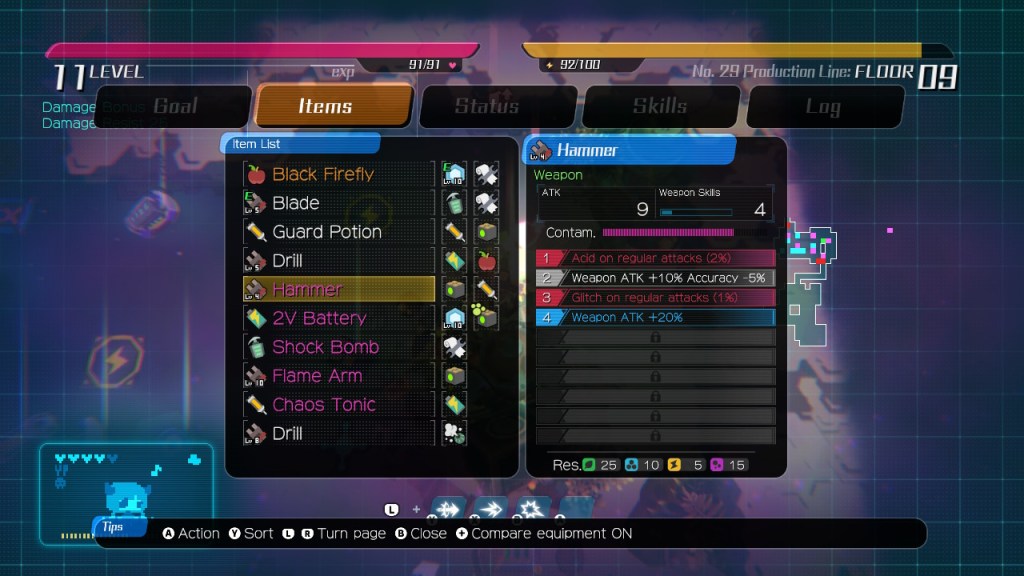


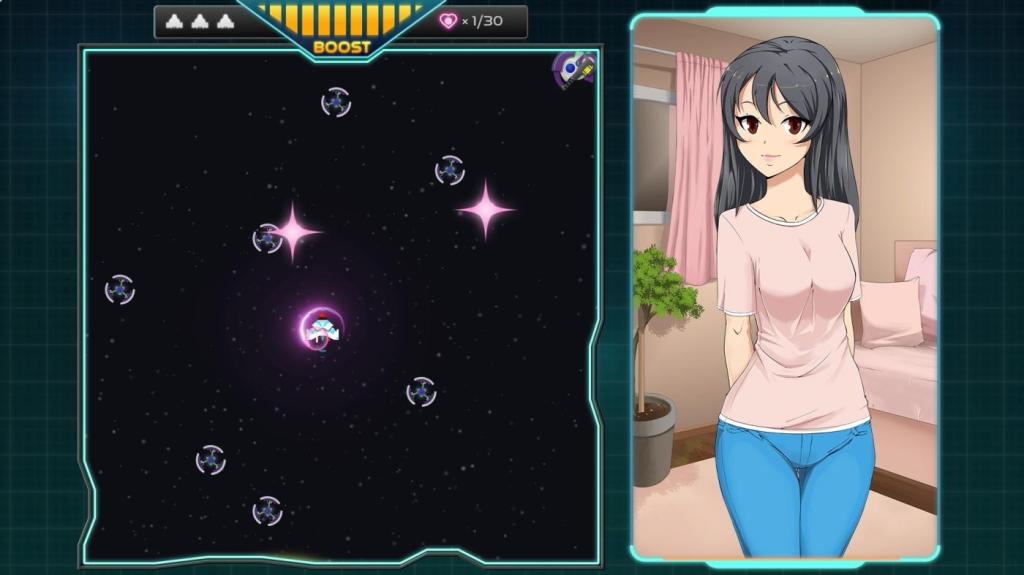

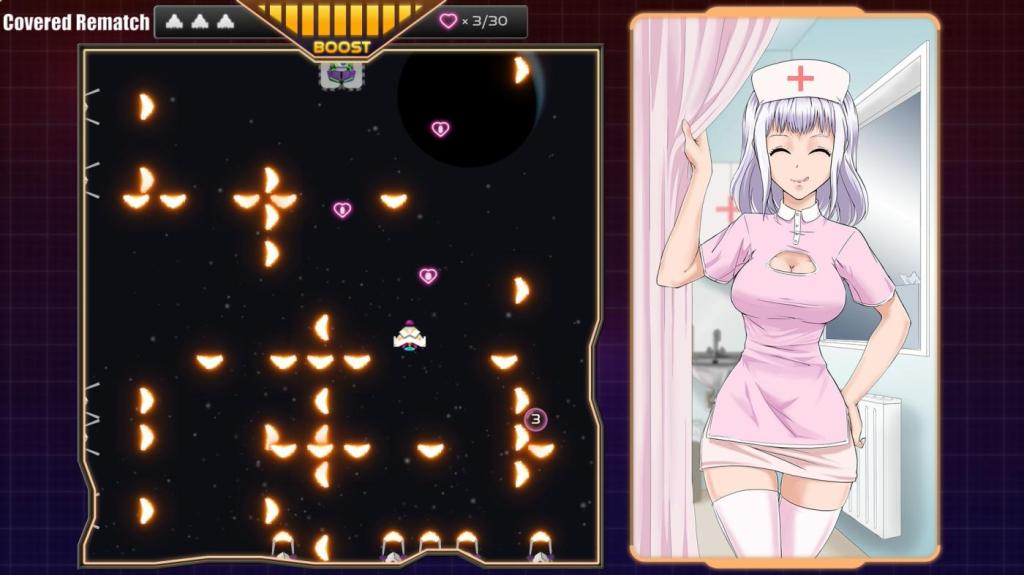


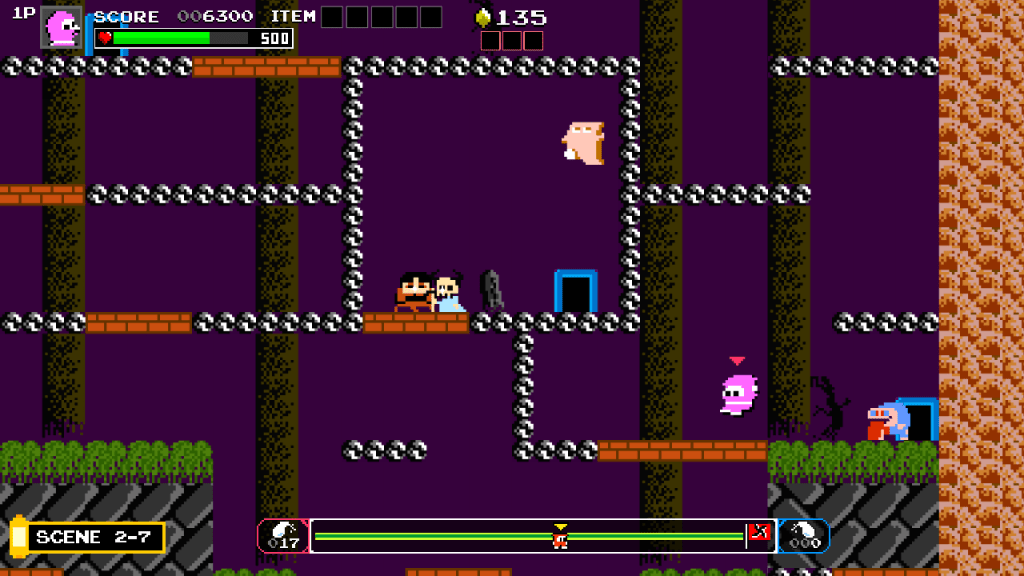


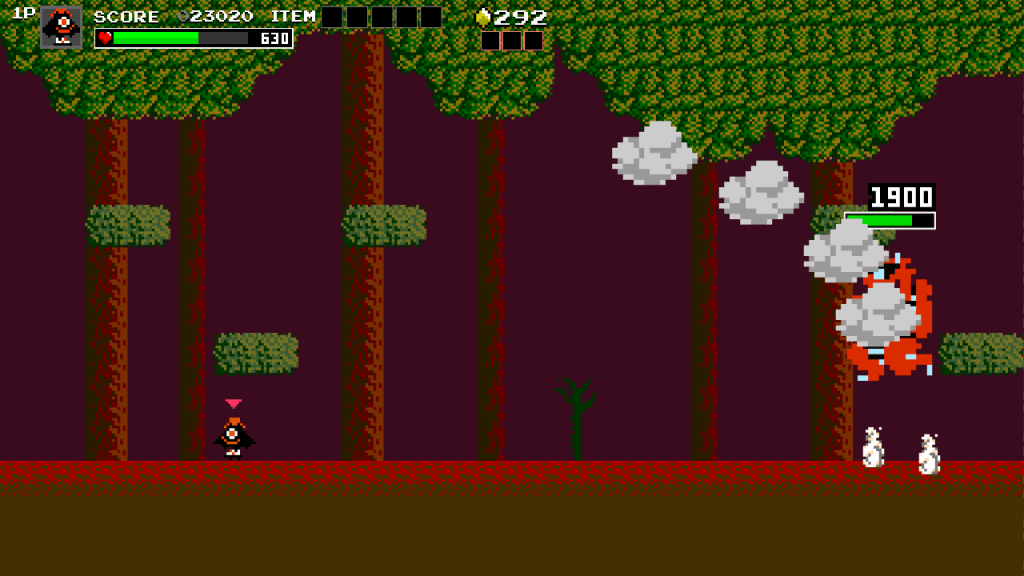

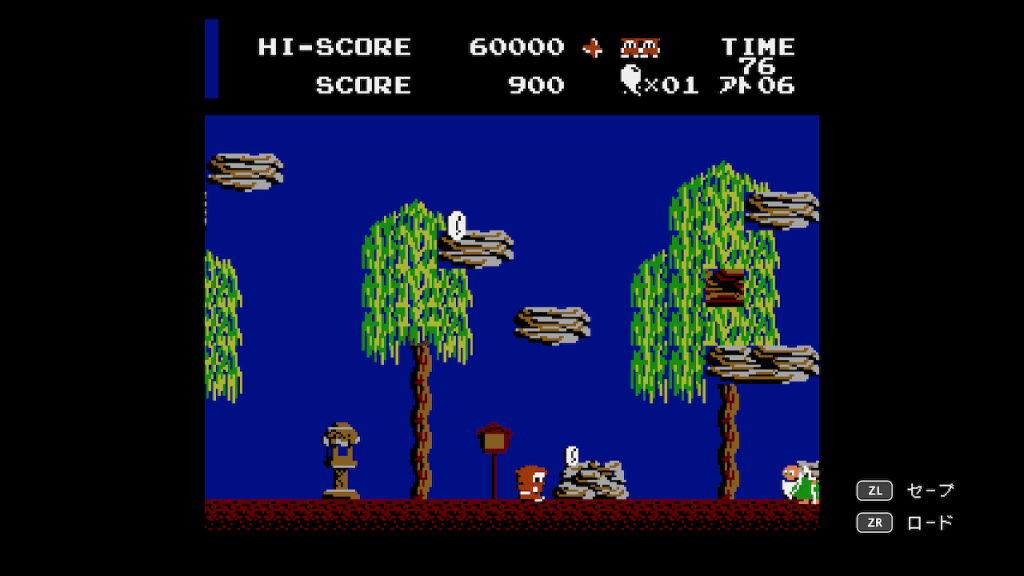
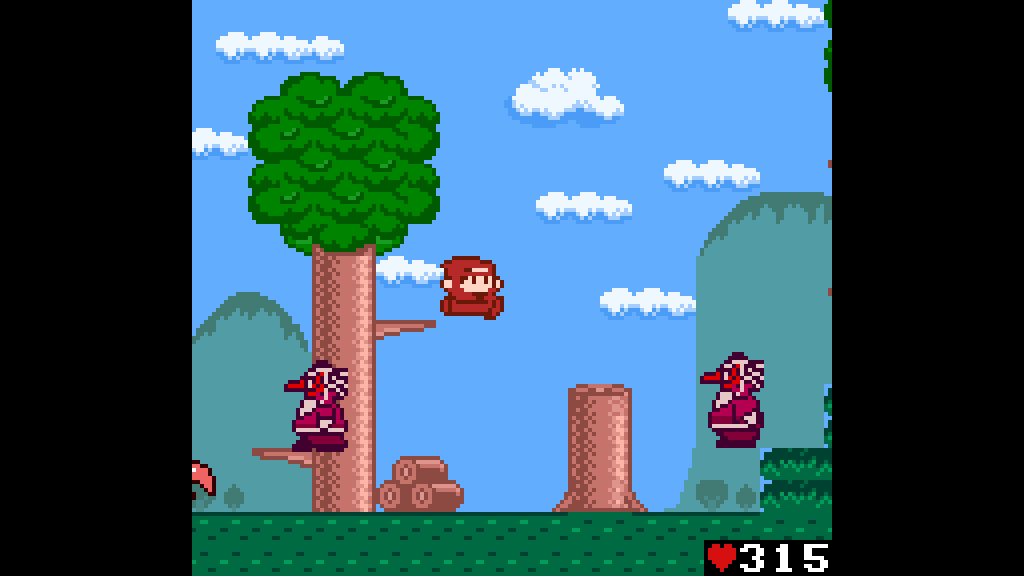
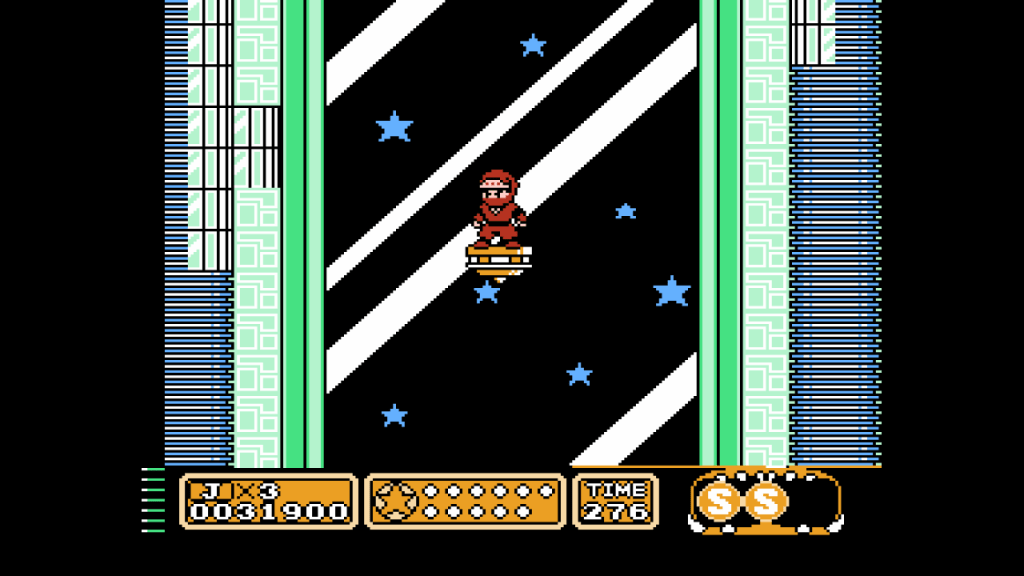
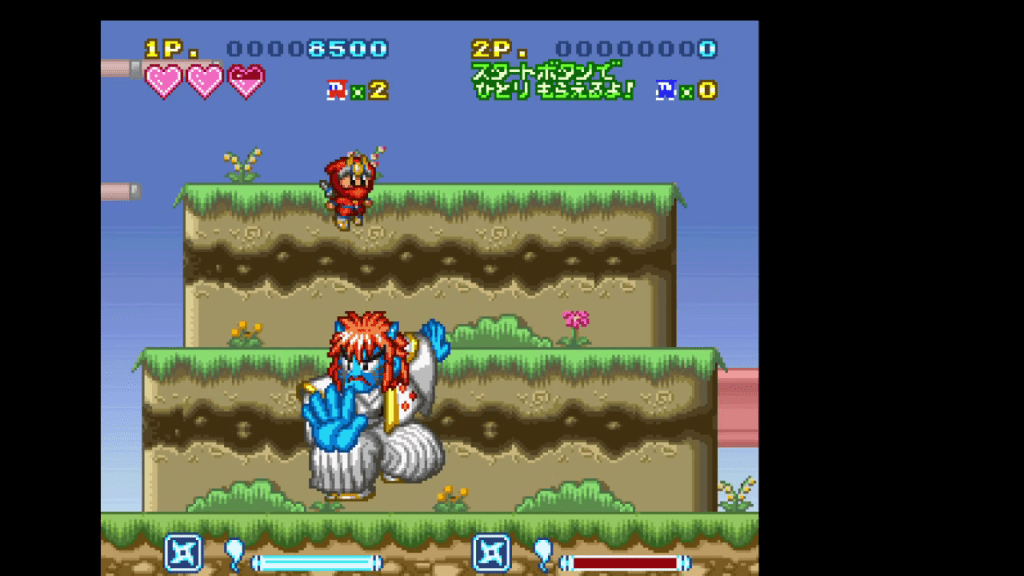
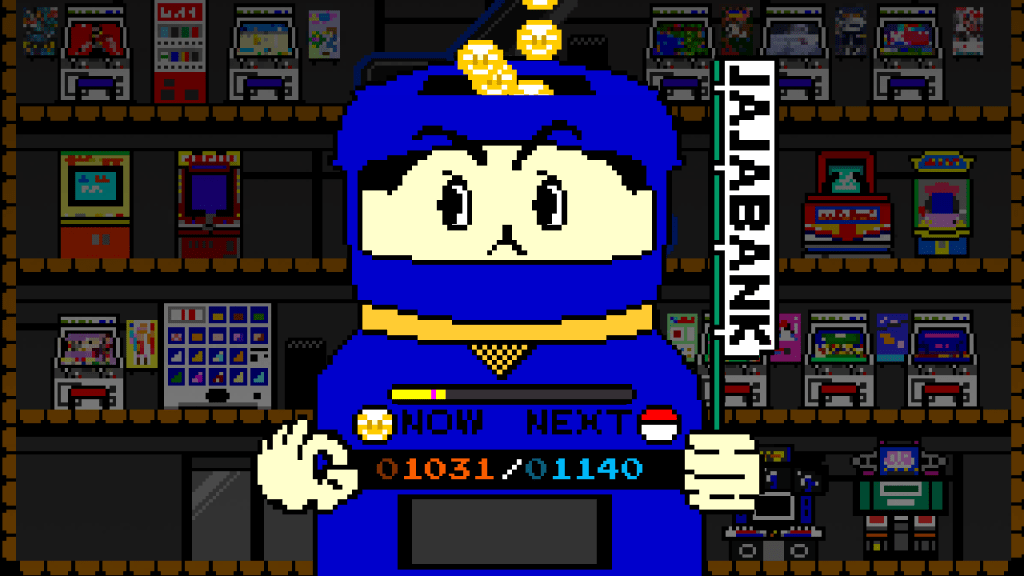
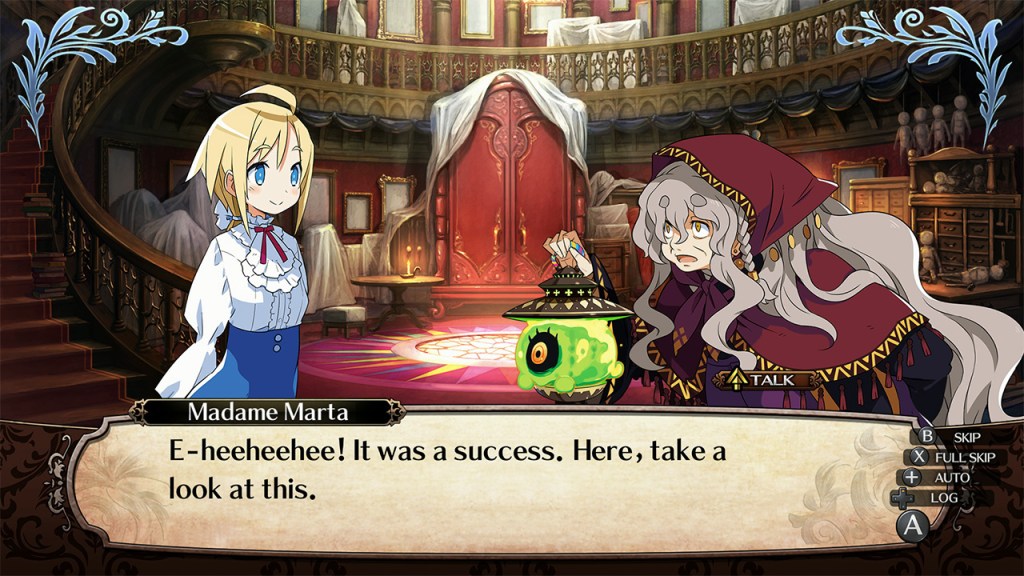


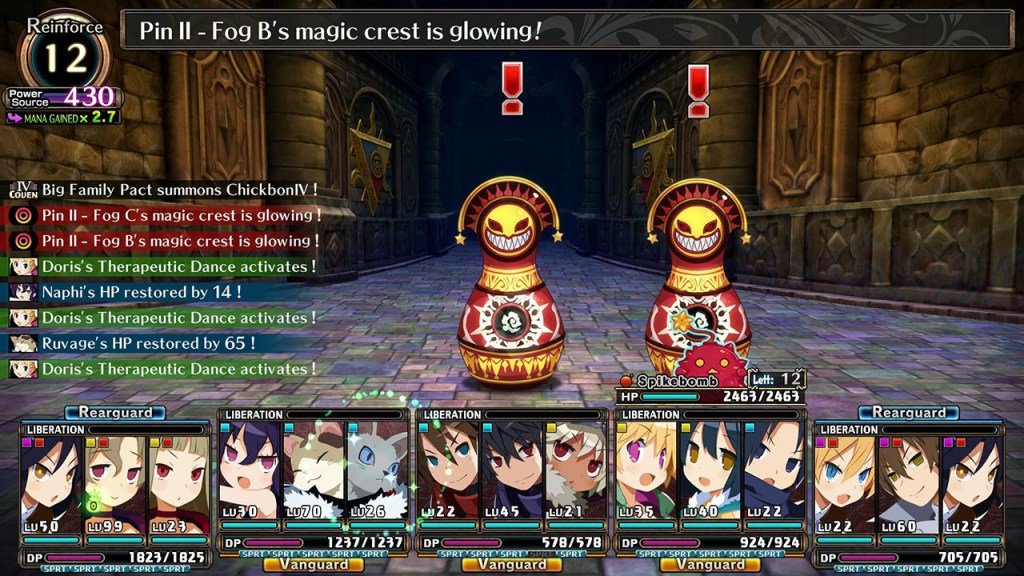

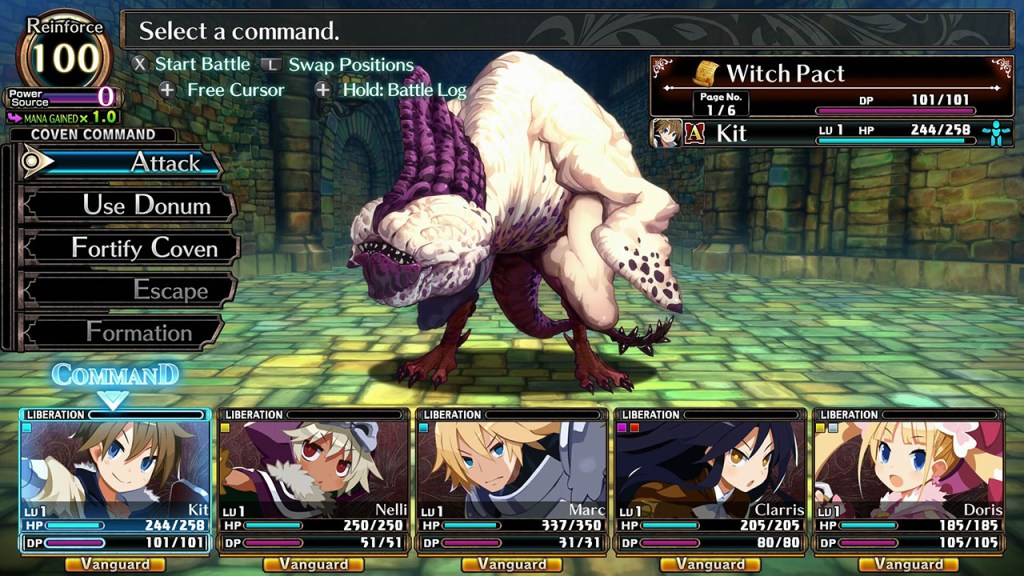
 W.Kohaku Media