Hello, I have some exciting news regarding a game that I have previously covered here courtesy of our friends at Shady Corner Games. Their recent title Slime Girl Smoothies will be getting a special update and DLC in the near future, this will introduce a new character, mechanics and content for players to experience. Here are some words from Shady Corner Games about this new content. (Please be aware, this game is intended for mature audiences and is rated as adults only)
We at Shady Corner are pleased to announce that work has begun on a special DLC to thank everyone for their support, titled Milkshakes with Lemon!
The staff at the Slime Girl Smoothies bar will have extra staff on hand with the Southern gal Lemon, who is voiced by the talented PixieWillow (You can find her on twitter HERE 18+ only). This new hire will be bringing milk related drinks to the bar, as well as a new hazard to overcome and additional story content that will expand the in-game universe.
Alongside the new content of the DLC, there will be some additional free content that will bring Slime Girl Smoothies to a more definitive state. This includes extra sketches, some behind the scenes materials and new drinks to make. This means that even if you don’t choose to purchase the DLC, you will still get something new added to the experience.
This DLC will also be available as a reward on the Shady Corner Patreon, which will cost less than purchasing the base game if you haven’t already obtained a copy. There is also additional content related to other Shady Corner releases, merchandise and more that can be found on their Patreon which can be found (HERE) and they are also on Twitter (HERE).
Please be aware that Shady Corner Games and the related material is for Mature audiences only and is rated 18+, this is due to the sexual nature of a lot of the content. If sexual/adult content is something that makes you uncomfortable or you are under the age of 18, then please proceed at your own discretion.
If you wish to learn more about Slime Girl Smoothies, you will find my coverage of the game (HERE). You can also find the game on Steam (HERE) and Itch.io (HERE).
Overview – developed and published by WayForward in collaboration with Arc System Works and Rooster Teeth, RWBY Arrowfell is an action adventure set in the world of the animated series. As team RWBY, complete quests and missions to solve the mysteries that unfold, while also encountering familiar faces from the series. This title is available on all console platforms and PC, with links to each version of the game available at the bottom of this review.
Disclaimer: before I get into the review, I would like to thank WayForward for providing the copy of RWBY Arrowfell that was used for this piece. The provision of this software has not influenced the contents of this review, all thoughts and opinions contained within are my own.
Now with the introductions out of the way, let’s get into the review. I will be skipping the story segment as it may contain spoilers for the series, however this title can be enjoyed with limited knowledge of the show. So it is time to go straight into the gameplay.
Gameplay – RWBY Arrowfell is an action adventure, with Metroidvania style side-scrolling action, character focused storytelling and cinematic cutscenes (styled after the show). Battle wave after wave of Grimm and other enemies, solving puzzles and using each characters unique skills to complete missions. The game is broken up into chapters with story scenes, character interactions and challenging boss battles pushing the narrative forward.
As the story of each chapter progresses, new areas for the player to explore will open up. These zones are made up of “rooms” that may contain enemies, destructible objects and treasures to collect. These areas will also contain platforms and puzzles, which the player must use each characters unique skills to overcome. The player has an energy bar that acts as health, with hearts as lives that are lost if damage is taken with no energy and a game over if all are lost.
The energy bar can be refilled by defeating enemies, breaking objects and using items purchased from merchants (discussed below). As well as the energy refills, coins and hearts (if any have been lost) can be collected from enemies/objects that have been destroyed. At set points during some missions, there are ambush encounters where the player must fend off several waves of enemies. These battles are challenging and can lead to a quick defeat if unprepared.
If the player is defeated in battle they will usually be returned to the start of the stage. However, if the player was able to reach a save point, they will be returned to that point rather than the start of the zone. Save points will also fully heal the team, refilling the hearts and energy meter if depleted. During the game, the player can freely switch between the members of the team, which allows multiple character skills to be used in quick succession.
Enemies encountered in the zones will change as the game progresses, becoming stronger and more deadly. This extends to the way that enemies look, from the Grimm that roam open spaces and caves, to the human thugs that use guns and heavy weapons. To survive these encounters, players must strengthen their party by levelling the members of Team RWBY with Skill Points (discussed further below).
Each member of team RWBY has the same move set that can be used, with their unique abilities taken from the show itself. Here is a breakdown of the skills that players can use;
Melee Attack – characters have a close quarters attack that will deal damage to any enemy that makes contact with it. Each member of the team has a reach and attack speed that is unique to them, as well as damage amounts that will vary depending on that character. For instance, Yang can attack quickly but does the lowest amount of damage.
Ranged Attack – all characters have their own unique ranged attack, with speed and damage that is unique to them. Each ranged attack also uses the energy meter, with each shot taken draining part of the energy away. The amount of energy and power varies with each character, with Yang dealing the least damage at the lowest cost and Weiss the highest.
Semblance – these are the special powers that the members of team RWBY can use to overcome obstacles in their path. Each skill can be combined with others to make it possible to get through the puzzles in the areas, like Ruby has a dash to cross gaps and Yang can destroy blocks.
There is a heavy focus on exploration in this title, with branching pathways and hidden treasures that can be discovered. Scattered throughout the world, there are many chests that can be found and opened. These chests can contain several things including quest items, but most commonly they contain Skill Points. These can be used to strengthen the individual members of Team RWBY, as each member has their own stats.
The stats that players can strengthen are melee attack, ranged attack, defence and energy recovery. With each one being upgraded a maximum 4 times each. Each upgrade powers up that specific character, making them stronger and more durable in battle. As well as the skill points, there are also special upgrades that can be obtained by completing missions. These upgrades power up the semblance for that character, making some obstacles easier to manage.
As a game that utilizes some Metroidvania mechanics, there is a lot of backtracking that will need to be done. This is most prevalent with quests, which can include obtaining items from previously explored areas. These objectives can also be tied to each other, where one will provide the needed items for another. The only issue with this is there is no map for action zones, which can cause players to get lost as they try to locate items or other characters.
The last thing to discuss is the safe zones and NPC characters that can be encountered. Throughout the game, there are towns and safe areas that the player can go to. These spaces will contain NPC characters for the player to talk to, which will give info about the environment and provide quests to push the story forward (and open new areas). There are also merchants that can be located in these towns, offering a variety of wares for the player to purchase.
The stock that each merchant will hold varies from location to location, but they will carry essential items, like health and energy increases. The merchants also stock important items like skill points and Hearts that will cost a lot to purchase, however, they will help the player in the long run. Returning to merchants to stock up on items can be the difference between success and failure, so collecting coins to buy items may require some grinding.
Now with the gameplay covered, I will be moving onto the other aspects of the game, starting with the controls.
Controls – this release has a solid control layout, with no issues when it comes to input lag or delay. The button layout for the actions is comfortable to use, with actions, skills and team switching all being easy to access, with snappy and responsive inputs in game. The ability to switch team members with the right stick is also a good addition, that helps keep the pace nice and fast. The game is comfortable with both pro-controllers and Joy-Cons in any console set up.
Difficulty – this is a challenging title, with the Metroidvania style of gameplay working in the favour of the game for the most part. There is no selectable difficulty option, but through grinding coins support items can be bought in bulk, making difficult sections more manageable. If players are unprepared or haven’t powered up team RWBY, defeat can come quickly which can be a significant setback, losing coins and items collected.
Presentation – RWBY Arrowfell is pleasing to the eye, with a polished anime style to the artwork for text interactions between characters and stylized character models. There are also cinematic scenes that use the same style of animation as the show, which are done very well but are few and far between. This is unfortunate as these scenes are dynamic and emphasise the events that unfold within the narrative, pushing the story forward in more a compelling way.
The sound direction for this game is very good, with a soundtrack that encapsulates the spirit of the source material. The music that is used for the battle areas and safe zones has its own feel that works very well. This is most apparent during the opening stage, where the special theme created for this game plays, featuring singer Casey Lee Williams. The voice work is another high point featuring the cast of the show, however, it isn’t used as much as it could be.
Final Thoughts – I am a lapsed fan of RWBY, having only seen the first few volumes so I am not as informed as some. But that didn’t detract from my enjoyment of the game, as I still knew some of the characters that appeared. I do feel that those with a passing knowledge of the series can also enjoy this, as the narrative is straight forward and a lot of information is provided via character dialogue. It can be a difficult game, but it is also an enjoyable one.
However, there are some flaws to the experience provided. The lack of map display in the stages caused me to get lost often while exploring, and while this wasn’t frustrating for me it may be for others. There is also the constant backtracking between areas for missions, which can become tedious without a way to effectively find a route from point A to B. But even with these minor issues, I can recommend this game as it is a solid action title and a good companion to the RWBY series.
In the end, I give RWBY Arrowfell a final score of 4/5. This is a good action adventure, with a narrative and gameplay that can keep players engaged for the full experience, alongside elements of the presentation that make this a perfect companion to the series. If you want to check this out for yourself, a link to each version of the game is below.
Overview – developed by A Grumpy Fox and published by Deck13, Lunistice is a retro styled platformer, based upon games from the Sega Saturn and PlayStation era of games. Follow Hana the Tanuki as she goes on an adventure through her dreams, leading her to her destination, The Moon. This title is available on the Nintendo Switch and Microsoft Windows, links to each version of the game will be at the bottom of this review.
Disclaimer: before I get into the review, I would like to thank PR Hound for providing the copy of Lunistice that was used for this piece. The provision of this software has not influenced the contents of this review, all thoughts and opinions contained within are my own.
Now with the introductions out of the way, it is time to get into the review. I will be skipping the story segment as I feel that it is a narrative that the player must experience first-hand. So I will be going straight into the gameplay segment.
Important Note; There are some instances where bugs could cause unintended effects and softlock the player in a stage, these are being addressed with patches to fix any issues that players may face.
Gameplay – Lunistice is a retro styled 3D Platform action title, similar to titles form the era of 32bit gaming. The core objective of the game is to make it from the start to the finish, running and jumping between platforms, all while fighting the enemies that roam around with a spin attack. There is a linear nature to the stages of this game, with origami cranes acting as a trail of breadcrumbs for the player to follow. However, there is more to discover if going off the beaten path.
The cranes are not the only collectables in each of the levels for this game. There are also letters that are hidden for the player to collect, spelling out the name Hana when collected. These are usually found at the end of optional paths, offering increasingly difficult and challenging platform sections for players to take on. When all of the letters have been collected, a secret path will be opened up at the end of a stage with an item at the end (but their purpose is a secret).
The stages are separated into acts, where the player traverses platforms and hazards in uniquely themed worlds. Each of the themed worlds has a unique gimmick that is tied to that theme, creating a diverse platforming experience for players to enjoy. But caution must be taken as one wrong move will lead to death, as all platforms are suspended in a void or surrounded by water which will kill the player if they fall off a platform.
If the player does fall of a platform or takes more than three hits they will be defeated. When this happens, they will be sent to the last checkpoint that they crossed. These checkpoints are spread across each act, activating when the player crosses the threshold and healing a point of damage if they have taken any. There is also a reset counter that replaces the traditional lives that other platformers have, which eases the pressure of falling into pits or taking too much damage.
When a stage is cleared, the player will get a ranking which is determined by their overall performance. The criteria for the scoring is the number of paper cranes collected and the number of resets used, with the fastest completion time for the act recorded. The overall score will be assigned a letter grade based on the average between D and S, with D being the lowest and S being the highest. This game will require practice to improve scores, as there are a few hiccups to the experience.
Due to the nature of 3d platformers, there can be some minor issues with depth perception and momentum for some players. This can lead to overshooting or just falling short when making challenging jumps. But, the game does compensate this by having a shadow option to help players, as well as the generous checkpoints that can be in stages. Another small flaw is the camera, which can result in enemies being obscured and hurting the player, but there are options that can help with this.
The last thing to discuss is the replayability on offer in this release. Each of the stages, can be repeated once cleared, allowing players to improve the ranking that they got and to lower the overall completion time. This promotes repeated play and for players to return to the game once they have beaten it, in order to improve their times and potentially compete with others for the best time. This is a common thing with platformers where time trials become a popular form of competition.
There is also the added bonus of extra characters that can be unlocked by beating the game as Hana. These characters have their own unique skills and challenges that come with them, but I will be keeping that information a secret. The overall experience of the game does hit the marks of a solid platformer, with obvious inspirations taken from the early years of 3D platform action games.
Now with the gameplay covered, it is time to move onto the other aspects of the game, starting with the controls.
Controls – the controls for this release are intuitive and mapped out well for easy use. The left thumb stick controls the character and the camera with the right (there are additional camera control options), with the face buttons control jumping and attacking enemies. The inputs are snappy and responsive with zero lag during play, but the lack of D-Pad support is unfortunate. But, with the swift movements in the 3D environment, the set up works perfectly for all modern control layouts.
Difficulty – this can be a difficult game, with the tough precise platforming in later stages and fast paced movement. However, it doesn’t feel unfair for the most part. There are some areas that could be improved, like the speed segments or timed platforms, although they can be mastered with enough practice. The checkpoint and reset systems do lessen the sting of defeat, but repeated failure can become frustrating over time.
Presentation – Lunistice really does make the most of its inspiration, with simple polygon models that have had texture sprites painted on them to invoke that 32bit feeling. This design style allows for a cuter and more stylistic look, which works very well in favor of this title as it adds a retro charm to the whole experience. There are no issues with lag or framerate, with everything running smoothly throughout even with a lot of assets rendered at once.
The sound is another highlight of this game, with music that mixes many different styles together, creating a cohesive soundtrack that hits all of the marks for me. The themes for each zone capture the essence of that location, while also matching the tone set by the other compositions. There is a limited use of voice acting in this game for story segments, which helps to add a little more to the overall presentation for this release.
Final Thoughts – I was surprised when I saw the announcement for this game. It is an interesting throwback to the early days of 3D action platform titles, with smooth action and a fun gameplay loop. This game kept me engaged the entire time I was playing it, with the collectable system, hidden objects that open up secrets and extra characters to challenge the game with. The time and infinite life reset system works well, which can encourage players to do their best to shave time off their records and set the best times they can.
I am more than happy to recommend this game to anyone who loves action platformers. The whole package is an excellent homage to the revolutionary times of early 3D games, like Crash Bandicoot and Sonic Adventure, with visuals, gameplay and a soundtrack that ties everything together. I was blown away with the experience I had, everything came together and made for a really fun time, even if it did have a few flaws.
In the end, I give Lunistice a final score of 4.5/5. This is an excellent throwback to the early days of 3D action platformers, with visuals, sound and gameplay systems that offer a fun challenge, while invoking a feeling of nostalgia for the titles of yesteryear. If you want to check this game out for yourself, links to the game are below.
Overview – developed by Walk Without rhythm Games and published by Eastasiasoft, Rule No. 1 is a retro styled arena FPS, with frantic action and elements of rogue lite randomization. There is even a gallery of risqué images to unlock as rewards during play. This title is available on the Nintendo Switch and PlayStation 4, with a link to both versions of the game at the bottom of this review.
Disclaimer: before I get into the review, I would like to thank Eastasiasoft for providing the copy of Rule No. 1 that was used for this piece. The provision of this software has not influenced the contents of this review, all thoughts and opinions contained within are my own.
Mature Content Warning: Please note that the rating for this game has Nudity, Strong Violence and Sexual Themes listed as content in this release. If any of the content listed makes you uncomfortable, please proceed with your own discretion if you wish to check this title out.
Now with the introductions out of the way, let’s get into the review. There is no story to this game, so I will be going straight into the gameplay segment.
Gameplay – Rule No. 1 is a fast paced action shooter set in a rectangular arena, where wave after wave of enemies will attack the player in most modes, while the player dashes and dodges to avoid damage. The player has five hit points, with more being available to the player by destroying boxes which also include a variety of weapons that can be used. If all hit points are depleted, the game will be over.
There are five total game modes that the player can take on, with the points that are earned being added to a running total. These points are used to unlock images in the gallery in game, with each image unlocking in sequence per 1000 points earned. The gameplay modes that are available to the player are as follows;
Competitive – this is a competitive mode where score matters most, with a limited weapon pool that players can use, the dash skill, a magnet style skill to pull loot in and grenades that can damage several enemies at once.
Arcade – A mode that is more focused on fun rather than competition. The full weapon pool is available for the player to collect, as well as the skills that can be used in other modes.
Bouncy Bois Only – a more relaxed and predictable mode where only one type of enemy will appear and attack the player, the weapon pool is limited like competitive, but the difficulty is reduced.
God Stilletos – Survive as many waves as possible with only the special dagger as your weapon and battle the hordes of foes that will try to take you down. This is a special challenge mode for those who want to push themselves.
Basketball – throw the balls into the net and collect them or recall them when you run out. Take your time and score as many points as you can without the threat of death looming over you.
The overall gunplay of this release is solid, with a simple Doom or Quake like control system with a fixed crosshair. The starting weapon is a simple pistol, but the arsenal that can be obtained includes shotguns, rifles, automatic weapons and even dual wielding pistols. There is infinite ammo for all the weapons, so it is not so much about running out of ammo, but more which weapon does the best job for the player.
There is a random element to the weapon drops that can be collected from the orange block in the arena. The items that drop will always consist of a heart to heal damage and a weapon to pick up. This makes the battles more unpredictable, as there is no real guarantee that a specific weapon will drop from a crate. The weapon switching also feels random, as it can take a few presses to get the weapon that is wanted which can be a frustration.
During each of the waves, there will be several enemies that appear from outside the arena and close in on the player. These foes include bouncing balls and zombies that will attack relentlessly until they are taken down. Each weapon will deal a different amount of damage to enemies, so finding the one that works best is a key strategy to success in this game, as well as precise and solid movement within the battle arena.
The action that takes place through the waves is very frantic, with enemies swarming the player very quickly, which can lead to a quick death. This means that a lot of practice is needed in order to climb the leaderboards, which adds a lot of replay value for the player. The unlockable gallery images also give an incentive for players to keep playing, working towards the rewards that can be gained from consistent play.
Now with the gameplay covered, I will be moving onto the other aspects of the game, starting with the controls.
Controls – the control method for Rule No. 1 is similar to that of other old-school FPS games. The thumb sticks control movement and the face buttons/triggers are used for the actions/combat. These inputs and the layout works very well, with the movement and action feeling snappy while having zero issues with lag. The sensitivity of movement can be adjusted to better fit different play styles, making it more comfortable and responsive.
Difficulty – this is a very difficult title, with the enemies attacking from all directions it can lead to sudden death at any time. This can be frustrating when starting the game for the first time, but over time this frustration will often lessen as players get used to the way that the action flows. There is no way to adjust the difficulty of the game so it may put off some players.
Presentation – this release has a very simple look to it, with the environment of the arena having splashes of color as well as a vaporwave style aesthetic to it. The enemies are made of both polygons and traditional sprites, which is an interesting mesh of both old and new. The sound for the game has a nice balance, with a rocky electro soundtrack, heavy sound effects and witty one liners that all come together very well.
Final Thoughts – I enjoyed Rule No. 1, it is a tough and challenging shooter that will really push you to try your best just to survive a little longer. The action is frantic and the enemies that attack from all directions really made me panic some times, which is both a positive and a negative as it may be off putting to some players. The variety of weapons is a good touch, but the random drops can be disruptive during stressful encounters.
I can easily recommend this game as it is a solid shooter on a budget. The gimmick for it being an enclosed arena works well as players know what to always expect, which can allow players to adapt and work up the leaderboards. The different game modes make this a good option for players who want to mix things up, as well as the gallery that incentivizes players to keep playing just that little longer for the next unlock.
In the end, I give Rule No. 1 a final score of 4/5. This is a frantic and intense shooter that is as chaotic as it is fun, with gun play, movement and action reminiscent of old-school FPS games, but modernized just enough to create a challenging experience that can be picked up with ease. If you want to check this title out for yourself, a link to each version of the game will be below.
Overview – developed by Nippon Ichi Software and published by NIS America, Yomawari: Lost in the Dark is a survival horror adventure set in a lonely town filled with spirits. This is the latest chapter in the series of atmospheric horror titles, where the dark is the biggest threat to the young girl who must reclaim her memories and break a curse. This title is on Nintendo Switch, PlayStation 4 and Steam, with links to each version of the game at the bottom of this review.
Disclaimer: before I get into the review, I would like to thank NIS America for providing the copy of Yomawari: Lost in the Dark that was used for this piece. The provision of this software has not influenced the contents of this review, all thoughts and opinions contained within are my own.
Content Disclaimer: This title contains themes that may not be suitable for all audiences, with imagery and content that may disturb or upset some players. I would like to ask that discretion is used if content featuring bullying and allusions to suicide is something that makes you uncomfortable or upsets you.
Now with the introductions out of the way, let’s get into the review, starting with the story (taken from the official website). I will be covering the basic details of the gameplay during the review, this is because I don’t wish to spoil some of the surprises and elements of the game. I will be referring to the game as Yomawari 3 throughout the review for brevity.
Story – A young girl awakens in a strange, dark forest with no memory how she got there. The last thing she remembers was walking up to the school rooftop at dusk. Wandering through the forest, the girl meets a mysterious individual. This person speaks to her in a voice that she faintly remembers from somewhere in her past.
You’ve been placed under a powerful curse. In order to break it, you need to remember the important things you’ve forgotten. You have until dawn. And so, in search of her lost memories, the young girl ventures out into the eerie streets of her town at night.
Gameplay – Yomawari 3 is an isometric survival horror, that uses a dark foreboding atmosphere to instill dread in the player, using the darkness to hide the threats around the player. The player takes on the role of a young girl who is under a curse, with the objective to locate their lost memories. To do this, the player must explore the town that the girl lives, however there are spirits hidden in the shadows as the player moves through the streets.
The only way that the player can see where they are going in the dark is by using a flashlight, which can be moved by the right thumbstick. By shining the light into the darkness, the spirits that are hidden will be revealed, as well as items that can be collected on the ground. The items that can be collected include coins, keys and clues that will assist the player in solving the mysteries of memories. Items found will be added to a master list, offering information about each item found.
The coins that are found can be offered to special Statues discovered throughout the town, saving the game and offering a warp to other statues that have been activated. The flashlight itself isn’t the only way that the specters in the dark will make themselves known to the player. There are many that will appear in plain sight and at trigger points during the game. Another way to tell if a ghost is near is the heartbeat of the character, getting faster the closer the spirit is to them.
When a ghost is close to the player they have a few options depending on the Spirit encountered. Here are the core options that the player can use when interacting with malicious spirits;
Close Your Eyes – some spirits can be stopped by the character covering her eyes, darkening the area around her and showing her heart beat in the center of the screen. Spirits will appear as red lights on the screen in the darkness to show their position. After a short time some spirits may disappear, but others will continue to pursue the player.
Shine a Light – some of the spirits that are encountered will be affected by the flashlight, pushing them back while they are within the range of the beam. The player can tiptoe around moving the character while facing a single direction, keeping the light shining on the spirits as they move slowly away from them.
Running Away – the most effective method of dealing with most spirits. The player is able to run for a limited amount of time by holding the run button, moving faster than just walking. The amount of time that the player can run for is shown by a meter on the screen, shrinking on from the edges of the screen into the center. There is a white spot in the middle that will change color if a spirit is close by.
As the player moves around the different areas, a question mark will appear above the characters head showing an interactive object is nearby. If the item is a consumable item like a coin, a star will appear when they can be collected. However, if the item is important to the story or has information for the player, there will be a single or even double Exclamation mark when near the item. There are also items that can be held, which will have a hand icon and the interaction button must be held down.
As the player explores the town, they will enter areas related to the memory they are trying to uncover, including the school and the Rice Field. These areas have their own unique specters that will appear, such as the faceless man with a sickle, which will chase the player down. Alongside sequences where the player must solve puzzles and overcome dangerous hazards, which will give the player access to a memory and push them further along in the story.
The intense sequences and obstacles are akin to a boss battle, as they bring together elements of the previous trials of the area to challenge the player. If the player is successful, they will be able to learn more and further expand the area they can explore of the town. This is due to the presence of Kotori, a bird spirit that blocks off access to areas that the character does not remember. When the player enters an area that they are not meant to be, Kotori will attack either killing them or chasing them away.
When the player wants to relive a memory to uncover clues, they must do this in their home. A space where they may change their outfit, save the game and rest between explorations. While in the home a book will be on the table, letting the player re-watch cutscenes that play out the memory for them, providing clues to solving the puzzles for that section. It is important to check this regularly if a refresher is needed for an item or memory set as the objective.
Death itself in this game is not a significant setback as there are numerous checkpoints that can be used, either in areas where a memory is located or where the game was saved. This means that failure is not a significant set-back to progress, but can be a frustration if a large area was explored and the player died before reaching a save. As the player does explore the town, a map will fill out that shows the location of local maps and activated save points.
The last thing to discuss is the way that the game itself plays out. There is a semi-flexible system where multiple objectives can be active at once, with two memories needing to be found at the same time. This allows players to approach the challenges how they wish, but there is still some rigidity to the overall flow of gameplay with the bird spirit blocking the way. It neither feels like a linear or non-linear experience, which works in the favor of this atmospheric horror.
It is important to remember however, that as a horror game there will be jumpscares, psychological tricks via the employment of sound and visuals that are intended to disturb the player. A warning is provided before starting the game, warning that it is not suitable for those with health conditions. This is stated because there are elements of the gameplay and presentation that may cause distress, with sounds may induce anxiety and imagery that could be upsetting when viewed.
Now with the gameplay covered, it is time to cover the other aspects of the game, starting with the controls.
Controls – the control method for this release are easy to pick up, with the movement and flashlight control tied to the thumbsticks. The interaction buttons and escape maneuvers are on the face/shoulder buttons, allowing easy access to them throughout the game. When playing this release in either handheld or docked on a big screen, the controls are comfortable to use regardless of the controller that has been used to play with zero input lag.
Difficulty – there is a gradual difficulty curve to this release, with some spikes in challenge when new spirits appear or the “boss” sequences are in play. It is a challenging experience that will put players at unease, using the jump scares and tension that the atmosphere to cause players to make mistakes. Death in this release is a common thing and will happen very often, but the checkpoints and save points that are throughout the area ease the pain of dying after a mistake.
Presentation – Yomawari 3 is stylized well, giving the game an uncomfortable sense of dread that permeates throughout the experience. The design for the spirits, the dark atmosphere and the creepy/grotesque appearance of some entities pushes the uncomfortable feelings further. The scale of character models also adds to the atmosphere on display. The camera makes the player look much smaller compared to many of the spirits, which further contribute to the unease of the game world.
Sound is greatest weapon that this game can use in its efforts to unnerve the player. With the anguished cries of babies, guttural groans of pain and ominous sounds in the dark coming together, creating a sense of trepidation for the player as they progress. The use of atmospheric sound and ambiance, combined with a score that is used sparing create a haunting soundscape that can evoke many emotions. These factors all combine to create something that can be genuinely terrifying at times.
Final Thoughts – I have not been one for survival horror in general, aside from a few titles that fit a specific niche. However, I found myself being pulled into the game, as it has the type of setting and themes that I enjoy which are reminiscent of Fatal Frame. The atmosphere is tense, with a foreboding sense of dread that permeates the entire experience. The jump scares were effective, with the scripted encounters causing me to jump as I played the game. But there is a lot of busy work and some cryptic puzzles that may put some players off.
There are moments that caused discomfort and unease during my time playing the game. The allusions to suicide, bullying and social exclusion of the player character elicited an emotional reaction as I experienced them. I can recommend this game to those who enjoy atmospheric horror, as there is a lot of depth to the world design, the spirits and the storytelling. However, this game is not for everyone and if you find the things mentioned or shown upsetting, please explore it with caution.
In the end, I give Yomawari: Lost in the Dark a final score of 4.5/5. This is a dark and atmospheric horror that uses the environment crafted for it to its full potential, with monsters/spirits that are unsettling, sound design that is unnerving and jump scares that could quickly induce panic in players. If you want to check this game out for yourself, a link to each version of the game will be below.
Overview – developed by Agelvik and published by Rtalaika Games, God Damn The Garden is a retro styled FPS, with entertaining character interactions and a maze like layout containing various puzzles. Take on the Garden of God Damn and battle your way to Badass Heaven, taking down the monsters in your way and maybe even have a Capybara friend by your side. This title is available on all console platforms, with links to each version of the game available at the bottom of this review.
Disclaimer: before I get into the review, I would like to thank PR Hound for providing the software that was used for this piece. The provision of this software has not influenced the contents of this review, all thoughts and opinions contained within are my own.
Now with the introductions out of the way, let’s get into the review, starting with the plot for this title.
Story – you are the Skeleton Bastard, a chosen one who has been selected by the God of Badass Heaven, who has sent you to the depths of God Damns World. The task is simple, complete the trials ahead and fight the creatures of the underworld, if you succeed then you will become the new god of Badass Heaven. But beware of your surroundings as there are traps, horrendous monsters and certain doom around every corner, there are also Capybara too.
Gameplay – this title is a first person shooter in the style of Quake, with a large, mostly non-linear map that players can explore. The objective is simple, complete the trials of the Garden and defeat the bosses in the underworld to escape the depths. While exploring the different locations, the player will encounter various NPC characters that will give them information and sage advice about the garden, tell stories and offer them missions to complete.
This is where the main gimmick of God Damn the Garden comes into play. The characters that the player comes into contact have distinct dialogue options, with positive and negative options that can be chosen. The positive options that can be chosen, the player will leave the NPC character be and go about their quest. However, if the negative options are chosen, the player will attack that character and depending on these choices, the way the game plays out may change.
As this is a retro styled first person shooter, there is a focus on fast paced action with attacks coming from several directions at once. The enemies that are encountered will mostly idle around, only attacking when the player is in range or the player attacks first. But there are some that will consistently barrage the player with projectile attacks from a distance, targeting the player with shots that will track the player. There are even enemies that will attack from nowhere, dropping from the sky.
To battle the monsters of the realm, the player has access to a deadly gun, with a standard shot that can be fired as fast as the player pull the trigger. The weapon can also be charged to shoot multiple bullets at once, dealing damage faster to enemies that are being hit. The gun has limited rounds that can be fired, with ammunition that can be collected from defeated enemies and by shooting flowers scattered throughout the dungeon.
Aside from the standard shot, there are alternate shot types that the player unlocks during the course of the game, with their own special ammo that is needed to fire them. However, there is one weapon that the player can obtain which is the strongest in the game, the CAPYBARA Friend, a companion that will attack all enemies that make contact with it. This friend will follow the player around and can protect the player with its invincible form, or can be told to wait at a specific point until later.
Enemies that are encountered have their own set health, with the damage they deal being unique to them. Some enemies can take over a dozen shots to take down, with others only needing one or two hits. The enemy size and health they have is not comparative to the damage they deal, as some enemies can instantly kill the player making for a slightly unbalanced challenge. But a generous checkpoint system balances the trial and error that players will encounter.
As well as the fast paced gun play, there is some platforming that is required to cross gaps, get to out of the way areas and to activate switches. This is fairly intuitive and the player has access to a dash move, which allows for more area to be covered while mid-air. There are also spring pads that launch the player into the air, helping them to reach higher up areas with relative ease. The platforming is a minor feature of this title but is most important when it comes to the collectable system.
Scattered throughout the game are golden skulls that the player can collect, with these skulls hidden out of the way or positioned in a place that appears out of reach. The skulls can require some intricate platforming and movement to get them, with them in plain sight but no visible way to reach them. The last thing to mention is the boss battles that the player will encounter during their journey to escape God Damns underworld.
There are a few bosses that the player will encounter, each with their own rather silly design and gimmick including a cat dragonfly that fires explosive shots at the player. These battles can be intense, with several support enemies to help the boss during the battle. All battles take place in a sealed arena that is opened up by completing specific requirements for them, each with their own terrain and cover for the player to use.
These battles are the most exciting part of the game, as they take the established pace of the action and intensify it by adding dramatic music, a unique health bar and providing limited supplies to collect. This means if the player runs out of ammo during a battle, then it will become a desperate struggle for survival. If the player defeats the boss, they will be rewarded with an item that will allow them to progress further towards their goal, pushing them further along on their quest.
Now with the gameplay covered I will be moving onto the other aspects of this release, starting with the controls.
Controls – the control system for this release is very simple, with the thumbsticks used to move and look around, the right shoulder/trigger set as fire and other functions set in a simple to use layout. Since this is an old-school style shooter, there is a lack of down sight aiming that most modern shooters use, so to help those who have difficulties there is auto-aim available. Overall, the controls are comfortable to use and there is little difficulty when playing in handheld or with a separate controller.
Difficulty – this is a very challenging title, with death being a very common occurrence throughout the game. There are no options to alter the challenge, but an abundance of checkpoints throughout the dungeon will make it feel less of a struggle at times. It is possible to make the game harder through the decisions made during play, but I won’t spoil that. There is some trial and error with a few minor issues that make it harder, such as some enemies attacking out of nowhere which can disorient players.
Presentation – the visual style feels very out of the 90’s, with sprites and models that look a lot like games such as Quake and Unreal Tournament. This works well as the design adds a feeling of dread that permeates throughout, which is contrasted by the silly NPCs and humor added to the game. The sound for this game is very good, with atmospheric music that keeps the tension building while exploring the world of God Damn. There is also a lack of voice acting from NPC characters, which adds further to the otherworldly feel this game has.
Final Thoughts – from the screenshots alone, I was expecting something sillier than I ended up getting. This is quite a dark and rather grim title, with the story that it tells through NPCs having a grisly edge to it that covered by humorous sprites and misspelled dialogue. The experience is a slightly mixed bag, with some potentially unavoidable deaths, a confusing maze layout that would be better with a map and a lot of trial and error required to get through.
However, there is a lot that this game has to offer, and even though the game is relatively short there is a lot of replay value here. The choices that the player makes can significantly increase the difficulty that players will face, as well as the non-linear nature of the underworld that players face. There is even potential for speedrunning as the game counts the time played. I have no issue recommending this game, it has much to offer for a very low asking price.
In the end, I give God Damn The Garden a final score of 4/5. This old-School style FPS is a good challenge and has a lot of entertaining silliness to it, with fast paced gun play, horrific monsters to fight, an interesting cast of NPCs and a lot of Capybara to enjoy. If you want to check this out for yourself, links to each version of the game are below.
Overview – developed by Acquire and published by NIS America, Kamiwaza: Way of the Thief is a stealth action title, with the player completing missions and stealing objects while doing their best to remain unseen. This title was originally released exclusively in Japan on the PlayStation 2 in 2006. This remaster is the first official release of Kamizawa in English available now on PlayStation 4, PC and the Nintendo Switch, with links to each version of the game at the bottom of this review.
Disclaimer: before I get into the review, I would like to thank NIS America for providing the copy of Kamiwaza: way of the thief that was used for this piece. The provision of this software has not influenced the contents of this review, all thoughts and opinions contained within are my own.
Now with the Introductions out of the way, let’s get into the review, starting with the story. Please note, I will only be covering the core mechanics of this title, this is because I don’t want to spoil some of the twists and turns that this game has to offer.
Story – set during the Edo period of Japanese history, Ebizo is an amateur thief, who aspires to help those less fortunate by stealing from those who are rich. However, during his first job, he and his mentor witness their own men taking more than just the money of their targets. Disillusioned by this turn of events, Ebizo leaves the scene and the group entirely with the only survivor of the bloodshed, a young girl named Suzuna.
10 years later, Ebizo has lived an honest and fulfilling life with Suzuna as his own daughter, having stuck by his word to leave the shadows. Unfortunately, that was not to last for much longer, as Suzuna suddenly falls ill, destroying the chances of a quiet life. In order to obtain the medicine his daughter needs, Ebizo is faced with a heavy financial burden. He is forced to return to the darkness to save his daughter, but vows only to do so for those less fortunate.
Gameplay – this title is a stealth action adventure, where the player as Ebizo, must complete missions and steal various items in order to obtain the medicine for Suzuna. To do this, the player must sneak around the different parts of Mikado without being seen, avoiding the guards and civilians that populate the areas. When moving around others there are two states that are shown by a color marker on screen, with green meaning it is safe and red meaning others are suspicious.
When the marker is red, there is a potential for others to be alerted that you are a thief if seen. The player has a special set of skills that they can use to avoid detection and collect their loot, as they will be chased down and guards will be alerted if Ebizo is seen while trying to sneak around. Here are the core ability types that the player can use during the game;
Hiding Moves – these skills are used to maneuver around the areas. These range from simple crouching to eliminate sound and move quietly, to daring acrobatic and agility focused actions that can be used to quickly get out of sight.
Stealing Moves – the main way to collect items into the bag. The stealing moves can be as simple as swiping an item on the floor, leaping up and snatching something on shelves, and even pickpocketing others while moving past them. All stolen items have a value that can be positively or negatively affected by the players stealth skills.
Bag Moves – the thief bag is how the play can carry their loot, this bag can be dropped but if Ebizo isn’t holding it, then items usually can’t be stolen. The bag can be used as a weapon or a distraction by kicking it, if the bag hits an object, it will also be possible to add that item to the bag. If the bag becomes full, it must be emptied before more items can be stolen.
Disguises – Ebizo can wear disguises while sneaking in order to prevent being recognized by others, however this will alert others and cause guards to be hostile. There are different disguises that can be used with their own stats, which affect their utility during missions.
Just Stealth –At the point that an NPC is about to be alerted, the screen will change for a moment, when this happens there is a chance for the Just Stealth skill to be activated by using a Hiding Move. When stealth has been activated, the player will gain a bonus for stealing items and pickpocketing others. This can also be chained with other skills to earn style points, with combos getting higher the better the player performance ( use of style points discussed below).
The different skills and abilities can be expanded as the game progresses, with a leveling system that strengthens the core skill types over time. During the game, there are two places that the player will spend most of their time. These are Ebizo’s home, where the player can give medicine and other items to Suzuna to help her to recover, along with the Thieves Bath House. The Bath House is where the player is able to cash in their loot, get missions and purchase items/upgrades from vendors.
While in this location, the player can pay tribute to the boss, the owner who is in control of the territory and the thieves in the area. As the player pays tribute, they will unlock new items, skills and upgrades that can be purchased from the vendors. When the player cashes in their loot, they will be able to earn Style Points depending on the way that they deposit their spoils, which can be done by kicking the bag at the deposit box.
Here are some details on the facilities that can be accessed in this area (and some outside of it);
The Boss – the boss runs the Bath House, where the player can pay tribute to her which will influence the other facilities.
The Informant – this man gives missions to the player, with each mission having a target location, item and a time limit that it must be completed within. New missions are added at different times, with the player being told to come back later if there are no missions available.
Pops – this mysterious figure is a master thief, who is able to teach Ebizo new skills including new disguises, hiding/stealing techniques and more. These upgrades are purchased using style points, with the options expanding over time.
Vendor – the merchant in the base offers some items that are needed to make missions easier. Medicine for Suzuna can be bought here, but the quality of it may not be the best.
Medicine King – this vendor sells medicine that the player can purchase for Suzuna. This medicine is expensive, but is better than the medicine that is sold at the Bath House.
Peoples Box – this box is in the home village that Ebizo resides. If the player deposits treasures and loot into the box then their reputation with others will grow, making this very useful if the player has caused a lot of chaos.
This title features a day and night cycle, where time passes with one minute every couple of seconds. As time passes, the world will change depending on the choices that the player makes during the course of a playthrough. It is important to keep the on screen clock in mind, due to the potential for Suzuna to get worse if too much time is spent without giving her medicine. An effect that can occur due to the player choices is the wanted posters that appear, becoming more detailed if the player is careless alerting the law on sight.
Another effect that the players’ actions can cause is their reputation with the people will change. The different actions that the player makes may cause the people to turn on them, leading to them attacking Ebizo when they see him. However, if the player does things that benefit the people, they will treat him better and do things like stealing wanted posters to aid him. This reputation is depicted by a counter in the corner of the screen, with the higher the number the better the reputation.
The last thing to talk about is the branching storylines that can occur during play. As the game progresses, different potential storylines can play out offering new stories for the player to explore. These stories are told via cut scenes that will play during the course of a playthrough, introducing new characters and threats for the player to deal with. There are several routes that the player can pursue, with good and bad endings occurring depending on the choices that were made.
Once an ending has been triggered, the player is able to start a new game plus cycle, with all player levels that have been earned retailed. However, the skills, tribute paid and resources that have been gained previously are lost. This allows players to retain some of the progress that was made in a previous cycle, giving a potential head start when trying to complete the storylines in the game.
Now with the gameplay covered, I will be moving into the other aspects of the game, starting with the controls.
Controls – the control method for this release is laid out in a manner that allows all of the key skills to be used easily, with the general abilities tied to the face buttons and thumbsticks. The stealth skills are tied to the triggers, with the key sneak buttons on the right side of the controller. When playing the game, the inputs are reactive for the most part but there are some minor inconsistencies, especially with the skills that share the same button. Overall, the controls are comfortable in all control set ups.
Difficulty – there are three difficulty settings for this release, with Easy, normal and hard options to select from when starting a new game. These settings allow the player to modify the challenge that is faced during play, with the higher difficulty options requiring a higher level of planning for missions. The difficulty curve over all three modes is fair and balanced, but there are some missions that are harder than they should be due to flawed placement of items.
Presentation – the visual style for this title is pleasing to the eye, especially as it uses the original assets for the PlayStation 2 release, with additional polish to go with the increased resolution scale. This visual style translates fairly well to the switch on both the big and small screen. The up-scaling of the models is good but is a little fuzzy, which is expected from a title that was developed in 2006. The cutscenes are where the models look their best and their softest, but this does add to the charm of the experience.
There are no issues with frame rate, performance or lag to be found which is what is best for a game where stealth and timing are important. The sound that this game features is excellent, with a mix of tense electric guitar compositions and haunting vocalized melodies mixed with traditional Japanese instruments. These sounds add to the atmosphere and the Japanese only voice track, gives even more depth to the overall package, as it ties the whole presentation together.
Final Thoughts – when I first started playing Kamiwaza for this review, there was a familiarity with the way that the game looked and felt, with the stealth and environment featured. I was reminded immediately of the Tenchu series that I had to played long ago on the original PlayStation, which used mechanics and systems similar to Kamiwaza. So imagine my surprise when I looked up Acquire and discovered they developed the original game and others in the series.
As a new old game, this is a solid stealth action title that offers a challenge and stories for fans of the genre, remastered by the company that made it for new platforms. It does have some unfortunate issues, like the poor placement of items, inputs that can be confused with others that share the same button and some repetition to missions. However, the overall package and experience is something that I can recommend to those who are fans of the Acquire library.
There is a lot of content on offer in this package, with multiple story threads to follow and an atmosphere that adds further depth. While it has its flaws, this is a story that deserves to be appreciated by a wider audience and makes me hopeful that other titles from the Acquire library get re-released in the future. This title is well worth the time investment, as the multiple endings/routes, new game plus cycles and open ended exploration can pull you in for hours on end.
In the end, I give Kamizawa: Way of the Thief a final score of 4/5. This is a solid and challenging stealth action title, offering a lot of content for players to sink their teeth into, with branching story arcs, multiple endings and interesting characters. If you want to check this title out for yourself, links to each version of the game will be below.
Overview – developed by SOMMIT GAMES and published by Regista, ComsoPlayerZ is a unique dungeon crawling shooter with a cute gimmick. As the heroine Yuniko, take on the rebels that are waging war against the Galactic Republic, while powering up through the unique “battle costume system”. This title is available on consoles exclusively for the Nintendo Switch, a link to the game will be available at the bottom of this review.
Disclaimer: before I get into the review, I would like to thank Regista for providing the copy of CosmoPlayerZ that was used for this piece. the provision of this software has not influenced the contents of this review, all thoughts and opinions contained within are my own.
Now with the introductions out of the way, let’s get into the review, starting off with the story.
Story – the year is 20XX and the Galactic Republic is locked in battle with forces of a rebel star. At this time relief supplies arrive from a brilliant scientist. Upon opening the package, Yuniko discovers something unusual about its contents. This weapon is a Swimsuit? The doctor explains that this is no ordinary piece of clothing, but a special Battle Costume that will help her combat the rebels. So Unico equips the outfit and sets out to end this rebellion.
Gameplay – the gameplay for CosmoPlayerZ is similar to a top down shooter, with enemies to battle, treasure to collect and hazards to avoid. However, there is a unique difference that separates it from all others, the player only controls Yuniko and all battle is automatic. The game is split into different planets that each have their own theme and boss for the player to battle. These planets are designated a theme like water, forest and so on, each with their own unique enemies and hazards to overcome.
The planets are split into areas each made up of a set of stages, as well as en end boss that the player must defeat in order to clear that area. To progress through each of the stages, the player must maneuver through the different obstacles and avoid attacks, while staying still in order to attack. When all enemies are defeated they may move onto the next zone by passing through the gate that opens. Once all areas of a planet are cleared the player can move onto the next chapter.
The enemies that are defeated will drop gold and provide the player with experience which is collected when a stage is cleared. When the experience bar is filled, Yuniko will level up and one of three skills can be selected to strengthen the Battle Costume. The abilities that can be obtained include powering up the weapon that Yuniko has, changing the element of that weapon and giving additional attack capabilities like extra weapons.
When abilities are chosen the costume itself may also be altered, changing appearance based on the type of item that has been chosen. These include mermaid styled designs for the Ice based skills and more. As the game progresses, there are additional skills that will be made available, increasing the options that can be chosen and potential combos. There are even special combo skills that will be activated when a specific set of powers are collected, boosting Yuniko further.
As well as the abilities gained from leveling, at preset points during each of the area, there is a checkpoint stage that provides the player with a free upgrade. These are usually related to the amount of health the player has, or the power of Yuniko’s weaponry, but can also provide defensive skills and more. There is also a robust skill system that provides permanent upgrades away from battle, which are available on the main menu screen.
The skills can be purchased with gold that has been earned during the play, with the early skills being unlockable after a few stages, but the cost increases as strength of each upgrade increases. The skill tree starts in the middle and expands outwards, with three branches to choose from that spread out and merge with the others as the available options expand. The skills that the player can unlock include boosting defensive power, health and effective power of the special skills in the stages.
The last thing to discuss is the ranking system at the end of each cleared area. After defeating the boss of an area, players are given a ranking and star rating (1-3 stars) based on their performance. The ranking uses the traditional letter system, going from E to S. The ranking is affected by the damage taken during an area, the clear time and fashion of the outfit (affected by skill choices). The higher the overall completion rank, the better the star rating and bonuses that are given at the end of an area.
Now with the gameplay covered, it is time to move onto the other aspects of this release, starting with the controls.
Controls – the controls for this game are the as simple as they can get. All that is used for the majority of the game is the left thumbstick and/or D-Pad to move Yuniko, with the A button being used for selecting skills when available. The inputs for moving are solid for the most part, but they can be a little inconsistent and the wrong direction will sometimes be inputted. This is the only real issue with the control method of this game.
Difficulty – the difficulty curve for this title does build at a relatively steady pace, with new hazards and enemies being introduced as the game progresses. However, the enemy placements, attacks and challenges they introduce do have their flaws to them unfortunately. There are enemies that will attack from off screen, and surround Yuniko rapidly which can often pin her down. The player can also be hit by projectiles out of nowhere, with little to no time to react before being struck down.
Presentation – the visual style of this title has a very cutesy look to it, with the in game models having a chibi look to them and the environments have a grid style layout. The artwork that is featured for scenario segments is beautiful, with the portraits for the characters having an anime charm to it. The sound is solid, with music that has a J-Rock style to it, with some compositions that work very well as the tracks used match the action on screen. There is very limited voice work, but it doesn’t detract from the experience.
Final Thoughts – I had a very good experience with this title, the unique gameplay premise takes a moment to get used to but does make for an entertaining time. There is a lot of fun that can be had and there is a lot of replay value, with the ability to replay the previous areas to get better scores. The only issues I had were the occasional inconsistencies with movement and enemy placement, but with that said, this is a fun game that I can happily recommend this to all.
In the end, I give CosmoPlayerZ a final score of 4/5. This is a fun action title, with a unique premise that allows the game to stand out on its own, having the player only controlling movement and all combat being automatic when staying still. This system works well, along with the battle costume mechanic that adds a lot of depth and flexibility to the play experience. if you want to check this out for yourself, a link to the game will be below.
Overview – developed by Ratalaika Games and Yume Game Studio, with publishing handled by Eastasiasoft, Casual Challenge Players’ Club is a pool challenge game in the vein of the Data East classic Side Pocket. Take on several challenges presented by cute anime style girls, including table clear challenges and trick shots, all in a limited number of shots. This title is available on Nintendo Switch and PlayStation platforms, with links to each version of the game at the bottom of this review.
Disclaimer: before I get into the review, I would like to thank Eastasiasoft for providing the copy of Casual Challenge Players’ Club that was used for this piece. The provision of this software has not influenced the contents of this review, all thoughts and opinions contained within are my own.
Now with the introductions out of the way, let’s get into the review. I will be skipping the story segment as there is no real plot to the game to be covered, so I will be going directly into discussing the gameplay.
Gameplay – this title is a pool hall challenge title, where the player can take on 15 different stages, over three increasing difficulty levels. The main game mode is the challenge mode, where the objective is to clear each of the tables in a limited number of shots. The first stage of each set is a standard variation of 4, 6 and 9 ball pool having to clear the table with a set score. The challenges after utilize special trick shots, where the balls need to be cleared in limited shots from specific positions.
When each set of stages is cleared the player will receive a trophy, moving onto the next set of stages after (unless it is the last batch). The challenge of the game is all in the way that players aim their shots, as there is a limited target system for the player to use. To line up shots, the player has an aim line that will extend a short distance in front of the cue ball. This aiming system can cause some issues, as it is lacking any additional assistance like trajectory of the target or cue ball.
The pool gameplay itself is fairly solid, but does have some minor flaws to it. The table physics don’t feel as precise as other titles in the genre, with the speed of shots sometimes being inconsistent with the power set on screen. This can lead to shots being missed and potentially failing a table, which means the challenge will need to be started over. Outside of the challenge mode, there are additional game modes that can be accessed from the main menu.
These extra modes are the “like a Master” mode where the player must try to clear all 15 main mode stages without losing. Then there are multiplayer modes, where two players can compete against each other on a single console. The first is versus, where the player who scores the most points will win, the second is Black Ball, where the first person to pocket the 8 ball will win. These additional modes can expand the playtime a little longer and offer some additional fun for players.
Now with the gameplay covered, it is time to move onto the other aspects of the game, starting with the controls.
Controls – the control method for this title is simple, with only two buttons used for menu navigation and making shots. The aiming is all handled by the d-pad and thumbstick, with little else that needs to be done. The game plays perfectly well regardless of the controls used, however, there is no support for single Joy-Con play which means that two controllers are required in order to play multiplayer.
Difficulty – there are no difficulty settings for this title, with the challenge escalating over time. Unfortunately the limited aiming system does make the game harder, as an easy looking shot can be missed if target sight is out of range from the ball. The challenge for this game is high, but with enough practice it is possible to adapt to the difficulty and aim system.
Presentation – the visuals for this release are very simple, with limited animations for the table and balls. The art that is used for the characters featured is pleasing to the eye, with an anime aesthetic that works well in this title. The sound design is pretty basic, with simple sound effects for the table and transitions being implemented. There is also a mellow soundtrack that is used for this title, with a lounge style that plays throughout made up of just a few compositions.
Final Thoughts – I am a fan of the pool challenge games like Side Pocket, so I thought I would give this game a try, as the genre has been rather lacking recently. Fortunately, I had a relatively pleasant experience, even with the flaws of the aim system. I can recommend this title to those who are looking for a simple pool game. This is a rather short single player experience, but there is enough content for the modest price being asked and additional modes that add more value to the player.
In the end, I give Casual Challenge Players’ Club a final score of 3/5. This is a simple pool title at a modest price point, there are some flaws, but the extra challenge mode and multiplayer options do add a little more value to this package. If you want to check this title out for yourself, a link to each version of the game will be below.
Overview – developed by Falcom and published by NIS America, Legend of Heroes: Trails from Zero is a story driven JRPG taking place as the first chapter in the Crossbell story referenced in Trails of Cold Steel. This is the first official English release of this title, coming to the west after originally being released in 2010. This new version of the game is available on Nintendo Switch, PlayStation 4 and Steam, with a link to each version of the title at the bottom of this review.
Disclaimer: before I get into the review, I would like to thank NIS America for providing the copy of Trails of Zero that was used for this piece. The provision of this software has not influenced the contents of this review, all thoughts and opinions contained within are my own.
Now with the introductions out of the way, let’s get into the review, starting off with the story for Trails from Zero. I have previously covered other titles in the Legend of Heroes series, you can find my coverage of Trails of Cold Steel III (HERE) and Trails of Cold Steel IV (HERE).
Story – Lloyd Bannings returns to his home of Crossbell, three years after the death of his brother and to join the Crossbell Police Department. Upon his return he is informed that he has been assigned to a new department, the Crossbell Special Support Section (the SSS). This new department has been created to help the citizens of Crossbell, performing odd jobs, tasks and fighting monsters to protect the people. However, not all is as it seems, as the city has a dark side to it as well as some terrible secrets.
Gameplay – Trails from Zero is a story driven JRPG, where the narrative plays out over several chapters. The player controls a party of 4 characters, each with their own strengths and weaknesses as they take on the dangers that lurk around Crossbell and help the citizens with their troubles. The player is able to roam a large interconnected map that expands over time, with facilities that can be interacted with, including shops and even casinos.
The player can also delve into dungeon sections that contain monsters to fight and treasures to obtain. These dungeons and areas are made up of interconnected segments that connect to each other, with some locked areas that open during the course of the game. While in the dungeon areas, the player will encounter monsters that roam freely with battles beginning when contact is made. Battles take place in arenas that utilize a grid based map for movement and attack range.
Each player makes their own move in these turn based battles, with different conditions affecting the priority of each unit in battle. During a turn the player can select from a range of actions to perform, but only a single action can be made. There are also special conditions that can occur, including chain battles, where multiple battles can occur and special boss battles at preset points in the story. These are the systems that are used during combat encounters;
Combat advantage – when encountering enemies in the dungeon segments, combat is initiated when contact is made, but if the player touches them from behind they get an advantage. The player can also attack the enemies in the dungeon before a battle, stunning them if they hit from behind and granting an additional advantage. However, if the enemy makes contact from behind they get an advantage.
AT Bonuses – before a characters turn, they may get a special bonus that can help sway the course of battle, including healing bonuses, special boosts and even allowing for special team attacks. These bonuses appear next to the character icon before their turn to let players plan their next move.
Attack and Move – these are the most common actions that can be made, where the player can choose to attack a target, or reposition themselves for their next turn. If a player decides to move, their turn will end upon reaching the destination. However, if the player chooses to attack and the enemy is within a specific range, they will move until the enemy can be hit then execute an attack but if the enemy is out of range they will just move.
Crafts – these are special attacks that use Craft Points (CP) to perform special attacks. the attacks can be used offensively and also to support the other party members. Craft Points charge over time, with each turn making them reach even higher levels.
Break Skill – this is an ultimate skill that each party member can use, with different effects for each one. This becomes active when the CP meter reaches the 100 point threshold, allowing for the player to make a move in the next turn immediately even if they had just had a turn. An enhanced version of the Break is activated when the player reaches the maximum 200 CP limit, granting even more power.
Arts – these are special attacks that utilize EP to be performed, with different attacks related to the elements such as lightning and fire. When an Arts attack is activated, there will be a delay between the activation and resolution with the attack occurring during the next turn. These skills can be very powerful and often deal extra damage to specific enemies that are resistant to standard attacks.
Item and Escape – the player is able to use items during their characters turns, including healing and recover items that can remove negative effects. Once an item is selected, the range will be shown and once used the turn is over. There is also the option to flee from battle if the risk is too great, with the run function that has a percentage showing the chance of escape (failure will lead to mission a turn) and smoke bombs that can allow instant escape.
When a combat is completed, if the party is successful, they will receive rewards for their performance. These rewards include experience points that will level them up at preset milestones, there is also a resource called Sepith (discussed further below) as well as treasure that can be dropped. If the party is defeated however, the game will be over and the player can choose to continue from a checkpoint, there are also healing stations scattered throughout dungeons that the party can rest at.
Outside of battles, the player is able to change the formation of the party, repositioning them to fit their individual strategies. The player is also allowed to alter the equipment that the party is using, with different equipment changing the individual stats of each unit. There are also items that can be used to heal the party, which are the same as the ones that are available in battle, which can allow defeated party members to return to battle.
The most important party based system that players have access to outside of battle is the Orbment System. This feature allows special gems to be assigned to a character in a manner similar to a skill tree, where different gems can be assigned for new abilities. The Quartz gems can be provided as rewards for quests if the player is lucky, but the main way to obtain them is via crafting. In the main city of Crossbell, there is a store/factory, where new Quartz crystals can be crafted.
In order to craft these gems, the player must use Sepith that has been collected in battle and as rewards. The strength of each gem that is crafted is dependent on its level, as well as the requirements needed in order to create it. The better the crystal, the higher the resource cost to make that gem, meaning that some grinding can be beneficial. If the player has access to many Orbments, then their strategic options will increase dramatically, as each party member will respond differently.
The last thing I want to discuss is the progression system for the narrative of Trails from Zero. During each chapter of the game, the payer will receive requests that can be taken on. These missions serve two purposes, with the first being to progress the narrative and the second to obtain rewards and currency. The main quests can be completed at any time, however, the side missions have varying time limits which can lead to the player being unable to clear them if the story progresses too far.
When the player completes a mission request, they will gain special points called Detective Points (DP) which increase the detective rank for the player over time. As the player gains each detective rank additional rewards will be provided, with the quality of rewards increasing with those ranks and providing special bonuses. The player will also require Mira for each completed task, adding additional value for the time that a player spends completing the side missions.
There is so much more that I could discuss about the gameplay, including a new game plus, additional activities that can be participated in and more. But I want to leave some surprises unspoiled for players to discover during their experience. So with that said, let’s move onto the other aspects of the game, starting with the controls.
Controls – the control system for this title is simple and easy to get used to, with the key inputs being tied to the face and front shoulder buttons. The movement and menu navigation is tied to the d-pad/left thumbstick, with any other inputs needed highlighted on top of the screen. The movement in game is in an isometric style, with free flowing movement that feels comfortable no matter how it is played. Both the Joy-Cons and Pro Controllers work well, leaving the preference of controller to the player.
Difficulty – there are 4 difficulty settings in this release, that each modify the way that the combat of the game flows. The higher difficulty settings make battles tougher, pushing the player to their limits and lower settings can make battle a breeze to get through. There is a way to make the combat a little easier for those who want to put some time in, by grinding out earlier areas to over level the party and increase the amount of Sepith possessed for Quartz crafting.
Presentation – the visual style of this release has a cutesy element to it, with chibi style models for the characters while in and out of combat, which contrast well with the anime style portraits shown. The world and environments have a vibrancy to them, with well-designed locations and set pieces to explore. The battle effects have a frenetic and exciting feel to them, with the special attacks and break skills that have elaborate animations.
The cutscenes scattered throughout make excellent use of the character models and character portraits, showing which help to tell the narrative effectively. The soundtrack for Trails from Zero has the quality that is expected of a Falcom release, featuring tense compositions, as well as more relaxed melodic pieces that work in tandem to enhance the experience. The voice acting in this title is exclusively in Japanese, with a cast that portrays their character roles that adds depth to the sequences they are in.
Final Thoughts – I enjoyed the Trails of Cold Steel games from Falcom in the past, so I was excited to be able to get my hands on another adventure in the Legend of Heroes series. My excitement was not misplaced, as I had a great time playing this game, the combat system is relatively simple, but has enough depth to keep me engaged in each fight. The story was engrossing, with the twists and turns of the narrative making for a satisfying experience.
I can happily recommend this title to fans of the other Legend of Heroes games, as it has the same quality that the other games are known for. There is a lot of content on offer, with the side quests, extra activities and even new game plus that can keep the player going long after their first completion. As a PlayStation Vita title, Trails from Zero makes the jump to the Nintendo Switch (and other platforms) without losing its charm or suffering from any issues.
In the end, I give the Legend of Heroes: Trails from Zero a final score of 5/5. This is an excellent JRPG experience, with a solid battle system, engaging narrative and characters that can keep the player engrossed for the entire duration, while providing extra side content to extend playtime further. If you want to check this title out for yourself, a link to each version of the game will be below.


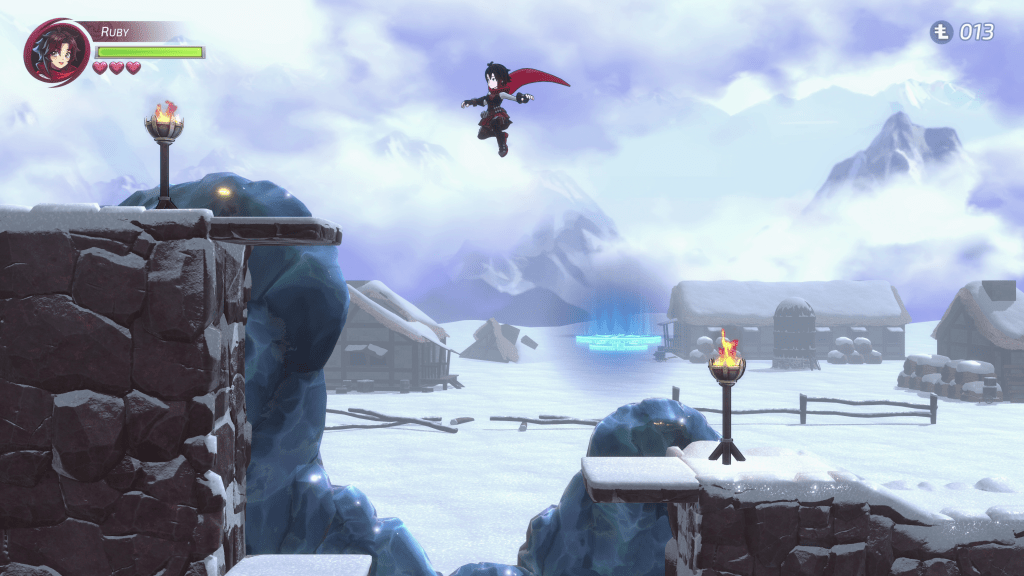


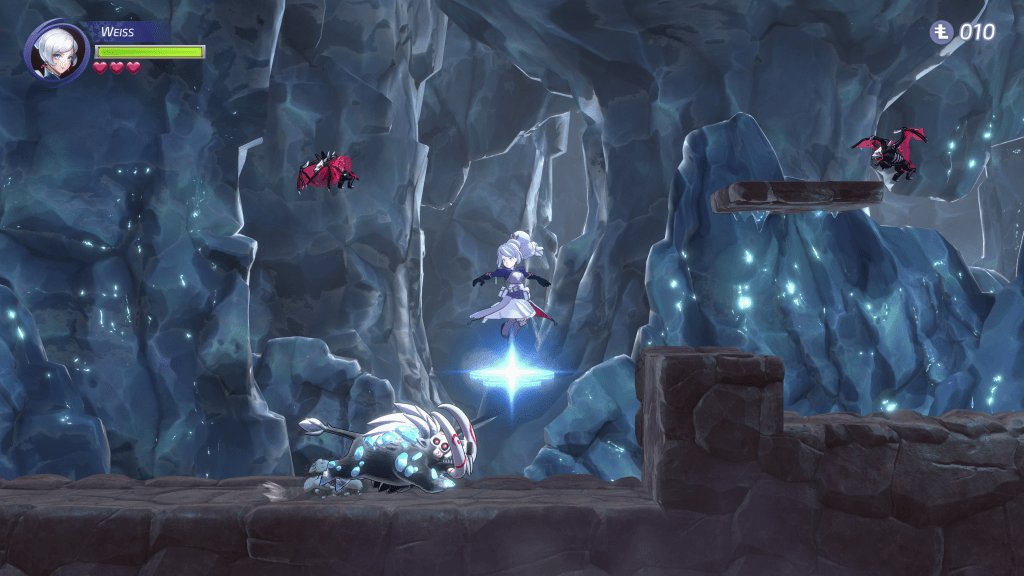
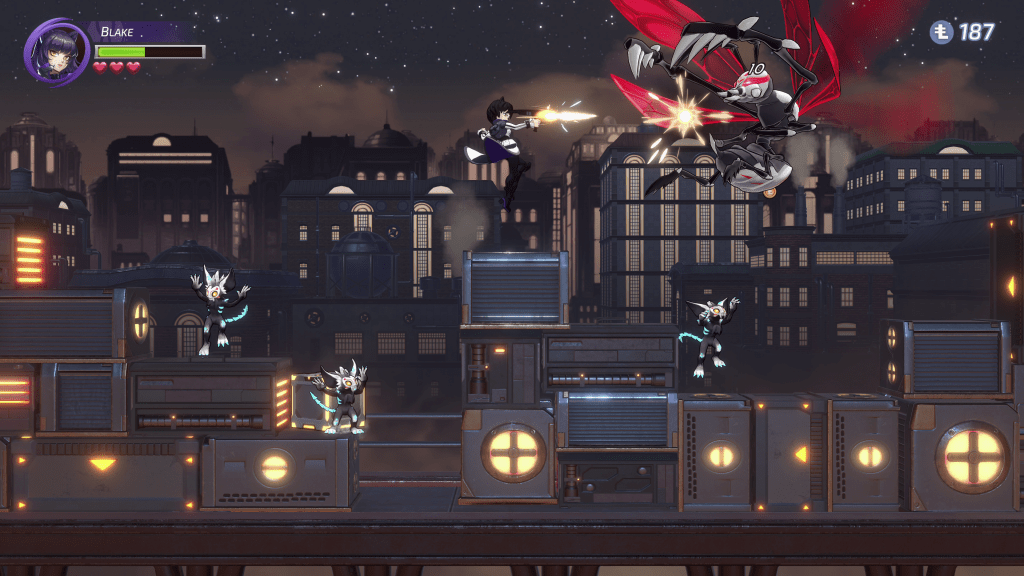


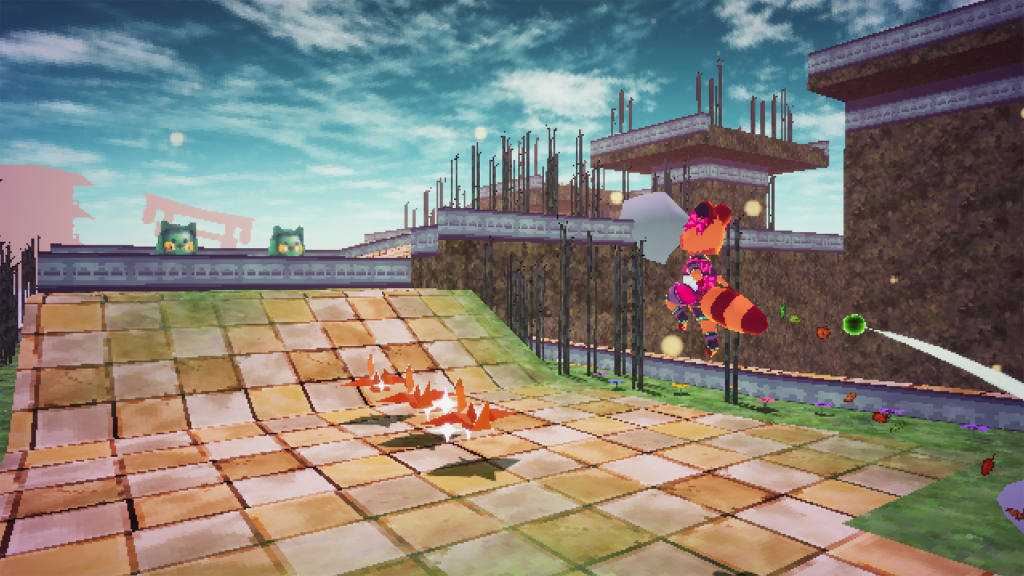
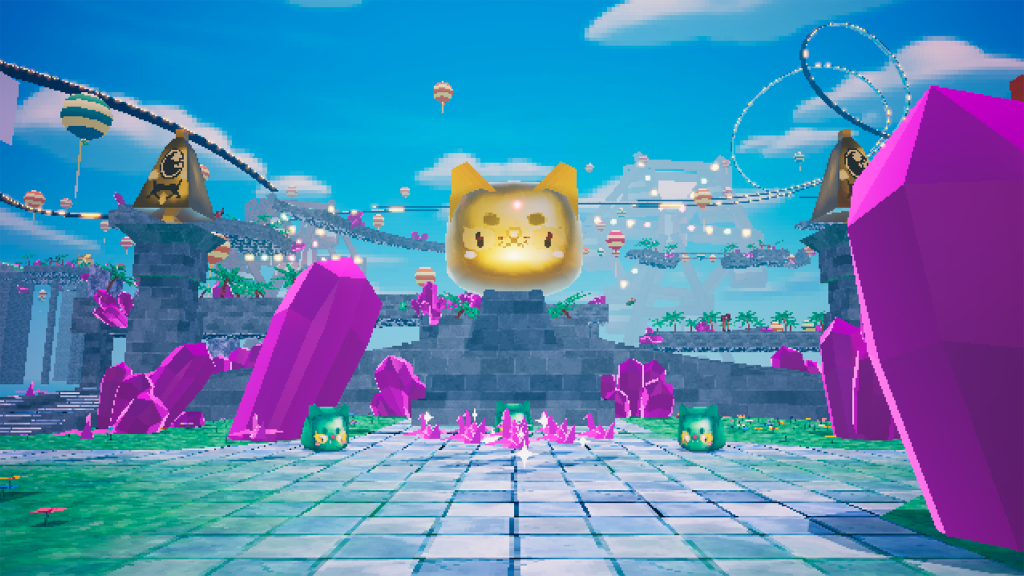
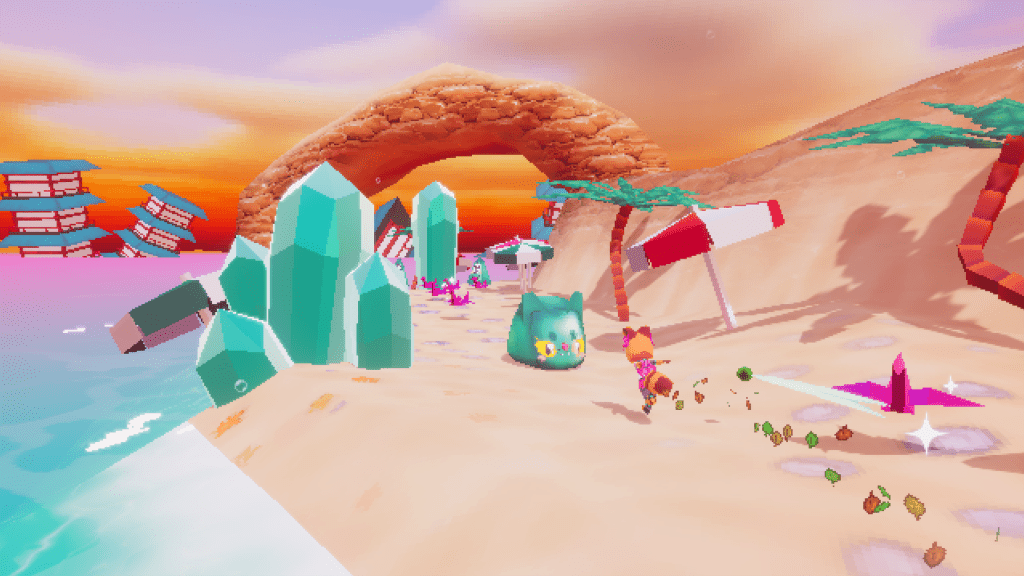
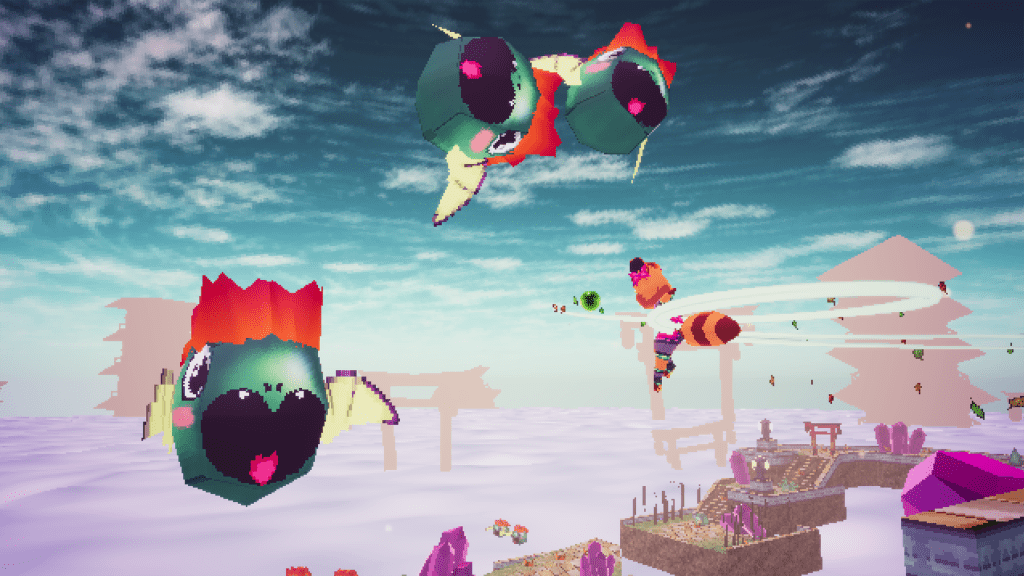


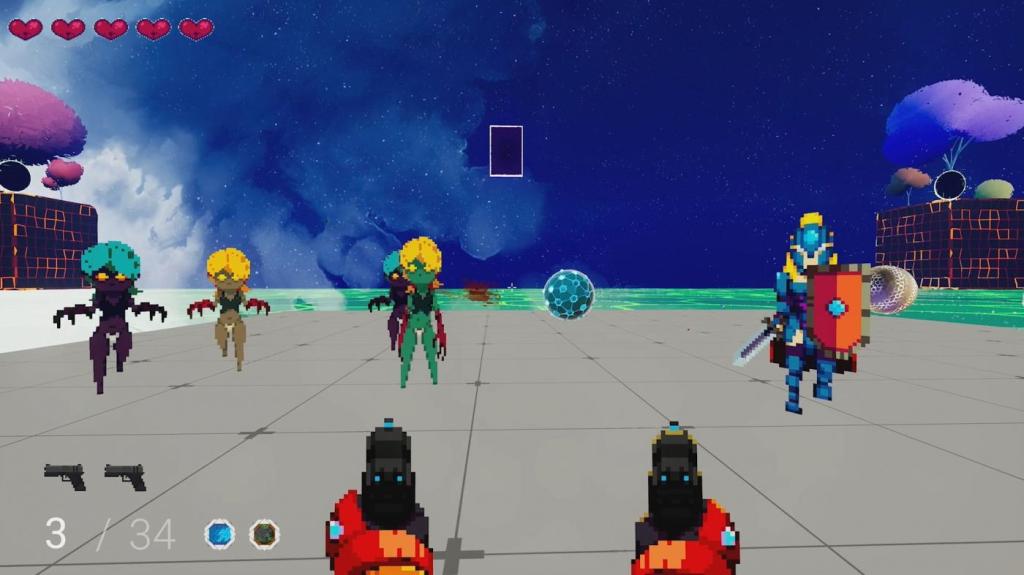

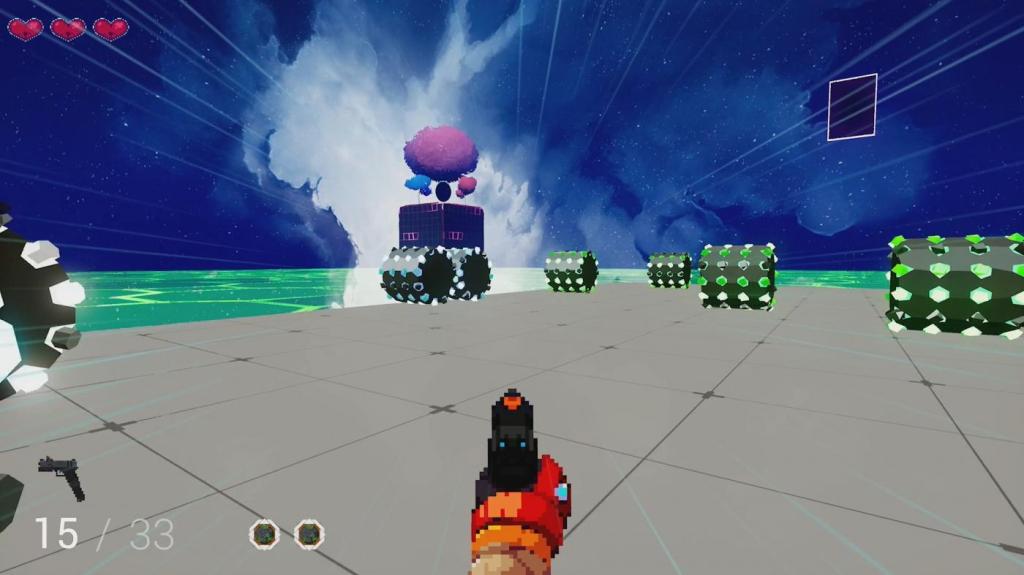
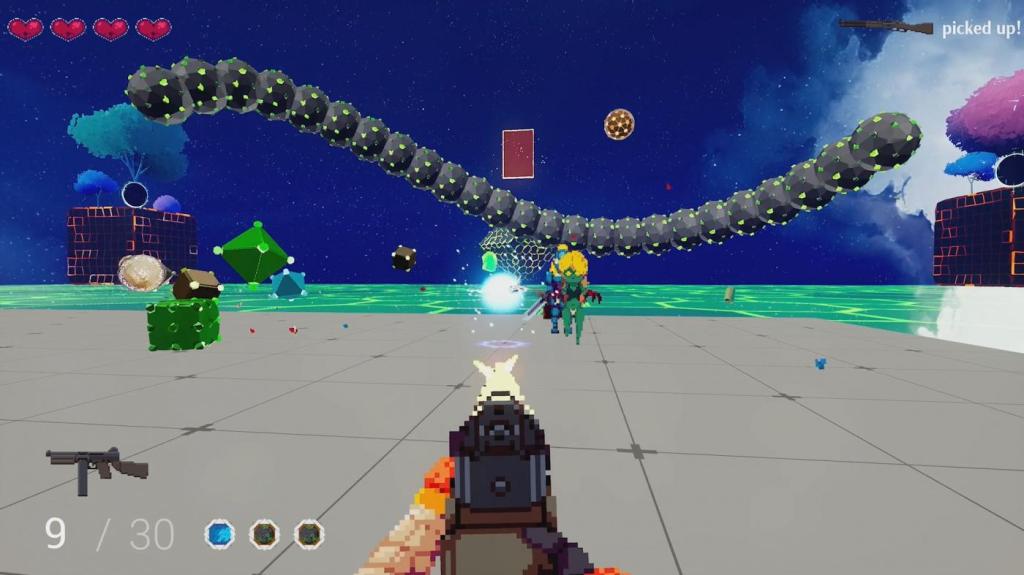

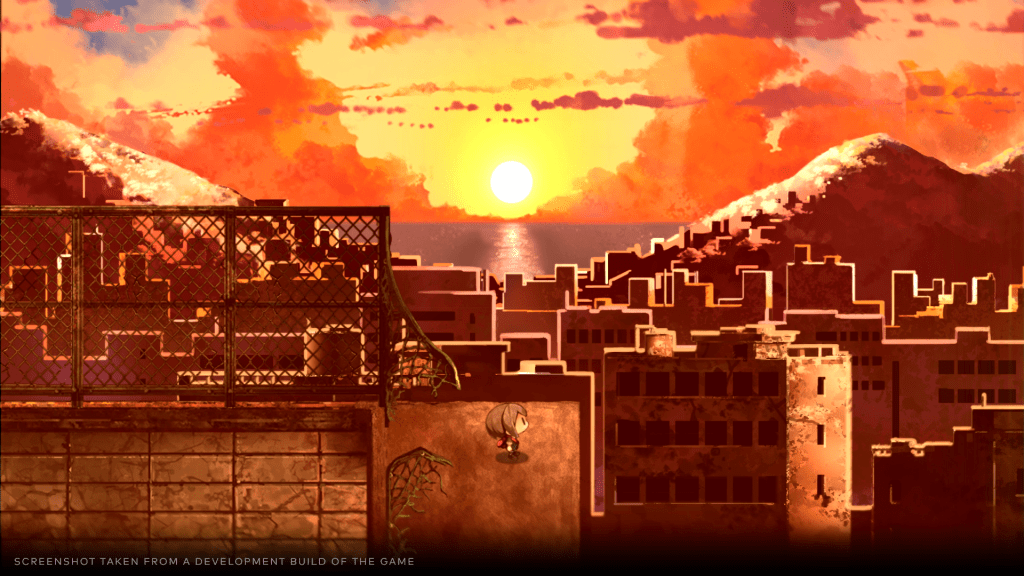


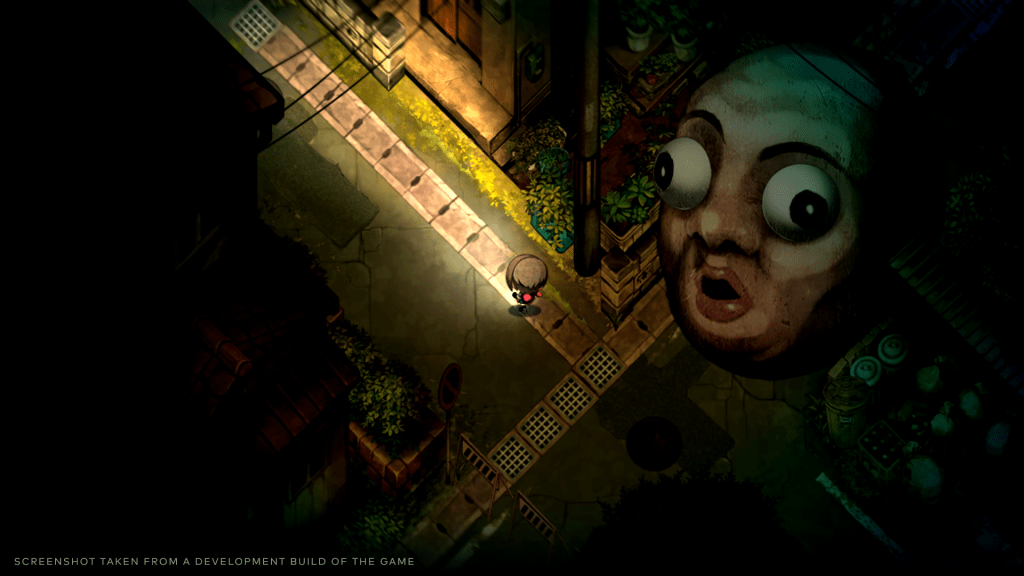

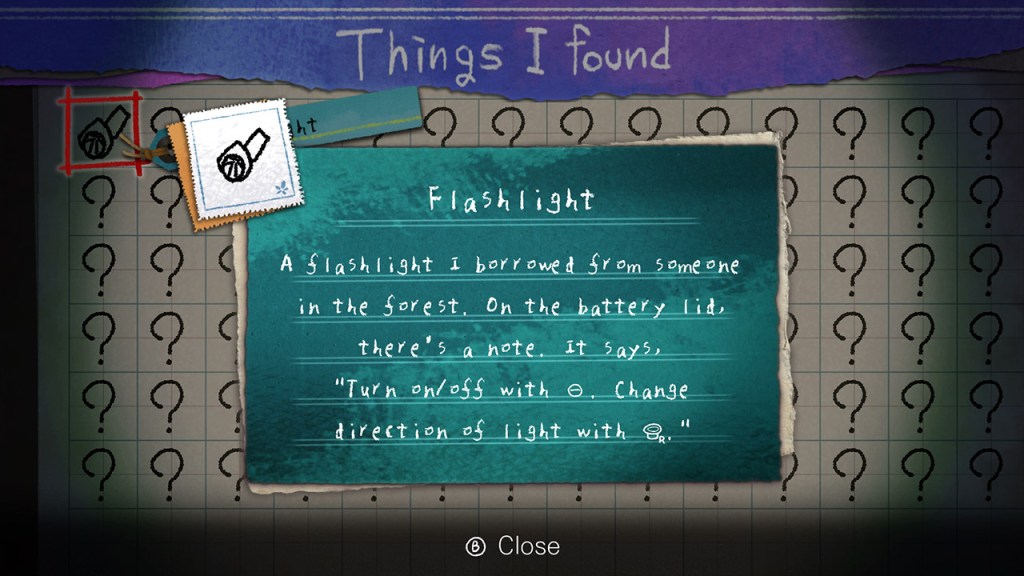
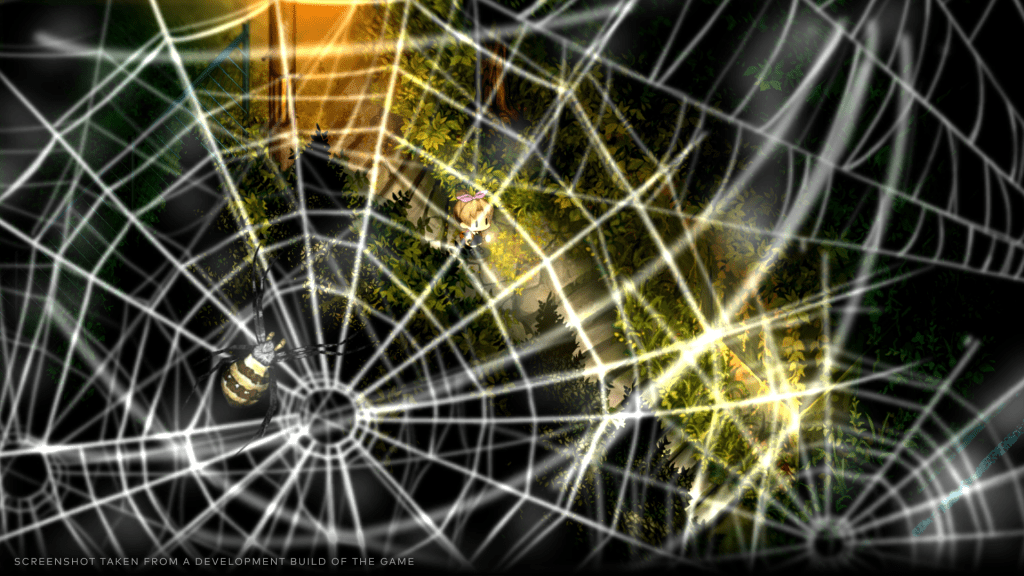
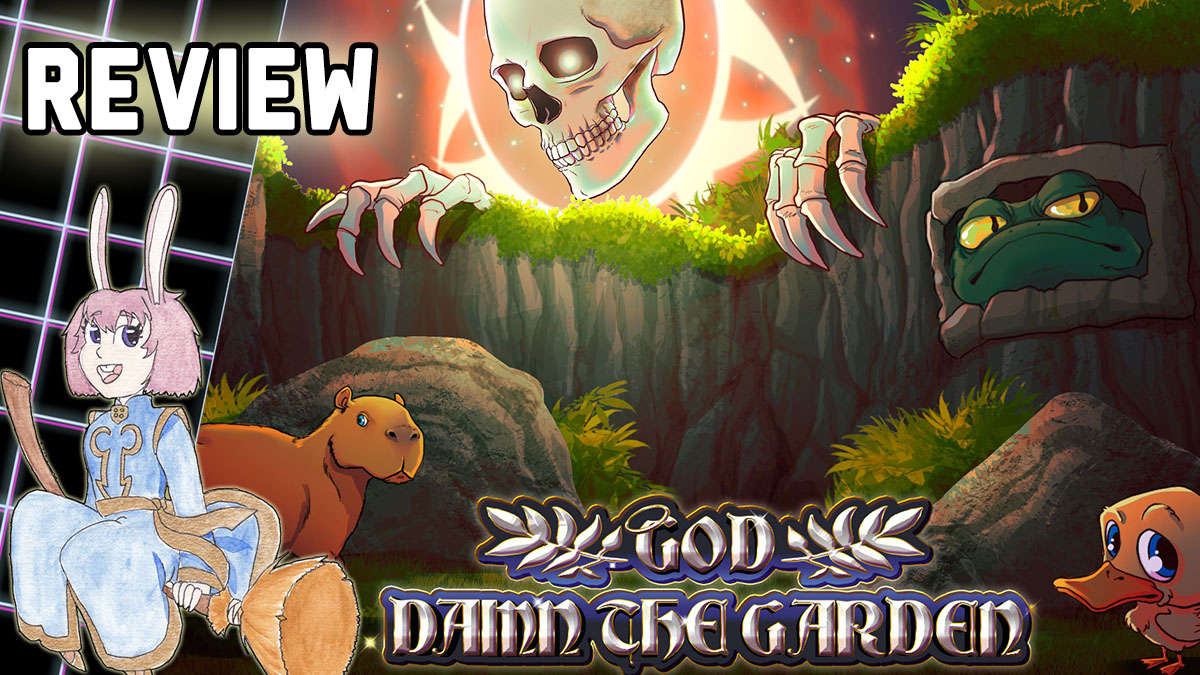
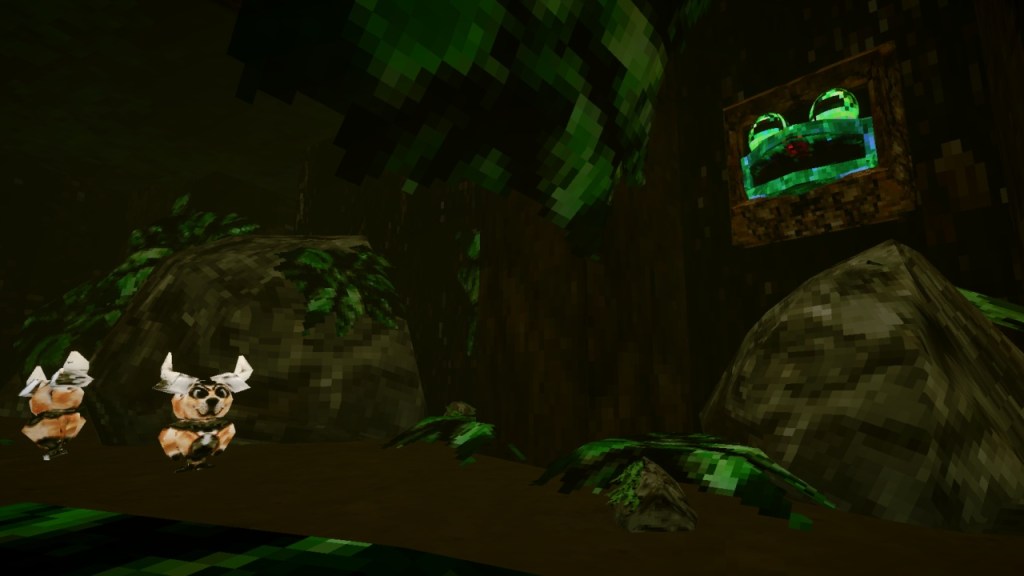
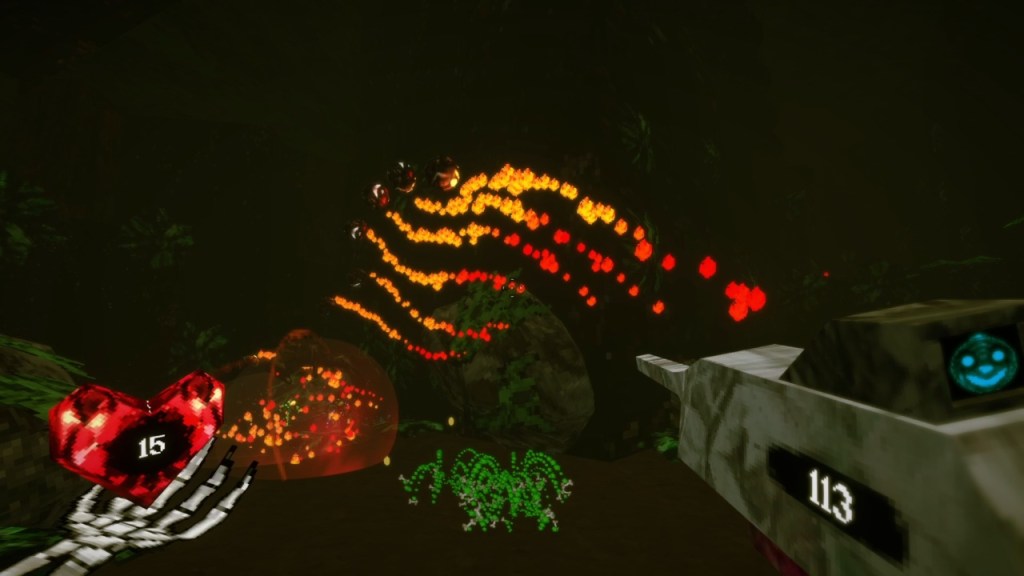
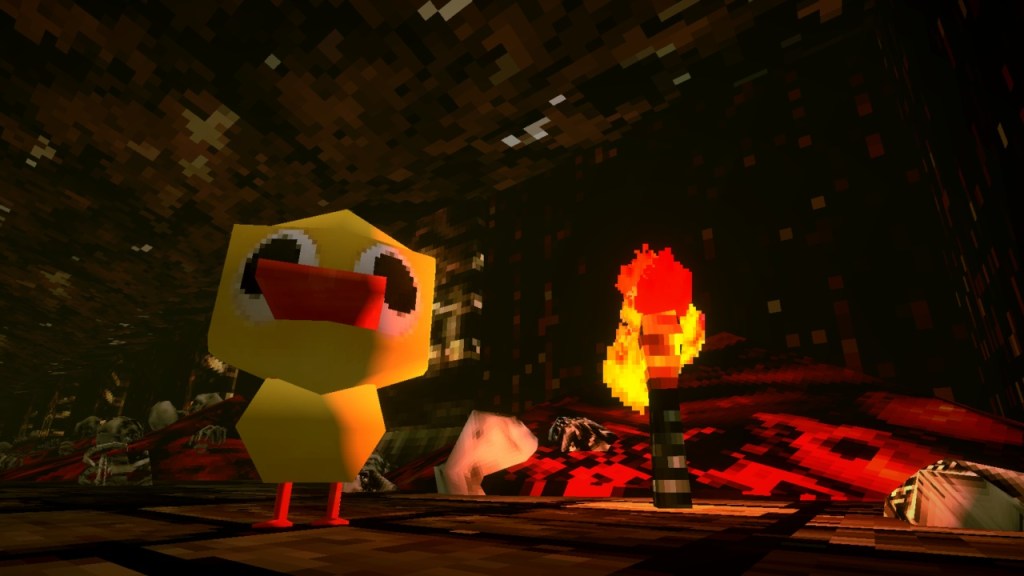
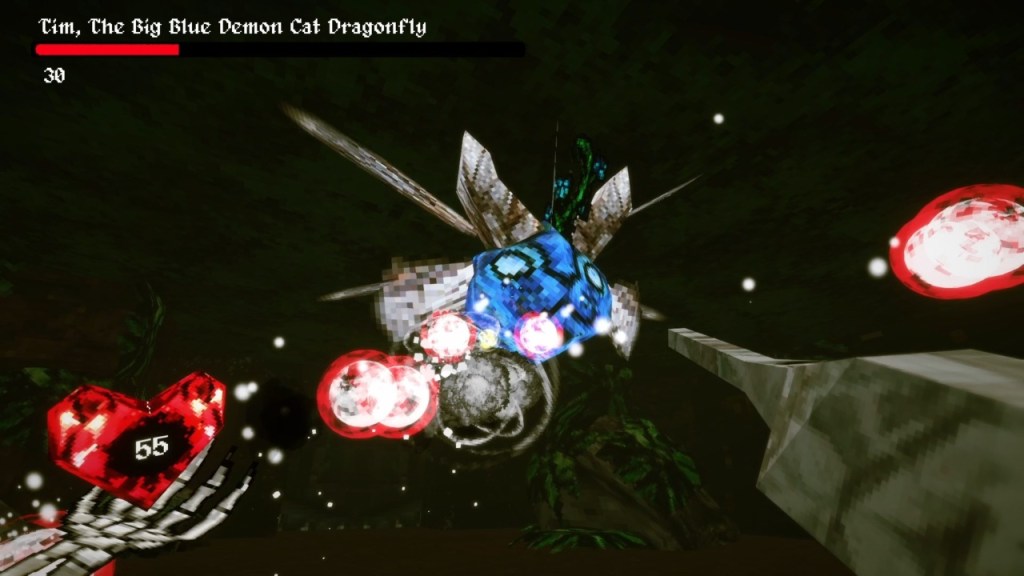
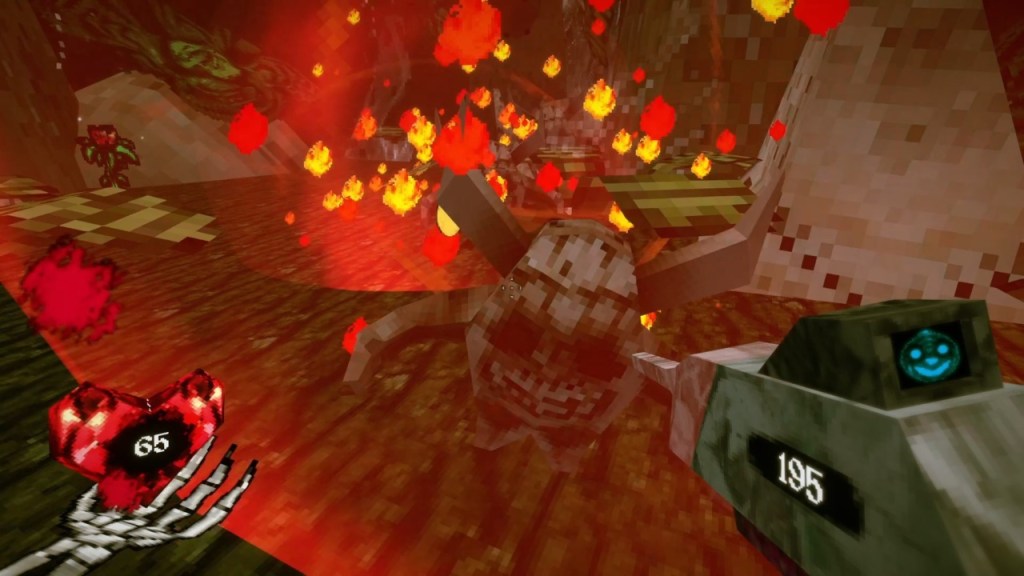
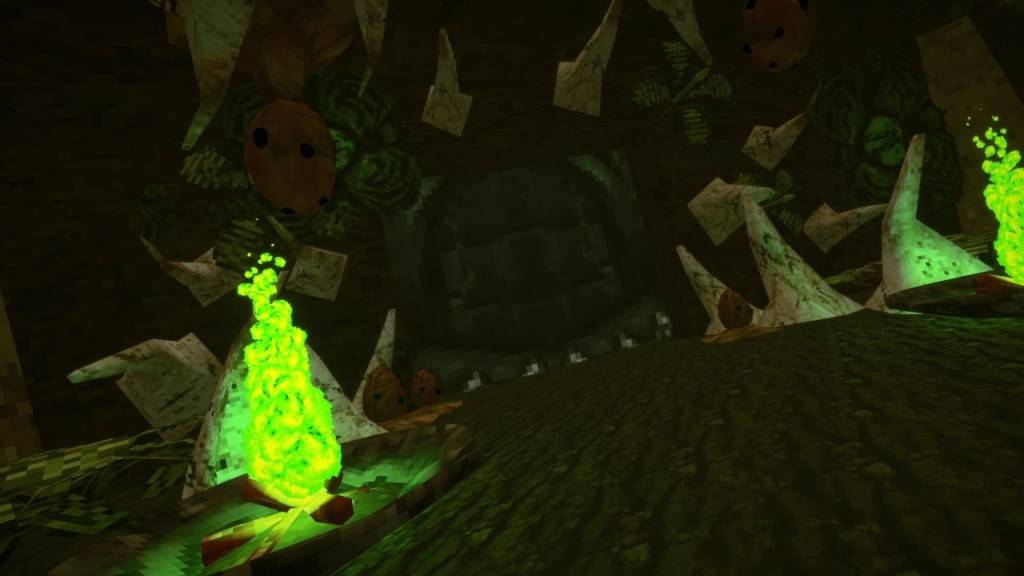

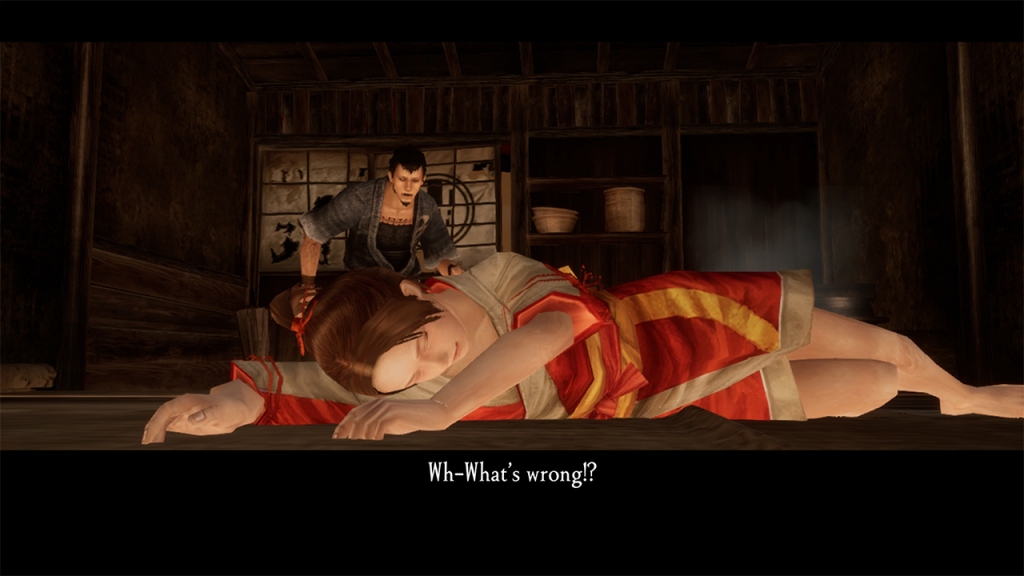
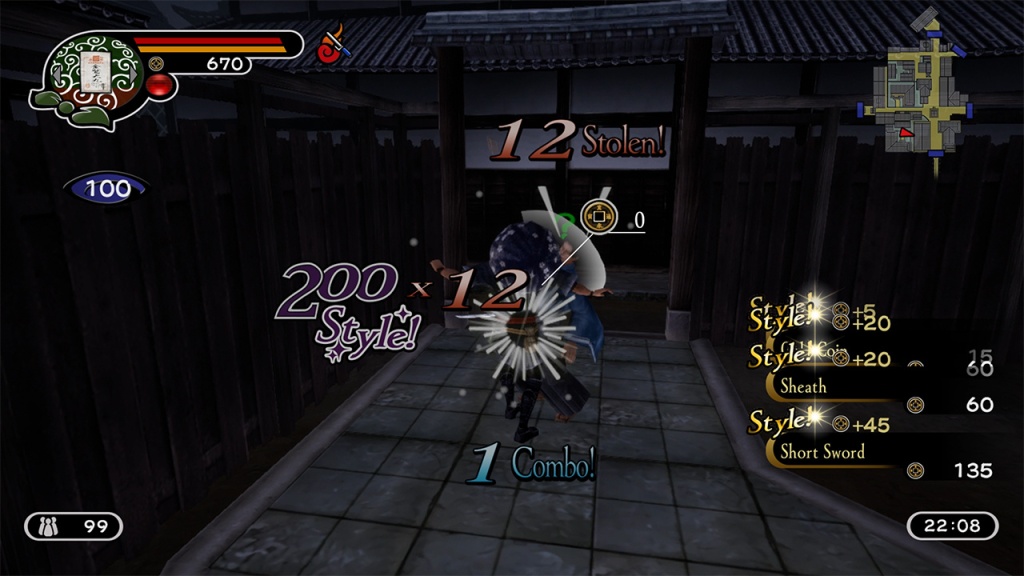
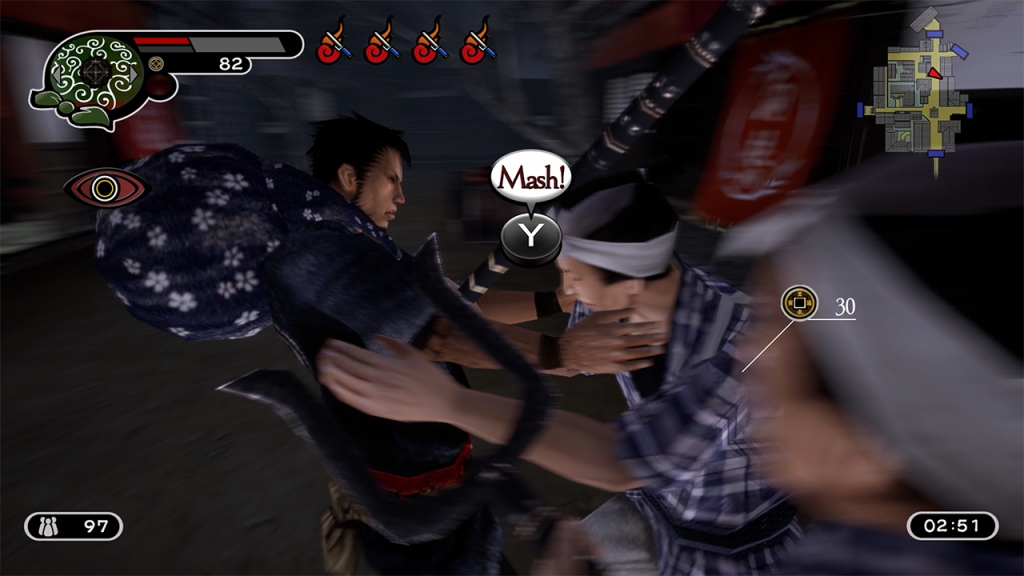
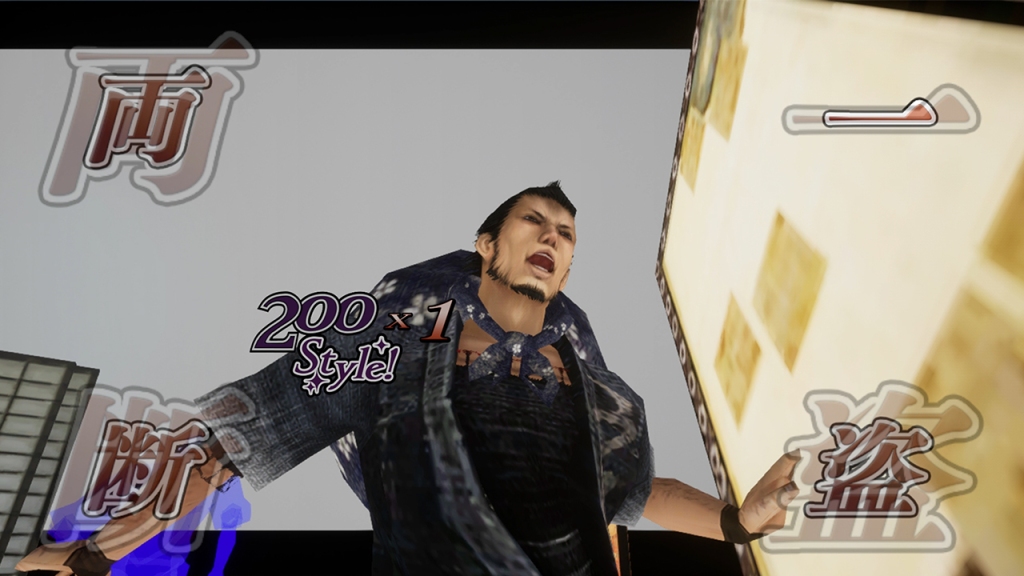
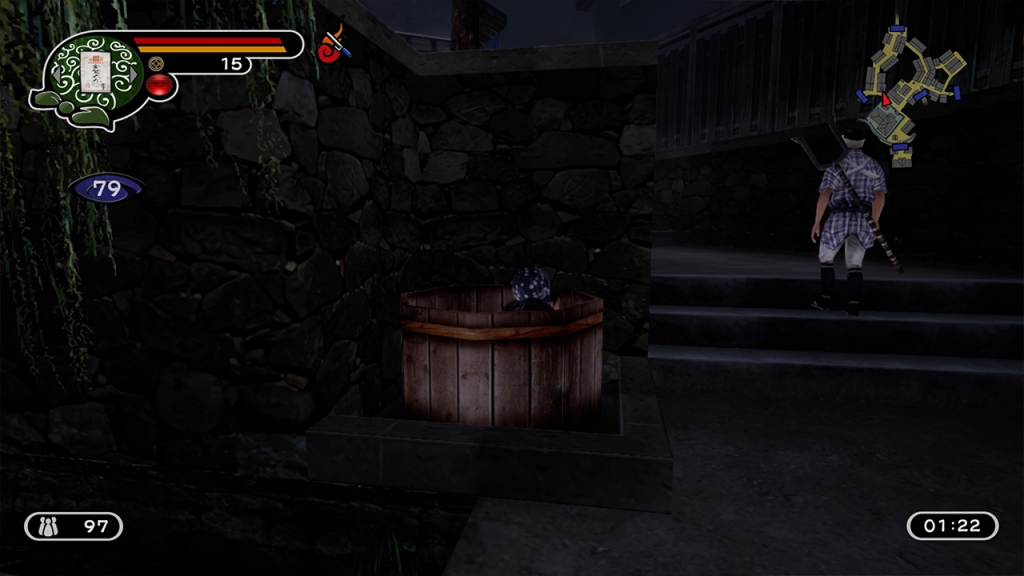

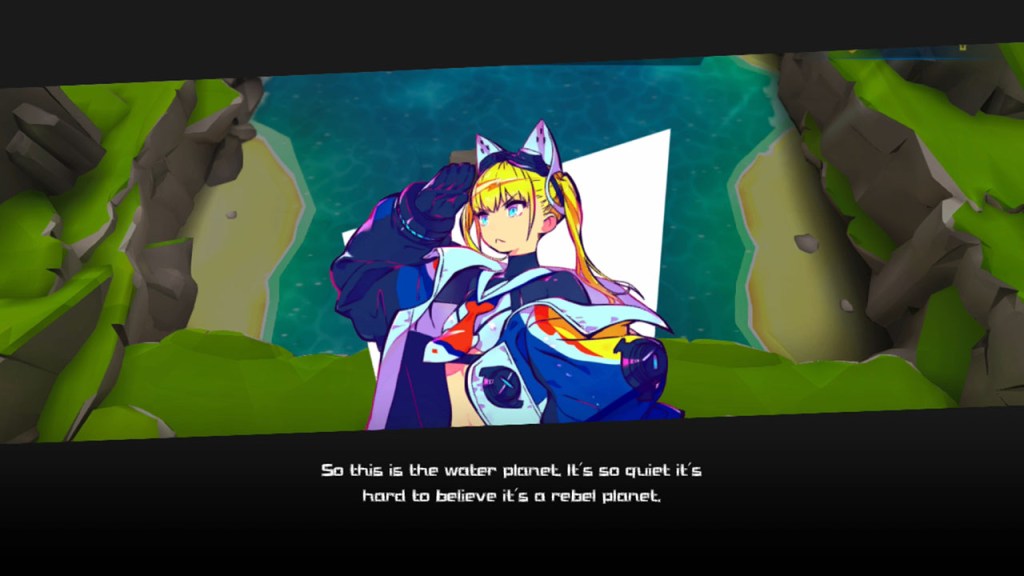


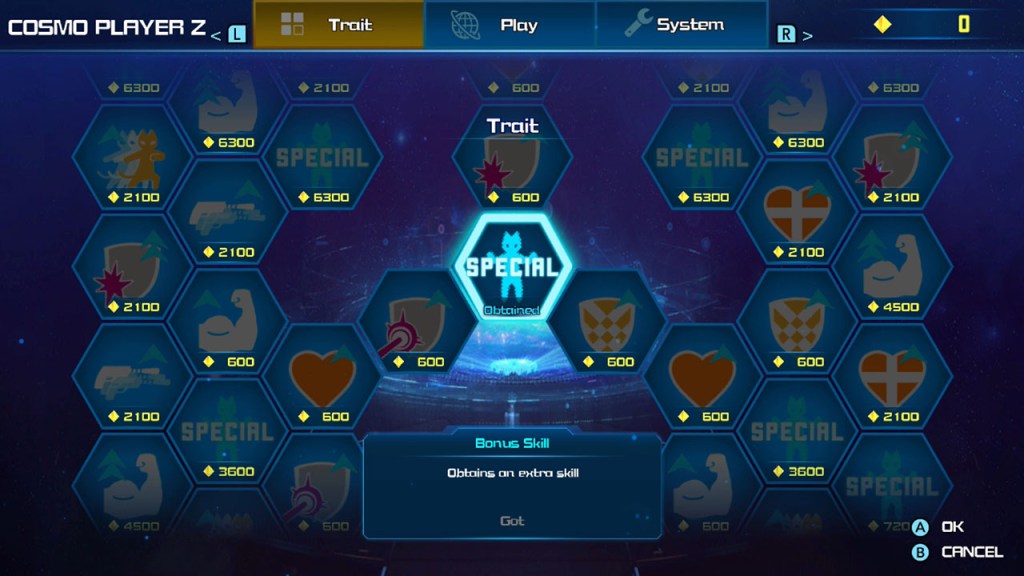






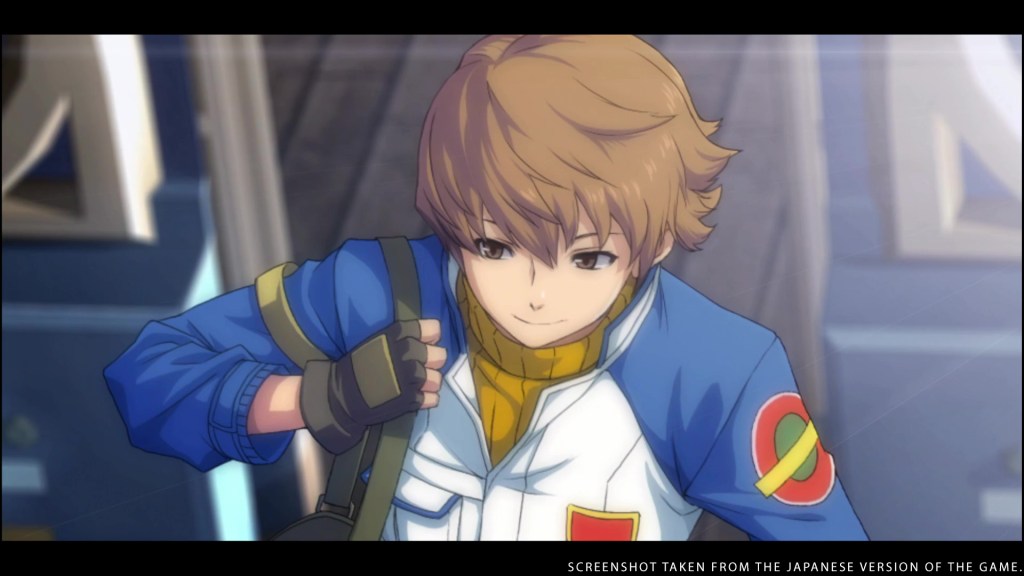


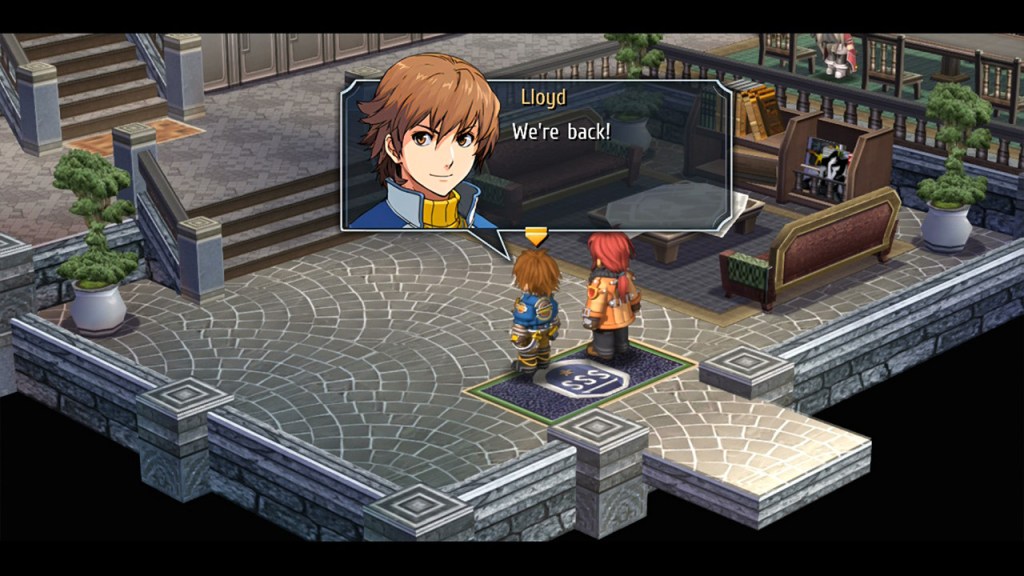
 W.Kohaku Media