Overview – developed by Dharker Studios and published by Gamuzumi, Highschool Romance is an unconventional romance visual novel set in an all-girls boarding school. There are multiple choices to make, potential romances to pursue and several possible endings to unlock. This title is available on Nintendo Switch, PlayStation 4 and PlayStation 5, links to each version of the game will be at the bottom of this review.
Disclaimer: before I get into the review, I would like to thank Gamuzumi for providing the copy of Highschool Romance that was used for this piece. The provision of this software has not influenced the contents of this review, all thoughts and opinions contained within are my own.
Content Warning: due to the content and themes present in this release, this title may not be appropriate for all audiences and young children. Highschool Romance contains sexual themes and sexually suggestive imagery that may not be suitable for all audiences, discretion is advised when proceeding.
Now with the introductions out of the way, let’s get into the review, starting with the story of Highschool Romance.
Story – it is the start of the final year of high school for Shoji, a boy who has been moving between schools for most of his life. However, due to a mix-up by his parents, he has been accepted to an all-girls boarding school. Fortunately, the principal has a solution to this strange crisis, but what would have become a dream come true to many is actually a lot more complicated. Now in this unusual situation, can Shoji survive, make friends or even find love?
Gameplay – Highschool Romance follows the traditional formula that most Visual Novels employ, with a story line that will change as the player makes choices at divergence points. The outcome of each choice that the player makes has the potential to change the story in either a positive or negative way, possibly altering the way that the characters react to the main character.
Like many other Visual Novels, the choices that the player makes can also cause special CG art scenes to appear or be skipped, meaning that important parts of the plot for a specific route can be skipped. The dialogue options that are selected can heavily impact the route that takes place, including romance scenes and some suggestive CG scenes happening during a story route.
With the potential for multiple story outcomes, art scenes and endings encourages players to explore different choices to see what can happen with each of the character plotlines. The chance to see new CG art, uncover different outcomes, character scenes and possible romances makes this a rewarding experience that has just the right amount of length to the narrative.
Presentation – the art style for this release is pleasing, using a hybrid cartoon/manga style which allows this title to have its own unique presence. The character designs and reactions, CG scenes and backgrounds are drawn fantastically, with a traditional Japanese aesthetic being used for certain locations and scenes.
There are occasional typos and errors that occur during the course of the game, but it is not a big deal and doesn’t affect the experience. The soundtrack is pleasant to listen to with a mix of musical styles that work well for their scenes. The only negative is the lack of voice acting, but it doesn’t detract from the quality of the overall narrative, but does weaken the impact of some more intimate scenes.
Final Thoughts – I enjoyed the story and presentation of Highschool Romance. The characters are well fleshed out with their own unique personalities, character traits and plotlines to explore. The quality of the story pulled me in and made me want to explore the different plot threads available, trying out each of the options to see what happens in the end.
While there are some very minor mistakes with spelling and grammar, the only significant issue that I had with the way that the story is told is that internal dialogue for the protag is lacking a distinction from external dialogue. However, I can still recommend this release as it is a charming story, with many twists, turns and even comedy to the unconventional setting and themes in this title.
In the end, I give Highschool Romance a final score of 4/5. This is an excellent visual novel with a unique setting, a cast of charming characters that stand out on their own and multiple endings that encourage going through the story more than once. If you want to check this game out for yourself, links to each version of the game are below.
This double feature will highlight two of the recent releases by independent publisher Gamuzumi, covering the details of each title in the usual way that reviews on this site are written. The two titles will be reviewed separately, with screenshots, trailers and links to each game like usual.
Disclaimer: before I get into the reviews, I would like to thank Gamuzumi for providing the software that was used for this double feature piece. The provision of these titles has not influenced the contents of these reviews, all thoughts and opinions contained within are my own.
Mature Content Warning: the titles featured within this release contain coarse language, suggestive imagery and sexual content. If you are not into this type of content, are sensitive to any of the content listed above or are not within the recommended age range, please proceed at your own discretion.
Now with the introductions covered, let’s get into it.
Sakura Succubus IV
Overview – developed by Winged Cloud and published by Gamuzumi, Sakura Succubus is the latest entry in the series of the same name, focusing on the protagonist Hiroki who tries to live his life surrounded by a group of attractive succubi. This release is available on Nintendo Switch, PlayStation 4 and PlayStation 5, links to each version will be at the bottom of this review.
Story – Ogasawara Hiroki was once an ordinary man, until numerous beautiful succubi fell for him in droves, and soon he obtained quite the following! After narrowly escaping a lifetime of imprisonment in the succubus realm, Hiroki is ready to kick back and relax. Idol succubus Ayu invites him on a vacation to her private beach house in Okinawa, and Hiroki is happy to oblige. The other succubi come along for the ride, and a week of summertime fun begins.
Gameplay – Sakura Succubus IV follows the traditional visual novel style, with a branching narrative that changes depending on the choices made by the player during different path points. The way that the story will progress is dependent on these choices, with the girls reacting differently to the MC (main Character) based on the choices that are made.
The reactions of the girls will change along with their behavior during a scene if a poor choice has been made, with a smile turning to a frown or shock and even insulting the MC. There is even the possibility that entire scenes can be skipped if the wrong option is chosen, leading to special art scenes being missed and entire plot points having a different tone entirely.
The approach that this title takes to the way that narratives play out encourages multiple “playthroughs”, allowing the story to be explored in a different way each time. The different responses, jokes and plot threads make for an experience that is both rewarding and entertaining.
Presentation – the art style for this release is a delight with anime style portraits for each girl, rendered backgrounds and beautiful art set pieces for special scenes. The use of different expressions for the girls enhances the story segments, adding more depth to the narrative. The soundtrack has a vibrant tone throughout, bringing the scenes to life with the use of electronic sounds and orchestral style arrangements.
Final Thoughts – I had a great time during my time with Sakura Succubus IV, the character styles, story beats and overall comedy edge of the experience pulled me in very well. I found myself being drawn to specific characters as their plots were written superbly. But, the lack of voice over did detract from the power of the overall narrative, making some scenes lack weight.
With that said however, I can still easily recommend this to any visual novel fan. It features fun characters with their own unique personality, a setting that fits the overall tone well and plenty of options to explore through each route. I will be seeking out the other Sakura Succubus titles in the future as I very much enjoyed this.
In the end, I give Sakura Succubus IV a final score of 4/5. This is a great visual novel that tells a fantastic story, with a cast of characters that stand out from each other and plenty of options to explore with each run through. If you want to pick this up for yourself, links to each version are below.
Overview – developed by Dharker Studios and published by Gamuzumi, Dating Life: Miley X Emily is a Yuri (lesbian) romance visual novel about two women who end up on a date by pure chance. This title is available on the Nintendo Switch, PlayStation 4 and PlayStation 5, links to each version of the game will be available at the bottom of this review.
Story – Miley, a School Guidance Counselor goes on her first date in years. However, her partner might not be who she expected after she inputted her own details incorrectly, and it leads to an unexpected date between two usually heterosexual women. Despite the strange twist of fate and their own feelings, they decide to ‘just go with it’ and enjoy the night together.
Gameplay – in this visual novel, take on the role of Miley as she goes on her date with Emily, experiencing a romance story with branching paths. The story has several routes that will change depending on the choices that are made, at key points throughout the experience a choice must be made, allowing the narrative to progress.
The choices that are made will also cause the characters to react, from frowns to smiles and even blushes as the experience progresses, giving a possible indication of the outcome of choices. These choices can have positive or negative results, leading to a different outcome with each decision made during the story.
Like Sakura Succubus IV, these emotions/reactions enhance the story and give additional depth to the overall narrative that plays out during each route as there are several endings to experience. This adds additional replay value to experience each route in this VN.
Presentation – the art style of this title is fantastic, with expressive character interactions, beautifully crafted backgrounds and CG art scenes that feature intimate moments of a mature nature. The soundtrack consists of pop rock music, mixed with what sounds like lounge styled tunes. These tracks come together well and enhance the atmosphere that the story wants to portray with its imagery.
Final Thoughts – I very much enjoyed this release, although it was the shorter of the two titles I played for this feature, I did find myself going through the story several times to explore the different options. The length of the story is not a detriment as it is intended to be just a single night, which would have felt drawn out if it had been longer, which would have done a disservice as this is an excellently crafted romance story.
The only downside is the same as Sakura Succubus, a distinct lack of voice acting did cause the more intimate scenes to lose some of their impact, as there was only the background music to break up the silence. However, I would still be happy to recommend this title to anyone who is a fan of romance visual novels, especially the Yuri sub-genre as this a fantastic tale that can be enjoyed in any setting.
In the end, I give Dating Life: Miley X Emily a final score of 4/5. The story of this release is told fantastically in a way that doesn’t feel like it drags its feet, with wonderful artwork and a soundtrack that emphasizes the atmosphere that the narrative wants to build. If you want to check out this release for yourself, you will find links to each version of the game below.
Overview – developed by Nippon Ichi Software and published by NIS America, Prinny Presents NIS Classics Volume 1 is a two-in-one pack of classic tactical RPG titles from the NIS library. This two-in-one package features Phantom Brave: The Hermuda Triangle Remastered and Soul Nomad & the World Eaters, with enhanced visuals and all content released included. This release is exclusive to the Nintendo Switch, a link to the title will be at the bottom of this review.
Disclaimer: before I get into the review, I would like to thank NIS America for providing the copy of Prinny Presents NIS Classics Volume 1 that was used for this piece. The provision of this software has not influenced the contents of this review, all thoughts and opinions contained within are my own.
Now with the introductions out of the way, let’s get into the review. I will be approaching this piece in a different way as it is a double pack, I will be taking about the main gameplay elements of each title in the pack before talking about the other aspects of the games as a whole.
Phantom Brave: The Hermuda Triangle Remastered
Story – Marona, a 13 year old girl who lives on the Phantom Isle in the oceanic world of Ivoire, with her companion Ash, a phantom who previously died in a battle with a great evil alongside Marona’s parents. Marona is a Chroma, a bounty hunter who is hired by others to fight the evils of the world, going on adventures to buy her home. However, she is seen as a monster who has the name of The Possessed and is shunned by many, believing that her powers are evil.
Gameplay – Phantom Brave is a tactical RPG that utilizes the same isometric view as many other titles from Nippon Ichi Software, but it has many differences that allow it to stand out on its own merits. The story progresses through different islands, with each key story event featuring a cutscene that helps to push the narrative forward taking place over the various locations.
I will be covering the basic features of the game, as to not spoil any of the surprises that players will experience. Here are some unique mechanics of Phantom Brave;
Marona – the protagonist of Phantom Brave and the leader of the party. She is a young girl who can see and speak to spirits called Phantoms with her powers as a Chroma. With her powers, Marona can summon Phantoms to assist her in battles with enemies, bringing them to life for a limited time using the power of Confine.
Confine – the power that brings Phantoms to life during battle, Confine allows units to be summoned using items and objects on the battlefield, including trees, plants and even weapons. Phantoms summoned to the battlefield will disappear after a set number of turns, with a chance of taking the item they are confined to back to the home base. Different items offer positive and negative bonuses, so experimentation and investigation is important to success in battle.
Free Movement – this release features a gridless system, where units can move freely around the map up to their movement limit. Terrain for maps has its own unique characteristics, including slipping, bouncing and dragging when moving across the battlefield.
O.B! – O.B. means out of bounds, a mechanic unique to this title where there is no barrier around the edges of the map. Enemies, player units and objects can be knocked/thrown off the edge of a map, eliminating them immediately but enemies are strengthened by this.
Combat in this game functions in a very similar manner to other tactical RPG titles, with battles following a traditional turn based system where each unit/character takes their own individual turn. The turn order is determined by the speed of each unit, with the higher the speed granting priority. Attacks and skills used in battle have their own attributes, ranges and SP costs to use them, with different equipment providing access to different skills.
As Phantoms are leveled up by participating in battle, they gain more SP points that can be used to activate their skills, so it can be wise to replay earlier stages and focus on specific characters. This may be a little tedious to some, however it does provide the best possible solution if players are struggling to plan out how to use each phantom they have effectively.
Outside of battle, the player can access the home base called The Phantom Isle, where Marona can access merchants, a healer and create new phantoms that can be deployed in battle. While on the Phantom Isle, items can be equipped to units, characters/gear can be upgraded using Mana earned in battle, unlocking new skills and powers. There are many more secrets that the Phantom Isle holds that players can discover.
Soul Nomad & the World Eaters
Story – 200 years ago, a great evil known as the Shadow and their giant monsters called the World Eaters terrorized the continent of Prodesto. After a long battle, the shadow is defeated and the World Eaters fall silent. Now, A young hero has arisen to destroy the World Eaters for good, setting out with their friend, they must face impossible odds to save the world and their home.
Gameplay – much like Phantom Brave, Soul Nomad is a turn based tactical RPG that uses the same style of isometric view point as its companion in this pack. However, much like the previously discussed title, the similarities are at the most basic level, as this game functions in a manner akin to that of Advance Wars or Langrisser (a review of Langrisser I&II will be published in September) where squads of character units battle it out for supremacy.
Unlike Phantom Brave, this title features branching paths that can drastically alter the course of the narrative, giving players options that may lead to disaster if not careful. This approach to storytelling and progression adds flexibility to the way that the title can be experienced, giving players new options to explore with each playthrough.
The battles in this game follow the same traditional turn based battle RPG titles from NIS, but there is a difference to the way that encounters play out. Each battle has its own conditions that determine how the combat plays out, with simple objectives like defeating the enemies on the field to surviving a specific number of turns in some situations. These win conditions increase .
Here is an explanation of the some of the other features unique to Soul Nomad &the World Eaters;
World Map – Soul Nomad features a flat world map that players can travel across by using routes that are laid out in front of them. However, previous battle locations cannot be returned to once they have been cleared, so be sure to get the most out each encounter to fully maximize potential rewards.
Squad Based Battle – combat in this title uses a squad based system, where a unit leader is present on the field during movement and non-combat actions. The unit leader is the most important part of the squad, as they can use special skills to support others and themselves. But if the leader is defeated in battle the squad retreats. The position of each squad member also affects the attacks, skills and efficiency of that unit, so experimentation is encouraged.
Gig Edict – the Gig Edict is a set of items that can be used in and out of combat situations. The items include traditional healing, power-ups and support effects. However, what makes the Gig Edict unique in Soul Nomad is the chaotic effects that can occur outside of combat, including stealing from and starting fights with NPC characters. These items can be obtained as rewards, by speaking to NPC characters and purchased from vendors using GP (Gig Points which are earned in various ways).
Arrange – enter an alternate dimension where “Rooms” can be created at random for squads to be housed (more info below), new character units can be created and items can be bought from merchants. When starting out, there are limited resources available, but more can be accessed as the story progresses. Also note that while you do level up in combat like traditional RPG titles, you can use resources to level up while creating characters, boosting them from the start.
Rooms – these are the squad spaces where character units are assigned to be used in battle, with the maximum number of assignable units increasing over time. The rooms are chosen at random from an increasing pool of variants, with each of them having unique effects applied to them and slots that can be used for item effects. A limited number of rooms can also be locked, allowing a player to save specific squads, as refreshing for new rooms will delete the unsecured squads.
Summoning – during battles, the player has only their hero’s squad on the field. In order to increase the units on the field, additional squads can be summoned from the hero, but they have to fit the squad layout as determined by the room. What separates this mechanic from other titles in the Nippon Ichi catalogue is the use of GP to summon squads, with different costs for each that adds to the strategic complexity of battle.
When combat encounters are concluded, rewards are provided depending on the performace during battles, with bonuses for each enemy defeated and penalties for casualties on the battlefield. The results from combat is a risky incentive to try different approaches to each encounter, with experimentation leading to the potential to earn great riches or disaster so care should be taken.
Like Phantom Brave, there are many secrets to uncover in Soul Nomad and I have just scratched the surface in this coverage as I feel it would be a major spoiler for those who want to experience these games first hand. Now with the gameplay covered, I will be moving onto the other aspects of this package, starting with the difficulty.
Difficulty – both titles in this combo pack have balanced difficulty curves, gradually increasing in difficulty as the stories of each title progress. At the start of each game, there are in depth tutorials that teach the play the mechanics used, providing a fantastic starting point for those starting these titles for the first time. There are no difficulty options available, but the challenge can be eased by grinding battles, leveling up units and farming resources.
Controls – the controls for these games work very well for the most part, but I do have a slight issue with the movement in the Phantom Brave release. When moving the characters in the Phantom Isle, or trying to select specific units on the battlefield there seems to be a little issue with the controller deadzone, causing some inconsistencies with movement. That issue aside, the controller layouts and button prompts are laid out well for handheld/docked play, being comfortable when using any controller.
Presentation – visually these titles have the trademark style that makes Nippon Ichi games look unique, with anime styled art, vibrant sprite work and fantastical worlds to explore. Phantom Brave uses a rendered layout for maps and environments, using 3D models for the terrain/buildings and sprites for the characters. Whereas in Soul Nomad, the world map, battle terrain and towns all use a flat 2D design, giving an old school table top feel and only using 3D models for combat and cutscenes with sprite work for characters.
The animations and cutscenes have a nice fluidity to them for the majority of the experience in both titles. However, the frame rate can suffer while playing Soul Nomad when there are many visual effects occurring at once, which is likely due to this being a port of a PlayStation 2 title possibly running under emulation. The overall performance of the game from a visual standpoint is very good, running with no significant issues on the Nintendo Switch system.
The sound for this pack is fantastic, with both games having their own distinctive feel to them while still having that unique Nippon Ichi sound. Phantom Brave has an upbeat and tropical/Mediterranean motif to its key music tracks, which is a stark contrast to the darker tone that Soul Nomad employs with few bright melodies scattered through the soundtrack. This combo pack also offers an English voice track, featuring vocal talent from various anime releases and other video games, alongside the original Japanese voices.
Final Thoughts – playing these games was a first for me, since I had not been able to experience either Phantom Brave or Soul Nomad when they first released. Not knowing what to expect when it came to either title, but I was very pleasantly surprised with the diversity in gameplay, story and overall presentation. The visual style and soundtrack of each title perfectly compliment their respective game, providing an enjoyable experience from the start.
The amount of content on offer in this package more than justifies the asking price, with over 60 hours of gameplay between both games (listed on the official store page), additional bonus content in Phantom Brave and diverging paths/endings of Soul Nomad. I can more than happily recommend this combo pack to fans of strategy RPG titles, the Disgaea series and Nippon Ichi titles in general. There are no significant downsides to the games in this pack, with only occasional slowdown in Soul Nomad and minor deadzone flaws of Phantom Brave.
In the end, I give Prinny Presents NIS Classics Volume 1: Phantom Brave: The Hermuda Triangle Remastered and Soul Nomad & the World Eaters a final score of 4.5/5. The titles included in this package have the quality of gameplay, depth, fun and charm that Nippon Ichi Software is known for. This combo pack is a fantastic way for strategy RPG fans to discover two fantastic games that they may not have seen before. If you want to check this release out for yourself, a link will be below.
Overview – developed and published by Vertex Pop with physical publishing handled by Super Rare Games, Super Crush KO is an action brawler/platformer with a vibrant and unconventional color palette. Zip up your favorite neon jacket and combo your way through swarms of deadly robots to save your kidnapped kitten and, while you’re at it, save humanity from an AI apocalypse. This title is available digitally for the Nintendo Switch and Microsoft Windows, links to each version will be at the bottom of this review.
Disclaimer: before I get into the review, I would like to thank Super Rare Games for providing a copy of Super Crush KO that was used for this review. The provision of this software has not influenced the contents of this review, all thoughts and opinions contained within are my own.
Now with the introductions out of the way, let’s get into the review, starting with the story (taken from the official website).
Story – When a robot-commanding alien heartthrob kidnaps Karen’s adorable kitten Chubbz, Karen has no choice but to grab a laser blaster, put on her favourite neon jacket, and start kicking robot butt. Super Crush KO is a brawler with heart, intrigue, and The Cutest Cat in the Universe.
Gameplay – Super Crush KO is an action brawler, mixing beat ‘em up/run and gun gameplay with 2D platforming, taking place over several differently themed areas which each contain a set of levels and a boss battle. To combat the robotic enemies that the player will face, Karen has a selection of attacks and skills that can be used together to deal maximum damage to the enemies in battle.
The player has the ability to use combo strikes alongside special attacks and an alien blaster to take down enemies, the player can also use a jump, double jump and dodge to help her in battle. There are two types of special attack that can be used, the first consists of 4 attacks that use an energy meter that depletes each time it is used. The second special is the Super Beam KO that deals massive damage in a straight line.
Defeating enemies will cause gems to be dropped, purple gems restore some of the standard special meter and blue gems fill up the Super Beam meter. The Super Beam deals the most damage but requires a lot of gems to be filled, so it is best to use it when in a tricky situation. Each attack that the player uses adds points to a combo meter, with different point bonuses depending on the type of attack used and additional bonuses for dodging.
The combo meter also uses a rating system, building up from D to S with the meter slowly depleting over time if the player does not continue damaging foes. However, if the player is hit by an enemy or makes contact with a hazard the combo is broken, so precision and awareness is key to effective combo building as well as attack variety.
Be aware, some enemies will have special abilities and attacks that are very powerful, so mastering the dodge is important to success. Combos are important for the overall score at the end of the stage, with a ranking given depending on the score total at the end with additional special performance bonuses. The stages are separated into two different areas, standard zones and challenge zones which both function in their own unique ways.
Here is how the two different zones function;
Standard Zone – these sections make up the majority of the gameplay, where the player battles enemies until they are prompted to continue. The combo meter that carries over as long as there are enemies being attacked, but it will run down if there is nothing in a transitional area, so maximize your combo and score as much as possible.
Challenge/Boss Zone – these are single section locked Arena zones where multiple waves of enemies attack the player. When these zones are cleared special bonuses are provided for the ranking earned, if no damage has been taken and if a perfect combo has been achieved. The arena battles are the final challenge of each stage, with the stage being cleared when the final enemy falls. In the boss zones, the stage is cleared when the boss is defeated, but functions the same as a standard challenge zone.
The balance between action, platforming and precision movement is very good, with smooth movement and intense combat sequences that are very exciting throughout. The combo systems and score mechanics that are implemented give players a unique, rewarding experience with leaderboards that promote healthy competitive play with friends and other players. The rating system also adds replay value that pushes the player to do better with each attempt.
Now with the core gameplay covered, I will be moving onto the other aspects of the game, starting with the controls.
Controls – the controls for this release are smooth and intuitive, with reactive inputs that work very well during intense battles. All melee skills are assigned to the face buttons by default, with the triggers being used for the dodge skill and alien blaster. The movement is handled by the left thumbstick/D-pad and overall the controls are comfortable, working well in both handheld and docked gameplay modes.
Difficulty – Super Crush KO has a fair and balanced difficulty curve to the game, with a challenge that increases slowly by introducing new hazards and enemy types over time. While there is a lack of difficulty selection, the game is generous with check points, health drops and continues that can be used per level. It may feel daunting at times with the amount of enemies that appear, but the pacing and gradual escalation of the difficulty level eases this feeling.
Presentation – the overall presentation for this title is the most charming part of the experience. The use of an unconventional color palette that changes depending on the location combines well with bold, yet simple sprites that give this release a unique graphical identity.
The animations are fluid and everything flows fantastically, alongside cutscenes that consist of comic book style panels and Visual novel styled dialogue exchanges. The attention to detail in this release is a delight to behold. The icon of Karen reacting in the HUD when she is damaged, when she is low on energy and when the super meter is full, as well as the direction that Karen faces during her victory pose matching the direction she faced at the moment of victory.
The sound design works well in tandem with the visuals, featuring a calm soundtrack that is persistent with its tone throughout. However, the tempo and underlying beat will change depending on the situation, with more intense battle sections being slightly faster while still maintaining the same melodic structure. There is also a limited use of voice acting implemented into this game, which isn’t a negative as it does not detract from the experience of Super Crush KO.
Final Thoughts – overall I had a great time with this release, when Super Rare Games had announced that the game would be getting a physical release, I was excited to get my hands on it. The gameplay is fun and rewarding, with fast flowing action, exciting special moves and a ranking/leaderboard system that promotes competitive play, along with personal improvement to achieve higher scores.
This title is a must play for anyone who enjoys platform action titles, I can happily recommend it to everyone. There are no true downsides to the experience, although I will admit that some of the tougher sections can be overwhelming with the amount of enemies at once, which can cause mistakes to be made especially during boss battles. However, the difficulty of later stages does make the satisfaction of succeeding and clearing a tough battle that much greater.
In the end, I give Super Crush KO a final score of 4.5/5. This is an absolutely fantastic action brawler with aesthetically pleasing presentation, a fantastic soundtrack and gameplay that is exciting, fun and rewarding throughout. if you want to check this game out for yourself, links to the game will be below (unfortunately the physical version from Super Rare Games has now sold out).
Overview – developed by Compile Heart and published by Idea Factory International, Dragon Star Varnir is a dungeon crawling JRPG set in a world of Witches and Dragons, with a cast of charmingly cute yet deadly characters. This version of the game contains all of the additional content that was available for other releases of this title, making for the most complete version of the Dragon Star Varnir. Links to the Nintendo Switch version of the game will be at the bottom of this review.
Disclaimer: before I get into the review, I would like to thank Idea Factory International for providing the copy of Dragon Star Varnir that was used for this piece. The provision of this software has not influenced the contents of this review, all thoughts and opinions contained within are my own.
Now with the introductions out of the way, let’s get into the review, starting with the story (taken from Nintendo eShop page).
Story – In a world where the bones of an ancient beast tower over the land… The Knight Zephy is part of an order whose role is to hunt down witches – people seen as cursed beings for giving birth to dragons. He is brutally mauled by a dragon on one mission, but as he gasps his last breath, two witches save him by feeding him dragon blood – a death-defying magical substance that also grants him new witch powers.
Their fates now intertwined, Zephy reluctantly joins the witches against a slew of enemies: an Empire out to destroy his kind, ruthless dragon hunters, and a witch more powerful than any in existence. Can they fight all this and save themselves, or will his new allies succumb to the dragon’s curse…?
Gameplay – Dragon Star Varnir is a 3D dungeon crawling JRPG, featuring large explorable areas, hidden objects to discover and intense turn based combat. The story takes place over several story driven chapters, taking place in Varneria, a land of magic and monsters, where death is inevitable for those who are unprepared to fight the dragons. I will be breaking the core elements of the game in their own segments, like my coverage of Mary Skelter 2, which can be found (HERE).
Exploration: the core of the gameplay, takes place in the various dungeon environments throughout Varneria, which can be explored in a roaming third person perspective. While inside the dungeons, players can find treasures, hidden objects to obtain and enemies to fight. The enemies that can be encountered will appear roaming around the open spaces, when these dragons are interacted with combat will be initiated (explained further below).
During the story, event markers can be found in the dungeons which will push the narrative further, playing out in either animated cutscenes or visual novel style segments. Events can also initiate combat encounters, pitting the player against bosses and regular enemies during key points of each chapter, which can also function as tutorial segments to teach the player the combat mechanics.
A good way to tell if there is a battle incoming is the save beacons that can be found, allowing not just a way to record progress but to heal the party. These points are scarce so it is important to be prepared with items and to know when to pick battles wisely, as defeat in the dungeon will lead to many negative effects for the player in the future.
Alongside the treasures, combat encounters and event scenes are special magic objects that can be activated by the characters in the player party. Each of the playable characters that can be used in the game have their own unique skills, allowing new areas to be accessed and hidden items to be revealed. The skills use skill points also called SP to activate these skills, meaning that magic is unable to be used if the player has exhausted their SP points so use skills with caution.
Combat Encounters: throughout the game, combat will occur often with the dragons that inhabit the world of Dragon Star Varnir. As the player roams the dungeons, enemies can be encountered with four possible outcomes when combat is initiated. If the player can strike the enemy from behind they will get to attack first, but if the enemy can hit the player from behind the dragons will gain priority.
If the player makes contact head on, combat will start, but if the party is leveled enough, they can defeat the enemy instantly and skip combat entirely gaining all possible rewards immediately. Now with the combat initiative variants explained, it’s time to get into the details of how combat flows during each encounter with the dragons. The basic mechanics for battle in this title are as follows;
Tiered Battles – this is one of the special mechanics that lets Dragon Star Varnir stand out on its own. The battles in this game are fought in mid-air, with the battlefield split into three levels: Top, Middle and Low. Party members can move between levels when selecting a command, but selecting an action will move that character to a level automatically, giving additional flexibility to combat.
Physical Skills – physical attacks can only be used on enemies that are on the same level of the active party member, with attacks having the potential to cause critical damage and even cause enemies to faint. Physical attacks allow for up to three consecutive hits without depleting SP points.
Magic Skills – magic attacks can target enemies on different levels, this is useful when enemies are spread across the battlefield, allowing for attacks on multiple targets. Magic can fill a variety of purposes, from dealing damage, to healing party members and even boosting the stats of active party members. All skills use SP points to activate them, so effective management of SP levels is important.
Devour – this is a special skill in which the character consumes the chosen enemy, with a higher chance of success the weaker the enemy has been made. If this is successful, that character will earn a dragon core for the specific enemy as well as healing a small amount of HP and SP. Remember that the core will only go to the character that succeeds in devouring the dragon, so try to devour dragons with all characters.
Weak Points – the enemies encountered in battle will have their own weaknesses and resistances, taking more or less damage depending on the type of attack being used. Successful strikes against the weakness of an enemy dragon (and other forms of damage) will increase the fear level of the enemy, with a special rush attack occurring if the onscreen meter is maxed out.
Dragon Awakening – each party member has a special meter called the Dragon Gauge, which is filled during battle from dealing/taking damage and using devour skills on the enemy. When the meter is full, a Dragon Awakening will be activated, powering up that character to a huge extent and giving access to special cinematic skills. The Dragon meter will deplete over time and when empty or the battle ends Awakening will end, also the dragon meter will carry over between battles if it is not used.
Alongside the core mechanics mentioned above, there are also support skills where inactive party members can help their partner witch, items that have a variety of effects and skip turns to defend. The active party members can also switch with their support character if they wish, giving greater strategic options in battle.
When a battle concludes rewards are given to the player, which are experience used for leveling, gold used for buying items/gear, materials for crafting and Factor points for dragon cores (discussed further below).When characters earn enough experience, they will level up which increases their base stats and strengthens each character.
The last thing to discuss with combat is the giant dragon battles, large scale multi-level battles that pits the party against a single giant enemy. These battles occur during key events and are usually boss battles, creating for a tense and dynamic battle experience. The giant dragon in addition to their core also has parts that can be attacked, which will seal away an attack when destroyed and stun the dragon. When the giant dragon is defeated, a special core is given to the player which all characters can use.
Dragon Core Management: the Dragon Core system allows new characters to learn new skills from each dragon they have devoured in battle. The cores function similar to skill trees with new abilities, buffs and bonuses that can unlocked by using the Factor Points earned in battles. The abilities in a core will be locked unless the adjacent skill has been activated, increasing the possible approaches that can be taken with multiple branches of a dragon core.
There are five different factors that can unlocked through the core menu, they are as follows;
Physical – the physical attacks that can be used in combat against enemies.
Magic – new magic skills can be obtained, with some depending on the type of dragon that was devoured.
Devour – new skills for obtaining dragon cores, including single and multi-target devour skills that can be used in battle.
Passive – one of the most important things that can be unlocked. The passive skills give boosts to all of the stats that a character uses, with effective use making characters excel in different roles.
Bonus – these small additions give little bonuses to all the stats that a character uses. These bonuses may seem insignificant to start, but over time they build up and provide solid boosts.
When skills have been unlocked, they can be added to the characters arsenal, but there is a caveat to unlocking skills. The skill set system allows five abilities to be added to the character for use in battle, but there is a limit to what can be used. Each of the four skill categories has a point system attached to it with a total of 20 points for each category, as each skill has its own cost attached to it so be careful when setting skills to maximize the effects of skills.
Witches’ Den and Menus: outside of the dungeons, there is a Witches’ Den that serves as the home base for the player with a shop, quest/crafting services and special mechanics (which I will leave to be experienced first-hand). The shop is simple enough, you can buy and sell items in the shop to Nyamo, the little cat bat that runs the Dens Curio shop.
Next is the Huntery, the main place to get quests from the witch Zuba, who will give special rewards for completing her requests such as collecting items, crafting specific Elixirs (discussed below) and more. There is a crafting system that can be accessed later in the game, which lets the player mix special items called Elixirs which have special properties.
The Elixirs that can be crafted require a catalyst and ingredients to be made, with each catalyst providing a different level of effect depending on the rarity of said item. It is also possible for crafting to cause accidents, with the outcome leading to a wildly different item being created so experimentation is advised.
The Elixirs themselves are very useful, as they allow special combat encounters to occur by using an Elixir, a character must be selected to summon the dragon which increases for weapons specific to that character to be dropped. If the battle is lost, worry not as the potion will not be used up and can be re-challenged freely.
Last thing to discuss is the menu system with party management, equipment/item management and access a library of knowledge that can be accessed freely. These menus can be accessed in and out of the dungeons, but it is advised to make sure that all things are managed before entering a dungeon to make sure that you are prepared.
In this area, players can equip new weapons and armor that has been obtained, use items to heal their characters and set up the party. When leaving the dungeon, all party members both attacking and supporting are healed, so be sure to take advantage of the dungeon escape skill to heal quickly if needed.
Now with the gameplay covered, I will be moving into the other aspects of the game, starting with the controls.
Controls – the controls for this release are comfortable and balanced for the most part, providing an enjoyable experience when exploring the different dungeon areas. However, they can be a little complicated during combat and menu navigation, due to the way that different buttons are used for various on-screen functions. But these are minor complaints that can be adapted to quite easily in both handheld and docked play.
Difficulty – there are three standard difficulties available from the start, with a fourth much tougher difficulty that can be activated from the add-on menu. All four difficulty settings are balanced in regards to the challenge that they offer, as each subsequent option will make the game tougher by increasing the overall strength of the dragons encountered, but will provide better rewards for success.
There is also the option to make the game a little easier by using the special bonus content, which will give the player more powerful equipment right from the start, decreasing the overall difficulty of combat. It is not advised to use the content at lower difficulty settings, as it can make the combat so easy that there will be no challenge for the player.
Presentation – visually, Dragon Star Varnir is aesthetically pleasing but it does have its flaws. The artwork used for the character portraits and cutscene events is beautiful, which is a hallmark of titles created by Idea Factory and Compile Heart. However, the game suffers a little in the 3D department as there are some minor issues with resolution and framerate that can be encountered.
These flaws are most evident when playing the game in handheld mode, due to the way that the game pushes the Switch Hardware to the limit. Unfortunately the resolution can drop in handheld mode, making textures and models look fuzzy around the edges, alongside occasional frame drops and screen tearing while moving around the dungeons. These little issues aren’t as prominent when the system is docked, with the gameplay being smooth and the animated cutscenes performing very well.
The sound design is of the usual high quality, featuring an English/Japanese vocal track, a catchy opening theme and a fantasy soundtrack that really brings the experience to life. The music makes extensive use of classic fantasy sounds, including the use of strings, panpipes and piano which are accompanied by solid drum beats. The English vocal track is of a high quality, featuring the talents of Sarah Anne Williams (Berserk), Laura Post (One Punch Man) and Erika Harlacher (Demon Slayer).
Final Thoughts – when I started this title, I was unsure what to expect as I had seen very little and wanted to go into the game blind, but I can happily say that this is another excellent outing by Idea Factory and Compile Heart. The story, characters and action are all done very well, with a narrative that really pulled me in and at times elicited an emotional reaction from me.
The artwork and character designs are stunning which really added to the experience for me, which made up for the few shortcomings in regards to the performance of the 3D capabilities given the limitations of the hardware the game was ported to. That being said, even though there are some frame drops and screen tearing, the game works well as a handheld experience.
I do have to point out that there was an unfortunate and rare quite bug that occurred only once during my time playing the game to write this review. Due to the fact that I had received the software before the day one patch was released, a sequence break occurred, causing important story and game content to be skipped and made unavailable. So please take note that if you purchase this game, it is important to obtain the version 1.0.1. patch to prevent this from occurring.
With all of that said, I can still recommend this title to fans of JRPG titles, dungeon crawlers and those who enjoy the output of Idea Factory in general. The amount of content that is included, the story that is presented and the unique gameplay elements of combat are all worth experiencing, making Dragon Star Varnir a title that more than justifies a purchase.
In the end, I give Dragon Star Varnir a final score of 4/5. This title is another excellent release from Idea Factory and Compile heart, yet again creating a fresh and exciting JRPG experience that can now be played on the go. The story, characters and gameplay all have their own unique charms, and although there are a few shortcomings in regards to the graphical capabilities due to the limitations of the Switch, the quality of gameplay and storytelling more than make up for it.
If you want to check this game out for yourself, links to the Nintendo Switch version of this game will be available below. Be aware that I have only linked the Nintendo Switch version of the game as it contains all bonus content from the other releases, as well as a physical Switch version of the game that will be available from Limited Run while stocks last (Idea Factory International’s online store has already sold out).
Overview – developed by Compile Heart and published by Idea Factory International, Mary Skelter 2 is a dungeon crawling JRPG that takes inspiration from classic fairy tales with horrific nightmare monsters. Take on the depths of the living prison and uncover the secrets that are hidden within. This title is available exclusively on Nintendo Switch, along with the first title, Mary Skelter Nightmares being included in this package. Links to the game will be at the bottom of this review.
Disclaimer: before I get into the review, this article is a rewrite of previous coverage that has since been lost. The software was originally provided by Idea Factory International, however I have chosen to revisit this title to celebrate my 100th published post and promote the upcoming release of Mary Skelter Finale, coming this October.
Mature Content Warning: this game is intended for mature audiences with suggestive/sexualized content, graphic depictions of violence and images of body horror. If you are under the recommended age listed or find any of the content listed in this piece disturbing, please proceed at your own discretion if you wish to continue.
Now with the introductions out of the way, let’s get into the review, starting with the story.
Story – The Jail – a living prison that feeds on the humans trapped within its confines. The Jail appeared a number of years ago with the caving of the city around it. Now, twisted creatures known as Marchens and treacherous Nightmares roam its halls. Otsuu and Little Mermaid are a part of a group of humans known as “Dawn” attempting to survive these horrors. They succeed in saving Alice and a young man named Jack on one mission.
However, on their return back to base, Alice goes mad and begins attacking those around her. Alice strikes Jack, who was trying to protect Otsuu and Little Mermaid, knocking them down a chasm. Later, Otsuu and Little Mermaid awaken from the fall only to find Jack on the verge of death… And so begins the tale of escaping from fate, led by a group of girls seeking sanctuary in this mad world, and of the young man who would transform into madness itself – a Nightmare.
Gameplay – Mary Skelter 2 is a dungeon crawling JRPG with a heavy focus on exploration and puzzle solving, taking place through several vivid and twisted environments. The narrative plays out over several story focused chapters, taking place across the labyrinthine dungeons of The Jail tower. I will be approaching the breakdown for this review in a more in-depth way, discussing each aspect of the game in detailed segments.
Dungeon Exploration: the vast majority of gameplay takes place in the dungeon. Using a first person perspective the player party traverses the floors of each area, solving puzzles and encountering NPCS and enemies called Marchens, and avoiding the pursuit of horrific monsters called Nightmares. In order to solve the puzzles and travel deeper into each area, characters that are with the player have special skills they can use such as bamboo spheres to fill pitfalls, ice shots to extinguish fires and points for quick escape from the dungeon or saving progress.
Alongside the encounters, nightmare chases and puzzle solving aspects of the dungeons, there are also special conditions that need to be monitored. These are called the Jail Desires and Jail Mood. The Desires are three special meters that fill when their conditions are met, Libido, Hunger and Sleep are the Desires and provide bonuses when filled. The Jail Mood fills up over time and can be decreased by filling up the Desires, but the fuller it gets the stronger the enemies become.
Inside the dungeons themselves, the player can plant blood flowers which can be harvested at a later time (this will be discussed further down), as well as find treasures in the many areas explored. To safely navigate these zones, a map will be filled with each step that the player makes or each time a special skill is used. Effective use of the map and its auto travel mechanics can be very useful, especially if the player takes note of coordinates for key points.
Untitled 01
Combat Encounters: at designated points or by pure chance, the player can be attacked by Marchens, initiating challenging turn based combat. When combat begins, the order that each character takes their turn is determined by current agility scores, with the higher the score meaning a faster turn. However, some enemies and even characters can attack more than once depending on some specific requirements.
When a character gets their turn they can all use the same basic actions, but the party leaders Otsuu and Jack can use some exclusive mechanics (explained further below). The combat mechanics are as follows;
Attack – the active character uses their weapon to attack targets, dealing damage based on the characters current stats and weapon type depending on their position.
Skill – use a special skill to deal damage to a range of enemies with varying degrees of effectiveness, based on the element or type of special. There are also support skills that can buff and heal the player both in and out of combat. All skills use SP which can be replenished when leaving the dungeon or using restorative items.
Lick – use up the splatter meter for a Blood Maiden (explained below), activating Maiden specific skills depending on the target.
Defend – simply guard against an incoming attack, reducing the damage and potentially avoiding damage all together.
Escape – attempt to escape battle, with failure skipping that characters turn entirely.
Item – Otsuu can use items during her turn, providing healing, support and several other potential effects. Items can also be used be used outside of battle to prepare for scripted battles.
The last element of combat to discuss is the splatter meter and the effects that can occur due to this. Each active Blood Maiden has their own splatter meter, being filled up when dealing heavy damage to enemies in battle and activating Massacre mode when the meter is full at the start of the designated characters turn. Massacre mode strengthens that character and opens up special attacks that deal massive damage to enemies, this state varies so make the most of it.
If Blood Maidens take too much damage, their splatter meter will get increasingly darker in color and if the meter itself is full, Blood Skelter will activate. If this mode is activated the character will attack both enemy and allies, only stopping if the Blood Maiden is defeated/purged, the action embrace is used or battle ends. Blood Skelter can be prevented by using the purge mechanic, but excessive use of purging can cause Jack to become Nightmare Jack, causing him to lash out with the only ways to stop it are to use counseling or battle ending.
When all enemies are defeated, rewards are given out which include experience that levels up the Blood Maidens when they reach specific milestones, money and Blood Crystal/item rewards. The amount of rewards that are earned varies depend on the area and difficulty of each encounter, with bonuses provided for special encounters that can occur.
Nightmare Encounters: during dungeon exploration, either at preset points or by activating the white field that appears, a Nightmare will appear and chase the player down attempting to kill them. If the player can escape during the chase, an item will be rewarded to the party. If battle is initiated with the monster, it cannot be killed unless the core in the dungeon is destroyed. When the core is intact, dealing enough damage will stun the enemy allowing a chance to escape.
The strength and appearance of Nightmares will vary depending on the area that is being explored, for example, in the Alice in Wonderland themed zone, the monster will resemble a twisted version of the black queen. The appearance rate and power of the Nightmare can also be affected by the state of the Jail, with the Mood of the Jail increasing both of these factors. However, once the Nightmare for an area has been defeated, it will not spawn again.
Blood Flower Farming: both in and out of the dungeons, Blood Flowers can be planted in the different areas which bloom after several encounters with enemies. The flowers yield different items depending on the type of flower that has been planted, with the option to farm weapons, armor, accessories and pieces (used to manipulate the way the Jail works before setting out).
The flowers can be enhanced by spilling Marchen blood collected from battles, increasing the rarity of items collected. When the flowers are harvested there is the chance to upgrade items further by collecting several flowers at once, yielding greater rewards for players that want to spend the time farming equipment.
New Liberated District: when not exploring the dungeons, the player can interact with NPC characters, Blood Maidens and manage their resources/inventory at their own leisure (some management can also be done in dungeons). The NPC characters that can be interacted with offer a wide selection of services that the player can use to make exploration safer and rewarding. Here is a breakdown of some of the more important services available;
Blood Laboratory – using the resources collected in the Jail, players can enhance the Blood Maidens with new skills, increased stats and even open up brand new classes. To alter the class of characters, the player can unlock jobs that will change that characters outfit, base stats, usable weapon types and opens up new skills to be unlocked and assigned.
Rescue Center – here the Blood Maidens can be purged of corruption caused by the Jail, which is responsible for the Blood Skelter condition. The purge uses Jack’s blood to reduce the corruption, this is done by rubbing the blood into the maiden’s skin with the touchscreen or controller, but the blood that Jack can give is limited so use the service wisely.
Blood Weapon Factory – use money earned and blood crystals to enhance weapons and gear to increase their strength, the higher the level of the enhancement means increased capabilities. There is a cap to the level that items can be strengthened up to, so keep that in mind when using resources to boost items.
While in the home base, the player can interact with the Blood Maidens and other NPC characters via optional side stories that flesh out the world more. The player as Otsuu can also go to the Living Quarters, connecting to the other party characters in visual novels style segments, giving them items and alter their room to increase the affection of that maiden. The items for the girls can be collected by completing missions from the work order center and from merchants.
As the player increases the affection meter for Blood Maidens, there is a chance that they will give special items each time a new item is provided. There is also an increased chance for special scenes to occur between Otsuu and the other girls, adding even more side story content to experience during the course of the game.
Finally, the player is able to modify the load out for each character and the formation of the party itself much easier here. The weapons, armor and accessories can be changed freely (both in and out of the dungeon), increasing and decreasing stats that modify things like attack, defense, health and SP points. Characters in the party can be switched out and partner characters can be added to active members, giving bonuses to the player during combat.
The party system, inventory management and equipment changes can be accessed in the dungeon. However, when the player is in the new liberated district all health and SP points are restored, reducing the amount of resources needed to use to recover from changes in the dungeon, making exploration a little easier.
Now with all of the gameplay elements covered, I want to move onto the other aspects of the game, starting with the controls.
Controls – the control scheme for this release is simple yet effective. The directional buttons and shoulders are used for movement, the left thumbstick for camera control and the face buttons/triggers for key functions. The button inputs are intuitive and consistent, with zero lag throughout the experience. All the controls are comfortable no matter what controller is used, be it the pro controller or the Joy-Cons in either docked or handheld mode.
Difficulty – Mary Skelter 2 has a flexible difficulty curve, with three selectable options including easy, normal and fear which modify the strength of enemies in battle. The challenge of the game can be modified by using Jail parts to reduce enemy encounters and other effects, as well as spending time in lower level areas grind experience. Be careful however, as death in the dungeons can lead to a significant loss of progress so be sure to save often using Jack’s Rabbit Hole skill.
Presentation – the visual style of the characters and the designs of the monsters that must be fought contrasts very well, with beautiful anime style art for the humans and horrific body horror for the Nightmares. The story is told through visual novel style segments, effectively pushing the narrative forwards. The twisted fairy tale aesthetic is featured throughout, with allusions to the classic stories visible throughout the presentation of the game world.
These references are not just tied to the characters and monsters, like the Blood Maidens Little Mermaid and Red Riding hood, but environments like the city streets that have an Alice in Wonderland look. The game performs well from a graphical standpoint, with no issues regarding framerate and while there is a slightly short rendering distance due the graphical requirements of the game, it adds to the tension of dungeon exploration.
The music and sound design in general has a very unsettling feel to it, going from an intense rock theme during the opening video to a soft and gentle title theme that can mislead new players from the horrors they will encounter. The rest of the soundtrack is fantastic, with music that has a circus-esque sound to it in the city and compositions that have an oppressive tone to them, where the sound design for each area fits thematically.
The New Liberated District theme is by far the best piece of music, composed as a classical style piece that utilizes electro sounds, creating a song that has a sense of grandeur in the chaos. Throughout the game, there is a vocal track available in both English and Japanese, used in key parts of the story to add weight to the plot. The English cast for this release features the vocal talents of Laura Stahl (Guilty Gear Strive), Christine Marie Cabanos (Kill La Kill) and Reba Buhr (Dorohedoro) which enhances the experience further.
Final Thoughts – I covered Mary Skelter 2 all the way back in 2019 and sadly that content has been lost since publishing, but I have wanted to rewrite this work since I launched my own website. I enjoyed the game so much during my time reviewing the game, I chose to spend money on the limited physical release and put significantly more time into the game after. I have nothing negative to say about the quality of this title and I can happily recommend it to every single JRPG/Dungeon Crawler fan.
The story is well written and has been one of the few experiences to genuinely get an emotional response from me, making the story that much more powerful since it resonated deeply with me. The characters, monsters and environments are fantastically designed, breathing life into the world or Mary Skelter 2 and adding further depth to the experience. Combat on all three difficulty settings is balanced superbly, giving players of all skill levels a chance to jump into the experience.
This is yet another fantastic release from Compile Heart and Idea Factory International, adding to their library of titles like Death end re;Quest (covered HERE) and Megadimension Neptunia VII (covered HERE). Recently, Idea Factory International announced that Mary Skelter Finale, the final chapter in the story will be coming to the Nintendo Switch and PlayStation 4 later this year, which has gotten me very excited and I will be covering it when it is released.
In the end, I give Mary Skelter 2 a final score of 5/5. This is a fantastic dungeon crawling JRPG, with a story that can engage the player and get them invested in the characters and world they live in, while providing a balanced experience both in combat and during exploration. The art style used for the humans is beautiful, the monster designs are horrific and the environments are absolutely twisted, with sound design that ties the whole experience together.
If you want to check out the game for yourself, you can find a link to the game on the Nintendo Switch below, with free DLC for character costumes, supply items and even to unlock a remaster of the first game (but it is strongly recommended to play Mary Skelter 2 to completion first). Unfortunately, the physical release of Mary Skelter 2 has been sold out for some time, so the only way to obtain a physical copy now will be via a reseller.
Overview – developed by Rocket-Engine, Studio Neon and BEEP with publishing handled by ININ Games, Cotton Reboot is a full remake of the classic cute’em up shooter, Cotton: Fantastic Night Dreams originally released in 1991. This remake features new visuals, gameplay mechanics and sound, along with a port of the Sharp X68000 home release from 1993. This title is available on Nintendo Switch and PlayStation 4/5, links to each version of the game will be at the bottom of this review.
Disclaimer: before I get into the review, I would like to thank PR Hound for providing the copy of Cotton Reboot that was used for this piece. The provision of this software has not influenced the contents of this review, all thoughts and opinions contained within are my own.
Now with the introductions out of the way, let’s get into the review. I will be skipping the story segment as I feel it should be experienced firsthand, so I will be jumping straight into the gameplay section. Please note, the majority of details below are for the remastered content in the Arrange mode.
Gameplay – Cotton: Fantastic Night Dreams is a horizontal shooter, taking place across several stages filled with cute, yet deadly enemies. The broom riding witch Cotton, has access to two basic attacks, a standard shot that can be fired at a rapid rate and a bomb that can be dropped on enemies below. Defeating enemies can cause them to drop gems and power-ups, the gems change color when shot and provide a variety of effects. Items and gem effects are detailed below;
Bomb – dropped in single or double versions, these will power up the bombs that can be thrown at enemies, dealing more damage with each upgrade.
Diffused Shots – Shooting gems will change their color, while also splitting the shot off and dealing slightly more damage to the enemies, along with increasing the fever meter (mentioned below) to maximize the highest possible score.
Yellow/Orange Gems – these gems provide experience, leveling up the standard shot and overall power that cotton can use to defeat enemies. Levels will be decreased if Cotton is hit by an enemy, weakening the shots that she can use.
Magic Gems – gems will change color when shot into red, blue, green and purple. Each color provides a special magic attack that will be leveled up by collecting more of the same color. Pressing the magic button will activate the spell furthest to the left, with devastating power against the enemies on screen.
Black Gems – hitting gems with enough shots will activate a special chain that gives bonus points when collected, with each subsequent black gem in the chain increasing the multiplier.
Fairies – some enemies will drop Fairies when hit by magic or bullets, they will then join the player and provide additional support. If Cotton is hit, a fairy will appear on screen and explode dealing damage to all enemies on screen and they can also be used to use special magic that can help Cotton out.
Fever Meter – shooting gems and hitting enemies with Diffused shots will increase the multiplier up to a maximum level of 5, with damage reducing the level each time Cotton is hurt. Fever can be activated at any time as long as there is action currently going on (not available after defeating bosses).
The levels that the player takes on are filled with hazards to overcome, with enemies coming from every corner and strong mid bosses. The end of each stage is heralded by a challenging main boss fight, pitting Cotton against a powerful monster that will launch an all-out offensive that can be tough to beat. When the boss is defeated, tea time starts, with tea cups dropping from the sky in white and red giving a special bonus. After tea time, bonuses are applied and the next stage begins.
Once all stages have been cleared or the player has chosen to not continue after a game over, their score is added to the global rankings, being updated when a new high score is obtained. This ranking system gives a lot of replay value as it promotes improvement, pattern recognition and practice to improve scores to beat other players on the leaderboards.
The game may feel a little short as it is an arcade title, however there is plenty to enjoy in this title. Included along with the Arrange mode is an extra time attack mode, pitting the player against a timed onslaught of enemies. Playable in a 2 or 5 minute limit setting, this is a highly challenging mode that will test the skills of the player to reach the highest score possible, adding a competitive edge to this mode as it allows competition with players across the world.
The last thing I want to discuss is the special port of the original Sharp X68000 home computer version of Cotton bundled in with this release. Originally released in 1993, this version of Cotton, is based on the original arcade release with enhancements and tweaks being made, making it the definitive version of the Fantastic Night Dreams entry in the series. The gameplay experience for the Sharp X68000 mode is a direct 1:1 port, with additions like an extended field of view, new difficulty settings and online rankings.
Now with the gameplay covered, I will be moving onto the other aspects of this release, starting with the controls.
Controls – the controls for this release are very comfortable, offering adjustable button layouts to fit any play style and controller method, be it the Joy-Cons, pro controller or even an arcade stick. The inputs are responsive, there is zero lag when moving and shooting, providing a fast paced and exciting gameplay experience. Cotton Reboot plays well in both handheld and docked play, meaning that this is the perfect cute ‘em up to play at home or on the go.
Difficulty – the difficulty curve for Cotton Reboot is balanced well, getting progressively difficult as the game progressed, with new enemy attack patterns and obstacles being introduced over time. There are also selectable difficulty settings in both Arrange and X68000 mode, allowing players to tailor the experience to their own skill level and challenge themselves.
Presentation – visually, the Arrange mode for Cotton Reboot is gorgeous, with hand drawn backgrounds, character portraits and redesigned sprites. The animations are smooth with no issues involving frame rate or overall graphical performance, creating one of the best modern takes on the cute shmup genre. The cutscenes have also been redrawn, with brand new animated scenes and images, telling the same story with a fresh look.
The presentation of the X68000 version is fantastic also, with pixel perfect graphics and an expanded resolution that looks excellent on the Switch screen. The soundtrack for the Arrange mode is a joy to listen to, featuring brand new arrangements or the classic music tracks. The instrumentation is excellent, introducing synth, bass and drums that elevate the original chiptune compositions to a whole new level. The soundtracks can also be switched between original and arranged for added enjoyment.
Final Thoughts – when Cotton Reboot was first announced, I was very excited to get my hands on it and I can happily say I was not disappointed. I have been a fan of the cotton franchise for many years and being able to experience this magical franchise in a new way is wonderful. The overall package that Beep and Rocket Engine has put together is the perfect way to bring the little witch Cotton to a whole new audience, with many secrets to discover.
The presentation of this release is fantastic, celebrating the old and new with both gameplay modes, redesigned visuals and an absolutely delightful soundtrack. I have absolutely no issue recommending Cotton Reboot to everyone, whether you have been a fan of cute ‘em ups for the past 20 years or you have never even looked at one before. I applaud the developers in their dedication to revive this once overlooked franchise.
In the end, I give Cotton Reboot a final score of 5/5. Cotton Reboot is a perfect celebration of the original Cotton: Fantastic Night Dreams release, reviving a once dormant franchise in spectacular fashion, creating a brand new experience for fans of the little witch both old and new. If you want to check this release out for yourself, links to each version of the game and the special physical store link will be below.
Overview – developed by Ametist Studio and published by Ratalaika Games, Within the blade is a retro styled action platform title with light RPG elements. Take on bandits, samurai and even demons as you travel through pixel art environments and cut the enemies down with your blade. This title is available on the Nintendo Switch, PlayStation, Xbox and Steam, links to each version of the game will be at the bottom of this review.
Disclaimer: before I get into the review, I would like to thank PR Hound for providing the copy of Within the Blade that was used for this piece. The provision of this software has not influenced the contents of this review, all thoughts and opinions contained within are my own.
Now with the introductions out of the way, let’s get into the review, I will be skipping the story segment and move straight into the gameplay section.
Gameplay – Within the Blade is an action platformer that feels like a mix between Ninja Gaiden and Tenchu, mixing platforming and combat with precision stealth. The game is made up of 25 stages over 5 chapters, with randomized stages and tough boss battles that add a rogue like element to the experience. This feeling is increased with the inclusion of RPG mechanics, like leveling and quest objectives being a key part of the gameplay loop.
There are three options when booting up the game. The first is the standard game mode, with new game, load game and continue options. Second is the tutorial which provides in depth details about how to play the game, with all mechanics explained in a large playable practice level. Last is the challenge mode, a bonus game mode with 20 stages that can be taken on for the player to hone their skills in challenging levels.
First I want to talk about the general gameplay of the stages. Each stage has a main objective and at least one sub-mission to complete, the objectives can range from killing specific enemies and performing specific actions to making it through the stage with a preset amount of health. To complete missions, players can use a variety of weapons, assassination techniques and tools to eliminate the threats that stand in their way, but be careful as there are many hazards and traps in the way.
There are two main ways to eliminate enemies, melee combat and assassination. Melee combat uses hand to hand Taijutsu martial arts or the Sword, Kusarigama and hook, allowing the player to use a variety of attacks and unlockable skills to deal damage. The attacks can be chained into combos for increased damage, however with each attack there is a slight delay between combos, making each strike important as a missed attack can lead to heavy damage being taken.
Assassination is another valuable skill to take down those in the way. As the name implies, the player needs to be stealthy and not be detected in order to succeed in any assassination attempt. If an enemy spots the player while they attempt to sneak, they will become aggressive, requiring direct confrontation or retreat until a timer signified by a question mark that slowly ticks down. At the start only the sword can be used for silent kills, but new techniques can be unlocked later.
Another thing that needs to be taken into consideration throughout the game is weapon durability. All weapons have a limited amount of strength that is shown by a meter on screen, leading to them being destroyed when the meter is depleted. Weapons can be scarce during missions and careless attacks can lead to being surrounded and overpowered, but there are other options when it comes to approaching the obstacles in the way.
In the different locations that the player will find themselves, there can be chests that hold many possible treasures, including thrown weapons. Since the player is a ninja, they also have access to traditional ninja themed weaponry, including shuriken and flash bombs. These items can be used to eliminate enemies from a distance, sneak up for a quick kill and even escape an unfavorable situation, with additional items having the chance to be dropped by slain foes.
Speaking of items dropped by foes. During the course of each stage, resources can be found in chests, dropped by enemies and even hidden in destructible items. The drop chance varies and most of the drops themselves are randomized from attempt to attempt. The resources that can be collected include money, raw materials and even tools that can aid the player through the level. The gold and raw materials are the most useful as they can be used to craft, buy items and even recipes from merchants.
The last elements of the game I want to discuss are the RPG elements and crafting system that the game uses. When taking down the enemies and bosses during levels, players will earn experience that increases their level when they hit specific thresholds. Each time a player earns a level, they get a point that can be used when at the home base to unlock new skills and techniques, including new ways to fight and even assassination skills.
When in the village, the player can enter their home and craft items to use when taking on missions. There are some recipes available from the start, with more that can be obtained later on. Raw materials can be combined creating new items, increasing the options for making new items/weapons. The only downside to the crafting and inventory is the UI since there is no way to see what is being highlighted, but this may be fixed with a patch later on.
Now with the gameplay covered, I will be moving onto the other aspects of the game, starting with the controls.
Controls – within the blade has a relatively simple layout for all inputs, with a comfortable set up that fits all controller styles. The buttons react well for the most part, but combination inputs and simultaneous presses can be inconsistent, causing missed inputs that can cause issues trying to sneak. These flaws with the controls are more prevelant with the Joy-Cons than Pro Controller and can interrupt the flow of gameplay, but can be adjusted to over time.
Difficulty – there is a total of three difficulty options available when starting a new game, an Easy, Normal and Permadeath setting. The easy choice is pretty straight forward, but normal does feel hard for the sake of it at times, with traps and attacks that can wipe the player out in one or two hits. Permadeath is exactly as described, a single life to complete the entire game, a setting only for the most hardcore players.
Presentation – Within the Blade has a very retro styled visual presentation, using pixel art to create a 16-bit style title reminiscent to classics like Ninja Gaiden. The animations and sprite work are fantastic, with detailed parallax scrolling and a solid frame rate. The soundtrack uses a mix of classical Japanese and modern day instrumentation, including guitars combined with the sounds of traditional Japanese flutes. These create an immersive sound that matches the world that the game tries to build.
Final Thoughts – I have very mixed feelings about Within the Blade. There are plenty of positives but sadly there are some negatives for me. The overall presentation and world building is fantastic, with plenty of detail for the relatively modest sprite work. The game plays well for the most part but unfortunately the combat can be a little clunky, as the instinct to mash buttons when fighting enemies left me open to attacks a lot of the time. The combo attacks are a little difficult too as it can be hard to consistently use them, and the game feels difficult for the sake of it at times.
Aside from the few relatively minor complaints that I have, the game is very fun and sets itself apart from other titles that have the same themes and visual style. I can recommend this release to fans of action platformers and games that use a stealth element. Ametist Studio has done a fantastic job with this title, creating a solid action title with a unique identity that can stand on its own.
In the end, I give Within the Blade a final score of 3.5/5. A strong action platformer that effectively uses stealth and weapon based combat to create a tense yet reactive experience. The presentation is unique and the sprite work is fantastic, evoking a sense of nostalgia with the imitation 16-bit style to the graphics and authentic Japanese instrumentation. If you want to check this title out for yourself, links to each version of the game will be below.
Overview – developed by Falcom and published by NIS America, Ys IX: Monstrum Nox is the latest entry in the long running JRPG franchise that was established in 1987. Experience a new adventure as Adol Christin, the protagonist of the Ys series, who finds himself in the prison city of Bladuq. This title is available for the PlayStation 4, Microsoft Windows and Nintendo Switch, links to each version of the game will be at the bottom of this review.
Disclaimer: before I get into the review, I would like to thank NIS America for providing the copy of Ys IX: Monstrum Nox that was used for this review. The provision of this software has not influenced the contents of this piece, all thoughts and opinions contained within are my own.
So with the introductions out of the way, let’s get into the review, starting with the story (taken from the official NIS America store).
Story – Renowned adventurer Adol “the Red” Christin and his companion Dogi arrive at Balduq, a city annexed by the Romun Empire, only for Adol to be detained before setting foot inside. While imprisoned, he meets a mysterious woman named Aprilis who turns him into a Monstrum, a being with supernatural Gifts and the power to exorcise monsters.
Now, Adol must ally with his fellow Monstrums to fend off the fearsome threats emerging from a shadowy dimension called the Grimwald Nox, as well as unravel the mysteries of the Monstrum curse, and the truth behind the unrest within Balduq.
Gameplay – Ys IX is an action focused JRPG, featuring intense combat, dungeon crawling and a sprawling hub world that can be explored in a variety of ways. At the start, the player will only have limited options when exploring the city and dungeons. However, as the story progresses, more features and characters will be available to complete the various quests that will be offered later on.
Since this is an action focused title, the game can be very combat heavy. There are four different ways that combat will occur during the course of the game, they are as follows;
Grimwald Nox – an alternate dimension where monsters called Lemures roam the Grimwald. In this dimension, the player along with other characters participates in large scale battles against enemies in wave based combat to protect an object called the Sphene. Success in these battles will net the player rewards based on their performance and their score at the end. These battles will help to progress the story, as well as open new areas of the world to explore.
Dungeon Exploration – when exploring the various dungeons of the city of Balduq, enemies will appear to attack the player and prevent their progress. At key points during a dungeon, imposing bosses will appear to try and slay the player party. You can also find many treasures and resources during exploration, which can be used later on.
Black Pillar – scattered throughout the world are Black Pillars, which when activated will spawn enemies. Time will freeze around the player during the battle, allowing for quick fights that don’t interrupt the comings and goings of the world’s NPC characters. Defeating the enemies spawned during these fights can provide valuable rewards that can be used or sold for high prices.
Scripted Battles – dictated by the story or a quest, scripted encounters with enemies can occur and throw the player and their party into combat. These battles usually have a story segment that plays out both before and after the battle, tying the combat into the narrative.
While the cause of each battle may be different, the end results are usually the same. Defeated monsters will drop loot and money for the player to collect, along with other rewards based on the difficulty and cause of the encounter. Loot that is dropped will range in quality depending on their assigned rank, with more valuable resources being of higher rank and thus more difficult to obtain.
The combat itself is a mix of hack and slash, with a tactical element to it. Each character has a regular strike combo, aerial attack, a skill and special super skill that powers that character up. Skills use up SP, a resource that is regained slowly over time or by damaging enemies. The super skill uses its own bar that is charged up with each successful attack, becoming accessible when half of it is charged granting greater strength and a special finishing move that depletes the meter entirely.
The tactical element of the combat is that each character has a specific type of weapon damage, with a large selection of enemies being either weak/resistant to that specific weapon. Knowing which type of character to use in each battle can modify the challenges that players face. This is made possible by having the option to quick change between active party members, giving additional flexibility to the flow of battle.
There is a good balance to the combat, rewarding players who are able to defeat the monsters effectively with more points and better rewards in and out of the Grimwald Nox. The characters in the player party also have access to special skills, granting advantages in combat when dodging or guarding against attacks, increasing either damage or mobility for a short time.
Defeating enemies will provide experience, which will increase that characters level if they reach specified milestones, granting boosts to characters stats. Leveling up in the dungeons and during pillar battles can be useful to save on using supplies, as the health of the character leveling up will be fully replenished. Battles aren’t the only way to increase levels and gain experience, since items can be collected and purchased to fit the same purpose.
Leveling up also unlocks new skills for characters to use, increasing the choices for combos and big finishes during any of the action segments. Skills can be freely assigned to action buttons when they are unlocked, giving players extra control over the combos that can be used when fighting monsters. Effective use of skills can clear out a wave of enemies with ease.
Outside of battle, various quests can be taken on by the player, ranging from a simple collectable search to finding specific NPC characters. The quests can offer a fun distraction from the combat during playtime, giving the opportunity to explore the city using the various gifts that players possess. While completing the quests, treasure and Azure Petals can be found providing special rewards for collecting them.
The exploration of Balduq is one of the key features of this release, allowing the player to traverse the city streets and even scale buildings to dash from roof to roof, creating an open world to investigate. The very tops of buildings and hidden corners can hold a plethora of treasures and secrets to discover, including graffiti that can unlock special powers for your characters.
Now the last part of gameplay to cover is the equipment and crafting system. Throughout the city the player can access various traders, providing their services with weapons, armor and consumable items. Equipment purchased from traders can be enhanced and even used to craft new equipment, providing a secondary purpose for items that may appear to have outlived their use. Healing items and food can be also be crafted for use in and out of battle.
The resources needed to craft items will depend on the level of the item itself. For example, a piece of protective gear that is level II will require items of grade II to be created. To make the crafting of high level items a little easier for the player, lower grade materials can be traded for a material of a grade above. This trade feature gives an incentive for repeating dungeons and clearing Black Pillars, farming materials and making the party as strong as possible.
Now with the gameplay covered to an extent that avoids spoilers, let’s move to the other aspects of the game, starting with the difficulty.
Difficulty – there is a total of 6 unique difficulty options available right at the start of the game. They are Easy, Normal, Hard, Nightmare, Inferno and Lunatic. The lower two options provide a suitable challenge for those who want to approach the game in a more relaxed manner. The middle two are for recommended for players who want a more challenging experience and the final two are for those who have a masochistic streak and enjoy brutal action combat.
Controls – the controls for Ys IX are comfortable in both handheld and docked play. However, the use of hotkey inputs can cause some frustrations during combat. For example, all skills are set to the face buttons and activated with the right shoulder by default. This can cause some annoyance during intense battle segments, as other key functions also use face buttons which can be activated instead if the designated hotkey is not held down. A minor flaw that can be remedied by remapping buttons if desired.
Presentation –visually, Ys IX really pushes the Nintendo Switch to its limits, providing a large hub world to explore. To compensate for the strain that the game puts on the machine, the resolution has been lowered and causes textures to look a little fuzzy around the edges when viewed at a distance. The overall visual quality is fantastic on the switch, with detailed character models and beautiful artwork. There are frame drops on occasion, but they are only noticeable when a lot of objects load at once.
The sound for this release is of the usual high quality that Falcom are known for, mixing grand fantasy orchestrations with intense heavy rock styled beats/guitars and even music box sounds to create a soundtrack that can stand on its own merits. For the voice work, there is an English and Japanese vocal track that can be enjoyed. The English voice cast features many talents from anime and video games, including Patrick Seitz (One Piece), Christina Valenzuela (Disgaea 6) and Erica Mendez (Death end re;Quest).
Final Thoughts – I hadn’t played an Ys game in many years, so I wasn’t sure what to expect when I first started the game. However, I was pleasantly surprised with the entire experience. The combat is engaging, the characters are charming and the exploration that is possible within the hub world gives a lot of depth to the overall experience that is on offer.
There is very little to complain about with this release. There are some minor flaws, like the potential to miss inputs when trying to use hot keys for skills and occasional stuttering when the system is pushed to its limits. But I can happily recommend this release to Ys fans who want to experience the series in a portable fashion, those who enjoy action focused titles and those who may have never considered the franchise in the past.
In the end, I give Ys IX: monstrum Nox a final score of 4.5/5. This is yet another fantastic release from Falcom, who continue to create engaging narratives, enjoyable combat and charming characters. A must for fans of the series and one for those who enjoy action titles in general. If you want to check out this game for yourself, links to each version of the game will be below.
Overview – developed by Nippon Ichi Software and published by NIS America, Disgaea 6: Defiance of Destiny is the latest entry in the iconic strategy JRPG franchise. This title introduces a new visual style and rejuvenated gameplay systems, while still maintaining the unique charm and humor that Disgaea is known for. This title is available exclusively on the Nintendo Switch, a link to the game will be available at the bottom of this review.
Disclaimer – before I get into the review, I would like to thank NIS America for providing the copy of Disgaea 6: Defiance of Destiny that was used for this piece. The provision of this software has not influenced the contents of this review, all thoughts and opinions contained within are my own.
Now with the introductions out of the way, let’s get into the review starting with the story. Please note that the plot details provided are taken from the official website, this is to prevent spoilers. I have also previously covered the available titles in the Disgaea universe on this site, you will find all links to my coverage (HERE).
Story – Zed is a boastful zombie who wallows on the lowest rung on the Netherworld ladder alongside his sister Bieko. When a God of Destruction threatens their way of (un)life, Zed must harness his unique ability of Super reincarnation to stand against the approaching menace. Along the way, he will unite with twisted and colorful denizens of the Netherworld, face challenges around and within, and see if even an undying hooligan like himself can defy the odds!
Gameplay – Disgaea 6 is a strategy JRPG focusing continuing the same core mechanics of the franchise, featuring an isometric viewpoint, anime styled visuals and chaotic turn-based combat over several narrative focused chapters. The gameplay itself remains mostly unchanged from the previous titles in the series, so I will be covering the basics before going into detail about some of the unique features of this entry.
Like the other titles in the mainline Disgaea series, the focus of Disgaea 6 is the turn based combat that takes place through the various themed Netherworlds, where the objective is to clear each stage in the chapters. Stages can feature obstacles for players to overcome, including geo markers that affect the battle field such as stat changes and providing bonuses. The markers can be destroyed for a variety of effects to occur so experimentation is encouraged.
During each stage, the player can deploy up to 10 units from the base to participate in the battle. Characters that the player controls can move, attack, use special skills and more which gives a good amount of choice for players to approach each challenge in their own way. The amount of units active in a battle can grant bonuses with other allied units when they attack, this combo mechanic can be very useful against stronger opponents so try deploy units that synergize well.
During each turn, the player is able to either execute a selection of moves or end the turn. These two options offer very different options to fit the strategy of each player. If execute is chosen, the current chain of actions will play out and allow additional moves to be made which is useful if actions are interrupted. However, if the player chooses to just end the turn, the selected actions will executed and then the enemy takes their turn.
Take care when deploying units, as any defeated characters will deplete the slots that are available to be used for the battle, but they can be switched in and out freely as long as they aren’t eliminated. The way that experience is earned is slightly altered in this entry, as general leveling XP is given to all active units at the end of the stage. Class and mastery experience is still earned from battle, with successful actions gradually increasing each stat depending on the class
Alongside the experience that can be earned during the battles, currencies called HL and Mana are earned with each successful battle. These resources are just as important as the XP that is gained during play, as they can be used to purchase new equipment, unlock new features and even create new characters. These resources are used in the home base, called the Fourth Dimensional Netherworld where the majority of the new features take place.
Here is a breakdown of some new features that you can find in the Fourth Dimensional Netherworld and some changes to existing mechanics;
Level limit increased – Disgaea 6 has increased the level limit from 9,999 to a staggering 99,999,999, which results in rapid leveling and huge numbers when damage is dealt. This is a change that makes Disgaea 6 one of the easier games to pick up and play, making hitting bigger numbers more attainable.
Super Reincarnation – this is the biggest feature to be added in this newest installment. In the Dark Assembly, players can reincarnate their units to reset them to level 1, retaining their skills, class/weapon levels and a portion of strength from their previous “life”. When reincarnating a unit, they will receive special points called Karma, which can be used to unlock new skills and enhance other aspects of that unit, making reincarnation a very useful mechanic for reaching a characters full potential.
Netherworld Hospital – the hospital has changed significantly in this installment. Previously, the hospital was used to heal units and revive fallen comrades. However, this time all damage is healed and defeated units are instantly revived when a level is cleared. The hospital now serves as a record of how much damage has been taken, SP has been used for skills and how many team mates have fallen, providing rewards at specific milestones. But take note that the item world hospital still requires payment to heal/revive units.
Juice Bar – the Juice Bar is a unique feature that can aid players in leveling up and increasing base stats. The resources that are used here are accumulated in battles, where a percentage of Mana and XP is taken from the total that gained from each stage. Additional resources for the bar can be obtained from completing quests, with Mana, XP and stat extracts. All increases cost HL with every point gained costing a point.
Quality of Life Improvements – there are also new additions to assist those who find grinding a little difficult or time consuming, wanting to max out their characters but have limited time to do so. For those players, there is the auto-battle, speed up and auto-repeat mechanics. Now, players can set up a total of 10 squads that will deploy from the base when auto-battle is activated, taking on the battles with commands that can be created by the player. The speed up feature will increase the speed of actions made, reducing time between turns and auto-repeat will repeat the stage over for the player without needing to go to the menus.
All of these new features and the changes to the mechanics make this entry stand out on its own, giving Disgaea 6 its own unique feel and presence. The changes made and the quality of life improvements are welcomed, as they have the capability to attract new fans to the series as well as those who may have stepped away from the title. This title manages to retain the charm and challenge that its predecessors had before it, while creating a brand new experience of its own.
Now with the gameplay covered to an extent that prevents spoilers, I will be moving onto the other elements of the game, starting with the difficulty.
Difficulty – there is a gradual difficulty curve to this release, with an in-depth tutorial that explains all the mechanics for the player to become comfortable with how to play. There is also a cheat shop that gives players the ability to modify elements of the game, giving greater flexibility over the experience, which combines with the auto features to make balanced and approachable game. This is the most beginner friendly entry in the Disgaea series, making it perfect for new players.
Controls – the control scheme is simple in its layout, with prompts on screen to remind the player what each button does. The menus are easy to navigate and there is little issue with input lag, leading to fewer mistakes being made during battles. Movement and camera control is comfortable, feeling natural when played with either the Joy-cons or the pro controller.
Presentation – the biggest change to Disgaea 6 is the visual presentation of the game, replacing the traditional sprite work of the previous entries with full 3d models, while retaining the beautiful art for portraits and story scenes. The special moves now have full animated cutscenes for each of them, ranging from a simple fire effects to full explosive set pieces which give a sense of grandeur to attacks when engaging in fun battles.
As this is the first full 3d Disgaea game there are also graphical preferences for the player to use. These options consist of a graphics setting for better visuals at the cost of frame rate in places, performance which sacrifices resolution to increase the frame rate and balanced which meets in the middle and is my preferred choice. The frame drops only occur when there is a heavy load on the system, which is not an issue at all since it has no true impact on the way the game plays.
The sound still has that distinct Disgaea charm to it, with a jazzy lounge style track that plays in the Fourth Dimensional Netherworld, along with a variety of fun compositions featuring orchestral sounds, electronic beats and heavy rock guitars. The soundtrack isn’t the only part of the overall sound design that is a delight to listen to, as the use of English and Japanese voice acting throughout is fantastic. This title features the vocal talents of Brandon Winckler (Sword Art Online), Michelle Marie (Trails of Cold Steel) and Christina Valenzuela (Dorohedoro) being featured in the English cast.
Final Thoughts – if it wasn’t obvious by the coverage of the series on this site, I am a fan of Disgaea and the announcement of Disgaea 6 excited me a lot. I can happily say that I thoroughly enjoyed this newest entry, as the weird and wacky charm of the previous games is still present throughout this release. The story is entertaining and the voice talent really brings the world to life, with the characters each having their own personality that adds even more depth to the experience.
I can happily recommend Disgaea 6 to everyone that has any interest in the Strategy JRPG genre, I have no major complaints about this title as it maintains the quality of gameplay and storytelling that the series is known for. There is bonus content included with this game, along with additional DLC content that is both paid and free, adding extra characters, in game boosts and cosmetics for each of the characters. This is another fantastic release by Nippon Ichi Software that pushes the Nintendo Switch to its limits.
In the end, I give Disgaea 6: Defiance of Destiny a final score of 5/5. This is yet another fantastic strategy JRPG from Nippon Ichi Software, maintaining the wacky charm that the series is known for. The new features introduced also allow the game to stand out on its own, giving a fresh experience that players can pick up and play with ease. If you want to check this game out for yourself, a link to the game will be available below.

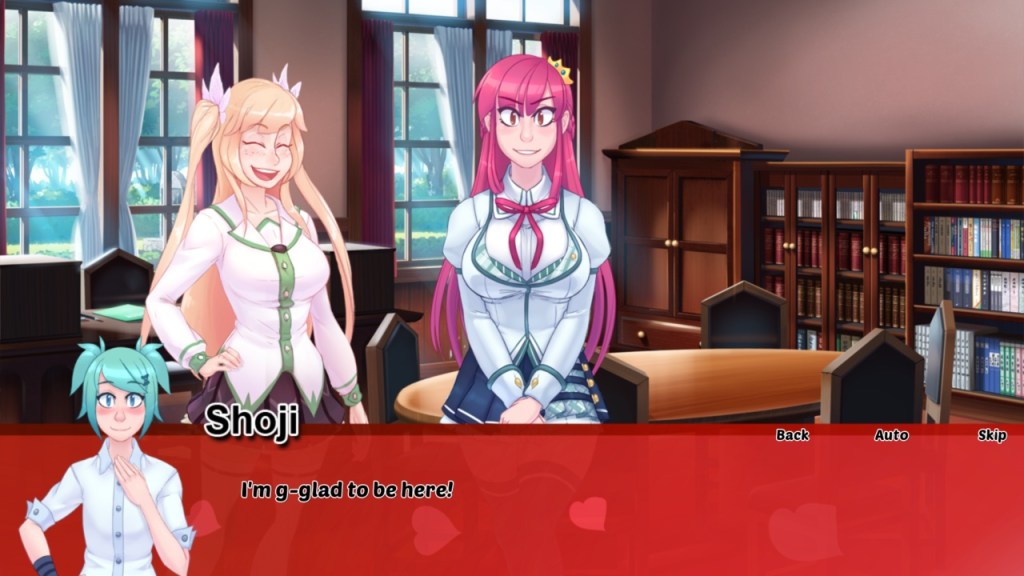


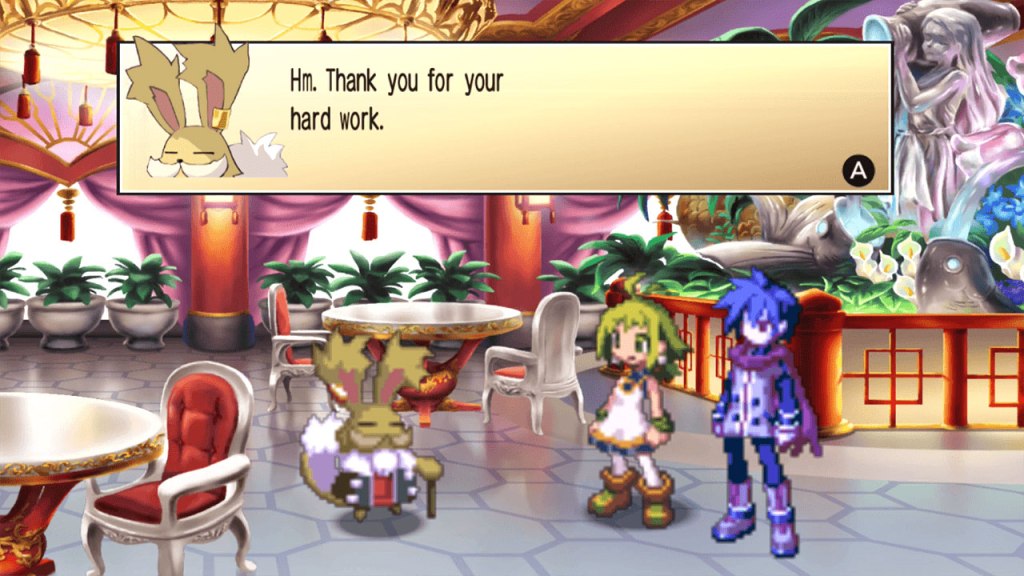


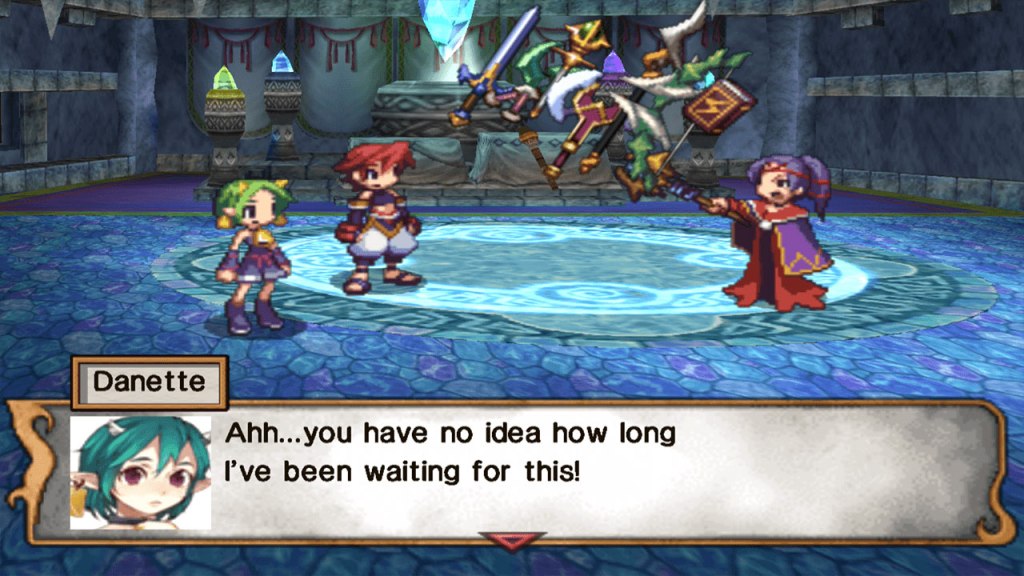
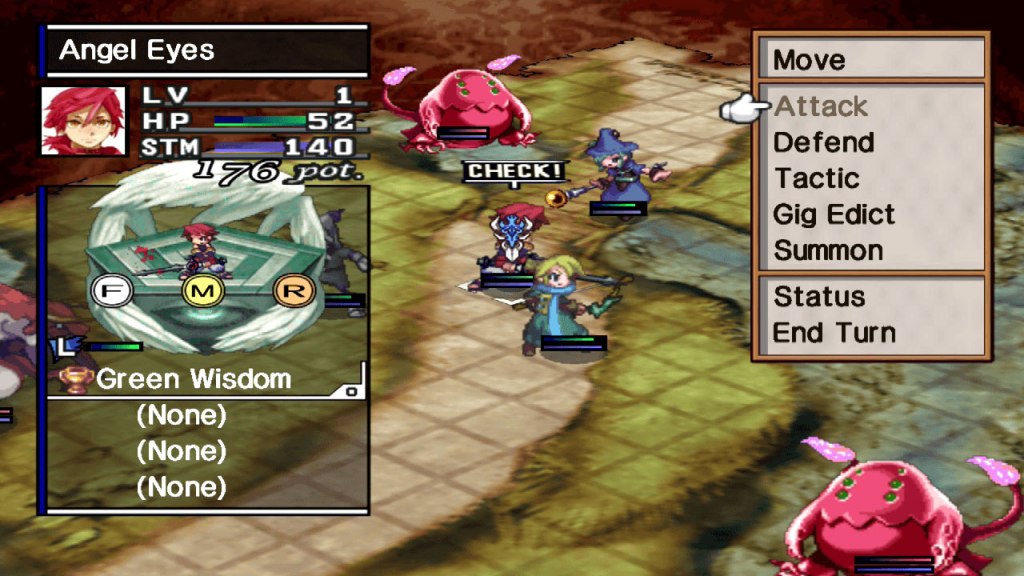

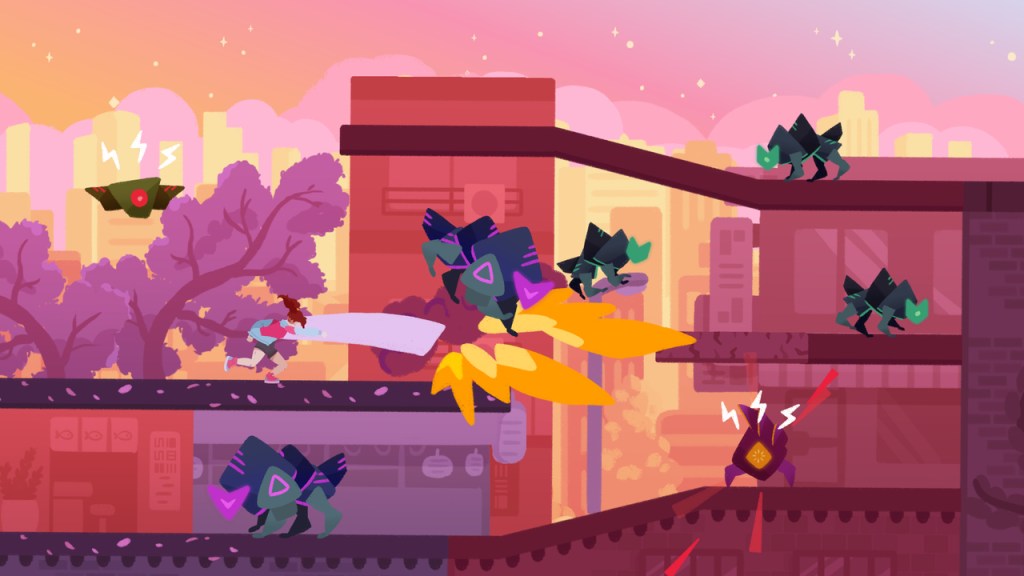


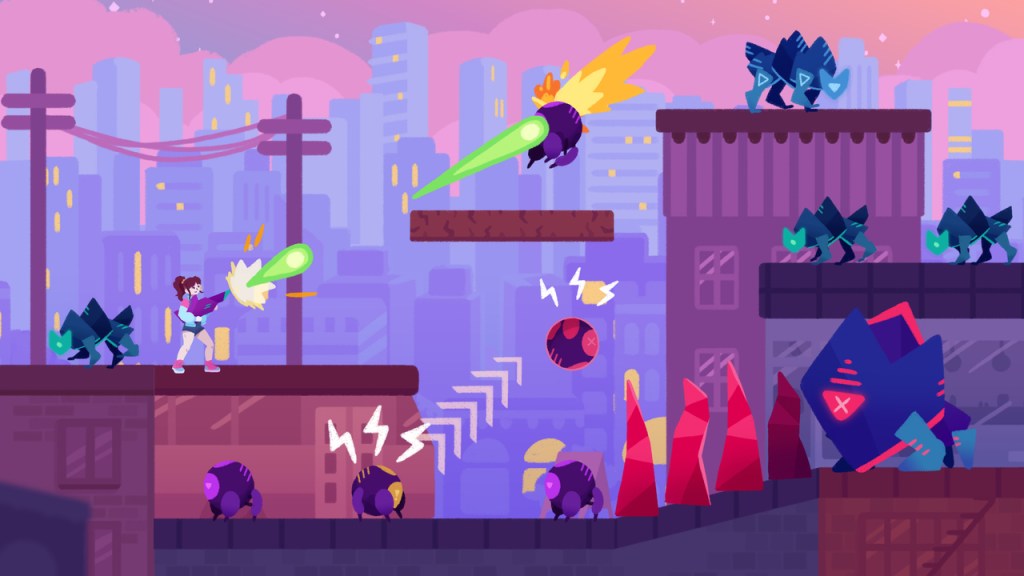

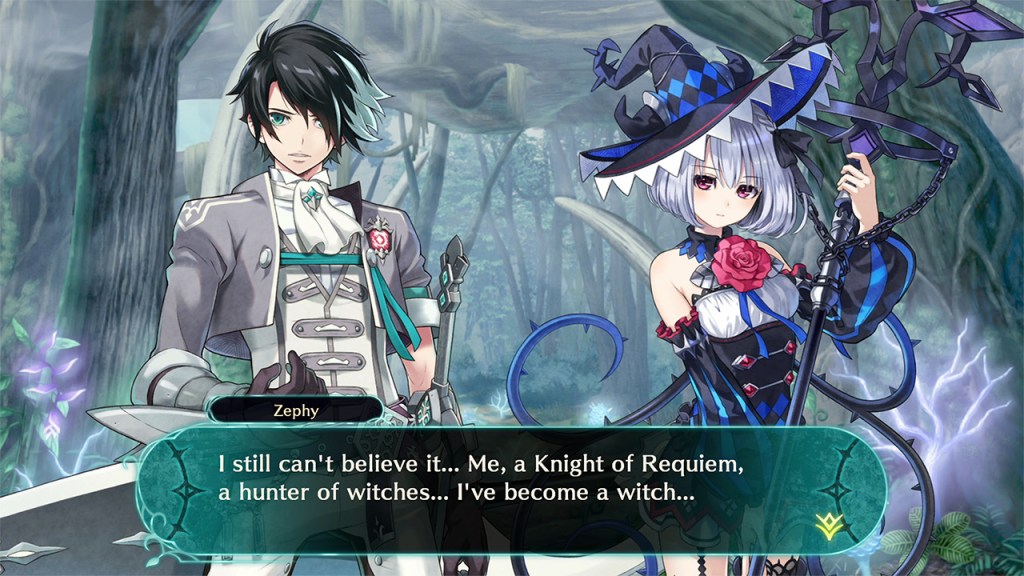
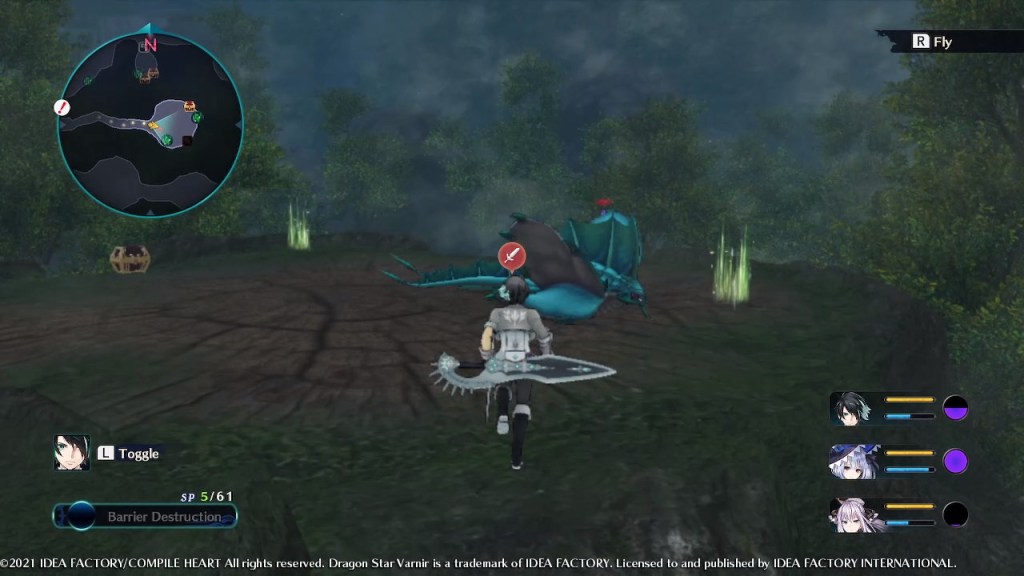



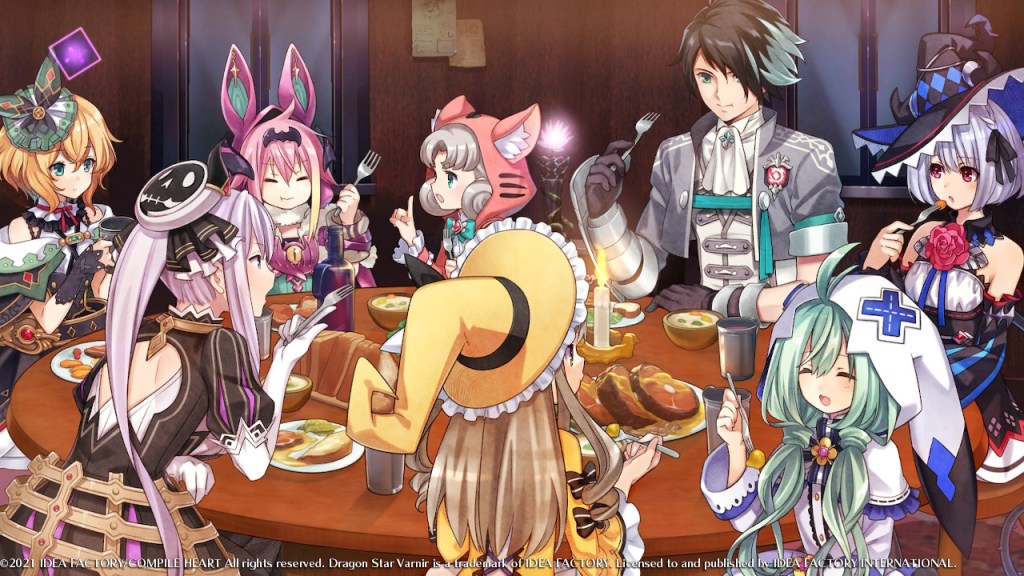


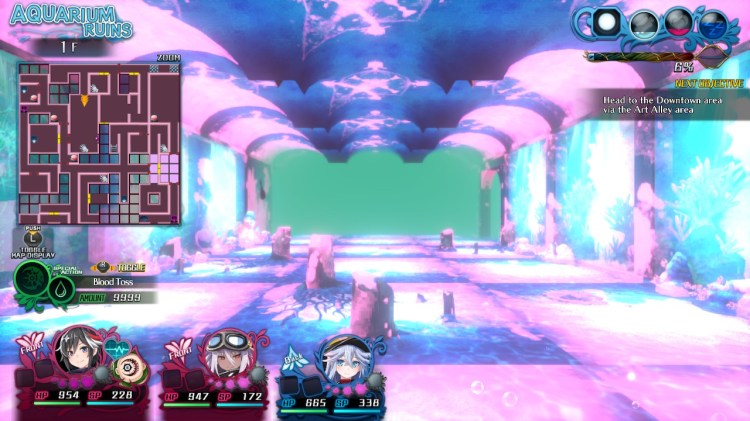
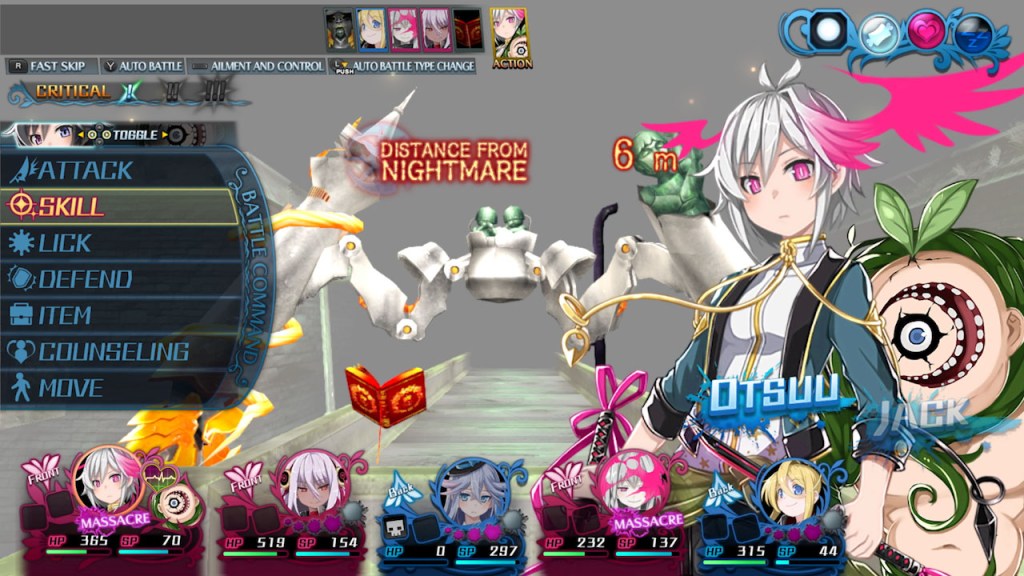
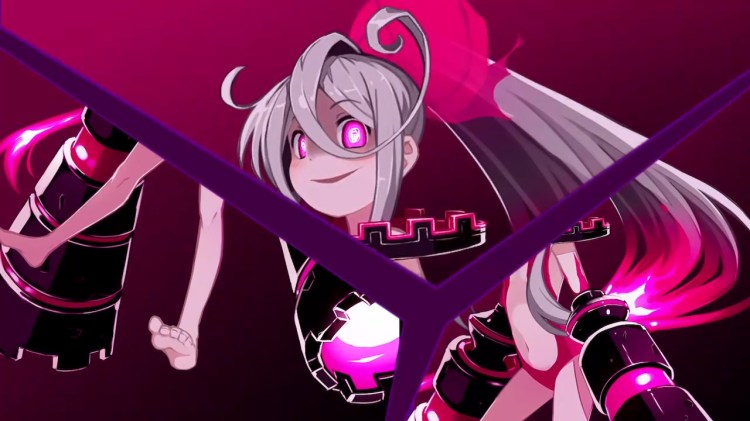
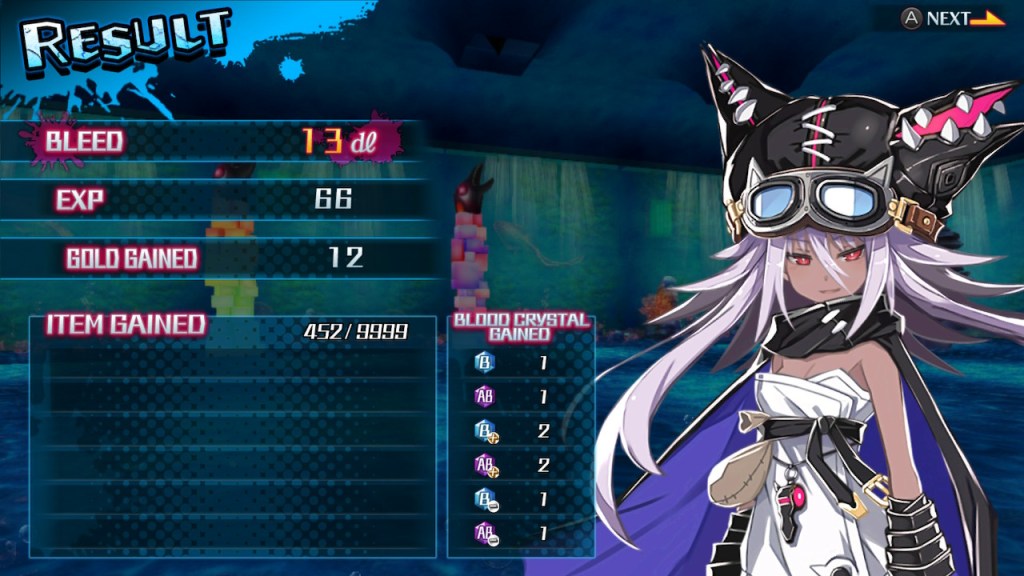
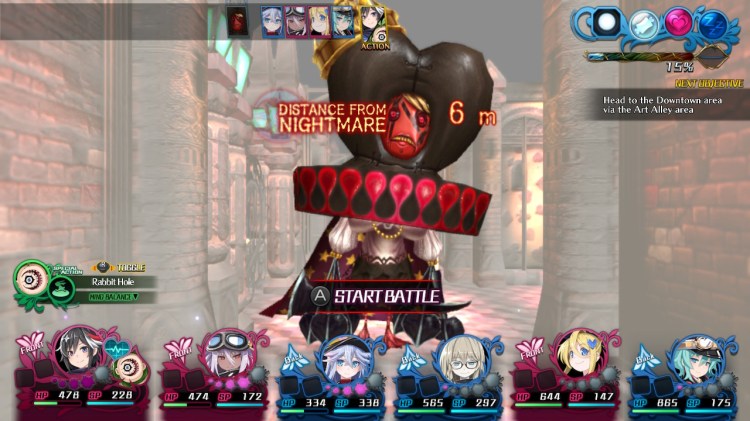

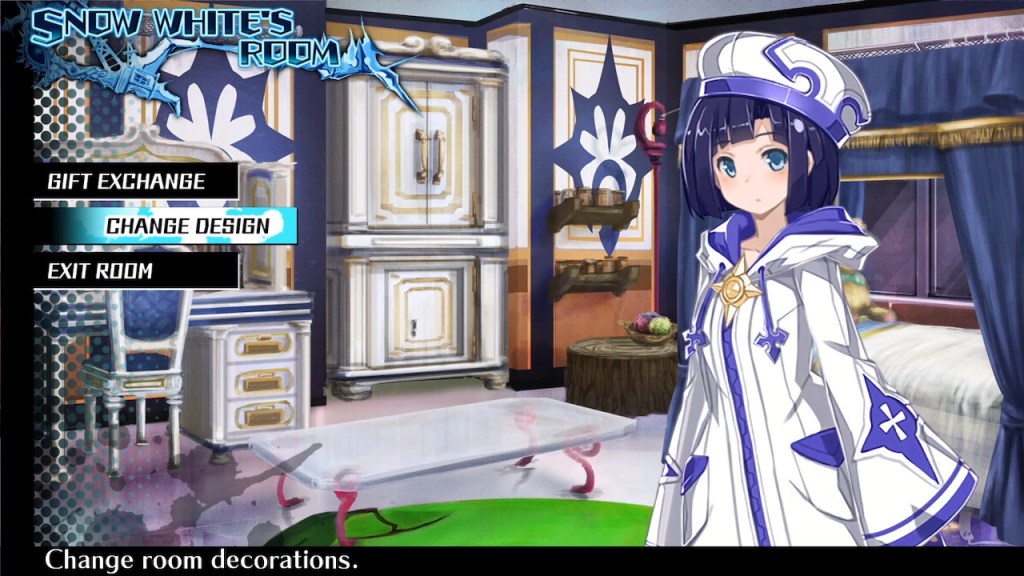

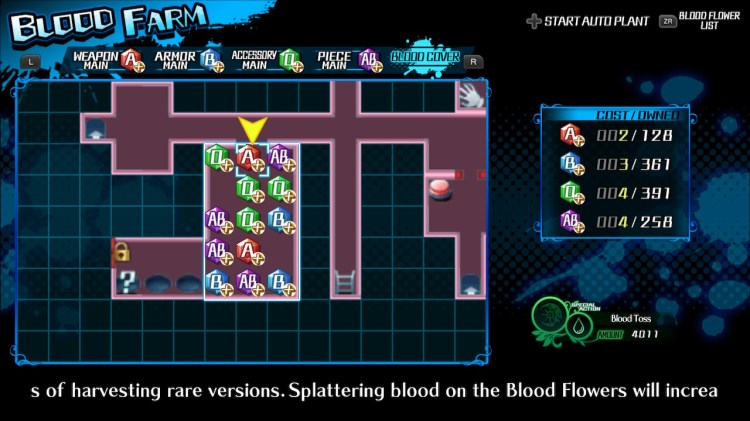
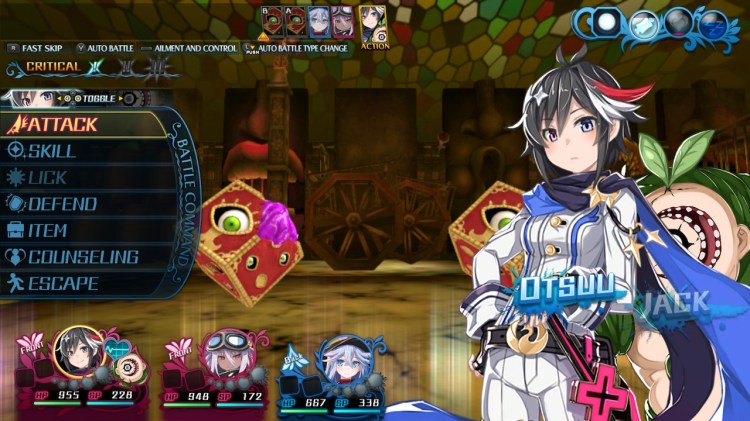

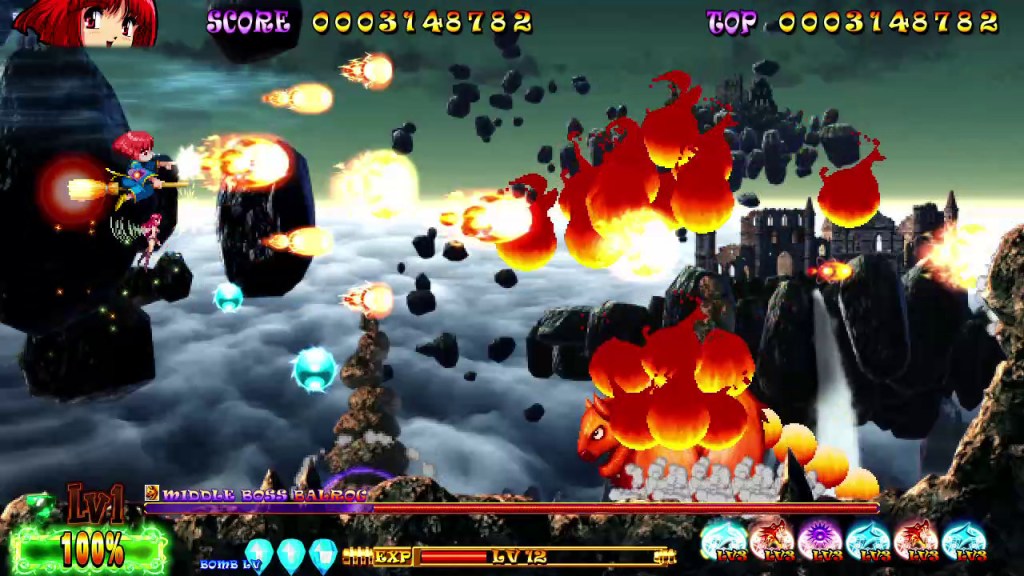
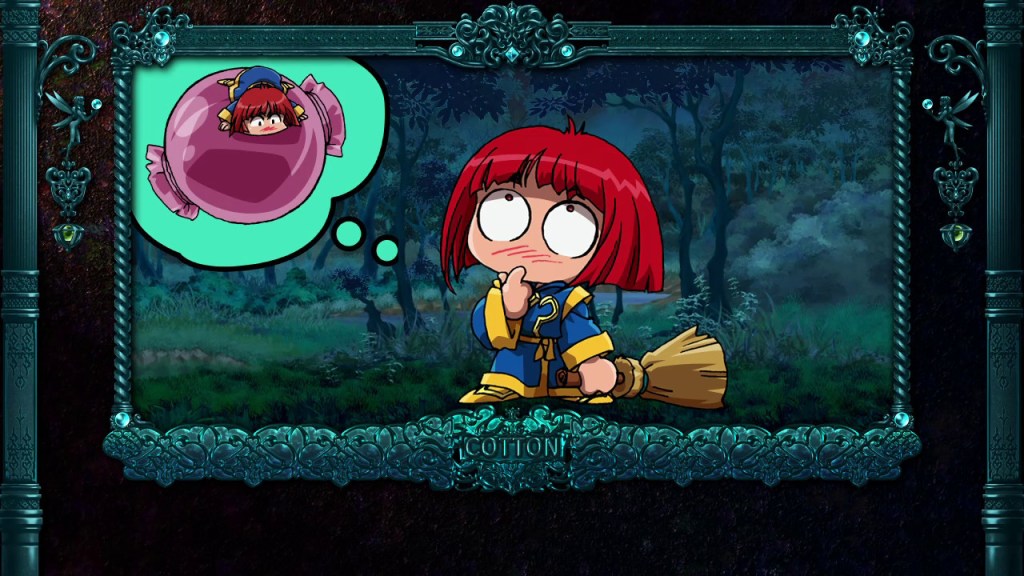
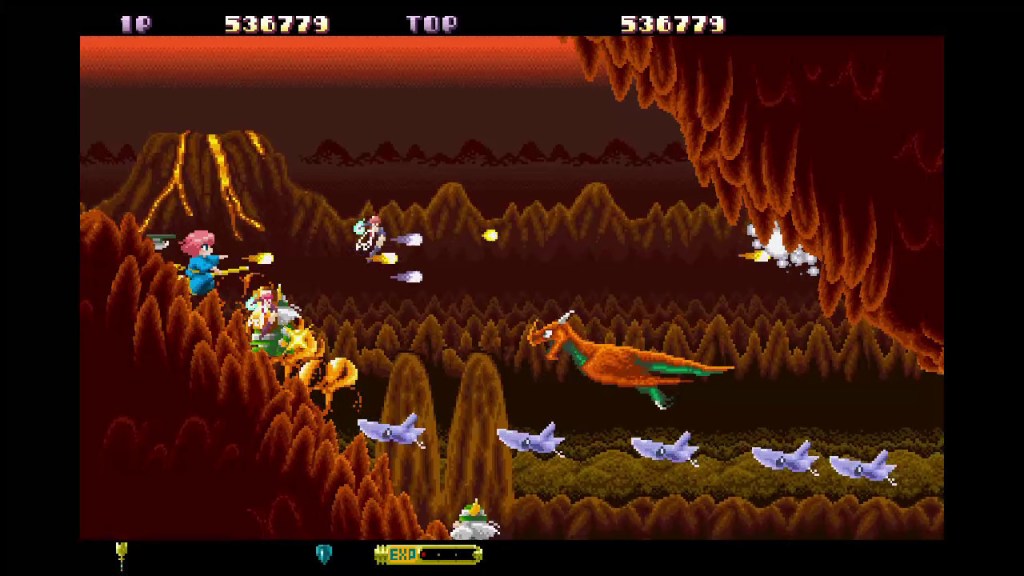


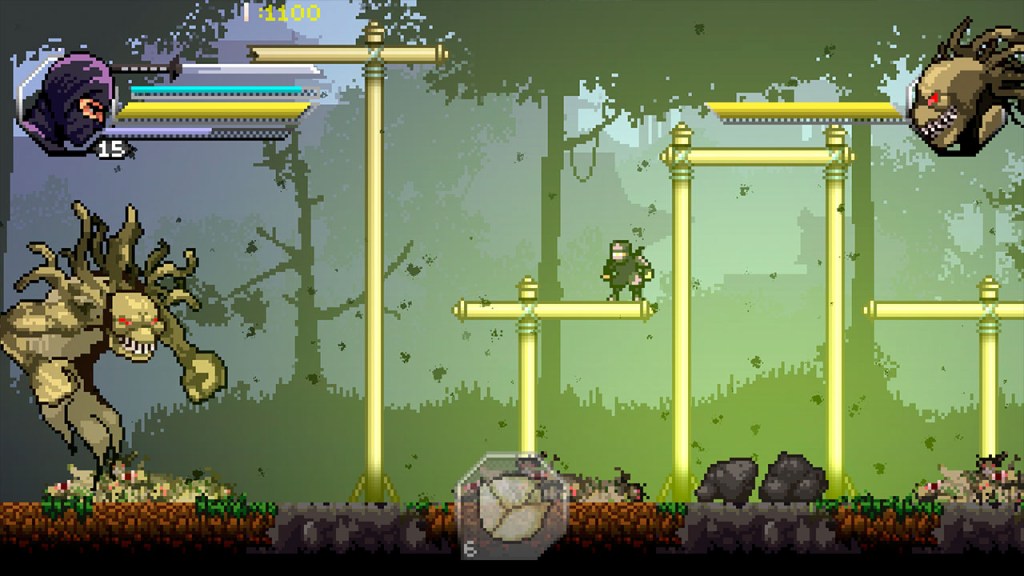

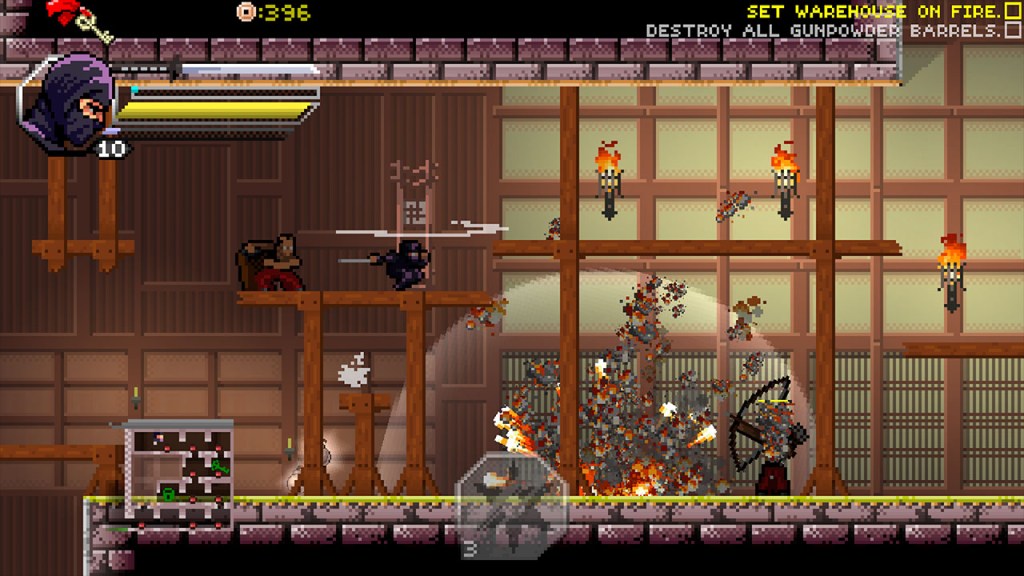
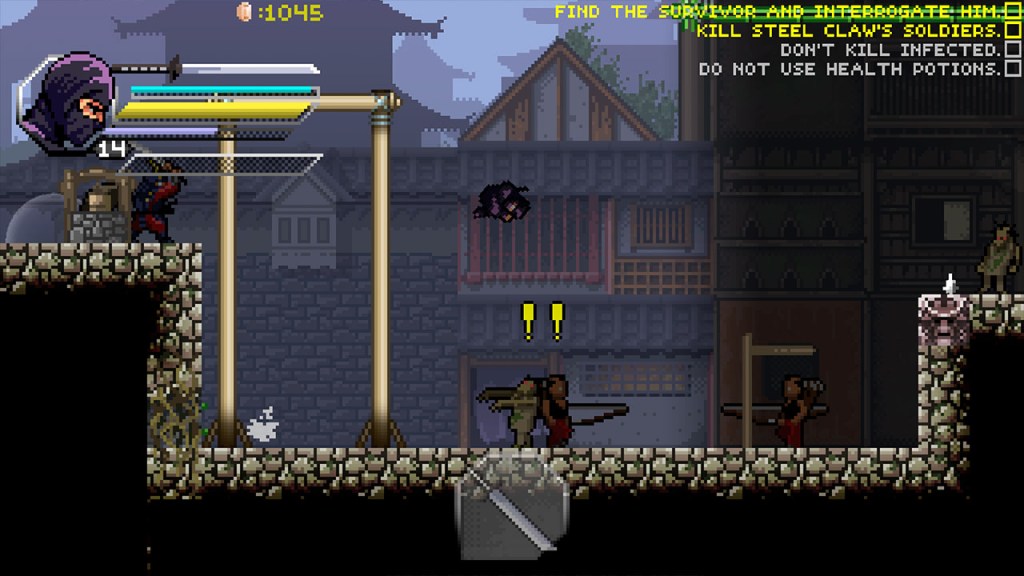




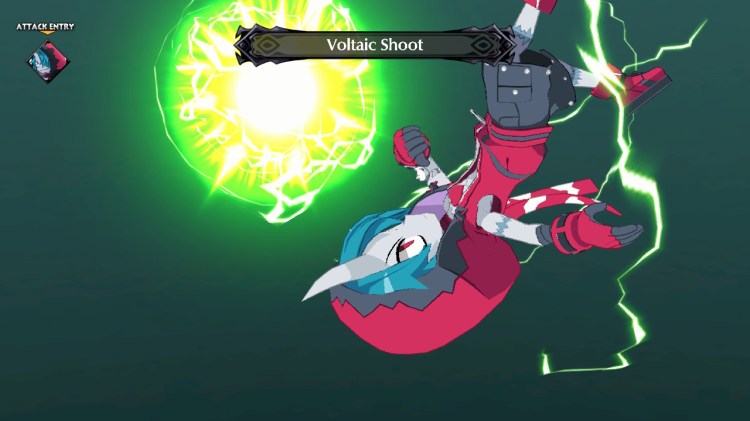
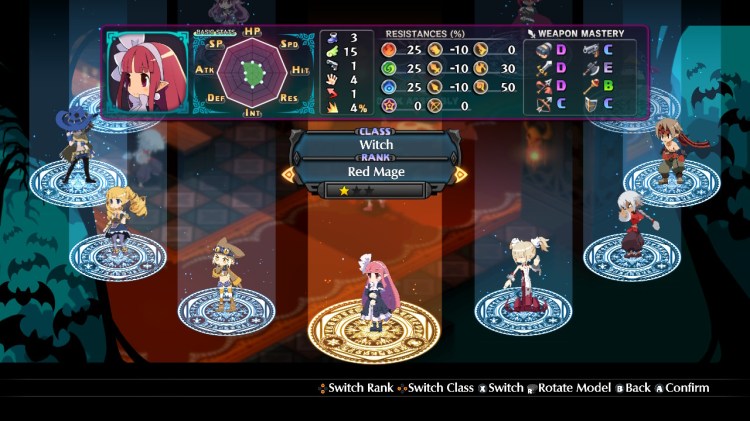
 W.Kohaku Media