Catherine Full Body – Nintendo Switch Review

Overview – developed by Atlus and Studio Zero with Publishing handled by SEGA, Catherine Full Body is a remake/enhanced port of the acclaimed adult puzzle adventure that shares the same name. Take on the role of Vincent, a man that is stuck in a difficult situation involving his longtime girlfriend Katherine, a mysterious blonde named Catherine and an amnesiac girl called Rin. This title is available on the Nintendo Switch and PlayStation 4, links to both versions of the game will be available at the bottom of this review.

Disclaimer: this title was purchased with personal funds when released for Nintendo Switch, the game was chosen for review via a community poll with an overwhelming majority of votes in favor of this release. The community backing of this coverage has not influenced the contents of this review, all thoughts and opinions contained within are my own.

Mature Content Warning: this title is rated as Mature, the content within is not suitable for children. This software features strong language, violence, blood and sexual themes/imagery. If you are under the age rating provided for this game or are offended by any of the content featured within, please proceed at your own discretion.

Now with the introductions out of the way, let’s get into the review. I will be skipping the story section for this review, instead of a dedicated segment I feel it would be better to give minor plot details while explaining elements of the gameplay.

Gameplay – Catherine Full Body is a mixture between a remake and an enhanced port of the PS3/Xbox 360 title Catherine (now called Catherine Classic). The player takes on the role of Vincent, a man that is torn between his long term girlfriend Katherine McBride and the mysterious Catherine who he meets in the Stray Sheep Bar. At night Vincent has terrible nightmares, in these nightmares he must climb towers that crumble beneath him over time.

Most of the gameplay takes place in these tower climbing stages. The player must move blocks by pushing and pulling them to get higher, avoiding the many traps and pitfalls that can lead to failure. The goal of each tower stage is to get to the top without dying, increasing in complexity as the game progresses. During climbing Vincent can undo a certain number of moves, allowing for different approaches to be taken but if the player has no undo points left and is killed they get a game over.

Each night is made up of at least one floor, with a boss at the end of the stage and special interaction sections called landings between floors (with a couple exceptions). At points during tower stages in story mode, the player can find items to increase the chances of survival. The items that can be found include pillows, increasing the maximum undo uses and power-ups that can help the player by saving them from death with these special pick-ups.

Between the tower nightmare sections, Vincent will interact with various characters in his life at the Stray Sheep Bar, his home and other locations. When interacting with other characters, they will switch between render cinematics, anime styled scenes and prompted dialogue segments. While at the bar, Vincent can freely move around and talk to patrons there, getting additional story details and learning more about the residents of the game world.

Inside the bar, the player will also be able to access a machine for a game called Super Rapunzel. An arcade style block puzzle mini-game featuring 64 stages that give the option to practice different techniques and play styles in a more relaxed and casual manner. There is also a jukebox that functions as a sound test, letting players listen to a selection of music and change the background music that plays while in the Stray Sheep.  

There are also special phone events where Vincent will receive text messages and phone calls from different characters. The interactions that the player engages in have the potential to alter the direction of the story, using a meter on screen to show the current alignment that the player is moving towards. With a total of 13 different endings available, there is a lot of replay value and multiple playthroughs are encouraged to explore all the options.

When not playing the story mode, the player can take part in additional gameplay modes either solo or multiplayer. First is Babel, a challenge mode where the player can take on four stages that include progressively difficult gimmicks, this can be played solo or with another in co-op. Second is the Colosseum, a competitive two player battle mode that can be played both locally and online, with a selection of characters and stages to challenge others in best of three contests.  

The vast majority of the game is identical to the original release, however there are some significant changes that have a significant impact on the way that the game plays. The changes present include alterations to the story, additional characters, modes and other enhancements.

Here is a brief list of some differences to finish the gameplay section;

  • Gameplay Modes – players can choose between Classic and Remix when starting a new game. Classic provides players with the option to play the original stages with minor adjustments made. Remix provides a whole new experience, with brand new stages, mechanics and gimmicks to challenge the players.
  • Super Rapunzel – the original stages are included from the previous game, alongside brand new arranged stages bringing the total number of stages that can be played up to 128.
  • DLC Additions – there is DLC included with the Switch version of Catherine Full Body (optional Purchase on PS4), these include a character pack for the Babel and Competitive modes, bonus voice over packs and a guest spot for characters from another Atlus release.
  • Accessibility Changes – a brand new mode called Safety has been added, allowing players who struggle with the climbing stages to get through them easier or skip them entirely. Lives are no unlimited, meaning that game overs are tougher to achieve when playing the game if the player has the ability to undo still.
  • Network Features – as well as competitive multiplayer options, the game also features worldwide rankings and score keeping for tower stages. When connected to the service, the number of deaths for that stage at that specific time is shown, results from questions are shown and souls can be found, signaling where players had died during stages.

Now that I have covered the gameplay for Catherine Full Body in a way that I am happy with, I will be moving onto the other aspects of the game, starting with the controls.

Controls – the controls for Full Body are simple and effective to a point. Unfortunately there are some minor annoyances with input drops, double inputs and occasional input lag. I don’t have a recent frame of reference as is haven’t played Catherine Classic in several years, so I am unable to tell if this is an existing issue or a failure of Full Body. However, aside from the inconveniences due to the inputs, the controls in general are comfortable when playing with both Joy-Cons and pro controllers.

Difficulty – the overall challenge for this release is fair and balanced, with systems implemented to give the player a fighting chance to succeed at each stage. The changes to the lives system, allowing players to try until they run out of possible moves/undo uses can really help relieve tension during play. The introduction of the Safety mode can lessen the hurdles that players face, with autoplay providing a way to experience the game without the difficulty of climbing stages.

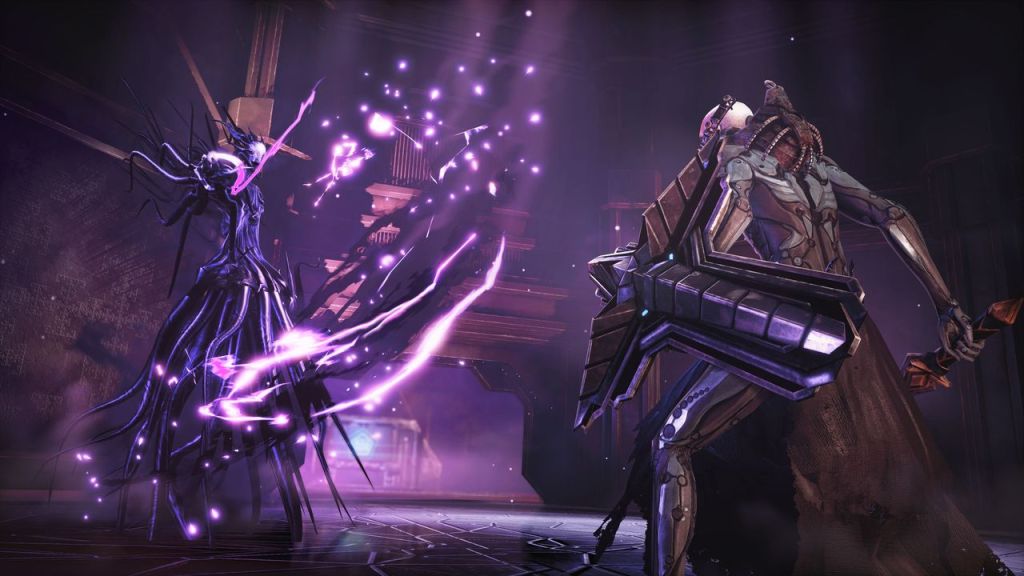
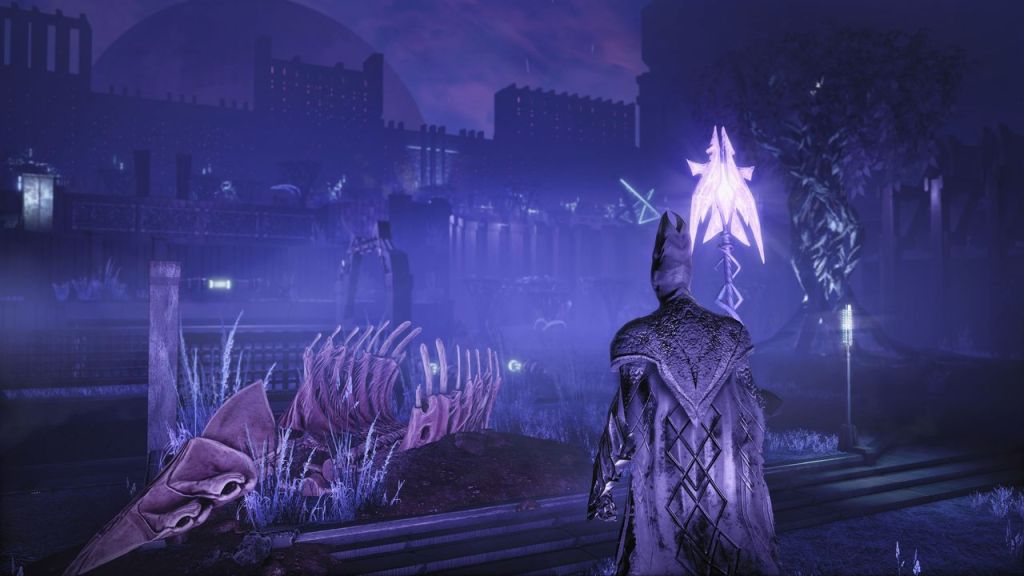
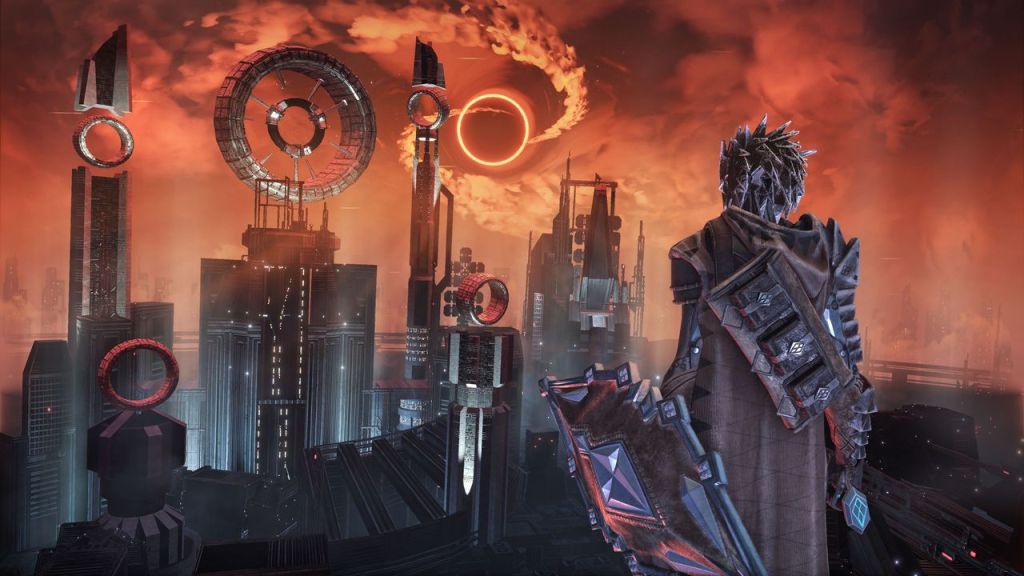
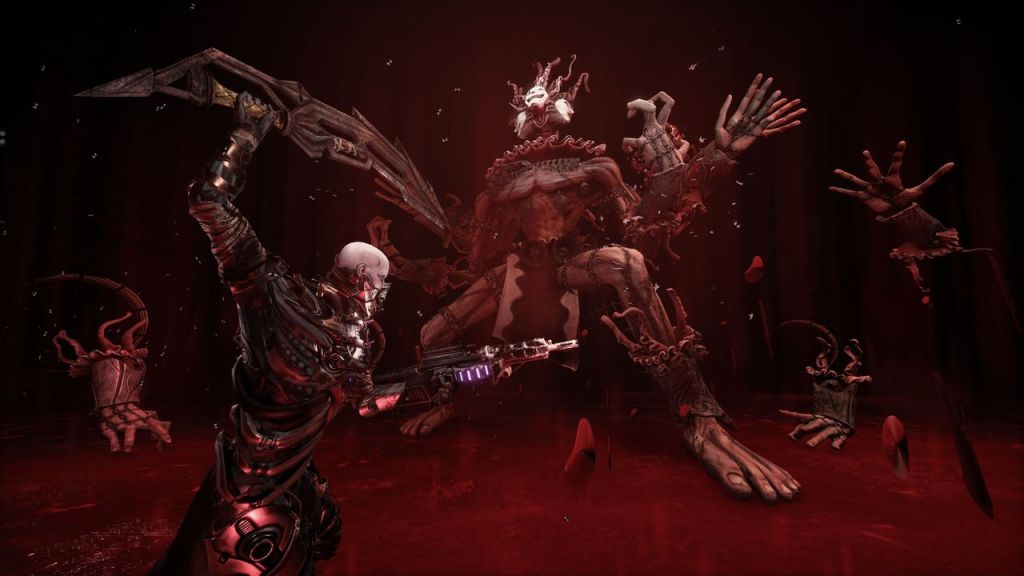
Presentation – the visual style for Catherine Full Body is pleasing, mixing 2D anime style animation and full 3D rendered footage. The characters each have their own unique designs, allowing them to stand out and the bosses are horrifying with imagery that is grotesque in its implementation. The graphical quality is high and really pushes the limits for the Nintendo Switch, while having no impact on the performance of the game, with zero frame drops or lag when playing in handheld or docked modes.

The sound for this release is intense with a sense of grandeur behind it. Musically, the soundtrack uses a mix of classical and original compositions, featuring orchestral, rock and Japanese jazz styles to bring the world to life. Catherine Full Body has both original Japanese and an English voice track with the option to switch between the two. The quality of the English voice cast is outstanding, featuring the vocal talents of Laura Bailey (Soul Eater), Michelle Ruff (Disgaea) and Travis Willingham (One Piece) making the overall experience much more enjoyable.

Final Thoughts – I was very impressed with Catherine Full Body, the additions made to the game make the experience much more enjoyable compared to the original version. The additional characters, rearranged stages and quality of life improvements enhance not just the solo game but the multiplayer aspect of the game too. The only issue that I had was the occasional input drops, which were a nuisance during play but they didn’t impact the experience too much.

I can happily recommend this game to players of the original and those looking to experience the game for the first time. The price point for the package is competitive as both a digital and physical release on the Nintendo Switch, with the amount of content on offer and the portability of the Switch system being good incentives to purchase this version. I am pleased with the quality on offer and the way that this can push the limits of the hardware without any major issues.

In the end, I give Catherine Full Body a final score of 4.5/5. The depth of gameplay, quality of storytelling and the overall enhancements to the original make this the definitive version of Catherine, with Atlus showing once again why they are one of the most popular developers in the industry. If you want to check this game out for yourself, links to game will be below.

Link to Nintendo Switch version (HERE)

Link to PlayStation 4 version (HERE)

One Piece: Pirate Warriors 3 Deluxe Edition – Nintendo Switch Review

Overview – developed by Omega Force and Koei Tecmo with publishing covered by Bandai Namco Entertainment, One Piece: Pirate Warriors 3 Deluxe Edition is an action brawler based upon the popular anime and manga series. This is an enhanced port includes additional content that was released as DLC when the game was initially released on the PlayStation 3, PlayStation 4 and Microsoft Windows. The deluxe edition is available on Nintendo Switch, alongside a special bundle on PlayStation 4 and Steam. Links to each version will be available at the bottom of this review.

Now with the introductions out of the way, let’s get into the review, starting with the story. Please note, I will be calling this game by the abbreviated title of Pirate Warriors 3 for brevity. Also this software was purchased using personal funds, however that will not influence the contents of this review.

Story – the plot of Pirate Warriors 3 follows the same storyline as the anime/manga for the most part, starting at the Romance Dawn and finishing at Dressrosa with an original ending. The story plays out in animated cutscenes, along with manga styled character interactions that outline the plot for each chapter that is played. I want to point out that the narrative for this release follows the significant story arcs, omitting some of the smaller storylines and filler from the anime.

Gameplay – the gameplay of Pirate Warriors 3 follows the hack and slash/musou formula popularized by the series Dynasty Warriors. The core premise of the game is to complete missions, battle waves of enemies and capture territories on the map. The objectives that players must complete include defeating specific targets, protecting specific areas and preventing enemies from reaching designated points on the map.

There are three gameplay modes available to play in this release, they are as follows;

  • Legend Log – play through the story and relive the events of the anime/manga, building up a crew of pirates and leveling up during the missions. Unlock new characters, stages for Free Log and more during this gameplay mode. This Legend Log along with the other two game modes can be played two player.
  • Free Log – freely play cleared stages, using characters and costumes that have been unlocked by playing the game. The story of each mission will play out like in the main story mode, however if there are costumes used by the player, humorous instances may occur.
  • Dream Log – a special challenge mode that is exclusive to this series. Take on unique randomized challenges as you cross a large chain of interconnected islands, battling enemies and unlock character that aren’t available in the Legend Log mode. All missions and objectives are randomized, creating scenarios that are unlikely as the player can be placed with previous enemies on their force.

In each stage, the player will fight mobs of enemies with a selection of combo attacks similar to other roaming brawler titles. The basic move set that the player can use are separated into three types, quick attack, charge attack and special attack. The quick and charge attacks can be chained together to create a range of combos, with the potential to wipe out waves of enemies quickly. The special attack uses a meter that charges over time, hitting opposing forces with a powerful strike.

Separate from the standard moves that players can use is the Kizuna system, a partner assist system that has crew/support characters jumping in at the end of a combo to perform an attack. Each support character has two special support attacks that will happen depending on the attack that ends a combo. When enemies are defeated by the Kizuna attacks, a special K.O. marker will appear on screen, adding more with each successful knockout.

The Kizuna gauge will fill up to three levels and have special functions that can be used. I will be talking about the two basic mechanics here. The first is Hero Power, a special status that characters can enter and provide bonuses for a limited time during battle. The second is Kizuna Rush, a powered up stage that characters can enter when the gauge is maxed out, increasing the overall power of the characters and provide access to a special group attack called Special Kizuna Attack.

When enemies are defeated, there are several things that can happen depending on the situation. If the player is within the boundary of enemy territory, eliminating enough enemies will claim that territory and spawn allied forces to help the player. Fallen mobs will also have the potential to drop loot for the player to collect, from recover items and money to special coins that can be used to power up the playable characters.

Upon clearing a stage, the player is ranked on three scores and provided with a final grade at the end. Players are ranked on their total standard knockouts, kizuna knockouts and the clear time, providing a letter grade assigned to each with an overall rank from the average of all three. Additionally, the player is provided with money (called Beli in game), pirate coins for increasing character stats and experience points for leveling the character up.

The last thing I want to talk about is the leveling and upgrade system. Character leveling works in two ways, the player can level up by earning experience by clearing stages and spending Beli to level inactive characters. There is a level cap of 50 that can be reached before needing to break the limit and reach level 100. Level break is generally attained by using rare coins, which are earned by completing special requirements in all game modes and are not consumed unlike bronze coins.

Bronze coins are obtained by defeating specific enemies, playing as specific characters and using support characters effectively. These coins can be spent to power up the base stats for each unlocked character, including attack power, defensive capabilities and unlocking additional special attack bars. The maximum number of a single coin is 99, giving more reason to upgrade characters as often as possible during the course of the game.

Now there are many things that I have omitted from this section. However, I feel that the more complex elements of the game should be seen first-hand to get the most out of the experience. So with all basic mechanics of this title covered, I will be moving onto the other aspects of this release, starting with the difficulty.

Difficulty – Pirate Warriors 3 has a level of challenge that is fair and balanced, made up of three difficulty options that the player can be set freely. The difference between each difficulty setting is balanced well, allowing players to gradually increase the toughness of stages to gain maximum rewards for 100% completion of the game overall. If stages are a little tough solo, co-op play can make harder stages a little easier and help out greatly for those who may struggle.

Controls – the control method for this release is simple and effective. The thumbsticks control movement and camera, the face buttons control attack/defense inputs and the shoulder buttons cover special functions like Kizuna Drive. Inputs and movement are smooth, with no lag or issue when playing with the default Joy-Cons or pro controllers, the game even supports single Joy-Con play for quick multiplayer action on the go.

Presentation – the visual design for Pirate Warriors 3 manages to capture the spirit of the anime, with smooth animations and effects have the right level of exaggeration to them. There is almost zero lag during play, with very occasional frame drops when there is a lot of objects loaded at once. There are some minor blemishes to the visuals due to draw distance, but it doesn’t detract from the overall quality of the game as the fog is a symptom of the hardware limitations of the Nintendo Switch.

The soundtrack for this title is excellent, employing a mix of Japanese jazz/big band style music with rock and keyboards. This combination provides an air of excitement during play, tying the whole experience together. The dialogue is performed well, with high quality voice acting featuring the majority of the original Japanese cast of the show. There is no English voice option, but I don’t feel that this detracts from the experience.

Final Thoughts – over the years I found myself getting tired of the Warriors/Musou style of games. However, One Piece: Pirate Warriors 3 was a refreshing experience, providing a different take on the formula for me. The humor and action of the anime translates well into this style of game, providing satisfaction when wiping out mobs of enemies with the ridiculous attacks. Also, the multiplayer aspect of this game is fun however the only issue is the mini map on screen being a little tough to see.

I recommend picking this game up, the depth of gameplay and the fun that can be had is worth the price. The additional content of over 40 items included with purchase is a bonus, giving more value to the package on offer. If you have a standard Nintendo Switch or handheld only lite model, you will not be disappointed. I applaud Omega Force for the high quality of this release given the limitations of the hardware, resulting in some minor flaws with draw distance, but that doesn’t detract from the overall experience.

In the end, I give One Piece: Pirate Warriors 3 Deluxe Edition a final score of 4.5/5. This title is a frantic action brawler that captures the spirit of the series that it is based on. Featuring a good sized roster of characters, high quality voice acting and gameplay that far exceed the expectations of what you may think that the switch is capable of. If you want to check it out for yourself, links to the game will be below.

Link to Nintendo Switch version (HERE)

Link to PlayStation 4 version (HERE)

Link to Steam Bundle version (HERE)

Root Double -Before Crime * After Days- Xtend Edition – Nintendo Switch Review

Overview – developed by Yeti and Regista with publishing covered by Sekai Games, Root Double -Before Crime * After Days- Xtend Edition is a visual novel where player choice is handled through feeling. Experience the narrative before and after a catastrophic event, with multiple endings to discover and branching paths to explore. This experience is available for Nintendo Switch and Steam Service, if you want to check this out for yourself, links to the game will be available at the bottom of this review.

Disclaimer: before I get into the review, I would like to thank PR Hound for providing the copy of Root Double -Before Crime * After Days- Xtend Edition used for this coverage. The provision of this software has not influenced the contents of this review, all thoughts and opinions contained within are my own.

Now with the introductions out of the way, let’s get into the review, starting with the story. I will be calling this title Root Double for brevity and most story details are taken from the Nintendo eShop to prevent significant spoilers.

Story – The year is 2030. Business is as usual in the isolated research city of Rokumei that is until several explosions suddenly go off in the nuclear research facility known as “LABO.” The city sends in “Sirius,” an elite rescue squad, to deal with the situation. But the situation only gets worse when LABO’s nuclear reactor melts down, with members of Sirius and survivors still trapped inside.

With radiation leaking everywhere and not enough anti-radiation medication to last until lockdown lifts, the survivors of the catastrophe make more grin discoveries in a deathtrap full of fire and radiation. In their struggle for survival, they learn that doubt is their greatest enemy, and trust their greatest asset if they want to make it out of LABO alive.

Gameplay – Root Double follows the traditional visual novel structure for the most part, with the story delivered through dialogue and images for key points of the narrative. In this release, there are two storylines that can be chosen from at the beginning of the game. The two stories have multiple endings to unlock, with additional extras that can be obtained during play.

The story of Root double features two protagonists, with their stories taking place at opposite points of the LABO disaster. The first is Watase Kasasagi, protagonist of Root After and captain of the Sirius rescue squad who is suffering from amnesia in the hours after the incident. Second is Natsuhiko Tenkawa, the lead of Root Before and a student collecting clues in the days before the disaster occurs.

In Root Double, the way the story progresses is with a unique system called the Senses Sympathy System, a feature that alters the direction of the narrative through emotions. Using the SSS mechanic, the player can decide how they feel about the characters (including yourself) by increasing or decreasing a meter attached to their name. shaping the way that events unfold at key points during the experience.

There are three types of SSS events that occur at set points during the game, these moments are called Divergence Points (also known as branches) and can have a major influence on the story. The events are the only way that you can alter your senses, with a symbol called an Enneagram that will appear on screen. However, the symbol won’t last long so time can be a crucial factor at these points.

The three types of Divergence Points are denoted by color and are as follows;

  • Blue – this is an event where the player may be able to influence that target character, altering the overall impression they have. A blue branch is generally of lower importance and may not impact the narrative to a great extent, however neglecting these branches may cause dire consequences.
  • Yellow – here the player has a higher chance to influence their target, altering their impression to a greater degree. A yellow branch is more important than a blue branch in general, having a greater impact on the progression of the story. These points signal a big change that doesn’t pose an immediate risk to the player, but can imply a much more dangerous situation is approaching.
  • Red – this color signifies grave danger and is the most important branch that occurs. If a poor choice is made during these branches, death will occur and cause a game over for the player leading to a bad ending. Pay attention to the other branch colors as they can lead to a red branch and potential death if great care isn’t taken during the story.

The choices taken will influence the ending that they player will achieve, with multiple endings spread across the two storylines the decisions that are made have the potential to lead to different outcomes.

Now I feel that I have covered the gameplay to an extent that prevents spoilers, so I will be moving onto the other aspects of the game, starting with the controls.

Controls – the controls are very simple, using the A button and touch screen to advance the plot. The menus are easy to navigate and the SSS/Enneagram is fairly streamlined, using the left side of the controller to modify the sense meters. The game handles well using both the Joy-Cons and pro controller, but I will say that the best way to enjoy the experience is via touch screen where possible.

Presentation – the visual style of Root Double is stunning, with pleasing character designs and beautiful artwork for key scenes. The overall look and appearance of the experience works well, with character designs and backdrops that effectively pull the player into the story. The text is readable with good clarity in both docked and handheld mode, providing an enjoyable read however you want to experience it.

The soundtrack and overall sound design is immersive, adding to the way that the story plays out. The game features a variety of music tracks that fit the overall tone of each scene, with tense compositions that contrast with the laid back melodies present. The voiced dialogue is entirely in Japanese, with outstanding performances from Megumi Toyoguchi (Kingdom Hearts) and Kei Shindo (My Hero Academia).

Final Thoughts – I have enjoyed visual novels in the past, with each story following the traditional narrative structure where the direction is dictated through simple choices. The experience of Root Double was a refreshing change of pace, giving the feeling that I had more of an impact on the way that the story unfolded. The SSS system is intuitive and has greater immersion than most other VN releases.

The content on offer from this title, along with the quality of the storytelling makes it easy for me to recommend Root Double to fans of the visual novel genre. I found that the story was paced well with a good balance between action and suspense. I have nothing negative to say about the experience from a personal position, however I feel that the slow build of the story may be off-putting for some.

In the end, I give Root Double -Before Crime * After Days- Xtend Edition a final score of 4.5/5. This is a well-crafted story that blends action and suspense in a balanced way, featuring beautiful artwork and a unique branch system that offers more immersive control of the story to the player. If you want to check this title out for yourself, links to the game will be available below.

Link to Nintendo Switch version (HERE)

Link to Steam version (HERE)

Bubble Bobble 4 Friends: The Baron is Back – Nintendo Switch Review

Overview – developed by Taito and published by ININ Games, Bubble Bobble 4 Friends: The Baron is Back is an expanded version of the previously exclusive Nintendo Switch release. The arcade style platform action title features the iconic bubble dragons Bub and Bob, alongside two new friends for this fun adventure. This title is available as both a standalone release for the Playstation 4, with both a complete edition and a free update for the Nintendo Switch. Links to both versions of the game will be available at the bottom of this review.

Disclaimer: before I get into the review, I would like to thank PR Hound who provided the copy of Bubble Bobble 4 Friends used for this review. The provision of this software has not influenced the contents of this piece, all thoughts and opinions expressed within are my own. Please note that this title was originally covered earlier in the year. However, along with the new content update, the initial work has since been lost prompting this revamped coverage.

Now with the introductions out of the way, let’s get into the review, starting with the story.

Story – one night in a child’s room, the bubble dragon Bub is brought to life by magic along with the magician Bonner (known as Drunk in other regions). The magician is jealous of Bub being the favorite toy of the child, attacking the bubble dragon and challenging him to battle. With the help of his friends, the dragon goes on a magical adventure through the child’s room, battling the minions of the jealous magician during the quest.

Gameplay – the objective of Bubble Bobble 4 Friends is to clear each of the 50 stages spread out through five worlds, capturing monsters in bubbles and defeating them by popping the bubbles. The worlds are made up of single screen platforming challenges, featuring platforms and obstacles to overcome. Each set of stages has a unique theme, culminating with a large boss battle on the tenth stage of each world.

The bubbles are the main way that players can attack enemies, when a monster is trapped in a bubble the player can pop the bubbles by using the spikes on their back or stomping on them. When several enemies are trapped, the bubbles can chain together as they pop boosting the score that is earned. As well as trapping enemies, bubbles can be bounced on allowing access to enemies that are far away.  Along with standard attack, there are special bubbles that can be used to defeat enemies.

During each world, the player can collect special letters to spell the word extend. These letters are placed in different points in each world, with successful collection of the letters providing special rewards. When each world is completed the player gains a new power-up, with extend giving that ability an upgrade. The special power-up items have a limited number of uses, recovering a different number of actions when each stage of that world is cleared.

When playing this title in single player or multiplayer, there are some differences in the way that the game will function. The differences between the two styles of play are subtle but effective. The total lives available during each world are limited to four when playing alone, with a total of ten in a pool for two or more players. During solo play, when the player is hit by an enemy or makes contact with a hazard, death is certain. However, in multiplayer the injured player is trapped in a bubble and can be saved by an ally, preventing a life from being lost.

The last thing I want to discuss is the additional play modes that players can access. Here are some details on each of the three extra modes that are available, they are as follows;

  • Hard Mode – this extra mode is unlocked by completing the story mode, providing an additional fifty stages, more upgrades and an increased level of difficulty. The stages are rearranged to an extent to make them different from the standard stages.
  • Arcade of Memories – a special treat for the fans of the original. The original arcade title has been included in its entirety, all one hundred stages, infinite credits when playing in two player mode and the ability to toggle scanlines. This is a perfect conversion of the game that started it all and an excellent addition to the overall package.
  • Arcade of the Future – new to the updated release, the Arcade of the Future (also called BB4F: The Baron is Back) is a special mode that is unlocked by completing the standard story mode. This is mode functions as an endurance/survival mode, with players having a limited number of lives to clear one hundred new stages. There are no continues available, making this is the toughest challenge in the game but there is a practice mode for cleared stages.

All four game modes have global rankings available, bringing the spirit of the arcade to a new generation as players can challenge others from all over the world for a position on the leaderboards. The inclusion of worldwide high score systems gives more replay values to Bubble Bobble 4 Friends, rounding out an excellent experience for all.

Now with the gameplay covered, I will be moving onto the other aspects of the game, starting with the controls.

Controls – Bubble Bobble 4 Friends uses a simple control method, all key functions are attached to the face of the controller, with special skills on the shoulder buttons. The movement is smooth, the jumping is precise and the bubbles/skills are effective. There is zero input lag when playing all gameplay modes, providing a comfortable experience when played with any controller set-up, be it the pro controller, Joy-Cons or additional third party peripherals like the Retro Bit Sega Saturn Controller.

Difficulty – the overall challenge is balanced in all game modes, with a gradual increase in difficulty over the course of the game. This allows players to build their skills over time, with new enemies and hazards being introduced as the player progresses. During the main story mode, hard mode and in the Arcade of Memories (co-op only), the player has access to infinite continues.

There is also the option to continue a stage with invincibility, this will last until that stage is cleared and made available when three game overs have occurred in one stage of story/hard mode. The way that the game balances the challenge across all four difficulty settings provides a level of accessibility that means anyone can enjoy this wonderful game.

Presentation – the visual style of Bubble Bobble 4 Friends is very cutesy and charming. The designs for the bubble dragons and enemies look like toys, fitting the setting of a child’s bedroom. Each world has its own unique theme, with each stage having elements in the background that are appropriate for overall aesthetic that the game presents.

There is also a the use of pixel art in some stages, including sprites of Bub and Bob, alongside rainbows and a message of dedication to the creator of Bubble Bobble, Fukio Mitsuji. The soundtrack is a delight to listen to, with rearrangements of the original Bubble Bobble theme as well as original compositions.  The combination of bright chiptune styled sounds along with more conventional electronic beats adds to the experience and ties the whole game together.

Final Thoughts – when I first played this game, I felt that it couldn’t be improved upon. However, the introduction of the Arcade of the Future made the package even better, with an additional one hundred stages to challenge alone or with a friend. The addition of online rankings gives players the incentive to return to the game after completion, adding a competitive element to the experience. The only thing I would say is missing is an online multiplayer component to play with others around the world.

I can recommend this title to everyone, as the overall experience has something for all players to enjoy. The inclusion of the original arcade version of Bubble Bobble was a great choice, as a piece of gaming history I feel should be experienced by players both old and new. The content, gameplay and quality of this release is a testament to the hard work that Taito puts into their games. If you have a PlayStation 4 or Nintendo Switch, go out of your way to play this game.

In the end, I give Bubble Bobble 4 Friends a final score of 5/5. This is an excellent return for one of the most iconic franchises in the history of gaming, providing a fun experience that is suitable for players of all ages and skill levels. The content on offer and the depth of challenge can keep players engaged for hours on end. If you want to check this game out for yourself, links to both versions will be available below.

Link to Nintendo Switch version (HERE)

Link to PlayStation 4 version (HERE)

Gal*Gun 2 – Nintendo Switch Review

Overview – developed by Inti Creates and published by PQube, Gal*Gun 2 is the third entry in the bishōjo rail shooter series that combines frantic action and dating sim mechanics. Team up with the angel Risu, fight demons to save the female students and teachers of the academy, while also dealing with some problems in the protagonist’s personal life. This title is available for PlayStation 4, Nintendo Switch and Windows, links to each version of the game will be available at the bottom of this review.

Disclaimer: this title was chosen for review as part of a poll for anime month on the site. The software used was purchased independently and is part of my personal collection. I want to thank every person who interacted with the poll and voted to see the game they wanted covered, more polls will appear soon.

Mature Content Warning: Gal*Gun 2 is a mature rated title, there is sexual content, imagery and innuendo featured throughout. If you are under the recommended age guideline for this title as presented by the relevant rating boards, or if you find any of the content included in this release inappropriate/offensive, please proceed at your own discretion.

Now with the introductions out of the way, let’s get into the review, starting off with the story.

Story – the plot of Gal*Gun 2 revolves around a nameless male student at Sakurazaki Academy. One day while sat at his desk, the protagonist finds an unfamiliar application on his phone, upon opening the app a box appears in front of him containing a headset and an unusual object that looks like a hair dryer. After putting the headset on, an angel appears in front of the protagonist and informs them that they have been chosen to fight demons in the academy. Now, the protagonist has 20 days to get rid of the demonic presence, with failure resulting in the demons taking over the school.

Gameplay – the core focus of Gal*Gun 2 is stationary rail gun shooting, using a special gun to subdue girls that attack from all sides with the Pheromone Shot. While the player is stationary, they can still look around with full 360 degree movement, giving a first person shooter style to the action. Over the course of the 20 days that the player has to exorcise all the demons, they take on missions to help progress the story and earn points.

During each day, two missions are available to play with one in the morning and the other in the afternoon. Stages are made up of several objective types, with the most common being a traditional enemy elimination mode. The player battles waves of possessed girls who must be subdued with the Pheromone Shot, moving from position to position when all the girls are purified, working towards the goal of the stage.

The possessed girls will try to attack the player head on and from a distance, touching and screaming at the protagonist to deal damage to them. When exorcising the girls indicators can flash on screen, showing a weak point for the player to hit and cleanse the girl immediately, a special Doki-Doki shot can be activated by charging up a meter by zooming in on a girls eyes. A successful charge shot also has the capability to purge all demons in the immediate area, making for a risky tactic with a big reward.

At preset points during a stage, girls with visible demons attached to them will appear, with the player needing to shoot them off before saving the girl. These demons that get shot can be sucked up by the Pheromone Shot using a feature called the demon sweeper, a limited use skill that can be charged by shooting demons and sucking up angel puffs hidden in the stage. Be aware, after enough progress has been made, upgrades for the sweeper can be unlocked giving the player the ability to suck up clothes as well as demons.

When a stage has been cleared, the points are totaled up for all girls that have been exorcised. Bonus points will be applied for the demons that have been captured by the player, split into four categories depending on their strength. The points are the added to the players Demon Buster Score, with progress for the next story mission being opened at specific point totals. As well as the points earned in stages, special item rewards can be earned during the course of the game.

Alongside the story missions, the player can take on additional side/free challenges to earn extra points and rewards. The side missions provide additional narrative details, with some of them requiring specific requirements to unlock. The free missions are optional stages that the player can take on with little impact on the plot, allowing for a more relaxed approach to be taken to these challenges. The free/side missions also provide additional rewards based on their difficulty so take advantage of them.

Between stages, the player is able to interact with various characters, starting with the angel Risu, classmate/childhood friend Nanako and neighbor Chiru. As the narrative progresses more characters will arrive depending on the choices made by the player, with some adding more layers to the flow of the story. Additional girls can be unlocked to interact with by clearing the additional stages, allowing the player to interact with them in different ways in a manner similar to a traditional dating sim.

When interacting with the characters, the option to give them candy is present increasing their affection towards the protagonist. As more candy is given to the girls, special events will trigger depending on the character. These events can be simple story segments or interactive scenes that ramp up the fanservice, giving the player the option to touch the girls in lewd ways. The other interactions that the protagonist can have with the girls encountered are something that I feel should be experienced firsthand, so I will be omitting those details from the review.

The last thing I want to talk about is the collectables that can be unlocked during play. At the end of each in game day, the protagonist returns home to their room before beginning the next day. Throughout the course of the game, the player can collect items to decorate their room with posters, figurines and set pieces that can be arranged freely. The collectables and other rewards provide a lot of value to this release, giving players more reasons to return to the game several times.

Now with the gameplay covered, I will be moving onto the other aspects of the game, starting with the controls.

Controls – the controls for this release are comfortable in both handheld and docked play, using either a pro controller or Joy-Cons. The movement works well, allowing the player to turn in a full 360 degrees with smooth aiming and precise shooting. Gal*Gun 2 also supports the use of motion controls to varying degrees, allowing for full motion controls for the entire game, minimal use when using the zoom and off completely. The inputs are also customizable, allowing players to modify most aspects of the controls to fit their own play style.

Difficulty – the challenge for this title is fair and balanced, with a gradual difficulty curve that increases over time. This slow building challenge gives the opportunity for players to take their time, playing the less demanding stages over to practice and improve skills. The punishment for failure isn’t a stumbling block, when defeated by the girls attacks or if the timer expires the player can restart the stage from the beginning without losing momentum, even if it is from the starting point.

Presentation – visually Gal*Gun 2 is a beautiful game, with vibrant anime style visuals, colors that pop and adorable (yet spooky) chibi models for the demons. The quality of this title shines during the interaction events, featuring lewd animations and CG art that is expertly crafted adding to the fanservice. The framerate and performance is smooth, with zero lag when played in both TV and handheld game modes, especially when using the motion controls.

The soundtrack is a treat to listen to both inside and out of the game. when booting up the game, the game hits the ground running with the opening them, a fast paced J-Pop/Rock track and then transitions into a happy menu theme that had me tapping my foot the entire time. The rest of the music is comprised of bright melodies and brooding tracks that contrast well. The voice over for this title is Japanese only, however this doesn’t detract from the experience as the acting feels natural and fits the tone presented during the game.

Final Thoughts – overall, I had a lot of fun playing this game, I had it in my backlog for a long time and needed a reason to play it, which I am really glad I did. Again, thank you to everyone who participated in the poll and voted for the game they wanted to be covered. The action is paced well even if it is frantic at times, with controls that fit the gameplay style and the switch in all gameplay modes. The content on offer is well worth the price asked both new and second hand, so check it out if you can.

I can easily recommend this release to fans of rail shooters, dating sim style games and fanservice anime in general. The presentation, sound and overall quality of the package is outstanding. However, there are a few minor flaws that could possibly put a dampener on the experience, with gameplay possibly becoming repetitive and the level of fanservice being tasteless to some. That being said, this is a fun game and I am looking forward to seeing Gal*Gun returns in 2021.

In the end, I give Gal*Gun 2 a final score of 4.5/5. The action is paced well, the presentation a delight and the fanservice element is entertaining. Gal*Gun 2 provides a lot of content in an inexpensive package, with plenty of additional DLC content if you want to add a more risqué element to the experience. If you want to check this game out for yourself, links to each version of the game will be available below.

Link to Nintendo Switch version (HERE)

Link to PlayStation 4 version (HERE)

Link to Steam version (HERE)

Black Desert: Prestige Edition – Xbox One Review

Overview – developed and published by Pearl Abyss, Black Desert is an MMORPG set in a fantasy world filled with magic and monsters. Create your own custom character from a variety of classes, battle enemies in high intensity combat or take it easy with activities like fishing, crafting, cooking and more. Then Black Desert: Prestige Edition is available on the PlayStation 4 and Xbox One (the game is also on Windows). This is an MMO with various packages available for purchase, however I will be focusing on the Prestige Edition with a link for to purchase the specific bundle at the bottom of this review.

Disclaimer: before I get into the review, I would like to thank Tinsley PR for providing the copy of Black Desert: Prestige Edition that was used for this piece. The provision of this software and content has not influenced the contents of this review, all thoughts and opinions contained within are my own. Please note that the standard Xbox One hardware was used for this review, so some opinions may not apply to other system variants.

Now with the introductions out of the way, let’s get into the review. I will be omitting story details as I feel that the narrative should be experienced first-hand, so I will be going directly into the gameplay section, providing detail of the basic system mechanics on offer.

Gameplay – Black Desert is an open world MMORPG, featuring a living world that changes over time, with special timed and regular updates to keep the game world stable. The sandbox nature of this title gives players the freedom to explore the world, there is a caveat to this due to the fact that some features are restricted due to level requirements and/or joining an in game Guild. These restrictions encourage co-operation and heavy grinding, leading to long play sessions in game.

Now I want to take a moment to discuss the character creation element of the game. At the start of the game, the player must select their server and create their character. In the customization menu, the player has the option to select from 20 classes, with each one tied to a specific race and gender. However, there are similar classes with minor differences depending on if they are male or female, such as the Witch/Wizard and Ninja/Kunoichi.

In the character creation menu, the player can alter the body, hair and overall appearance through the use of various sliders and color options. There is a preset selection of parts and features that the player can use to build their avatar alongside the in depth settings, giving all players a process that fits their style of play. The only negative that I found with the system was the limited character slots, requiring purchase with premium currency to create more than six characters, limiting options for class diversity.

After character creation, the game begins spawning the player in the starting zone and setting the player off on their journey. Here the player meets the Black Spirit, a mysterious entity that will guide the player through their quests, providing clues and objectives to complete. Between the missions provided by the mysterious companion, other NPC characters also give tasks that must be completed in order to progress through the story.

The objectives themselves range from simple enemy elimination and talking to key figures, all the way to battling hulking boss monsters and clearing dungeons. When an objective is complete, the player will receive a reward depending on the level and complexity of the task, providing appropriate spoils for a job well done.

While on quests or exploring the surroundings between objectives, dangerous monsters roam the land, in the areas called combat zones. During travel through the lands, enemies may attack the player initiating a combat encounter, with some being passive to the player unless they are attacked first. The high intensity combat is where the action lies for new players and those who just want to fight monsters and grind alone.

During battle with the various monsters, the player has access to a range of attacks and skills. The main attacks in a characters arsenal are the primary, secondary and kick attack, which are effective in almost all situations. However, some high level combat scenarios will require skills and strategies that work best in a party or raid group, so ensure that you are prepared to enter dangerous areas.

When enemies are defeated in battle, experience will be given to the player increasing the combat level of the player at specified amounts. As characters level up they will gain skill points, which are used to unlock new attacks and improve currently available ones. The cost of ability unlocks will vary depending on their level, giving players the option to wait and save up points, or spend them as soon as they are earned by leveling.

The last part of the combat leveling system is the Awakening system. At certain level milestones, the player will unlock a new system called Awakening and providing a new weapon, increased power and a new set of specialized skills. The new skills and weapon unlocks provide more encouragement to continue playing the game, while allowing the ability to freely switching between the main weapons and awakening weapons.

All of the combat skills and systems add to the depth of gameplay available to players, with a system that is easy to pick up yet complex enough to provide a rewarding experience. The only issue I found in combat was the lack of ability to lock onto enemies, this did make some combat rather clunky and cumbersome at times. However, the combat focused quests and objectives are not the only ones that are available to the player in the world of Black Desert.

Featured alongside the traditional battle focused quests of the game are life skill quests, providing a more relaxed experience compared to the intense battles before. Life skills are similar to professions in other MMO titles, with fishing, crafting and more available to players. These skills will level independently from the combat level of the player, providing a secondary focus with just as much enjoyment to be had compared to fighting monsters.

There is a variety of PVP (competitive) modes available to the player, they each have different requirements to activate and participate in. The main competitive modes are the Red Battlefield and Arenas, where players can freely battle other players with few penalties. The other PVP content revolves around Guilds and independent player choice, with large scale Guild wars where factions battle each other to see which group is the strongest in the region.

The final PVP system is the “non-consensual” battle system, where players can be attacked openly depending on their status. This system has significant penalties with a mechanic called Karma, altering how the world will see the player. The Karma system allows for the freedom to participate in negative behavior, functioning with a rudimentary law and order system as the offending player will have bounties placed upon them until they atone for their in game sins.  

The final part of the game I want to talk about is the financial ecosystem of the game. In the world of Black Desert, there are two main currencies that I want to focus on for this last segment. The first is Silver, a freely obtainable currency that can be earned from Life Skills, selling items to merchants and by offering materials/equipment to other players in the Central Market. The Central Market allows for the open sale of permitted items, however there are taxes applied for completed sales so bear that in mind.

Second is Pearls, a premium currency that costs real world currency to purchase. While I understand that the use of premium currency in MMO titles allows the game and servers to be maintained, the cost for some of the cosmetic items is too high for me to justify using the system. There is a positive to the use of Pearls as a currency, as the vast majority of items available for purchase from the premium store are purely cosmetic, adding zero gameplay advantage for the player.

There are items that can provide a temporary boost for players in the game as well as reducing the amount of time needed to level up other characters. This can be used to save time when playing several characters, or to boost the characters that the player may be struggling to level up. Another upside to the premium items is that some items have purchase restrictions to them, preventing a pay to win ecosystem from developing during in the system.

Before I move onto the other aspects of the game, since this is covering the Prestige Edition specifically, here is the content that you can obtain with purchase of this pack;

  • Exclusive Pet- Black Leopard x1
  • Limited Edition Glorious Shudad Premium Set x1
  • Value Pack (30 Days) x1
  • [Event] Enhancement Help Kit II x1
  • Advice of Valks (+40) x1
  • Blessed Message Scroll (100 min.) x15
  • Pearl Box – 2000 x1

The Prestige Edition is a special physical release of Black Desert, the items featured boast a total value of $140 (taken from the official website). Players who have already purchased the digital version of Black Desert will be able to receive the bonus content, this will be tied to one account so there are limits to how the bundle may be used.

Now I’m going to continue to the other parts of the game, having covered the basic systems present to a degree that I am happy with. So let’s get into the controls.

Controls – the controls for Black Desert are consistent during play, with inputs that work well when navigating menus and in combat. There is an issue however as the camera can be difficult to control during high tension situations, with the camera swinging wildly when trying to battle multiple enemies. Other than the problems with the camera, the layout and functions of the game suffer from no delay or problems during play.

Presentation – this is the most difficult part of the game to discuss. While the visuals are impressive and the graphical assets are beautiful there is a frustrating downside to it, but that may not be the fault of the software. While I was playing Black Desert, there was a consistent issue with both framerate and overall performance. The lag and frame drops are possibly due to the limitations of the hardware I was using as the system used for this review was the standard Xbox One.

These inconsistencies with the performance of the game were a source of frustration. Fortunately there are optimization options that can alleviate some of these shortcomings, helping to reduce the strain on the system as multiple assets are loaded at once, but not entirely. The sound for this release is pleasing, with a traditional fantasy score playing throughout the game and adding to the atmosphere in game. There is voice acting present in this title, which is effective although there is minimal implementation of voiced dialogue.

Final Thoughts – Black Desert was a mixed bag for me, the world, the narrative and the gameplay on offer was able to pull me in, keeping me playing for hours on end. However, the issues that I faced were jarring and broke the engagement that I had during the experience. The game excels in many areas that others of the genre are lacking when it comes to character creation, flow of combat, in world economy and depth of gameplay in general.

The downsides of performance with the drops in framerate, the lack of target lock-on and the camera controls soured the enjoyment for me during play. That being said, the graphical issues I encountered may be a symptom of the limits of the standard Xbox One hardware, so experiences may vary for other players.

At this point I will hold off on recommendations as I am unable to accurately determine the general performance of the game from my experience, but i will say that the value of the content on offer is worth the price tag. New players who want to experience Black Desert for the first time should look into this bundle, the base game is $9.99 alone and at $29.99 for the Prestige Edition this is an excellent deal. The only flaw with this bundle is that the premium currency included can’t buy a lot in the Pearl Shop.

In the end, I give Black Desert: Prestige Edition a score of 3.5/5. The world is immersive, the gameplay is engaging and the presentation is impressive, offering hours of content for all. The value of this bundle is a great selling point for new players and returning adventurers who want a little more, with $140 of content in a modest package. If you want to check this out for yourself, a link to purchase this release will be available below.

Link to Amazon page for Xbox One and PlayStation 4 physical version (US) (HERE)

Link to Amazon page for Xbox One and PlayStation 4 physical version (UK/EU) (HERE)

Graveyard Keeper + Game of Crone/Breaking Dead – Steam Review

Overview – developed by Lazy Bear Games and published by tinyBuild, Graveyard Keeper is a graveyard management simulator with RPG style advancement systems. Along with the base game, several DLC expansions have been developed and published since initial release with titles and elements that reference popular media. This title (and some expansion content) is available on Nintendo Switch, PlayStation 4, Xbox One and Steam. Links to each version of the game will be available at the bottom of this review.

Disclaimer: before I get into the review, I want to thank tinyBuild who provided the copy of Graveyard Keeper and the Game of Crone DLC that was used for this article. The provision of this software has not influenced the contents of this review, all thoughts and opinions contained within are my own. Please note I will be discussing both the Game and DLC content in the gameplay section.

Content Warning: this game features content and themes that may be inappropriate for some audiences, with depictions of religion, violence and other mature themes. Please use discretion when choosing to proceed with reading this review or checking out the game.

Now with the introductions out of the way, let’s get into the review, I will be skipping the story segment as I feel the narrative should be experienced firsthand.

Gameplay – Graveyard Keeper is a management sim with a unique twist. Rather than managing a city or farm like other titles in the genre, this release has the player take care of the operations of a cemetery, church and mortuary. After a series of unfortunate events in the present day, the player has been transported to a medieval village, being put in the position of the keeper of the graveyard. With the aid of a talking skull named Gerry, the player solves various tasks to find a way to get home.

BASE GAME – During the course of the game, the player will collect bodies from the Donkey, a disgruntled worker who drops the bodies at the morgue ready for collection. When a body is collected, the player can perform an autopsy to harvest parts from the body which includes flesh, blood, fat and bones which become resources (and food in some situations). After completing an autopsy, the player is tasked with laying the remains to rest, burying the body in the graveyard with a marker and fence (if desired).

Along with the responsibility of burying the dead, the player will also be given quests to improve the condition of the graveyard by the Bishop, who wants the church to reopen so that more donations can be collected. As well as the graveyard improvement objectives, the player can also get tasks from residents of the village, a small residential area with an Inn, Blacksmith, Potter and other useful NPCs.

When communicating with NPC characters, completing quests will give reputation points with the specific entity. As more points are earned, additional requests and features will be unlocked in the questline for that entity. At preset times during the game, characters will appear before the player initiating dialogue that will alter the way that the narrative progresses.  These special events will change the story and introduce new mechanics into the current playthrough.

There is an important thing to note about interactions with characters. Some of the NPCs encountered will only appear or interact with the player on specific days, or when conditions are met. This means that resources and materials are not the only important thing to manage, but time itself. The day and night cycle is shown by a clock in the top left of the screen, showing the current day via a dedicated symbol, with time passing quicker when the player sleeps.

The grave markers, fences and other equipment/supplies are crafted by collecting resources. Each time a resource such as wood, stone and iron is collected technology points are accrued, allowing the player to unlock new recipes for tools and equipment for crafting. The points are separated into three categories with different ones used to purchase upgrades, improve the quality of items and the complexity of each new item that is unlocked.

The different progression trees include smithing for turning metals into tools, building for processing wood and stone, cookery for food items and theology for the church. Additional trees will are unlocked as the game progresses and special trees are given from interactions with other characters. There is also a system called study, allowing players to examine items and document what they can be used in the alchemy system.

In order to create the grave decorations, lay bodies to rest and collect various other resources, the player will use energy for each action. The amount of energy consumed will vary depending on the task, with more demanding actions taking more energy. When the energy meter has been depleted, there are two ways to refill it, the first is by sleeping (this is also how the game is saved) and by consuming food/drink which is either crafted by the player or bought from merchants.

Be careful, when energy has run out, no actions can be initiated without sleeping or consuming recovery items, putting the player at risk of injury or even death if encountered by a hostile force. Management of energy and supplies can be very important if collecting resources far from home. Be sure to craft or purchase essential supplies where needed to be able to survive while out in the wilderness, as running out of energy mid task can be a significant setback.

The last part of the base game that I want to discuss is the dungeon system. Here the player is able to explore a multi-level dungeon, battling monsters, collect loot and complete quests relating to the dungeons. Each floor contains a set of monsters that must be defeated before progressing, as well as loot items that can be collected. Caution is advised, as running out of energy can result in death so tread lightly in the dungeons or you may get eaten alive.

EXPANSIONS – Alongside the standard questlines and story of the Graveyard Keeper base game, there is a selection of additional expansions in the form of DLC. I have been fortunate to be able to try out the Game of Crone expansion. There is also a free update for PC players called Breaking Dead (this expansion requires purchase on consoles).

The Breaking Dead expansion introduces necromancy, allowing the Keeper to resurrect the dead, creating an army of zombies that can be deployed in different roles. The undead can be used as miners, graveyard attendents and even as merchants. Use resources to modify and upgrade the zombie army, making them more efficient and consistent at their jobs around the graveyard.

The Game of Crone is a full story expansion, which provides additional narrative content for the player to experience, along with new quests and crafting recipes to make. New to this expansion is the introduction of refugee camps, a new settlement system that allows the Keeper to become a mayor of sorts. Assist the residents of the camp as they try to become prosperous and escape the dangers that caused them to flee.

Provide the residents of the camp with tents, wells, beds and more as the population starts to grow. Take care of the residents by helping to improve the conditions of the camp, provide what they need and protect them from those who seek to destroy them. This expansion aims to deliver an additional 6 – 10 hours of content, updates to existing systems and increasing the overall value of this expansion for both old and new players.

Now with the gameplay covered, I will be moving onto the other aspects of the game, starting with the controls.

Controls – Graveyard Keeper has full controller support as well as mouse and keyboard controls. I used the latter for my time playing and I can say that the controls are comfortable to use. The interface is easy to navigate, with the mouse being the best way to move between objects on while in the menus. The keyboard mapping works effectively with all relevant buttons, using a handful of keys on one part of the keyboard for actions and movement.

Presentation – this title uses 2D pixel styled sprites, giving the game a style aesthetic similar to Stardew Valley and Harvest Moon. The character designs have a quirky charm and the darkly comic atmosphere of the games world add to the experience. There are moments that may make the player uncomfortable, including religious overtones such as inquisitors, cultists and even public executions via witch burning.

The sound design has a very medieval feel to it, with the use of flutes, harps and drums for the compositions featured. There is an absence of voice acting in this title, with simple noises for speech that fulfill their intended purpose. The overall performance of this title was satisfying, even though my hardware wasn’t the strongest I was able to play the game at a stable frame rate with a high resolution.

Final Thoughts – I enjoyed my time playing Graveyard Keeper, the narrative was both engaging and entertaining. The dark humor present when interacting with the bodies of the recently deceased, alongside the more creepy moments really brings this historically inaccurate world to life. The controls are comfortable when playing with the default setup and the performance of the game may work well with a range of hardware setups.

I can recommend this release to fans of sim style games and RPG titles. The abundance of content on offer in the base game and expansions provide enough depth to keep the player engaged for a long time. The only issue I found was that there some of the objectives can be cryptic during play, but this isn’t a significant downside. I sank a lot of time into this release during the writing of this review, I have a lot of praise for the team at Lazy Bear Games and an entertaining addition to the tinyBuild catalogue.

In the end, I give Graveyard Keeper a final Score of 4/5. Graveyard Keeper is a fun and entertaining experience, mixing farming sim style gameplay with a darkly comedic setting that doesn’t take itself seriously, offering a wealth of content in both the base game and expansions. If you want to check this game out for yourself, links to each version of the game will be available below.

Link to Steam version (HERE)

Link to G.O.G version (HERE)
Link to Xbox One version (HERE)

Link to PlayStation 4 version (HERE)
Link to Nintendo Switch version (HERE)

Mad Rat Dead – Nintendo Switch Review

Overview – developed by Nippon Ichi Software and published by NIS America, Mad Rat Dead is a hybrid of side scrolling platformer and rhythm action gameplay. Match the beat of Mad Rat’s heart to the rhythm of the background music, jumping over hazards, avoiding obstacles and fighting monsters on your quest to the goal. This title is available on PlayStation 4 and Nintendo Switch, links to each version of the game will be available at the bottom of this review.

Disclaimer: before I get into the review, I want to thank NIS America for providing the copy of Mad Rat Dead that was used for this piece. The provision of this title has not influenced the contents of this review, all thoughts and opinions contained within are my own.

Now with the introductions out of the way, let’s get into the review, starting with the story.

Story – Mad Rat died in the middle of the night after being experimented on in the lab where he was born and raised. After his death, he encounters the Rat God who gives him the chance to relive his last day. Taking the opportunity presented to him, Mad Rat sets out on a quest to fulfill the only dream he has, revenge on the human that caused him to suffer. With only one day to achieve his goal, will he be able overcome the obstacles in his path or will it all be in vain?

Gameplay – Mad Rat Dead is a unique hybrid of side scrolling platformer and rhythm action, set to a pulse pounding soundtrack. The objective of each stage is to reach the goal within the time limit. To get to the goal, match the beat at the bottom of the screen to dash, jump, dance and stomp. Successful beat inputs will add to the combo meter on screen, building up for each well timed beat. However, a late/early input will cause the combo to reset and start over.

The game is separated into two stage types, Platformer stages and boss stages. Between stages, there are story segments that push the plot forward, often with humorous interactions between characters. During some of these segments, choices can be made with a simple yes/no style system, these choices may influence the end result of the quest but I won’t spoil what happens.

During platformer stages, Rat can collect shards that increase the beat timer, alongside hazards that can kill him in a single hit, including dangerous monsters, environmental hazards and dangerous pitfalls. When the player is hit or falls into a pit, a clock will appear allowing time to be turned back to try again, resetting the stage to the point chosen but shards don’t respawn and the timer continues to tick down. Be aware, if the timer expires the game is over, with the only options are to retry or go to title menu.

The boss stages feature the exact same mechanics as the platformer sections, however they each have their own unique objectives and hazards, further increasing the challenge presented to the player. To help give the player a guide on how close they are to the end of the current stage, a goal meter can be seen on screen and will fill up as progress is made. This can add tension to a difficult boss/platform stage as seeing how far away the goal is and a limited timer may cause some stress to the player.

At the end of a stage results are shown with a ranking given for the performance of the player and the song for that stage is unlocked for free play. The rankings given are determined by the number of beats left, the highest combo reached and the number of perfect beats hit. This system adds another layer of replay value to the game, proving players with a reason to return to the game to get the highest rank possible.

As well as the story mode, there is sound check, stage select and a trophy system. Sound check allows songs that have been unlocked to be listened to freely, with a practice prompt added to learn the beat of the song. Stage select gives the player the option to replay previously completed stages, with a choice of Normal or Hard difficulty and the ability to select the song that is played. The trophy system rewards players with titles for fulfilling requirements during gameplay, adding more reasons to return to Mad Rat Dead.

Now with the gameplay covered, I will be moving onto the other aspects of the game, starting with the controls.

Controls – the controls for Mad Rat Dead are simple and effective, both in design and execution. The face buttons are used for the actions, front shoulder buttons to activate the heart clock and the left stick to handle movement direction. The controls feel natural and comfortable when played with Joy Cons or a separate controller in either docked or handheld modes. The inputs are responsive and the vibration when hitting beats successfully provide positive feedback that is both satisfying and engaging during play.

Difficulty – there is a gradual difficulty curve with this release, getting tougher as the game progresses and the beats get more complex. In the normal setting, there is just a single type of beat to follow, whereas the hard setting introduces a second red beat that must have all markers within it hit to succeed increasing the challenge present .Through effective implementation of the rewind system, the overall experience isn’t too difficult and can be completed by anyone.

However, there is an issue that I must mention. When turning the clock back, the beat track continues from where the player was hit, potentially causing problems with timing inputs resulting in repeated failures. While the issue of interrupted beat timings upon restarting is a cause for frustration, it is not a major downside as there is no limit to the number of times the rewind feature can be used.

Presentation – the graphical style of Mad Rat Dead is both quirky and aesthetically pleasing, with creepy horror tones present during play. The characters themselves are designed wonderfully, with the cute style of the Rat God contrasting to the punk aesthetic of Mad Rat. The stages are also well made, however, they do have some faults as the foreground and background layers can blur together at points, making it difficult to see what is and isn’t solid ground.

The sound design is excellent, with a soundtrack that makes this release stand out above other rhythm action games. Using a mix of electro swing, dubstep and more to create a unique sound experience that gives Mad Rat Dead its own personality, utilizing the sounds of accordion, saxophone and bass to name a few. There is a lack of voice acting in this title, but that doesn’t detract from the overall enjoyment of the game as the sound effects used for character dialogue work just as well in this style of game.

Final Thoughts – I had a lot of fun while playing Mad Rat Dead, but also had my fair share of frustrations at the same time. While the action is smooth and responsive, the platforming was tough at times due to minor visibility issues and poor input timing on my end, causing several failures by unintentionally falling into pitfalls or colliding with hazards. But to be completely honest, the majority of failures I suffered were human error on my part once I had gotten used to the way that the rewind feature functioned.

This is an easy recommendation to make as the overall experience on offer is accessible to all, with enough complexity for fans of both rhythm action and side scrolling platform to find something to enjoy. The diversity of musical styles from the talented artists bring this game to life, while also providing a selection of music that can be enjoyed away from the game. I applaud Nippon Ichi Software on another fantastic genre defying release.

In the end, I give Mad Rat Dead a score of 4/5. This release is a fun and frantic mash up of platforming and rhythm action, featuring an entertaining story, a charming cast of characters and a toe tapping soundtrack that ties the whole experience together. If you want to check this title out for yourself, links to both versions of the game will be below (demos available).

Link to Nintendo Switch version (HERE)
Link to PlayStation 4 version (HERE)

Disgaea 5 Complete – Nintendo Switch Review

Overview – developed by Nippon Ichi Software and published by NIS America, Disgaea 5 Complete is the definitive version of the tactical RPG originally released for the PlayStation 4. This enhanced release includes all previously released DLC content in a single package. This version is available for Nintendo Switch and Steam, the PS4 version is also available as a base version and a complete bundle. Links to each version of the game will be available at the bottom of the review.

Disclaimer: this is a rewrite of a previously published article, updated to fit the quality and standard of other reviews that are on this site. The previously published version of this article is no longer available, so this is the only version of the review available for reading.

Now with the introductions out of the way, let’s get into the review, starting with the story.

Story – Disgaea 5 focuses on Killia, a wandering demon who is travelling the Netherworlds on a quest for revenge on a man known as the “Demon Emperor” Void Dark. During his travels Killia encounters Lady Seraphina, an overlord who is battling an army called The Lost, commanded by Dark. After Killia decimates the enemy forces in a single strike, Seraphina joins the mysterious demon to aid him in fulfilling his vendetta and her own goals.

Gameplay – Disgaea 5 Complete maintains the same core gameplay mechanics featured in all other entries in the franchise. The isometric view, anime style visuals for sprites/portraits, thematic 3D worlds and chaotic turn based combat returns again, with special features that are exclusive to this installment. This is the third review in the Disgaea franchise, with Disgaea 1 Complete (viewable HERE) and Disgaea 4 Complete+ (viewable HERE), so I will be giving a brief summary of basic gameplay, alongside some notable exclusive features.

The story mode for Disgaea 5 takes place across 16 chapters, featuring battles across themed Netherworlds that have their own unique appearance. During each battle stage, the player is allowed to deploy up to 10 units from the starting space, with each unit able to make up to two actions per turn. Actions that units can make include standard attacks, special skills, movement and item usage.

When actions have been assigned for that turn, the player can execute the current actions to make more moves or end the turn, executing current actions and passing to the enemy. Be aware that if a unit is defeated, the slot that the unit was using is depleted, meaning if all 10 slots are depleted the battle is lost. The player may then retry, return to the home base or go to the main menu.

In battle, the units that are deployed will gain experience by using skills, defeating enemies and completing objectives. After earning enough experience, the unit will level up, gaining new skills/attacks and boosting their stats. Alongside experience is Hell and Mana, two forms of currency that are earned during play, primarily used to purchase new equipment and giving access to various features while in the Netherworld home base.

This time the home base is a pocket netherworld, featuring the Rosen Queen Trading Co, Dimension Guide, Hospital and Item World. The Dark Assembly returns in this entry, along with special content that is exclusive to this release. Here is just a few of the new features included in Disgaea 5 Complete;

  • Revenge Mode – when a unit takes damage or allied units are defeated in battle, a special meter is filled. When this meter reaches the maximum threshold, that unit enters Revenge Mode. While active, this state allows the use of skills at a reduced cost, reduces damage and allows specific character units to activate a special skill. This special skill is a single use strike that can shift the tide of battle for that stage.
  • Quest Shop – in the Pocket Netherworld, there is a shop that the player can access to obtain quests and challenges. These optional objectives range from collecting specific items, to leveling up specific classes to unlock rewards and more.
  • Chara World – while the Chara World is present in Disgaea 4, that version of the mode was a variation of the Item World. In Disgaea 5, the Chara World has been revamped to function similar to a board game, with a preset number of turns to make it to the goal. Choose a character from your party and send them on a quest to unlock special upgrades.
  • Curry Shop – mix together items in your inventory to create special curry items, with each unique combination providing different results. Curry items can be bought from the shop with preset effects that can be used immediately.

Now with the details of gameplay covered to a degree that prevents spoilers, I will be moving onto the other aspects of the game, starting with the difficulty.

Difficulty – Disgaea 5 has a level of challenge that feels fair and balanced, with rapid advancement that is both satisfying and rewarding during play. The difficulty can be eased for players that struggle with the help of special Prinny characters, with each special character set at level 25 and available early in the game, boosting the power of the players party. Alongside additional features and special bonuses, this is the most accessible Disgaea currently available for players.

Presentation – the visuals are as crisp and vibrant as ever, with the portraits for the new characters/units featuring the same high quality as always. The animations for special skills, team attacks and cutscenes are spectacular, showcasing the trademark insanity that Nippon Ichi Software is known for. The best part of the graphical design is the variety of environments available to explore and battle through, making each Netherworld featured feel unique.

The sound has all the hallmarks of the Disgaea franchise, with exciting tracks that feature both operatic and traditional singing, alongside the usual rock and jazz style compositions. The most memorable part of the soundtrack is the theme that plays while in the Pocket Netherworld, titled Moving On, this track is calm and relaxing, featuring a vocal track that adds to the experience. Disgaea 5 features an English voice cast, with excellent performances by Stephanie Sheh (Little Witch Academia), Cherami Leigh (Brand New Animal) and Kira Buckland (Demon Slayer) to name but a few of the talented voice actors.

Final Thoughts – this is the best way to experience Disgaea 5, as the inclusion of bonus DLC content creates the definitive version of Nippon Ichi Software’s latest mainline entry in their most well know franchise (until Disgaea 6 is released in 2021). The developers have provided an excellent experience for players both old and new who may want to try the series on the Nintendo Switch, with easy to pick up gameplay mechanics and wonderful cast of characters.  

I cannot recommend this game enough as the gameplay, narrative and overall experience kept me engaged the entire time. The voice acting is a delight and the presentation spectacular, with beautifully rendered character portraits, Netherworld locations and voiced dialogue sequences that have a unique charm that only Nippon Ichi games have. I have lost countless hours playing this game and the other Disgaea Complete releases and with Disgaea 6 coming next year, I expect to lose many, many more.

In the end, I give Disgaea 5 Complete a final score of 5/5. This is an outstanding release and another feather in the cap for Nippon Ichi Software. The characters, story and gameplay are engaging, with the included DLC content adding more value to the overall package on offer. If you want to check this game out for yourself, links to each version of the game will be below.

Link to Nintendo Switch version (HERE)
Link to PlayStation 4 version (HERE)
Link to Steam version (HERE)

Clea – Nintendo Switch Review

Overview – developed by InvertMouse and published by Sekai Games, Clea is a skill based, survival horror adventure set in a mansion overtaken by hellish monsters. Solve puzzles, avoid monsters and use the environment to your advantage to avoid the monsters that are out hunting you. This title is available for the Nintendo Switch, Xbox One and Steam service. Links to the game will be available at the bottom of this review.

Disclaimer: before I get into the review, I would like to thank PR Hound for providing the copy of Clea used for this piece. The provision of this title has not influenced the contents of this review, all thoughts and opinions expressed within are my own.

Now with the introductions out of the way, let’s get into the review. I will be omitting the story section to prevent spoilers, so I will be moving directly to the gameplay section.

Gameplay – Clea is an unconventional horror experience, using a hide and seek style gameplay system with limited defensive capabilities. Within the Whitlock Mansion, explore the rooms of the house and avoid the monsters hunting you down, peeking under doors, hiding in closets and solving puzzles to access important items. The puzzles that the player must solve include button combination locks and color coded doors that require special keys to unlock, all while trying to remain undetected.

When exploring the halls of Whitlock Mansion, sounds will attract monsters to the room that the player is located in. When a monster is close by, they will be signaled by noises and footsteps that get louder as the danger builds. If the player doesn’t hide or use great care when monsters are nearby by peeking under doors, death will occur quickly as the most common monster will chase Clea down faster than she can run. However, there are some items and mechanics that can keep her safe.

In most areas, there are closets that Clea can hide inside, the monsters will be unable to see her while she is concealed and will go away after a moment. In some rooms there are button prompts that will create noise, these will alert nearby enemies who will be attracted to the sound, allowing Clea to sneak past or hide if a closet is nearby. The strategic use of noise and concealment can be critical to surviving the horrors of the mansion.

During the adventure, Clea will encounter an item called an arcane candle, which will repel all enemies in the room for the time that she is in that room. Additionally, potions can be found while exploring the rooms, which will heal scarring on Clea. The scarring acts as a corruption system, causing creepy apparitions to appear more frequently the longer that the scars are untreated. These important items are scarce so be careful when using them.

Now, each area is a separated into its own chapter, with a cutscene that will play before the stage begins providing more plot details. Alongside the story segments, additional details and clues to puzzles can be found in notes/books that are scattered in different rooms. These notes can be crucial for understanding what is happening in that area, providing critical information that can keep Clea safe. But not all notes are important as some are just filler, with jokes and references to break the tension.

The last thing I want to talk about is the medal system and unlockable items. At the end of each chapter, the player can earn medals depending on the difficulty level chosen. These medals will unlock bonus content that can be accessed in the main menu. Successful completion of other requirements will unlock special costumes and game modes, providing new gameplay challenges and cosmetics for new playthroughs.

Clea can be cleared in a few hours and while this is relatively short, there is a lot of replay value on offer for players. Additional difficulty settings, cosmetic rewards, play modes and multiple endings to unlock give more than enough reasons to return to this title more than once. This spooky experience has a lot on offer for the relatively low price being asked.

Now with the gameplay covered, I will be moving onto the other aspects of the game, starting with the controls.

Controls – Clea has a very simple control method that works very effectively. During the opening section, there is a handy tutorial that allows the player to practice each of the functions freely. While the majority of inputs are simple and work with little lag, there is a minor issue present. Some objects appear very close to each other, this can cause the wrong object to be activated at times, such as activating a door when trying to use a save point.

Difficulty – the difficulty of this title is balanced with the implementation of several settings and modifiers available. When starting the game, there are two settings available with an additional two settings and modifiers unlocked during play. The last part of the difficulty to discuss is the penalties that are suffered upon failure, unless the player saves regularly during each stage, a significant amount of time and progress can be lost when killed.

Presentation – the visual style and presentation of Clea is spooky and atmospheric, with a paper doll style to the character models and enemy designs. This flat look also causes animations to look jerky and unnatural, further adding to the horror aesthetic that the developer was aiming for. The effects used and overall performance is pleasing, with no issues when it comes to frame rates and graphical performance.

The sound design is creepy with a distinct lack of background music during the experience, with footsteps, creepy laughter and other sound cues being used to great effect. The way that the stereo audio is implemented makes the experience even creepier, with footsteps and other sound effects changing in volume depending on the distance to the player. There is a voice over used for the story segments, with fully voiced dialogue that is excellently performed, providing an unsettling tone to all character interactions.

Final Thoughts – Clea is an atmospheric and creepy horror adventure, with a charm that I found to be genuinely haunting during the experience. The use of sound was unsettling as it added to the tension when trying to solve puzzles and get to safety. Aside from the occasional input issue when trying to save or activate objects, this title is engaging and a lot of spooky fun.

The overall quality and presentation of Clea is outstanding given that the game was created by a small team. I applaud the hard work of InvertMouse and I look forward to seeing more from this indie dev, with hopes that the sequel will also come to the Nintendo Switch in the future. I can recommend this release to everyone, with a creepy story, haunting atmosphere and challenging gameplay that anyone can enjoy.

In the end, I give Clea a final score of 4/5. This is a creepy and haunting horror adventure, featuring a graphical style that provides another unsettling touch to the experience. The gameplay is engaging and the use of sound works fantastically, alongside the variety of additional content including special costumes that are based upon releases by publisher Sekai Games. If you want to check this game out for yourself, links to each version will be available below.

Link to Nintendo Switch version (HERE)
Link to Xbox One version (HERE)
Link to steam version (HERE)