Love and Enchants – Steam Release Announcement

Hello! I have some news regarding a future release from our friends at Shady Corner Games and Schneeritter Studios, regarding a new Adult puzzle title that will hopefully be releasing in the near future. So check out the info below to learn more about this upcoming title.

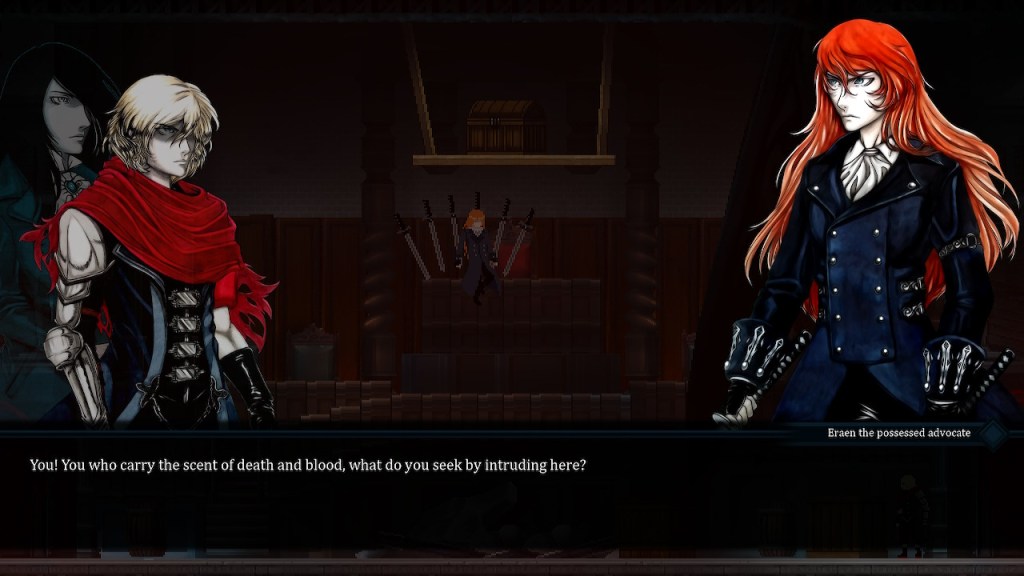
We at Shady Corner Games are pleased to announce that the title Love and Enchants, announced back in 2021 is almost here! The magical and enchanting (pun intended) puzzle title developed by Schneeritter Studios is getting ready to hit the Steam store, with a release planned for the very near future. Please check out the information attached below to learn more about this upcoming title.

Important Note: This title has been classified as being for adults only, this is due to the inclusion of sexual content including but not limited to:

  • Risque outfits, sexual comments and adult situations
  • Nudity (full, partial and suggested)
  • Explicit sex scenes (including Oral sex, public nudity and sexual interaction with fantasy races)
  • All Characters featured in Love and Enchants are over the Age of 18.

Background and plot for Love and Enchants.

As a young boy, your grandfather would tell you two things “Boy, if you wanna be rich, you gotta learn enchanting. Everyone loves enchanted stuff.” and “Boy, if you wanna get girls, you gotta get money”. Even though they didn’t mean much to you as a kid, as you grew up the interest in making money and becoming rich did develop at a rapid pace.

So with that, you set out and studied the art of enchanting. After many years of arduous education, you have finally grasped the basic skills of enchanting 101, and with a wave of enthusiasm have purchased a small magic store for yourself in an out of the way town. Now you have your eyes set on earning money, buying supplies/weapons, enchanting them and getting better at your craft.

With this goal in mind, you set out to build the best shop you can and make as much money as possible. However, one question remains. How do you find girls?

Features of Love and Enchants:

  • Become a master enchanter and forge weapons that will shake the very ground!
  • Improve your skills over time, with an upgrade system and by learning how to better combine enchantments.
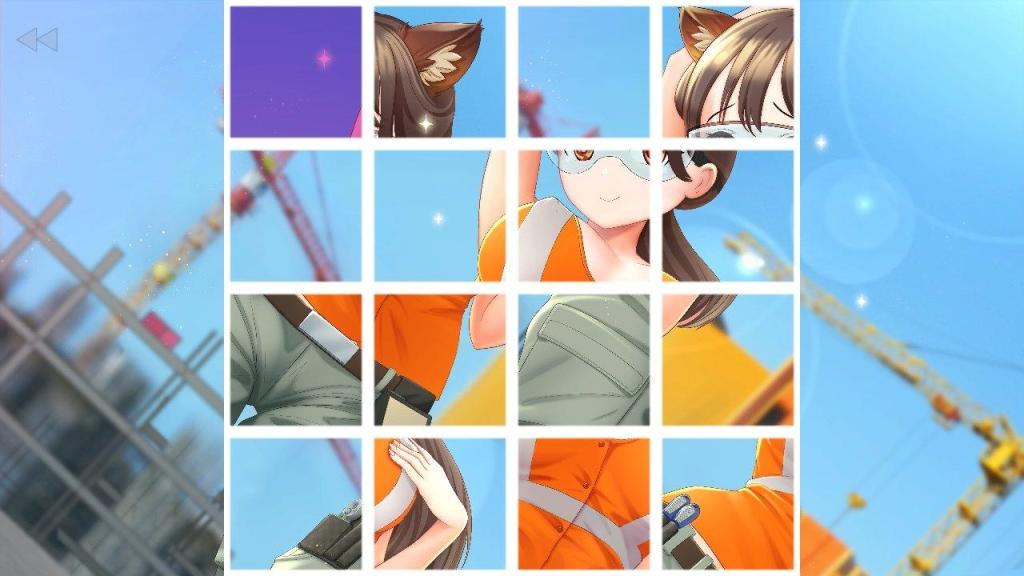
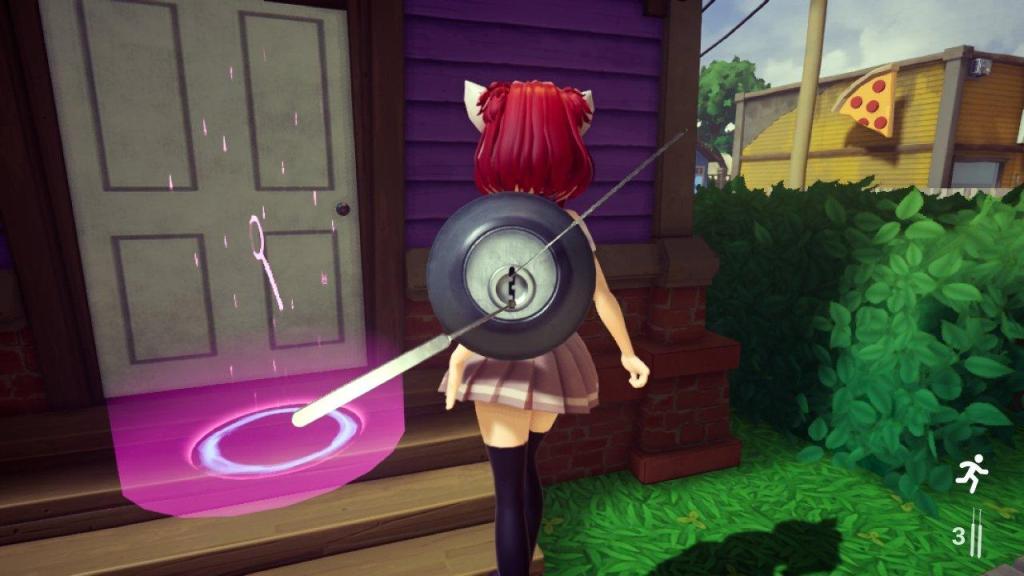
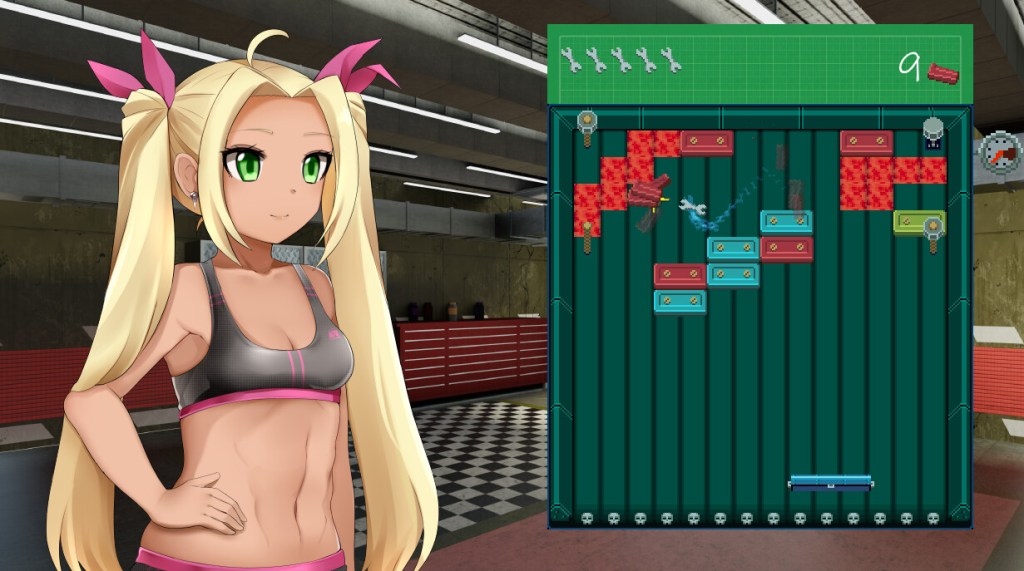
  • A unique, never seen before enchanting system, inspired by the art of Cartography and the classic board game Scrabble.
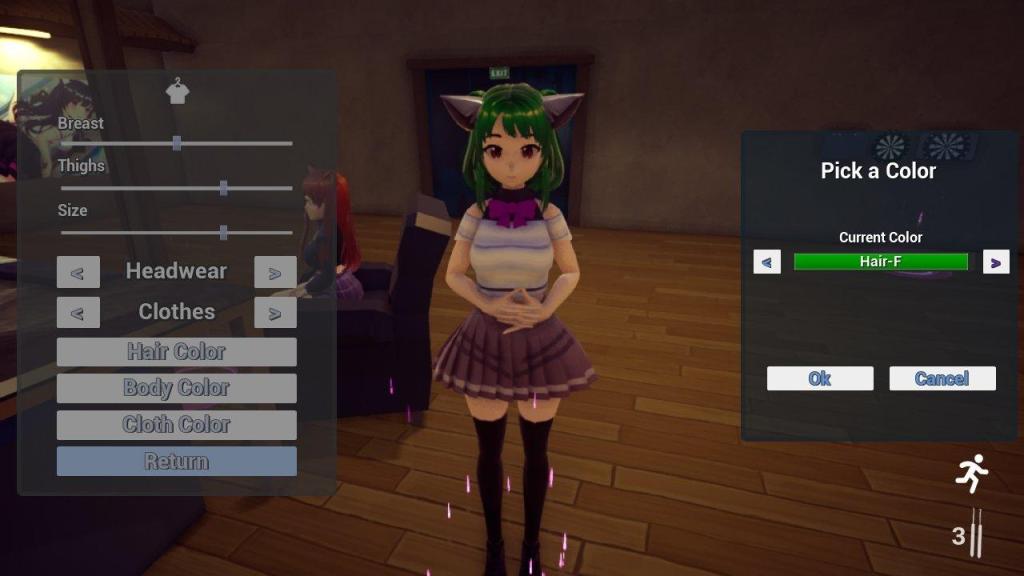
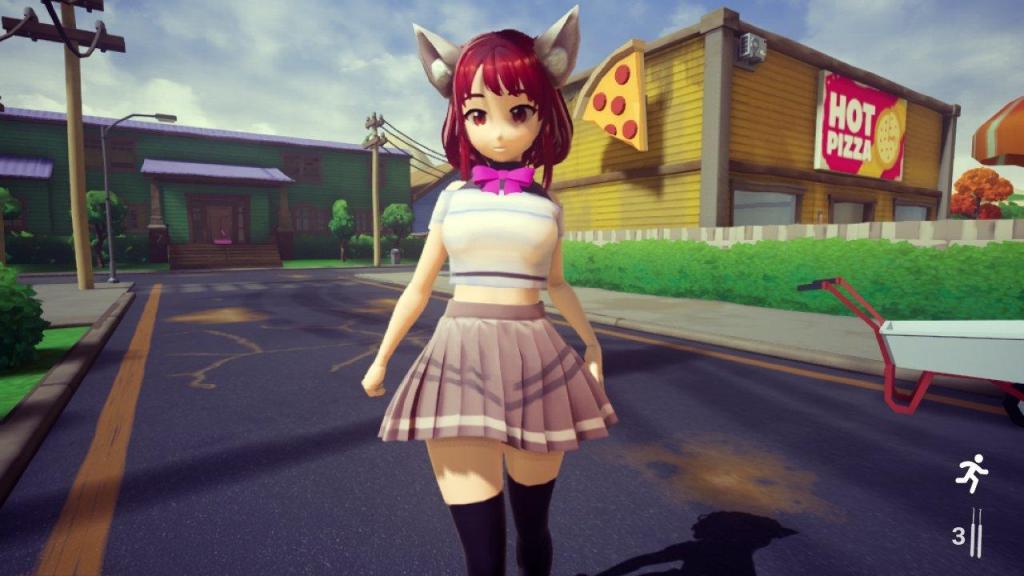
  • Interact with the energetic Tayla, a tomboy with Raccoon ears and reserved Zell, a Demon who doesn’t seem to like people, with several possible endings to achieve.
  • Enchant weapons with a variety of elements, in an endless number of potential combinations.
  • Sell your enchanted stock to a variety of weird and wacky customers, from a range of classes.
  • Travel to faraway places, learning new and more unique elements, discover guest characters (and maybe even discover a steamy surprise).

Meet the girls of Love and Enchants!

  • Tayla: A cute tomboy with Raccoon ears, who will handle delivery and procuring of your stock. She is energetic and adventurous (in all the way you’d want a girl to be adventurous), but might actually have a pure soul.
  • Zell: The demon girl who appears to hate customers, but gets hired as since she is kinda cute. She would love to keep up this front and be serious, but tends to mess up and can be a bit of klutz at times.

Check out the official Shady Corner Twitter for more info about this upcoming game and to learn more about our other titles.

Raiden III x MIKADO MANIAX – Nintendo Switch Review

Overview – developed by MOSS and published by NIS America, Raiden III x MIKADO MANIAX is an updated version of the classic arcade shooter. This release is the latest release in the Raiden franchise, known for intense sequences and bullet hell action. This title is available for all major console platforms and Windows PC, with a link to each version of the game available at the bottom of this review.

Disclaimer: before I get into the review, I would like to thank NIS America for providing the copy of Raiden III x MIKADO MANIAX that was used for this piece. The provision of this software has not influenced the contents of this review, all thoughts and opinions contained within are my own.

Now with the introductions out of the way, let’s get into the review. I will be skipping the story section as there is not a pronounced plot for this release, going straight into discussing the gameplay of Raiden III x MIKADO MANIAX. I will be calling the game Raiden III for the sake of brevity in this review.

Gameplay – Raiden III is a vertical scrolling shooter, with bullet hell style action that plays out over 7 stages. The player will be surrounded by enemies from above and the sides, bombarding them with a hail of bullets. The game itself is separated into several game modes for players to choose from, alongside special play modes that can add some variety to the gameplay experience. Replays can be saved for all game modes, allowing players to evaluate their performance.

Here is a breakdown of the different game modes in Raiden III x MIKADO MANIAX;

  • Arcade Mode – play through the original game, taking on all 7 stages of Raiden III. This game mode (as well as the others) can be played alone or with a partner, battling the waves of enemies together while competing for the highest score possible. Once stages are cleared, the player will be able to select them from the menu as their starting point.
  • Score Attack – take on individual stages that have been cleared in arcade mode, trying to set the highest score possible. the player can also use score attack to practice stages that they may struggle with.
  • Boss Rush – the player can battle all of the different bosses in order, selecting the starting stage depending on the challenge they want to play. This mode is unlocked once all stages of the Arcade Mode have been cleared.
  • Ranking Mode – in this mode, players can take on the game in single, co-op or even dual mode controlling both ships at once (this is also available for other modes) to submit a score to the global rankings. In this challenge, players will be under the standard rules of the game with a single credit to set the best score they can.

During the course of the game, the player is able to collect power-ups that will boost the weapons that they can use. The main weapons are the Vulcan cannon that uses spread fire, the Ion Laser that fires a straight beam and the Proton Laser which swings like a whip with the ships movement. The missiles that players can collect are Nuclear that explode on contact, alongside Homing and Radar that track enemies.

The Bombs are limited but deal massive damage upon use, this is most useful during the more intense segments as they clear the enemy bullets on screen. But care must be taken when using bombs as they are limited, making some of the later sections of stages more challenging. If the player is taken out by an enemy, they will lose their current power-ups. However, if the player found a fairy, they will drop pickups for the player upon being shot down.

At the end of each stage, there is a boss battle that has multiple phases to battle through with intense bullet hell sequences that can be very difficult. These are very challenging with a variety of enemy bosses, patterns and phases that are used. When the boss is taken down, the player will earn bonuses based on their performance, with more points awarded based on remaining bombs, lives and special point items that have been picked up.

If the player loses all of the lives that they have, they have the option to continue which will reset their score if they choose to keep going. But when starting the game first, there will be limited credits leading to a game over when they are all used up. Luckily, additional credits will be awarded over time, going up to free play. This makes the game a challenge to see how far the player can get with limited credits until free play is unlocked.

The last thing to discuss is the bonus content for this release. This version of Raiden III is a special collaboration with MIKADO Game Center, with artworks and music from representatives of the MIKADO Game Center. There are also special guests from the general shooting game community, with bands and artists providing content for the player to enjoy in this newest version of Raiden III which can be used in game.

By playing the game, the player will unlock additional music tracks, gallery artworks and wallpaper art as rewards for play. This content can be unlocked by meeting special conditions, as well as by earning points during play, with milestones unlocking different content. The most important thing about the custom wallpapers and music is the way they can be used, with the ability to customise the experience with this extra content.

So with the gameplay covered, it is time to discuss the other aspects of this release, starting with the controls.

Controls – the control system for this release is simple and easy to get to grips with, utilizing a two button input system. With a button for the main weapon and bomb respectively, using the thumbstick or D-pad for movement on a standard controller. The recommended way to play this title is with an arcade stick, providing a more authentic experience for players, but a standard controller will work just as well.

Difficulty – this can be a very challenging title for those who are not the most experienced with bullet hell style shooters, due to the intense bullet patterns and sequences. However, the game provides settings to tailor the experience to all skill levels, with the ability to increase or decrease the challenge and set the number of lives/bombs available. This makes for an experience that everyone can enjoy.

Presentation – the visual style for Raiden III looks very good for a title originally released in 2005, with 3D models that look just as good now as they did back then. There are occasional moments of slowdown during gameplay, but this is due to the game itself and in some cases helps the player to avoid some difficult bullet sequences. The overall visuals of this release are solid, with the special background art adding some extra flair to the game.

The sound for this release is fantastic, with the inclusion of both the original soundtrack and the option to customise it via the special guest tracks that can be unlocked. These new arrangements and remixes are provided by popular artists within the Japanese arcade and shooter scene, including the bands Heavy Metal Raiden, Go Sato Band and Fantom Iris. This makes for the ultimate version of Raiden III currently available.

Final Thoughts – I am a fan of the Raiden series, having played other titles in the past which made me excited to get my hands on this title. I will say that I am not the best at bullet hell titles, but I have a lot of fun with them and this wasn’t any different. The frantic shooting action and hail of bullets that filled the screen at times was intense, but I thoroughly enjoyed my time with it, working my way through each difficulty setting.

I have no problem at all recommending this game to all fans of the vertical SHMUP and bullet hell genre, even if you don’t do particularly well with them. This is because of the flexible settings and varied difficulty options, making it possible for even the most inexperienced player to get through the game. This is the definitive way to experience Raiden III and another excellent release from the team at MOSS.

In the end, I give Raiden III x MIKADO MANIAX a final score of 5/5. This is the best version of Raiden III that has been released to date, with fun yet intense bullet hell action, difficulty settings that make it approachable for everyone and a plethora of additional content for fans of the genre. If you want to check it out for yourself, a link to each version of the game will be below.

Link to Nintendo Switch version (HERE)

Link to PlayStation version (HERE)

Link to Xbox version (HERE)

Link to Steam version (HERE)

Hyper-5 – Nintendo Switch Review

Overview – developed by Hyper Productions and published by Eastasiasoft, Hyper-5 is a cinematic sci-fi shooter inspired by classics of the genre. Take on 5 stages of challenging, side-scrolling action through a mix of environments. This title is available on the Nintendo Switch, PlayStation and Xbox family of systems, with a link to each version of the game at the bottom of this review.

Disclaimer: before I get into the review, I would like to thank Eastasiasoft for providing the copy of Hyper 5 that was used for this piece. The provision of this software has not influenced the contents of this review, all thoughts and opinions contained within are my own.

Now, with the introductions out of the way, let’s get into the review. I will be skipping the story section as there is a cinematic narrative that players should experience first-hand, so I will be moving straight into discussing the gameplay. Please Note that images featured are from the official press kit, so they will not match the Nintendo Switch visually.

Gameplay – Hyper 5 is a scrolling shooter with a cinematic narrative, set on the planet 4GDT, Hyper-5 receives a distress signal and heads into battle with an unknown threat. The objective of the game is to battle through the harsh environments of the planet, taking down the enemy forces and massive bosses that appear. While only being 5 stages long, the challenge will push players to their limits.

This title takes inspiration from the classics of the genre, with intense and fast paced shooting action, all while offering modern mechanics to the experience. Before taking off into battle, the player is able to set the loadout that they want to use for the stage from the armoury. This is where new weapons, ship upgrades and additional extras can be purchased using points earned in the stages.

The upgrades that players can obtain include new weapon types for the main attack, like spread shot as well as enhanced missiles that can do increased damage. There will also be the option to purchase improvements to the capacity and cooldown of the various bomb weapons. Alongside the weapons, the player will also be able to purchase extra lives, increased health and more to help them get through their mission.

These upgrades become very important as each of the stages have challenging phases, with large screen filling enemies that can take the player down in seconds. These challenges will likely lead to repeating stages, earning increased amounts of upgrade points and increasing the chances of survival by making more upgrades available. There is also a gallery that the player can unlock with points, adding to the replay value of this release.

As a modern shooter, there are two playstyles that the player can select from, with the option of precision and progression. The precision setting is best for those with a lot of experience in shooting games, with Progression more suitable for those who want to focus on obtaining upgrades. This also functions as the difficulty system, with the chosen setting affecting the player, enemies and overall gameplay experience.

Outside of the main cinematic story, there is the Time Trial mode where players can take on special missions with special conditions attached to them. There is also a leaderboard system for all of the game modes, where players are able to battle it out for the top spot with players from all over the world. These make for a competitive element that adds additional value to this title, giving a reason to return to the game after completion.

Now with the gameplay covered, it is time to move onto the other aspects of this release, starting with the controls.

Controls – the control style for this title has an arcade feel to it, with relatively easy to grasp inputs that are fairly responsive, but do feel a little twitchy at times. The best option for this title in terms of controller is to use an arcade stick, as it fits the feeling that the game attempts to invoke. When playing this title in either docked or handheld mode, the game is very comfortable to play regardless of the controller used.

Difficulty – this is a challenging title, with a lot of intense action that can be pretty intense which may be off-putting for some players. This difficulty will very possibly lead to the player having to replay stages several times, which can be a source of frustration due to repeated restarts. To balance this, there are difficulty options that can be selected from, with the precision and progression options that adjust the overall gameplay experience.

Presentation – this release uses a hybrid visual style that mixes full 3D models and backgrounds, presented in a 2D form which works well enough on the Nintendo Switch. However, there are some minor issues with the visual performance, due to the limits of the hardware like render distance and slowdown which are unfortunate. The sound for Hyper-5 is very good, with a soundtrack that is tailored well to the setting and voice acting that is performed well.

Final Thoughts – I am a fan of scrolling shooters like R-Type and Gradius, which made me excited when this hit my radar. However, there are blemishes that make this a slightly less than stellar experience. The majority of the action is solid, but unfortunately some of the sequences are made more difficult than they need to be. This is made worse by the need to grind and complete repetitive challenges to earn upgrade points to get past these segments.

I am unsure if I can recommend this title to a casual scrolling shmup fan, but I can recommend it to those who are into tough challenges. There is a lot of content in this release, with the unlockables in the gallery, the time trial missions and the worldwide leaderboards increasing the value of this game. It is has potential but sadly falls a little short of the mark.

In the end, I give Hyper-5 a final score of 3/5. This is a mostly solid scrolling shooter with a promising premise and cinematic narrative, but sadly this potential is spoiled by unfairly challenging action sequences and a frustrating need to grind to progress at times. If you do want to check this title out for yourself, a link to each version of the game will be below.

Link to Nintendo Switch version (HERE)

Link to PlayStation version (HERE)

Link to Xbox version (HERE)

Color Pals – Nintendo Switch Review

Overview – developed by Double Mizzle and published by Eastasiasoft, Color Pals is a puzzle platform title, where color changing is the key to success. Take on the challenges of 50 stages, in this colorful puzzle title. This release is available on Nintendo Switch, PlayStation and Xbox systems, with a link to each version of the game available at the bottom of this review.

Disclaimer: before I get into the review, I would like to thank Eastasiasoft for providing the copy of Color Pals that was used for this piece. The provision of this software has not influenced the contents of this review, all thoughts and opinions are my own.  

Now with the introductions out of the way, let’s get into the review. I will be skipping the story as there is no plot for Color Pals, so I will be going straight into covering the gameplay.

Gameplay – Color Pals is a 2D single screen platformer, where the player must reach a portal by only touching the color that matches their cube. Made up of 50 stages, the objective is simple to pick up, but can be hard to master as the difficulty will increase over time. This is due to the new hazards and increasingly intricate layouts that will be introduced as the game progresses.

Within the stages, the player must collect keys that match the active color to open doors, with lightning bolts that will change the color of the player cube. The player must take great care while trying to reach the keys and exit, as there will be spring blocks that launch the player into the air, spikes that will move on tracks and very tight platforming.

In each of the stages, there will also be three stars that the player can collect as an optional objective. These can be incredibly difficult, as precision platforming will be needed to reach some of the stars, as contact with a color that doesn’t match the current will restart the stage. The stages can be replayed an infinite number of times, so if all three stars aren’t claimed then players can try again later.

Now with the gameplay covered, it is time to move onto the other aspects of this release, starting with the controls.

Controls – the controls are very simple for this title, with movement on the thumbstick/D-pad and two buttons needed for jumping/resetting. This makes for an easy to pick up and casual experience, that all players will be able to play. There is a slight issue with what feels like a minor input lag or delay, but this doesn’t impact the overall experience of this game.

Difficulty – this isn’t the toughest game to play, but it can be challenging in places. This is most prevalent in stages that have stars in difficult to reach places, or in levels with more intricate layouts and hazards. There is an endless number of retries that players have access to, which does lessen the pressures that the game can put on players. However, it can be tough to get perfect star ratings on all stages.

Presentation – visually the game is very simple, using a rather basic color pallet and simplified block sprites for the level geometry/player sprites. The game works very well in both handheld and docked on a TV, making it comfortable to play everywhere. There is a pleasant mix of music that plays during the stages, but can become repetitive over time only broken up by the occasional voice clip that plays.

Final Thoughts – I do enjoy puzzle platformers and to some extent those that require precision too, with this one filling that gap quite well. There is a lot of content on offer, with the 50 total stages and the optional star objective which I enjoyed very much. There is a minor issue where the player can get stuck on blocks, but that won’t stop me recommending this rather fun budget platformer to everyone.

In the end, I give Color Pals a final score of 3.5/5. This is a fun and rather challenging puzzle platformer, with an abundance of stages for players to take on, as well as challenging optional objectives that can extend play time a fair amount. If you want to check this title out for yourself, a link to each version of the game will be below.

Link to Nintendo Switch version (HERE)

Link to PlayStation version (HERE)

Link to Xbox version (HERE)

Dreamcutter – Steam Review

Overview – developed by Ten Pennyfingers and published by Shady Corner Games, Dreamcutter is an action platformer set in a world of dreams and Nightmares. As the protagonist Haley, wield the Dreamcutter to defeat the nightmares that are keeping you trapped in your mind. This title is available exclusively for the Steam storefront with a link to the game at the bottom of this review.

Disclaimer: before I get into the review, I would like to thank Shady Corner Games for providing the copy of Dreamcutter that was used for this piece. The provision of this software has not influenced the contents of this review, all thoughts and opinions contained within are my own.

Mature Content Disclaimer: this title is classified as adults only, featuring strong language, full frontal nudity, sexual situations and explicit sexual content. If you are under the age of 18 or are uncomfortable with sexual content, then please click off this review and read some of the other coverage presented on this site.

Now with the introductions out of the way, let’s get into the review, starting with the story of Dreamcutter.

Story – Haley is a student who has been having trouble sleeping due to nightmares, which have been getting increasingly vivid. One day while in class, she falls asleep and finds herself trapped in her dreams, unable to escape from the nightmare that she finds herself in. She soon finds the mysterious Dreamcutter, a scythe that talks to her and gives her the power to fight the monsters in her mind. With the Dreamcutter in her hands, she sets out on a quest to defeat her inner demons and escape.  

Gameplay – Dreamcutter is an action platformer, with a focus on battling monsters and crossing challenging platform sequences. The player controls Haley, the young girl who wields the titular Dreamcutter, a mysterious scythe that has the power to cut down the monsters in dreams. There are two modes the player can select when starting up the game, which are Story Mode with narrative cutscenes and Arcade mode which is just the action and special boss scenes (discussed later).

Before diving deep into the gameplay, it is important to discuss the narrative scenes. Throughout the game, there will be scenes where Haley and other characters interact in a visual novel style. This is usually simple with the characters talking back and forth, however, there are segments that are interactive. These moments give the player an option between two dialogue choices, which will result in a different response depending on the choice.  

When starting the game, the player is provided a relatively simple tutorial where the mechanics and systems are taught to the player. At the end of this, the player is transported to the Sanctuary a safe haven within the mind of Haley, where the player can access stages, the gallery and shop. Her mind itself is made up of 5 worlds, with a set of stages in each of them, with later stages introducing more challenging sequences for the player to take on.

In these stages, the player must hack their way through hordes of monsters that get in her way, while traversing the pitfalls and traps that are scattered through her mindscapes. At the end of stages, there will be a Nightmare that must be destroyed to progress, which often spawn a horde of monsters when attacked and only breaking after the player deals enough damage. When a stage is cleared, the player can either progress to the next or escape to the sanctuary.

The Dreamcutter itself is a versatile weapon, which can be used in a few ways while in battle. The first is to swing it at enemies, cleaving through them and destroying objects that litter the stage, with enemies possibly dropping coins upon defeat. When the player is able to chain enough hits together, there is a combo meter that will appear on screen, with a letter grade increasing from D-A. If the combo meter depletes, a coin reward is provided based on the rank that is earned for that combo.  

The second way to use the scythe is for traversing the environments of Haley’s mind palace. This is possible by throwing the Dreamcutter into walls and using it as a lever to bounce from, with the player able to recall it by pressing the attack or throw button. This also helps the player collect the coins that are scattered through the stages. There are also moons that appear in the game, which the player can hook onto and spin around gaining momentum to launch Haley into the air.

The last feature of the Dreamcutter is the glide spin, which allows the player to cover larger gaps and use upward air currents to float upwards. All of these features combine to create a challenging platforming experience, which can be satisfying when successfully maintaining a combo to increase the player speed. The challenge can be further pushed forward by speedrunning the stages, using the combo and mechanics to clear stages as fast as possible.

At the end of each world is a boss battle with each of them having their own unique challenges in them. The battles can be intense and will push the player to do their best to survive, as the health pick-ups become non-existent as the game progresses. When the boss battle is cleared, the player is transported to a serene location, where a reward scene will play out. These scenes are explicitly sexual, with Haley being in a variety of situations with other characters.

Going back to the sanctuary, the player can access the shop where coins can be used to unlock skills and upgrades for their character. These upgrades are for total health, damage dealt and the coins that enemies can drop. The skills are extra attacks that can be used in combos, with a downward slash and an extra attack in the main combo. There are also missions that can be unlocked in the shop, including the need to defeat specific enemies in a stage and clearing set stages as fast as possible.

The last thing to be discussed is the gallery located in the sanctuary, where all of the explicit scenes can be viewed freely, along with the reward images earned by clearing challenges. The bonus images are provided by a range of artists, with many different tastes being catered to in this gallery. This gives additional play value for the player, giving a reason to return to previous stages in order to unlock these bonuses as well as to gain more coins for shop purchases.

Now with the gameplay covered, it is time to cover the other aspects of this title, starting off with the controls.

Controls – as a PC title, Dreamcutter supports both Mouse/Keyboard and controllers, with an easy to pick up and play control layout. There are button prompts during the tutorial and at key points of the game, which inform the player on key inputs. All of the button inputs have zero input lag, which is important for an action platform title. if the player doesn’t have a compatible controller, apps like JoytoKey will work just as well for this release.

Difficulty – the difficulty curve for this release is fairly balanced, with the challenge slowly escalating as the player progresses. This is most noticeable during the later stages of the game, where intricate platforming is needed while battling enemies at the same time. In order for the player to overcome some of the more challenging sections, the player can return to earlier stages to earn coins and purchase upgrades from the shop.

Presentation – the visual style for this release has an old school feel to it, with 2D sprite work and beautifully rendered backgrounds. This is further augmented by the artwork that is used for the story and intimacy scenes, which bring the whole visual look together. The sound for this title is of a very high quality, with a soundtrack that features a range of musical styles that complement the stages featured. All of this comes together to create a solid experience that looks and sounds great.

Final Thoughts – I had played the demo for this title last year, which set up an expectation that the full release completely blew out of the water. I thoroughly enjoyed the narrative and characters that were presented, which kept me engaged for the entire experience. The action and platforming is fluid, with the bosses and enemy swarms having a lot of intensity to them. This gives Dreamcutter a feel that is reminiscent of older titles like Ninja Gaiden and Strider, which I enjoyed very much.

I put the time into clearing this title multiple times for this review, beating the game faster each time, which led me to the realization that this is perfect for Speedrunning. This is most noticeable when learning the layouts of the stages, while using the speed boosts that the combo system enables. I am very happy to recommend this release to fans of the Action genre, as the core of the game is where the title shines and I feel it has a lot of potential for a console release in the future.

In the end, I give Dreamcutter a final score of 5/5. This is an excellent action platform title, which has the bonus of explicit intimacy scenes that aren’t integral to the experience. The solid and intense action of Dreamcutter can stand on its own merits, with the potential for a speedrunning community to emerge due to the speed boost combo system. If you want to check out this game for yourself, a link to the game and demo will be below.

Link to Steam version (HERE)

Monster Menu: The Scavenger’s Cookbook – Nintendo Switch Review

Overview – developed by Nippon Ichi Software and published by NIS America, Monster Menu: The Scavenger’s Cookbook is a roguelike dungeon crawling RPG with a heavy focus on strategy and survival. Trapped in a dungeon, you must survive by collecting resources, fighting monsters and even cooking them if you want to escape. This title is available on Nintendo Switch and the PlayStation family of systems, with a link to each version of the game at the bottom of this review.

Disclaimer: before I get into the review, I would like to thank NIS America for providing the copy of Monster Menu that was provided for this piece. The provision of this software has not influenced the contents of this review, all thoughts and opinions contained within are my own.

Now with the introductions out of the way, let’s get into the review, starting off with the story. Please note, all story details are taken from the official Monster Menu website. Also I will be focusing on the core aspects of the gameplay experience, as to prevent spoiling any of the surprises that Monster Menu has in store for players.

Story – A group of adventurers enter a dungeon rumoured to be for rookies, only to find themselves lost. Three days pass as they wander aimlessly, inching closer to starvation and dehydration. Eventually, they stumble across the corpse of a giant monster. Though it doesn’t look edible, their hunger is unbearable. The adventurers take a bite out of the corpse’s rotting leg, filling their mouths with an unimaginable flavour.

Their consciousness fades and they awaken in an abandoned camp, having dodged death, they recommence their expedition to find a way out of the dungeon. Out of food and out of water, the adventurers must eat all varieties of food, from the tasty to the nasty, as they seek to find a way back to the surface and out of the Sealed Lands.

Gameplay – Monster Menu is a survival RPG, where the player must travel through the dungeon known as the Sealed Lands, fighting monsters and collecting loot in order to survive. When starting off the player will be alone, creating their character from one of 8 different presets, with the ability to modify their class, name, appearance and more. Once created, the player will be taken through a tutorial section to get them used to the systems of the game.

After completing the tutorial, the player will be able create additional characters to join their party. The total party size that can be created is four, but if players want a greater challenge, they can create fewer. When building a party, it is important to find a good balance using the different character classes to build the most synergistic team possible. This is due to each of the classes having their own strengths and weaknesses that need to be taken into consideration.

Each of the different character classes have unique stats, skills and special abilities that make them stand out from each other. For example, the sword wielder excels with melee combat using blades, the Chef has skills related to cooking and the mage is able to use magic in battle. Knowing which class works best for the player is the key to success in the dungeon, as the various skill sets improve in different ways over time.

The Sealed Lands themselves are made up of different locations, all connected together as the player delves deeper and deeper into the dungeon. Made up of different floors, the dungeon has terrain that thee player can explore, with the ability to jump over obstacles and move up and down ledges. Each floor has an exit, which will lead the player to either the next level of the dungeon or give them the option to go to the camp (discussed further below).

While inside the dungeon on an expedition, the player is able to roam freely through the different floors, collecting resources/loot and encountering enemies. The items that can be collected include ingredients for cooking and crafting, as well as new weapons and gear to strengthen the party of adventurers. The player does have a limit to the amount of items that they can carry, making it important to monitor their inventory throughout the game.

Players must also keep their eye on the level of hydration and calories that they have, with negative effects occurring the lower these levels go down. These values can be replenished by consuming food during each expedition, with different items affecting the recovery of the player. Food can be collected and consumed within the dungeon, but there are special dishes that can be cooked when at the base camp (which will be discussed later).

As there are enemies roaming the dungeon, there is a high chance that combat will occur during an expedition. This will occur when the player makes contact with one or more enemies as they are moving through the floor they are currently on. When combat begins, the player will engage in turn based battles with the enemies on a turn based grid, with the turn order determined by various hidden factors.

During the turn for each party member, they can freely move around the field up to a preset distance with several actions that the player can select from. Here is a quick breakdown of each of the options that the player characters have access to during battle.

  • Attack – the active player can use a physical attack against their target, dealing direct damage to them. There is also the chance for other members of the party to attack while in range of the target enemy.
  • Skill – there are many skills that can be used in battle, with physical weapon skills for weapons and magic attacks for spell casters. Each of these skills can use up the precious resources of water and calories for that character.
  • Devour – the active character is able to consume the corpses of fallen enemies and allies alike on the battlefield. When consuming enemies, the player will gain health and increase their hydration/calories, however if they consume an ally, their experience and stats will be boosted.
  • Item – the player is able to use an item to perform a variety of effects, like eating food to recover or even force enemies to eat rotten food and poison them to give them negative effects.
  • Defend – the active party member will pass their turn in a defensive stance, reducing the amount of damage that is received when they are attacked again.
  • Standby – the player can choose this for the unit to pass their turn, allowing them to wait for the next turn to go.
  • Escape – a unit can attempt to escape by moving to a green space away from the enemy. When in this space, the player can try to escape and exit the battle.

Outside of the escape, the battles can only end one of two ways, either the enemies are defeated or the party is wiped out. When the party is defeated they will be kicked back to the home base, losing all of their levels and the food supplies that they had with them. If the enemies are taken down, the player will gain experience for their party, levelling them up, boosting their stats and allowing them to collect food from the corpses on the ground. 

At set points during the game, the player will be given the chance to advance to another environment, but a boss must be defeated to progress. Should the player succeed, they will be able to enter the next environment of the dungeon, while also using this as a starting point for the next expedition into the Sealed Lands. Outside of the dungeons, the player can use the camp to perform various functions.

The camp is the key to survival for the party, due to the ability to use food collected in the dungeon to make meals and the ability to craft items from collected resources. When starting out, the meals that can be made will be limited, but over time new tools can be crafted to make it easier to cook better meals. Here is a breakdown of the different features of the camp that the party can rest at.

  • Rest – this is available during an expedition, where the player can rest up and heal any damage they have taken. However, this uses up the hydration and calorie meter, which will need to be recovered before departing. When resting the player can choose to wait between 8am and 6pm, which is useful as enemies are stronger when night falls.
  • Depart/End Rest – leave the camp and return to the dungeon. When departing, the player can select where they start from, depending on the progress that they have made during the course of the game. If the player is simply resting, selecting the End Rest option will resume the expedition on the next floor of the current environment.
  • Inventory – here the player is able to go through the items that they have, allowing them to discard items they don’t need and even prepare and eat raw ingredients for a quick pick me up (this can also be done in the dungeon).
  • Monster Menu – the key mechanic of this game, the Monster Menu allows the player to cook a variety of meals from various ingredients. The different meals that can be crafted will increase over time, improving as the player unlocks more recipes and improves their tools. The quality of the food and meals will affect the player, giving a range of benefits, but there is also the possibility for negative effects to be applied to the player from eating some foods.
  • Craft – using the different items that have been collected in the dungeon, the player can craft new tools, create new resources and even dismantle unwanted items to obtain newer resources.
  • Character – the player can equip their party with new equipment, change their weapon and armour to improve their stats, with the chance to give characters new skills to use in battle. This can also be done while inside the dungeon.
  • Formation – the player can arrange the party for battle, letting the player choose the position that they will deploy in when combat with an enemy begins.
  • Notebook and System – in the notebook, the player can look at information that has been collected, reviewing all of their progress during the quest to escape the Sealed Lands. In the system menu, the player will be able to save, load and change different settings, including a censor to obscure gross imagery.

As a rougelike, there are many different things that are randomised when on an expedition, with the possible rewards and items that can be obtained determined by chance. This also extends to the shrines that appear in the dungeons, which can provide different effects from curses that the player can activate. These include boosting the strength of the party, making enemies stronger and even reviving fallen party members during an expedition.

It is important to take great care when inside the dungeons of the Sealed Lands, as defeat can be around the corner at any time. Great care must be taken when fighting some enemies, as there are stronger foes that can spawn in a dungeon, potentially wiping out the party in one shot. This is alongside the dangers of dehydration and starvation, which can end an expedition immediately if the party leader is incapacitated in any way at all.

There is so much more that could be covered when discussing the gameplay of this release. However, I don’t want to spoil any of the secrets and surprises that this title has for players, so with that said, it is time to move onto the other aspects of this release, starting with the controls.

Controls – the controls for this title are rather easy to get to grips with. The movement of the party and camera are controlled by the thumbsticks, with the key function buttons mapped out on the buttons in a comfortable manner. The menus are navigated by the D-pad and shoulders, which makes it easy to toggle the different screens that players need to get through. All of the inputs are comfortable with either pro-controllers or Joy-Cons.

Difficulty – as a roguelike RPG, this can be very difficult due to the random generation of items and resources. However, there are options for players who want to modify the difficulty to better fit their experience and tastes. These range from Easy to Nightmare, with each of the difficulty settings altering the rates that certain values and effects progress. The recommended difficulty is Normal, which is well suited for all players.

Presentation – Monster Menu has a very cutesy look to it, with the player characters having an anime style to them and the monsters looking adorable at times. But there are some rather gross images that can appear, like failed dishes and rotten meats to name a few. The overall presentation visually is solid, but can have some minor issues with framerate, but there is a way to compensate for this. There are settings that can reduce graphical quality for better performance.

The sound for this title has a pleasing feel to it, with fantasy styled compositions that range from soft and mellow to tense and anxiety inducing. All of the music works well, complimenting the action on screen for a cohesive experience. There is also the inclusion of English and Japanese dialogue that is used throughout the game, with a selection of different voices that can be assigned to the characters that the player creates for their party.

Final Thoughts – I have previously played a roguelite title from Nippon Ichi Software, so I had some level of experience with the genre from this dev. With that said, I am happy to say that this is a solid and fun title that has a lot of depth to it. The combat is easy to pick up, with rather simple mechanics that don’t complicate the experience. The shining star of this title is the unique Monster Menu cooking system, which adds a lot of strategy to each expedition to the dungeon.

I had a good time with this release, which was made even better with the ability to experiment and approach different aspects of the game how I wanted to. I am happy to recommend this release to everyone who enjoys roguelike and strategy RPG titles, as there is something for everyone in this package. There are some minor issues with the frame rate when the game is at highest graphical quality, but this isn’t a deal breaker as there are settings to compensate for this.

In the end, I give Monster Menu: The Scavenger’s Cookbook a final score of 5/5. This is a unique entry in the Strategy RPG and roguelike genre, with interesting mechanics based around food and resource management, which gives the extra depth along with the dungeon crawling action. If you want to check this title out for yourself, a link to each version of the game will be below.

Link to Nintendo Switch version (HERE)

Link to PlayStation version (HERE

Pretty Girls Tile Match – Nintendo Switch Review

Overview – developed by Zoo Corporation and published by Eastasiasoft, Pretty Girls Tile Match is the latest entry in the Mahjong Solitaire sub-series. However, this title has a unique twist on the formula as the player needs to match 3 tiles to clear them away. This title is available on Nintendo Switch and the PlayStation family of systems, with a link to each version of the game available at the bottom of this review.

Disclaimer: before I get into the review, I would like to thank Eastasiasoft for providing the copy of Pretty Girls Tile Match that was used for this piece. The provision of this software has not influenced the contents of this review, all thoughts and opinions contained within are my own.

Now with the introductions out of the way, let’s get into the review. I will be skipping the story segment as there is no plot for this release, so I will be going directly into covering the gameplay of Pretty Girls Tile Match.

Gameplay – this release is an expansion on the traditional Mahjong Solitaire, where the player must clear all tiles on the field but with a twist. In this entry of the series, the player must match sets of three tiles to clear them away, rather than just matching pairs like the other games. This makes Pretty Girls Tile Match the most unique title in the tile Solitaire series.

The game is made up of 120 stages, split between the 6 different girls that the players can select from. When in a stage, there will be a unique tile layout for that stage, with random patterns of tiles that need to be cleared away. In order to clear away the tiles, the player can select the lit up tiles, with inaccessible tiles greyed out when another is on top of them.

To help the player accomplish this, the player can select up to 7 tiles at any one time into their “hand”, clearing them away when a set of 3 have been collected. If there aren’t any sets available, the player has a few different options they can use. These options are shuffle to rearrange the tiles, undo to put a tile back, move to grab an inaccessible tile and hold to keep a tile for later on the side.

Now even though this is a rather casual puzzle title, it is possible to fail the stages in two different ways. The first is by not being able to make any moves, having exhausted all of the assist items. The other is to run out of time, as there is a timer that will count down between tile clears. When a set is cleared, the timer will reset and give the player more time to complete the stage.

During a stage, the player will earn points for each successful tile match, with a combo meter that counts down between set clears. When the tile clears are chained together, a combo will be built up and increase the bonuses that players can earn. This makes speed important for players who want to reach a high score, as the combo timer will deplete at a faster rate the higher the combo.

Outside of the stages in the main mode, there is the dressing room/diorama mode that players can play with, which allows them to create settings and images with the different girls. There is also the shop where players can use points earned by clearing stages to get new costumes, which can be added to the girls in the dressing room to change their looks when viewing them.

Now with the gameplay covered, it is time to move onto the other aspects of this release, starting with the controls.

Controls – this title uses a cursor system, with button inputs for the different functions that are available. This works fairly well when connected to a TV, with a decent speed for the on screen arrow which has an adorable panda head on it. However, the best way to play this game is in handheld mode using the touch screen, as it allows for faster more precise inputs.

Difficulty – there is a rather moderate difficulty curve to this title, with the randomised tile patterns that can be used for the different layouts. This provides a challenge that is relatively unique during each attempt of a stage. The player can make each of the stages more challenging for themselves, attempting to clear them as fast as possible to get the best score they can.

Presentation – this is another visually pleasing release in the Pretty Girls series, with characters that have appeared in other titles returning here. The game field maintains the same simplicity of other entries in the franchise, making for an easy pick up and play experience. The sound is pleasant in this title also, with good quality music and a Japanese voice over for the different girls.

Final Thoughts – I have played a fair number of the Pretty Girls games, including the Mahjong Solitaire titles and this is another solid release from Zoo Corporation. There are plenty of stages for players to get value from this release, especially when the game itself is priced so low. I can easily recommend this title to everyone looking for a decent puzzle title to fill their time with, I just wish there was an online leaderboard to post scores.

In the end, I give Pretty Girls Tile Match a final score of 4.5/5. This is another solid release in the Pretty Girls franchise, which takes the familiar system of Mahjong Solitaire and adds a unique twist to it with the new match 3 rules. If you want to check this title out for yourself, a link to each version of the game is below.

Link to Nintendo Switch version (HERE)

Link to PlayStation version (HERE)

Pretty Girls 2048 Strike – Nintendo Switch Review

Overview – developed by Zoo Corporation and published by Eastasisasoft, Pretty Girls 2048 Strike is the newest game type in the puzzle game series. Engage in battle with monster girls in new sliding puzzle action, dealing increasing amounts of damage by combining numbers. This title is available for the Nintendo Switch and PlayStation family of systems, with a link to each version of the game at the bottom of this review.

Disclaimer: before I get into the review, I would like to thank Eastasiasoft for providing the copy of Pretty Girls 2048 Strike that was used for this piece. The provision of this software has not influenced the contents of this review, all thoughts and opinions contained within are my own. All images used are provided by Eastasiasoft.

Now with the introductions out of the way, let’s get into the review. I will be skipping the story segment as there is no plot for this release, so I will be going straight into discussing the gameplay of Pretty Girls 2048 Strike.

Gameplay – the core premise of Pretty Girls 2048 Strike is to slide numbers, combining them to make bigger ones and using them to damage the monster girl target. The game is made up of 50 stages, with 5 different monster girls to battle. The girls must be unlocked by clearing all of the stages for the previous girl, increasing in challenge as the player progresses.

The game field is made up of a 5×5 grid, where the player can shift all of the number blocks on screen at once by pressing one of four directions. When pressing a direction, all of the blocks will move, damaging the monster girl if a number is touching the opposite side. If the numbers match as they touch, they will combine increasing that block total up to the maximum value of 2048.

The monster girls will have a health bar that will be depleted when damage is dealt, defeating them when it is reduced to zero. These health bars will increase as the stages progress, reaching higher and higher numbers the further the player gets into the game. There will also be extra monster girls who appear in some stages, needing to be defeated to in order to clear the stage.

But be aware of the position of the different blocks, as it is possible to fail a stage if there are no moves that can be made with the number son the grid. This makes for a very challenging and strategic gameplay experience in the later stages, as there are blocked spaces that appear in some of the later stages. This can make every move critical as the targets get stronger.

When starting a stage from the main menu, the player can also select a character to use for the stages. Each of the four heroes have their own special skill that can be used during stages, including combining blocks and dealing the highest number on the field as direct damage to the enemy. But the player isn’t the only one with special powers, as the monster girls have abilities they can use too.

Outside of the main stages, the player can take on a special endless mode, where the objective is to deal as much damage as possible on one of three grid sizes. However, this is no easy feat as the game will be over if the grid is filled and the player is unable to combine numbers. The three grids available to play are 3×3, 4×4 and 5×5, offering a different level of difficulty with each grid size.

The last thing to discuss is the dressing room and unlockable costumes. By clearing the stages in game, the player will earn special points that can be used in the dressing room shop. These points can be used to unlock new costumes for both the heroes and monster girls, which can be used to create diorama images. The costumes for the heroes can also be used in the main game mode.

Now with the gameplay covered, it is time to discuss the other aspects of this release, starting with the controls.

Controls – the controls system for this title is incredibly simple, using only the four basic directions to shift blocks and navigate menus. The face buttons can also be used in the stages to activate abilities, as well as moving through menus and the diorama mode. There is also touch screen support for this title, which can make it more comfortable and casual for players who play the game handheld.

Difficulty – there is a moderate difficulty curve to this release, with the stages getting tougher over time. This is due to the increased health that the target monster girls will have, alongside their special abilities and the changes to the game grid. It is possible to fail in the main game stages, but as long as the player takes their time and thinks ahead, they should have an easy enough time with this.

Presentation – the visuals for this release have a pleasing look to them, with the anime style designs of the well-endowed heroes and monster girls that appear on screen. This works well with the rather simple design of the game field and blocks on the grid. The sound in this title is pleasing to the ear, with a variety of music tracks in the stages which are accompanied by Japanese voice over for all the girls.

Final Thoughts – I have played many of the Pretty Girls games and this is a fairly unique entry with a new set of gameplay mechanics. I quite enjoyed the simple and easy to pick up sliding puzzle gameplay, which is new for the Pretty Girls franchise. I have no issue recommending this title to fans of both puzzle games and the series overall. The only thing missing is online leaderboards for the main and endless modes.

In the end, I give Pretty Girls 2048 Strike a final score of 4.5/5. This is a solid puzzle title that introduces a new gameplay mechanic to the Pretty Girls series, offering a fun challenge for all players at a price that is easy on the wallet. If you want to check this title out for yourself, a link to each version of the game is below.

Link to Nintendo Switch version (HERE)

Link to PlayStation version (HERE)

Run Bean Galactic – Nintendo Switch Review

Overview – developed by Khud0 and published by Eastasiasoft, Run Bean Galactic is an endless runner where an astronaut must survive a deadly planet by running around the diminutive globe. Take on a randomised challenge and try to survive for as long as possible, with online leaderboards to compete worldwide. This title is available on all console platforms with a link to each version at the bottom of this review.

Disclaimer: before I get into the review, I would like to thank Eastasiasoft for providing the copy of Run Bean Galactic used for this piece. The provision of this software has not influenced the contents of this review, all thoughts and opinions contained within are my own.

Now with the introductions out of the way, let’s get into the review. I will be skipping the story segment as there is no real plot to this release, so I will be going straight into discussing the gameplay.

Gameplay – this title is a simple yet challenging endless runner, with the sole objective being to survive as long as possible. To achieve this objective, the player must run in circles around the surface of the planet, avoiding hazards and reacting to sudden direction changes. The hazards of this inhospitable planet will kill the player instantly if contact is made with them, which are made up of spikes and traps that the player must avoid.

In order to get past the traps of this hostile planet, the player must jump the spikes and roll under the traps. There are also keys that must be collected to open gates, as well as bombs and direction change gates. The score will increase periodically as they travel around the surface of the planet, with bonus points as stars that can be collected when they appear on the stage.

The player has a single life and if they make contact with any of the hazards, the game is over and the highest score will be recorded and added to the global rankings. Due to this titles random nature, there is virtually limitless replay value for players, challenging themselves to get the highest possible score that they can.

There is also a simple customization system for players to change the look of their astronaut. With each run of the game, the player will accumulate points that they can use to unlock costumes for the character. There aren’t many costumes to unlock, but they do provide something nice for players to add a little variety to their gameplay experience.

Now with the gameplay covered, I will be moving onto the other aspects of this release, starting with the controls.

Controls – this title uses a very simple two button system, as the game is an auto runner with the movement controlled by the game itself. The jump and roll buttons are duplicated on both sides of the controller, allowing players to choose the most comfortable way to play the game for themselves. This title is comfortable regardless of the control methods used.

Difficulty – as this is a title that uses randomized elements, there is a fluctuating difficulty curve to this release. As the speed increases, there is a chance for players to encounter very difficult obstacle patterns, but it is just as likely for an easy pattern to occur. This can be frustrating for players, as there is always the chance for repeated failure when getting used to the game.

Presentation – this title has a very minimalist design to it, with only a single screen for all of the assets that are used. This makes for an easy to pick up title that anyone can get into with little difficulty. The sound is as simple as the visuals which compliment the overall package that the game provides, creating a cohesive gameplay experience.

Final Thoughts – Run Bean Galactic is a rather basic title that has a lot of gameplay value for the very modest budget. The gameplay is simple yet satisfying, with the score based focus of the title offering almost endless replay value for all players. I can easily recommend this title to everyone, as the challenge of this title is simple to get to grips with, but can take a lot of time to get a good rhythm for good scores.

In the end, I give Run Bean Galactic a final score of 4/5. This is a rather simple title, with a challenge that is easy to pick up and play, yet is hard to master as the randomly generated hazard patterns make the difficulty fluctuate. If you want to check this title out for yourself, a link to each version of the game will be below.

Link to Nintendo Switch version (HERE)

Link to PlayStation version (HERE)

Link to Xbox version (HERE)

Cyber Citizen Shockman – Nintendo Switch Review

Overview – developed by Shinyuden and published by Ratalaika Games, Cyber Citizen Shockman is an action platformer that will be getting a release in the west for the first time ever. Originally released for the PC Engine back in 1989, this is the first official release of this once forgotten game. This release is available for all console platforms, with a link to each version of the game available at the bottom of this review.

Disclaimer: before I get into the review, I would like to thank PR Hound for providing the copy of Cyber Citizen Shockman that was used for this piece. The provision of this software has not influenced the contents of this review, all thoughts and opinions contained within are my own.

Now with the introductions out of the way, let’s get into the review, starting off with the story. Please note, I will mostly be referring to the game simply as Shockman for the sake of brevity.

Story – Cyber Citizen Shockman is the story of two Japanese school kids named Tasuke and Kyapiko, who are in fact androids built by a mad scientist known only as Doc, who built Tasuke and Kyapiko with the ability to morph into armoured superheroes known as Shockman. Their plight is to battle the evil forces of Dark Skull. 

Doc’s first attempt at a cybernetic organism who went rogue and established a gang of goons called the Skull Force. The Skull Force is trying to take over the city and have captured civilians in various locations. As Shockman, you must take back the city, one building at a time, rescue the hostages, and defeat Dark Skull and his gang.

Gameplay – Cyber Citizen Shockman is an action platformer, where the core objective is to clear each stage by defeating the boss at the end. The player has a total of 18 days to beat all 15 of the stages, split into day and night stages. From the home base, the player can select the stage that they want to challenge on a map, with three options to start and more stages opening up as the game progresses.

In the stages, the player must battle enemies with their sword and traverse dangerous platform challenges. The different areas contain deadly pitfalls, flying creatures and robots that stand in the way of the player reaching their goal. To battle these threats, the player has a sword that they can swing to damage and defeat enemies, with different enemies needing more hits than others to take down.

The sword can be used while standing and jumping, but cannot be used while crouching which is unfortunate as it can prevent dodging some enemy attacks. The attack is quite snappy, but if the player presses the button rapidly it is possible for inputs to be missed. The platforming is challenging as there is a momentum system implemented, with the player gaining a little speed as they move and continuing to move after letting go.

The jumping is a little slow, which can be troublesome when players are getting used to it. This is most noticeable when there are moving platforms, with the very real possibility of missing the jump or hitting an enemy/hazard. This does get easier when getting used to the momentum system, but will likely be a frustration when getting used to the game at first. All combined, the movement and attacks do work well making for a solid experience.

As the player progresses through the stage, they can collect money from enemies that are defeated which is added to their total. There are also special power-ups that can help the player get through the stages, with the drops including health recovery items, limited time invincibility and a temporary super jump. These items will usually drop randomly, but there are some sections that have predetermined drops.

At the end of a regular stage, the player will encounter a boss that must be defeated in order to progress. The bosses will follow set patterns in that battle, but the majority of encounters will be different from each other. There are two types of battle that the player will encounter, with the first being the Robot, which is rather straight forward. The other is the Dragon, which will need more care and skill to battle due to the varied patterns.

When the stage is cleared, the player will often receive a reward for defeating the boss and saving the citizens. The rewards that the player will earn are important as they are made up of upgrades, recovery items and the most important being the ShockBeam. This beam is used by holding down the attack button to charge, then when flashing let go, if timed right the player can take out a lot of enemies but it can only be used when standing still.

On the main map screen, the different paths will open up as the player makes their way through the game, with stages lighting up when cleared. When a path has been connected to the final stage, the player may challenge it as there is a non-linear progression system in this title. However, if the player is not careful, then defeat will find them quickly and that can be a real set back, as the player will lose money and their score.

When deciding what stage to challenge next, the player has additional options that they can select. There are three options available aside from map, which are Repair to heal all damage, Shop to buy upgrades for the Shock Beam and Hint to get extra information. All of these options will require the player to pay out for them, with Repair costing 1000Yen, Hint 300Yen and Shop has two prices, which makes earning money important.

If the player is defeated during a stage, they will be sent back to the main map screen where the Doc will repair them for a hefty chunk of change. The timer will move forward and the player may even lose a health upgrade, while also losing the score that they built up. This can be a significant setback, making the later stages much more difficult, especially for players who are not the most skilled at action platform titles.

This title is available to play in both single and multiplayer, but there is a caveat to take into consideration when taking on evil in tandem with another. In this release, both players take on the stage together, but they will share a life bar, meaning any damage that one player takes will affect both of them. This means that when one player takes fatal damage, both will perish simultaneously, so be prepared for this possibility when playing co-op (unless you use invincibility).

As a modern port of a retro title, there are some enhancements that have been made to this release of Shockman to bring it to a new audience. The first major enhancement is the translation, with the game being fully translated into English for the first time ever, while also offering the original Japanese release too. Then we have the implementation of save/load states where players can freely pause and resume their progress, allowing for a better pick up and play experience.

For this release there is also the inclusion of cheats for invincibility, for those who want to practice or just have fun, as well as a maximum money option to help out those who may struggle. The last thing to mention here is the gallery, which features special sketches of different characters from the game, alongside scans of the original manual and the box art/HuCard (game cartridge). All of these new features make the game accessible for a new audience.

Now with the gameplay covered, it is time to cover the other aspects of this release, starting with the controls.

Controls – as Shockman is a PC Engine title, the game only uses two buttons, with one for jumping and the other attacking. With the porting of the game to modern consoles, there are also quality of life improvements that have been made to the game. These changes include new UI navigations that players are familiar with, as well as the ability to modify the controls to suit the individual preferences of each player.

Difficulty – this is a very challenging title, with an escalating difficulty curve and a need to learn the patterns for the different bosses that appear. For players that don’t play older action titles, this may prove to be a steep challenge, due to the beginners traps and rather unfair hazards. However, with the enhancements and modifications added to it, including the ability to rewind the game, this difficulty can be lessened for those who struggle.

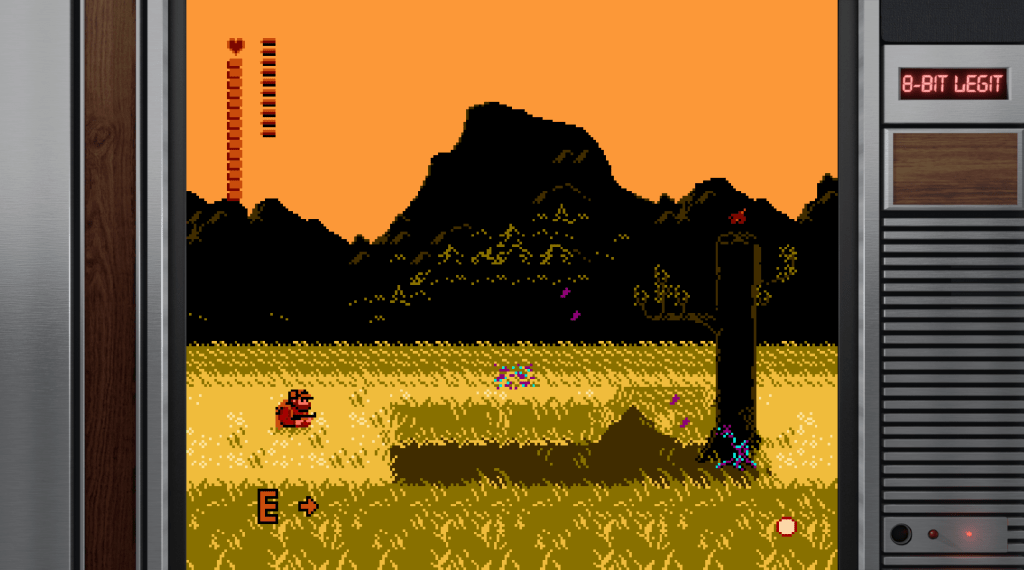
Presentation – visually this is a very nice 2D title, with sprite work and backgrounds that are nicely detailed, along with cute character designs for the playable characters when in the menus. The sound comes through clean and crisp, with a soundtrack and digitized voice samples that are pleasing to the ear. There are also filters and adjustable resolutions that can be applied to the game, emulating a look that is closer to the original release for those who desire it.

Final Thoughts – I myself am a fan of the PC Engine and I had the fortune of playing this game, as well as the others in the series here and there. Being able to experience it on a modern system has been a real treat, I am very happy to see this title finally getting a release in the west and even if it does have a few scuffs to it, it is still a good time. This may not be for everyone, due largely in part to the high difficulty, but it is an excellent challenge to take on.

I can happily recommend Cyber Citizen Shockman to everyone that is a fan of action platform titles, as it is one of the hidden gems of the PC Engine. It may lack a little of the shine that its contemporaries in the genre have, but the day/night cycle and the map system make up for this, along with a unique charm that allows the game to stand on its own. I am hopeful that the sequels for this title will be released in the future, to sit alongside this excellent game.

In the end, I give Cyber Citizen Shockman a final score of 4.5/5. This title is an excellent action platformer that was a hidden gem on the PC Engine, with a progression system that was rather unique for its time and challenging action that will test the skills of most players. If you want to check this title out for yourself, a link to each version of the game will be below, the game is scheduled to release on May 19th 2023.

Link to Nintendo Switch version (HERE)
Link to PlayStation version (HERE)
Link to Xbox version (Currently unavailable) – Will be added upon release