Overview – developed and published by Hyperkani, Stunt Bike Extreme is a Motocross time trial game, with players taking on challenging courses across a variety of locations. As a Motocross pro, take on the challenges with perilous jumps, hazardous obstacles and adrenaline pumping set pieces like jumping a train. This version of the game is available on Steam, with a link to the game at the bottom of this review.
Disclaimer – before I get into the review, I would like to thank Hyperkani for providing the copy of Stunt Bike Extreme that was used for this piece, via the Keymailer service. The provision of this software has not influenced the contents of this review, all thoughts and opinions contained within are my own.
Now with the introductions out of the way, let’s get into the review. There is no plot for this release, so I will be going directly into discussing the gameplay.
Gameplay – Stunt Bike Extreme is a Motocross time trial experience, where the objective of each of the tracks will be to get to the goal as fast as possible. To achieve this goal the player must cross ramps, environmental hazards and perilous terrain with their bike. The various jumps, gaps and elements in the courses will have the player going in many directions, even upside down on loops. Some of them even have barrels that explode.
The different courses may have elements that will change, increasing the dangers of the track. There will be the explosive barrels that will blow the rider up, track parts that will break and even the environment itself can collapse. These changes to the courses will keep players on their toes, as they will need to navigate them to be able to make it to the end. If the player crashes or falls off the track, they will be returned to the last checkpoint reached.
When the player reaches the end of the course, they will obtain stars for their performance. By simply clearing the stage, the player will get one star. However, if the player is able to reach the goal within set time limits, additional stars will be earned by the player up to a maximum of 3 stars. By clearing the stages, the player will earn coins that are added to the total, with different amounts based on the time that the player sets.
Players will also be able to collect money boxes, which are scattered through the tracks, often hidden in hard to reach places. In each course, the player will have the opportunity to perform simple stunts, with front flips and wheelies that the player can perform. By successfully landing these simple tricks, the player will earn experience. This is added to the player bar at the end of the track, levelling the player up when set amounts are earned.
As the player makes their way through the stages, they will unlock new more challenging tracks. These harder courses will test the skills of the player, with more challenging and hazardous layouts for players to deal with. These bonus challenges are optional, with no penalty for skipping them during the course of the game. This adds more gameplay value to the general experience, with the player being able to come back to these if they are skipped.
Away from the action of the time trials, there is the shop for players where players will be able to unlock several things. The first is the bike shop, where new more powerful bikes can be unlocked by spending coins. They can be also be levelled up with coins, improving their capabilities and unlocking new cosmetic skins for the bikes. Then there are the outfit options, with the ability to customise headwear, tops and bottoms.
Now with the gameplay covered, it is time to cover the other elements of this release, starting with the controls.
Controls – there are options for both controller and keyboard inputs, allowing players to enjoy the game however they want. All of the inputs are responsive and work well, with the keyboard inputs being a good basic control method. This game supports Xbox and PlayStation controllers natively, but with the steam input settings, players will be able to use a range of controllers. This makes the game widely accessible to all players.
Difficulty – in this title, the difficulty will slowly escalate for players with the obstacles, terrain and stage elements getting more complex. There will be some areas that can become too difficult for lower level bikes, requiring the player to increase the level of the bike, or get a new bike. For some of the tougher stages, or those that players struggle to meet the time targets, using an upgraded bike will make it much easier to cut time.
Presentation – this release has a fairly pleasant arcade style to it, with visuals that look like they will run on a range of hardware. The look may be due to the game also being available on mobile devices, albeit in an altered format. There are no issues in terms of performance or lag, which is a positive due to the speed the game runs at. The sound for this game is mostly solid, with the music working well in the stages, but it can sound generic.
Final Thoughts – I do enjoy these types of games, having played the trials games back during the height of their popularity. So when I was offered this game, I was happy to give it a try. The gameplay is pretty enjoyable, but it can be a little rough around the edges. There is some jank with the physics and collision at times, getting caught on the environment and sometimes getting stuck when crashing. This can be both humorous and frustrating.
There is a lot of content on offer in this release, as there are plenty of stages that the player can challenge. This combined with the amount of unlockable content, via cosmetics and bikes/upgrades, gives the game a lot of replay value especially at the low cost of entry. In general, this is a fun and enjoyable trials motocross racer, which does capture the essence of the experience. So with all of that said, I am happy to recommend this game to fans of the trials genre.
In the end, I give Stunt Bike Extreme a final score of 4/5. This is a fun and enjoyable motocross trials game, with a lot of gameplay content for players to dive into, alongside a wealth of unlocks to work towards, all at a low cost of entry. If you want to check this game out for yourself, a link to the game will be below.
Overview – developed by Nippon Ichi Software and published by NIS America, Cladun X3 is the latest entry in the dungeon crawling pixel action RPG where everything is customizable. As a villain, you have been pulled into a death game, where you have to do battle across dungeons and against other villains. This title is available on Nintendo Switch, PlayStation and Steam, with a link to each version of the game at the bottom of this review,.
Disclaimer: before I get into the review, I would like to thank NIS America for providing the copy of Cladun X3 that was used for this piece, via the keymailer service. The provision of this software has not influenced the contents of this review, all thoughts and opinions contained within are my own.
Now with the introductions out of the way, let’s get into the review, starting with the story. This title is highly customizable and fluid, so I will only be talking about the core mechanics of the game.
Story – villains from across the worlds have been brought to Arcanus Cella, an alternate world where a death game is being held, with the objective of attaining world peace. You are one of these villains. In order to survive the death game, there will be dungeons that need to be conquered, teeming with deadly monsters and deadly traps. But you aren’t alone, as you can recruit allies to aid you in your quest, so do you have what it takes to become the ultimate villain.
Gameplay – Cladun X3 is a dungeon crawling action RPG, where the player takes the role of a villain that has been pulled into Arcanus Cella. Here a grand death game will occur, which is needed to attain world peace. At the start of the game, the player will be prompted to create their character. During character creation, the player will be able to change various details like their character class, name and other assorted details before picking their style.
There are a variety of character classes that players can select from, ranging from novice for beginners to advanced for those who want a challenge. These include the warrior and wizard, which are designed to be easy to pick up and play. Then there are the more challenging roles for players to take on, like the Saint, ranger and Ninja. Each of the different character classes have their own strengths and weaknesses, offering a lot of depth to them.
After creating the character, the player will appear in Arcanus Cella, greeted by the one in charge of the deadly contest. Then the action starts with the player progressing through the tutorial dungeon. During this segment, the player will learn how the action plays out, with movement, combat and the way that traps work. Once this dungeon is cleared, the player will be able to explore the village of Arcanus Cella, which is pretty limited to start.
In the village, there is the door to the dungeons, which will transport the player to the dungeons. The dungeons are filled with enemies, which will attack the player on sight. These monsters include mouse wariors, mushrooms and boars to start, which can be defeated relatively easily. But as players make their way to through the dungeons, they will encounter stronger foes, like monster spiders, elves and armored warriors.
To battle the enemies, the player will need to use their weaponry and skills, with melee and ranged options for players to use. By attacking most of the enemies from the front and sides, they will take a moderate amount of damage. But for armored foes, the player must strike them from behind to damage them, which will also deal increased damage to all enemies. This is due to the back being a uniform weak spot for all enemies.
All of the character classes have their own weapon preferences, which will affect what they can use and the attacks they can use. There will also be a variety of special attacks available to them, which are unlocked by collecting items in the dungeons. The special attacks use SP points, which are limited in use so there is a risk reward element to their usage. This is due to the significant damage that enemies will take if the attacks will land.
There will also be traps and elemental effects that will affect the player and the enemies. The traps will activate when the player crosses a boundary, or activates a tile in the dungeon. If a harmful trap is activated, it will damage any entity that it makes contact with, making them very useful. Then there are elemental effects, like fire and ice which will apply the effect to the player, harming them for a set time, but they can also be used to attack enemies.
The player will take damage based on their defense level, with the defense stat changing in a few ways. When walking through the dungeon, the player will have the full power of the armor and stats. However, if the player is running, their defensive power will be cut in half, significantly increasing damage that can be taken. If the player is equipped with a shield, or uses special skills, the defense level will increase and greatly reduce damage.
By defeating enemies, they will drop gold which will scatter across the dungeon, but it will disappear quickly if the player isn’t fast enough. Enemies will also give experience, SP recovery orbs and can even drop treasure for players to collect. These treasures include weaponry, armor, shields and special magical items, with chests that also contain these treasures. There are red chests that appear once, alongside regular chests that appear each time.
There will be doors in the dungeons, which will either be opened by hitting switches, or by defeating enemies which will open them up. Players can also find hidden paths in the darkness, as well as teleporters, which will move the player to set points on the map. These teleporters are one way, which the player will need to find the return point. All of these elements add a lot of exploration to the dungeon crawling.
In each of the dungeons, there will be an exit that the player will need to reach to clear the floor. When the player gets this point, they will gain the experience, gold and treasures that have been accumulated during the dungeon. At set amounts of experience, the player will level up, increasing their general stats as levels are gained. As the player climbs up levels, they will obtain new skills, abilities and spells depending on their class.
If the player can clear the dungeon before a target time, they will gain fame which will unlock special mechanics in Arcanus Cella. However, if the player fails to reach the goal alive, they will be returned to the village and lose all of their collected gear. They will also receive half of the experience and gold that was collected. The player can also retry the dungeon and try again, or willingly retire which acts the same as the player dying during battle.
Outside of the dungeons, the player has access to a variety of features within the village of Arcanus Cella. While the player is between dungeon delves, they can interact with the residents and the facilities they offer. These are unlocked when the player progresses through the story, or when special requirements are met by the player. The most common resident are the Piyo, bird like creatures that live within Arcanus Cella.
The Piyo mostly just live their lives here, but they also offer special services, like access to special dungeons for players to explore. They also provide special merchant services, as well as options for players to create custom content. One of the most interesting features that the Piyo offer is the network mode, where players can explore worlds, including special game worlds. There are official worlds based on NIS games, as well as other franchises.
The player can also access the equipment shop, which is run by Stabitha, a zombie girl who is obsessed with legendary weapons. In the shop, the player will be able to buy and sell gear, as well as be able to imbue their items with titles, which increase the power of player equipment. By improving and upgrading gear, the player will be able to push the items to their limits, giving the equipment system more depth during play.
Alongside the equipment, there is the Magic Circle system, which imbues the player character with magical power. By creating additional characters, the player will be able to use them in the Magic Circle, which opens the roads of these maps to strengthen the main character. On these maps, artifacts and treasures can be placed in slots if they have enough Mana. The items that are put into the Magic circle will have various effects on the main character.
The characters that are put into the Magic circle will gain experience, allowing them to level up and gain increased stats and more Mana. They will also serve as the vassals of the main character, serving as meat shields during the dungeon delves. The sub characters will take all of the damage in place of the player, but once they die in the dungeon the player loses the protection. As the player will level up, they unlock new and more powerful Magic Circles.
This is a highly customisable experience, with the ability to edit characters, gear and the world itself. In the network mode, players can collect characters from the different worlds they can explore. This includes the official crossover characters, which can have their appearance and gear cloned, for use when creating and modifying characters. The player will also be able to collect and create their own music, with the option for retro styled and orchestrated options.
Now with the gameplay covered, it is time to discuss the other elements of this release, starting with the controls.
Controls – Cladun X3 has a pretty easy to pick up control scheme, with solid tutorials that will help the player get used to inputs quickly. The dungeon exploration and combat is responsive, with no issues in terms of lag when it comes to fighting enemies. When navigating the menus and systems, there are handy on screen tooltips, making them easy to understand. All of the inputs work well with different controller options, making it very accessible.
Difficulty – this is a pretty well balanced game in terms of difficulty, with the dungeons gradually increasing in terms of challenge. The enemies will increase in level, dealing more damage to the player and becoming more difficult to take down. There will be some spikes in difficulty, with very powerful enemies in some of the dungeons that can kill the player is seconds. If players have some difficulty with dungeons, they can replay previous ones to get stronger.
Presentation – this game uses a gorgeous pixel art style, with all of the elements having a classic retro style to them. The world of Arcanus Cella is beautifully detailed, with high quality sprite work used throughout. The effects for the experience have a lot of flash to them, heightening the excitement of the on screen action. The sound is very good too, with excellent music that is available in classic chiptune and modern orchestrated styles, which can be toggled freely.
Final Thoughts – Sadly I did not have the opportunity to play the previous Cladun games, but have seen them so I was happy to be able to pick this title up. During my time, I had a lot of fun with this game, as the narrative and gameplay was a lot of fun. There is a good amount of depth to the dungeon combat, with reactive and responsive battle inputs. It is an excellent dungeon crawler that feels like it is straight out of the 90’s.
I very much enjoyed the custom sprite edit and character modification systems, which offered a lot of depth to player freedom. The guest characters like Hebe from Ufouria, Ninja Jajamaru-kun and Touhou characters are an excellent addition, alongside the various NIS characters. The only issue I have is the lack of translation for the official character content. However, this is a real love letter to action RPGS, which I can recommend to everyone.
In the end, I give Cladun X3 a final score of 4.75/5. This is a fantastic action RPG, with an easy to use combat and exploration system, deep customisation systems and a lot of fun crossover content, which has some interesting collaborations on there. If you want to check this title out for yourself, a link to each version of the game will be below.
Hello there, and welcome to my end of year retrospective. This has been a pretty unpredictable year for gaming, with some amazingly fun games being released, alongside some real train wrecks. There have been series revivals, continuations of existing franchises and excellent indie titles, there was even a once cancelled game finally being brought to fruition. Like last year, I will be sharing the 10 games that I have enjoyed the most over the past 12 months.
This list was hard to whittle down to only 10 games, with many excellent games that I have been able to get hands on with. So alongside the list of games that have made the short list, there will be some honourable mentions at the bottom that sadly missed the cut. This list is in no particular order, with a brief summary of each game, a few personal thoughts and a link to the full review.
So with the introductions out of the way, let’s get started with the best of 2025 list.
Ai-deal-Rays
Developer – Riez-ON
Publisher – Riez-ON
This is a fast paced 3D action battle game, set in the year 2200 where AI Androids are now part of everyday human society. After the Full Intelligence “Re;ON Series” are released, the player encounters TYPE-X2 Ai-deal, becoming her owner and setting in motion events that will change the future. In this game, the player controls Ai-deal, guiding her through intense, fast paced battles against a range of androids across vibrant and varied settings.
Over the course of 10 chapters, the action is solid and simple to pick up, making it easy for players to get into the action. There is also a lot of fanservice, with various attacks and scenes being of a risqué nature, which prevents it from getting stale. The story is engaging, with a charm that matches the anime style that the game wears, which I became heavily invested in during play. This was a pleasant experience, with a lot of content to enjoy in a compact package.
Ai-deal-Rays is available on Steam as the “General Version” which is release I experienced, you can find a link to it in the review itself (HERE). Please Note, there is an R18 version of the game available, with details about it on the steam page.
Kimono Cats
Developer –HumaNature Studios
Publisher – RedDeer.Games
In this cosy adventure, take a walk through the festivals of Edo, Japan with your companion and enjoy the various stalls on each festival road. On this trip through the festivals of Edo, travel across 18 festival roads and engage in many different mini-games, all while wearing colorful kimonos. Using throwing darts, the player will engage in various activities, earning coins and rewards, with some events having effects on the characters and the stage itself.
There is also a social aspect to this game, as players can use the rewards they have earned, or bought from the shop to build their own village. There are many unique themes, sets and styles that players can use to build their village. It is also possible to visit other villages, either the ones provided with the game or through online play, with special bonuses to be obtained. This is a special and unique game that can be played with that special someone.
Kimono Cats is available on Nintendo Switch and Steam, you can find links to the game in the review (HERE)
Marron’s Day
Developer – NPCKC
Publisher – NPCKC, RAWRLAB Games
Marron’s Day is a Game Boy Color game, with the protagonist being the little bunny Marron, who is on an adventure to try and save the town festival. In order for Marron to ensure that the festival goes ahead, the player will need to solve puzzles and complete requests. These include classic mini-games, like block pushing and fishing. All of these elements make this game feel like it came out in the 90s, with all of the charm of classic hand held games.
This game has all of the charm of a classic game boy color game, with varied color palettes for the different areas, cute sprites and delightful music. There are also additional bonus materials for this game, including scans of the manual, a gallery and music player. This game is not the longest, but has plenty of content for players to enjoy and return to. This is one of if not the best modern game boy games that I have played in quite a while.
Marron’s Day is available on Nintendo Switch, Steam and also as a physical cartridge, you can find links to the game in the review (HERE)
Shooty Shooty Robot Invasion
Developer – Bubby Darkstar
Publisher – Bubby Darkstar
Set in Amerikaw, this absurdist first person shooter boasts hand drawn sprite based graphics, vibrant worlds and surreal comedy, all against the backdrop of murdering robots. As the protagonist Shooty, go on an odyssey through ridiculous settings to save the world. Players can blast away hordes of robots with a variety of weapons in each location, with dramatic set pieces that push the action forward. This is all wrapped in an over the top obscenity laden narrative.
While the game can be cleared in about 8 hours for the main story if you rush, there are several secrets in each chapter, as well as many NPCs to interact with. The side missions that appear will also add to the experience, with mini games and challenges that can be optional. Everything about this game is weird, with the jokes, references and characters all having quirks that make them stand out on their own. And it has some of the best gun play in a modern 2D FPS.
Shooty Shooty Robot Invasion is available on Steam, with a link to the game in the review (HERE)
Victory Heat Rally
Developer – Skydevilpalm
Publisher – Playtonic Friends
Inspired by the arcade classic Power Drift, Victory Heat Rally is an exhilarating retro styled racing game, offering a distinct and colorful racing experience. Take on the challenges of the Victory Heat Championship, across 12 locations with a total of 12 racers to choose from. The game starts with only 3 championships and drivers, but as the player makes their way through the game, they will have the chance to unlock more content.
The action has that arcade style, with players driving at breakneck speeds, drifting sharply around corners and going over big jumps. Players can also use drift boosts, which will give that extra burst of speed to get ahead of the competition. All of this is accompanied by stylised and gorgeous characters, with the roving reporter Sally McRally being the mascot. This is a real blast from the past, offering an experience that stands above many recent releases in the genre.
Victory Heat Rally is available on Steam and Nintendo switch, with links to the game in the review (HERE)
Death end re;Quest: Code Z
Developer – Idea Factory, Compile Heart, NOWPRO (Now Production)
Publisher – Idea Factory International
This is the latest entry in the JRPG/Visual Novel hybrid series, which blends elements of fantasy and science fiction, with brutal horror. In this latest chapter, players will engage in rogue-like dungeon crawling action, while unravelling the mysteries of the world through the narrative. This is the first of the series to use this system, making it unique, but it is also unique in another way. Death is a requirement for the protagonist to progress and grow.
As the player makes their way through the game, death will be following them closely, with grotesque and highly descriptive “Death Ends”. The gorgeous yet disturbing art and narrative is through a collaboration between Kei Nanameda, the artist for many Idea Factory games and Makoto Kedouin, the creator of Corpse Party. This game is the most intense of the series, and possibly one of the most violent and graphic JRPG titles released on consoles.
Death end re;Quest: Code Z is available on PlayStation and Steam, with links to the game in the review (HERE)
Shantae Advance: Risky Revolution
Developer – WayForward
Publisher – WayForward, Limited Run Games
This adventure is the latest entry in the long running magical adventure series, which was originally planned for the Game Boy Advance. This was cancelled long ago, but was revived last year for the handheld, then brought to modern platforms. Like the other games, this follows the same platforming adventure formula, with metroidvania and puzzle solving elements. But this game has its own unique gimmick, the power of world rotation.
Sequin land has been changed by Risky Boots and the Tremor Engine, which has caused the landscape to change. The player can use this to switch the stage around, allowing for puzzles to be solved and new areas to be explored. This makes for a very special adventure, which stands out on its own from the others. As the console release is an enhanced port, there is a version with updated visuals, the original version and a special multiplayer mode.
Shantae Advance: Risky Revolution is available on all console platforms and Steam, with links to the game in the review (HERE)
Ender Magnolia: Bloom in the Mist
Developer – Adglobe, Live Wire
Publisher – Binary Haze Interactive
Ender Magnolia takes place in the Land of Fumes, a once prosperous land where magic was used to create Homunculi, but the toxic fumes turned them into mutants. In this side scrolling action RPG, with Metroidvania elements, the player controls Lilac, an amnesiac girl who can harness the powers of Homunculi. Wielding the powers of the Homunculi she encounters, lilac uses them for combat, puzzle solving and challenging platforming action.
The narrative for this game is engaging, with a world that is both beautiful and haunting, which is atmospheric in its presentation. The action is smooth and responsive, with a good flow to the exploration, with fluid animations throughout. This is a satisfying game experience, and the soundtrack which is composed by Mili (the artist responsible for the Goblin Slayer theme) evokes many emotions during play.
Ender Magnolia: Bloom in the Mist is available on all console platforms and Steam, with links to the game in the review (HERE)
Gal Guardians – Servants of the Dark
Developer – Inti Creates
Publisher – Inti Creates, PQube Games
As the demon maids Kirika and Masha, set out on a quest to restore your beloved Demon Lord Maxim. This is the second entry in the action adventure spin off of Gal Gun, offering an expanded experience from the previous game. This time the player has a full map that can be explored, with designated areas that players will explore and open up during the adventure. As the two demon maids, use their unique skills to battle the powerful foes of the demon realm.
In this title, players will be able to take on the dangers in single player, freely switching between the two girls to take on the challenges. But for those who want to engage in the chaos with another, there is a co-op option, where both are active at once. This gives two distinct experiences, with a balanced challenge and exciting action, which is wrapped in a pixel art style, offering players a vibrant yet grim adventure through the demon realms.
Gal Guardians: Servants of the Dark is available on all console platforms and Steam, with links to the game in the review (HERE)
Phantom Brave: The Lost Hero
Developer – Nippon Ichi Software, NIS America
Publisher – NIS America
After many Years Phantom Brave Returns, with Marona, the girl who can communicate with phantoms as the hero. After being attacked by ghost ships, Marona is separated from her friend Ash, washing up on Skullrock Island. Here she meets the phantom Apricot, and together they set off on a new adventure. This Strategy JRPG boasts vibrant 3D graphics, using the Disgaea engine to great effect, which evolves the Phantom Brave series.
There is a delightful experience, with many similarities to the more recognisable sister series, but features unique gameplay mechanics that really elevate it. This game also has that distinct NIS charm, with a heart warming and emotional story, with gorgeous art, adorable characters and plenty of fun to be had. This is a really strong title, which is another in a long line of high quality Strategy JRPGS, and a wonderful revival of a game from 20+ years ago.
Phantom Brave: The Lost Hero is available on Nintendo Switch, PlayStation and Steam, with links to the game in the review (HERE)
HONORABLE MENTIONS
These are titles that I really enjoyed, but they just missed out on being included on the main list. However, I still want to share them, so here are the ones that sadly didn’t make the cut.
Maiden Cops – a vibrant and challenging arcade style brawler with an all-female cast, where the Maiden Cops take on a criminal syndicate to save their city. From Pippin Games and Eastasiasoft, with the review (HERE)
Mado Mongatari: Fia and the Wondrous Academy – the newest entry in the legendary JRPG series that was the predecessor to the Puyo Puyo franchise. As the aspiring great mage Fia, embark on a dungeon crawling adventure to achieve your dream. From Compile Heart, STING, Idea Factory and Idea Factory International, with the review (HERE)
Disgaea 7 Complete – the definitive edition of the latest entry in the cult Strategy JRPG series, offering enhanced performance, visuals and additional gameplay/story content. Players can also enjoy all of the DLC that was previous released included. From Nippon Ichi Software and NIS America, with the review (HERE)
Neon Inferno – in a dystopian New York, take on the role of an assassin, taking down targets in various neon soaked locations. This retro style shooter is a mix of side scrolling shooter and gallery shooter, with buckets of blood to spill against the vibrant backdrops. The game is from Zenovia Interactive and Retroware, with the review (HERE)
Neptunia Riders VS Dogoos – this fast paced spin-off of the Neptunia series has the characters riding special motorcycles, which they use to capture Dogoo that are trying to take over the world. as one of the CPU goddesses, take on the enemy riders to capture the Dogoo before the enemy does. From Compile Heart, Idea Factory and Idea Factory International, with the review (HERE)
Trouble Witches Final!: Episode1 Daughters of Amalgam – the latest iteration of the horizontal scrolling bullet hell shooter, with all of the content from all other version, enhanced visuals, extra gameplay modes and the witch Cotton as an extra DLC character. From Rocket Engine, Studio SiestA and ININ Games, with the review (HERE)
Overview – originally developed by Telenet Japan and Wolf Team, with Edia Co bringing them to new audiences, the Telenet Shooting Collection is a selection of classic retro shooters from the 90s. Players can enjoy four classic shooter titles, from the PC-Engine Super CD Rom and SEGA Mega Drive/Genesis, with some of the games never officially leaving Japan. This collection is available on Steam, with a link to the game at the bottom of the review.
Disclaimer: before I get into the review, I would like to thank the rep for Team Acttil/Edia Co who provided the Telenet Shooting Collection for review. The provision of this software has not influenced the contents of this review, all thoughts and opinions contained within are my own.
Now with the introductions out of the way, let’s get into the review. Please note, this is a collection of games, so I will be covering each title with some details on gameplay and story where possible, before talking about the package as a whole. Additional note, the collection consists of a launcher, with the games being sold individually.
Granada – SEGA Mega Drive/Genesis (1990)
Granada is a unique mission based multi directional shooter, where the player controls a tank that can move in all directions. In this game, the player takes the role of Leon Todo, a mercenary that has been hired to take down occupying forces in Africa. To take down the enemy forces, the player controls the Maneuver Cepter Tank Unit, a powerful military vehicle that can cover any terrain. There are 8 missions to take on, across varied settings.
The missions require the player to travel across relatively large maps, destroying the enemy forces that are located in the different areas. These foes show up as little red icons on the HUD map, disappearing when each are destroyed. There are two weapons that the player can use, with a standard shot that has rapid fire capabilities, as well as a power shot that will has recoil. The player can also use the strafe button, locking the gun in position for targeted shots.
As the enemies are wiped off the map, the blips on the map will disappear. This gives a sense of progress during the battles, with the last icon being the boss of the stage. The battles with the boss, as well as the ground forces will be challenging, so the player will need to use the various power-ups that are on the map. These provide increased power, with mounted rockets as well as trailing support drones that will assist the player.
The player has a limited number of lives, with the energy depleting when making contact with enemies or bullets. It is also possible to fall off of some of the stages, leading to a sudden death. When all of the lives lost, the player will be able to continue a limited number of times. However, the player can adjust the settings, changing the number of lives available and other aspects of the game, modifying the overall experience.
Avenger – PC-Engine Super CD-Rom (1990)
In Avenger, the player takes control of the Neo Assualt Helecopter AVENGER, an advanced military craft that has been deployed to recover VOLOS, a superweapon of great power. Humanity is at stake with the theft of VOLOS, as the weapon can destroy everything and devastate the globe with its power. This recovery operation takes place across several missions, with the ability to select the objective players want to challenge (but this is in Japanese).
During each of the missions, the player will encounter deadly forces that attack from all directions, attacking with heavy fire. To navigate these hazards and take down enemies, the player will be able to fire back with their own weapons. They start off with a basic set of options, including the Vulcan shot and ECM bomb special attack. But as the player makes their way through the missions, new weapons and special attacks will be made available.
The action is fast paced, with the player needing to dodge and weave through the hail of fire from enemies, while fighting back with their own attacks. As the player moves, their attack angle will also change with the craft, firing in the direction that it points in. This is where the fix system comes into play, as the player will be able to lock the direction they face, allowing for more precise shooting. This comes in very handy during some missions.
While moving and shooting through the stages, the player will be able to pick up weapon upgrades, increasing the power that they can unleash against their foes. These are dropped by item carriers, which will leave behind a power-up pod. It is important to try and get these items, as they will also be able to restore lost energy, as the AVENGER craft can only take so much damage before failing. The Item pod will rotate through recovery and weapon upgrades.
Through the game, the player will encounter powerful bosses, which will fill up a large part of the screen. These are remisniscent of bullet hell bosses, as they will provide heavy fire patterns that can easily take the player down. When the boss is defeated, the player will be able to progress through to their next mission. After all of the missions are completed, if the player chooses to wait, there is a special surprise at the end of the game.
Gaiares – Mega Drive/Genesis (1990)
In the year 3008, the Earth has become heavily polluted and led to humanity abandoning it for the expanses of space. The remaining people live on space colonies, teetering on the brink of extinction. The space pirate Gulfer group want to invade earth, harvesting the pollution and create weapons of mass destruction. If this happens, the sun will be detonated and the earth vaporised, but if the brave pilot Diaz can stop them, the earth will be restored and reborn anew.
The action for this game plays out in traditional horizontal shooter fashion, with the player controlling the ship and blasting enemies. However, there is a unique system that makes this stand out. Instead of using the traditional weapon capsule system, with power-ups being granted by collecting boxes on screen, the player has the WOZ system. This lets the player launch the option at enemies, absorbing energy and copying their weapon.
The WOZ system is invincible, which allows it to block enemy attacks as well as power up, making it an essential tool for battle against the Gulfer space pirates. The WOZ system power has three levels, designated by colors from blue to red. There are many weapons that can be collected, but the WOZ system will be able to power up the standard shots. The stronger the weapon that is collected, the more shots they can be fired at once from the ship and WOZ.
In each of the stages, the player will encounter powerful bosses, deadly hazards and wave after wave of enemy fighter craft. Each of the stages have branching patterns, with different enemy attack patterns, formations and hazards. At the end of a stage, a large scale boss will appear and attack the player, with each of the bosses having a unique attack. The player can be taken down by a single shot, but luckily there are checkpoints in each mission.
PsychicStorm – PC-Engine Super CD Rom (1992)
In 0092 S.C. (Stellar Century), Humanity faces its greatest threat, an alien force known as “the Thing”, which is absorbing the earth colonies. After attempts to stop the alien force, the final trump card is unleashed, a bio mechanical weapon called Stormbringer. The Stormbringer weapons connect to their pilots, allowing them to unleash devastating attacks and powerful transformations. This gives humanity a chance to take down “The Thing” and save humanity.
This title is a more traditional vertical scrolling shooter, with the one or two players taking on the alien hordes. The four playable ships have their own unique weapon, with each one having several levels to them. As the weapons level up, their size and power increases improving their destructive capabilities. By shooting down flashing enemies, they will drop power-ups and health recovery items, helping the player make it through each wave.
Throughout the stages, the player will charge up a bar as they destroy the enemies, which can be unleashed as an all-powerful super attack when fully charged. These attacks can clear away a bunch of enemies at once, making them very useful in a pinch. The last form of attack is the Psychic Storm, a limited time transformation that lays waste to all in its path. This powered up form can be extended by collecting energy dropped by enemies.
The Psychic Storm can be unleashed in two ways, with the first being manually via button press. This is most effective when fighting the deadly boss enemies, as they will require a lot of fire power to take down. The second way is to enable the automatic system, which will activate the Psychic Storm if the player falls below 25% health, making it helpful in a pinch. In 2 player mode, the character that activates Psychic Storm will have the other aid as an extra power weapon.
The game takes place over the course of 7 stages, with each stage being split into two sections. The first is the high altitude zone, where enemies will move around you as they try to attack. Then the player will enter the Low Altitude zone, which has more stationary enemies that will try to kill the player before reaching the boss. At a set point during the game, players will be able to select the stages in a set order.
Now with the game details out of the way, it is time to discuss the other aspects of this release, starting with the overall package.
General experience – This compilation is very similar to the Valis Collection that is also available from Edia Co, which I reviewed last year (HERE). The launcher that is available as a free download works as a front end for the games, letting the player launch the individual roms which are sold as DLC. This lets players select the games they want, with all of them having a story viewer, subtitles and soundtracks that can be picked up as an extra purchase.
There is also the inclusion of the manuals, both in the original Japanese, alongside brand new translated versions of them. These are a wonderful addition, as many retro collections lack an inclusion of manuals or they are separated using QR codes. There are also soundtracks that can be obtained as additional DLC, adding an extra level of content for players who appreciate the history of Telenet Japan and Wolf Team games.
Controls – as this is a PC release, there is mouse/Keyboard inputs as standard, with the option for controller support through some native inputs and Steam input. With the addition of steam inputs, players will be able to enjoy these games on Steam Deck, as well as other portable computer based gaming systems. There is thankfully no lag for this game collection, as there are some hiccups that can occur with emulation.
Difficulty – all of these games have varying amounts of challenge to them, with many of the challenges needing a few attempts to be able to get through them. Most of these games have checkpoints, alongside the ability to continue if all lives are lost. But for those who may struggle with these titles, there is the ability to rewind gameplay to fix any issues that occur. There is also a save/load system that stops the games from needing to be played in one shot.
Presentation – all of the games look just as they did on the original hardware, with no distortion or issues with the image on the screen. There are filters that can be applied, giving them a more vintage look by trying to replicate old displays. The option to alter the render resolution is also present, adjusting the look of the game. All of the sound has been emulated perfectly, with all music in the games and cutscene sound being clean and crisp.
Final Thoughts – I have seen these games here and there in the past, having played some of them through unofficial roms. So I was ready to jump into this game pack, diving right into each of them and having a pretty fun time. I found that all of the games included in this package were a fun challenge, with each of them offering something pretty different. The distinct game styles, mechanics and overall diversity were a real positive.
This is a pretty good collection of games, showcasing what made Telenet Japan and Wolf Team so distinct during the 90s, leading to them gaining a cult following. The emulation is of fairly high quality, with the additional quality of life improvements, with the only downside being a lack of translation for a couple of the Japanese Exclusives. That being said, I have no problem recommending this collection to everyone, just be aware it is sold in pieces.
In the end, I give the Telenet Shooting Collection a final score of 4.5/5. This is an almost perfect collection of retro shooters, offering players a diverse selection of shooting experiences, with some of these games being released outside of Japan for the first time on PC. If you want to check this package out for yourself, a link to the collection will be below.
Hello and welcome to the latest instalment of Lost Gems, the series where I cover games that have been lost, forgotten or pulled from official distribution. This week is the follow up to my feature earlier in the month, where I discussed NiGHTS into Dreams, the on-rails flying adventure for the SEGA Saturn. This time as it is Christmas, I will be covering the special festive release, Christmas NiGHTS, which was released across the world at the end of 1996.
Disclaimer: while the game discussed here is no longer officially on sale, there are ways to obtain the game. This can be either through the second hand market, or via unofficial digital roms/rips. I do not condone or promote piracy, so there won’t be any links to roms or rips of the game being covered.
So with the introductions out of the way, let’s get started. I will be discussing the general game experience, then giving my personal thoughts on the title. Please Note, I have covered the original version of this game in detail which you can find (HERE), so I will be lighter on detail in this feature. Also I will be referring to NiGHTS as female in this feature, officially NiGHTS is genderless and open to personal interpretation, which is why I use these pronouns.
About the game
It is Christmas in Twin Seeds City, with Claris and Elliot walking through the town together, seeing the crowds of people rushing around. This makes Claris and Elliot feel that something is missing, with the true spirit of Christmas being lost. Looking up at the Twin Seeds Tower, it has been decorated in such a way that it looks like a Christmas tree. But it is lacking a star, so that night, Claris and Elliot meet NiGHTS and together they retrieve the star for the tree.
This version of the game is a very truncated version of the original release, as it is a special promotional sampler of the game for Christmas. From the main title screen, the game will have a unique appearance depending on the date that the console is set for. If the game is active during Winter, New Year and the build up to Christmas, there will be a special unique title screen. Outside of this, the game will show as NiGHTS Limited Edition.
As it is a promotional sampler, there is a limited amount of content, with only a single level that can be played endlessly. The stage that players can challenge is the Claris stage, Spring Valley which has been adjusted for the different time periods. In winter, the stage will be covered in snow, with the Christmas version having all of the decorations, trees and even Santa flying by in his Sleigh. If played outside of winter, the stage looks like it does in the standard game.
When playing as Claris, the stage will be identical in layout as the one from the main game, with all of them being the same. However, if the player selects Elliot, they will get different layouts that are still set within Spring Valley. The musical theme for the stage will vary based on the period, with the Christmas stage having music that uses the Jingle Bells melody. There is also a special music track for the Winter/New Year period, which is bright and happy.
The gameplay for this sampler is the same as the main game, where the objective is to retrieve the Ideya that has been stolen from them by Nightmaren. As Claris or Elliot, the player must Dualize with NiGHTS, moving through each Mare (course) to collect 20 Blue Chips and deposit them into the Ideya Capture. To accomplish this task, the player must guide NiGHTS through each Mare, collecting the Blue Chips that are scattered through the course.
While flying through the stage, the player will be able to use the Drill Dash to cross vast distances quickly. This uses energy which is limited and to fill it, the player must fly through rings which will give points and contribute to Link Combos. The Link Combos will only last for a limited time, needing to fly through rings, collect Blue Chips and Bells/Stars, which will keep it going for bigger scores. The better the combo, the better the scores the player will earn.
When 20 Blue Chips have been collected and deposited into the Ideya Capture, which is turned into a Christmas Tree during the period, the Ideya will be released and Bonus Time begins. During this time, the player will be able to go through as many laps of the course as possible, with all of the points that are earned from links being doubled. While in Bonus Time, players must get as many points as possible before the timer runs out.
One of the best ways to get a big boost in points is to make the most of the Acrobat Time rings, which appear in the third Mare of the stage. During Acrobat Time, the player will get a big boost in score by performing various tricks, loops and manoeuvres. Another way to get a big boost in score is to perform Paraloops, going in a circle to cross the dream dust trail that follows NiGHTS. These will pull Blue Chips and Bells/Stars to her and boost the score.
Like the main game, there is a two minute time limit for each Mare, where the player must get the Ideya and return to the Ideya Palace in time. During the winter period, the Ideya Palace is changed to be a cake with candles, where the Ideya sit atop when collected. When each of the Ideya is returned to the palace, they will get a ranking based on their score ranging from A to F. But just like the main game, it is important not to waste time.
If the timer expires, NiGHTS will separate from Claris/Elliot, causing them to fall and lose all points earned. All Blue Chips that were collected will be dropped and the player must travel on foot. If the Ideya hasn’t been recovered, they must collect the needed Blue Chips and take down the Ideya Capture first, before returning to the Palace. When separated from NiGHTS, an egg shaped clock will chase the player, trying to wake them and end the dream.
Once all of the Ideya have been collected, the player will get a total score and rating for the Dream, before transitioning to the Boss Battle. In this encounter, the player will face off against Gillwing, the boss from Spring Valley in the full game. The objective remains the same, where the player needs to destroy Gillwing’s tail to defeat them, collecting a star for the tree. As Claris, Gillwing goes Counter Clockwise, but as Elliot, the boss goes in the opposite direction.
The Boss has its own unique theme, with music that utilizes sleigh bells to add that festive spirit to the track. Upon defeating the boss, the player will get a big score bonus if they defeat Gillwing fast enough. The same score bonuses apply with the 1.0-2.0 multiplier, depending on the time taken to defeat the boss. The letter grade system applies again here, with the rating from A-F being given after the bonuses have been applied.
At the end of play, after the ranking screen has appeared, players will be able to collect presents. This plays out in a memory match game to unlock presents. The number of attempts is based on the rating, with A giving 7 tries and F giving 2, if the player gets caught by the Clock, they only get 1 try. The matching game has three layouts, with the first having 8 tiles, the second 18 and 26 on the third. Just be careful not to get a Reala tile, as it will cut the mini game short.
Hidden within these presents is a wide selection of items for the NiGHTS Museum, which is a library of artworks, renders and images that can be viewed as promotional imagery. Then there are the extra gameplay modes, including special challenge modes, based on time and Link Combos. There is even a special Sonic the Hedgehog mode, where they get to platform around Spring Valley, with a unique boss battle based on Dr Robotnik.
Even though this game is only a snippet of the full experience, there is a tremendous amount of content to enjoy. All of the bonus materials, extra game challenges and alternate course layout for Elliot add a lot of replay value. With what is essentially an expanded demo of the game, there is at least a good few hours that players can get out of it. The Christmas Dream and mini games are endlessly replayable, especially when played with others.
Personal Thoughts
As I mentioned in my feature for the main NiGHTS release, I have a deep love and appreciation for the game, which also extends to this. When I was a kid, I saw this game throughout the build up to Christmas, as well as on those Christmas days. It got to the point, I was more excited to see NiGHTS than I was to open the next door of my advent calendar, which lasted for a few years. But there was a gap for a time, where there was no Christmas NiGHTS.
After this gap, I was able to start playing Christmas NiGHTS again, which became a yearly tradition which I have done for the last 18 years. This release is special, as it is that perfect encapsulation of the Christmas spirit, in a fun and interactive form. There have been games that were released for Christmas both before and after, but this is just Christmas magic in its purest form. That is why I share it with everyone I can, and why I am writing this feature.
This is a piece of interactive history, with the Museum containing a lot of renders, images and promotional materials that show off the merchandise. Then we get a snapshot of what might have been, with Sonic the Hedgehog into Dreams, which was a sign of the potential for a Sonic game using the NiGHTS engine. Each time I play this brief mode, there is a bittersweet feeling that I get, as we could have had a full 3D Sonic game on the Saturn.
I feel that this is something that people need to experience, even if they have played or own the HD version of the game. Unfortunately the HD version is extremely stripped down, only having the main cutscenes and Christmas Dream. This is a huge detriment to the player experience, as they are missing out on all of the things that make the proper version special. So I believe that everyone who is a fan of NiGHTS should play this version of the game.
Just like the main game, there is a passionate fanbase for this version, with others who have it as part of their own Christmas traditions. Luckily, even though there is a lot of love out there for this release, the game is still attainable for a reasonable price. The NTSC-U version is fairly expensive compared to other regions, but they are common enough to be able to pick up within budgets. So if you can get your hands on it, then it is worth purchasing.
It appears that SEGA and Sonic Team still believe that Christmas and NiGHTS are a dream match, as this month NiGHTS has joined Sonic Racing Crossworlds, with the NiGHTS Festival occuring during Christmas weekend. This is the perfect way to bring her back into the mainstream, as many players first experienced NiGHTS through this Christmas Sampler. While I would love to see the original Christmas NiGHTS get a re-release, I hope that she gets to greet another generation of players during Christmas in the future.
If you have enjoyed this feature, then please stick around and see what else catches your eye. I cover a wide range of games in reviews, get special previews and put out regular features. I have Lost Gems, Retro Revival where I discuss re-releases and the occasional Gaming Oddities piece, where I cover weird and wacky titles. So stay a while and have a look around.
Overview – developed by Nippon Ichi Software and published by NIS America, Disgaea 7 Complete is the enhanced and definitive version of the latest SRPG title in the series. As the wayward warrior Fuji and the otaku Pirilika, cause chaos across the Hinotomo Netherworlds, fighting demons, making money and learning the way of Bushido. This version of the game is available exclusively for the Nintendo Switch 2, with a link to the game at the bottom of this review.
Disclaimer: before I get into the review, I would like to thank NIS America for providing the copy of Disgaea 7 Complete used for this piece, via the Keymailer Service. The provision of this software has not influenced the contents of this review, all thoughts and opinions contained within are my own.
Now with the introductions out of the way, let’s get into the review, starting with the story. I have previously covered the previous version of this game, so a lot of the content will be more or less the same as the previous review (HERE) alongside the rest of the series (HERE). But I will be covering the new content that has been added, quality of life improvements and general experience, while trying to remain spoiler free.
Story – The Hinotomo Netherworlds, a diverse collection of regions including the casino city, the fishing village of the giant sardine and the capital Ewwdo. Throughout this netherworld, the people once followed a code of honor, the way of Bushido. However, when the lands of Hinomoto were seized by the evil Demmodore Opener, Bushido was replaced with the code of Destruction. Now the noble warriors of Hinomoto and the way of Bushido are a distant memory.
This story is about Pirilika, a girl obsessed with Hinomoto and the way of Bushido, who meets Fuji, a boy who has no care for the code of honor. These two become unexpected allies, as they work together to fulfil their goals. Pirilika wants to return Hinomoto to the ways of Bushido, and Fuji wants to become filthy rich. So they set out to take down the evil Opener, encountering many unique inhabitants of Hinomoto during their journey.
Gameplay – Disgaea 7 is the comedic strategy RPG that players have come to know and love, with chaotic turn based battles, a colorful cast of characters and over the top attacks. The story takes place across the different netherworlds of Hinomoto, with each of the areas appearing in their own chapters. As the player makes their way through the netherworlds, players will encounter odd and unique characters while battling demons and monsters.
The core of the gameplay experience stays the same as the others, with the stage based battles with story events that often occur before and after. Chapters are made up of several battles, where the objective is simple, wipe out the enemy before they do the same to you. In each battle, the player will be able to deploy up to 10 units from their base, giving them various commands during the turn. The turns alternate between player and enemy.
During a turn, the player is able to give several commands to their unit. The most basic is Move, which shows a grid of max distance to deploy the unit, positioning them for other actions. All of the units have the capability to use a basic attack, where they will strike an enemy with their equipped weapon or fist if unarmed. Then there are the skills, which offer unique special moves and spells, which are affected by the type and class of the unit.
Many of the character specific special attacks have comedic elements to them, while others are just cool as HELL. These include Fuji’s ultimate slash that cuts through reality itself, or Pirilika and her enlargement ray that causes her Prinny to grow huge and crush everything, while she takes a selfie. There are also common special attacks that have unique animations, which are tied to the class and not the characters themselves.
Alongside the movement and attacks, the player will be able to use items, with various effects that can support the unit that uses it or others. They can also pick up and throw objects, as well as other units to either get them out of the way or to reposition them. If the unit wants to brace for an attack, they can use guard to try and reduce the damage they will take. Each unit can make one movement action and one other action per turn.
Once actions have been assigned to a unit, the player will be able to execute them or assign actions to another unit. If multiple units have actions assigned to them, they will go off in order and can set up combos, dealing massive damage to enemies. Players will be able to execute the actions when they feel the time is right, adding to the strategy of battles. When the player chooses to end their turn, any actions that have yet to be executed will play out.
After the player has made their turn, the enemy will make theirs. Being able to perform many of the same actions that the player can, often working together to target single units if they are close to each other. There will also be neutral units that can act, making their own moves against either the player or enemy. The neutral units act independently, with their moves occurring between the player and enemy turns.
During battles there are two special modes that players can use, which can cause massive catastrophic damage to the enemies. The first is HELL Mode, which is a special bar that will be filled when named characters take damage. When active, the unit will gain enhanced powers that grant them an ultimate power attack. This powered-up state will last for a limited number of turns, but can end early if the units ultimate skill is used.
Then there is Jumbification, a special skill that turns units into literal Kaiju level threats. By filling the Revenge meter, the player will be able to activate the skill of Jumbification, selecting a unit to turn them into a giant. This places them outside the battle field, allowing them to strike a massive area to devastate foes. The enemy can Jumbify their own units, which means that the player will be able to directly attack the opposing giant.
As the player cuts down their foes, their units will gain experience and level up. When a unit levels up they will gain improved skills, with more health, damage and improving their general capabilities. Units will also gain mastery of their weapons and class, allowing new skills to be obtained, as well as new classes that can be recruited. Players will also be able to obtain items in battle, from opening chests, killing foes or by stealing them with skills.
There is also a feature that allows players to set up automatic battles, using the Demonic Intelligence mechanic. This allows the player to set up a series of inctructions for a unit to follow, allowing them to act in a way that mimics autonomous A.I. in battle. However, this can only be used on previously cleared stages and requires a special resource, which is used during the battles. This mechanic is unlocked during the course of the story.
When the stage has been cleared, the player will be given rewards of the currency HL (hell), experience for the Juice bar and special rewards for clearing challenges. These bonus objectives include clearing the stage in a set number of turns, the number of units lost, units deployed and more. By clearing these objectives, players can obtain weapons, armor and other special rewards to enhance their characters for later battles.
Outside of battles, the player will be able to explore the Nethership, the home base that has a style which is themed around Hinomoto and Feudal Japan. While on the ship, the player will be able to roam freely, interacting with the various NPC residents of the ship. These include the Rosen Queen Shop, where new gear can be purchased, while selling items that aren’t wanted. Then there is the skill shop, where skills can be improved for a cost.
There is also the Scout, which is where new units and classes can be added to the team, starting with just a few and expanding as the player progresses. The quest shop is where players can take on missions, granting special rewards for successful completion. There is the Juice Bar, which lets the player boost their units, using the Juice Bar experience built up in battles. By using the Juice Bar, players will be able to balance their unit levels away from battle.
Returning again is the Dark Assembly, where players are able to vote and pass bills to unlock new features, mechanics and even character classes. This has even more Japanese style attached to it, with the delegates of the Assembly taking the form of Sumo Wrestlers, battling it out during votes. The Netherworld Hospital has also been boosted, gaining Gacha points for using the hospital facilities, with special and rare gear available in EVIL GACHA.
On the netherworld ship, the player will be able to access the Dimension Gate, where the player goes to the stages. But the player can also visit the netherworlds that have been cleared, in a feature called Netherworld Sightseeing. While here, the player will be able to roam a small area, interacting with residents accessing some special challenges. The player may be able to recruit some special allies to their party from these visits.
There is also the Item World gate, where the player can go into items and access the dungeons within. While delving into the items, there will be powerful enemies that reside inside of it, but there will also be special items and rewards that players can obtain. These dungeons are made up of floors, with a limit that is affected by the level of the item. Players can also use Item Reincarnation, which can cause special unique items to be crafted.
While in the Nethership, there is so much to explore and interact with. Players can view their records, seeing the things they have accomplishes. The cheat shop makes a return, letting players adjust how resources are gained, like experience, money and mastery. There is even the ability to access Online battles, where players from across the world can battle it out with teams of units, earning rating points for success.
Much like the other COMPLETE releases of Disgaea games, there are additional features that have been added to the game. The most significant is that all previously released DLC is available from the start, with all of the additional guest characters, weapons and more. All of this additional content further expands the gameplay experience, as the returning characters have their own battle chapters. These need to be cleared to recruit them.
Within the character packs, all of the protagonists and key characters appear, with Laharl, Etna, Fuka and Valvatorez to name a few. All of these characters have their own unique skills, traits and mechanics that make them stand out. They also have their own unique character icons, for those who want to show love for their favourite characters. But that is not all that this title has to offer players, both new and returning from the base release.
There is additional in game content that has been added, including new story content that players can enjoy after the main story. There is also the ability to remove the stat limit for units, allowing them to surpass all limits and become crazy powerful. A new bill can be unlocked in Dark Assembly, enabling HELL Mode for all characters in battles. But for those who want the ultimate challenge, a new ultra powerful Superboss can be unlocked.
While all of the expansion content from the DLC season pass has been included, there is still optional DLC material that can be purchased. These are bonus support items, giving players a boost in their early gameplay experience. These additional support packs will provide the player with money, experience boosts and items to fast track progress for players that may struggle. While most of the packs are paid for, there is a free support pack for all players.
Now with the gameplay covered, it is time to discuss the other aspects of this release, starting with the controls.
Controls – the controls for Disgaea 7 are intuitive and responsive, with menu navigation, map control and general gameplay being comfortable to use. There are on screen tooltips for players to keep up with the controls, being a helpful resource for players. The controls for the game are comfortable, with no problems when it comes to input delay or lag, with all compatible controllers working well with this game.
Difficulty – this may be the most approachable in the series, with an easy to get into opening section. The tutorials are detailed and are a great way to ease new players in, while also refreshing those who are returning. The difficulty of this game escalates at a fairly steady pace, with a sudden difficulty spikes during important points. This is a trademark of the Disgaea series, but with all of the bonus content, it can be made a little more forgiving.
Presentation – the original Disgaea 7 was well optimised, but had compromises made for Switch 1. However, this version has been enhanced with more consistent frame rate, enhanced lighting, resolution and general performance. The anime style art, 3D models and environments have a gorgeous Cel Shaded look to them, which has become the Standard for NIS. In motion, all of the animations are buttery smooth and over the top as always.
The game performs flawlessly, with even the most demanding elements being lag-free. Then there is the soundtrack, which is a mix of rock, synth and classic Japanese instrumentation. This adds to the atmosphere on show, building on the theme of Feudal Japan. There is also a dual Japanese and English voice over, with the English dub featuring the talents of Lisa Reimold (Dungeon Meshi) and Caitlin Glass (My Hero Academia).
Final Thoughts – as a long-time fan of Disgaea, and having enjoyed the regular release of Disgaea 7, this complete version excited me when it was announced. When given the opportunity to play this updated release, I was more than happy to jump in. This is the definitive version of what was the biggest Disgaea title to date, with additional content that makes it even bigger. The improved visuals further enhanced the experience, which remedied the hiccups on Switch 1.
While there were some limitations with the previous version, needing performance and quality settings, this version fully realises the vision in a handheld format. For those who picked up the previous Switch release, they will be able to transfer existing save data. This allows players to continue their adventure, with the new content. I am more than happy to recommend this game to everyone, my only complaint being that the physical is on a game key card.
In the end, I give Disgaea 7 Complete a final score of 5/5. This takes what was already the biggest and I feel best Disgaea title, adding more gameplay content, enhanced visuals and all of the expansion content, in a single definitive release. if you want to check this release out for yourself, a link to the game will be below.
Hello and welcome back to Lost Gems, the feature series where I cover the games that are lost, forgotten or abandoned. I will be continuing with the winter theme, by covering an extreme sports game that was released by Pony Canyon, TV Tokyo and Atelier Double for the SEGA Saturn. So let’s take a look at Zap! Snowboarding Trix, one of the earliest 3D games in the Snowboarding genre, released exclusively in Japan in 1997.
Disclaimer: while the game being discussed here is no longer officially on sale, there are ways to obtain the game. This can be either through the second hand market, or via unofficial digital roms/rips. I do not condone or promote piracy, so there won’t be any links to roms or rips of the game being covered.
So with the introductions out of the way, let’s get started. I will be discussing the general game experience, then give my personal thoughts on the title.
About the game
Zap! Snowboarding Trix is a downhill snowboarding game, offering three distinct gameplay modes, with Race, Practice and Free run. After selecting the game mode, the player can then choose their boarder, with three different riders available. The three riders have a their own stats, with one excelling at speed, one having the edge in cornering and an all-round boarder. After selecting the rider the player will be able to select their track.
In all three modes, there are three downhill tracks that the player will be able to challenge. These are separated into Easy, Medium and Hard. The difficulty affects various elements of the tracks, introducing the length of the track and hazards for the boarder to get past. The Easy track is set in Japan, with easy to handle curves, but offer a good sense of speed when carving the snow. This acts as a good introduction to the game.
The second track is set in America, with cabins, bridges and gaps that players will need to jump over. There will also be sections where the rider risks going off the edge of a cliff. If the player goes off the track at all, they will lose time and be reset back on the course. The third track is in Europe, which has steep cliffs, caves and tight valleys to try and shred down. This is the longest track and the trickiest to carve, as it has the tightest turns and downhill sections.
During a race, the objective is pretty simple, get to the goal faster than your opponent. This is a relatively straight forward head to head race, where the player takes on one of the boarders that the player didn’t select. The races can be challenging, with only a couple of mistakes leading to the opponent getting a sizable lead. At the goal, the player will record their time on the rankings regardless of winning or losing, making this a time trial as well as a race.
The Free Run Mode is a score based challenge, where the player can ride the three tracks, performing tricks to get points. There is also a special half-pipe track, which will have the player launching their boarder into the air. The tricks that the player can perform include spins, grabs and even flips if the player is able to pull them off, getting points if landed successfully. These tricks can be hard to pull off, as the physics are a little wonky.
Last is the practice mode, where the player can freely carve up the three race tracks, letting them learn the best routes and lines. This is a great way to set the best time possible, as this is the main Time Trial mode for players who want to just go fast. The player has the same time limit as the standard races, with checkpoints that will increase the timer. If the player runs out of time in practice or race mode, they will be given the option to try again.
The game is relatively short, as there is only the three race tracks and the half pipe course. However, there is a good amount of replay value, with the race, time trial and trick modes. This game can also be enjoyed with other players, by taking it in turns to see who can get the best score. With the battery save that is part of the SEGA Saturn system, all of the time trials and trick scores can be saved to the internal memory of the system.
Personal Thoughts
I absolutely love snowboarding games, with titles like SSX Tricky, Snowboard Kids and Cool Boarders 2 being some personal favorites (which will be covered in the future). I also have a lot of fondness for this game, as I played it a lot as a kid when my dad picked it up on import some time in 97/98. Because of this game, as well as the first Cool Boarders game, I fell in love with the rush of snowboarding, as it was something so new to me.
As a kid, I wasn’t too good at it and really struggled to get through the courses. But the more I played the game, the better I got and I felt a real sense of pride when I cleared my first course. There is a real rush of excitement with this game, which is even more impressive, especially since this is only the second true 3D snowboarding game to be released. The soundtrack for this game is also [retty good, with some decent music that adds to the experience.
This game does take a little getting used to, as it does feel a little wonky when first playing, but it is really easy to adapt to with a few runs of the game. The trick system is a little tricky (pun not intended), as they can feel a little awkward to learn, which will cause crashes when landing. However, if players can stick it out, there is a lot of fun to be had with this game, as it really does make the most of the experience even if it is limited.
Zap! Snowboarding Trix is one of those games that I feel is deeply underappreciated, especially as it never officially left Japan, with only the sequel getting a global release. There is not much talk that I have seen about the game, which has contributed to it being relatively affordable on online market places. So if you are looking to pick it up, you can find it relatively easy and at a fairly decent price point, to add to your collection.
This is a very special title that I wish would be made available, as it is important as a piece of gaming history. Unfortunately, both Pony Canyon and TV Tokyo no longer appear to be involved with video games, alongside Atelier Double who disappeared from the industry. If someone was able to obtain the license for this game, it may be possible for this game to be revived with something like the Zebra Engine. Sadly, I don’t think this is something that will happen.
If you have enjoyed this feature, then please stick around and see what else catches your eye. I cover a wide range of games in reviews, get special previews and put out regular features. I have Lost Gems, Retro Revival where I discuss re-releases and the occasional Gaming Oddities piece, where I cover weird and wacky titles. So stay a while and have a look around.
Overview – developed by Rocket Engine and Studio SiestA, with publishing handled by ININ Games, Trouble Witches Final: Episode1 Daughters of Amalgam is the latest update to the Cute ‘Em up shooter. Take to the air with one of 12 witches, each with unique character stories and play styles in frantic bullet hell action. This title is available on PlayStation and Nintendo Switch platforms, with a link to each version of the game at the bottom of this review.
Disclaimer: before I get into the review, I would like to thank PR Hound for providing the copy of Trouble Witches Final used for this piece. The provision of this software has not influenced the contents of this review, all thoughts and opinions contained within are my own.
Now with the introductions out of the way, let’s get into the review. There is no true singular plot for this release, as each of the characters have their own unique stories, so I will be moving directly to covering the gameplay. I will also be referring to the game as Trouble Witches Final for the sake of brevity. PLEASE NOTE: I was provided the DLC character Cotton from the shooter series of the same name, so I will be discussing that in this review.
Gameplay – Trouble Witches Final is a scrolling bullet hell shooter, where the player takes on the hordes of enemies, while dodging a hail of bullets. Set across six distinct locations, players will take down varied foes, including powerful mechanical ships, monster plants and the environment itself. Using the power of magic, the players will not only fight the minions they encounter, but witches that wield great magic and powerful weaponry.
The player can use one of 12 witches, each with their own unique familiars. All of the playable characters included with the game have their own strengths, weaknesses and capabilities. They are separated into Beginner, Intermediate and Advanced, which affects aspects like speed, power and more. These different skills offer various strategic capabilities, allowing for players to approach the game from many different angles.
In this game, the player has three distinct skills for battle. The main one is the rapid shot, which is the attack that all characters possess as standard. Each of the playable witches will have their own weapon attack patterns, alongside a familiar that will offer supporting fire. Next is the Magic Circle, which will surround the familiar and slow down enemy shots within its boundaries, lasting until the player’s MP expires. These bullets can even turn into gold coins.
Then there are the magic cards, which will power up the player for a limited time, changing the way that their attacks work. These are purchased from the Pumpkin Shop, a magical floating store that appears in the stages. The player can purchase and hold up to three cards, which cost varying amounts of gold collected from defeating enemies, clearing bullets and using other cards. At the shop, players can also upgrade their MP to extend the Magic Circle.
At lower difficulty settings, the Magic Circle and Cards can activate automatically, if enabled. However, these can be activated manually by the player. The Magic Cards will last for preset time, but if the player takes damage the time will be reduced significantly. The Magic Circle can be turned on and off freely, but the energy that is used must be recovered. This will charge up when the circle is not in use, but faster if the player does not move.
In some of the stages, the player will encounter mid boss witches, who will attack the player. These battles can be a challenge, with the player having a limited time to take them down. At the end of a stage, the player will encounter a powerful witch, who will confront the player in a multi-phase battle. These encounters are dangerous as the bosses will control dangerous weapons, each possessing deadly attack patterns and a weak point that must be destroyed.
When a stage is cleared, the player will receive bonuses based on various factors, which will add to the total score for the game. The player has a set number of lives for the game, which can be adjusted in the settings. Lives are lost by making contact with enemies and bullets, with the hitbox being a star on the character. when the player runs out of lives, they will get the option to continue, being granted Magic Cards as a bonus.
In this game there are several modes for players to sink their teeth into. The main one is the Story mode, which provides a narrative for each of the characters, having a unique and individual story for each of them. At the start of this mode, a story scene will play out, with an interaction between the character and each boss. Then when the player reaches the end, they will be rewarded with the story ending for the selected character.
Next up is Arcade Mode, which plays the same as the Story Mode, with the main exception being that there are no story scenes going straight to the credits upon completion. There is also Walpurgis Night Mode, which is an expert level challenge, with tougher enemies and more chaotic bullet patterns. Score Attack Mode has players go for the best score in 2 or 5 minute runs, at the higher difficulty settings with a lot of chaos on screen.
Endless Mode has players challenge the Arcade Mode, with the difficulty increasing with each loop the player is successful in clearing. Boss Attack Mode has the player go up against all of the main bosses, looping endlessly with the difficulty escalating after each loop. Then there is the practice mode, where players can try out the different characters and mechanics, learning how each of them works and finding out their preferred play style.
Last to cover for modes is AC mode, where players can experience a faithful remake of the original Arcade version of Trouble Witches. Using the enhanced visuals, players can play through the game in original 4:3 ratio, recapturing the spirit and challenge of the original Arcade version of the game. The only issue is that not all of the assets match the action on screen, switching between the pillar box and widescreen visuals, but this is a minor gripe.
All of the game modes have rankings, with both online and offline leaderboards for players to host their scores. This allows people in the same place to compete, while also challenging others from across the world for the top spot. This further adds to the replay value, as the game offers so many options for players to dive into, there are even secrets to unlock. But that is not all that this game has to offer to players who choose to play.
While this release is intended to be a definitive edition of the game, with all previously released Trouble Witches DLC included. There is one piece of additional paid content, the guest character of Cotton, from the shooter series by SUCCESS Corp. Cotton is a full extra character, accompanied by her fairy friend silk and is playable in all modes, with the best stats in the game making her the best for players who may struggle with bullet hell.
Cotton is fairly special in this game, as she is not just a playable character in this release, but she brings a distinct experience with her. When players have Cotton as a selectable character, there will be the ability to select a soundtrack. There are two options available, the Trouble Witches Final soundtrack and the Original CottoN arcade music. Cotton also has the special Tea Time mini game at the end of stages, allowing for a significant boost in points.
Now with the gameplay covered, it is time to discuss the other aspects of this release, starting with the controls.
Controls – this is a very easy to pick up arcade style bullet hell shooter, needing only three buttons to use the attacks and the D-Pad/thumbstick to control the character. This works very well, as both the movement options control very well, offering a lot of precision and flexible movement. The best way to play this game is with an arcade stick, but any controller that is compatible will work, and all of the inputs can be remapped freely.
Difficulty – Trouble Witches Final has a mostly balanced difficulty curve to the challenge, offering players the choice of four difficulty settings to select from. At the lower settings, there are fewer on screen bullets and automatic Magic systems, making it a good way for newer players to get used to the game. However, at the higher levels, the game becomes a hellish gauntlet that will test the skills of players, which is still a lot of fun to play.
Presentation – visually this title is beautiful to look at, with vibrant 2D sprites against beautiful fully 3D backdrops. There are no issues when it comes to performance, as everything moves along with no issues in terms of slowdown or lag during play. This is fantastic, as one issue that hinders the genre is slowdown from the amount of shots that can appear. Then there is the character art, which appears throughout and has an anime style that makes them pop.
All of the story scenes are engaging, with the different characters being expressive during interactions, which further adds to the experience. The game also has voiced dialogue throughout, with all of the scenes is Story Mode having full Japanese dubbing. Then we have the music, which wraps it all together with an excellent soundtrack, which fits all of the stages perfectly. The Cotton music as part of the DLC sounds amazing, with very high quality audio.
Final Thoughts – I had played Trouble Witches in the past, having played a Nesica cabinet and the Xbox 360 version, which made me very excited to play this game. I love the Bullet Hell genre, even if I’m not the best at them, so I dove into this and I had a great time. The action flows perfectly, with responsive controls, fun gameplay mechanics and satisfying score mechanics. I lost myself in this game, playing and replaying the different modes several times over.
The game is not perfect, as there is unfortunately some typos and minor translation errors, but they don’t negatively impact the overall experience. There is also a lot of fun, goofy humor, with comedic interactions in the story mode between characters. I also love the fact that Cotton is available as an extra, as Rocket Engine developed Cotton Reboot! back in 2021. If you love Bullet Hell or want to dip your toes into it, I recommend this game to everyone.
In the end, I give Trouble Witches Final: Episode1 Daughters of Amalgam a final score of 4.75. This is a near perfect Bullet Hell SHMUP, with fun and goofy comedy, challenging action and satisfying gameplay mechanics, all wrapped in a cute anime style with endless replayability. If you want to check this game out for yourself, a link to each version of the game will be below. Please Note, to access Cotton and all she offers, an additional purchase is needed.
Hello an welcome to this week’s instalment of Lost Gems, the series where I discuss classic games that have been lost, forgotten or abandoned. As it is the winter season, I want to cover the winter sports game developed for arcades by SEGA AM3, then ported to the SEGA Saturn for the 1998 winter Olympics. So it is time to take a look at Winter Heat, the Sequel to DecAthlete (Athlete Kings in Europe), released worldwide in 1998.
Disclaimer: while the game discussed here is no longer officially on sale, there are still ways to obtain the game. This can either be through the second hand market, or via unofficial digital roms/rips. I do not condone or promote piracy, so there won’t be any links to roms or rips of the game beings covered.
So with the introductions out of the way, let’s get started. I will be discussing the general game experience, the give my personal thoughts on the title.
About the game
Set in an unnamed winter sports resort, Winter Heat is a winter Olympics game where players challenge 11 distinct events. The gameplay is directly taken from the arcade version, where all of the actions are completed through rapid button presses. The competitors in these events have their own unique strengths and weaknesses, with some excelling at Skating, Alpine and Nordic events. But there are two athletes who are balanced all round competitors.
The events in this game are the staples of the Winter Olympics, with events like Speed Skiing, Ski Jumping, Snowboarding and Speed Skating. All of the events have the player mashing buttons, with a speed button which is used in every event and the action button, which is used to jump. These events are played across four distinct game modes, which can be played either alone or with another player. All of the modes are available from the main menu.
In 11 Event Heat, play through all 11 of the winter sports events, playing through them in order across two days, starting with Speed Skiing and ending with Cross-Country Skiing. The objective is to try and get the highest score possible across all events. There are no retries, so whatever score the player gets for the event will be scored. When playing in 2 player, there is a competitive element to the action, with both players battling it out for the top spot.
Then there is Arcade mode, where players will be able to enjoy an Arcade perfect recreation of the game. In this mode, the player will challenge all of the events with a qualifying target, which the player will need to meet in order to pass the event. Between events, the player will be able to select the order of events they want to play, with the qualifying target shown. If the player fails to beat the target, they can choose to continue with the targets relaxed.
Following we have Individual Match, where players can freely play the different events. This acts as a practice mode, so players will be able to freely play the events as much as they want in this mode. Last is Custom Heat, which allows the player to create their own event blocks. This mode is perfect for playing in groups, as it lets everyone pick the events they want to play. All of these modes share rankings, where the best scores will be recorded.
When the player sets a score on the rankings, they will be able to add their name to the leaderboard. The top score for each event is the SEGA Sports World Record, which will appear at the top of the screen, with the player name attached. This gives a lot of replay value to the game, as players can keep replaying the game to get the best score possible. If there is a battery in the system, or a memory cart, the scores will be saved.
Personal Thoughts
When I first saw this, I was a kid that wasn’t aware that the Winter Olympics were a thing, thinking it was just like the track and field games, but with snow everywhere. I would play this game a lot, but I wasn’t very good at it, not having the skill to mash buttons to the level needed. But as I got older and returned to the game over the years, I have gotten much better, regularly breaking the in game records when the data gets reset.
There is a lot of fun to have with this game, and it is fun to break out when there are others around, with the rush and excitement of competition adds to it. That feeling when you just beat your opponent at the last second, or are just short of the goal can be a hell of a ride. All of the events share mechanics, but there is enough diversity for them to feel unique, even if most of them require the player to mash buttons like a lunatic.
While it may just look like a basic arcade game, with little more than press button to do thing, there is a surprising amount of depth to the game. The characters that have their own style will feel different in events, making all of the characters viable to play. I have a lot of appreciation for this game, as it really pushed the genre ahead, as SEGA AM3 took the basics and expanded it. I would say this is quite possibly the best of the genre for its time.
This game performs very well and is a near one to one conversion of the game, as the arcade board that the game is based on is close to the Saturn hardware. This highlights the power of the SEGA Saturn, which was known as an arcade port powerhouse at the time. While there was a port of this, which was bundled with DecAthlete for the PS2 as a Japanese exclusive, I don’t feel that it has the same charm that the original version holds.
From what I have seen, there is little in terms of a following for this release, which is unsurprising as SEGA haven’t made mention of it in the years since. Thankfully this hasn’t impacted the value of the game, as it is fairly affordable on the secondary market. If you want to pick it up, you can get a European or Japanese release for a good price. However, if you are looking for a North American release, you will be paying a higher price.
I would love to see Winter Heat and the summer game Athlete Kings be re-released, which would be possible through the Zebra Engine or the company M2. But sadly I don’t think this will be the case, as SEGA seem to have forgotten about the series. They also appear to have abandoned their SEGA Sports brand, which died out during the 2000s. It would be nice to see these games again and others from the brand, I sadly don’t see it happening.
If you have enjoyed this feature, then please stick around and see what else catches your eye. I cover a wide range of games in reviews, get special previews and put out regular features. I have Lost Gems, Retro Revival where I discuss re-releases and the occasional Gaming Oddities piece, where I cover weird and wacky titles. So stay a while and have a look around.
Overview – developed by MrPr1993 and published by Shady Corner Games, Dancin’ Divas is a retro styled brawler inspired by the classics of the genre. As one of four tough as nails cabaret singers, set out to reclaim your treasures from the mysterious moustachioed villain Van Bad, while causing chaos along the way. This title is available exclusively for the Steam service, with a link to the game at the bottom of this review.
Disclaimer: before I get into the review, I would like to thank the rep at Shady Corner Games for providing Dancin’ Divas for this piece, via the Keymailer Service. The provision of this software has not influenced the contents of this review, all thoughts and opinions contained within are my own.
Now with the introductions out of the way, let’s get into the review, starting with the story. I will only be covering the game from a single player perspective. Please note, I was given the chance to play and playtest an early version of the game, with my name in the credits. So I will not be giving the game a score at the end of the review.
Story – four songstresses from across the world have come together, ready to perform their greatest show ever at the Beat St. Club. With them, they brought their greatest treasures, which catches the attention of the mysterious Van Bad who wants them for himself. While at the club, the divas are attacked by the minions of VanBad, who steal their treasures and run off. Enraged, the Divas set off to get their treasures back.
Gameplay – Dancin’ Divas is a scrolling brawler, in the style of genre classics from Konami, Capcom and SEGA, with the ability to play solo or with up to 3 friends. At the start of the game, the player will need to select the difficulty they want to challenge the game on. Each of the options that can be selected affect the experience, with more lives and credits available at lower settings. at higher settings, the game will be significantly more challenging.
After selecting the difficulty, the player will select the save slot, which records progress then go into the character select screen. Here the player can select their character from the four Divas, each with their own strengths and weaknesses. Each of the characters share three stats, separated into Power, Speed and Reach, which affects how they handle during the battles across the game. The Divas that the player can select from are as follows;
Viva – the blonde bombshell in blue from Las Vegas, who is the most balanced of the fighters, she can harness the power of Lightning and rapid blows to take out hostiles. The perfect choice for players of all skill levels and play styles.
Hina – the red head in the red dress who hails from Japan, she has mystical powers that allow her to stretch her limbs, giving her an extended reach to take down her enemies. She can breathe fire, as well as summon a mighty dragon to reduce those in her way down to ashes.
Bahati – the powerhouse from Nigeria clad in bright yellow, this crooner is deceptively agile for her size, while also using her raw strength to slam her foes into the ground. She can shake the ground with her power, with mother earth aiding her in her battles.
Sofia – the feisty latina from Mexico in a fetching green outfit, who is the fastest of the four and able to quickly dispatch of those who come up against her. She harnesses the power of the winds itself, creating tornadoes and hurricanes to blow away the opposition.
Once the player(s) select their character, the game will start with a cutscene, setting up the action of the adventure and kicking the game off at stage 1. This is a roaming brawler, so the player will be able to move in 8 directions, as enemies will start to fill the screen. When the enemies gets within range, the player will be able to use their standard attack to fight them, with the ability to chain together several strikes at once.
The enemies will have varying amounts of health, with smaller enemies needing less damage to kill, while appearing in higher numbers. This makes them just as deadly as the larger foes, who take a considerable amount of hits to defeat. The heavy foes hit much harder, dealing big damage, but the smaller opponents will swarm players chipping away at their health quickly. Thankfully, the characters have skills that can make it easier to deal with them.
All characters have a charge attack that is related to their powers, which is done by holding down the attack button until they glow. Once they start to shimmer, releasing attack will unleash the powerful attack. But be careful as enemies will be able to interrupt the charge, with any damage cancelling it out. The charge attacks are related to the power of the elemental power that the character uses, hitting several foes at once.
Alongside the standard combos and strikes, there are several power attacks that the player can unleash for their Diva. There are several jump attacks, which can be used to dodge enemies, while also knocking them down. Then there are the input attacks, with each of them having special qualities, like Viva having a flying uppercut and Hina having a bounce attack. These unique moves can really expand the chaos in the stages.
Then we get the special attacks which are tied to the powers of the Divas, but they come at a cost. There are special power attacks that the player can use with lightning strikes, wind blasts and more, but they will use up the health of the Divas. These powers come in useful against all foes, but can be risky, so use them sparingly. If these attacks are overused, the player will become vulnerable to the point that one attack will kill them.
Last are the Showtime super moves, which devastate all enemies on screen, especially against the super powerful opponents. To use these attacks, the player will need to charge up the Showtime bar, which is below the health bar. This is charged by damaging the enemies and can be filled by taking damage. When this move is used, a special animation will play out, including a lightning storm and even a fire breathing dragon being summoned.
Throughout the stages, there will be boxes and structures that can be destroyed, with many of them dropping items that can be used. The various items that can be found include healing items, which will restore varying amounts of health when picked up. But the most important are the weapons, which can be used a limited amount of time before being thrown away. There will also be weapons that can be dropped by enemies, including several projectile weapons.
At the end of each stage and at points during them, the player will encounter powerful main and sub bosses. These battles will push the player to their limit, as they will use big powerful attacks that will hurt the player a lot. The bosses will also summon minions, which will support them and try to kill the player quickly. In some stages, there will also be more than one boss for the player to fight, putting them in even more danger during the encounter.
When the boss is defeated, there will be a cutscene that plays out, pushing the story along with the Divas. During these sections, there will be three selections that the player can choose from. This is where the branching paths for the game come into play, as each of the choices that the player selects will lead to a different stage for them. By choosing different branches, the player will be able to make each playthrough unique.
If the player runs out of lives, they will need to continue using up one of their limited credits. When continuing, they will get to change their character and be able to keep playing. If the player doesn’t have any credits left, they will be sent back to the main menu and need to load their save to get back into the action. If the player wants to try a different route, they can delete the save and start over from the beginning.
When the game ends, either through running out of credits or by clearing the game, the player will earn money. This money can be used in the shop, which will allow players to unlock various new features, like new color pallets and gallery items. But there is more than that, with cheats that make the game easier, special unlockable features and more. Players can even unlock special single and multiplayer content, including minigames that appear during arcade mode.
Any of the stages that have been cleared will appear in the stage select, where the player will be able to play them individually. This will give the player a chance to play through them to get the best score, earning additional funds when playing through them. There are also several multiplayer modes for players to enjoy, but I was not able to test these out.
Now with the gameplay covered, it is time to discuss the other aspects of this game, starting with the controls.
Controls – this game has an easy to pick up control system, with only four buttons needed for the player to get into the action. The attack, jump and special moves are all on the face buttons, making them easy for players to use. There are additional inputs for players to use, giving the player a taunt move and back attack. The game supports keyboard and controller, with the ability to modify them freely to fit the input players are using.
Difficulty – from a difficulty perspective, this is pretty well balanced for the most part, with the challenge gradually increasing as the game progresses. There are some unfortunate difficulty spikes, which usually occur when the bosses or super heavy enemies attack. Luckily the difficulty settings that are chosen at the start can make this more manageable for players, with the unlockable cheats further easing the difficulty.
Presentation – Dancin’ Divas is a true love letter to the 2D brawler, with excellent sprite work for the characters, enemies and environments, which pop with color throughout. The cutscenes and set pieces are also done well, pushing the narrative forward, with highly detailed cinematics and animations. Last is the sound, which contains midi tracks that enhance the experience, as well as voice work from many talented independent voice actors.
Final Thoughts – having followed the development of Dancin’ Divas, being able to try the early playtests and give feedback during the early stages, I was excited to play the full game. I am happy to say that excitement was not misplaced, as the game has significantly expanded from that snippet I played long ago. The combat is fun and frantic, with the ridiculous expressions of the enemies, with the exaggerated cartoon villains that appear.
This is a true love letter to the genre, with many references to other games, alongside filters/frames which make it look like a classic arcade game. There are also dozens of cameos from fan characters, as well as collaborations with publisher Shady Corner Games. I even have my mascot appearing in part of the game, which was a surprise when I saw it and made me happy. I feel that everyone who is looking for a fun brawler should check it out.
Dancin’ Divas is one of those rare games, which doesn’t try to do too much and overstay its welcome. It has that timeless quality, which makes it feel like it could have come out at any time, lacking things like references to pop culture, which often make games feel dated. If you want to check it out for yourself, a link to the game will be below.

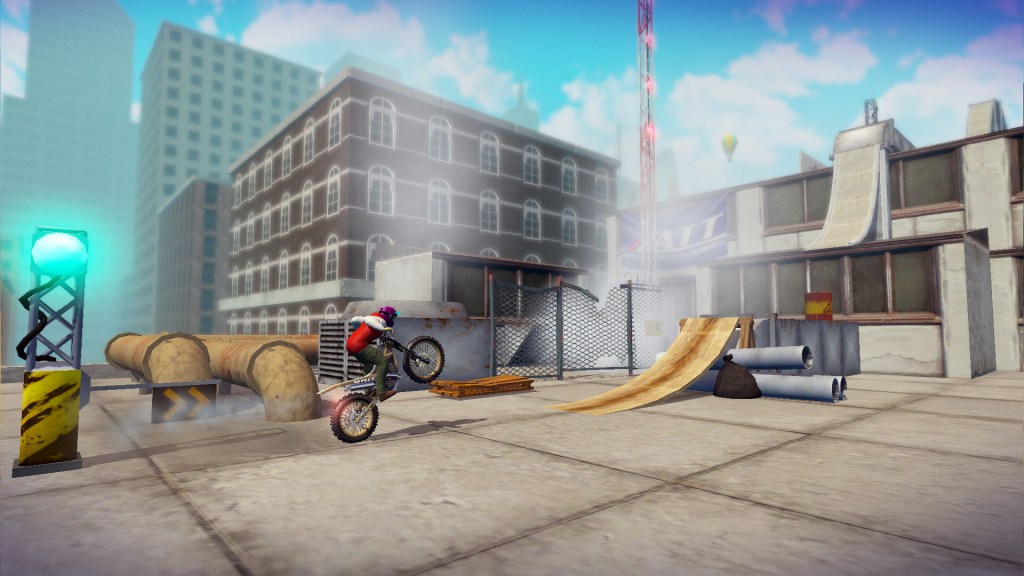
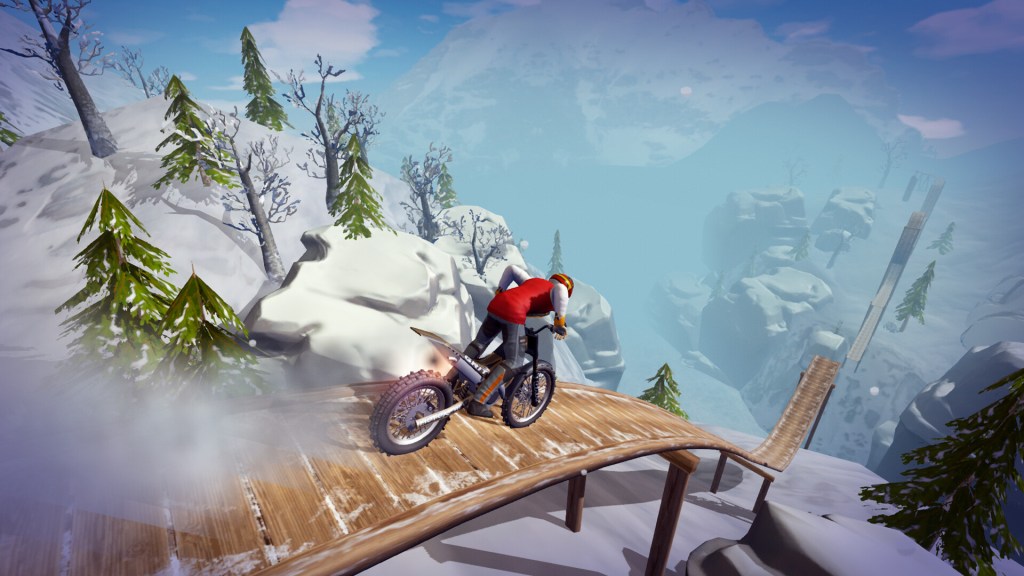
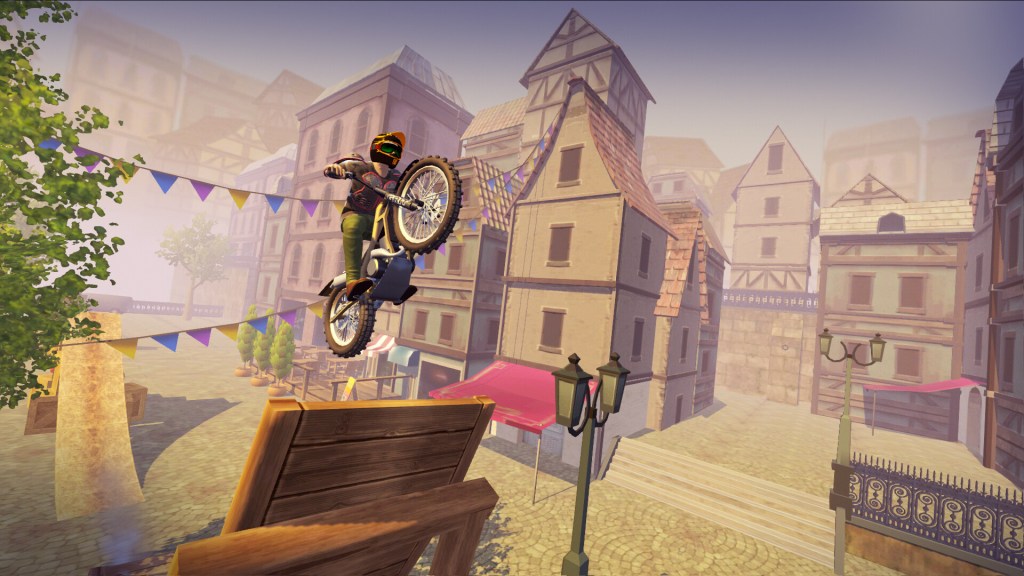
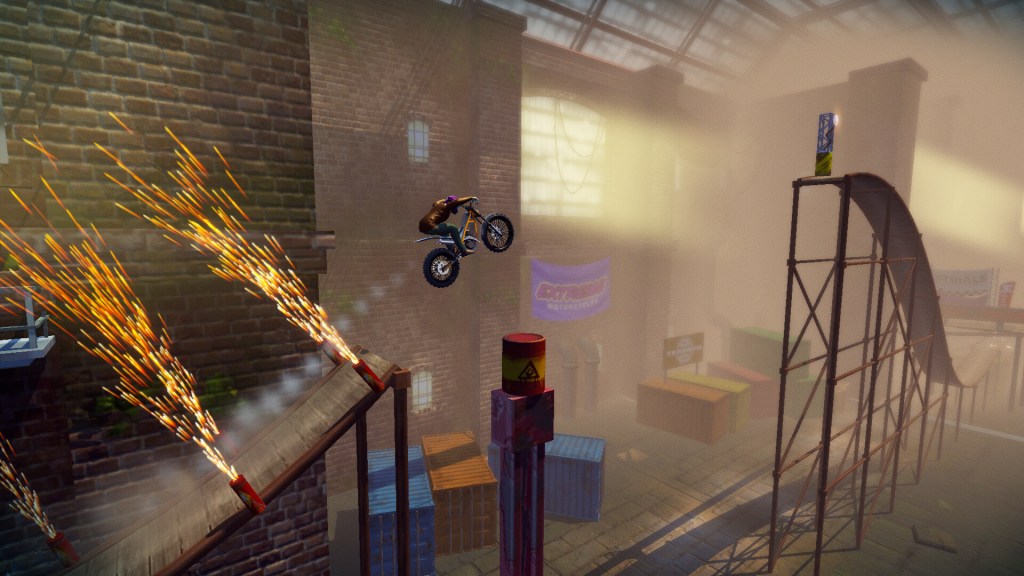

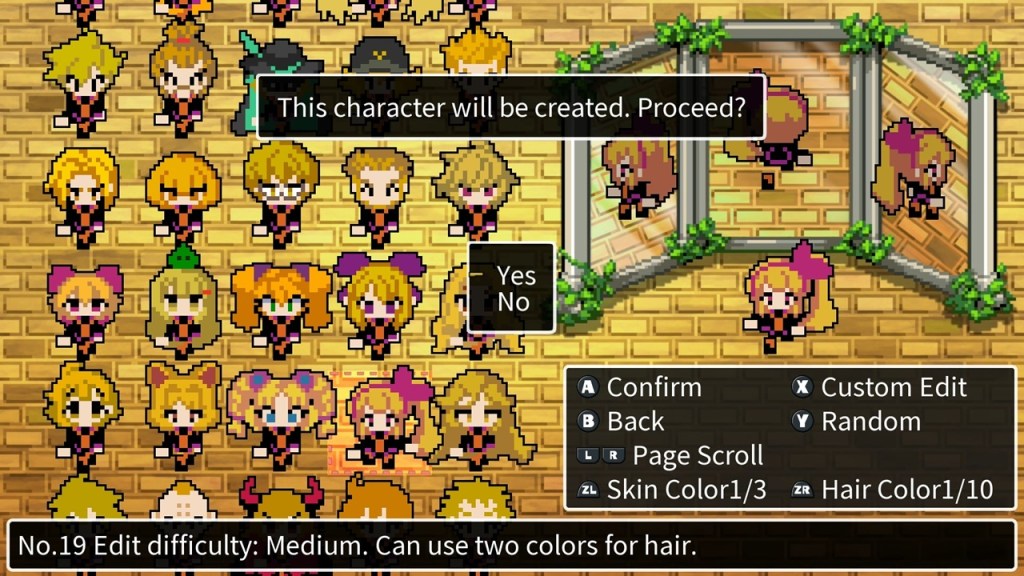
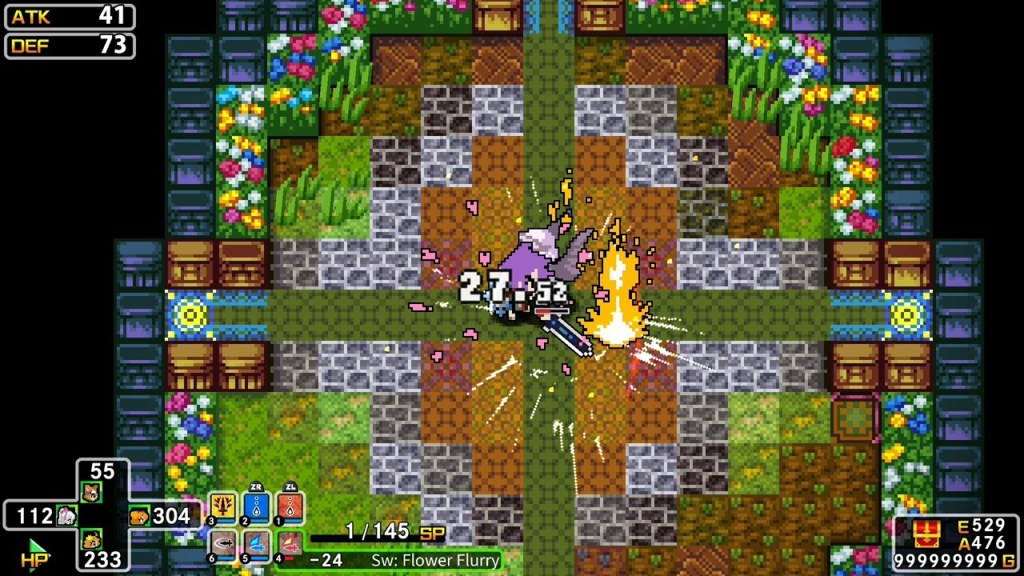

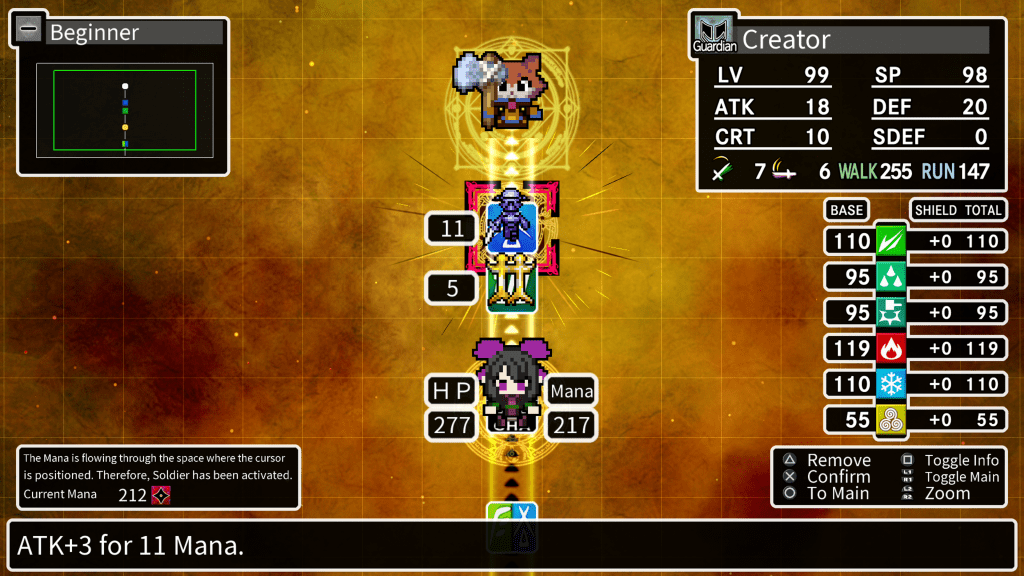


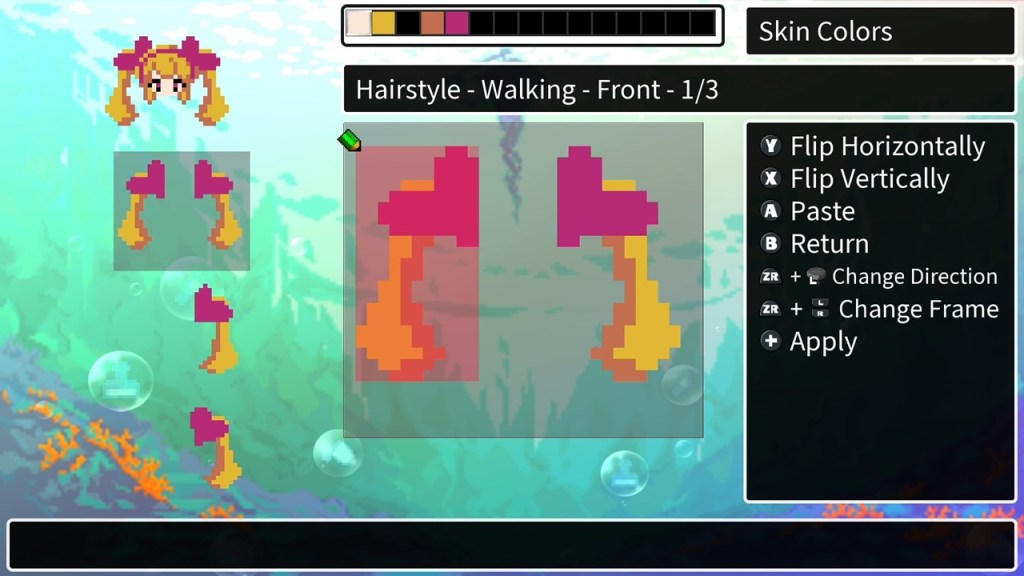
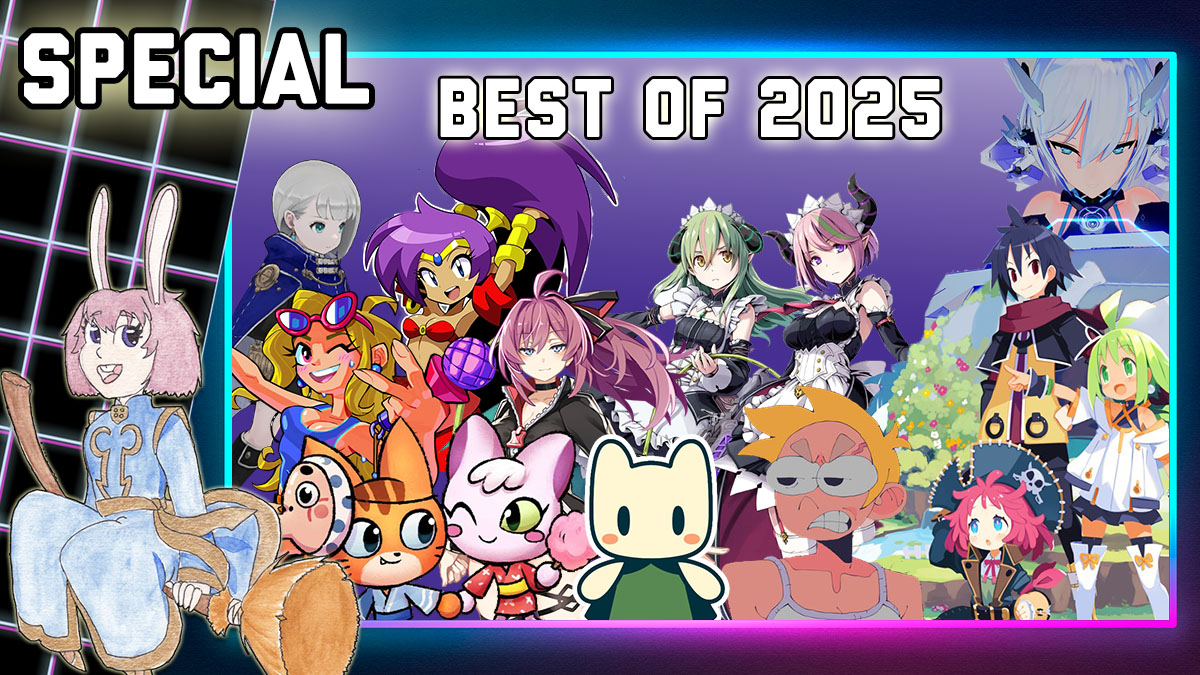
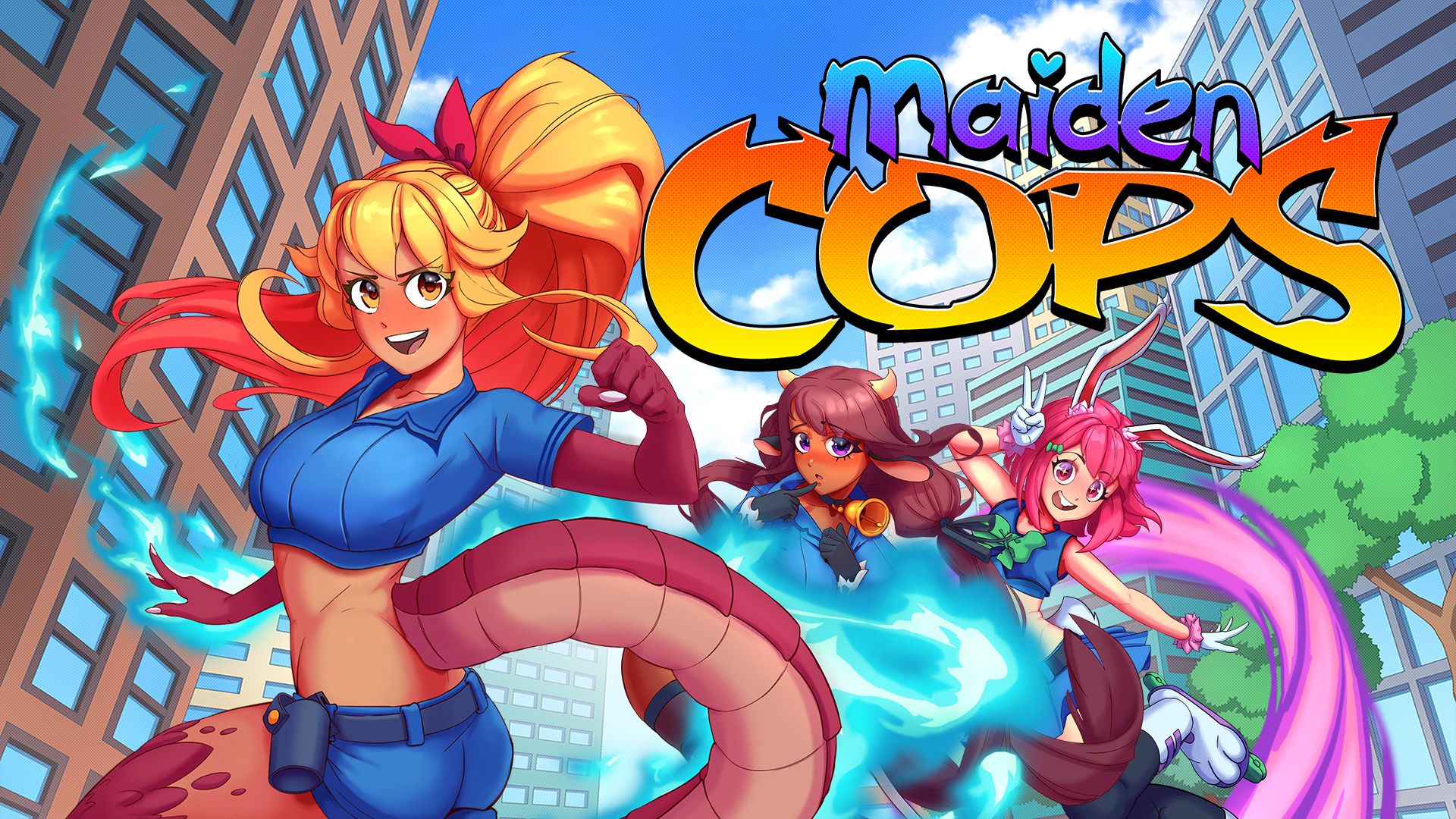
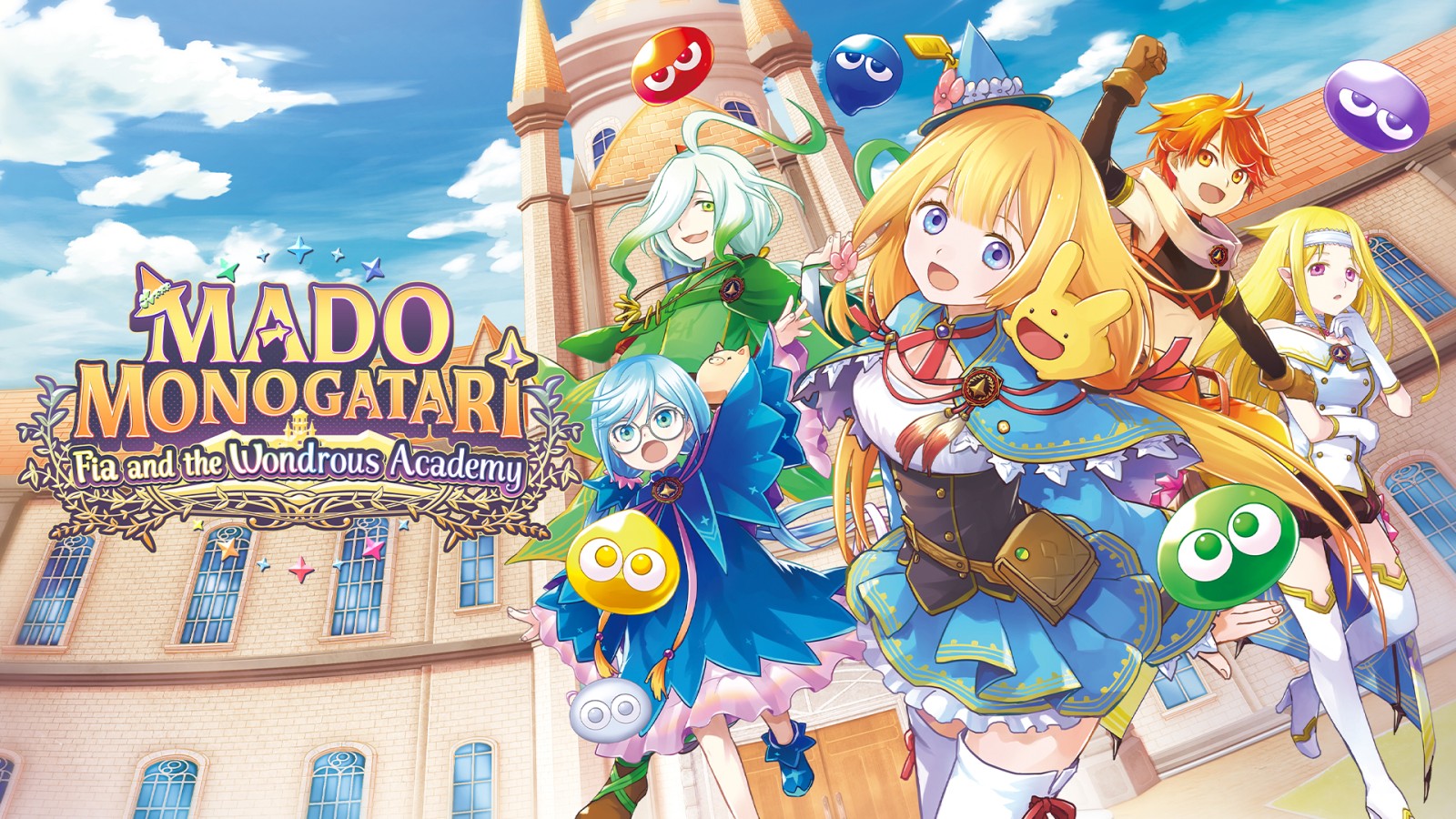

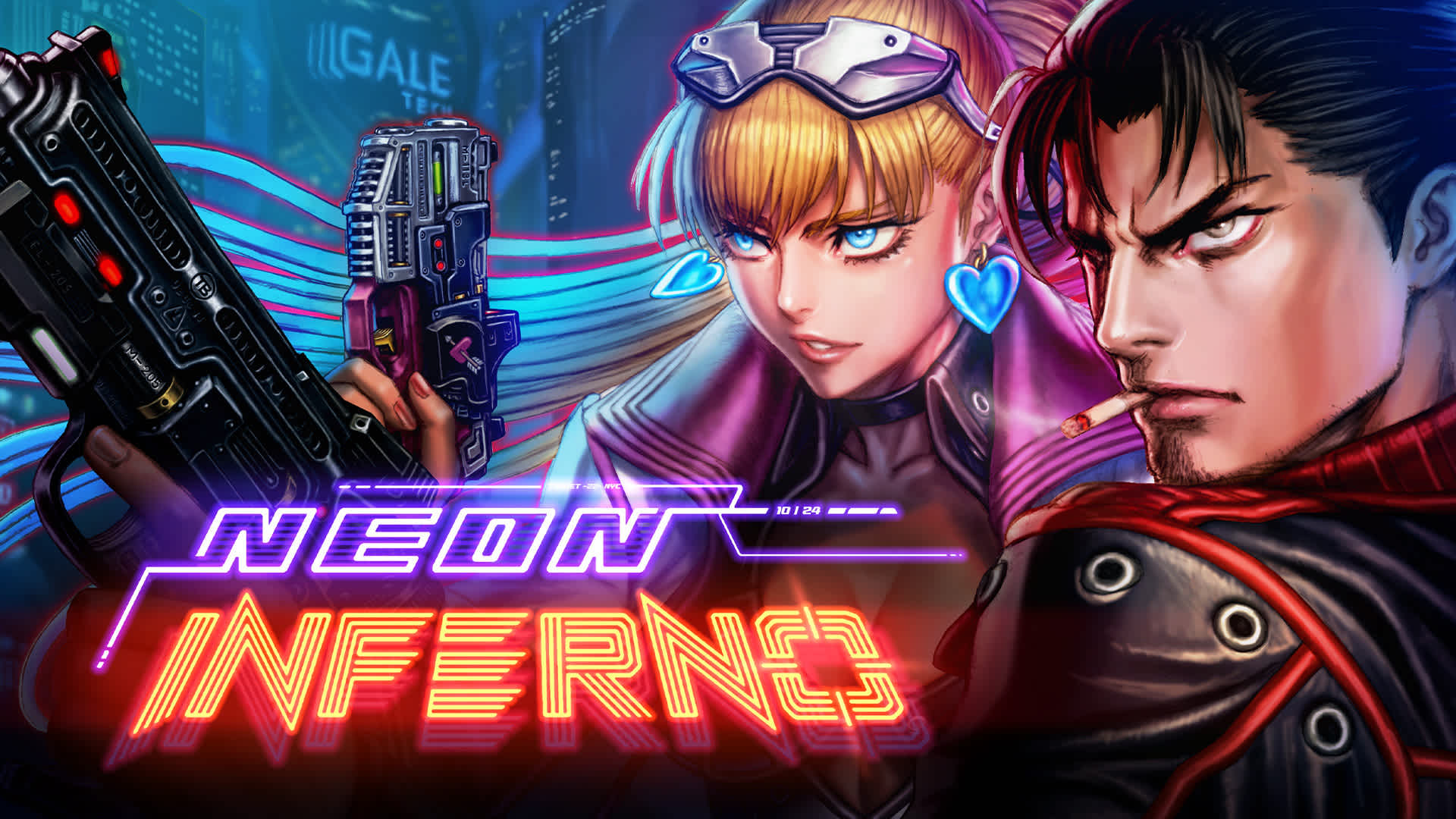


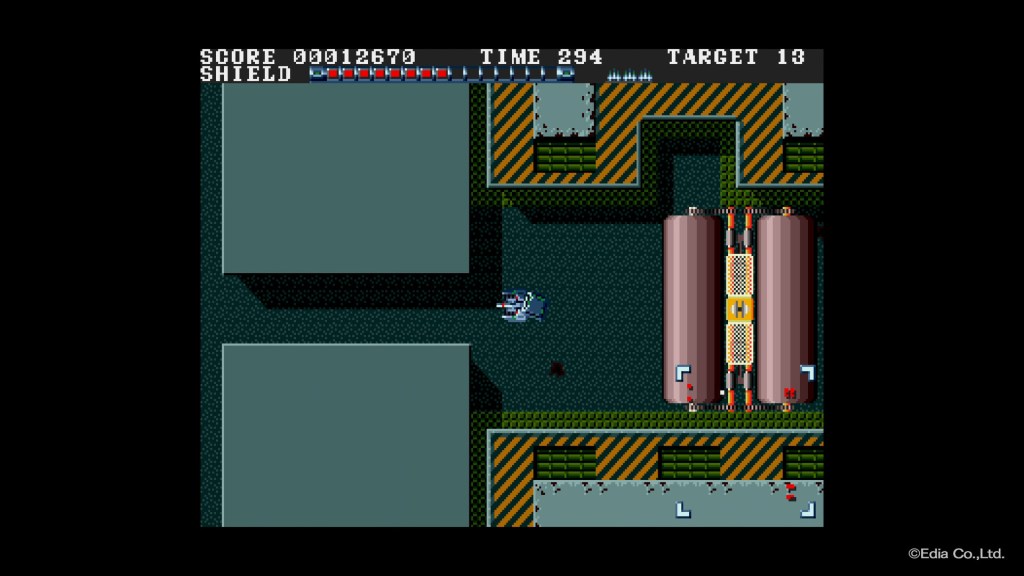
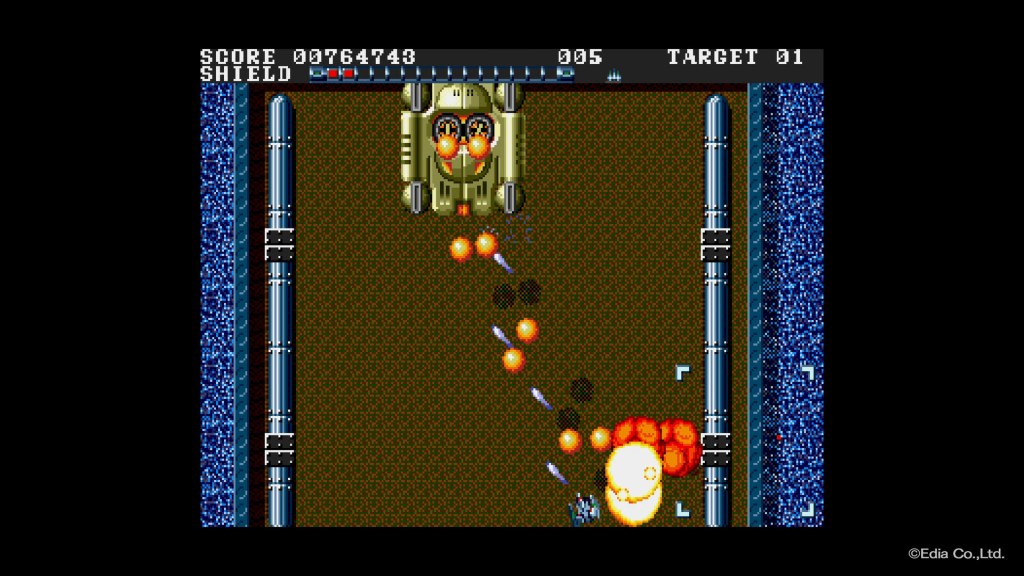
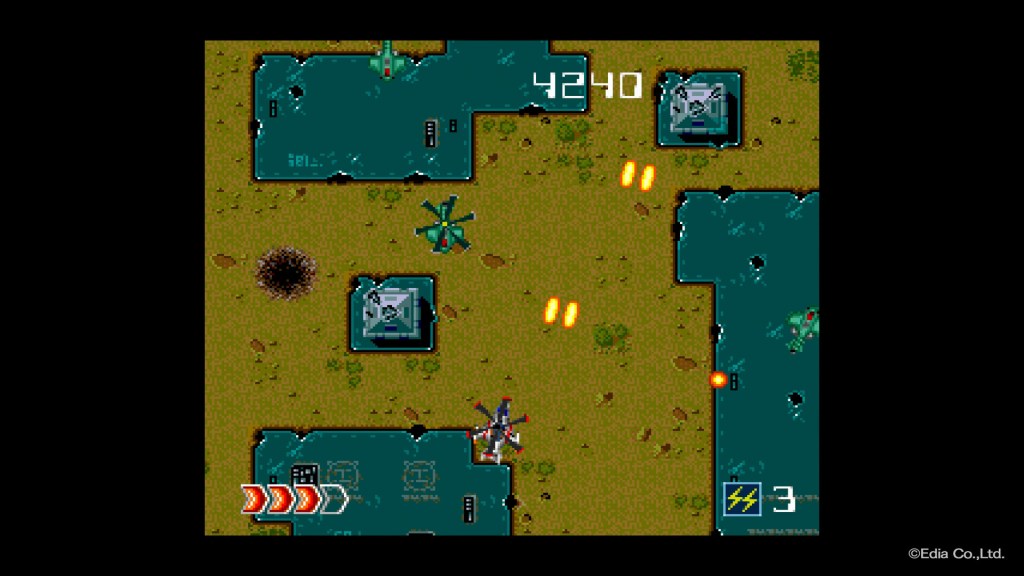
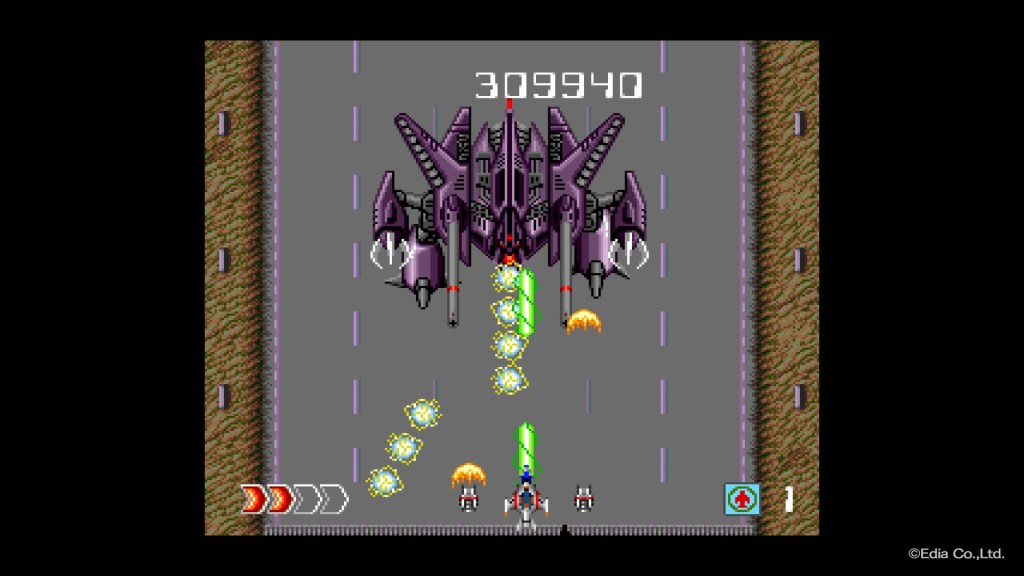
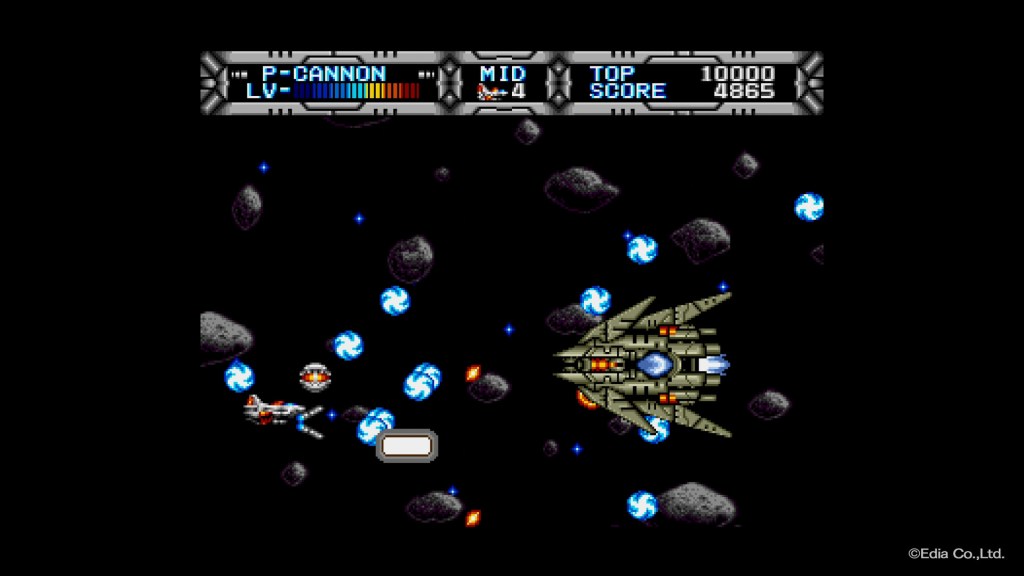
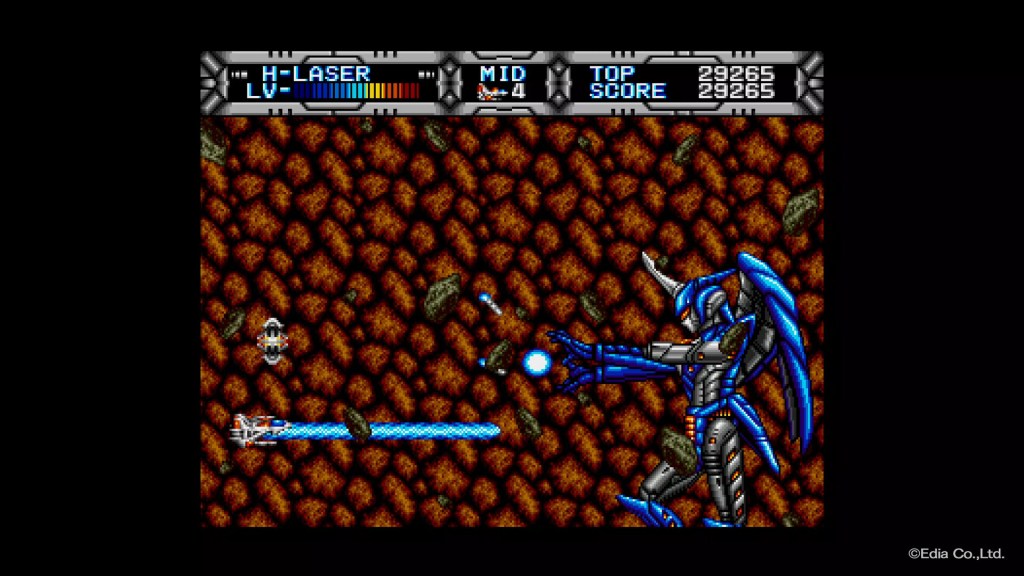


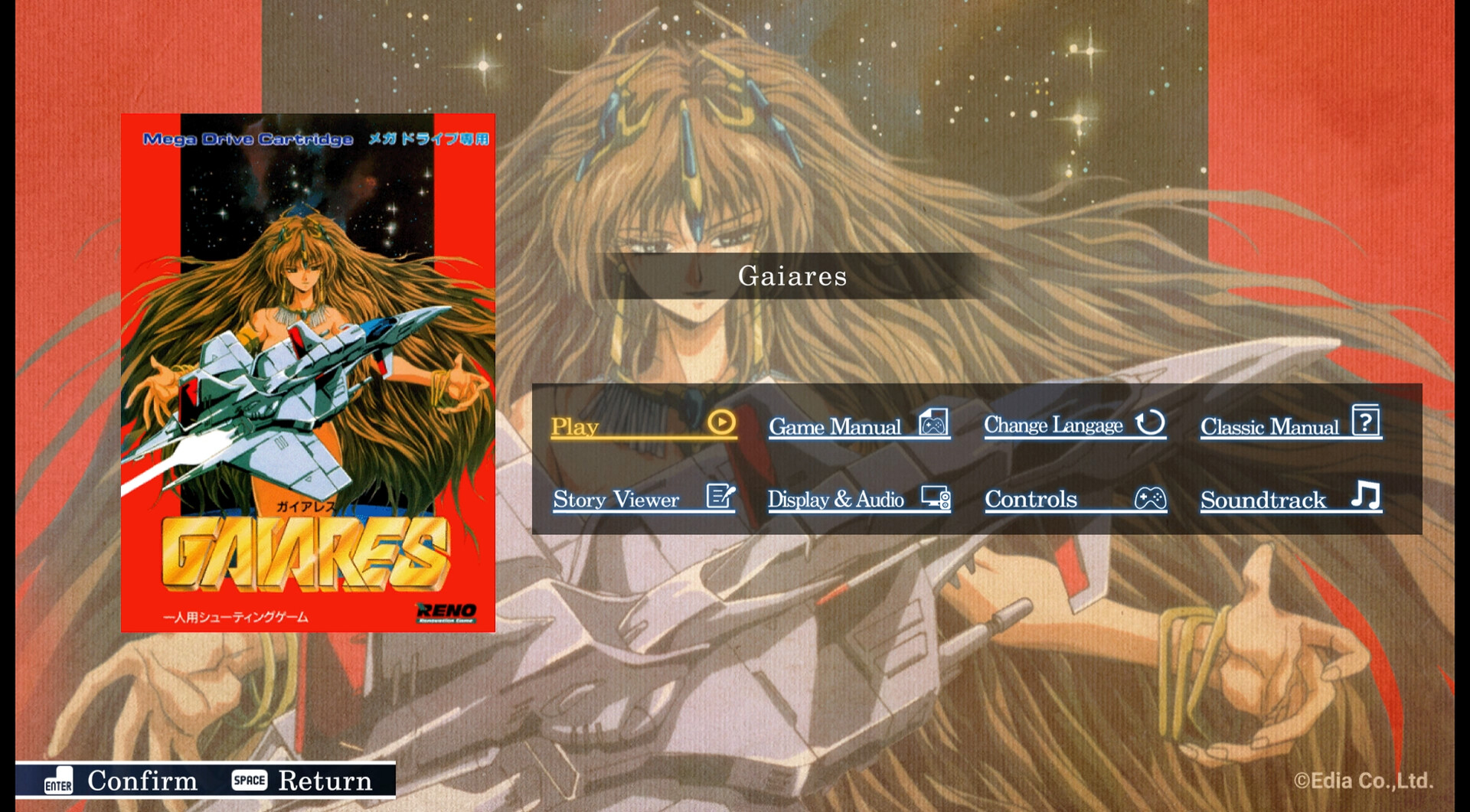


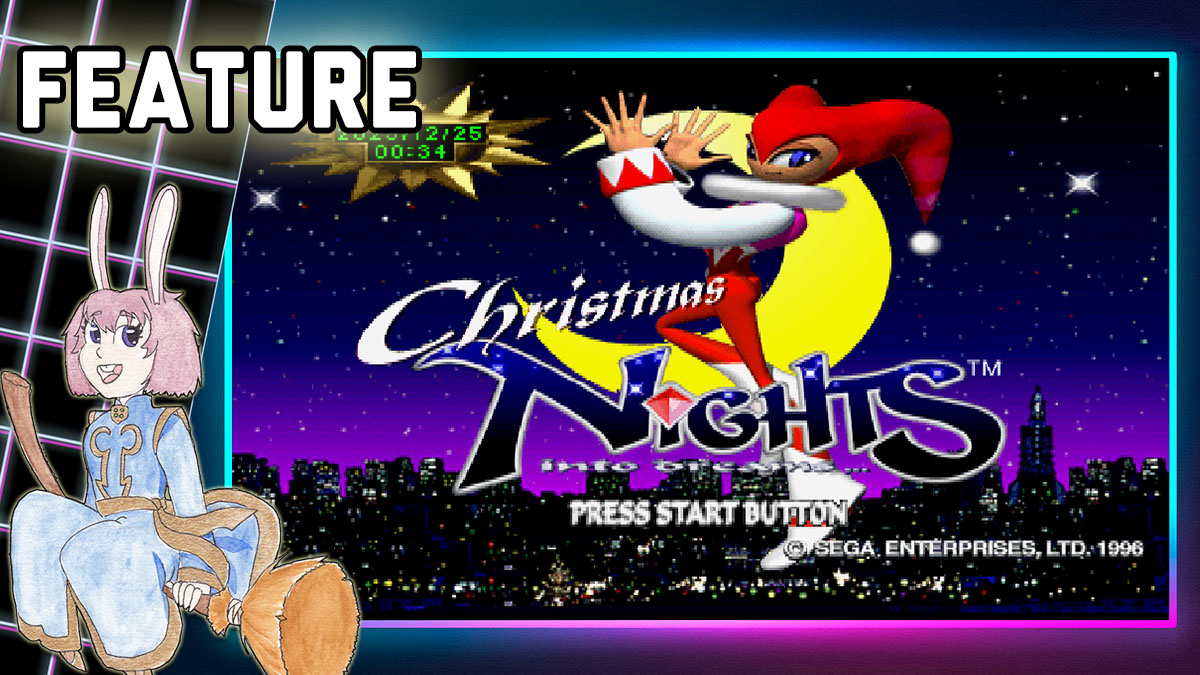
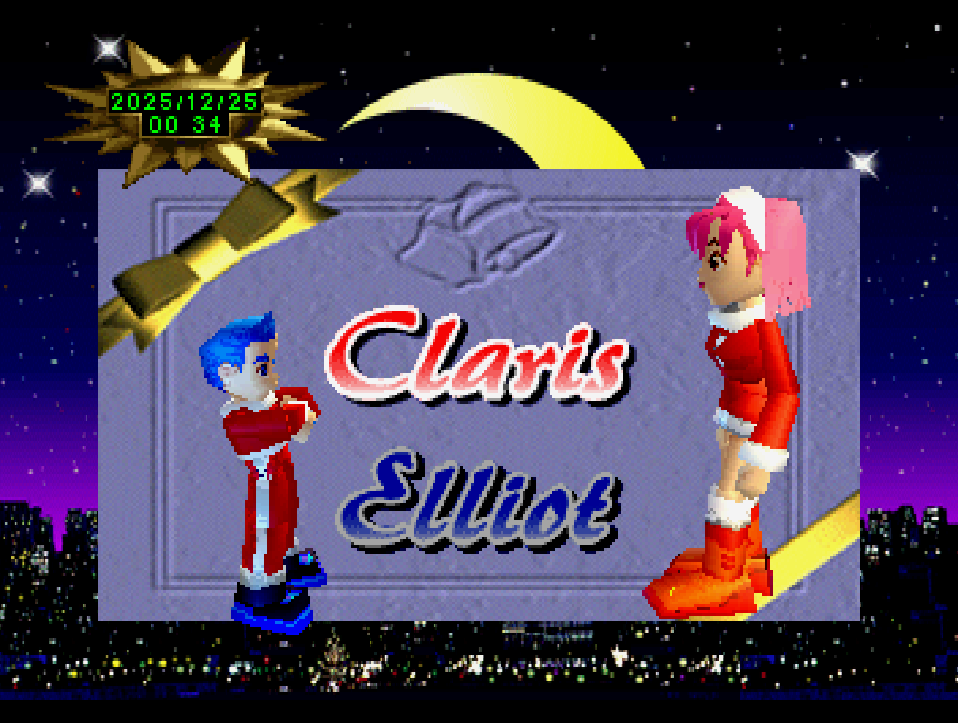
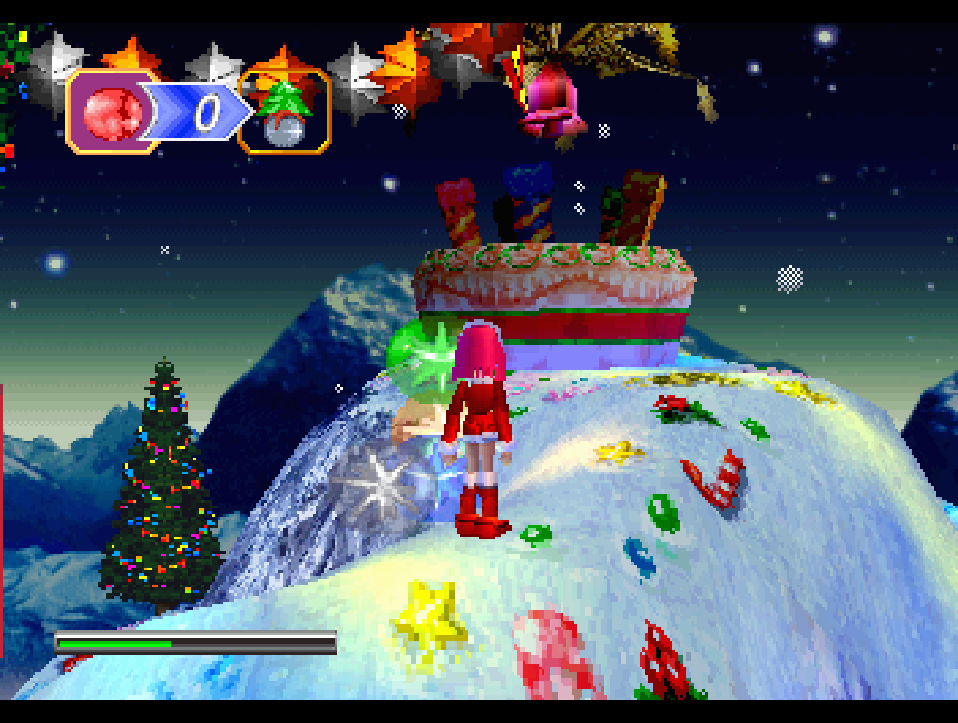
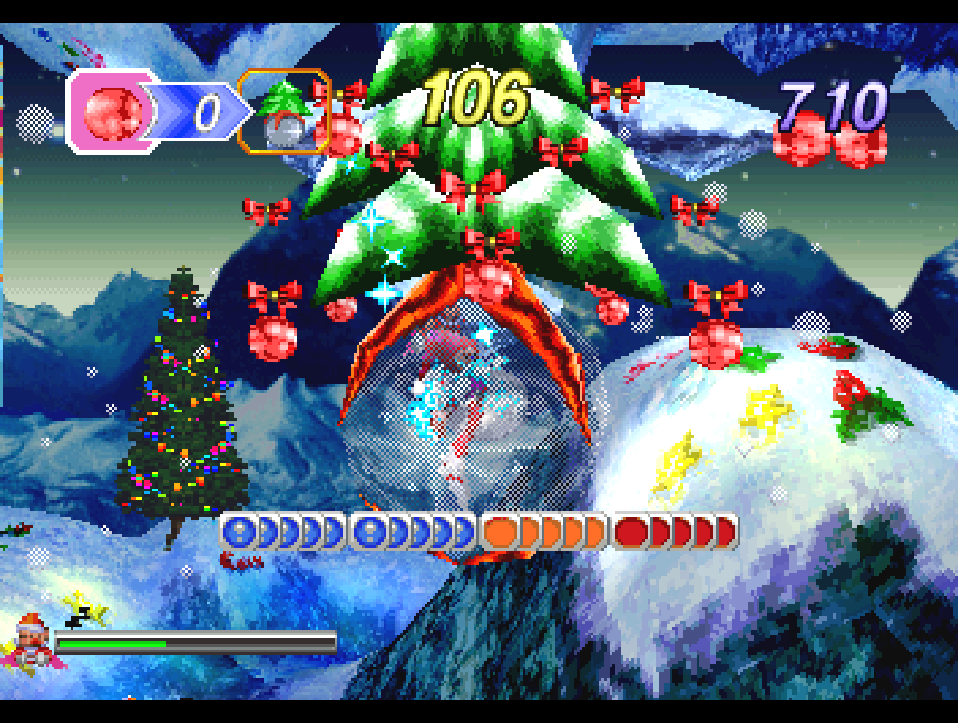

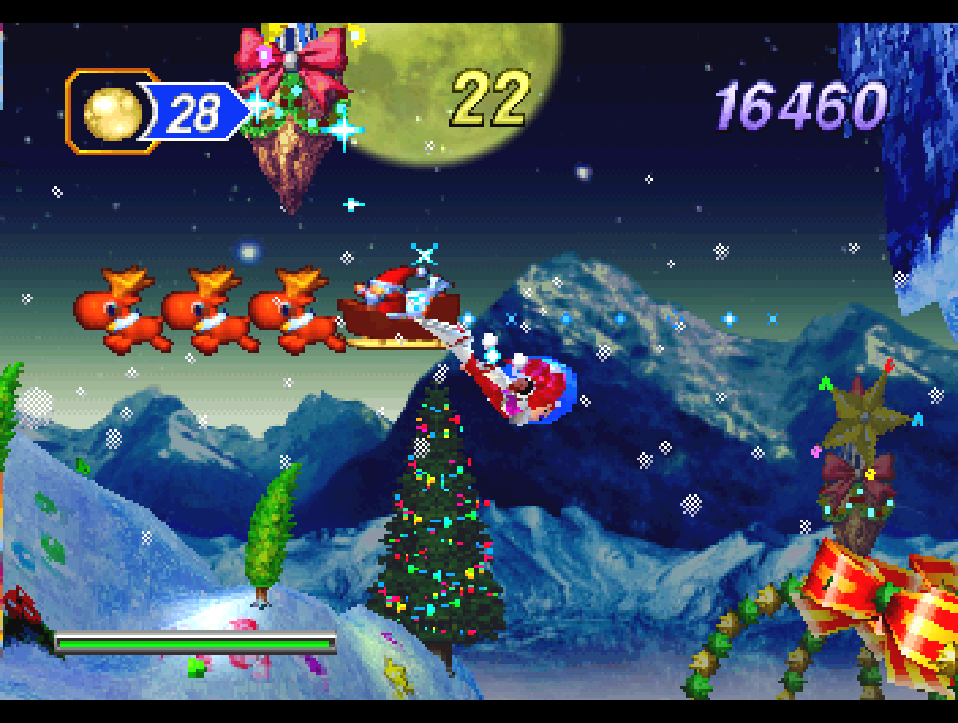

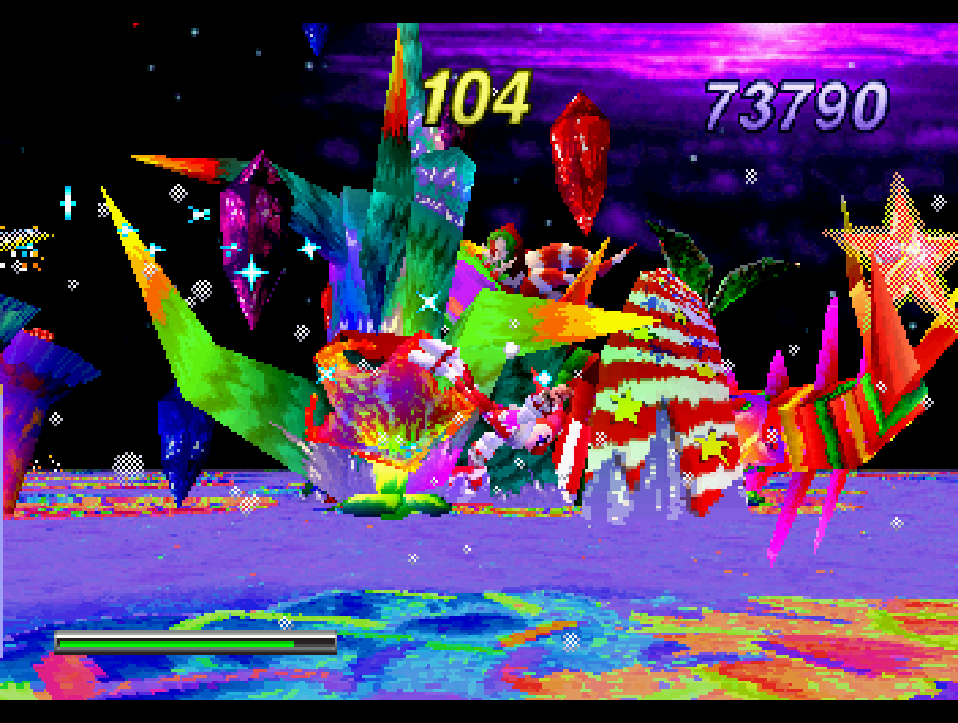
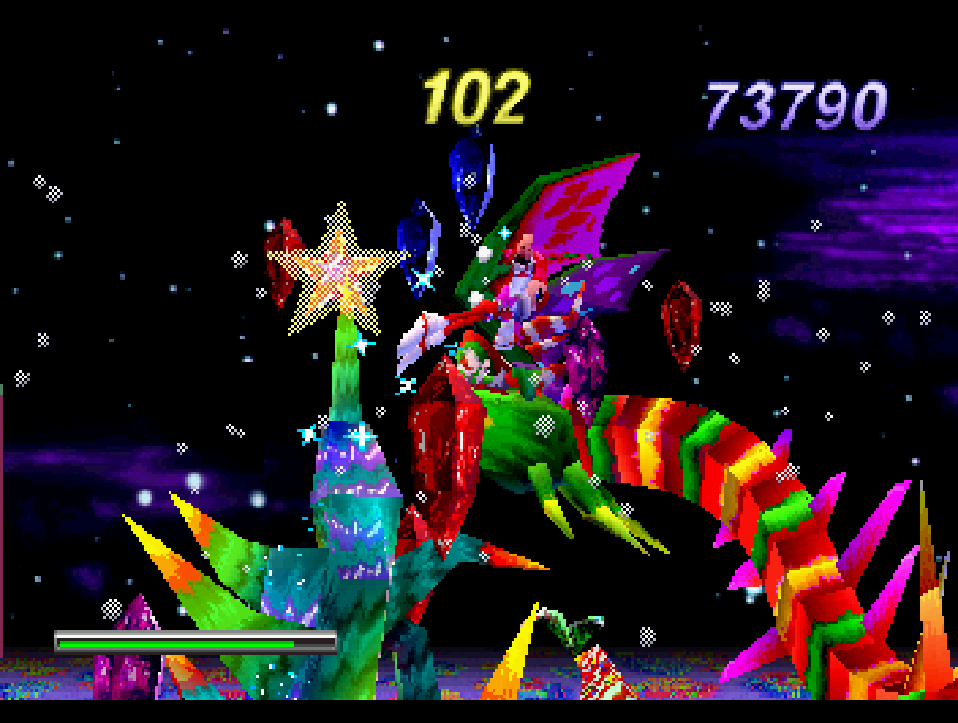
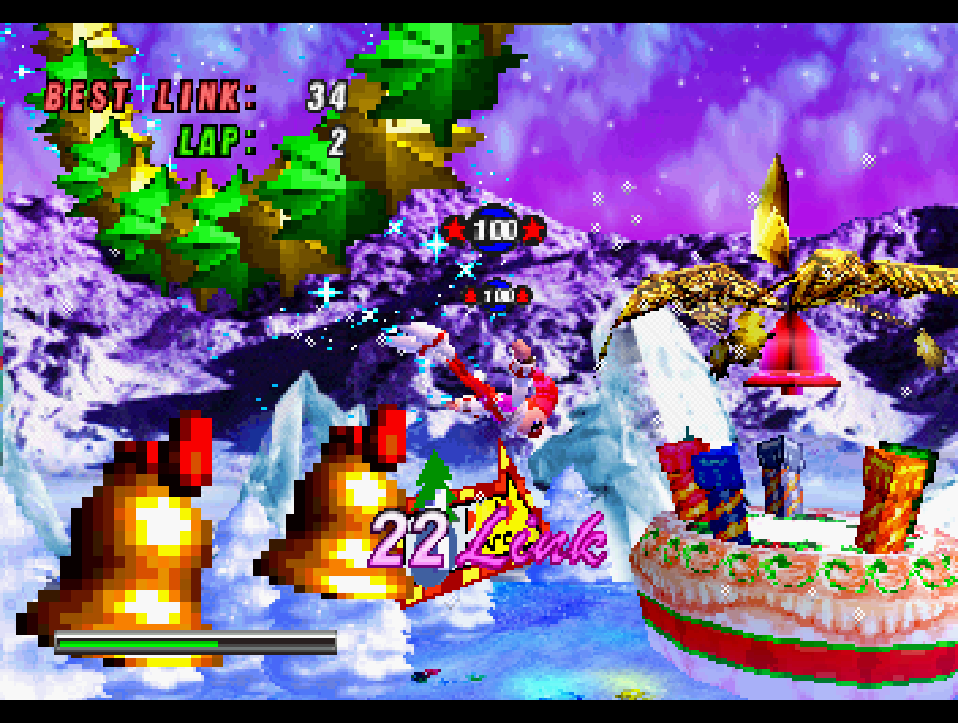
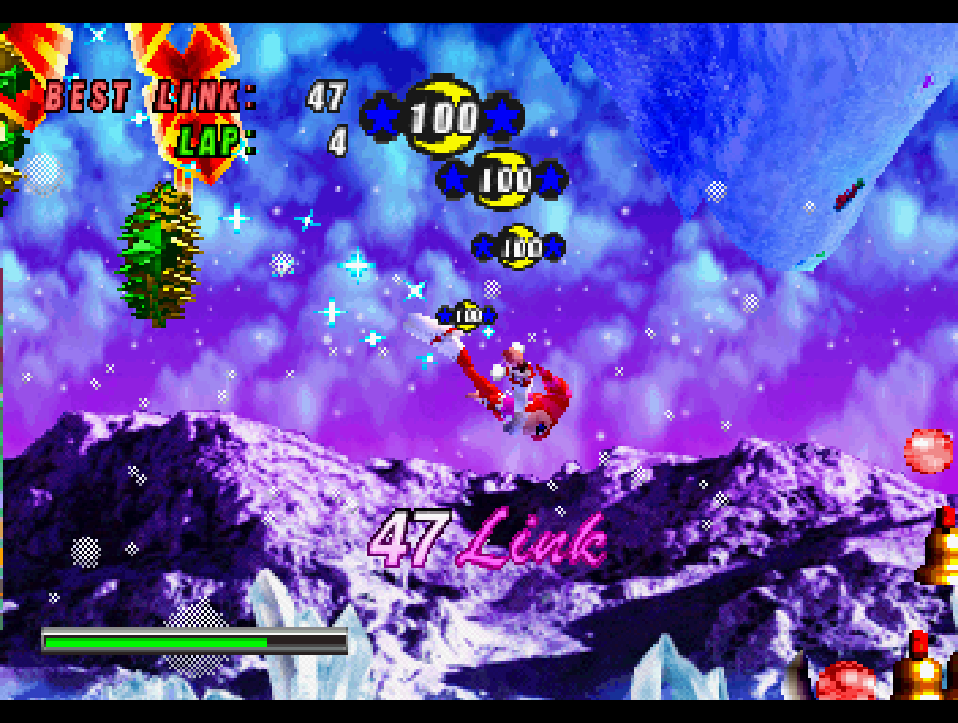



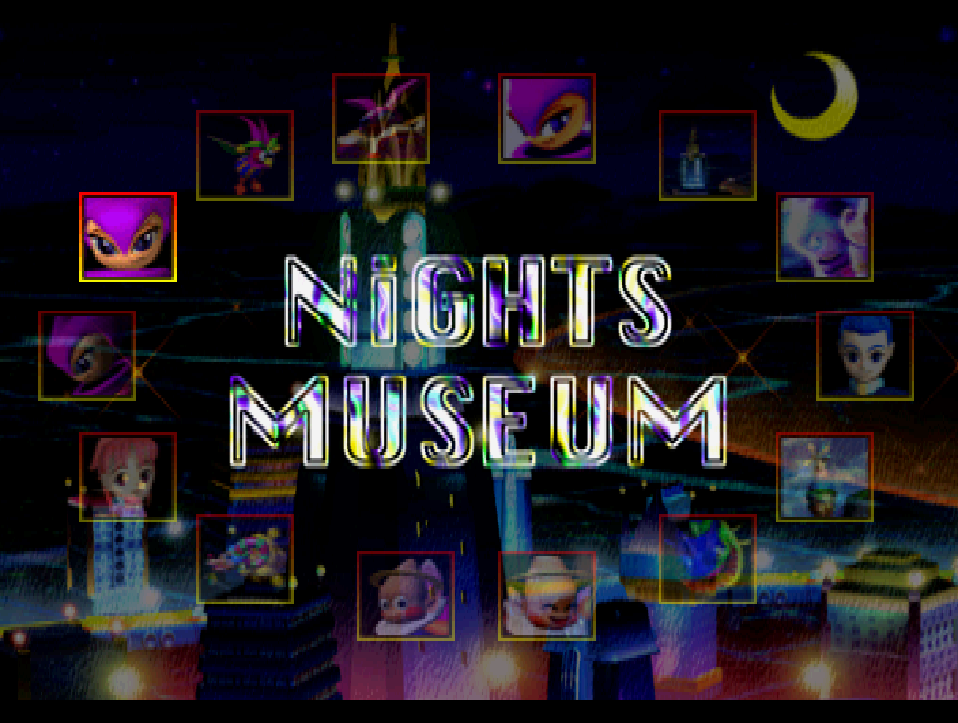
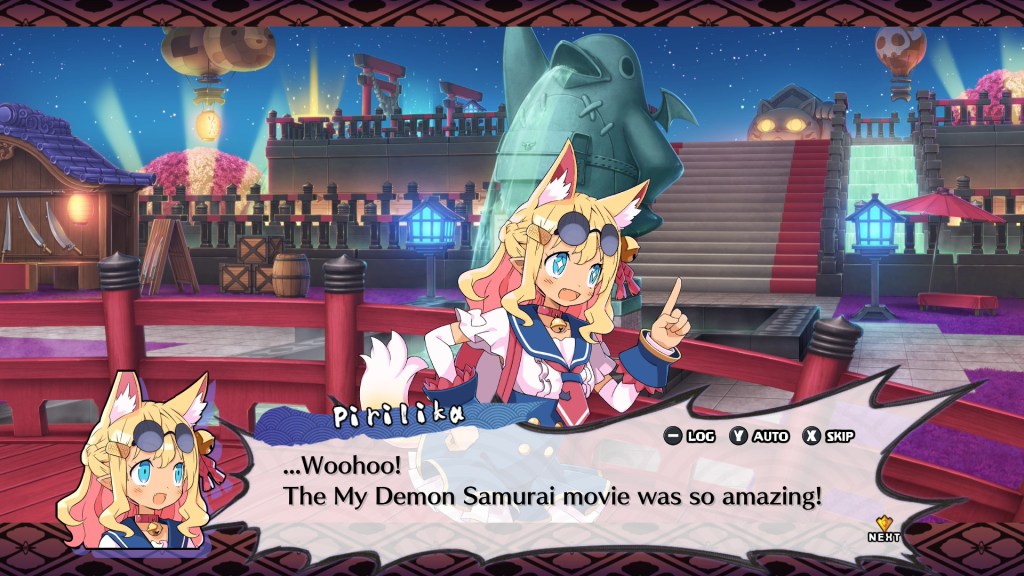
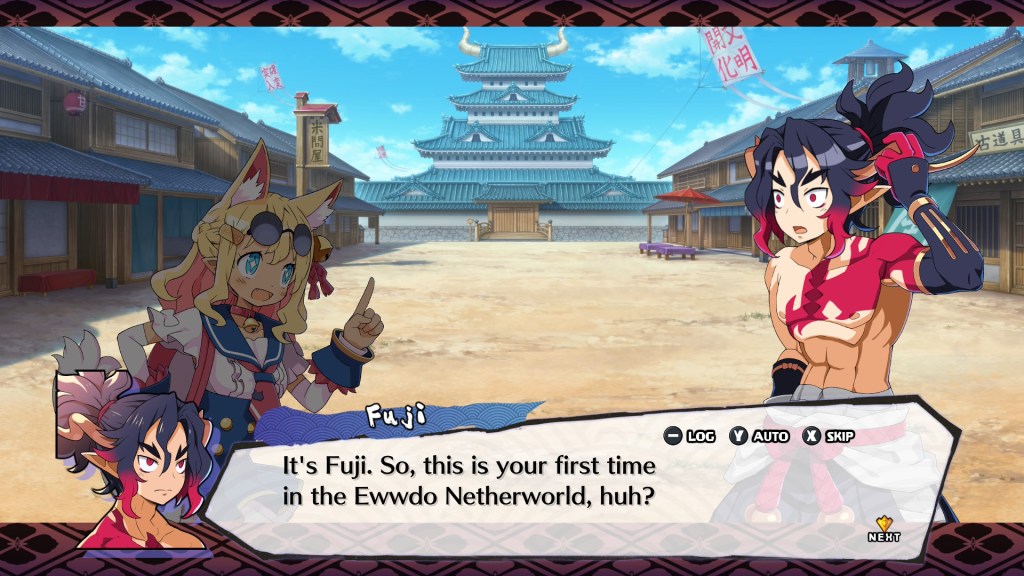
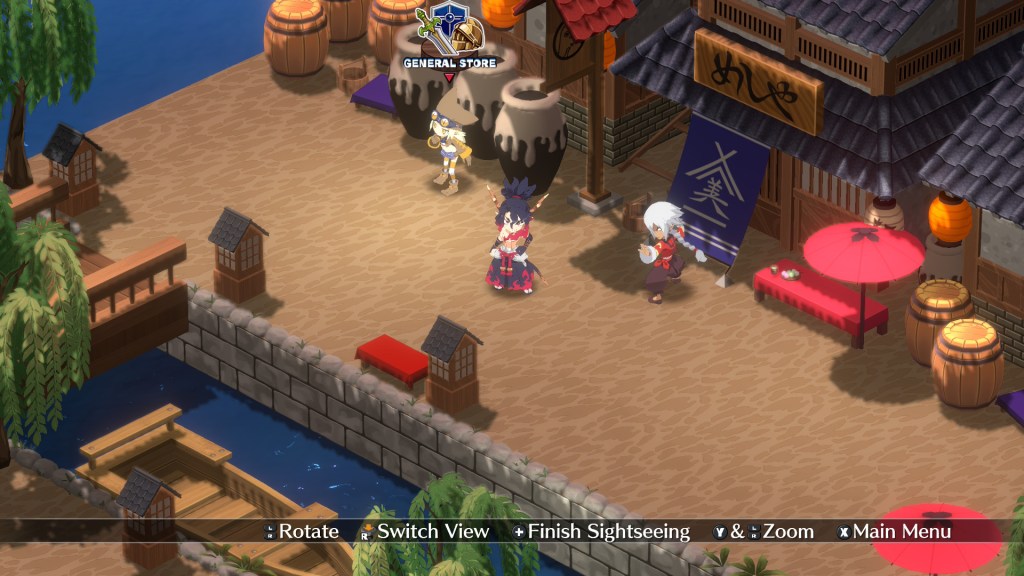

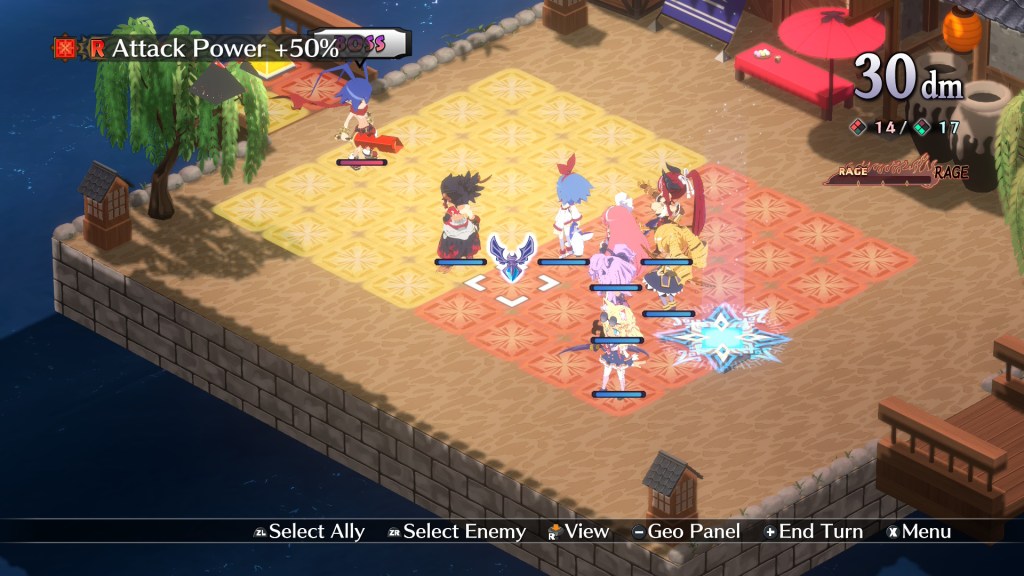


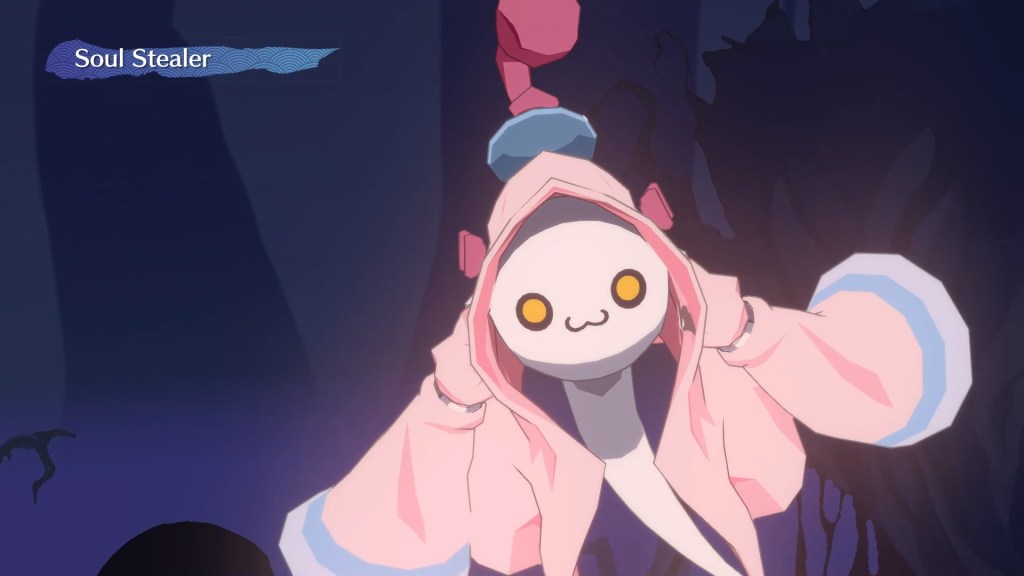
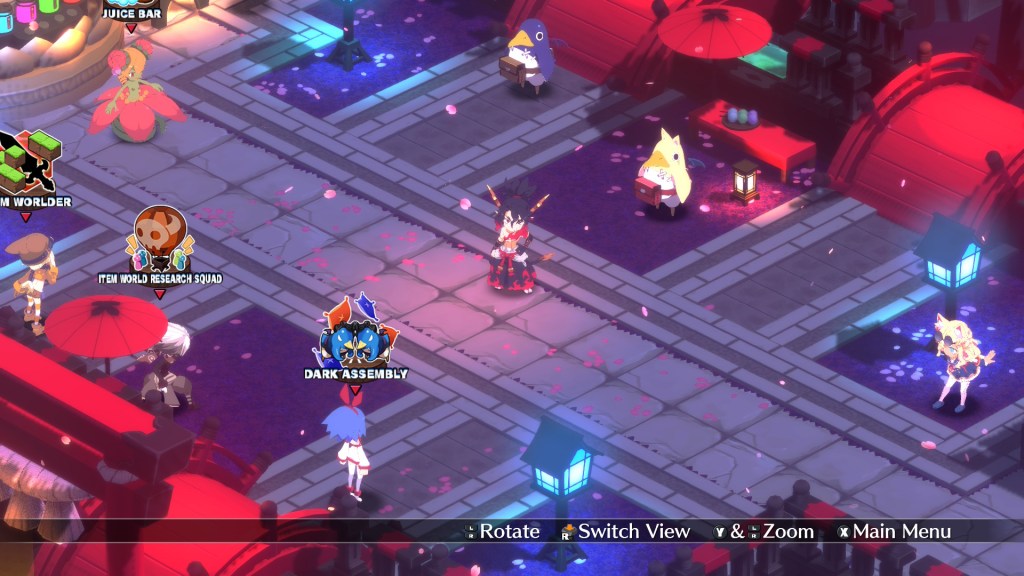


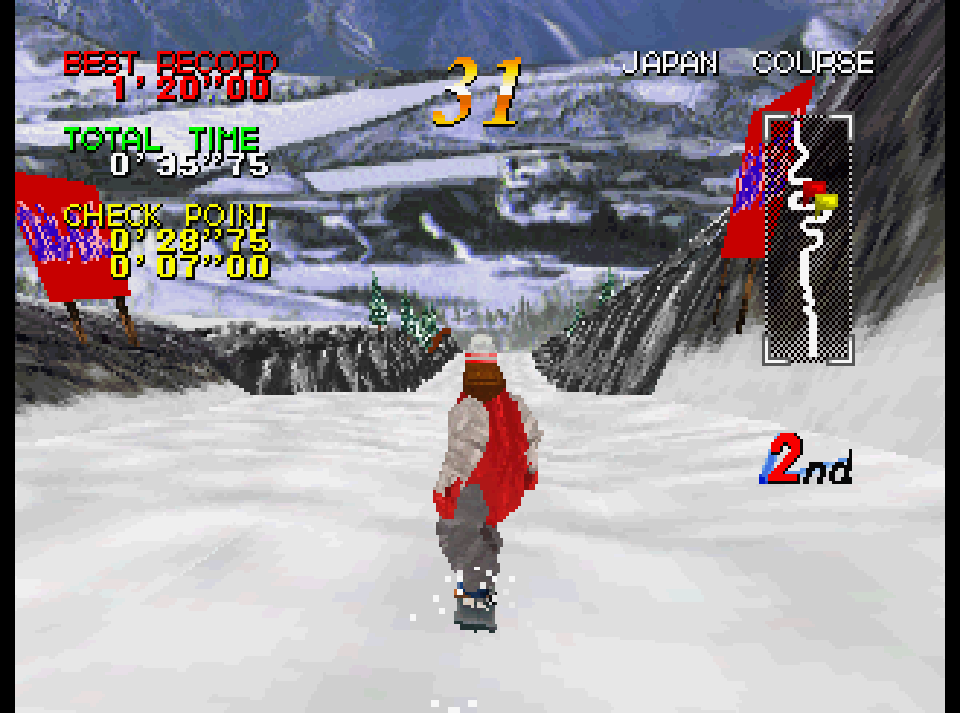

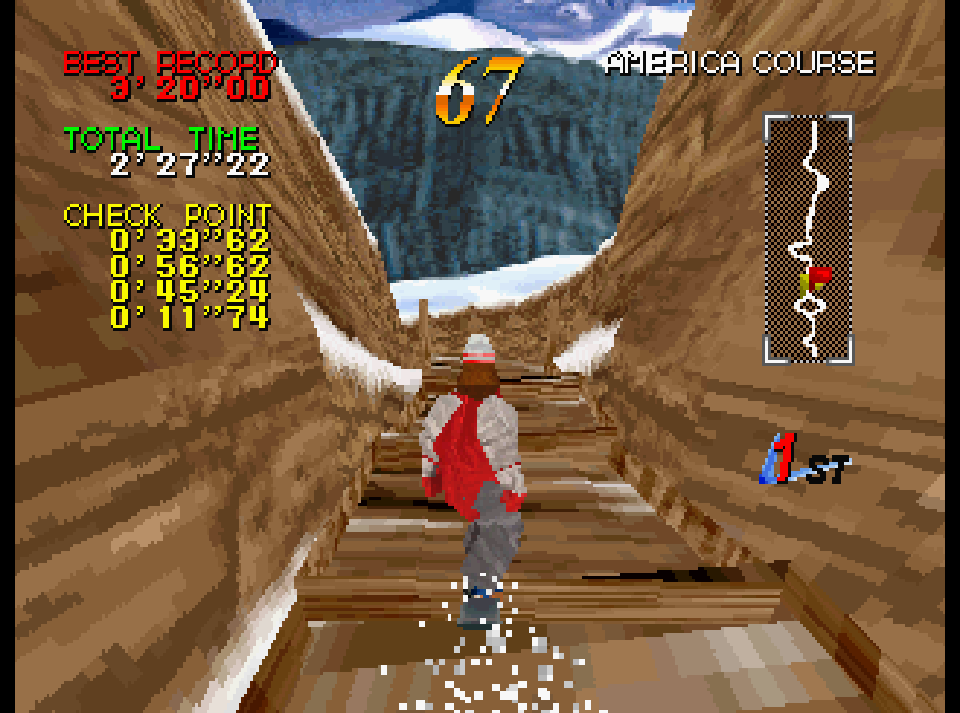
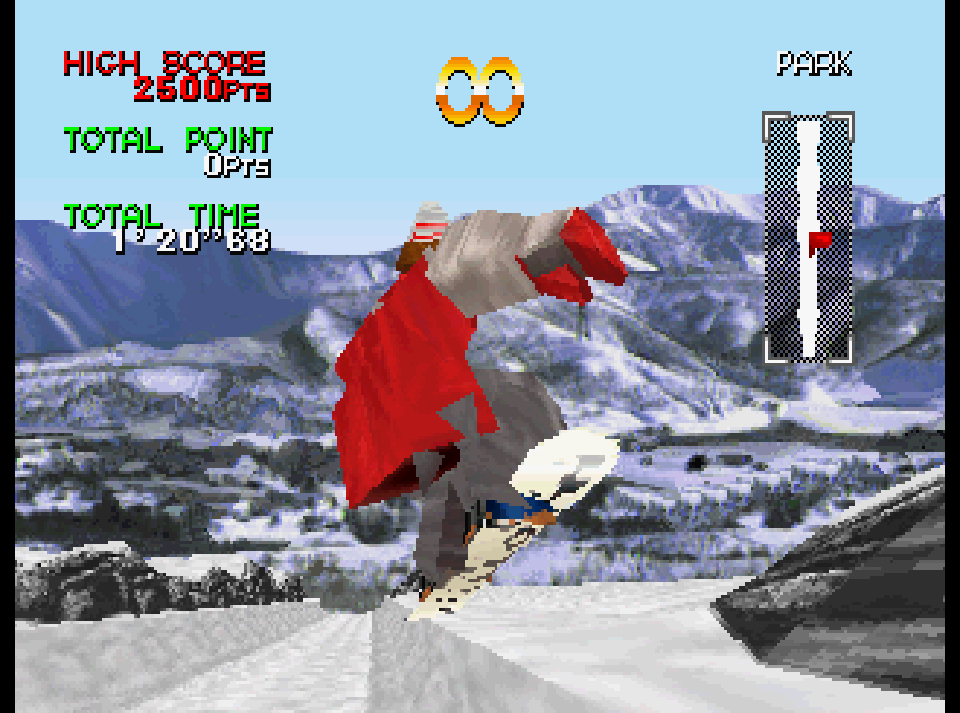
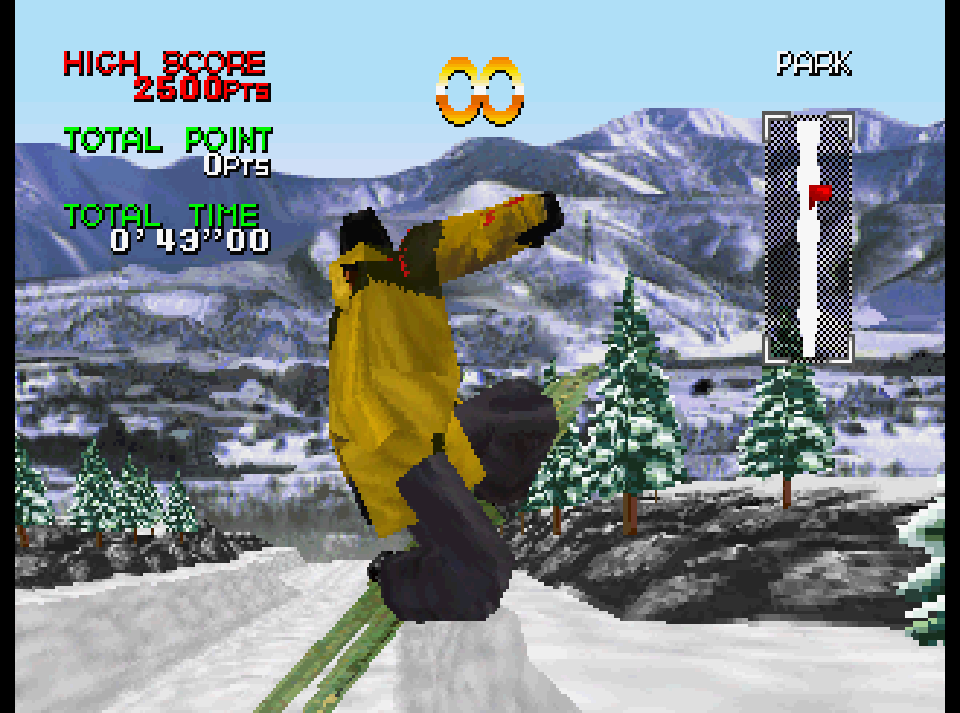



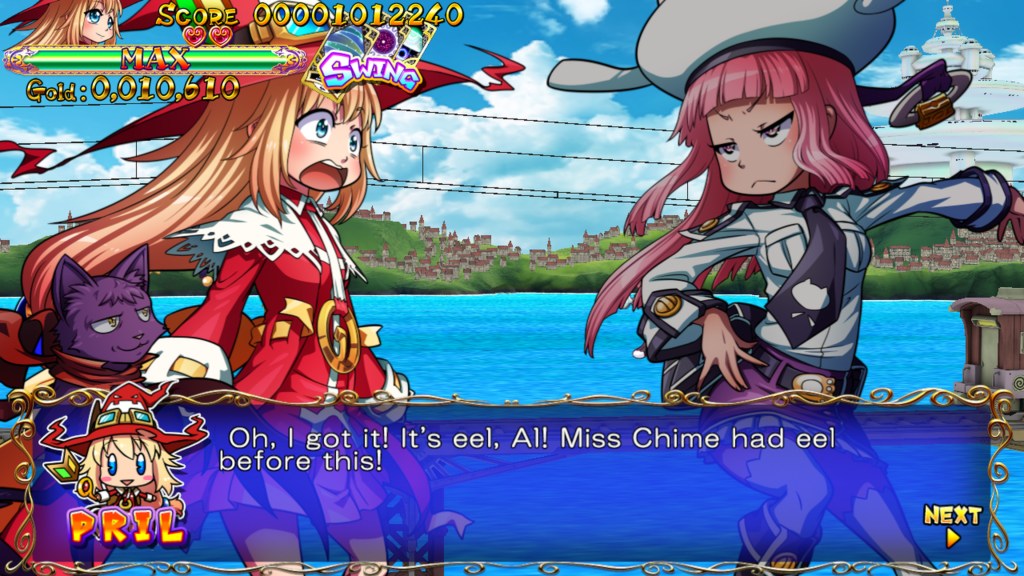

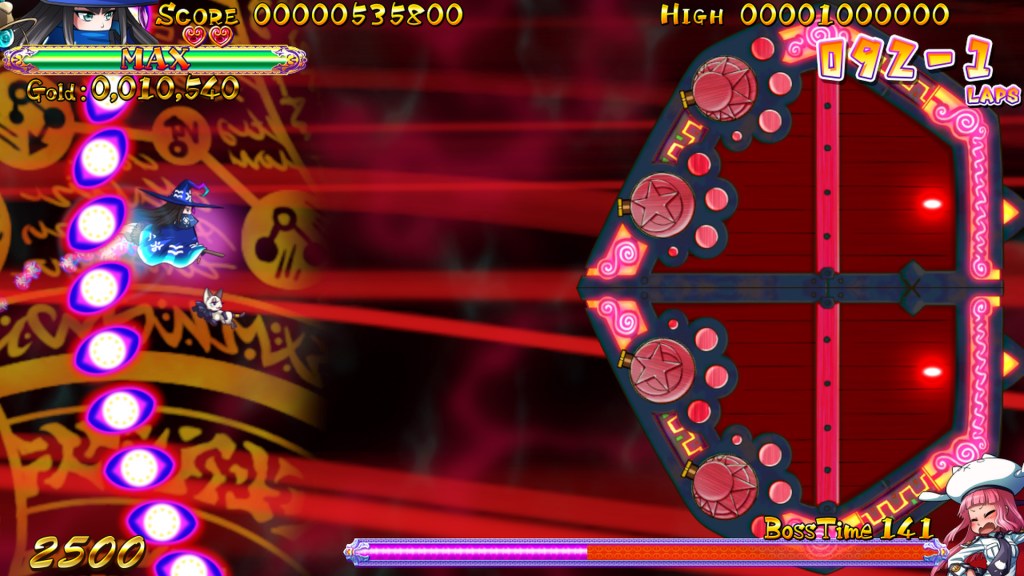


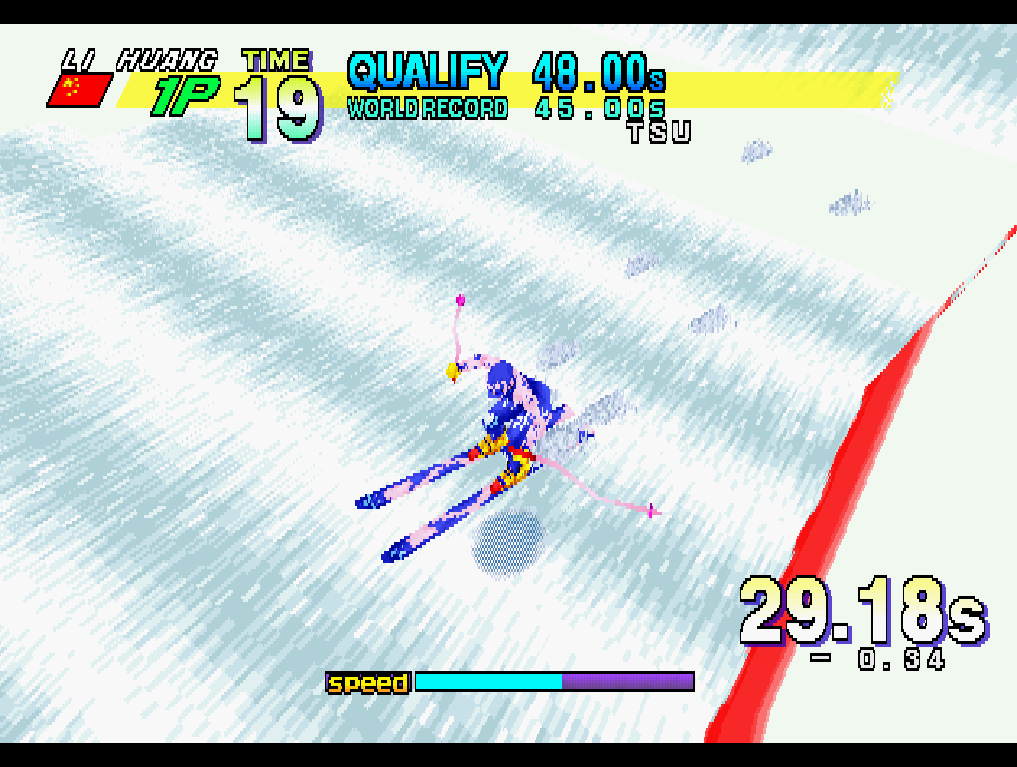


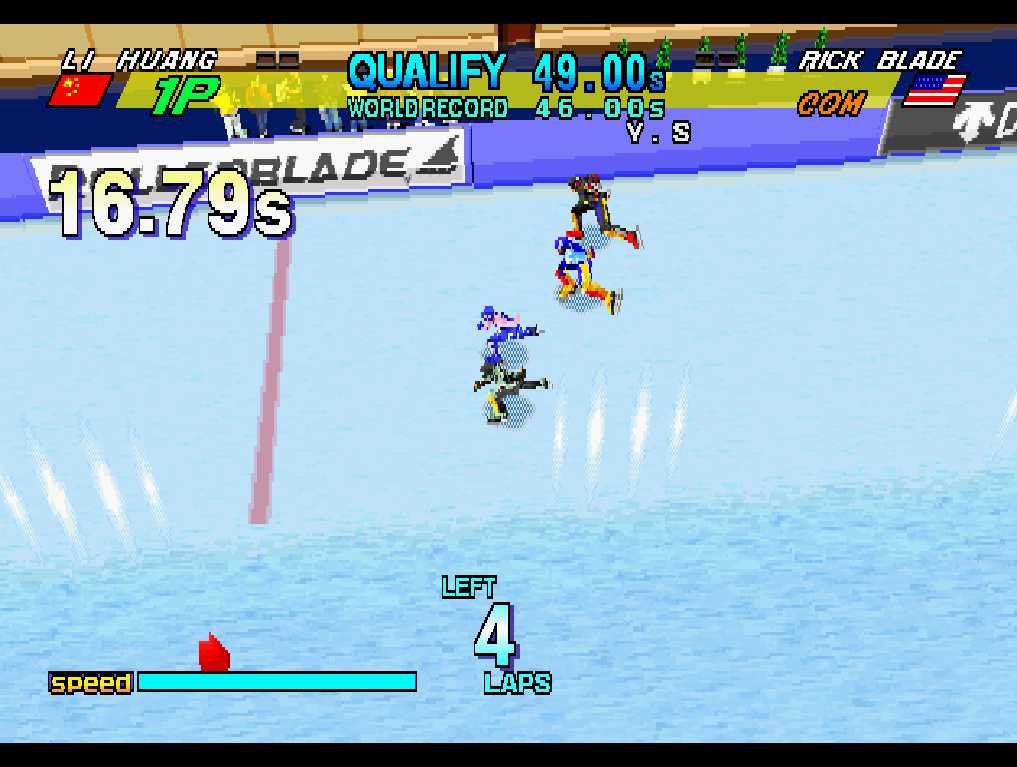




 W.Kohaku Media